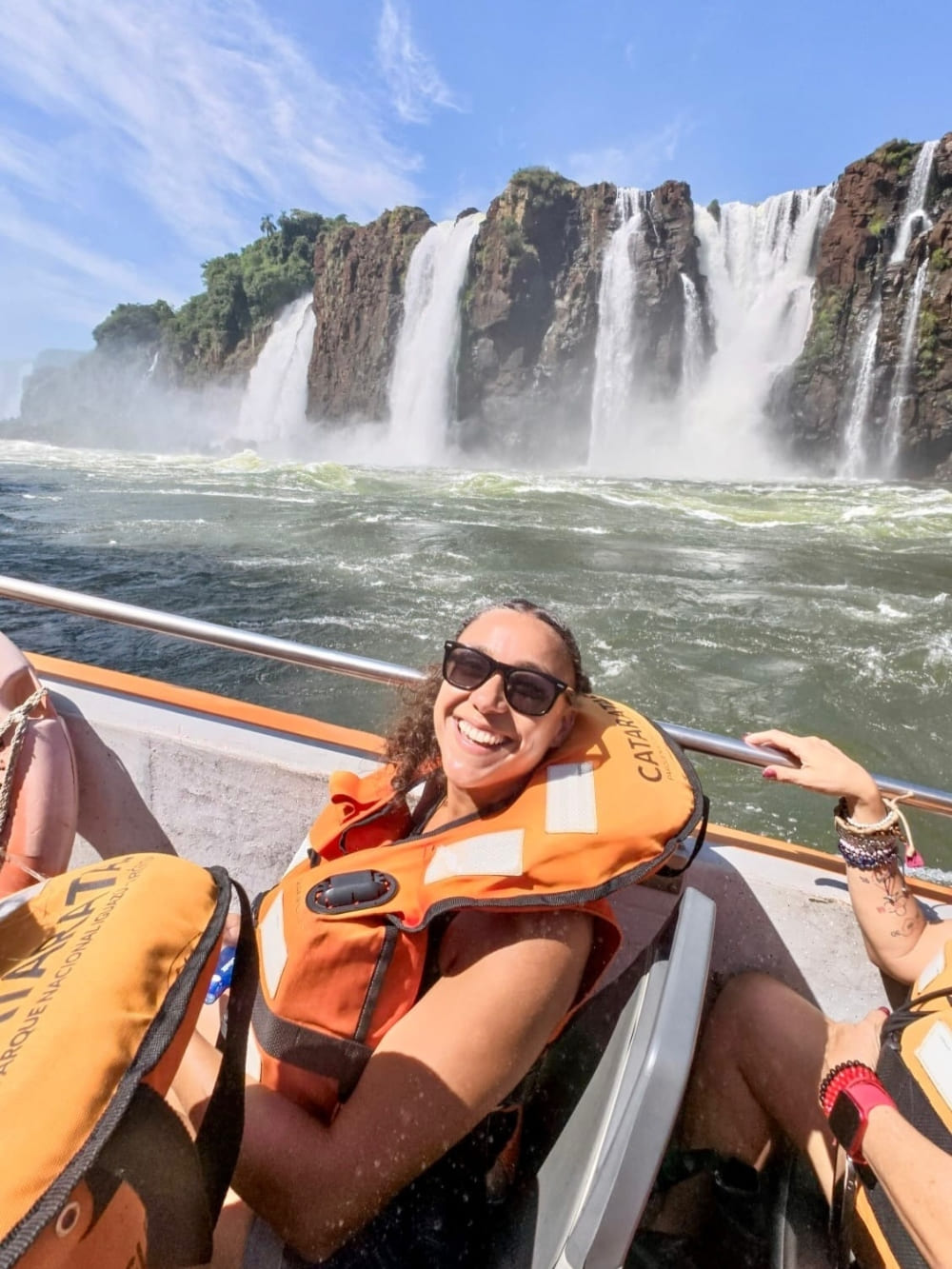
Author: Lucas Planeta Exo

  • National Parks in Brazil Every Nature Lover Should Visit

    National Parks in Brazil Every Nature Lover Should Visit

    National parks are important to protect nature, but they also offer amazing ecotourism experiences that can attend to travelers’ every adventure need

    Essential for the preservation of ecosystems of great ecological relevance and scenic beauty, Brazil’s seventy-five national parks are also important assets for scientific research, environmental education, and non-exploitative ways to connect with nature—which directly affects ecotourism.

    While Tijuca (Rio de Janeiro) and Iguazu (Paraná) parks are the country’s most visited—attracting 4.6 and 2 million visitors every year, respectively—there are other incredible national parks in Brazil that offer terrific experiences for travelers who can’t get enough of outdoor activities.

    If you’re a nature aficionado, then you should definitely explore Brazilian national parks! PlanetaEXO, an ecotourism platform specializing in adventure tours in Brazil, has put together a list of remarkable off-the-beaten-path destinations. Check it out below!

    1 – Chapada Diamantina National Park (BA)

    Chapada Diamantina National Park (total area: 152,000 ha), in the state of Bahia, is one of Brazil’s main destinations for adventure travel. With gorgeous waterfalls (Fumacinha, Buracão, Sossego, Mixila, etc.), natural wells, lookouts, canyons, and diverse vegetation, it’s the perfect place for a full immersion in nature.
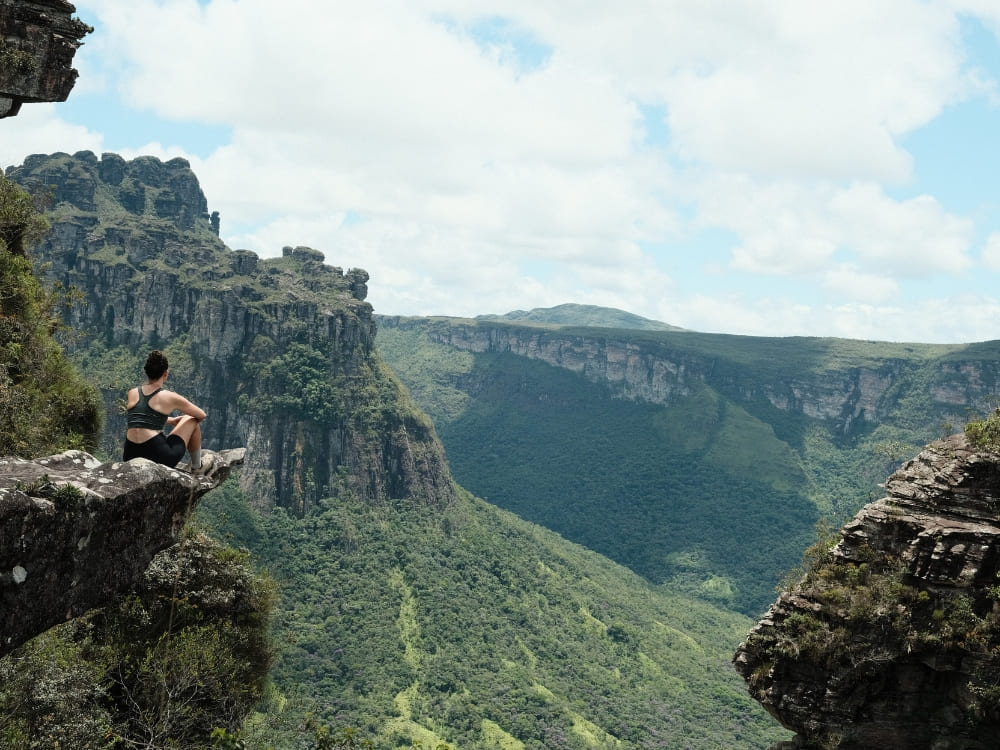
    Hiker sitting on a rocky cliff overlooking the green canyons of Chapada Diamantina National Park in Brazil.
    .

    Vale do Pati is considered the best hike in Brazil by many hikers due to its amazing trekking routes that cross rivers, caves, mountains, and ancient rock formations. 

    Another unmissable experience is swimming in Poço Azul, an underground lake with crystal-clear waters that gain a beautiful blue tint when the sunlight cuts through the cave cracks.

    Why visit?

    Hike through Vale do Pati’s incomparable beauty, explore hidden caves, cool off in dozens of waterfalls, and live unforgettable moments in mesmerizing underground lakes.

    2 – Lençóis Maranhenses National Park (MA)

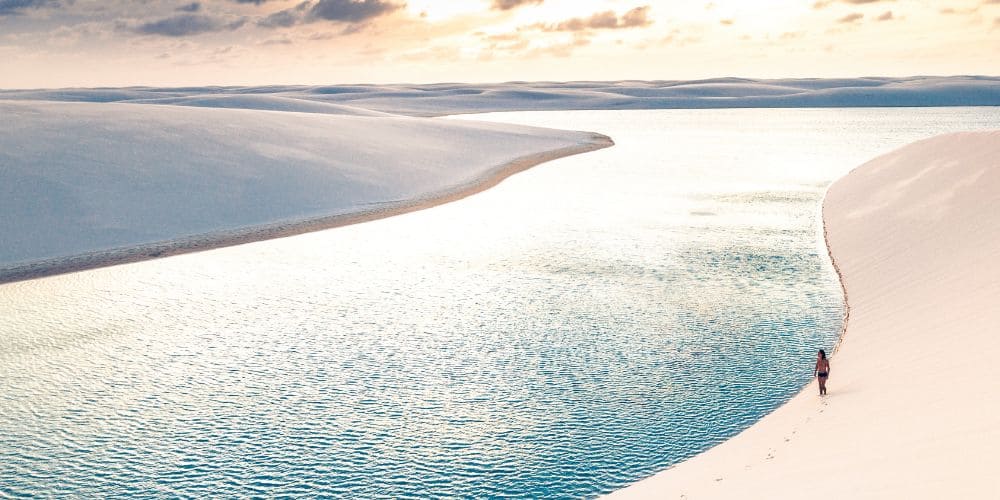
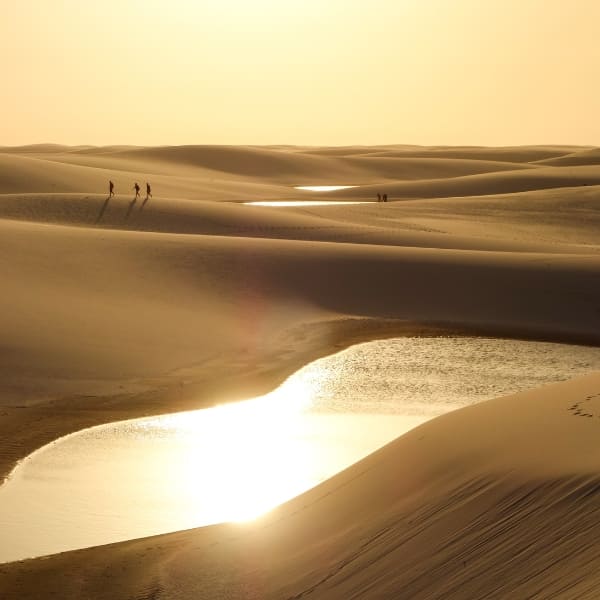
    Surely one of the most jaw-dropping national parks in Brazil, Lençóis Maranhenses (total area: 155,000 ha), in the state of Maranhão, stands out for the gorgeous white sand dunes and rainwater lagoons sharing the same space. Rivers, mangroves, and beaches also inhabit this gorgeous desert-like scenario.
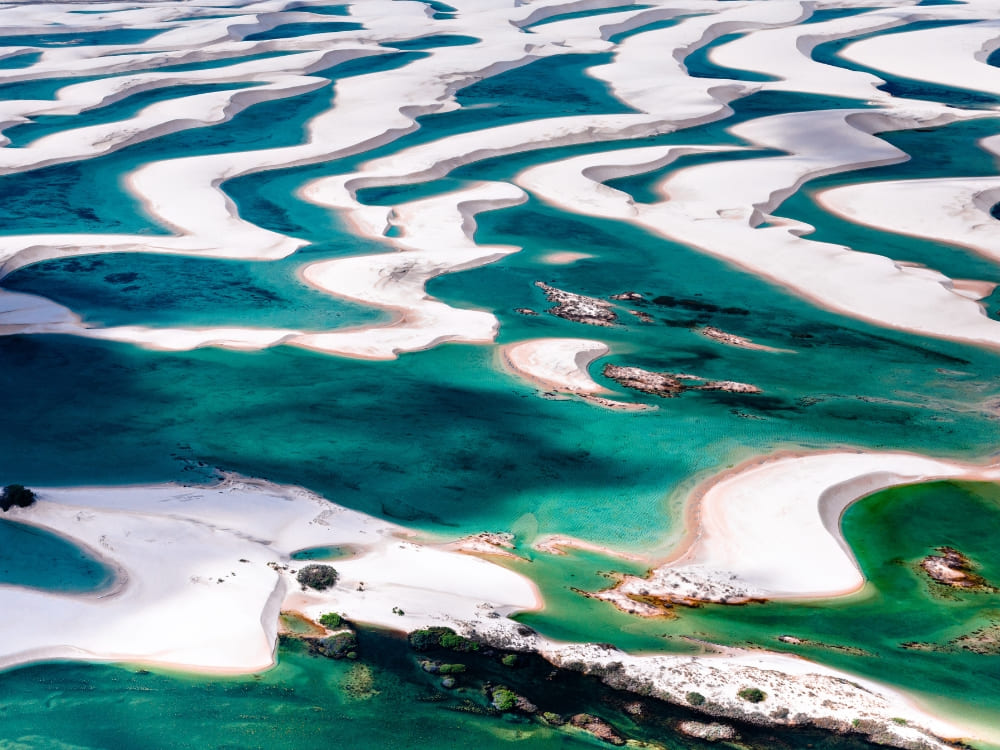
    Aerial view of the white sand dunes and green rainwater lagoons in Lençóis Maranhenses National Park.
    .

    The park’s otherworldly beauty is recognized internationally. In July 2024, UNESCO (United Nations Educational, Scientific and Cultural Organization) nominated Lençóis Maranhenses as a World Heritage Site

    Why visit?

    Lençóis Maranhenses is the largest sand dune field in South America, offering over 36,000 lagoons that appear and disappear according to the rainfall volume.

    It’s the perfect vacation option for travelers looking for peaceful experiences and splendid natural scenarios.

    3 – Fernando de Noronha Marine National Park (PE)

    Located off Brazil’s northeastern coast, Fernando de Noronha Marine National Park (total area: 11,000 ha) protects a cluster of twenty-one islands in the state of Pernambuco.

    Although one of the most desired travel destinations in Brazil, Fernando de Noronha limits the number of travelers to ensure its conservation. According to federal and state laws, only 11,000 people per month are allowed on the island (including locals, workers, and tourists).
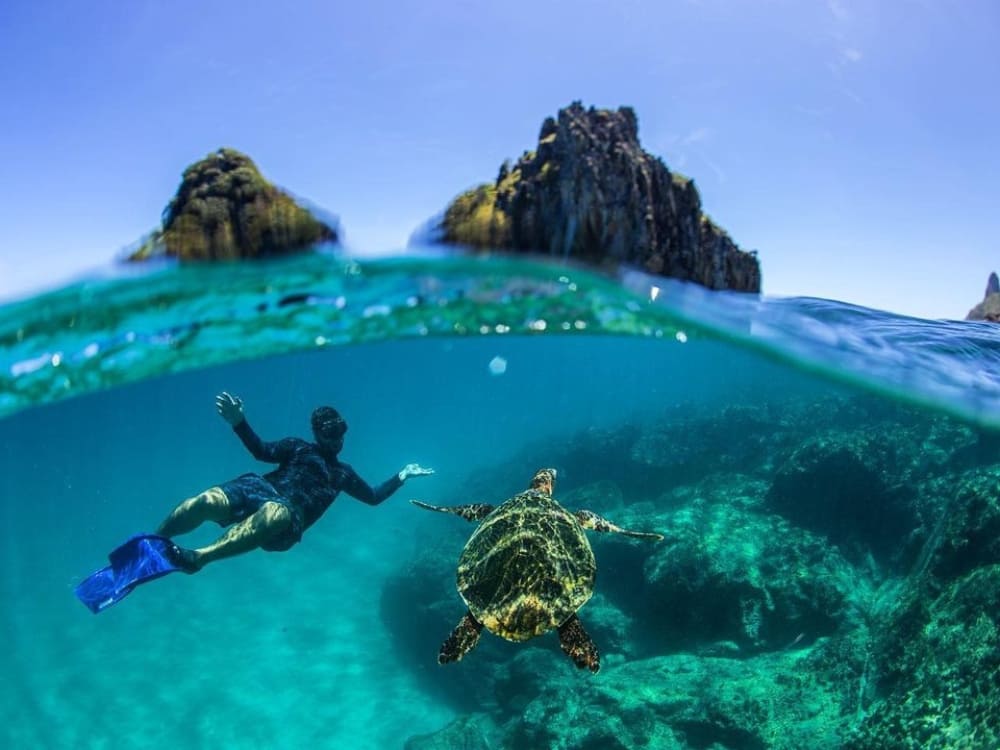
    Snorkeler swimming with a sea turtle in the clear marine waters of Fernando de Noronha National Park.
    .

    That is one of the reasons why the park is so beautiful and well-preserved. With vibrant coral reefs and rich marine life, it’s an amazing place for scuba diving and spotting dolphins, turtles, and various species of fish.

    Noronha’s unspoiled beaches are a sight to behold. Baía do Sancho, in particular, is the main attraction and was even nominated the best beach in the world by TripAdvisor’s users in 2023.

    Why visit?

    Fernando de Noronha’s pristine beaches are perfect for tanning, relaxing, and engaging in aquatic activities, like swimming, snorkeling, canoeing, and water bike riding.

    In addition, The Tamar Project, an organization that protects various species of sea turtles, is based on the island and welcomes visitors all year round.

    4 – Pantanal Matogrossense National Park (MT/MS)

    As part of the largest wetland on the planet, Pantanal Matogrossense National Park (135,000 ha) is divided between two states—Mato Grosso and Mato Grosso do Sul.
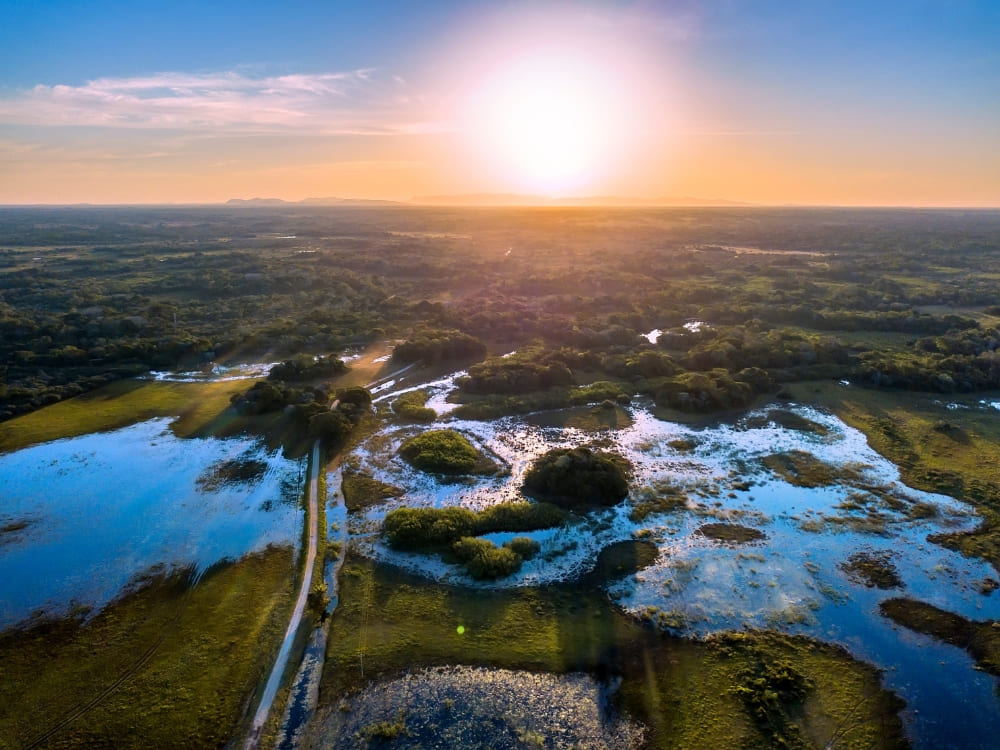
    Aerial sunset view over the expansive wetlands and rivers of the Pantanal Matogrossense National Park.
    .

    Home to three major Brazilian biomes (Cerrado, Atlantic Forest, and the Amazon Rainforest), the Pantanal’s flora and fauna play a huge role in balancing South America’s ecosystem.

    This is the best national park in Brazil for travelers who love wildlife watching, with over 650 bird species, 120 mammals, and 50 reptiles.

    Why visit?

    Incredible animals roam around the Pantanal, such as capybaras, caimans, jabiru storks, and jaguars. Photo safaris and night spotlighting are perfect activities to observe the wildlife.

    👉 Read more: Where is the Best Place to See Jaguars in the Pantanal?

    5 – Chapada dos Veadeiros National Park (GO)

    Situated in northeast Goiás, Chapada dos Veadeiros National Park (total area: 240,000 ha) features lush vegetation, hundreds of water springs, waterfalls, lookouts, dozens of hiking trails of different levels of difficulty, and ancient rock formations.
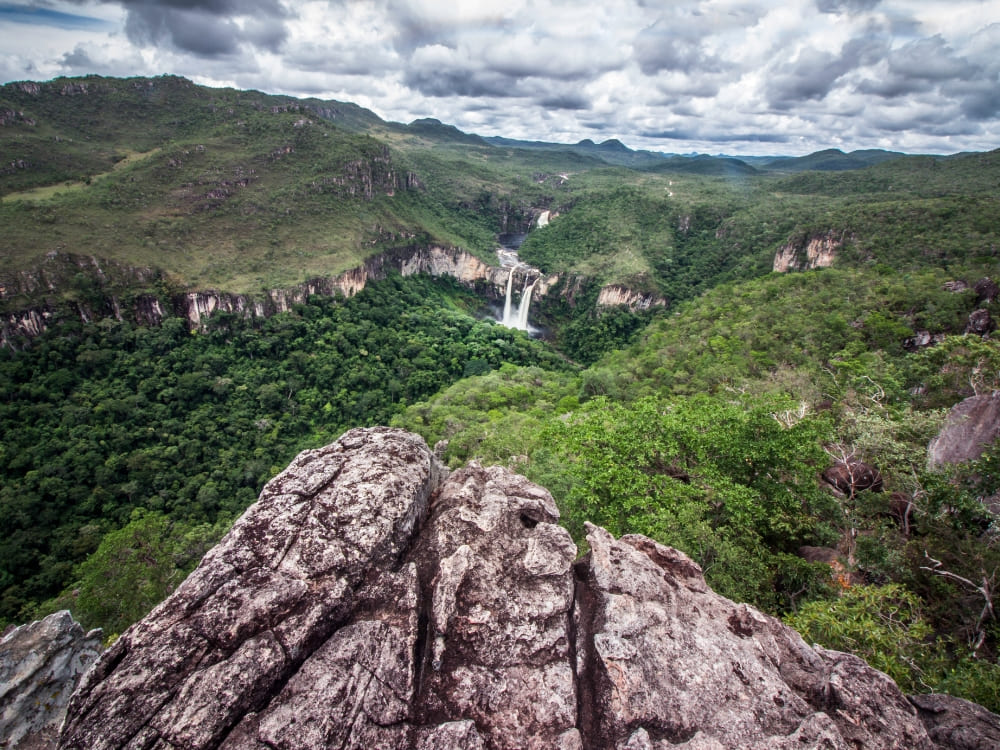
    View from a rocky overlook showing a distant waterfall and lush vegetation in Chapada dos Veadeiros National Park.
    .

    Scientists claim these rocks are over a billion years old, back when the Earth was formed by continental crusts spread across oceans—millions of years before Pangaea. Over time, natural phenomena crystallized the sand of the sea and the beaches, creating beautiful quartz crystals.

    Why visit?

    Chapada dos Veadeiros’ enchanting atmosphere attracts trekkers and spiritual travelers who seek a closer connection with nature and the crystals’ supposed healing powers.

    With over 2,000 cataloged waterfalls, it’s a wonderful destination for swimming, taking pictures, or simply relaxing by the water.

    6 – Serra dos Órgãos National Park (RJ)

    Serra dos Órgãos National Park (total area: 20,000 ha) guards the mountain range of Rio de Janeiro across four different towns: Petrópolis, Teresópolis, Magé, and Guapimirim.

    The park is great if you like wildlife watching—there are 462 species of birds, 105 mammals, 103 amphibians, and 83 reptiles—but it’s even better for trekking.
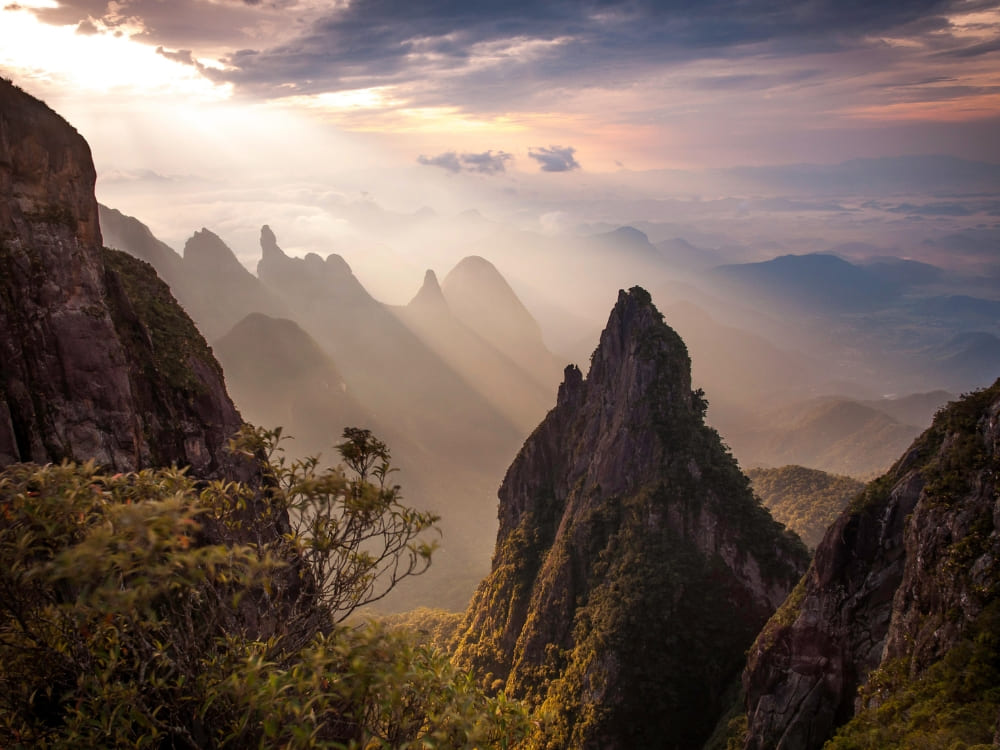
    Misty sunrise over the jagged mountain peaks and trails of Serra dos Órgãos National Park in Brazil.
    .

    Beautiful natural scenarios adorn 200 km of trails, including the trek to the almighty Finger of God, a mountain that reaches almost 1,700 meters above sea level. 

    Why visit?

    Serra dos Órgãos is mostly recommended for people with good physicality that enjoy challenging hiking trails and mountain climbing. It’s a demanding experience, but the beauty of this Brazilian national park is more than worth it.

    👉 Read more: When is the Best Time to Visit Brazil?

    7 – Serra da Capivara National Park (PI)

    Curious travelers who love history can’t miss the chance to go to Serra da Capivara National Park (total area: 130,000 ha) in the state of Piauí. A UNESCO World Heritage Site since 1991, this mesmerizing place is a real treasure for science and ancient human civilization enthusiasts.
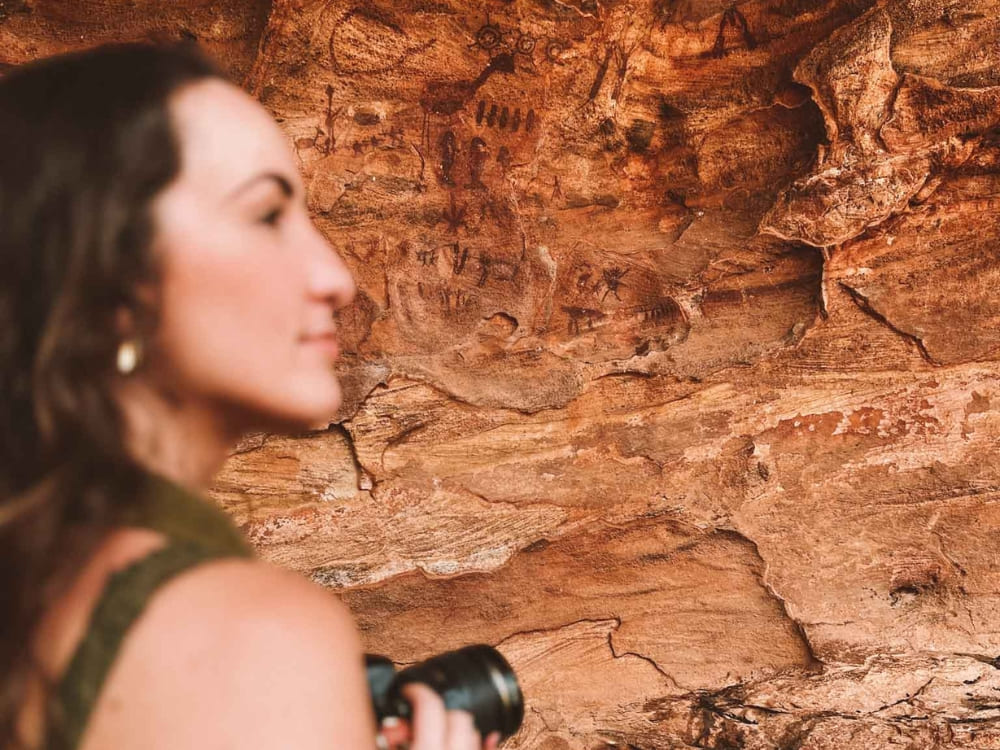
    Woman viewing ancient cave paintings on a rock wall inside Serra da Capivara National Park.
    @gaiavani

    Among rocky cliffs and deep canyons, you’ll find 400 archaeological sites—some of them are over 10,000 years old—with fascinating cave paintings and engravings made by the first humans in South America.

    Licensed guides are required to accompany the groups in Serra da Capivara. This ensures the park’s preservation and allows for custom tours and engaging lessons about this amazing environment and its past.

    Why visit?

    Serra da Capivara is surely one of the greatest national parks in Brazil to get in touch with human history. Not only is the park the largest cave painting site in the world, but it also displays gorgeous views of ancient canyons, dense vegetation, and infinite blue sky.

    8 – Mount Roraima National Park (RR)

    On the triple border of Brazil, Venezuela, and Guyana, Mount Roraima National Park (total area: 117,600 ha), in the state of Roraima, is excellent for hiking, wild camping, and mountain climbing. The very top of the mountain reaches nearly 2,900 meters above sea level!
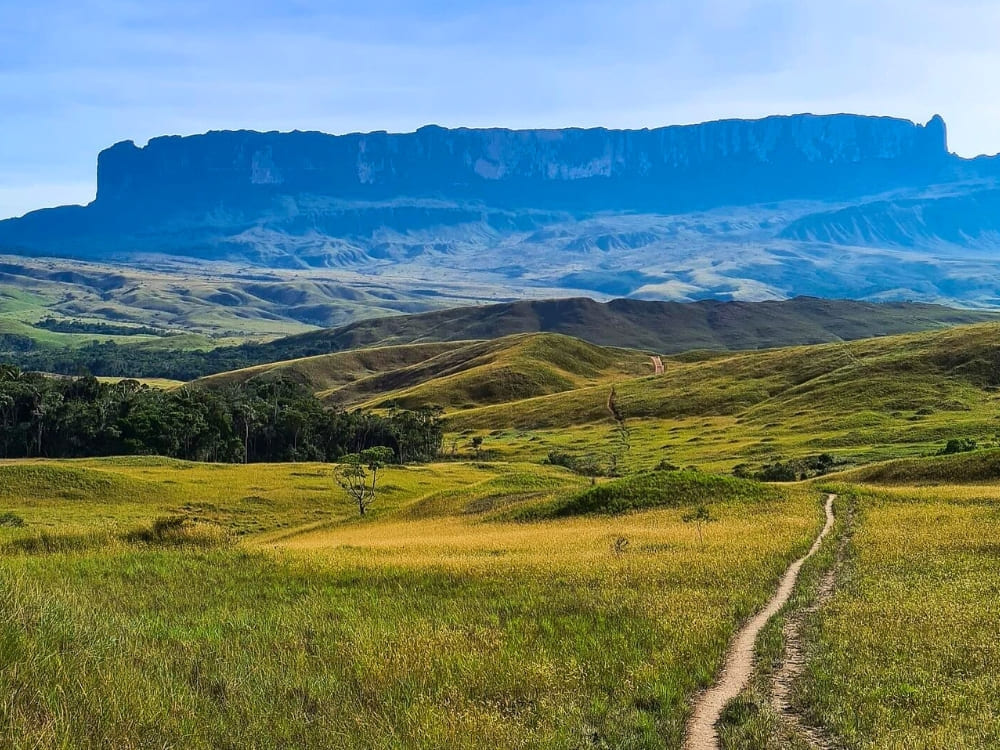
    Hiking trail leading through the savanna towards the towering cliffs of Mount Roraima National Park.
    @dmitrideigatu

    Mount Roraima is located mostly on Venezuelan territory, so it’s common for travelers to also roam around Canaima National Park (total area: 3,000,000 ha) in Bolívar. That’s where you’ll find the Valley of Crystals, an impressive natural quartz formation.

    You can also swim in the rivers (Orinoco, Essequibo, Amazon) and natural pools, observe the rich fauna and flora, and join wonderful, yet demanding, trekking tours.

    Why visit?

    Mount Roraima is one of Earth’s oldest geological formations, dating back nearly 2 billion years. Shrouded in mystery and beautiful views, it captivates visitors with its towering cliffs and mesmerizing ecosystems, offering an awe-inspiring glimpse into Mother Nature’s wonders.

    👉 Read more: 10 Travel Tips for Mount Roraima to make the most of your trip

    9 – Jaú National Park (AM)

    The largest in the state of Amazonas, Jaú National Park (total area: 2,272,00 ha) protects a good portion of the Amazon Rainforest and its river basin, both immeasurably valuable to the planet’s ecosystem.
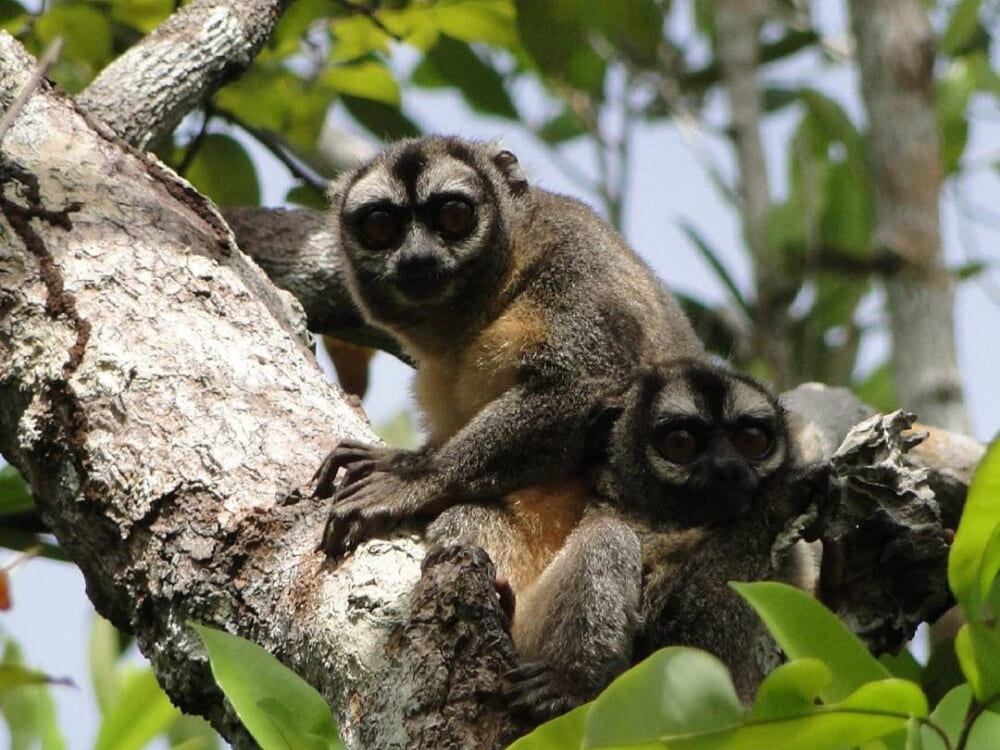
    Two monkeys resting on a tree branch in the Amazon rainforest of Jaú National Park.
    @parquenacionaldojau

    Travelers can hike in the jungle, spot wild animals, go on boat rides, fish for piranhas and other local species, and visit freshwater beaches

    Weather conditions dictate itineraries in the Amazon. It’s important to pay attention to both the wet and dry seasons so you know when the best time to visit is.

    Why visit?

    Tourists dive deep into the heart of the Amazon when visiting Jaú, which holds exceptional experiences in nature that will surely be engraved in their minds and hearts for a very long time.

    Beyond the natural wonders, archeological treasures are nestled in the park’s facilities. Petroglyphs from the Neolithic era located near the Jaú River banks are major elements to understand human history in South America.

    10 – Anavilhanas National Park (AM)

    Anavilhanas (total area: 350,000 ha) is always included on lists of the best national parks in Brazil for protecting over 400 islands in the Negro River. It’s the second-largest river archipelago in the world, only after Mariuá, also in Amazonas.

    Tourists have a blast when it comes to adventure. Wildlife watching, interacting with Amazon pink dolphins, forest trekking, aquatic trails, and visiting freshwater beaches are must-have experiences in Anavilhanas.
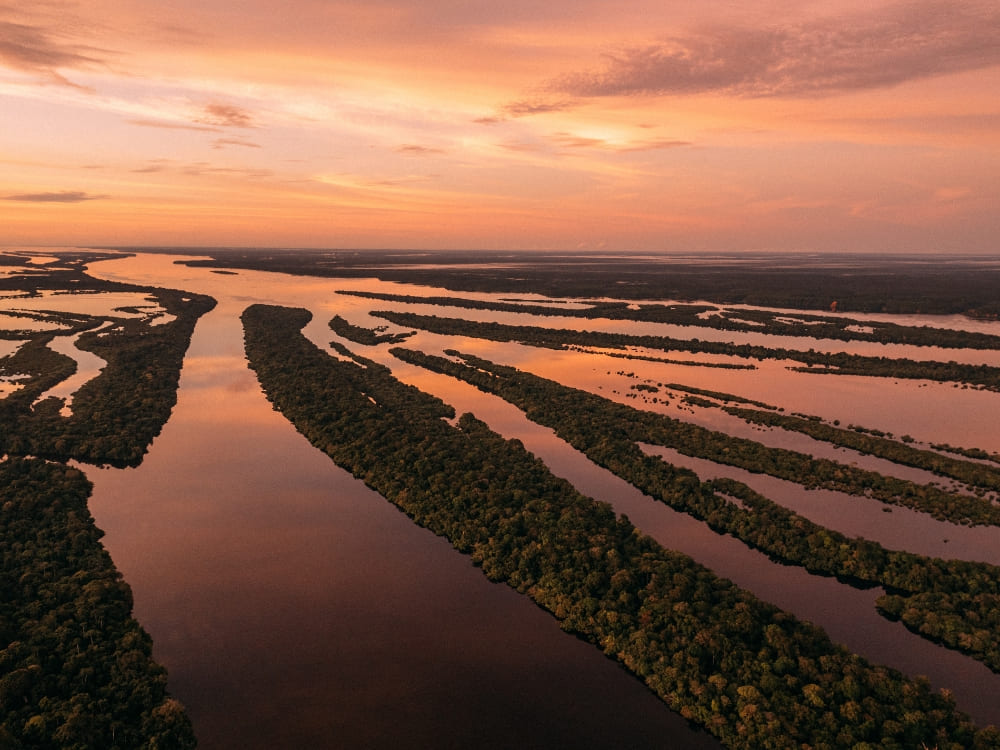
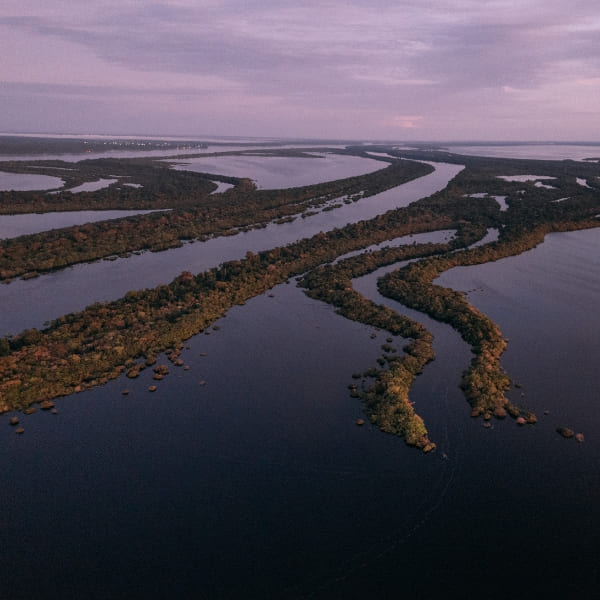
    Aerial view of the dark waters of the Negro River and forested islands of Anavilhanas National Park at sunset.
    Photo: Felipe Castellari

    Why visit?

    The contrast of the white sand of the islands with the dark waters of the Negro River creates beautiful views, capable of charming travelers of any age. There are hundreds of river beaches, but some are completely unmissable: Orla, Aracari, Bararoá, Iluminado, Sobrado, and Camaleão

    Rich biodiversity, immersion in the forest, and engaging with local communities to learn about Amazonian culture are other reasons to visit Anavilhanas. 

    👉 Read more: 15 Amazon Animals – Unravel the Wildlife in Brazil

    11 – Abrolhos Marine National Park (BA)

    Abrolhos Marine National Park (total area: 88.000 ha), a cluster of islands in the state of Bahia, was established in 1983, but this is the same place English naturalist Charles Darwin fell in love with in 1832, during his 5-year voyage around the world to collect data about biological evolution.
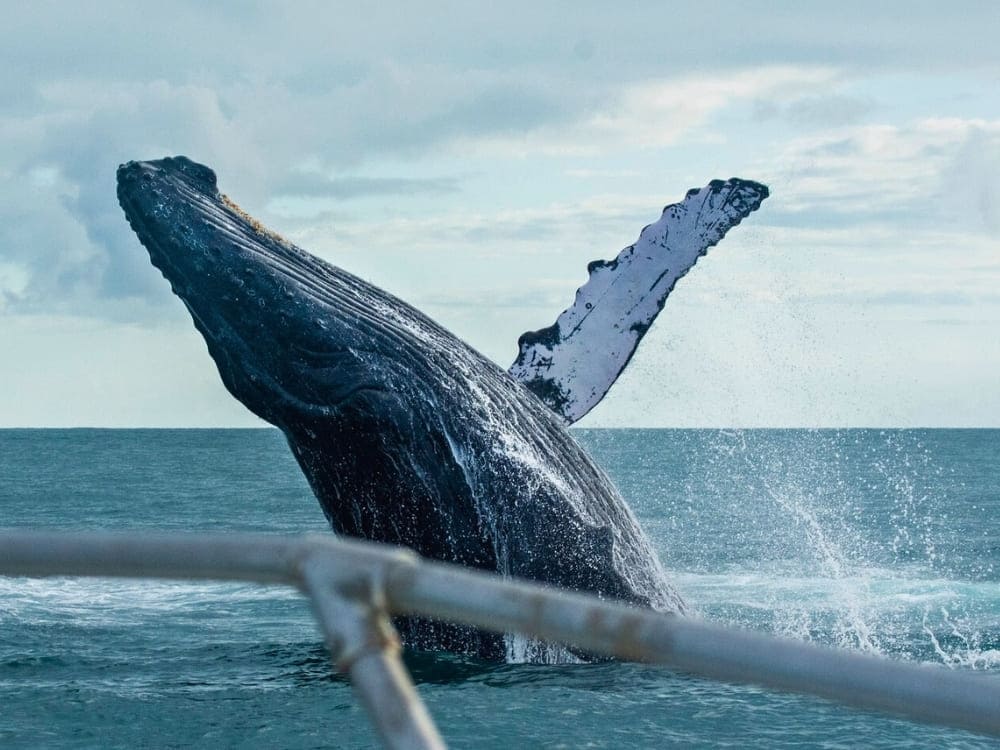
    Humpback whale breaching the ocean surface near a boat in Abrolhos Marine National Park.
    @projetobaleiajubarte

    The book The Beagle Record: Selections From the Original Pictorial Records and Written Accounts of the Voyage of the H.M.S. Beagle (1979), published by his great-grandson, Richard Keynes, mentions Darwin’s fascination with Abrolhos’ green vegetation, abundant bird species, and coral reefs.

    The park is essential to preserve the richest marine biodiversity of the South Atlantic, home to sea turtles, seabirds, Mussismilia braziliensis corals, and humpback whales.

    A great destination for divers and marine life admirers, Abrolhos’ activities include hiking, stand-up paddling, snorkeling, and scuba diving.

    Why visit?

    Abrolhos’ beautiful mix of colors—green for the trees, blue for the sea, white for the sand, and every color under the rainbow for the coral reefs—can make anyone breathless and dreading the moment of leaving this paradise.

    Wildlife enthusiasts are in for a treat with humpback whale watching. From July to November, the archipelago becomes a prime location for whale watching, as these magnificent creatures migrate to the area to breed and nurse their young. 

    Ready to visit the national parks in Brazil? Plan your vacation with PlanetaEXO!

    Now all you have to do is choose your favorite Brazilian national park—or more than one!—to start planning your next trip.

    Whether you’re drawn to forest treks, gorgeous beaches and waterfalls, or mountain climbing, PlanetaEXO, an ecotourism platform specializing in adventure tours in Brazil, works with the best local operators to ensure an unforgettable adventure for travelers from all over the world. Contact us now!
  • 10 Facts about Pico da Neblina in the Amazon, Brazil

    10 Facts about Pico da Neblina in the Amazon, Brazil

    Learn more about Brazil’s highest mountain, a sacred Yanomami landmark hidden deep in the Amazon Rainforest

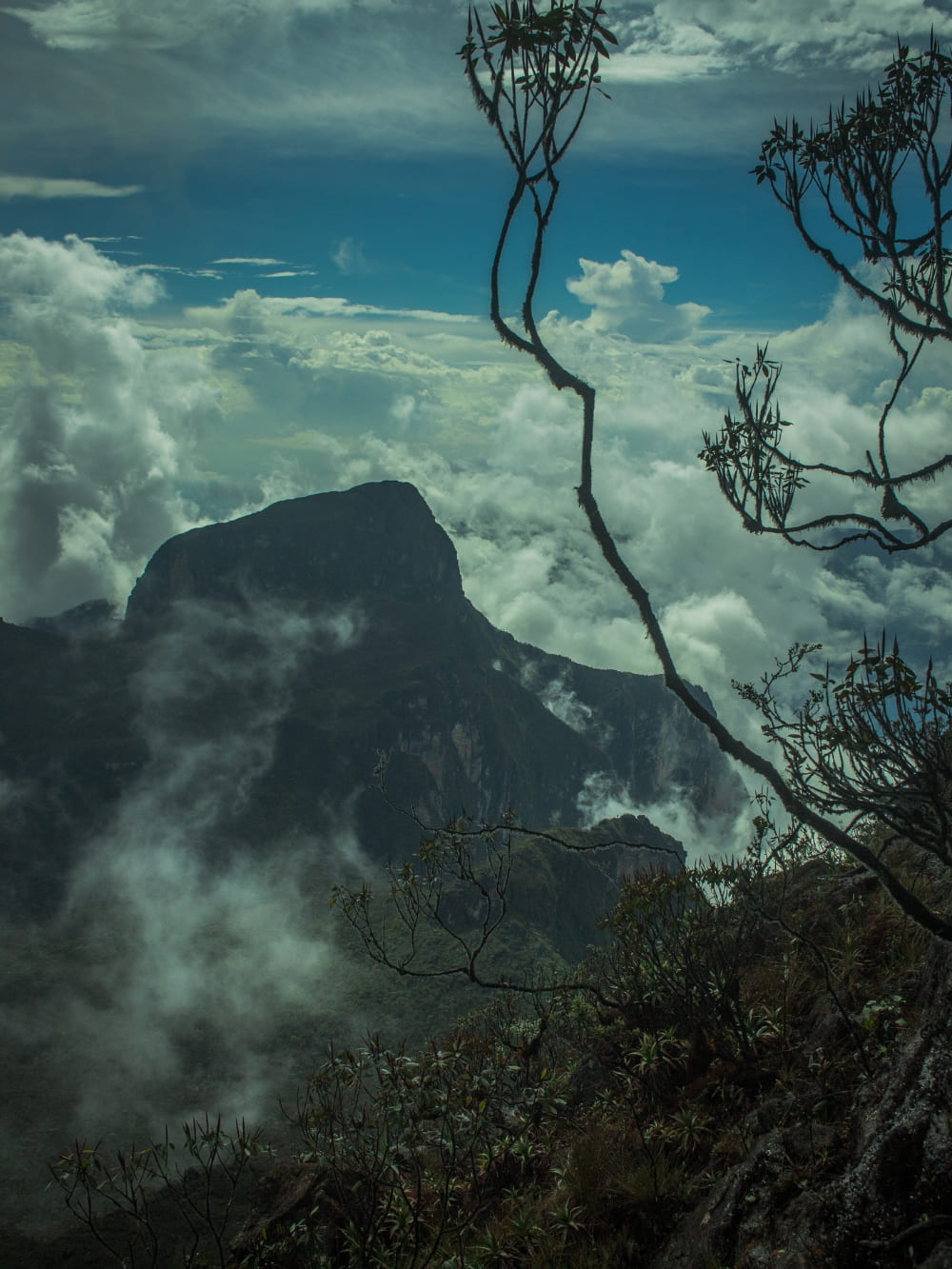
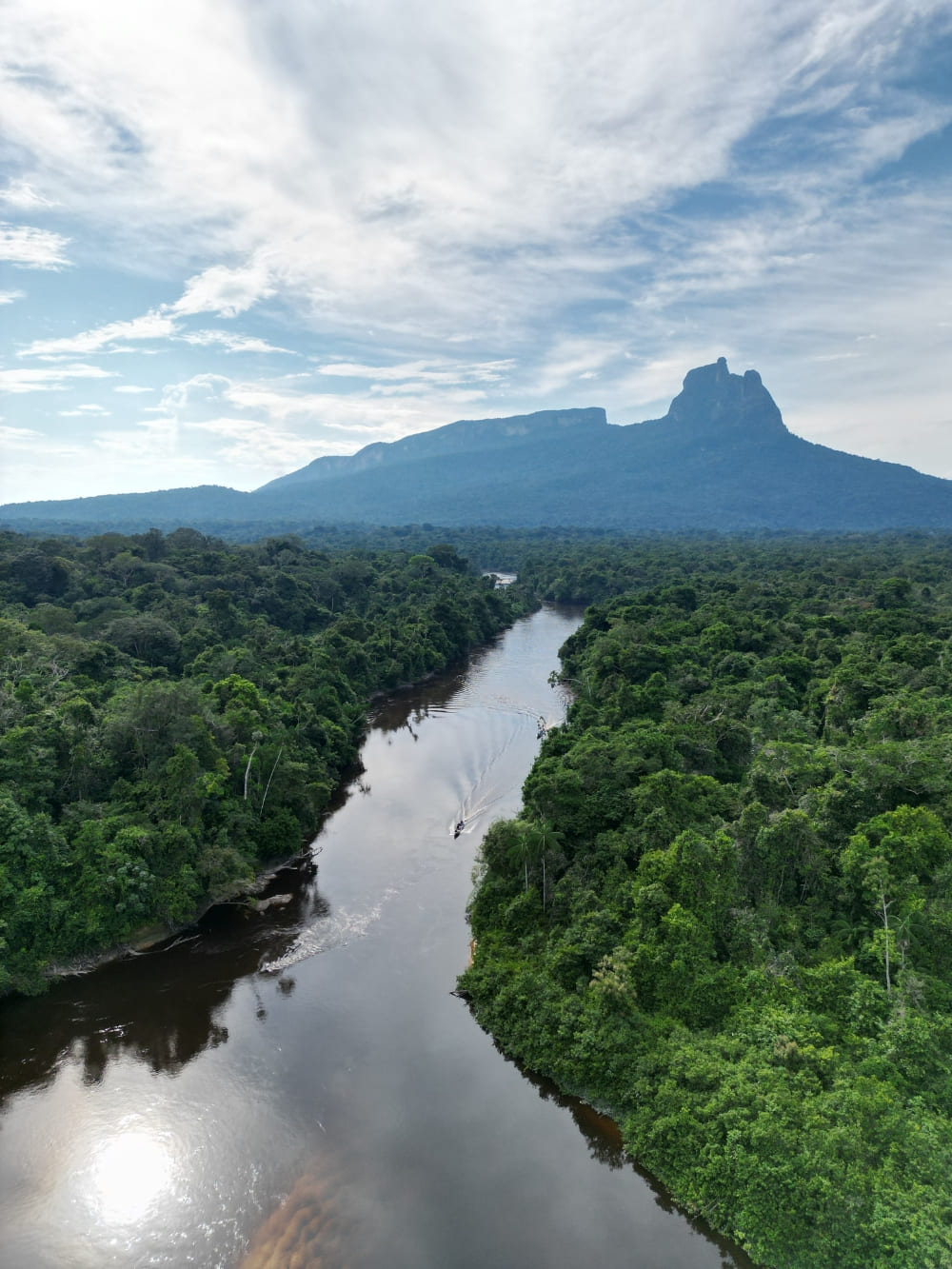
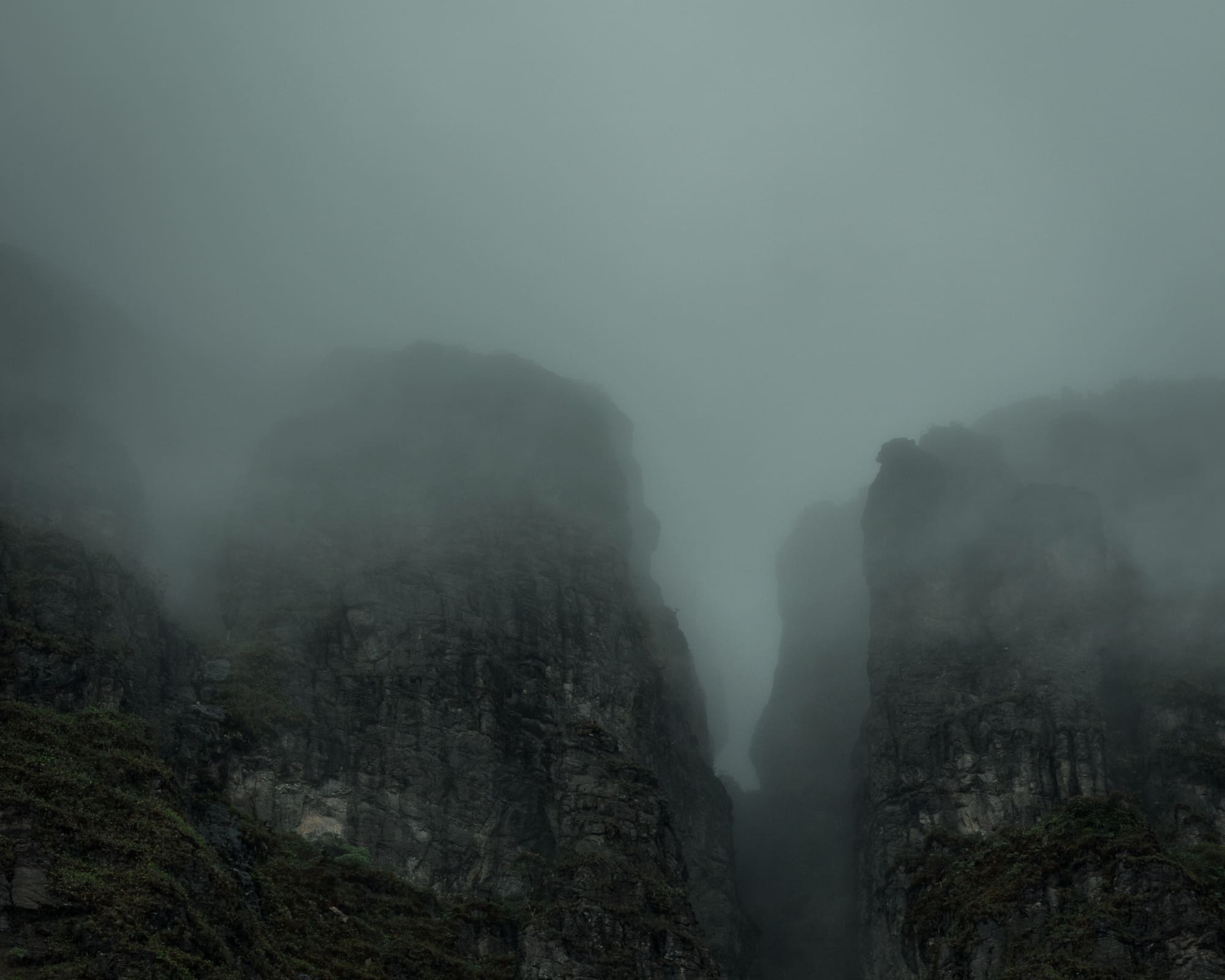
    Pico da Neblina is the highest peak in Brazil, standing at almost 3,000 meters above sea level. Hidden in the northwest Amazon, it rises above the rainforest canopy, and it’s almost always wrapped in mist. 

    Beyond being the tallest mountain in Brazil, Pico da Neblina is also part of one of the most remote and least-explored regions of South America. Its wilderness, dense forest, and rugged trails make it a destination that combines adventure, conservation, and cultural depth.

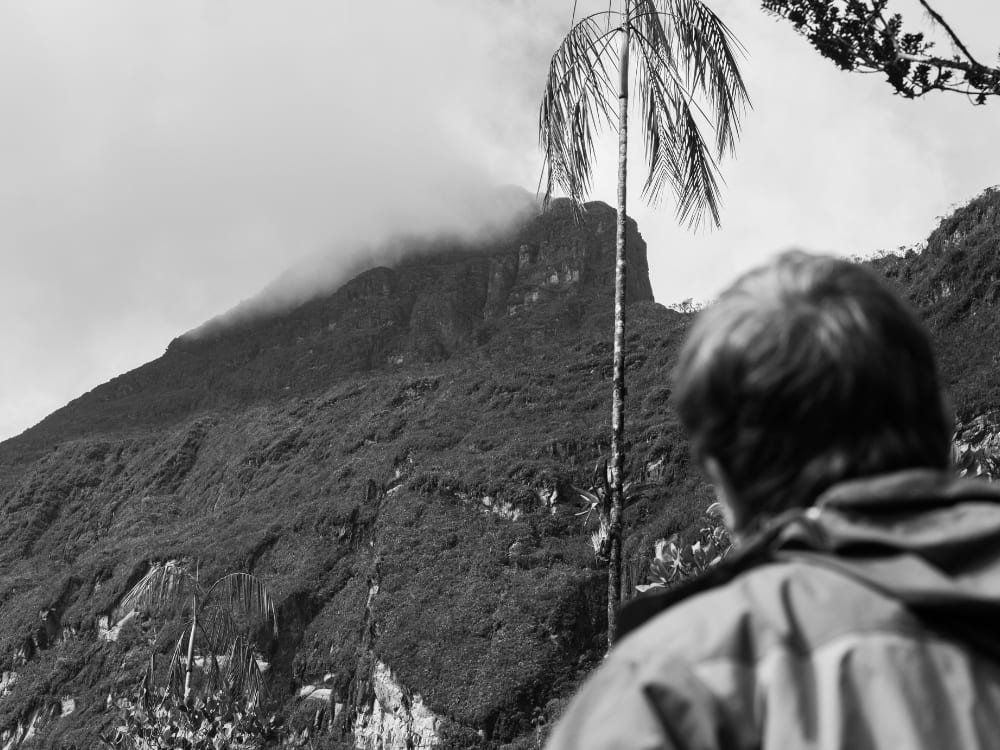
    A hiker looks toward the mist-covered summit of Pico da Neblina, the highest peak in Brazil
    Photo: Lucas Miagostovich

    PlanetaEXO, an ecotourism platform specializing in Amazon Rainforest tours in Brazil, has put together a complete guide with 10 facts about Pico da Neblina so you can prepare before embarking on your journey. Check it out below!

    1. Highest mountain in Brazil

    Standing at precisely 2,995 meters, Pico da Neblina is officially the highest point in Brazil. From its summit, travelers find themselves looking over an endless green carpet of rainforest stretching to the horizon. Have you ever imagined standing above the Amazon clouds? That’s the reward of reaching the top.

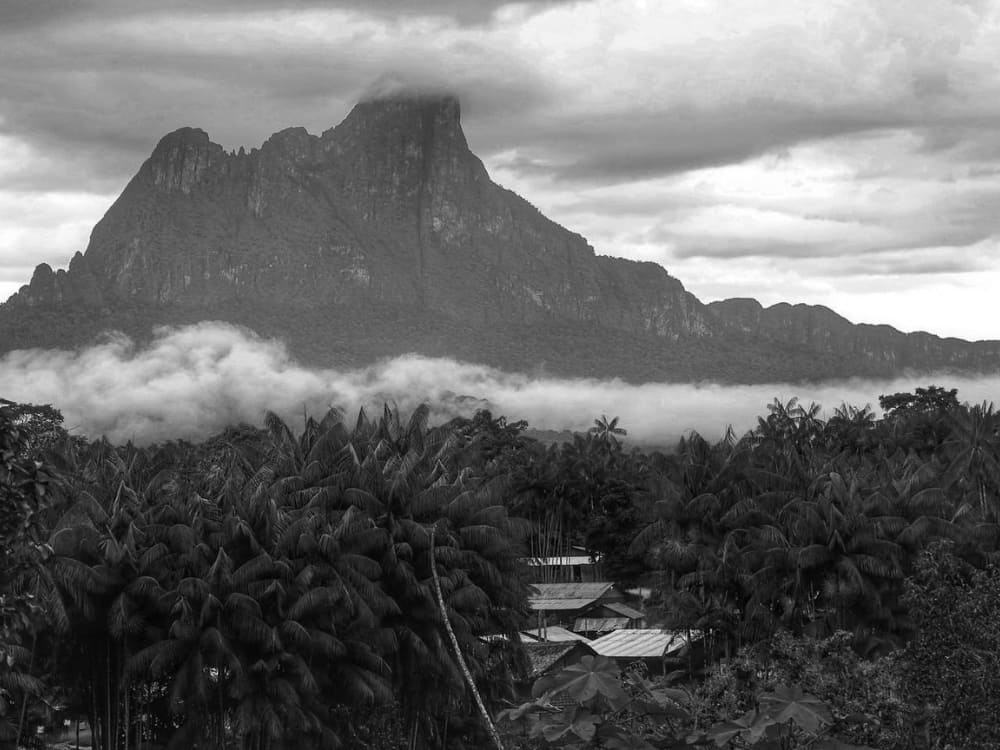
    The dark, rocky peak of Pico da Neblina towering above a thick layer of white clouds in the Amazon Rainforest.
    Photo: Lucas Miagostovich

    There are other impressive peaks in the country, but none surpass Pico da Neblina. Pico 31 de Março (2,974 m), located nearby in the same mountain range, is the second tallest, while Pico da Bandeira (2,892 m), between the states of Espírito Santo and Minas Gerais, is the third. The famous Mount Roraima (2,734) sits at #8 on the ranking.

    These comparisons highlight how unique this place truly is. It’s a reminder of how diverse Brazil’s landscapes are, from coastal plains and wetlands to towering mountains hidden deep inside the forest.

    2. Deep in the forest

    Pico da Neblina National Park is located in the far northwest of the Amazonas state, right on the border with Venezuela, within the São Gabriel da Cachoeira municipality.

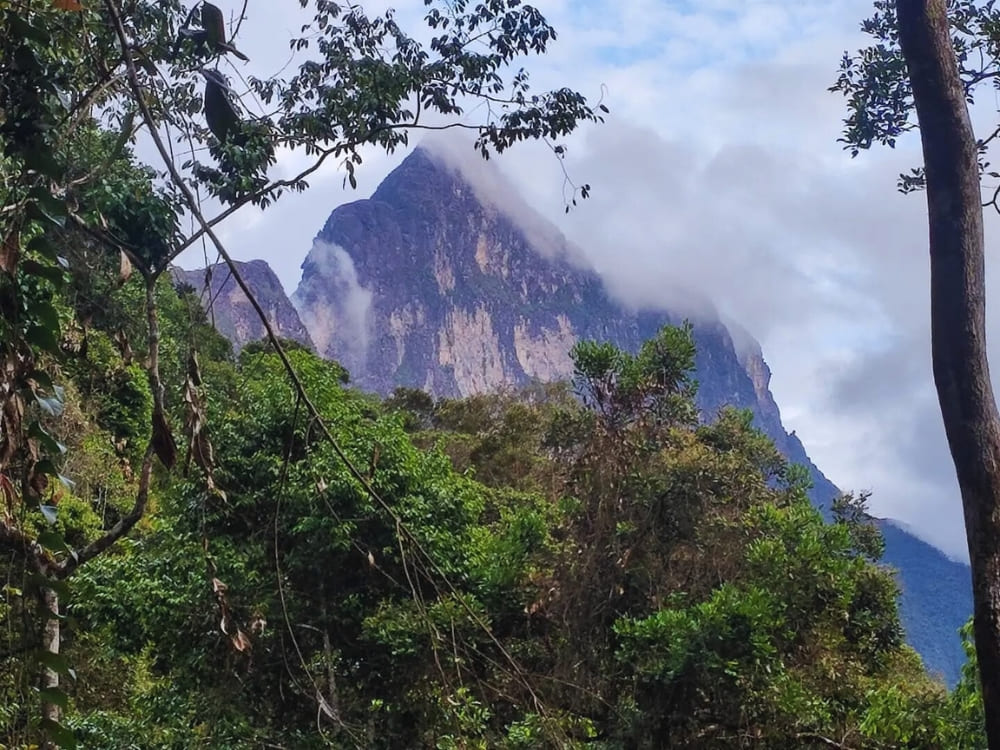
    The towering mountain of Pico da Neblina viewed through the dense, lush green canopy of the Amazon Rainforest.
    @geoturismo_na_amazonia

    Getting there is an adventure in itself. Travelers usually fly from Manaus to São Gabriel da Cachoeira, then continue by four-wheel drive and canoe along the Cauaburis and Maturacá rivers until reaching the Yanomami village of Maturacá, the gateway to the park.

    👉 Read more: How to get to the Amazon Rainforest

    3. A sacred mountain for the Yanomami

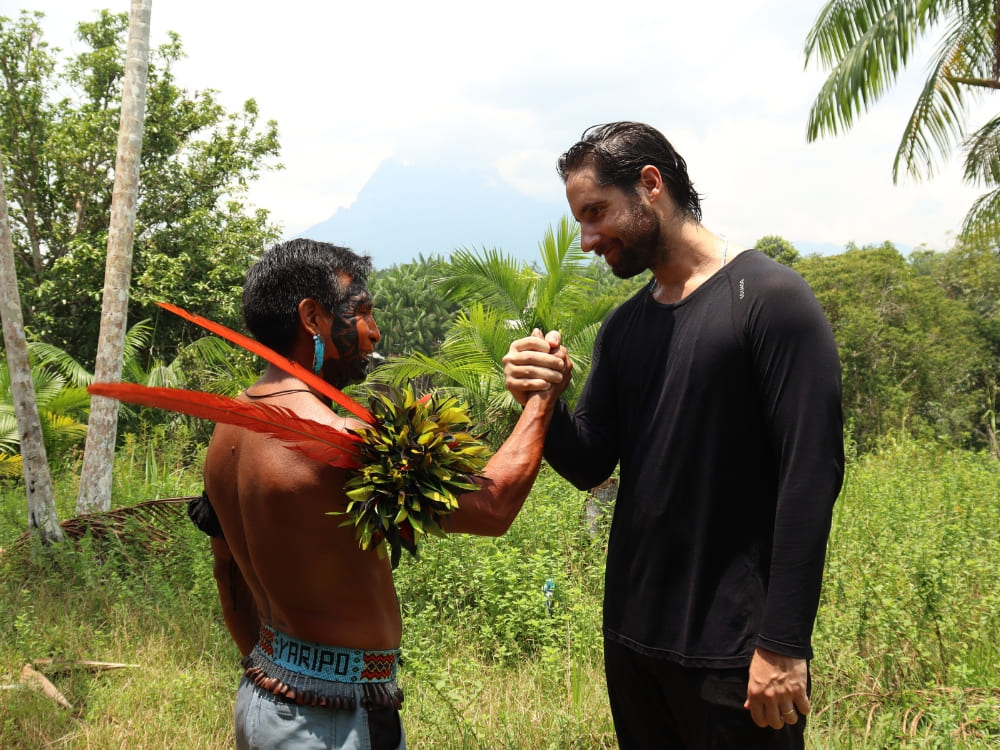
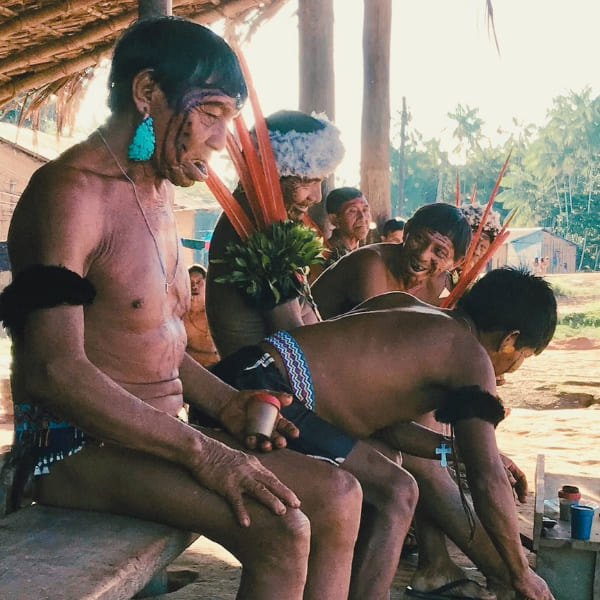
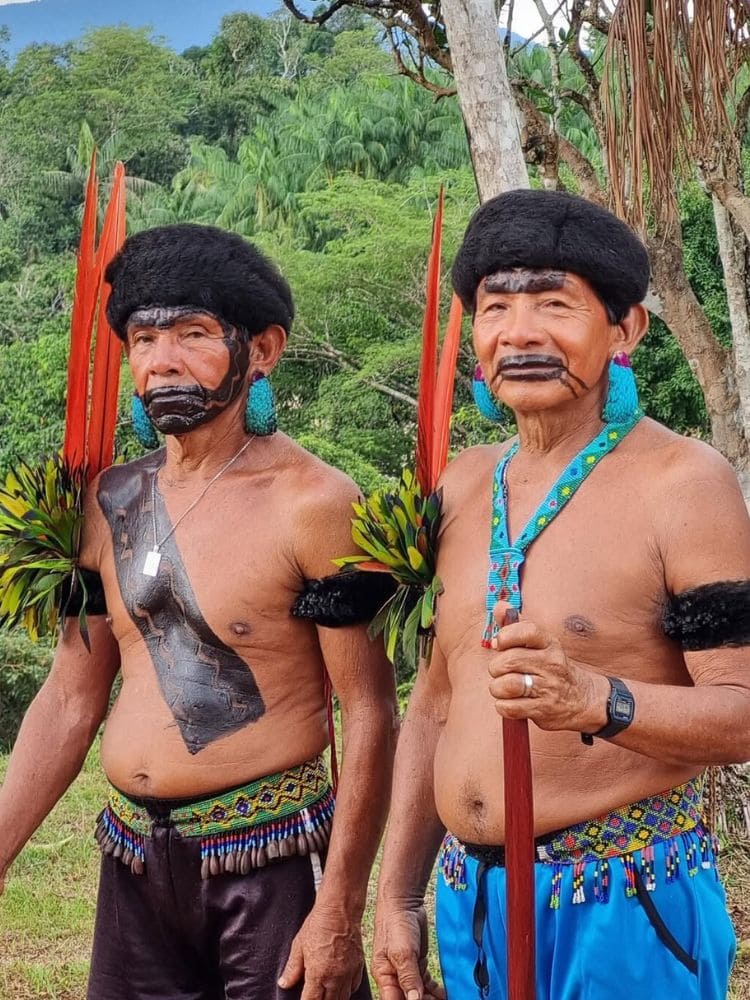
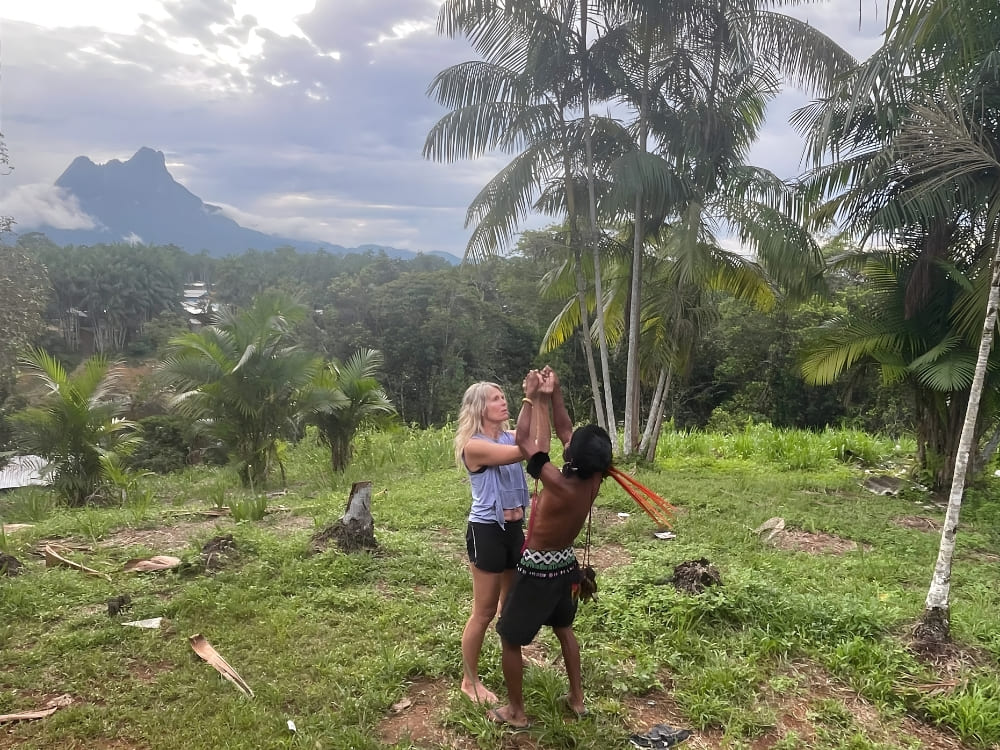
    The Yanomami people see Pico da Neblina as a sacred place where ancestral spirits and the powerful Xapiripë reside. In their cosmology, these spiritual beings dance in mirrors of light to protect the forest, sustain life, and keep the sky from collapsing.

    A Yanomami indigenous guide wearing traditional red feathers shaking hands with a hiker in the forest.
    .

    The Yanomami are one of the largest Indigenous groups in South America, with more than 30,000 people living between Brazil and Venezuela. In the Brazilian share, they inhabit territories in the Roraima and Amazonas states, including the area surrounding Pico da Neblina National Park.

    For travelers, this turns the climb into a cultural and spiritual journey that highlights the risks of greed and the importance of protecting the Amazon.

    4. The meaning of the name

    What does “Pico da Neblina” mean? In Portuguese, it translates to “Peak of the Fog” describing the constant mist that surrounds its summit. But the meaning of the name goes deeper when we consider its Yanomami name: Yaripo.

    For the Yanomami, Yaripo is not just a physical place but a spiritual landmark where the sky and earth connect. This duality, the descriptive Portuguese name, and the sacred Indigenous name reflect the blend of science and tradition that defines the mountain.

    Since its official recognition in the 20th century, the name “Pico da Neblina” has been widely used, but Indigenous voices ensure that Yaripo remains alive in collective memory.

    5. Pico da Neblina remained closed for years

    Until the early 2000s, expeditions to Pico da Neblina were common, often organized by private operators without Indigenous participation or environmental oversight. For the Yanomami, this uncontrolled flow of outsiders into Yaripo, their sacred mountain, was deeply disturbing.

    In 2003, following rising tensions over government plans to develop tourism infrastructure, the park was officially closed. Tourism remained suspended for almost 20 years, until a new model based on conservation and Indigenous leadership was gradually developed through dialogue and partnerships. 

    Aerial view of a dark river winding through the vast Amazon Rainforest, with Pico da Neblina in the background
    .

    A pilot project was launched in 2019, with plans to reopen in 2020 delayed by the COVID-19 pandemic. By 2022, visitation resumed under an ethnotourism framework led by the Yanomami people.  

    Today, visitors follow rituals of purification with shamans before climbing, and every experience, such as PlanetaEXO’s Pico da Neblina Expedition, is planned with Indigenous associations to ensure cultural respect and environmental care.

    6. The second-largest national park in Brazil

    Despite being the highest point in Brazil, Pico da Neblina is also the second-largest national park in the country, covering an impressive area of 22,200 km². Only the Jaú National Park, also in Amazonas, is bigger.

    A dramatic view of Pico da Neblina partially obscured by thick, low-hanging clouds rising above the jungle canopy.
    @joaoclaudio2

    Created in 1979, the park protects mountains, rivers, and vast stretches of rainforest along the border with Venezuela. Its remoteness makes it one of the least visited but also one of the most pristine. Imagine a park larger than many countries in Europe (Greece, Iceland, Hungary, Portugal, etc.); that’s the scale we’re talking about.

    For visitors, this immense area means days of trekking through varied ecosystems: lowland rainforest, cloud forests, alpine vegetation, and misty summits. 

    👉 Read more: National Parks in Brazil

    7. Discovery and first ascent

    Pico da Neblina was first identified by non-Indigenous people in the 1950s, during aerial surveys of the Amazon. But it wasn’t until the following decade, in 1965, that an expedition carried out by the Brazilian army confirmed its altitude of 2,994 meters. This moment shifted national geography, as Pico da Bandeira was considered the country’s highest point back then.

    Silhouette of an explorer kneeling next to a waving Brazilian flag at the summit of Pico da Neblina at sunrise.
    @escoteirosdobrasil

    The remoteness of the region, the lack of infrastructure, and the complexity of the terrain all played a huge role in the delay between discovery and official exploration. Unlike other mountains with established trails, reaching Pico da Neblina required building routes through untouched rainforest.

    For the Yanomami, Pico da Neblina (Yarapo) was never “discovered.” They had always known and revered it as a sacred place. The notion of “first ascent” is, therefore, relative—it represents the perspective of the näpe (non-Indigenous).

    In recent years, a historic moment added a new chapter: Maria Yanomami became the first Indigenous woman to climb Yaripo, joining the test expeditions that shaped today’s official tourism route. Her achievement reflects the growing role of Yanomami women in guiding, organizing, and sustaining Pico da Neblina expeditions.

    👉 Read more: Women in Ecotourism – Female Presence that Makes the Sector Happen

    8. Not an easy expedition 

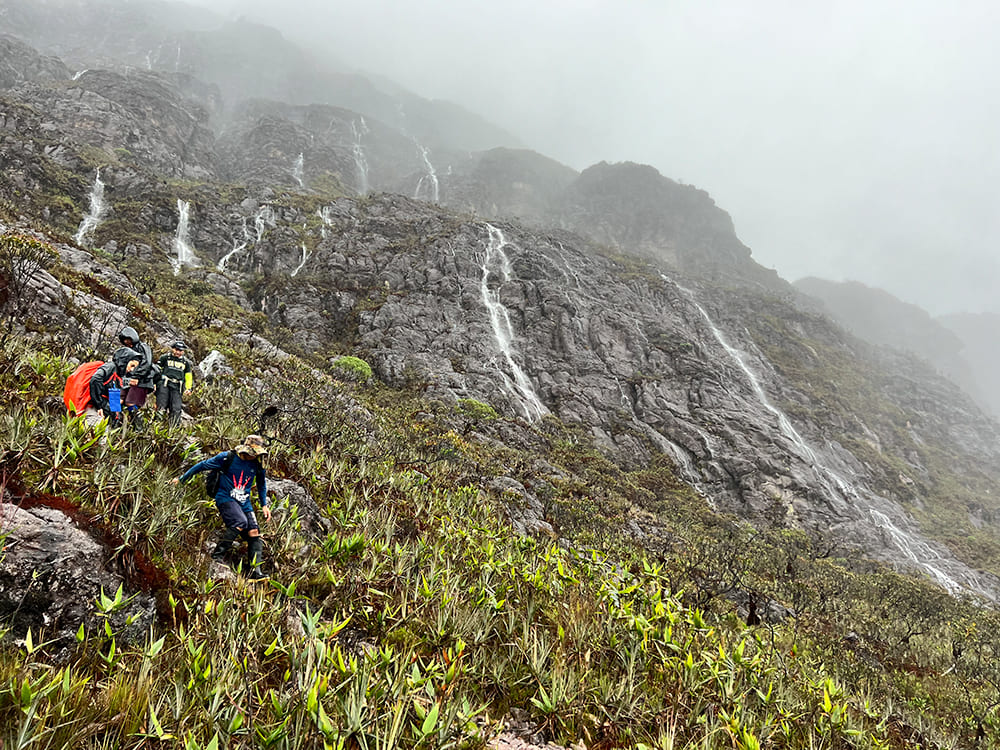
    Reaching the summit of Pico da Neblina is far from simple. The trek covers about 35 kilometers from the first base camp to the top, spread across several days of hiking through dense rainforest, steep ascents, and sections of slippery terrain.

     A group of trekkers navigating a steep, rocky, and wet mountain slope with small waterfalls during the expedition.
    .

    Climbers face river crossings, high humidity, sudden changes in weather, and altitudes above 2,000 meters that demand extra endurance. In total, it usually takes 6 days of trekking from the starting point until the summit day, making it one of the most demanding trails in Brazil. 

    For this reason, it is recommended only for travelers who already have experience with challenging multi-day hikes and enjoy wild, remote adventures.

    👉 Read more: Best Hikes in Brazil – From Rainforests to Mountain Peaks

    9. Ancient mountain range

    Geologists believe Pico da Neblina was formed around 3 billion years ago, making it part of some of the oldest geological structures in South America. It belongs to the Guiana Shield, a vast region of ancient rock that also includes Mount Roraima.

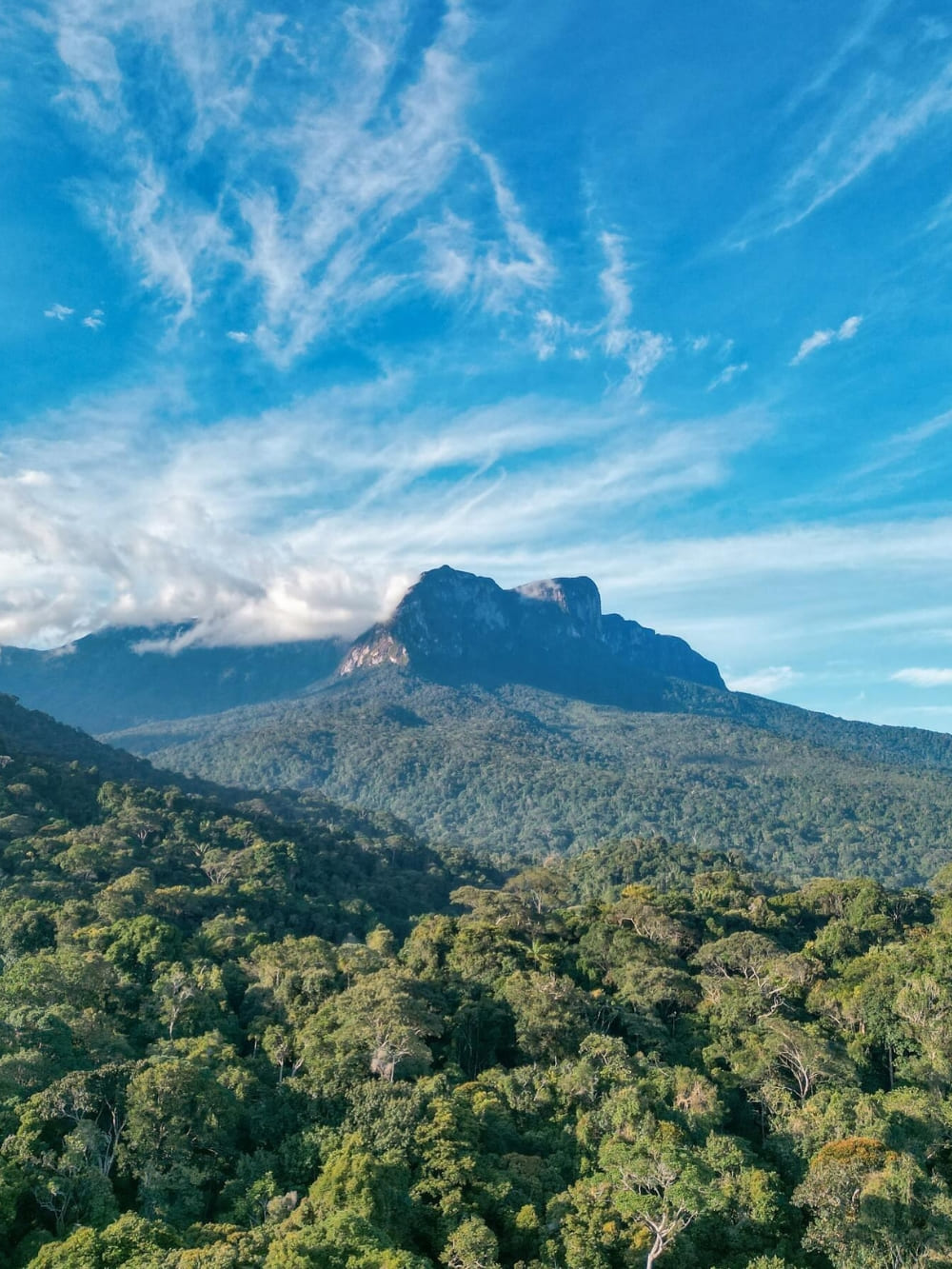
    The massive peak of Pico da Neblina rising above an endless green expanse of Amazonian trees under a blue sky.
    @mochilaodobem

    These formations predate the Andes and many other famous mountain ranges. Can you imagine rocks that are older than Pangaea itself? That’s the kind of history hidden in Pico da Neblina’s slopes!

    This ancient origin explains the mountain’s rugged landscapes, steep cliffs, and constant weather changes. 

    10. Biodiversity and weather

    Because of its altitude and location, Pico da Neblina shelters a unique combination of Amazonian biodiversity and highland species. Rare orchids, moss-covered forests, and alpine plants thrive near the summit.

    The unique flora includes fascinating species like Drosera meristocaulis and Heliamphora ceracea, carnivorous plants that only grow on Neblina’s slopes. 

    Wildlife here includes tapirs, giant armadillos, and hundreds of bird species. The region is also a hotspot for endemic species found nowhere else. Amphibians like Stefania neblinae and Neblinaphryne mayeri are exclusive to this environment, as well as the Neblina uakari (Cacajao hosomi) and the Architis neblina, a spider officially registered in 2008.

    Due to its location near the Amazon Rainforest, the region receives a lot of rain. This can present some challenges for trekkers, but it’s great for the vegetation to grow strong and abundant.

    The unpredictability of the weather at Pico da Neblina is something to pay attention to. It’s hot and humid in the lowlands, but chilly and foggy at higher elevations. Temperature variation is just as dramatic, ranging from 20°C during the day to 0°C at night.

    👉 Read more: When is the Best Time to Visit the Amazon Rainforest in Brazil

    Exploring Pico da Neblina with PlanetaEXO

    Pico da Neblina is not a regular trek but a transformative journey where every step supports the Yanomami and helps to protect one of the last wild frontiers of the Amazon

    With PlanetaEXO, an ecotourism platform specializing in Amazon Rainforest tours in Brazil,  travelers are guided by the best local partners—the people who know the mountain best and who have lived in it for centuries. Contact us now!
  • 10 Luxury Ecolodges in Brazil: Sustainable Tourism and Premium Services

    10 Luxury Ecolodges in Brazil: Sustainable Tourism and Premium Services

    Luxury sustainable hotels are perfect alternatives for travelers seeking nature adventures and sophisticated accommodations

    Cultural richness, outstanding gastronomy, breathtaking natural sightings, and luxury experiences make Brazil one of the best destinations for travelers looking forward to creating unforgettable memories. And if you’re worried about choosing your vacation spot based on sustainable practices, this is definitely the right place!

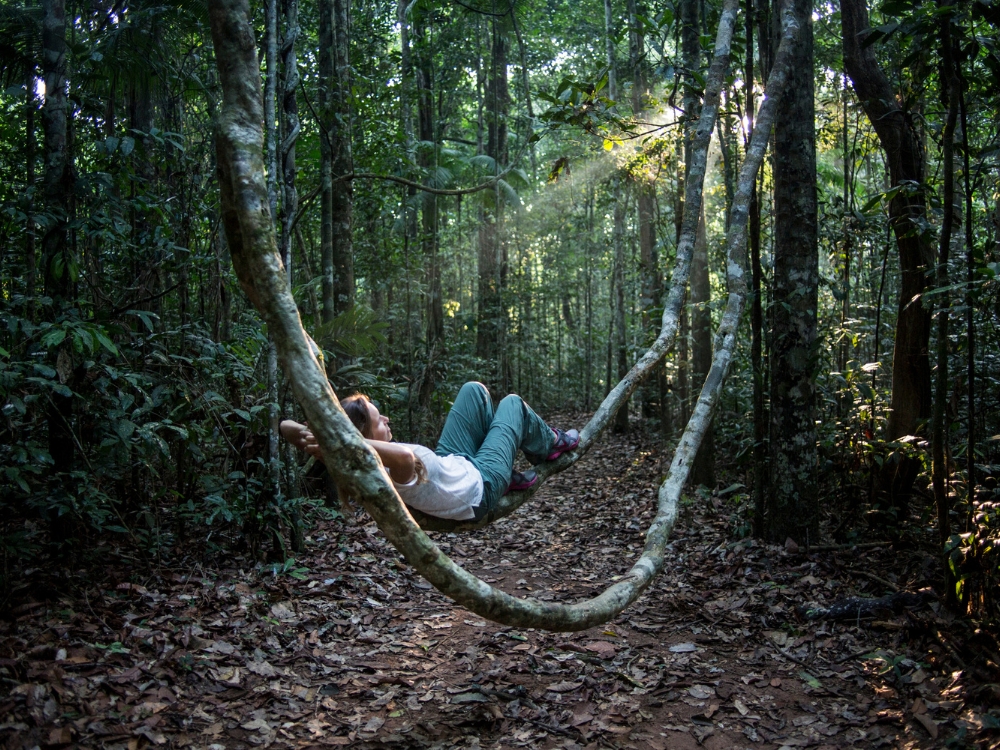
    Tourist relaxing in a vine hammock within the Amazon rainforest during a Brazil eco tour.
    .

    Several tourist cities and luxury ecolodges in Brazil follow strict protocols to ensure the preservation of natural resources while providing one-of-a-kind experiences for travelers from all over the world. You can find high-end tourism options in different states and enjoy comfortable accommodations, fine dining, and exclusive activities without harming the environment. Green practices, in fact, are valuable elements of the trip.

    This beautiful harmony of untouched nature, wonderful service, and hospitality is why Brazil is Travel + Leisure destination of the year (2026), which proves just how special the South American giant actually is.

    PlanetaEXO is an ecotourism platform specializing in adventure tours in Brazil with extensive knowledge in planning high-end, sustainable trips. Check out below our suggestions for unforgettable, eco-friendly luxury experiences!

    Mirante do Gavião Amazon Lodge

    On the banks of the Negro River, Mirante do Gavião Amazon Lodge is one of the most celebrated luxury ecolodges in Brazil thanks to the gorgeous view of the Amazon Rainforest and major sustainable efforts.

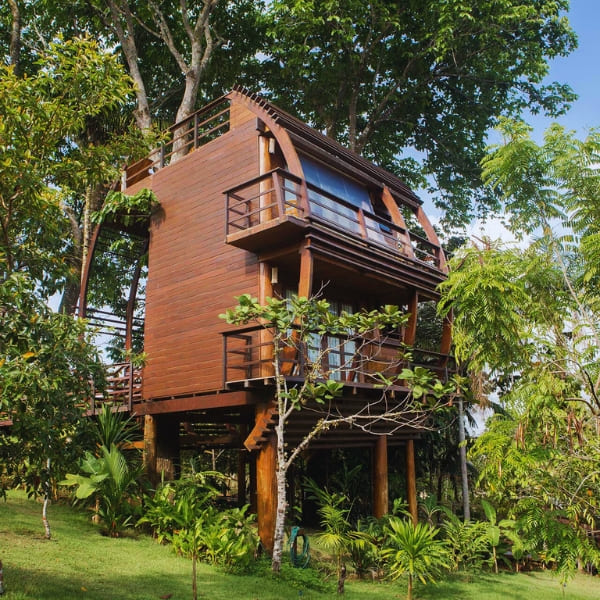
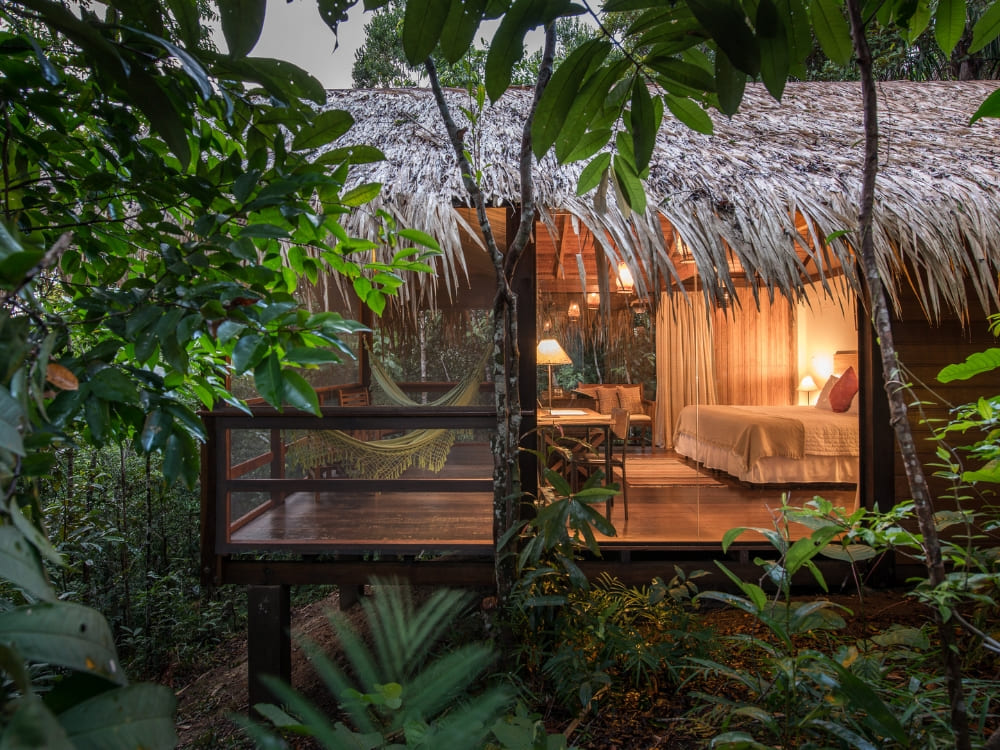
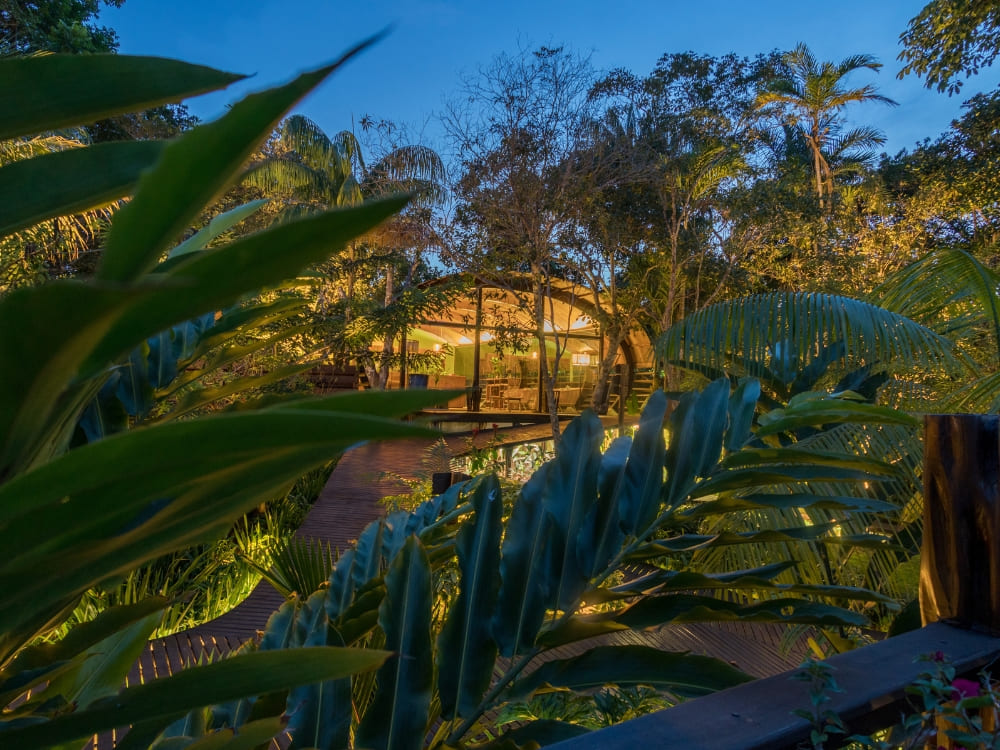
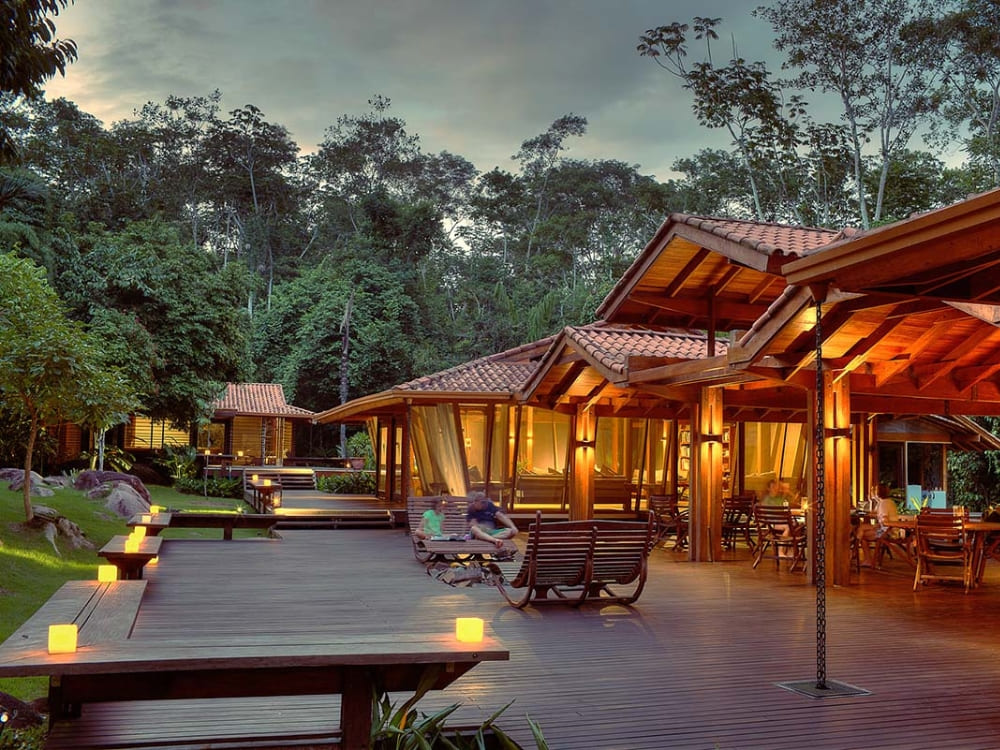
    Built with certified wood facing the Anavilhanas National Park, thirteen bungalows raised in the middle of the forest are spacious and modern yet homey and rustic, beautifully integrating natural elements into contemporary designs. In the common areas, guests can enjoy an elegant living room, relax in hammocks, or play in the game room.

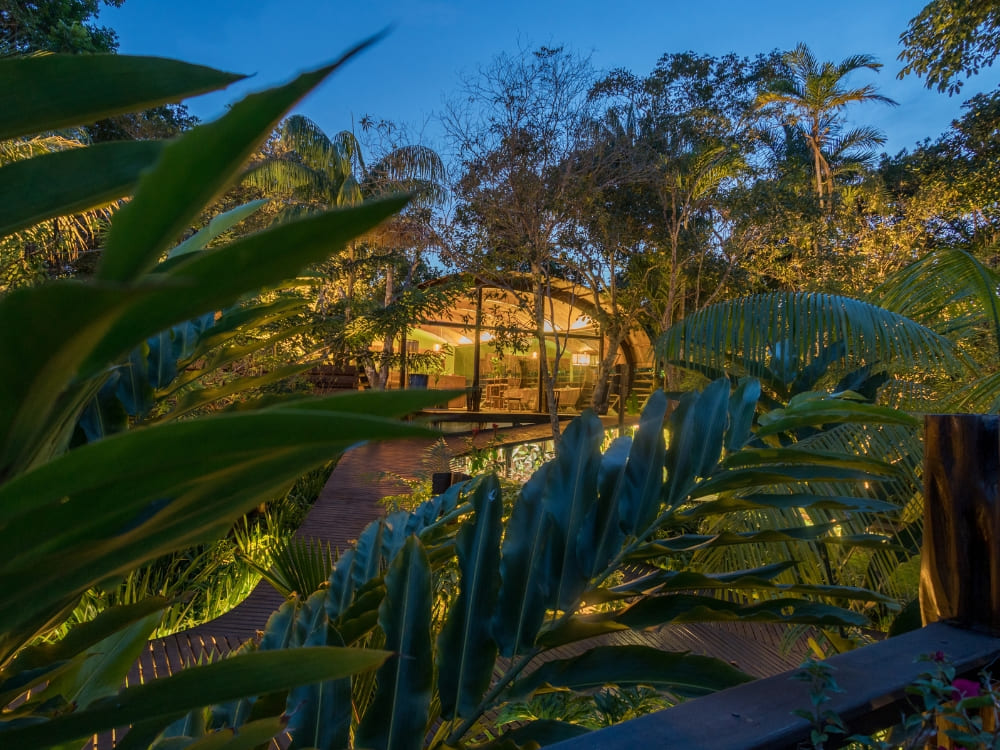
     Illuminated wooden bungalow at Mirante do Gaviao Amazon Lodge surrounded by trees at night.
    .

    To delve deep into the wonders of the Amazon, Mirante do Gavião offers different outdoor activities, such as hiking, boat tours, sunset contemplation, night spotting, cave exploring, and visiting riverside communities. Some expeditions also include camping in the rainforest—perfect for nature junkies!

    • How much:  Starting at US$ 1340 per night in a double room (minimum 2 nights).
    • Included: Round-trip transfer, full board, guided tours.
    • Where: Novo Airão, Amazonas.
    • Best time to go: January to September.
    • How to get there: Flights to Manaus International Airport (MAO) + private transfer provided by Mirante do Gavião Amazon Lodge.

    La Ferme de Georges

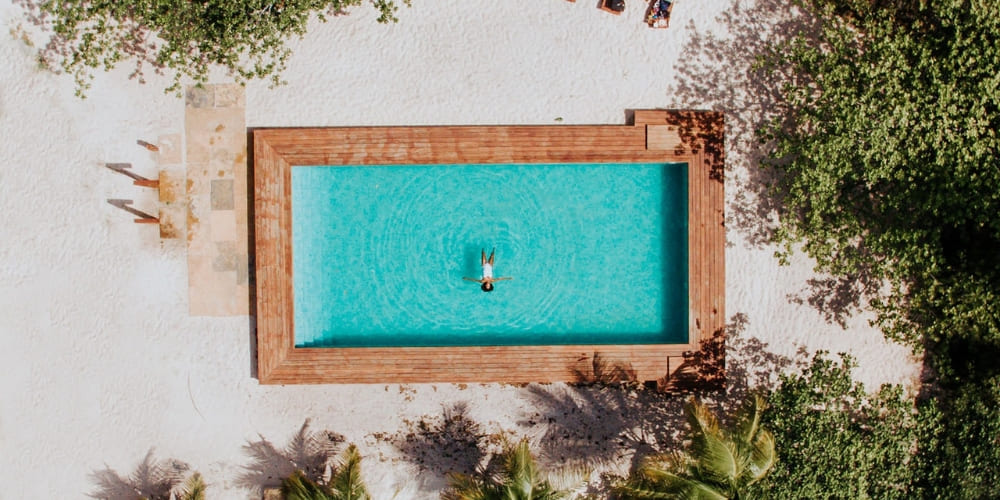
    La Ferme de Georges is a lovely inn right next to Lençóis Maranhenses National Park, offering easy access and guided tours to the white sand dunes and crystal-clear lagoons.

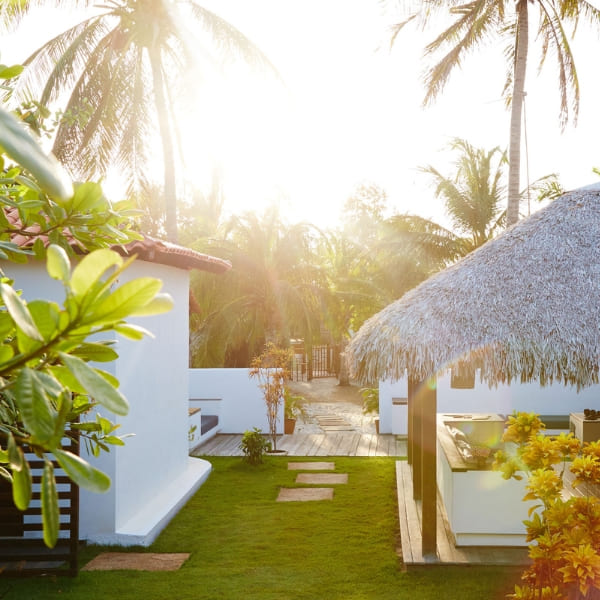
    Each chalet is built with bricks, straw, and local wood, perfectly adapted to Atins’ sunny, warm weather through cross-ventilation and natural light. In the common areas, swim in the pool, grab a drink at the bar, play volleyball at the court, and delight yourself with delicious meals made with fresh, local ingredients at the inn’s restaurant.

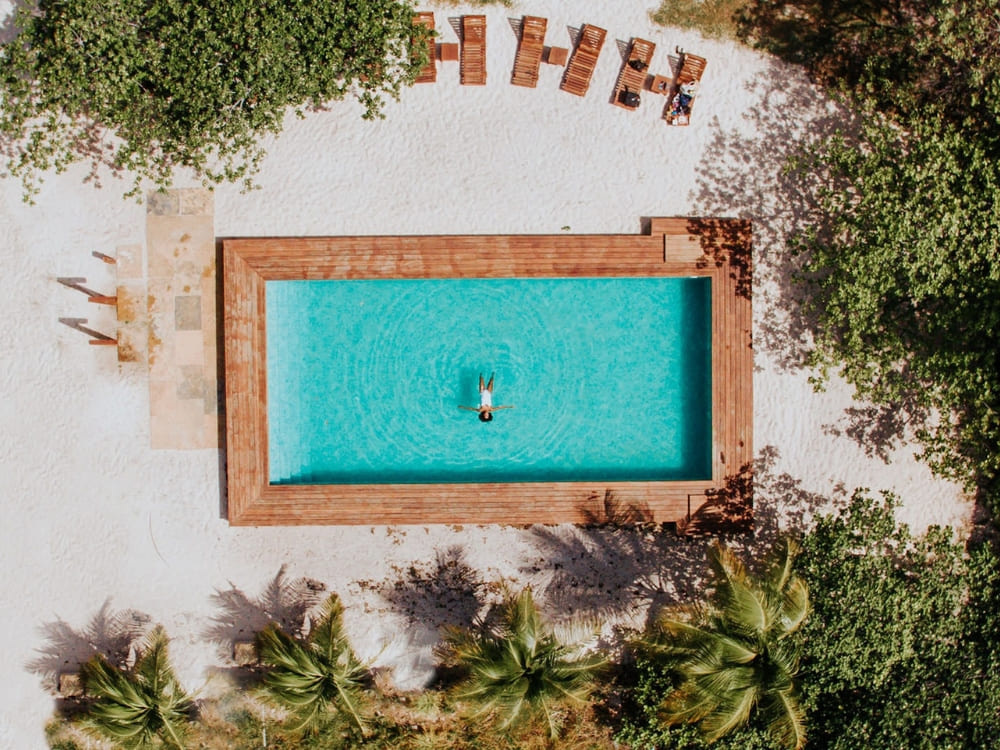
    Aerial view of a person swimming in a rectangular pool at La Ferme de Georges inn.
    .

    Activities include kitesurfing, trekking, horseback riding, wildlife watching, and even giving a hand at the vegetable garden.

    • How much:  Starting at US$ 370 per night in a double room (minimum 2 nights).
    • Included: Breakfast.
    • Where: Atins, Maranhão.
    • Best time to go: May to September.
    • How to get there: Flights to São Luís International Airport (SLZ) + bus or car ride to La Ferme de Georges.

    Ibiti Project

    The Ibiti Project encompasses 6,000 hectares of preserved areas or areas undergoing regeneration while also backing programs to protect endangered species, promoting sustainable local production, coordinating courses to empower the local community, and reducing carbon emissions.

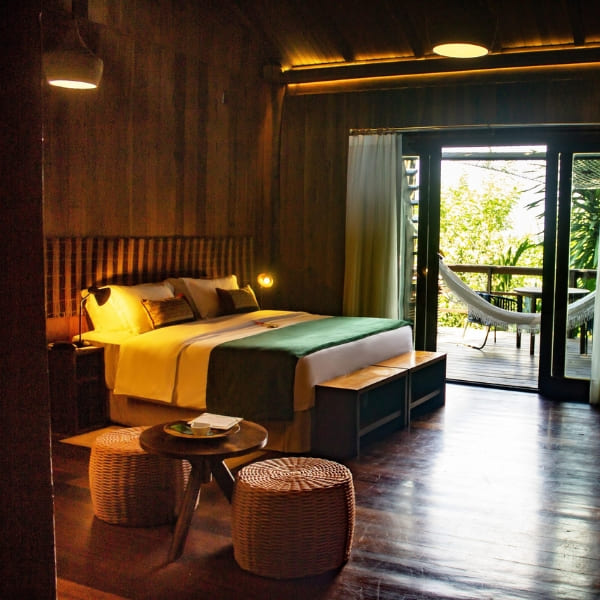
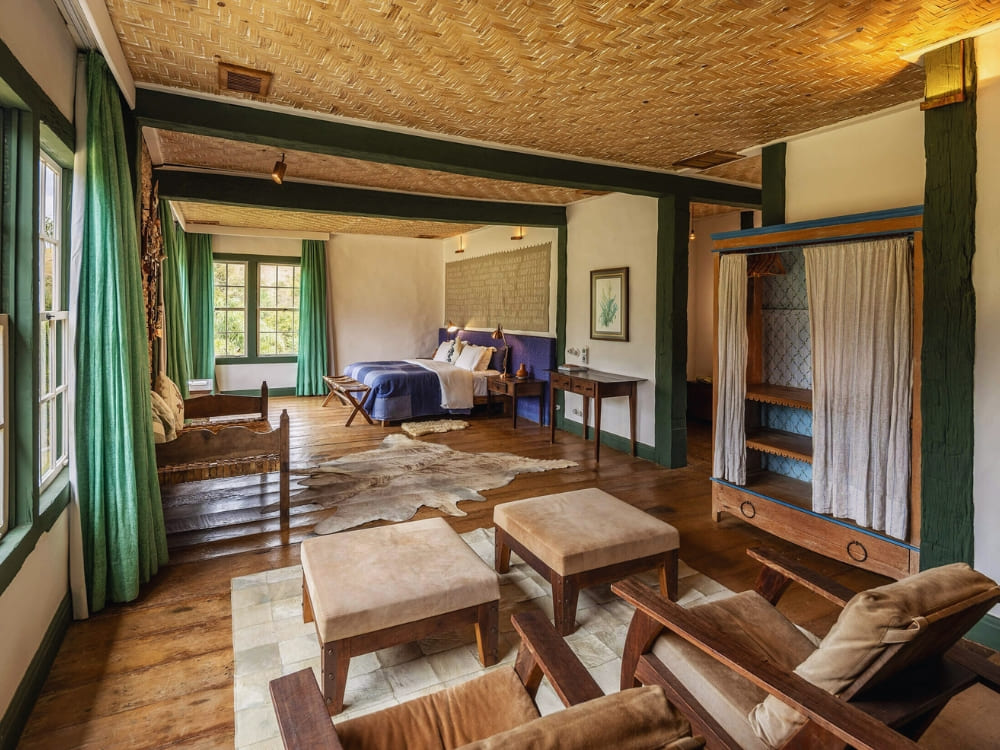
    Spacious rustic bedroom with a large bed, wooden floors, and green accents at Ibiti Project.
    .

    Low-impact architecture is present in all three forms of accommodation: Ibiti Village—a charming village in rural Minas Gerais; Engenho Lodge—a sophisticated farmhouse; and Ibiti Remote—ideal for families and couples seeking tranquility and total disconnection from the outside world.

    To have fun and explore your surroundings, make sure to ask the lodge’s staff about hiking, wildlife watching, stand-up paddling, biking, horseback riding, film screenings at the open-air cinema, and visits to waterfalls, natural pools, and nearby beaches. This Brazil eco tour has it all!

    • How much: US$ 570 per person per night (minimum 2 nights).
    • Included: Full board, non-alcoholic beverages, morning yoga practice, and guided tours.
    • Where: Lima Duarte/Conceição do Ibitipoca, Minas Gerais.
    • Best time to go: All year-round.
    • How to get there: Flights to Zona da Mata Airport (IZA) + private car transfer provided by the Ibiti Project.

    Caiman

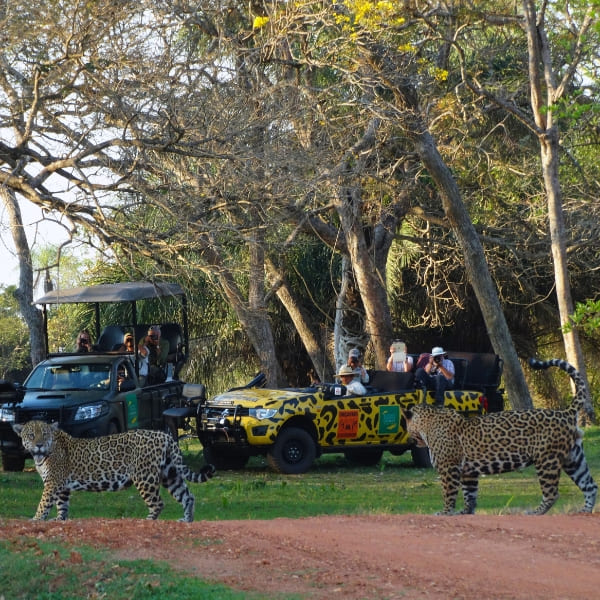
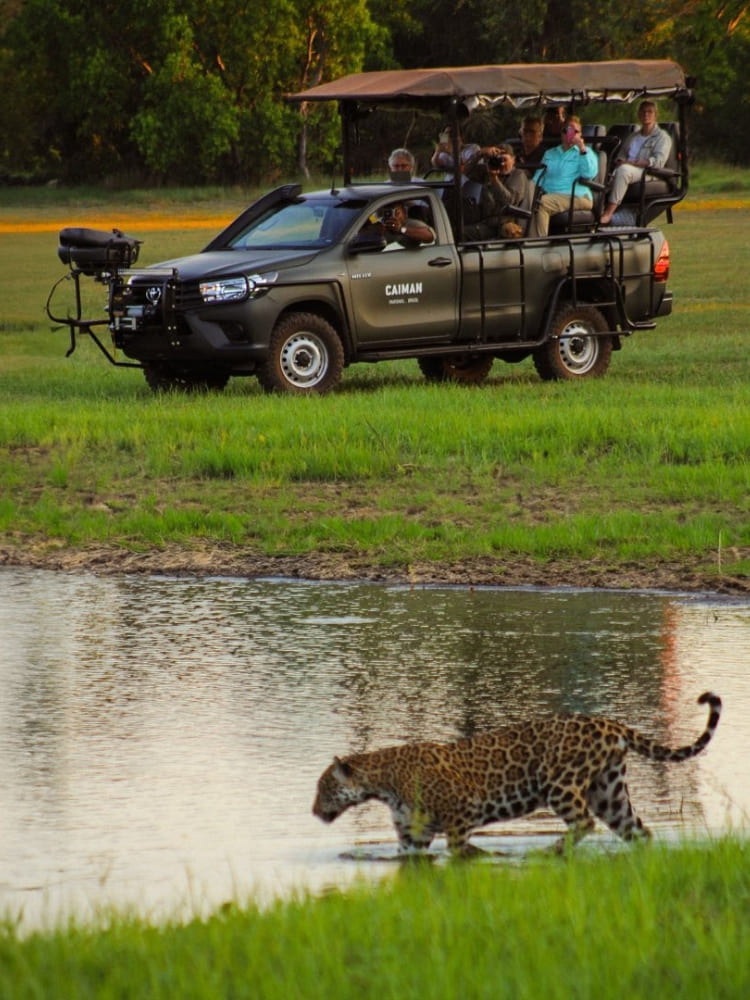
    This one is for the animal lovers! Caiman, in the Pantanal, offers daytime and nighttime safaris, horseback riding, birdwatching, canoeing, and hiking. By joining the lodge’s activities, you’ll have the chance to spot over 500 species—including the jaguar!

    Open-air living room featuring a red cowhide rug and a carved wooden jaguar at Caiman ecolodge.
    .

    Speaking of the largest feline in the Americas, Caiman works in partnership with the Onçafari Project, an initiative to study, protect, and preserve jaguars and other Pantanal animals. It also collects funds to kick-start social programs, environmental trainings, scientific research, fire prevention, and forest management.

    Surely one of the greatest eco-friendly luxury experiences in Brazil, accommodations are divided between Casa Caiman (old-farmhouse-turned-ecolodge) and Baiazinha (a secluded private villa). Each room features private bathrooms, comfy beds, ceiling fans, toiletries, and Wi-Fi.

    • How much: Starting at US$ 1130 per person/night (minimum 3 nights).
    • Included:  Round-trip transfer, full board (drinks not included), and guided tours.
    • Where: Miranda (Southern Pantanal), Mato Grosso do Sul.
    • Best time to go: May to October.
    • How to get there: Flights to Campo Grande International Airport (CGR) or Bonito Regional Airport (BYO) + private transfer provided by Caiman Ecological Refuge.

    Cristalino Jungle Lodge

    Cristalino Lodge is well-known for its impressive infrastructure, gorgeous architecture, comfortable accommodations, delicious traditional food, and diverse itinerary in the Mato Grosso share of the Amazon Rainforest, located in a 27,000-hectare private nature reserve.

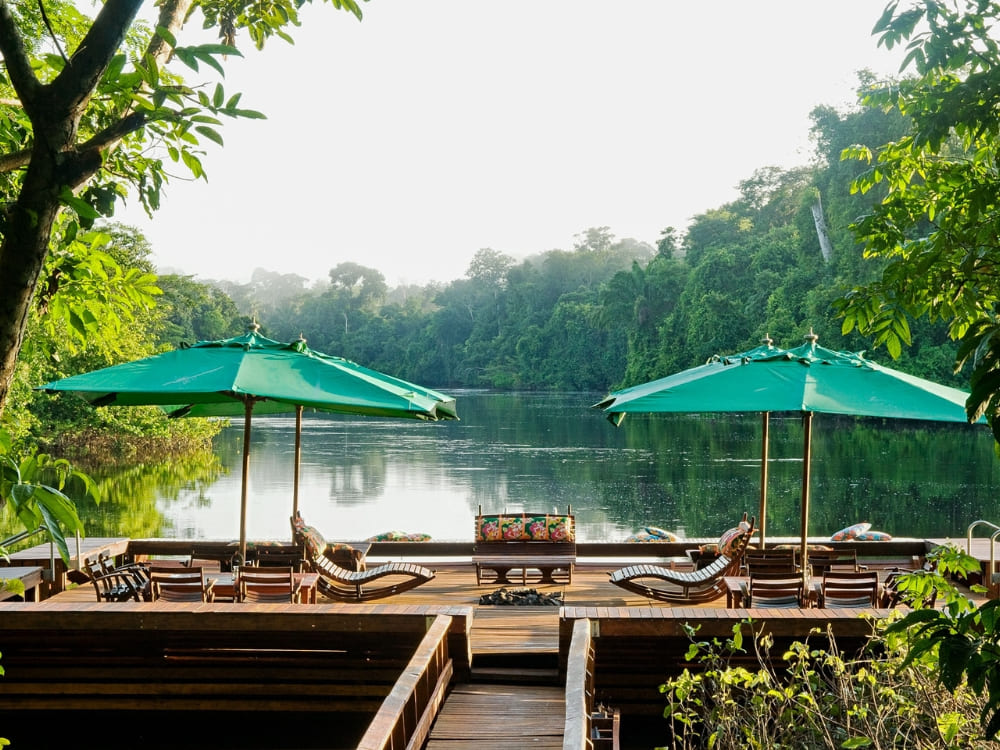
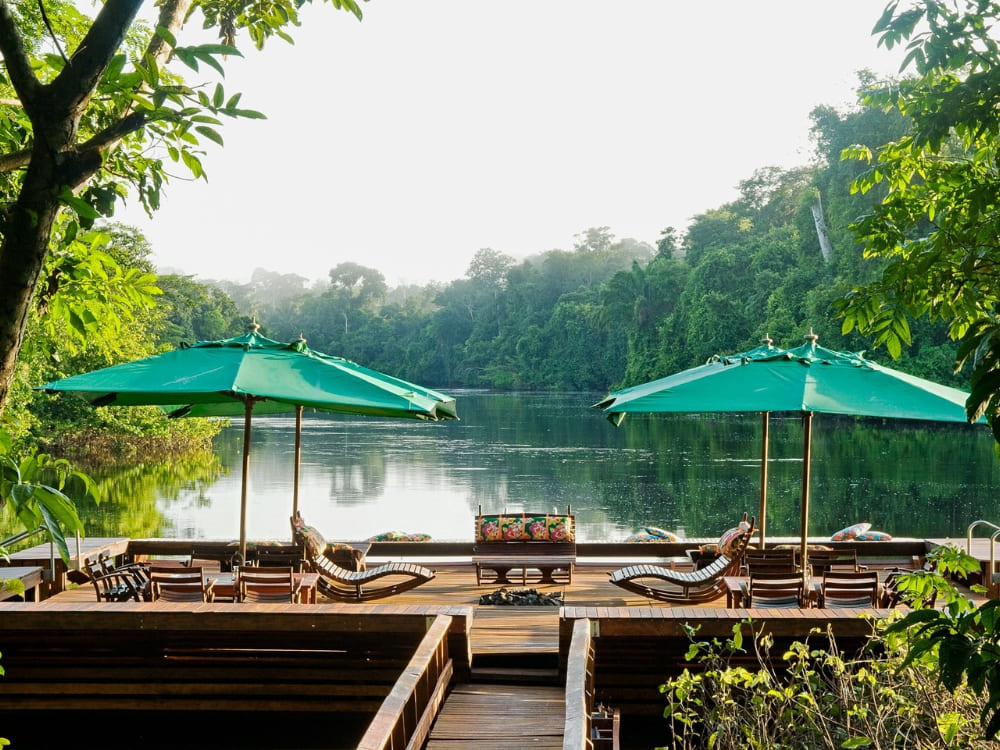
    Wooden deck with green umbrellas and lounge chairs overlooking a serene Amazon river.
    Photo: Luis Gomes

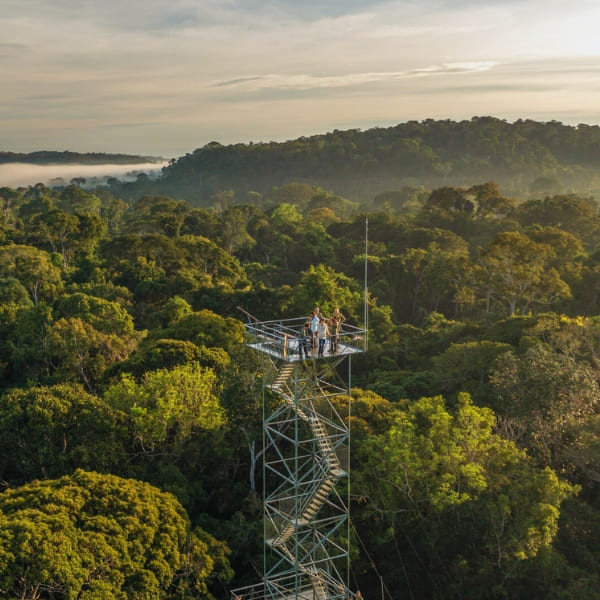
    As a part of National Geographic’s best ecolodges in the world list, Cristalino shines bright when it comes to expeditions: forest hiking, canoeing, birdwatching, scientific tours guided by specialists, and animal spotting at the top of 50-meter towers with panoramic views of thousands of lush green trees.

    The entire lodge operates on renewable energy and sustainable water resource management, in addition to supporting research and local schools.

    • How much: Starting at US$ 945 per night in a double room (minimum 2 nights).
    • Included: Round-trip transfer (Alta Floresta airport/hotel), full board, guides, and non-alcoholic beverages.
    • Where: Alta Floresta, Mato Grosso.
    • Best time to go: January to September.
    • How to get there: Flights to Alta Floresta Airport (AFL) + private transfer provided by Cristalino Lodge.

    👉 Read more: When is the Best Time to Visit Brazil?

    Nannai Noronha

    You can’t talk about luxury travel in Brazil without mentioning Fernando de Noronha, a beautiful archipelago in Pernambuco and (probably) the country’s most coveted destination!

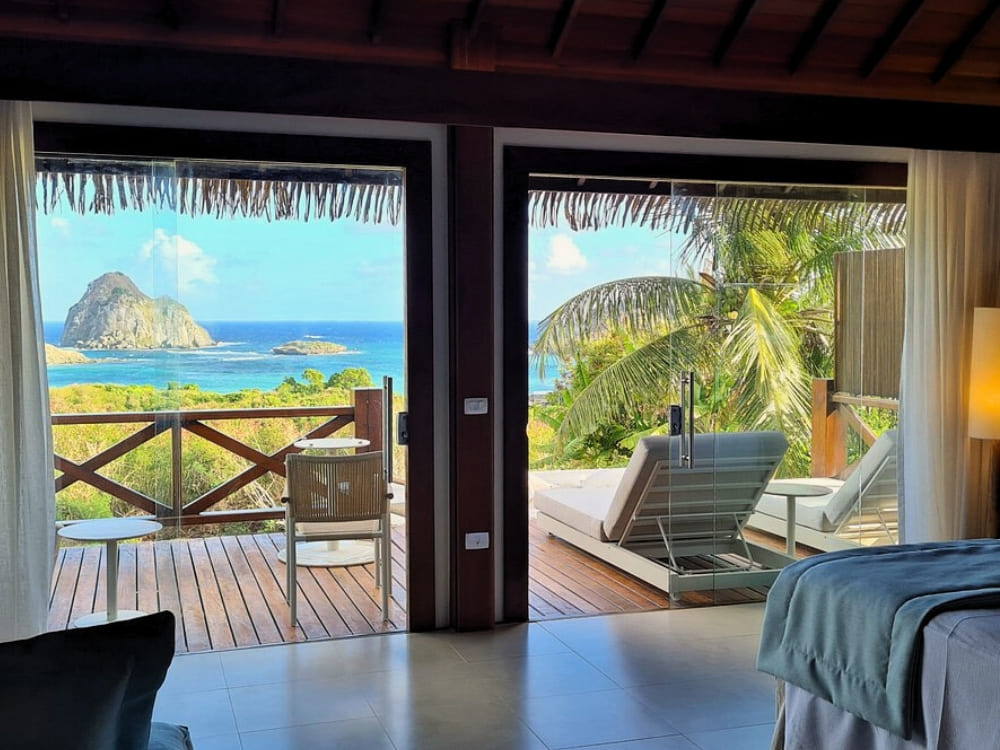
    Nannai Noronha is the perfect accommodation for travelers who prefer a high-end infrastructure and premium services. Facing the jaw-dropping beauty of Baía do Sueste, guests get comfy in bungalows or apartments with sea views, all of them including king-size beds, hot showers, toiletries, charming decor, and private balconies.

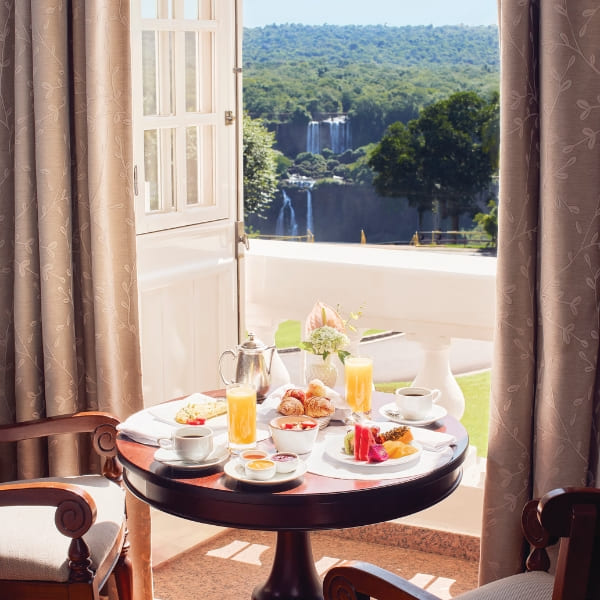
    Open balcony doors revealing a lounge chair and stunning ocean views in Fernando de Noronha.
    .

    Additionally, this ecolodge has easy access to numerous beaches, coastal hiking trails, and scuba diving areas, while also offering private picnics, special meals, and luaus. 

    As a way to contribute to Fernando de Noronha’s efforts to protect its natural resources, Nannai supports researchers who monitor marine fauna in controlled visitation areas, generates energy with solar panels, and has its own water management system and organic vegetable gardens.

    • How much: Starting at US$ 818 per night in a double room (minimum 1 night).
    • Included: Breakfast.
    • Where: Fernando de Noronha, Pernambuco.
    • Best time to go: All year-round, but diving is best between May and July.
    • How to get there: Flights from Recife International Airport (REC) to Fernando de Noronha Airport (FEN) + car ride to Nannai Noronha.

    Pousada Trijunção

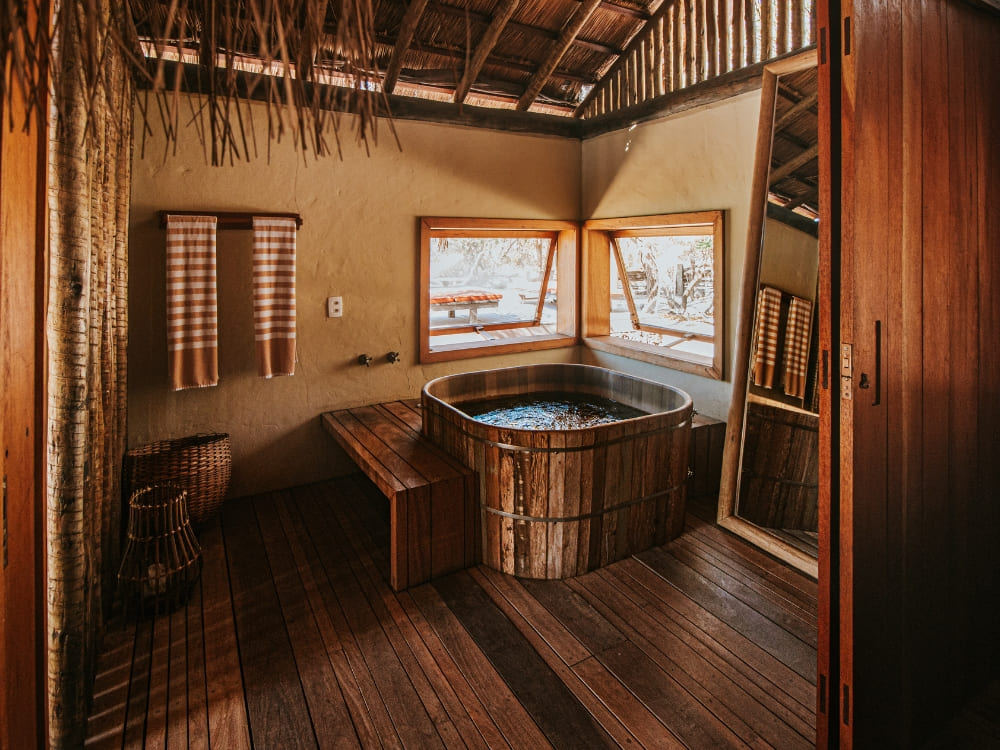
    Trekking, biking, sunrise contemplation, birdwatching, and wildlife watching—which includes expeditions to spot the mysterious maned wolf—are some of the activities offered by Pousada Trijunção, a beautiful lodge of the Cerrado, the savanna biome of Brazil.

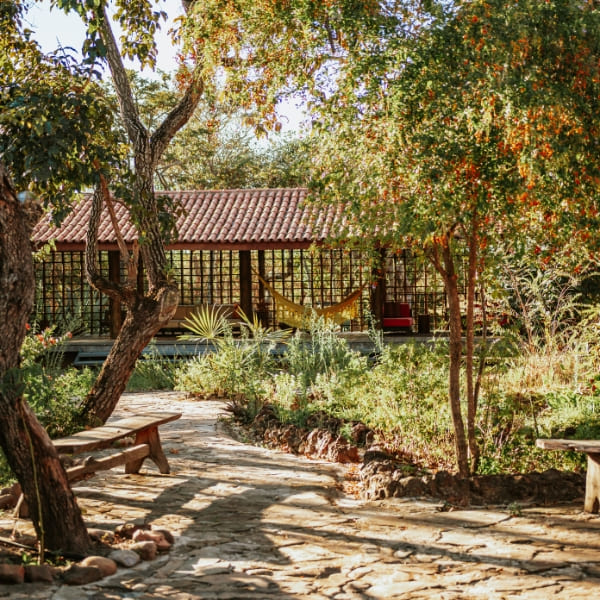
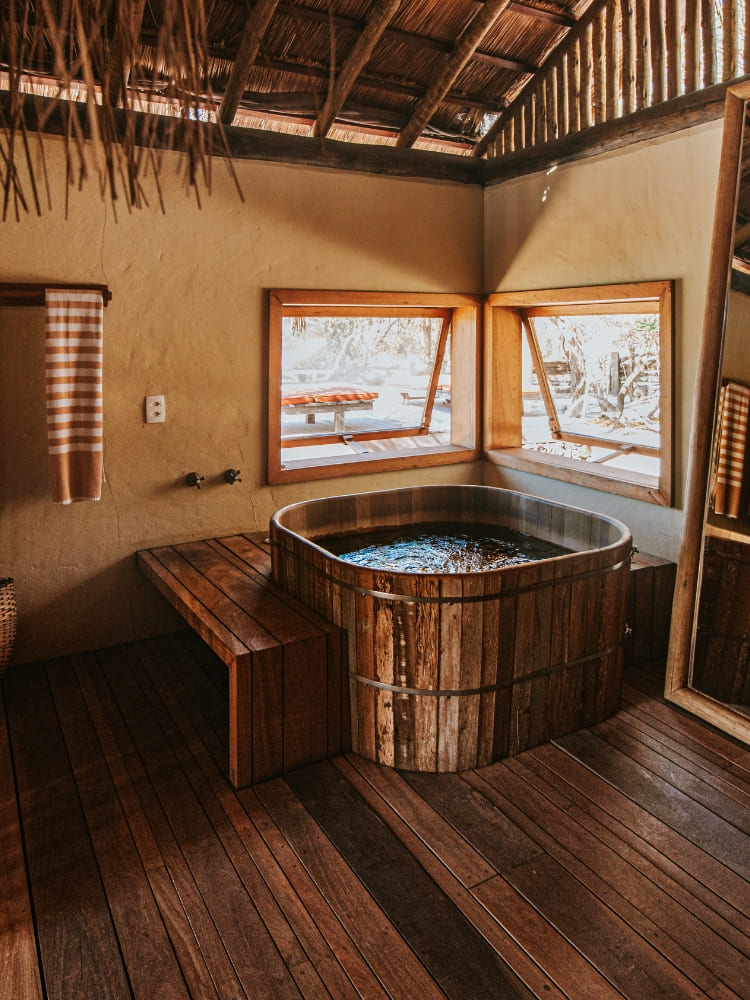
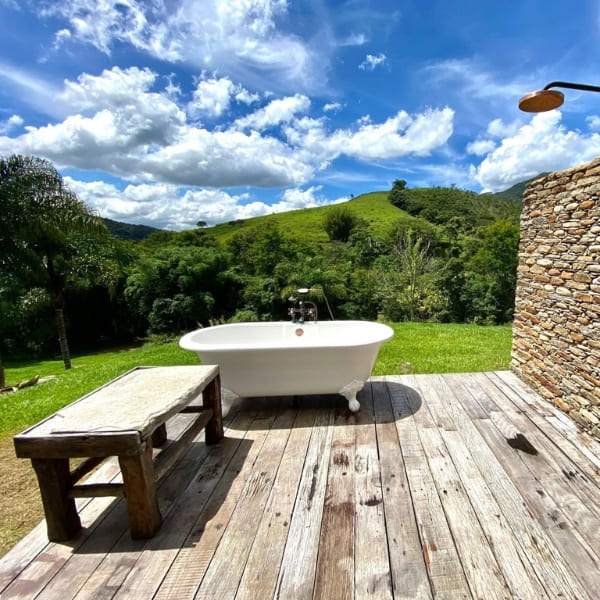
     Wooden soaking tub set beside large windows inside a rustic suite at Pousada Trijuncao.
    Photos: Fe Albori

    After a long day of adrenaline in nature, relax in the suites or in Villa Jatobá, a private house perfect for larger groups. Every accommodation is equipped with comfortable beds, air-conditioning, private bathroom, TV, Wi-Fi, minibar, toiletries, etc.

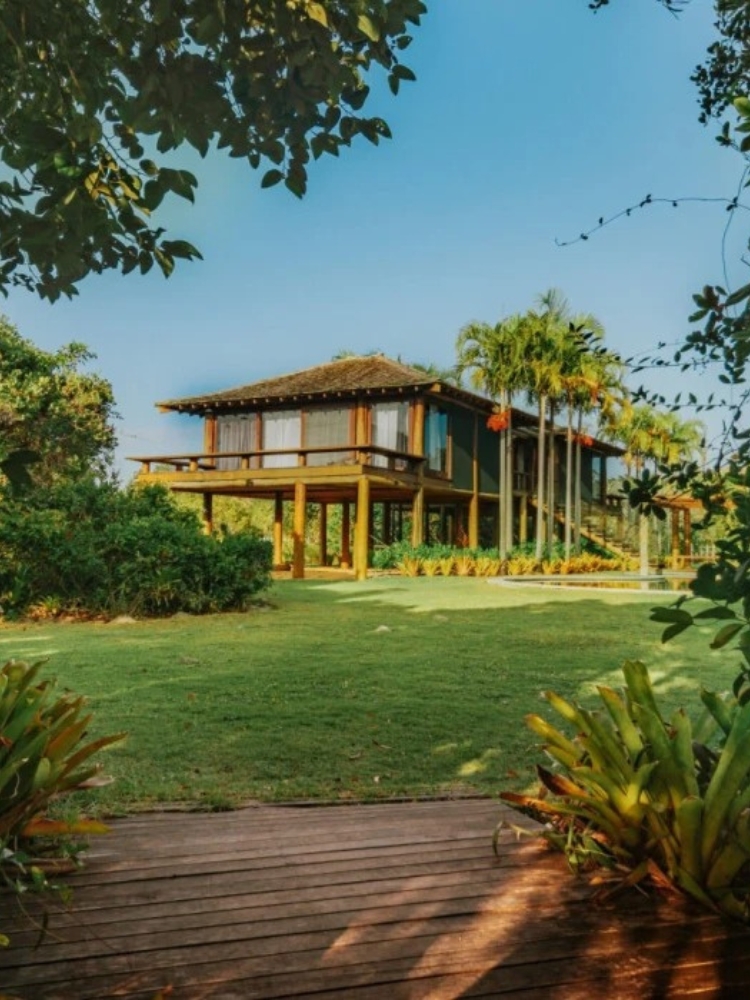
    Sustainable practices are rigorously followed in order to preserve the Cerrado, such as solar energy, rainwater harvesting, recycling, and promoting conservation programs and environmental education.

    • How much: Starting at US$ 685 per person per night (minimum 1 night).
    • Included: Round-trip transfer, full board, non-alcoholic drinks, and guided tours.
    • Where: Jaborandi, Bahia (near the triple border of Bahia, Goiás, and Minas Gerais).
    • Best time to go: May to September / October to April.
    • How to get there: Flights to Brasília International Airport (BSB) + car ride, chartered plane, or private car transfer provided by Pousada Trijunção.

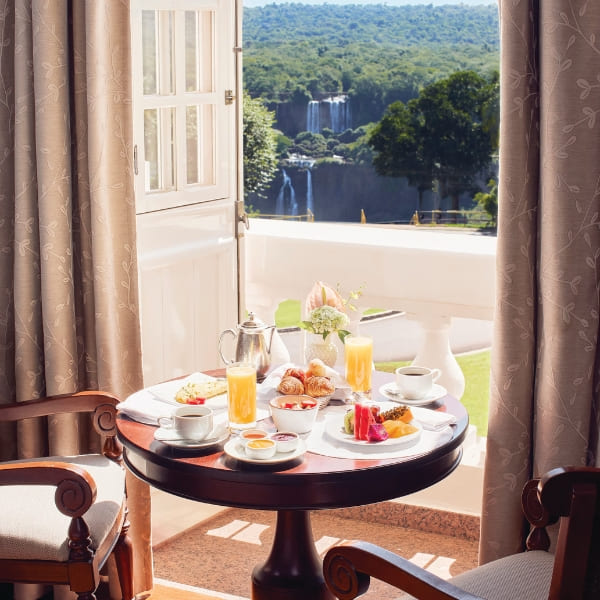
    Belmond Hotel das Cataratas

    Belmond is one of the world’s most important hotel chains—the iconic Copacabana Palace is part of it—acclaimed for its premium services, refined infrastructures, and high-end experiences. 

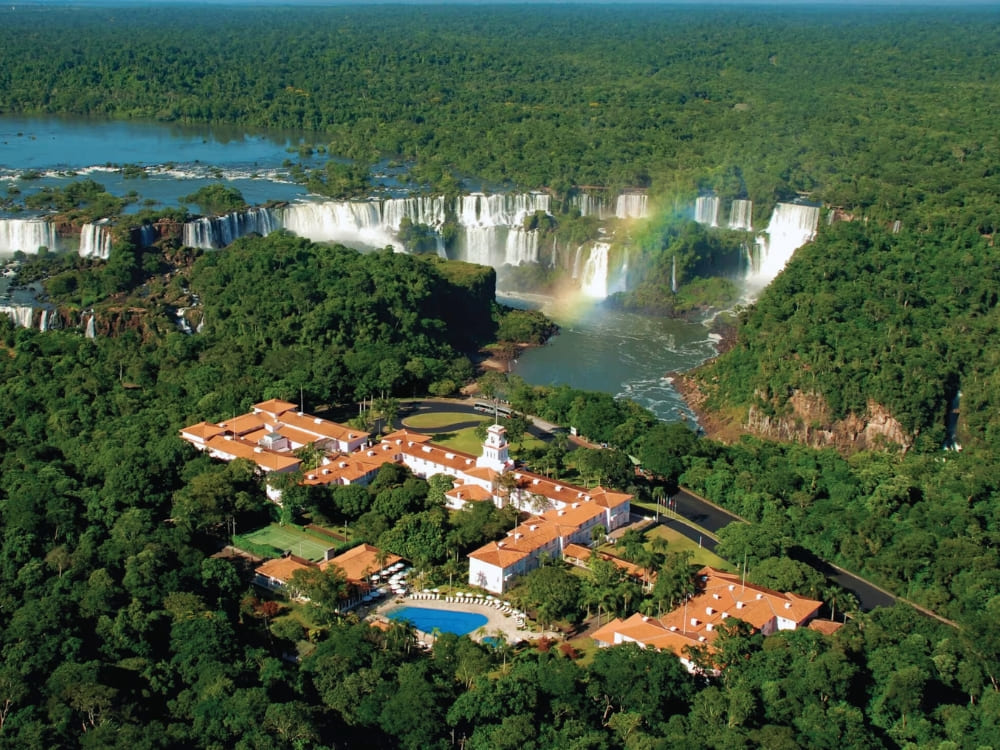
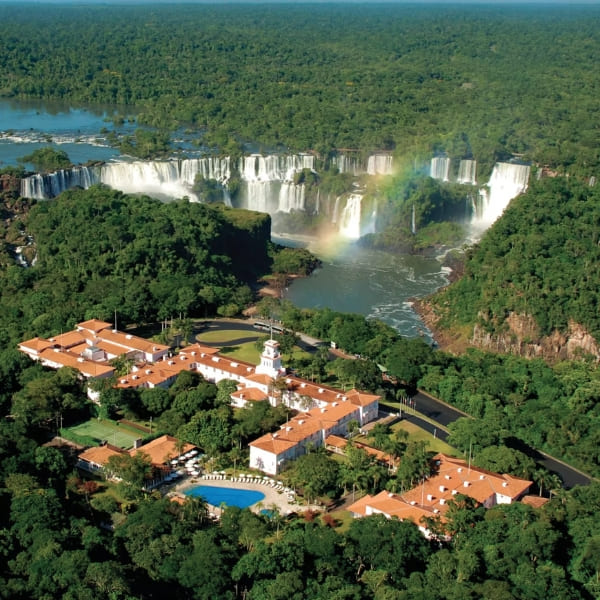
    The only hotel in Iguaçu National Park, Belmond Hotel das Cataratas features elegant accommodations, a fine dining restaurant, a spa, event venues, a swimming pool, lounges, and a gym.

    Aerial view of Belmond Hotel das Cataratas nestled in the forest near the Iguacu Falls.
    .

    As the perfect mix between comfort and nature activities, the itinerary allows for great enjoyment in Iguaçu Falls—larger in extension and height than Niagara Falls—including speedboat rides, stargazing, sunrise contemplation, and night tours. One of its unique services is the exclusive access to the waterfalls before the park opens.

    Sustainability is addressed through water management, recycling, and the preference for local suppliers.

    • How much:  Starting at US$ 1080 per night in a double room (minimum 1 night).
    • Included: Breakfast
    • Where: Foz do Iguaçu, Paraná.
    • Best time to go: All year-round, but travelers enjoy Foz do Iguaçu the most between January and May, when the falls are fuller due to the rainy season.
    • How to get there: Flights to Foz do Iguaçu International Airport (IGU) + car ride to Belmond Hotel das Cataratas.

    Barracuda Boutique 

    In Itacaré, a lovely coastal town in Southern Bahia, Barracuda Boutique shares space with gorgeous beaches, Atlantic Forest areas, and a welcoming local community that enriches anyone’s experience with a great sense of culture and hospitality.

    Recognized by Small Luxury Hotels of the World™ (SLH) and The Michelin Guide, Barracuda is contemporary and elegant, yet casual and free-spirited, making it an amazing option for luxury vacations in Brazil.

    Aerial view of Barracuda Boutique hotel featuring a long pool overlooking the Atlantic ocean.
    .

    This authenticity is easily noticed by the modern design of its eleven suites, OITI Restaurant & Bar, and outdoor experiences—boat riding, canoeing, trekking, rafting, stand-up paddling, mountain biking, surfing, fishing, capoeira classes, and visiting cocoa farms.

    ESG (Environmental, Social, and Governance) initiatives are just as abundant: water reuse, carbon tracking, regenerative tourism practices, and support for social programs, climate protection, and forest conservation.

    • How much: Starting at US$ 640 per night in a double room (minimum 1 night).
    • Included:  Breakfast.
    • Where: Itacaré, Bahia.
    • Best time to go: All year-round.
    • How to get there: Flights from Salvador Bahia Airport (SSA) to Ilhéus Airport (IOS) + car ride to Barracuda Boutique.

    UXUA Casa Hotel & Spa

    Famous for its exquisite beaches, historic downtown (Quadrado), rustic atmosphere, and lively nightlife, Trancoso is a must-visit district in Porto Seguro, Bahia. 

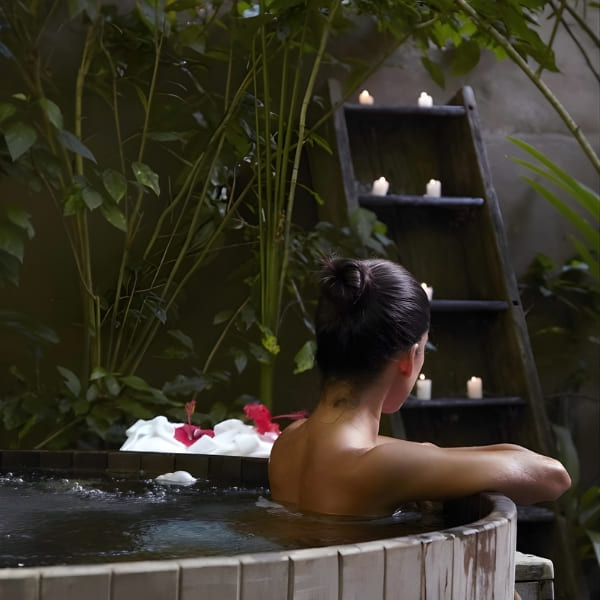
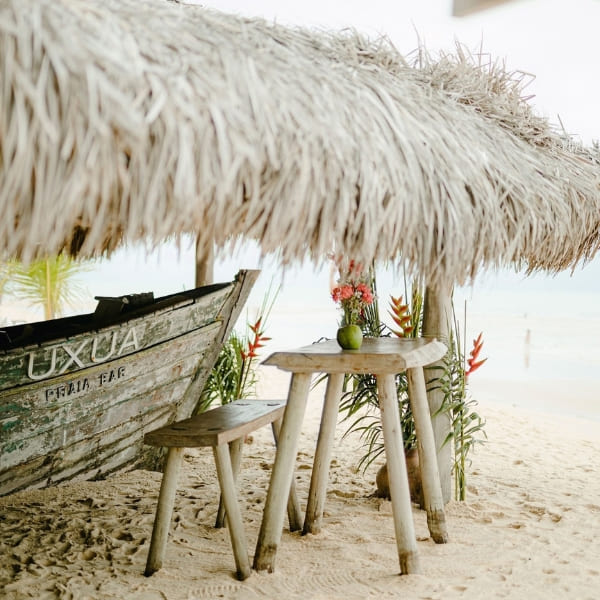
    UXUA Casa Hotel & Spa perfectly sums up the destination’s vibes, with entire houses serving as accommodations—each of them offering private access to the beach—massages at Vida Spa & Lab, mouthwatering food at UXUA Praia Bar, and activities such as surfing, kayaking, and beach volleyball.

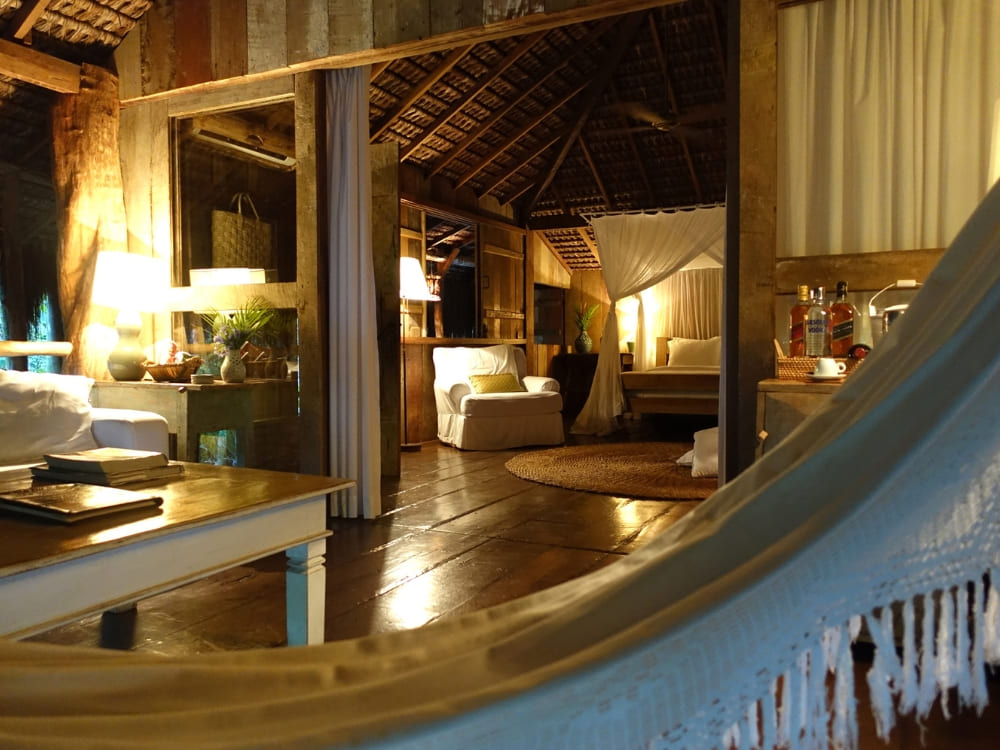
    View from a hammock looking into a warmly lit rustic suite with wooden floors at UXUA.
    .

    This luxury ecolodge in Brazil uses reclaimed wood and natural materials in its architecture, while also supporting local artisans, organic horticulture, and cultural projects that strengthen the village’s local economy. 

    • How much: US$ 580 per night in a double room (minimum 2 nights).
    • Included: Breakfast.
    • Where: Trancoso, Bahia.
    • Best time to go: All year-round.
    • How to get there: Flights from Salvador Bahia Airport (SSA) to Porto Seguro Airport (BPS) + car transfer provided by UXUA Casa Hotel & Spa.

    Booking your Brazil luxury tour with PlanetaEXO

    Can’t wait to enjoy Brazil eco-tours with all the comfort and premium services that high-end lodges can provide?

    PlanetaEXO is an ecotourism platform specializing in adventure tours in Brazil. By working with the best local partners, we’re able to plan the vacation of your dreams based on tailor-made itineraries, sustainable practices, and a positive impact on the environment and regional communities. Contact us now!
  • Luxury Tours in Brazil: Comfort, Nature, and Wildlife

    Luxury Tours in Brazil: Comfort, Nature, and Wildlife

    Discover luxury trips in Brazil that combine comfort, nature, and sustainability; learn how to travel in style while supporting conservation and local communities!

    Luxury tours in Brazil not only offer high-standard accommodation and services in 5-star hotels but also, from an ecotourism perspective, allow for total connection to nature without harming ecosystems and communities.

    Whether it’s on Amazon river cruises, ecolodges in the Pantanal, the dunes of Lençóis Maranhenses, or the stunning beaches of Fernando de Noronha, the best luxury experiences include unforgettable trips that cause a positive impact.

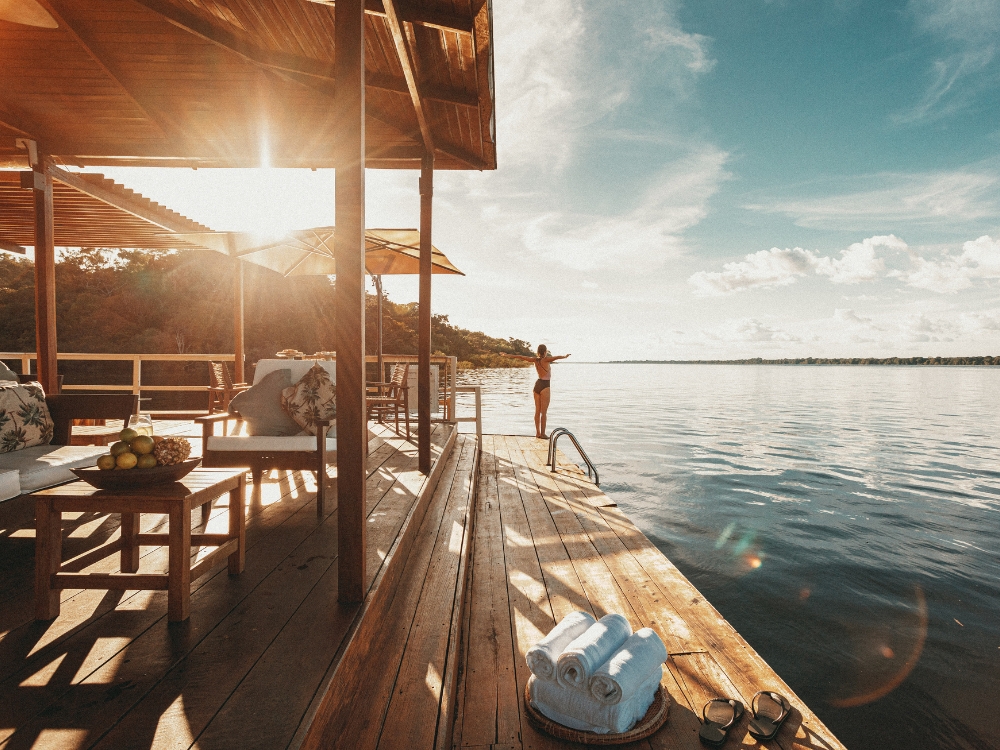
    Person with open arms on the floating wooden deck of an Amazon ecolodge at sunset.
    Photo: Felipe Castellari

    PlanetaEXO is an ecotourism platform specializing in adventure tours in Brazil. We work with esteemed local partners to organize the best trip for travelers from all over the world, including high-end experiences with the perfect mix of nature immersion and premium services. Check out some options below!

    Amazon Rainforest 

    Itineraries in the Amazon Rainforest include canoeing, hiking, wildlife watching, boat tours, and visits to local communities, as well as sophisticated accommodations in gorgeous jungle lodges.

    Exclusive stay in Anavilhanas 

    Located in Anavilhanas National Park, the second-largest river archipelago in the world, the Anavilhanas Jungle Lodge is considered one of the best lodges in the Amazon.

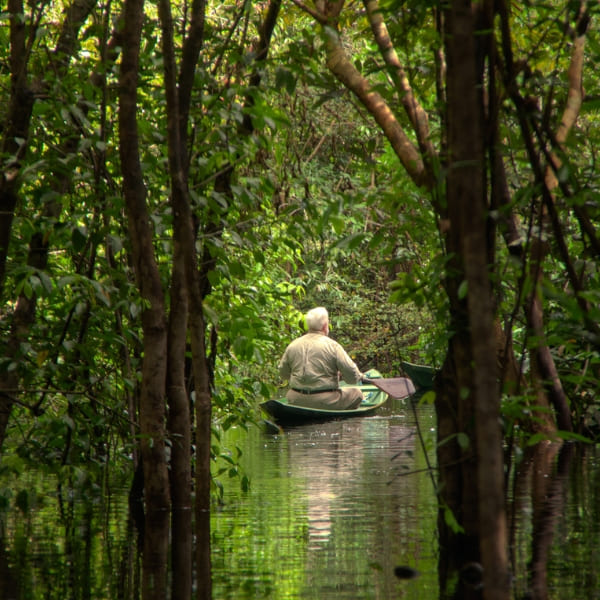
    This six-day journey features canoe explorations through narrow igarapés (shallow, narrow streams or creeks winding through the forest), guided forest walks, sunrise and night safaris, wildlife encounters, and visits to traditional riverside communities. 

     Illuminated rustic luxury bungalow with a thatched roof, comfortable bed, and balcony hammock surrounded by the Brazilian jungle.
    Photo: Felipe Castellari

    With luxury bungalows immersed in nature, a pool overlooking the river, and refined regional cuisine, it offers comfort while maintaining a strong environmental commitment. Besides preserving 520 hectares of the national park, Anavilhanas Jungle Lodge is a signatory of the UN Global Compact, supports scientific research, uses only renewable energy, and follows a strict zero-plastic policy.

    Luxury Amazon lodge

    Another well-renowned jungle lodge in the Amazon Rainforest is Mirante do Gavião, situated in the municipality of Novo Airão.

    The modern design of the hotel’s architecture is jaw-dropping, while the infrastructure provides the ultimate comfort and leisure: elegant suites with beautiful views of the forest, a swimming pool, a deck facing the Negro River, a gaming room, and even a massage room.

    Modern wood and glass architecture of the Mirante do Gaviao hotel illuminated at night in the jungle.
    .

    Activities include boat tours, hiking, sunrise/sunset contemplation, night spotlighting, exploring the Madadá Caves, and visiting local communities.

    Although Mirante do Gavião is located near Anavilhanas—and some expeditions take place there—guests can also camp within the limits of Jaú National Park to sleep under the starry Amazonian sky.

    Cruise the Amazon rivers

    River cruises in the Amazon are some of the best options of luxury tours in Brazil for travelers who thirst for adventure but can’t say no to comfort.

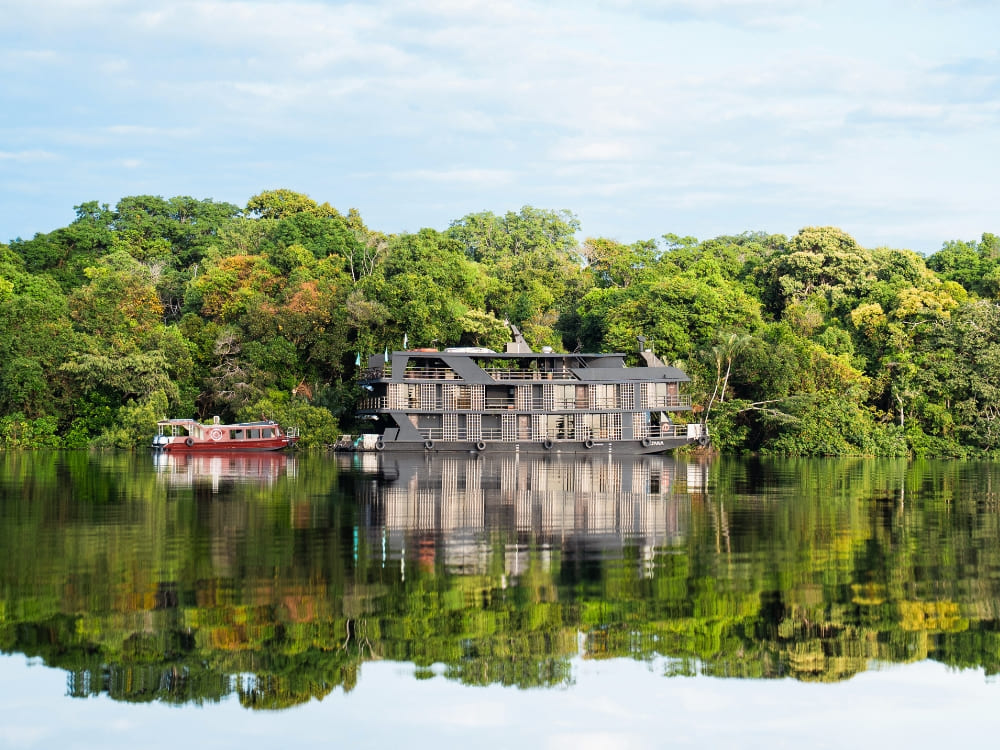
     Large and luxurious river cruise ship reflected in the calm waters of an Amazon river.
    Photo: Isadora Sá

    Traveling through the rainforest and waking up every day to a different landscape is a unique experience, which gets even better with the wonderful stay experience. High-end vessels have it all: spacious cabins with private bathrooms and premium amenities, elegant common areas for moments of leisure, and delicious food made fresh every day.

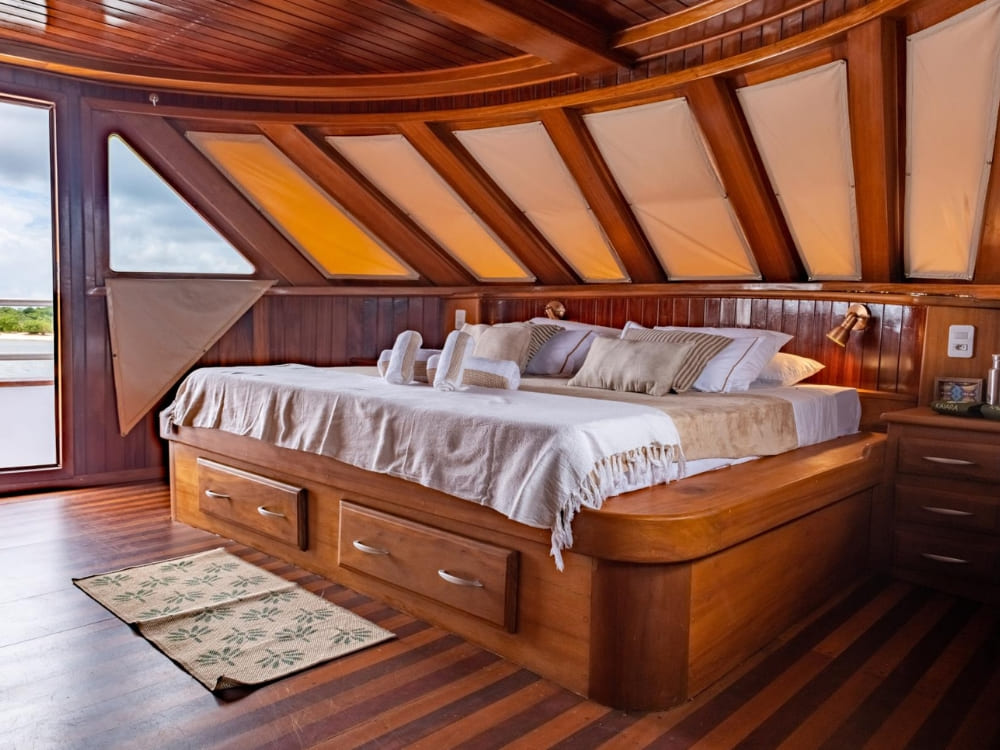
     Large double bed with white sheets in a spacious cabin with a wooden ceiling on the cruise.
    .

    The itinerary varies according to season, but generally speaking, it features canoeing, swimming in igapós (flooded forests), boat tours, wildlife watching, hiking, night spotlighting, and visiting river beaches in Alter do Chão, Anavilhanas, and Jaú National Park.

    Providing the most authentic experiences, luxury Amazon cruises like Zaltana and Kaiara also follow sustainable protocols, such as using solar panels, water treatment systems, fuel-efficient engines, recycling, etc.

    👉 Read more:

    Wildlife and birdwatching in the Amazon 

    Many travelers visit the Amazon hoping to see wild animals, but it can be difficult to spot them due to the dense vegetation and vastness of the forest. 

    However, Cristalino Lodge, in northern Mato Grosso, offers great opportunities for spotting monkeys, giant otters, tapirs, and rare birds. With expert-led hikes, 50-meter-high observation towers, and refined forest-view bungalows, it’s a top choice for wildlife sightings and birdwatching.

    Wooden deck over the water with lounge chairs and large green umbrellas surrounded by trees.
    Photo: Luis Gomes

    Recognized by National Geographic as one of the best lodges in the country, Cristalino also stands out for its refined hospitality, with forest-view bungalows, a library, and Amazon-inspired fine dining.

    👉 Read more: 15 Amazon Animals: Unravel the Wildlife in Brazil

    Wildlife adventures in the Pantanal 

    The best place for wildlife watching in Brazil is the Pantanal, not only for its incredibly rich biodiversity but also because of its open fields, which allow for better sightings of animals.

    Depending on the location (north or south), travelers enjoy fantastic activities in the Pantanal, like wildlife safaris (boat or 4×4), canoeing, hiking, horseback riding, etc.

    Jaguar Photography Tour in the North Pantanal

    The northern region is the best place to see jaguars in the Pantanal. Naturally, wildlife lovers from many countries cross the world to admire and photograph these beautiful creatures.

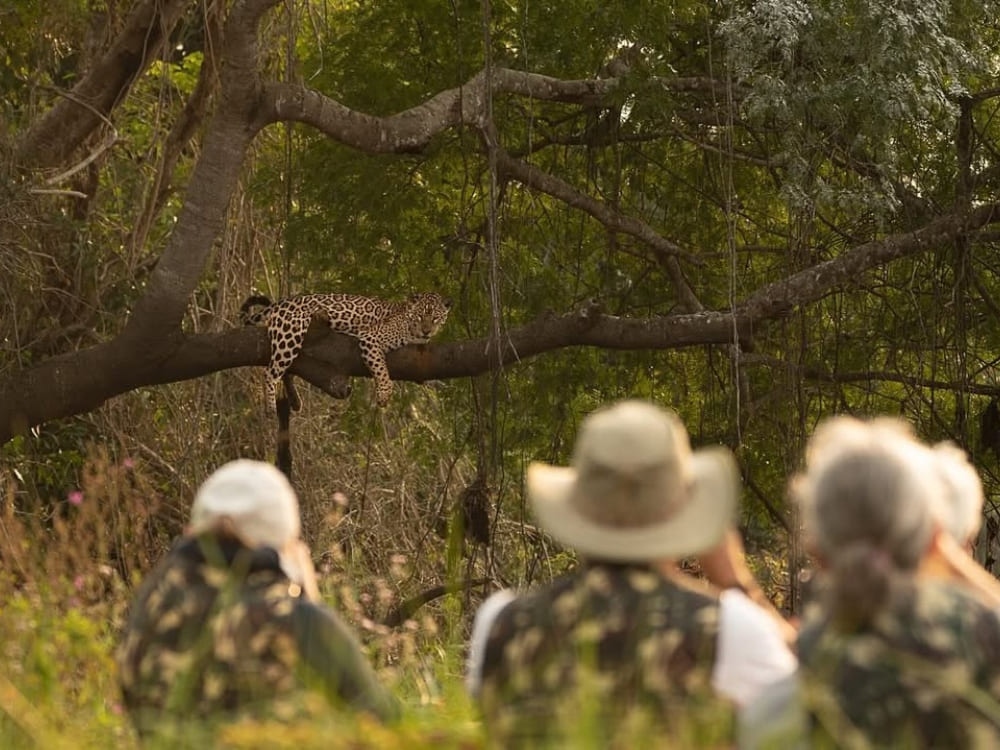
     Tourists with hats and cameras in a boat observing a jaguar lying on a tree branch.
    .

    Boat safaris are organized by ecolodges located in the city of Poconé. Accompanied by expert guides with extensive knowledge in wildlife photography, the groups spend days in the wetlands looking for jaguars and other Pantanal animals.

    Guests who join the Pantanal Jaguar Photography Tour stay at lodges like Santa Rosa, which features beautiful chalets located on the banks of the São Lourenço River. In the common spaces, guests have a lovely time in the swimming pool and social areas.

    Luxury Jaguar Safari in the South Pantanal

    On the list of Brazil’s luxury sustainable travel experiences, Caiman, one of the best and most elegant lodges in all of the Pantanal, cannot be forgotten.

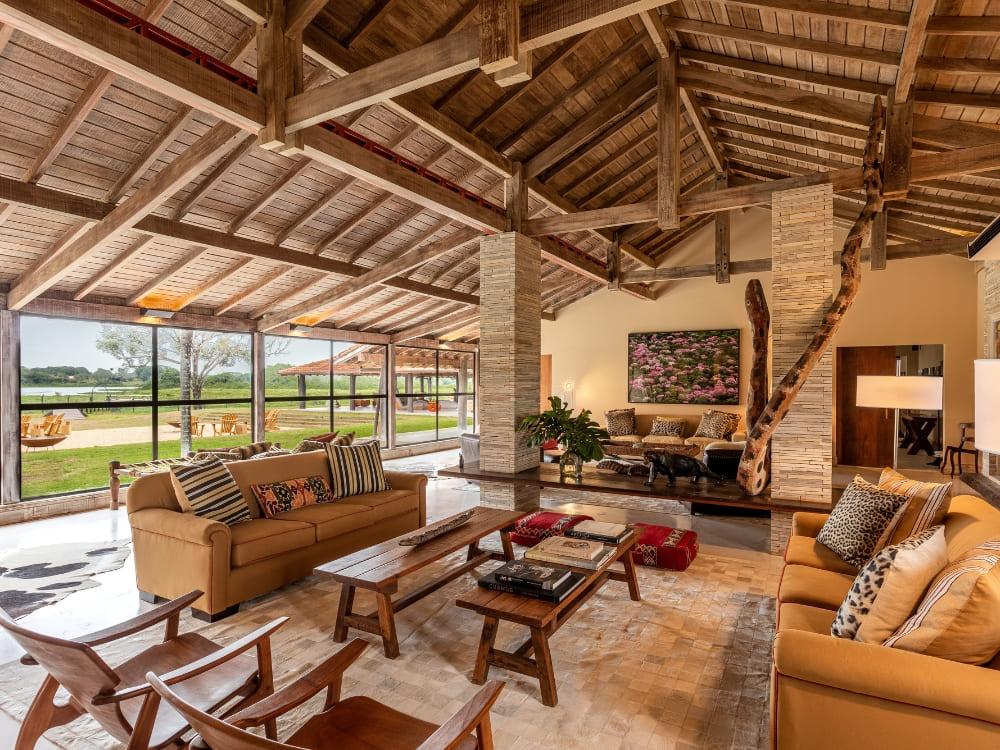
     Luxurious living room with sofas, rustic wooden ceiling, and glass walls overlooking the field.
    .

    The wonderful installations include two categories of accommodations: old farmhouses with 18 suites and a private villa ideal for people who seek exclusivity. With swimming pools, fire pits, lounges, dining rooms, a deck overlooking the bay, TV rooms, a sauna, and a gym, the standard of service remains consistently high.

    Caiman is also well-known for being the only place in the South Pantanal where it’s possible to see jaguars. In partnership with the Onçafari Project, the lodge takes guests to the wetlands on 4×4 vehicles to look for the largest feline of the Americas.

    Other activities include hiking, horseback riding, night safaris, canoeing, birdwatching, etc.

    👉 Read more: When is the Best Time to Visit Brazil?

    Exclusive experience in Fernando de Noronha

    The Fernando de Noronha archipelago is a paradisiacal destination notorious for its high-end services, strong conservation efforts, and beautiful views of white-sand beaches and blue-green ocean.

    Charming suite balcony with a wooden pergola, wicker chairs, and tropical plants.
    .

    Snorkeling, scuba diving, swimming with fish, hiking to natural pools, and unwinding on secluded beaches are some of the main activities.

    Noronha’s diving tours and luxury accommodations

    Fernando de Noronha is ideal for divers (both experienced and amateur), as underwater visibility can reach 50 meters to uncover breathtaking underwater landscapes. It’s possible to swim with turtles, sandbar sharks, rays, eels, and countless species of fish.

    The islands also have several stunning beaches. Baía dos Sanchos, considered the 35th best beach on the planet, is a must-visit place, but so are Baía dos Porcos, Praia do Cachorro, and Praia do Meio.

    As for accommodation, Nannai Noronha and Vila Sal Noronha will definitely make your luxury trip in Brazil even better, all thanks to their elegant bungalows and apartments, exquisite views, easy access to beaches and natural pools, and exclusive tours. Both follow environmental practices to safeguard the local ecosystem, such as solar energy, organic gardens, water reuse, use of reforested wood, etc.

    Sophisticated immersion in Lençóis Maranhenses

    Known as a “desert with a thousand lakes” Lençóis Maranhenses covers a 155,000 ha area of white sand dunes with 36,000 rainwater lagoons. Surely one of the most beautiful natural destinations in Brazil, its beauty is almost otherworldly.

    Tourists enjoy the national park by trekking across the dunes, swimming in crystal-clear lagoons, joining boat tours, kitesurfing, taking scenic flights, and connecting with the local culture.

    Explore Lençóis with a premium stay

    One of Lençóis’ base cities, Atins, is perfect for those who want to explore at a slower pace, combining comfort, nature, and local culture. From the village, you can swim in lagoons, hike through dunes, visit nearby communities, take boat rides, and even enjoy scenic flights.

    Hotels like Anacardier Privé (adults-only) and Villa Pantai offer luxury stays integrated into the landscape with easy access to the national park.

    Luxury tour in Lençóis Maranhenses with horseback riding, boat tours and scenic flights 

    Exploring the region on horseback deepens the connection with the dunes, while boat tours along the Preguiças River uncover lesser-known corners—but just as beautiful and worth the visit.

    Best of all, you can enjoy all of this while staying in a 5-star inn, such as the La Ferme de Georges, which blends premium hospitality, rustic-chic chalets, regional cuisine, and sustainable practices. To enrich the experience, opt for scenic flights over the dunes and lagoons to admire Lençóis Maranhenses at an entirely different angle.

    Sustainable luxury travel in Brazil’s Cerrado

    The Cerrado is the second-largest biome in Brazil, only after the Amazon Rainforest, covering a territorial extension of 2 million km². Known as the “Brazilian savanna,” it’s a less internationally known ecotourism destination but very rich in beauty and biodiversity.

    This is the perfect place for people who love to dive deep into nature. The highlight is the wildlife tours, which take travelers into thrilling safaris to spot Brazilian animals—such as the mysterious maned wolf.

    Explore the wild Cerrado in comfort

    At Pousada Trijunção, activities include trails with biologists, kayaking, biking, and night safaris in partnership with the Onçafari Project to spot maned wolves and other native species.

    The Cerrado gets a glamorous spin thanks to Trijunção’s refined facilities, rustic-chic architecture, spacious suites, and lovely common areas (swimming pool, sauna, spa, and fine dining restaurant).

    To contribute to the environment and the community, some of the hotel’s sustainable practices are recycling, rainwater harvesting, and supporting conservation and educational programs.

    Other destinations for luxury tours in Brazil

    Foz do Iguaçu

    The Iguaçu Falls are one of the most stunning and sought-after natural destinations in Brazil. Stay at the only hotel located inside the Iguaçu National Park, with exclusive access to the waterfalls, Belmond Hotel das Catarata, which offers luxury accommodations, a swimming pool, and experiences such as hiking trails and boat rides. The property follows sustainable practices and supports the conservation of the Atlantic Forest.

    Itacaré (BA)

    In Itacaré, you can explore trails in the forest, paddle through mangroves, or surf on deserted beaches. The Barracuda Boutique Hotel has an infinity pool, ocean views, and an à la carte restaurant. The program includes yoga and holistic therapies, while the hotel supports many social projects. It’s the perfect balance between nature, immersive experiences, and comfort!

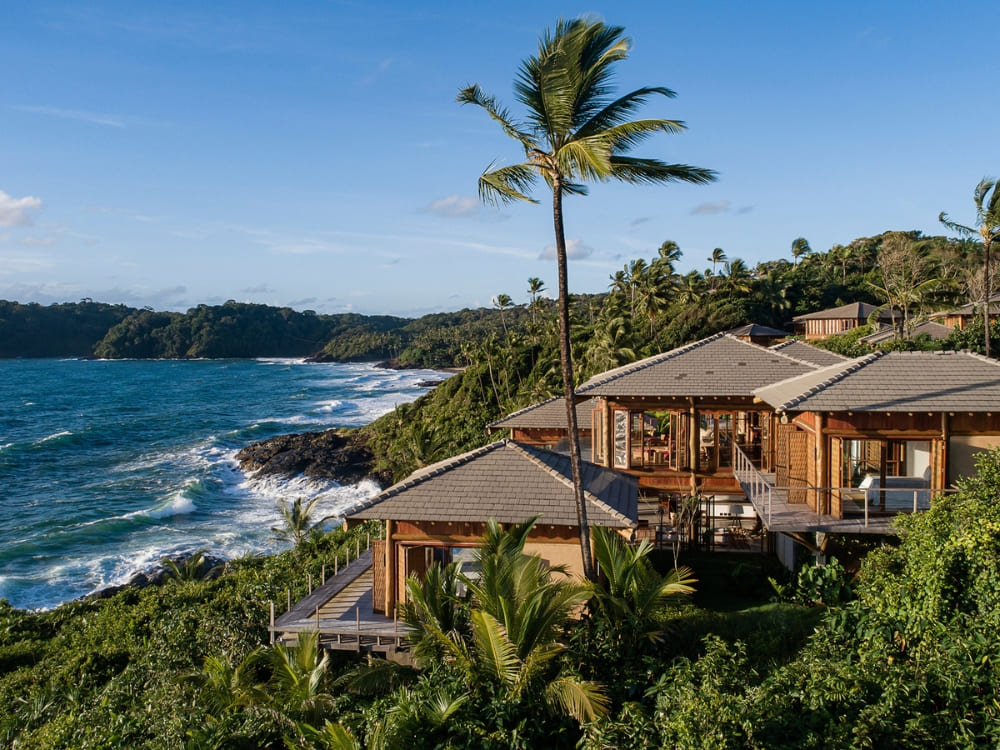
    Luxurious villas with wooden roofs surrounded by palm trees on a cliff facing the sea.
    Photo: Tarso Figueira

    Paraty (RJ)

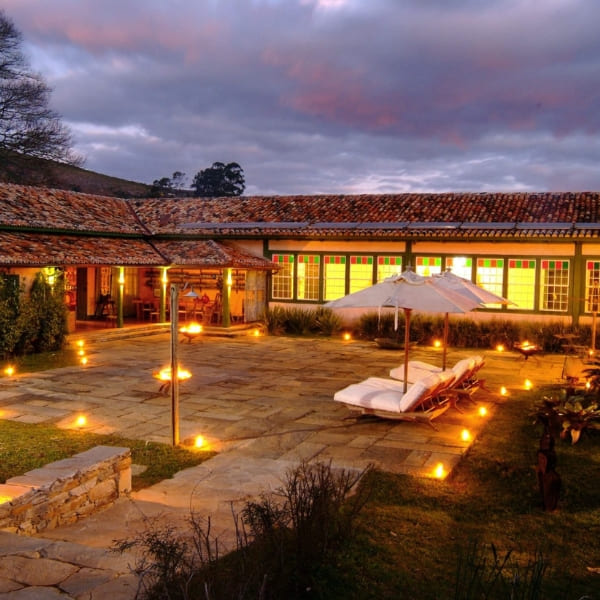
    At Pousada Literária, guests can explore trails, waterfalls, and the historic center of Paraty, in Rio de Janeiro. Accommodations include a spa, a library, and exclusive tours of Fazenda Bananal (hiking, birdwatching, organic cuisine, etc). The inn is also the official venue for the Paraty Literary Festival (FLIP).

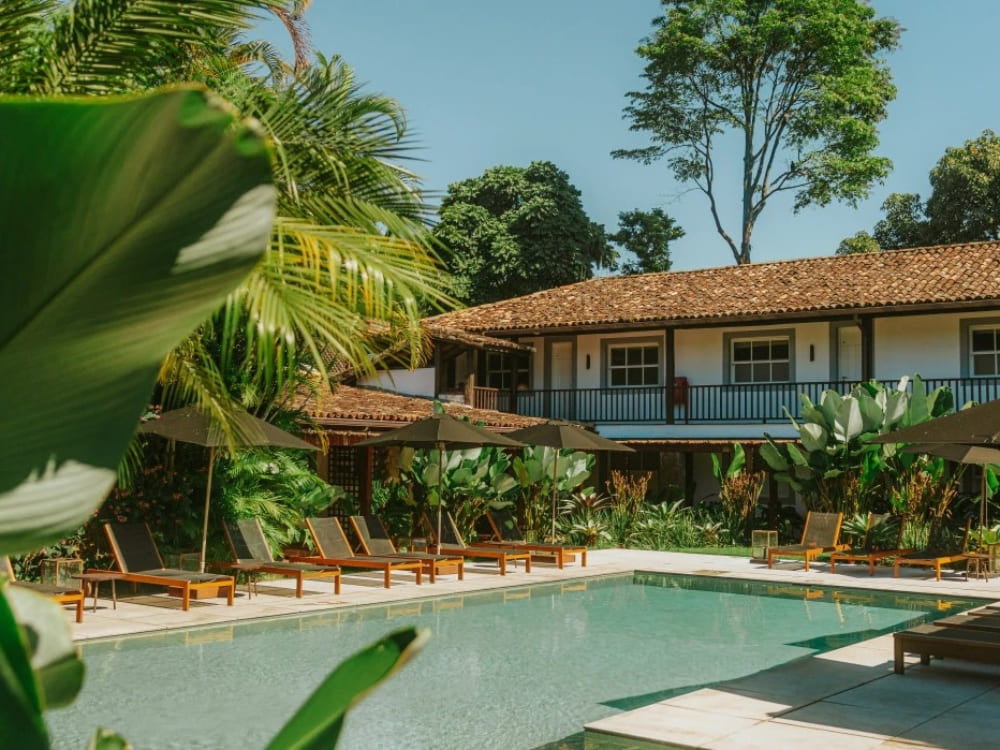
    Calm water pool surrounded by lounge chairs and plants in the inner courtyard of a colonial inn.
    .

    Trancoso (BA)

    Trancoso goes beyond its idyllic beaches: it offers trails within a Private Natural Heritage Reserve (RPPN), experiences with the local community, and initiatives to preserve the Atlantic Forest. At Pousada Tutabel, guests enjoy wonderful itineraries and a structure that includes elegant suites, a spa, a restaurant, and a swimming pool. The inn is a supporter of the O CANTO program, which creates comfortable experiences within a regenerative tourism proposition.

    Ibitipoca (MG)

    At Engenho Lodge, a sophisticated farmhouse that is part of the Ibiti Project, travelers hike trails, observe animals of the Cerrado, join biking and horseback riding tours, and visit waterfalls and natural pools. The accommodation provides comfort with suites featuring heated floors, lake-view balconies, a sauna, and regional cuisine.

    Your luxury tour in Brazil with PlanetaEXO

    Luxury trips in Brazil combine connection with nature, premium accommodations, and a positive socio-environmental impact.

    As a platform specializing in adventure tours in Brazil, PlanetaEXO works with the best local partners to ensure fantastic experiences in some of the country’s most beautiful destinations. Contact us now!
  • Best Brazil Wildlife Tours and Destinations

    Best Brazil Wildlife Tours and Destinations

    As a country with one of the richest faunas in the entire world, Brazil’s nature tours are dream-like experiences for wildlife enthusiasts 

    Brazil hosts a higher number of terrestrial vertebrates and invertebrates than any other country on the planet. This can be explained not only by the giant area of 8,510,000 km² but also by the biodiversity. The Amazon Rainforest, Atlantic Forest, Cerrado, Pantanal, Caatinga, and Pampas are the six biomes that occupy Brazilian territory—all of them very different from one another, but each with its own importance.

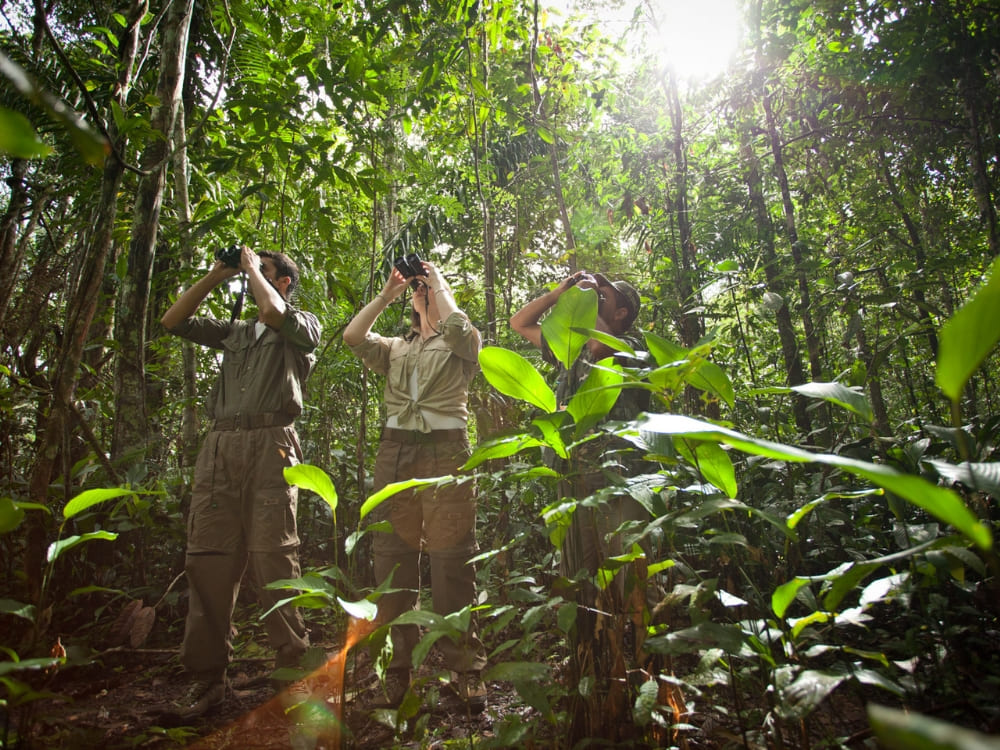
    Three people exploring the tropical rainforest using binoculars during an immersive nature watching tour in Brazil.
    .

    Consequently, the wildlife is just as generous. Naming just a few examples, the country has 139 species of primates, 775 mammals, and the world’s third-highest number of reptiles (848). By mixing adventure, animal watching, and sustainable tourism practices, Brazil wildlife tours are must-have experiences for every nature junkie out there.

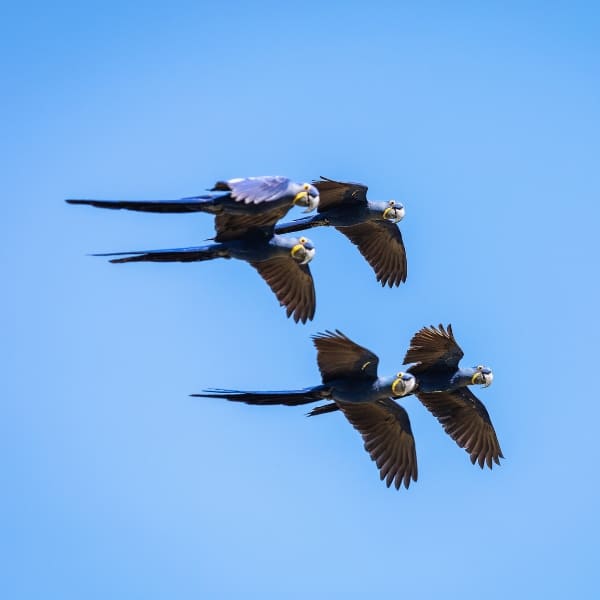
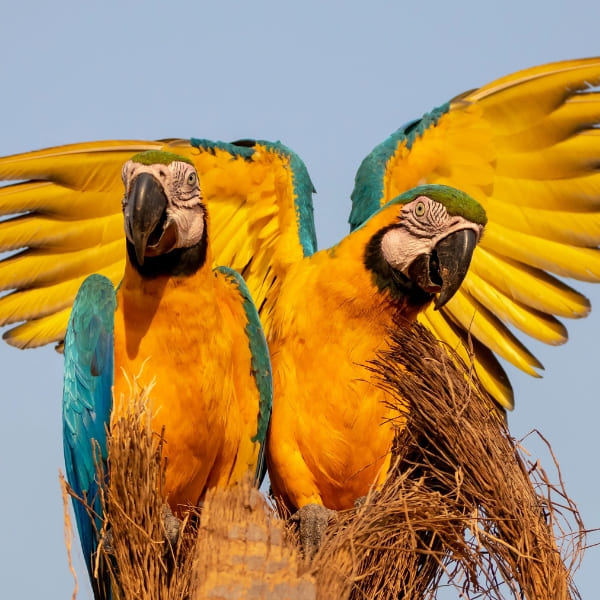
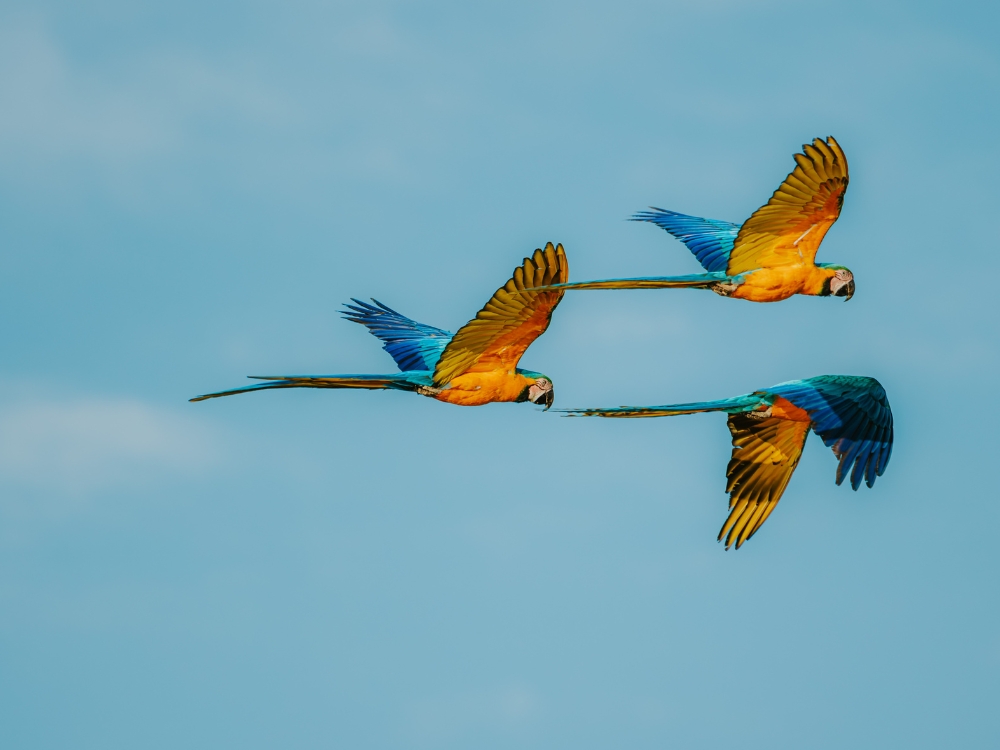
    Three colorful macaws flying together across a blue sky during a wildlife observation tour in Brazil.
    .

    To help you select the destination and experiences, PlanetaEXO, an ecotourism platform specializing in adventure tours in Brazil that works with the best local partners, has put together a comprehensive guide on the country’s best places to see wildlife. Check it out below!

    Pantanal

    In the west of Brazil, the Pantanal is the largest wetland on the planet, spanning over 200,000 km². Three different biomes share the same space: the Cerrado, the Atlantic Forest, and the Amazon Rainforest. This diversity gave the Pantanal Conservation Area the title of a UNESCO World Heritage site in 2000.

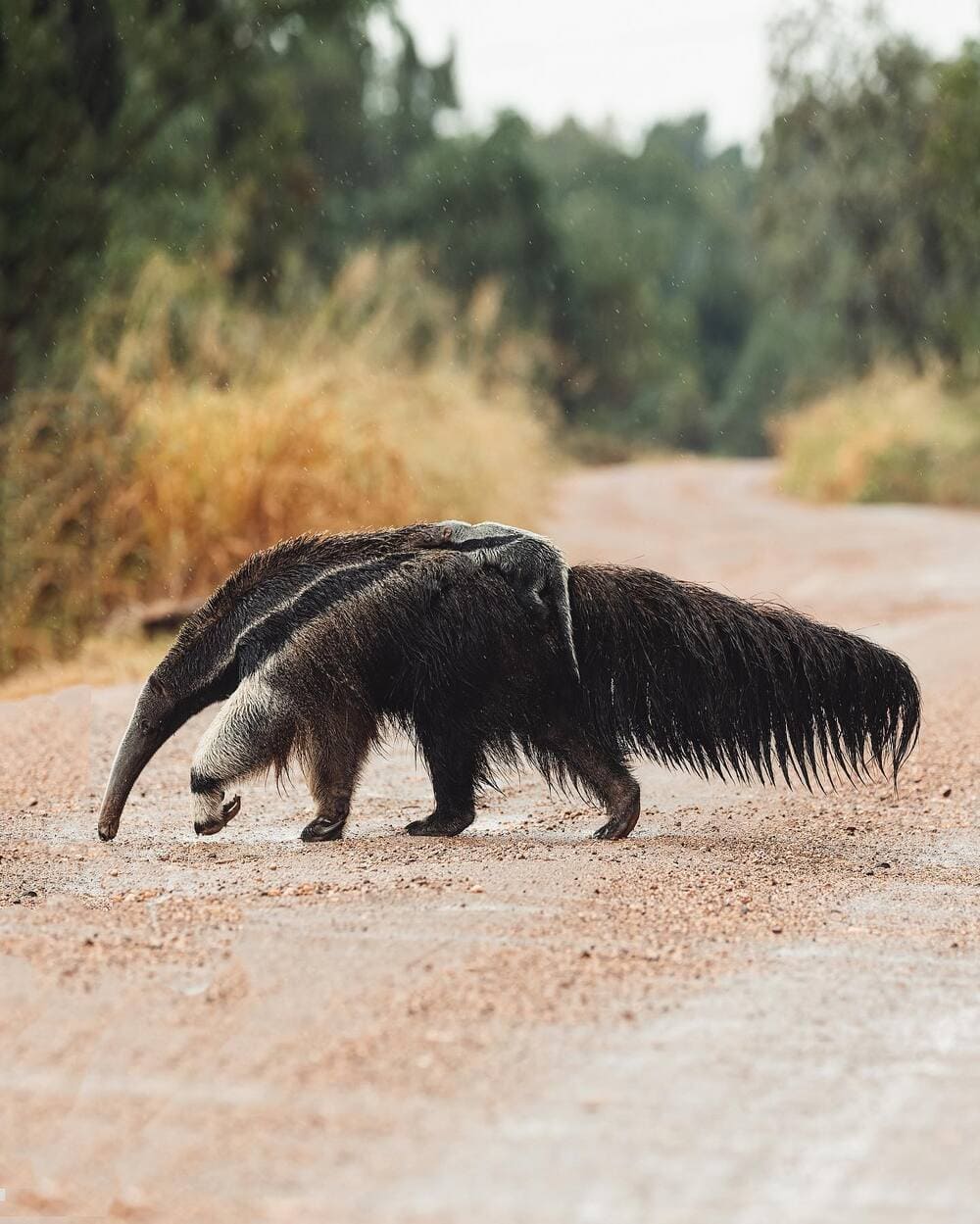
    A giant anteater walking along a dirt road in the Pantanal, considered one of the best places to see wildlife.
    @pracontarprosnetos

    The Pantanal is the best place for wildlife watching in Brazil, as well as the best in the world to see jaguars. Other animals make special appearances, like capybaras, giant anteaters, jabiru storks, caimans, maned wolves, tapirs, etc.

    👉 Read more: 15 Amazing Pantanal Animals and Wildlife

    Pantanal Jaguar Safari in Porto Jofre

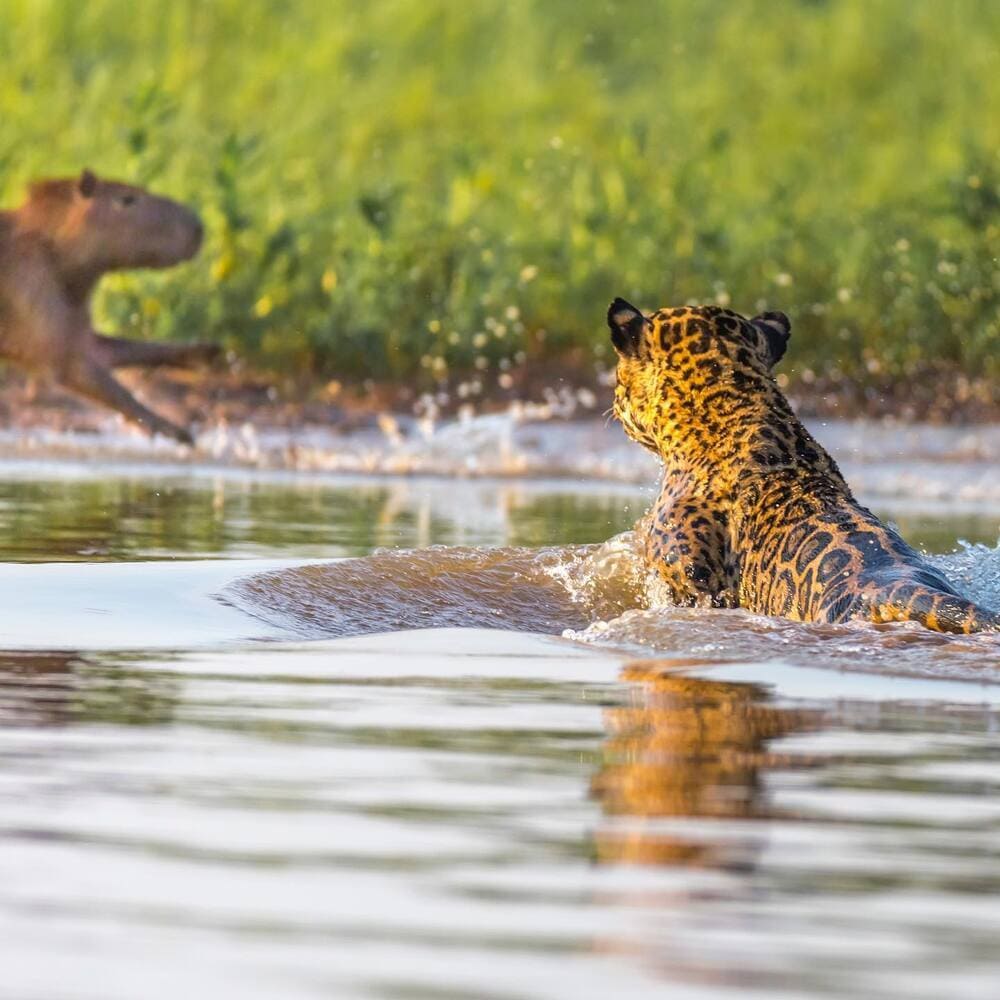
    The Pantanal Jaguar Safari in Porto Jofre, Mato Grosso, explores the northern side of the biome, which is the region where jaguar sightings happen most frequently.

    A jaguar swimming in a river while watching a capybara running on the riverbank during a Pantanal safari.
    .

    Alongside guides who know exactly where to look, you’ll be able to spot these beautiful felines in their natural habitat. The safaris are the highlights of this Brazil nature tour for the majority of guests, but you can also have memorable experiences while hiking and going on boat rides.

    This tour includes round-trip transfers, comfortable accommodation, delicious Brazilian meals, and full-day guided tours for jaguar observation.

    Pantanal Jaguar Photography Tour

    Pantanal tours in Brazil are perfect for photographers (both amateur and professional) seeking gorgeous natural scenarios, rich fauna, and proper conditions for privileged sightings of numerous species.

    Our Pantanal Jaguar Photography Tour takes place in the Northern Pantanal, so you can take the most beautiful shots of jaguars peacefully napping, swimming, nursing their cubs, and even hunting.

    Photographers in a safari vehicle observing a jaguar resting peacefully on a tree branch.
    @larissa_pantanal11

    You’ll be guided by professional guides who not only can share the best photography tips, but also lead you to great areas to encounter jaguars, caimans, toucans, monkeys, snakes, etc.

    This amazing trip includes round-trip transfers, accommodation at the Flotel or Berco Lodge, three meals a day, full-day boat safaris, and naturalist guides.

    👉 Read more: Where to Stay in the Pantanal?

    Pantanal Wildlife Trip from Campo Grande

    Another option to experience the wildlife is the Pantanal Wildlife Trip from Campo Grande. In the city of Aquidauana, in the south, spotting jaguars doesn’t happen very often, but you can still see plenty of other animals.

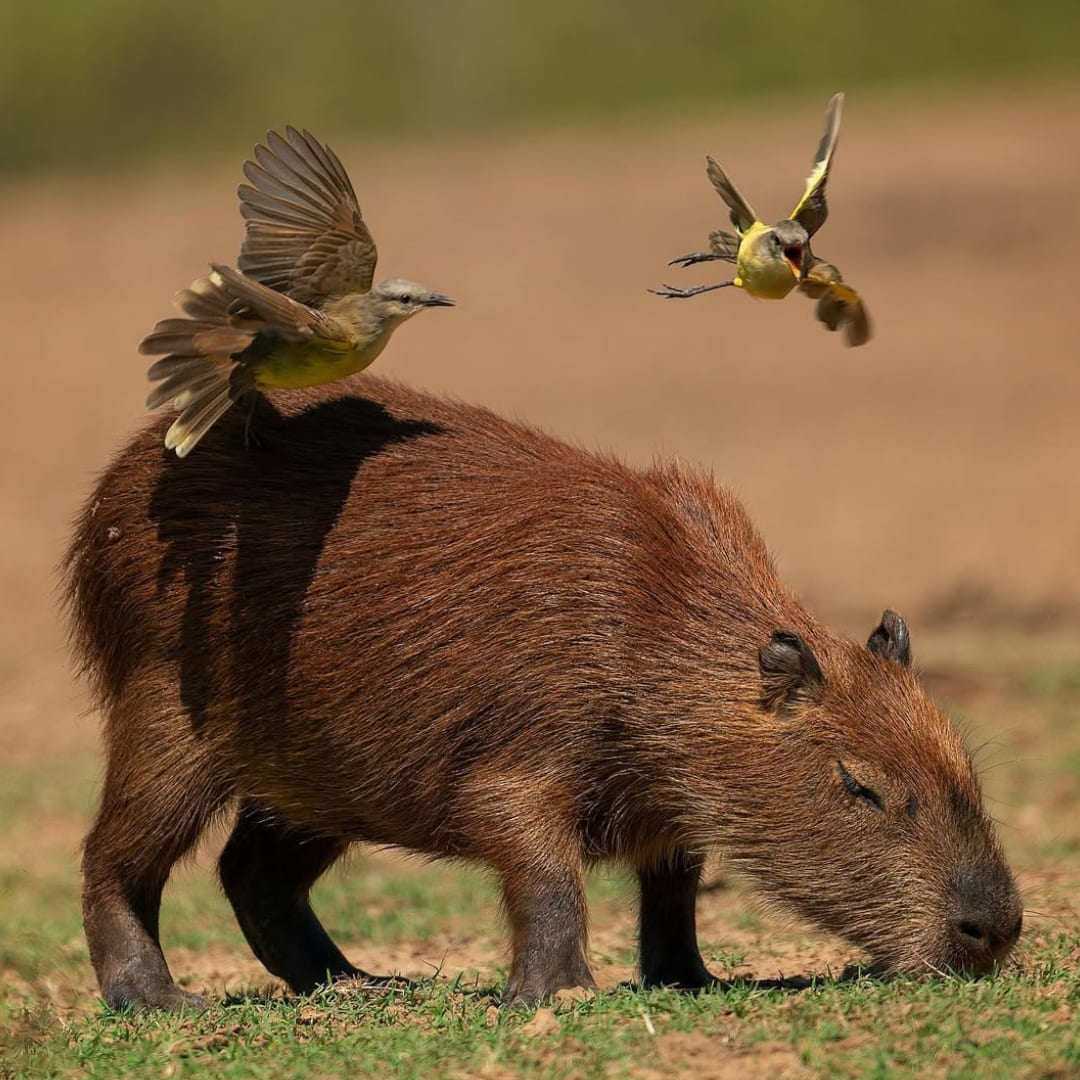
    A capybara grazing on the grass with small birds flying around and perched on its back.
    @mateusrauber

    In a photo safari, get your cameras ready to immortalize the images of anteaters, caimans, giant otters, capybaras, and the almighty jabiru stork—considered a symbol of the Pantanal.

    This itinerary also includes night safaris, piranha fishing, horseback riding, boat tours, and hiking. Guests stay at cozy rooms with private bathrooms and enjoy delicious local cuisine at the restaurant, a refreshing swimming pool, and hammocks for a truly relaxing stay. 

    Luxury Jaguar Safari in the Pantanal

    Perfect for nature lovers, this wildlife tour in Brazil is the perfect mix of Pantaneiro authenticity and comfort. The itinerary includes many opportunities to spot animals, such as ecological walks, safaris, nocturnal observation excursions, and canoe trips. 

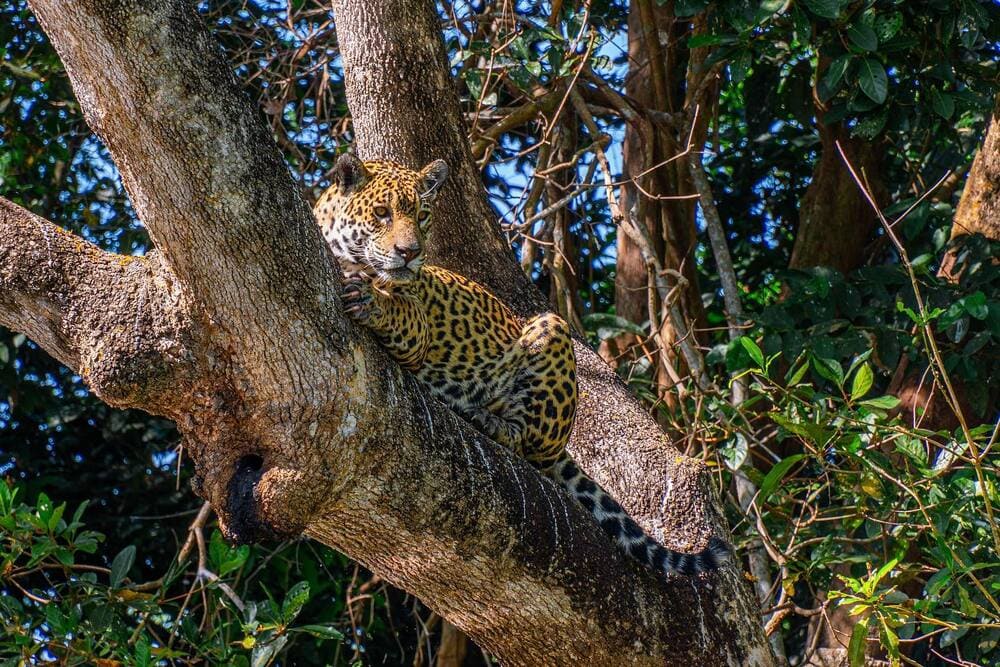
    A camouflaged jaguar resting on the trunk of a large tree during a luxury eco-safari.
    @jnrlara

    The safaris, however, are surely a favorite among visitors. Caiman’s facilities are the only place in the Southern Pantanal where it’s possible to see jaguars. With the support of the Onçafari Project, the hotel’s guests have many chances of spotting these animals in the wild.

    As one of the highest-rated lodges in the area, Caiman offers a fantastic stay experience with the Luxury Jaguar Safari in the Pantanal. Aside from 18 air-conditioned rooms with private bathrooms and balconies, a swimming pool, decks, a sauna, a gym, fire pits, a restaurant, and a bar, this luxury accommodation has various activities for guests who can’t stay away from nature—including night tours, hiking, and canoeing.

    Amazon Rainforest

    The Amazon is the largest rainforest in the world, spanning over 6.74 million km² in Bolivia, Colombia, Ecuador, Guyana, Peru, Venezuela, and Suriname. The biggest share is actually located in Brazil, where it occupies parts of the states of Amazonas, Amapá, Acre, Pará, Rondônia, Roraima, Tocantins, Mato Grosso, and Maranhão.

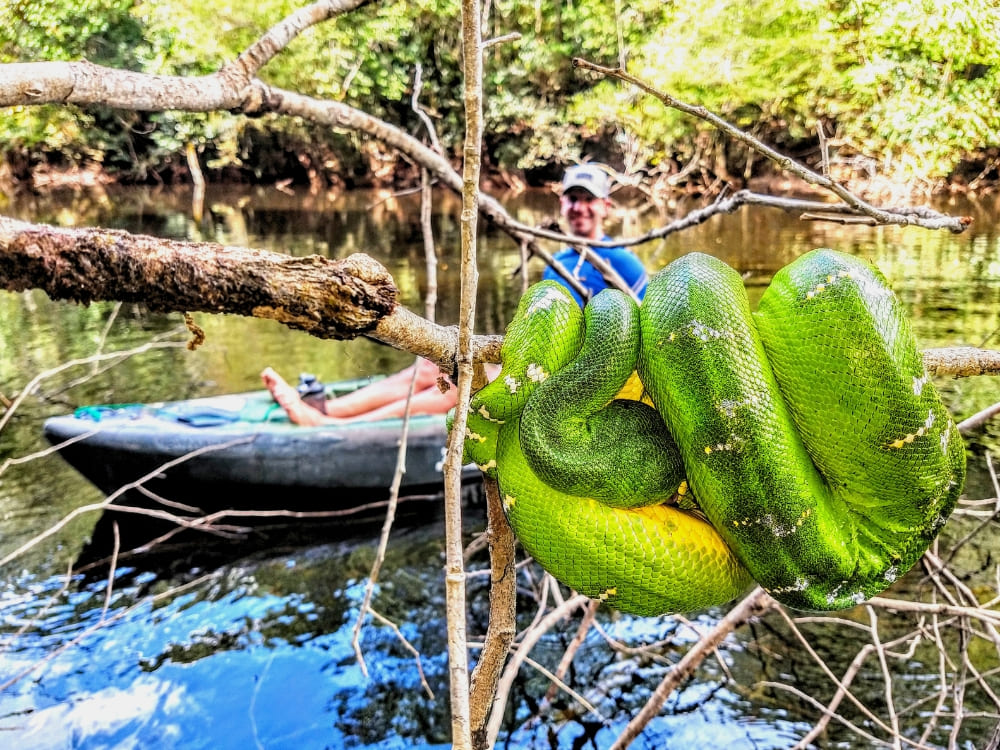
    A large green snake coiled on a branch over the water, with a person in a kayak in the background in the Amazon jungle.
    .

    The Amazonian flora is impressive, but so is the fauna. Amid birds, mammals, reptiles, amphibians, and insects, scientists claim there are 30 million species of animals in the forest.

    While it might be harder to spot animals here than in the Pantanal—due to the vastness of the forest and the density of the vegetation—Amazon wildlife tours in Brazil are still some of the best ecotourism options for nature lovers.

    👉 Read more: Pantanal or the Amazon — Which One Should You Choose?

    Cristalino Jungle Lodge

    Considered one of the best jungle lodges in the world by National Geographic, Cristalino Jungle Lodge, in the state of Mato Grosso, is a haven of tranquility and luxury in the middle of the Amazon. Forest hikes, canoeing, boat trips, and climbing on the 50-meter-tall observation towers are wonderful activities for wildlife watching.

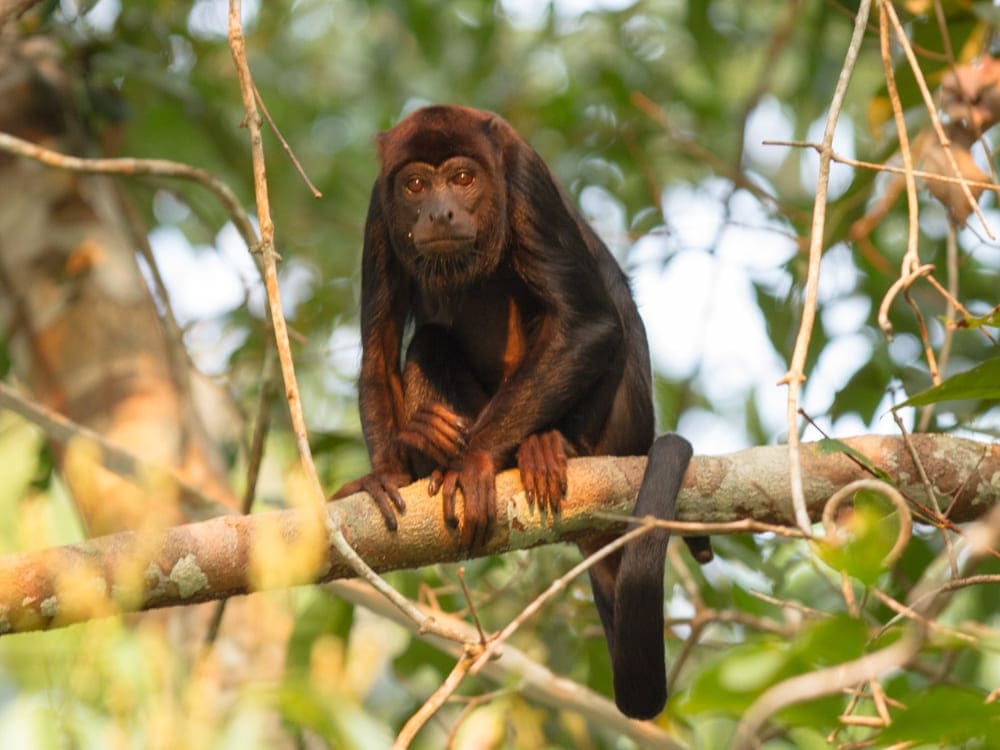
    A dark-furred monkey sitting on a tree branch during a wildlife-focused tour in the Amazon.
    Photo: Jorge Lopes

    On the top of the trees, flying across the blue sky, roaming around the jungle, and swimming in the rivers, expect to see plenty of different animals, like monkeys, caimans, lizards, tapirs, and other Amazon animals.

    A wooden deck illuminated by small lights at dusk, surrounded by the lush tropical vegetation of the rainforest.
    Photo: Samuel Melim

    Additionally, Cristalino is a five-star stay experience with air-conditioned suites, charming decor, bathtubs, outdoor showers, balconies with hammocks, private gardens,  a gourmet area, a floating deck, and a reading room. 

    Cristalino Birdwatching

    Birdwatching in the Amazon is a lifetime experience at Cristalino. The lodge has an entire itinerary for birdwatching, including hiking on special trails to look for birds.

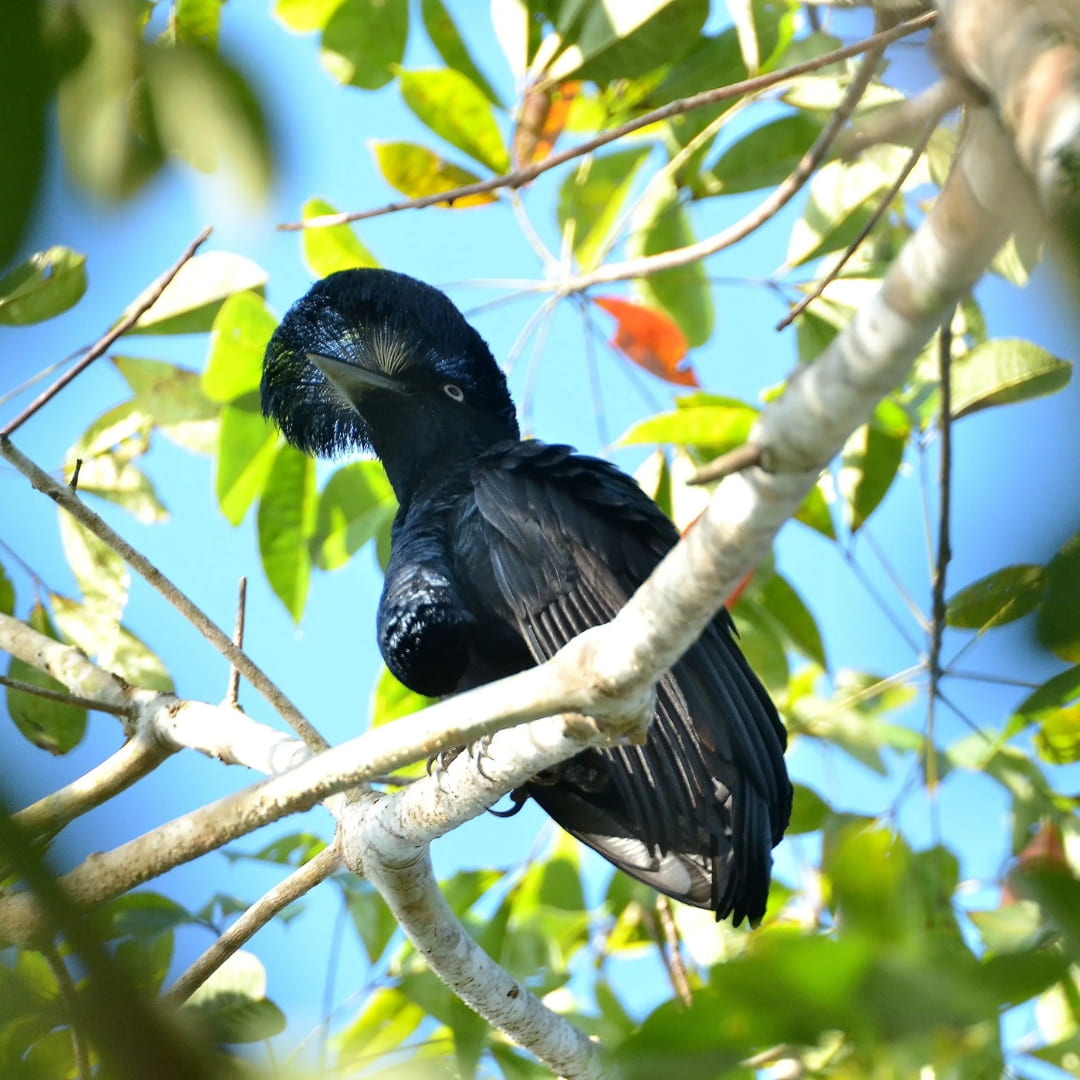
    An exotic black bird with a prominent crest perched on a green branch during a birdwatching tour in the Amazon.
    .

    With the help of expert guides, you’ll see fascinating species that only exist in this part of the forest, such as the rufous-capped nunlet, dusky-cheeked foliage-gleaner, dark-billed cuckoo, blue-winged and red-bellied macaws, and many more!

    Activities also include canoeing, boat tours, and climbing on the observation towers—which allows for an even greater view of the birds and the forest as a whole. An unmissable experience for anyone seeking adventure in Brazil!

    Anavilhanas Jungle Lodge

    Anavilhanas Jungle Lodge is another sophisticated accommodation in the Amazon. Safely nestled in Anavilhanas National Park, the second-largest river archipelago in the world, this is the main choice for guests who want to immerse themselves in nature and explore Brazil’s wildlife.

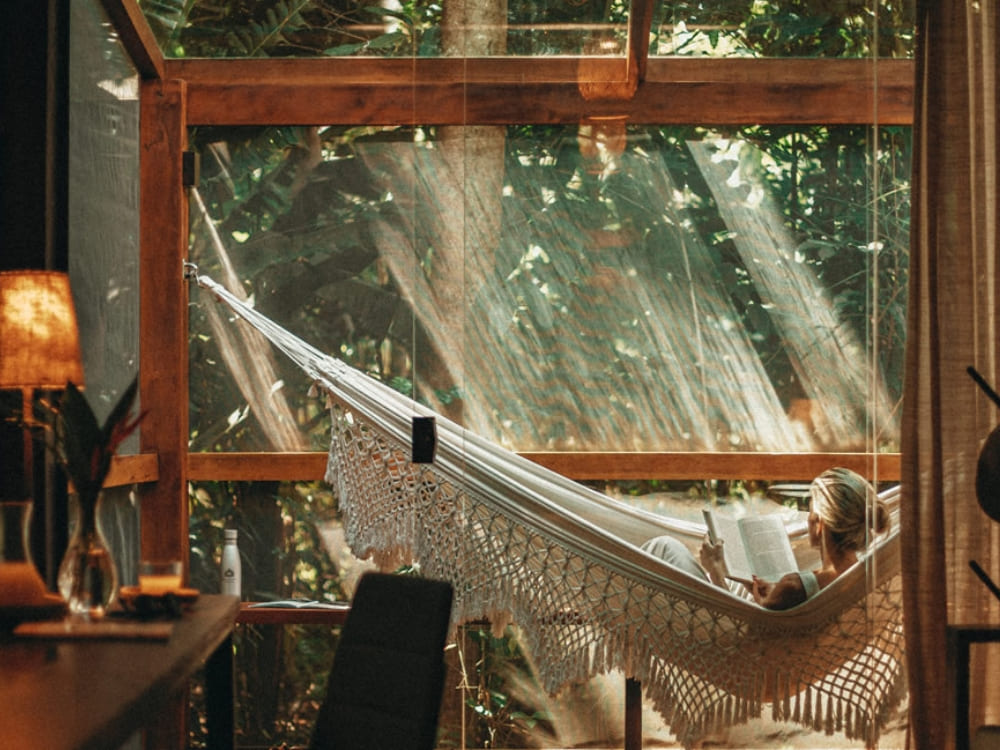
     A person relaxing in a hammock inside a sophisticated room with large glass windows facing the jungle.
    Photo: Felipe Castellari

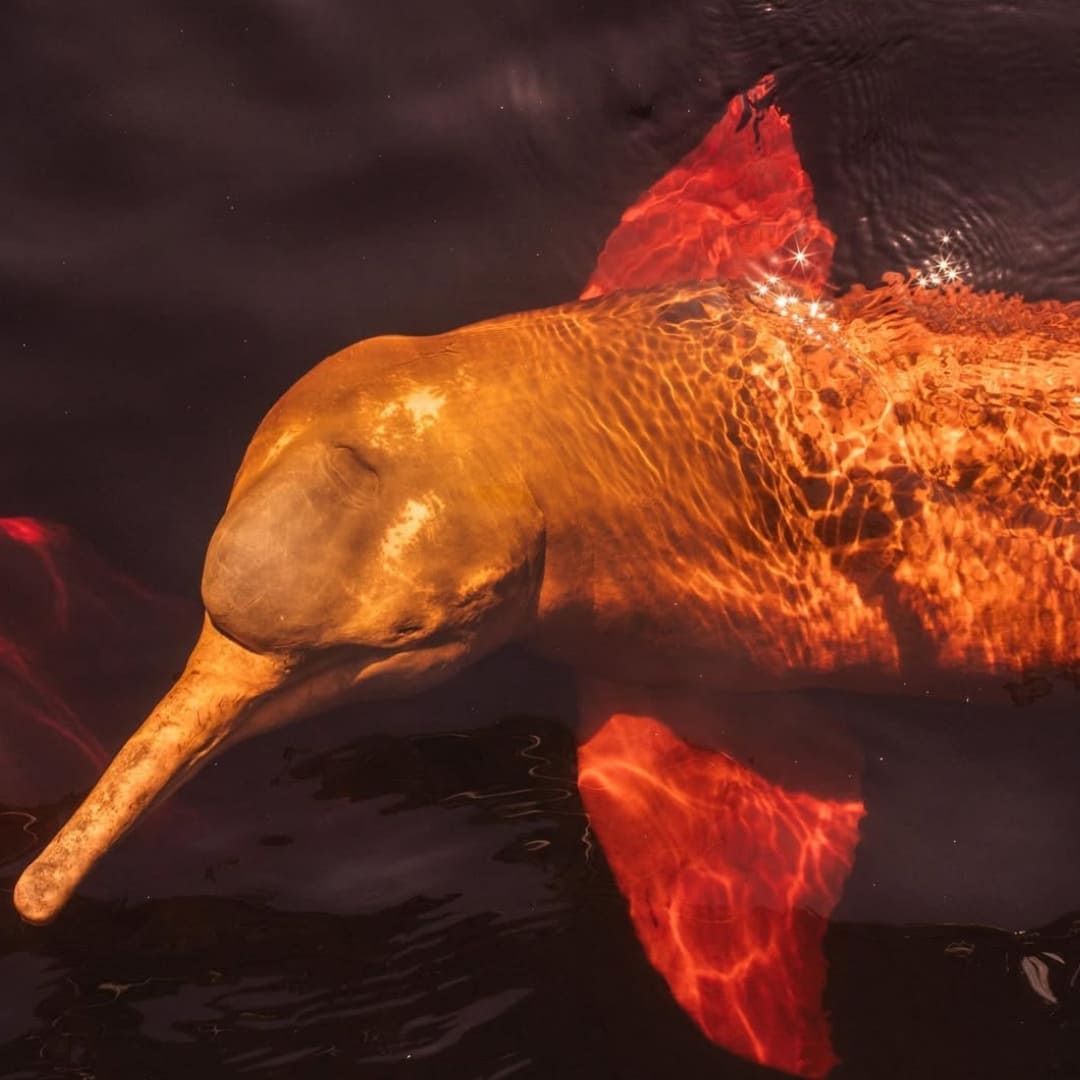
    Such an incredible location allows for sightings of the most fascinating creatures, including sloths, caimans, manatees, spider monkeys, and piranhas. The most awaited moment, however, is when travelers can interact with the friendly Amazon pink dolphins!

     A pink river dolphin swimming gracefully just below the surface in the dark waters of a Brazilian river.
    .

    To make things better, Anavilhanas guests will definitely fall in love with the lodge’s gorgeous infrastructure: caboclo architecture, sophisticated rooms with private bathrooms and jaw-dropping views of the forest, a floating bar, a fine dining restaurant, a lounge, swimming pools, a gym, a massage room, and a gift shop.

    Amazon Rainforest Ecolodge Trip in Brazil

    Another perfect tour for tourists seeking wildlife activities is the Amazon Rainforest Ecolodge Trip in Brazil.

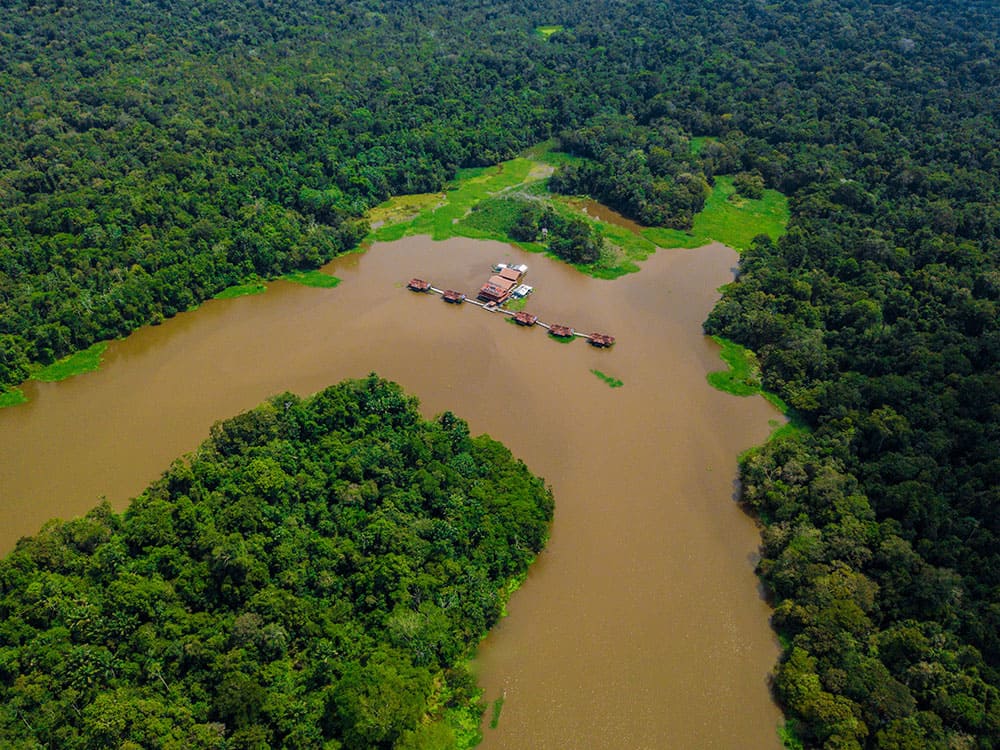
     Aerial view of an eco-lodge with floating structures on a winding river completely surrounded by dense forest.
    Photo: Marcelo Castro

    This Brazilian wildlife tour takes place at Uakari Lodge, named after the white uakari monkey (Cacajao calvus calvus), native to the area of the Mamirauá Sustainable Development Reserve, where the accommodation is located.

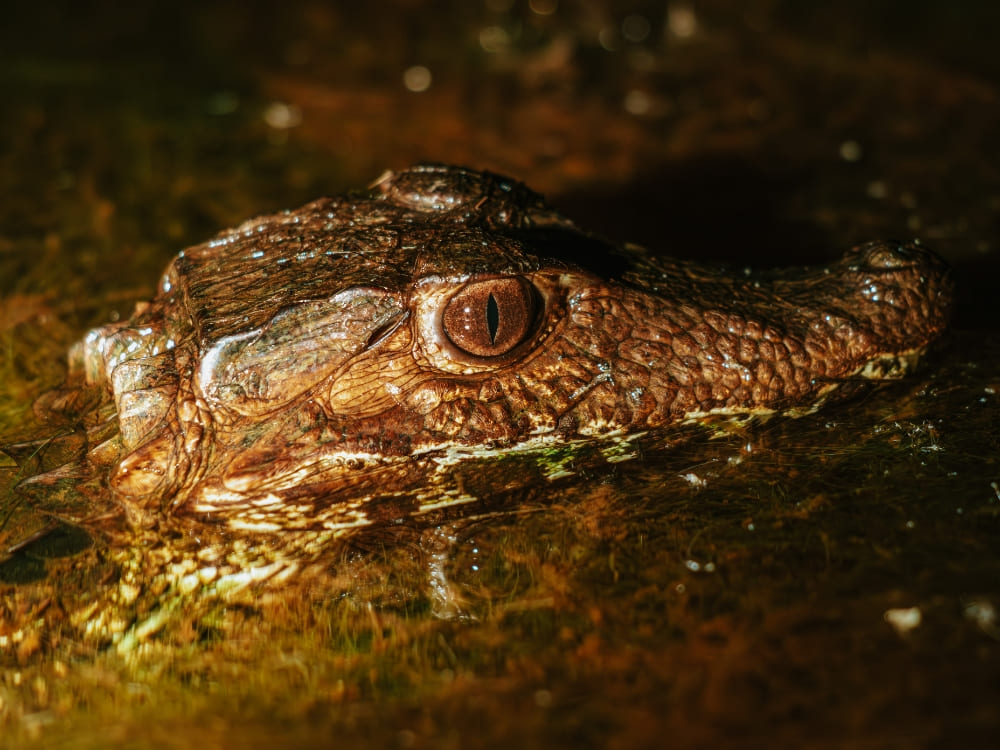
    Built on stilts to adapt to seasonal floods, the lodge offers an unparalleled connection to the rainforest. Aside from the uakari monkeys, you can spot extraordinary local wildlife, including caimans, sloths, river dolphins, exotic birds, etc.

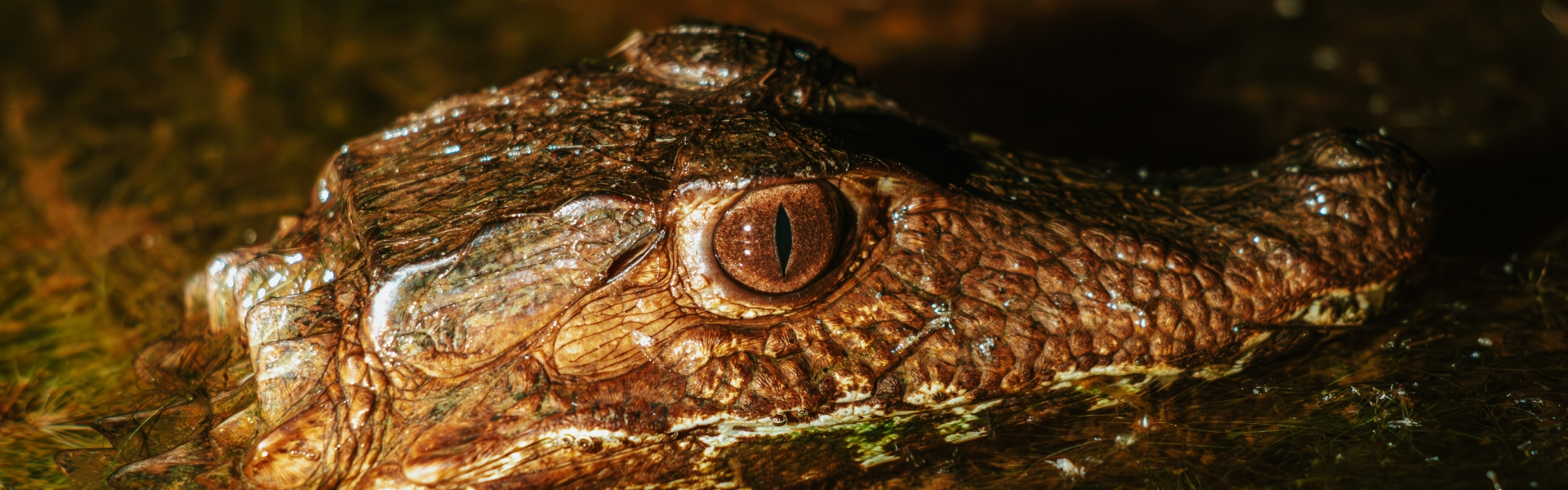
    The textured head and eyes of a caiman emerging from the surface of dark water during a night observation tour.
    .

    The experience is further enhanced by the amazing curated activities, such as jungle hiking, canoeing, night spotting, and fishing, making it an unforgettable journey for nature enthusiasts.

    👉 Read more: When is the Best Time to Visit Brazil?

    Cerrado

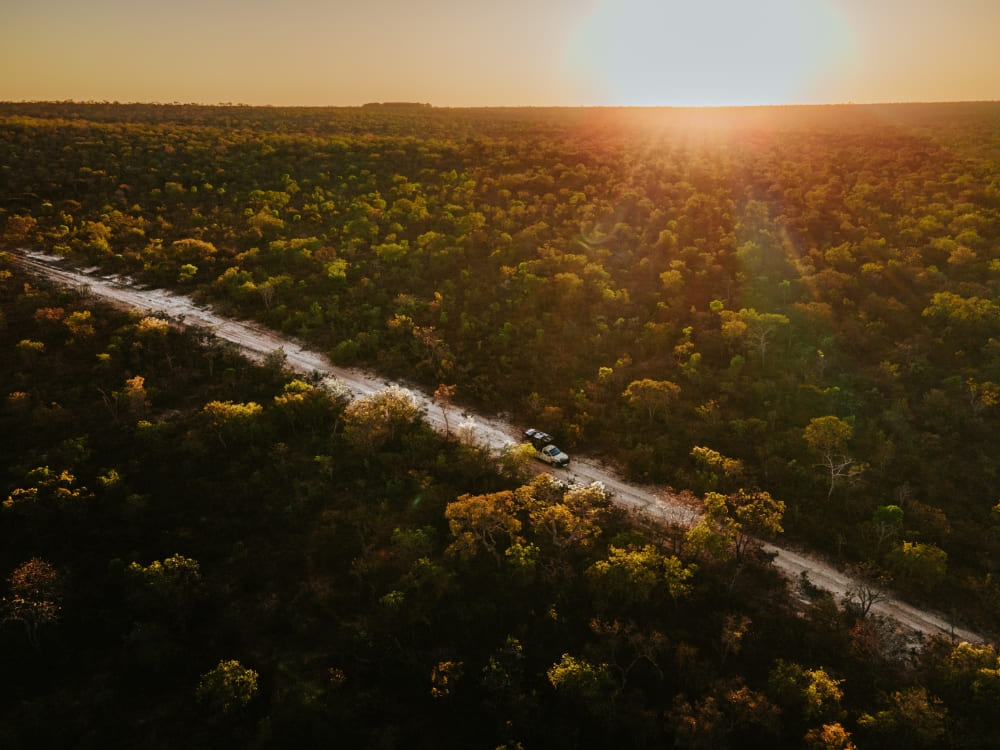
    The Cerrado is Brazil’s savanna, covering around 25% of the country’s territory. It spans up to 2 million km² in the states of Goiás, Tocantins, Mato Grosso, Mato Grosso do Sul, Minas Gerais, Bahia, Maranhão, Piauí, São Paulo, and Brasília. 

    An off-road vehicle driving on a dirt road through the vast Cerrado plains illuminated by the golden sunset light.
    .

    Considered a highly biodiverse biome, it holds over 5% of the world’s animals and plants. This ecosystem is home to 860 species of birds, 180 reptiles, 200 mammals, 150 amphibians, 1,200 fish, and millions of insects

    No wonder this is one of the best places to see wildlife in Brazil!

    Pousada Trijunção

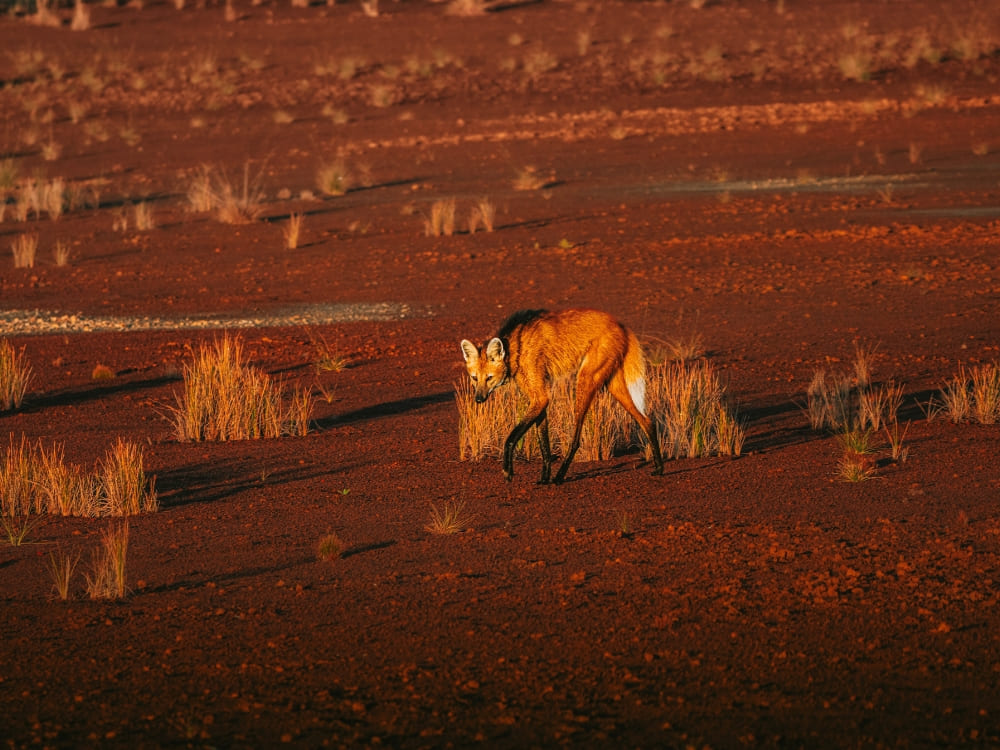
    National Geographic includes the Cerrado as a great destination for wildlife activities, highlighting birdwatching and wolf tracking. The publication also mentions Pousada Trijunção—situated in the triple border of Bahia, Goiás, and Minas Gerais—as the best stay option for people visiting this enchanting destination.

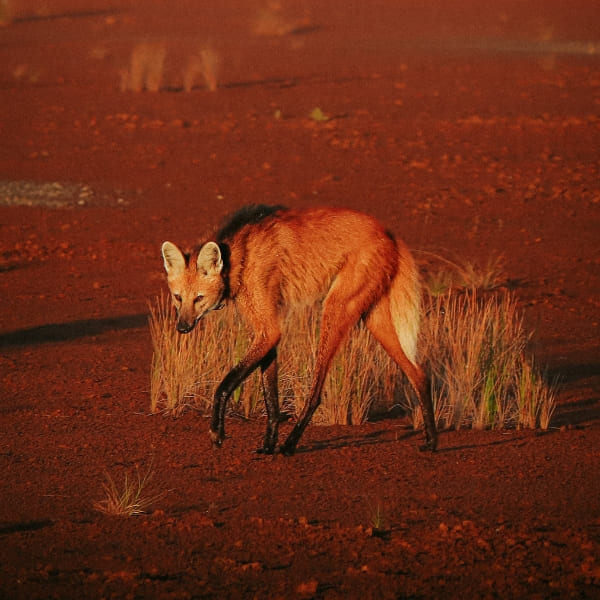
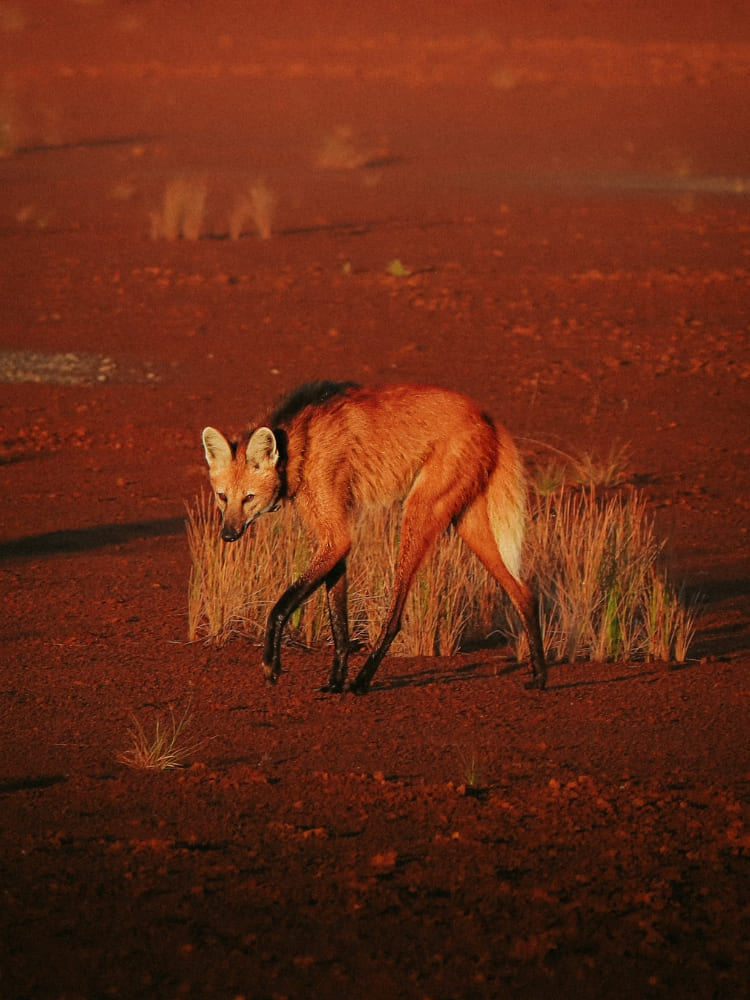
     A large maned wolf walking through the dry grass of the Brazilian savanna under the soft late afternoon light.
    .

    Wildlife watching is, indeed, one of the inn’s main attractions. Night safaris, guided birdwatching, and visiting a conservation breeding and wild animal release area are amazing opportunities to see deer, tapirs, peccaries, hawks, macaws, etc. In partnership with Onçafari, spotting maned wolves is just as unforgettable.

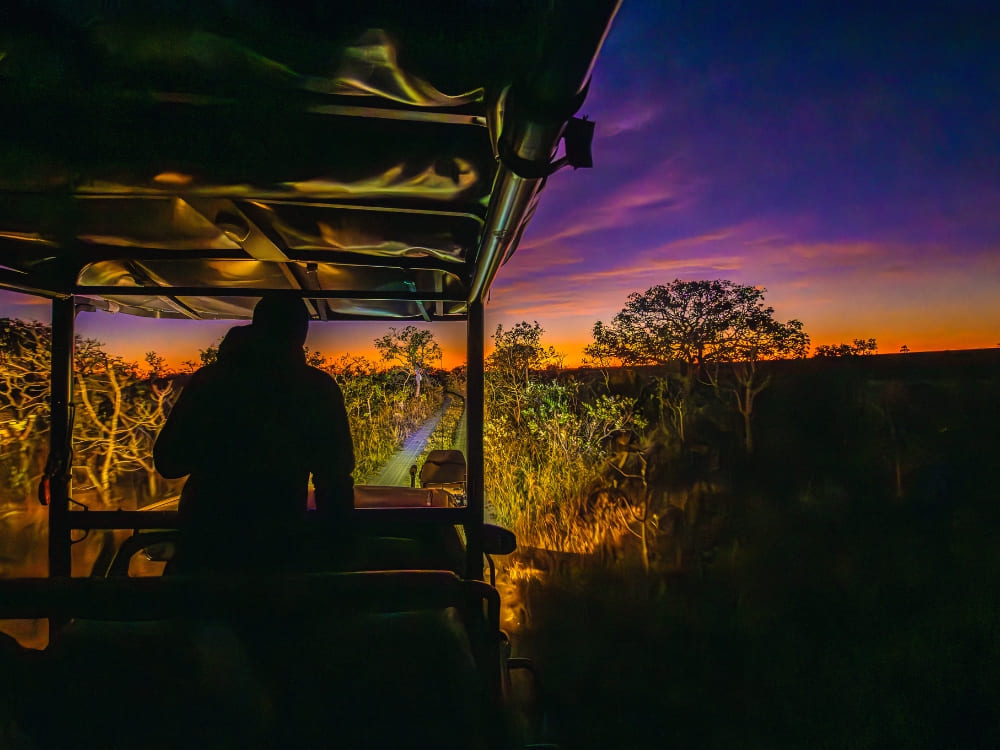
    he silhouette of a passenger in a safari vehicle admiring a vibrant purple and orange sunset skyline in the Cerrado.
    .

    Providing the utmost comfort, Pousada Trijunção has seven suites with king-size beds, air-conditioning, TVs, and mini fridges. In the common areas, there is a local cuisine restaurant (which serves all-day breakfast), a lounge, a swimming pool, and much more.

    Abrolhos

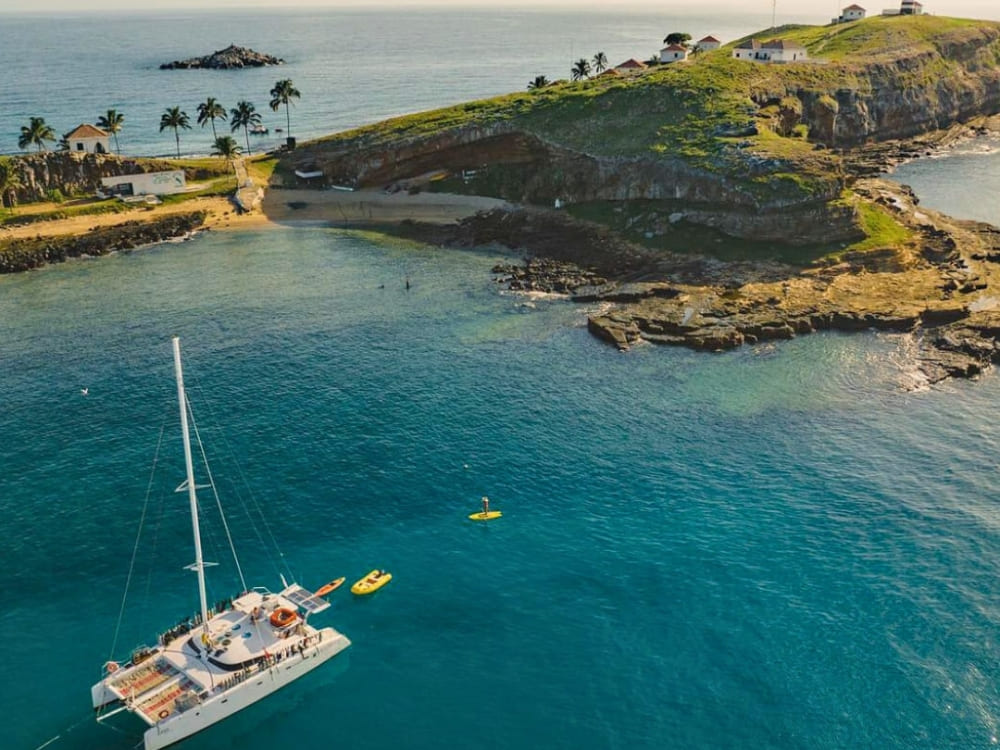
    Abrolhos is an archipelago situated in the Atlantic Ocean, about 65 km away from the south coast of Bahia. Its five islands are protected by Abrolhos Marine National Park, established in 1983.

    Aerial view of a white catamaran anchored in crystal clear waters next to a green island in the Abrolhos archipelago.
    .

    Home to the largest reef complex and the richest marine biodiversity of the South Atlantic Ocean, Abrolhos is a true sanctuary for stingrays, hundreds of different species of fish, sea turtles, and seabirds.

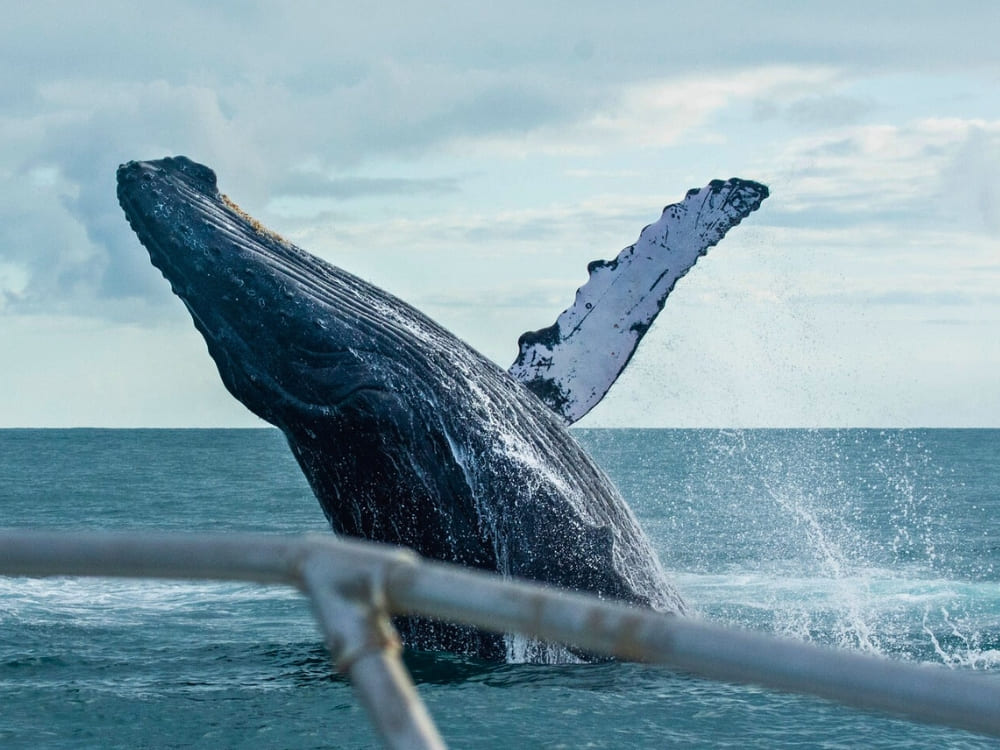
    However, the protagonist of Abrolhos is, without a doubt, the humpback whale. The archipelago is known as a destination where these gentle giants go every year—mostly between July and November—to breed, feed their calves, and rest. 

    Diving Liveabord in Abrolhos

    Abrolhos Liveaboard is definitely the perfect vacation option for people who want to see a different side of Brazil’s nature tours. Instead of immersing yourself in the jungle, you get to explore the beauty of Bahia’s sea and its riveting creatures.

    A massive humpback whale breaching the ocean water, observed from the edge of an eco-tourism boat.
    @gilenocorumbau

    Sailing through the crystal-blue waters of the islands, activities include guided dives (day and night), stand-up paddling, sunset contemplation, and, of course, humpback whale watching.

    A lovely (and safe!) catamaran is the accommodation for guests joining the tour. Five ensuite cabins will comfortably welcome you on this aquatic adventure. Feeling hungry? Freshly made Brazilian food is served aboard every day!

    👉 Read more: 10 facts about Abrolhos

    Fernando de Noronha

    A UNESCO World Heritage site since 2001, Fernando de Noronha is an archipelago off the northeast coast of Brazil, in the state of Pernambuco

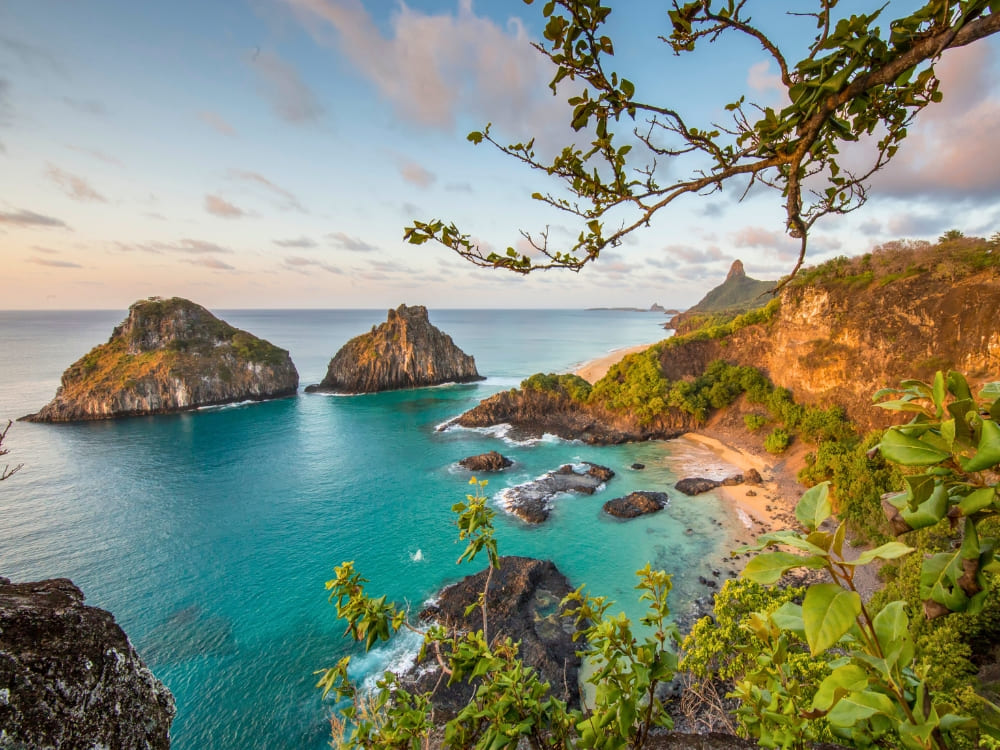
    Coastal landscape with iconic pointed rock formations bathed by crystal clear, turquoise ocean waters.
    .

    Aside from the breathtaking beaches—including Baía do Sancho, ranked #35 by The World’s 50 Best Beaches—travelers are lured to the island due to its vibrant marine life. Green turtles, spinner dolphins, barracudas, lemon sharks, and moray eels are just a few animals often seen in the area.

    To see this beauty up close, Fernando de Noronha has the best diving spots in Brazil and all of South America.

    Diving trips in Fernando de Noronha

    If you truly want to experience everything Fernando de Noronha has to offer, then you can’t miss the opportunity of exploring its beautiful diving sites!

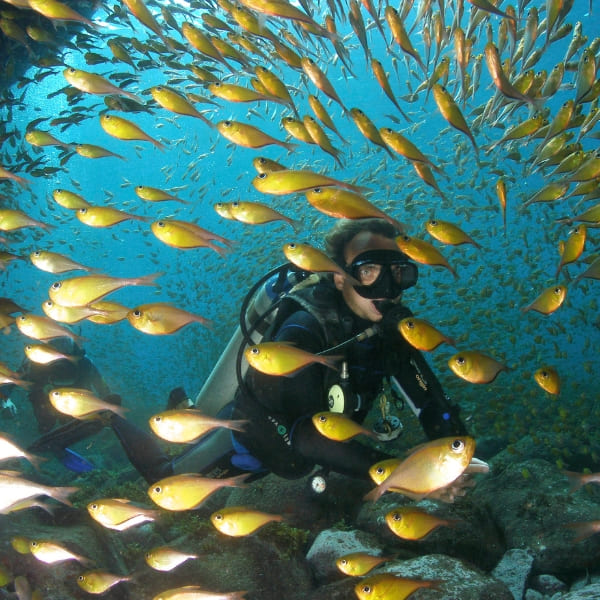
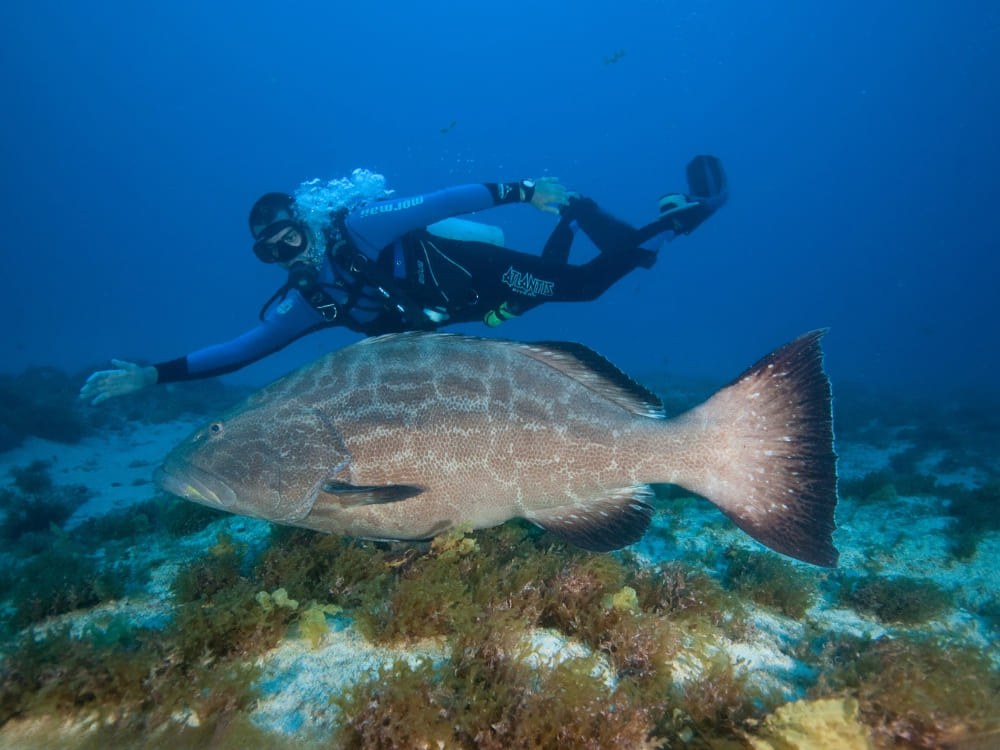
     A scuba diver exploring the blue ocean swimming with open arms just above a large fish near the seabed.
    Photo: All Angles

    With the help of local, qualified guides, you’ll be amazed by the paradise this island hides underwater. Whether this is your first time diving or you’ve had your fair share of aquatic adventures before, Fernando de Noronha’s got your back.

    The Fernando de Noronha Diving Trip includes diving sessions, accommodation, breakfast, round-trip transfers, and a full-day island tour

    👉 Read more: 10 facts about Fernando de Noronha

    Wildlife tours in Brazil with PlanetaEXO

    See how fascinating the wildlife in Brazil is? From the jungle to the savanna, from wetlands to aquatic ecosystems, there is an option for every nature lover’s tastes and needs!

    PlanetaEXO is an ecotourism platform specializing in adventure tours in Brazil. By connecting you with the best local partners, we ensure a fulfilling, responsible travel experience in some of the country’s most incredible natural destinations. Contact us now!
  • Finding freedom in the wild: How a Dutch adventurer fell in love with Brazil

    Finding freedom in the wild: How a Dutch adventurer fell in love with Brazil

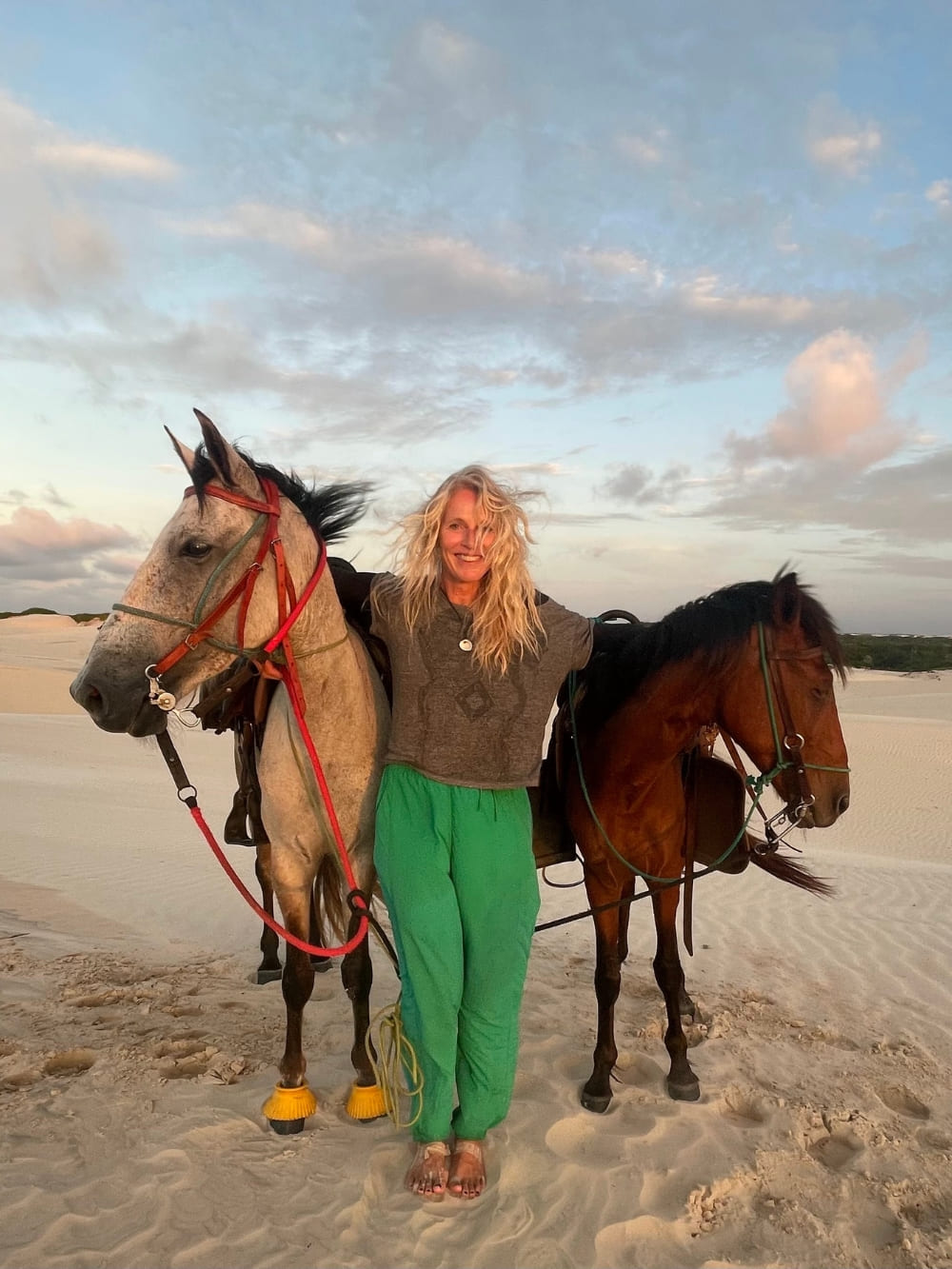
    Katharina Bongaertz is PlanetaEXO’s top traveler and has proven multiple times that adventure knows no gender or age

    In 2023, Katharina Bongaertz, a psychotherapist from the Netherlands, arrived in São Paulo during Carnival. She had originally planned to spend just one month in Brazil before continuing her five-month leave in Colombia and Peru.

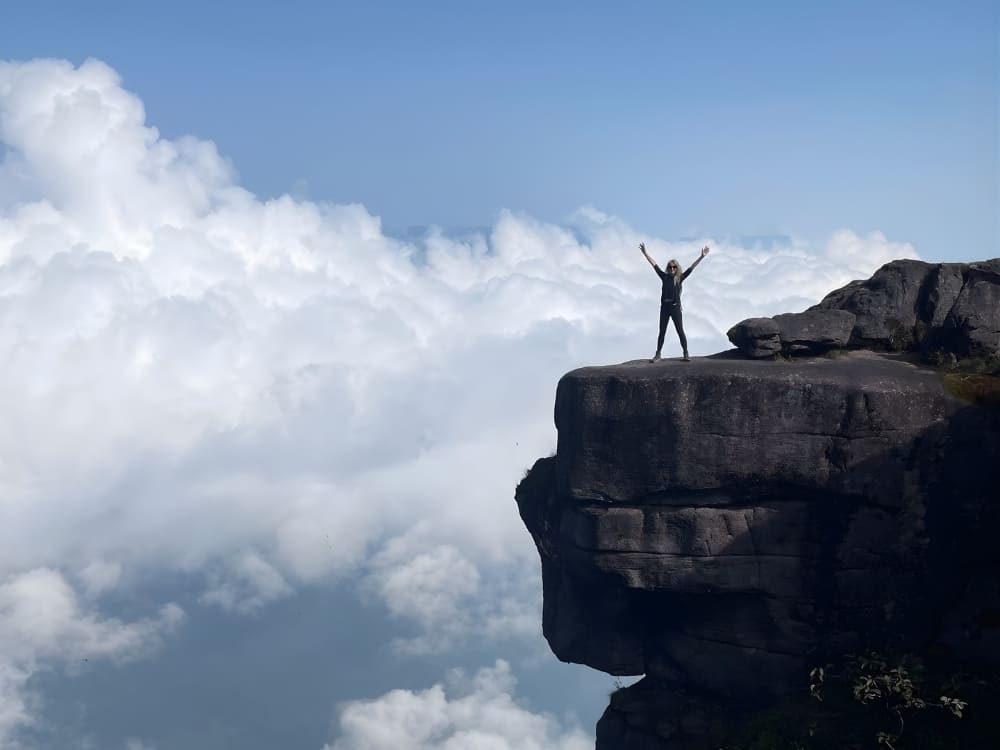
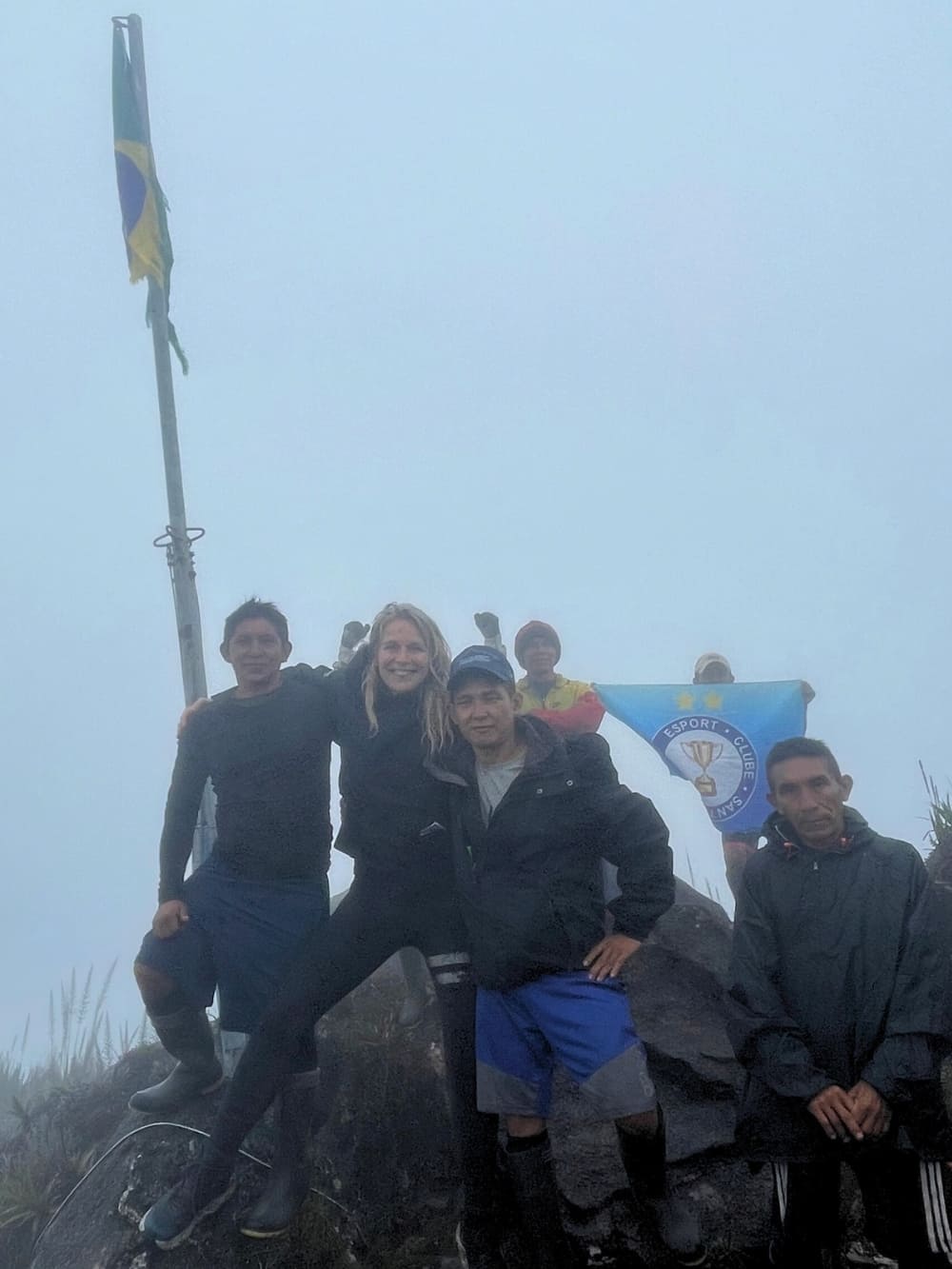
    Woman with raised arms on top of a large rocky cliff at Mount Roraima, celebrating surrounded by dense clouds.
    .

    However, the country’s vibrant culture and breathtaking landscapes completely captivated her. She decided to stay in Brazil for the remaining four months of her trip, sparking a deep love affair with Brazilian nature that has only grown stronger since then.

    Today, at 60 years old, Katharina has embarked on a fair amount of PlanetaEXO’s adventure tours in Brazil, officially becoming the platform’s most frequent traveler. From the towering plateaus of Monte Roraima to the mesmerizing dunes of Lençóis Maranhenses and the deep jungles of the Amazon, she has explored some of the country’s most remote and magnificent destinations.

    Connection with the Brazilian spirit 

    Katharina’s journey into ecotourism began when a cousin recommended she visit Chapada Diamantina, in the state of Bahia. Looking for a way to navigate this less-touristic region, she connected with Lucas Ribeiro from PlanetaEXO, a partnership that has now led to her upcoming seventh trip with the company—this time to the Pantanal to see jaguars!

    Beyond the landscapes, it is the spirit of the locals that keeps her coming back. “I think Brazilian people are really welcoming, kind, and warm,” Katharina shares. “I love the music, and they have, in a way, music in their soul. It has always been a part of all the travels.”

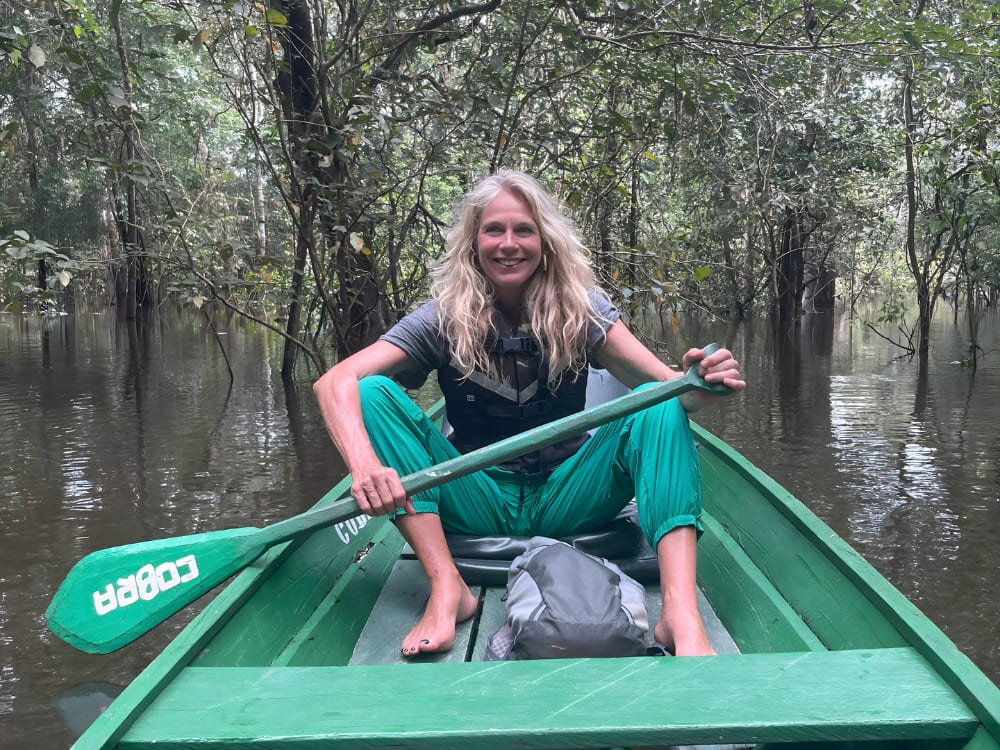
    Smiling blonde Katharina holding a paddle while navigating a green canoe through a flooded forest in the Amazon.
    .

    👉 Read more: Why Brazil’s remote outdoors are becoming a haven for foreign female travelers

    The empowering force of nature

    As a psychotherapist who spends her days in a city talking to patients, Katharina seeks out the wild to find contrast, freedom, and wisdom. She prefers vast, open environments without fences, where she can walk freely and take in the view from mountaintops or plateaus.

    “To be in beautiful wild nature, I feel it as something really special” she reflects. For Katharina, the magic lies in the quiet details. “Listening to nature, like the sounds of the birds, the animals, the trees… it’s something that gives a lot. It’s empowering, and I take it home with me every time.”

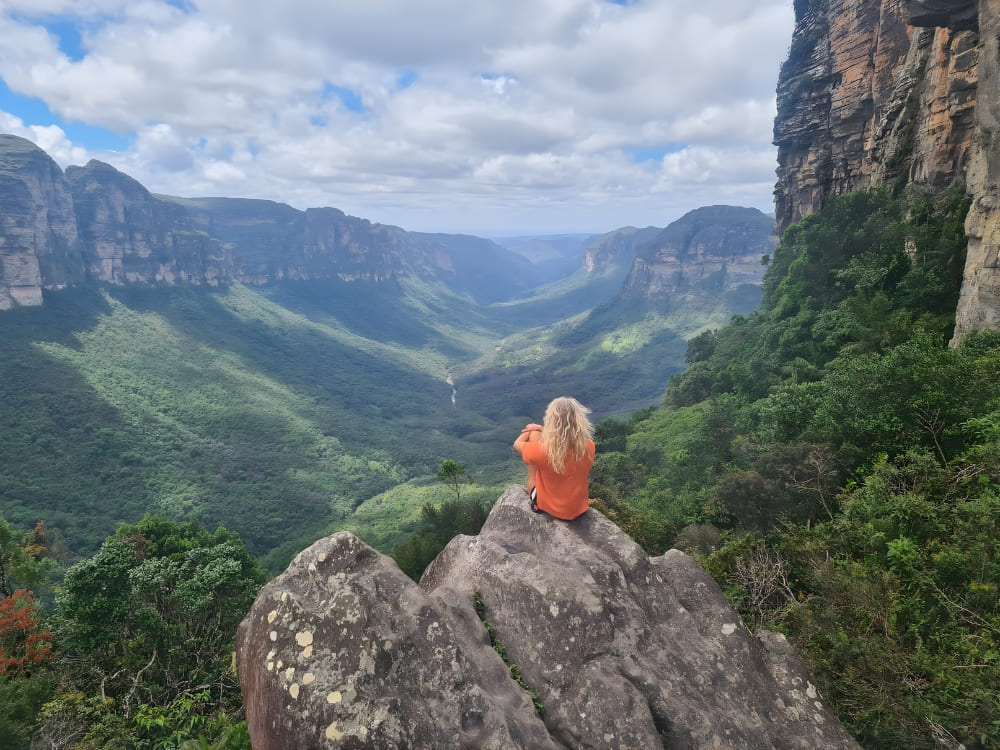
    Out of all her incredible adventures in destinations like Lençóis Maranhenses and Monte Roraima, Chapada Diamantina holds the most special place in her heart. “If I could, I’d go every year,” she says with a smile.

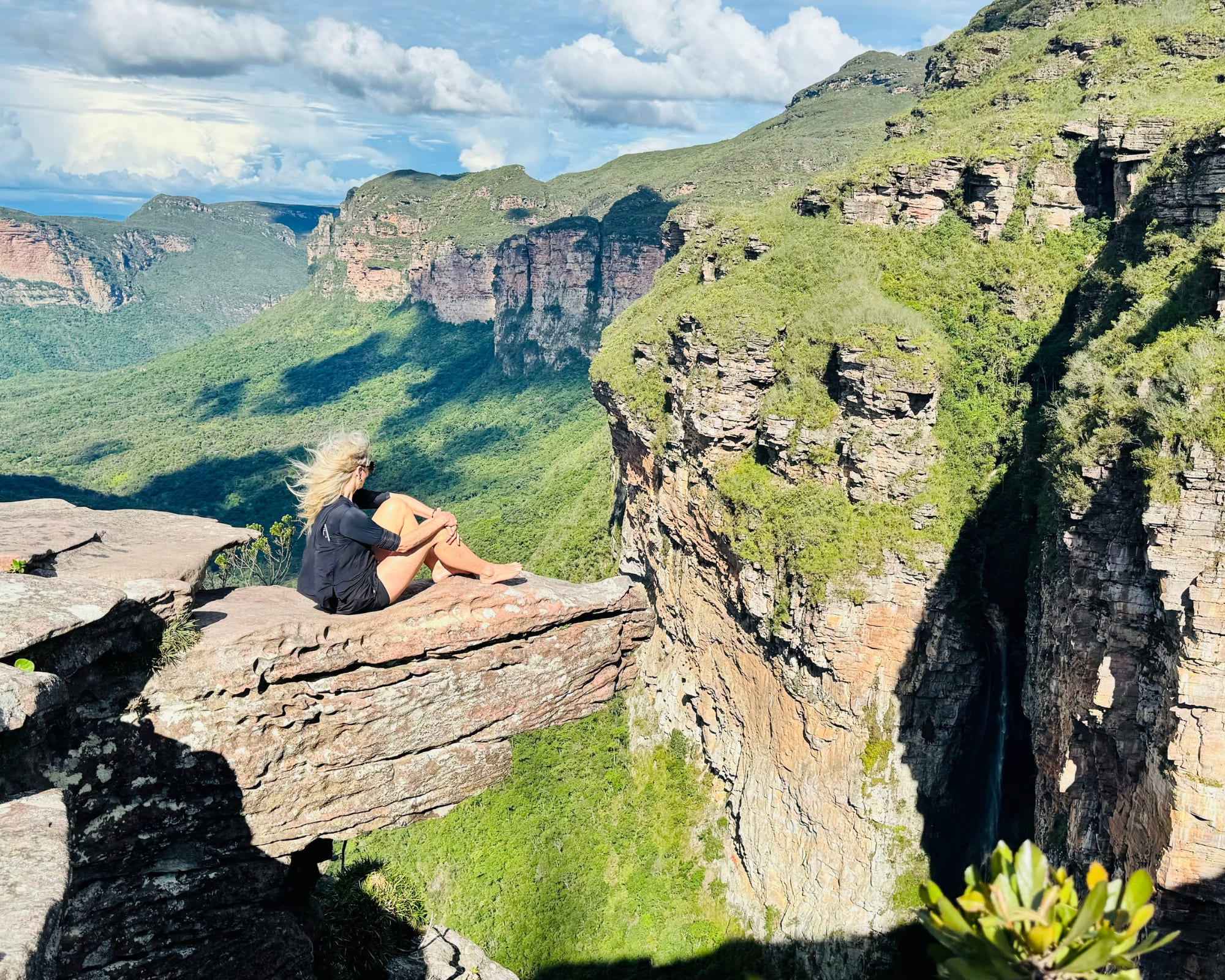
    Woman in an orange jacket sitting on a high rock, admiring the panoramic view of a vast green valley in Chapada Diamantina.
    .

    👉 Read more:

    No age limit for adventure

    Often mistaken for being much younger, Katharina is a living testament that ecotourism is not just for the youth. Having spent her 20s and 30s raising her three children and building a successful career, she feels that this current chapter of her life brings a newfound sense of liberty.

    “I think I’m much more adventurous now than I was back then,” she notes and actively encourages other mature women to step out of their comfort zones. It’s important to challenge yourself to find new borders and pass them. And I mean borders on every level, like finding new horizons and exploring.”

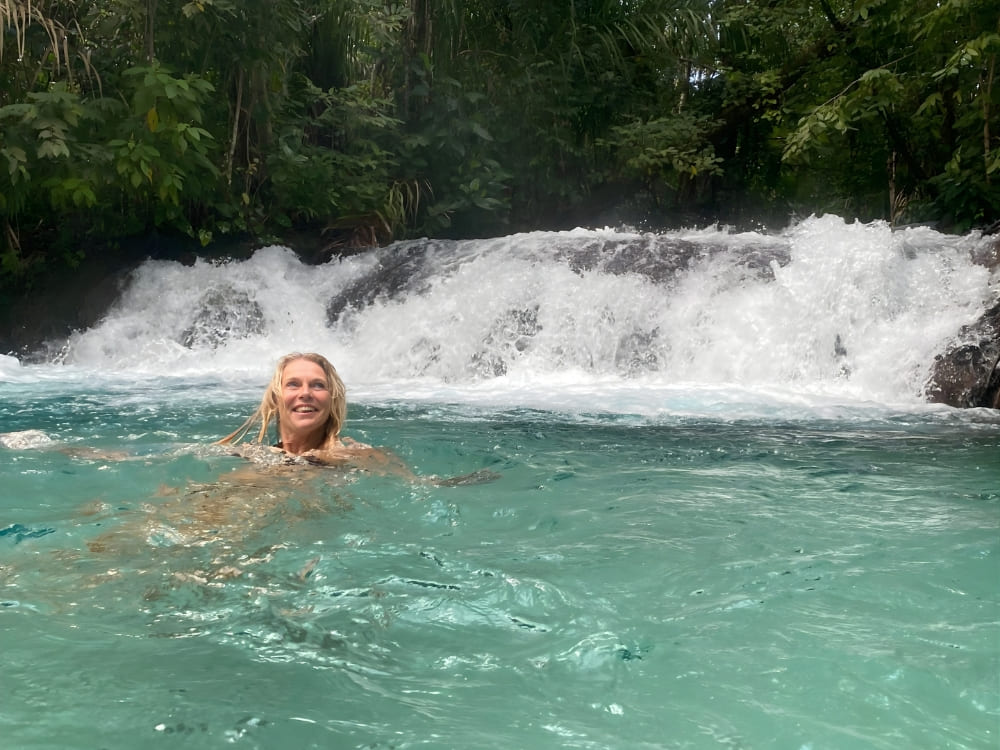
     Smiling woman swimming in crystal-clear blue waters with a large waterfall in the background in the Jalapão region.
    .

    👉 Read more: Women over 50 break stereotypes and prove that adventure knows no age

    While it is important to know your physical limits and find your own walking pace, Katharina proves that the rewards of conquering a tough trail or swimming under a massive waterfall in Jalapão, in the Northeast of Brazil, are absolutely worth it.

    One of her most remarkable adventures was the ascent of Pico da Neblina, Brazil’s highest peak, hidden in the northwest Amazon. “It was an incredible and deeply special experience, profoundly shaped by the connection with the Yanomami people,” she shares. “Trekking alongside about 30 indigenous guides who carried supplies up the mountain, I spent 10 days immersed in their daily routine, sleeping in hammocks along the way.”

     Katharina interacting in a relaxed way with a Yanomami indigenous guide in a green area, with Pico da Neblina in the background.
    .

    As Katharina prepares for her next adventure into the wilds of the Pantanal, her story serves as a beautiful reminder to us all: the world is vast, the wild is calling, and it is never too late to answer.

    👉 Read more: Women in ecotourism: female presence that makes things happen

    Traveling across Brazil’s wild nature with PlanetaEXO

    Katharina understands the power of connecting with nature and living life to the fullest. With PlanetaEXO, an ecotourism platform specializing in adventure tours in Brazil, she was able to explore multiple destinations safely, responsibly, and authentically.

    From bookings to transfers, our team provides everything you need for your trip while also supporting local communities and following guidelines to ensure environmental conservation. Contact us now!
  • Expanding horizons in the Amazon: A British writer’s journey of love and discovery

    Expanding horizons in the Amazon: A British writer’s journey of love and discovery

    Emma Phillips is a freelance writer from the UK who explored the rainforest with her Brazilian partner and uncovered a universe of wild nature and cultural diversity

    In December of last year, 30-year-old British freelance writer Emma Phillips lived a transformative experience. After meeting Jamille, a Brazilian academic from Belém do Pará, her world began to expand from the rolling hills of England to the depths of the Amazon Rainforest, creating a beautiful cross-cultural love story that was recently shared in an article for Condé Nast Traveller.

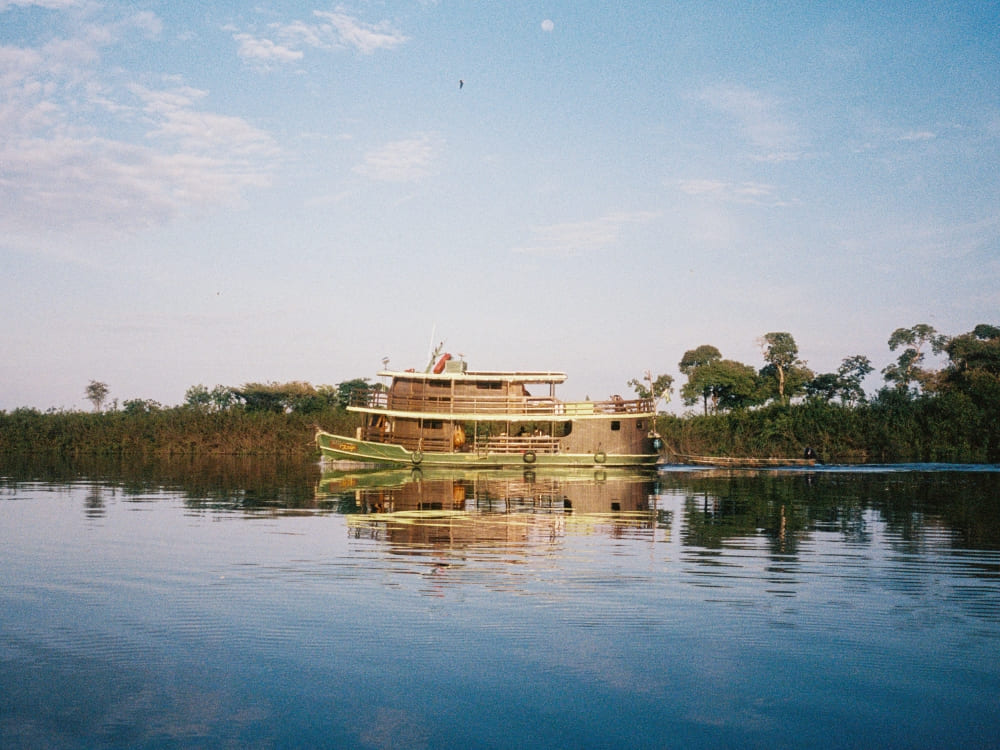
    Traditional river cruise boat navigating the calm waters of the Rio Negro, with green vegetation reflecting on the water.
    Photo: Emma Phillips

    For Jamille, it was a chance to further explore areas of her own region that she didn’t know yet. For me, it allowed me to experience the place she comes from through a personal perspective. My world expanded Emma shared in an interview for Women’s Month.

    Deep connection with local roots

    The trip went far beyond simply observing landscapes; the real difference was the immersion fostered by the local communities, especially educational programs. “It’s all about the people. I was very impressed by the project around the schools, the stunning architecture. Everything was so clever and beautiful,” she highlights.

    Accompanied by a tour guide who transformed the forest into a true classroom using the knowledge of his ancestors, the group experienced the most authentic side of the Amazon. “The entire boat crew and the guides were locals. Seeing tourism being used in an authentic and non-predatory way to improve the lives of communities and preserve the environment was an inspiration.

    Hand holding a freshly caught fish on a line over the dark waters of the river, with a sandy bank and logs in the background.
    Photo: Emma Phillips

    Despite the difference in realities, Emma knows this part of the world quite well. Having worked with Brazilian Indigenous leaders before, she has an understanding of the realities they face and the landscapes they navigate. “Working with their knowledge and cosmology is like unlearning everything that I’ve been taught,” she states, defining the experience as a way to understand the significance of cultural diversity.

    👉 Read more:

    The power of nature and human warmth

    Navigating the Rio Negro brought fascinating contrasts for the family. Emma describes the forest as “encompassing and intense,” while the river offered a sense of “enormous openness and tranquility”—with the great advantage that the acidic dark waters kept the mosquitoes away!

    During the expedition, they were graced by giant otters, caimans, different species of birds, river dolphins, and other Amazon animals. Nature also showed its magnitude when a severe storm on the last night reminded them of the forest’s power and the importance of the crew’s preparation.

    Traveling as a queer woman, Emma confesses there is always an internal anxiety about how her relationship will be received. However, the welcome on the cruise was notable. “At first, the crew tried to understand our dynamic—a British woman and an Amazonian woman together—but as soon as they understood, the atmosphere was one of total respect, and no one made us feel uncomfortable.

    A dark-haired woman wearing hoop earrings and a camouflage life vest sits in a small boat, looking thoughtfully at the lush riverbank vegetation
    Photo: Emma Phillips

    One of the most touching moments occurred in the boat’s kitchen. “One of the chefs shared that her own daughter was also queer. I think she was pleased to see our dynamic play out in front of her. It was lovely,” she recalls.

    👉 Read more:

    Travel that empowers (and an invitation)

    The journey through the Amazon united families from different continents and reinforced Emma’s belief in the transformative power of exploring the unknown. “Traveling allows us to witness other ways of existing in the world. I believe that travel empowers any woman, any person, as it provides experiences where you have to be constantly decisive, face fears, and assess risks.

    For women who dream of exploring the immensity of the Amazon but still feel some hesitation, Emma’s advice is clear: focus on safety by traveling with support, along with a group or a trusted tour operator.

    Two women stand at the base of a massive Amazonian tree, looking up at the imposing trunk and thick green canopy towering above them.
    .

    👉 Read more: Why Brazil’s remote outdoors are becoming a haven for foreign female travelers

    Expanding horizons with PlanetaEXO

    Driven by love and a profound interest in nature and cultural diversity, Emma was able to expand her view of the world. That’s what traveling does—it gifts us with the beautiful knowledge that life knows no borders and that there is much to see out there.

    With PlanetaEXO, an ecotourism platform specializing in adventure tours in Brazil, this journey becomes even richer. By following guidelines that create a positive impact on the environment and local communities, we provide fulfilling, unforgettable experiences. Contact us now!
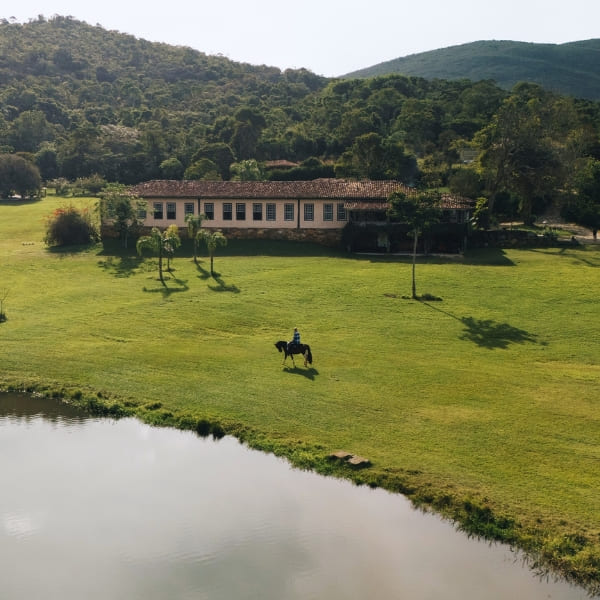
  • From New Zealand to the Lost World: a Solo Ecologist’s Trek Up Mount Roraima

    From New Zealand to the Lost World: a Solo Ecologist’s Trek Up Mount Roraima

    Olivia Bird is a young traveler who crossed the world to climb one of South America’s most impressive mountains

    Twenty-four-year-old Olivia Bird had spent her academic life in New Zealand studying alpine plant communities, but she was about to step into an entirely different world. Embarking on her first-ever solo trip to South America, her sights were set on Mount Roraima, a majestic tepui (table mountain) on the border of Brazil and Venezuela that inspired the classic 1912 novel The Lost World, by Sir Arthur Conan Doyle.

    A female ecologist stands on a sandy path looking toward the table mountain of Mount Roraima in the distance.
    .

    For an ecologist, the tepuis are a dream destination. “They are incredible sources of endemic biodiversity,” Olivia explains. “Because of their height and isolation, unique species have evolved completely cut off from the rest of the world. It’s a living laboratory.

    Olivia entrusted PlanetaEXO, an ecotourism platform specializing in adventure tours in Brazil, to explore one of the country’s most remote regions. She also shared her inspiring story for Women’s Month. Check it out below!

    Overcoming the pre-trip nerves

    Before leaving, Olivia admitted to feeling the weight of her ambitious itinerary. “I was definitely nervous” she recalls. “The travel advisories regarding Venezuela had made me anxious. But PlanetaEXO and the local partner organized a video call before the trip. Speaking with them firsthand completely eased my fears. I knew I was in good hands.”

    After a grueling series of transits crossing the planet, she finally arrived in Boa Vista, capital of the state of Roraima. Upon meeting her tour group, Olivia faced her first real challenge: she was the only non-Brazilian on the trek and the only native English speaker.

    Two female hikers smile together on a grassy trail with the majestic Mount Roraima in the background.
    .

    During the first few days, I was so worried that I was going to be an inconvenience to the social flow of the group, but I couldn’t have been more wrong” she says, highlighting the camaraderie and friendliness of other travelers that made sure she got all the support she needed.

    I roomed with another solo female traveler from Brazil who immediately reassured me. The group was incredibly diverse, about half women, and they happily accommodated me by speaking English or taking the time to teach me Portuguese.

    👉 Read more:

    The power of the mountain (and the people)

    As the trek up Mount Roraima began, Olivia was constantly struck by both the awe-inspiring environment and the resilience of the local team.

    I was profoundly impressed by the indigenous porters, particularly the women” she marvels. “I watched women half my size, wearing nothing but flip-flops, effortlessly carry heavy supplies and literally pass us hikers struggling in our high-tech gear.

    The team didn’t just carry the gear; they provided a phenomenal culinary experience. “They brilliantly catered to my vegan diet. I was served up some of the best food I had ever eaten, right there on the side of a mountain.

    The sun bursts with bright rays over a sea of white clouds and silhouetted table mountains, viewed from the rocky summit of Mount Roraima.
    .

    Once at the top, the ecologist in Olivia came alive. She was particularly amazed by the tiny, thumbnail-sized endemic frogs that crawled through the spectacular Crystal Valley, where the rocky landscape suddenly transforms into a field of sparkling jewels.

    Through it all, the guides fostered this deep reverence for the mountain” she says. “They emphasized a strict ‘do no harm’ philosophy to protect such a sacred and fragile environment. It changed how I viewed our impact on these spaces.

    👉 Read more: Women in ecotourism: female presence that makes things happen

    Beyond the canopy

    Mount Roraima was only the beginning. Empowered by the climb, Olivia continued on a massive backpacking tour through Bolivia, Peru, Colombia, Ecuador, and Mexico. Her thirst for nature eventually led her to the Bolivian Amazon, where she experienced a heart-pounding moment in the pitch-black jungle.

    I was standing right beside my guide with our flashlights off, just listening,” Olivia remembers. “Suddenly, we heard it—the growl of a jaguar, just meters away in the bushes. I was scared, but it was so cool.

    Returning home to New Zealand, Olivia reflected on how the journey crossing the planet had changed her. Traveling gave her a new lens to examine the relationships between people and nature. More importantly, conquering the tepui and navigating foreign countries solo gave her a newfound sense of freedom and confidence.

    If I had a message for other women, it would be that we’re lucky to live in a day and age where it’s accessible for women to travel alone.” Olivia says. “Just grab that opportunity and use it to see the world. It’ll benefit you as a person, and there will be other women that you meet along the way that are doing the same thing, so you don’t have to feel alone.

     A delicate pink and white flower with a red stem grows among low-lying green and reddish vegetation on Mount Roraima.
    .

    👉 Read more:

    Delving into the deepest parts of nature with PlanetaEXO

    Olivia was initially fearful of such a demanding journey, but she was also quickly reassured in terms of safety by PlanetaEXO and our local partners.

    As an ecotourism platform specializing in adventure tours in Brazil, we take care of every step of your vacation planning to make sure you have a safe, unforgettable experience while making a positive impact on the planet and local communities. Contact us now!
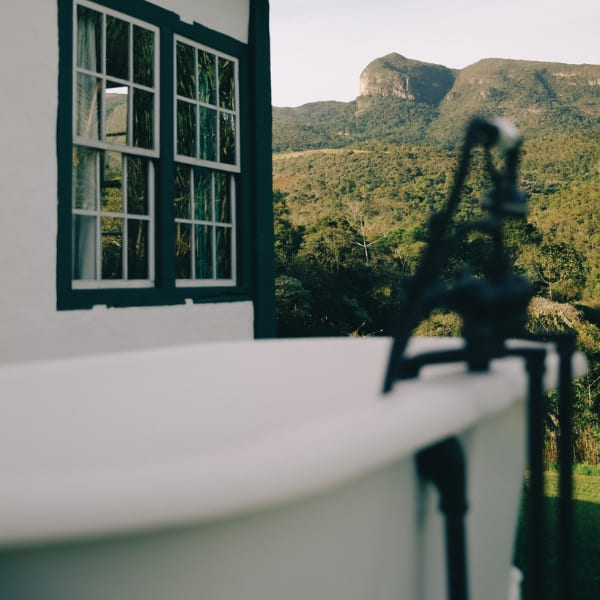
  • How one Brazilian Woman Conquered her Fears and Found Herself Into the Deep Jungle

    How one Brazilian Woman Conquered her Fears and Found Herself Into the Deep Jungle

    For Women’s Month, meet Mariana Sampaio, a young solo traveler who explored Vale do Pati and the Amazon Rainforest

    For Mariana Sampaio, a 26-year-old electrical engineer, “vacation” used to mean a simple break from the daily grind. But after a month spent traversing the rugged mountains of the Vale do Pati and the flooded forests of the Amazon, she returned with an entirely different definition: transformation.

    As a Brazilian woman traveling solo for the first time, Mariana wanted to see what she was made of while ensuring she felt supported. That’s why she turned to PlanetaEXO, an ecotourism platform specializing in adventure tours in Brazil, and trusted us to coordinate back-to-back trips that would span thousands of kilometers.

    From the high-altitude silence of Chapada Diamantina to the rhythmic pulse of the Amazon Rainforest, she found more than she was expecting. In celebration of Women’s Month, discover Mariana’s story below.

    Finding strength in the mountains

    The journey began in the heart of Bahia, at Vale do Pati, in Chapada Diamantina. For five days, Mariana disconnected from the digital world and pushed her physical limits further than she thought was possible.

    Climbing the iconic Morro do Castelo was a true test of endurance. “The physical part was challenging,” she admits. “When I went back home, I didn’t exercise for a few days. My knee… I couldn’t even stand up straight.”

    A smiling Mariana stands with arms outstretched on a bridge over a rocky river with the rugged mountains of Vale do Pati in the background.
    .

    But in the middle of that physical struggle, she found a different kind of strength—human connection. Within her trekking group, she formed an unlikely, profound bond with a German couple, Mary and Piet.

    “It was as if it had to happen at that moment. I didn’t feel alone for a single second,” Mariana reflects, also recalling the connection with other travelers and tour guides. 

    👉 Read more: Why Brazil’s remote outdoors are becoming a haven for foreign female travelers

    Where culture meets the jungle

    As the mountain air gave way to the humid breath of the north, Mariana headed to a jungle lodge in the Amazon. If the mountains were about physical endurance, the jungle was about immersing herself in an entirely different reality.

    For her, the highlight wasn’t just the dense greenery or the diversity of Amazon animals—though she did photograph a small alligator and spot a giant snake—it was the people who call the river home. “What I liked most in the Amazon was the contact with the people… learning about their culture and how they live differently.” 

    She was fascinated by the daily rhythm of the river, particularly the sight of local children commuting to school by boat. There, she realized that she wasn’t just visiting a forest; she was witnessing a resilient way of life.

    Mariana smiles enthusiastically while safely holding a small alligator during a night excursion in the Amazon.
    .

    👉 Read more:

    Confronting the unexpected

    Despite all the good things, solo travel in the wild obviously brings moments that test your nerves.

    Deep in the forest, Mariana faced a moment of genuine terror when she was stung by a large wasp (marimbondo). “I thought, ‘Am I allergic?… I’m going to die here without the people I love,’” she recalls, now finding the situation funny.

    But this is where the expertise of her guide became her lifeline. He stayed calm, monitored her reaction, and stayed by her side until the pain subsided. It was a pivotal moment of self-discovery when she realized she could handle the unexpected because she had a support system that truly knew the land.

    👉 Read more: Ecotourism in Brazil boosts solo travel for women through planning and support networks

    The spark of empowerment

    Why take the risk of a solo adventure? For Mariana, the answer is simple: it’s the ultimate form of courage and self-confidence. She went into the trip as someone who was naturally more reserved, but she came back with a transformed sense of morale.

    “Traveling solo changed my view of the world because when you live in a society that sometimes doesn’t allow women to dream, this is like the first spark of empowerment,” Mariana reflects. “It’s a true conquest to be able to look back and say, ‘I did this, and I did it alone.’

    Mariana rests on a giant twisted tree root while exploring the dense greenery of the Amazon jungle.
    .

    She encourages anyone hesitant about the “what-ifs” to look past the fears. “Life is only one… and today I know myself much more because I met other people.”

    Her journey is a reminder that the most beautiful view isn’t just at the top of a mountain or the edge of a river, but it’s the person you become when you decide to go anyway. “If I can do it, you can do it too,” she completes.

    👉 Read more: Women over 50 break stereotypes and prove that adventure knows no age

    Find your self-confidence through travel with PlanetaEXO

    Mariana overcame her fears and discovered a whole new side of herself by believing in her own capability. Deep in the wild Amazon or trekking across Vale do Pati’s trails, she got more than she bargained for.

    As an ecotourism platform specializing in adventure tours in Brazil, PlanetaEXO helps travelers from all over the world to explore nature in a responsible, fulfilling way. Prioritizing safety, comfort, environmental conservation, and the support of local communities, we work tirelessly to ensure authentic travel experiences. Contact us now!
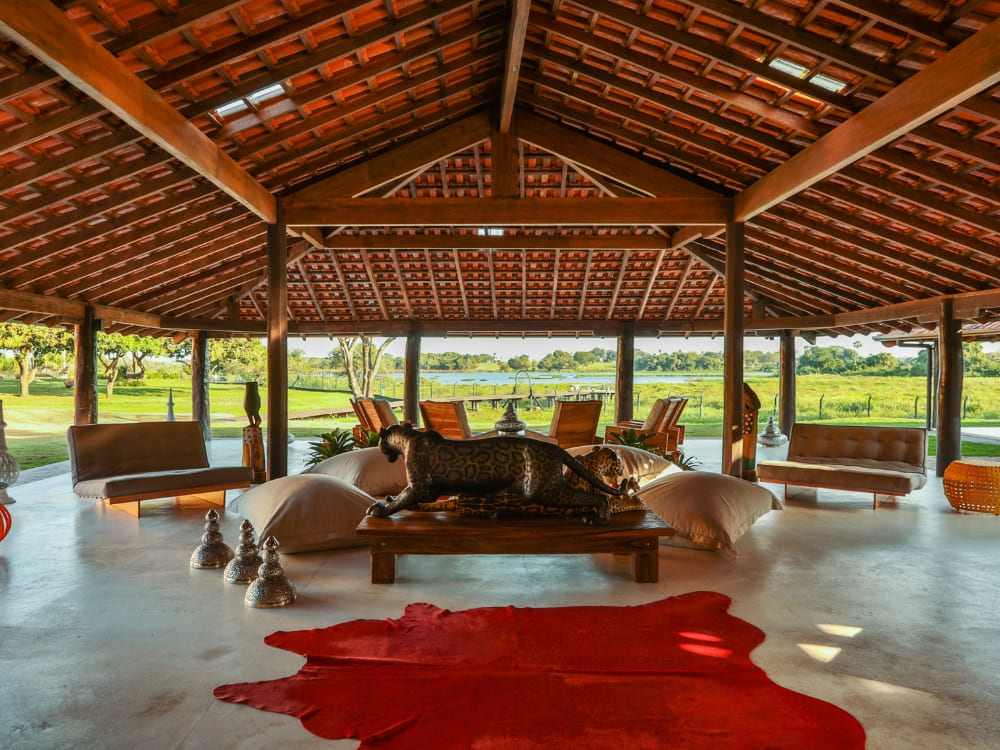
  • From Seattle Rain to Brazilian Sun: Samantha’s Solo Journey Through the Amazon and Jalapão

    From Seattle Rain to Brazilian Sun: Samantha’s Solo Journey Through the Amazon and Jalapão

    Samantha Sage shares her experience of solo exploring through Brazil to inspire female travelers in honor of Women’s Month

    When the cold, rainy winter of Seattle became too much for Samantha Sage (@sage_gonewild), a 34-year-old tech consultant from the United States, she realized she wasn’t just looking for a vacation—she was looking for an adventure.

    With the freedom to work from anywhere, she packed her bags for a six-week solo trek across Brazil, a journey that would take her from the iconic beaches of Rio to the remote, almost mystical landscapes of the Amazon Rainforest and Jalapão.

    To explore these particular destinations, she trusted PlanetaEXO, an ecotourism platform specializing in adventure tours in Brazil, to ensure she had a safe, fulfilling trip. In honor of Women’s Month, we tell her story right below.

    Discovering the scale of the Amazon

    For Samantha, the Amazon was a revelation. While she had seen rainforests before, nothing prepared her for the sheer magnitude of the rivers. “You hear about the rivers in the Amazon being really big, but you don’t really conceptualize it until you’re there.”

    Staying at an Amazon jungle lodge, she enjoyed a uniquely intimate experience. As the only guest, she received personalized attention from guides who were born and raised in the region.

    Samantha Sage smiles while holding a small caiman during a guided nighttime ecotourism tour in the Brazilian Amazon.
    @sage_gonewild

    Her trip was filled with sightings of many Amazon animals, including a humorous moment when she mistook a sleek head in the water for something else.

    “I freaked out. My brain immediately thought it was an anaconda, but my guide looked at me like I was crazy, and he was like, ‘It’s an otter’” she laughs, saying how excited she was with the possibility of seeing the star of the Anaconda franchise in its natural habitat—though she was still happy to see the giant otter.

    👉 Read more:

    The spontaneous magic of Jalapão

    Samantha’s decision to visit Jalapão was sparked by a single, captivating photo of the Japanese Lagoon she saw online.

    Despite her admitted lack of planning, the impulsive choice paid off. She found herself mesmerized by the diversity of the scenery, from the golden dunes to the “fervedouros” (natural springs where the water’s pressure prevents you from sinking.)

    Samantha Sage floats peacefully on her back in the crystal-clear waters of the Jalapão, Brazil.
    @sage_gonewild

    She credits much of the trip’s success to the professionals who guided her. “The guides can really make or break a trip,” she noted. “My guide was just amazing and made it so that the experience was even better than I expected.”

    👉 Read more: Women in ecotourism: female presence that makes things happen

    Empowerment through solo travel

    Beyond the stunning vistas, this trip was a deeply personal one. Samantha found that traveling solo in Brazil was important for her to grow into a stronger, more confident version of herself. “It really helped me overcome insecurities, like fostering comfort with my own unique personality” she explained.

    Samantha Sage wears sunglasses and an orange life jacket while smiling on an adventure boat ride near massive cascading waterfalls in Brazil.
    @sage_gonewild

    Despite receiving cautionary advice from others before her departure, Samantha felt safe and welcomed by the “lively and patient” Brazilian people. She now encourages other women to take the leap and explore the world on their own terms. Her biggest piece of advice is to avoid overthinking; she believes that if you spend too much time dwelling on potential fears, you’ll never leave home.

    For Samantha, a bit of impulsivity, when balanced with safety, can be a wonderful thing. She urges future adventurers to stay flexible and be okay with plans changing, as some of her best experiences happened when things didn’t go according to script.

    👉 Read more:

    Booking your trip with PlanetaEXO

    Though Samantha is all for flexibility, PlanetaEXO helped her to structure a safe, enjoyable trip in two different destinations. After all, even spontaneity needs some organizing.

    We are an ecotourism platform specializing in adventure tours in Brazil that helps travelers from all over the world to plan their trips according to their preferences and needs. From booking accommodations to choosing the best itineraries, our team is ready to assist you with the vacation of your dreams. Contact us now!