See where to stay in Chapada Diamantina gateway towns and the accommodation options for trekkers in Vale do Pati
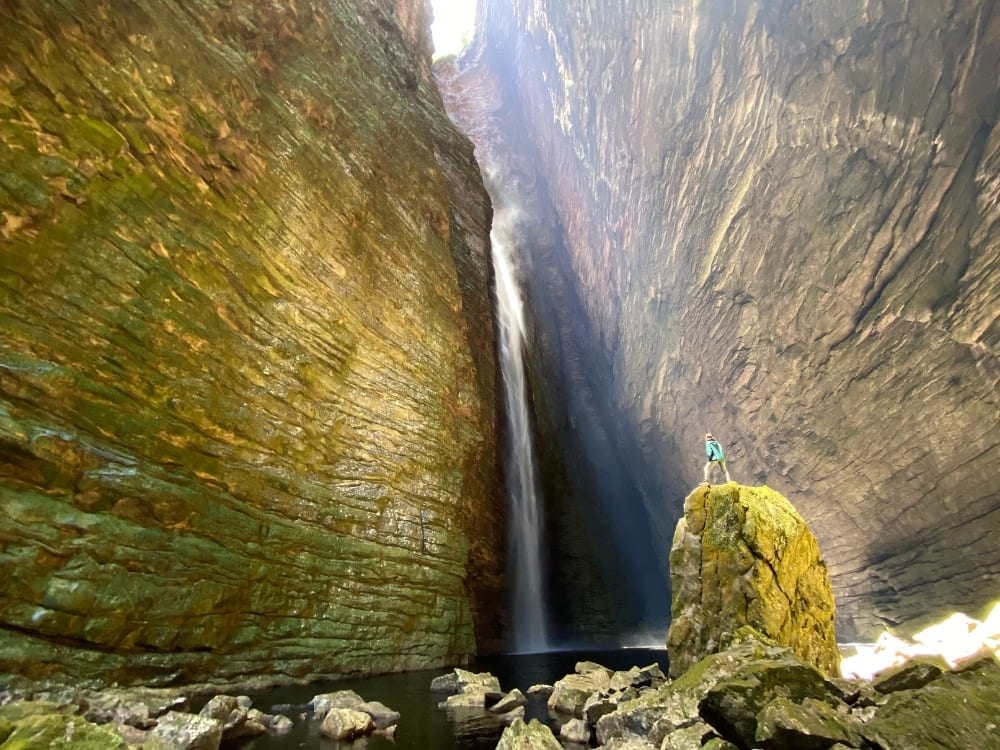
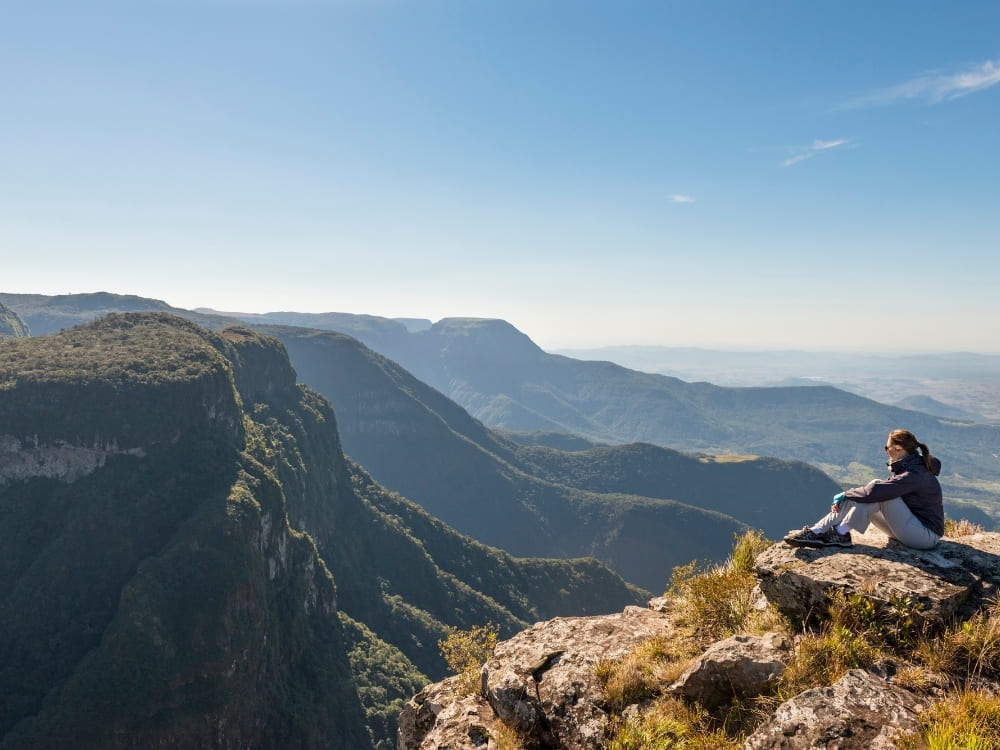
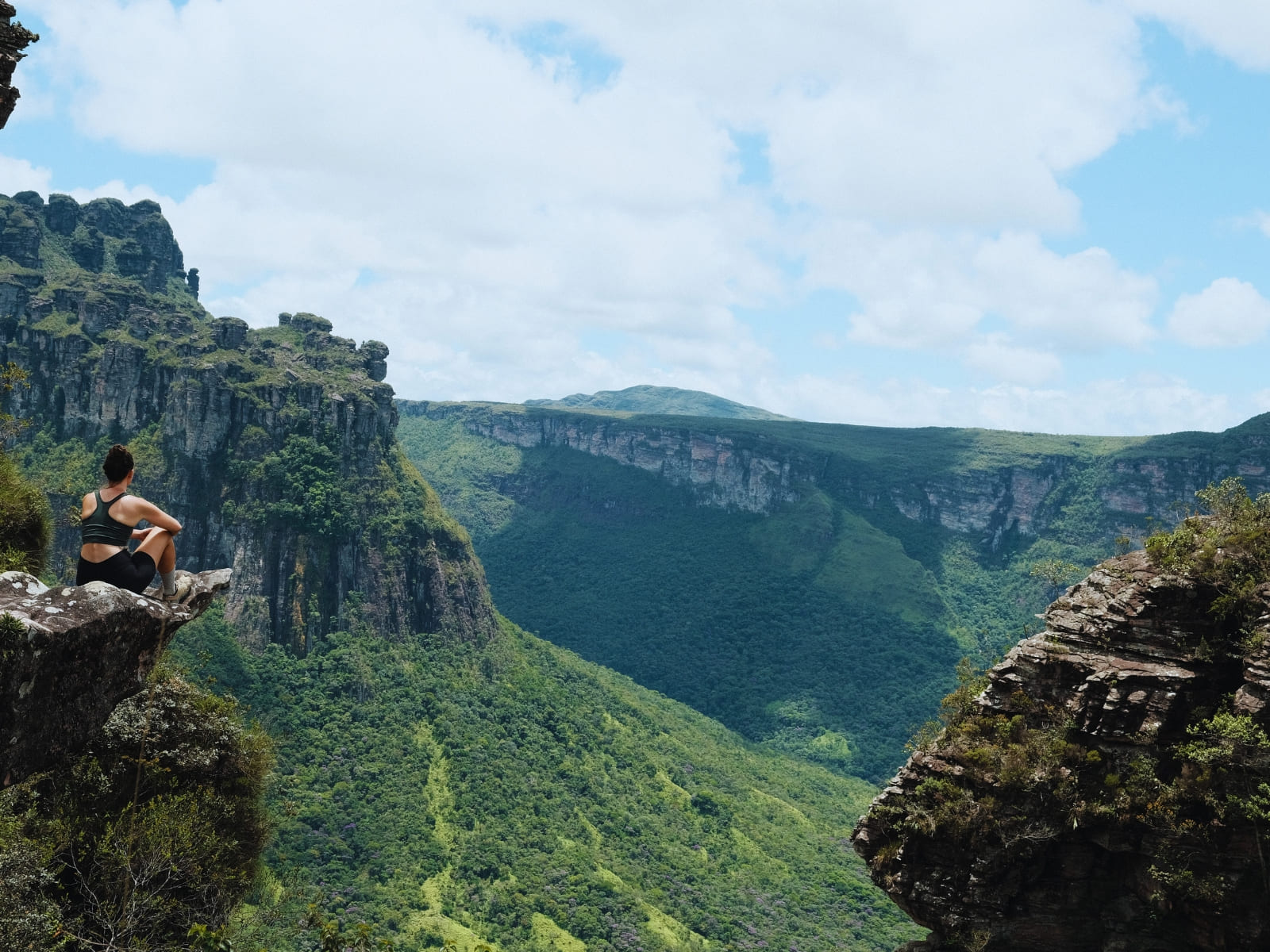
Chapada Diamantina is a massive natural area of 152,000 hectares. Perfect for adventure lovers due to its lush vegetation, beautiful waterfalls, ancient rock formations, and several kilometers of hiking trails, this amazing destination is on the bucket list of trekkers worldwide.
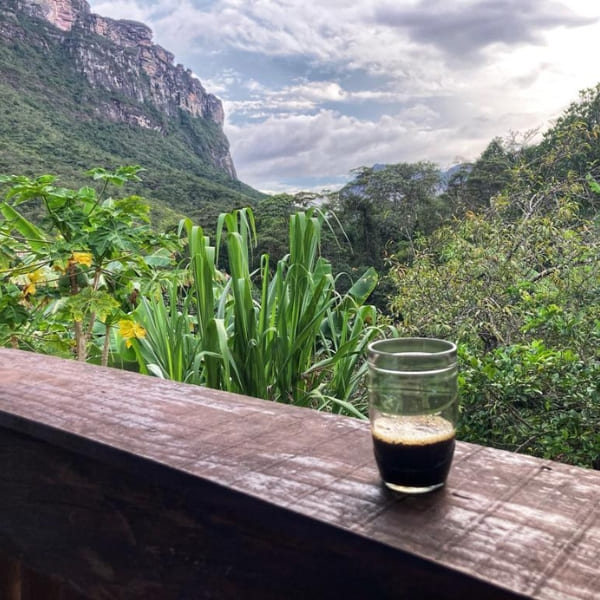
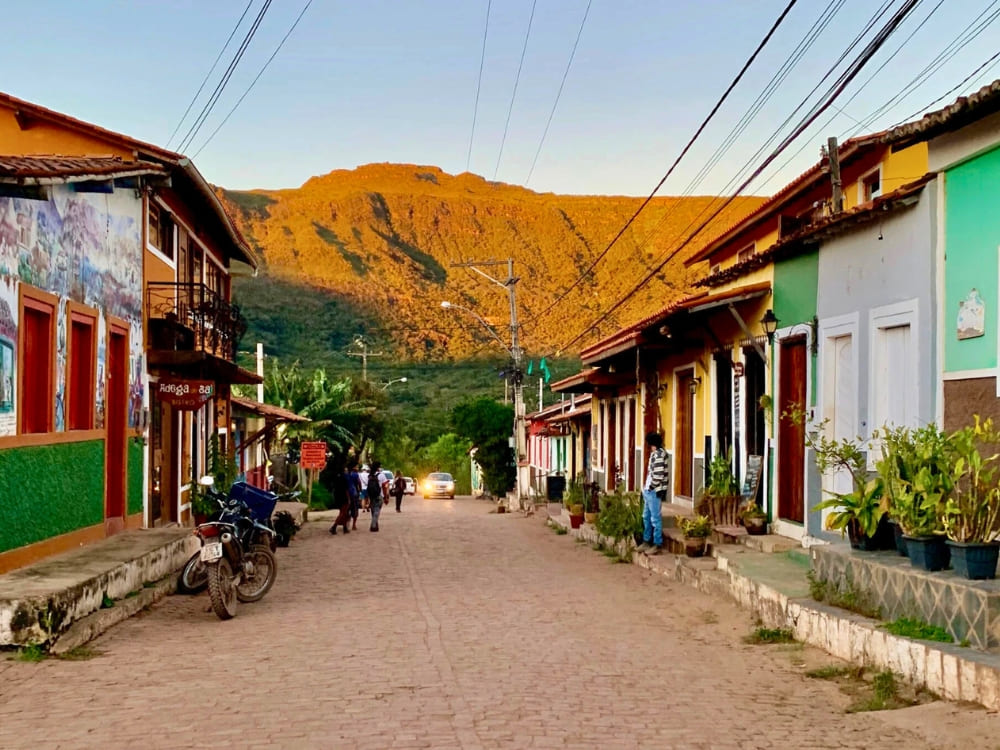
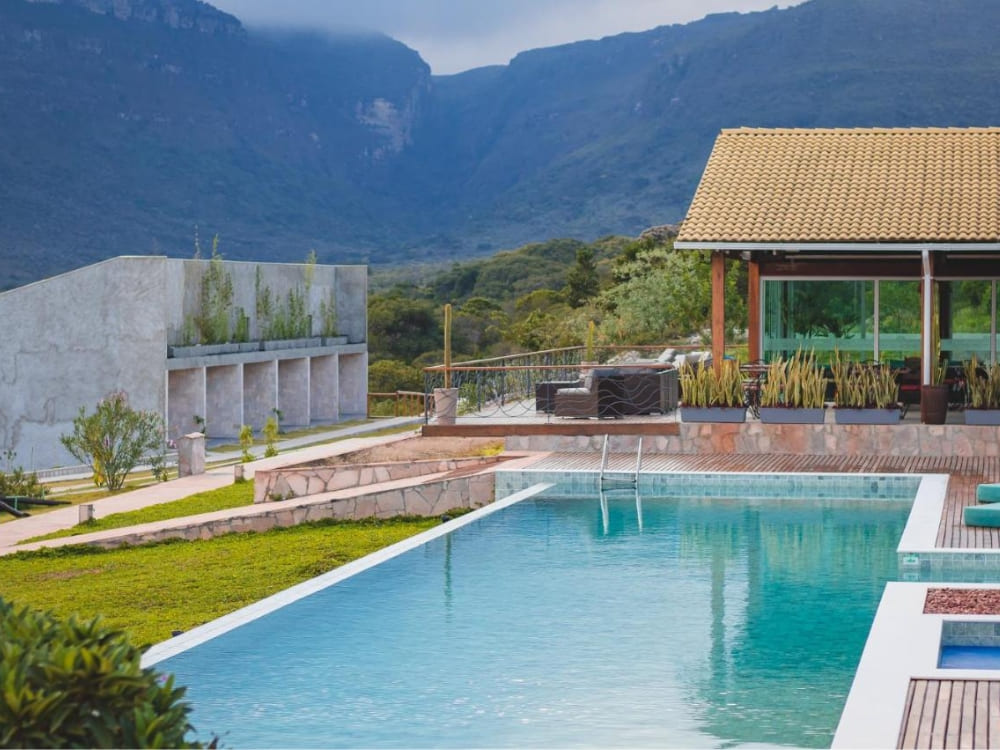
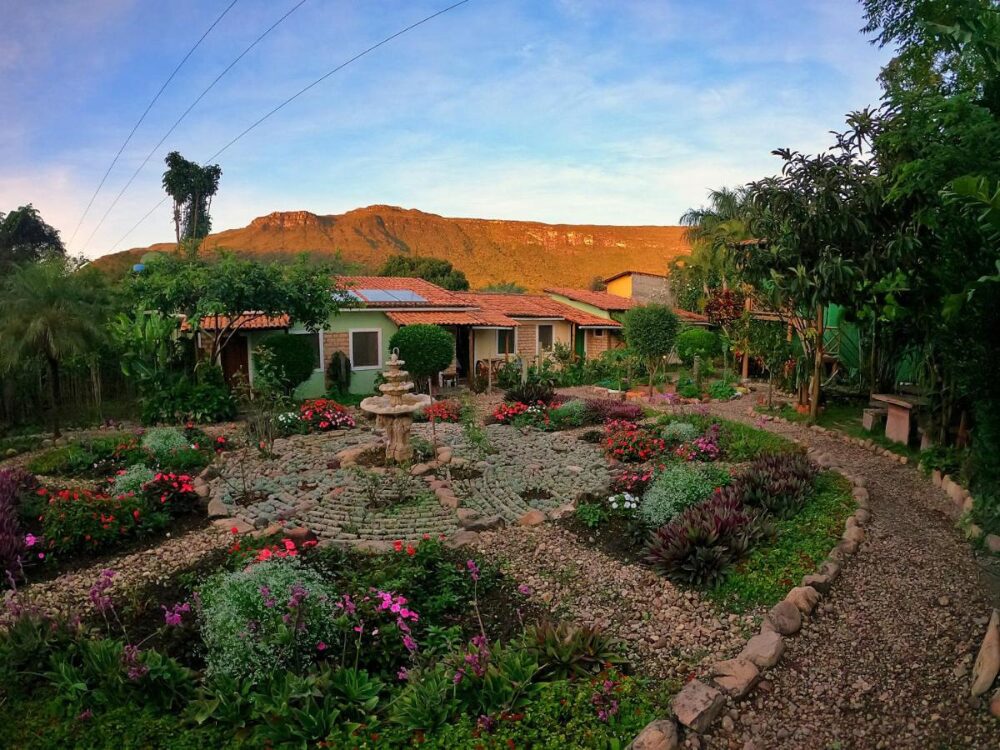
Mirroring this atmosphere of nature and peacefulness, there are two accommodation options available: staying in the homes of national park residents or at hotels in nearby towns—particularly Lençóis, Mucugê, and Vale do Capão. Whether in small inns or homestays, the options for where to stay in Chapada Diamantina are notable for the authenticity of the region.
PlanetaEXO, an adventure travel platform specializing in Chapada Diamantina tours, has helped countless travelers from all over the world to book the best accommodations in this fantastic destination. See our suggestions below!
Homestay in Vale do Pati
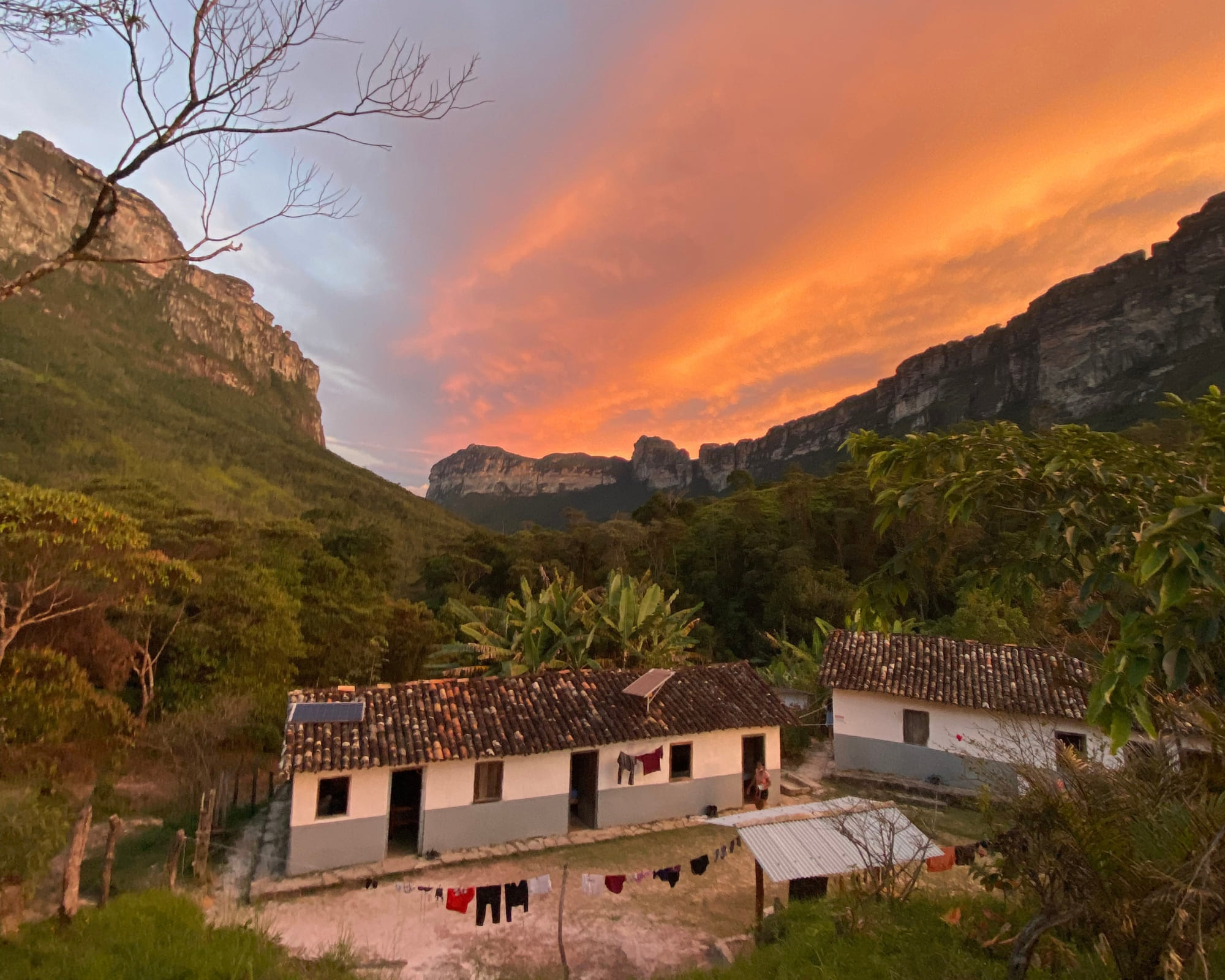
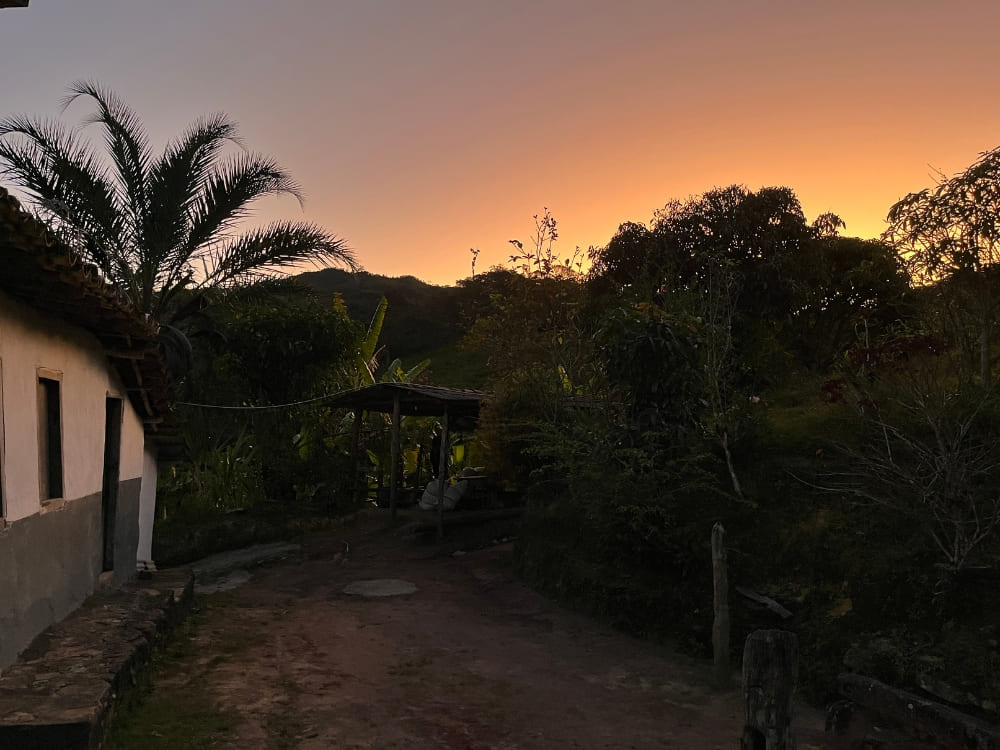
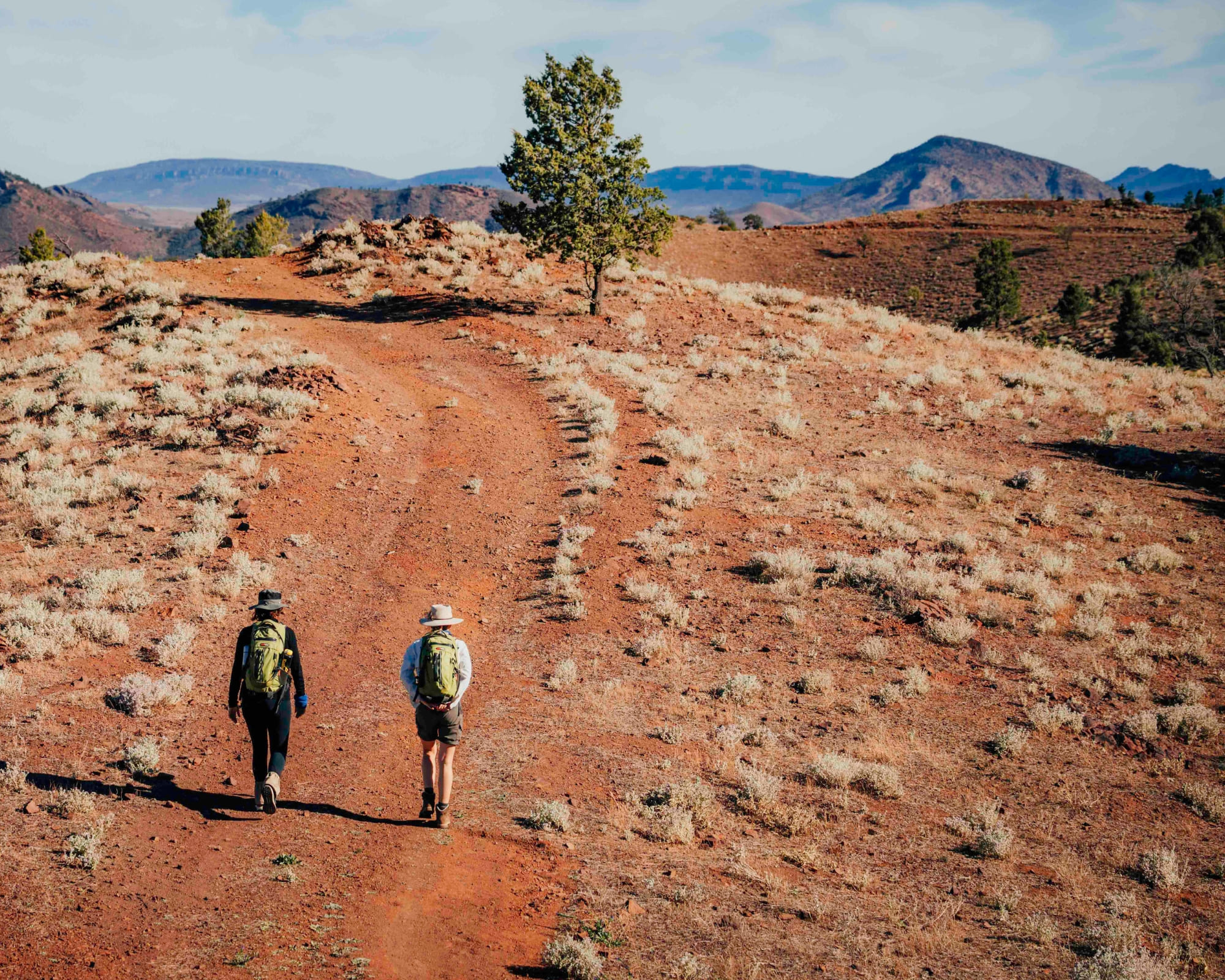
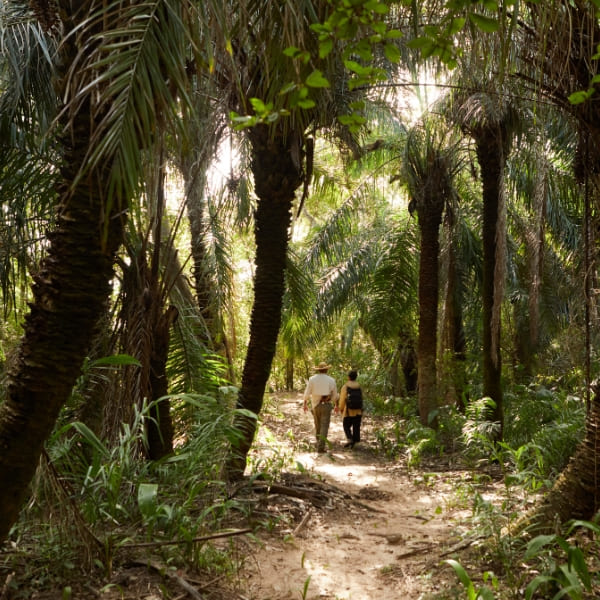
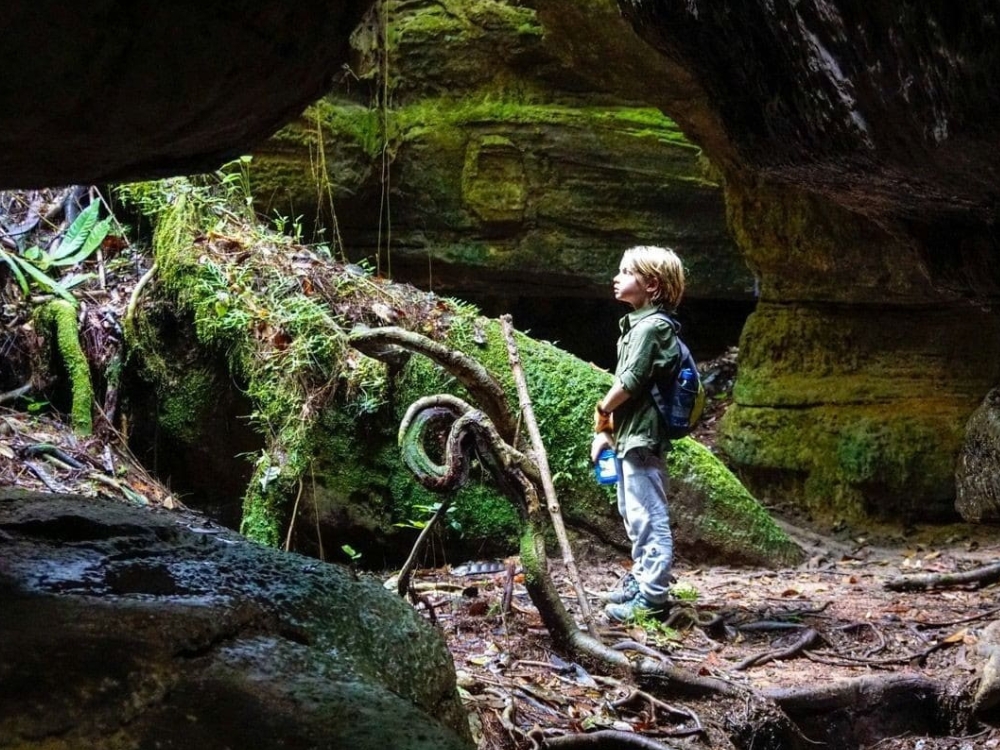
Instead of staying in hotels in Chapada Diamantina, many travelers choose to stay in the homes of people who live inside the national park. This is the only form of accommodation for those who venture on multi-day hikes through Vale do Pati.
.
In simple houses adapted to receive groups of hikers, families welcome them with simplicity but great hospitality, offering comfortable beds, bathrooms with (cold) showers, and home-cooked meals.
The experience is modest, but it has everything an adventurer needs to rest their tired body after a long day of trekking. This is also a way to meet new people and immerse yourself in the culture of Chapada!
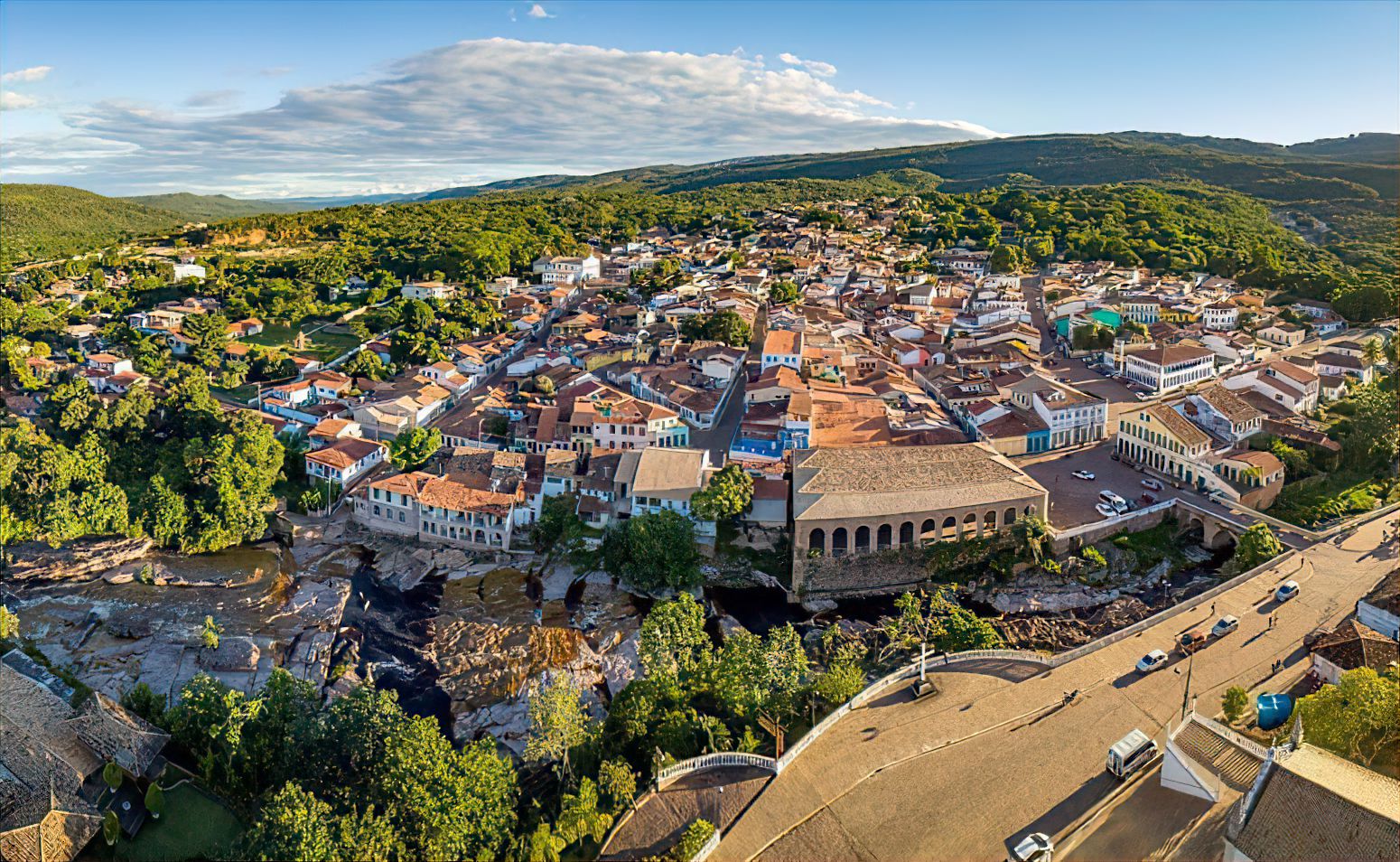
Considered a National Historical and Artistic Heritage, Lençóis is a small town with over 11,000 inhabitants, but it features the best infrastructure in the Chapada Diamantina region and serves as its main gateway.
Between the houses built in the 19th century, visitors find restaurants, grocery stores, ATMs, drug stores, and, of course, great stay options.
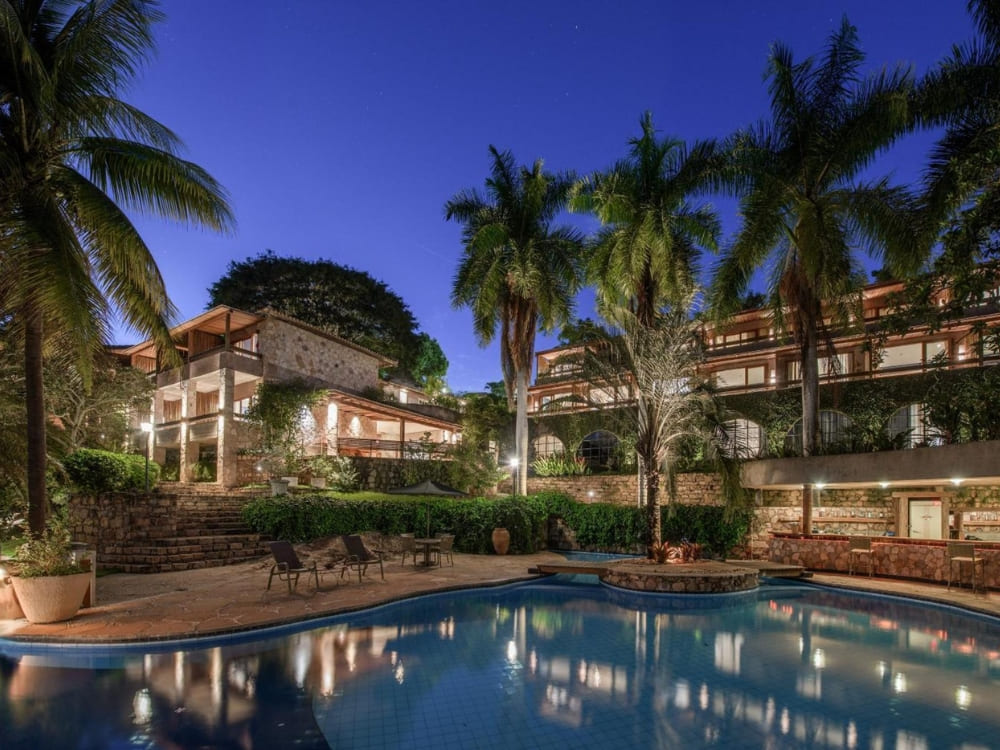
Eco-friendly and modern, Hotel de Lençóis offers a variety of accommodation options, from standard rooms to apartments with jacuzzis. All include comfortable beds, bathrooms with hot showers, air conditioning, televisions, and private balconies.
In the common areas, enjoy the restaurant, hot tub, playground, games room, meeting room, library, massage area, a grove with over 1000 native plant seedlings, and a museum with artifacts and historical records of the Chapada Diamantina.
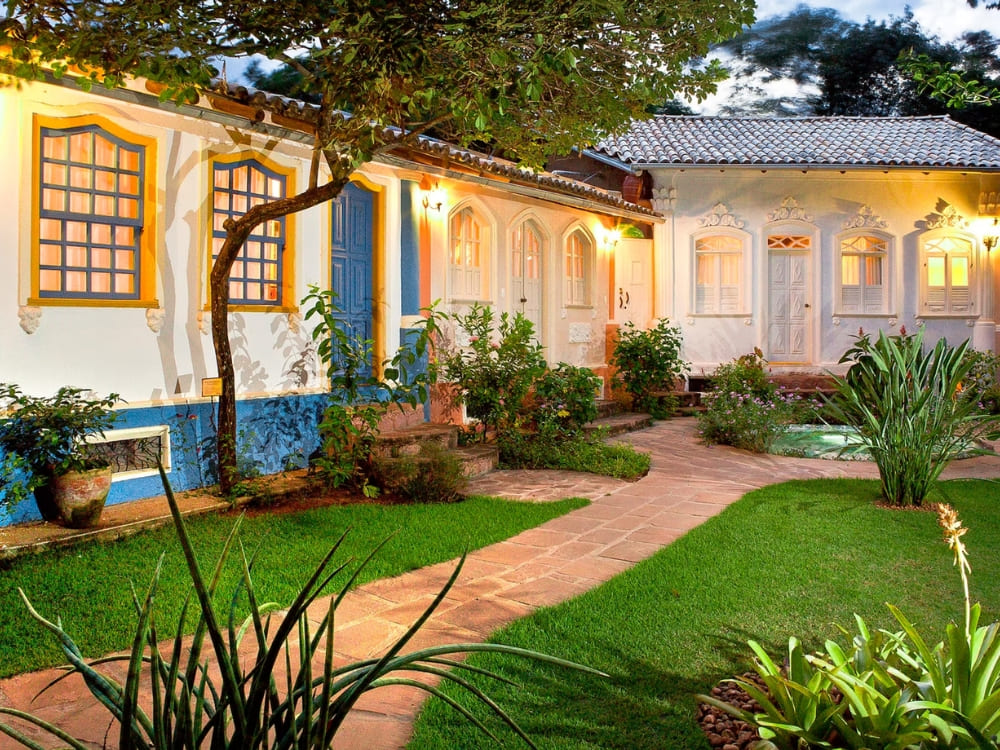
Vila Serrano is a sight for sore eyes. The colonial-style facilities are gorgeous, allowing guests to have a great time in spacious air-conditioned rooms with private bathrooms and balconies.
The most notable services are an exclusive spa, a delicious breakfast buffet, free Wi-Fi, special activities in the national park, and a privileged location—only 200 meters from downtown Lençóis.
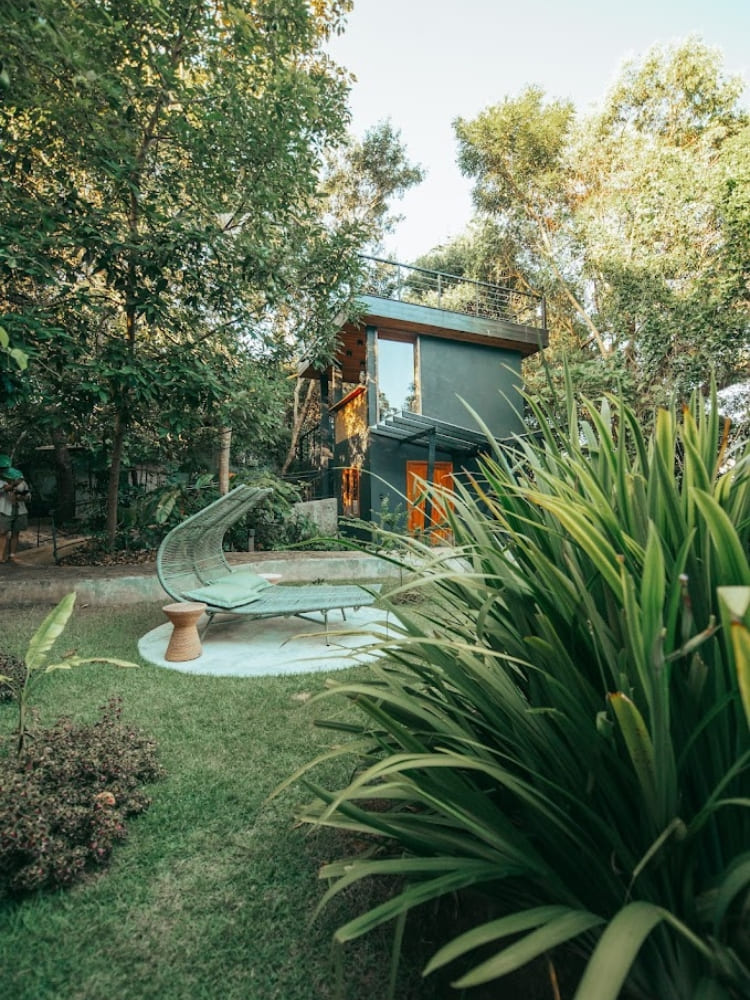
Only 900 meters away from downtown Lençóis, Casa Antônia’s modern architecture mixed with natural elements is one of the highlights of this lovely inn.
Every room includes single and/or double beds, air-conditioning, a closet, a work desk, a TV, and private balconies and bathrooms. Breakfast is highly praised by guests!
Address: Segunda Travessa Parque do Ribeirão, S/N – Ribeirão do Meio
Are you looking for somewhere to stay in Chapada Diamantina under a moderate budget? Canto do Bosque is the perfect inn for couples and families seeking good quality services and fair prices.
The rooms are cozy and give off charming Brazilian vibes, all of them including private bathrooms. You can also relax in the pool or indulge yourself with the daily all-you-can-eat breakfast buffet.
On the banks of the Lençóis River, Canto das Águas is fully immersed in the vastness of the Chapada. With 43 accommodations, it offers absolute comfort in rooms of three categories (Standard, Luxury and Diamond) equipped with comfortable beds, air conditioning, minibars, private bathrooms and a decoration inspired by local artists.
Just 200 m from the historic center of Lençóis, guests can also relax in the hotel’s gardens or grab a bite at the restaurant and bar.
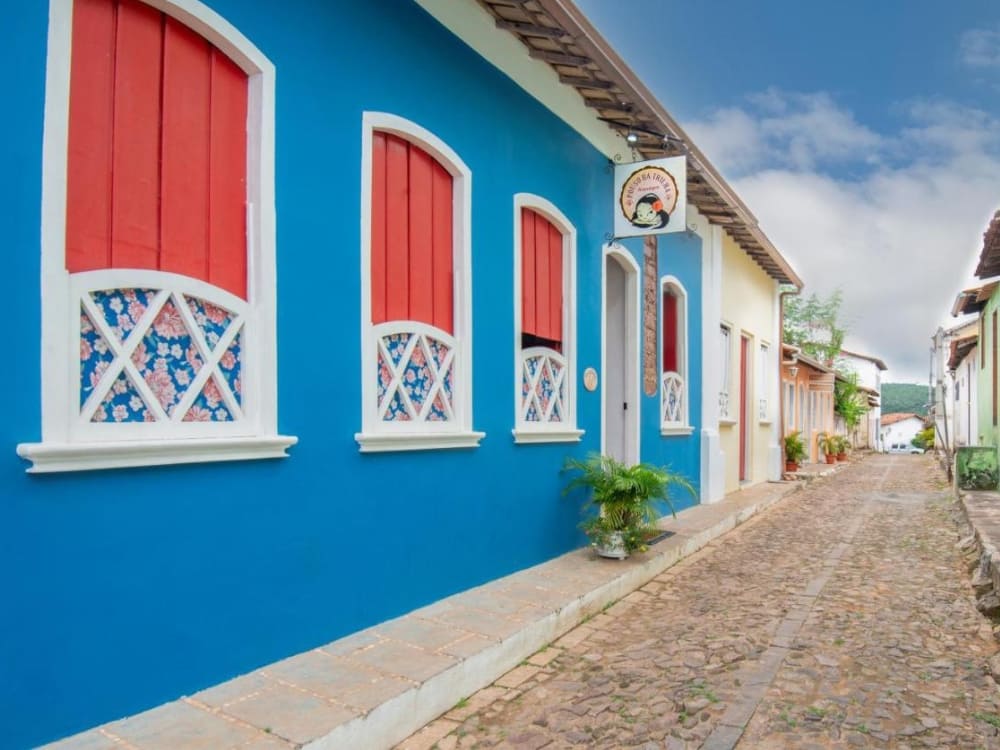
In the historical center of Lençóis, Pouso da Trilha is a colonial house turned hotel. It offers a lovely stay experience with comfy beds, mini-fridges, ceiling fans or air-conditioning, and private bathrooms.
After a delicious breakfast buffet, guests can hike to the natural pools of Ribeirão do Meio and Serrano—only a 30-minute walk away!
Who says a budget accommodation can’t be beautiful and provide great services? The charming, modern decor of Pousada Alto do Cajueiro is just the cherry on top, as each room includes single or double beds, ceiling fans, closets, and private bathrooms.
Room service, concierge, luggage storage, and breakfast (buffet or continental) are also included. For an additional cost, guests can hire airport transfer services.
Address: R. do Cajueiro, 161
Price range: $$
Where to stay in Mucugê?
When searching for where to stay in Chapada Diamantina, Mucugê always shows up as a top choice for high-quality accommodations. With over 12,700 inhabitants, the town resembles Lençóis’ colonial architecture, but it’s even more peaceful, ideal for people looking for a serene retreat.
In addition, a lot of trekking circuits to Vale do Pati kick off in Guiné, a small village from the district of Mucugê, one hour away from the city’s downtown.
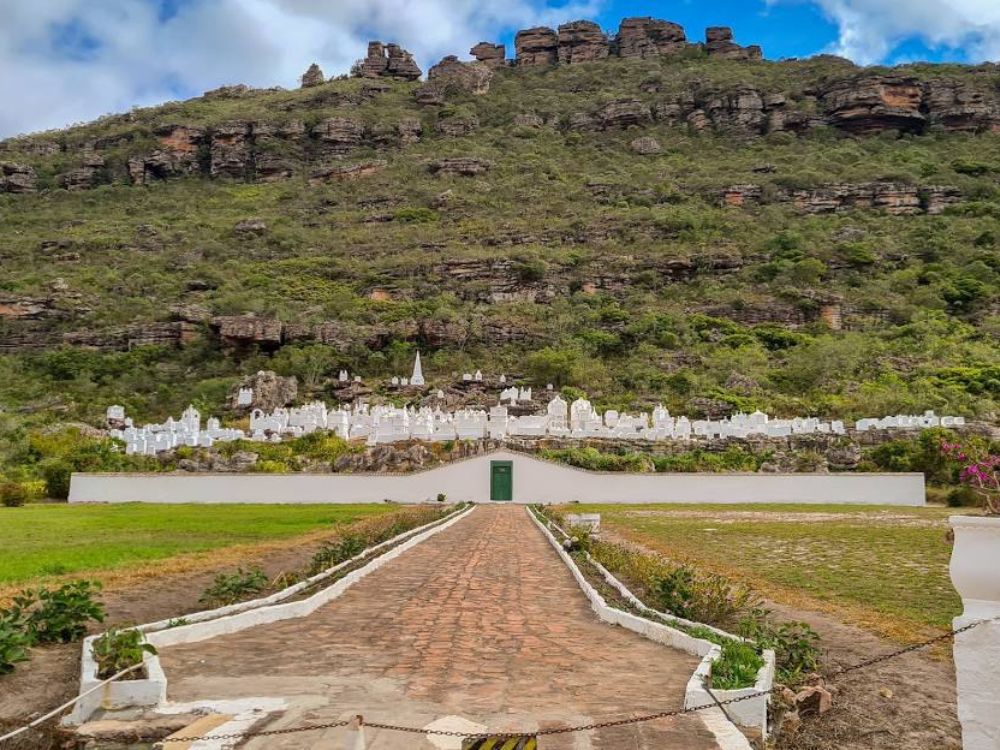
Colorful little houses, historical churches, a beautiful bandstand, and restaurants adorn the main street. To fully engage with Mucugê’s history and culture, tourists also like to visit the Bizantino Cemetery, famous for its bright white tombstones.
The wonderful location is one of the highlights of Pousada Monte Azul—only 500 meters away from downtown Mucugê, 1.5 km away from the Paraguaçu River, and 7 km away from Sibéria, a beautiful waterfall in Chapada Diamantina National Park.
Guests always compliment the amazing Brazilian food served fresh every day at the restaurant, the attentive staff, and the comfortable rooms, which feature single or double beds, TVs, minifridges, a rustic decor, and private bathrooms.
A local classic, Pousada Mucugê is modest yet efficient, mostly recommended for people who like to explore and only go back to their accommodations to rest by the end of the day.
Either way, it offers a swimming pool, Wi-Fi, and private parking. Single or double beds, private bathrooms, and fresh towels are found in the cozy rooms.
Only a 5-minute walk away from downtown Mucugê, Pousada Primavera offers a serene ambiance, perfect for people who wish to escape the hustle and bustle of everyday life.
Find chalets with comfy beds, hammocks, excellent service, and a hefty breakfast every morning. Cost-efficiency, comfort, and great services in the same stay experience!
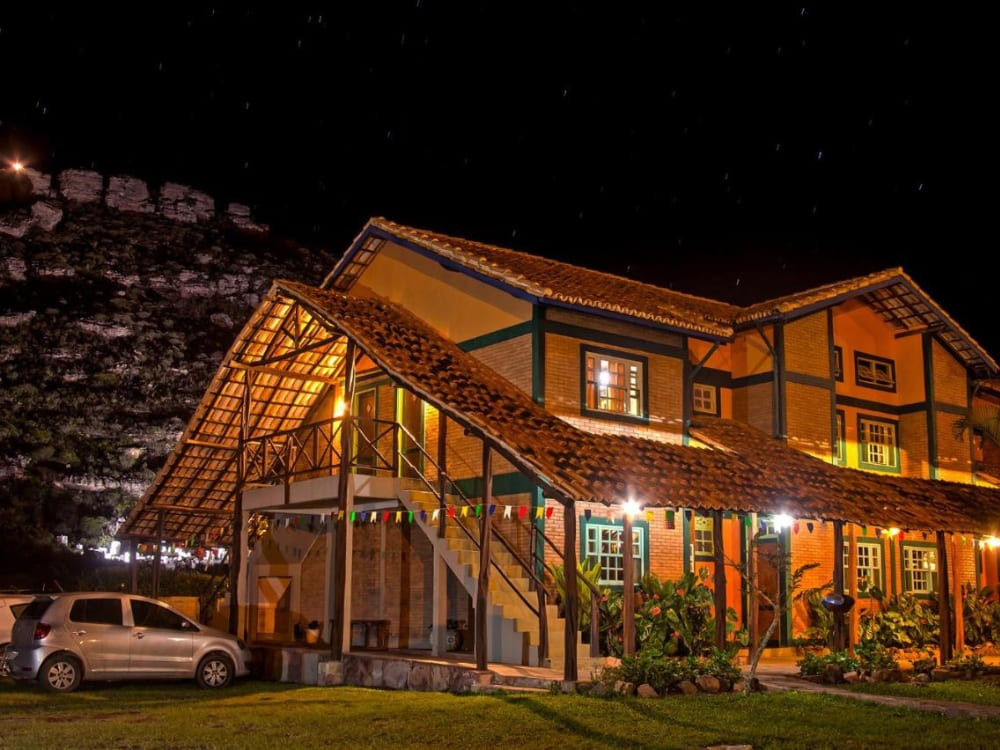
Pousada Guiné is a cozy stay in the village of Guiné—a perfect spot for adventurers who want to stay close to the starting point of the Vale do Pati trek—featuring a sun terrace, garden, restaurant, bar, free WiFi, and an on-site bar.
The rooms are simple but still comfortable, equipped with comfortable beds, air-conditioning, and private bathrooms. The beautiful views from each unit make the stay even better!
Address: R. Eliezer Lima de Oliveira – Guiné
Price range: $$
Where to stay in Vale do Capão?
In the district of Caeté-Açu, which belongs to the town of Palmeiras, Vale do Capão is a peaceful small village in Chapada Diamantina.
Known for its stunning waterfalls, scenic trails, and laid-back atmosphere, it’s a gateway to famous hikes like Cachoeira da Fumaça and Morrão, attracting nature lovers, backpackers, and trekkers from all over the world seeking a deep connection with nature.
Pousada Amanhecer is an exceptional accommodation with sophisticated facilities and stunning natural views. Social areas include a well-kept garden, a fine dining restaurant, a bar, a playground, and a swimming pool.
Guests can relax in high-end suites and bungalows with double beds, air-conditioning, mini-fridges, coffee makers, private bathrooms and balconies, and premium amenities.
Address: Sítio Povoado Caeté-Açu, 997 – Zona Rural, Palmeiras
Surrounded by plants and adorned by Chapada Diamantina’s mountains on the horizon, Pousada Aconchego offers a cozy ambiance with its lovely rooms, hammocks, and friendly staff.
If you have a restricted diet, make your food in the shared kitchen and cafeteria (open 24/7). The bucolic infrastructure is often praised!
If you’re looking for a peaceful retreat in Chapada Diamantina, Pousada do Capão is a great choice. The accommodation offers cozy and well-maintained rooms, free parking, free Wi-Fi, private bathrooms, and a delicious breakfast every morning.
The friendly staff is always available to offer recommendations on hikes and activities in the area. A perfect spot for nature lovers looking for comfort and tranquility!
When it comes to where to stay in Chapada Diamantina on a budget, Pousada Pé no Mato is a great option. Particularly recommended for young travelers and couples, there’s no food service, but guests can cook in the shared kitchen or explore the flavors of Vale do Capão restaurants—only a short walk away.
Enjoy comfortable rooms with double or single beds, private bathrooms, hammocks, and a coworking space. Nearby, you’ll find hiking trails for Fumaça Waterfall and Vale do Pati.
Address: R. da Vila, 02 – Vale do Capão
Price range: $$
.
Booking your trip to Chapada Diamantina with PlanetaEXO
Now that you know some of the best hotels in Chapada Diamantina, how about starting to plan your trip right now?
PlanetaEXO, an ecotourism platform specializing in Chapada Diamantina tours, works with the finest local operators to guarantee an unforgettable experience, including luxury or budget-friendly inns and residents of the national park. Contact us now!
Get ready to admire jaw-dropping landscapes and delight yourself with eco-friendly destinations around the world
Tropical forests, wetlands, deserts, open fields and snowy mountains. If you’re willing to plan your vacation in authentic, less obvious places around the world, there is no lack of sustainable travel options for people who just can’t say no to a good adventure.
Ecotourism destinations take their responsibility to the environment very seriously, but that doesn’t mean your trip will be any less than amazing. Some of the best hotels on the planet follow strict guidelines to respect green practices while also offering premium services and high-end accommodations.
.
These ecolodges, alongside sustainable companies and other institutions involved in eco-friendly travel, are active members of The Long Run, a global network for sustainable tourism. Honorably, PlanetaEXO is part of this impactful organization.
Check below 10 nature destinations to visit in 2026!
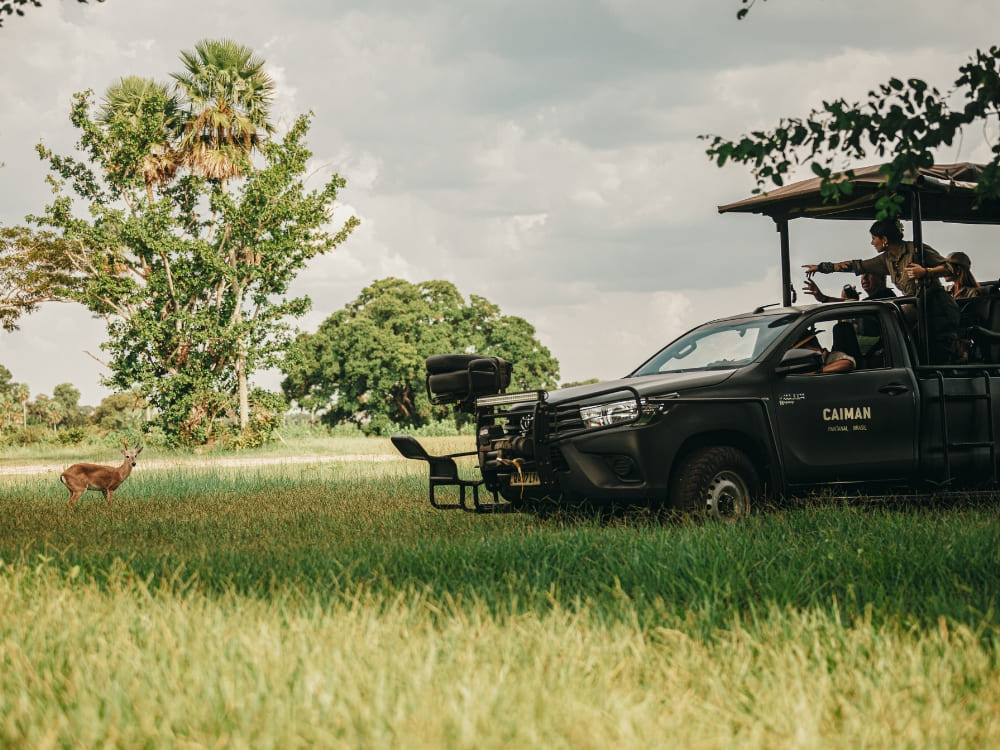
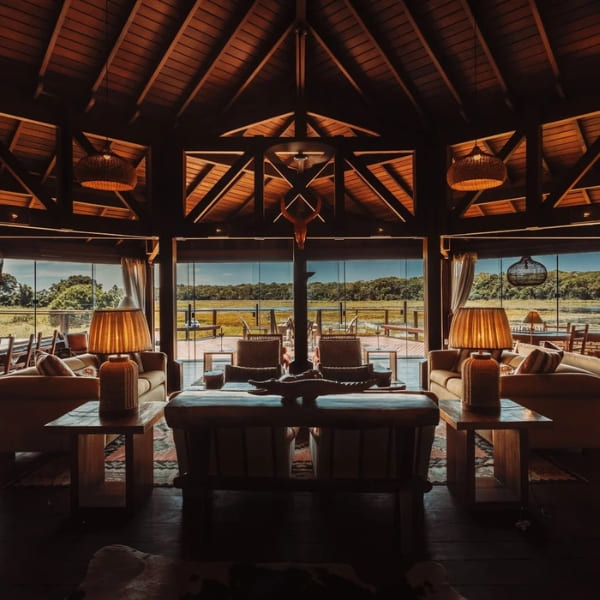
Looking for eco-friendly destinations in Brazil? Caiman was founded over 35 years ago as a way to protect the Pantanal’s fauna, flora and cultural heritage. Ranging 53,000 hectares in one of the country’s most fascinating biomes, this sustainable travel experience in the world’s largest wetland is unlike anything you’ve ever seen.
Guests stay at Casa Caiman (farmhouse-turned-ecologe) or at Baiazinha (exclusive private villa). Both include ensuite bedrooms with king-size beds, air-conditioning, Wi-Fi, toiletries, outdoor terraces, and access to the swimming pool, firepit, restaurant and dining room.
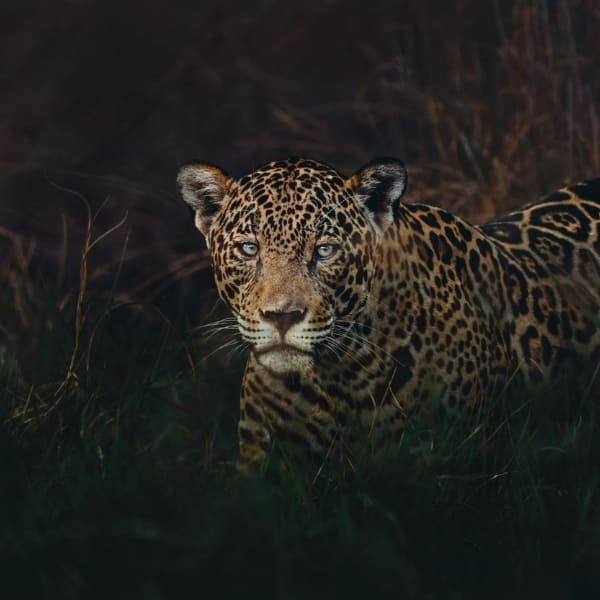
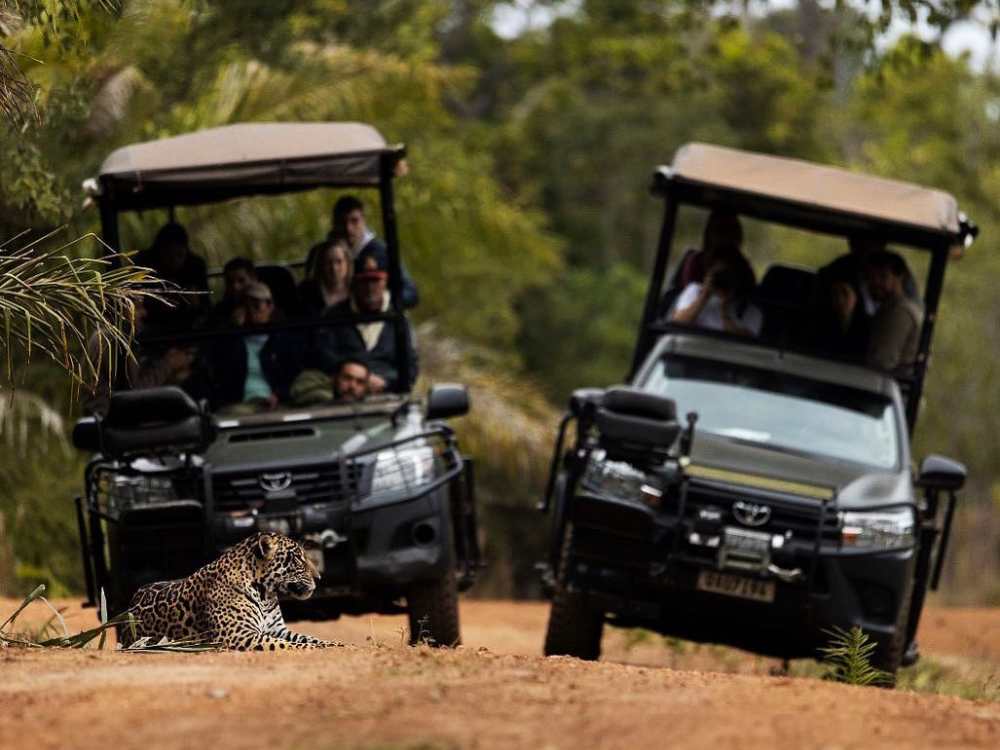
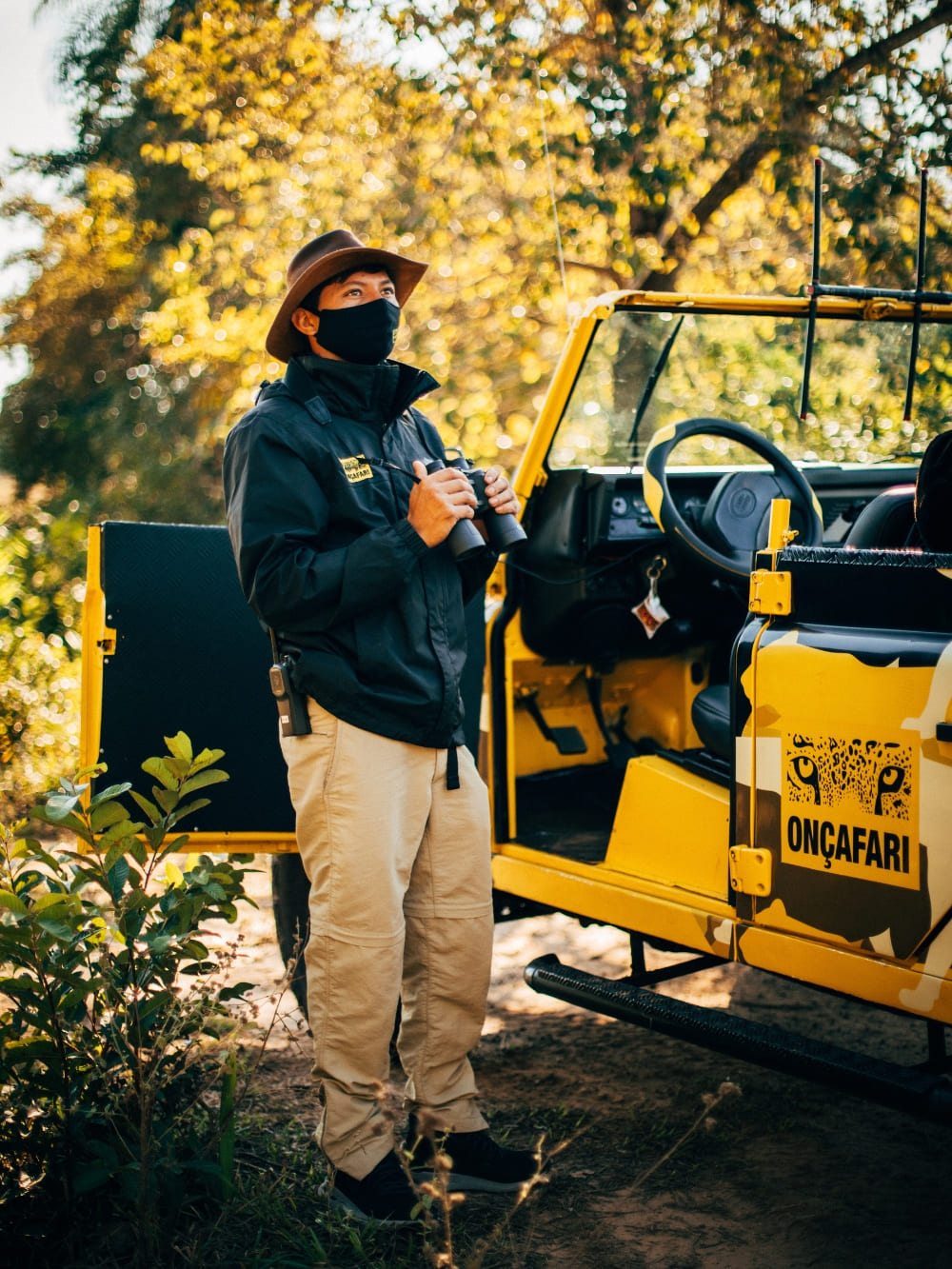
Jaguar spotting, in partnership in the Onçafari Project, is the most sought-after activity, but Caiman’s itinerary is packed with hiking trails, safari, night tours, canoeing, horseback riding, and birdwatching.
Caiman is a Global Ecosphere Retreat®, a sustainability certification that recognizes The Long Run’s members that meet 91 criteria across the 4Cs. The standard is considered one of the industry’s most rigorous.
Why is this an ecotourism spot?
Partners with different projects to protect the local fauna, funds environmental training, fire prevention and forest management. Caiman also offers job opportunities for locals (especially women) and preserves Pantanal’s culture by celebrating Annual Caiman Lasso Festival, Cowboy Day and the Cattle Drive Traditional Lunch.
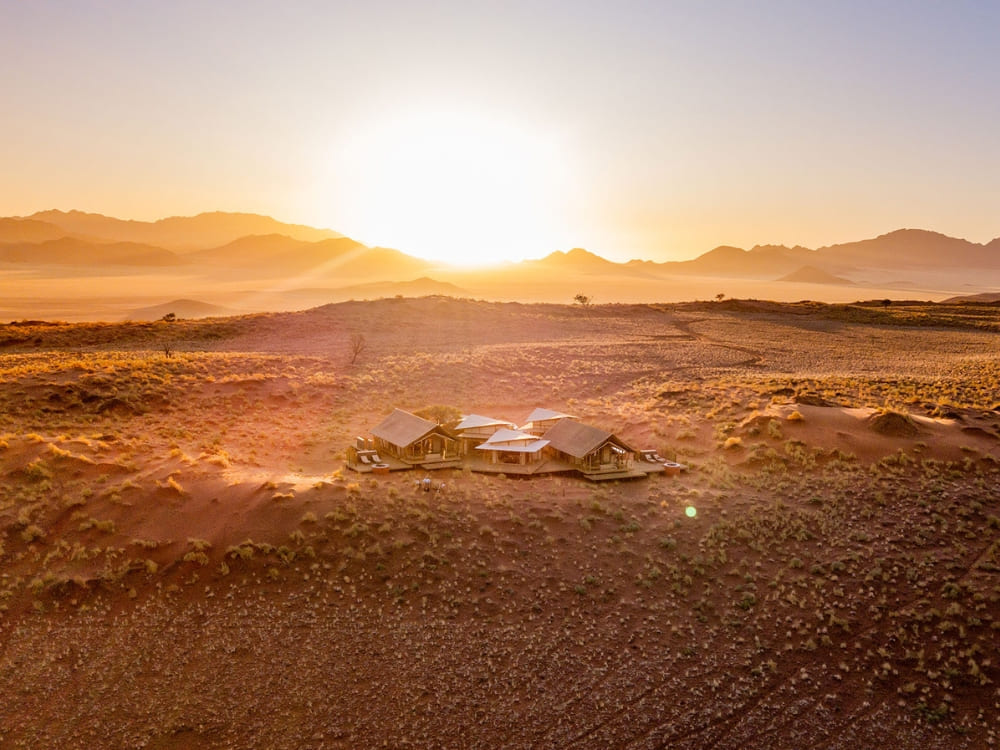
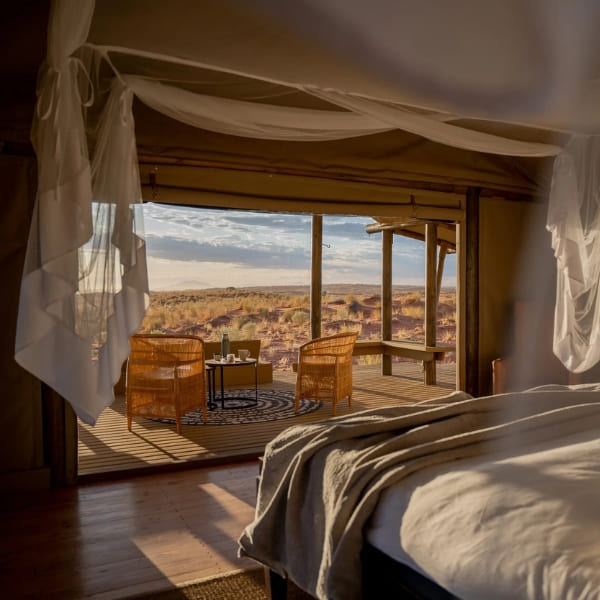
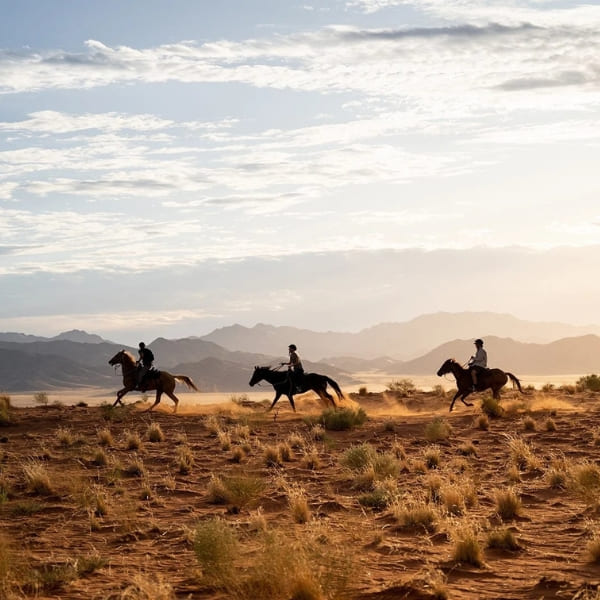
In the heart of NamibRand Nature Reserve lies Wolwedans, a sanctuary of tranquility, authenticity and Africa’s most gorgeous landscapes. The Namibia desert shines golden under the sunlight, but the sky becomes a sparkly, starry cloak when night falls.
Guests enjoy an exquisite stay at spacious lodges and camps built on wooden platforms raised off ground. Surrounded by reddish sand, delight yourself with king-size beds, private bathrooms, minibars and water-filled silos to cool off.
Experiences include scenic drives, desert hiking, dune e-biking, hot air balloon rides and horseback riding.
Why is this an ecotourism spot?
As an integral player in the reserve’s landscape restoration, Wolwedans has planted over 200 trees as part of its “Adopt a Tree” program, and uses a central wastewater treatment plant. Additionally, it also employs an all-Namibian team and shares local lore during immersive guided walks with guests.
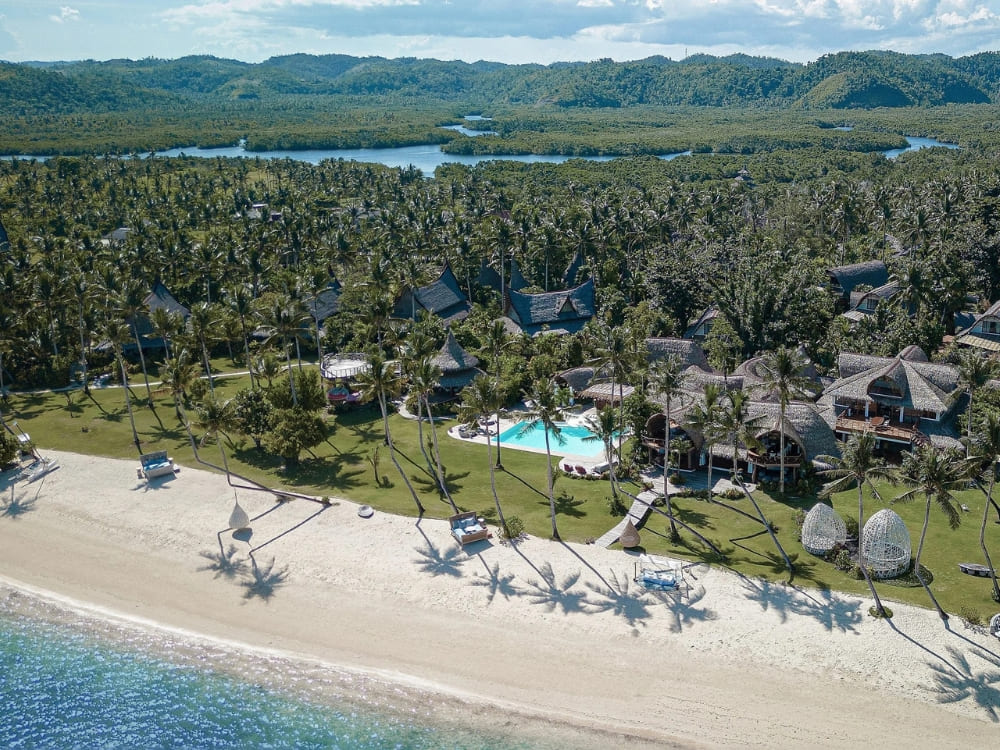
Nay Palad Hideaway lies at the very southeastern tip of Siargao Island, a protected area that guards wetlands, and terrestrial and marine ecosystems. This ecolodge is a key player in the preservation of mangroves and this region’s wildlife due to its eco-friendly practices and commitment to Siargao Island Protected Landscape and Seascape (SIPLAS).
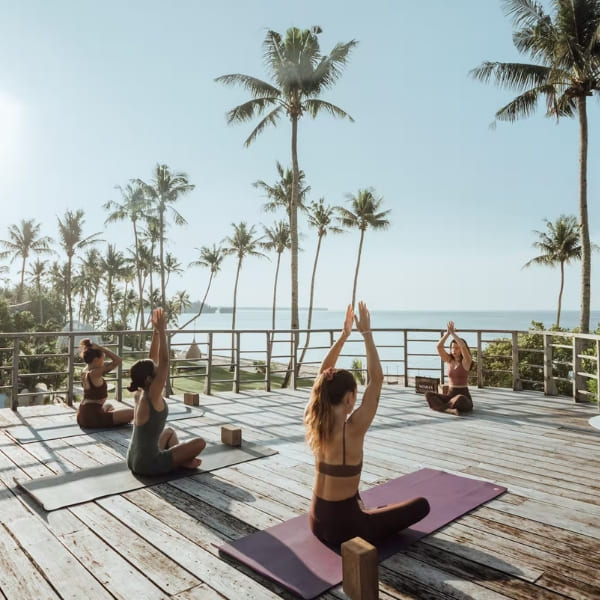
The design of Nay Palad’s ten villas follows Filipino authenticity and a rustic, charming architecture that perfectly blends with the island’s paradisiacal beauty. Common areas include a spa, yoga and meditation pavilion, gym, fine dining restaurant, swimming pool and padel court.
As a barefoot luxury lodge and a nature destination, Nay Palad Hideway offers plenty of outdoor experiences: island hopping, land excursions, water sports, mangrove kayaking, hiking, farming, and fish dome making.
Why is this an ecotourism spot?
Nay Palad Hideaway promotes coral reef rehabilitation, beach forests, protection of seagrass habitats and the protection of endangered species, while also helping socially vulnerable families, encouraging guests to embrace Filipino culture, and supporting local businesses.
Grootbos Private Nature Reserve is nestled amidst mountains and a forest that overlooks the impressive marine life of Walker Bay. This specific area is immensely important for flora conservation, since 70% of its plants are found nowhere else on the planet.
One of Africa’s most incredible sustainable trips also offers a high-end stay experience in suites, lodges and villas surrounded by gorgeous gardens, untouched forest and panoramic views of the ocean. Comfy beds, private bathrooms, air conditioning, underfloor heating and lounges with fireplaces will definitely help you relax.
Immerse yourself in Western Cape with Grootbos extensive list of activities: botanical tours, fatbike tours, shark cage diving, whale watching, horse riding, boat rides, hiking, marine and coastal safari, birdwatching, scenic flights, and visiting local communities.
Why is this an ecotourism spot?
Grootbros is an active friend of Western Cape, leading numerous projects to help the environment and the local community, such as cataloguing plants and insect species, keeping its own rainwater harvesting system, and providing training, seed funding, meals and indigenous cultural holiday programs.
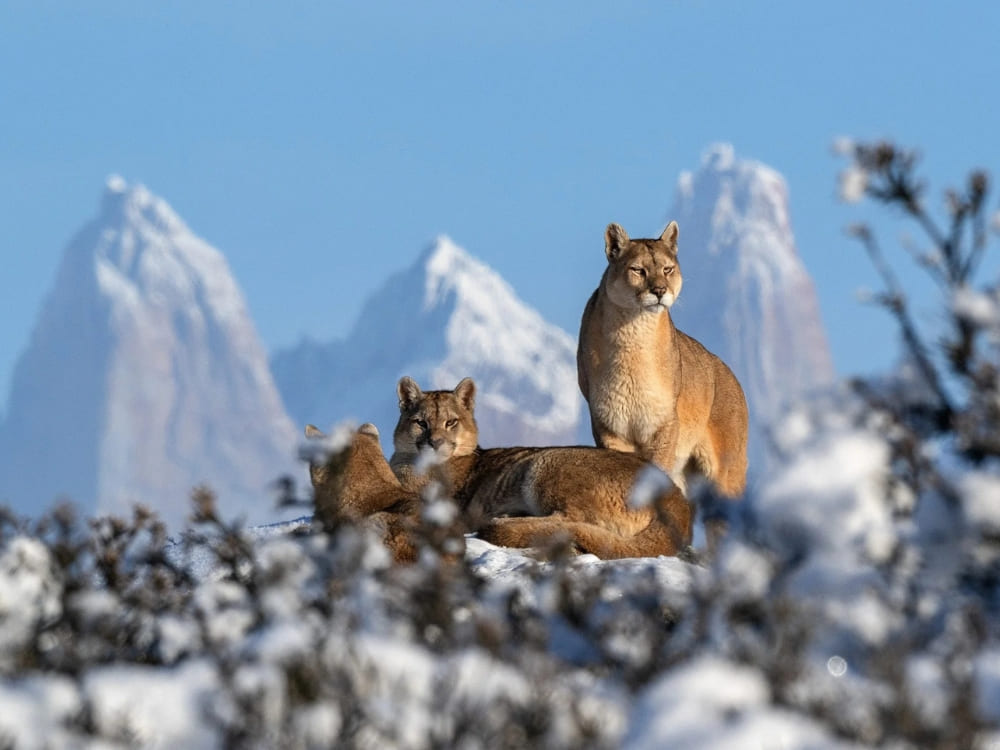
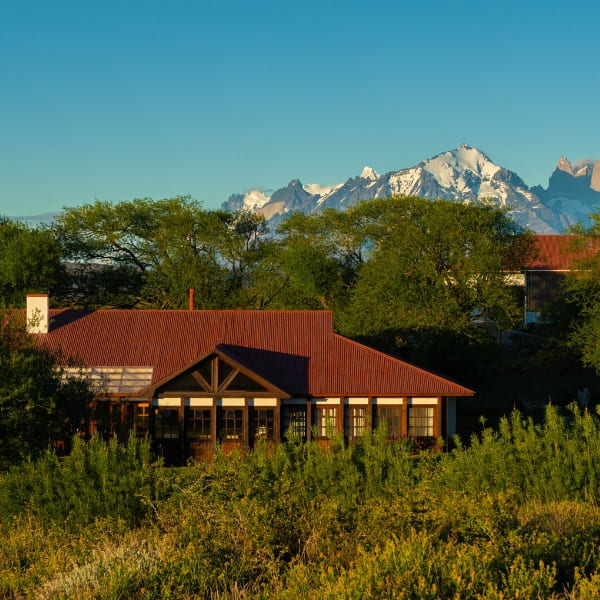
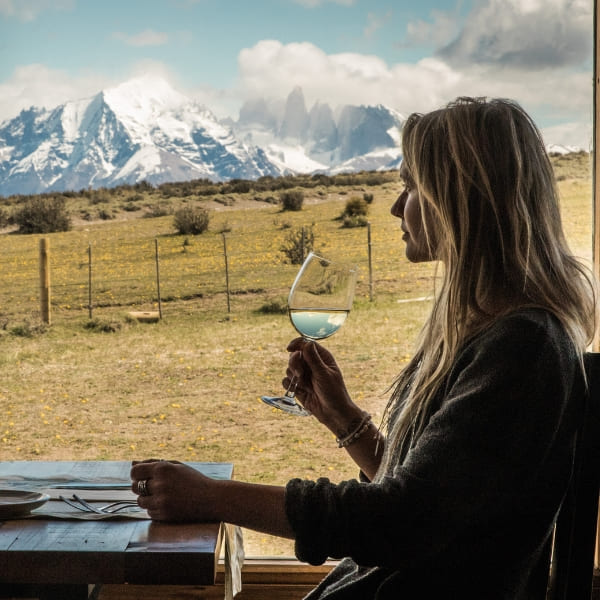
Another wonderful ecotourism destination in Chilean Patagonia, Estancia Cerro Guido is a historic lodge founded in the early 20th century. Spanning over 100,000 hectares of gorgeous natural view, the place is also a working cattle ranch focused on traditional sheep farming methods, including old-school shearing.
Amidst open fields and snowy mountains, guests enjoy an all-inclusive stay in English style rooms equipped with comfy beds (featherbeds), private bathrooms, central heating and organic amenities. In the common areas, enjoy yourself roaming around the garden, greenhouse, living room, wooden walkways, saddle room, indoor barbecue area, and a lovely restaurant.
Estancia Cerro Guido offers amazing activities that incorporate local culture and Patagonia’s impressive natural resources, such as safaris to spot pumas and other animals, horseback riding, fly-fishing, archaeological and historic tours, biking, and hiking in Torres del Paine National Park.
Why is this an ecotourism spot?
Committed to protecting puma populations and restoring native grasslands, Estancia Cerro Guido’s main goal is to promote a balanced human-wildlife coexistence. The lodge also invests in environmental education and community-led workshops, preserves Patagonia’s ranching, operates on low-impact tourism and donates a percentage of its annual revenue to invest in conservation initiatives through the Cerro Guido Conservation Foundation.
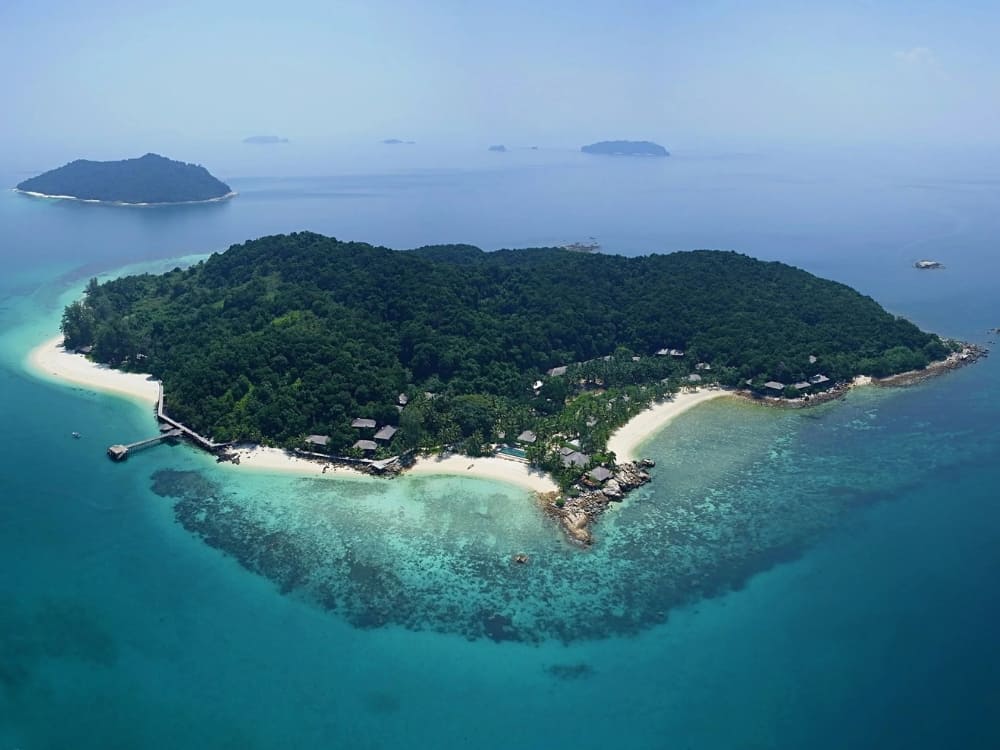
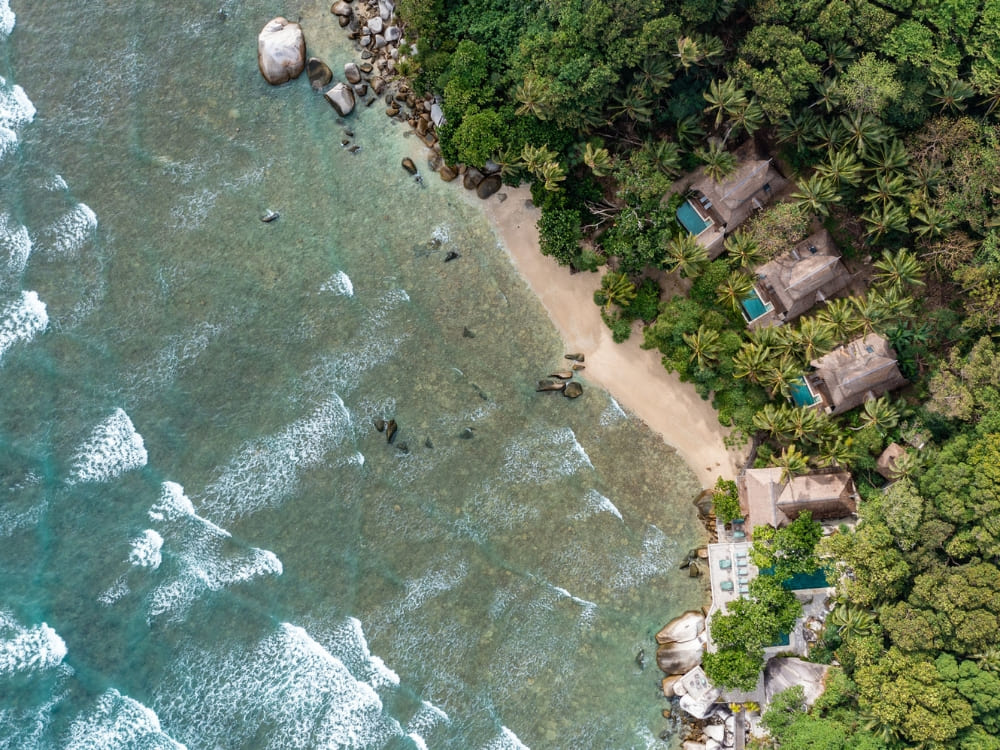
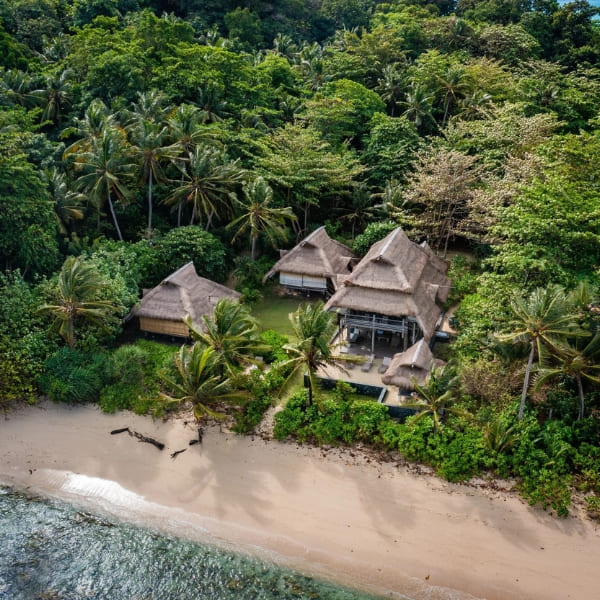
Constructed by local carpenters, Batu Batu is an all-villa retreat in Johor Marine Park, on the off-grid island of Palau Tengah. Founded in 2012, this beautiful marine ecolodge is a true gem when it comes to sustainable travel, breathtaking landscapes of blue-green sea, lush vegetation, and premium services.
Guests enjoy an unparalleled stay in 22 villas — 20 one-bedroom and 2 two-bedroom —, all of them thoughtfully crafted from tropical hardwoods and featuring Malaysian-inspired architecture. The accommodations include king or twin beds, spacious bathrooms and private balconies with full or partial views of the jungle or the sea.
Experiences include snorkelling, diving, trekking, kayaking, paddleboarding or simply unwinding at the beach.
Why is this an ecotourism spot?
Batu Batu is an active partner of non-profit Tengah Island Conservation (TIC), donates 10% of its profits to ongoing conservation work, and provides regional communities with economic opportunities through hiring, buying supplies and supporting local services. It also works alongside authorities and academics to strengthen cultural programs.
Osa Peninsula is a wild, remote region in Southwest Costa Rica that features untouched vegetation, rich biodiversity and Lapa Rios, one of Central America’s most renowned sustainable travel spots.
80% of the reserve at this ecolodge is a primary forest, which makes the view from the villas and luxury bungalows something almost otherworldly. Accommodations are equipped with comfortable beds, private bathrooms, toiletries, coffee machines, and even hiking boots.
Explore Costa Rica’s natural beauty by swimming in the ocean, canoeing in mangroves, planting trees or going on tours for hiking, birdwatching and spotting the aquatic residents of Golfo Dulce — dolphins and whales are recurring visitors!
Why is this an ecotourism spot?
Lapa Rios’ preservation efforts protect over 1,000 acres of forest, but the lodge also looks out for its community. Social projects, economic endorsement and incorporating indigenous lore into on-site experiences are some of the initiatives.
Arkaba is a 1850 restored homestead surrounded by 60,000 acres of privately-owned, protected outback. This sustainable travel paradise features dramatic landscapes, ancient mountains, diverse wildlife and rich Aboriginal culture. In Adnyamathanha language — spoken by the indigenous people of Flinders Ranges —, the lodge’s name means “land of abundance”.
Arkaba is eco luxury at its finest, accommodating only ten guests at a time in traditional-style bedrooms with ensuite bathrooms, ceiling fans, work desks, and exclusive access to the verandah.
The main attraction is The Arkaba Walk, a several-day safari-like experience that includes guided tours through Ikara-Flinders Ranges National Park, Elder Ranges, and Mallee and cypress forests.
Why is this an ecotourism spot?
Arkaba works with the Australian Wildlife Conservancy to apply conservation plans, commits to source as much of its produce and services and possible from South Australia, and endorses platforms to local indigenous people to keep Australia’s Aboriginal history alive.
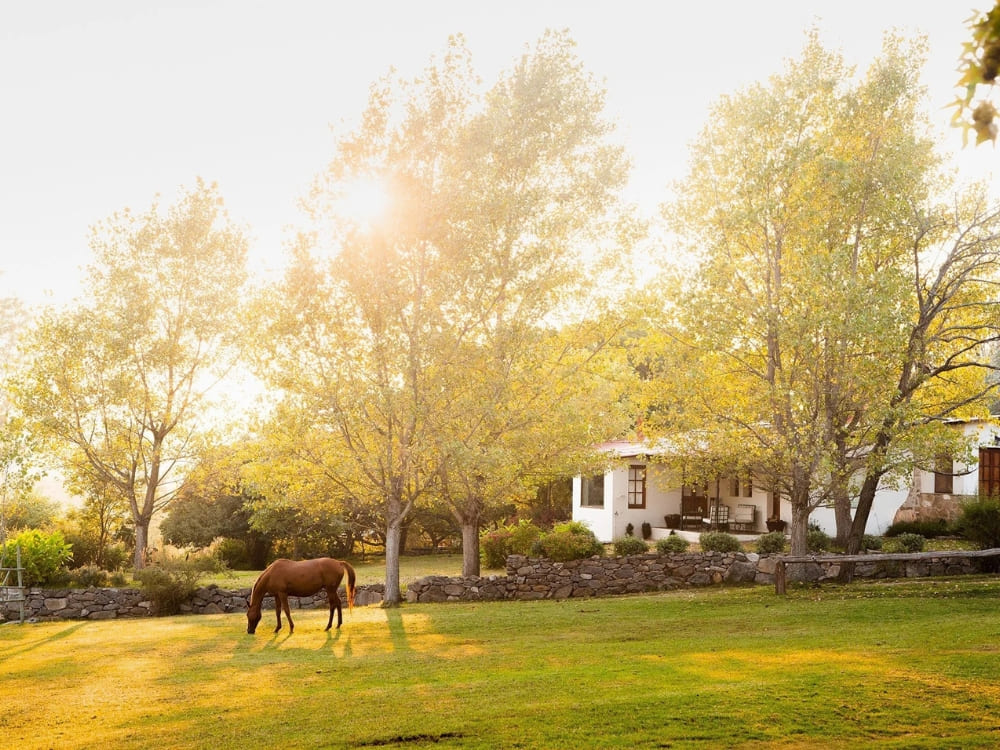
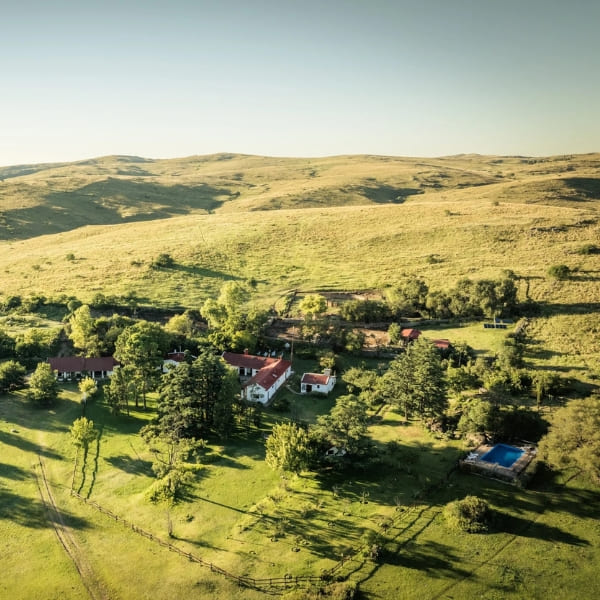
Although Córdoba is Argentina’s second-largest city, Estancia Los Potreros is all about peace, connection with nature and sustainable travel away from the tourist trail. Sierras Chicas, a ravishing range of hills between the Pampas and the Andes, is adorned by stunning green fields and an impossibly blue sky.
Hospitality is in Los Potreros’ very essence — the Begg family, owners of the property, started accommodating paying guests in the 1940s. Nowadays, there are seven rooms with simplistic, yet charming interior design, featuring wooden beams, stone walls, antique furniture, comfortable beds and even log-burning stoves.
Deep into gaucho roots, the most famous activities are horseback riding in open fields, barrel racing, sortija (a short race that involves hooking a ring from a T-bar with a stick) and polo, but hiking and birdwatching are also included in the experience.
Why is this an ecotourism spot?
Los Potreros prioritizes animal welfare by, raising open-range, grass-fed cattle and horses with ethical care. Due to severe drought, the lodge has adopted water-saving measures, like low-flow fixtures and rainwater catchment. Finally, local employment and services support Córdoba’s families economic health.
Two and a half hours away from Singapure, Nikoi is a 37-acre private island resort located in the Riau Archipelago. Sandy beaches, crystal-clear waters, and a mix of tropical forests and mangroves make this a must-visit ecotourism destination in Southeast Asia.
Perfect for families, Nakoi has something for everyone: movie nights and treasure hunts for kids, yoga and massages for parents looking forward to some well-deserved relaxation. The open-air villas are perfect for a good night’s sleep thanks to the wonderful beds (double, singles or bunks), private bathrooms, outdoor showers and jaw-dropping views of the beach.
Dive deep into the Indonesian wild by snorkeling, paddleboarding, kayaking, rock climbing or trekking.
Why is this an ecotourism spot?
The lodge’s energy and water consumption remain far below industry standards due to conscious design and operations. Nikoi also helped to create a non-profit, establish a 138,500-hectare Marine Protected Area, and positively impact 16,000 people in Riau through job opportunities and educational programs.
.
The Long Run and PlanetaEXO: match made in (green) heaven
Founded in 2009 by the Zeitz Foundation, The Long Run’s network currently shields over 20 million acres of biodiversity across five continents thanks to dozens of members worldwide. The organization’s mission is to support tourism enterprises committed to positive, long-term impact.
The 4Cs framework incorporates sustainable and regenerative practices into any travel business. Therefore, The Long Run’s members should respect four pillars:
The strong willpower to make a change drives PlanetaEXO to go the extra mile to ensure better conditions for travelers, small businesses, local communities and the environment. That’s why becoming the first Brazilian travel company to join The Long Run is a major achievement towards healthier ecotourism initiatives in Brazil — and a milestone for anyone who loves nature and traveling.
At PlanetaEXO, we pride ourselves on our commitment to offer the best immersive experiences in some of Brazil’s most beautiful nature destinations. As an ecotourism platform that believes sustainability can coexist with premium services, we work tirelessly to help our clients live the vacation of their dreams without harming — and doing our best to protect — natural resources.
Experience the best of Amazonian Carnival on river cruises, eco-lodges, and forest camps.
Want to enjoy your days off in peace, but don’t know what to do during Carnival to escape the revelry? The tip is to immerse yourself in the indescribable nature of the Amazon on tours filled with the serenity and beauty of the forest.
In 2026, Carnival will be celebrated on February 16 and 17, followed by Ash Wednesday (18). The weekend before the holiday (February 14 and 15) allows for an extended trip.
Don’t miss the chance to explore one of the most fascinating places in Brazil! Here are 6 incredible destinations to enjoy Carnival in the Amazon in peace and surrounded by nature.
Cruise on the Amazon
.
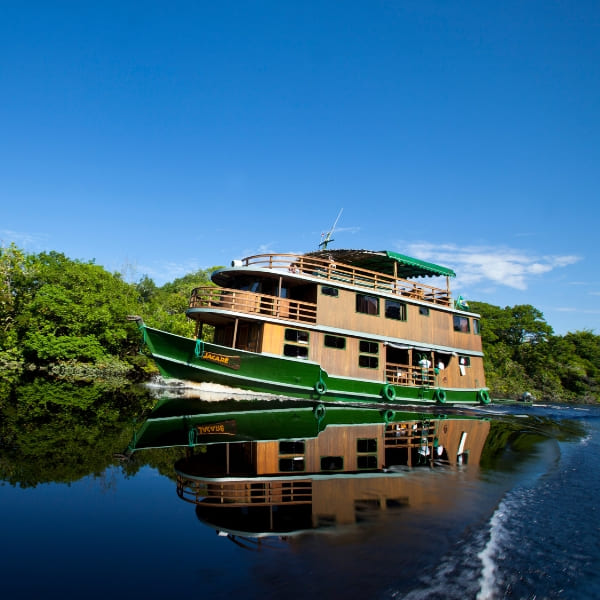
One of the best cruises in the Amazon, Katerre Expeditions offers unparalleled experiences in some of the region’s main postcard locations, such as the Anavilhanas National Park and the Jaú National Park.
Depending on the vessel, it is possible to accommodate up to 29 guests in elegant cabins with private bathrooms, comfortable beds, and air conditioning. Common areas include a restaurant or dining room, open deck with solarium, lounge areas, and even a massage room.
Explore the beauty of nature and enjoy Carnival in the Amazon by participating in the activity itinerary, which includes guided trails, visits to local communities, animal watching, canoeing, trips to river beaches, and much more.
Price: Starting at R$14,540 (per person)
Included: accommodation, meals, transfers, guides, and tours.
Dates for Carnival 2026 accommodation: February 13 to 17 (DBL cabins) | February 17 to 21 (QPL cabin)
Are you adventurous and still haven’t decided what to do for Carnival? Experience the Amazon at its most authentic with this wild adventure in the forest!
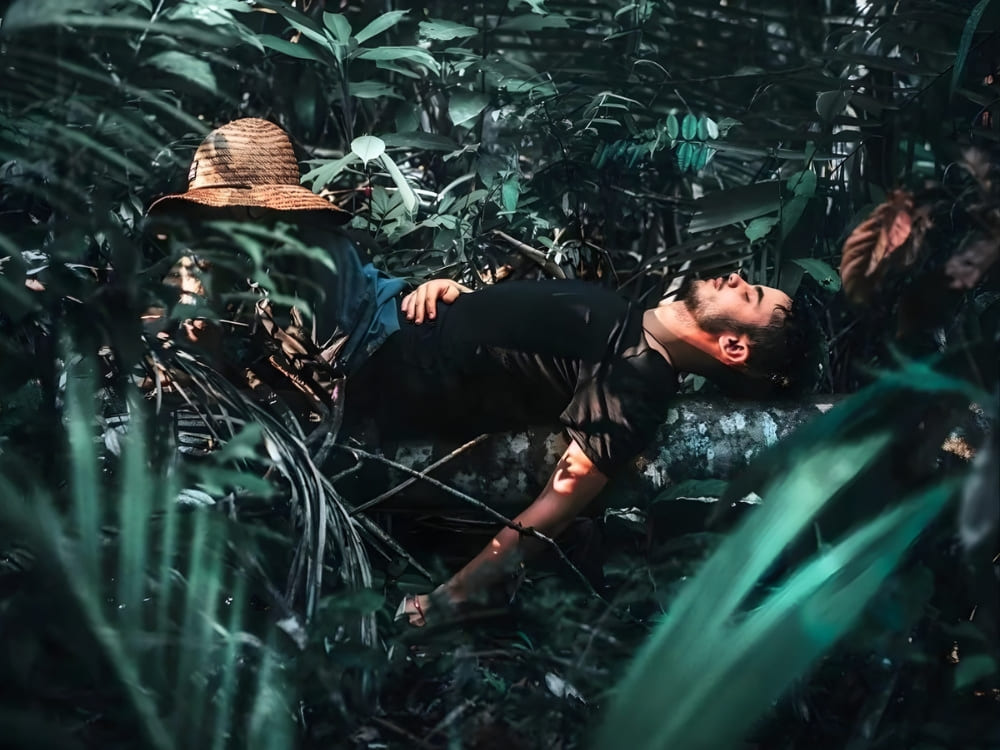
On trips lasting 4 or 6 days, you will explore the depths of the world’s largest rainforest while camping among the trees. Led by experienced guides, the group spends the night in hammocks covered by tarps and mosquito nets. Meals are prepared over the campfire—the menu includes fresh vegetables, chicken, and freshly caught fish.
Immersion in the jungle is already a great adventure in itself, but the itinerary of activities also includes lessons in survival techniques and plant identification, wildlife observation, fishing, hiking, and river navigation.
Price: per person, starting at R$4,958 (4 days) or R$6,862.50 (6 days)
Dates for Carnival 2026 accommodation: starting February 9 (5 days and 4 nights) | starting February 17 (4 days and 3 nights) | February 13 to 17 (5 days and 4 nights) | February 13 to 18 (6 days and 4 nights)
Staying at the Gavião Lookout in the municipality of Novo Airão is all you need to make your trip to the Amazon memorable.
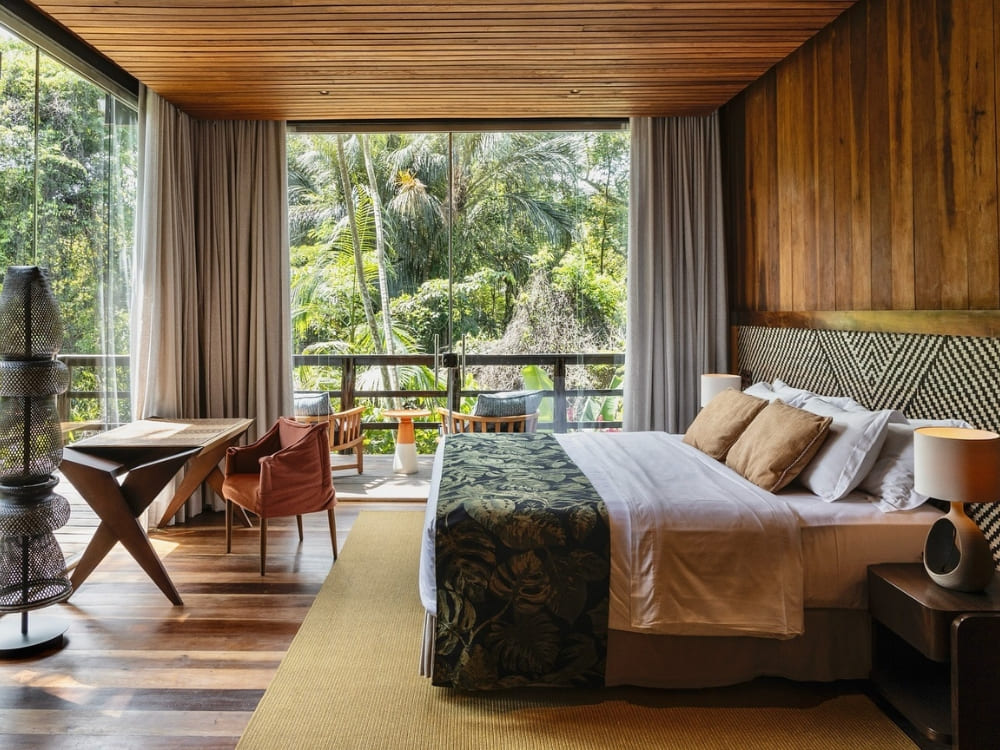
Facing Anavilhanas National Park, this luxurious ecolodge has three categories of accommodation (Premium, Luxury, and Tree House) of the highest standard, all with air conditioning, comfortable beds, spacious bathrooms, and minibars.
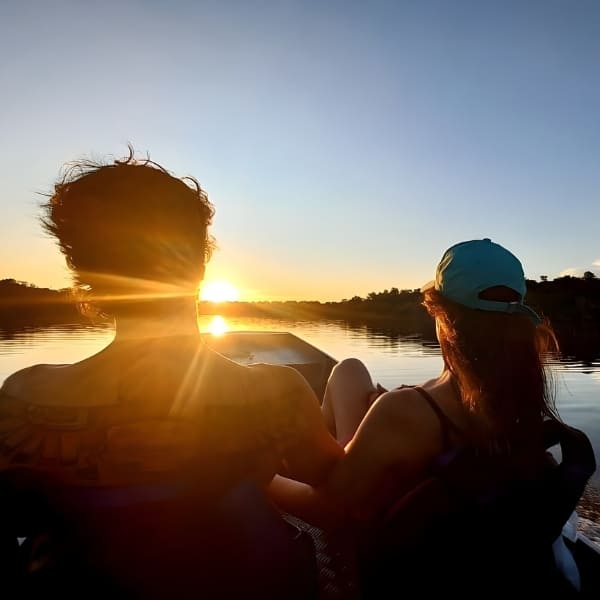
Throughout the day, enjoy the beauty of the forest by hiking and kayaking in Anavilhanas, watching the sunset on boat trips on the Rio Negro, participating in nighttime wildlife spotting, exploring the Madadá Caves, and learning about the daily life of those who live in the heart of the forest.
At the hotel, relax by the pool, in the massage room, on the deck overlooking the river, in the games room, or in the library. The Mirante do Gavião team also provides equipment for stand-up paddleboarding and kayaking.
Price: starting at R$8,525 (per person)
Included: accommodation, meals, transfers, guides, and activities.
Dates for Carnival 2026 accommodation: February 12 to 16 (Tree House and Premium) | February 19 to 24 (Luxury) | from February 25 (Premium)
Carnival in Manaus takes on a new meaning with the Amazon Turtle Lodge on Lake Paraná do Mamori in Careiro. Based on authenticity and a passion for nature, this is a more accessible experience—but no less incredible.
Leaving the Amazonian capital, the route navigates the incredible Meeting of the Waters of the Negro and Solimões rivers. In addition to this phenomenon, it is possible to contemplate other wonders of the forest on the way to the accommodation, such as vitórias-régia, pink dolphins, alligators, birds, monkeys, and sloths.
Other activities take place throughout the trip, such as canoeing, visits to riverside communities, survival training, piranha fishing, animal watching, etc.
After exploring the jungle, relax in wooden bungalows or brick cottages. The lodge has 21 units, all with air conditioning, private bathrooms, cozy beds, and charming decor.
Price: starting at R$3,440 (per person)
Included: accommodation, meals, transfers, guides, and tours.
Dates for Carnival 2026 accommodation: February 12 to 17 (all categories) | February 18 to 24 (Comfort Brick Chalet) | February 25 to 28 (all categories)
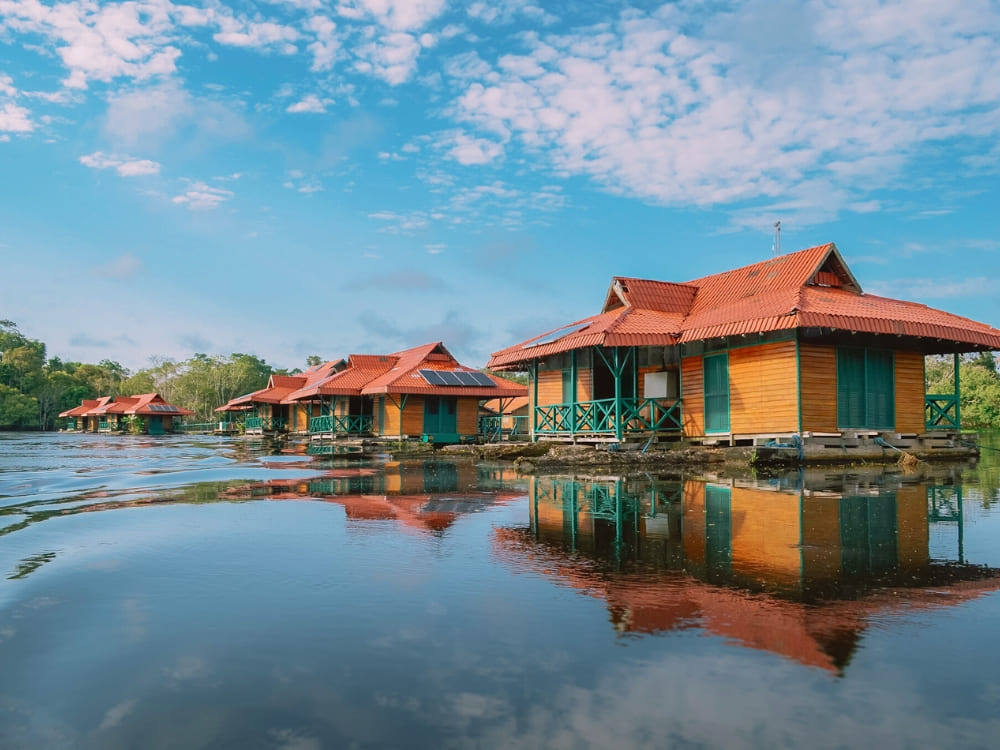
Always on the list of the best jungle hotels in the Amazon, the Uakari Lodge stands out for the uniqueness of its structure: the accommodations and common areas are built on stilts in the Mamirauá Sustainable Development Reserve in Tefé, providing an even more unforgettable stay. Due to the isolation of the location, the connection with nature is unparalleled.
Guests stay in five bungalows with fantastic views of the river and forest. The floating lodge also has a bar, restaurant, deck, video room, and library.
The program sums up the essence of spending Carnival in the Amazon: hiking trails, nighttime animal watching tours, fishing, boat trips, and visits to riverside villages. Not to be missed!
Uakari is the only accommodation in Latin America on the list of floating hotels around the world that are worth visiting, compiled by The New York Times. The publication highlights infrastructure, nature experiences, and the Community-Based Tourism (CBT) model, which benefits both the environment and local residents.
Price: starting at R$5,240 (per person)
Included: accommodation, meals, transfers, guides, and activities.
Dates for Carnival 2026 accommodation: February 13 to 18 or February 18 to 23 (6-day tour) | February 20 to 23 (4-day tour)
What is the weather like in the Amazon in February?
February is a rainy month in the Amazon. Although rainfall occurs throughout the year in the region, it intensifies between December and May. The climate is also milder, with an average temperature of 25.8 °C.
This does not detract from the trip, but it may determine the itinerary of activities. During Carnival month, boat trips, canoeing, water trails, animal watching, and river cruises are unmissable experiences.
Traveling to the Amazon has never been easier! Escape the hustle and bustle of the city and enjoy your Carnival break with peace and adventure at lodges, river cruises, and camps operated by PlanetaEXO partners.
In addition to connecting our clients with the best ecotourism professionals, we accompany each step of planning your dream trip. Contact us and make your reservation!
Both incredible Brazilian biomes, the Pantanal is home to jaguars and other fantastic animals, while the Amazon Rainforest allows for unbelievable jungle experiences
When planning an adventure into Brazil’s wildest landscapes, two destinations may come to mind: the Pantanal or the Amazon. Both are ecological powerhouses teeming with biodiversity, but they offer different experiences.
.
Simply comparing travel itineraries is not enough, since both destinations are among some of the planet’s richest biomes in terms of biodiversity and untouched beauty. In their own unique ways, they provide incredible activities for those who wish to connect with nature in its most exuberant form.
No, the Pantanal is not part of the Amazon Rainforest. Although neighboring biomes in Brazil, they have fairly different ecosystems.
Spanning the states of Mato Grosso and Mato Grosso do Sul, the Pantanal is considered the world’s largest wetland.
Meanwhile, the Amazon is the largest tropical rainforest on Earth, covering areas of eight different states: Amazonas, Pará, Mato Grosso, Acre, Amapá, Rondônia, Roraima and Maranhão.
Pantanal safaris: wildlife watching at its finest
If your dream is to see wildlife up close, the Pantanal is the perfect destination. Besides the incredibly rich fauna, the open landscapes make it much easier to spot animals in their natural habitat compared to anywhere else in Brazil.
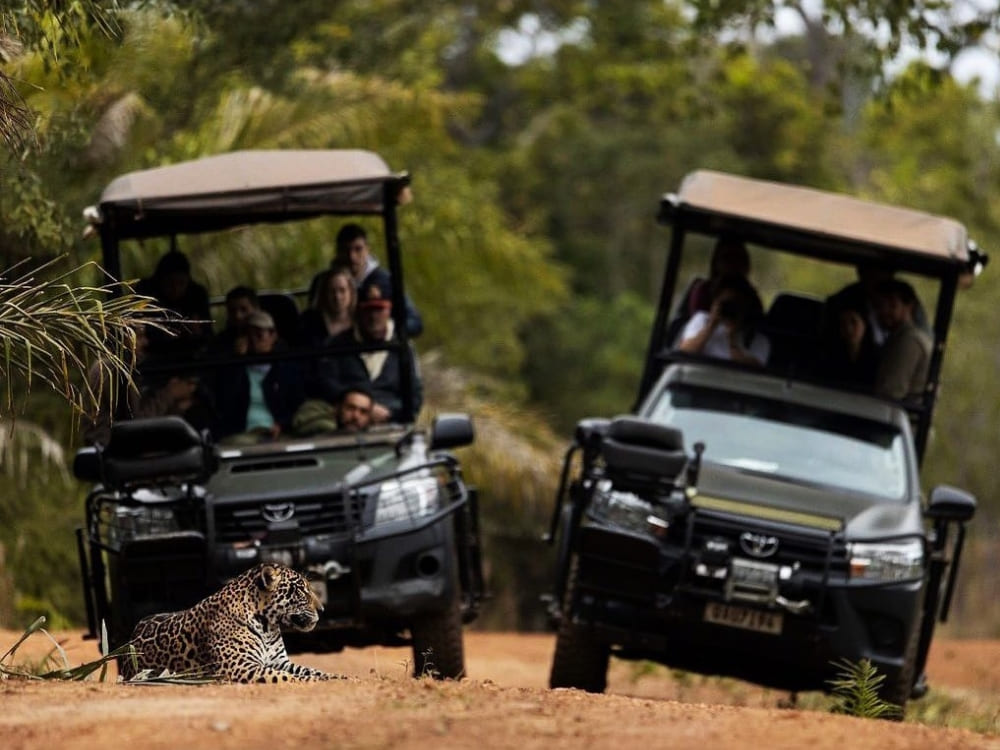
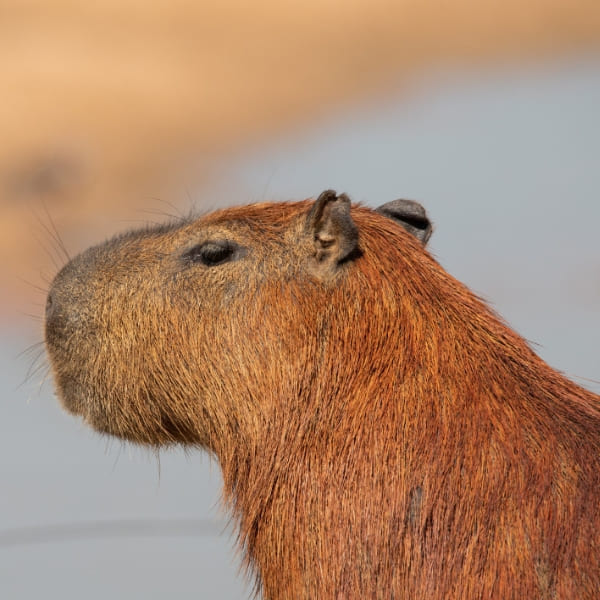
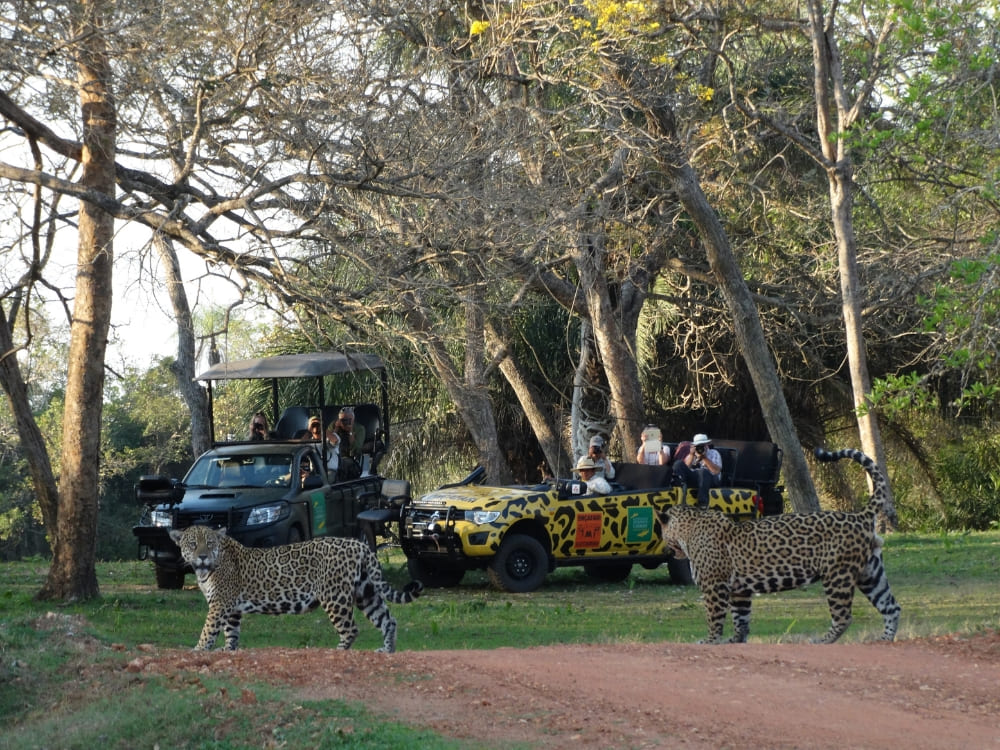
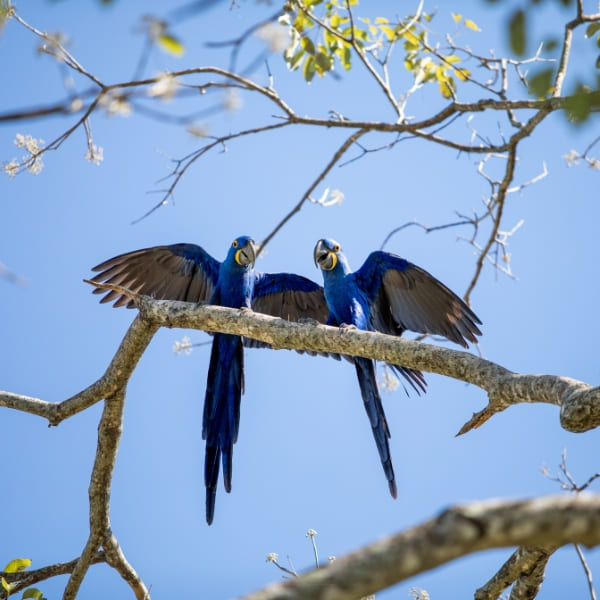
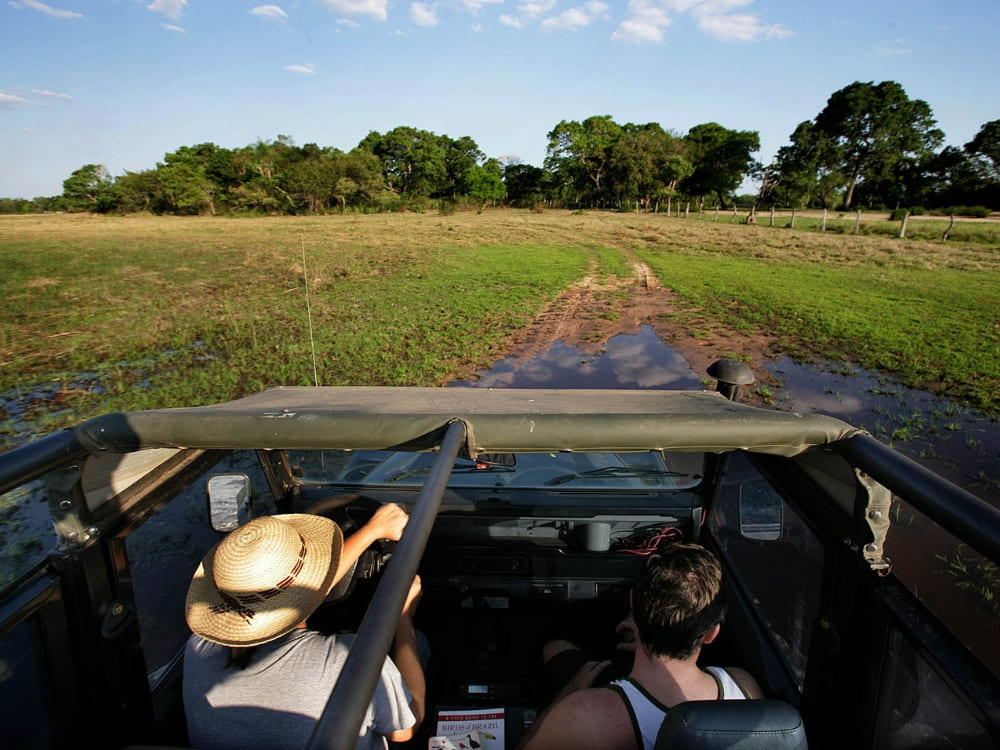
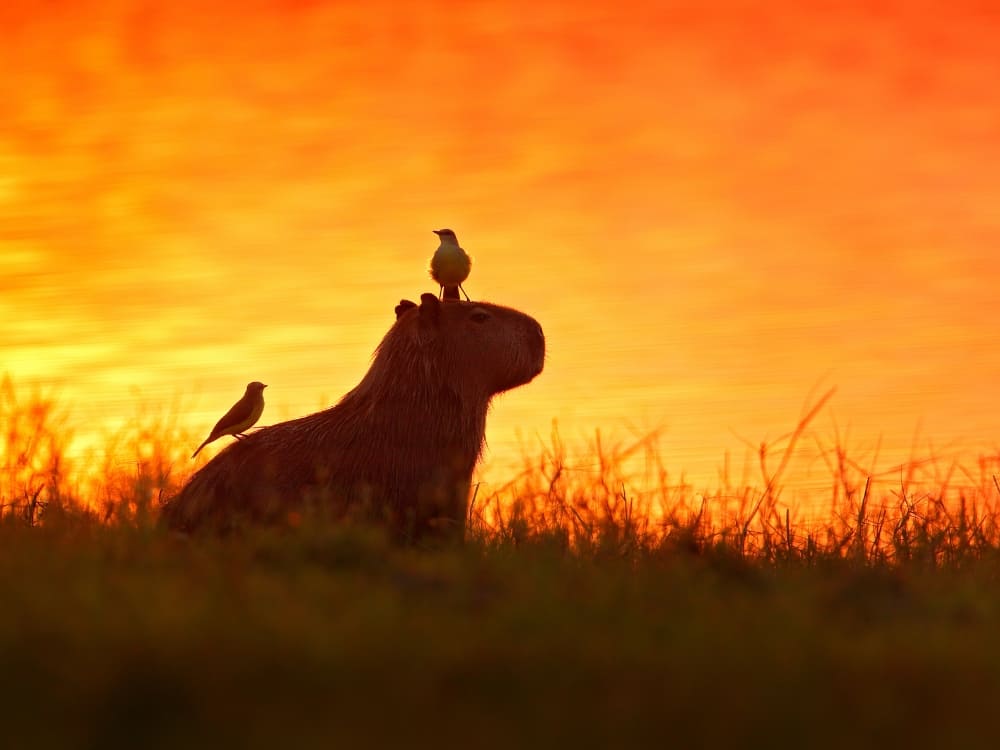
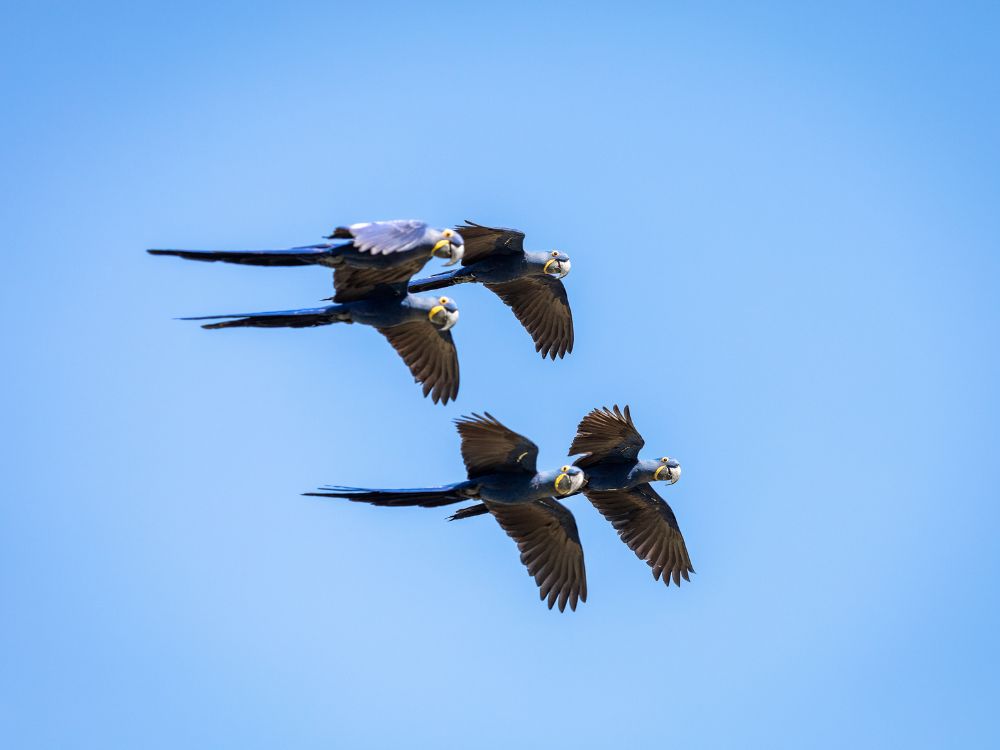
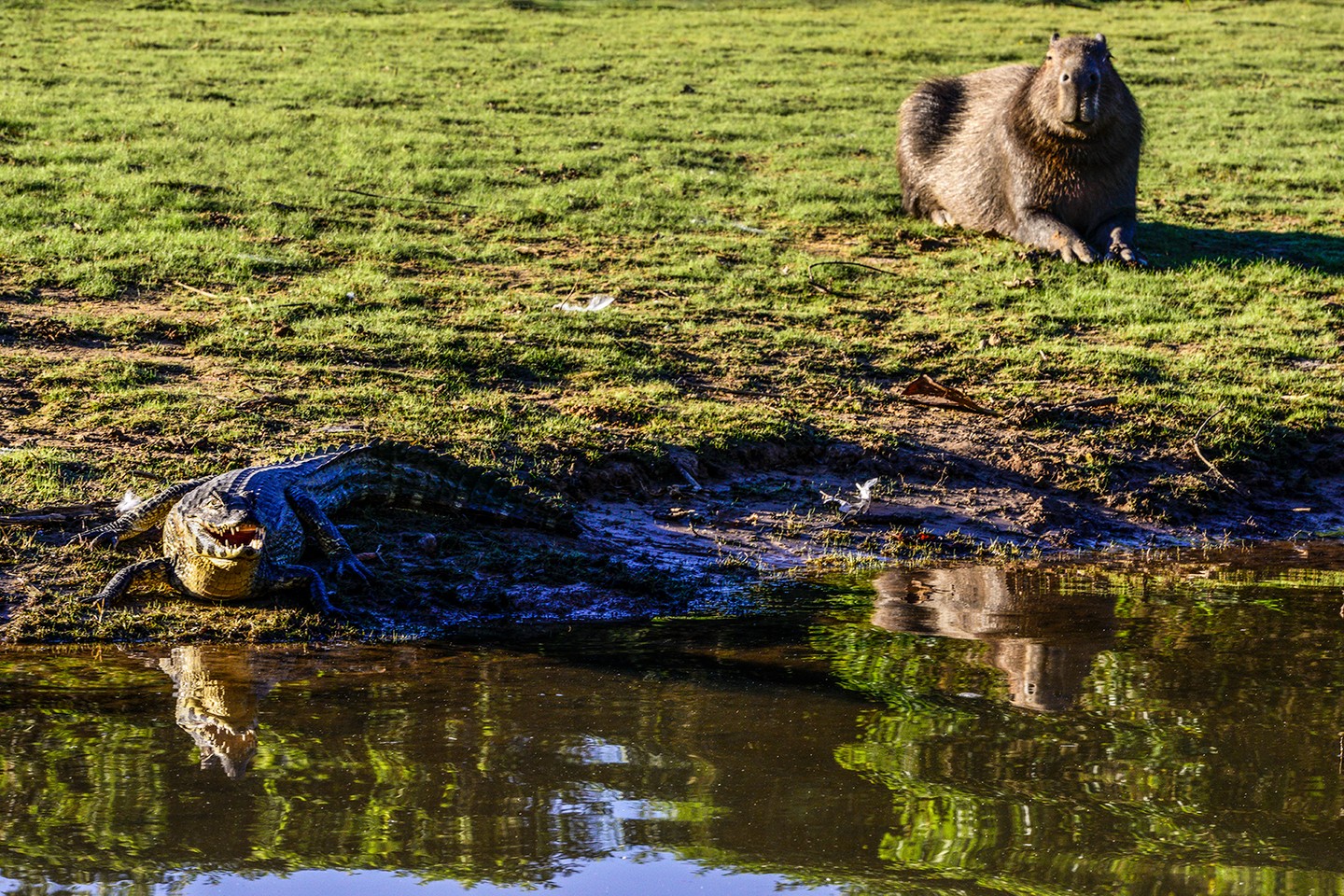
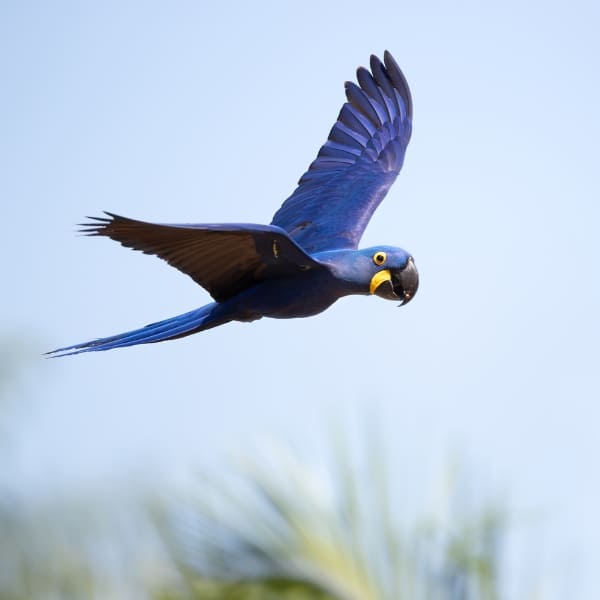
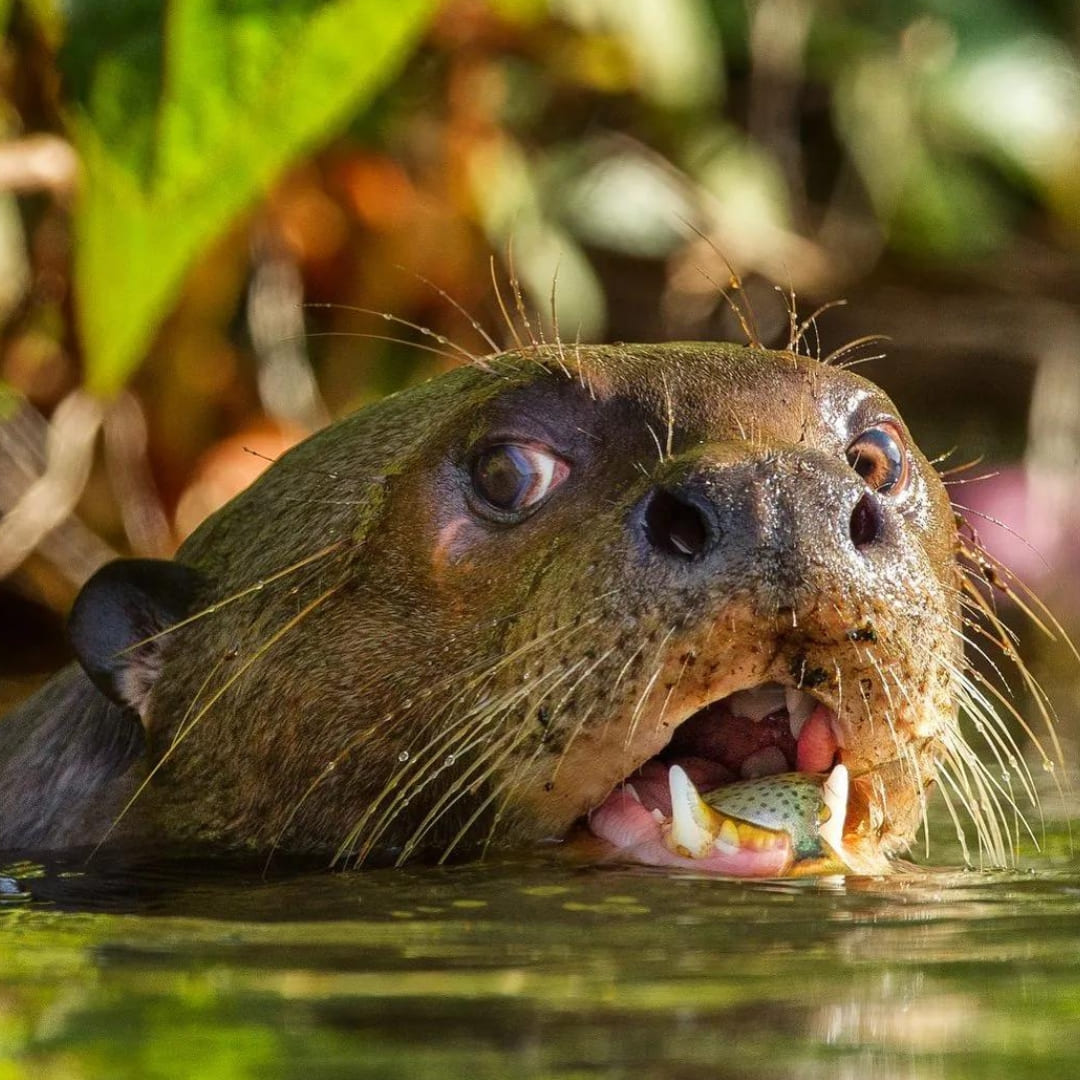
By boat or four-wheel drives, Pantanal safaris allow visitors some of the best wildlife watching experiences in the world. With the help of expert guides who know just the right places to spot animals, you might see capybaras, giant otters, caimans, macaws, etc.
Photo: Ondrej Prosicky
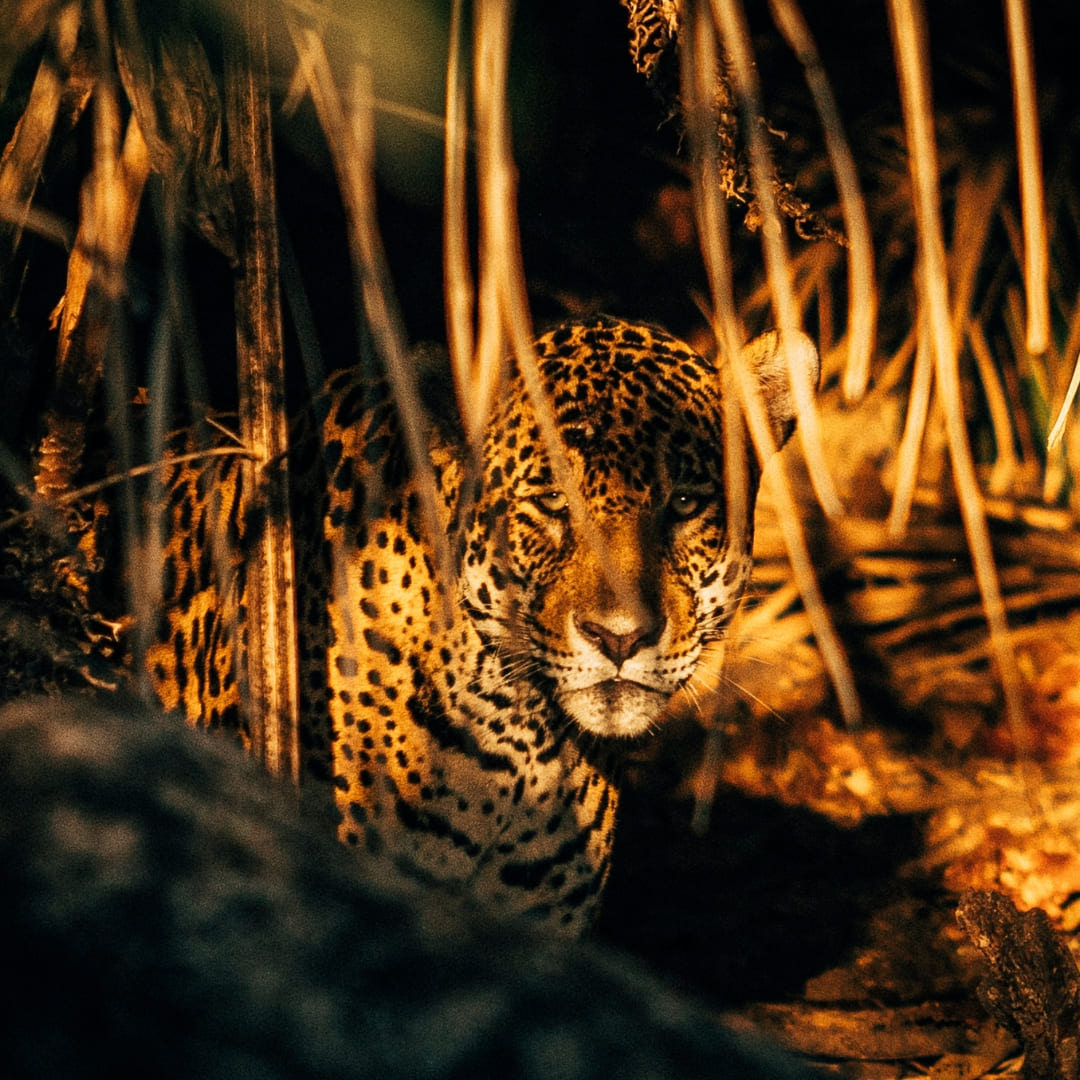
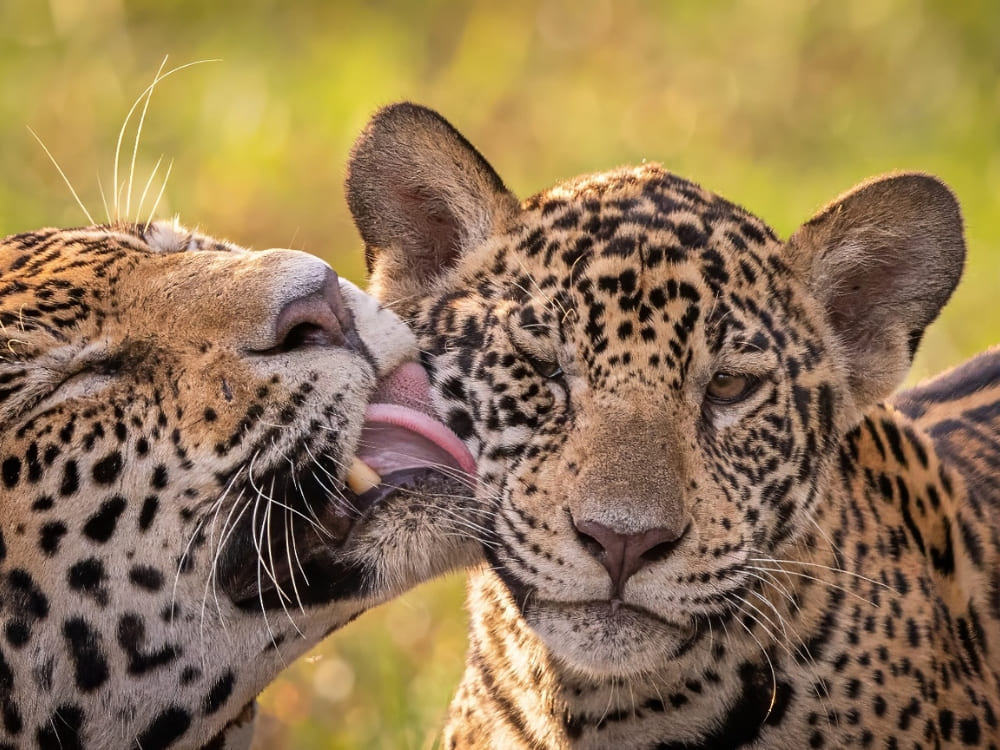
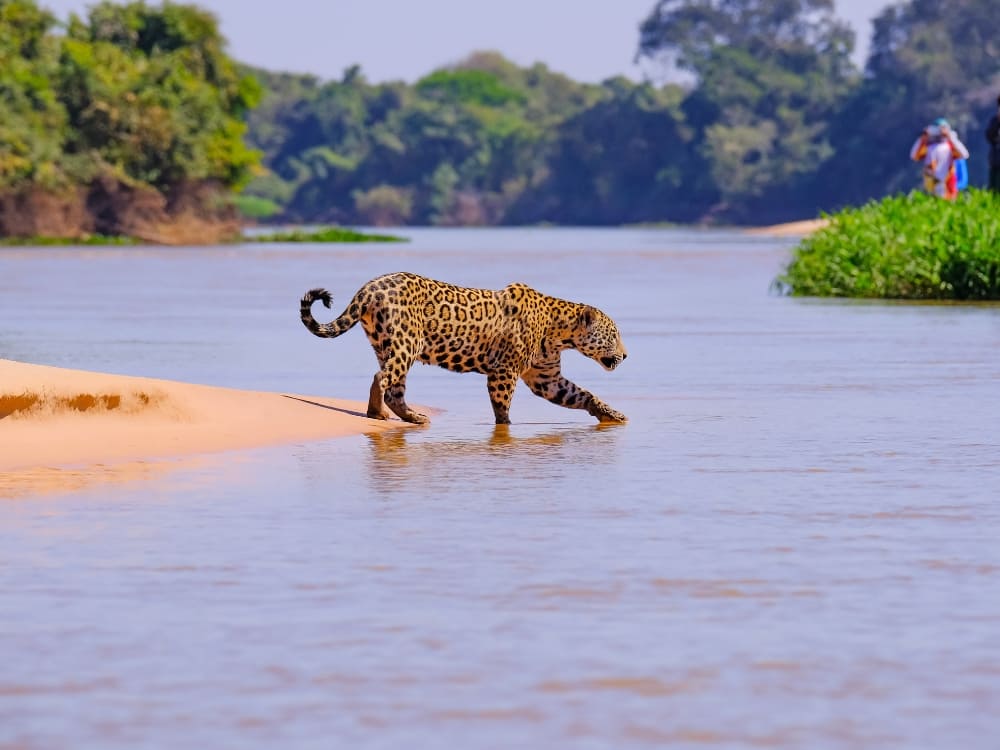
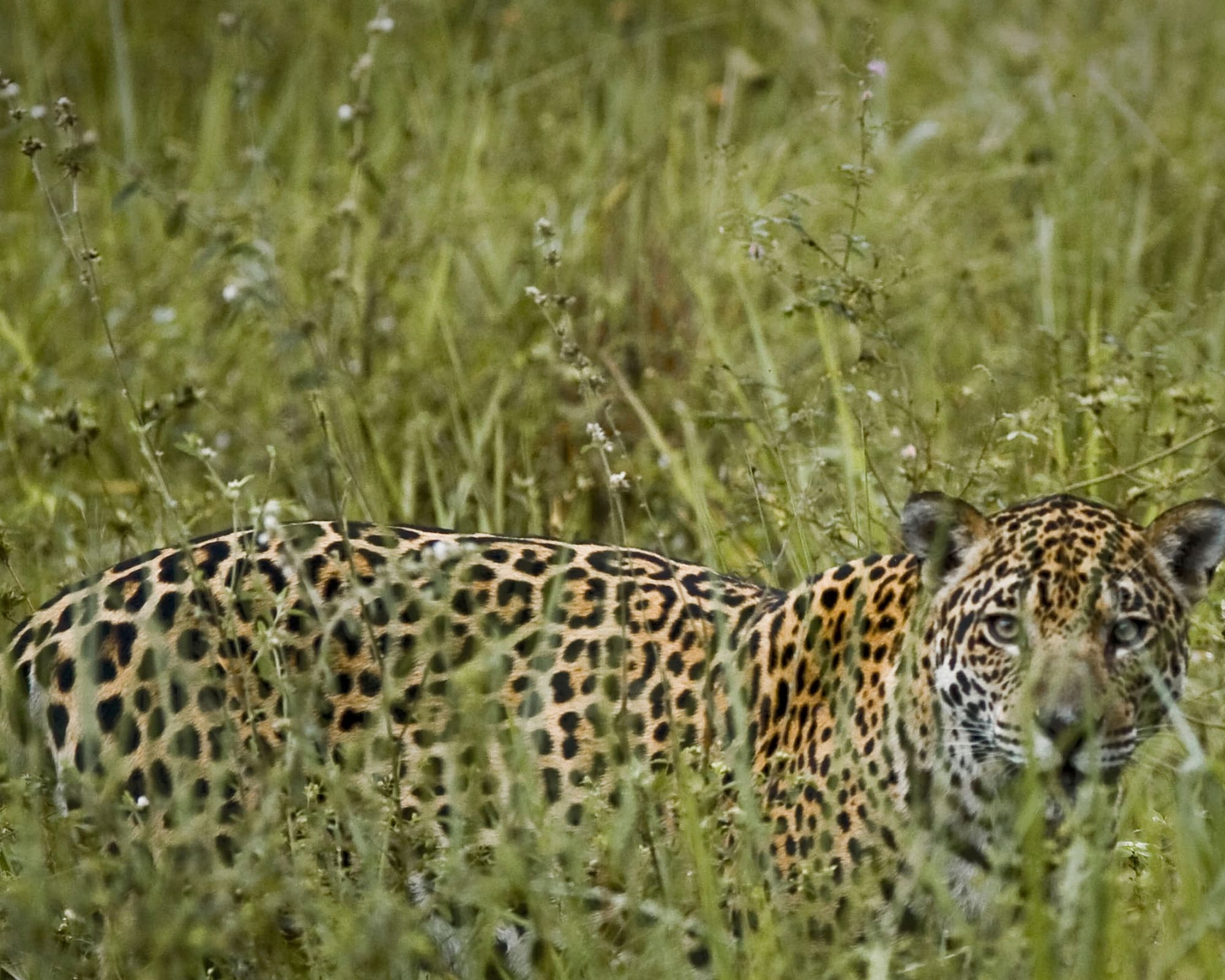
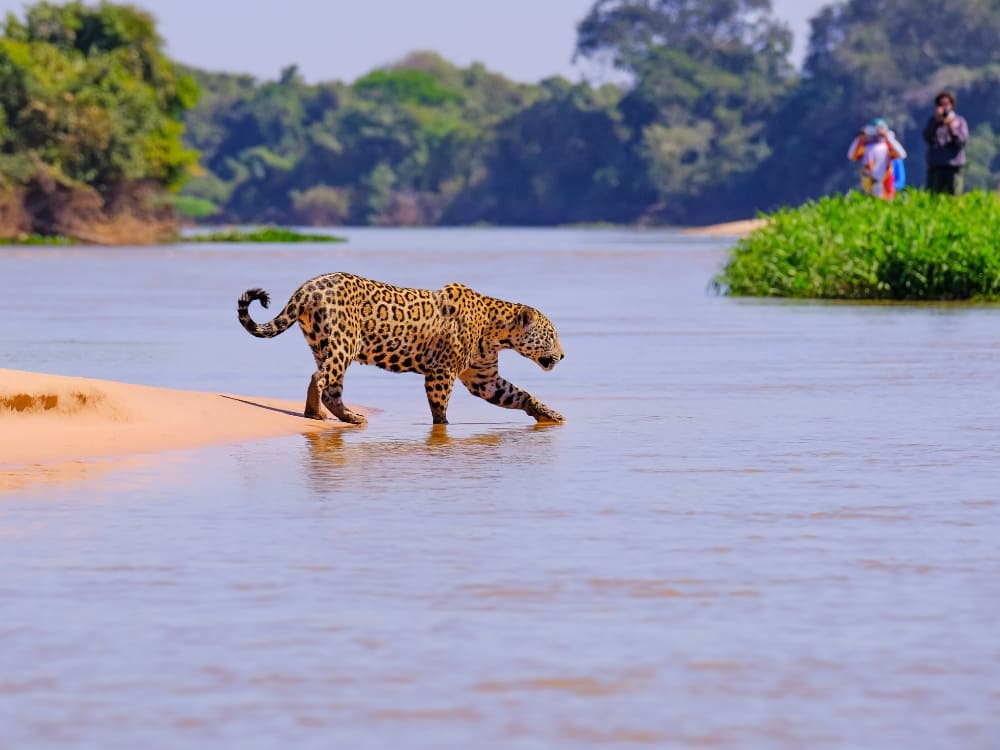
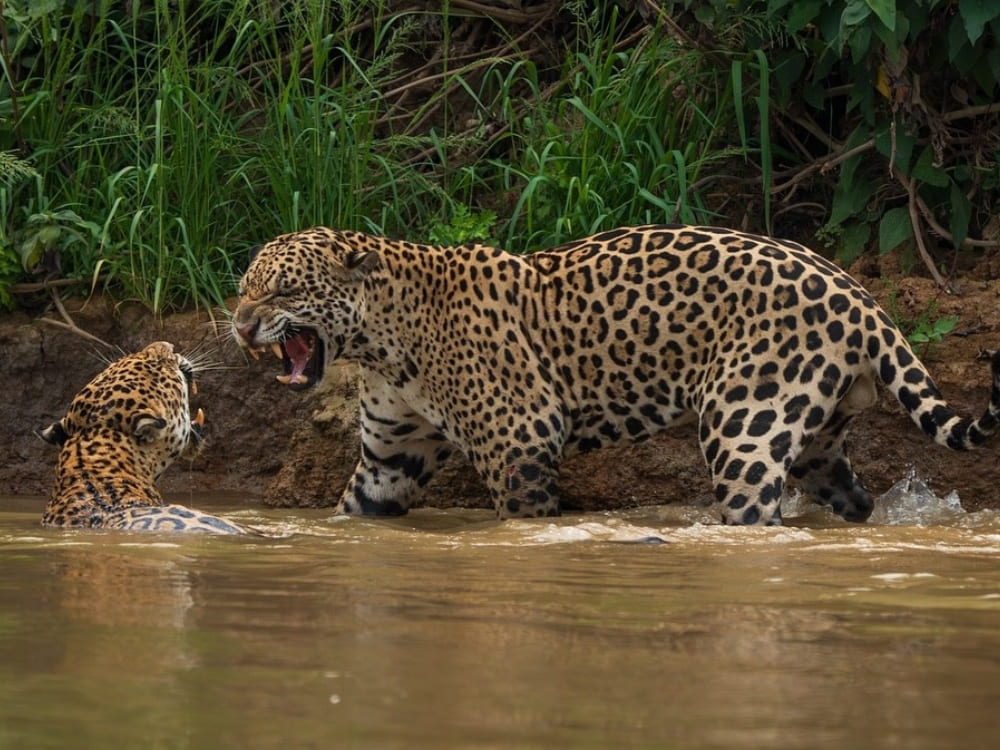
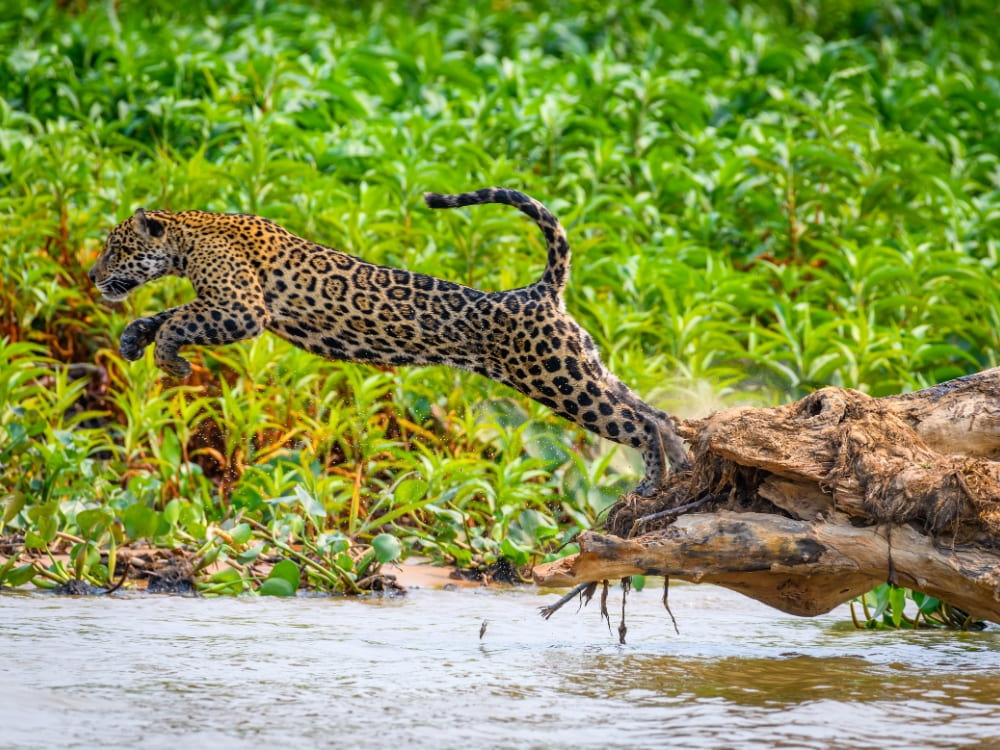
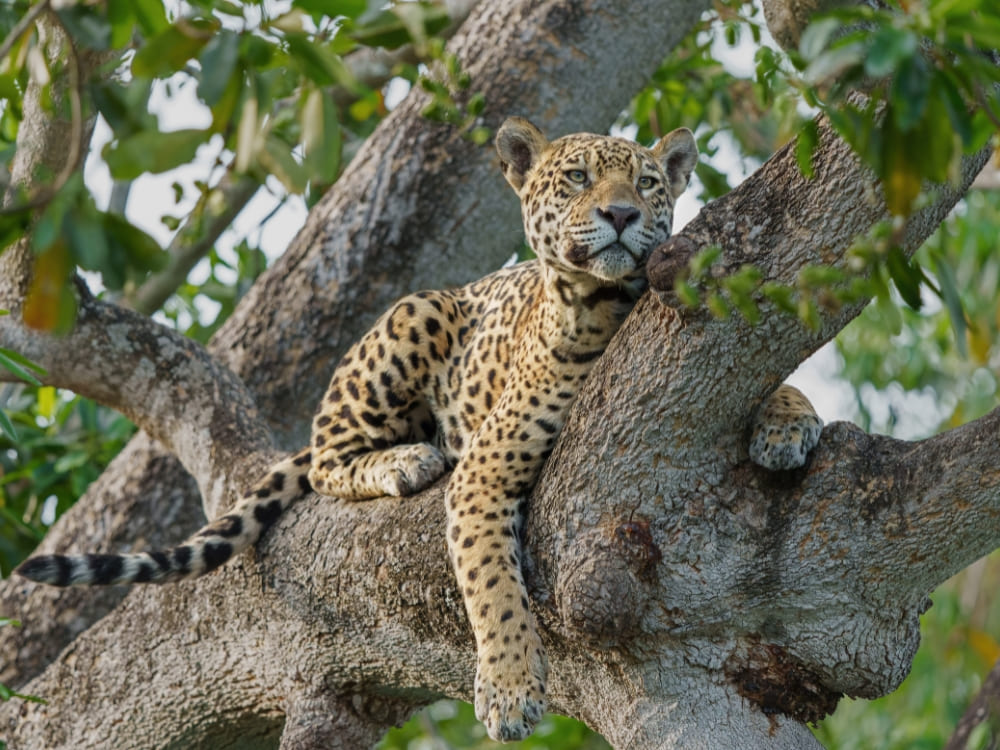
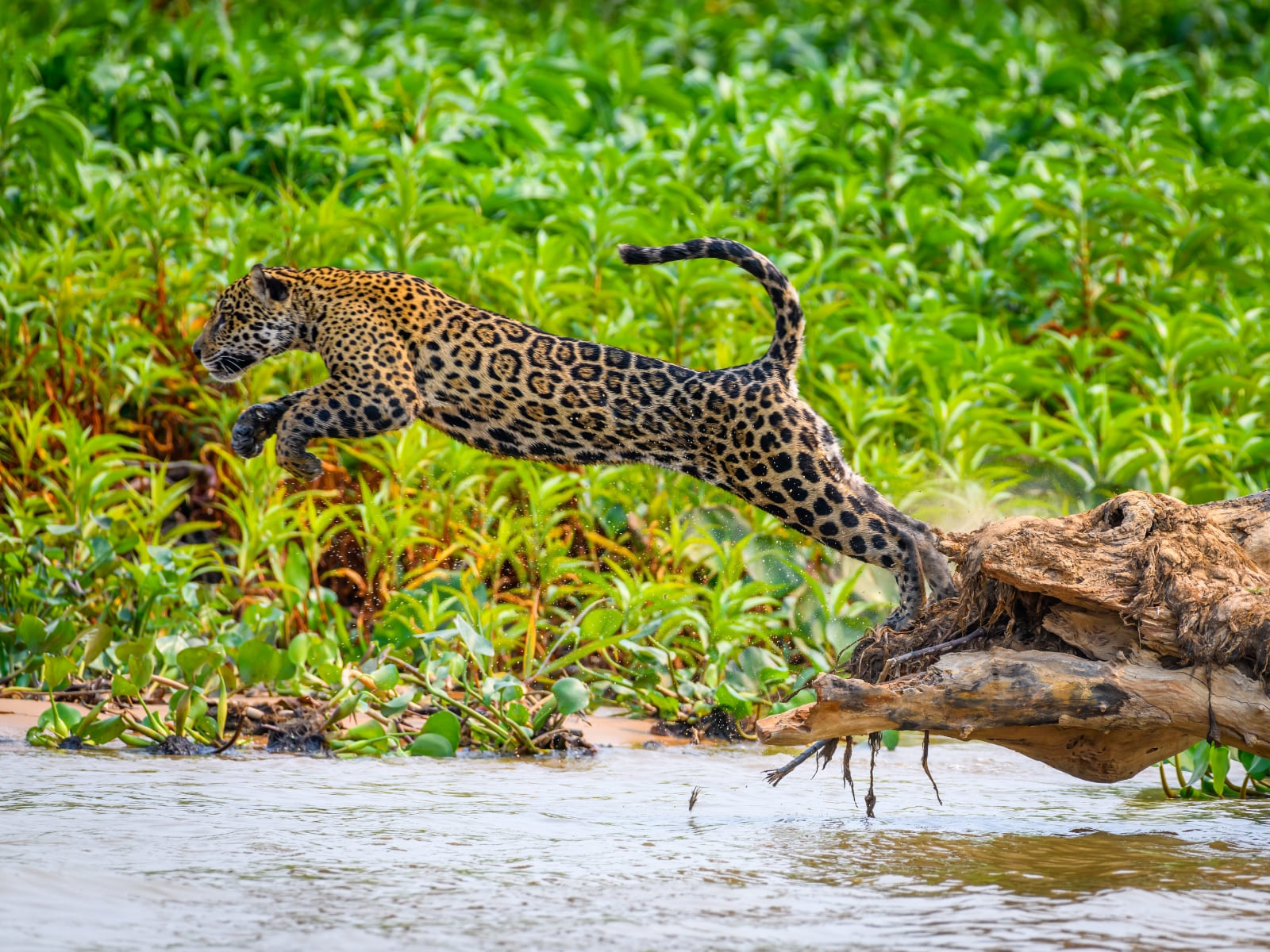
All species are fascinating, but it’s safe to say that the largest feline in the Americas is the star of the show. The Northern region, especially near the town of Porto Jofre, is considered the best place in the world to see jaguars.
The Pantanal’s abundance of wildlife is a striking highlight compared to other biomes. Amazon jungle tours in Brazil are wonderful for a total immersion in nature, but spotting animals there requires more patience and a bit of luck.
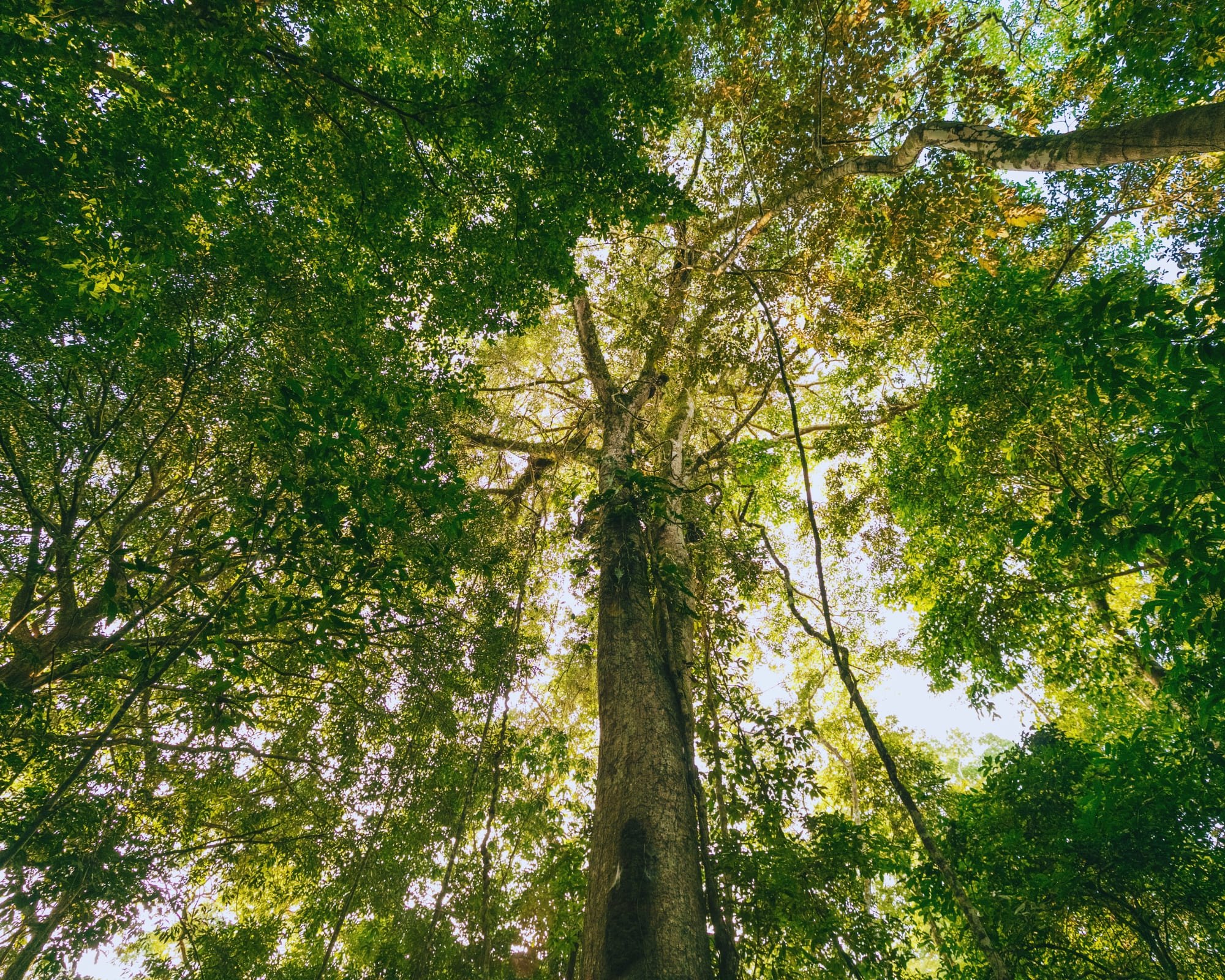
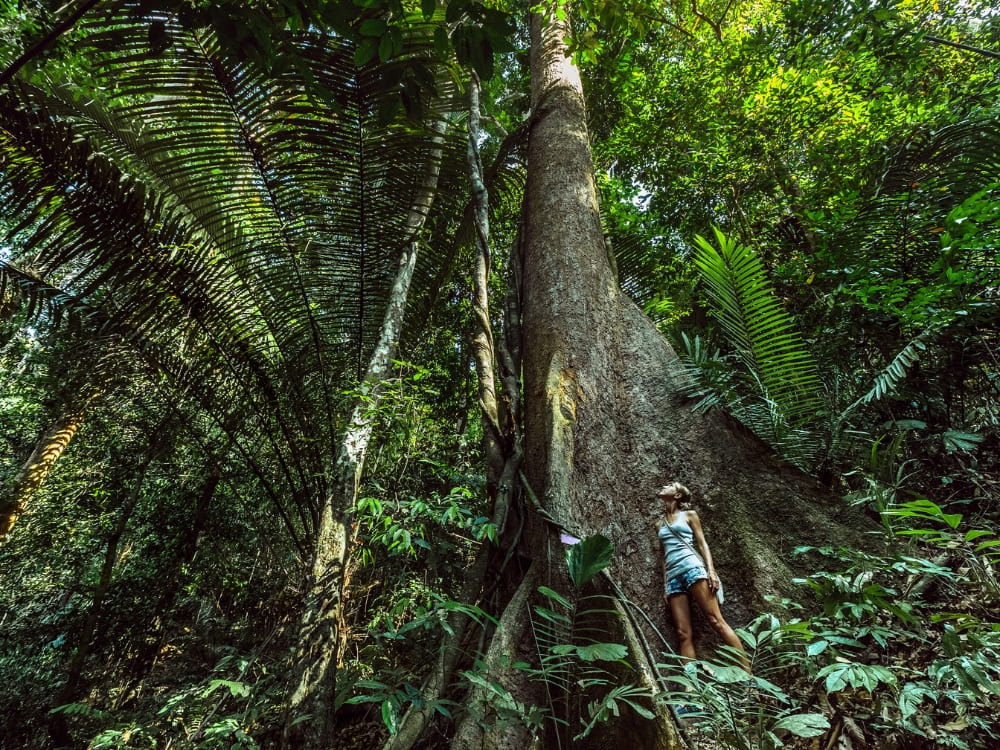
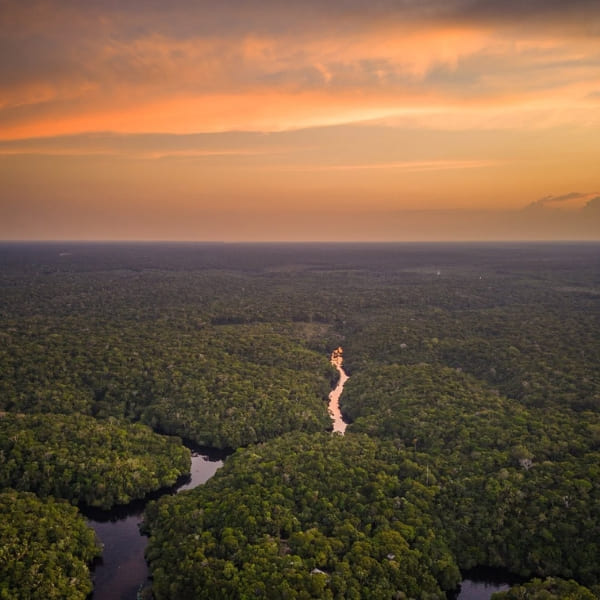
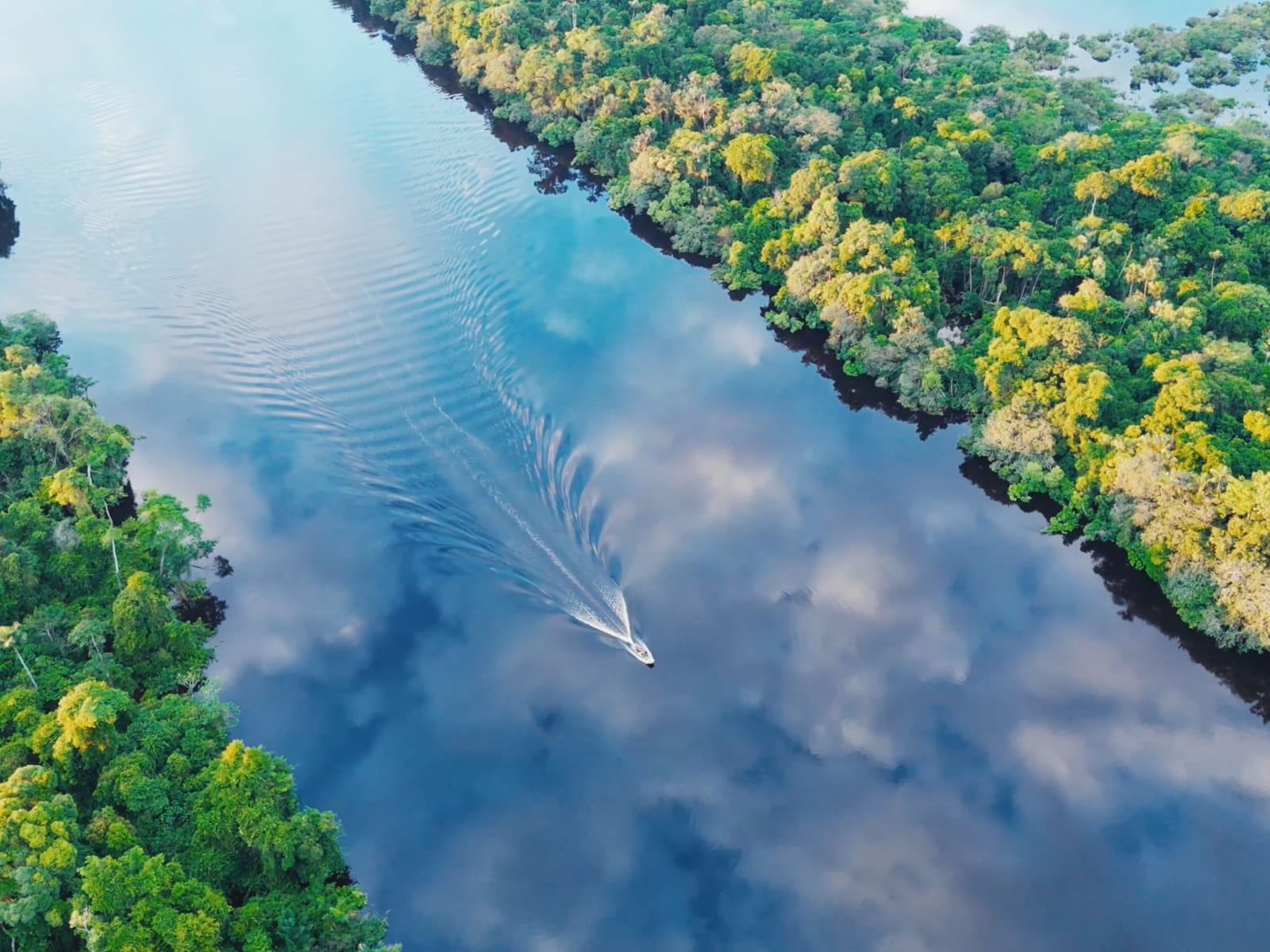
The Amazon Rainforestis an endless sea of green. With trees that reach over 40 meters in height, the forest creates a closed, humid environment where sunlight barely touches the ground, and houses thousands of plant and animal species.
Hiking in the Amazon is almost mystic. Different sounds and aromas are enveloped by the forest grandeur and a constant sense of mystery. Such an atmosphere can make anyone very aware of the warm, yet relentless power of Mother Nature.
.
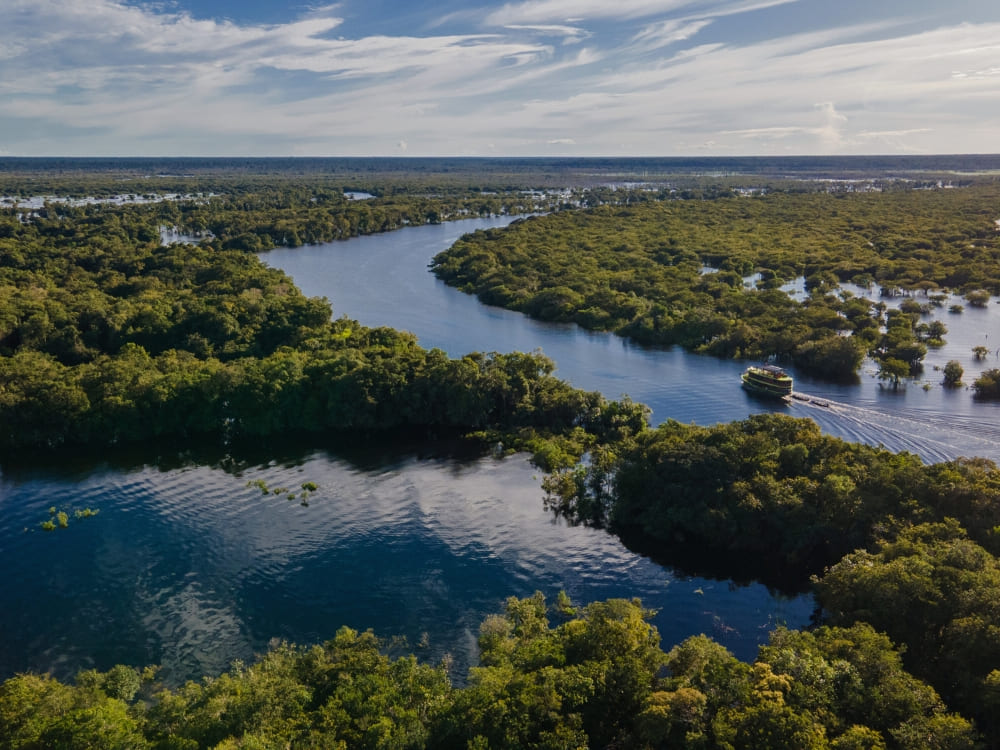
By joining Amazon tours in Brazil, travelers witness the importance of the rivers, which determine the local way of life as natural highways that connect riverside communities and grant proper access to deeper parts of the forest.
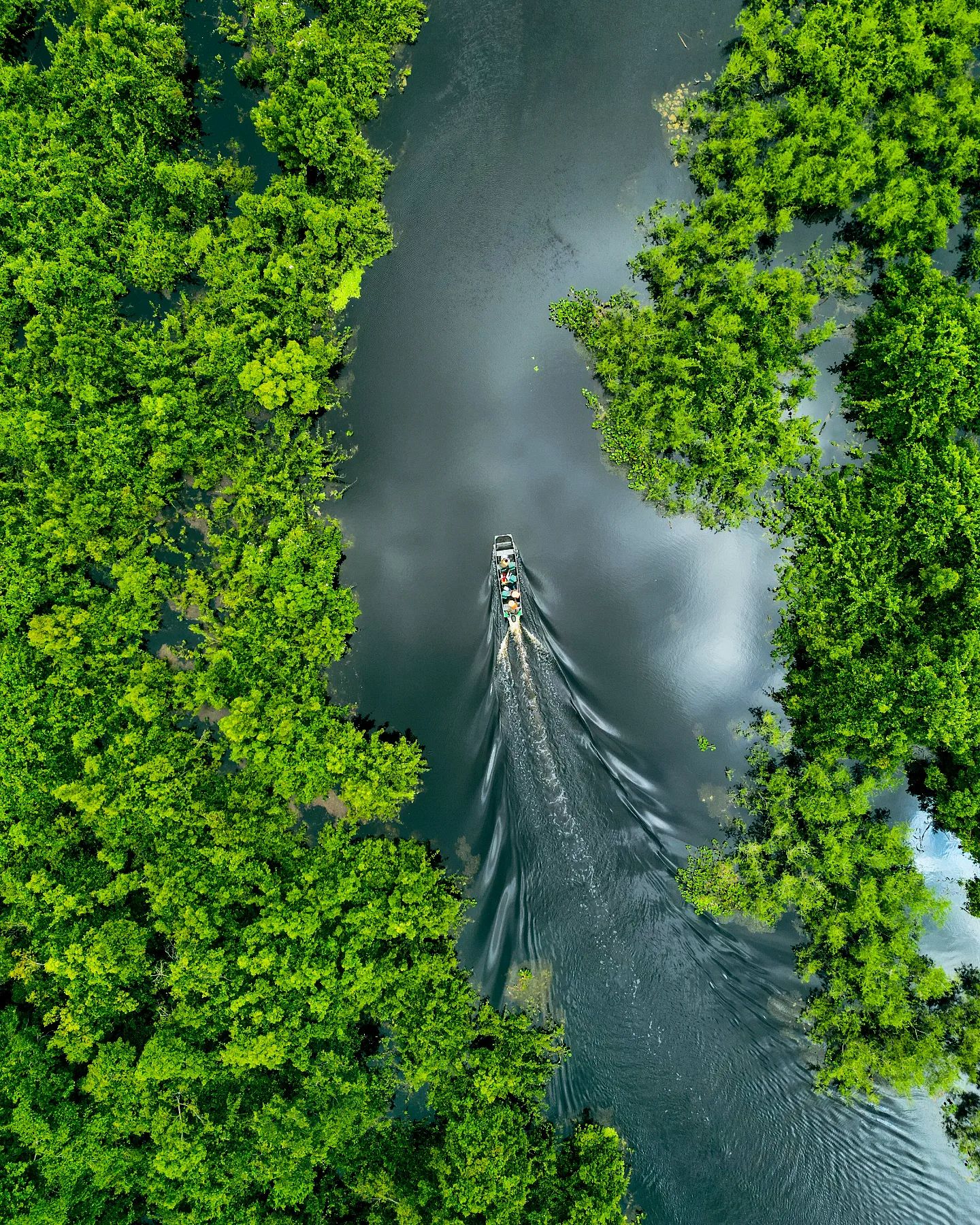
Negro, Solimões and Amazonas are just some of the rivers that cut through the vegetation and form igarapés (small bodies of water), igapós (flooded forests) and breathtaking views of immeasurable value for the fauna, flora and locals.
.
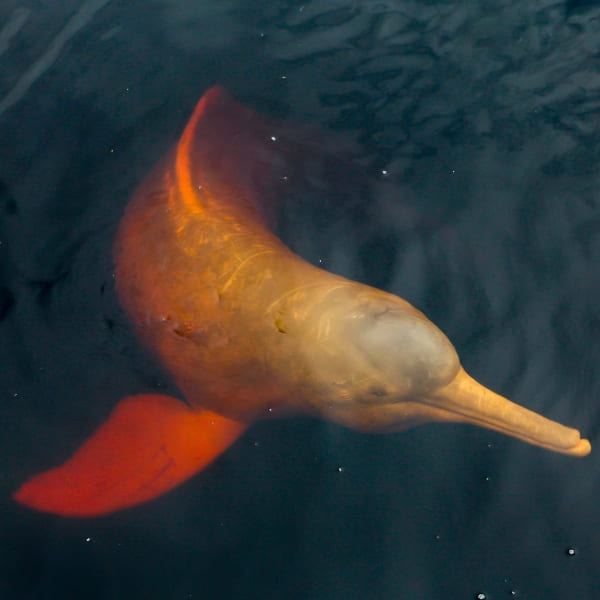
Wildlife is rich, but discreet. Except for pink river dolphins, most animals live in the tree tops, are camouflaged by the jungle or only make themselves known at night. The focus is on immersion: smelling the wet earth, listening to the music of nature, breathing fresh air and understanding the privilege of being surrounded by the most complex ecosystem on the planet.
Both the Pantanal and the Amazon are spectacular. There is no better destination — only the better option for your preferences.
While the Amazon stands out for the vastness of its closed forest, imposing rivers and the constant sounds of the jungle, the Pantanal mesmerizes with its flooded fields, open vegetation and the spectacle of wildlife on view. Despite the contrasting differences, these two wild destinations represent the richness of Brazilian biodiversity and sustainable travel.
Besides understanding what makes each biome so great, it’s also important to point out how the experiences are influenced by their distinctness.
@matthias_kern_photography
Pantanal tours activities
Book your trip to the Pantanal if you love:
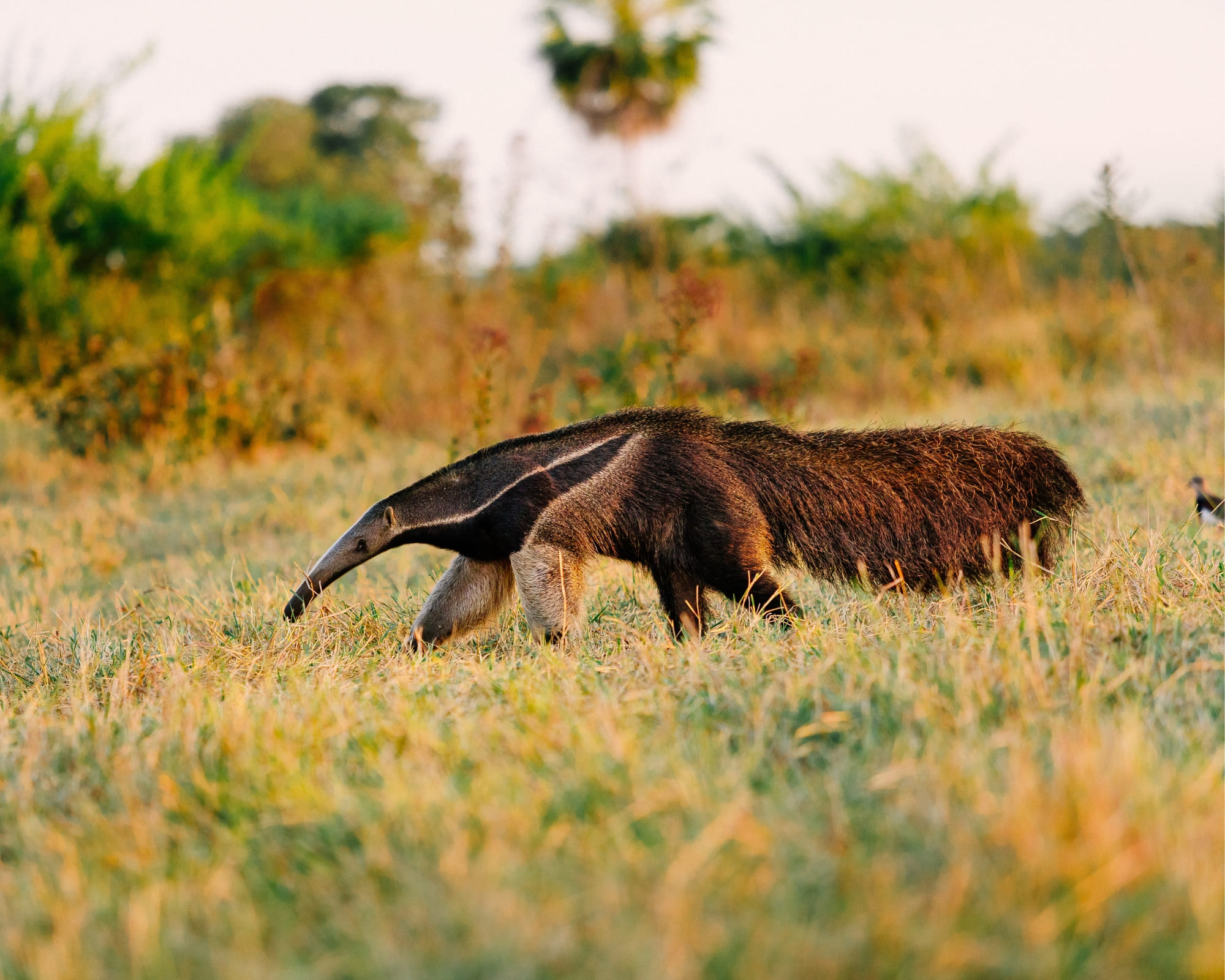
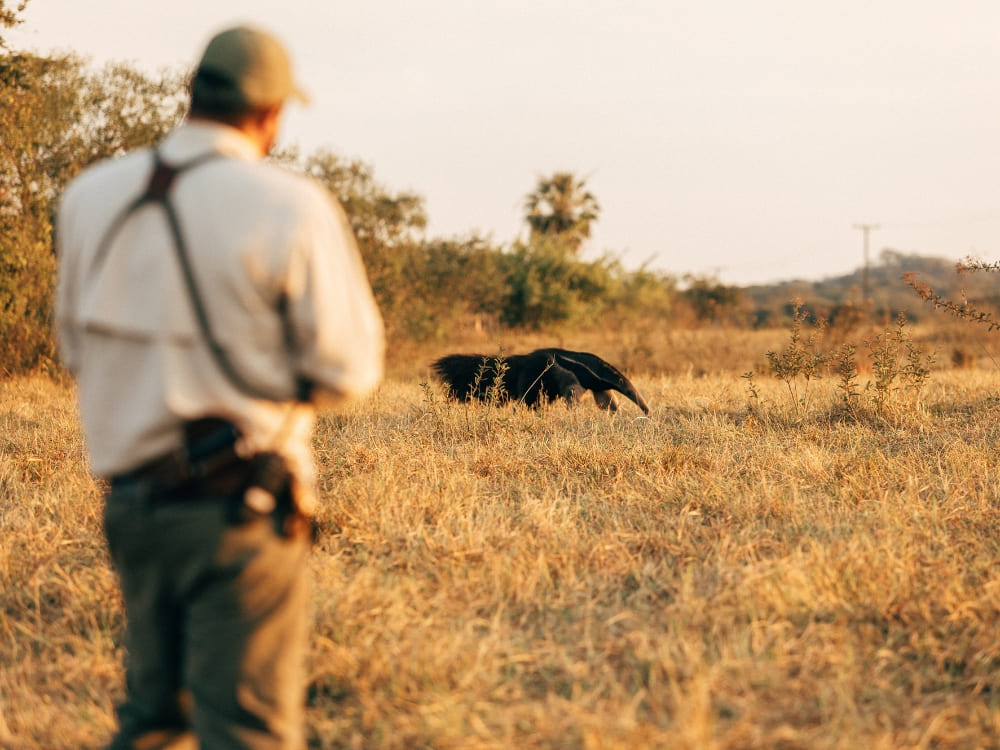
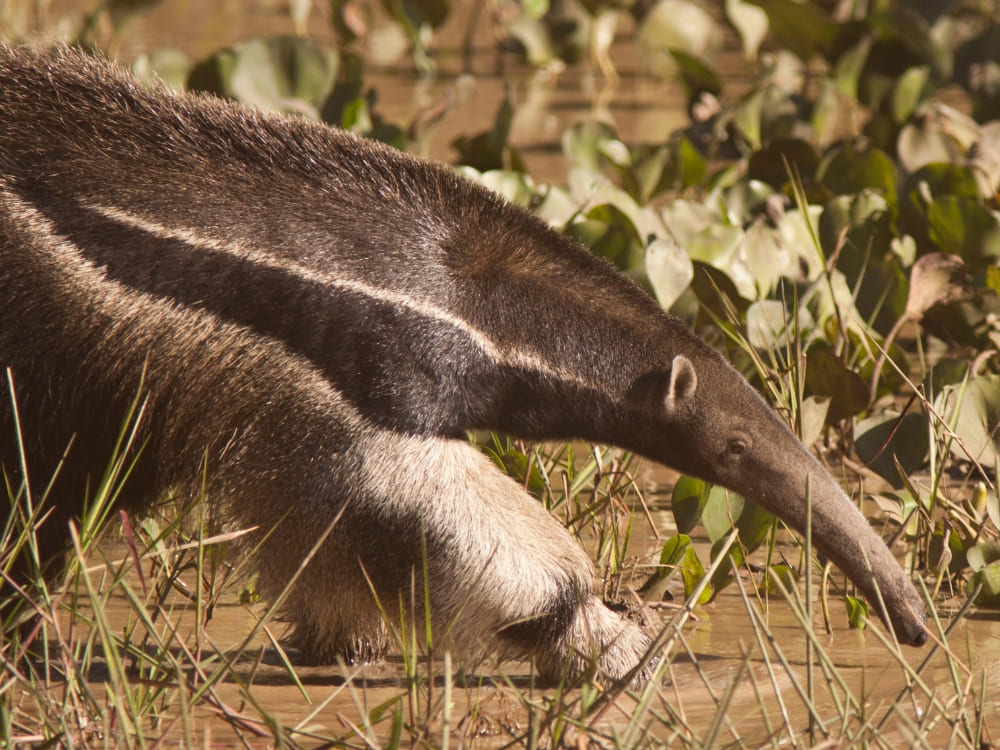
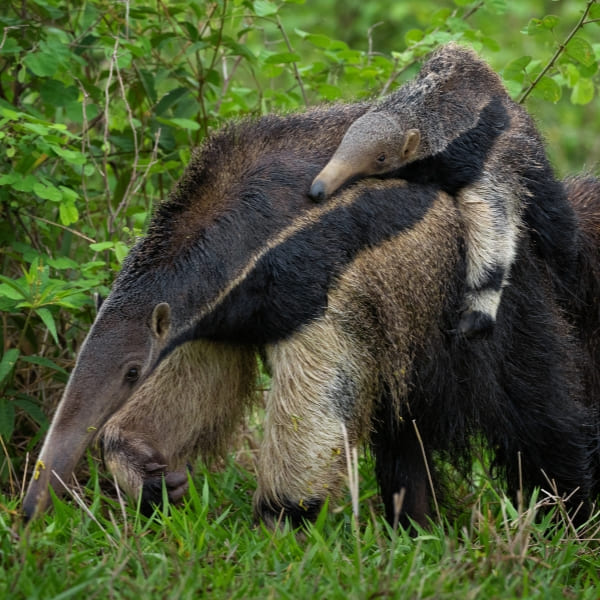
Photo safaris: explore the wetlands by boat or 4×4 car to spot some of the most beautiful Brazilian animals, including jaguars, anteaters, tapirs, toucans, and many more.
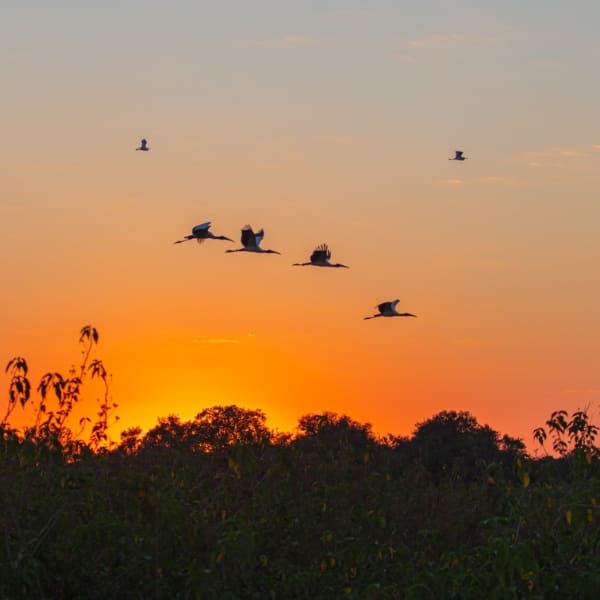
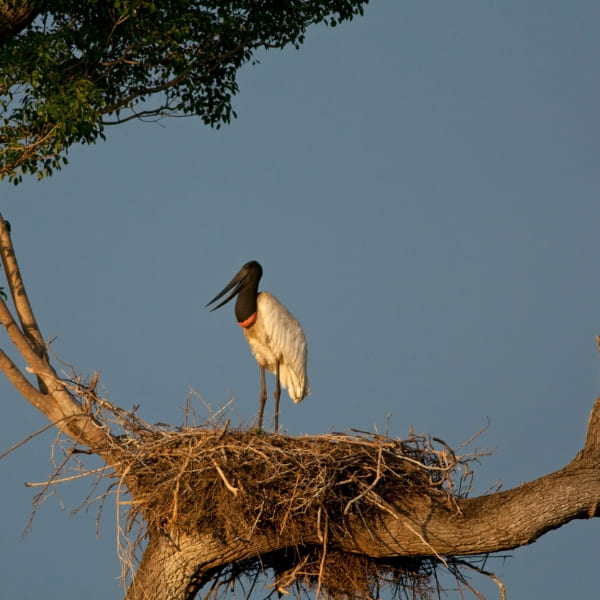
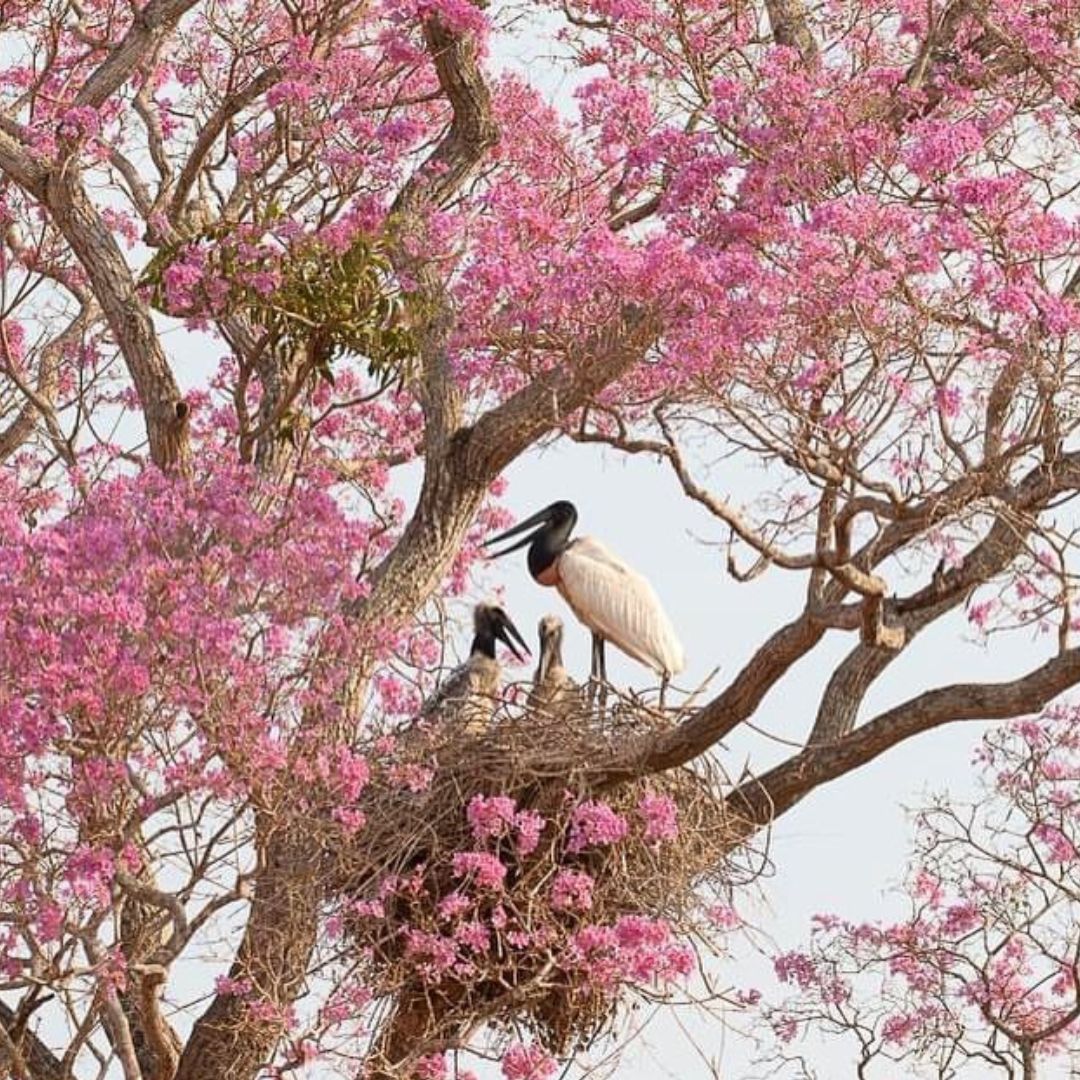
Birdwatching: keep your eyes open to spot some of the native birds, including toucans, macaws and the enigmatic jabiru stork.
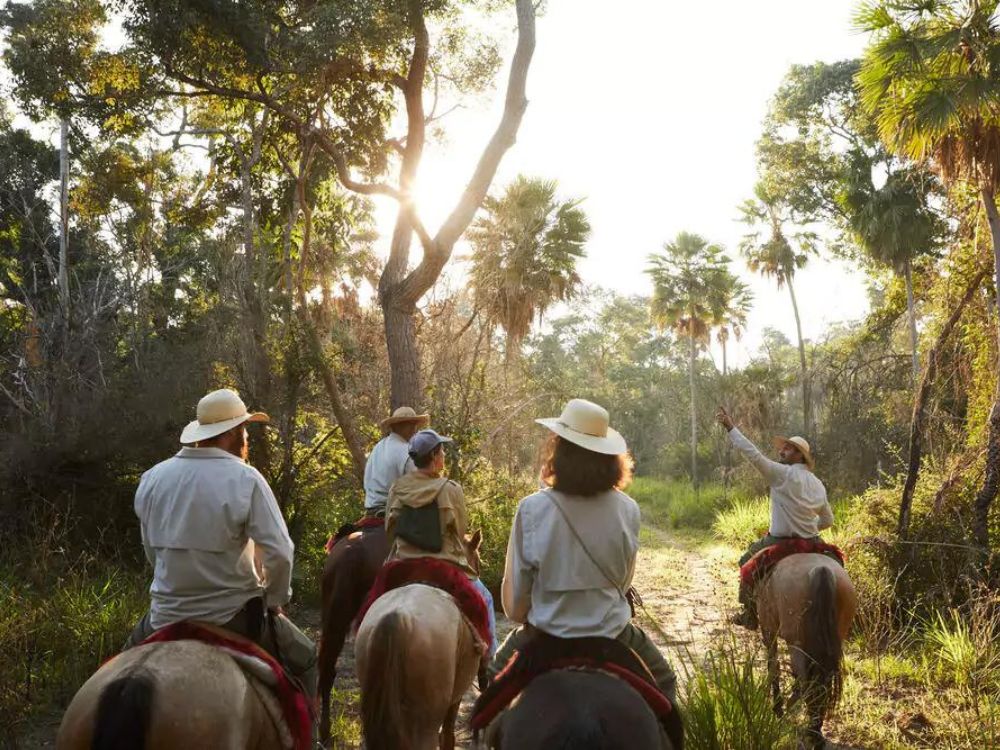
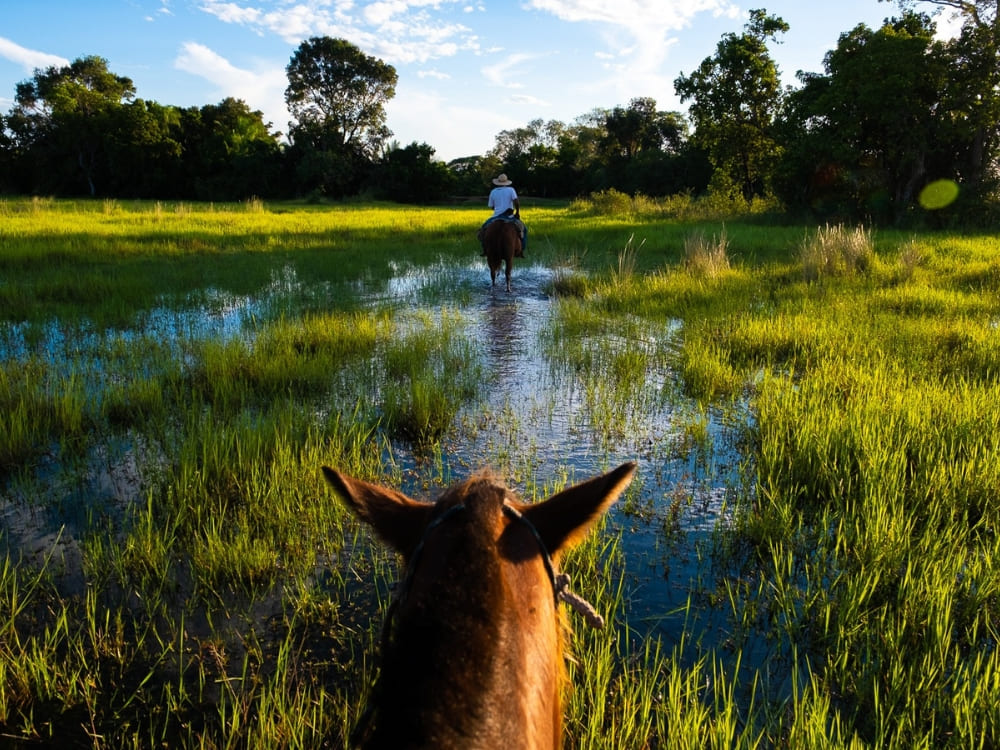
Horseback riding: delve into the flooded plains on horseback like a true Pantaneiro.
Trekking: accompanied by qualified guides, trek across open fields and immerse yourself in nature.
Boat rides and catch-and-release fishing: discover the wetlands by joining boat tours and fish for typical Pantanal species, like pacu and dorado.
Farm life: some lodges are actually adapted farmhouses, but day-to-day life is still heavily based on ranch culture — which guests are more than welcomed to participate in.
Cinematic sunrises and sunsets: wide-open skies offer unforgettable views when dawn breaks or when the sun sets.
Keep in mind: itineraries vary in North and South Pantanal. Make sure to learn the differences of both regions before booking your trip!
Brazil Amazon tours activities
Plan your vacation in the Amazon if you can’t get enough of:
Forest hiking: immerse yourself in the forest by hiking with expert guides to explore the fauna, flora and local traditions.
River cruises: high-end vessels provide a one of a kind sailing experience across the rivers in Anavilhanas and Jaú national parks.
Boat trips: smaller boat and canoes sailing through igarapés and igapós are some of the most authentic activities in the forest.
Night expeditions: animals (caimans, snakes, frogs, owls…) tend to roam around the forest more freely when night falls, making it an ideal time for wildlife watching in the Amazon.
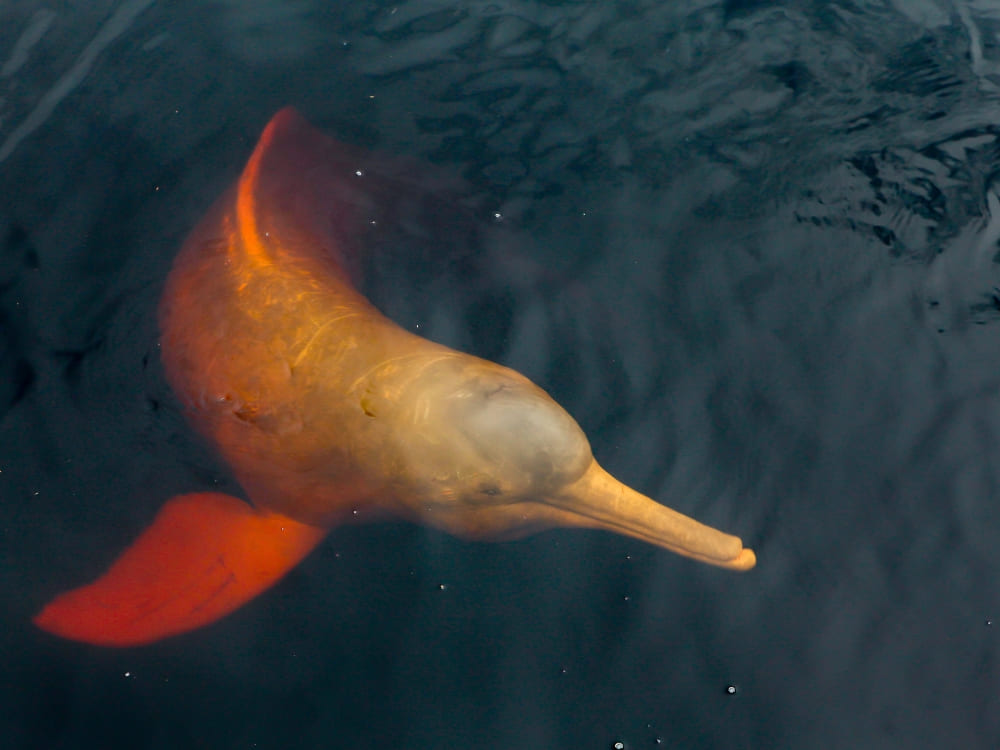
Pink dolphins sightings: unlike other native animals, the iconic pink river dolphins aren’t shy and are often spotted during boat rides across Solimões and Negro rivers.
Lodging in the forest and floating houses: rustic or sophisticated stay experiences, always integrated with nature.
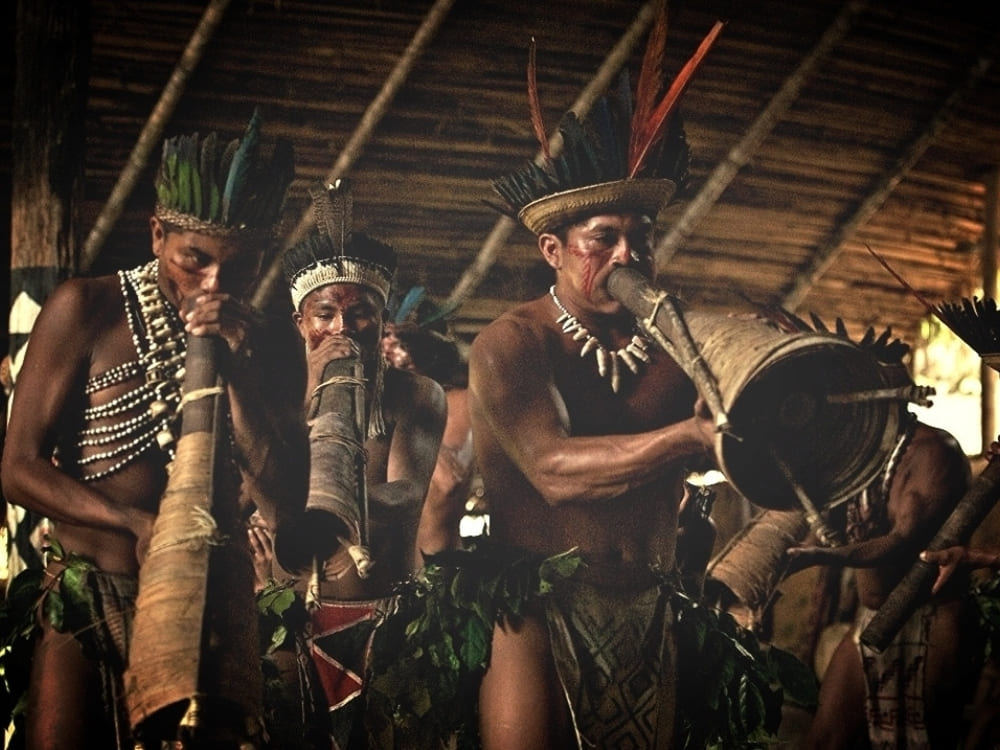
Visiting riverside and indigenous communities: contact with local cultures, traditional cuisine, handicrafts and even ceremonies conducted by indigenous leaders.
How to get to the Pantanal and the Amazon in Brazil?
The Pantanal and the Amazon Rainforest are located in remote regions, with logistical challenges that can directly influence the tourist experience. However, with the growth of ecotourism in Brazil and the development of local infrastructure, these trips have become increasingly viable.
Divided between North and South, the Pantanal is assessable via Cuiabá (Mato Grosso) or Campo Grande (Mato Grosso do Sul), both capitals connected by dirt roads to the lodges and ranches. The dry season (May to October) is a great time for wildlife watching and other outdoor activities due to the decrease in water level.
If you’re traveling to the Amazon, the route depends on which areas you’re visiting. Manaus, capital of Amazonas, is the main getaway to the forests, served by direct flights from major Brazilian cities, but there are also tours in the states of Pará and Mato Grosso.
River levels vary greatly between the wet and dry seasons, so activities can change depending on the time of year. The rainy season (December to May) is best for canoeing, while the dry season (June to December) allows for longer hikes.
Both the Pantanal and the Amazon are biomes of global importance for environmental conservation. Sustainable travel has proven to be a powerful tool for preserving these regions and supporting local communities.
By choosing responsible lodging, hiring local guides, opting for operators that follow sustainable practices and taking part in activities focused on environmental education, tourists contribute directly to maintaining communities and enhancing biodiversity.
Ecotourism efforts, such as ecological lodges in the Amazon, or adapted farms in the Pantanal, help generate income for local populations and create alternatives to deforestation, poaching and predatory exploitation of natural resources.
Prioritizing experiences that respect the rhythms of nature, limit the number of visitors and are committed to sustainable practices is essential to ensure that these landscapes continue to exist for generations to come.
In conclusion, should you choose the Amazon Rainforest or the Pantanal?
Go to the Pantanal for easier wildlife watching, open landscapes and safari-style experiences, or choose the Amazon if you’re looking for immersive jungle exploration, cultural encounters, and the feeling of being in the middle of a tropical rainforest.
Better yet: plan your trip to both destinations, since each reveals a unique side of Brazil’s untamed beauty.
There’s no wrong choice here, just different kinds of adventures!
Photo: Samuel Melim
Travel to the Pantanal or the Amazon with PlanetaEXO
We work with the best local operators to make sure your travel experience is unlike any other. From bookings to itineraries, our team will be with you every step of the way. Contact us now!
Planning your trip depends on several factors, such as logistics, seasons, and travel style
To truly experience the wetlands, it’s recommended to stay at least 4 full days. But how many days you should stay in the Pantanal depends on your travel goals, whether you’re looking for wildlife safaris, family-friendly experiences, or slow-paced ecotourism.
Photo: Edu Fragoso
Besides the activities, it’s also important to think about logistics, as the biome is vast and located in a fairly remote region that can take a few hours to reach. When you’re traveling to nature destinations, every minute counts!
To help with your decision-making, PlanetaEXO, an ecotourism platform specializing in Pantanal tours, has created a guide detailing everything you have to consider when planning your trip. Check it out below!
What determines how long you should stay in the Pantanal?
Before deciding how many days to spend in the Pantanal, a few practical factors should lead your planning:
Logistics
The Pantanal is remote, which means accessing its wild areas can be quite time-consuming. Most travelers arrive via Cuiabá (Mato Grosso) or Campo Grande (Mato Grosso do Sul), but reaching lodges, especially in the north, often requires long drives and even additional boat trips, depending on the location.
From Cuiabá to Poconé—particularly in Porto Jofre, the best place for jaguar safaris—the drive takes approximately 2 hours. To reach the Southern Pantanal via Campo Grande, the journey to base cities Aquidauana and Corumbá can take 2–3 and 5–6 hours, respectively.
Photo: Caiman
Pro tip: When planning your visit to the Pantanal, always consider the transfer time (round trip). It’s also important to decide whether you want to explore the North, the South or both, as this will impact your itinerary.
Like most nature destinations, the Pantanal offers different experiences according to the seasons. From May to October, the dry season brings better access and great wildlife viewing, especially of jaguars, capybaras, and caimans. This is also a good time for land activities, such as hiking and horseback riding.
Photo: Felipe Castellari
From November to April, the rainy season floods large portions of the plains, transforming the landscape into a vast wetland. This period is ideal for boat safaris and birdwatching, with thousands of migratory birds—though access to some lodges may become limited.
Between seasons (April/May and October/November), you’ll find a mix of both worlds: accessible trails and diverse wildlife activity. Wonderful period to book your trip!
Finally, don’t forget to pay attention to the Pantanal weather. Temperatures range from 25°C to 35°C year-round, but the northern side tends to be warmer and more humid.
Understanding your travel style and the experiences you’re looking for will surely help you decide how many days you should stay in the Pantanal.
Those looking for in-depth wildlife observation, jaguar tracking, or nature photography can benefit from longer stays of at least 5 days in remote areas, where animals tend to roam around more freely.
.
5 days or more is also ideal for an adventure in Bonito, an ecotourism hub in Mato Grosso do Sul known for its jaw-dropping rivers, waterfalls, natural pools, and caves. Only 2 and a half hours away from the Southern Pantanal, it’s a wonderful destination for people able to extend their vacation or who wish to witness more of Brazil’s nature.
For families, proximity and comfort are probably best, so staying in areas like Poconé can be a great option. 3 to 4-day trips offer a good balance of safaris and relaxation.
Not sure whether to explore the north, the south, or both? Understanding how many days you should spend in the Pantanal and comparing real tour options can help you decide.
Here are some of PlanetaEXO’s Pantanal safaris you just can’t miss:
South Pantanal. Adventure in Nhecolândia (wildest area of the Pantanal), photo safari, horseback riding, canoeing, fishing, night tours, hiking, wildlife watching.
North Pantanal. Boat and land safaris to photograph jaguars and other animals (accompanied by guides with extensive knowledge in wildlife photography).
*Per person, based on double occupancy in group departures. Prices may vary depending on season and availability. Exchange rate as of March 10th, 2026; subject to change.
Exploring the Pantanal with PlanetaEXO
No matter how many days you decide to stay in the Pantanal, we are ready to help you plan the vacation of your dreams!
PlanetaEXO is an ecotourism platform specializing in Pantanal tours. Working with the best local operators, our team is ready to lead you into an immersive adventure while making a positive impact on the environment and small communities. Contact us now!
From North to South, discover must-visit nature destinations in Brazil!
A country as large as Brazil has a lot to offer in terms of natural resources. There are six continental biomes (Amazon, Cerrado, Atlantic Forest, Caatinga, Pantanal and Pampa) — plus the Coastal Marine Biome — distributed in about 8,500,000 km² over 26 states marked by geographical and cultural differences, but united by pure, green and yellow beauty.
.
The tourist greatness has made Brazil the 2026 destination ofTravel + Leisure, one of the most important tourism publications in the U.S. The magazine highlights experiences diversity, sociocultural complexity, gastronomy, excellence in hosting and, as expected, nature.
With that in mind,PlanetaEXO has assembled a list of the best ecotourism destinations so you can learn more about Brazil’s grace and the importance of protecting its ecosystems. Read more below!
1 – Lençóis Maranhenses (MA)
.
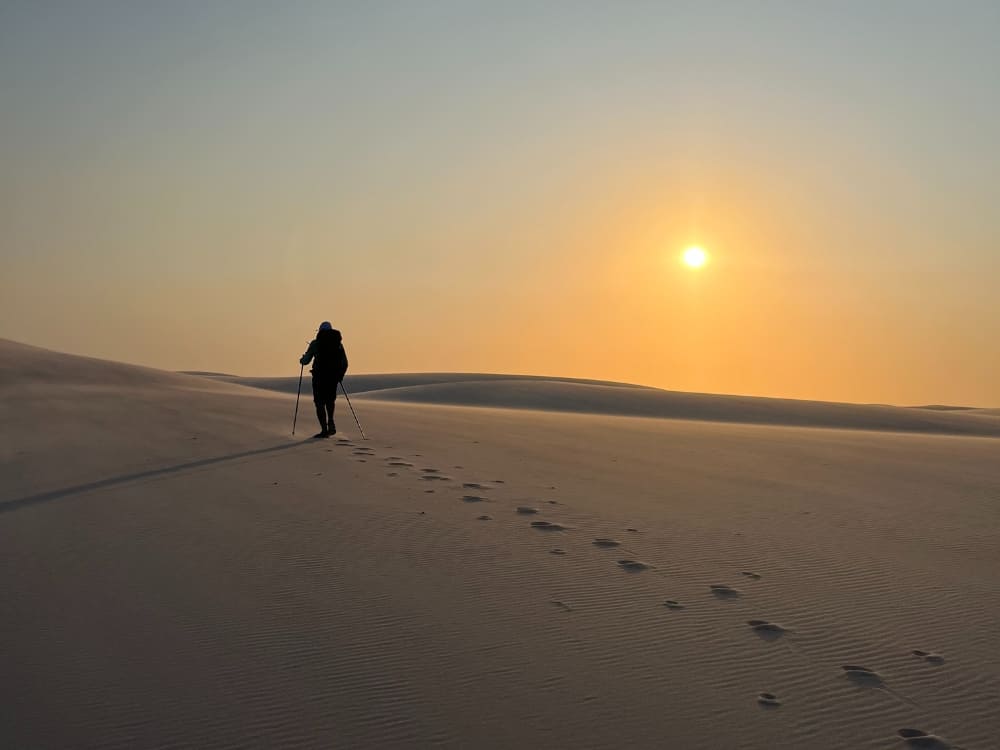
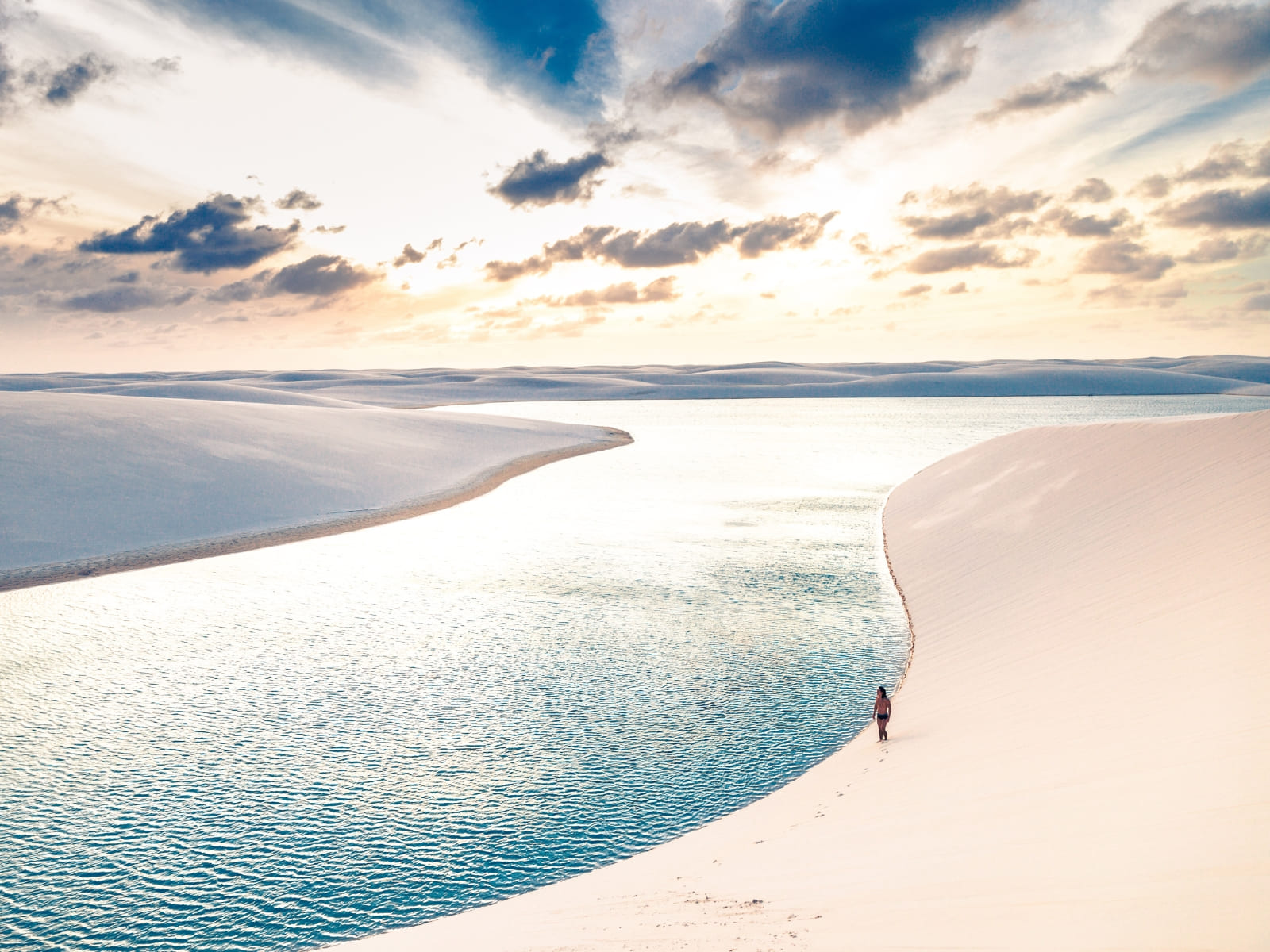
Lençóis Maranhenses National Park is so stunning some people say its beauty is otherworldly. The crystal blue water lagoons amidst white sand dunes will surely make your jaw drop in awe.
In addition to walks through the dunes and refreshing dives in the lagoons — you need to visit Bonita, Azul, Gaivota and the Esperança lagoons! —, tourists love to go boat or four-wheel drive tours, contemplate the sunrise or the sunset, explore the vegetation of the Caatinga, Cerrado and the Amazon, and exchange cultural experiences with the locals.
When is the best time to visit Lençóis Maranhenses?
Schedule your trip between May and September, when the lagoons are at their fullest. From September to October and February to April, the lagoons get smaller, but still offer water activities.
The lagoons dry out from November to January, which limits experiences on the water, but unravels beautiful pastures and meadows.
Where to stay in Lençóis Maranhenses?
Accommodation in Lençóis Maranhenses takes place in the surrounding cities. Barreirinhas is the main gateway and has more accommodation options, from simple inns to full-service hotels. Atins is a fishing village by the sea, suitable for nature lovers. Santo Amaro do Maranhão is the most isolated, perfect for those looking for exclusivity and total disconnection.
Another lodging alternative is an overnight stay at locals’ houses. Trekkers crossing the park stay in modest, but cozy homes. Great opportunity to meet new people and different cultures!
From São Luís International Airport (SLZ), the ride (bus, car or shared van) to Barreirinhas can last up to 5 hours. Barreirinhas Municipal Airport (BRB) has not received commercial flights since March 2025, but still includes executive and chartered aircraft in the daytime.
You can go to Atins by boat or 4×4 vehicle, but you’ll still have to pass through Barreirinhas. From São Luís to Santo Amaro (237 km), transfer options include rental cars, taxi, share van or private shuttle services.
How can we talk about ecotourism destinations in Brazil without mentioning the Amazon? The largest portion is located in the state of Amazonas, followed by Pará and Mato Grosso. Eco-friendly tourism is one of the initiatives that keeps the forest standing, contributing to sustainable awareness, local economic flow and support to socio-environmental projects.
Among all the stunning scenery hidden in the Amazonian wilderness, a few stand out. Jaú National Park, for example, is a UNESCO World Heritage Site for its protection of flooded forests and the entire Jaú river basin, one of Negro River’s tributaries. River cruises and jungle lodges offer different activities such as hiking, boat rides, nature contemplation, visits to riverside communities and more.
Anavilhanas National Park holds the title of the second-largest fluvial archipelago in the world, with 400 islands, 60 lakes and a remarkably privileged location on Negro River. The charming jungle lodges and cruises also feature diverse itineraries, including water trails, wildlife watching, scuba diving, etc.
In the state of Pará, the Amazon reveals a different landscape, marked by clear rivers and river beaches. The highlights are Alter do Chão and the Tapajós River, known for their surprisingly transparent waters and tones reminiscent of the Caribbean. The experience in the region combines direct contact with the forest, observation of wild animals, such as pink dolphins, and the impressive diversity of trees, plants, and flowers that define the Amazon.
When is the best time to visit the Amazon?
Amazonas: between January and September, when the rivers are at their fullest. This period is ideal for navigation, water trails, and access to flooded forest areas, as well as offering good opportunities for wildlife viewing along the Negro and Solimões rivers.
Pará: between August and December, during the driest season. This is when the river beaches of the Tapajós River appear, creating landscapes of clear waters and white sand, especially in the Alter do Chão region.
Where to stay in the Amazon?
Despite its total immersion in nature, the Amazon offers different standards ofpackages, from simple to high standard, always with a focus on ecotourism experiences.
Amazonas: there are jungle lodges and river cruises near the Jaú National Park, the Anavilhanas National Park and along the Rio Negro, ideal for those seeking a deep immersion in the forest and Amazonian biodiversity.
Pará: accommodation is concentrated in Alter do Chão and the surroundings of the Tapajós River, with inns and hotels focused on nature, river beaches, and lighter experiences, combining forest, river, and local culture.
How to get to Amazon?
Amazonas: the main access is through Manaus International Airport (MAO). From Manaus, travel varies according to the itinerary and may include boats, regional flights, and organized transfers to lodges, national parks, or river cruises.
Pará: the gateway is Santarém Airport (STM). From there, access to Alter do Chão and the Tapajós areas is by road or boat, depending on the type of experience chosen.
Mato Grosso hides numerous ecotourism destinations, including the small town of Barra do Garças, with only 60,000 inhabitants. The peaceful atmosphere offers a very welcome break for tourists from large urban centers, who quickly fall in love with gorgeous views covered by natural beauty.
It’s hard not to be hypnotized by the trails and beautiful viewpoints of Serra Azul State Park, as well as the narrow canyons, thermal water pools, various waterfalls and landscapes surrounded by trees and the blue sky.
When is the best time to visit Barra do Garças?
It’s hot all year round, so prepare for 34 °C at the height of summer. It’s the perfect weather to cool off in Azul, Perdida and Samambaia Waterfalls and the impressive natural well of Santuário das Araras!
Where to stay in Barra do Garças?
After having fun with ecological walks, rafting on the Araguaia River, bathing in waterfalls and diving in crystal clear wells, rest in the inns in more secluded areas or in hotels downtown. Daily rates start at R$160, depending on the season and the accommodation category
How to get to Barra do Garças?
Goiânia International Airport (GYN) receives flights from cities all over Brazil. The drive to Barra do Garças takes just over 5 hours. Barra do Garças Airport (BPG) is also an option, but it’s only served by flights from Cuiabá on Mondays, Wednesdays and Fridays.
4 – Chapada Diamantina (BA)
Photo: Lucas Ribeiro
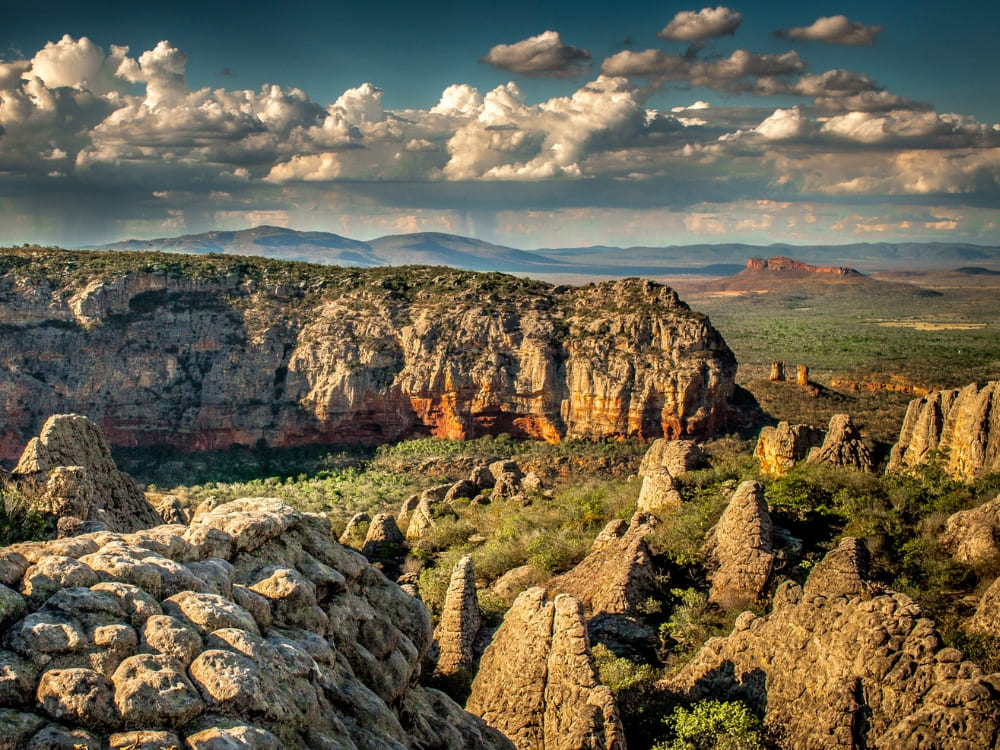
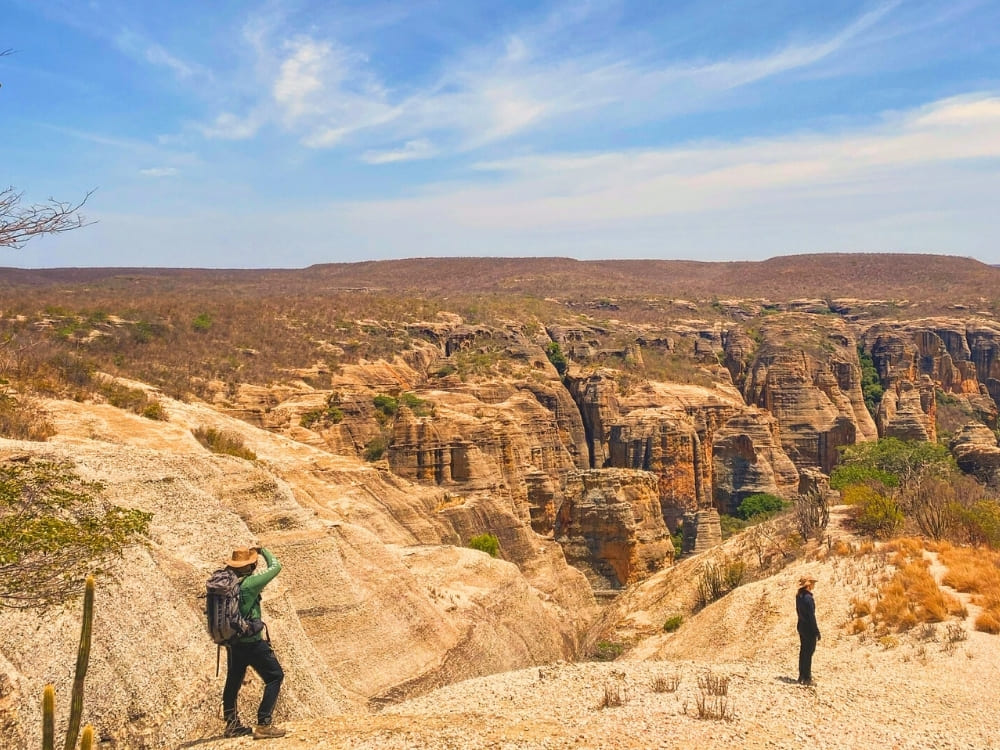
Covering an area of approximately 38,000 km², the Chapada Diamantina region, home to the national park, is the perfect place for those who love hiking. The Vale do Pati area is considered one of the best trekking destinations in the world, thanks to its abundance of natural resources and truly breathtaking landscapes.
The trails cross through rivers, waterfalls, natural pools, caves, hills and viewpoints. Here’s what you can’t miss: Buracão, Fumaça and Fumacinha Waterfalls, Poço Encantado and Poço Azul, Lapa Doce and Pratinha Caves.
When is the best time to visit Chapada Diamantina?
The dry season (May to October) is especially suitable for trekking, while the rainy season (November to April) is ideal for visiting waterfalls, trekking and admiring the vegetation. Please notice: it may not rain every day during the rainy season.
Hotels, inns and homestays are the lodging options in Chapada Diamantina. Accommodations are divided between the towns that surround the park: Lençóis, Mucugê, Palmeiras, Ibicoara and Andaraí.
Our packages to Chapada Diamantina include lodging, transfers, guided tours and meals — everything you need to make your adventure even better!
How to get to Chapada Diamantina?
Salvador International Airport (SSA) is the main choice for most tourists from other states or countries due to its offer of direct flights, but the closest to the national park is Lençóis Airport (LEC), which offers limited flights from Belo Horizonte (Minas Gerais).
From there, the park is only 25 minutes away (22 km), while the route (by car or bus) from the capital of Bahia takes nearly 6 hours (411 km).
190 km from Rio Grande do Sul capital, Porto Alegre, Cambará do Sul is known as the Land of the Canyons, with Itaimbezinho and Fortaleza leading the ranking of most commanding. Up to 900 meters deep, they are true geological treasures of volcanic formation surrounded by the Atlantic Forest and a beautiful blanket of araucarias. Apparently, this Serra Gaúcha paradise is over 135 million years old!
The surroundings are protected by Aparados da Serra NationalPark and Serra Geral National Park, which allows visitors to venture into waterfalls, rivers and lush green trails. Rio do Boi Trail, Tigre Preto Waterfall and Pedra do Segredo are considered must-see attractions.
When is the best time to visit Cambará do Sul?
Cold, wind and fog are a constant, especially between May and August, when the average temperature is 8°C. The weather is chilly, but the visibility of the canyons is the best in this time of year.
Check out more details of when to travel to Cambará do Sul:
April (average 15 °C): Best for quad bike tours and horseback riding
September to November (average 18 °C): hiking and nature contemplation
December to March (average 24 °C): hiking and visiting waterfalls
Where to stay in Cambará do Sul?
Accommodation in Cambará do Sul consists mainly of inns, cabins, eco hotels and glamping. Cheaper stays have an average price of R$120, while full stays have daily rates starting at R$530.
How to get to Cambará do Sul?
Porto Alegre Airport (POA) is the most convenient gateway, but the route to Cambará is by car — nearly a 3-hour drive. In general, tourists hire private shuttle services to reach their final destination.
6 – Jalapão e Serras Gerais (TO)
If you love sustainable travel, it’s possible you’ve heard of Jalapão, but Serras Gerais, the “less famous sister”, is also a golden mine for nature junkies.
A 4-hour drive separates these two destinations — a perfect opportunity for travelers who can extend their trips and wish to further explore Tocantins charms!
Jalapão
Jalapão State Park is a true natural paradise, with geological formations dating back thousands of years, starry skies and trails covered by untouched vegetation.
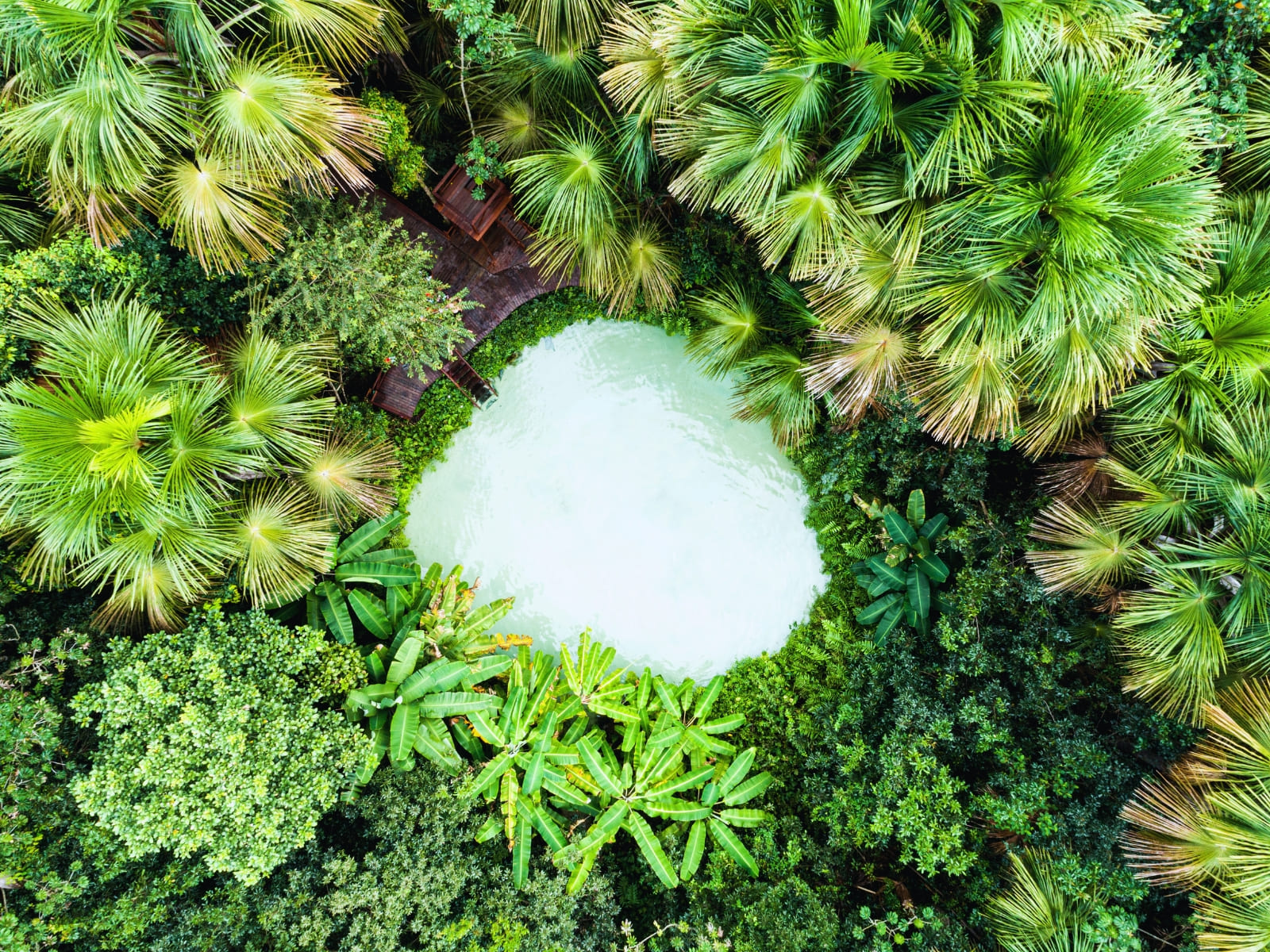
The main protagonists, however, are the fervedouros (natural pools formed by high-pressure springs) of blue and bubbling waters, allowing for dives without the risk of sinking. Make sure to visit Soninho, Macaúbas, Bela Vista, Buriti and Buritizinho fervedouros.
When is the best time to visit Jalapão?
Jalapão is fantastic at any time of the year, but it’s especially suitable from May to September, when there’s less chance of rain and better weather conditions for outdoor walks.
Where to stay in Jalapão?
The state park extends through the municipalities of Mateiros and São Félix do Tocantins, where hotels, inns and hostels are located. To make the most of the trip, tourists usually buy 4 to 6-day vacation packages — which include lodging, guided tours, transfers and meals.
How to get to Jalapão?
Mateiros and São Félix are the park’s entry points, with Palmas Airport (PMW) being the closest. You should arrive in about 4 hours by car — private/group transfer is included in travel packages to Jalapão. Check it out!
Serras Gerais the largest chain of mountains in Brazil, covering eight municipalities in Tocantins territory alone. The most important are Natividade, Aurora do Tocantins, Almas and Dianópolis. Lavandeira, Taguatinga, Almas, Pindorama do Tocantins, Rio da Conceição and Paranã are also important surrounding cities.
The main attractions are crystal clear rivers, viewpoints, waterfalls and over 50 caves open for visitation. Azuis River, Encantado Canyon, Bonita Lagoon, Registro Waterfall and Pequizeiro Beach are mandatory stops, but there’s so much to do in Serra Gerais it’s possible to set up a 15-day itinerary!
When is the best time to visit Serras Gerais?
Plan your vacation between April and October, when the weather is stable enough to schedule outdoor activities without major chances of rain.
Where to stay in Serras Gerais?
Accommodation is provided in the surrounding cities, with options for hotels, inns and glamping. Vacation packages, which include lodging and other services, are highly sought after by tourists for convenience and cost-effectiveness.
How to get to Serras Gerais?
Palmas Airport is the closest, but the road route to Serras Gerais is about 400 km, depending on which town you’re going to.
7 – Chapada dos Veadeiros (GO)
.
Also in the Cerrado, Chapada dos Veadeiros National Park meets several towns, but Alto Paraíso de Goiás is the main getaway. Trekkers have the chance to explore spectacular places like Chapada Alta, River Preto and numerous rock formations — such as the Moon Valley, named for its lunar-like surface appearance caused by the wear and tear of the stones over time.
The waterfall circuit is a star on its own, considered by many to be the most beautiful in the entire Cerrado. The famous Saltos Waterfall, formed by several 120-meter falls, pools into natural wells that are perfect to cool off after an invigorating walk on the Saltos Trail.
When is the best time to visit Chapada dos Veadeiros?
To make the best of your vacation, it’s important to book your trip in the right season. The best time to go to Chapada dos Veadeiros is between April and July, at the end of the rainy season and at the beginning of the drought, when the waterfalls are still full and the vegetation is beautifully green.
Some trails might be closed, but there are plenty of other options to enjoy!
Where to stay in Chapada dos Veadeiros?
Hotels and inns on the outskirts of Chapada Diamantina start at R$130 (daily rate), but visitors looking for adventure and authenticity usually stay in campsites within the national park — tents and other equipment included in travel packages. It’s quite the experience!
The distance between Brasília International Airport (BSB) and Alto Paraíso is 237 km (3 hours on the road). Check the travel packages details to learn more about shuttle services and other relevant information.
8 – Pantanal (MT/MS)
The Pantanal is all about eco-friendly tourism thanks to the natural resources and conservation projects that work tirelessly to protect one of the most fascinating biomes in Brazil. Sustainable travel is also an important instrument for environmental preservation, contributing to the protection of flora, fauna and local communities.
Covering Mato Grosso and Mato Grosso do Sul, the Pantanal is so large and rich that it has different experiences in the north and south. It’s worth knowing both, but it’s important to understand what each region has to offer before planning your trip.
The Northern Pantanal, in Mato Grosso, is accessed by Cuiabá, with Porto Jofre, in the city of Poconé, being the main destination. The area is famous for boat safaris for jaguar spottingand other Pantanal animals.
The Southern Pantanal, in Mato Grosso do Sul, has Campo Grande as a gateway and Aquidauana, Miranda and Corumbá as prominent cities. Savannah and forest hikes, wildlife watching and horseback riding are the main activities.
When is the best time to visit Pantanal?
Northern Pantanal: dry season (July to October) presents bigger chances for wildlife spotting.
Southern Pantanal: From May to September, in the dry season, the weather is ideal for land safaris and animal sightings.
How to get to the Pantanal?
Northern Pantanal: The journey from Cuiabá International Airport (CGB) to Paconé takes about 2 hours. From there, the Transpantaneira Road leads to Porto Jofre (146 km).
Southern Pantanal: The route from Campo Grande Airport (CGR) to Aquidauana can last up to 3 hours, while the drive to Miranda and Corumbá requires 4-6 hours on the road.
Where to stay in the Pantanal?
Despite the immersion in nature, the hosting experience in the Pantanal can be of a very high standard.
Northern Pantanal: Lodging in Porto Jofre allows unique experiences on the banks of the Cuiabá River, ideal for those going on safaris for jaguar sighting.Check it out:Pantanal Jaguar Safari in Porto Jofre, Cuiabá.
Southern Pantanal: There are five-star hotels with comfortable rooms, leisure areas, food, bilingual guides, plenty of activities, etc. Check it out:Luxury Jaguar Safari in the Pantanal.
Nature immersion, archaeology and astronomy make Vale do Catimbau one of the most surprising ecotourism destinations in the Northeast of Brazil, even if it’s not as well-known by the general public.
Catimbau National Park showcases the strength of the Caatinga, housing stunning landscapes and trails between valleys, mountains, rock formations and a sky so clear it’s possible to observe satellites and shooting stars. This scenario also hides one of the largest archaeological sites in Brazil, with cave paintings up to 6,000 years old!
Hiring an experienced guide is imperative. In the middle of the wild and the Pernambuco sertão, Vale do Catimbau is extensive and has areas that are difficult to navigate. Safety first!
When is the best time to visit Vale do Catimbau?
The heat is something to consider when planning your trip. From September to December, the sky allows for greater visibility of the stars, but the weather is dry. The temperature is milder from March to August, with more rain, green vegetation and the possibility of temporary waterfalls.
Where to stay in Vale do Catimbau?
Book your accommodation in Buíque, a town that serves the national park. Take your pick of inns, chalets and eco camping (starting daily rates at R$100).
How to get to Vale do Catimbau?
From Recife International Airport (REC) to Buíque, expect a 290 km distance — over 4 hours by car.
10 – Nobres (MT)
.
Another nature tourism spot in Mato Grosso is Nobres, a town located in the Center-South region of the state. It’s important to point out, however, that the majority of the attractions are in Vila Bom Jardim, 65 km away.
Visitors are attracted by the trails, caves, zip lines, quad bike rides, buoy-cross, waterfalls and clear, blue water rivers. Just like Bonito — a fantastic sustainable travel destination in Mato Grosso do Sul —, the water bodies are rich in limestone, which allows almost no effort to float. Make sure to visit Salombra and Quebó Grande Rivers, Aquário Encantado, Refúgio das Águas, Lagoa das Araras and Mirante do Serrado!
Environmental preservation is taken very seriously. Local management controls the number of visitors and charges fixed prices on tours, which ensures greater care for natural resources. Therefore, tourists should book experiences in advance through authorized agencies. Check out the list of providers on Nobres official website.
When is the best time to visit Nobres?
The best time to go to Nobres is during the dry season, between May and September. With little to no rain, the waters get even clearer!
Where to stay in Nobres?
Cozy inns are the main accommodation options, with daily rates starting at R$200.
How to get to Nobres?
By plane, the easiest way to get there is through Cuiabá International Airport (COA), but the route to Nobres and Bom Jardim is 187 km and 144 km, respectively. Bus rides, rental car trips or shuttle services provided by the agencies are available transfer alternatives.
11 – Serra da Capivara (PI)
Photo: @educoelhoguia
Serra da Capivara National Park is one of the most impressivenational parks in Brazil. Caves, rocky walls and trails of different levels of difficulty are scattered across 130,000 hectares.
The real highlight, however, are the archaeological sites. It’s estimated that Serra da Capivara houses almost 30,000 cave paintings over 10,000 years old! History buffs can also visit the Nature Science Museum, which is close to the park.
When is the best time to visit Serra da Capivara?
Book your trip from May to September, when the rain gives Serra da Capivara a break. This allows for better exploration of the archaeological sites, as well as peaceful hiking trails.
Where to stay in Serra da Capivara?
Tourists usually buy travel packages that include guided tours, meals, transportation and lodging in São Raimundo Nonato — a town that provides access to the national park. Prices vary based on trip length, attractions, group size, and hotel category.
How to get to Serra da Capivara?
To reach Serra da Capivara, land at Petrolina Airport (PNZ) and drive 294 km to São Raimundo Nonato.
12 – Cerrado (GO/MG/BA)
Photo: Fe Albori
The savanna of Brazil is the Cerrado, a very rich biome that extends over ten states in the North, Northeast, Midwest and Southeast, but this nature destination is located on the triple border of Goiás, Minas Gerais and Bahia: the Pousada Trijunção.
More than a simple inn, Trijunção is an ally of the Cerrado. Regenerative tourism, use of solar energy and demolition timber, rainwater reuse, recycling, separation of organic waste, and employment for locals are some of its most notable sustainable practices.
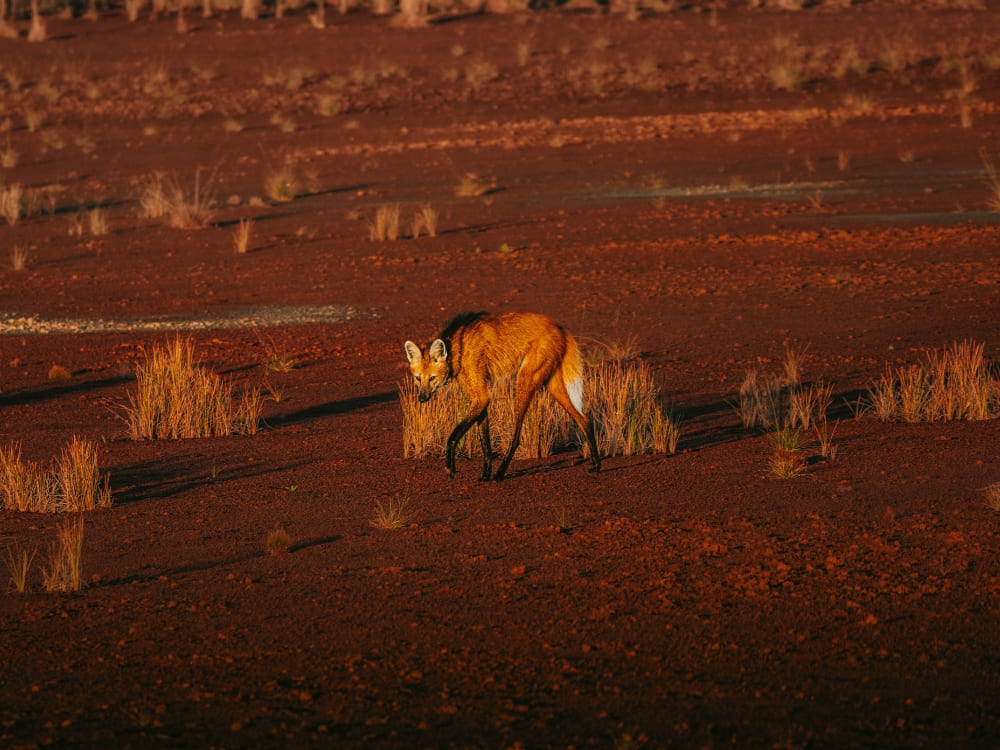
Certainly one of the best ecolodges in the region, the inn is the perfect accommodation for travelers who are crazy for outdoor activities such as hiking, biking and birdwatching. In partnership with Onçafari — a Brazilian biodiversity conservation project — the sighting of maned wolves is the experience most desired by guests, who embark on night tours to find the largest canid in South America in its natural habitat.
When is the best time to visit the Cerrado?
In the dry season(May to September), trekking and wildlife watching are the best experiences, but it’s during the rainy season(October to April) that the vegetation becomes more vibrant and the rivers get fuller.
How to get to the Cerrado?
Visitors going to Trijunção by air should land at Brasília International Airport (BSB) and continue to their final destination by car or chartered plane — both offered by the inn. On land, the route lasts approximately 5 and a half hours (333.7 km). How to visit the Cerrado.
Conceição de Ibitipoca, or simply Ibitipoca, is a district of Lima Duarte, in the Southeast of Minas Gerais. The village may not be very well-known, but it hides natural charms that will make your heart beat faster.
To dive deep into this wonderful place, you should stay at the Ibiti Project, a socio-environmental organization that also offers incredible ecotourism experiences. Currently, the project has more than 6,000 hectares of recovering fauna and flora, in addition to supporting regenerative tourism efforts and economic sustainability. These initiatives ensure greater endorsement for the environment and local communities.
The accommodation in one of the Ibiti’s three facilities (Engenho, Village and Remote) grants a high-end trip enveloped by trails, waterfalls, caves and viewpoints. Explore this little piece of paradise by wildlife watching, bike riding, paddleboarding or swimming in natural pools!
When is the best time to visit Ibitipoca?
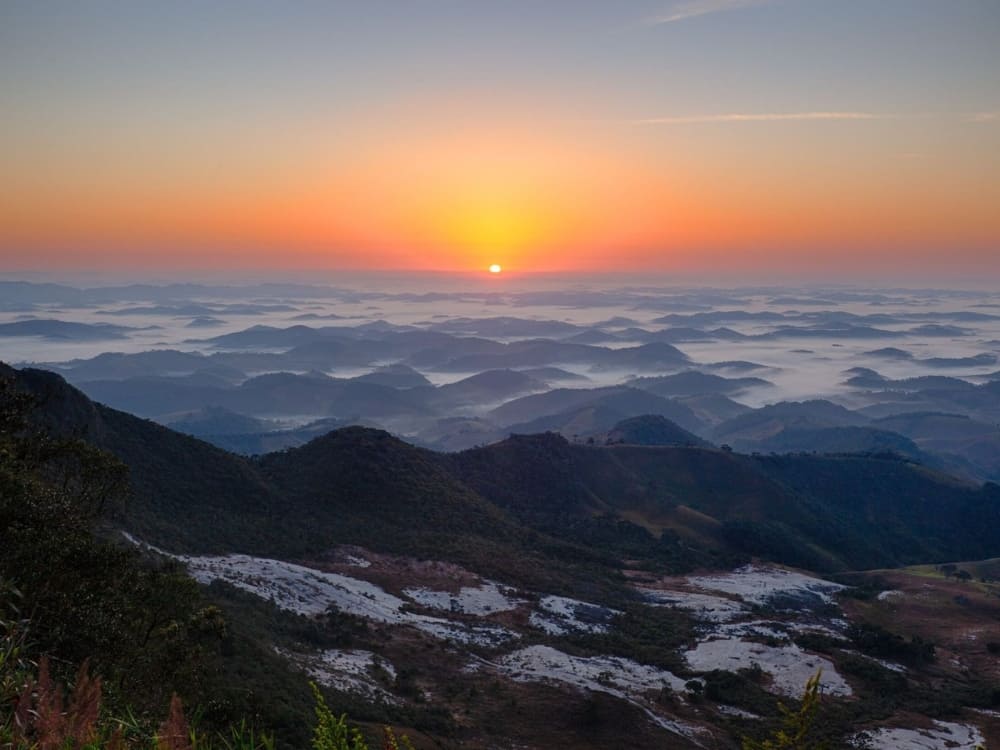
From April to September, the weather is great for hiking and outdoor walks, averaging 15° C to 25° C in the fall and ranging from 10° C to 20° C in the winter (daytime). During the summer and spring, the vegetation is vibrant, and the waterfalls are full.
How to get to Ibitipoca?
Land at Zona da Mata Airport (IZA) and head to Lima Duarte by car with the Ibiti Project shuttle service (about 2h30). There is also an airstrip and helipad on the property.
Landing and takeoff of private planes are approved upon evaluation of weather conditions and follow-up with experienced pilots for navigators who have never operated in the area.
14 – Abrolhos (BA)
.
Another perfect ecotourism destination for snorkeling is Abrolhos Marine National Park, on Bahia’s southern coast. Swimming in crystalline waters across the five volcanic islands of the archipelago (Santa Bárbara, Redonda, Guarita, Southeast and Siriba) will get you to the largest coral reef in the South Atlantic, shipwrecks and several marine species, such as the loggerhead sea turtle.
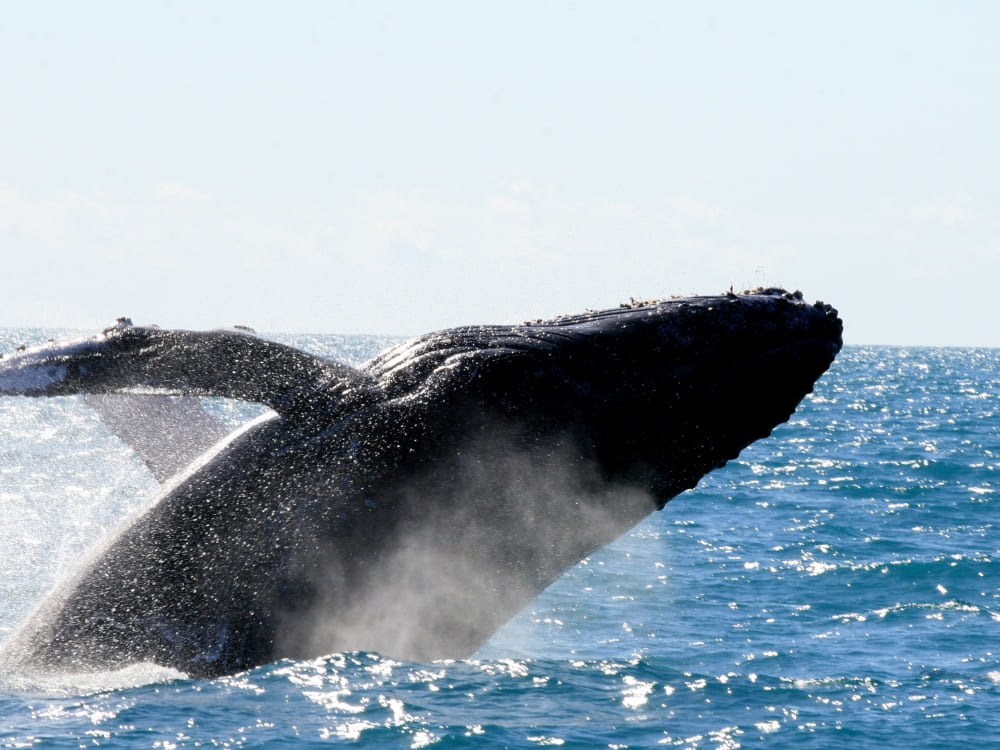
However, the great star of Abrolhos is, undoubtedly, the humpback whale. Every year, attracted by the calm and warm seas of the Bahia coast, these giants migrate from Antarctica to reproduce and deliver their young.
When is the best time to visit Abrolhos?
The whale watching season takes place between July and November, while scuba diving and snorkeling are best enjoyed from December to February.
Where to stay in Abrolhos?
Hotels and inns operate in Caravelas, a small town with 20,000 inhabitants, but many tourists choose to stay in collective or private cabins on catamarans that float in the waters of the national marine park.
In addition to not having to travel to the surrounding cities every day, visitors enjoy a fully immersive trip. That’s the case of the Abrolhos Liveaboard Diving package, perfect for those who can’t wait to explore the stunning sea of Abrolhos. Book now!
How to get to Abrolhos?
To get to Abrolhos, you have to go through Caravelas. The nearest airport is Porto Seguro (BPS), 145 km away. Operated by authorized agencies, boats are the only options to get to the islands.
Fernando de Noronha is one of the leading luxury ecotourism destinations in Brazil. A UNESCO World Heritage Site since 2001, the archipelago’s 21 islands are home to clear sand beaches, crystal clear waters, beautiful landscapes and Atlantic Forest vegetation.
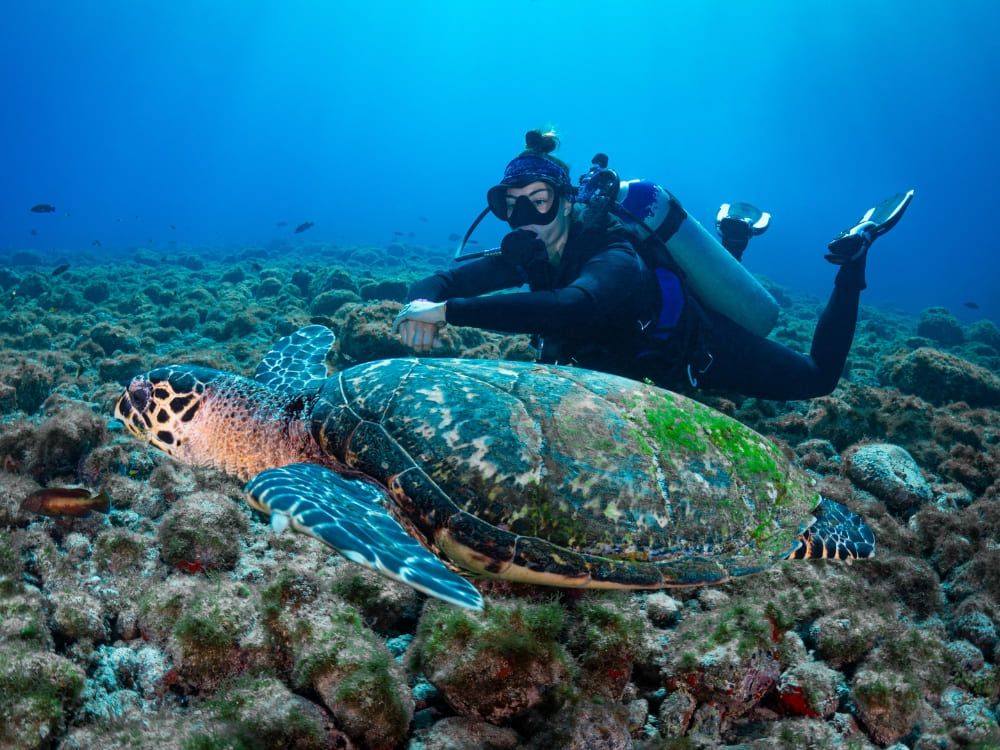
The great diving conditions make Noronha a highly sought-after destination for experienced divers and amateurs alike. Underwater, you can find several fascinating species of Brazilian marine fauna, including spinner dolphins, hawksbill sea turtles, green sea turtles and lemon sharks.
Other experiences include tours to some of the archipelago’s postcards: Cacimba do Padre, Baía dos Porcos, Praia do Sueste, Praia do Leão, Mirante do Boldró and more!
When is the best time to visit Fernando de Noronha?
From August to February, with a peak in October, visibility is perfect for underwater photography and marine animal sightings, but Noronha has amazing experiences all year round.
Where to stay in Fernando de Noronha?
The archipelago is filled with hotels and inns of different categories. Depending on the travel package, lodging is included or must be booked separately.
The most common route is between Recife International Airport (REC) and Fernando de Noronha Airport (FEN), but there are also flights from São Paulo (GRU) and Natal (NAT).
Visit Brazil’s best ecotourism destinations with PlanetaEXO
Now that you know the best places for ecotourism in Brazil, how about we start planning your trip? At PlanetaEXO, you will find sustainable activities, accommodation options that meet your needs and amenities for an unforgettable vacation. Contact us now!
Looking forward to exploring Brazil’s natural wonders? Discover the best tours for your Pantanal trip!
The best Pantanal safaris are the ones that allow for total immersion in this fascinating biome, with plenty of activities focused on exploring its impressively rich biodiversity.
Spanning an area of over 210,000 km², the Pantanal is the greatest place in Brazil for wildlife watching. Some of the country’s most celebrated animals call this territory their home, such as caimans, capybaras, macaws, and the greatest felines in the Americas: the jaguars.
PlanetaEXO specializes in Pantanal tours and handpicks the best local operators to make sure your trip includes diverse itineraries, great stay options, eco-friendly practices and unforgettable moments. Check it out!
.
Pantanal safaris in the North and the South
Before you start planning your trip, it’s important to know that the Pantanal is so extensively rich it’s divided into two sides: the North, in the state of Mato Grosso (accessible via Cuiabá), and the South, in Mato Grosso do Sul (via Campo Grande). Naturally, experiences in each region are different and should be considered before booking your trip.
The Northern Pantanal is ideal for jaguar spotting and boat safaris. The abundance of wildlife makes this area ideal for photographers and nature enthusiasts who can’t wait to see some of the most fascinating species of Latin America.
Meanwhile, Southern Pantanal is known for total culture immersion and traditional ranch experiences that mix cattle farming with ecotourism activities, such as horseback riding and canoeing. Seeing jaguars is a lot harder in the South — although not impossible — wildlife watching is still a must!
As the best place in the world to see jaguars, the North Pantanal is the main destination — although not the only one — for travelers whose main goal is spotting this magnificent feline.
Additionally, jaguar safaris tend to be a bit more expensive than other expeditions due to specific techniques required to make sure travelers can thoroughly enjoy the experience without stressing out the animals.
One of the main Pantanal safari tours from Cuiabá, this experience takes place in Porto Jofre, in the municipality of Poconé, by the end of the Transpantaneira Highway. It offers incredible activities for nature lovers who are dying to see jaguars roaming around their natural habitat.
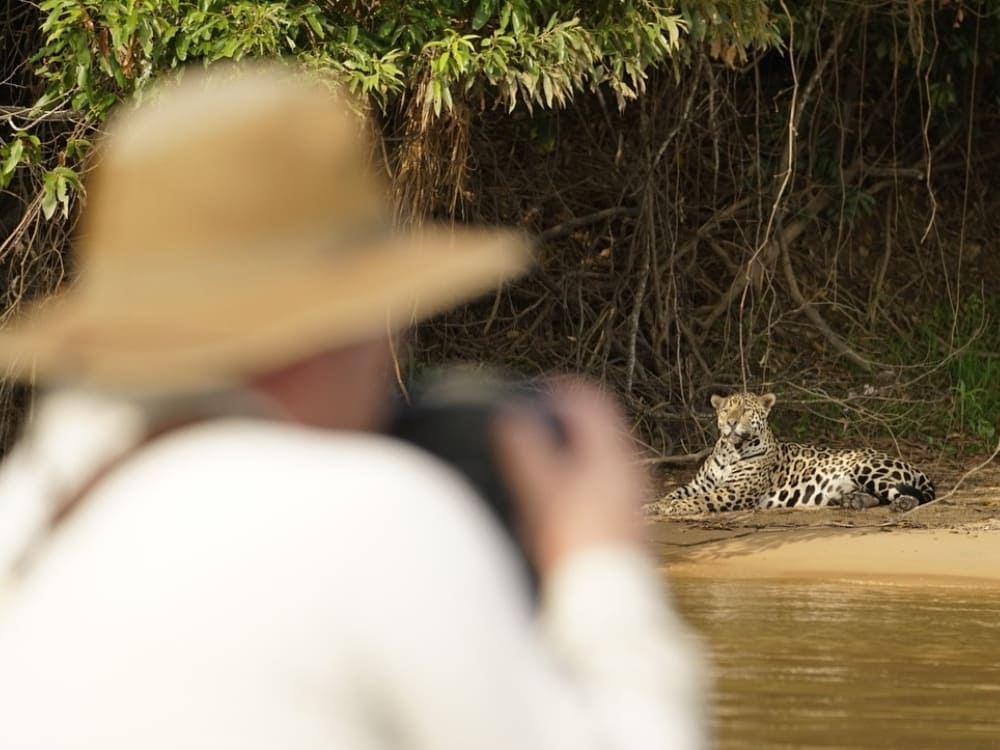
Sailing across the calm waters of the Cuiabá River, you’ll be able to see jaguars peacefully napping on top of trees, strolling on the riverbanks, swimming or even hunting for prey. Local guides will be with you during the boat safari to lead you to strategic spots to watch the wildlife and share their knowledge about the Pantanal.
This tour includes cozy accommodation, delicious meals, round-trip transfers between Cuiabá and Porto Jofre, English-speaking guides, and daily boat safaris to see jaguars and other Pantanal animals, like giant anteaters, caimans, and hundreds of different species of birds.
Ideal for professional and amateur photographers, this Pantanal photography tourfrom Cuiabá takes you on a trip to the heart of the biome to capture and immortalize its breathtaking beauty.
You’ll be accompanied by local guides with extensive background in wildlife photography to help you with the best techniques to take gorgeous pictures of jaguars, macaws, brocket deer, jabiru storks, and much more.
Regarding accommodation, there are two available options: Flotel, a floating hotel at the entrance of the Meeting of Waters State Park, and Berco Lodge, a classic Pantanal lodge.
Surely one of the most outstanding Pantanal tours from Campo Grande out there, this experience is the perfect mix between nature immersion and a high-end stay experience.
Although this tour takes place in the South, 100% of visitors who have booked it in the past years have spotted jaguars. This is all thanks to Casa Caiman and Onçafari, a conservation project whose goal is to make animals used to the presence of humans, which consequently raises awareness on environmental issues and helps to develop the area’s ecotourism.
Aside from the unparalleled experience of spotting jaguars, activities also include canoe trips, ecological hikes, and nocturnal expeditions for more wildlife watching.
By staying in Caiman, one of the highest-rated lodges in the Pantanal, your vacation is taken to the next level. Guests enjoy air-conditioned rooms with private bathrooms and balconies, sophisticated decor, sauna, gym, fire pit, swimming pool, sun decks, restaurant and a bar. It’s everything you need in luxury accommodation!
Wildlife safari are also a fantastic way to explore the native fauna. Since most of them take place in the South, the chances of spotting jaguars are slim, but you’ll still see amazing Pantanal animals. For the same reason, these experiences are more affordable, making them a great option for travelers on a tighter budget.
Led by expert guides, these Pantanal trips are perfect for those who wish to dive deep into one of the most captivating ecosystems in the world.
Photo safaris, night excursions, and boat rides in Aquidauana River are incredible activities to spot the Pantanal wildlife, while horseback riding, hiking, and piranha fishing allow you to get a deeper glimpse into the local life. You’ll feel like a true Pantaneiro!
English-speaking guides will be with you throughout the entire trip to pick the best locations to observe tapirs, giant anteaters and the imposing jabiru stork.
At the lodge, fill your belly with amazing food made with fresh ingredients, and have fun at the entertainment areas — including a beach volleyball court! — and just revel in this exceptional stay experience!
Nhecolândia is one of the Pantanal’s most iconic microregions, famous for its open fields, forest patches and seasonal lagoons near Negro River. This untouched land is perfect for travelers who thirst for adventure and seek for experiences deep into nature.
While wildlife safaris are generally cost-effective, this one stands out for its exclusivity, high-end services and authentic activities in a remote area. Explore the wetlands to spot (and photograph) some of the most beautiful species in Brazil: giant armadillos, macaws, capybaras, toucans, and many more.
Aside from photo safaris, the itinerary also includes canoeing, fishing and horseback riding. When crossing the flooded plains on horseback, you’ll understand what Pantaneiro life is really about. Don’t forget your cowboy hat!
By nightfall, relax in beautiful ecolodges equipped with comfy beds, air-conditioning, private bathrooms, charming decor and premium amenities. In the common areas, enjoy your stay in the lounge, library, garden or the orchard. Both accommodation options (Baía das Pedras and Barranco Alto) allow for gorgeous views of the Pantanal that will surely make your jaw drop.
Mato Grosso do Sul is blessed with the diverse natural beauty of Brazilian biomes, including the Pantanal, the Cerrado and the Atlantic Forest.
In this 5-day Brazil Pantanal safari, explore the largest wetlands on Earth with boat rides, horseback riding and wildlife tours on 4×4 vehicles to see ocelots, caimans, giant otters and deer in their native home.
By the third day, you’ll hit the road towards Bonito (2-hour drive) where you’ll experience some of Brazil’s most beautiful scenarios, such as São Miguel Cave, Anhumas Valley Ecological Park, Barra do Sucuri and Formoso River. Hiking, swimming in natural pools and river floating are just a few of the amazing activities included in this trip.
Choose your accommodation for both destinations based on your preferences and needs. All hotel options offer excellent services, delicious meals — full board in the Pantanal and half board in Bonito —, and facilities appropriate for couples, families or solo travelers.
If you are planning to travel to the Northern Pantanal, an excellent option is this Pantanal experience from Cuiabá. In Poconé, join nocturnal excursions, boat rides,horseback riding and hiking.
Spotting jaguars can be difficult here — although not impossible —, but you’ll still have a thrilling experience in photo safaris to watch jabiru storks, marsh deer and capybaras. Make sure to capture the beauty of the flora, too: water lilies, wild orchids, bromeliads and ipês (Brazil’s national flower).
Take advantage of the premium services of your accommodation and let your tiredness and problems melt away. Dive into the pool, get a tan on the sun deck, and appreciate the breathtaking natural view.
Safaris and boat trips in South Pantanal followed by snorkeling and swimming in Bonito’s rivers and natural pools.
US$ 1,395
*Per person, based on double occupancy in group departures. Prices may vary depending on season and availability.
.
Pantanal safari reviews
It’s clear that the Pantanal in Brazil is one of the most spectacular ecotourism destinations on the planet, but what do travelers say? With the finest tour operators in the business, PlanetaEXO has taken hundreds of tourists to this paradise over the years.
See what our customers think about some of our Pantanal safaris
PlanetaEXO is an ecotourism platform specialized in Pantanal tours. We’re committed to turning your dream vacation into a reality by assisting with bookings, tailor-made itineraries and everything else you might need.
We also connect you with the best Pantanal tour operators to create authentic travel that will forever be engraved in your brain — and your heart. Contact us now!
As a destination heavily influenced by climate conditions, learn everything you need to know about seasons and the weather before you plan your Pantanal trip!
The best time to visit the Pantanal is from May to October, covering the intermediate and dry seasons. However, this is an all-year round destination, since its seasons present different opportunities for activities amongst ever-changing landscapes.
Just like other wetlands around the world, the annual rise and fall of water levels in the Pantanal provides the foundation for its ecological system. Although the region’s climate and wildlife behavior is heavily influenced by these seasons, they’re becoming more unpredictable each day due to climate change — which can cause variations in forecasts.
Photo: Felipe Castellari, Caiman
Seasons and the Pantanal weather by month
The Pantanal has four well-defined main seasons: rainy, wet, intermediate and dry seasons.
Due to its location in the Brazilian Highlights, temperatures remain relatively consistent year-round, averaging 27°C (80°F). In this guide, we’ll explain the differences between each season and the best time to book your Pantanal safari.
Pantanal Rainy Season (November and December)
The rainy season begins in November and lasts until December, bringing the first rains and transforming the landscape into a vibrant green. It marks the start of the regeneration cycle, with the flora growing and wildlife beginning to spread out again.
The abundant food sources draw in hundreds of bird species, who take the opportunity to teach their young how to fly. Flocks of macaws and storks are often spotted, but sightings of mammals have become less frequent.
The average temperature in November and December in the Pantanal ranges from 23°C to 28°C (73°F to 82°F), with increasing humidity as the rains commence.
.
Pantanal Wet Season (December, January, February and March)
The wet season in the Pantanal is also characterized by rainfall. During this period, the plains flood and the rivers overflow, creating a vast aquatic environment.
January and February in the Pantanal are the months with the most rainfall during this season, making the landscapes even more dynamic and lush. It’s an ideal time to explore the biome by boat, as the waterways expand and offer access to remote areas.
The wildlife — including caimans, capybaras, and countless species of birds — thrive in this atmosphere, but access to some areas may be limited due to high water levels.
With high humidity, the average temperature during the wet season ranges from 24°C to 29°C (75°F to 84°F).
Photo: Aleksandrs Orlovs
Pantanal Intermediate Season (April, May and June)
From April to June, the intermediate season marks the transition from the wet to the dry season. As the water levels start to drop and more land is exposed, the animals that had scattered with the flood return to the plains once again.
This time is excellent for birdwatching, as many species gather in the remaining waters. The landscape begins to dry, but the vegetation remains lush and green, offering a beautiful visual contrast.
April brings starry skies and a milder weather that can make night expeditions even more delightful. By May, temperatures are consistently pleasant — great for Pantanal safaris during the day!
Average temperatures range from 22°C to 27°C (72°F to 81°F), providing a slightly fresh, yet comfortable climate for exploration.
.
Pantanal Dry Season (July, August, September and October)
The dry season is arguably the best time for wildlife watching. As water sources diminish, Pantanal animals tend to cluster around the remaining watering holes, making them easier to spot.
August, in particular, is known for clear skies and very little rain, ideal for safaris and photographic tours. It’s also a great time for horseback riding and walking tours, as the dry paths make exploration more accessible.
The average temperature during ranges from 20°C to 26°C (68°F to 79°F), making it the most pleasant season for outdoor activities.
Photo: VisitMS
When is the best time to see jaguars in the Pantanal?
In North Pantanal — aka the best place in the world to see jaguars —, the animals begin to concentrate on the riverbanks as the water level starts to drop, between the intermediate season (May to June), and continue to gather until October, during the dry season.
This significantly increases the chances of spotting jaguars, making this the best time to go to the Pantanal for many travelers, who can enjoy unforgettable moments on boat safaris in Porto Jofre to watch these magnificent creatures in their natural habitat.
However, in South Pantanal, there is a hidden gem: an ecological refuge that offers the Luxury Jaguar Safari. Here, visitors can see jaguars at any time of the year, regardless of the season, as they are protected in preserved areas and are accustomed to the presence of humans. Safaris are done by 4×4 vehicles, providing an exciting and immersive experience.
Porto Jofre, in the municipality of Poconé, Mato Grosso, is the Northern Pantanal main town, where most of the lodges are located. See what the weather is like right now:
South Pantanal weather
Corumbá, in Mato Grosso do Sul, is one of the surrounding towns of the Southern Pantanal. Aquidauana and Miranda are also important getaways for the wetlands. This is the current weather:
Now that you know when is the best time to visit the Pantanal in Brazil and learned a little more about the weather and the seasons, let’s start planning your vacation!
PlanetaEXO specializes in Pantanal tours and works with the best local operators to make sure your travel and stay experiences are unlike any other. Contact us now!
2025 was a special year for travel in Brazil and for everyone who chose to experience the country through nature
At PlanetaEXO, we welcomed more than 1,000 international travelers over the year, all looking for journeys that went beyond short visits and famous highlights.
When we look back at what travelers shared after their trips, through verified reviews and feedback, a clear pattern appears. The destinations that left the strongest impression were those where people could move through the landscape over several days, letting nature set the rhythm instead of following a tight schedule.
Beyond the landscapes themselves, these journeys also stood out for the positive impact they create at each destination, supporting local communities, valuing local knowledge, and traveling in a way that respects the places visited.
Five-star destinations that stood out in 2025, shaped by the adventures travelers valued most.
Lençóis Maranhenses
Walking routes that turn dunes and lagoons into a multi-day journey
Lençóis Maranhenses was the destination most often mentioned throughout the year. What travelers appreciated most were the multi-day trekking routes across the national park, where the journey happens entirely on foot.
Adventurers cross wide dune fields, swim in seasonal freshwater lagoons and spend nights in small villages along the way. Many people describe the experience as crossing a living landscape that changes every day.
An unforgettable experience. Brazil reveals itself here, in Lençóis, through landscapes that are incredible and truly unique in the world.
Multi-day hikes through deep valleys and local communities
In the Vale do Pati, in Chapada Diamantina, travelers consistently highlighted the classic multi-day trek through the valley as one of the most meaningful experiences of their time in Brazil.
Days are spent hiking between viewpoints, waterfalls and river crossings, while nights are spent in the homes of local families who live inside the park. What stays with many travelers is the sense of continuity — walking all day, sharing meals and waking up surrounded by the same landscape.
From start to finish the whole trip was amazing. The valley is stunning, the hikes were well planned, and the hosting families made the experience even more special.
From jungle lodges to survival expeditions deep in the rainforest
The Amazon stood out in 2025 for offering two very different ways of experiencing the rainforest, both leaving a strong impression on travelers.
Some chose classic Amazon jungle lodge adventure, combining river navigation, forest walks and wildlife observation. Others opted for longer survival-style expeditions, learning how to move, navigate and live in the forest over several days.
The lodge and tour were perfect. I learned so much about Amazon, it's people and the wildlife and flora.
Wildlife encounters shaped by open landscapes and rivers
In the Pantanal, what travelers remember most is how natural wildlife encounters feel. The open floodplains and rivers allow people to observe animals without long waits or artificial setups.
Many adventurers mention seeing iconic species — including jaguars — early in the trip, which often defines the tone of the days that follow.
A wonderful experience in a beautiful environment. We saw a jaguar on the first day and many other animals during the trip.
Remote Cerrado landscapes that reward those who go further
Jalapão surprised many travelers in 2025. The most appreciated experiences were multi-day expeditions across the Cerrado, connecting sand dunes, waterfalls, fervedouros (natural springs) and long stretches of open land.
People often describe how distance, dirt roads and long driving days are not inconveniences, but essential parts of what makes the journey feel real and memorable.
Sensational. Jalapão is breathtaking. Incredible landscapes, perfect organization, and very professional guides. An unforgettable experience.
What these journeys say about how people want to travel
Across all five destinations, one thing becomes clear: people are choosing trips that give them time to be present. Journeys that unfold over several days, where movement through the landscape matters more than ticking off stops, and where nature sets the rhythm of each day.
If this way of traveling resonates with you, 2026 is a great moment to start planning. These destinations, and the adventures within them, are exactly where many travelers begin when they’re looking for a deeper, more meaningful way to experience Brazil.
👉 Join us on five-star adventures that make a positive impact.
Not sure when is the best time to travel to the Amazon? This guide will teach you everything about the forest’s seasons and help you plan your next vacation!
With two very well-defined seasons (wet and dry seasons), the best time to visit the Amazon Rainforest depends on what you’re looking for. This is an all-year-round destination, but some periods are more favorable to certain activities than others
The weather is warm throughout the entire year, but it’s the humidity you should pay attention to—it is a rainforest, after all. The rain is mostly an everyday occurrence, but there are specific times when rainstorms are more common. But don’t you worry: your experience will not be affected!
To help with your vacation planning, PlanetaEXO, a platform specialized in Amazon Rainforest tours in Brazil, has put together a guide on when you should book your trip. Check it out below!
Visiting the Amazon in the wet season
December, January, February, March, April and May
The wet season is when rainfall is the heaviest, from December to May. Rivers get higher, the Amazon Basin starts to flood and the weather is slightly cooler, with an average temperature of 25,8 ºC (78 ºF).
Rainstorms hit the forest daily, but your trip won’t be negatively affected, since they only last about an hour per day. When the sky clears, you can go back outside and enjoy yourself.
Another impressive feature of the rainy season is the igapós. The intense rainfall causes some areas of the forests to become flooded. Depending on river levels, the water can reach up to 10 meters in height, transforming the vegetation into a natural pool that delights underwater animals and humans alike.
.
Amazonian winter
While the rest of Brazil heats up with spring and summer, the Amazonian winter (December to March) affects the Northern states.
Despite its name, the season is really not about temperature — which remain high, as usual —, but the intensity of rainfall that causes rivers to rise and forests to flood. In the Amazonian winter, it’s possible for the amount of rain that would normally fall in an entire month to fall in two or three days.
This phenomenon happens for a few reasons:
Lack of well-defined season in the North
Oscillation of a band of cloudiness over the Equator
Transport of humidity from the North Atlantic
Specific climatic phenomena, such as La Niña
Your travel experience isn’t negatively affected by this, but some activities are more favorable than others during this time, as detailed below.
What to do during the wet season in the Amazon Rainforest?
This is the perfect season for water-related itineraries. Due to the heavy rainfall, you don’t walk through the forest, you navigate through it:
Igapós (flooded forests): Canoe, swim or go on aquatic hikes between treetops, orchids, bromeliads and other plants at eye level.
Wildlife watching: Terrestrial animals tend to climb to the treetops when the forest floods, making it much easier to spot sloths and monkeys. Various species of birds and the famous Amazon pink dolphins are also frequently seen.
Destinations for the Amazon rainy season:Anavilhanas National Park, Mamirauá Reserve and Alter do Chão are some of the top places to travel during this period. Explore water labyrinths, admire the wildlife and join canoe trips.
River cruises: Sailing across the Amazon, Negro or Solimões rivers on 3-floor vessels is a wonderful way to experience nature from a whole new perspective.
June, July, August, September, October and November
Between June and November, the dry season makes the temperature warmer, with an average of 27,9 ºC (82 ºF). It still rains, but it’s less frequent and the water volume is lower. This allows the floods to drain, unblocking various hiking trails that were previously submerged — although there still are a considerable amount of flooded areas.
Less rain also means reduced rivers and a better look at different species of fish and even Amazon pink dolphins. When the water recedes, aquatic animals have less space to swim around, so their occupation is concentrated in smaller zones.
Keep in mind: from October to December, extended dry seasons are becoming more frequent, causing rivers to shrink, limiting access to a few areas and potentially reducing encounters with some species of animals and plants. The rivers are expected to slowly start rising by November and December. The conditions are much better by January, so the recommendation is to book your tour from this month onwards.
.
What to do during the dry season in the Amazon Rainforest?
Land-based itineraries are the highlights of the dry season, but it’s still very much possible to do incredible aquatic activities:
River beaches: Known as the Caribbean of the Amazon, Alter do Chão is the main destination for visiting river beaches, though Anavilhanas and the Manaus region are also great spots.
Jungle hiking: This is the perfect time for modest hikes or long treks in the forest — including caves and waterfalls —, as well as camping and night walks.
Night spotlight: As the flooded area shrinks drastically, caimans gather on the banks of the main rivers and the remaining lakes. At night, “spotting” (shining flashlights into their eyes) reveals hundreds of bright spots in the water. With some luck, you might see other nocturnal creatures, too.
Amazon river cruises: Cruises are one of the most versatile activities in the Amazon, as they can be enjoyed during both the rainy and dry seasons.
The high season is the time of year when the greatest number of people visit a certain destination. Increased demand doesn’t harm the travel experience, but it can affect aspects such as higher prices, more visitors, and reduced availability in the best Amazon jungle lodges.
The following months are usually the busiest:
December and January: Holidays, vacations, and work/school breaks cause people to travel more.
February: Carnival is one of the most important holidays in Brazil. After four days of festivities, tourist activity in the Amazon tends to grow (usually in the second half of February, depending on the annual calendar).
June, July and August: School break in Brazil, and North American and European countries.
.
The low season occurs during the months not mentioned above. If you are looking for more peacefulness, exclusivity, and affordable prices, this is the best time to go to the Amazon!
Amazon Rainforest weather
The Amazon in Brazil is big enough to reach eight different states, but we’ll focus on three: Amazonas, Pará and Mato Grosso. All of them, of course, have their own features, travel options and weather patterns.
To help you decide when is the best time to go to the Amazon, check the widgets below to see how the weather is right now in these locations.
Manaus is the capital of Amazonas, the state in which the forest occupies the largest portion – about 29% of the Brazilian Amazon, ranging 1.450.00 km². It’s bigger than the entire country of Peru (1.285.216 km²)!
That’s why Amazonas is the most seeked out destination for a lot of people who want to immerse themselves into the Amazon Rainforest. Makes sense, huh?
Belém, Pará
Pará sits right beside Amazonas, in the North of Brazil. The Amazon takes up a smaller area here, with “only” 930.00 km². It’s almost as big as Tanzania (947,303 km²), in Africa.
See below how the weather is right now in Belém, the capital of Pará.
Alta Floresta, Mato Grosso
Alta Floresta is a town in Mato Grosso with a population of over sixty-two thousand people, located in the north of the state and the south of the Amazon. The rainforest takes up 470.000 km² — larger than the California area (423,967 km²).
Take a look at the current weather in Alta Floresta:
The best time to visit the Amazon in Brazil is whenever you want!
As a year-round destination, the Amazon allows for incredible experiences at any time — it all depends on your schedule and preferences.
Now all you have to do is choose the most convenient date to plan your trip with PlanetaEXO, the ecotourism platform specialized in Amazon Rainforest tours in Brazil that works with the best local partners. Our team will help with everything you need to make your vacation one of the best moments of your life. Contact us now!