Author: Lucas Planeta Exo

  • 10 Amazing Facts About the Pantanal

    10 Amazing Facts About the Pantanal

    Planning your Pantanal trip? From location to wildlife and ecological relevance, discover 10 incredible facts about this natural paradise in the heart of Brazil!

    The largest wetland on the planet, the Pantanal is a fascinating biome that many people consider the beating heart of South America due to the abundant fauna and flora, as well as environmental importance.

    This beautiful place is so important, it has its own day. Pantanal Day is celebrated on November 12th, in honor of environmentalist Francisco Anselmo Gomes de Barros, who bravely fought against installing alcohol and sugar plants in the Paraguay River basin, in 2005.

    Knowing the history of this biome is a good starting point for honoring those who took action to protect it. That’s why PlanetaEXO, an ecotourism platform specializing in Pantanal tours, has put together a list with 10 facts about the Pantanal. Check it out!

    1 – Where is the Pantanal: territory as big as three European countries

    The Pantanal is mostly located in Brazil, more precisely in the states of Mato Grosso and Mato Grosso do Sul, extending itself across parts of Paraguay and Bolivia.

    Between North and South Pantanal, the area spans over 210,000 km², representing 1.76% of Brazilian territory. This area is so big it can fit Hungary (93,000 km²), Serbia (77,000 km²) and Switzerland (41,000 km²) combined!
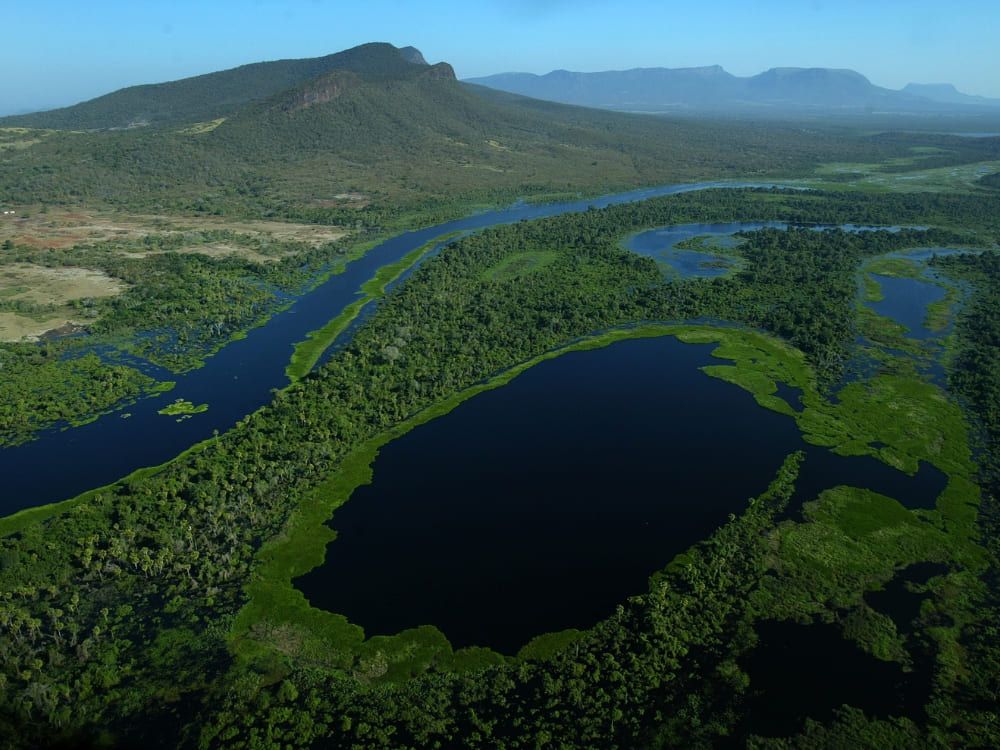
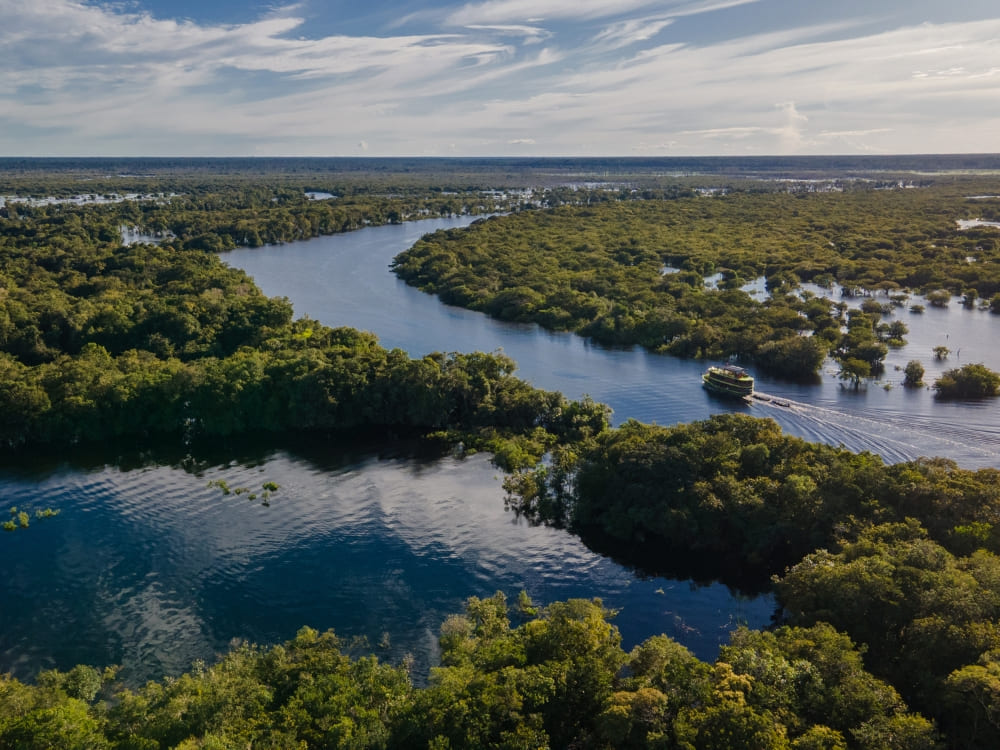
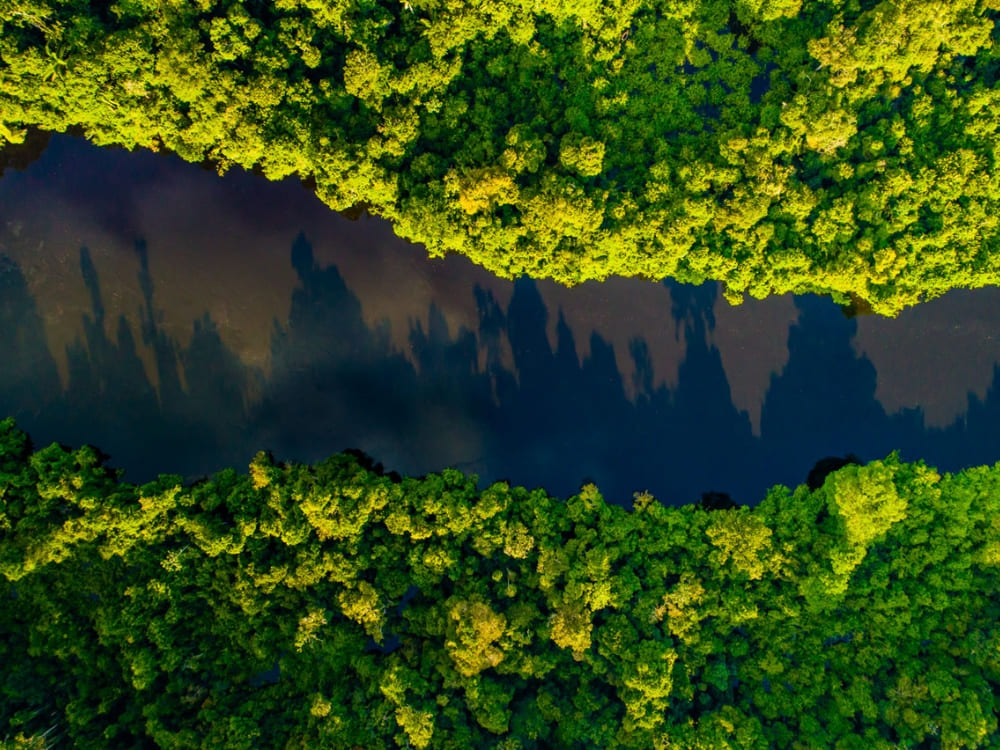
    Aerial view of a deep blue river winding through the vast green plains of the region where is the Pantanal located.
    .

    👉 Read more: How to get to the Pantanal, Brazil

    2 – Home of jaguars

    The largest feline in the Americas is frequently seen in the Pantanal — especially in the North side, near the Cuiabá River.

    In the past, jaguars were found in the southwestern United States and in central Argentina. Nowadays, after habitat loss and mass hunting, they’re primarily spotted in Brazilian lands.

    Pantanal safaris allow for indescribable experiences of jaguar sightings, where these beautiful predators can be seen resting, swimming, and searching for prey.
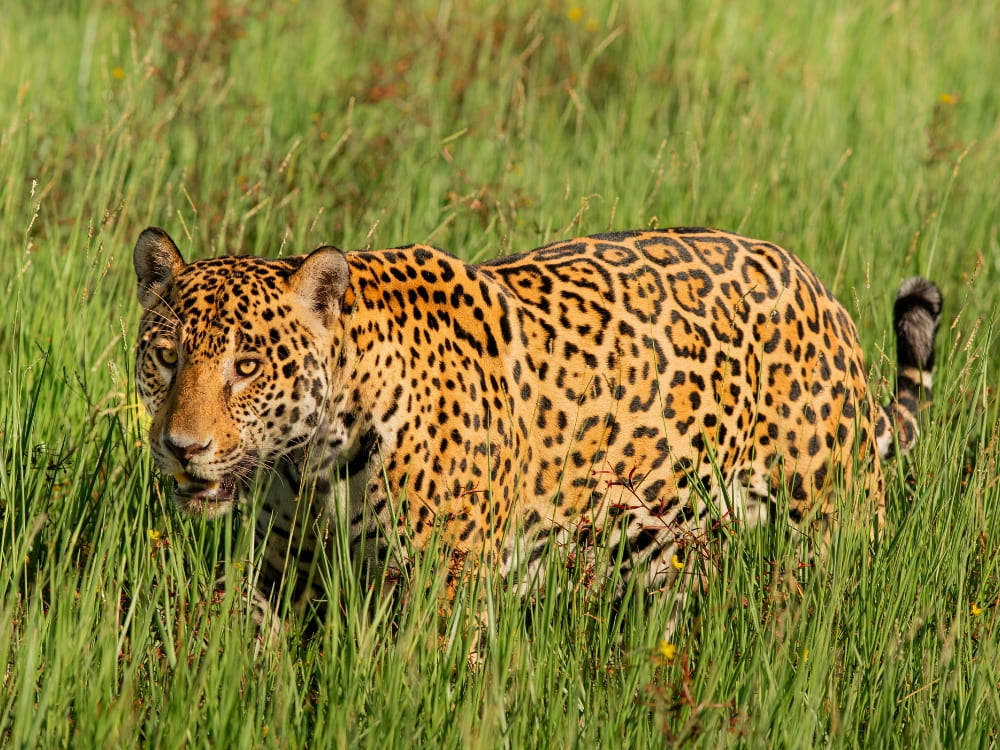
    A spotted jaguar walking through the tall green grass in the sunlight of Pantanal Brazil.
    Photo: Matias Ternes

    👉 Read more: Where is the best place to see jaguars in the Pantanal?

    3 – Wildlife hotspot 

    Boasting one of the highest concentrations of animals in South America, the Pantanal fauna consists of 1,500 different species, including 650 types of birds, 325 fish, 159 mammals, 98 reptiles, and 40 amphibians.

    This diversity is directly connected to the climate, especially when it comes to seasonal floodings. Many vertebrates join the Pantanal wetlands during the dry season for the abundant food caused by the excess water, while migratory animals arrive during the wet season looking for a safe place to mate and breed.

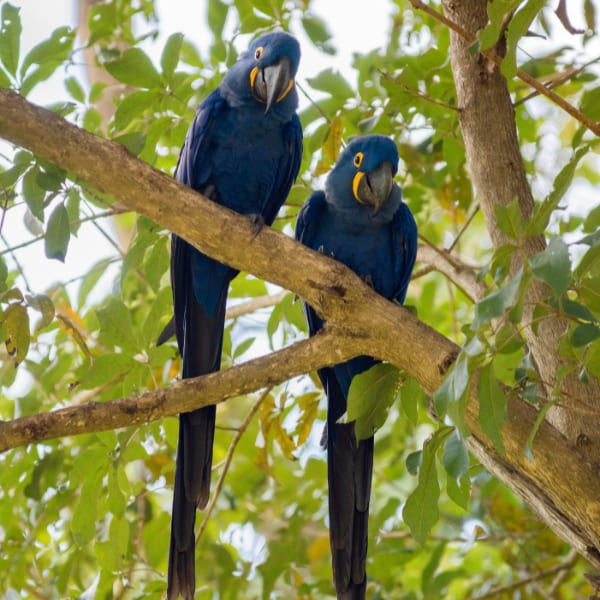
    Besides the jaguars, some of the most celebrated Pantanal animals are giant anteaters, capybaras, blue (hyacinth) macaws, giant otters, brocket deer, yellow anacondas, and jabiru storks.

    No wonder this is one of the best places for wildlife tours in Brazil!
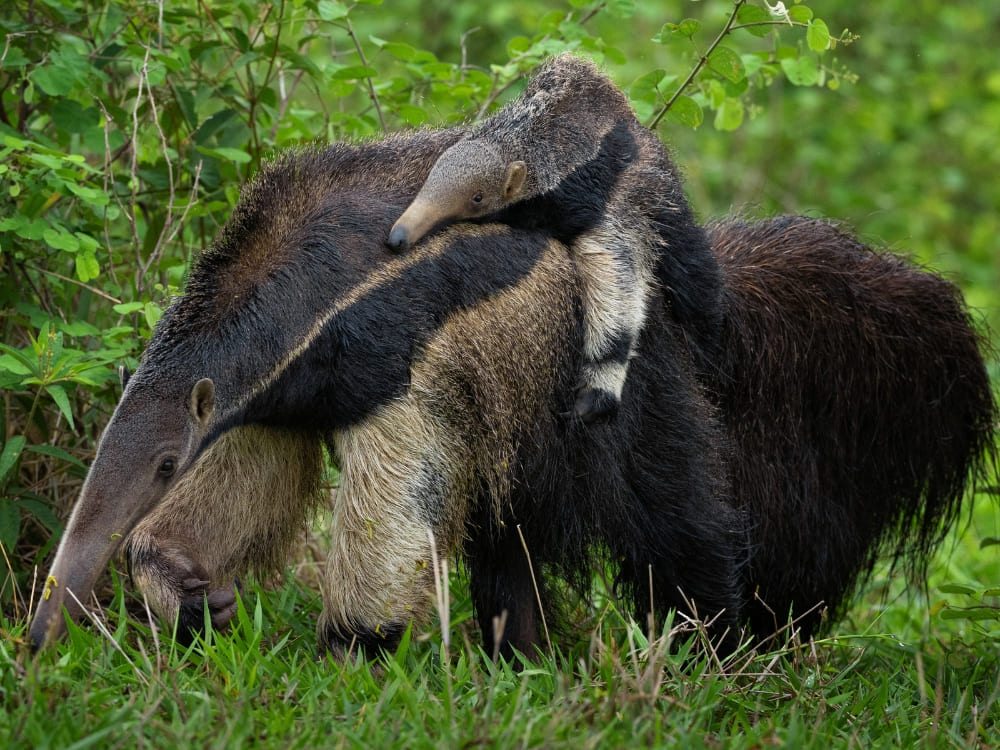
    A giant anteater walking across a grassy field carrying its young calf on its back in the Pantanal wetlands.
    Photo: Keith Ladzinski

    4 – Only 5% of the Pantanal in Brazil is protected

    Sadly, the next Pantanal fact is not as exciting. Only 5% of its total area is protected by conservation units, which consist of:

    • Meeting of Waters State Park
    • Guirá State Park
    • Taiamã Ecological Station
    • Rio Negro Pantanal State Park
    • Acurizal Private Natural Heritage Reserve
    • Private Natural Heritage Reserve Sesc Pantanal
    • Pantanal Matogrossense National Park (recognized by UNESCO as a World Heritage site in 2000)

    95% of the Pantanal is under private ownership, mostly for cattle grazing. In November 2024, areas affected by deforestation were estimated at 146,150 km².
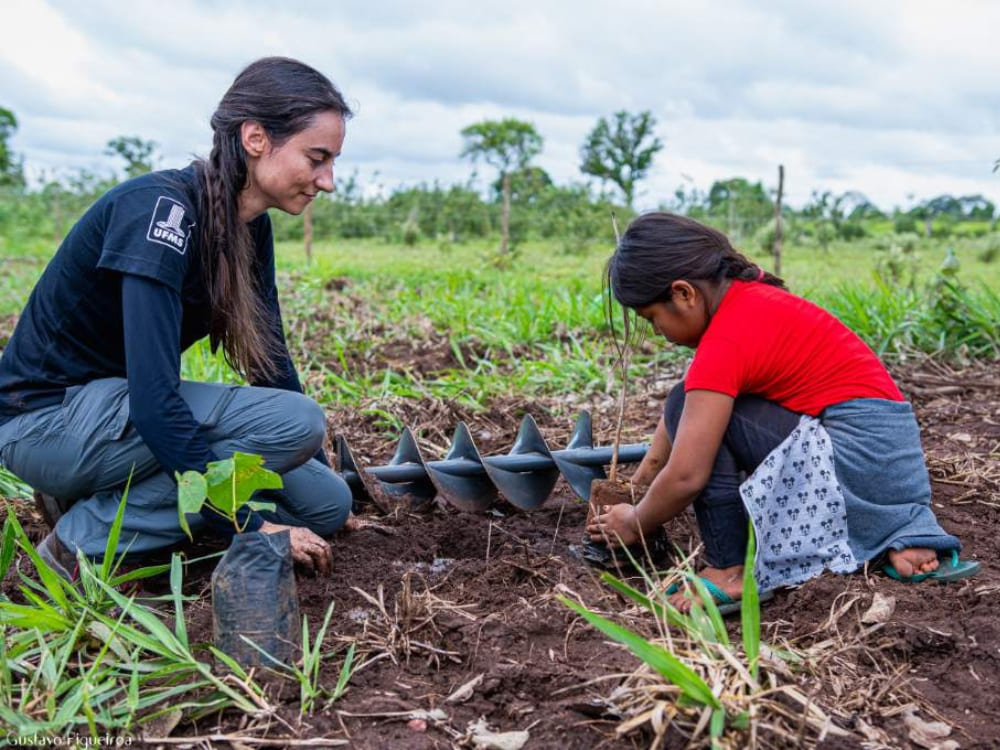
    A woman and a young girl kneeling in the dirt to plant a tree sapling in the Pantanal wetlands.
    Photo: Gustavo Figueiroa – SOS pantanal

    5 – Tropical climate

    One of the main facts about the Pantanal is the tropical climate. The biome has two very well-defined seasons: winter (April to September), marked by drought and high temperatures, and summer (October to March), with regular rainfall and warm weather.

    Throughout the year, the average temperature varies from 20º C to 30º C, although thermal sensation gives the impression of even more heat. 

    In general, travelers prefer to book Pantanal trips during the dry season due to better conditions for outdoor activities, such as wildlife watching, photo safaris, hiking, horseback riding, etc.
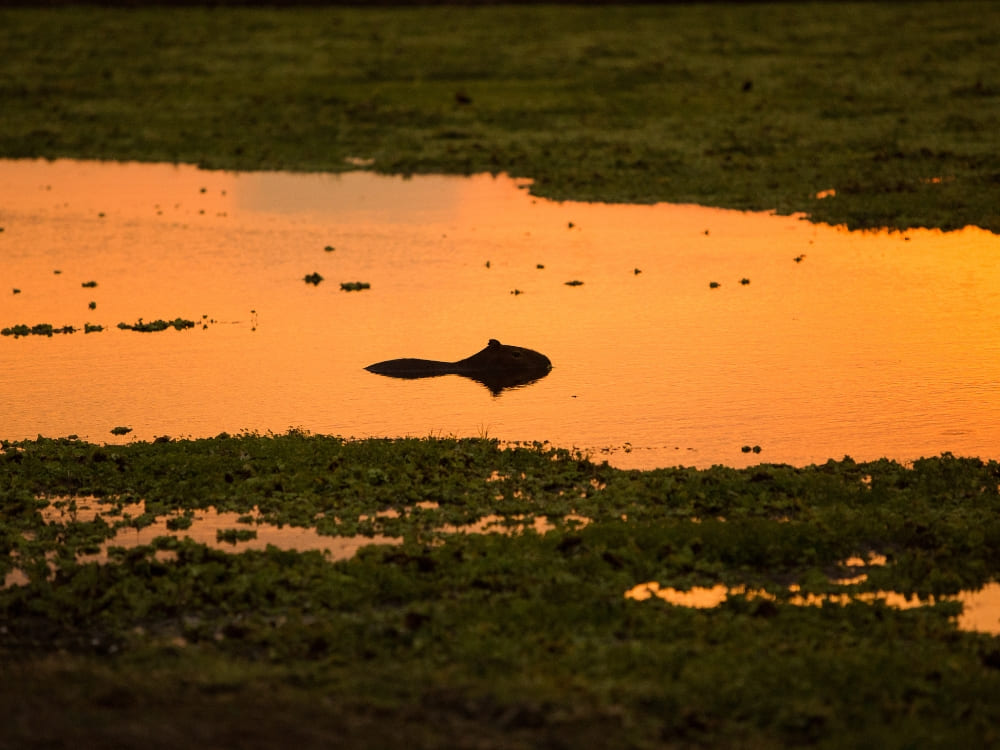
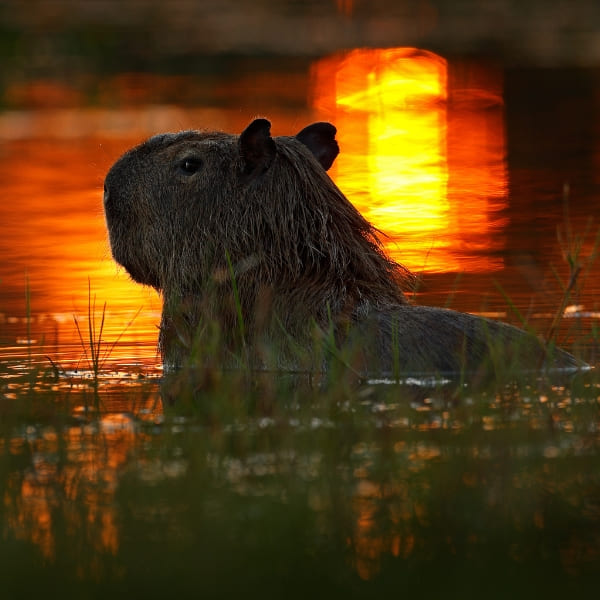
    A capybara swimming in a river illuminated by the golden light of dusk, a scene showing what is the Pantanal aquatic life.
    VisitMS

    👉 Read more: When is the best time to visit the Pantanal?

    6 – Hundreds of rivers form the Pantanal basin

    The river basin of Alto Paraguai, in the south of Mato Grosso, is formed by 180 rivers. This very same basin supplies the Pantanal.

    The Paraguay River is the longest, ranging 2,695 km. Its tributaries are just as impressive: São Lourenço (670 km), Cuiabá (650 km), Aquidauna (565 km), Miranda (490 km), Taquari (480 km), and Coxim, (280 km).

    During the wet season (December to March), the soil quickly soaks up all the rainwater and floods into the lakes and rivers. Due to the low slope of the plain, the rivers get so full that scientists estimate the water takes over four months to cross the entire biome!
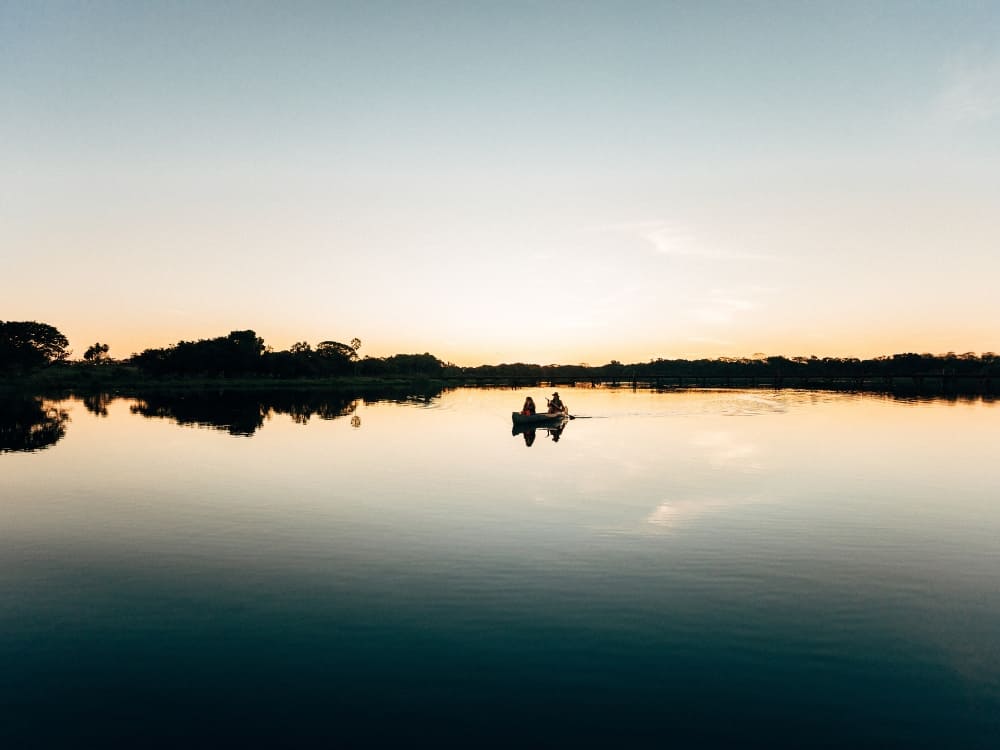
    Two people paddling a canoe on a calm river that mirrors the sky in the area where is the Pantanal.
    Photo: Felipe Castellari

    7 – The kidneys of South America

    “If the Amazon Rainforest is seen as the lungs of the Earth, then we can say the Pantanal are the kidneys of South America, says Cássio Bernardino, Project Coordinator of WWF-Brazil.

    The biome is essential for this region’s ecosystem, as it works to filter water, control and regulate floods, and ensure water flows arrive properly in Mato Grosso, Mato Grosso do Sul, Bolivia, Paraguay, and Argentina.

    In the summer, 180 million liters of water reach the Pantanal Plain. This accumulation forms the flooded areas, including swamps, marshes, lakes and bays connecting the rivers.
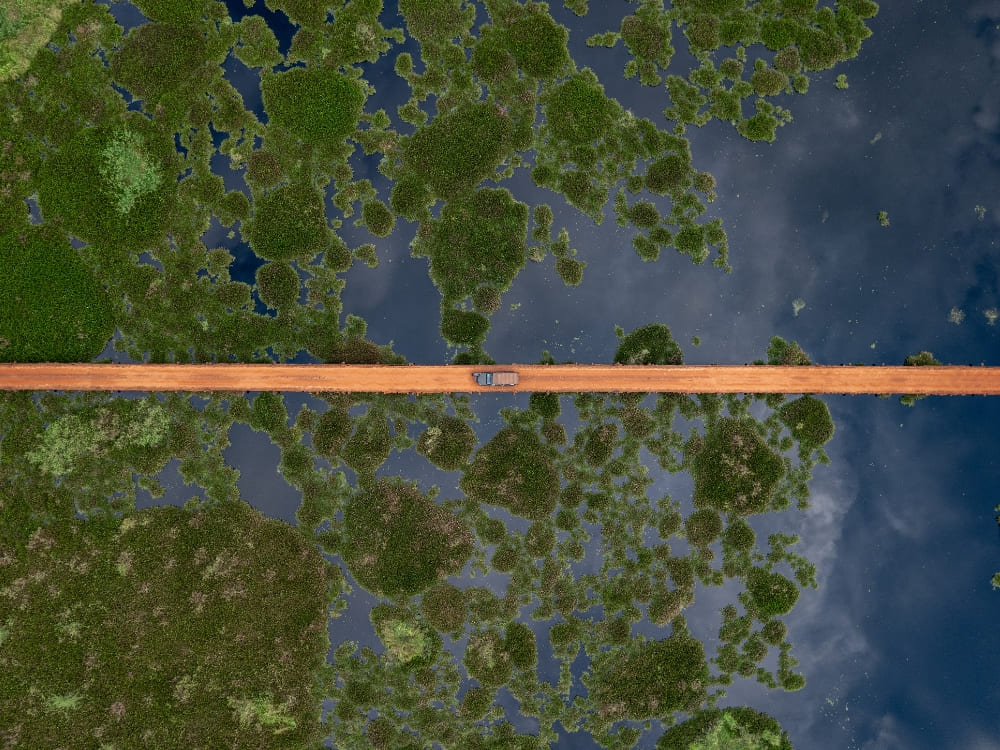
    Aerial shot of a straight dirt road cutting across the flooded green landscape of Pantanal Brazil.
    Photo: Felipe Castellari

    8 – Indigenous groups and Pantaneiros, the local communities of the Pantanal

    Over 40,000 indigenous people of different ethnicities live in these lands, mostly from Terena, Guató, Bororo, Kadiwéu, Guaranis Kaiowá and Guaranis Ñandeva groups. Despite their differences, all of them show deep respect for nature and are incredibly important for safeguarding the Pantanal ecosystem and its traditional customs. 

    Additionally, riverside communities live the true Pantaneiro life. The most well-known are three neighboring villages on the border of Mato Grosso and Mato Grosso do Sul — Barra de São Lourenço, Serra do Amolar and Binega.
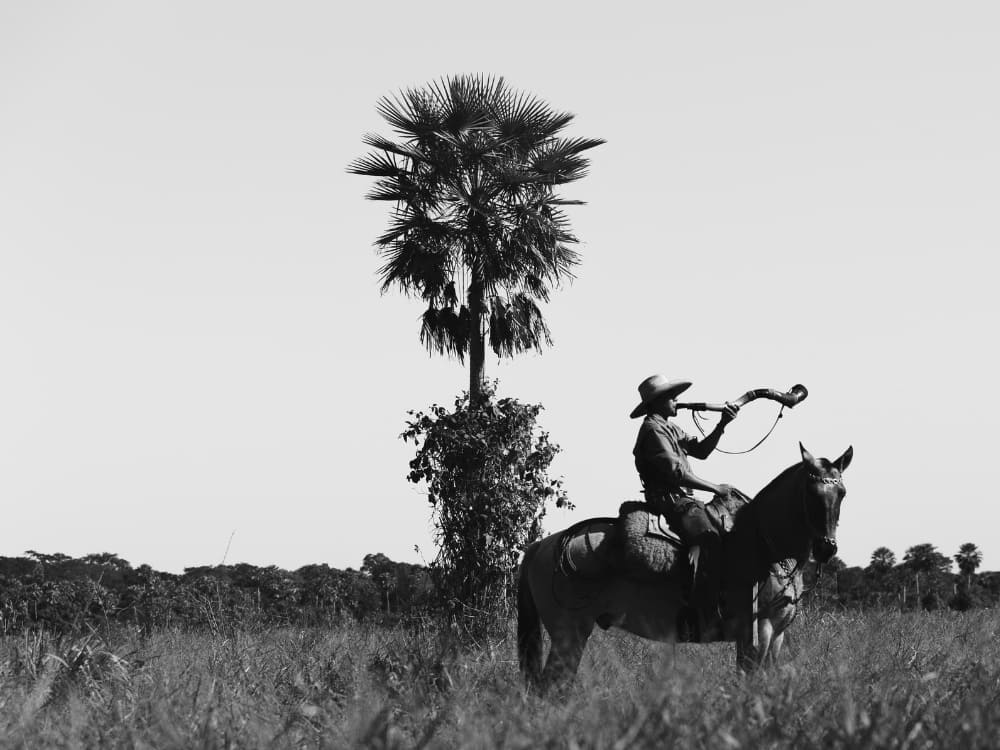
    Black and white photo of a Pantaneiro cowboy on a horse blowing a cattle horn, illustrating cultural Pantanal facts.
    Photo: Victor Collor

    Thirty-six families have called the Pantanal’s largest conservation area their home for several decades now, working in silent collaboration with the biome. Nature provides for them, and they do their best to ensure its safety.

    That’s why environmental awareness goes beyond simply trying to save natural resources. The destruction of nature also affects people — some more directly than others. Deforestation and fires have been causing irreversible damage to indigenous groups and Pantaneiros in their backyards, shattering their primary sources of income and overall quality of life.

    On the bright side, Pantanal trips that follow sustainable practices are a powerful way to care for the environment and local communities. In addition, deforestation has dropped 75% between August 2024 and April 2025. The numbers are encouraging, but there’s still a long way to go.

    👉 Read more: 5 Pantanal Conservation Projects Making a Real Impact

    9 – Fires, deforestation and other environmental challenges

    One of the most concerning environmental issues in the Pantanal wetlands is fire. In 2024, specifically between January 1st and June 30th, 3,538 fire outbreaks were detected in the biome — a 2,018% increase compared to the same period in 2023.

    Although fire is a part of the Pantanal’s natural dynamic, as its own resources can control and put out the fires fairly easily, current official numbers show a deep imbalance in the ecosystem, mostly due to the dry weather caused by climate change.

    Deforestation is also a known factor for a wider fire spread. As native vegetation is often replaced by cattle grazing, the consequences are appalling: drier soil, poor river supply, higher temperatures, infrequent rainfall and animal death.
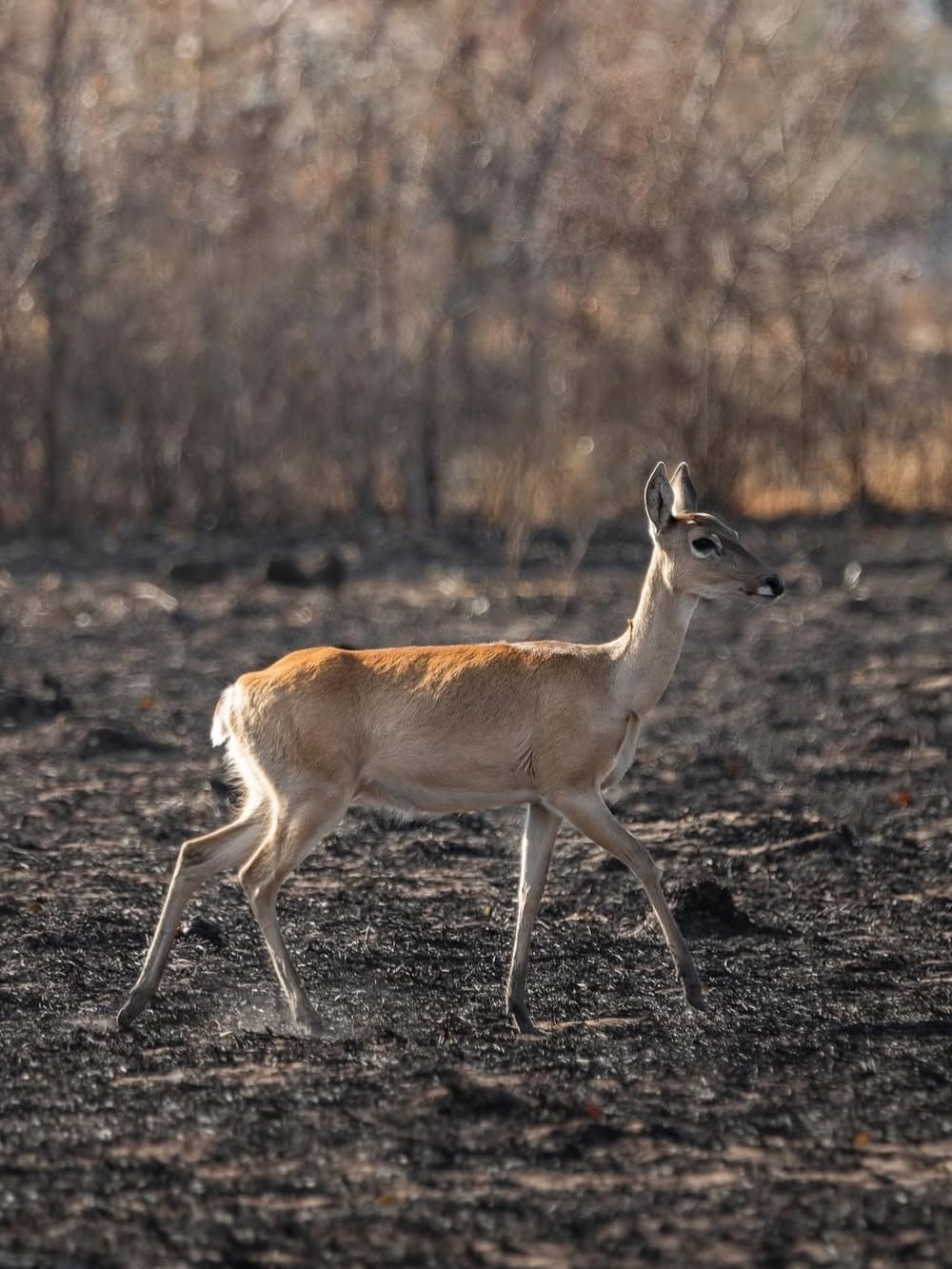
    A marsh deer walking across a blackened, scorched field after a fire in the Pantanal wetlands.
    @lucas_n_morgado

    10 – Conservation efforts

    Fortunately, there are many conservation efforts to protect the Pantanal. State and federal initiatives aim for the preservation and restoration of the biome, such as Action to Prevent and Control Deforestation and Fires in the Pantanal (PPPantanal).

    Non-profits are also a great asset. Project Arara Azul (Hyacinth Macaw Project), for example, focuses on the protection of the hyacinth macaw since the early 90s, while Onçafari has different branches centered in science, education and social services, but the ecotourism efforts are the focal point.

    The goal is to make jaguars, maned wolves and other native animals familiar with the presence of vehicles and humans, which boosts touristic activities — as seen in the Luxury Jaguar Safari.
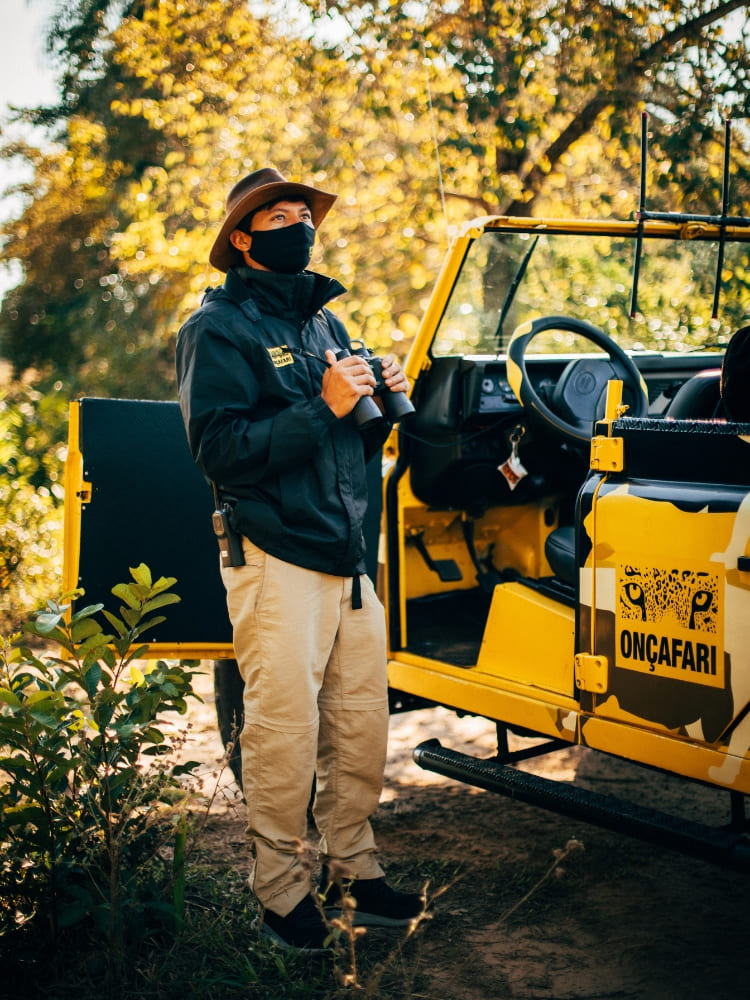
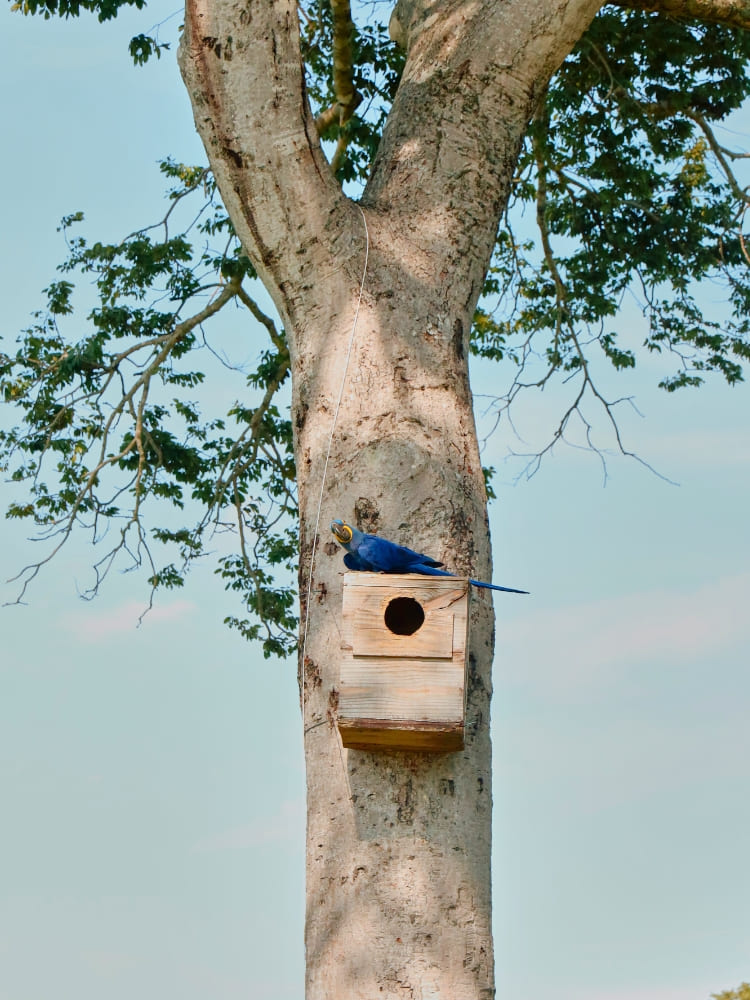
    In fact, ecotourism shows great results for the Pantanal’s conservation. Sustainable travel practices are great methods to collect funds for environmental causes, raise awareness on the importance of the biome and create job opportunities for local communities.

    👉 Read more: 3 Ways Sustainable Tourism in the Pantanal Protects Wildlife

    Book your Pantanal safari with PlanetaEXO

    Looking forward to seeing this incredibly gorgeous destination with your own eyes after discovering these 10 facts about the Pantanal? As an expert in Pantanal tours, PlanetaEXO partners with the best local operators to offer unforgettable experiences for all nature lovers out there.

    Can’t wait to watch jaguars in their natural habitat, explore the wetlands, catch a glimpse of the local day-to-day life and support conservation projects? Contact us and book your Pantanal trip now!
  • 10 Facts About Abrolhos You Need To Know

    10 Facts About Abrolhos You Need To Know

    Discover the unique stories, history, and biodiversity that make the Abrolhos archipelago one of Brazil’s most fascinating marine destinations.

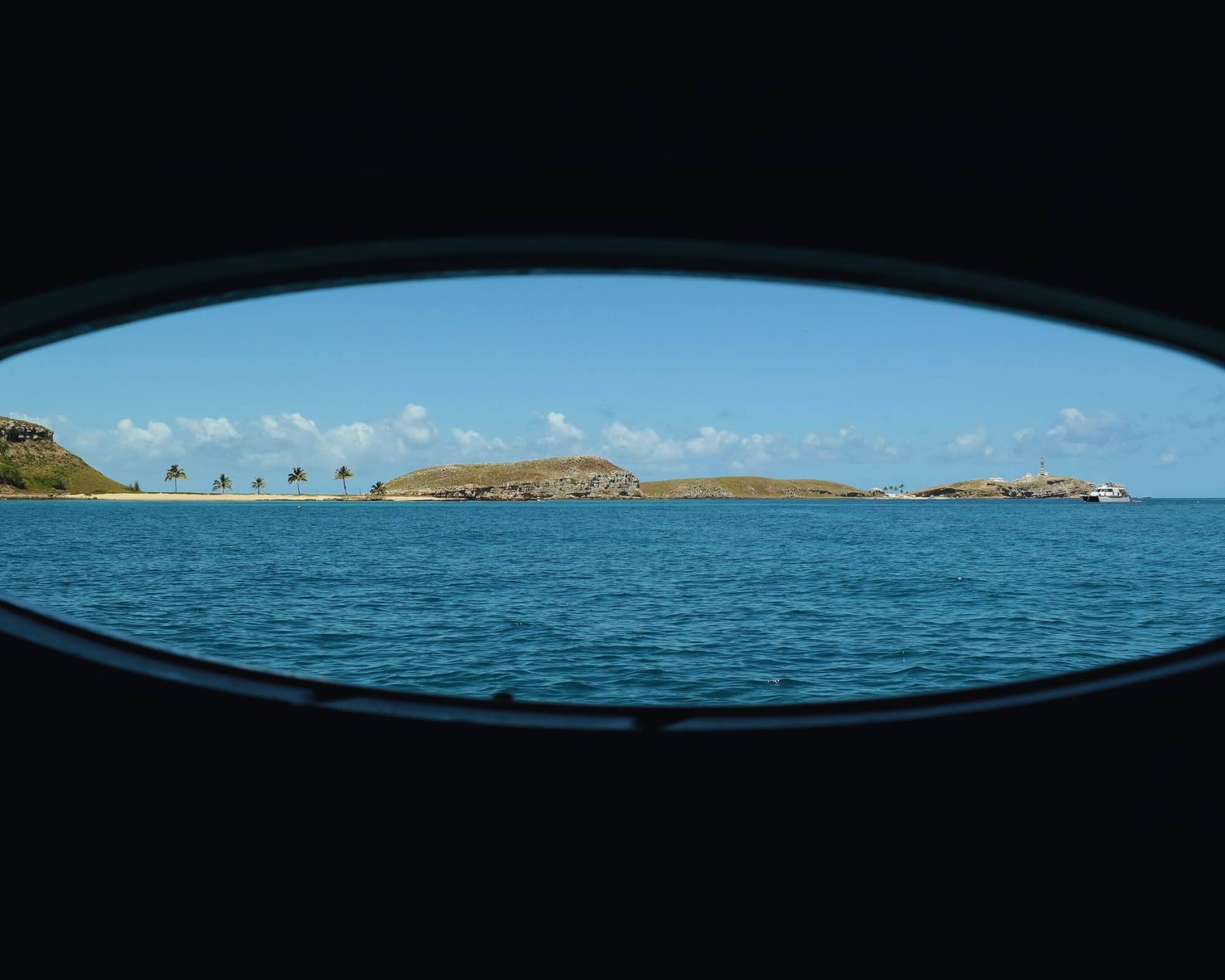
    The Abrolhos archipelago, off the southern coast of Bahia, Brazil, is recognized as one of the most extraordinary marine environments in South America. For those interested in learning more, there are fascinating facts about Abrolhos waiting to be discovered. Brazil created the Abrolhos Marine National Park in 1983, ensuring protection for this remote group of islands and reefs.

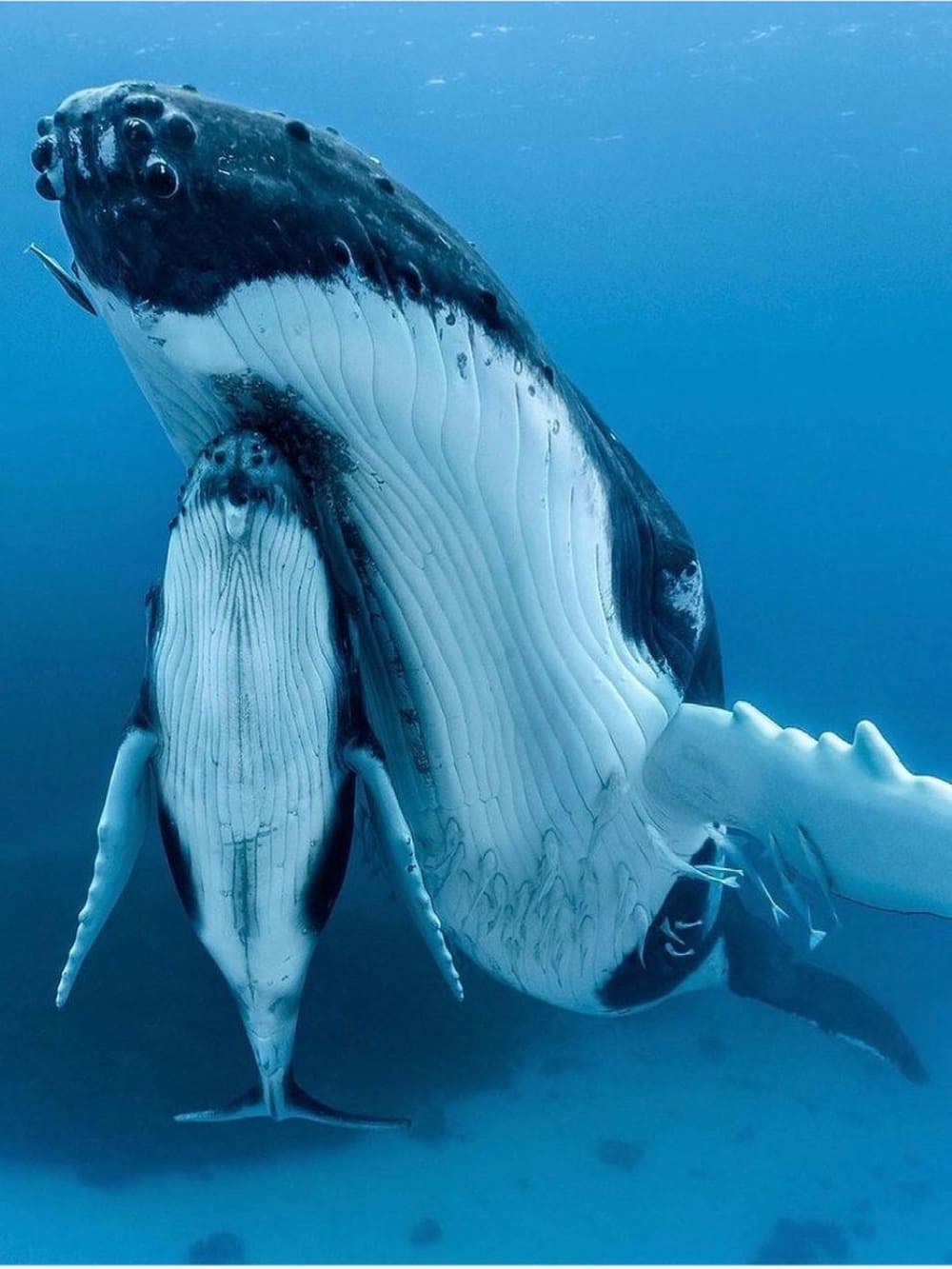
    You can reach Abrolhos by boat from Caravelas, a small coastal town in Bahia. The surrounding waters are shallow, yet they contain an incredible concentration of nutrients. As a result, they provide ideal conditions for coral reefs, colorful fish, and larger marine species such as humpback whales.

    Humpback whales Abrolhos
    .

    When you travel with PlanetaEXO, your visit not only connects you with this unique ecosystem but also supports local families. In addition, every adventure contributes to conservation and generates income for nearby communities. 

    Curious to explore unique facts about Abrolhos? Keep reading to uncover the most surprising details about this marine paradise.

    1. What does the name Abrolhos mean in English?

    The name “Abrolhos” comes from the old Portuguese phrase “Abre os olhos”, which in English means “open your eyes.” Sailors used the warning to remind each other of the dangerous reefs that caused countless shipwrecks.

    The reefs of the Abrolhos archipelago stretch across vast areas and remain difficult to detect from a distance. Consequently, they posed serious risks for ships navigating the Brazilian coast for centuries.

    Even today, nautical maps mark Abrolhos with alerts. This legacy connects modern travelers with Brazil’s seafaring history and explains why Abrolhos always demanded attention and respect.

    Facts About Abrolhos
    Photo: Roberto Costa Pinto

    👉See this and other Brazilian national parks in our article

    2. Charles Darwin’s visit to Abrolhos

    In 1832, the young naturalist Charles Darwin visited Abrolhos during his voyage on the HMS Beagle. At just 23 years old, he took notes on the region’s reefs and marine life.

    Darwin described the abundance of fish, the seabirds nesting on rocky cliffs, and the unusual coral formations. These observations, although brief, helped strengthen his interest in biodiversity and adaptation.

    His visit remains one of the most remarkable facts about Abrolhos, since it connects this remote archipelago to the early journey of a scientist who would later change how we understand life on Earth

    Charles Darwin Abrolhos
    Photo: Wellcome Library, London

    3. Abrolhos as a living laboratory

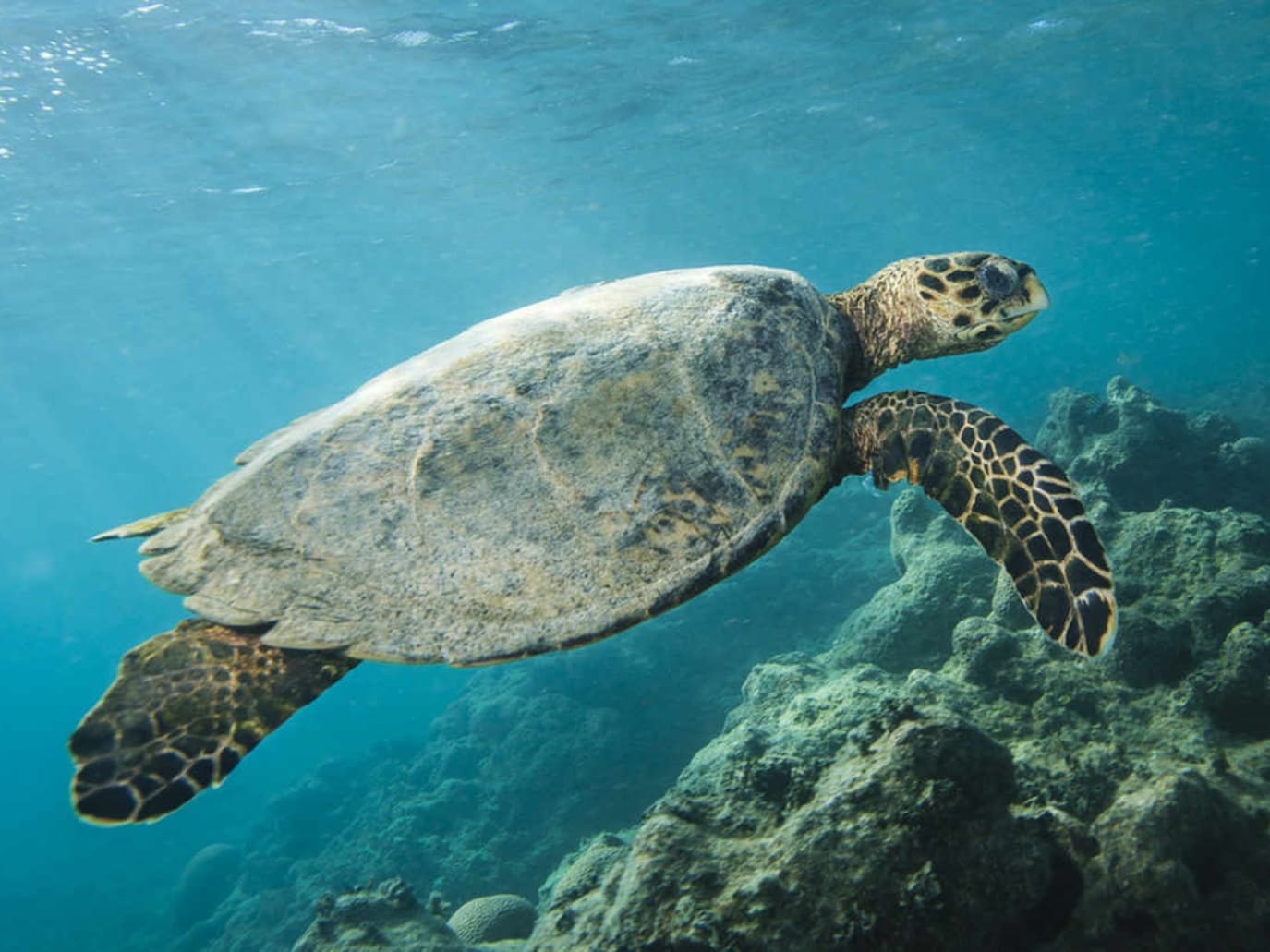
    Abrolhos functions as a living laboratory for science. Researchers from Brazil and abroad visit regularly to study coral resilience, whale migration, bird colonies that nest on the islands, and sea turtles that use the reefs as feeding grounds.

    In addition, international projects test new conservation methods here before applying them in other marine parks. These studies turn Abrolhos into a reference point for understanding the effects of climate change.

    For travelers, this scientific importance adds another layer of meaning. Exploring Abrolhos becomes not only an adventure but also an opportunity to witness how knowledge grows.

    Sea turtle Abrolhos
    .

    4. Safe waters for humpback whales

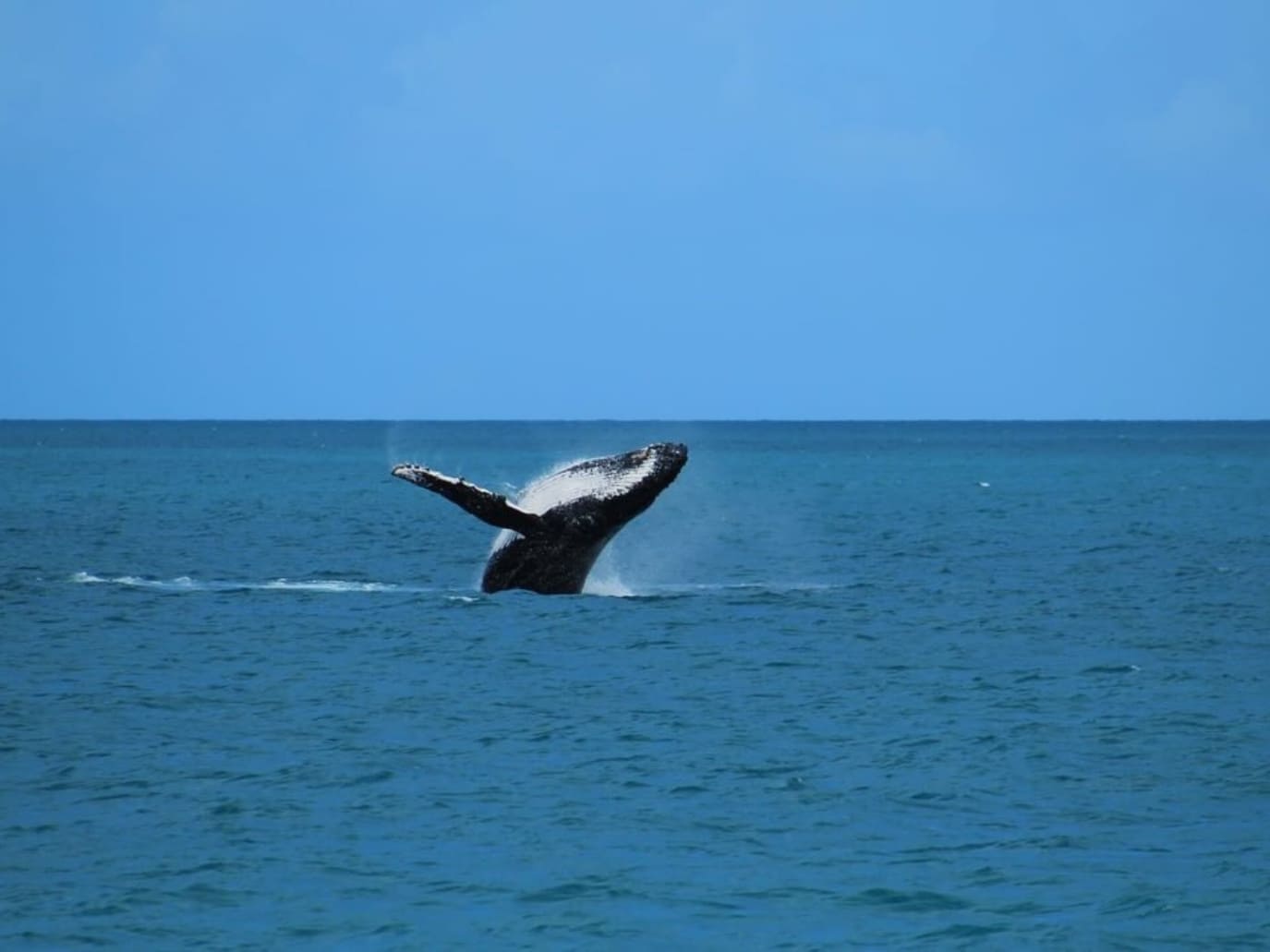
    Every year, from July to November, the calm and warm waters of Abrolhos welcome thousands of humpback whales migrating from Antarctica.

    Marine biologists consider the area the most important breeding ground for humpbacks in the South Atlantic. As a result, visitors often see mothers swimming with calves or watch whales breaching the surface in spectacular displays.

    Whale-watching tours from Caravelas rank among the most popular experiences for those planning what to do in Abrolhos, combining excitement with education about conservation.

    Humpback Whales Abrolhos
    @nathpinesso

    👉 Read our full Abrolhos travel guide

    5. A hotspot for biodiversity and endemism

    Abrolhos stands out as one of the richest marine ecosystems in Brazil. More than 1,300 species live here, including fish, dolphins, sea turtles, and seabirds. Many of them are endemic, existing only in this part of the country.

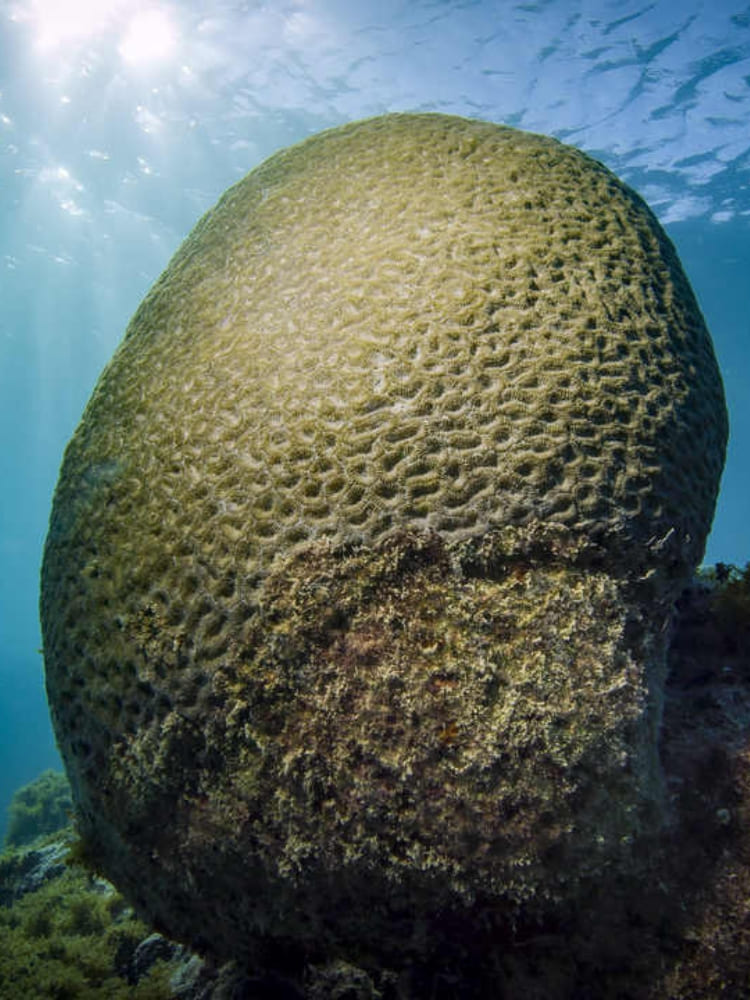
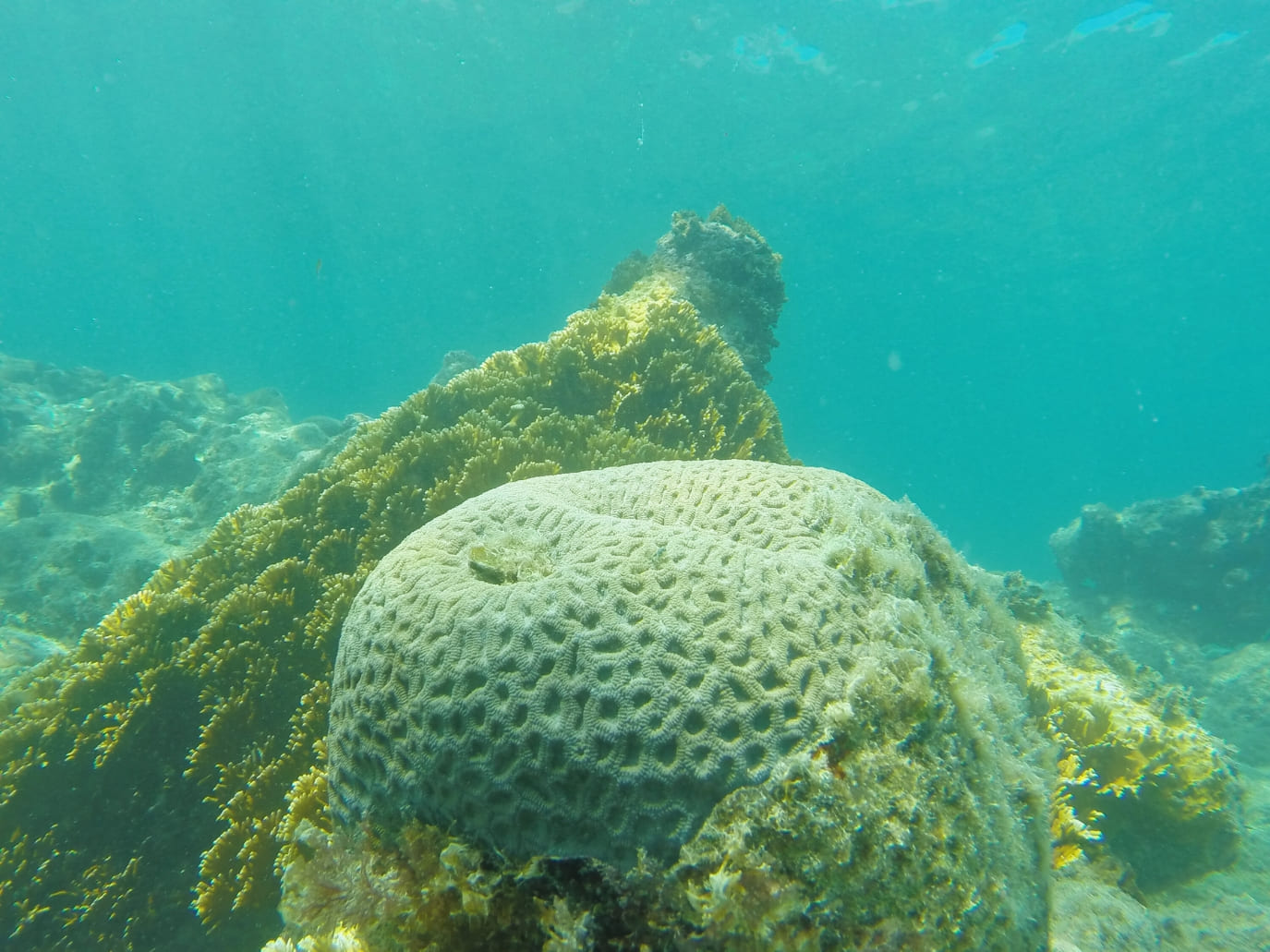
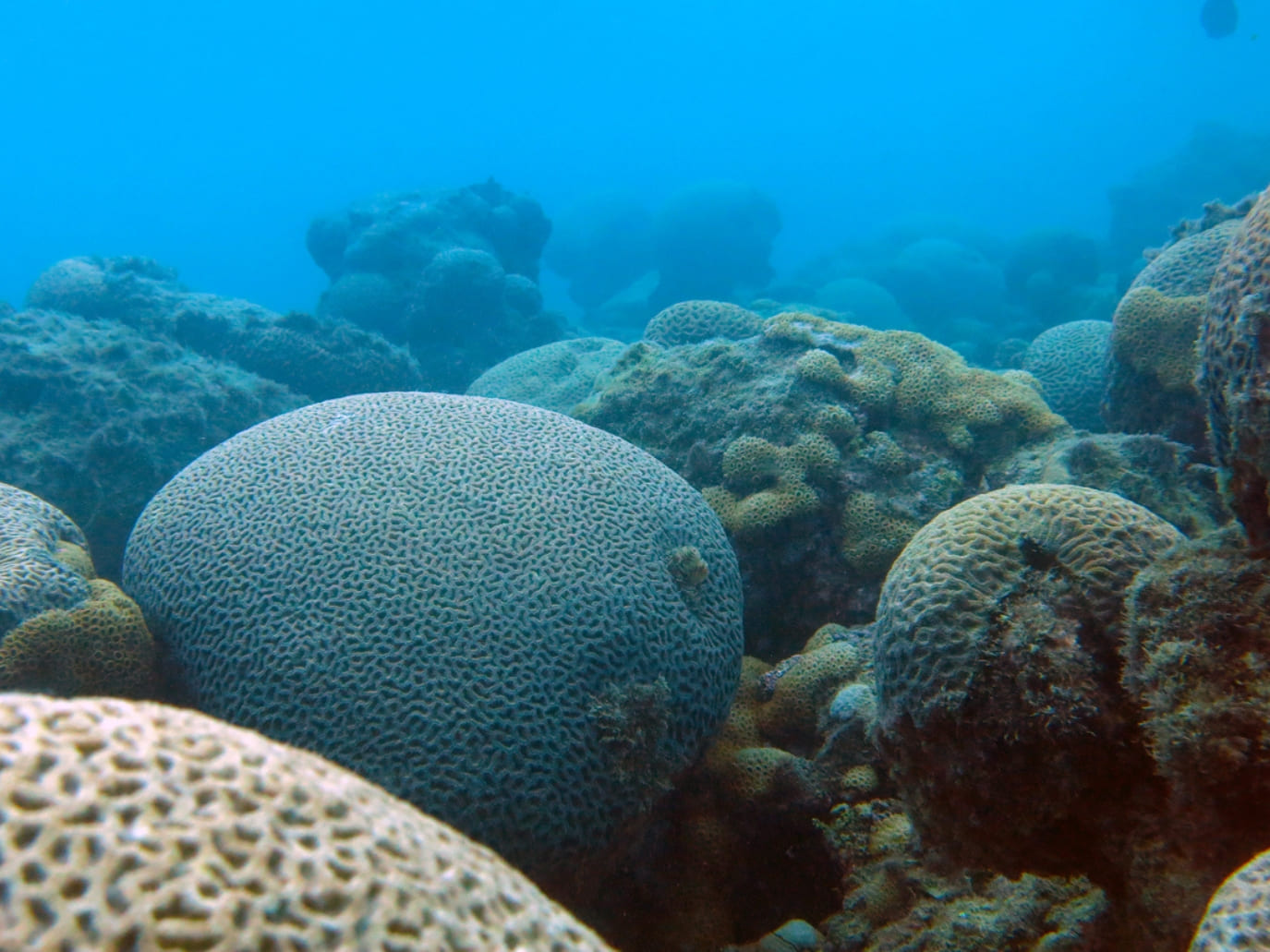
    One of the most emblematic species is the brain coral (Mussismilia braziliensis). It forms massive reef structures and appears only in Abrolhos. In fact, this coral was one of the main reasons the park was created, since it plays a vital role in maintaining ecological balance.

    Unfortunately, the brain coral faces serious threats. Scientists monitor bleaching, diseases such as white plague and black band, overfishing, and the impacts of climate change. Its fragility highlights the urgency of protecting the Abrolhos archipelago.

    Brain coral Abrolhos
    Photo: Gustavo Abrahim

    6. Santa Bárbara Island, home to the Navy

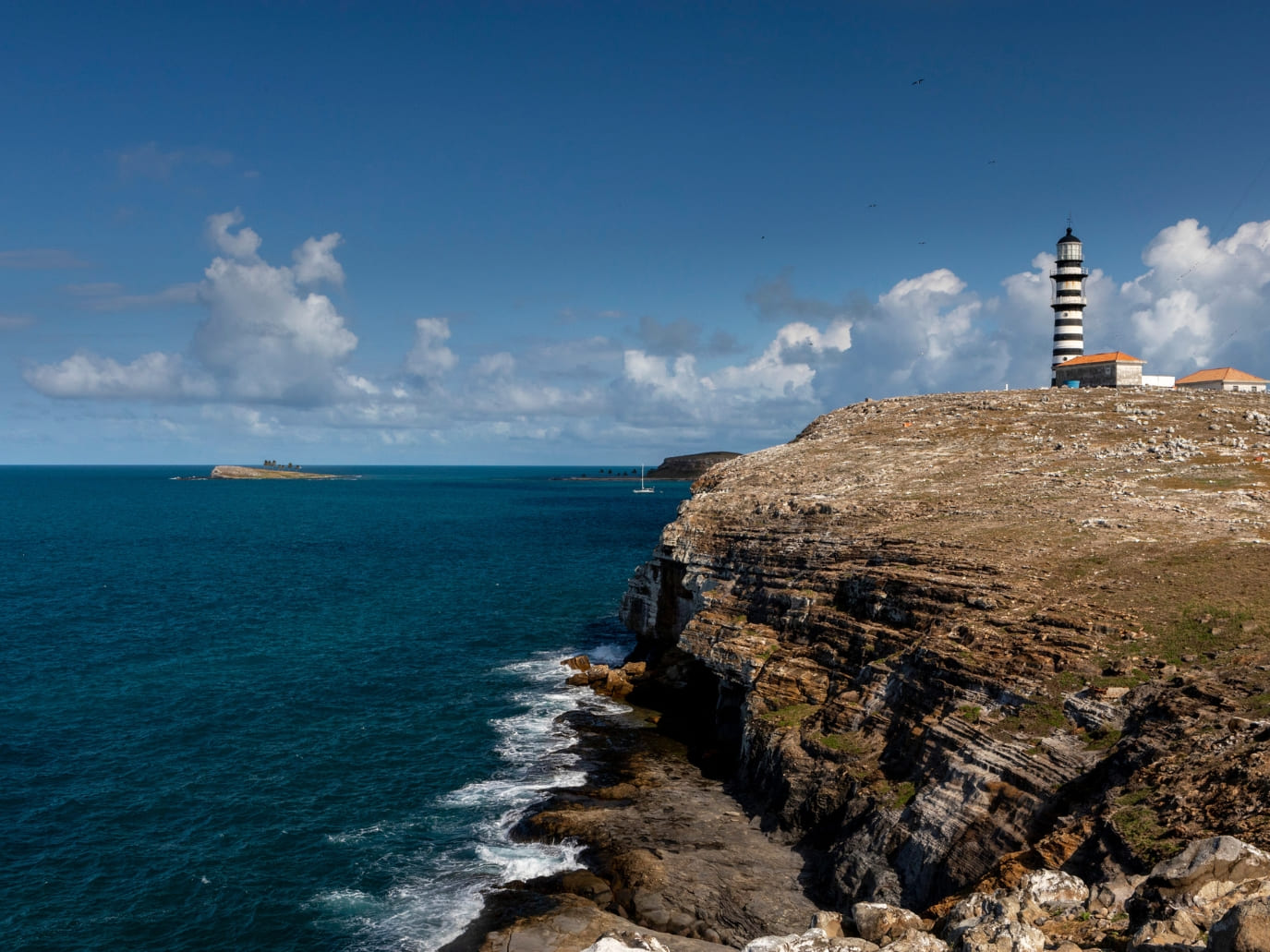
    While most islands in Abrolhos remain untouched, Santa Bárbara Island houses a naval base. A lighthouse built in 1861 continues to guide ships, and military families live there with a small infrastructure that includes a heliport and boat docks.

    Tourists, however, cannot disembark on Santa Bárbara. Access is strictly controlled, and visits are limited to the waters around it. As a result, the rest of the archipelago remains free from human disturbance.

    This restriction demonstrates how careful management helps preserve the islands while still supporting national security.

    Santa Barbara Brazilian Navy
    Photo: Gabi Carrera, Marinha do Brasil

    7. Volcanic origins and hidden reefs

    The islands of Abrolhos originated from ancient volcanic activity. Their basalt foundations gave corals a surface to colonize and expand into complex reef systems.

    In addition to shallow reefs, Abrolhos also features mesophotic reefs. These occur at medium depths and host species not found in shallower waters. For instance, the Califórnia Reef has become a key site for marine research.

    Together, geology and biology created a three-dimensional ecosystem. This unique formation helps explain why Abrolhos became such a hotspot for scientific study.

    Dive in Abrolhos
    .

    8. Navigation dangers and historic battles

    The reefs of Abrolhos always challenged sailors. Numerous shipwrecks tell stories of navigational errors, sudden storms, and naval conflicts.

    In 1631, Dutch and Portuguese-Spanish fleets fought a naval battle near the islands. Some wrecks from these times still rest on the seafloor, blending history with marine life.

    Today, divers explore these underwater relics, while historians study them to better understand Brazil’s colonial past. This combination of culture and nature enriches the list of facts about Abrolhos.

    Facts About Abrolhos
    .

    9. International recognition and conservation challenges

    Abrolhos has earned global recognition. It is both a Ramsar Site for its wetlands and an outpost of the UNESCO Biosphere Reserve of the Atlantic Forest. These titles highlight its ecological value.

    Nevertheless, the park faces ongoing threats, including climate change, illegal fishing, and potential oil exploration. Scientists track the reefs to understand how these pressures alter the ecosystem.

    Therefore, responsible tourism becomes essential. Visitors contribute directly to conservation by supporting sustainable operators and respecting park rules.

    Facts About Abrolhos
    Photo: Gustavo Abrahim

    10. The chapeirões found only in Abrolhos

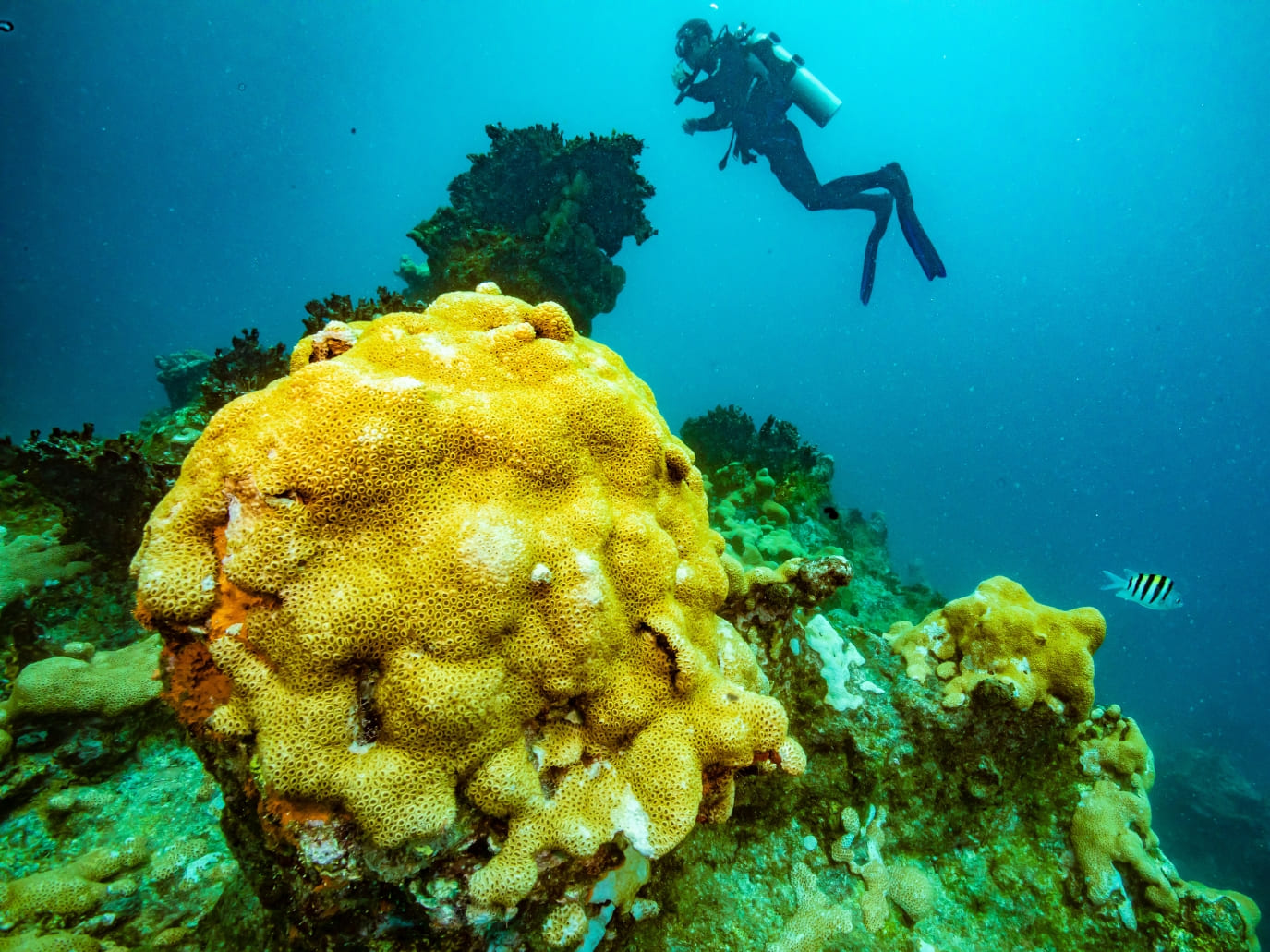
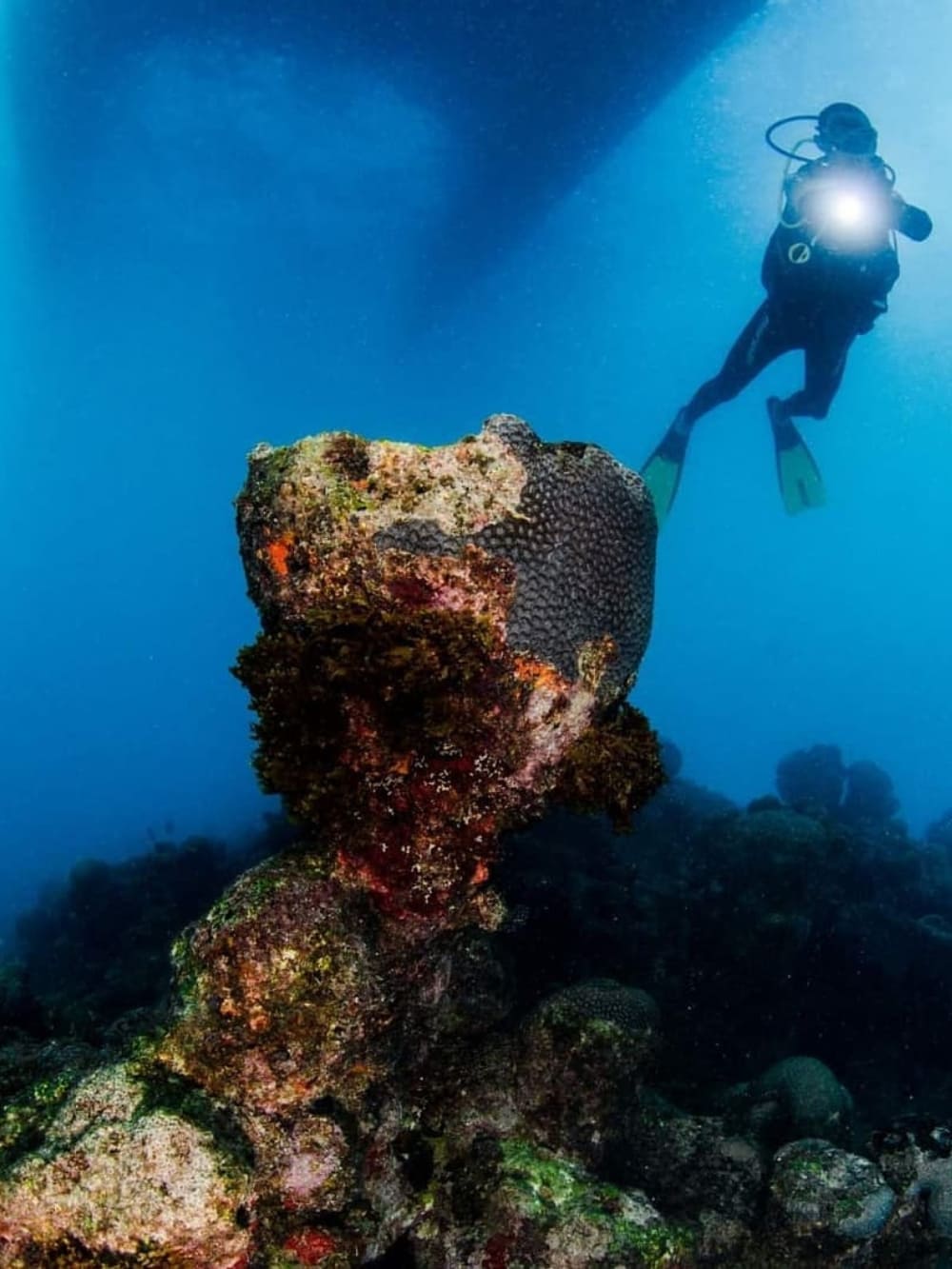
    One of the most striking natural features of Abrolhos is the chapeirões. These mushroom-shaped coral towers rise dramatically from the seafloor, sometimes reaching 25 meters in height.

    Each level of a chapeirão shelters different species: sponges and fish at the base, vibrant corals in the middle, and schools of fish feeding near the top. Their structure creates vertical habitats found nowhere else in Brazil.

    For divers and snorkelers, exploring these formations is often the highlight of visiting the Abrolhos archipelago.

    Chapeirões Abrolhos
    Photo: Salmeidas

    👉 Explore our liveaboard diving tour in Abrolhos

    Traveling with PlanetaEXO

    Choosing PlanetaEXO means traveling with purpose. Each trip generates income for local families, helping communities thrive through tourism.

    We believe that every adventure can create a positive impact for travelers, for nature, and for the people who live nearby.

    When you visit Abrolhos with us, you not only enjoy an extraordinary destination but also contribute to its protection. That’s one of the best facts about Abrolhos of all.

    Read More

  • Jaú National Park: In the heart of the Amazon, Brazil

    Jaú National Park: In the heart of the Amazon, Brazil

    Discover Jaú National Park in Brazil, one of the largest protected areas of the Amazon, including its locations, history, culture, wildlife, and much more!

    Jaú National Park covers an impressive area of 2.27 million hectares in the middle of the Amazon Rainforest, protecting the entire basin of the Jaú River, a blackwater tributary of the Rio Negro

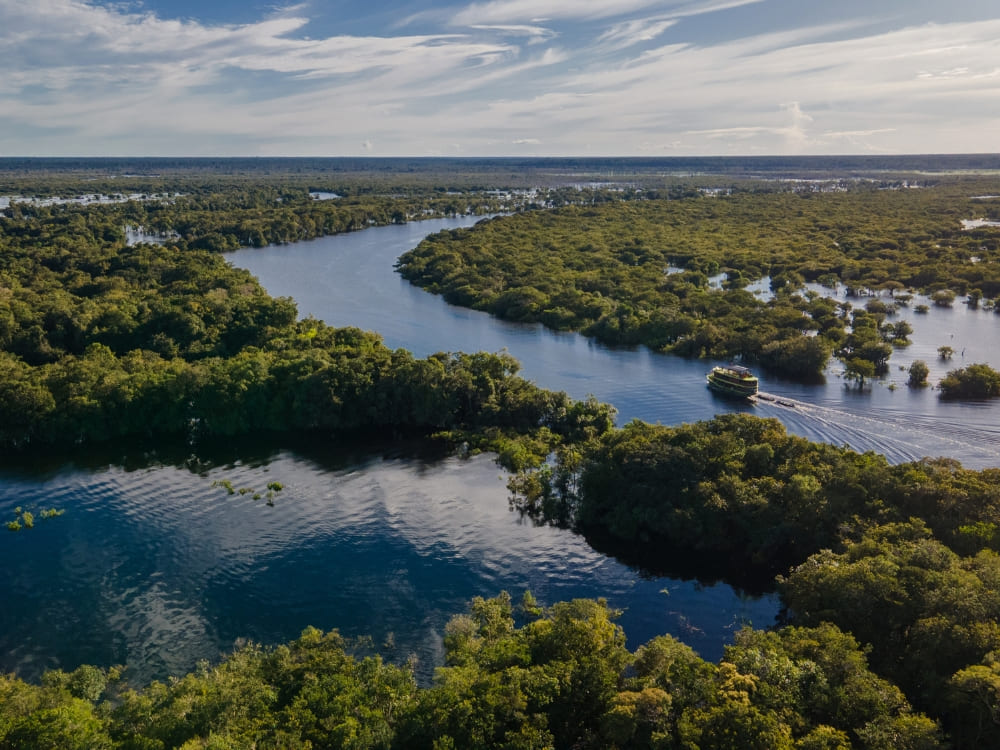
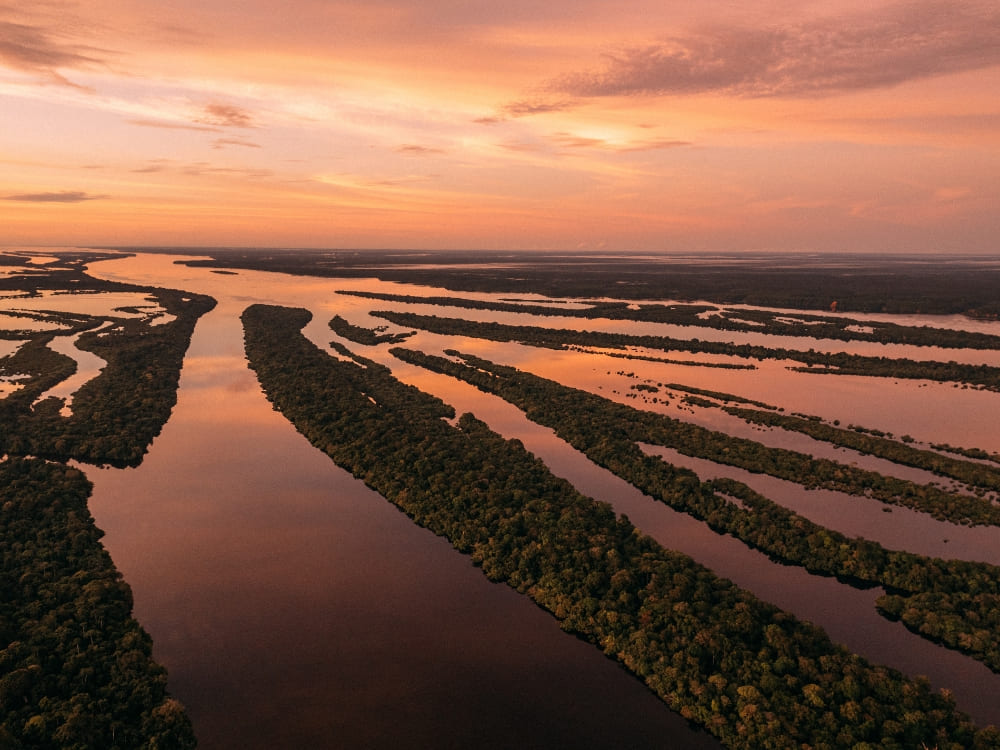
    As the fourth largest forest reserve in Brazil and the third largest park in the world with intact tropical rainforest, Jaú preserves flooded forests and rare ecosystems that shelter incredible biodiversity. Its dark rivers reflect the sky and forest like a mirror, creating ever-changing landscapes through the seasons.

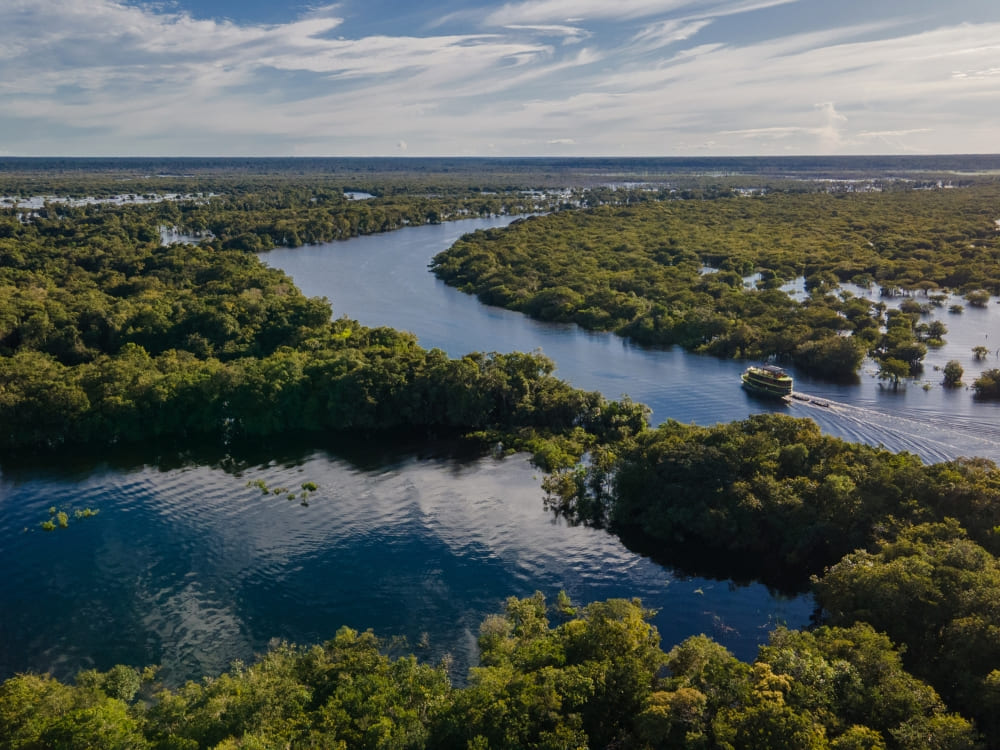
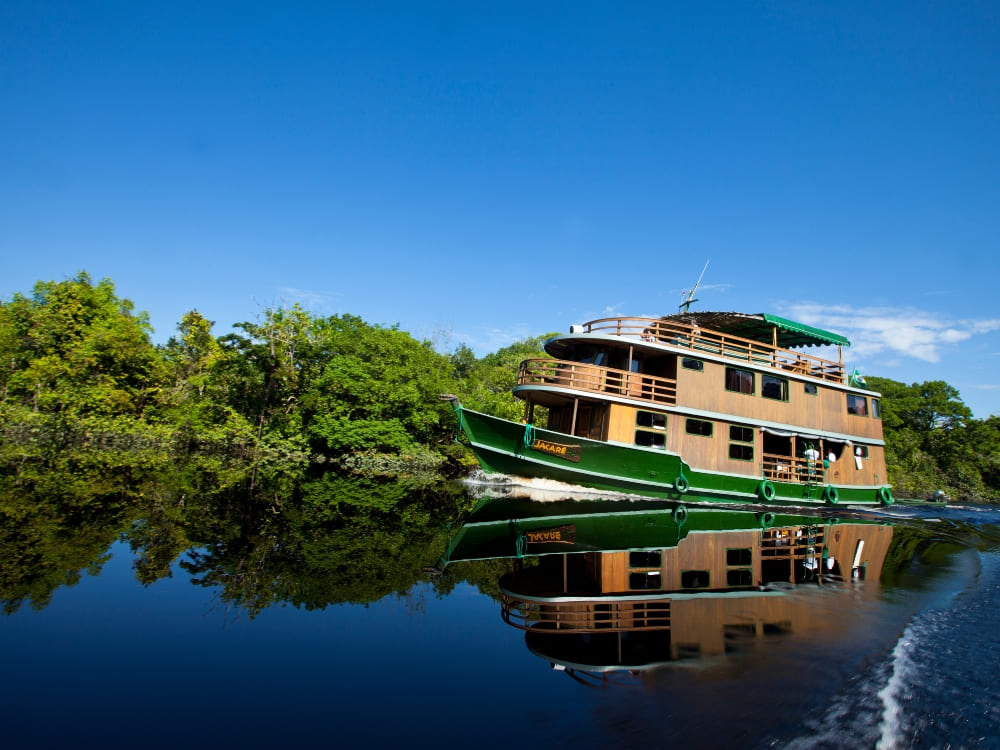
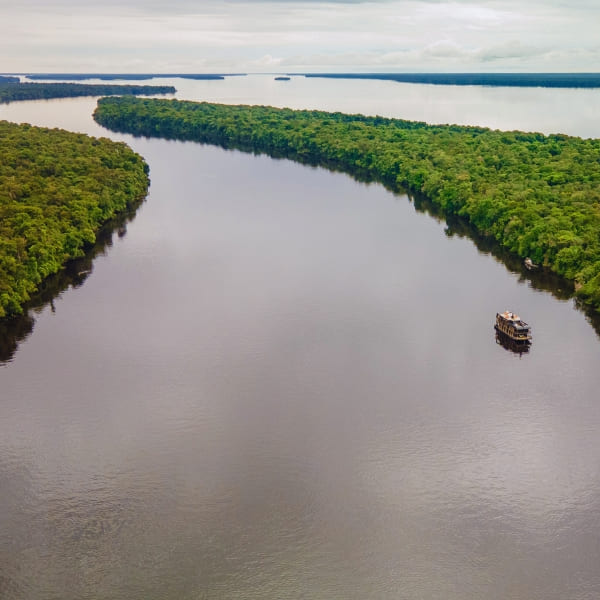
    Aerial view of a riverboat navigating the Jaú River basin surrounded by the vast green Amazon Rainforest.
    .

    Curious to learn more about it? PlanetaEXO, an ecotourism platform specializing in Amazon Rainforest tours in Brazil, has put together a comprehensive guide about Jaú. Check it out below!

    The History of Jaú National Park

    Jaú was created in September 1980 to protect one of the largest blackwater river basins in the world. Its name comes from the jaú fish, a giant catfish species that inhabits these rivers.

    The park holds archaeological sites and ancient petroglyphs carved into rocks—evidence of human presence in the Amazon for thousands of years. These traces highlight the cultural importance of the area alongside its natural wealth.

    Today, it stands as a global symbol of Amazonian conservation, preserving ecosystems essential to biodiversity and climate balance while protecting valuable cultural heritage.

    Global Ecological Relevance

    Since 2000, Jaú National Park has been a UNESCO World Heritage Site as a core area of the Central Amazon Conservation Complex, which is formed by Jaú, Anavilhanas National Park, Amanã Sustainable Development Reserve, and Mamirauá Sustainable Development Reserve.

    It is also considered a biosphere reserve (an international designation by UNESCO for areas that balance the conservation of biodiversity with sustainable human development) and a Ramsar Site (a wetland designated to be of international importance under the Ramsar Convention, an intergovernmental environmental treaty signed in Iran in 1971).

    Where is Jaú National Park located?

    Jaú is located between the municipalities of Novo Airão and Barcelos, in Amazonas, in the north of Brazil. The park entrance is approximately 220 km from Manaus, the state capital.

    How to get to Jaú National Park?

    The starting point for any visit is Manaus, the main gateway of the Brazilian Amazon. From there, travelers join guided tours that take them directly to Novo Airão and the protected area of Jaú.

    From Manaus, you need to drive along highways AM-070 and AM-352 to Novo Airão (2–3 hours). Then, travelers must continue along the Rio Negro by speedboat or motorboat for another 1–2 hours.

    Due to the demanding route and the mandatory authorization to enter the park, it is recommended that travelers hire duly accredited tour operators to provide all transportation logistics, such as PlanetaEXO.

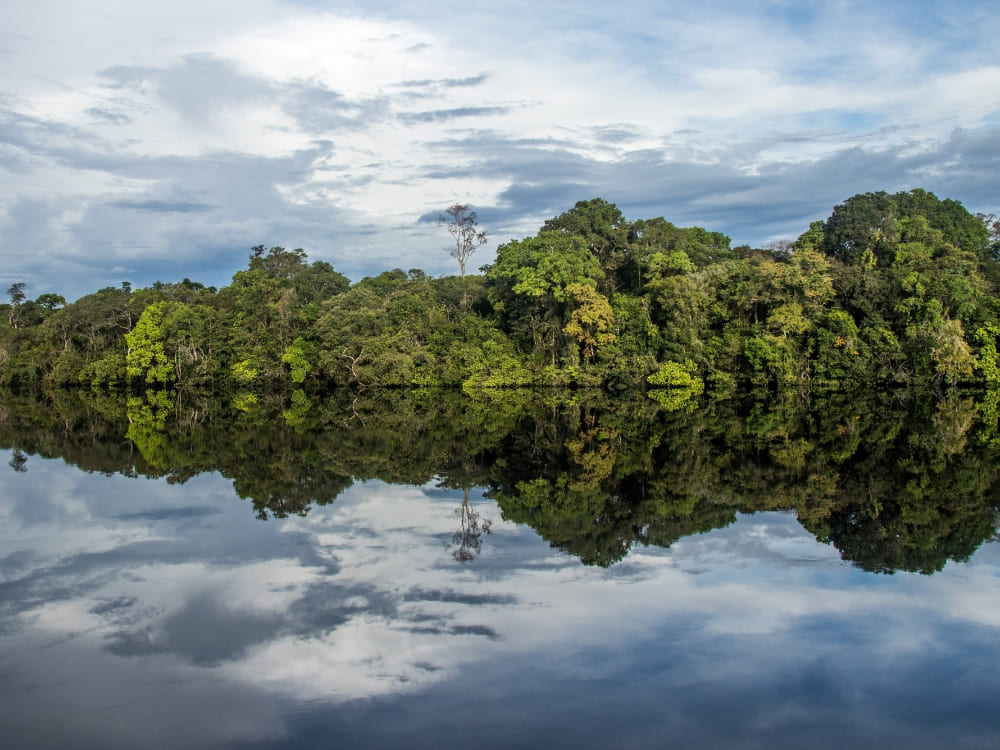
    The dense green Amazon forest reflecting like a perfect mirror on the calm, dark waters of the river.
    Photo: Dalia McGill

    👉 Read more: How to get to the Amazon Rainforest in Brazil

    Best Time to Visit Jaú National Park

    The Amazon Rainforest has two main seasons that shape every experience in the forest. Between March and August, rivers rise and form the igapós (flooded forests). Great time for canoeing across the flooded areas and wildlife watching!

    From September to February, the waters recede and sandy beaches appear along the Rio Negro and its tributaries. Trails become more accessible, allowing visitors to reach waterfalls and rocky formations such as those in the Carabinani River.

    Each season offers unique perspectives. Whether you prefer paddling among submerged forests or hiking to waterfalls and ancient caves, your choice depends on your travel style.

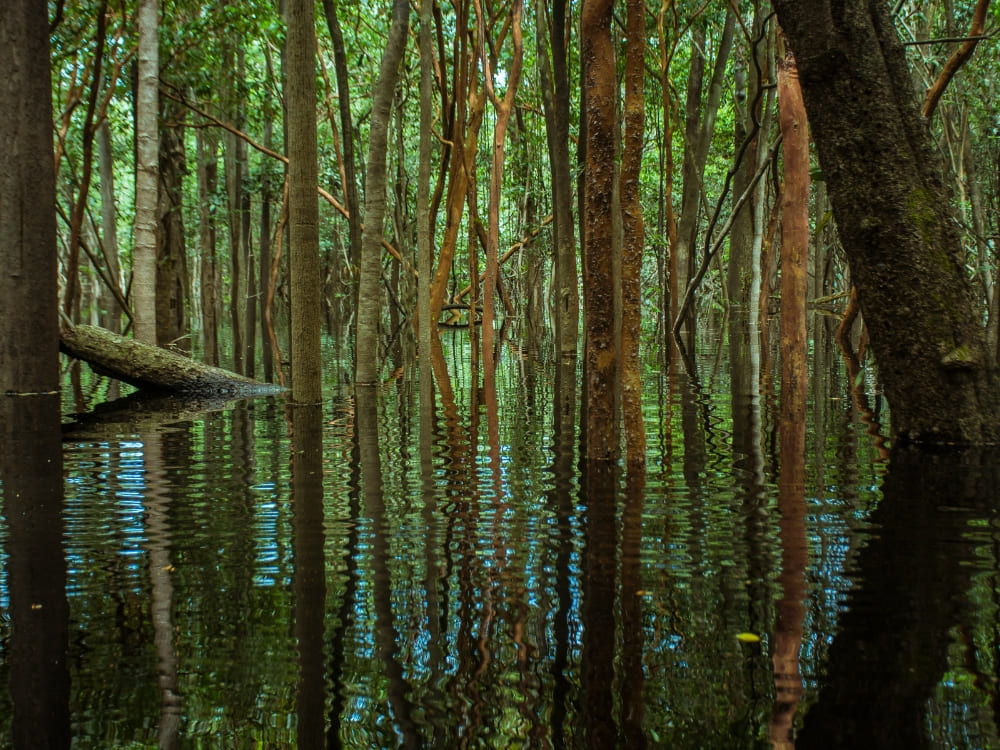
    Slender tree trunks emerging from the dark waters in the igapós, or flooded forests, of the Amazon.
    Photo: Meyriane de Mira Teixeira

    👉 Read more: Best time to visit the Amazon Rainforest

    Fauna, Flora and Protected Systems

    According to IPHAN (Brazil’s National Institute of Historical and Artistic Heritage), Jaú is home to around 400 types of plants, including species that only grow in flooded areas, such as macaricuia and mucucu do igapé. Throughout its territory, there are also açaí and Brazil nut trees.

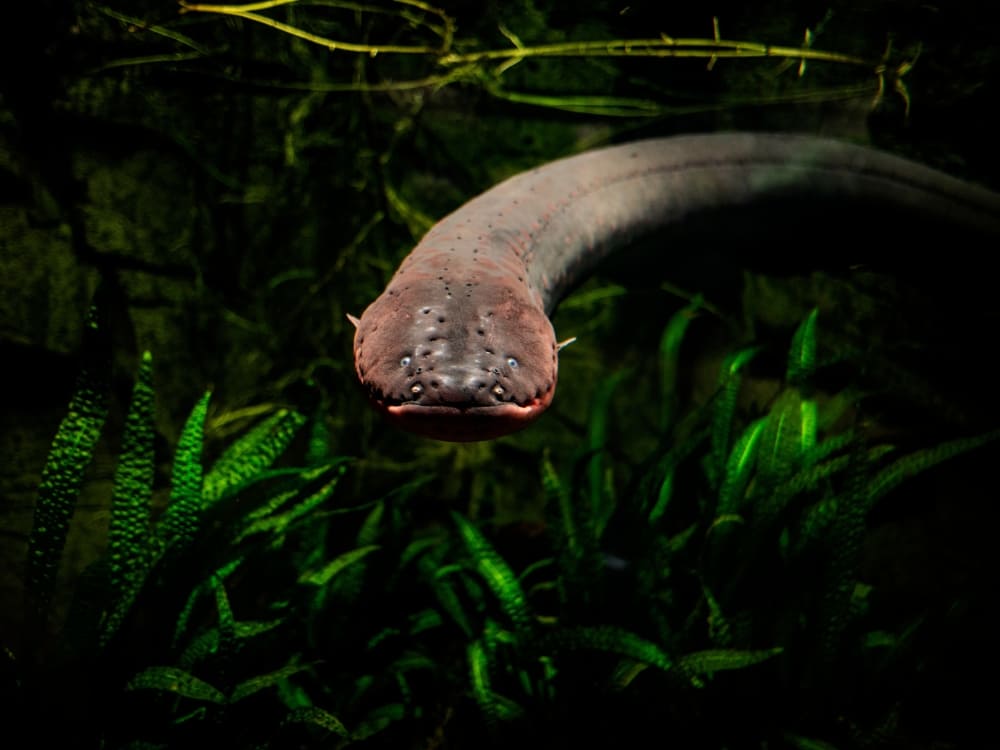
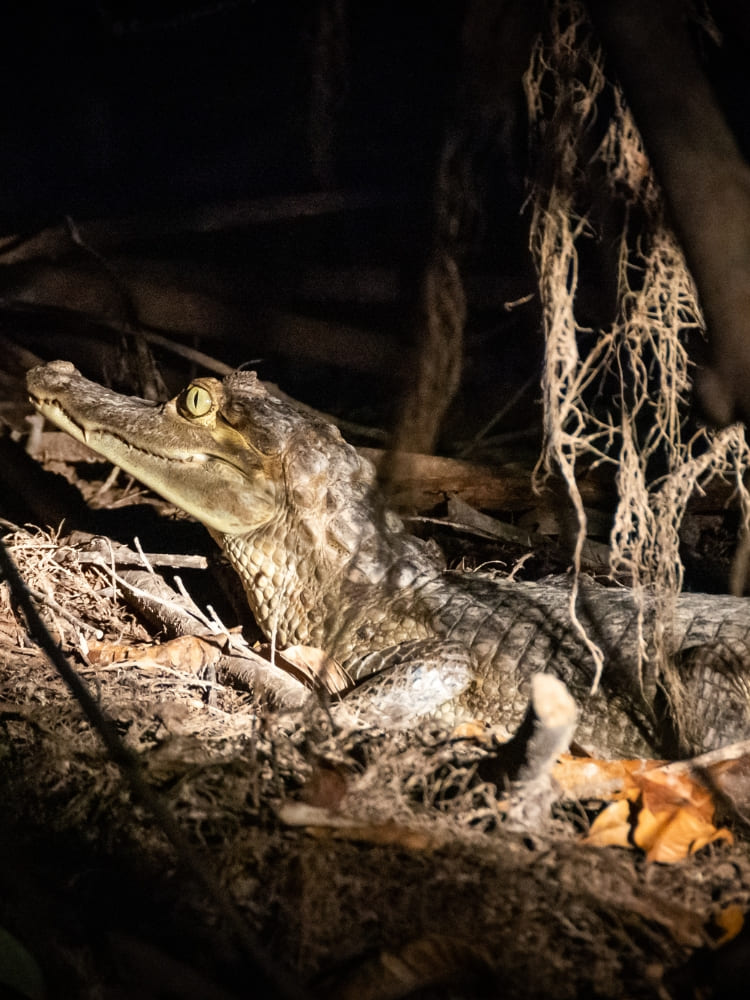
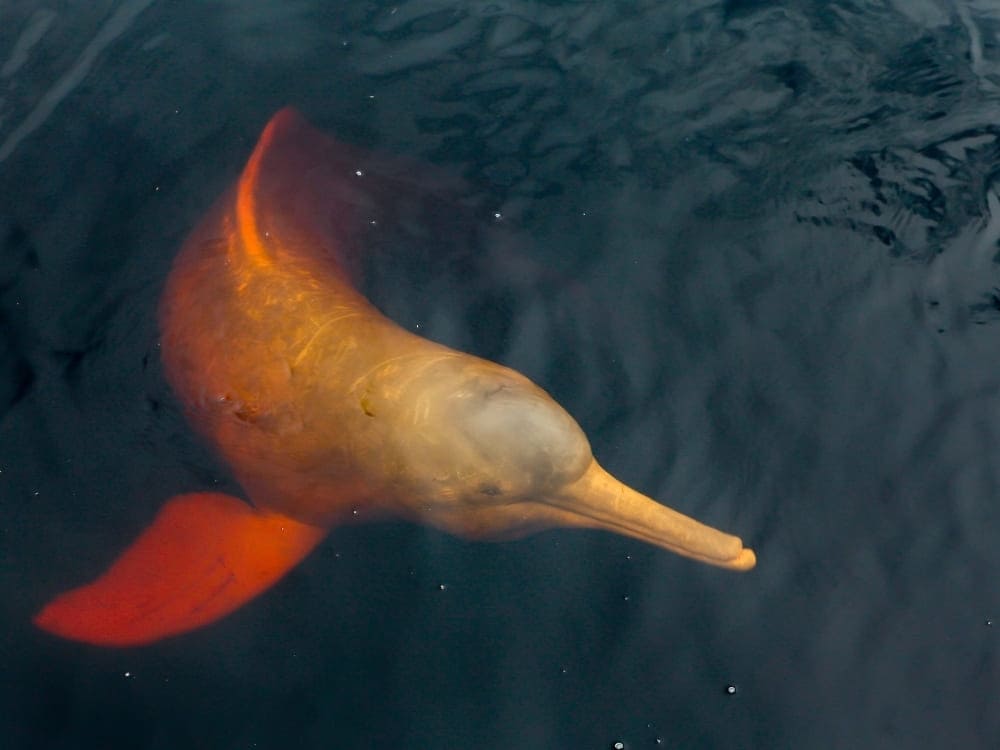
    The animals in Jaú National Park are equally diverse. The park has the largest variety of electric fish in the world, which are part of the 263 species of fish officially cataloged in the region. Other notable animals are the Amazonian manatees, black caiman, harpy eagles, giant otters, pink river dolphins, jaguars, etc.

    As part of Ibama’s Parks and Reserves Project—an initiative that seeks to promote sustainable development plans led by the Brazilian Institute of Environment and Renewable Natural Resources—Jaú is the geographic center of the Amazon Ecological Corridor.

    Close-up of a pinkish electric fish swimming among green aquatic plants in the Amazon.
    Photo: Alex Zakletsky

    👉 Read more: Best Brazil Wildlife Tours and Destinations 

    Fun Facts About Jaú National Park

    Explore more fascinating details about Jaú National Park that illustrate why it is ranked among the Amazon’s most enchanting destinations:

    • Size: With 2.27 million hectares, Jaú is the largest national park in the Brazilian Amazon. To put it in perspective, it is larger than Wales, El Salvador, and Slovenia.
    • Exploration style: The only way to visit responsibly is through organized expeditions, mainly small-group cruises that ensure safety and sustainability.
    • Diversity of experiences: In a single trip, you can visit caves formed 700 million years ago, swim in blackwater rivers, join night safaris, and interact with riverside and indigenous families.

    What to Do in Jaú National Park

    Activities inside Jaú are always led by experienced guides and designed to respect conservation rules. Instead of mass tourism, visitors join small-group expeditions that highlight both nature and culture.

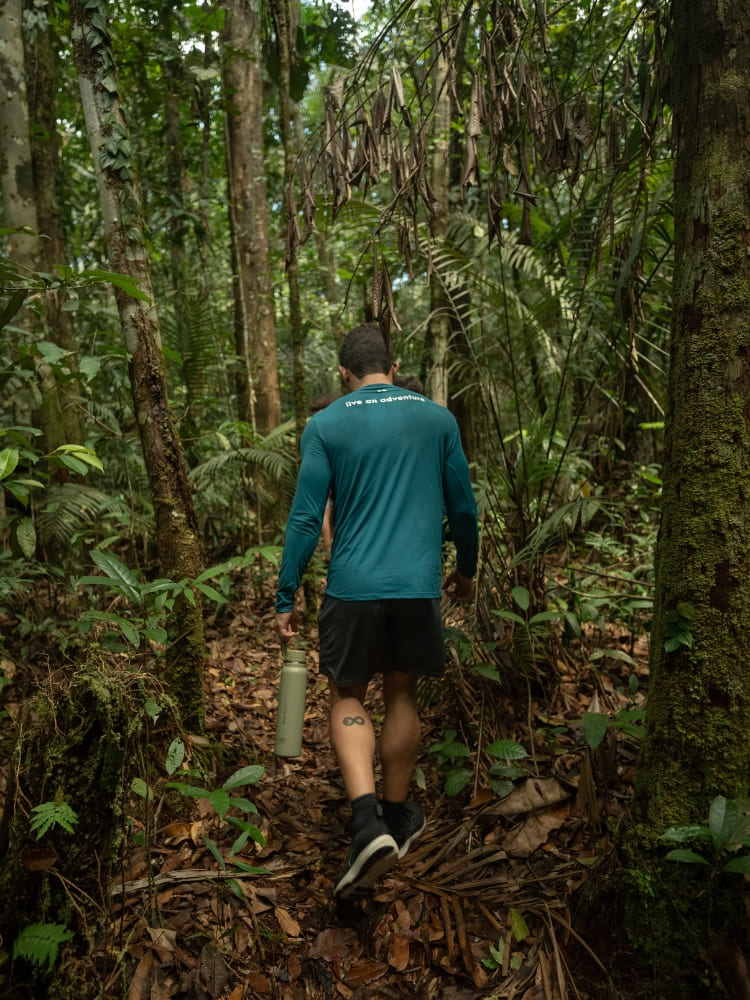
    One of the main activities is canoeing through blackwater rivers and igapós. Here, travelers may spot giant river otters, exotic birds, or even caiman during night excursions. Hiking trails are also part of the itineraries, offering the chance to walk under the forest and learn more about native plants and animals.

    Another unforgettable experience is visiting the Aturiá community. Guests interact with local families, taste seasonal fruits, and learn about daily life in the Amazon. Combined with refreshing swims in natural pools and waterfalls, these moments reveal just how diverse the forest is.

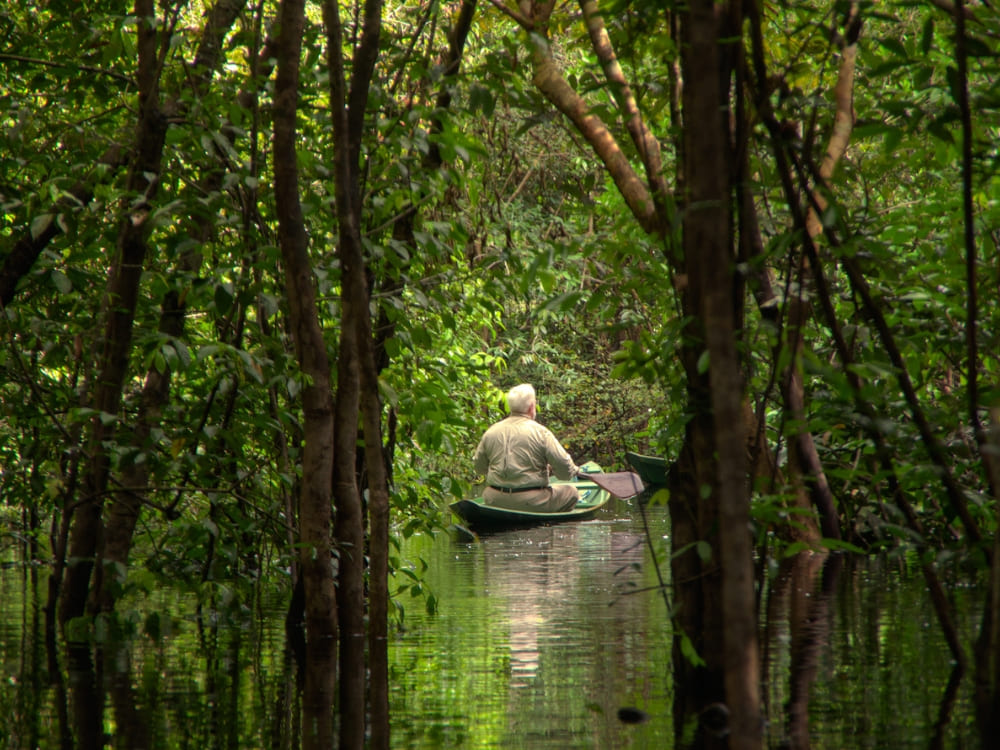
     A traveler paddles a small wooden canoe through a flooded blackwater river in the Amazon.
    Photo: Johan

    👉 Read more: Best Amazon Jungle Lodges in Brazil

    Katerre Expedition

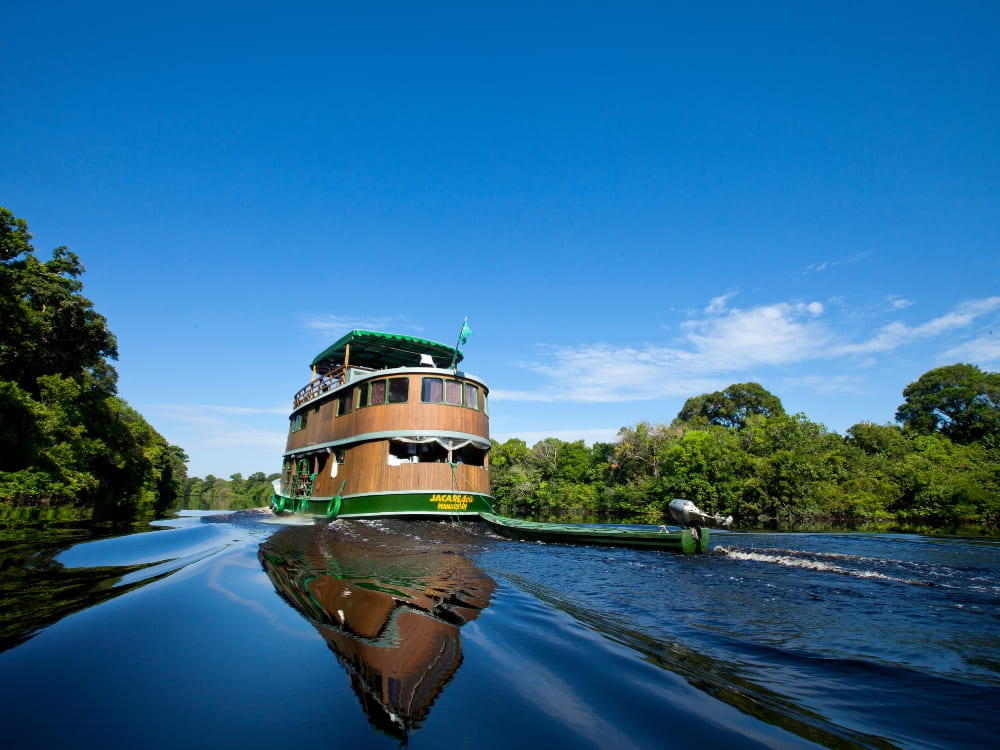
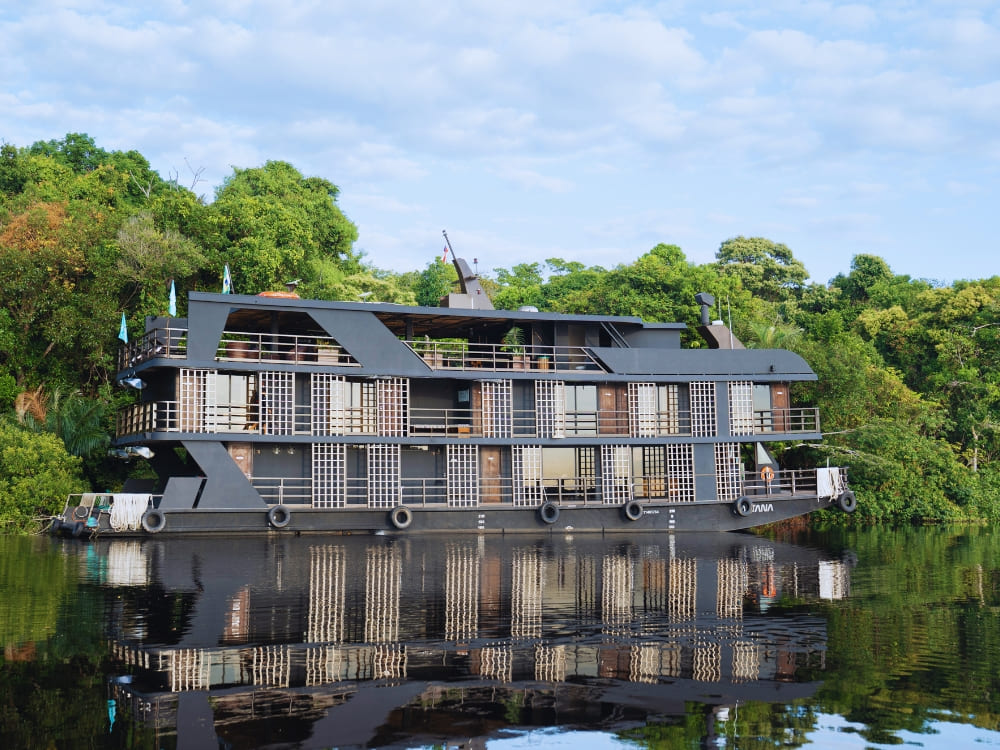
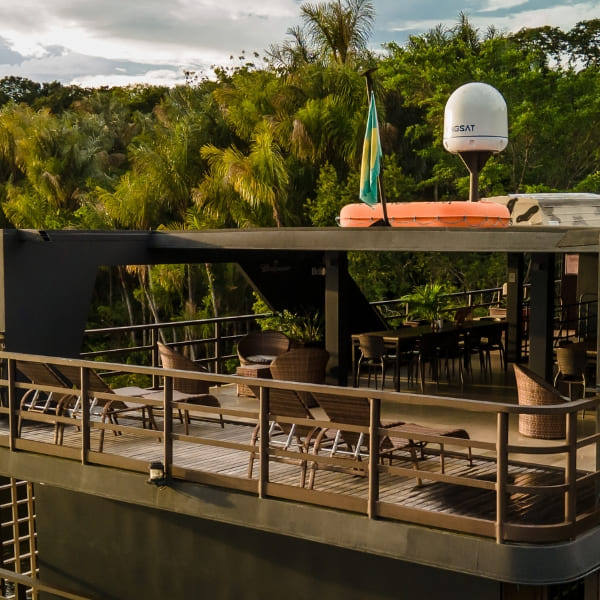
    The Katerre Expeditions are the most complete way to explore Jaú and its surroundings. Operated on comfortable boats with rustic designs and three decks, these river cruises combine adventure with all-inclusive service.

    • 5-day Amazon River Cruise in Brazil: This journey takes travelers from Novo Airão through Anavilhanas National Park and deep into Jaú. Highlights include hikes to the Madadá Caves, canoe trips, wildlife observation, cultural exchanges with local communities, and nighttime canoe trips.
    • 7-day Amazon Cruise Trip in Brazil: Expanding the experience, it includes the Meeting of Waters in Manaus, visits to Velho Airão (a historic abandoned settlement), petroglyphs, and more days inside Jaú. Travelers enjoy birdwatching, cultural immersion in riverside villages, and forest hikes to giant kapok trees.

    Both options are small-group expeditions with a maximum of 16 passengers. As a result, each journey offers an intimate and authentic way to experience the park.

    A rustic, three-deck wooden riverboat cruises smoothly along a dark Amazonian river beneath a blue sky.
    .

    👉 Read more: Best Amazon River Cruises in Brazil

    Traveling to Jaú National Park with PlanetaEXO

    Choosing PlanetaEXO, an ecotourism platform specializing in Amazon Rainforest tours in Brazil, means traveling with purpose. Every expedition is organized in partnership with local operators, ensuring that the economic benefits stay in the community while respecting environmental standards. 

    The expeditions balance comfort and authenticity, with boats and lodges designed for immersive experiences and itineraries that highlight both nature and culture. By joining one of these journeys, you live the vacation of your dreams and directly support projects that protect wildlife and strengthen community-based tourism. Contact us now!
  • How to get to Fernando de Noronha, Brazil?

    How to get to Fernando de Noronha, Brazil?

    Learn the main routes, airport details, and travel tips for a smooth journey to Fernando de Noronha islands paradise 

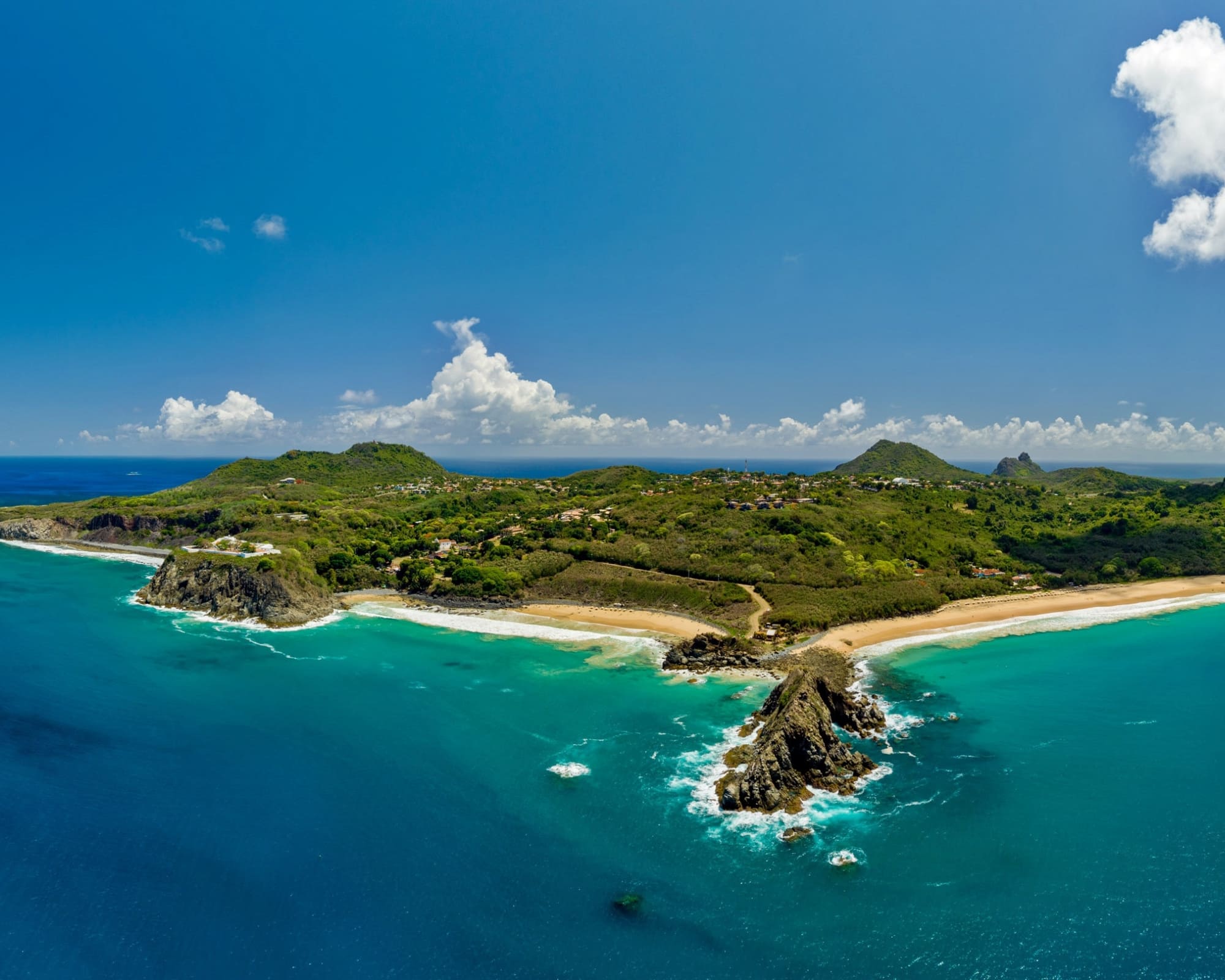
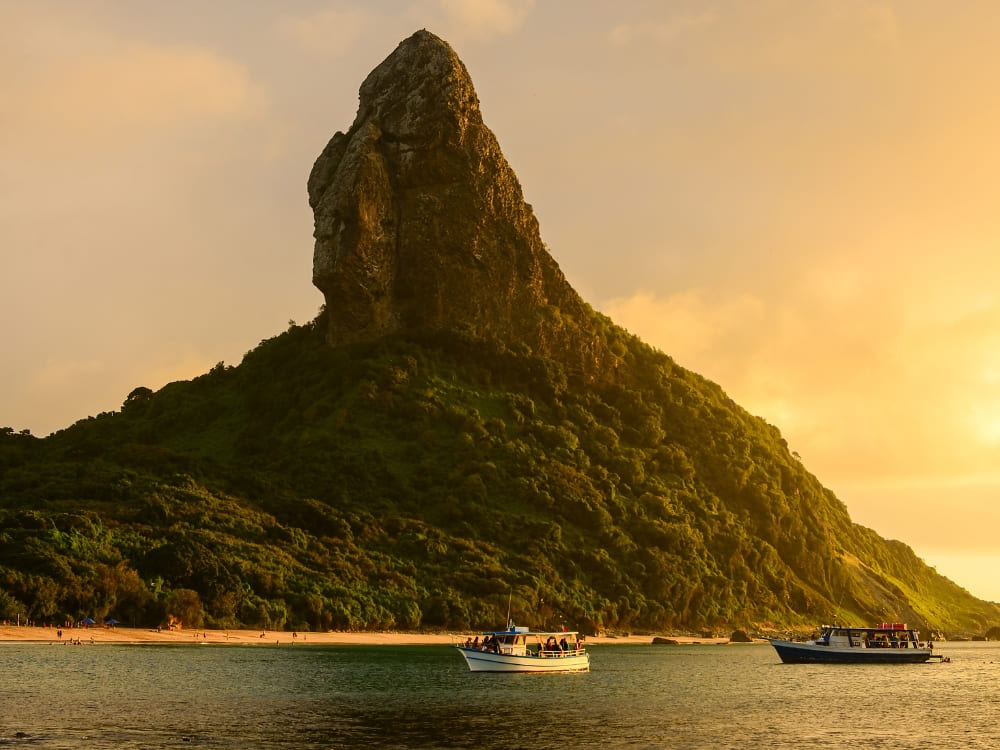
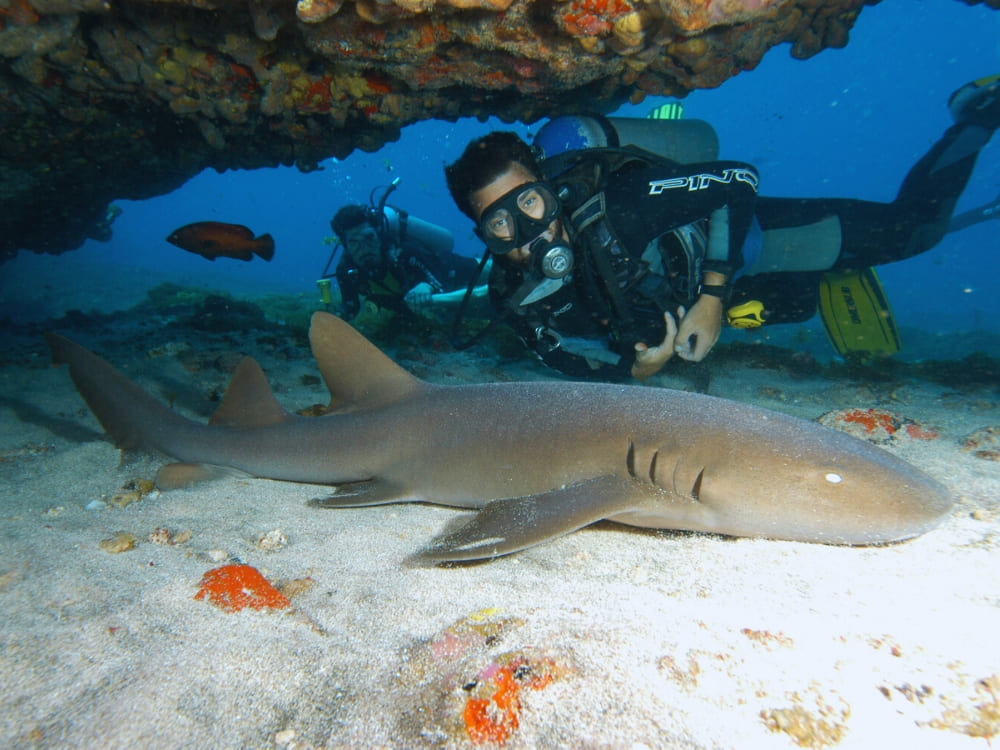
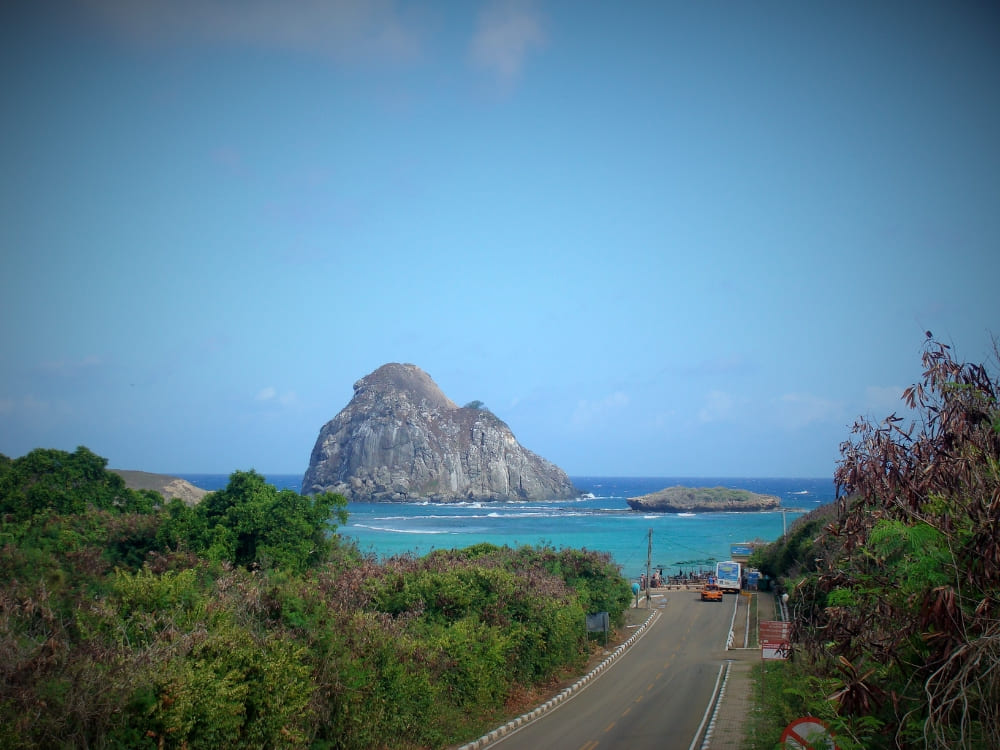
    Fernando de Noronha is a UNESCO World Heritage Site and one of Brazil’s most preserved Marine National Parks. With controlled tourism and a daily visitor cap, the island is known for its clear waters, coral reefs, and rare wildlife.

    Sea turtles, dolphins, and colorful fish are part of its daily scenery, making it a hotspot for ecotourism and marine research. Its natural beauty comes with responsibility: strict rules help protect biodiversity.

    How to get to Fernando de Noronha
    .

    PlanetaEXO works with local partners to promote sustainable tourism, offering trips that combine comfort, authenticity, and respect for nature. In this guide, we will explain how to get to Fernando de Noronha, with flights, routes, fees, and practical details.

    How to get to Fernando de Noronha?

    By plane

    The fastest and most common way to reach Fernando de Noronha is by air. Until recently, the island was only serviced by daily flights from Recife (REC) and weekly flights from Natal (NAT). Since 2024, LATAM has also operated direct flights from São Paulo’s Guarulhos Airport (GRU).

    The new São Paulo connection runs five times a week (Mondays, Wednesdays, Thursdays, Fridays, and Sundays) and takes around 3h50. This route significantly expanded international access to the island, as Guarulhos is Brazil’s largest international hub, receiving flights from Europe, the United States, and beyond.

    How to Get to Fernando de Noronha?
    @souza_aviation

    How to get to Fernando de Noronha from the UK?

    For travelers coming from Europe, the easiest entry points remain the non-stop flights from Lisbon (LIS) to Recife or Natal. Another option is to fly through São Paulo, which connects directly to Noronha or offers quick domestic connections of 3-4 hours to Recife or Natal.

    How to get to Fernando de Noronha from Rio de Janeiro?

    For travelers from Rio de Janeiro, the most common route is connecting through Recife (REC) or São Paulo (GRU). From Recife, it’s a short 1h15 flight to the island, while from São Paulo, you’ll catch the direct flight which takes just under 4 hours.

    For visitors from the US, flying into São Paulo is also the best alternative, followed either by a direct flight to the island or a short domestic connection.

    Fernando de Noronha Airport (FEN)

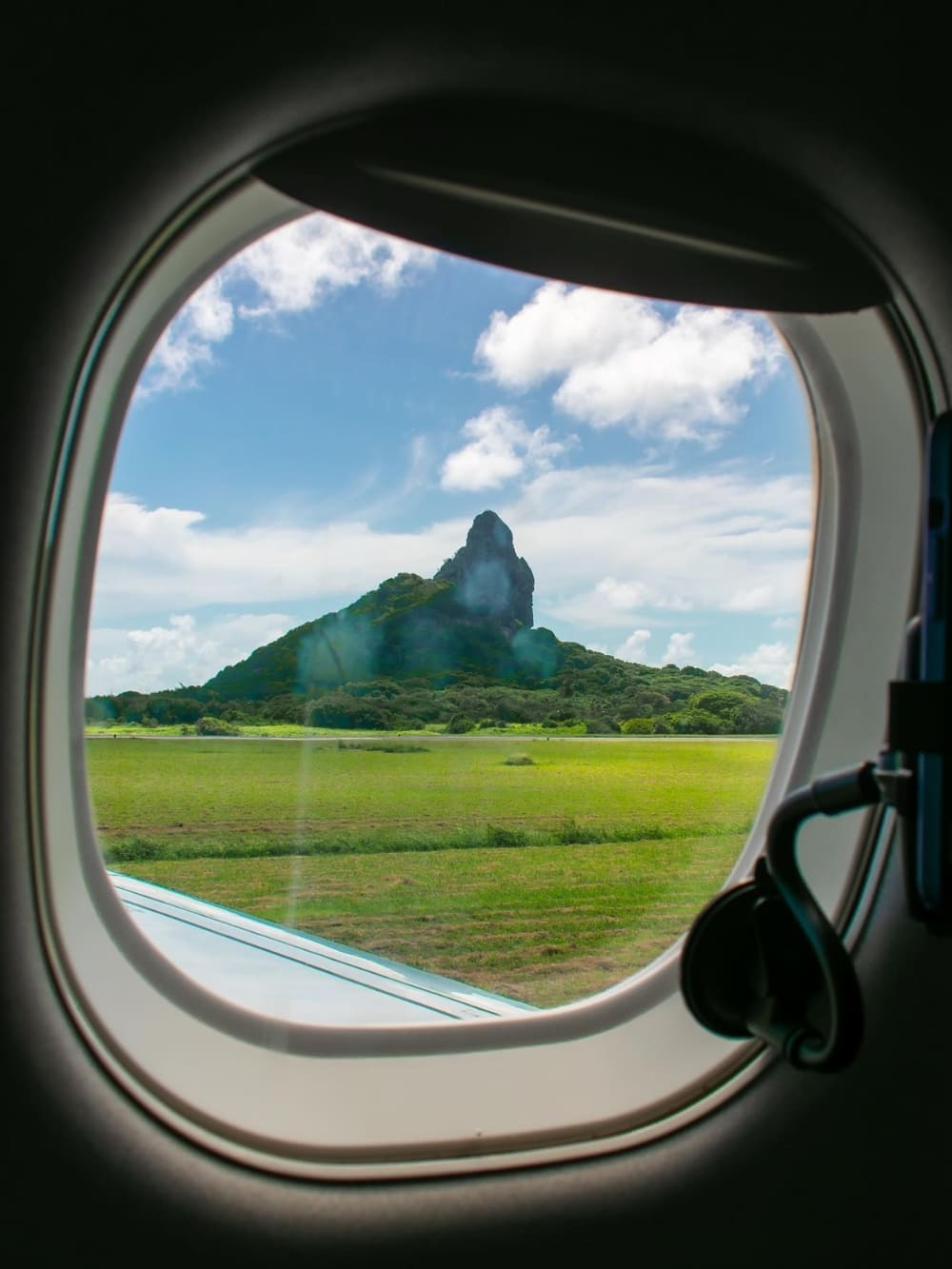
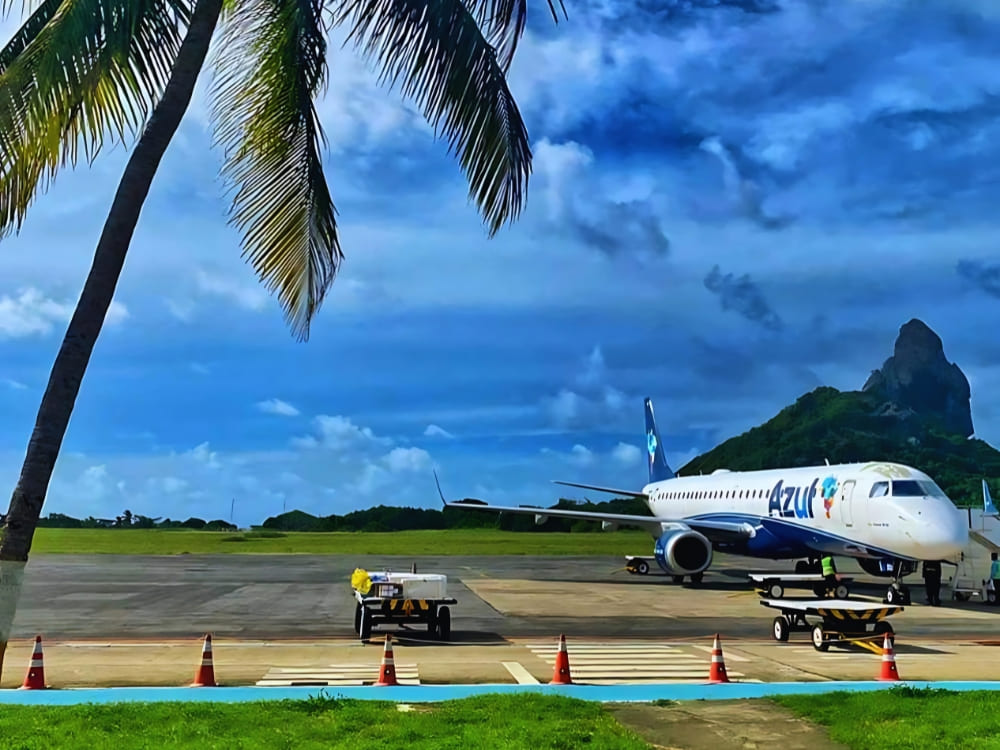
    The Governador Carlos Wilson Airport (FEN) is the island’s only airport, built in the 1930s and modernized to serve ecotourism. It sits in the center of the island, close to Vila dos Remédios and most accommodations.

    Small in size but functional, FEN receives daily flights from Recife and Natal, and now a direct line from São Paulo. The airport is easy to navigate, with quick transfers to hotels and pousadas.

    On any Fernando de Noronha map, you will notice how strategic the airport is, reducing travel time on arrival and making logistics simple for visitors.

    Fernando de Noronha Airport
    @casadaalbertinanoronha

    👉 Check our 5-day Fernando de Noronha Diving Trip for a full ecoadventure starting right at the airport

    Airports with connections

    • Recife (REC): The most reliable hub, with multiple daily flights to Noronha. Flights take about 1h15.
    • Natal (NAT): A smaller hub with direct flights of about 1h20.
    • São Paulo (GRU): Brazil’s largest international airport, with connections worldwide. From Guarulhos, the direct LATAM route to Noronha takes under 4 hours.

    👉 See the best time to visit Fernando de Noronha and align your flights with the season that best fits your plans

    By boat

    Is it possible to reach Fernando de Noronha by boat? Yes, but not through regular ferries. The island’s remote location (about 545 km from Recife) makes routine services impossible.

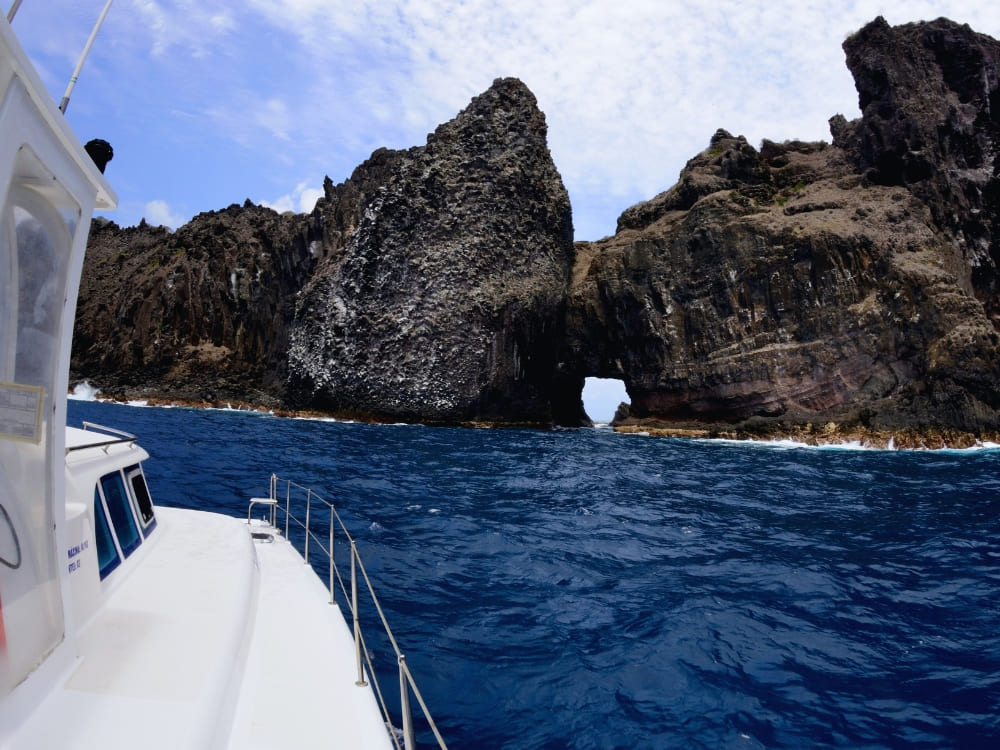
    Some sailing expeditions and private yachts arrive on the Fernando de Noronha islands, but they must follow strict entry requirements and coordinate with authorities. For most travelers, boats are not a realistic option.

    Boats Fernando de Noronha
    Photo: Fernando Klark

    Cruises

    A few international and Brazilian cruises include Noronha in their itineraries. These usually depart from Recife, Natal, or other South American ports as part of longer Atlantic journeys. Stops are typically short, lasting half a day to one day, giving passengers time to explore beaches or take a guided tour.

    These rare visits provide a different perspective of the island: approaching its volcanic cliffs and turquoise bays from the ocean. While not as flexible as air travel, they remain an option for travelers who enjoy sea expeditions.

    👉 Explore the best diving spots in Fernando de Noronha if you want to add underwater experiences to your cruise visit

    Entry requirements for Fernando de Noronha

    Travelers do not need a special visa to visit Fernando de Noronha, but they must follow Brazil’s general entry rules depending on nationality. Citizens from countries with visa agreements can stay up to 90 days, while others need a tourist visa before arrival. Always check your passport validity and requirements before flying.

    In addition to immigration rules, every visitor must pay two local fees: the daily Environmental Preservation Tax (TPA) and the Marine National Park ticket, valid for 10 days. These fees are mandatory and directly support conservation and infrastructure.

    Dive Fernando de Noronha
    Photo: Zaira Matheus

    Another essential point is planning ahead. Fernando de Noronha has a legally established limit of 132,000 visitors per year and 11,000 per month, based on an agreement between Pernambuco and federal authorities.

     A new Carrying Capacity Study is underway to reassess these numbers, since some months in recent years exceeded the monthly limit. Booking early ensures you secure flights, hotels, and permits in this protected paradise.

    👉 Want to learn more curiosities? Read 10 interesting facts about Fernando de Noronha

    Transport on the island

    After solving How do I get to Fernando de Noronha island?, it’s time to plan how to move around. The island is small, but transport options are varied:

    • Bus service: Runs regularly from Porto to Sueste.
    • Taxis and rides: More costly, but practical for short trips.
    • Buggy rentals: The most popular choice for freedom of movement.
    • Boat tours: Essential for reaching remote beaches and dive sites.
    • Hitchhiking: Surrisingly common and safe, reflecting the island’s small size and sense of community.

    Visitors usually mix public transport with buggies or rides, making it easy to explore without missing the main highlights.

    How to Get to Fernando de Noronha?
    Photo: Iza Correa

    👉 Short on time? Check out our 2-day diving package in Fernando de Noronha

    Travelling with PlanetaEXO

    With PlanetaEXO, you get full support for flights, tours, and accommodations, while contributing to local communities. Our experienced guides know the island’s trails, waters, and culture.

    We offer curated packages like the 2-Day Diving Package, 5-Day Diving Trip, and courses such as Open Water and Advanced Adventurer, combining top-level diving with sustainability for a safe and memorable experience.

    With us, the answer to how to get to Fernando de Noronha comes with the guarantee of authenticity, safety, and positive impact.

    👉 Contact us today to start planning your adventure

    Read More 

  • How to Get to the Amazon Rainforest in Brazil?

    How to Get to the Amazon Rainforest in Brazil?

    Don’t know how to visit the Amazon Rainforest? Check our guide for routes to Amazonas, Mato Grosso and Pará and learn everything you need to know!
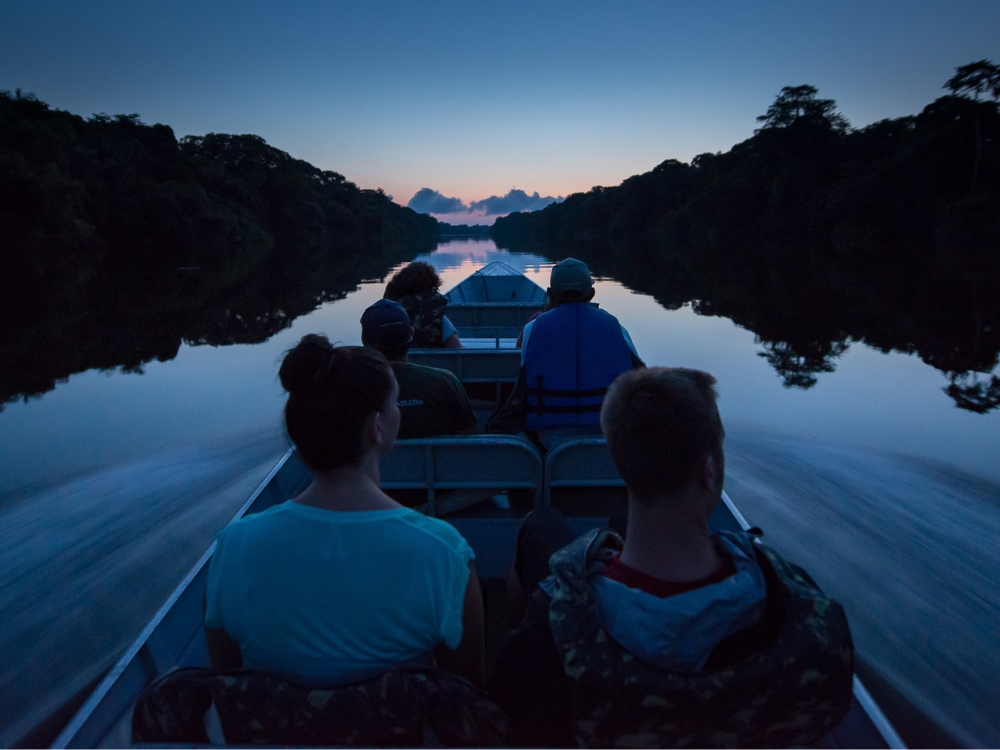
    If you’re wondering how to get to the Amazon Rainforest so you can start planning your next vacation, it’s important to point out that, contrary to popular belief, access is not difficult at all. The best way to get there is by flying to Manaus, the capital of the Amazonas state.

    Aerial view of a winding blue river flowing through the dense green vegetation of the Amazon Rainforest in Brazil.
    .

    As an ecotourism platform for Amazon Rainforest tours in Brazil that partners with the best local operators, PlanetaEXO has put together a comprehensive guide to answer all your questions. Check it out!

    Where is the Amazon Rainforest in Brazil?

    The Amazon is located in the Northern region of Brazil. Though it spans over Bolivia, Colombia, Ecuador, Peru, Guyana, Venezuela and Suriname, over 59% of the biome is located within Brazilian borders.

    Amazonas is the main state, but the forest also extends into Pará, Mato Grosso, Acre, Amapá, Rondônia, Roraima and Tocantins. 

    👉 Read more: When is the best time to visit the Amazon Rainforest in Brazil

    How to get to Manaus?

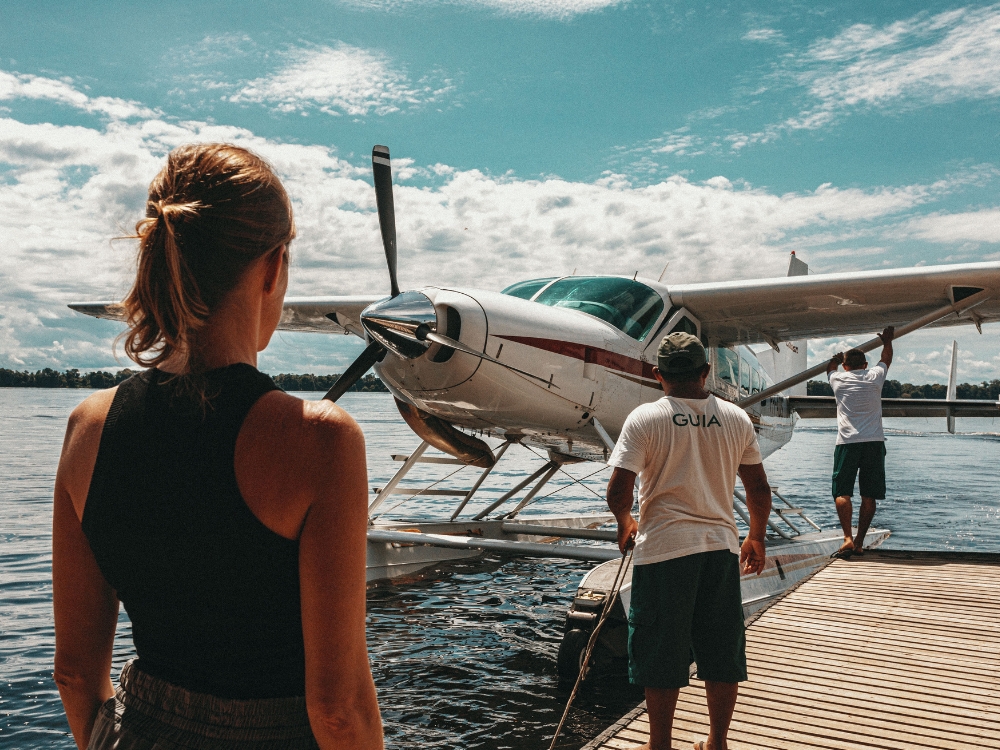
    The route from Manaus to the Amazon Rainforest is the most convenient, as the capital of Amazonas is considered the gateway to the biome. Tourists fly to Eduardo Gomes International Airport (MAO), which is served by flights from Belém, Belo Horizonte, Brasília, Fortaleza, Recife, Rio de Janeiro and São Paulo.

    Foreign travelers can reach Manaus from Bogotá (BOG), Panama City (PTY) or Curacao (CUR), as there are no direct flights from Europe or the United States. For US residents, Copa and Avianca airlines offer the most convenient flight options with layovers in Panama and Colombia.

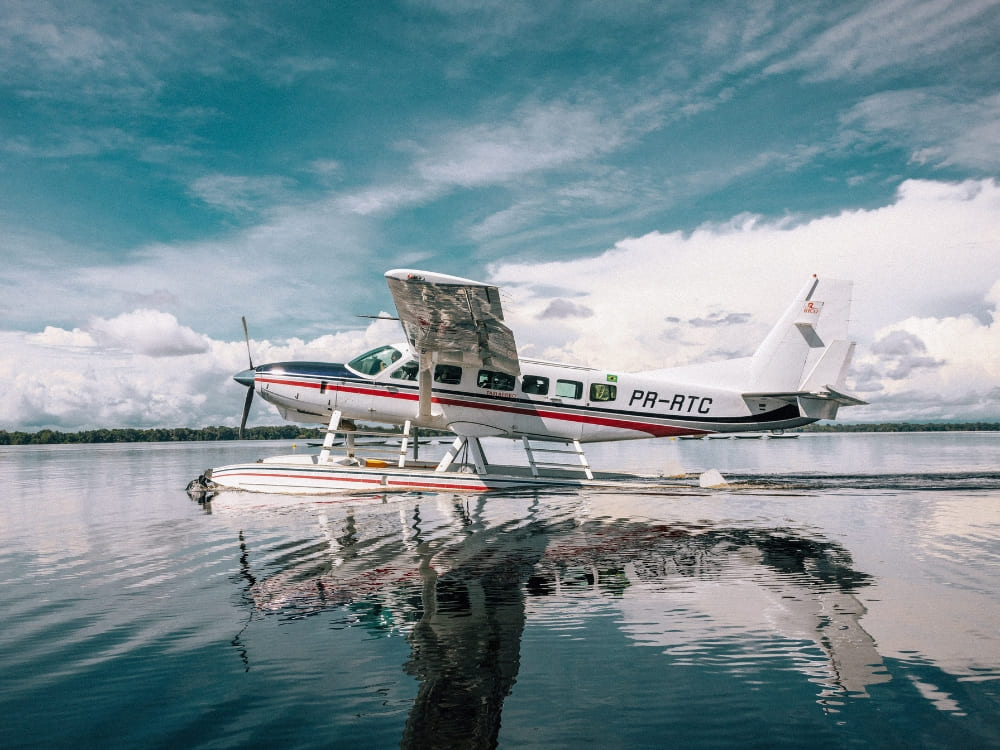
    Traveler standing on a wooden pier looking at a small seaplane docked in the Amazon river ready for boarding.
    Photo: Felipe Castellari

    From European and North American countries, flights usually stop in São Paulo (GRU/VCP), Rio de Janeiro (GIG) or Brasília (BSB) before getting to the final destination. From these cities, Azul and GOL airlines fly straight to Manaus.

    After arriving in Manaus, transportation to the forest is necessary. Most PlanetaEXO’s tours to the Amazon include private or group shuttle services provided by the lodges, which require a 30-minute drive to Port of Ceasa and boat rides to the hotel — whose duration depends on the location of each accommodation.

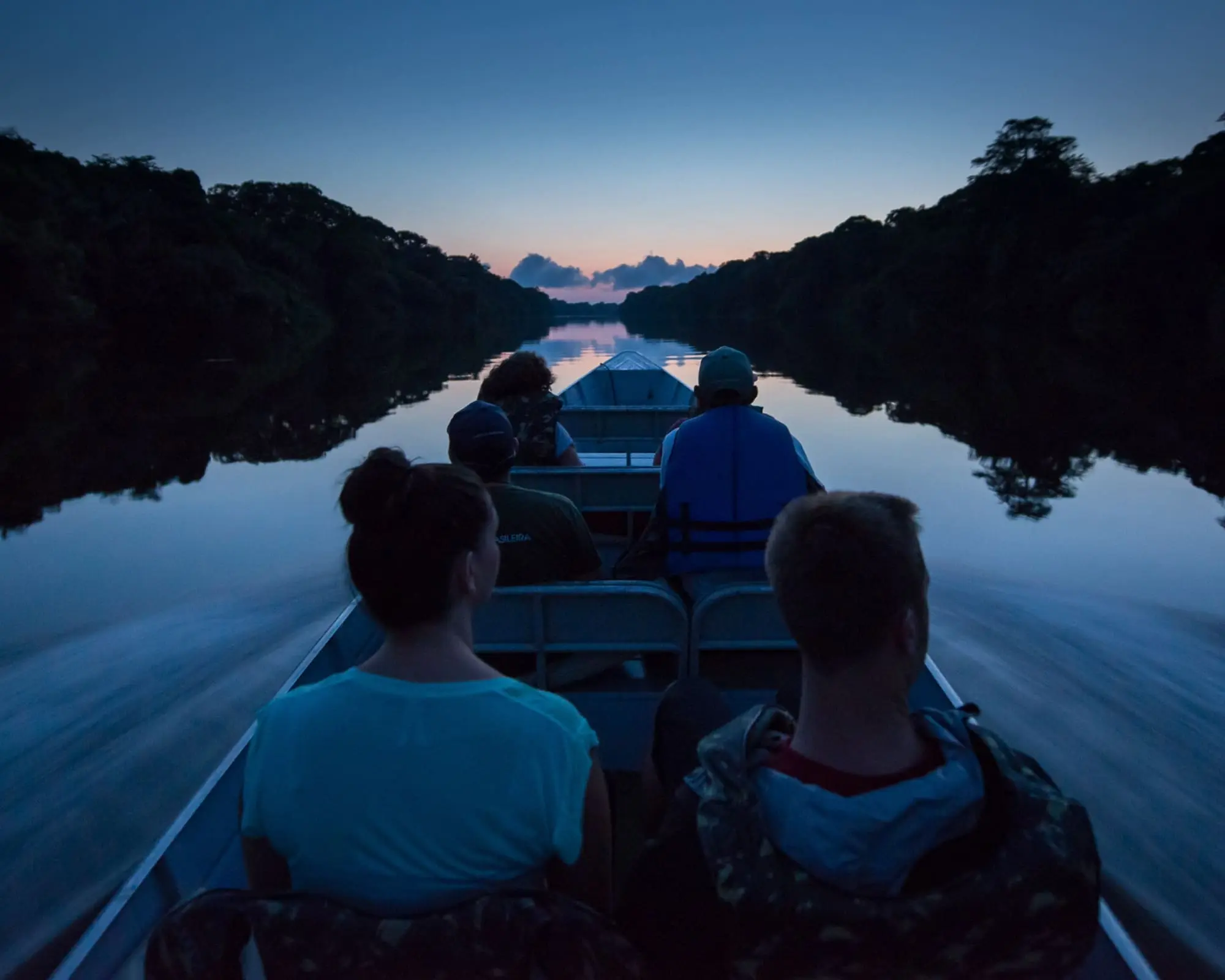
    Tourists riding a motorized canoe exploring the calm waters of the Amazon Rainforest river at dusk
    .

    Some lodges are located in very isolated areas, which makes the route fairly long, with multiple car, bus or boat rides. It might seem like a lot, but don’t worry! The journey to the accommodation is an adventure in itself, as you’ll be able to live incredible things right on your first day, like visiting fruit markets, spotting animals, witnessing the Meeting of Waters, etc.

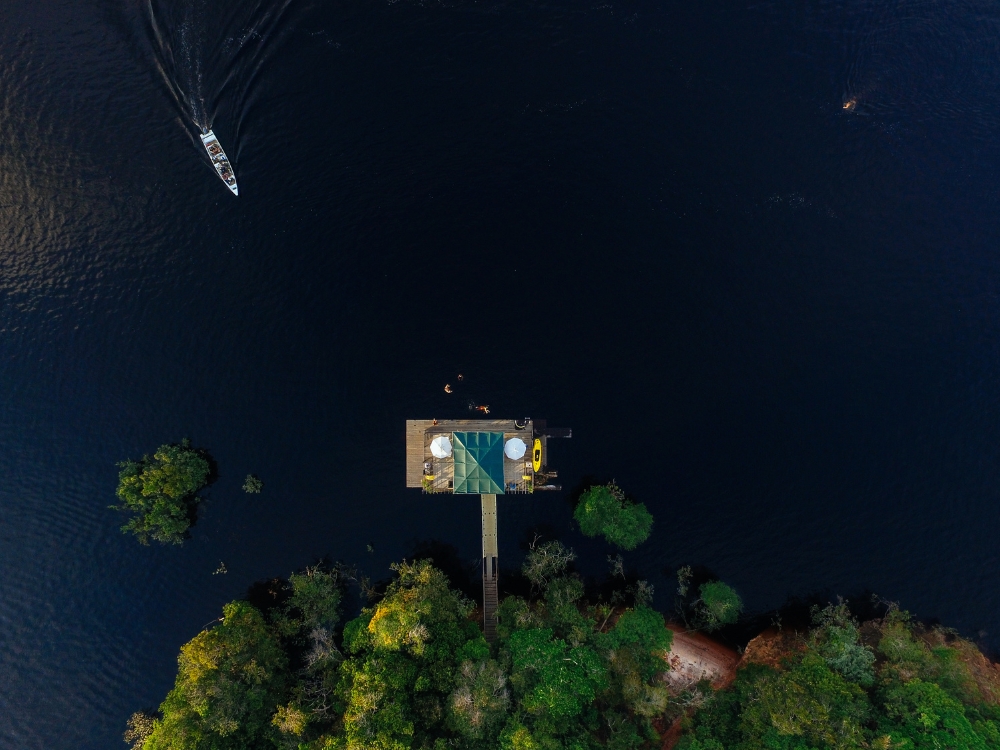
    Aerial drone shot of an eco-lodge built on stilts surrounded by the dark waters of the Amazon river and lush jungle.
    .

    👉 Read more:

    How to get to the Amazon Rainforest in Alta Floresta, Mato Grosso?

    Alta Floresta is located in the northern part of Mato Grosso, on the southern edge of the Amazon. This lovely town is home to Cristalino Jungle Lodge, one of the most renowned jungle lodges in the world. Don’t just take our word for it — National Geographic thinks so too!

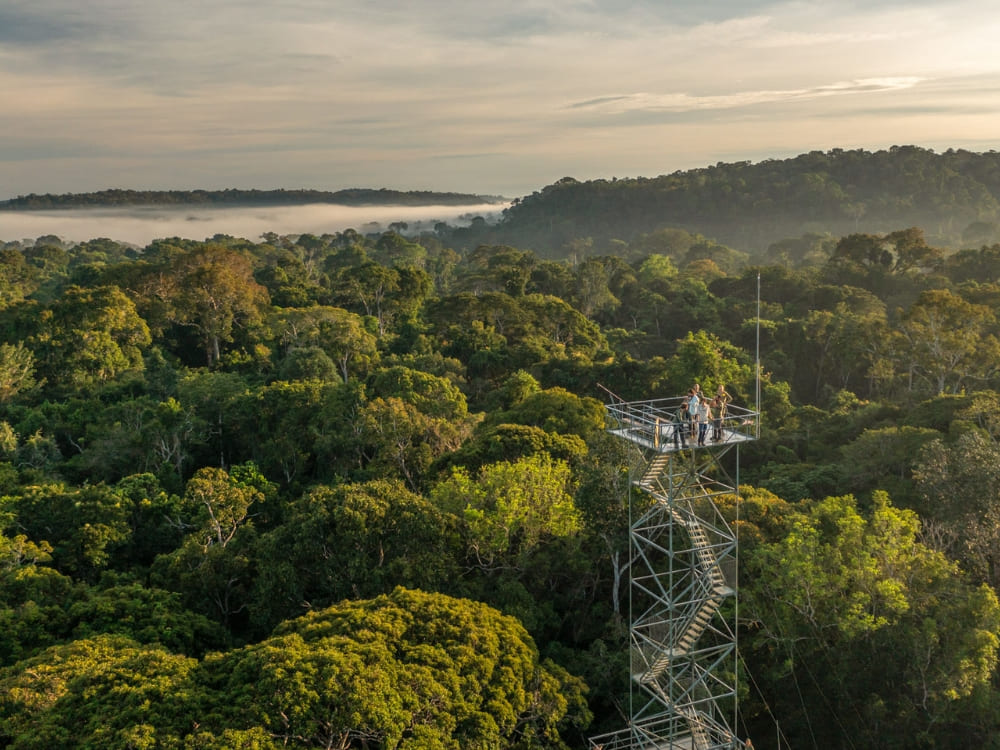
    Tall metal observation tower rising above the Amazon rainforest canopy at Cristalino Jungle Lodge in Mato Grosso.
    Photo: Andre Dib

    The Amazon Rainforest airport in Alta Floresta is Piloto Osvaldo Marques Dias Airport (AFL), served by Azul Airlines with flights from Cuiabá (CGB) and São Paulo (VCP) 2–3 times a week. Before landing in these cities, you might have a layover in other places. Double-check your flight details!

    Alta Floresta is also near other remarkable biomes, such as the Pantanal, famous for jaguar sightings. Many Pantanal tours depart from Cuiabá, providing the perfect opportunity to experience more of Brazil’s incredible natural diversity.

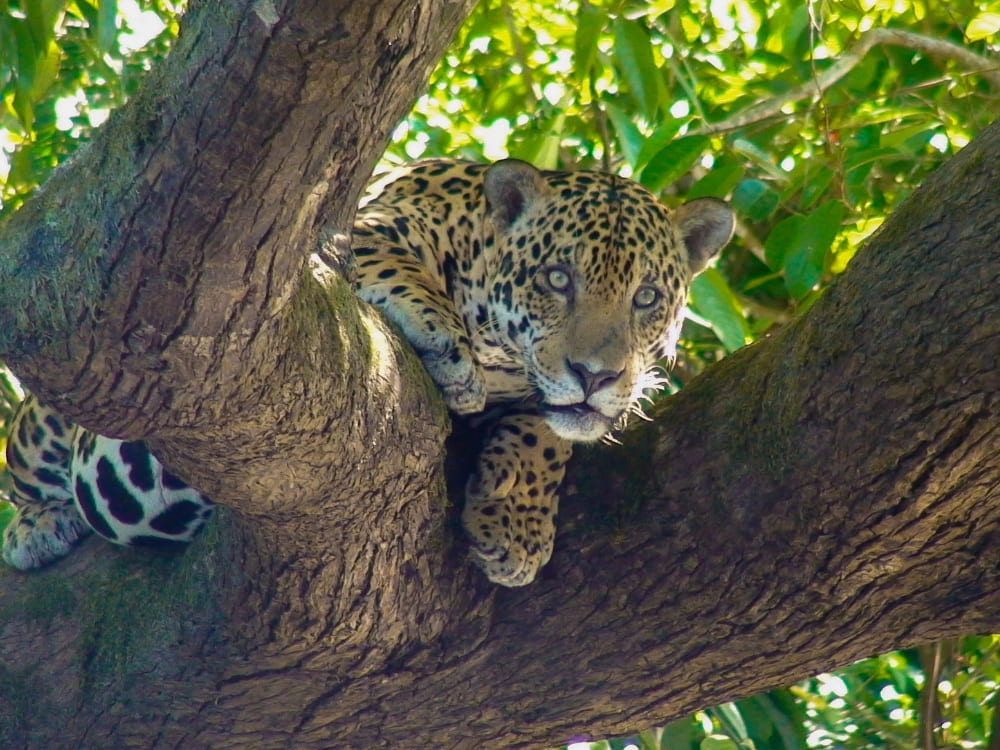
    Jaguar resting comfortably on a thick tree branch in the Brazilian wetlands.
    Photo: Jorge Lopes

    How to get to the Amazon Rainforest in Pará

    Bordering the state of Amazonas, Pará allows for a different side of Brazil’s rainforest. Still beautiful and full of wonders, but with its own uniqueness of natural resources and cultural richness. 

    Pará’s main Amazonian attractions are the exquisite Marajó Island and Alter do Chão, the best beach in Brazil according to The Guardian, which described it as “the jungle’s answer to the Caribbean”.

    Belém

    The easiest way to arrive in Pará is to land in Belém, the capital of the state. Belém International Airport (BEL) is served by direct flights from multiple Brazilian cities: Belo Horizonte (CNF), Brasília (BSB), Fortaleza (FOR), Manaus (MAO), Recife (REC), Rio de Janeiro (GIG), São Luís (SLZ) and São Paulo (GRU/VCP).

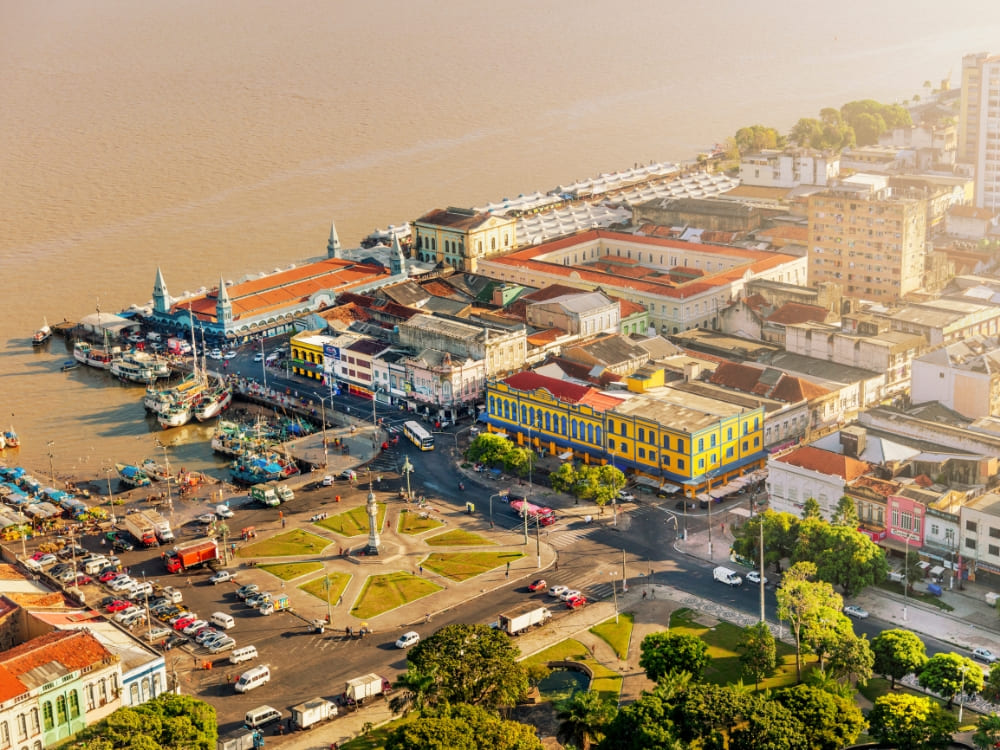
    Aerial view of the historic Ver-o-Peso market and docked boats on the riverfront in Belém do Pará.
    .

    Foreign tourists can also fly straight to Belém from Bogotá (BOG), Lisbon (LIS), Fort Lauderdale (FLL) and Miami (MIA).

    GOL, LATAM and Azul airlines operate both national and international routes.

    Santarém

    If you’re going to Alter do Chão, you should book your flight to Santarém (STM), a town 1.167 km (725 miles) away from Belém. To get there, you can depart from Belém (BEL), Brasília (BSB), Manaus (MAO) or Porto Trombetas (TMT).

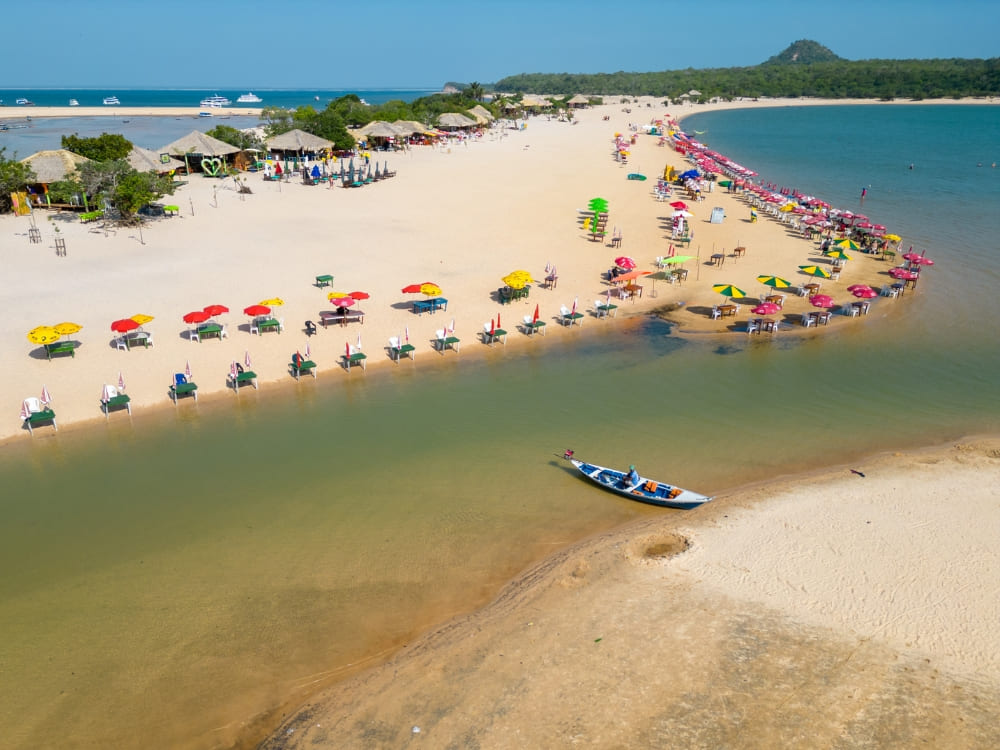
     White sand beach of Ilha do Amor stretching into the clear waters of the Tapajós River in Alter do Chão.
    .

    You can also reach your destination by boat through Port of Belém or Port of Santarém. Boat trips last over 36 hours, enough time for you to enjoy a nice ride across the Amazon and the Tapajós rivers. Watch the sunrise or the sunset, admire the Meeting of Waters and keep your eyes open for birds and aquatic animals.

    The boats are relatively modest, but still comfortable and safe. Passengers can book their own cabins (with double beds, private bathrooms, air conditioning, TV, and minifridge) or spend the night in hammocks spread around the floors. Meals (breakfast, lunch, dinner, and snacks) are sold separately. 

    👉 Explore this adventure: Amazon River Cruise from Alter do Chão

    Valuable tips for getting to the Amazon

    You’ve learned how to visit the Amazon Rainforest in Brazil through different routes, states and cities. To make your journey even smoother, here are some valuable tips:

    • The route from São Paulo to the Amazon Rainforest offers the most options for direct flights and layovers in Viracopos (VCP) and Guarulhos (GRU).
    • From Rio de Janeiro to the Amazon Rainforest, Galeão (GIG) is the main airport for travelers going to Manaus and Belém.
    • Check Google Flights to find affordable flight tickets.
    • If you choose to go from Belém to Santarém (or vice versa) by boat, Ibarco is one of the most well-known operators in the North of Brazil.

    PlanetaEXO is here to assist you with the best transfer options for trips in Amazonas, Mato Grosso or Pará. Most of our tours include private shuttle services for your convenience. Contact us and check more information!

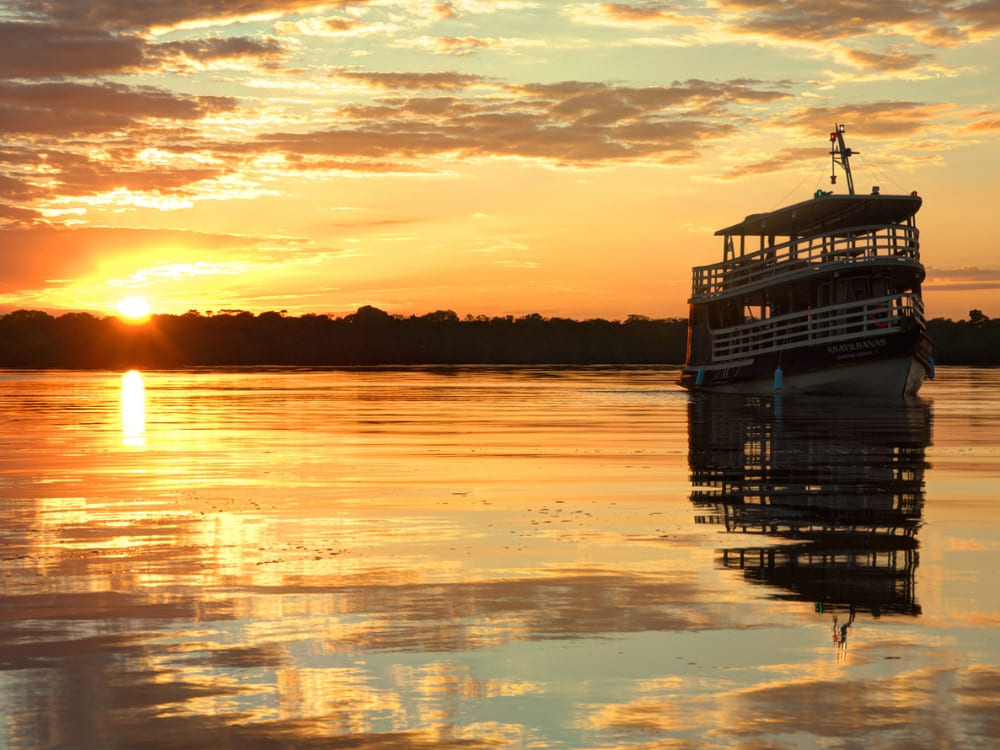
    Traditional wooden riverboat navigating the calm Amazon waters during a golden sunset reflecting on the river.
    .

    The Brazilian Amazon is calling for you!

    Now that you know everything about getting to the largest rainforest on Earth, it’s time to start your travel plans!

    PlanetaEXO is an ecotourism platform specialized in Amazon Rainforest tours in Brazil. By working with the best local operators, we’re able to help the community, protect the environment, and arrange your dream trip. Contact us now!
  • 10 facts about Jalapão, Brazil

    10 facts about Jalapão, Brazil

    From the meaning of the name to its main attractions and rich history, learn everything about Jalapão in Brazil

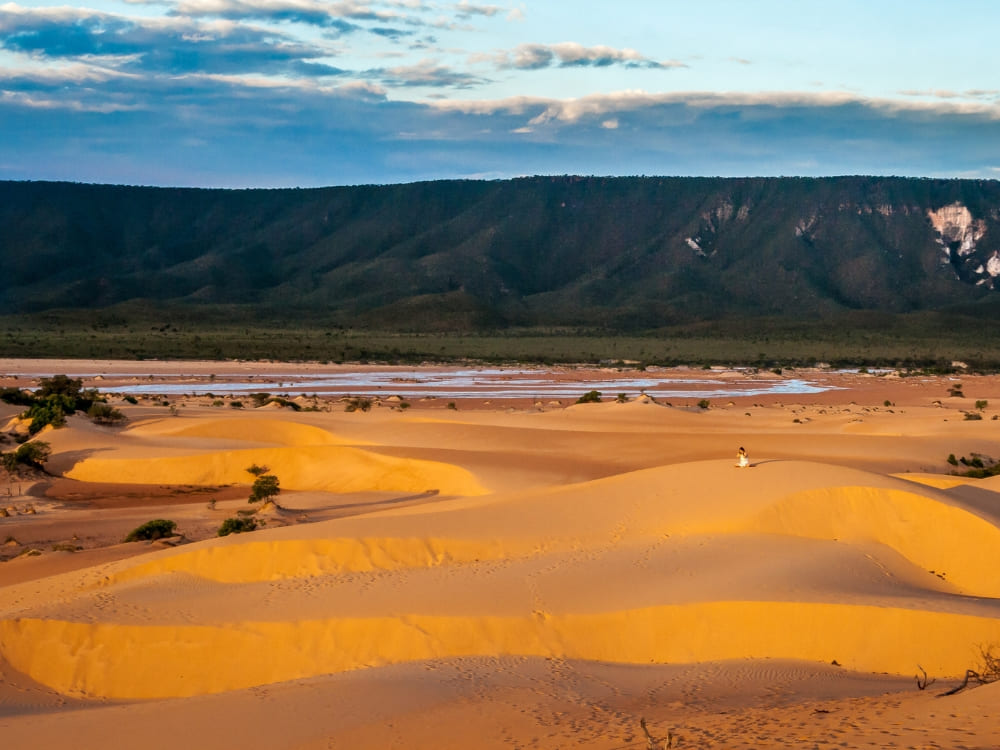
    Known for its remote beauty, Jalapão is a place where rivers form crystal-clear springs, sand dunes rise in the middle of the savanna, and communities preserve centuries-old traditions. These features make it a paradise for those who love both adventure and culture.

    Golden sand dunes at sunset showcasing the remote beauty of Jalapão, where sand dunes rise in the middle of the savanna.
    Photo: Rodrigo José Fernandes

    But beyond the natural scenery, this destination carries stories that surprise even the most experienced travelers. From the formation of fervedouros to the craftwork of capim-dourado and the history of the quilombo territory, every Jalapão fact has a tale to tell.

    Curious to learn more? PlanetaEXO, an ecotourism platform specializing in Jalapão tours, has put together a list with 10 fascinating facts about your next vacation spot. Check them out below!
    1. Largest State Park in Tocantins

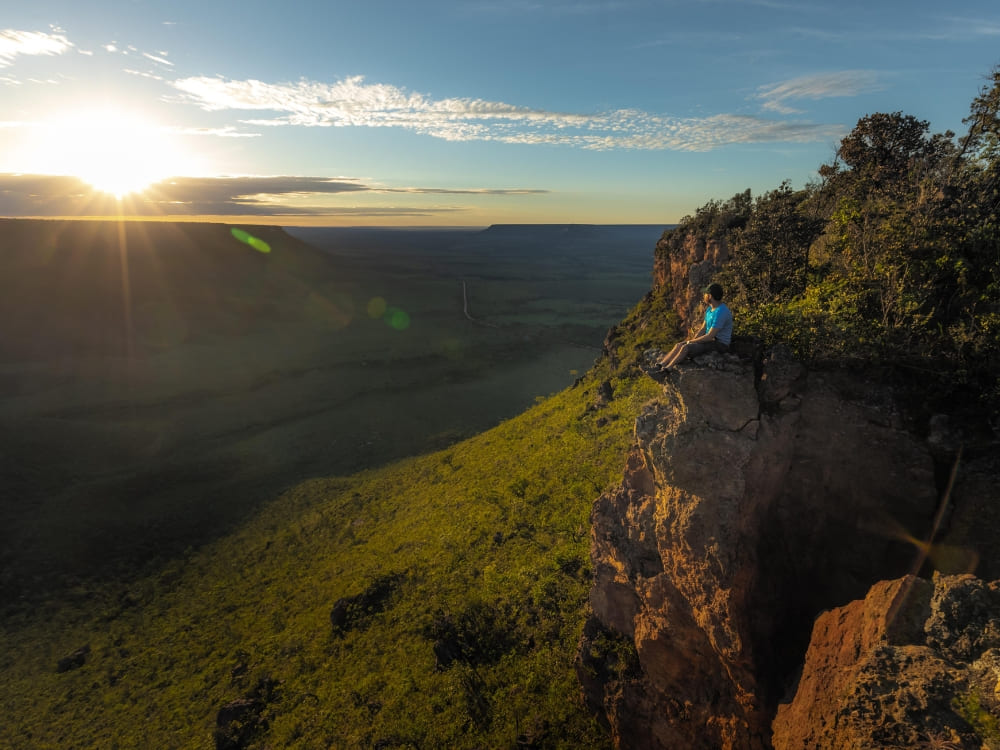
    Created in 2001, the Jalapão State Park covers an area of 158,800 hectares. Not only is this the largest state park in Tocantins, but it’s also South America’s most significant savanna.

    A traveler sits on a cliff edge enjoying the sunset over the vast savanna landscape of Jalapão State Park.
    .

    Extending itself across the municipalities of Mateiros and São Félix do Tocantis, Jalapão protects dunes, springs, waterfalls, and vast wildlife corridors as one of the most important conservation units of the Cerrado, a biome that has lost large portions of its native vegetation in recent decades.

    2. The Meaning of “Jalapão”

    Here’s a Jalapão fact that everyone’s curious about: What does the name mean? 

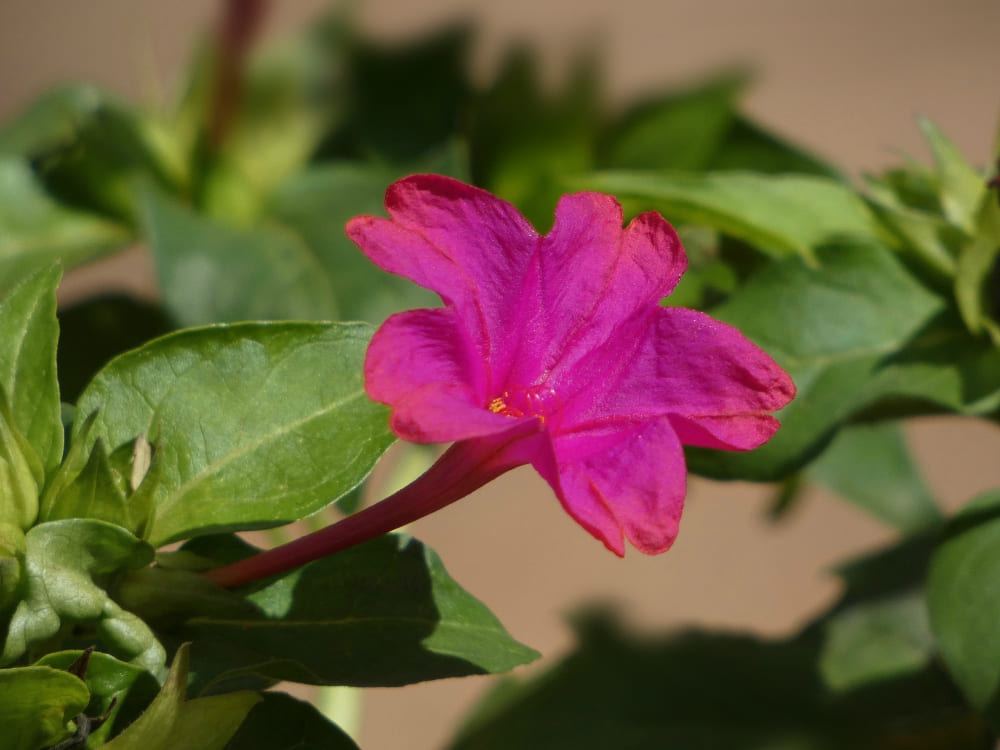
    According to historians, it’s linked to a local medicinal plant called jalapa. Once abundant in the region, it was heavily used for its healing properties and became a reference point for travelers and residents.

    A vibrant pink jalapa flower in bloom, the local medicinal plant that inspired the meaning of the name Jalapão.
    Photo: Linda De Volder

    In Portuguese, the suffix “ão” suggests vastness or profusion. Therefore, the meaning of Jalapão is something like “the land with an abundance of jalapas,” reflecting both the natural resources of the past and the richness of today’s landscapes.

    3. Once a Sea

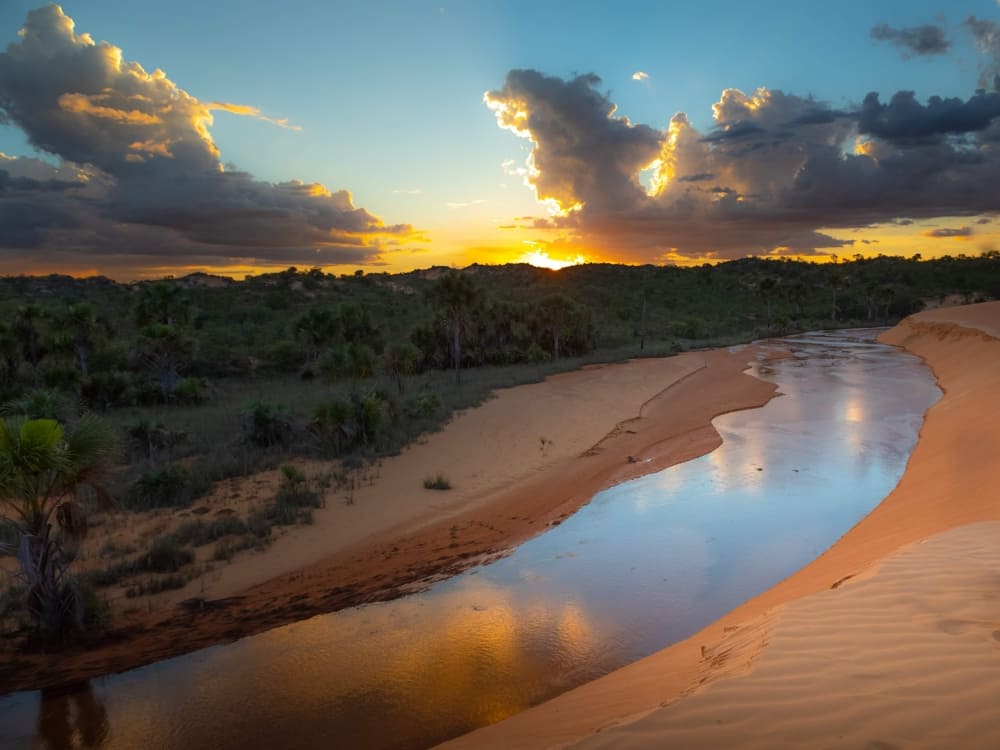
    Millions of years ago, Jalapão was covered by an ancient sea. The park’s rock formations, plateaus, and canyons are remnants of this prehistoric landscape. Sandstone walls, eroded over millennia, still reveal marine fossils and ripple marks.

    A calm river flowing through wide sandy areas and rugged cliffs during sunset, reflecting the region's geological past
    .

    This geological past explains the presence of wide sandy areas, rugged cliffs, and fertile valleys, while the constant action of water and wind has shaped the land into the unique combination of dunes, rivers, and springs we see today.

    Travelers walking through Jalapão are essentially crossing what was once the seabed. Next time you hike its trails, imagine that the golden sand under your feet was part of a vast ocean floor!
    4. The Fervedouros of Jalapão

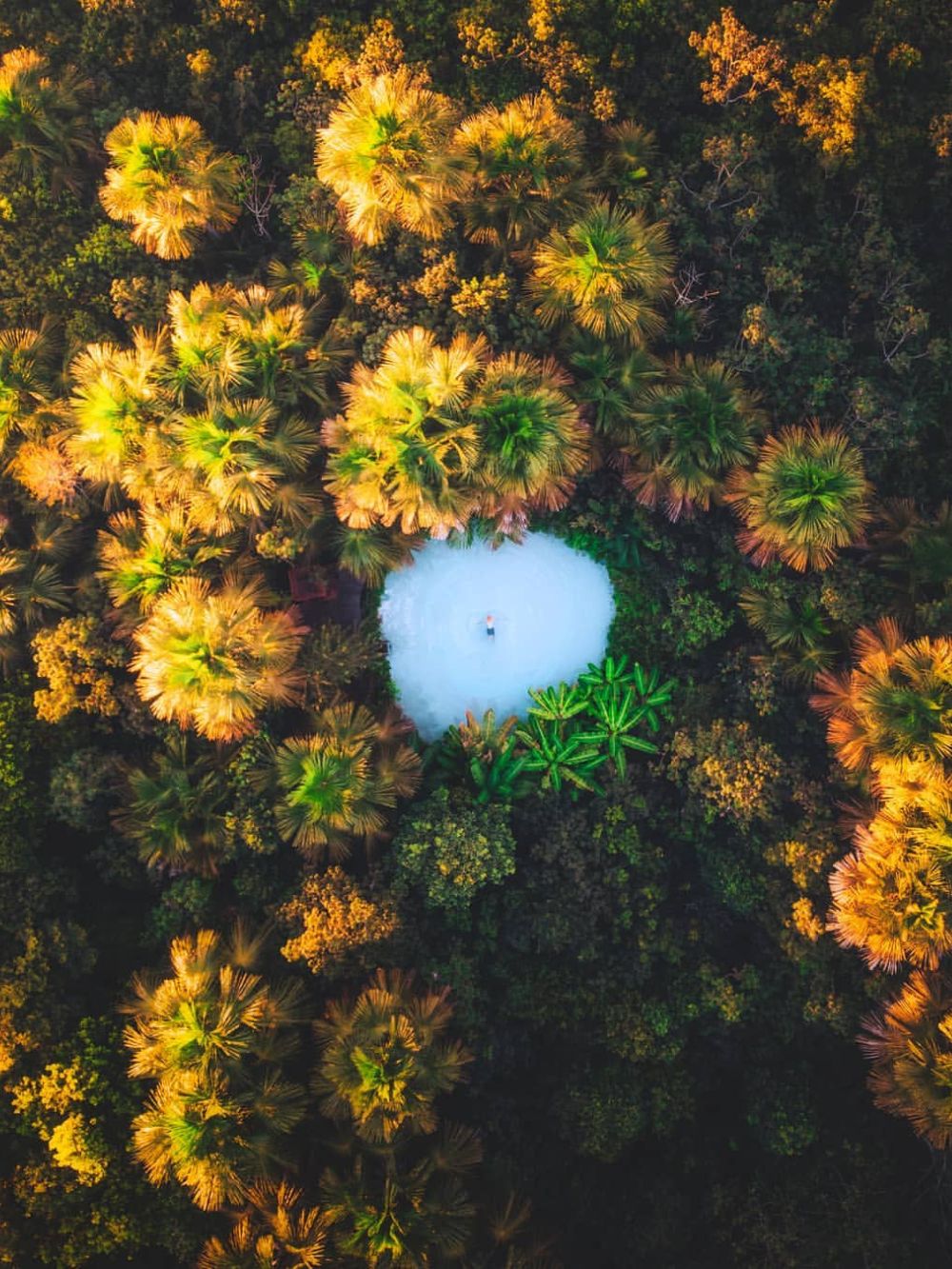
    How can water bubble endlessly from the ground without ever drying up? Jalapão’s fervedouros are natural karst springs formed when underground rivers push water through fine sand with high pressure. This constant upflow makes the surface bubble and creates a buoyancy effect so strong that it’s impossible to sink.

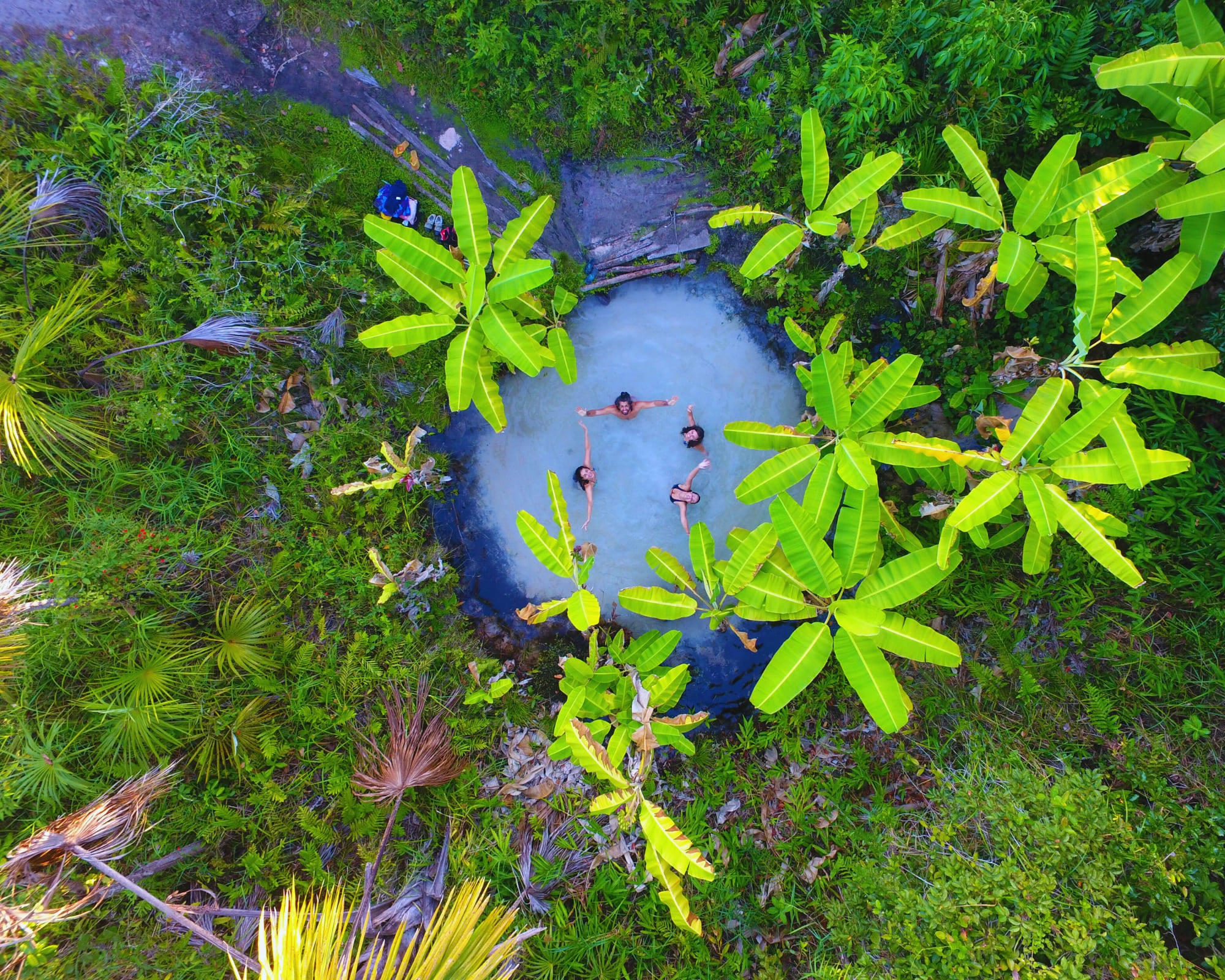
     Aerial view of a crystal-clear cyan fervedouro spring surrounded by lush buriti palms in Jalapão State Park.
    .

    There are over a hundred fervedouros in the Jalapão State Park, but only a handful are open for visitation. Some of the most beautiful (and most famous) are Bela Vista, Alecrim, Buritis, Buritizinho, Soninho, Ceiça, Rio Sono, and Encontro das Águas.

    These pools are exceptionally crystal-clear, ranging from turquoise to cyan, making them some of the most photogenic spots in Brazil. To protect them, rules are strict: only up to 8 people at a time, 20 minutes per group, and no sunscreen allowed before entering to avoid water contamination.

    👉 Read more: What to do in Jalapão?

    5. It’s Always Sunny in Jalapão

    Jalapão is located in northern Brazil, one of the warmest regions in the country, which means the weather is always sunny. On the hottest days, temperatures easily reach 30 to 34°C, while the average minimum in the winter is between 15 and 20°C.

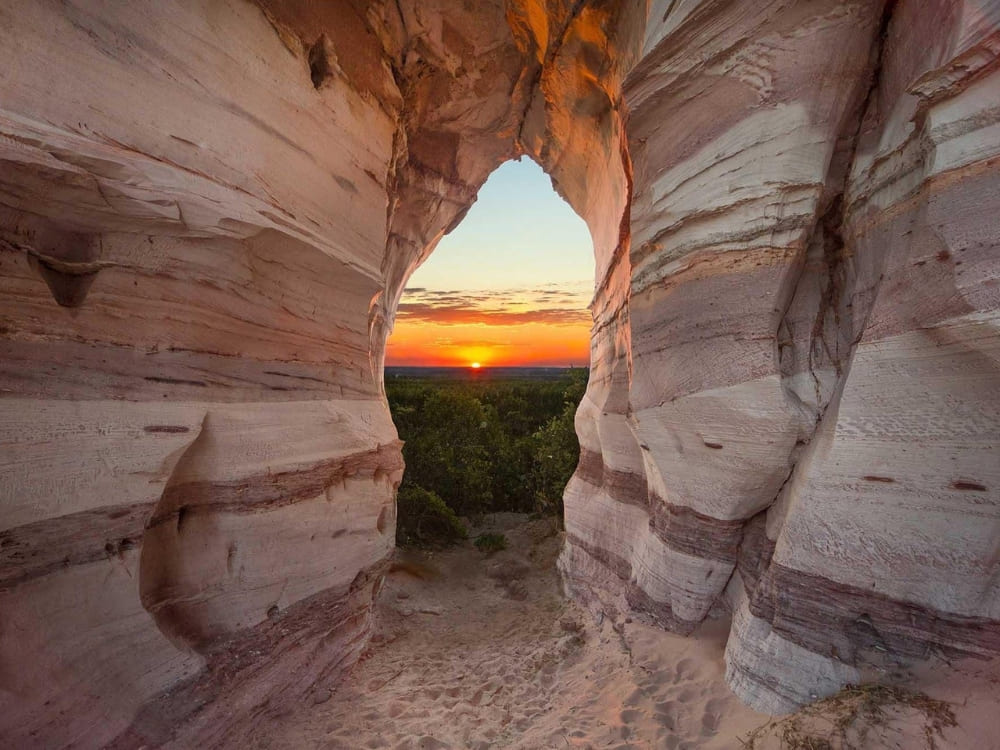
    A bright sunset viewed through a natural sandstone wall, highlighting the consistently sunny weather in northern Brazil
    .

    Even during the rainy season (October to April), the sun still brightens the sky and creates the perfect atmosphere for visiting the fervedouros and waterfalls.

    6. Dozens of Waterfalls and the Novo River

    In addition to the fervedouros, Jalapão is also home to dozens of waterfalls, such as Fumaça, Sussuapara, Soninho, Formiga, Lajeado, and Prata.

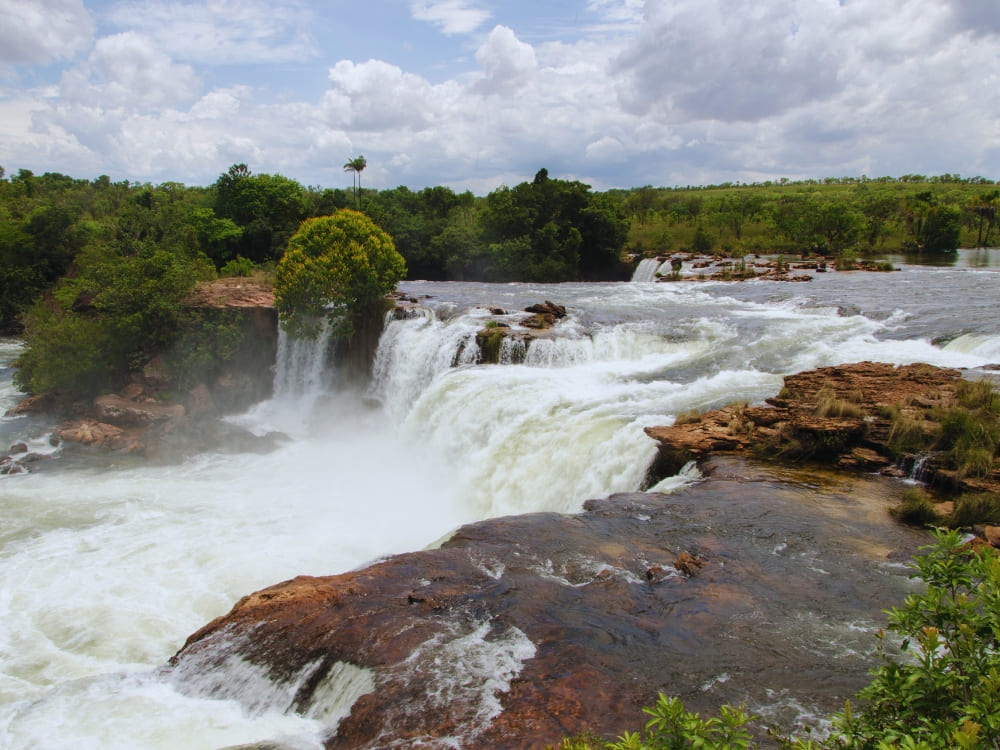
    The powerful horseshoe-shaped Velha Waterfall cascading over rocky cliffs along the well-preserved Novo River
    Photo: Filipe Gonzaga Ferreira

    Velha Waterfall (Cachoeira da Velha), perhaps the most iconic in the entire park, is especially known for its horseshoe-like shape. Nearly 100 meters wide, it’s fed by the Novo River, one of the best-preserved rivers of drinkable water in the world.

    Travelers also love Prainha do Rio Novo, a golden sand river beach perfect for tanning, relaxing, and simply appreciating the beauty of Jalapão State Park.

    7. Japanese Lagoon

    While not inside the Jalapão State Park, the Japanese Lagoon is part of the Jalapão circuit and is one of the region’s most beloved attractions.

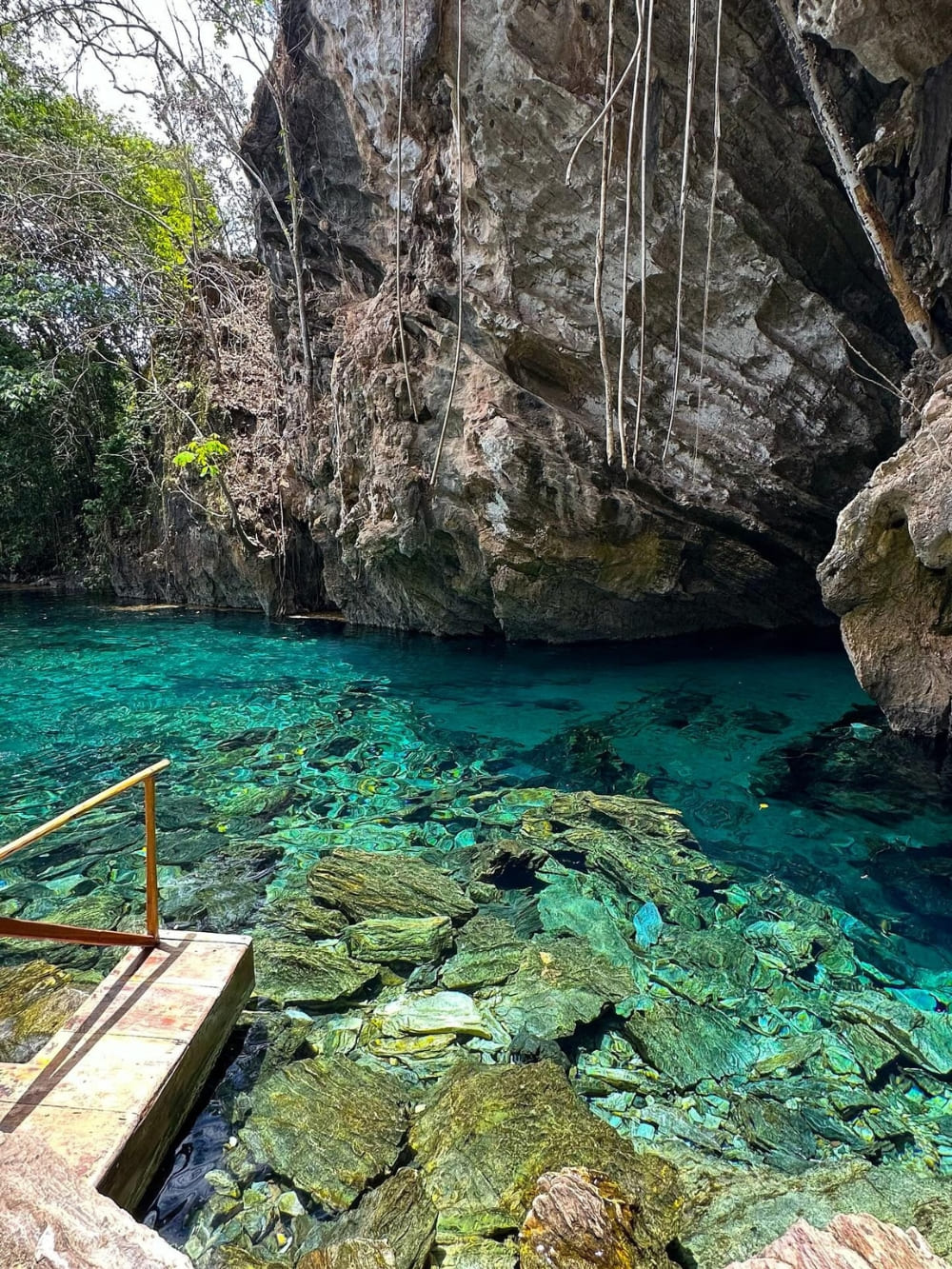
    The crystal-clear blue waters of the Japanese Lagoon surrounded by rocky cliffs in Pindorama do Tocantins.
    @carlosd_jalapao

    Situated in the city of Pindorama do Tocantins, the lagoon, with its crystal-clear blue waters and surrounded by rocky cliffs, is part of the Serra Gerais Ecological Station.

    With great infrastructure, it includes restaurants, restrooms, camping, activities for children, hammocks, and equipment and shoe rentals (to protect feet from sharp rocks at the bottom of the lagoon).

    Visitors to the Japanese Lagoon can swim, take boat trips, visit the cave, and try the zip line.

    👉 Read more: 15 Ecotourism Destinations in Brazil

    8. Quilombola History and Traditions

    The Rota Quilombola connects three communities in Jalapão: Mumbuca, Prata, and Rio Novo. These villages originated as forms of resistance during Brazil’s colonial period, when quilombos—hinterland settlements founded by people of African descent who escaped slavery—became safe havens for freedom and cultural preservation. 

    In Mumbuca, travelers discover the art of capim-dourado with local artisans. In the town of Prata, rapadura (traditional sweet made with sugarcane), cachaça with Cerrado herbs (Brazilian destilled drink also made with sugarcane), and organic farming show the connection between food and culture. Meanwhile, Rio Novo holds stories of freedom and settlement by the river that inspired its name.

    Visiting these places means sharing experiences. From workshops and music by the fire to local recipes and river dips, the Rota Quilombola invites travelers to support sustainable tourism while learning about living history.

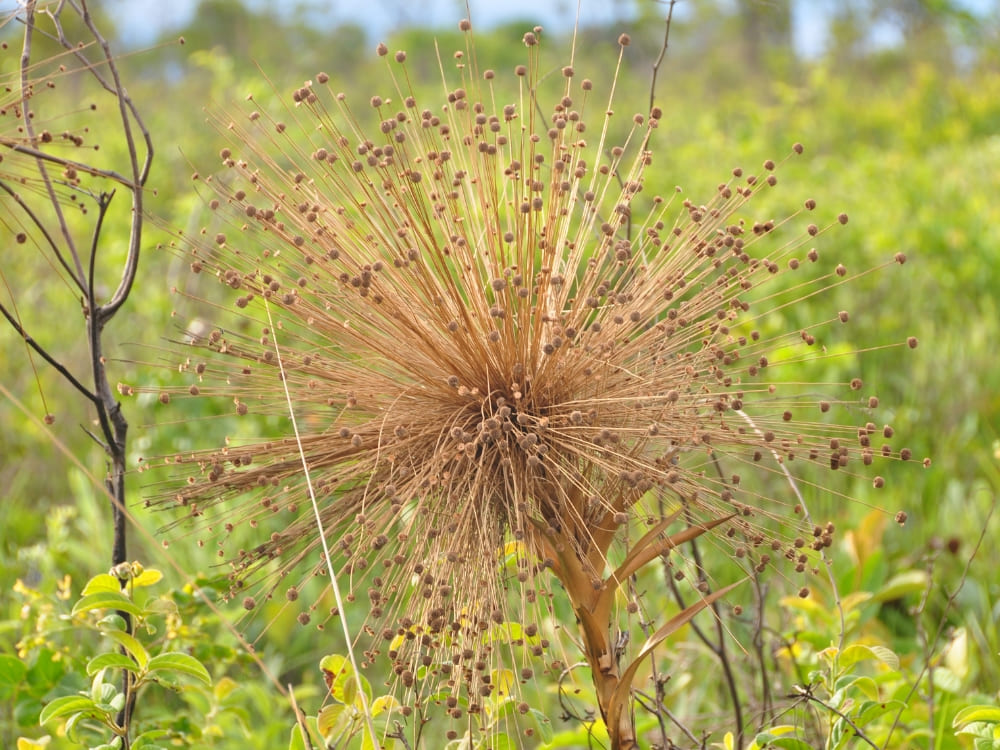
    9. Capim-Dourado, the Golden Grass of Jalapão

    One of Jalapão’s cultural treasures is the capim-dourado, a plant whose golden stems shine like metal. Local artisans harvest it carefully, weaving it into jewelry, baskets, and decorative items that are admired across Brazil.

    A close-up of capim-dourado in the field, the famous golden grass of Jalapão with stems that shine like metal.
    Photo: Daniel Zilenovski

    The craftwork of this golden grass is not only beautiful but also symbolic, representing the connection between people and nature that passes down through generations. For many families, it’s also a main source of income.

    Owning a piece of capim-dourado means carrying home part of Jalapão’s identity. Visitors can buy directly from communities like Mumbuca, ensuring that their purchase supports sustainable livelihoods.

    10. Rich Biodiversity

    Another fact about Jalapão that is worth mentioning is its fauna and flora, both typical of the Cerrado.

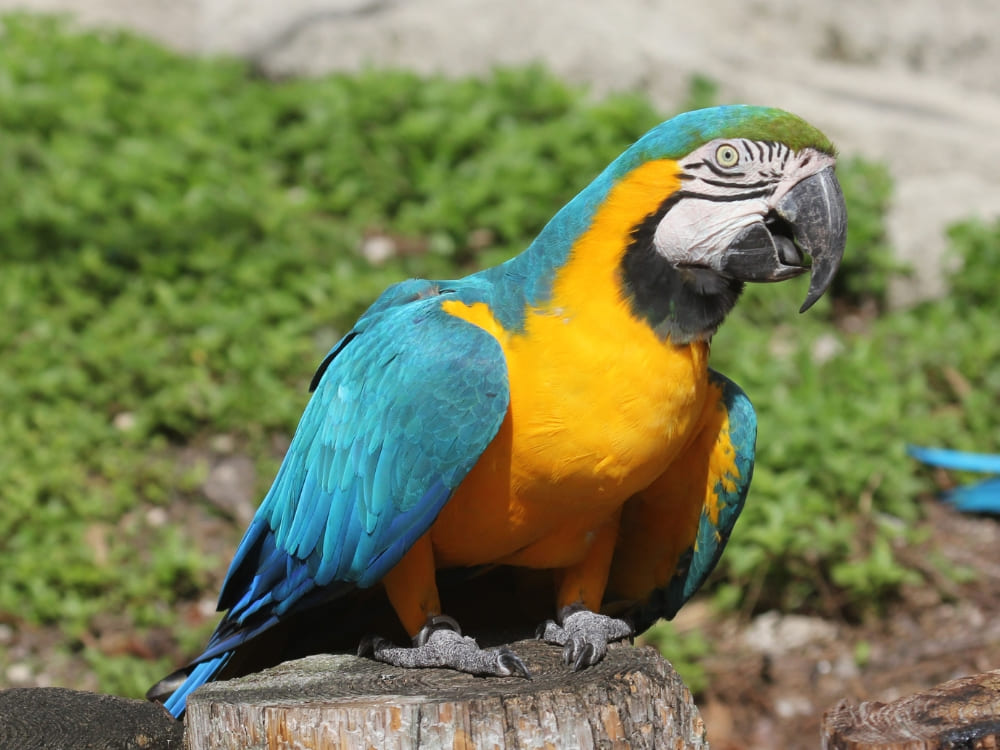
    A blue-and-yellow macaw perched on a piece of wood, representing the diverse bird species that fly across the sky in Jalapão.
    Photo: Dick Daniels

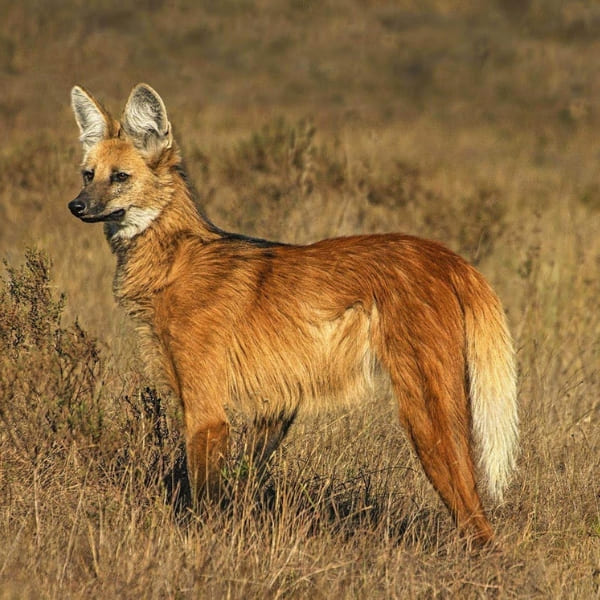
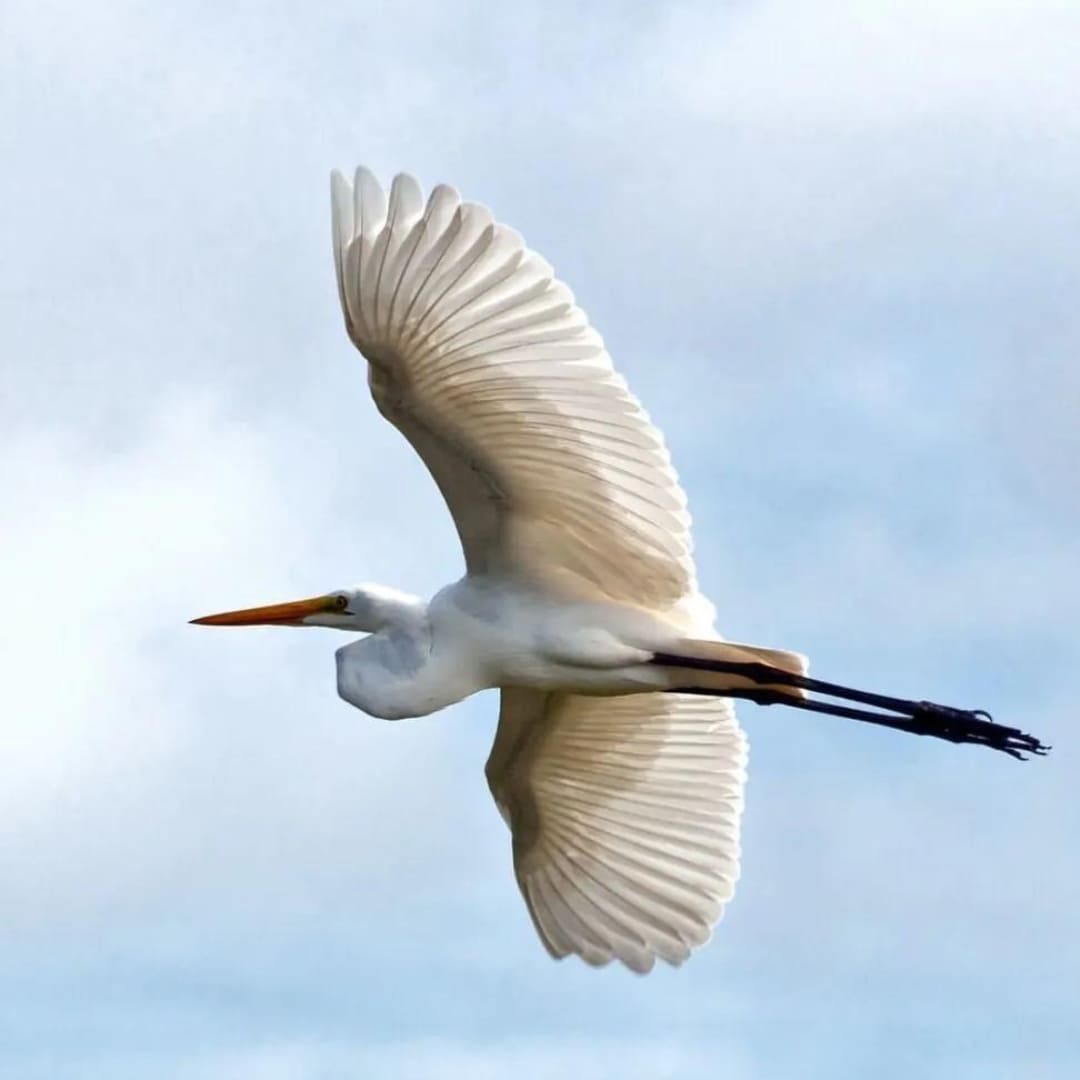
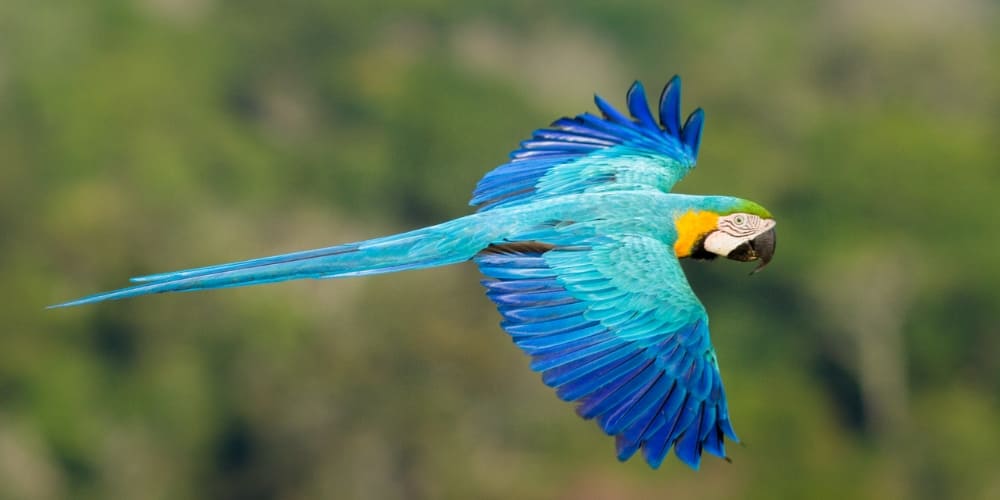
    Maned wolves, giant anteaters, giant armadillos, peccaries, small lizards, and possums roam its territories, while birds like blue-and-yellow macaws, parakeets, and rufous horneros fly across the sky. The Brazilian merganser duck, a highly endangered species, also lives in the area.

    The flora is equally rich, with buriti palms, golden grass fields, and rare orchids coloring the scenery.

    👉 Read more: 20 Animals in Brazil – Wildlife Facts and Where to Find Them

    Exploring Jalapão with PlanetaEXO

    At PlanetaEXO, an ecotourism platform specializing in Jalapão tours, every journey supports local guides, quilombola communities, and artisans who keep traditions alive.

    When you choose responsible tours, you also contribute to protecting the Cerrado’s fragile ecosystems. Each adventure is carefully planned to minimize impact and maximize positive contributions while you enjoy the best vacation of your life. Contact us now!
  • How to Visit Manaus, Brazil – Travel Guide: What to Do and More!

    How to Visit Manaus, Brazil – Travel Guide: What to Do and More!

    Check out our travel tips to enjoy Manaus City to its fullest and immerse yourself in this wonderful place that blends urban atmosphere and the Amazon’s natural resources!

    Manaus, capital of the state of Amazonas, Brazil, has been listed by The New York Times as one of the 52 places in the world worth visiting. Visitors make quick stops there on their way to the Amazon Rainforest, but most don’t even imagine the beauty and the authenticity of this place.

    Besides the natural wonders, Manaus is full of history and culture. As the main gateway to the Amazon, the capital offers something to everyone — from river cruises, to jungle expeditions and local cuisine that reflects the region’s biodiversity.

    PlanetaEXO, an ecotourism platform specialized in Amazon tours in Brazil, has created a complete Manaus travel guide to help you navigate this incredible city. Read more below!

    About Manaus

    Manaus was founded in the 17th century as a Portuguese fort, but grew fast during the rubber boom of the late 1800s. It received this name as an homage to the indigenous group Manaós, which inhabited the territory back at the time. Manaus means “mother of the gods”.

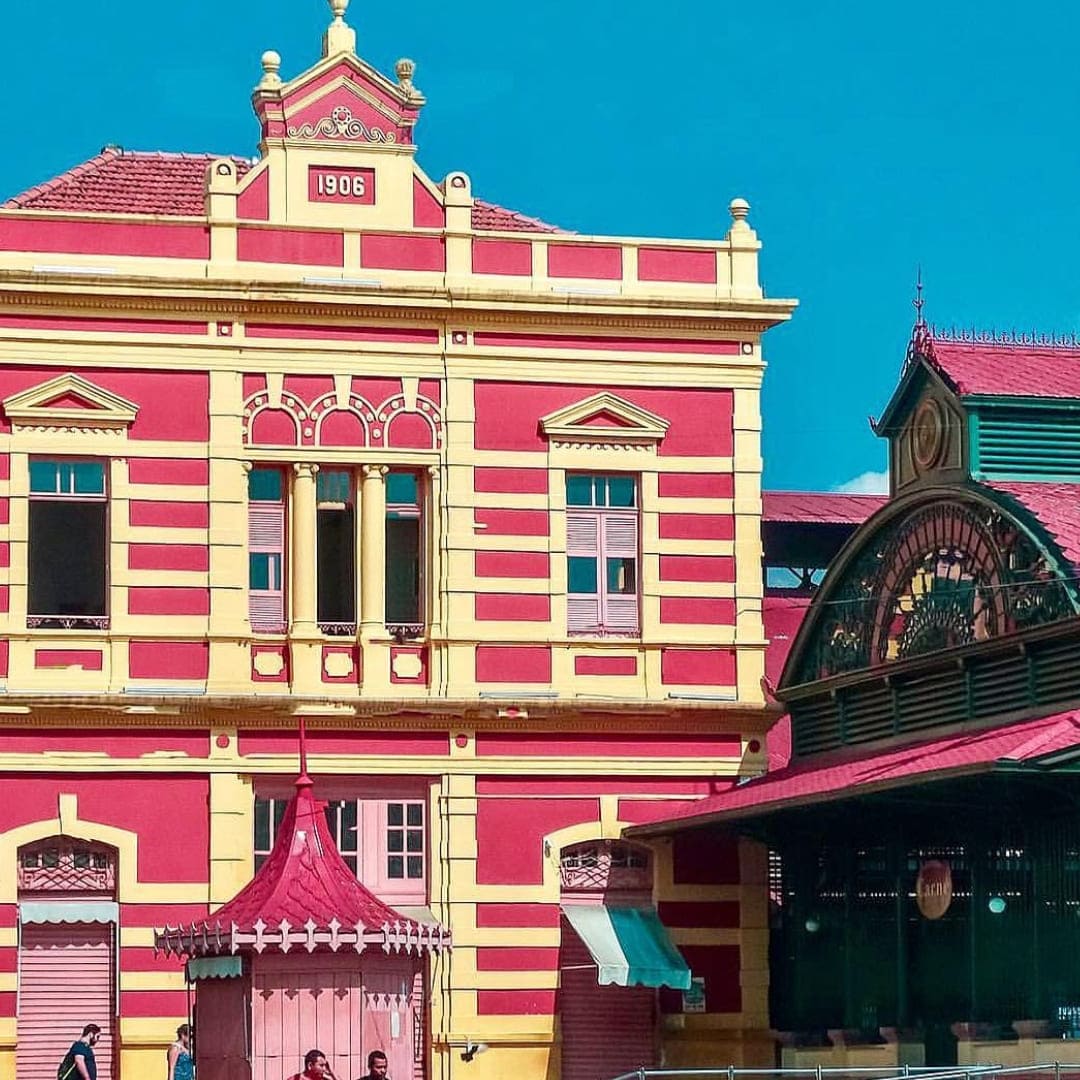
    Historic red and pink colonial building facade in Manaus featuring architecture from the rubber boom era.
    @manauschibata

    The rubber boom was so prosperous that Manaus was known as the “Paris of the Tropics”, but it didn’t last long due to heavy competition from abroad.  Even so, the city reinvented itself as a regional metropolis where 2.3 million people live nowadays, as well as a thriving ecotourism hub that blends colonial architecture, bustling markets and lush landscapes.

    Where is Manaus located?

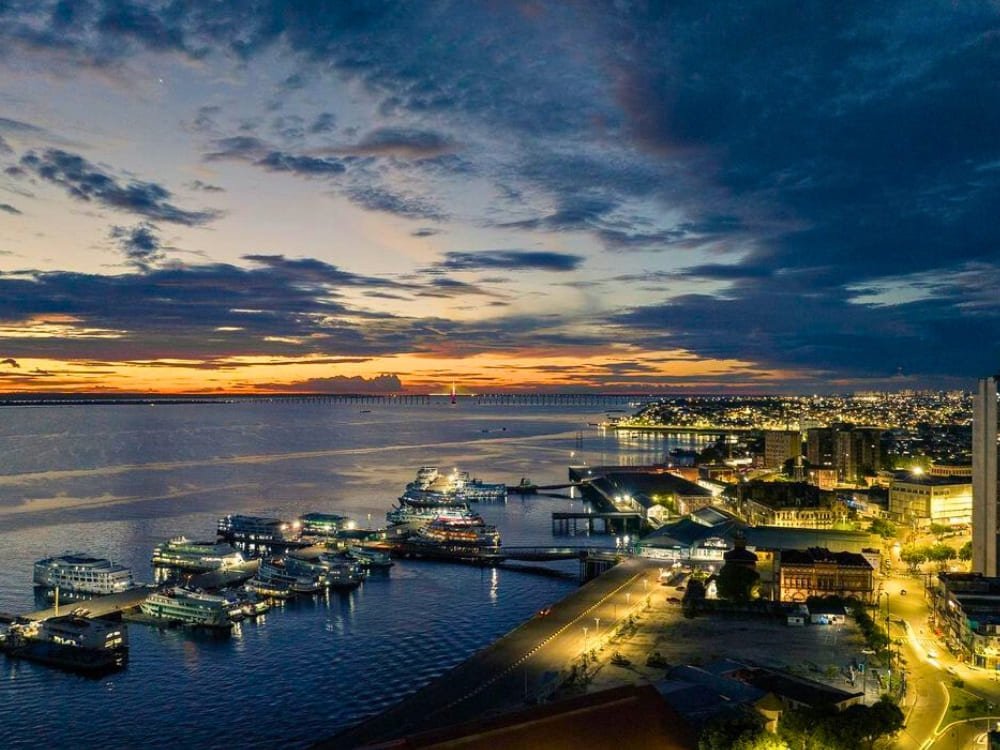
    Manaus, in Amazonas, is located in the Northern Region of Brazil. At the east center of the state, it’s a metropolitan area heavily influenced by the Negro and Amazon rivers.

    What is Manaus famous for?

    Manaus is mostly known as the primary gateway to the Amazon Rainforest and a huge ecotourism destination not only in Brazil, but in the world. 

    The unique mix of urban aspects and natural resources is what makes this city so fascinating and worth visiting.

    Aerial view of a winding blue river flowing through the lush green Amazon Rainforest near Manaus.
    .

    Best time to visit Manaus

    Manaus City has a tropical rainforest climate, with two main seasons: the rainy season (December to May) and the dry season (June to November)

    December, January, February, March, April, May

    The forest is at its lushest and most vibrant during this time, making it the ideal period for riverboat tours. With higher water levels, you can explore the igapós (flooded forests) by canoe, which grants a unique perspective of the Amazon.

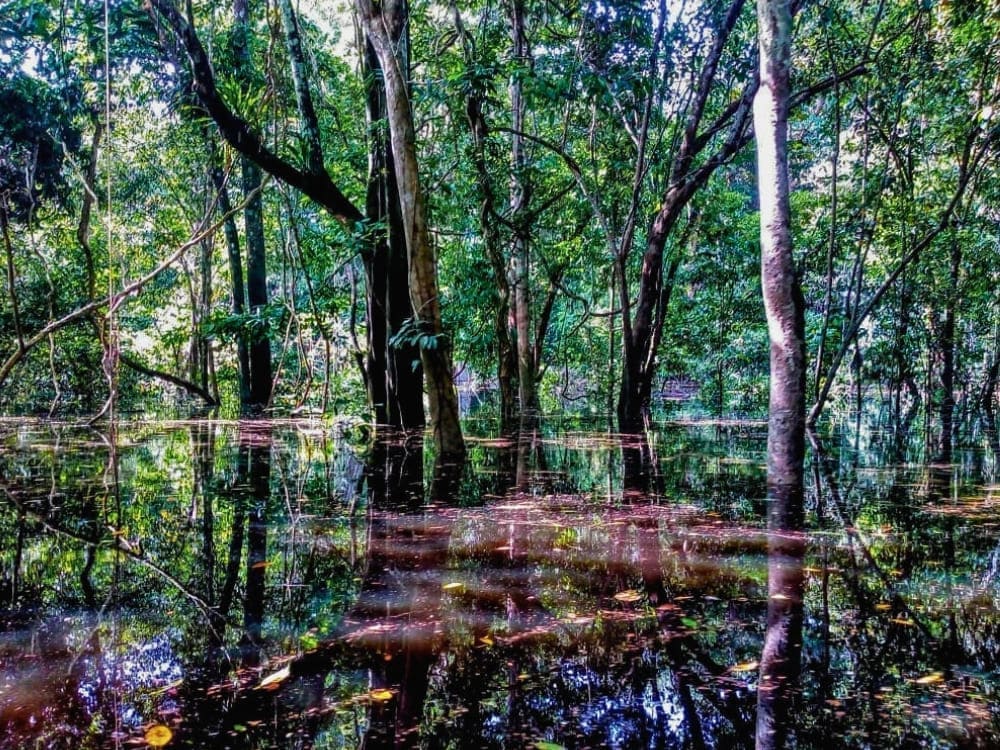
    Trees of the Amazon rainforest reflected in the dark calm waters of a flooded forest during the rainy season.
    Photo: @buyehelen

    June, July, August, September, October, November

    Great period for hiking and wildlife spotting, as animals gather near rivers and water sources. It’s also the perfect time to visit the famous Meeting of the Waters, where the Negro and Solimões rivers meet.

    👉 Read more: When is the best time to visit the Amazon Rainforest in Brazil

    How to get to Manaus?

    Most travelers reach Manaus by flying into Eduardo Gomes International Airport (MAO), served by direct flights from several major Brazilian cities (Belém, Belo Horizonte, Brasília, Fortaleza, Recife, Rio de Janeiro e São Paulo) and a few international destinations.

    There are no direct flights from the US or Europe, so foreign tourists should travel to Bogota (BOG), Panama City (PTY) or Curaçao (CUR) first.

    Flights departing from North American or European countries usually have layovers in São Paulo (GRU/VCP), Rio de Janeiro (GIG) or Brasília (BSB). From these destinations, it takes 3–4 hours to reach Manaus with Azul or GOL airlines.

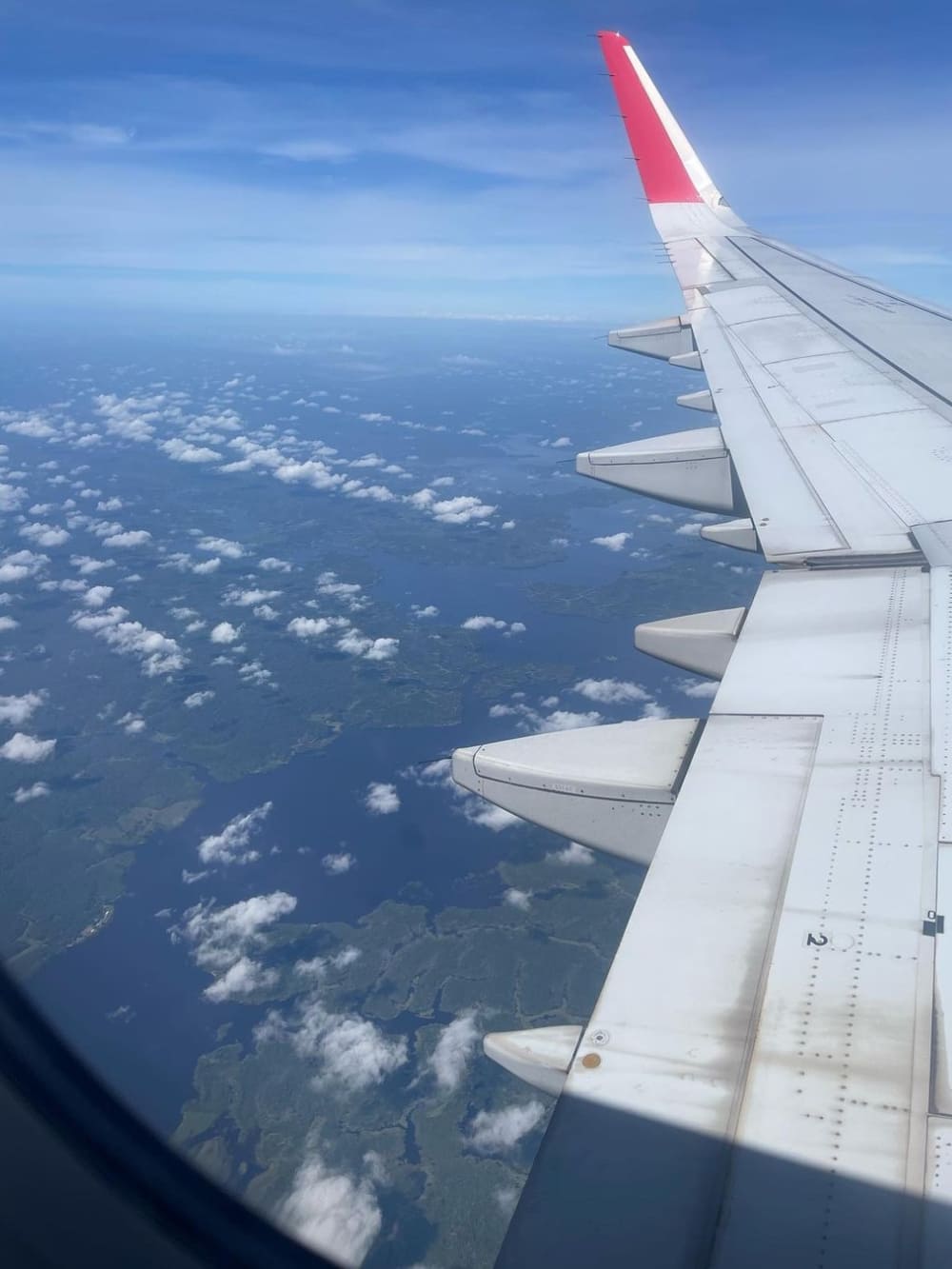
    View from an airplane window looking out over the wing towards the Amazon clouds and landscape below.
    @villaamazonia

    👉 Read more: How to get to the Amazon Rainforest in Brazil?

    What to do in Manaus?

    A Manaus travel guide is incomplete without a list of activities around the city — which offers a wide range of experiences and tours that allow visitors to experience and enjoy the Amazon’s natural beauty and local culture.

    Check out PlanetaEXO’s selection of things to do in Manaus!

    Historic Center Tour

    Embark on a tour of Manaus’s historic center to dive into the city’s cultural and gastronomic core.

    Wander through traditional buildings and landmarks that showcase Manaus’s rich heritage, including the Adolpho Lisboa Market, Palácio Rio Negro, São Sebastião Church, and Casa Eduardo Ribeiro Museum. Perfect for people who love history and cultural experiences!

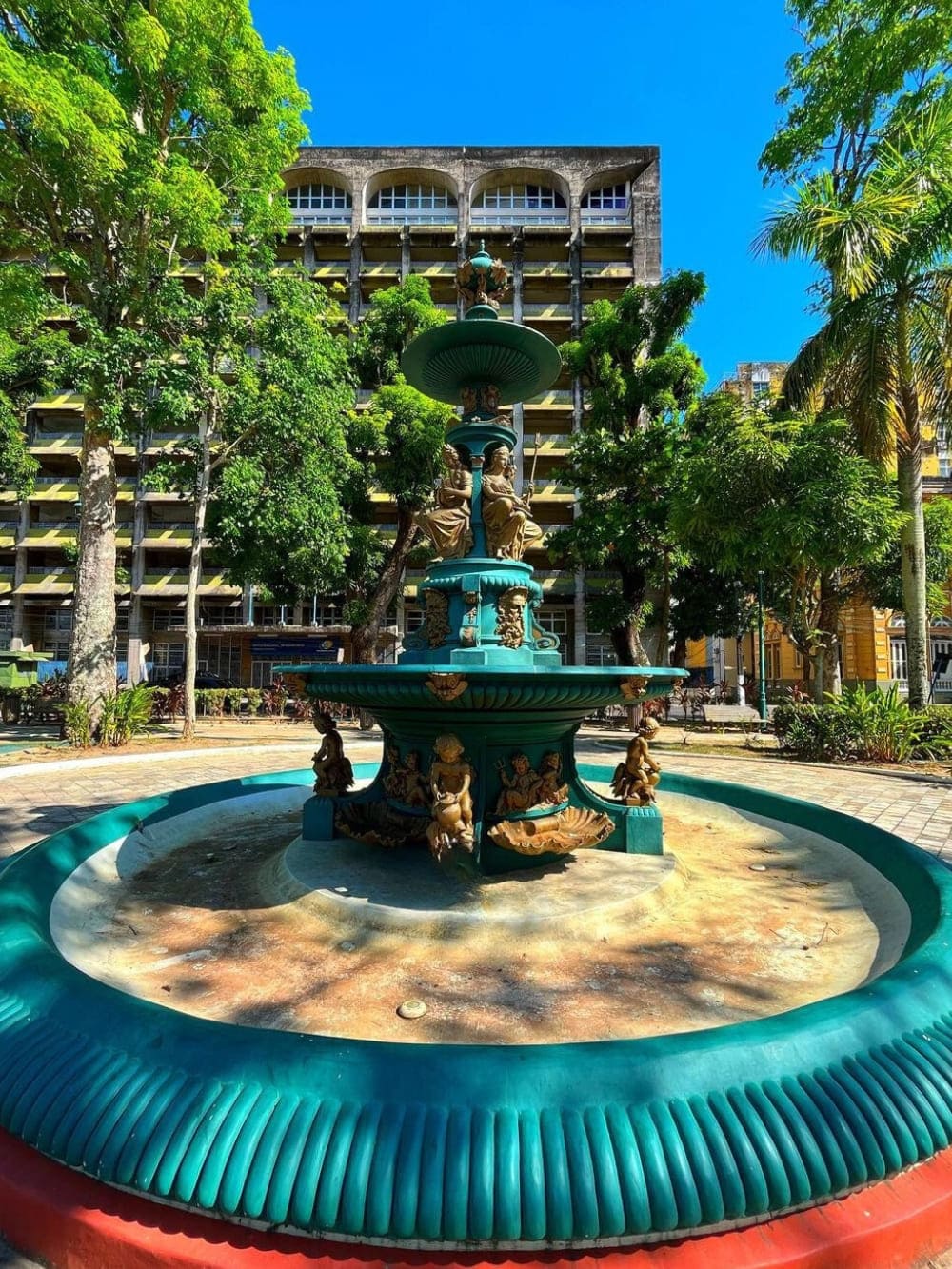
    Green iron fountain located in a public square within the historic center of Manaus surrounded by trees.
    @janelasdemanaus

    Amazon Theatre

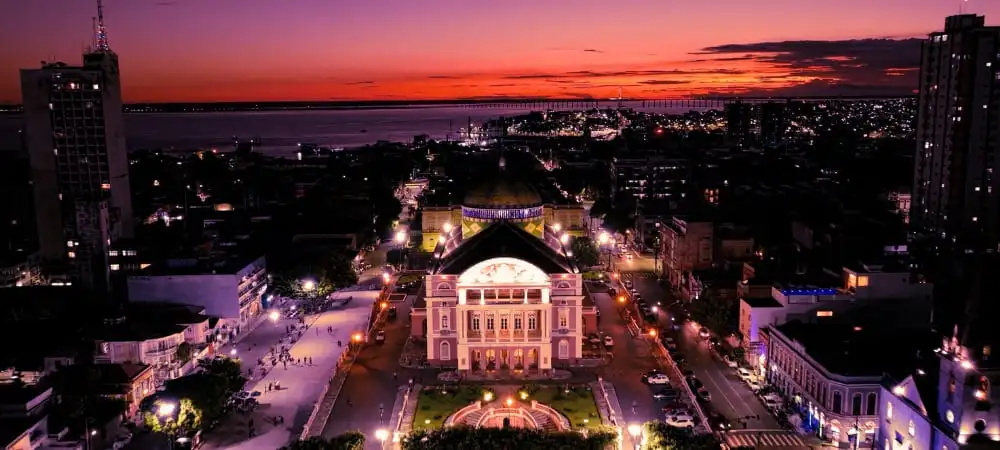
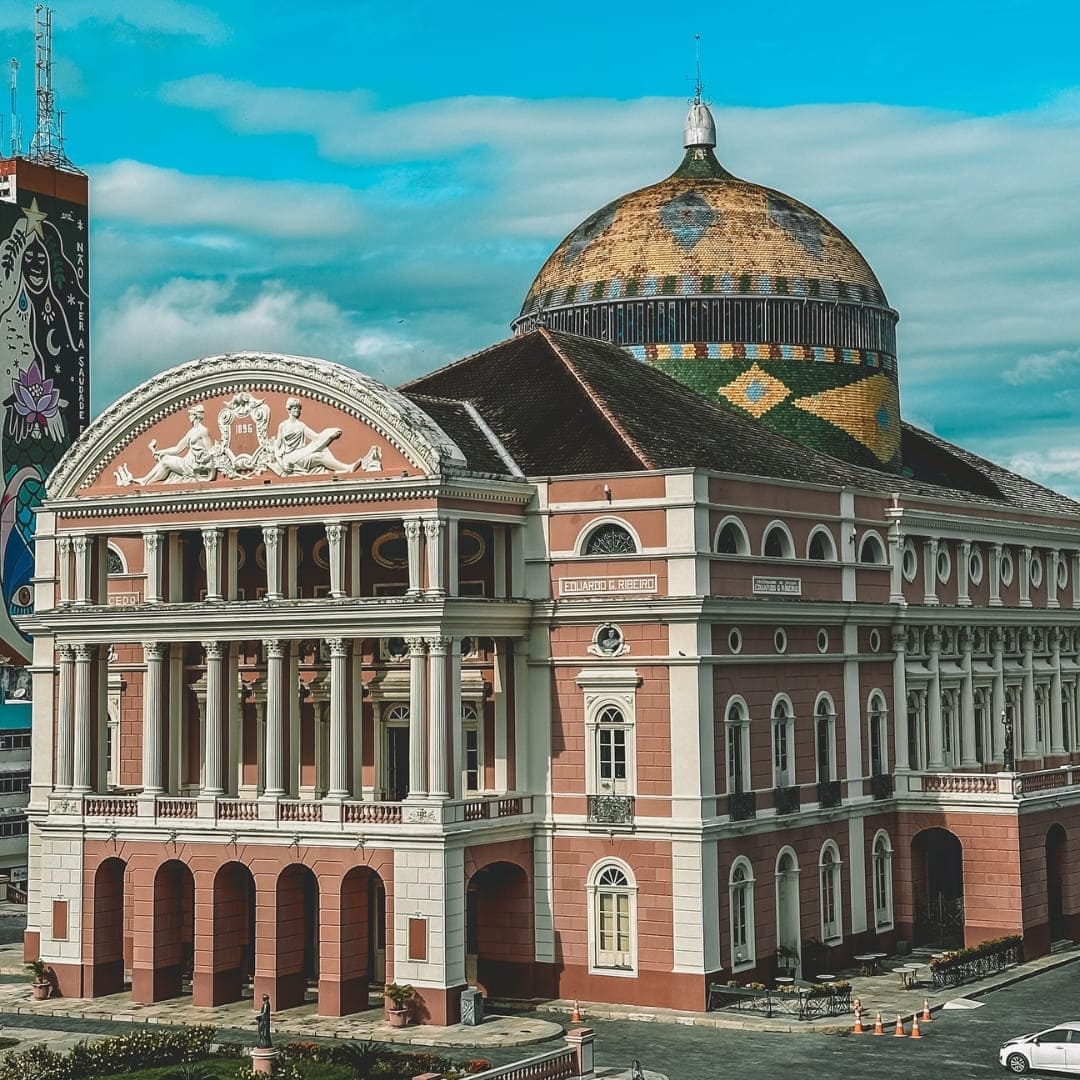
    The Amazon Theatre (Teatro Amazonas) is such an integral part of Manaus’ history. Built during the rubber boom period, it used to be a grand opera house. Nowadays, as one of the capital’s most beloved landmarks, it’s open for visitation.

    While visiting the theater, stroll through Largo de São Sebastião, where you can explore the charming central church and the lively surrounding square.

    Address: Av. Eduardo Ribeiro, 659 — Centro, Manaus

    The pink neoclassical facade and colorful tiled dome of the Amazon Theatre in Manaus under a blue sky.
    @manausnasfotos

    MUSA (Museum of the Amazon)

    MUSA showcases the Amazon’s sociocultural and biological diversity through themed exhibitions and forest hikes

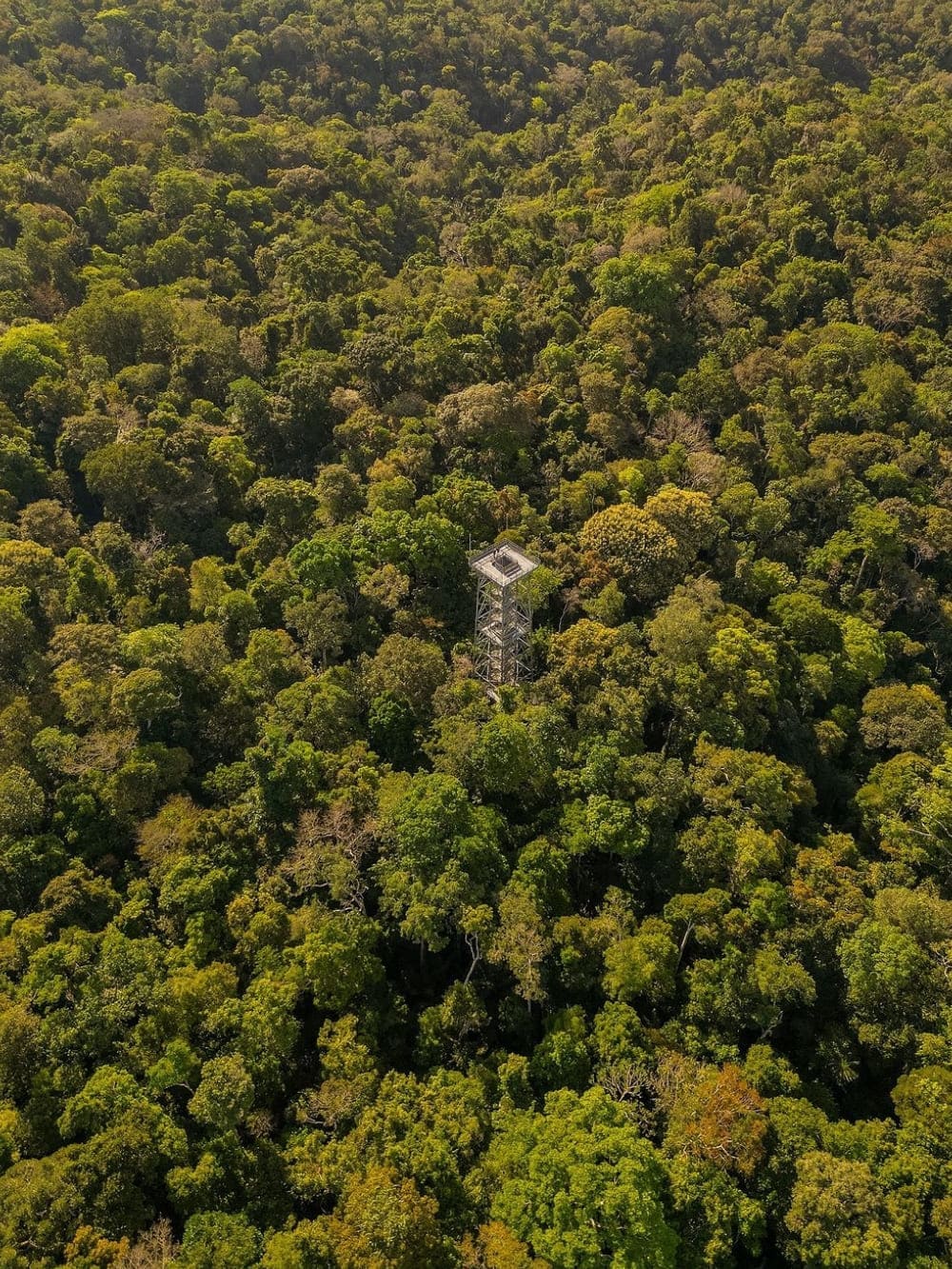
    Located in a 100-hectare area at the Adolpho Ducke Forest Reserve, it has a 42-meter observation tower and hundreds of plant species, like orchids, bromeliads, araceae, palm trees, etc. You can also see animals, including snakes, scorpions, spiders and butterflies.

    Address: Av. Margarita, 6305 (formerly Av. Uirapuru) — Jorge Teixeira, Manaus

    Tall metal observation tower rising above the dense green canopy of the Amazon rainforest at MUSA.
    @alaisooon

    Meeting of the Waters

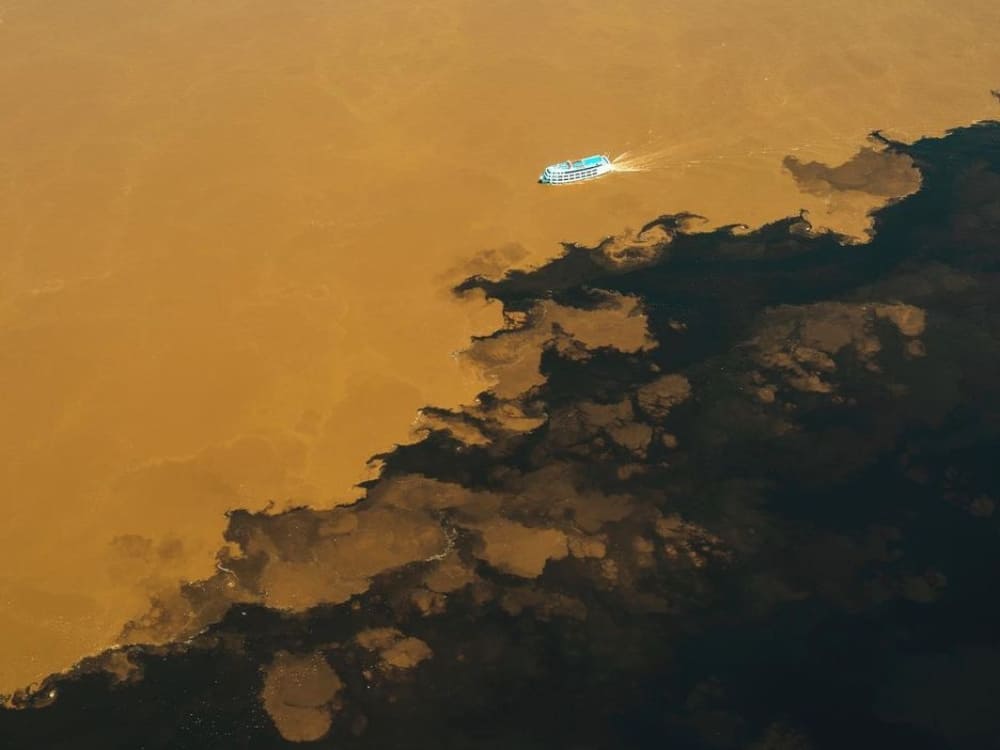
    The Meeting of Waters is one of the most incredible natural phenomena in Brazil. Due to differences in current speed, temperature and acidity, the Negro and Solimões rivers meet, but don’t quite mix.

    Black and brown waters create a perfect contrasting line in the water, effortlessly dividing the two rivers in a jaw-dropping view.

    Aerial view showing the distinct dividing line where the black Rio Negro meets the brown Solimões River.
    @fromflora

    👉 Read more: 15 Facts about the Amazon Rainforest in Brazil

    Bosque da Ciência (INPA)

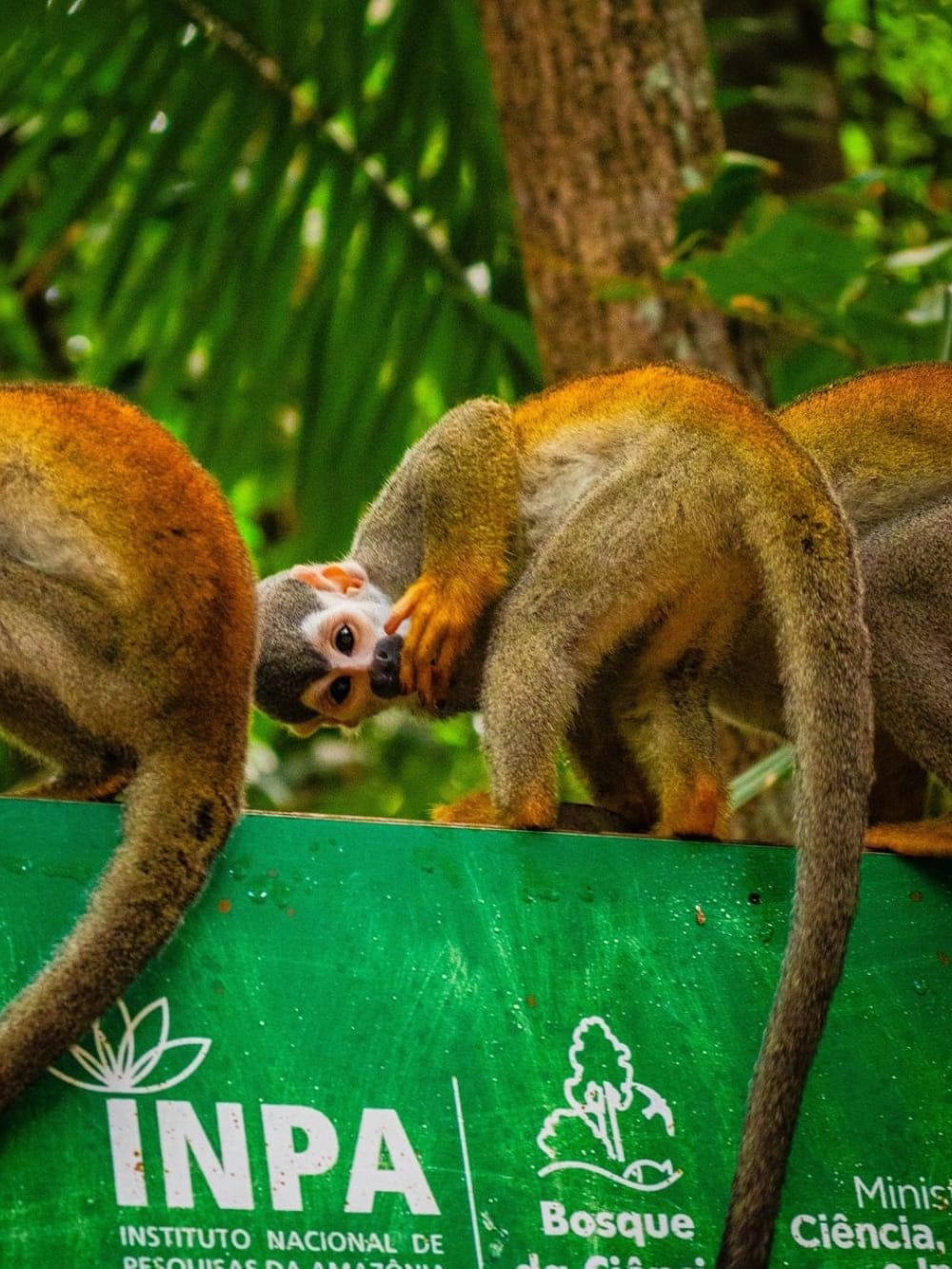
    For animal lovers, Bosque da Ciência, managed by INPA (National Institute for Amazonian Research), is almost an obligatory attraction for tourists visiting Manaus City.

    Join guided tours and learn everything about various free-roaming Amazon animals, from native bees to giant otters. If wildlife isn’t your main interest, the exhibitions also provide fascinating insights into the region’s flora and unique biodiversity. 

    Address: Av. Bem-Te-Vi, s/n — Petrópolis, Manaus

    Small squirrel monkeys resting together on top of a green sign at the Bosque da Ciência INPA.
    @yu.jhima

    Lúcia Almeida Viewpoint

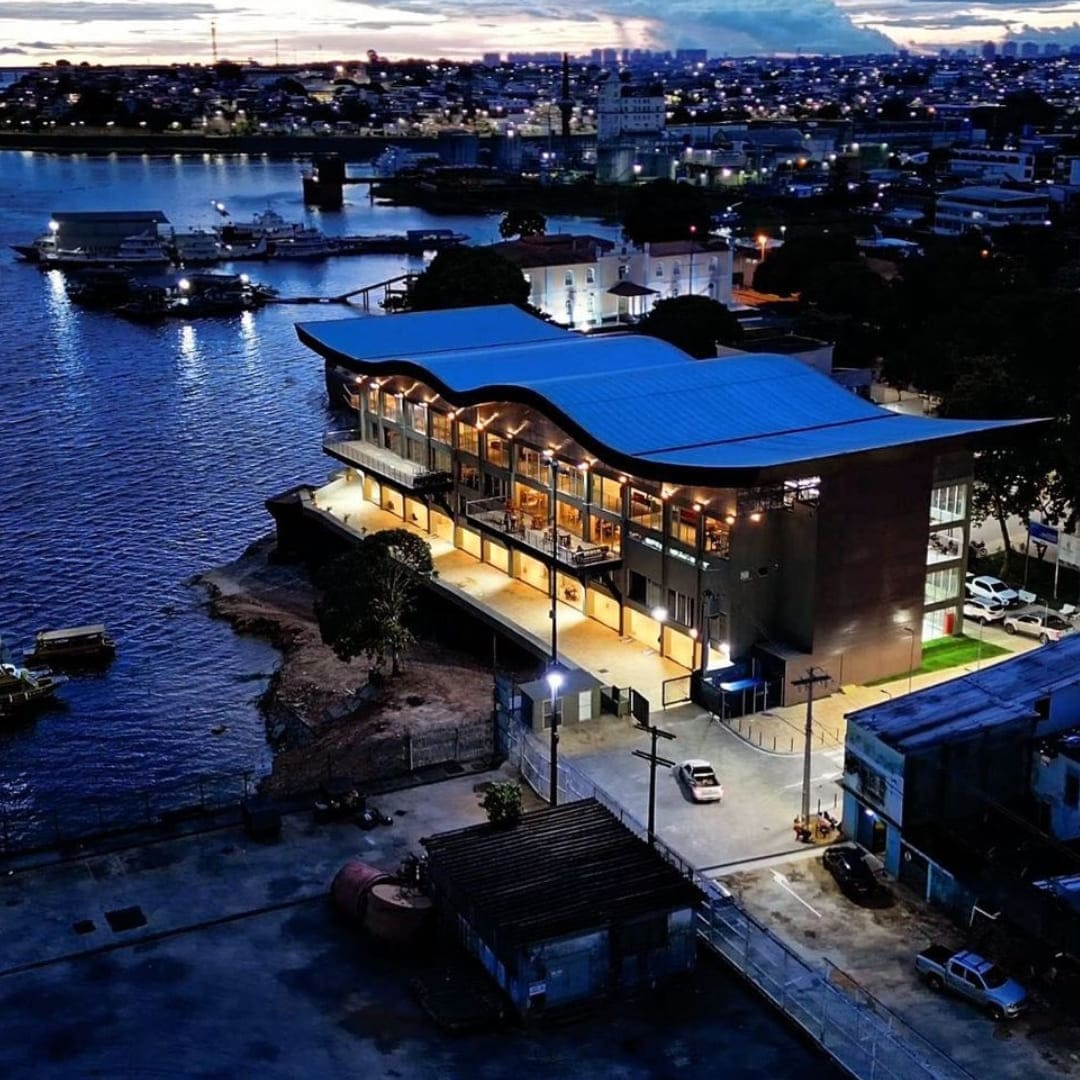
    For a  breathtaking view of Manaus in Brazil, the Lúcia Almeida Viewpoint is a must-visit spot. Located near the Amazon Theatre, it offers panoramic views of the city and the Rio Negro.

    It’s a perfect place to relax, take photos, and enjoy the unique charm of Manaus’ skyline.

    Address: Av. Sete de Setembro, 8 — Centro, Manaus

    Night view of the illuminated Lúcia Almeida Viewpoint building reflected in the river water in Manaus.

    Best Amazon tours departing from Manaus

    Most Amazon tours depart from Manaus, bound for incredible ecotourism spots in the forest, like Anavilhanas and Jaú National Park, Presidente Figueiredo and Careiro. See some options below!

    TOUR HIGHLIGHTS DURATION STARTING PRICE*
    Amazon Cruise Onboard accommodation, expeditions to Anavilhanas and Jaú, cave exploration, hiking, river beaches, wildlife watching, visiting indigenous groups. 4 days
    5 days
    7 days
    US$ 2,485
    Luxury Amazon Cruise Luxury onboard accommodation, Meeting of Waters, Lake Janauari, jungle hiking, fishing, boat rides, night tours, river beaches, luau. 5 days US$ 3,740 
    Anavilhanas Jungle Lodge Luxury stay at Anavilhanas, hiking, canoeing, wildlife watching, fishing, archery lessons, visiting local communities. 6 days US$ 3,180 
    Brazilian Amazon Jungle Tour Affordable stay, birdwatching, fishing, canoe trips, forest hikes, Meeting of Waters, visiting local markets. 3 days
    4 days
    5 days
    US$ 585 
    Mirante do Gavião Exclusive Amazon Lodge High-end stay, kayaking, stand-up paddling, cave exploration, wildlife watching, boat rides. 4 days
    5 days
    US$ 1,865 
    Amazon Kayak Tour Brazil Kayaking, camping in the forest, hiking, fishing, caiman spotting, visiting locals. 4 days US$ 600 
    Amazon Jungle Survival Tour Camping in the forest, survival skills lessons, trekking, canoeing, wildlife watching. 4 days
    6 days
    US$ 950 

    *Per person, based on double occupancy in group departures. Prices may vary depending on season and availability. Exchange rate as of February 6th, 2026; subject to change.

    PlanetaEXO has an entire selection of fantastic Amazon Rainforest tours in Brazil. Discover our adventures!

    👉 Read more:

    How to get around in Manaus?

    To get around in Manaus, there are a few options:

    • Public buses: Manaus City has an affordable bus system, but it can be crowded at rush hours and occasionally unreliable. Safety is a concern due to pickpocketing, so keep valuable items secure and stay alert. Check routes with apps like Moovit and Ônibus Manaus.
    • Ride-sharing apps: Uber and 99 App provide safe rides with set prices, making them ideal for solo travelers, nighttime trips and people who are unfamiliar with the area.
    • Ferries and boat services: For river transport, ferries and boats departing from the Port of Manaus can take you to surrounding areas and deeper into the Amazon. Use reputable operators and follow safety guidelines for a secure journey.

    manaus port

    Where to eat in Manaus

    The city is known for being a core for Amazonian cuisine, famous for dishes you won’t find anywhere else. Feeling hungry? PlanetaEXO’s Manaus travel guide has listed some local spots so you can try out the unique flavors of the forest!

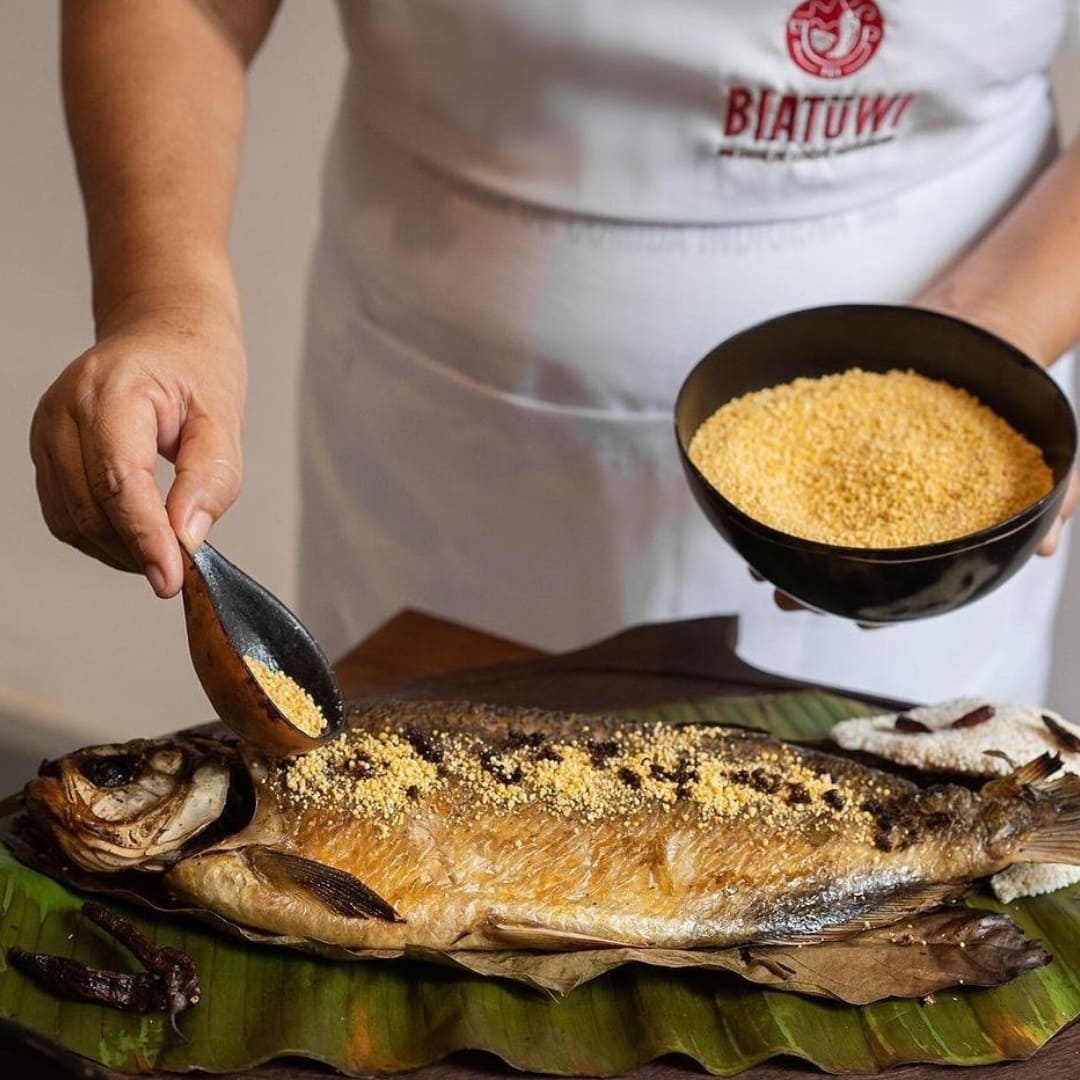
    Biatüwi $$$

    Biatüwi is an indigenous culinary house in the heart of Manaus, offering a unique experience rooted in Amazonian indigenous culture.  

    Address: R. Bernardo Ramos, 97 — Centro, Manaus

    Close-up of a person sprinkling manioc flour onto a roasted fish dish served on a banana leaf.
    .

    Caxiri Manaus $$$

    With a great view of the Amazon Theatre, Caxiri provides a sophisticated dining experience that celebrates local cuisine. The menu is described as a fusion of traditional Brazilian dishes with Amazonian culture.

    Address: R. 10 de Julho, 495 — Centro, Manaus

    Sophisticated dish featuring shrimp served in a white bowl at a Manaus restaurant.
    @caxiri_amazonia

    Tambaqui de Banda $$

    Tambaqui de Banda’s signature dish is traditional-style grilled tambaqui (a native fish). Known worldwide for its love and respect for Amazonian flavors, the restaurant has both indoor and outdoor seating — with a beautiful view of the Amazon Theatre.

    Address: R. José Clemente, 596 — Centro, Manaus

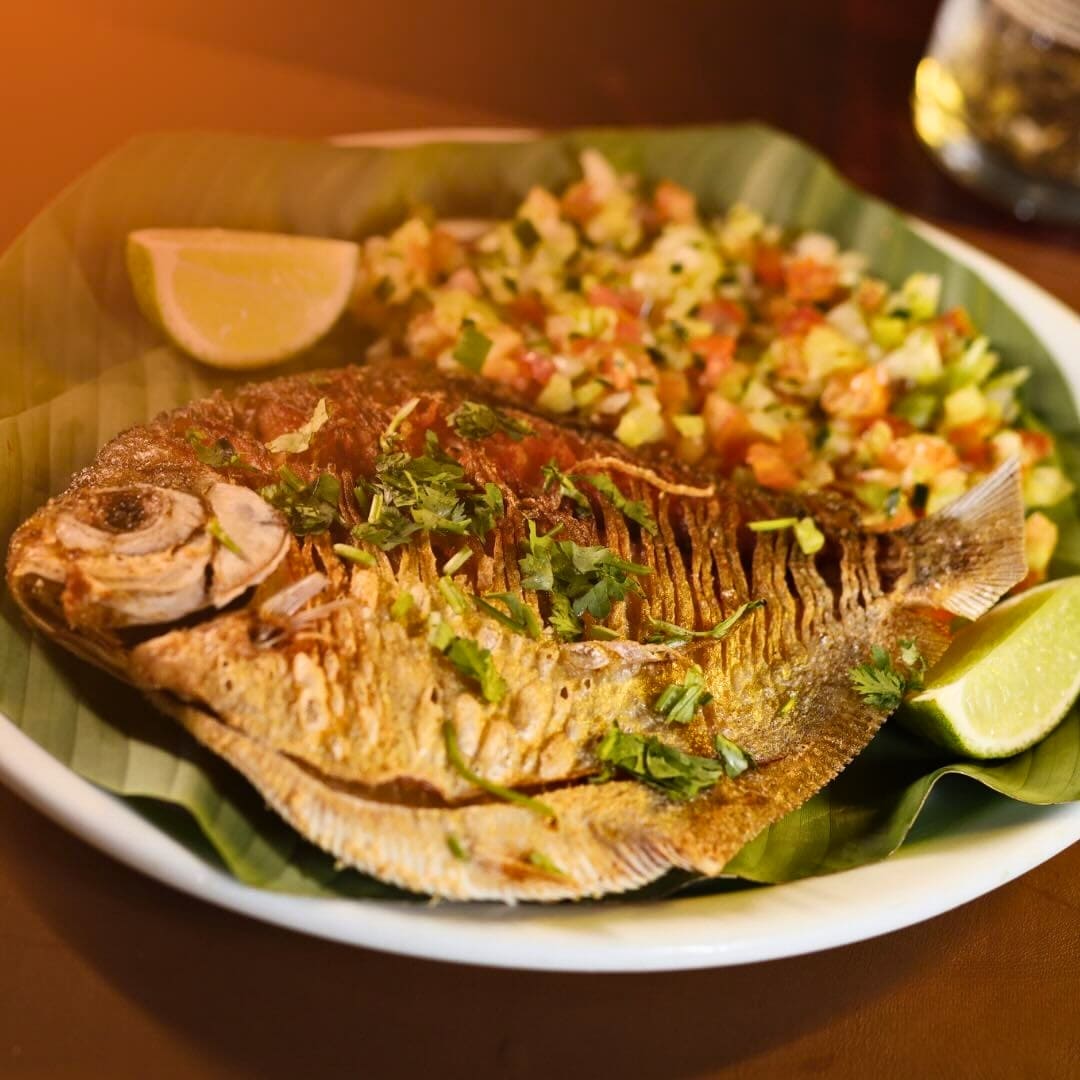
    O Lenhador $$$

    O Lenhador serves various traditional dishes, with a heavy focus on regional meats and hearty portions. Famous for its rustic atmosphere, it’s a favorite spot for those looking to experience local cuisine.

    Address: Av. do Turismo, 2371 — Ponta Negra, Manaus

     Grilled Tambaqui fish served whole on a banana leaf with vinaigrette and lime slices.
    @restauranteolenhador

    Peixaria Morada do Peixe $$

    Charming seafood restaurant, Peixaria Morada do Peixe is celebrated for its fresh fish and authentic Amazonian dishes. Specializing in regional dishes like tambaqui and pirarucu, it offers a relaxed atmosphere perfect for enjoying the culinary heritage of Manaus.

    Address: Beco Goiania, Conjunto Jardim Versalles — Planalto, Manaus

    Banzeiro Manaus $$$

    Blending traditional flavors with contemporary techniques, the menu of Banzeiro Manaus showcases various regional dishes, focusing on local recipes and ingredients like tacacá, tambaqui, cupuaçu and even leafcutter ants. 

    Address: R. Libertador, 102, — Nossa Senhora das Graças, Manaus

    Cachaçaria do Dedé $$$

    Famous for its selection of premium cachaças and Amazonian-inspired dishes, Cachaçaria do Dedé offers a unique dining experience that blends local flavors with Brazilian culinary traditions.

    Address: R. do Comercio, 1003-F (Box 4) — Parque 10 de Novembro, Manaus

    Where to stay: hotels in Manaus

    Manaus has great accommodation options to fit different budgets and preferences. Many hotels are located near major attractions, making it easier to explore the city. 

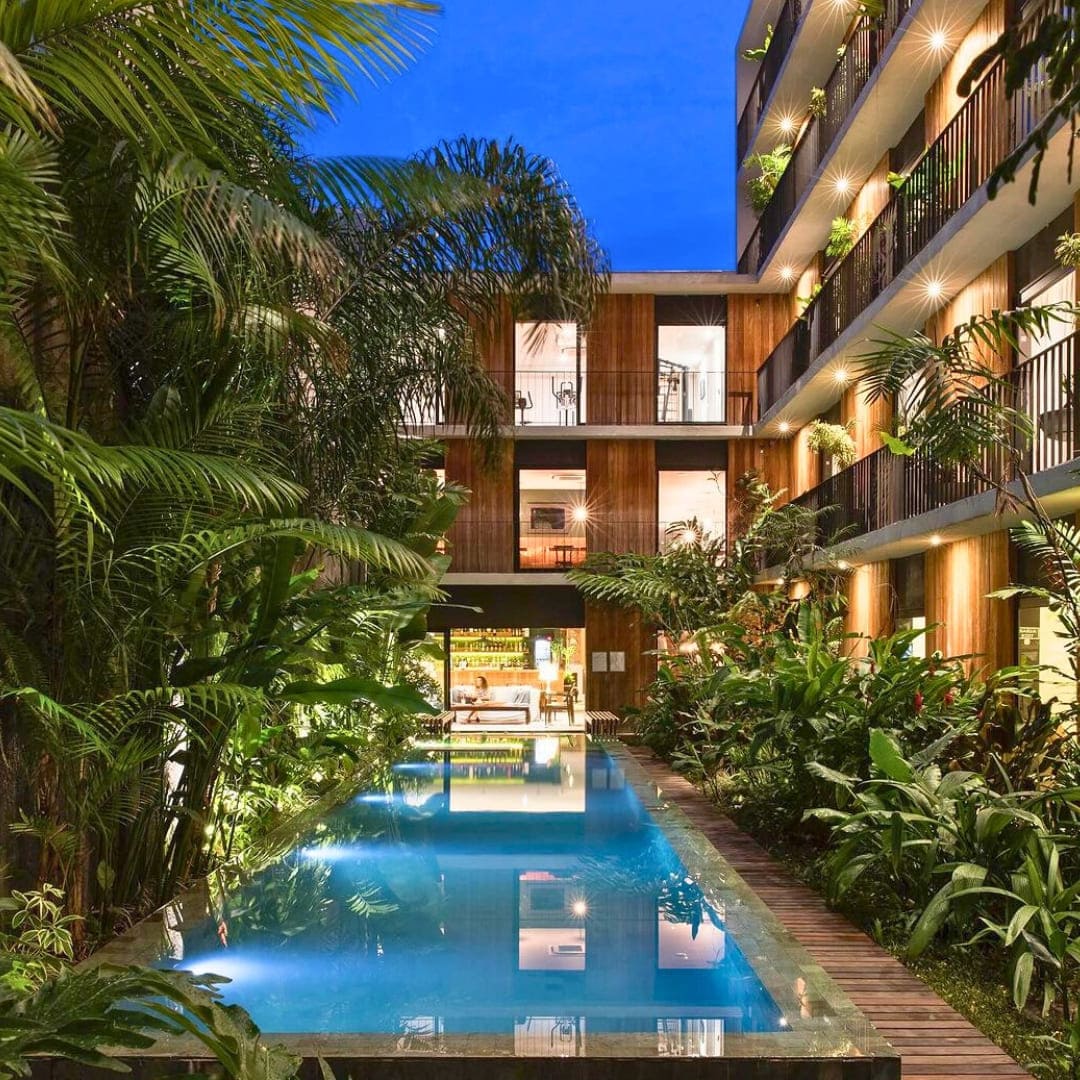
    Hotel Villa Amazonia ⭐️⭐️⭐️⭐️⭐️

    Boutique hotel in the historic center with garden views, an Amazon-inspired restaurant, and a natural stone pool.

    Address: R. 10 de Julho, 315 — Centro, Manaus

    Outdoor swimming pool surrounded by tropical gardens and building balconies at Hotel Villa Amazonia.
    @villaamazonia

    Hotel Mural Living ⭐️⭐️⭐️⭐️

    A modern and minimalist hotel located in the heart of Manaus, offering clean and cozy rooms with contemporary decor. Perfect for travelers seeking comfort and practicality near the city’s main attractions. 

    Address: R. Doutor Moreira, 168 — Centro, Manaus

    Hostel Manaus ⭐️⭐️⭐️⭐️

    Located near Manaus’ historic center, Hostel Manaus has budget-friendly accommodations in a vibrant and welcoming atmosphere. Ideal for backpackers, it features shared dorms, private rooms, and a rooftop terrace with city views. 

    Address: R. Lauro Calvacante, 231 — Centro, Manaus

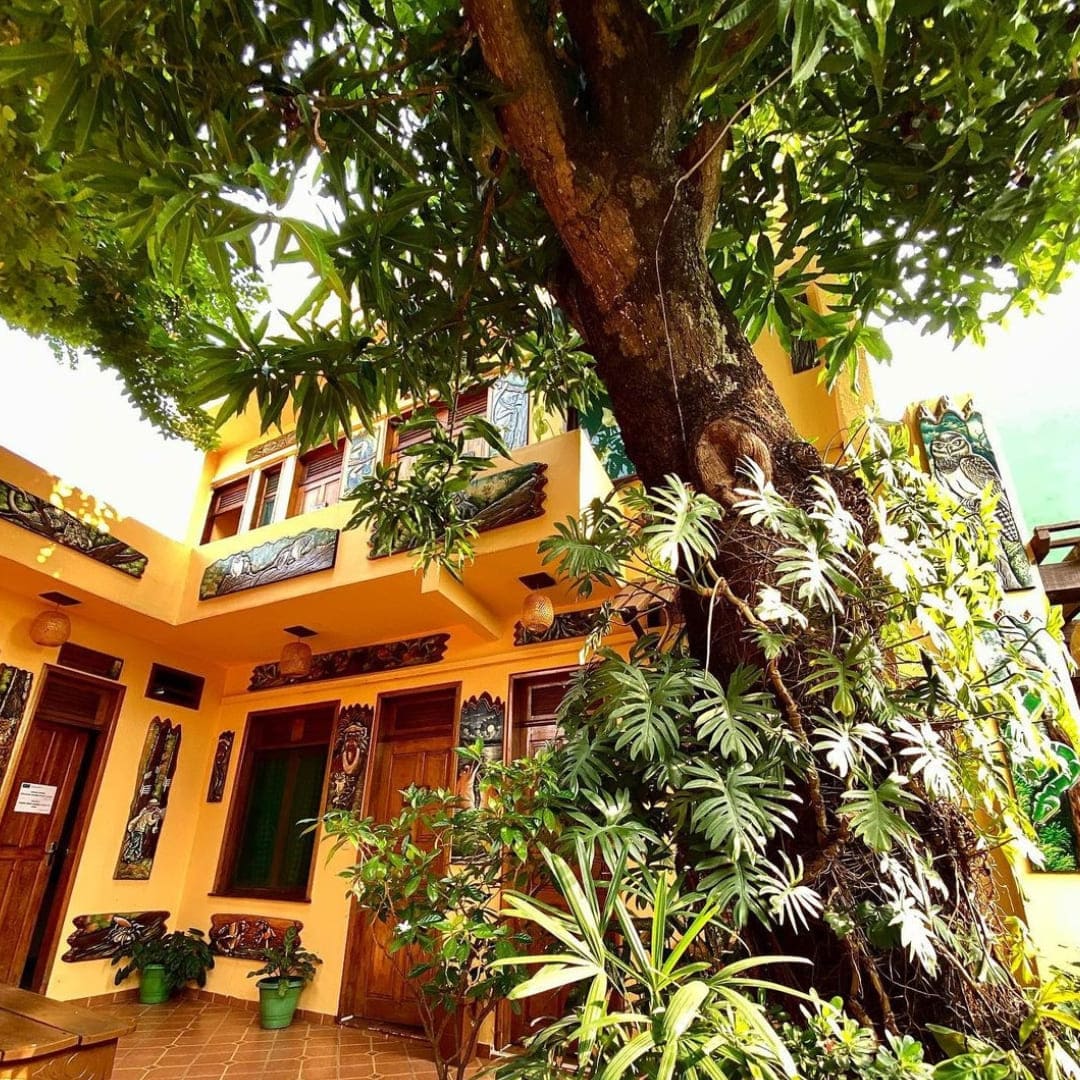
    Exterior view of the yellow Hostel Manaus building shaded by large green trees.
    @hostelmanaus

    Manaus Hóteis Millennium ⭐️⭐️⭐️⭐️

    Located within Millennium Shopping, the hotel offers rooms with balconies, a rooftop pool, and panoramic views. 

    Address: Av. Djalma Batista, 1661 — Chapada, Manaus

    Seringal Hotel ⭐️⭐️⭐️⭐️

    Just 50 meters away from the Amazon Theatre, it provides cozy rooms with air conditioning, Wi-Fi, and a breakfast buffet. 

    Address: R. Monsenhor Coutinho, 758 — Centro, Manaus

    Ramada by Wyndham Manaus Torres Center ⭐️⭐️⭐️

    A modern hotel near the Industrial District with contemporary rooms, a fitness center, an on-site restaurant, and an all-you-can-eat breakfast buffet. Ideal for both business and leisure travelers.

    Address: Av. José Lindoso, 280, Coroado — Manaus

    Juma Ópera Hotel ⭐️⭐️⭐️⭐️⭐️

    Located in the heart of Manaus and directly across from the iconic Amazon Theatre, Juma Ópera Hotel offers a blend of historical charm and modern luxury. With elegant rooms, a rooftop pool, and a gourmet restaurant featuring Amazonian cuisine, it’s an excellent choice for those seeking an upscale stay close to the city’s cultural landmarks. 

    Address: R. 10 de Julho, 481 — Centro, Manaus

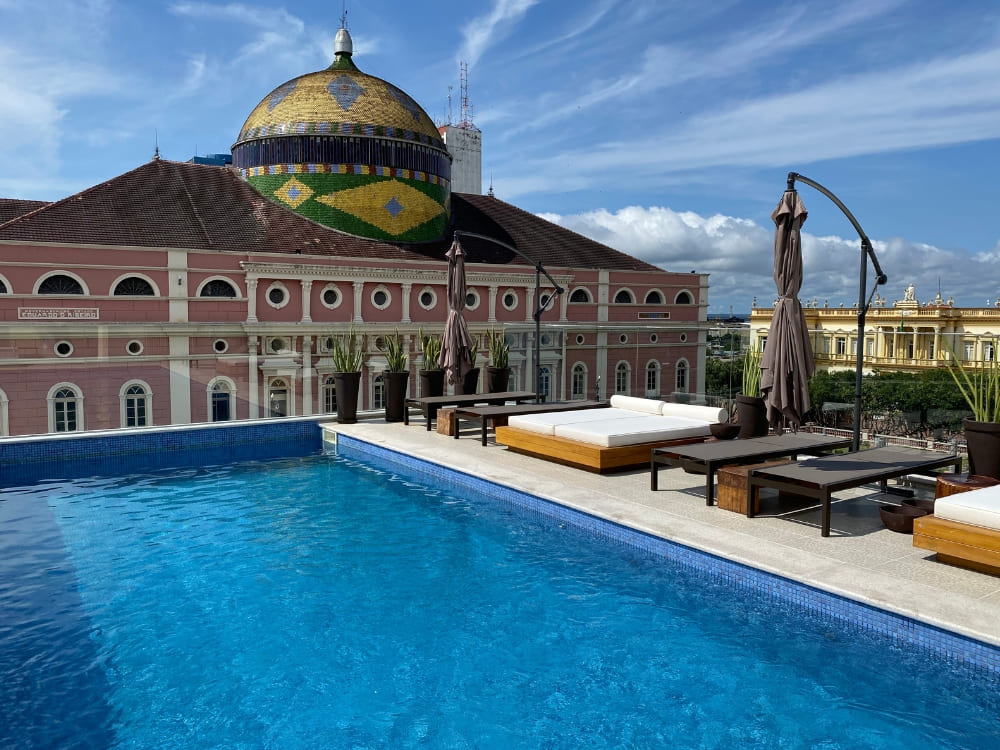
    Rooftop swimming pool at Juma Ópera Hotel offering a direct view of the Amazon Theatre dome.
    .

    Is Manaus safe?

    Overall, Manaus is safe, but like in any other destination, it’s important to be careful regarding physical integrity, health and your personal belongings. Here are some safety tips for your trip:

    • Banks and ATMs: Visit banks only during the day, when security is present. Only withdraw small amounts of cash and avoid ATMs where there’s no one else around — if possible, don’t do it alone.
    • Cash safety: Keep cash separate and consider carrying a fake wallet or fanny pack with minimal money to lower the impact of potential theft.
    • Public areas and tourist spots: Be mindful of pickpockets in busy areas. Avoid displaying valuable items openly and use a secure bag for your belongings.
    • Vaccinations: Although not required, yellow fever vaccines are recommended for people going to the Amazon — especially in neighboring countries, like Bolivia and Colombia. Malaria risk is low, though some choose preventive medication. Make sure your tetanus vaccination is also up to date for added safety.
    • Climate preparedness: Manaus is hot and humid, so stay hydrated, wear light clothing, and use insect repellent — especially in forested areas.

    Manaus, Brazil: more than just a gateway to the Amazon Rainforest

    Manaus is more than just a quick stop on the way to the Amazon — it’s a fascinating place with a complex history, rich culture, and stunning natural scenery. Upon booking your Amazon trip, consider saving a few days to explore the city. You’re going to love it!

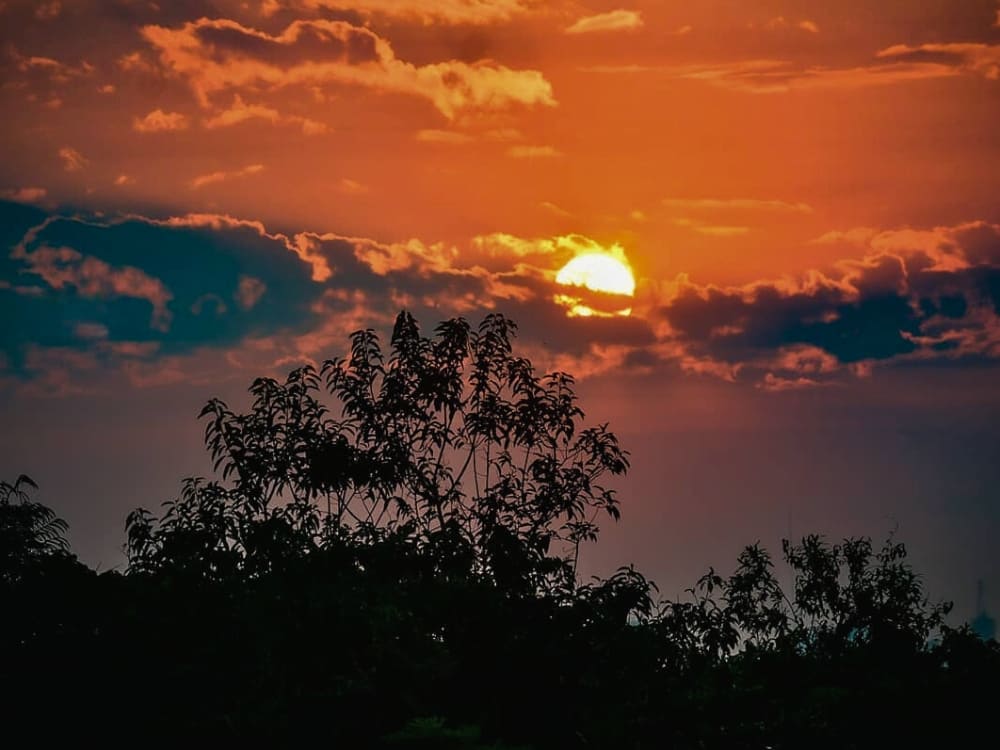
    Bright orange sun setting behind the dark silhouettes of Amazon rainforest trees.

    As a platform specialized in Amazon Rainforest tours in Brazil, PlanetaEXO works with the finest local operators to ensure the best experience, from your departure in Manaus to joining activities in the middle of the forest. Contact us now!
  • Do I need a Visa to visit Mount Roraima in Venezuela?

    Do I need a Visa to visit Mount Roraima in Venezuela?

    Visa to visit Mount Roraima: Essential Brazil and Venezuela entry Requirements

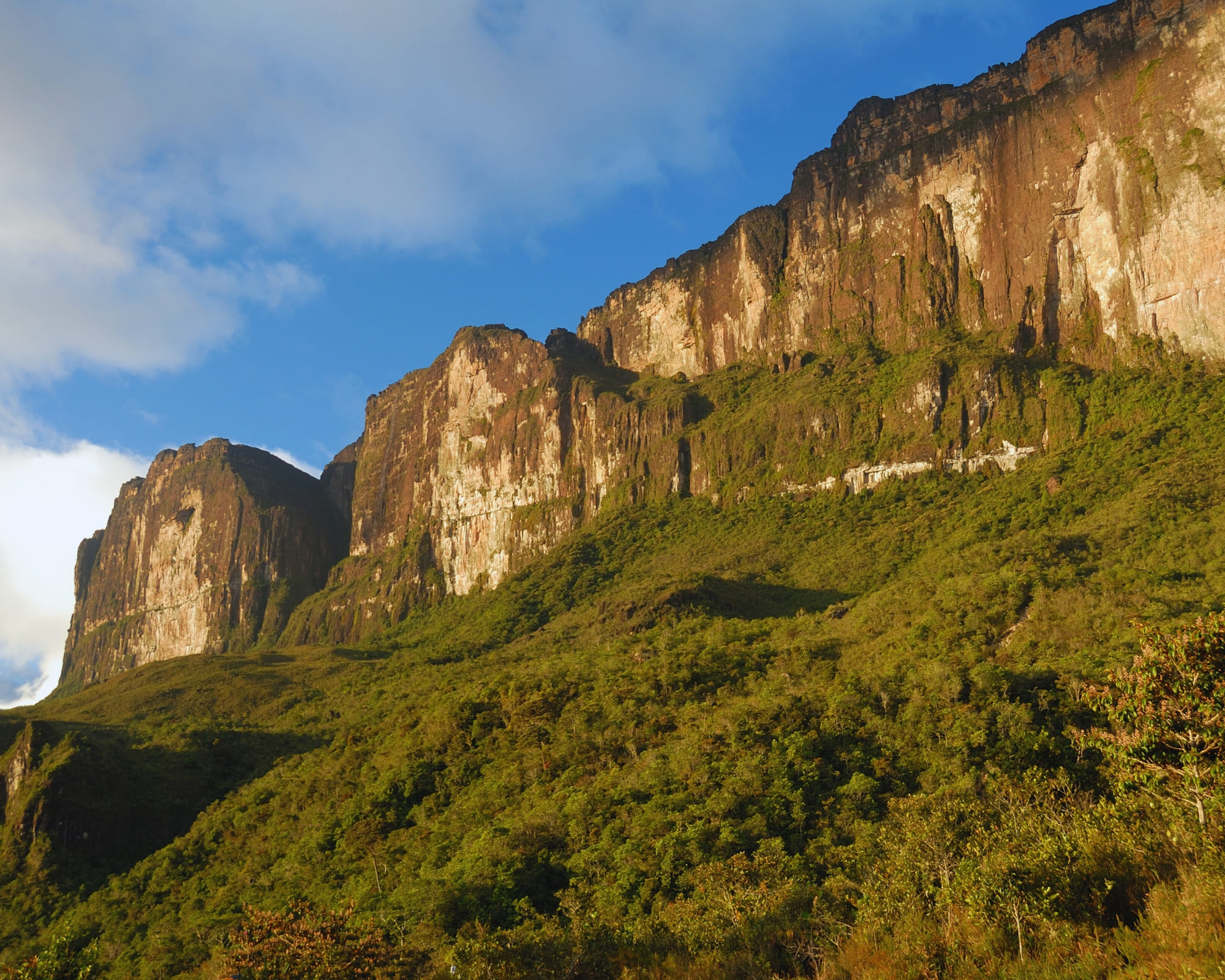
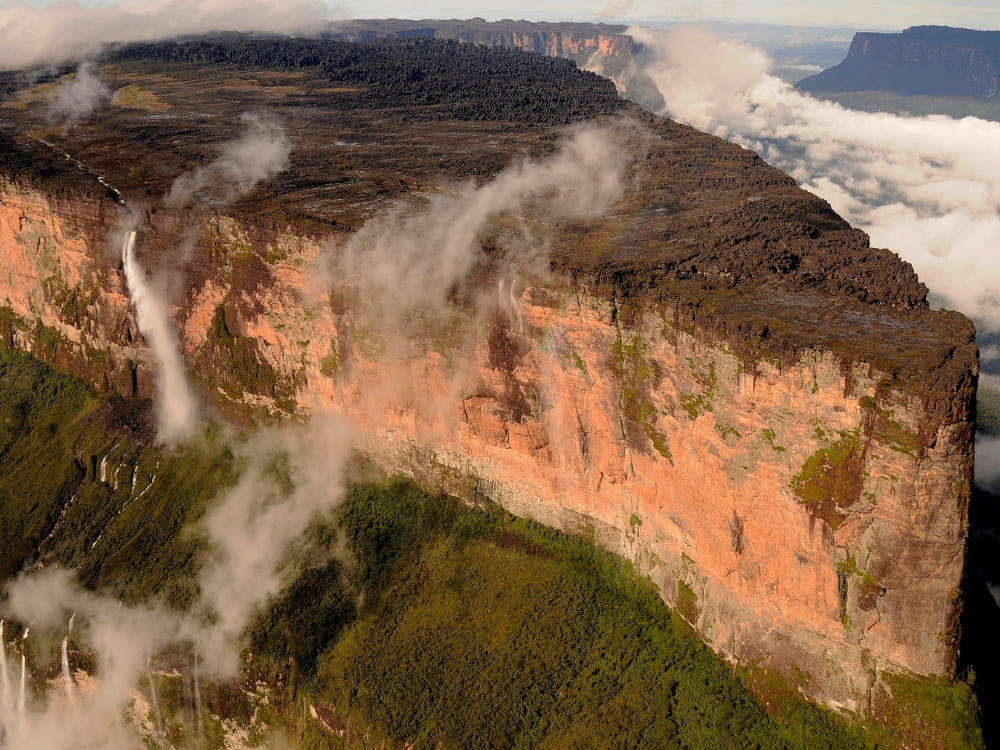
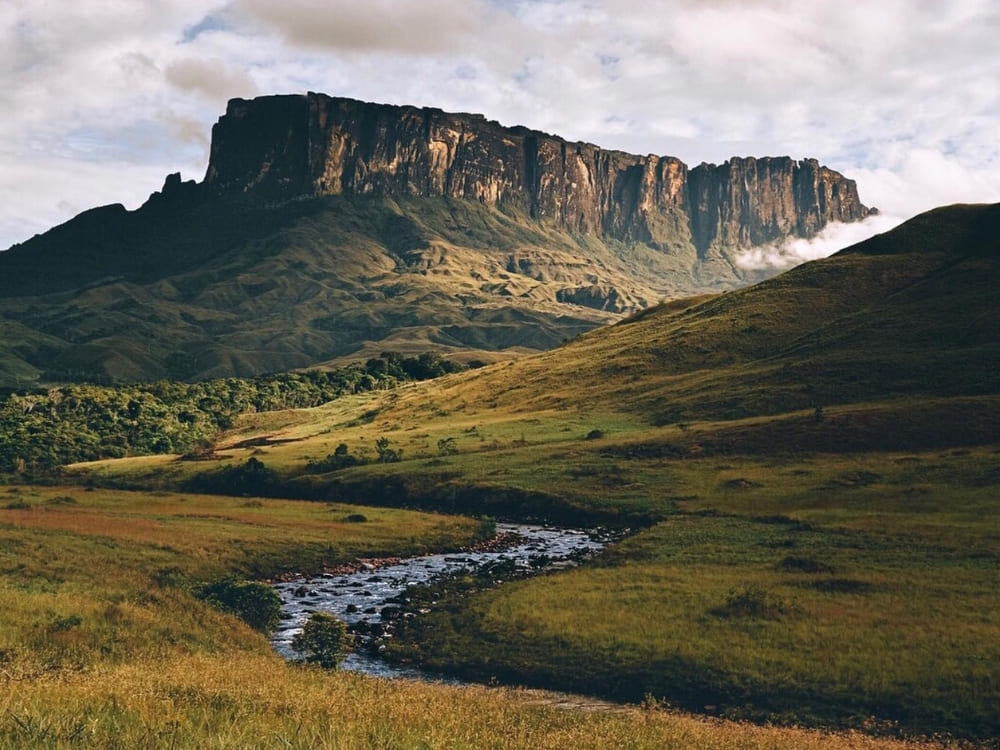
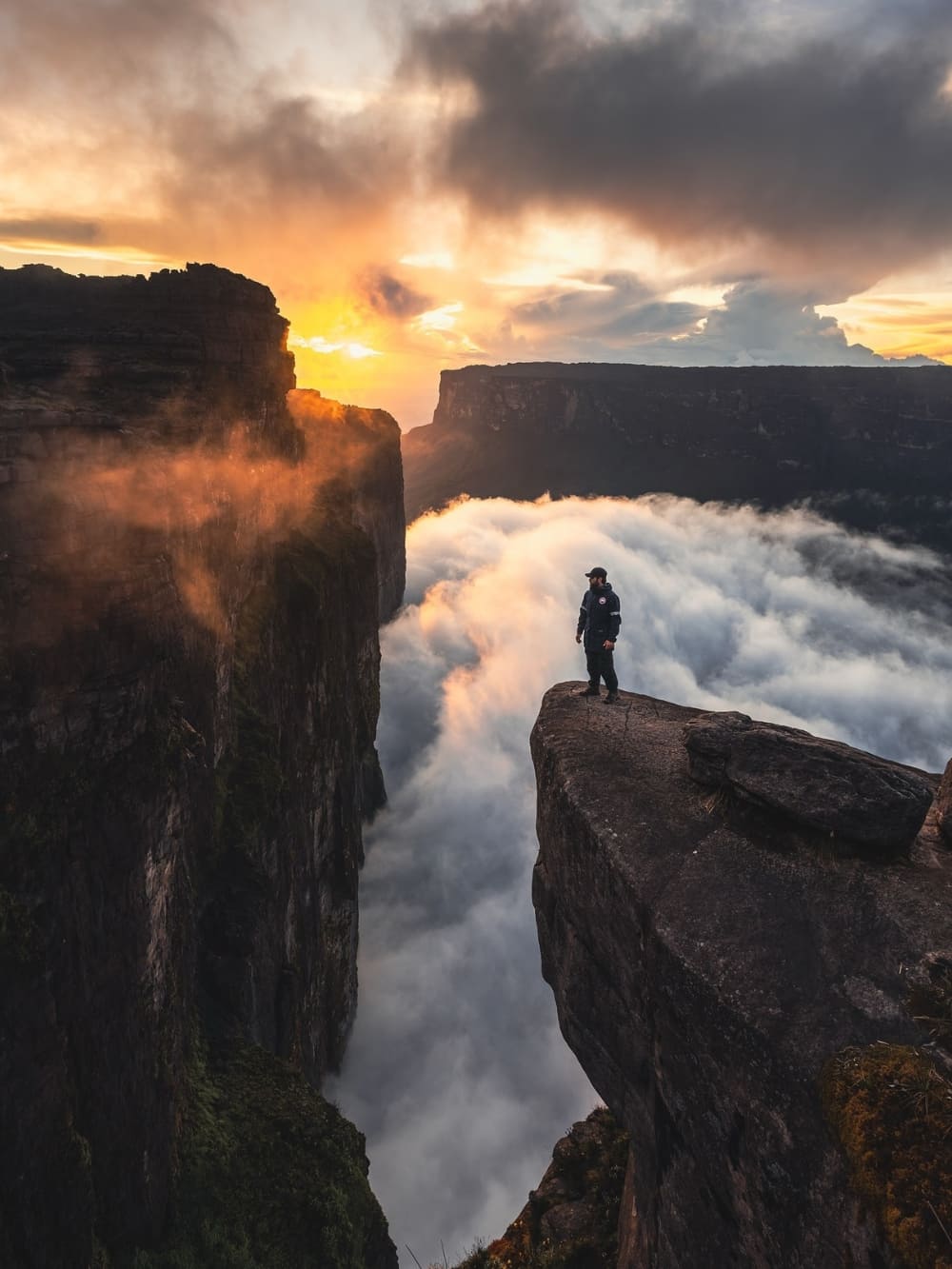
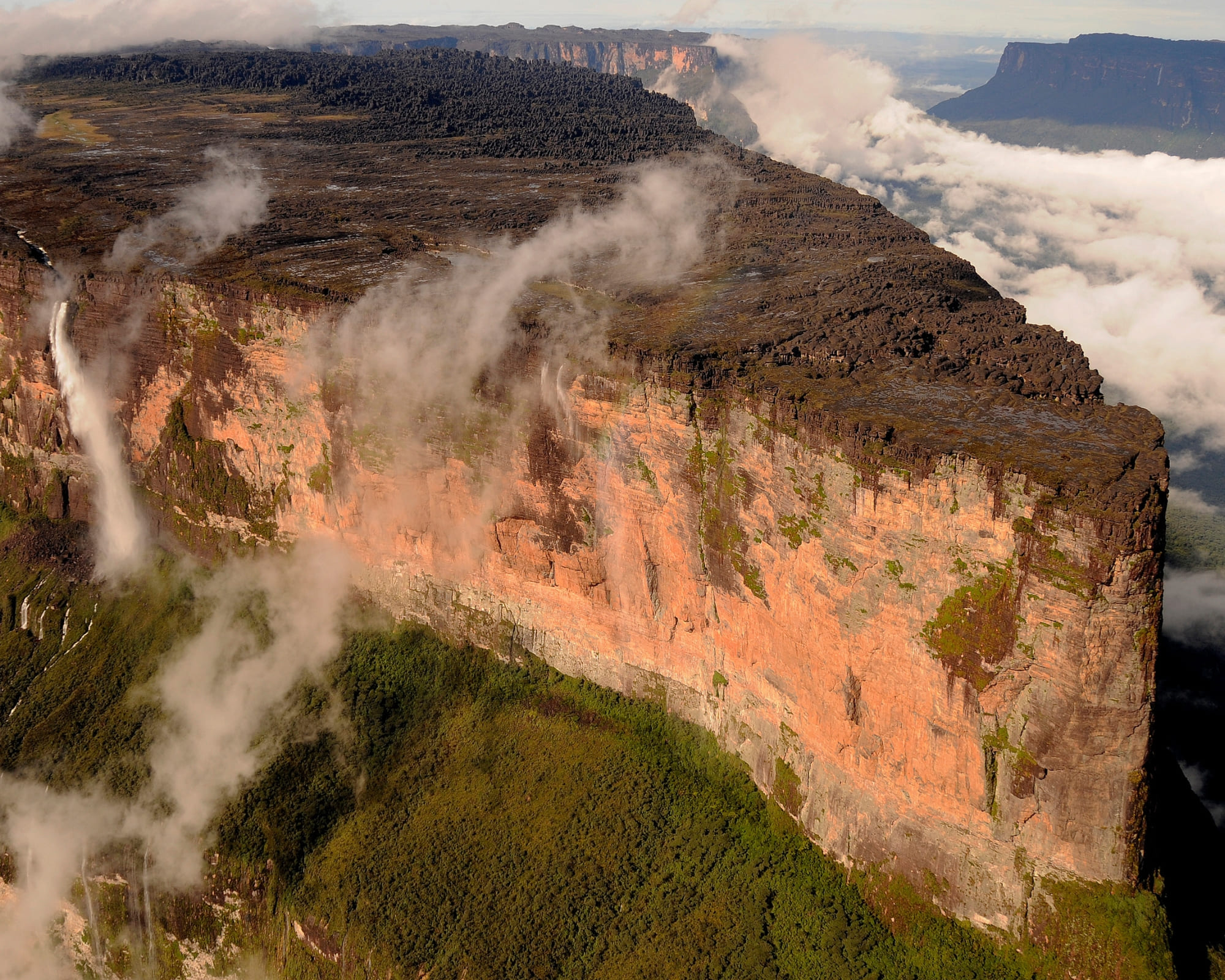
    Mount Roraima, one of the world’s oldest geological formations, rises on the border of Brazil, Venezuela, and Guyana. Known for its vertical cliffs, mysterious ecosystems, and breathtaking scenery, it attracts adventurers worldwide. But before packing, a key question arises: Do I need a visa to visit Mount Roraima?

    Since 85% of the mountain lies in Venezuela, travelers always cross its border, even if starting in Brazil. That means both the Brazil visa and Venezuela visa rules may apply, depending on your nationality. Understanding this is crucial to avoiding unpleasant surprises at immigration.

    Do I need a visa to visit Mount Roraima?
    Photo: Denis Minnetdinov

    At PlanetaEXO, we’ve guided travelers from across the globe, and we know how essential visa planning is. Many nearly gave up due to confusing rules, but with the right preparation, the journey becomes seamless. Let’s dive into who needs a visa and how to check official sources for your case.

    Venezuela: countries that require a visa

    Most travelers from Europe and Latin America can enter Venezuela without a visa, but there are important exceptions. It is also essential to note that, for countries exempt from visas, the agreement applies for a period of 90 days as a tourist only, never covering activities such as work or stays longer than the specified period.

    If your country is not on the official exemption list, you must apply for a Tourist Visa (T) at a Venezuelan consulate before arrival.

    Examples of countries that require a Venezuela visa:

    • North America: United States, Canada
    • Latin America: Honduras, El Salvador, Guatemala, Panamá, República Dominicana, Cuba, Haití, Guyana, Suriname
    • Europe (non-EU and non-Schengen associates): Ukraine, Moldova, Kosovo, Albania, North Macedonia, Bosnia-Herzegovina, Montenegro, Serbia, Turkey
    • Asia: China, India, Pakistan, Bangladesh, Afghanistan, Vietnam, Philippines, Nepal, Syria, Lebanon, Saudi Arabia

    Remember that official information can be checked with the Ministry of Foreign Affairs of Venezuela (MPPRE) or your nearest consulate. In addition, there are trustworthy sites for consultation, like Sherpa.

    Top of Mount Roraima
    .

    👉 Curious about logistics and costs of the trek itself? Check how much it costs to climb Mount Roraima

    Venezuela: Countries that do not require a visa

    According to the Consulate of Venezuela in France (last update: 16/06/2025), citizens from the European Union, much of Latin America, and some countries in North America are exempt from visas for up to 90 days when entering Venezuela for tourism.

    Examples of visa-exempt countries for Venezuela:

    • Europe: Germany, Austria, Switzerland, France, Belgium, Luxembourg, the United Kingdom, Ireland, the Netherlands (including Aruba, Curaçao, Bonaire, Saba, Sint Maarten), Spain, Portugal, Italy, Greece, Poland, and other EU members.
    • Latin America: Argentina, Brazil, Mexico, Chile, Colombia, Peru, Uruguay, Paraguay, Ecuador, Bolivia, Costa Rica, Nicaragua.
    • Asia: Japan, South Korea, Malaysia, Maldives, Sri Lanka
    • Africa: South Africa is visa-exempt for up to 90 days

    This means a traveler from France, the Netherlands, Germany, the United Kingdom, or Mexico can enter Venezuela for up to 90 days without a visa. The passport must be valid for at least six months beyond the date of entry.

    👉 To double-check your case, see the official Venezuelan Consular Services in France or use consultation sites like Sherpa

    Brazil: Countries that require a visa

    Most travelers from Europe and Latin America can also enter Brazil without a visa, but some nationalities must apply in advance.

    Countries that need a Brazil visa (examples as of 2025):

    • North America: United States, Canada
    • Oceania: Australia
    • Asia: India, China, Afghanistan, Pakistan, Bangladesh, Nepal, Sri Lanka, Vietnam, Philippines, Iran, Iraq, Syria, Lebanon
    • Europe (outside EU/Schengen): Belarus, Russia, Turkey, Ukraine, Kosovo, Moldova, Albania, North Macedonia, Serbia, Montenegro, Bosnia-Herzegovina
    • Africa: Most African countries require a visa, including Nigeria, Ethiopia, Kenya, Egypt, Morocco, Senegal, Ghana, Tanzania, and others

    👉 Check the official list via the Brazilian Ministry of Foreign Affairs: Brazil visa requirements (Itamaraty)

    Do I need a visa to visit Mount Roraima?
    @alecio_cezar

    Brazil: Countries that do not require a visa

    Citizens of the European Union, the United Kingdom, Japan, and Latin America can usually enter Brazil without a visa for short-term tourism (up to 90 days).

    Examples of visa-exempt countries for Brazil:

    • European Union: Germany, France, Italy, Spain, the Netherlands, Austria, Belgium, Greece, Portugal, Poland, Denmark, etc.
    • Schengen-associated states: Switzerland, Norway, Iceland, Liechtenstein
    • English-speaking Europe: United Kingdom, Ireland
    • Latin America: Argentina, Chile, Uruguay, Colombia, Peru, Paraguay, Bolivia, Mexico, Ecuador, Costa Rica, Panama
    • Asia-Pacific: Japan, South Korea, New Zealand, Israel
    • Africa: Botswana, Namibia, South Africa, and Mauritius are visa-exempt for short-term visits

    👉 For step-by-step logistics on flights, transfers, and routes, check our article on How to get to Mount Roraima

    Do I need a visa to visit Mount Roraima?
    Photo: Paolo Costa Baldi

    Important reminder: You always cross into Venezuela

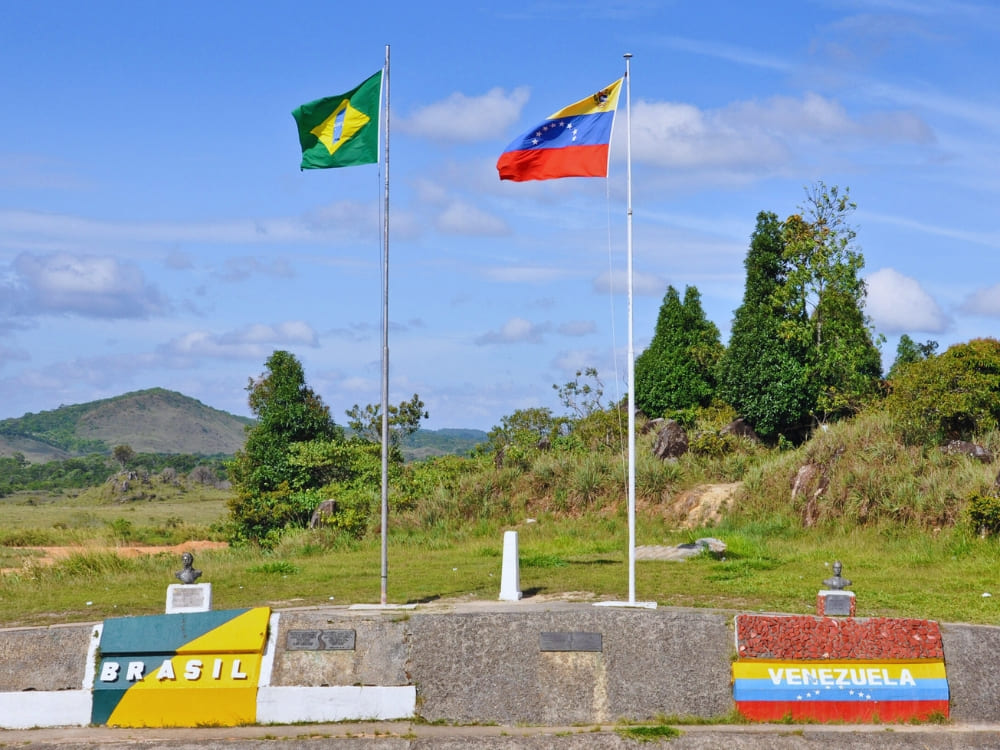
    Even if you start in Brazil, the trek leads you to Santa Elena de Uairén and then to the Paraitepuy Indigenous Community, the official trailhead in Venezuela. That means you’ll cross the border and must comply with Venezuelan immigration rules.

    So yes: travelers often enter Brazil visa-free, but will still need to check if Venezuela requires a visa for their passport. Missing this step could stop your journey before it begins.

    👉 Want to know the real challenges of the trek itself? Read how hard it is to trek up Mount Roraima

    Can U.S. Citizens Travel to Venezuela? Safety, Visa, and rules 

    One of the most common questions is: Can U.S. citizens visit Mount Roraima? The situation is complex. Due to the absence of U.S.–Venezuelan diplomatic relations, Americans cannot simply enter Venezuela without prior arrangements. They must apply for a visa at a Venezuelan consulate, often outside the U.S. (for example, in Mexico or Colombia). Processing times may vary, and approval is not guaranteed.

    Importantly, the U.S. Department of State strongly advises against all travel to Venezuela because of political tensions, security concerns, and the lack of consular support. Travelers are urged to carefully review the official U.S. travel advisory for Venezuela before making any plans.

    If you are an American citizen and still want to attempt a visit to Mount Roraima, you must plan well in advance, seek updated information from U.S. and Venezuelan official sources, and be fully aware of the risks involved.

    Sunset Mount Roraima
    @diaz

    Traveling with PlanetaEXO

    When you plan an expedition with PlanetaEXO, you don’t just get a trekking package: you gain a partner that supports you at every step. More importantly, our expeditions are designed with sustainability in mind.

    In this way, your trip supports local communities, protects the environment, and brings you face-to-face with one of the world’s most unique ecosystems.

    👉If you’re ready to embark on this extraordinary experience, send us a message and let’s start planning your journey!

    Read More: 

  • Anavilhanas National Park, the archipelago of the Amazon in Brazil

    Anavilhanas National Park, the archipelago of the Amazon in Brazil

    Learn everything you should know about the Anavilhanas in the Amazon Rainforest, including its history, how to get there, the best time to visit, what to do, and more!

    Anavilhanas National Park is home to the second largest river archipelago in the world. Located on the Rio Negro in the Amazon Rainforest, Brazil, it holds more than 400 islands and 60 lakes, with up to 60% of its area submerged during the wet season, transforming the landscape every year.

    A pink river dolphin swims near the surface of dark, calm water.

    The Anavilhanas archipelago safeguards unique ecosystems of várzea (a flat, fertile, and extensive terrain, usually located on the banks of Amazonian rivers) and igapó (flooded forest) while promoting sustainable tourism. This shift boosted the economy of the city of Novo Airão and made it the most visited national park in the Brazilian Amazon.

    To help you understand the national park, PlanetaEXO, an ecotourism platform specializing in Amazon Rainforest tours in Brazil, has put together a complete guide on where it is, how to visit, the best activities, and much more. Check it out below!
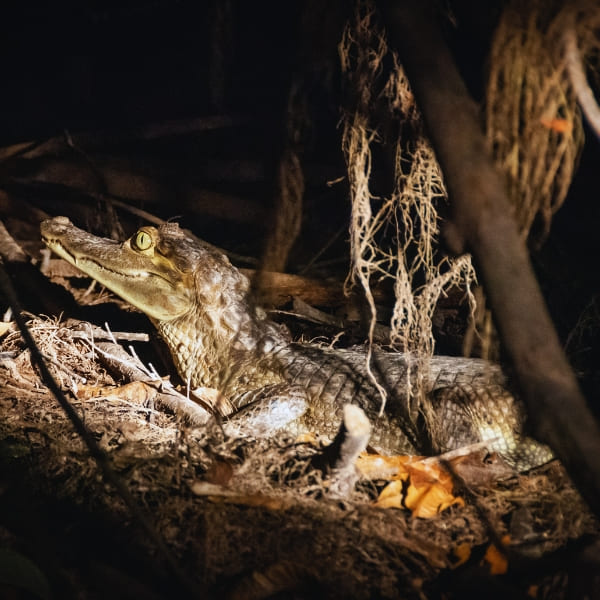
    The History of Anavilhanas National Park 

    The name Anavilhanas is believed to have originated from the Aneuene or Anauini River, which was once called Anaviana and later Anavilhena.

    An aerial view shows the dark waters of the Rio Negro cutting through the lush green canopy of the Amazon rainforest.
    Photo: João Paulo Krajewski

    Its origins trace back to 1981, when it was created as the Anavilhanas Ecological Station, a category aimed at scientific research and environmental education. However, this designation conflicted with the reality of the region, which was better suited for sustainable tourism. In 2008, ICMBio reclassified the area as a national park, expanding its boundaries to 350,000 hectares and opening it to responsible visitation.

    The change also helped curb illegal logging, which had previously been common in the Rio Negro basin, and gave local communities new opportunities through ecotourism. Today, most of Novo Airão’s population relies directly or indirectly on tourism, from guiding to crafts and hospitality.

    👉 Read more: Best places to visit in the Amazon, Brazil 

    Worldwide Recognitions

    Since 2000, the Anavilhanas archipelago has been part of the Central Amazon Conservation Complex, a UNESCO World Heritage Site that also includes Jaú National Park and the Mamirauá Reserve

    A vibrant sunset reflects over the complex network of islands and waters in the Anavilhanas archipelago.
    Photo: Felipe Castellari

    It is also recognized as a Ramsar Site, a wetland of global importance, designated by the Ramsar Convention—an international treaty signed in 1971 in Iran, aimed at the conservation and wise use of wetlands (swamps, mangroves, lagoons, etc.) with the participation of more than 160 countries.

    These recognitions ensure international visibility, long-term protection, and support for responsible tourism that benefits local communities while safeguarding biodiversity.

    How to Get to Anavilhanas National Park

    The main gateway to Anavilhanas is Manaus, the capital of Amazonas state. Eduardo Gomes International Airport (MAO) receives direct flights from Miami (MIA), Bogota (BOG), Panama City (PTY), and Curaçao (CUR), as well as numerous daily connections from São Paulo, Rio de Janeiro, Brasília, and other Brazilian cities.

    A white and red hydroplane floats on the calm Rio Negro, offering a transport option to the Amazon.
    Photo: Felipe Castellari

    From Manaus, the most popular way to reach the park is by road to Novo Airão, a small riverside town located 180 km away. The drive takes around 2–3 hours along the AM-070 and AM-352 highways. 

    Visitors can also hire private shuttle services, rent a car, or even charter a hydroplane to land directly on the Rio Negro. Novo Airão is considered the main access point to Anavilhanas, with boats departing every day to explore the islands.

    Another option is arriving by river. Boat transfers from Manaus to Novo Airão take 8–12 hours and allow travelers to witness the famous Meeting of the Waters, where the dark Rio Negro and the muddy Solimões flow side by side without mixing.

    For those looking for a faster option, speedboats can make the same journey in around 3–4 hours, depending on river conditions. Many itineraries combine this journey with river cruises, which gives visitors a complete experience of the region.

    👉 Read more: How to get to the Amazon Rainforest in Brazil

    Best Time to Visit Anavilhanas National Park, Brazil

    The park is a year-round destination, but the experience changes dramatically with the seasons. In fact, this is a feature that makes Anavilhanas even more unique! 

    • Dry Season (September–February): White-sand beaches emerge across the islands, providing ideal conditions for swimming and birdwatching. Some species even nest in the sandbanks during this period. Trails through the flooded forests can be explored on foot.
    • Wet Season (March–August): Water levels rise up to 16 meters, flooding 60% of the park’s area. This is the time to explore the igapó by canoe and observe aquatic animals like giant river otters and river dolphins.
    • Transition Months: From October to December, prolonged droughts may reduce access to some areas, but conditions improve again by January.

    👉 Read more: Best time to visit the Amazon Rainforest

    Fauna, Flora, and the Protected Systems of Anavilhanas in the Amazon

    The biodiversity of Anavilhanas National Park is astonishing. The igapós flood seasonally, creating habitats for unique plants and wildlife. Visitors may spot giant macucu trees, orchids, and fruiting species like açaí and cupuaçu. Among the most emblematic Amazon animals are the pink river dolphin, giant river otters, sloths, howler monkeys, and black caimans. 

    Birdwatchers will be delighted with sightings of toucans, macaws, and even the majestic harpy eagle. In the rivers and lakes, more than 300 fish species thrive, including pirarucu, piranhas, and dourada.

    Scientific research in Anavilhanas is vital and already brings important discoveries. A recent INPA (National Institute of Amazonian Research) study found that ant communities on the islands differ from those on terra-firme (non-flooded forest), with seasonal flooding driving changes in species composition. Some ants adapt by moving to tree canopies, while others struggle to survive.

    All of this (and much more) reinforces the park’s role in protecting biodiversity and in advancing ecological knowledge.

    👉 Read more: Best Brazil Wildlife Tours and Destinations 

    Fun Facts About Anavilhanas

    Discover more fascinating facts about Anavilhanas that further highlight why the park is considered one of the most captivating places in the Amazon:

    • 3 Bocas (Three Mouths): one of the most scenic spots in the archipelago, where three channels meet, creating mirrored waters and lush vegetation.
    • The Madadá Caves are nearby: sandstone formations over 700 million years old, accessible by trails that start at the edge of the park.
    • No mosquitoes: thanks to the acidity of the Rio Negro, the area is far less affected by mosquitoes than most tropical regions.
    • Visitor numbers: Anavilhanas welcomes up to 40,000 visitors annually, making it the most visited national park in the Brazilian Amazon.
    • Around 60 lakes: in addition to the 400+ islands, the archipelago shelters dozens of lakes that sustain a wide variety of wildlife.

    What to Do in Anavilhanas National Park?

    A local guide rows a wooden canoe filled with tourists through the flooded waterways of Anavilhanas National Park
    Photo: Isadora Sá

    Anavilhanas offers a wide range of activities that change with the seasons:

    • Boat tours: through water channels and lakes, with chances to see pink river dolphins, caimans, and many bird species.
    • White-sand beaches: when the rivers shrink, many beaches appear. Perfect for swimming and relaxing in the dry season!
    • Igapós (flooded forests): ideal for canoe or kayak trips through waterways during the wet season.
    • Jungle hikes: see giant trees, orchids, and even prehistoric rock carvings by hiking in the forest when water levels drop.
    • Visit the ICMBio bases: visitors can stop at research and monitoring structures to learn about ongoing conservation measures and the protection of this fragile ecosystem. In the surrounding areas, during nighttime spotlights and near some ICMBio bases, large caimans also make occasional appearances.

    👉 Read more: Top things to do in the Amazon Rainforest in Brazil 

    Best Tours in the Anavilhanas Archipelago

    Some of the best experiences in the Amazon Rainforest take place in Anavilhanas National Park, Brazil. Discover the trips available on PlanetaEXO!

    Anavilhanas Jungle Lodge

    One of the best ways to experience the park is by staying at the Anavilhanas Jungle Lodge, an award-winning ecolodge located in Novo Airão. Blending comfort with sustainability, the lodge offers guided excursions such as piranha fishing, nocturnal wildlife tours, canoeing, and visits to local communities.

    A luxury thatched-roof bungalow with warm interior lighting sits nestled among lush green trees at the Anavilhanas Jungle Lodge.
    .

    Guests can also learn about scientific projects supported by the lodge, including biodiversity monitoring with researchers from INPA (National Institute for Amazonian Research) and innovative studies on fungi for “mycotourism,” which highlight the lesser-known but fascinating world of the Amazon’s fungi.

    With luxury bungalows overlooking the Rio Negro, a pool with panoramic views, and Amazon-inspired cuisine, the lodge is both a refuge and a hub for conservation.

    Amazon River Cruises

    Another great way to experience the park is on an Amazon river cruise in Brazil, departing from Manaus and sailing through the Rio Negro. Mixing adventure and comfort, the itinerary includes canoeing through igapós, piranha fishing, jungle hiking, and close encounters with pink river dolphins. 

     A multi-level traditional wooden river cruise boat navigates the reflective dark waters of the Amazon.
    .

    Travelers also visit Indigenous and riverside communities, explore hidden lagoons, and spot wildlife such as macaws, sloths, and pirarucu fish.

    On board, guests enjoy air-conditioned cabins, local cuisine, and leisure areas like a solarium and lounge, making the journey as enjoyable as the destination of Anavilhanas

    👉 Explore the adventure: 4-day and 7-day Amazon cruises in Brazil

    Mirante do Gavião

    Staying at the Mirante do Gavião is one of the best ways to discover Anavilhanas. From the its privileged location on the Rio Negro, guests set out on daily tours through the archipelago, whether hiking to the Madadá Caves, exploring flooded forests by canoe, or relaxing on the white-sand beaches during the dry season.

    The unique, boat-shaped wooden architecture of Mirante do Gavião lodge glows warmly at night in the forest.
    .

    The lodge also connects travelers with the local culture, including visits to riverside communities, craft centers, and conservation initiatives. At sunset, boat rides across the Rio Negro provide unforgettable views of the park’s islands, followed by nocturnal excursions to spot caimans and other animals.

    Between adventures, Mirante do Gavião offers comfort and exclusivity, making it the perfect base to combine relaxation with the best tours in the Anavilhanas National Park.

    👉 Read more: Best Amazon Jungle Lodges in Brazil

    Luxury Amazon Cruise

    The Luxury Amazon Cruise aboard the Zaltana is a 5-day journey through the Rio Negro and the Anavilhanas archipelago. Guests explore hidden lakes and igarapés (narrow water channels), hike to giant trees, try piranha fishing, and meet pink river dolphins while also visiting Indigenous and riverside communities.

    The Zaltana luxury riverboat floats calmly on the Rio Negro, offering high-end cruises through the Anavilhanas archipelago.
    Photo: Isadora Sá

    With 10 suite cabins, panoramic views, and Amazon-inspired cuisine, the Zaltana offers one of the most comfortable and exclusive ways to experience the rainforest.

    👉 Read more: Best Amazon River Cruises in Brazil

    Comparative price table for each Anavilhanas tour

    TOUR HIGHLIGHTS DURATION STARTING PRICE*
    Anavilhanas Jungle Lodge Luxury accommodation, visits to local communities, Madadá Caves, guided tours (canoeing, hiking, wildlife watching, night tours, etc.) 6 days US$ 3,330
    Amazon River Cruise Accommodation aboard (private ensuite cabins), Lake Janauari, visits to indigenous groups, guided tours (piranha fishing, hiking, canoeing, wildlife spotting, etc.) 4 days

    7 days

    US$ 2,605
    Mirante do Gavião High-end accommodation, Rio Negro, Madadá Caves, visits to riverside communities, guided tours (hiking, kayaking, wildlife watching, etc.) 4 days US$ 2,000
    Luxury Amazon Cruise Accommodation on a luxury riverboat, Meeting of Waters, Lake Janauari, visits to local communities, guided tours (wildlife watching, night spotting, hiking, piranha fishing, etc.). 5 days US$ 3,920

    *Per person, based on double occupancy in group departures. Prices may vary depending on season and availability. Exchange rate as of May 14th, 2026; subject to change.

    Traveling to Anavilhanas National Park, Brazil, with PlanetaEXO

    At PlanetaEXO, an ecotourism platform specializing in Amazon Rainforest tours in Brazil, the trips to Anavilhanas are designed to connect travelers with nature while supporting local communities and conservation projects. By booking with us, you ensure that your vacation contributes to keeping the Amazon forest standing.

    We help travelers find the perfect balance between leisure, adventure, and sustainability. Our difference lies in offering authentic experiences guided by the best local operators who know the forest better than anyone. Contact us now!
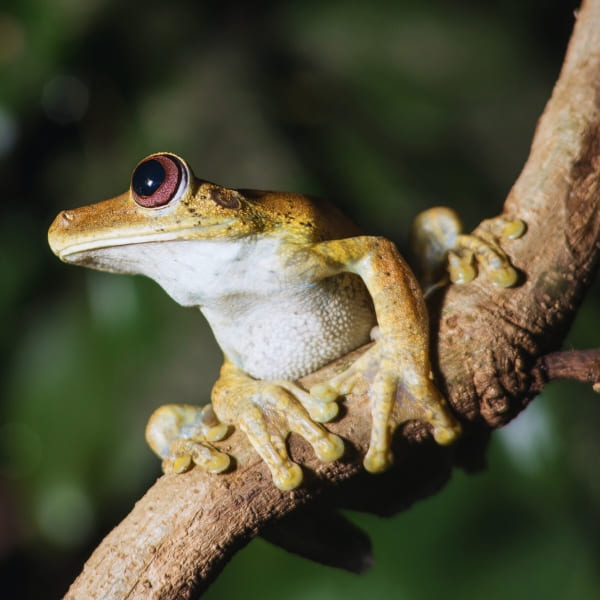
  • What’s on top of Mount Roraima?

    What’s on top of Mount Roraima?

    Get to know more about the mysteries of the Tepui: wildlife, landscapes, and what is on the plateau at Mount Roraima 

    Mount Roraima has fascinated travelers, scientists, and storytellers for centuries. Rising nearly 3,000 meters above sea level, this tepui, a flat-topped mountain unique to the Guiana Shield, looks like something out of a fantasy novel. But the real question many adventurers ask is: What’s on top of Mount Roraima?

    At the top of Mount Roraima, you’ll find a surreal plateau unlike anywhere else on Earth: crystal valleys, natural pools, strange rock formations, and unique plants and animals that thrive only in this isolated environment. Far from being an empty summit, the plateau is alive with biodiversity and geological wonders.

    What's on top of Mount Roraima
    @diaz

    PlanetaEXO, together with trusted local partners, leads sustainable expeditions to this remote landscape. Beyond trekking to the Mount Roraima high point, the journey is about responsible travel: supporting Indigenous communities and protecting the fragile environment of the plateau.

    Without further ado, discover what’s on top of Mount Roraima and other questions about the tepui of this fascinating place:

    What to do on top of Mount Roraima?

    The summit is not just a barren rock: it’s a world full of surprises and experiences. From unique vegetation to surreal geological formations, every corner reveals something extraordinary. If you’re wondering what to do on top of Mount Roraima, here are the main activities and highlights that make the plateau so unforgettable:

    Explore the unique vegetation and endemic species

    Life at the summit has adapted to survive in extreme conditions. Carnivorous plants like Heliamphora nutans capture insects to compensate for nutrient-poor soil, while delicate orchids bloom between the rocks. 

    Look closer and you might spot endemics such as the tepui frog (Anomaloglossus roraima), the Roraima black frog (Oreophrynella quelchii), and the tree frog Stefania roraimae. These species exist nowhere else on Earth, making the plateau a natural treasure.

    👉 Check out 10 Tips for Mount Roraima before your trek

    Mount Roraima Frog
    @cafred33

    Climb maverick rock: the highest point 

    The most famous rock formation on the summit is Maverick Rock, which reaches 2,875 meters above sea level. Standing at this Mount Roraima high point gives trekkers sweeping views across Venezuela, Brazil, and Guyana. On clear days, it feels like the world stretches endlessly beneath your feet, while clouds swirl below the cliffs.

    What's on top of Mount Roraima
    @potter_2024

    Walk through the Valley of Crystals

    Perhaps the most surreal landscape on the plateau is the Valley of Crystals, where the ground sparkles with countless fragments of quartz. These glittering stones catch the sunlight, creating a dreamlike effect. Walking here feels like stepping into a natural cathedral made of glass.

    Valley of Crystals
    @brunaalanas

    Camp in the natural “hotels”

    Instead of traditional accommodations, trekkers stay in natural caves and rock formations known as “hotels.” These shelters protect hikers from wind and rain while preserving the rustic atmosphere of the tepui. Spending a night here is a one-of-a-kind experience, like living inside the mountain itself.

    Camping Mount Roraima
    Photo: Lucas Gobatti

    Swim in the natural pools and jacuzzis

    Water is everywhere on the plateau, creating enchanting natural pools and jacuzzis. After hours of hiking, a refreshing dip in these crystal-clear basins is pure bliss. Fed by constant rainfall, they reflect the sky and surrounding rocks, adding to the otherworldly beauty of the plateau.

    What's on top of Mount Roraima
    Photo: Lucas Gobatti

    Visit Lake Gladys

    Another remarkable stop is Lake Gladys, a mysterious lagoon nestled in a depression of the plateau. Surrounded by dark rocks and often shrouded in mist, it has an almost mystical atmosphere. Many travelers describe it as one of the most peaceful places at the top of Mount Roraima, where silence and still waters amplify the feeling of being in another world.

    What's on top of Mount Roraima
    @yaikeldorta

    Admire the view from La Ventana

    The viewpoint known as La Ventana opens up dramatic vistas of the Gran Sabana and neighboring Mount Kukenan. Between towering cliffs, you’ll see vast forests and waterfalls stretching into the horizon. It’s one of the most breathtaking panoramas at the top of Mount Roraima.

    What's on top of Mount Roraima
    @na7hann

    Visit El Foso: The pit

    Another unmissable feature is El Foso, a deep chasm with a natural pool at its base. Its dark waters and towering stone walls make it feel like a secret chamber carved by time. Many trekkers consider swimming here one of the most magical experiences of the journey.

    Stand at the Triple Point

    At one corner of the plateau lies the Triple Point, the exact spot where Brazil, Venezuela, and Guyana converge. Standing here, you are literally in three countries at once, a rare and fascinating highlight of the trek.

    👉 Join us on our 10-day hike and enjoy all these activities during your stay at the top of Mount Roraima

    Triple Point
    .

    Does anything live on the top of Mount Roraima?

    No, there are no permanent human settlements at the top of Mount Roraima. The plateau is too isolated and inhospitable for people to live there, with thin soil, frequent rain, and freezing nights. Trekkers only stay temporarily in campsites or natural rock shelters during expeditions.

    However, communities live and thrive around the mountain’s base. The Pemón (including groups like the Arekunas, Taurepanes, and Kamarakotos), as well as the Ingarikó, Patamona, Akawaio, and Wapishana, are deeply connected to the land. These Indigenous peoples guide expeditions, share cultural heritage, and help ensure that tourism respects both tradition and environment.

    👉 Want to learn even more fascinating details? Check out our article on 10 facts about Mount Roraima!
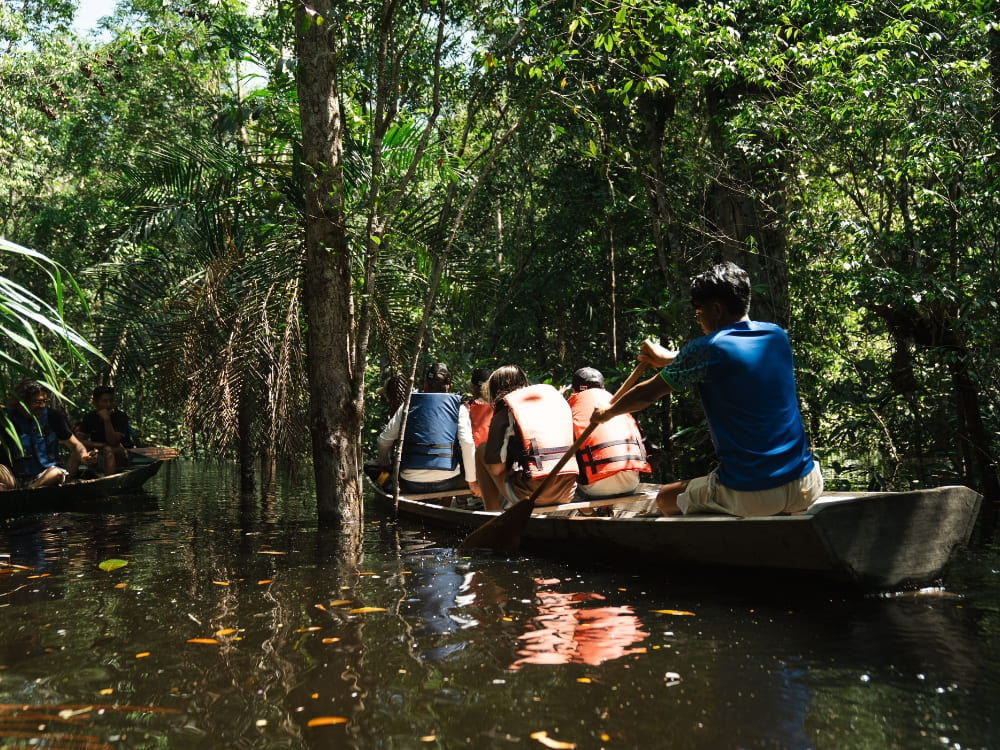
    Reach the top of Mount Roraima
    @overlandtheamericas

    Can you go to the top of Mount Roraima?

    Yes, you can! Reaching the top of Mount Roraima requires determination, but it’s not reserved for professional climbers. The ascent is a multi-day trek starting from Paraitepuy, an Indigenous community in Venezuela, with routes organized by experienced local guides.

    The trek usually takes 8 to 10 days, covering around 90 to 100 kilometers. You’ll pass rivers, rocky slopes, and steep sections like La Rampa, a natural corridor that leads hikers to the tepui of Mount Roraima. The journey is demanding but achievable for those with decent fitness and preparation.

    At the summit, the effort pays off with landscapes that seem straight out of another planet. Walking across the plateau, you’ll feel as if you’ve stepped into the pages of Arthur Conan Doyle’s The Lost World, which was inspired by this very mountain.

    👉 Thinking about the challenge? Read our full article on How hard it is to trek Mount Roraima

    How hard is it to trek up Mount Roraima
    Photo: Lucas Gobatti

    Has anyone been to the top of Mount Roraima?

    Not only has it been climbed, but thousands of travelers make the journey every year. The first documented ascent was in 1884 by the British explorer Sir Everard Thurn. However, long before Europeans arrived, Indigenous peoples such as the Pemón already knew the mountain intimately, weaving it into their myths and traditions.

    Today, Mount Roraima is a well-known trekking destination. Around 2,000 to 3,000 visitors make the journey each year, coming from all over the world to experience its alien landscapes, sleep under the stars, and discover the unique biodiversity of the tepui. Before planning your trek, don’t forget to check the visa requirements.

    👉 Curious about logistics and costs? Here’s our breakdown of How much it costs to climb Mount Roraima

    Sunset Mount Roraima
    Photo: Talez Aziz

    Can you fly to the top of Mount Roraima?

    This is a common question, and the answer is yes: helicopter landings are possible in certain areas of the summit. Some tours depart from Boa Vista, following the same route across the border to Paraitepuy before taking off toward the mountain. 

    Once on the plateau, visitors can explore highlights at the top of Mount Roraima. Flights depend on weather conditions and are operated under strict conservation rules to minimize environmental impact.

    For those who prefer not to land, aerial experiences are also available. Scenic flights provide breathtaking views of Canaima National Park, Angel Falls, Mount Kukenan, and the dramatic cliffs of Mount Roraima before circling above the plateau.

    👉 Prefer a more intense adventure? Explore our 8-day Mount Roraima trek for a rewarding experience

    Helicopter landing at Mount Roraima
    .

    Is Mount Roraima tepui above the clouds?

    Yes, it is. At 2,810 meters above sea level, the top of Mount Roraima frequently pierces the clouds. One moment, the summit may be hidden in thick fog, and the next, the sky clears to reveal panoramic views across Brazil, Guyana, and Venezuela.

    This high-altitude environment means dramatic weather shifts. Days can be surprisingly hot, with strong sun exposure that makes the thin air feel intense and requires constant hydration and sun protection. 

    Yet the atmosphere can change in minutes: clear skies give way to sudden rain showers and powerful winds sweeping across the plateau. Nights can be freezing, with temperatures dropping close to 0°C (32°F), even though you’re in the tropics.

    Even with all these challenges and unpredictable weather, seeing the world from above the clouds makes you feel both incredibly small and deeply connected to nature.

    Top of Mount Roraima
    Photo: Lucas Gobatti

    👉 Planning your trip? Don’t miss our blog post on How to get to Mount Roraima

    Traveling with PlanetaEXO

    Traveling with PlanetaEXO means more than reaching the summit: it’s about making your adventure count. By choosing our expeditions, you directly support Indigenous communities, help preserve the fragile ecosystem of the tepui, and ensure tourism leaves a positive footprint.

    We keep groups small and partner with trusted local guides, so your experience is authentic, safe, and respectful to the environment. That way, exploring the plateau and discovering what’s on top of Mount Roraima becomes both a personal achievement and a contribution to conservation.

    👉 Want to experience this adventure? Contact us here and let’s start planning your Mount Roraima trek!

    Read More: