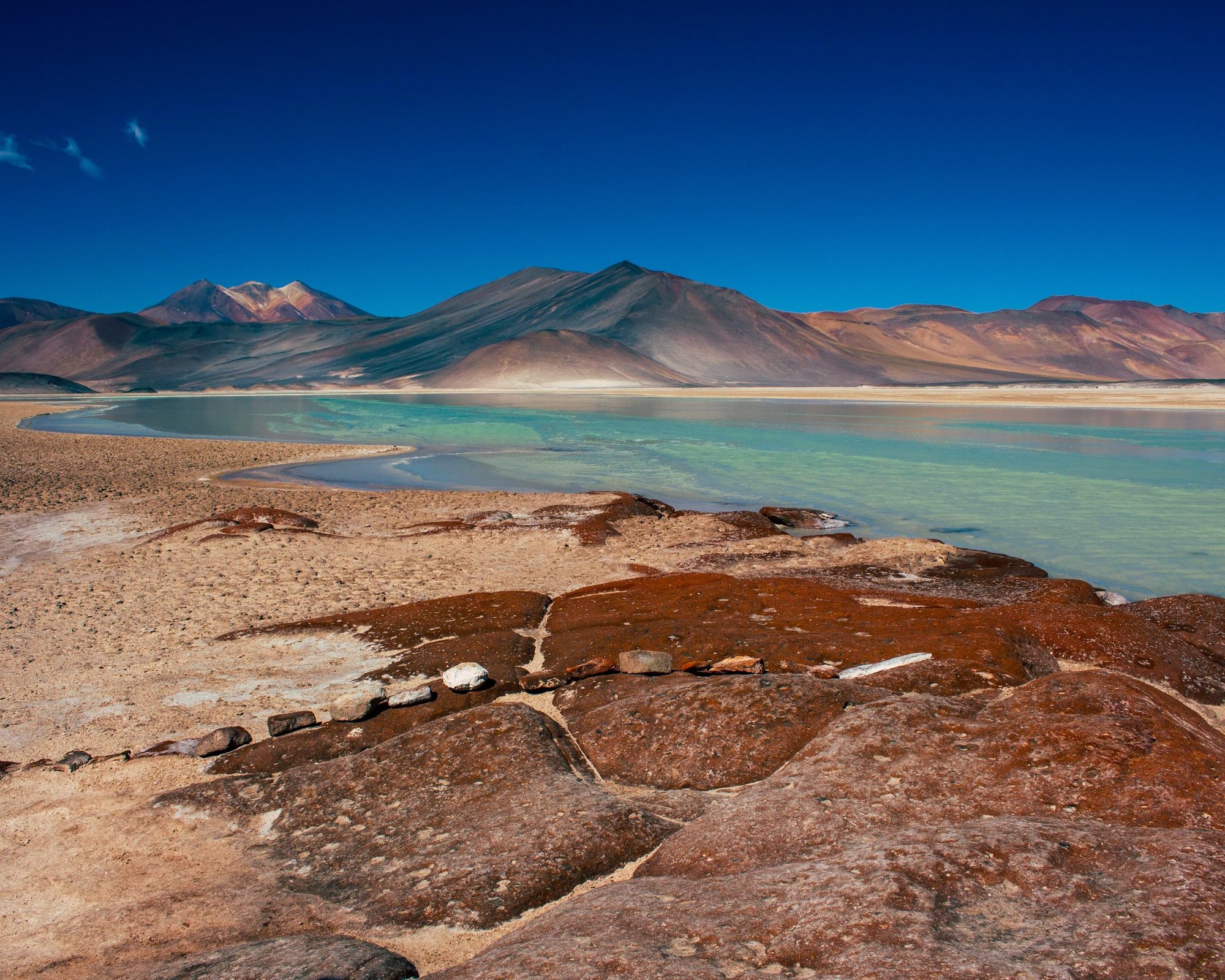
Discover incredible facts about the Atacama—why it is the driest place on Earth outside the poles, what NASA does there, how flowers bloom in the desert, and much more!
The Atacama Desert runs for about 1,000 km (600 mi) along the Pacific coast of northern Chile, squeezed between the ocean and the Andes. Outside a few valleys in Antarctica, it is the driest place on Earth. Parts of it get less rain in a year than many cities get in a day.
That dryness explains almost everything else about it, from the Mars rehearsals to the clear night sky. Some of these Atacama Desert facts you can see on a trip from San Pedro de Atacama, and others belong to different corners of northern Chile.
PlanetaEXO, an ecotourism platform specializing in Atacama Desert tours, has put together 10 facts about one of the most fascinating places in South America. Check it out below!
1) The driest desert in the world outside the poles
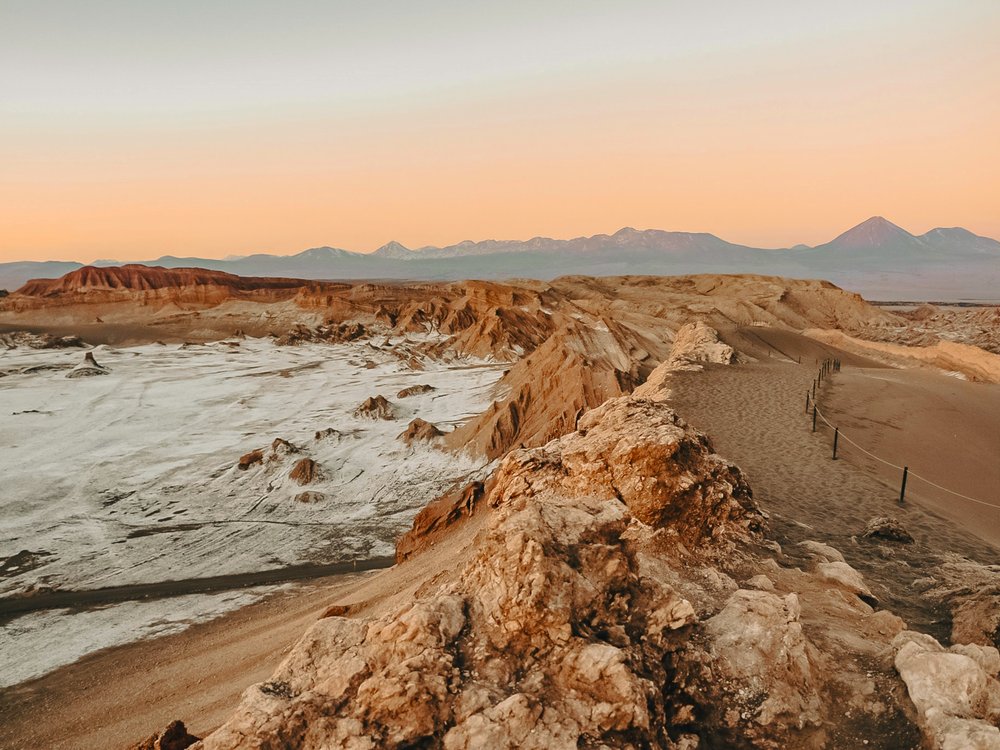
NASA describes the Atacama as the driest non-polar desert in the world. Rainfall changes a lot from place to place: its hyperarid core gets around 1 mm a year, while estimates for the desert as a whole are closer to 15 mm, close to what New York can get in a single rainy day.
Those numbers describe the lowlands, not San Pedro de Atacama or the high Andes, where summer storms are more common. When rain does fall, it’s quite the event. In February 2025, 12 mm were enough to cut the roads into San Pedro and put the region on alert.
2) Mountains and a cold ocean keep the rain away
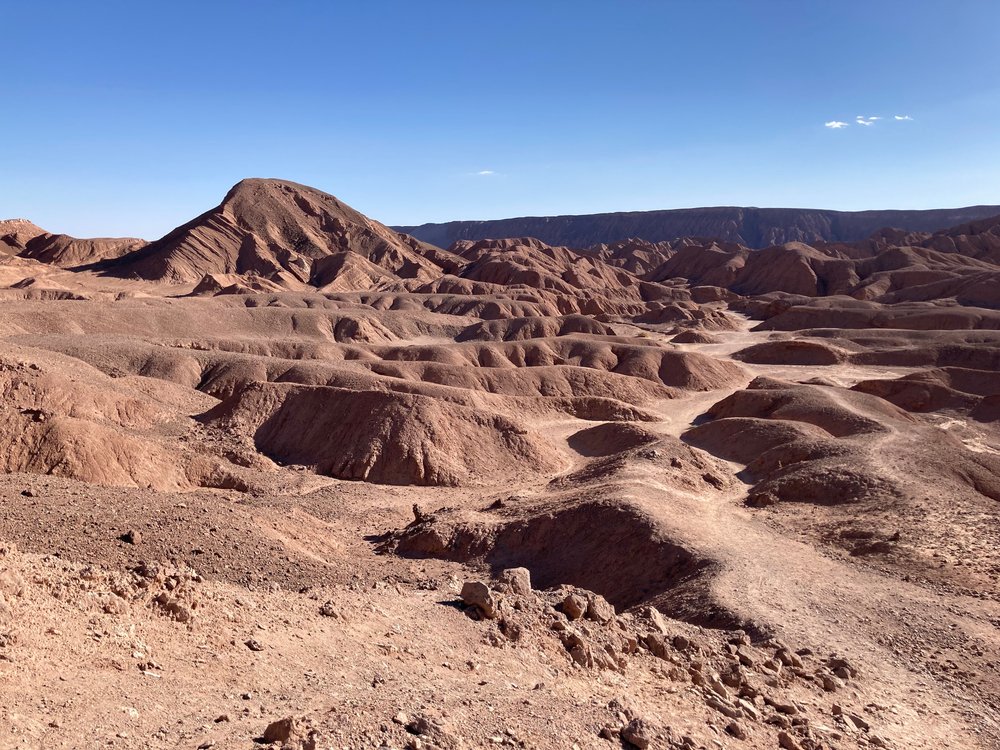
So why is the Atacama Desert so dry? Three things work together:
- Subtropical high-pressure system: sinking air suppresses rainfall over much of the desert, the same pattern that dries out most of the world’s deserts.
- The cold Humboldt Current: the ocean along the coast is cold, making the air above it hold little moisture. It makes fog and low clouds, not rain.
- Double rain shadow: the Chilean Coast Range blocks what comes from the Pacific, while the Andes block the humid air from the Amazon on the other side.
The Andes barrier is not total. In summer, humid air from the Amazon sometimes crosses it and brings storms to the high plateau around San Pedro, which locals call the altiplanic winter.
👉 Read more: Best Time to Visit the Atacama Desert: Month by Month
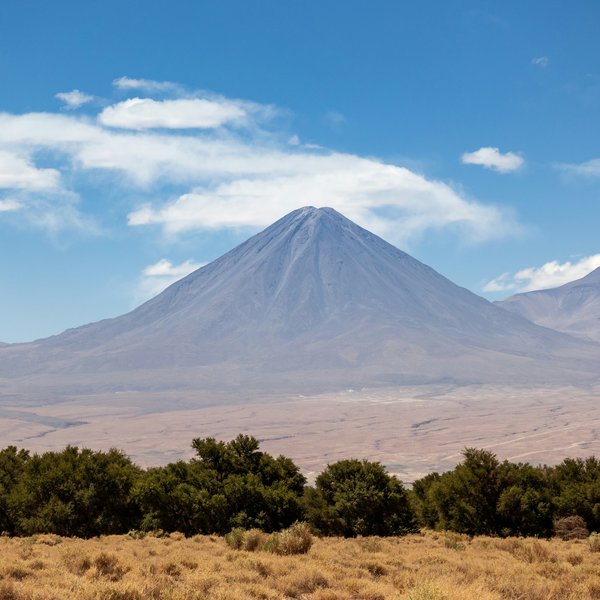
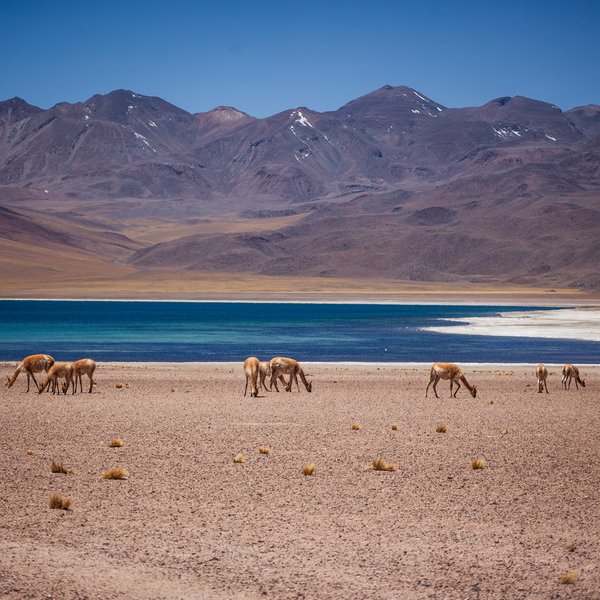
3) Parts of the Atacama have been extremely dry for millions of years
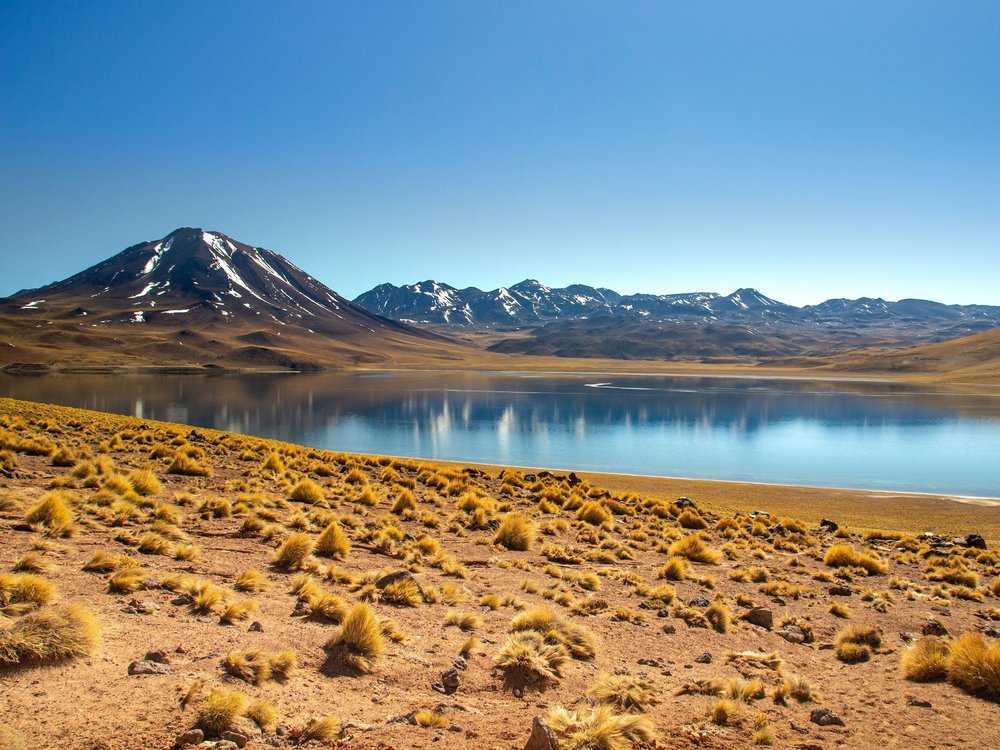
Estimates vary from place to place and depend on how researchers define “extremely dry,” but its driest areas have had arid conditions for at least 3 million years, which makes it one of the oldest deserts on the planet.
The dry air also explains the big daily swing in temperature. With no clouds to hold the heat, San Pedro can cool by about 20°C (36°F) from afternoon to night. Summer afternoons reach around 28°C (82°F), and winter nights often drop below freezing. If you’re going there, pack layers in any season!
4) NASA uses it to rehearse the search for life on Mars
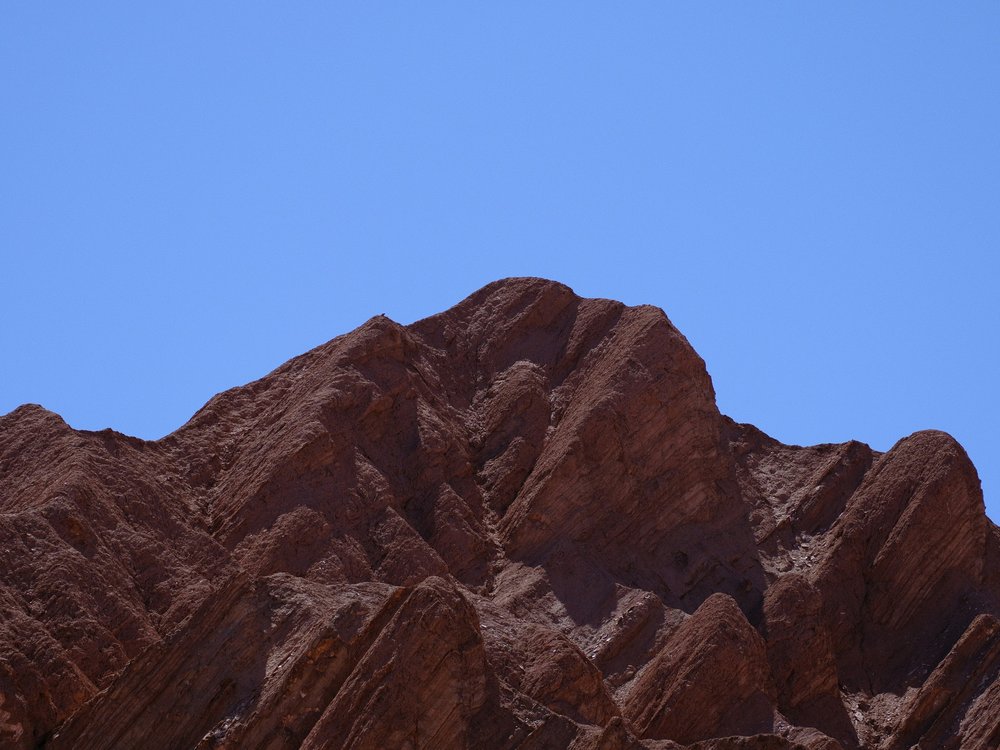
The soil in the driest part of the Atacama is chemically similar to the soil of Mars. That is why NASA tested a Mars-prototype drill and life-detection instruments at Yungay, a mining ghost town in one of the driest corners of the desert. Its 2016 field campaign brought together more than 20 scientists from the United States, Chile, Spain, and France.
What were they looking for? Microbes. In Atacama’s most extreme environments, life survives underground or inside rocks, sheltered from intense sunlight. Scientists have found cyanobacteria living inside salt rocks and making food from the little light that gets through. Studying them helps researchers test ways to look for signs of past or present life on Mars.
5) After a rare rain, the Atacama Desert fills with more than 200 kinds of flowers
One of the most incredible Atacama Desert facts concerns the Desierto Florido, the flowering desert. Seeds and bulbs can wait under the ground for 10 to 20 years. When an unusual winter rain passes 15 mm, they wake up.
According to CONAF (Chile’s National Forestry Corporation), more than 200 species of plants can flower in yellow, purple, pink, white, and red.
The Atacama Desert flowers appear in spring, but the timing, place, and size of the bloom change from year to year. Look for it in the southern Atacama, around Copiapó and Vallenar, including Llanos de Challe National Park, hundreds of kilometers south of San Pedro de Atacama and outside the classic tours.
Check CONAF’s updates before planning a special trip, stay on marked paths, and leave flowers and seeds where they are!
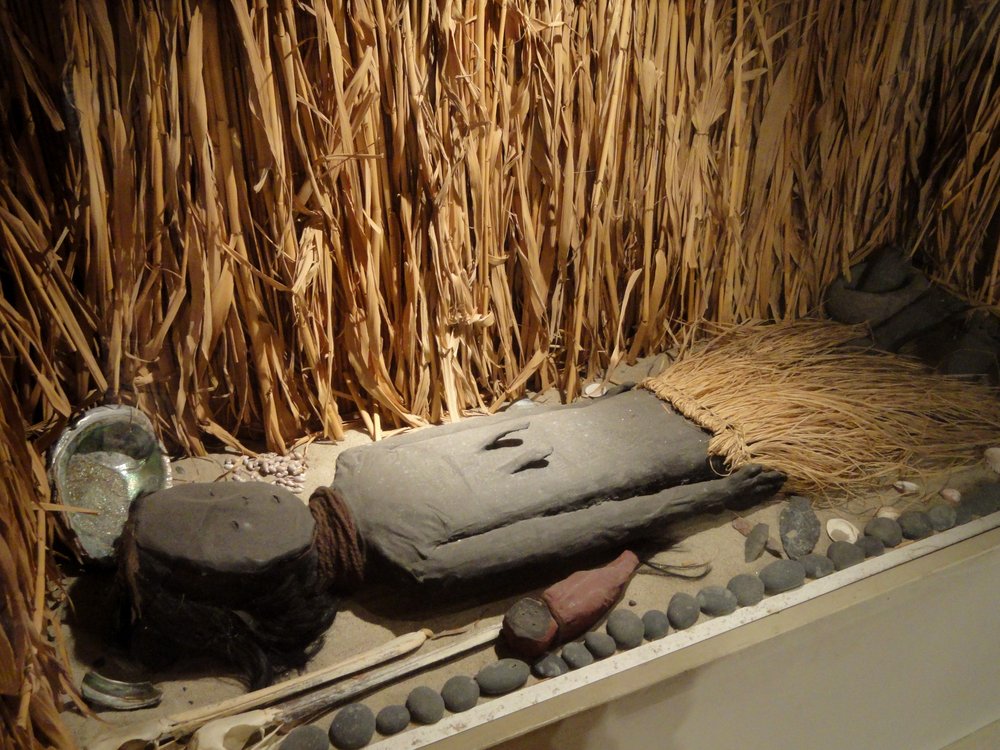
6) Chinchorro mummies, older than Egypt’s
Some of the oldest artificially mummified human bodies in the world are from the Atacama Desert, not Egypt.
The Chinchorro were fishers and hunter-gatherers who lived on the coast of the Atacama from about 5450 BC to 890 BC. Long before mummification became a tradition in ancient Egypt, they took the bodies of the dead apart, rebuilt them, covered them in clay, and gave them masks.
Researchers believe the first ones were babies and children. One theory links this to the natural arsenic in the water of the Camarones Valley, which may have caused many miscarriages.
In 2021, the Chinchorro sites were added to UNESCO’s World Heritage List. They are in and around Arica, near the border with Peru and far from San Pedro de Atacama, where the San Miguel de Azapa Archaeological Museum holds the mummies.
7) Chile has nearly 40% of the world’s astronomical observation capacity
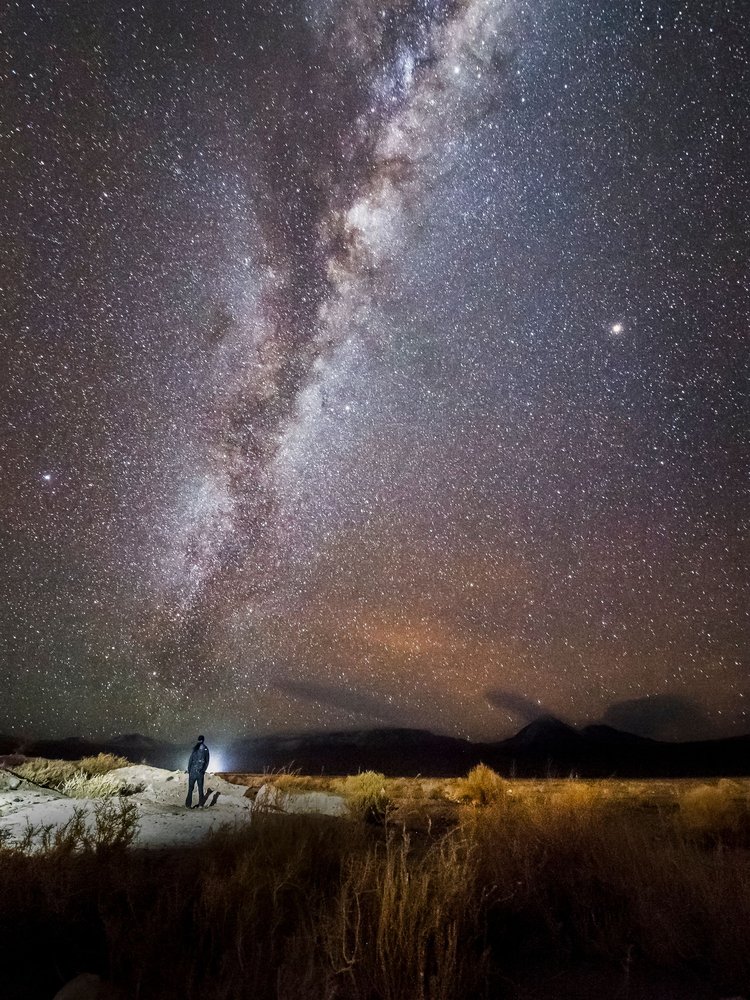
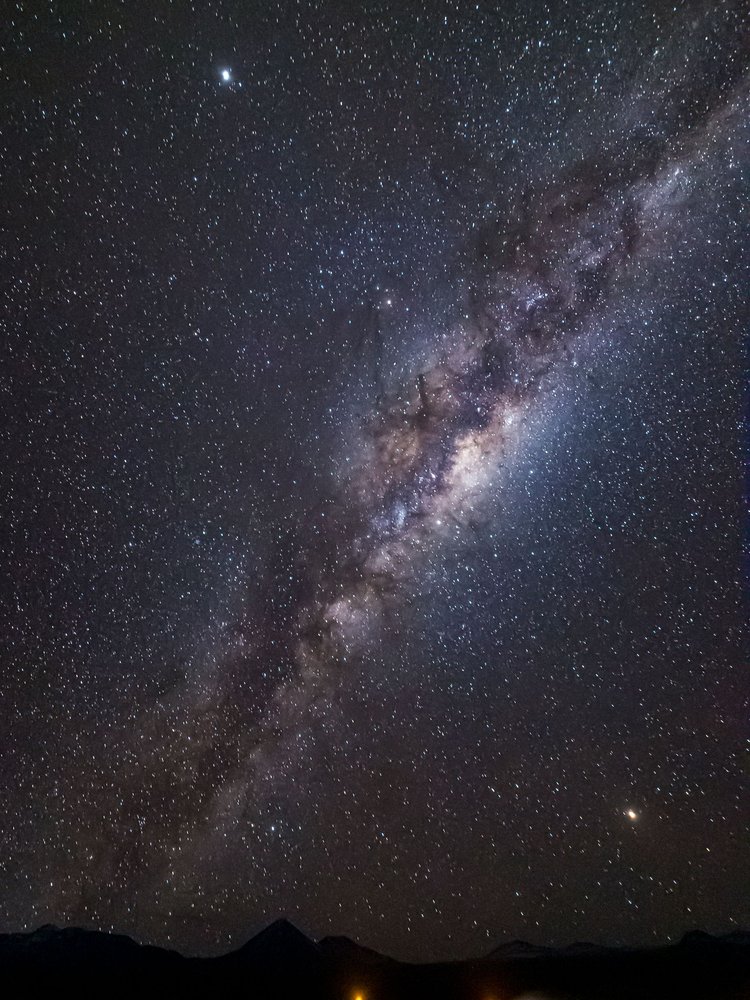
Dry air, high altitude, and very little light pollution make the Atacama one of the darkest places on Earth. According to the European Southern Observatory, Chile concentrates nearly 40% of the world’s astronomical observation capacity.
Most of it is in this desert, including the Paranal Observatory, the giant ELT (Extremely Large Telescope) under construction on Cerro Armazones, and the ALMA Observatory. Note that these are research facilities, separate from the stargazing tours in town.
ALMA’s 66 antennas stand on the Chajnantor Plateau at about 5,000 m (16,400 ft). Its operations base is lower down, at 2,900 m (9,514 ft), about 40 minutes by car from San Pedro.
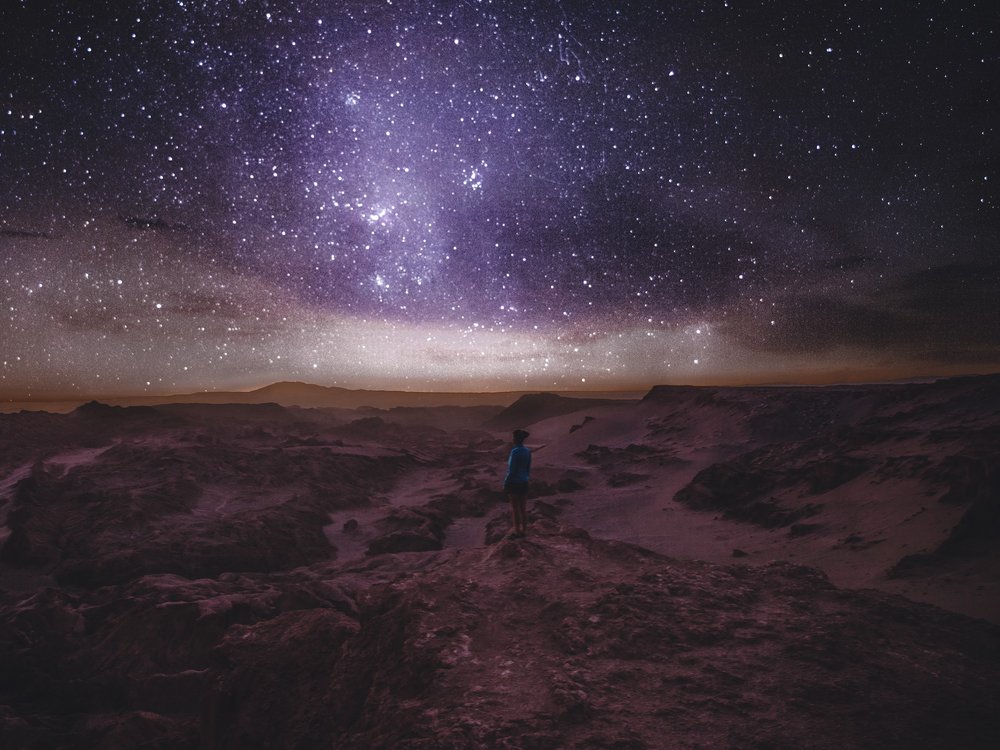
Atacama Desert stargazing from San Pedro
You don’t need to be an astronomer to appreciate the sky in the Atacama. Stargazing tours depart from San Pedro and last between 2.5 and 3 hours, accompanied by an expert guide.
PlanetaEXO’s 5-day Atacama Desert tour includes this activity on the first night. Cloudy skies move it to another evening, while on full-moon nights it focuses on the Moon (not the stars). For the best viewing conditions, plan your trip around the new moon, when the sky is at its darkest.
On our 4-night camping trip, you will sleep under the starry sky at a campsite in the Cactus Valley and attend an enriching talk on how Andean peoples read the stars.
8) Coastal fog can be turned into water
On the coast, the cold ocean creates a thick fog that Chileans call the camanchaca. It rarely turns into rain, but it can be caught.
Fog catchers are fine plastic nets stretched between two poles. The droplets stick to the mesh and run into a gutter and down a hose to storage tanks. Fog season runs from May to October.
Around Alto Hospicio, where the city’s aquifer is running low, a study conducted by Chilean universities in 2025 estimated that the best spots could yield about 2.5 liters per square meter of mesh per day, enough to water parks or grow vegetables. Farther south, in Falda Verde, fog water already grows lettuce, strawberries, basil, and mint.
These projects are on the coast, outside the usual trips from San Pedro de Atacama.
9) El Tatio is the largest geyser field in the Southern Hemisphere
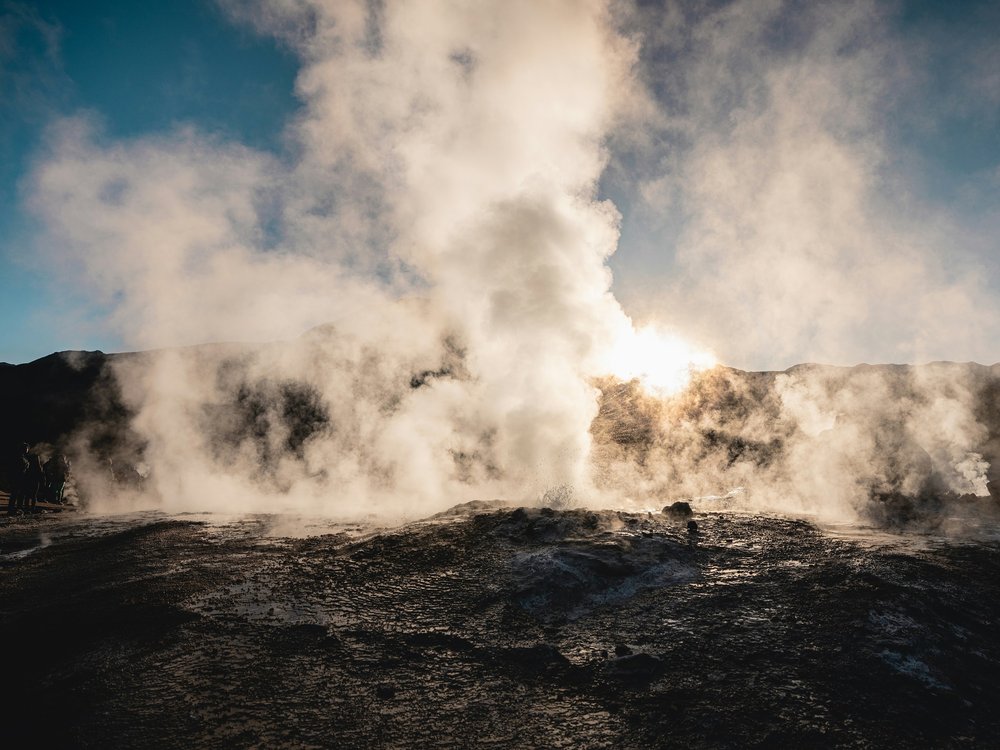
At about 4,300 m (14,100 ft) and 80 km from San Pedro, El Tatio includes more than 80 geysers, fumaroles, and boiling mud pools. The name comes from the Kunza language of the Atacameño people and means “the grandfather who cries.”
According to El Tatio’s management team, it is the largest geyser field in the Southern Hemisphere and the third largest in the world, after the US’s Yellowstone and Russia’s Valley of Geysers.
The cold dawn air makes the steam columns most visible, roughly between 5:30 and 7 AM, which is why tours leave San Pedro before sunrise. Dress in warm layers in any month (temperatures at dawn are often below freezing, even in summer) and stay on the marked paths around the hot springs.
👉 Explore the adventure: Atacama Desert Tour Package: 4 Days from Moon Valley to El Tatio
10) The Atacama’s largest salt flat holds one of the world’s biggest lithium reserves
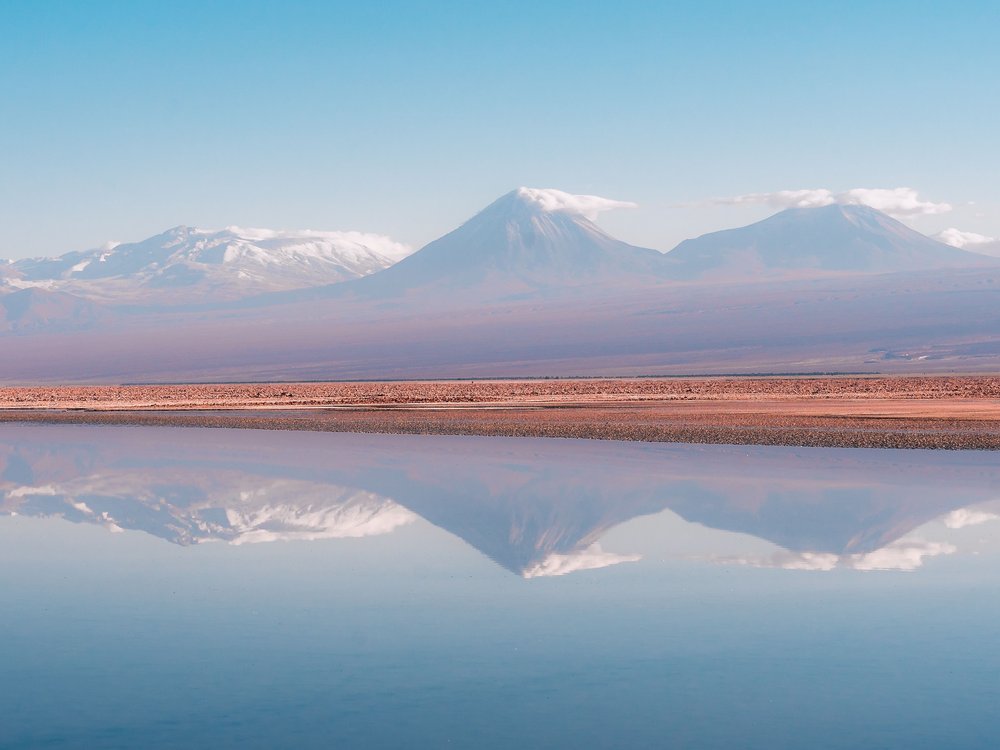
The Salar de Atacama, south of San Pedro, is the largest salt flat in Chile and one of the most important lithium deposits on Earth, the metal in electric car and phone batteries. In 2025, Chile’s lithium production was the third largest in the world, trailing only Australia and China.
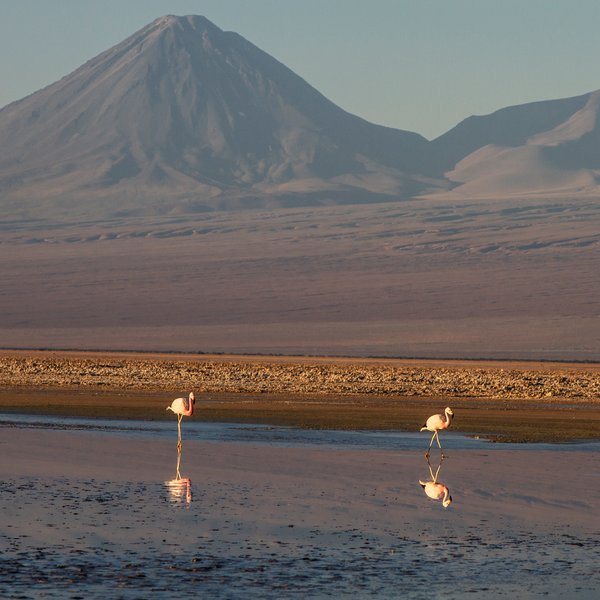
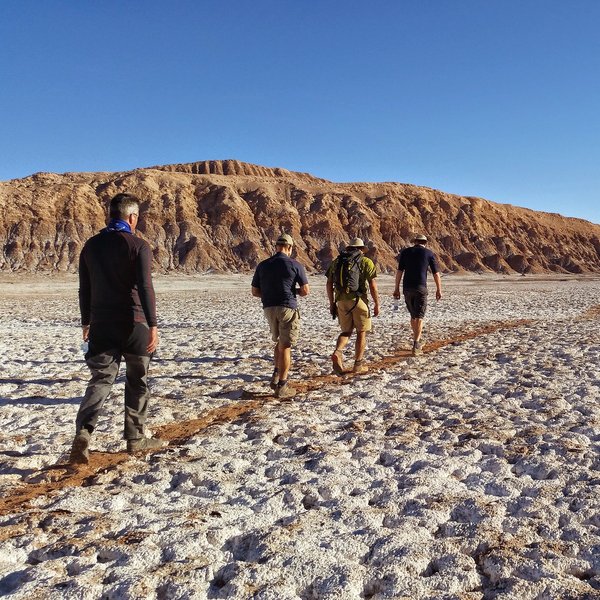
The salt flat is also home to Laguna Chaxa, inside Los Flamencos National Reserve, a well-known place near San Pedro to watch flamingos feeding in the shallow water. Our 7-day Atacama Desert Trek visits the salt flat by vehicle before heading up into the Andes to the Miscanti and Miñiques lagoons.
Ready to see the Atacama Desert for yourself? Plan your trip with PlanetaEXO!
Now that you know these Atacama Desert facts, from the geysers to the dark skies over San Pedro, it’s time to see this wonderful place up close.
PlanetaEXO is an ecotourism platform specializing in Chile adventure tours. We work with local operators in San Pedro de Atacama and plan every trip around the altitude and the season, so all you have to do is enjoy yourself. Contact us now!


Leave a Reply