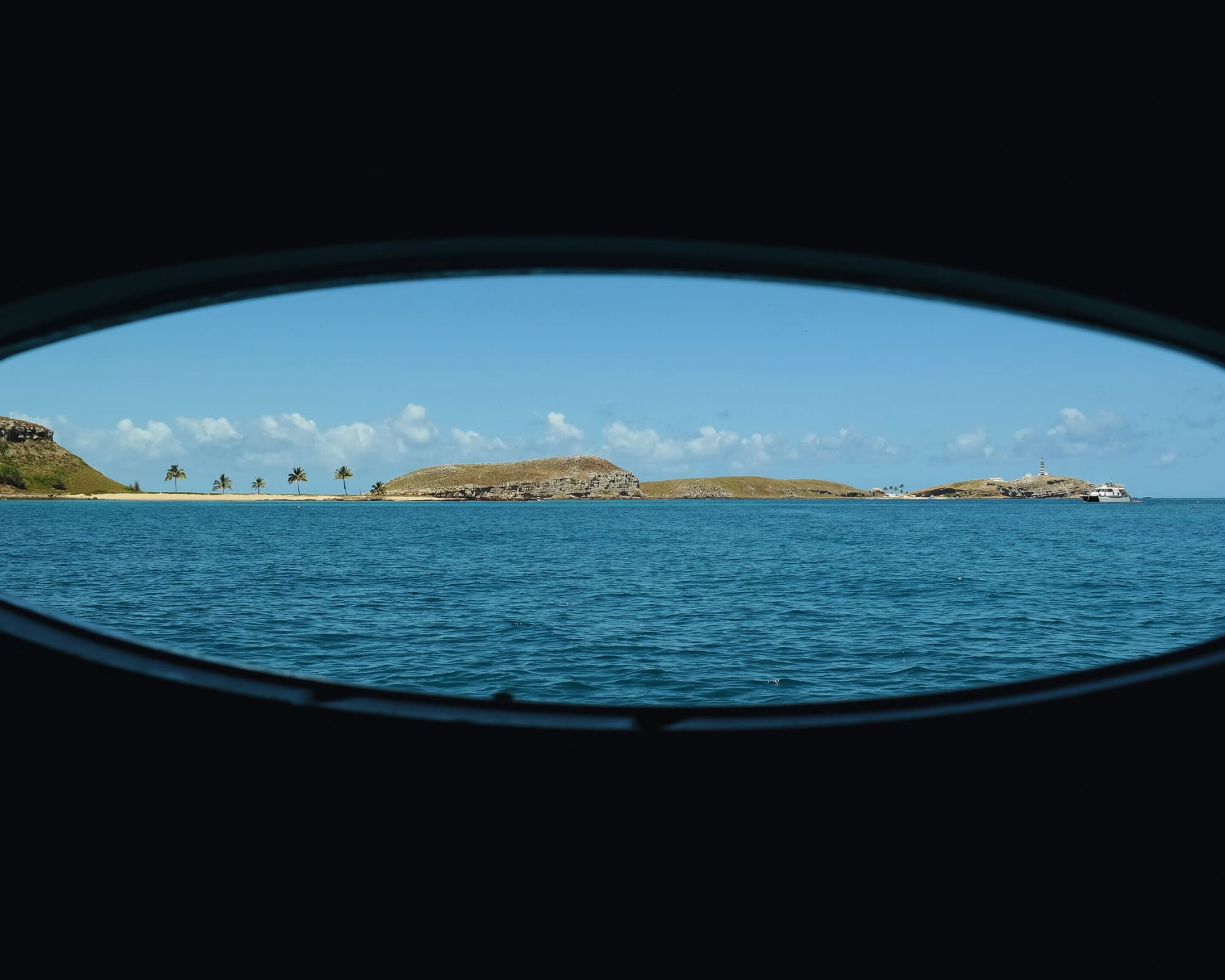
Category: Abrolhos

  • 10 Facts About Abrolhos You Need To Know

    10 Facts About Abrolhos You Need To Know

    Discover the unique stories, history, and biodiversity that make the Abrolhos archipelago one of Brazil’s most fascinating marine destinations.

    The Abrolhos archipelago, off the southern coast of Bahia, Brazil, is recognized as one of the most extraordinary marine environments in South America. For those interested in learning more, there are fascinating facts about Abrolhos waiting to be discovered. Brazil created the Abrolhos Marine National Park in 1983, ensuring protection for this remote group of islands and reefs.

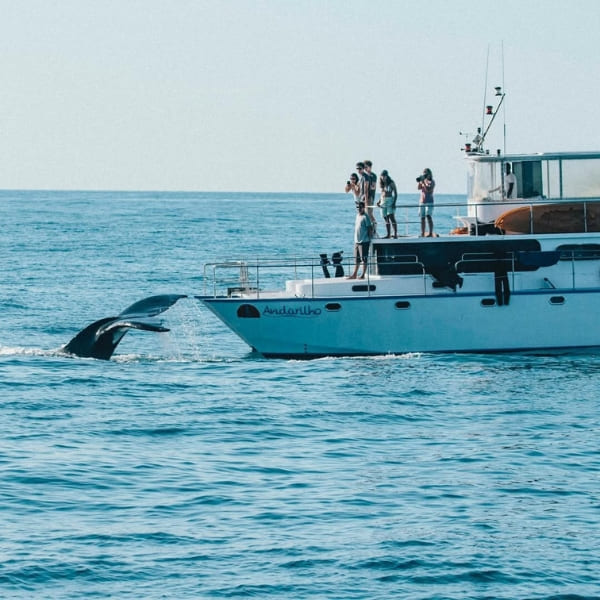
    You can reach Abrolhos by boat from Caravelas, a small coastal town in Bahia. The surrounding waters are shallow, yet they contain an incredible concentration of nutrients. As a result, they provide ideal conditions for coral reefs, colorful fish, and larger marine species such as humpback whales.
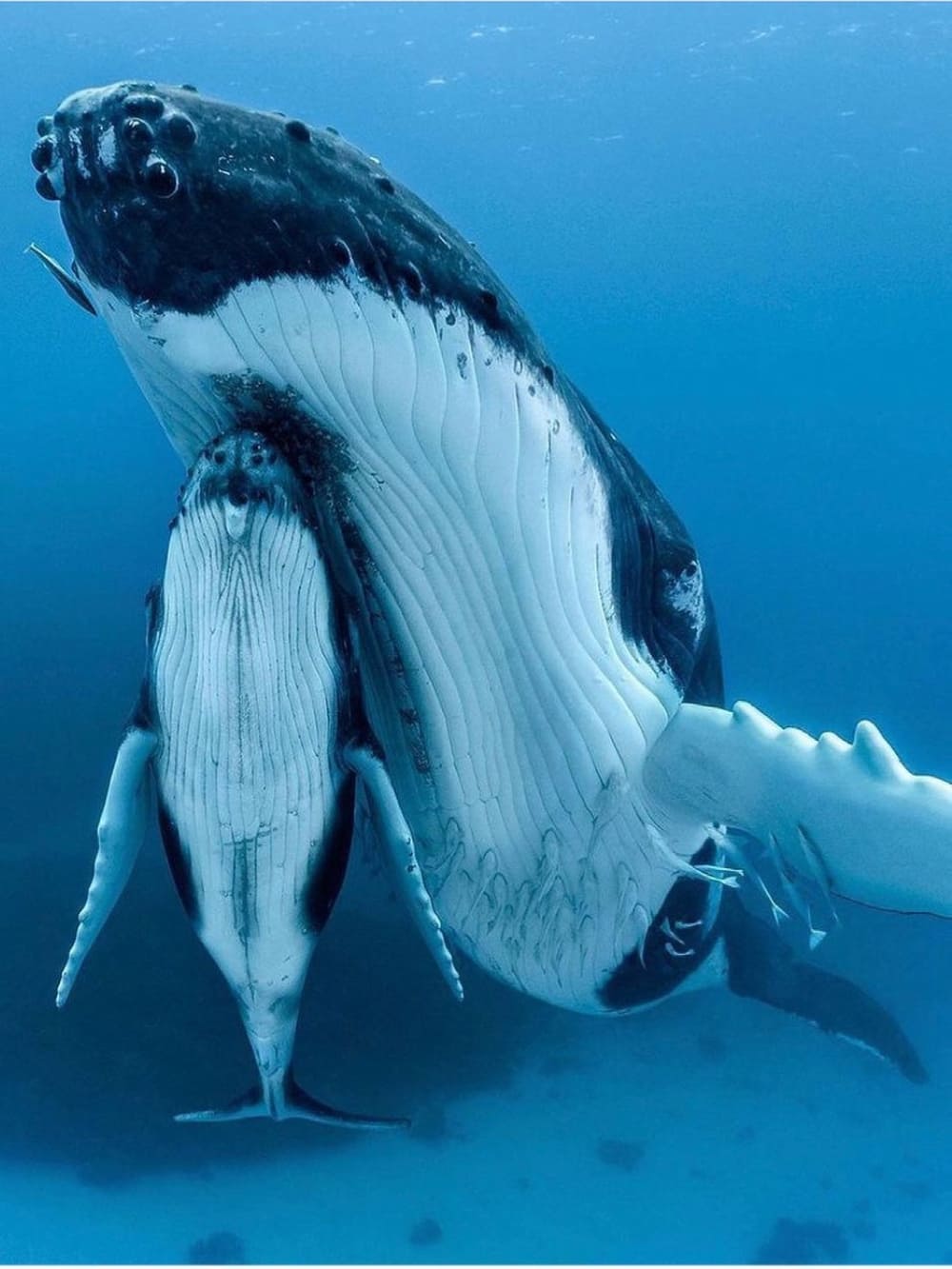
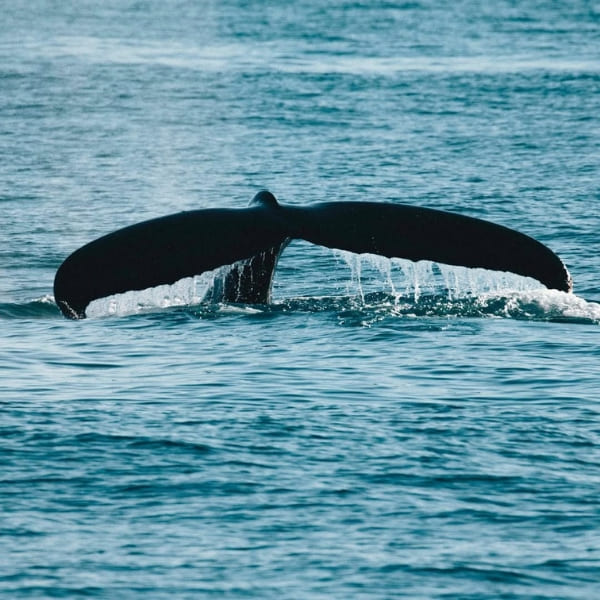
    Humpback whales Abrolhos
    .

    When you travel with PlanetaEXO, your visit not only connects you with this unique ecosystem but also supports local families. In addition, every adventure contributes to conservation and generates income for nearby communities. 

    Curious to explore unique facts about Abrolhos? Keep reading to uncover the most surprising details about this marine paradise.

    1. What does the name Abrolhos mean in English?

    The name “Abrolhos” comes from the old Portuguese phrase “Abre os olhos”, which in English means “open your eyes.” Sailors used the warning to remind each other of the dangerous reefs that caused countless shipwrecks.

    The reefs of the Abrolhos archipelago stretch across vast areas and remain difficult to detect from a distance. Consequently, they posed serious risks for ships navigating the Brazilian coast for centuries.

    Even today, nautical maps mark Abrolhos with alerts. This legacy connects modern travelers with Brazil’s seafaring history and explains why Abrolhos always demanded attention and respect.
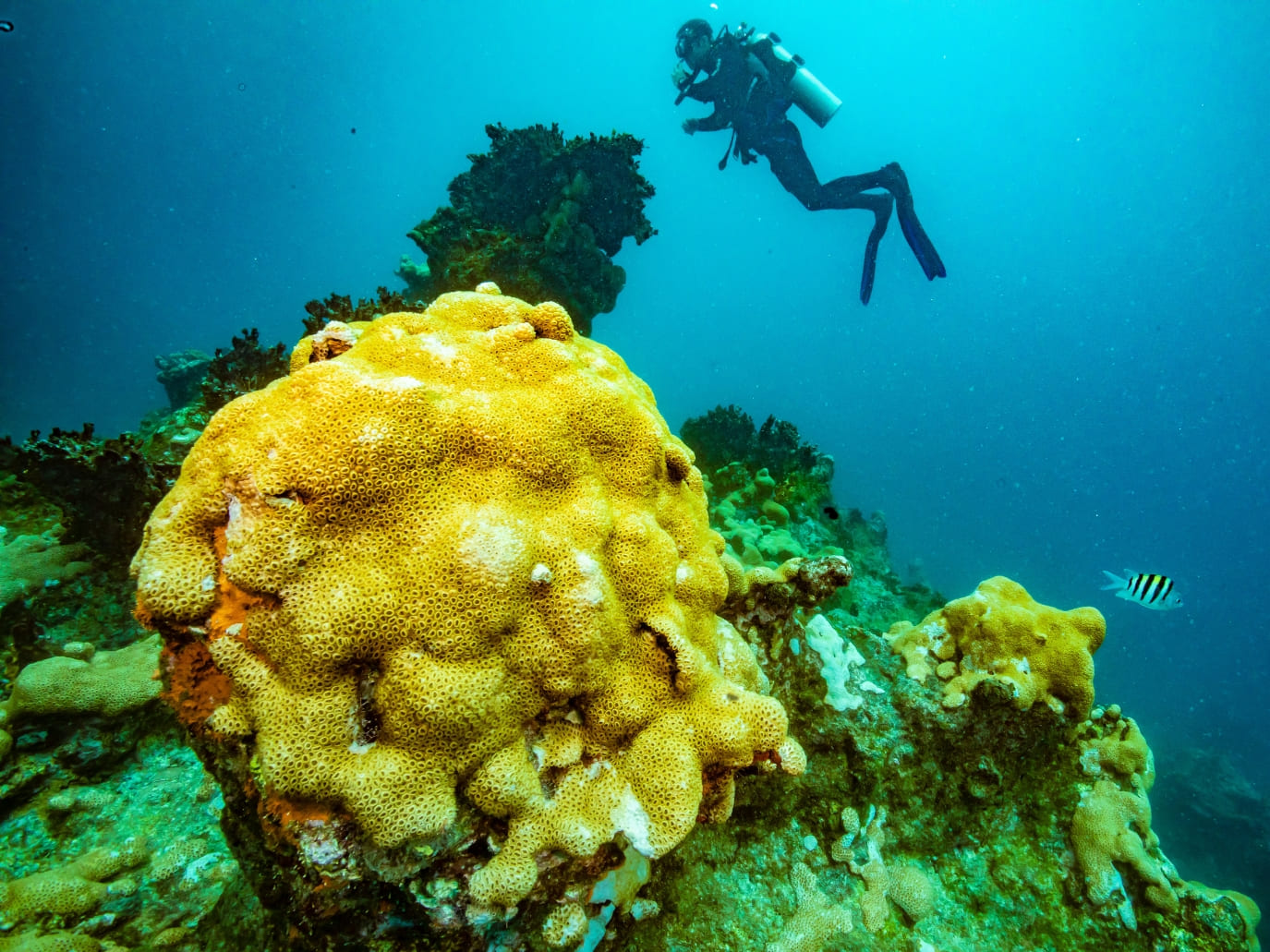
    Facts About Abrolhos
    Photo: Roberto Costa Pinto

    👉See this and other Brazilian national parks in our article

    2. Charles Darwin’s visit to Abrolhos

    In 1832, the young naturalist Charles Darwin visited Abrolhos during his voyage on the HMS Beagle. At just 23 years old, he took notes on the region’s reefs and marine life.

    Darwin described the abundance of fish, the seabirds nesting on rocky cliffs, and the unusual coral formations. These observations, although brief, helped strengthen his interest in biodiversity and adaptation.

    His visit remains one of the most remarkable facts about Abrolhos, since it connects this remote archipelago to the early journey of a scientist who would later change how we understand life on Earth

    Charles Darwin Abrolhos
    Photo: Wellcome Library, London

    3. Abrolhos as a living laboratory

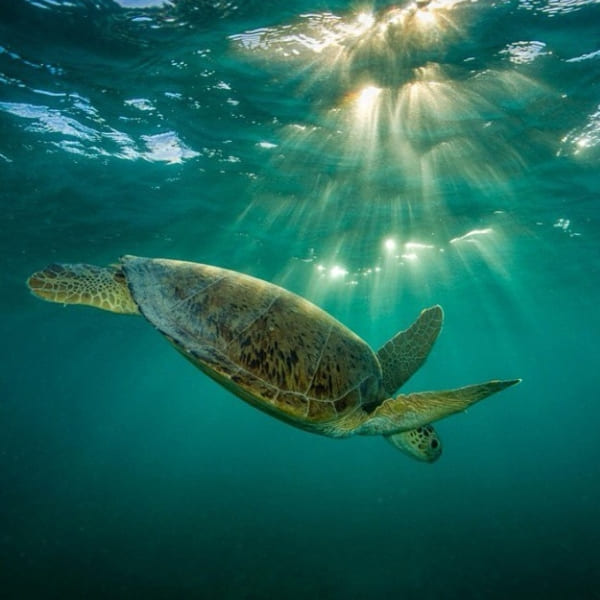
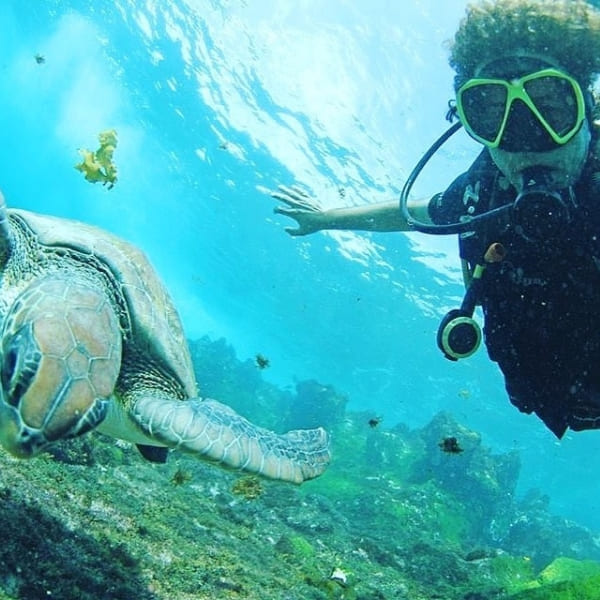
    Abrolhos functions as a living laboratory for science. Researchers from Brazil and abroad visit regularly to study coral resilience, whale migration, bird colonies that nest on the islands, and sea turtles that use the reefs as feeding grounds.

    In addition, international projects test new conservation methods here before applying them in other marine parks. These studies turn Abrolhos into a reference point for understanding the effects of climate change.

    For travelers, this scientific importance adds another layer of meaning. Exploring Abrolhos becomes not only an adventure but also an opportunity to witness how knowledge grows.
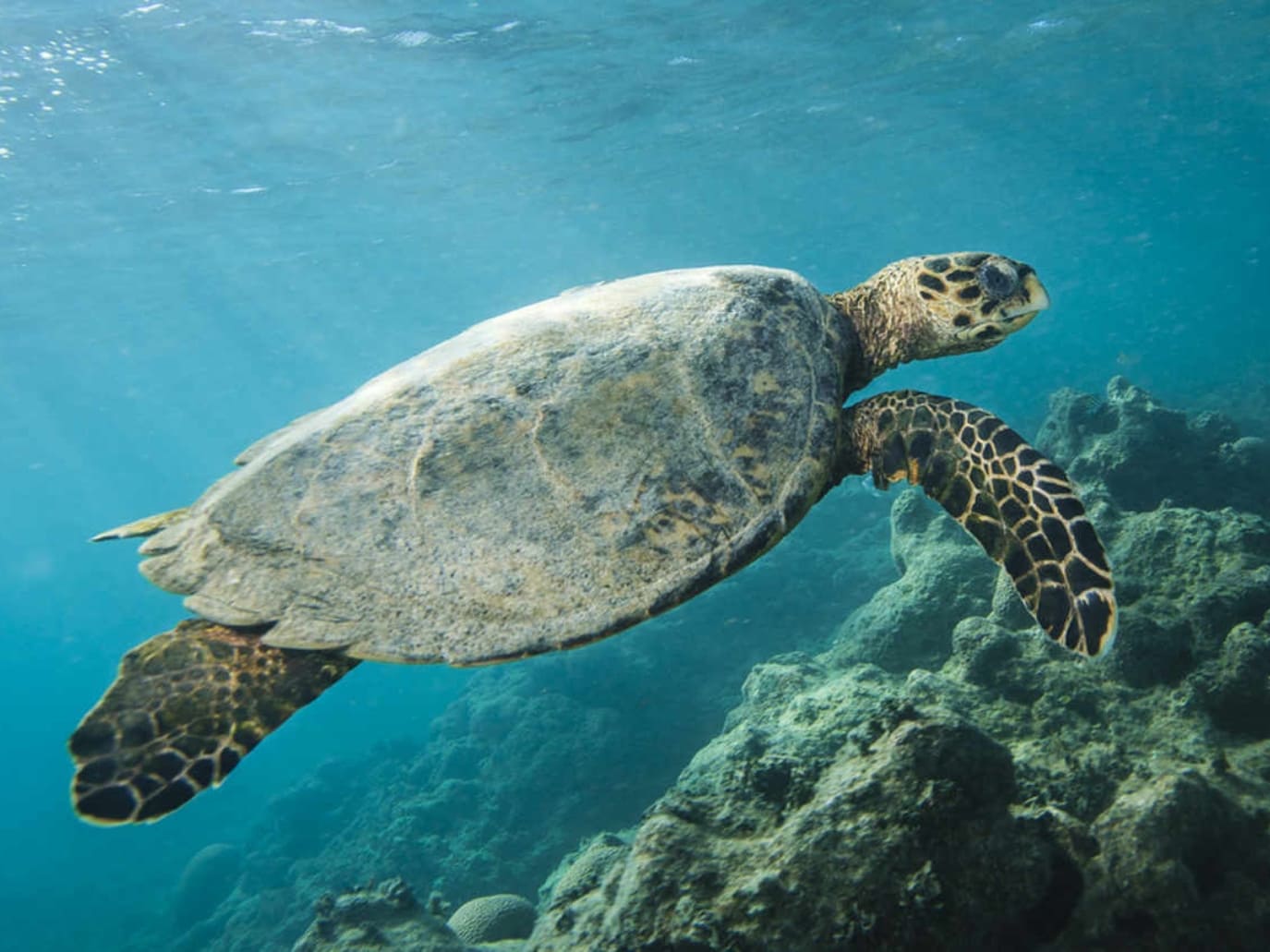
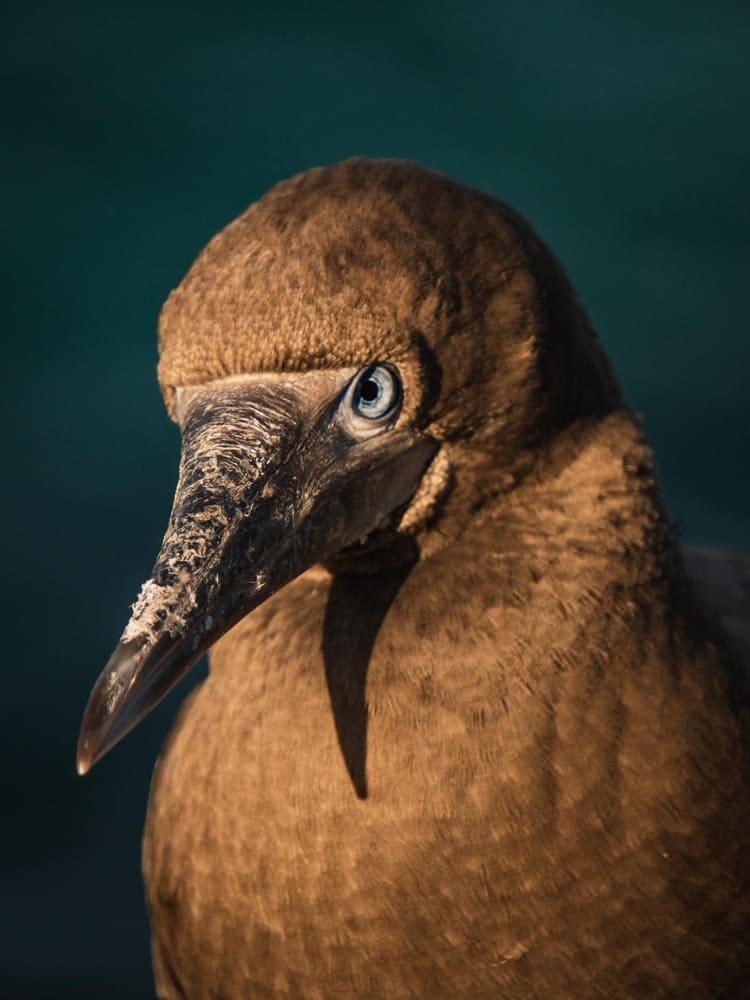
    Sea turtle Abrolhos
    .

    4. Safe waters for humpback whales

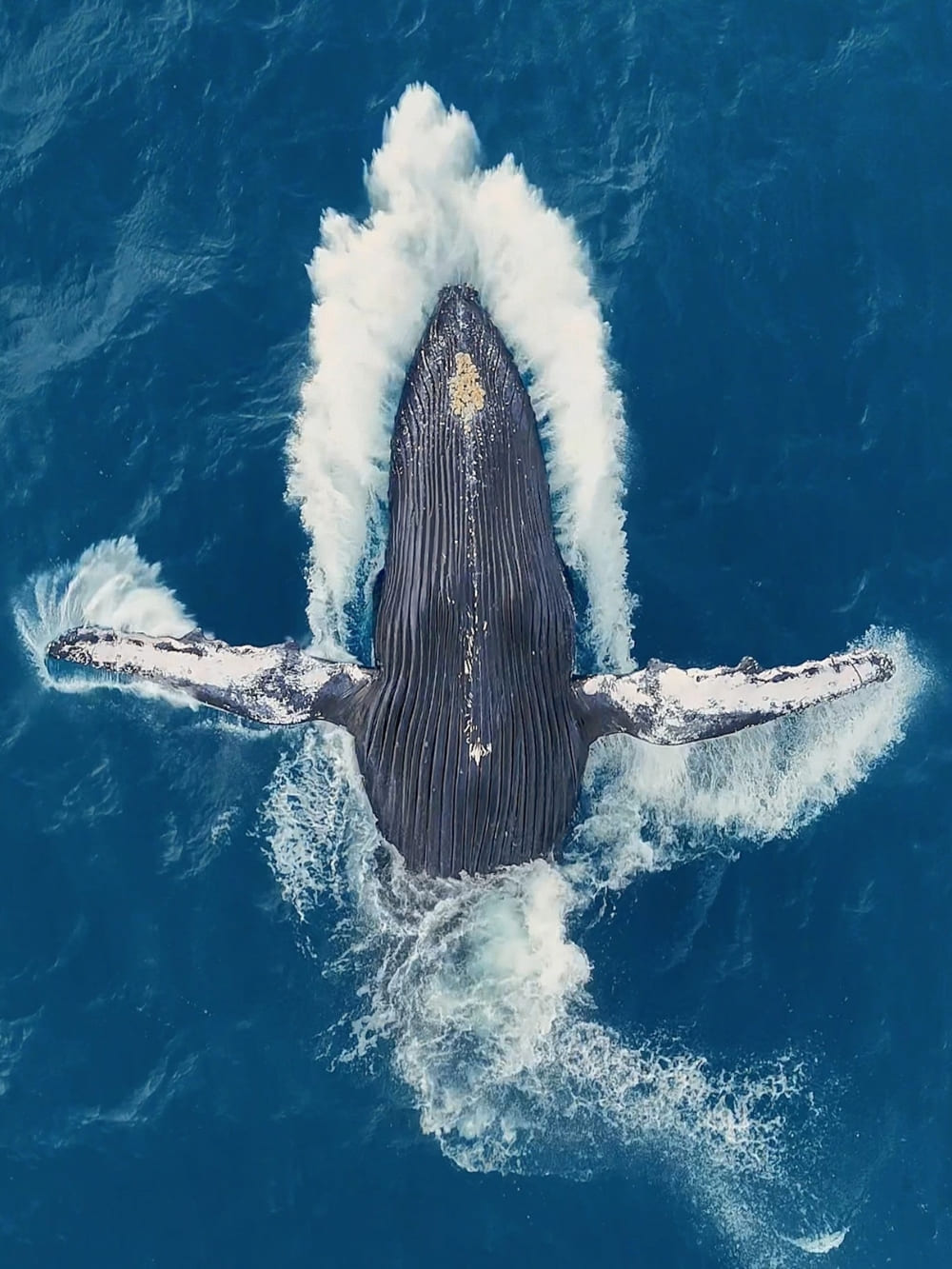
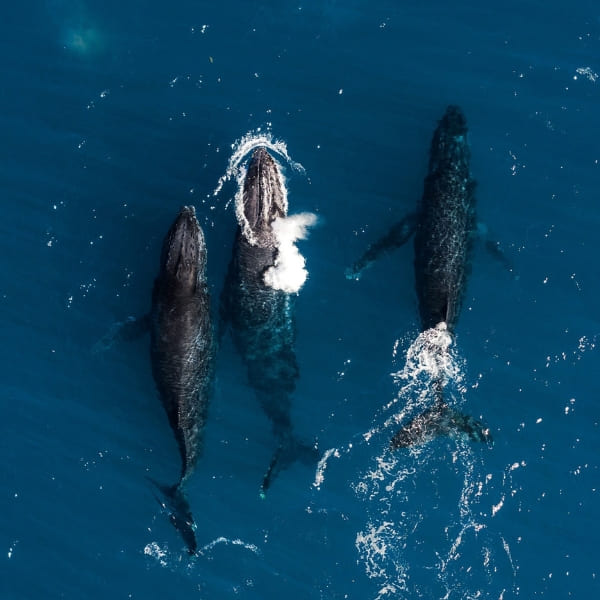
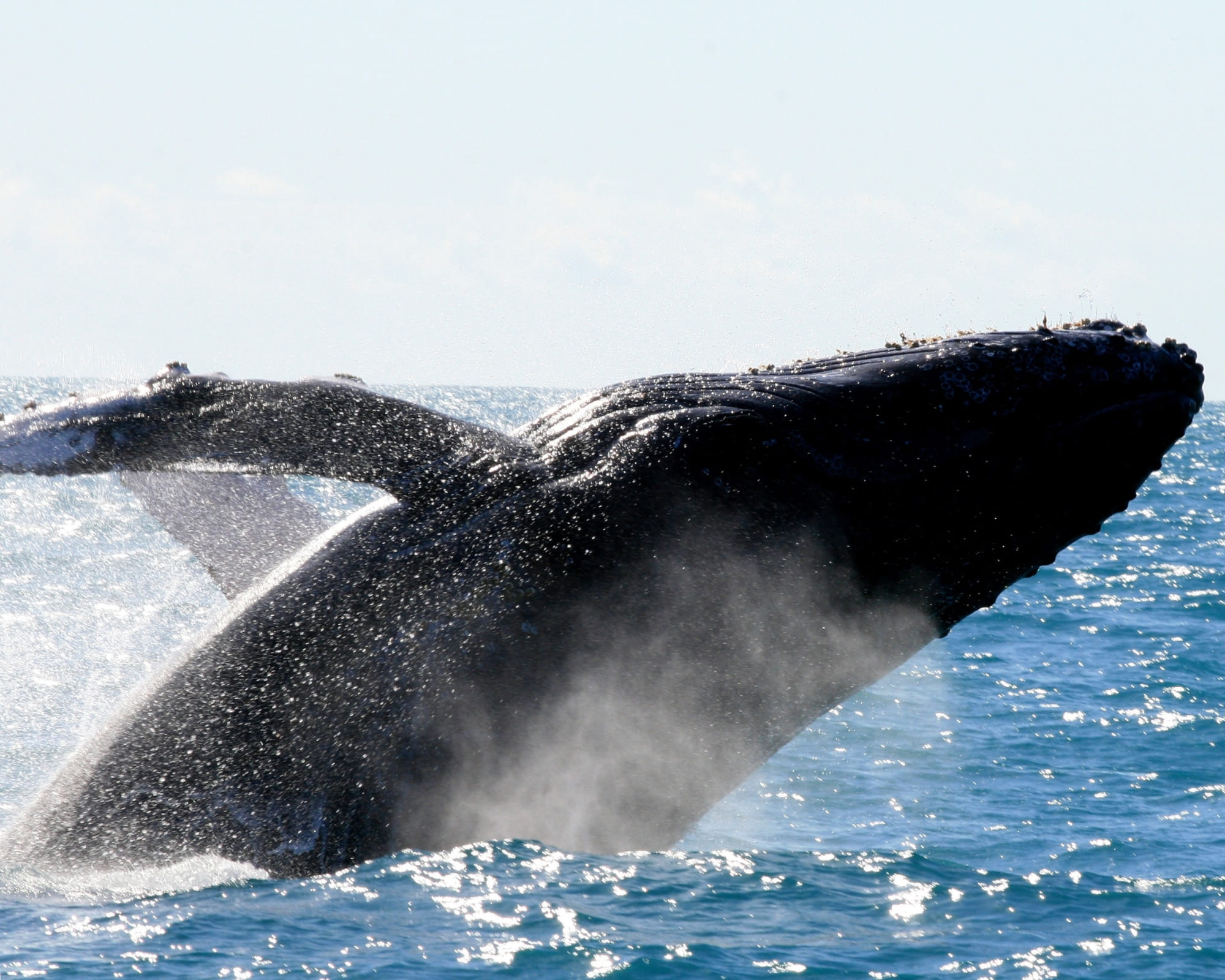
    Every year, from July to November, the calm and warm waters of Abrolhos welcome thousands of humpback whales migrating from Antarctica.

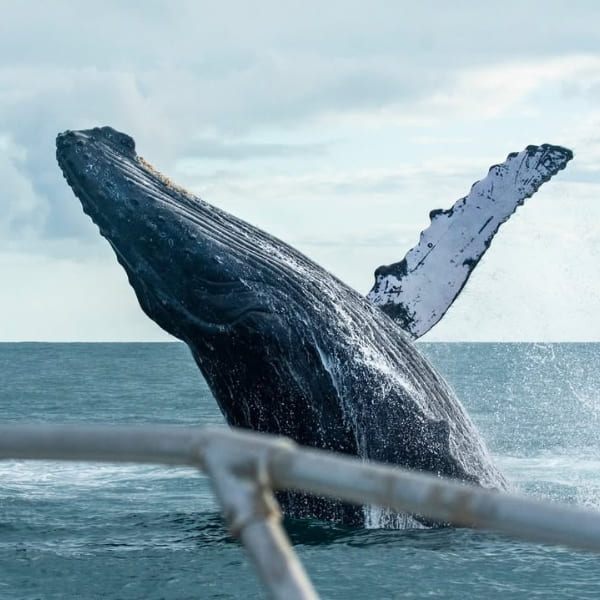
    Marine biologists consider the area the most important breeding ground for humpbacks in the South Atlantic. As a result, visitors often see mothers swimming with calves or watch whales breaching the surface in spectacular displays.

    Whale-watching tours from Caravelas rank among the most popular experiences for those planning what to do in Abrolhos, combining excitement with education about conservation.
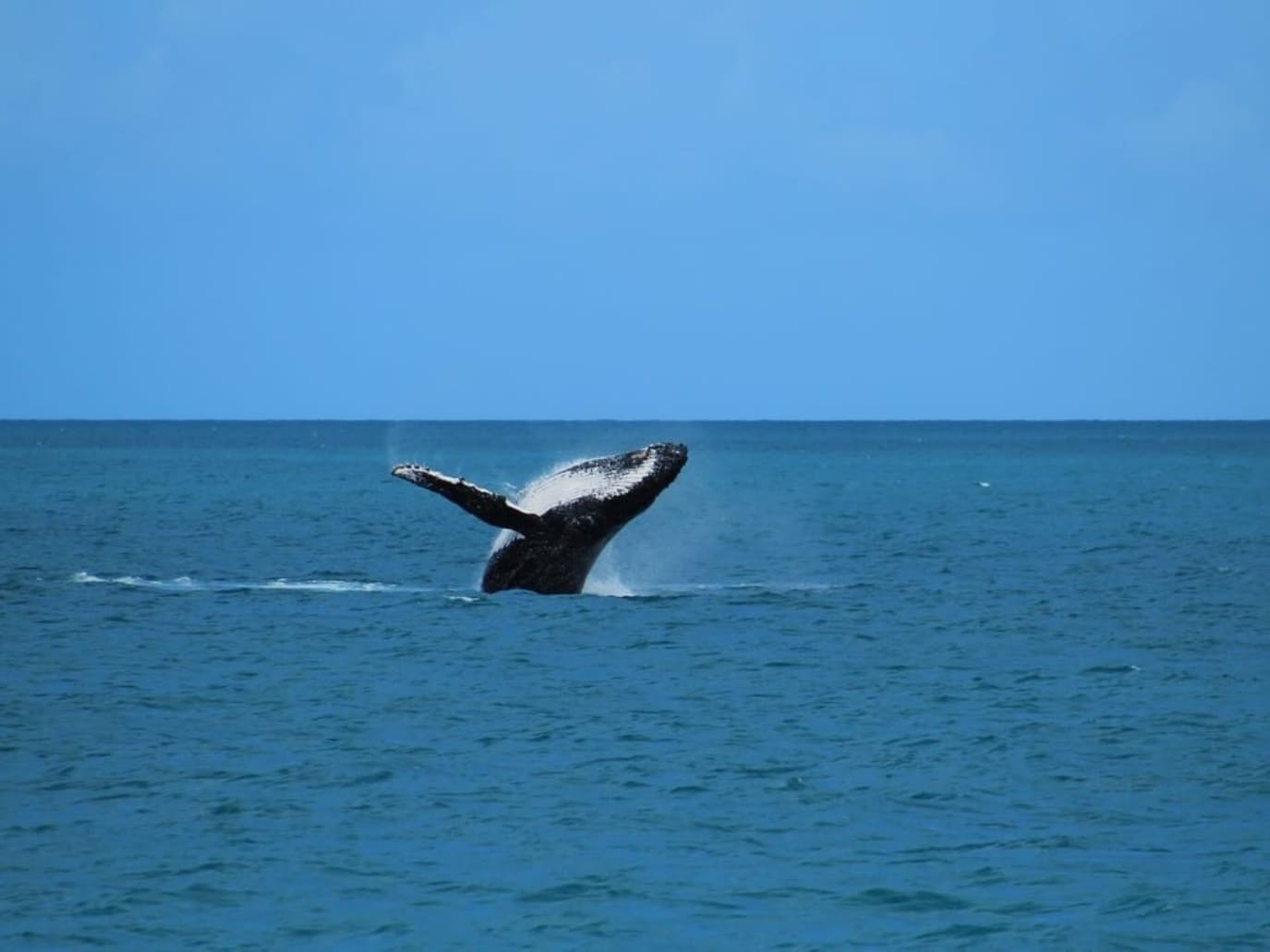
    Humpback Whales Abrolhos
    @nathpinesso

    👉 Read our full Abrolhos travel guide

    5. A hotspot for biodiversity and endemism

    Abrolhos stands out as one of the richest marine ecosystems in Brazil. More than 1,300 species live here, including fish, dolphins, sea turtles, and seabirds. Many of them are endemic, existing only in this part of the country.

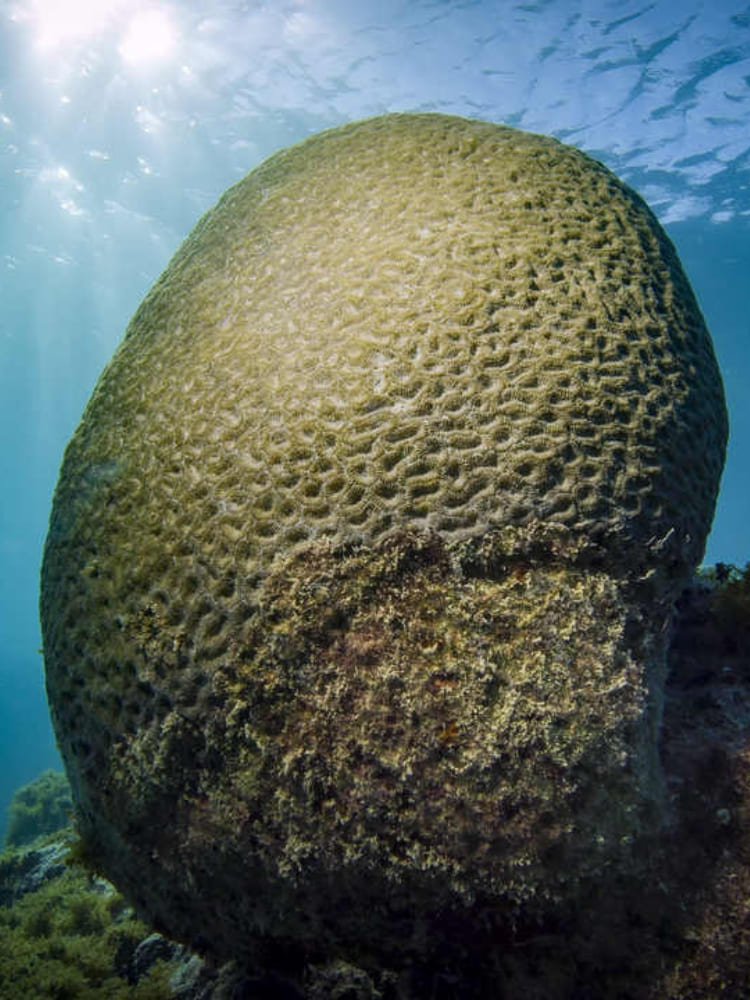
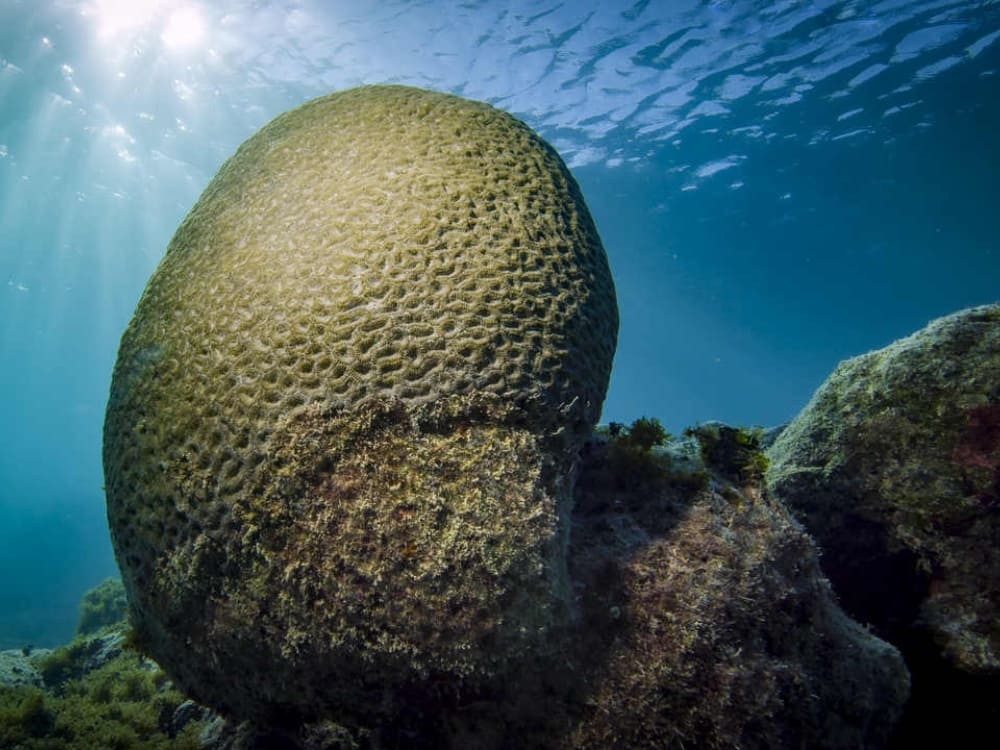
    One of the most emblematic species is the brain coral (Mussismilia braziliensis). It forms massive reef structures and appears only in Abrolhos. In fact, this coral was one of the main reasons the park was created, since it plays a vital role in maintaining ecological balance.

    Unfortunately, the brain coral faces serious threats. Scientists monitor bleaching, diseases such as white plague and black band, overfishing, and the impacts of climate change. Its fragility highlights the urgency of protecting the Abrolhos archipelago.
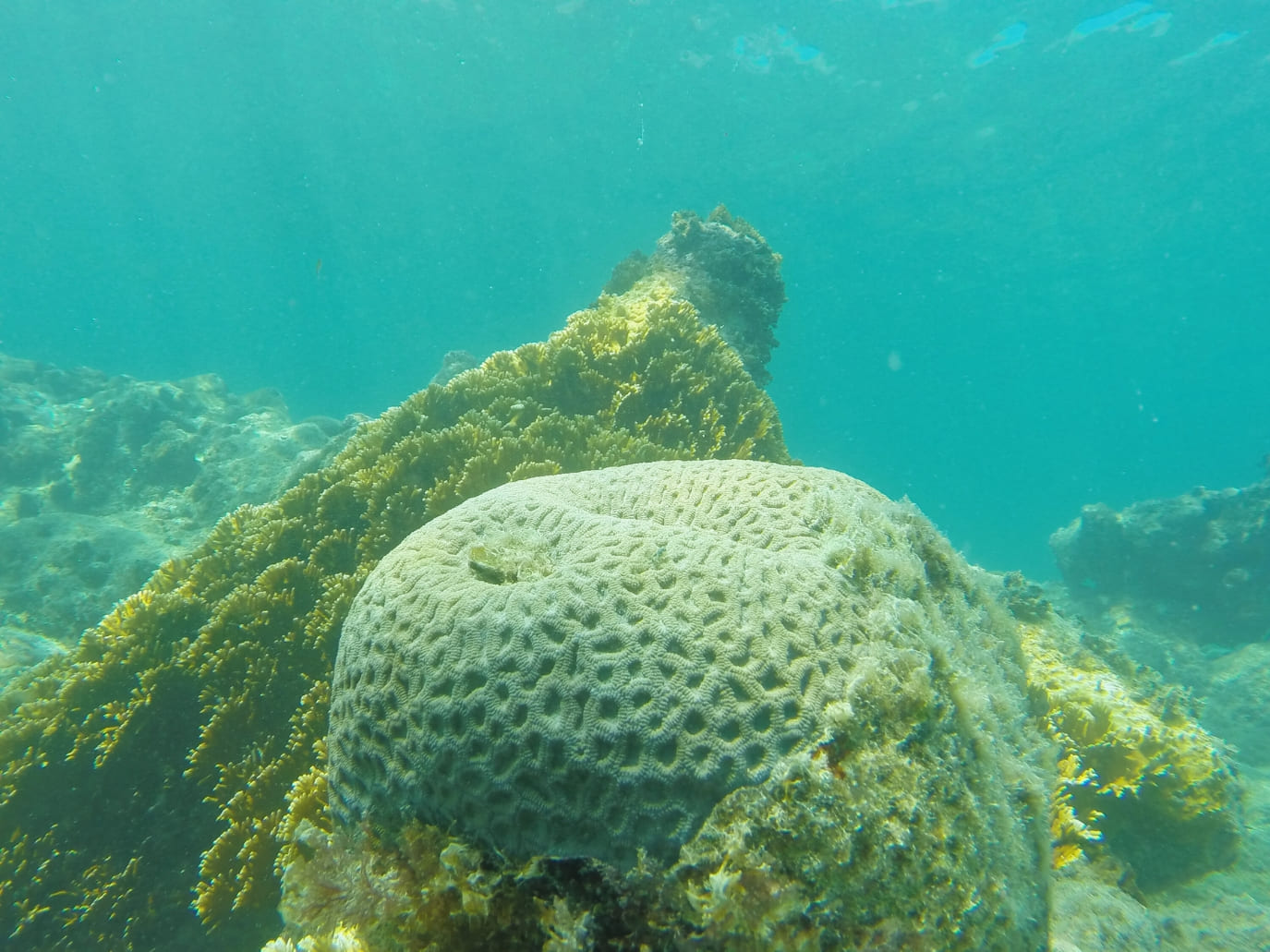
    Brain coral Abrolhos
    Photo: Gustavo Abrahim

    6. Santa BĂĄrbara Island, home to the Navy

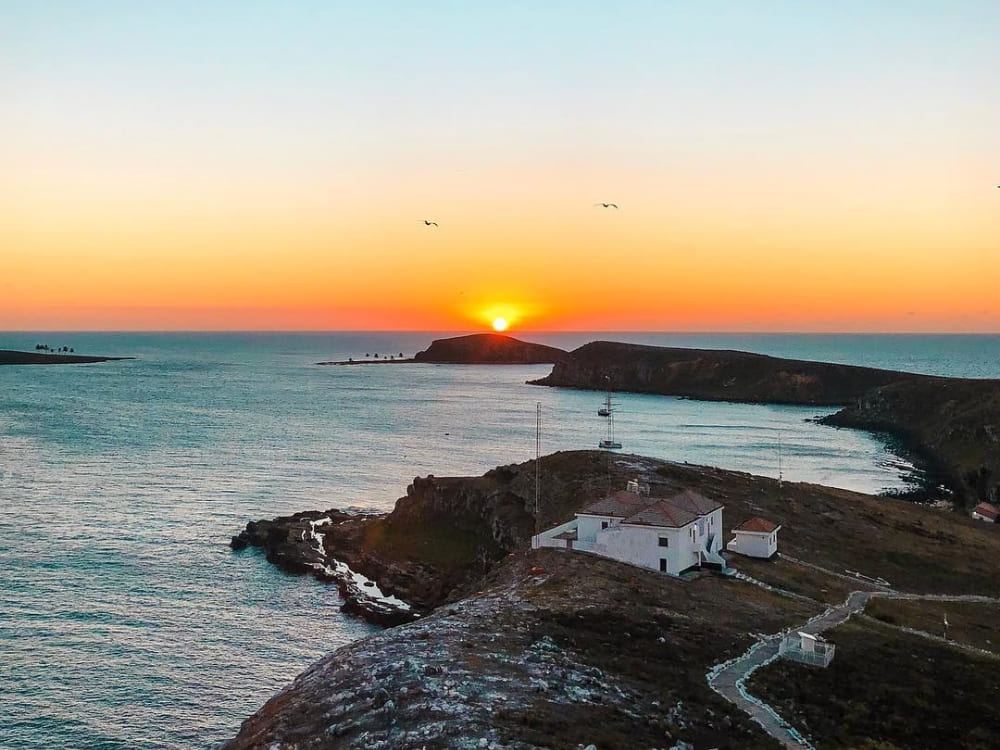
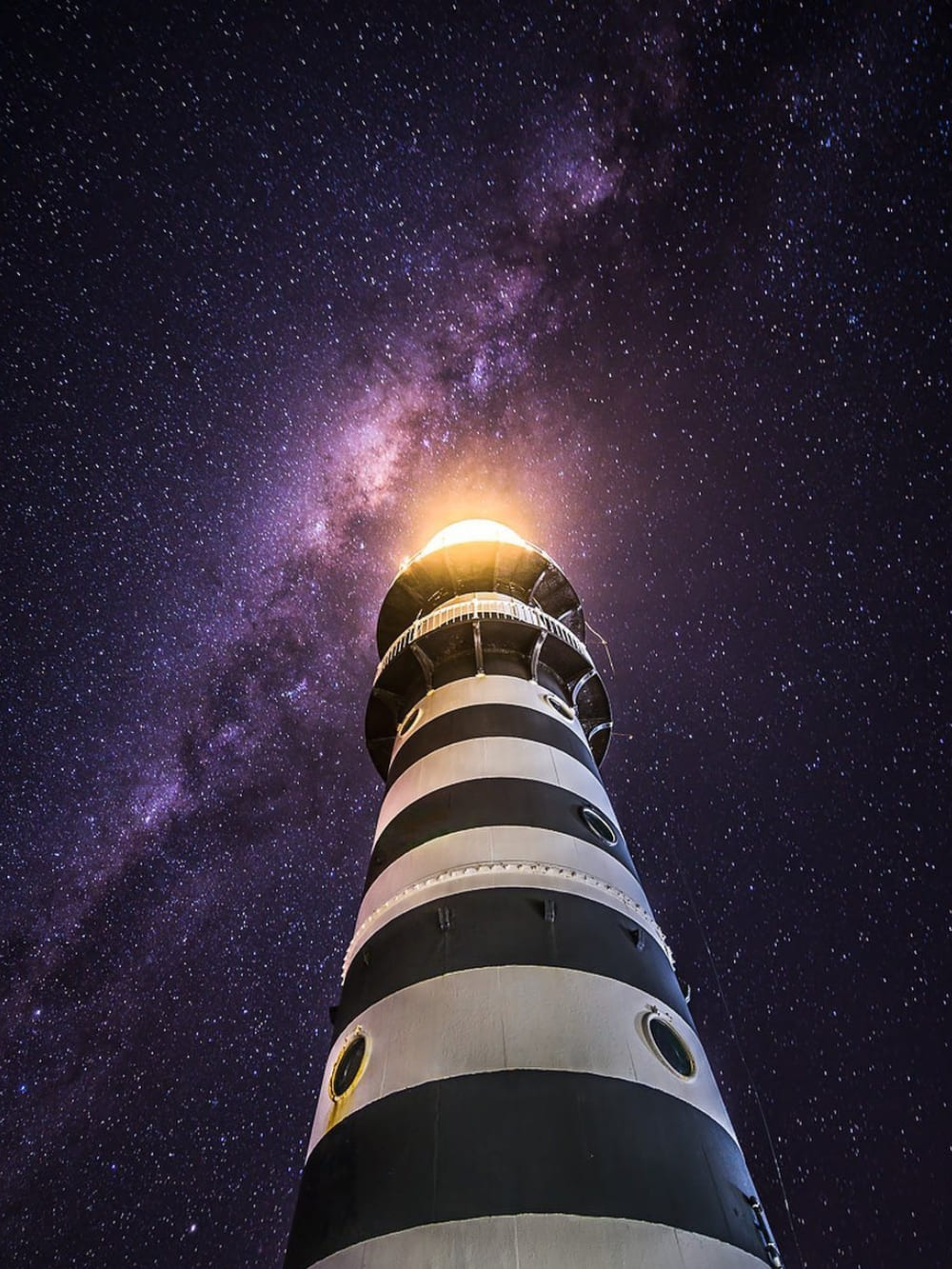
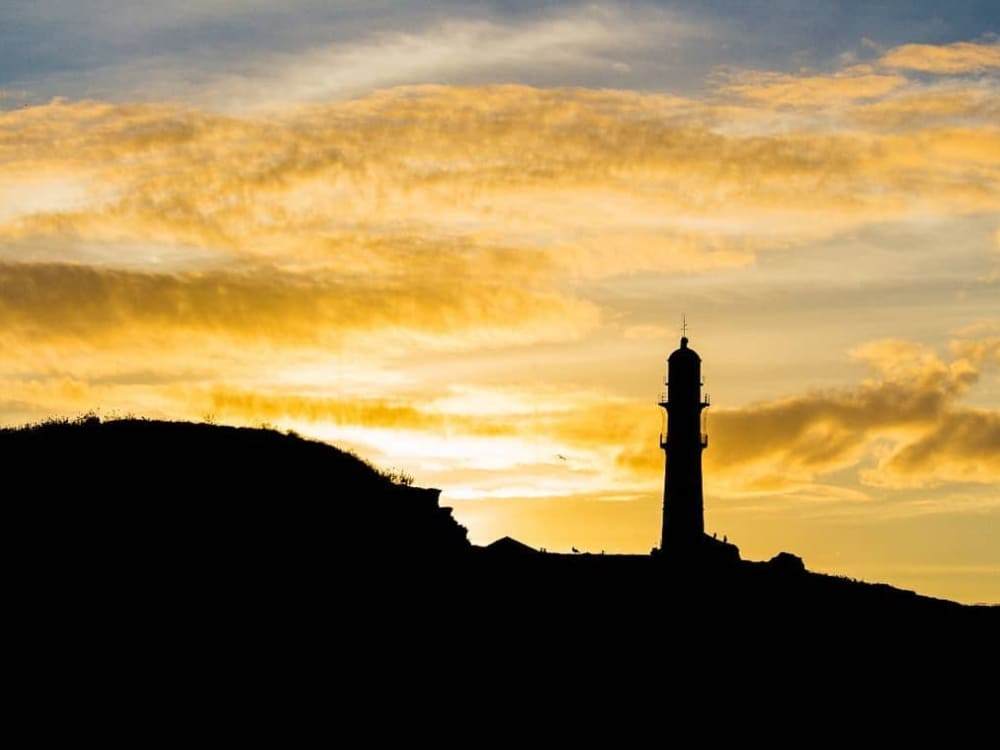
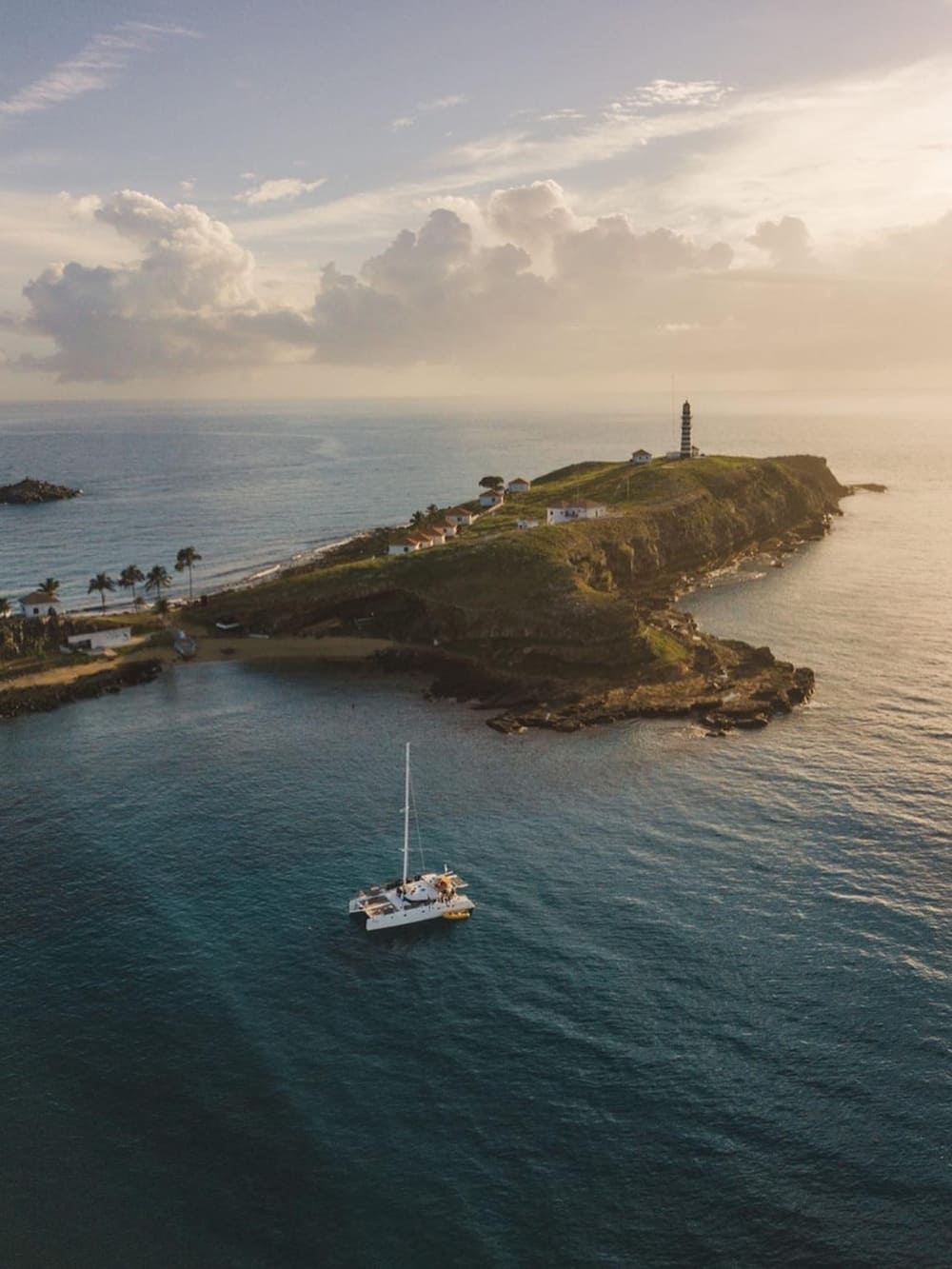
    While most islands in Abrolhos remain untouched, Santa BĂĄrbara Island houses a naval base. A lighthouse built in 1861 continues to guide ships, and military families live there with a small infrastructure that includes a heliport and boat docks.

    Tourists, however, cannot disembark on Santa BĂĄrbara. Access is strictly controlled, and visits are limited to the waters around it. As a result, the rest of the archipelago remains free from human disturbance.

    This restriction demonstrates how careful management helps preserve the islands while still supporting national security.
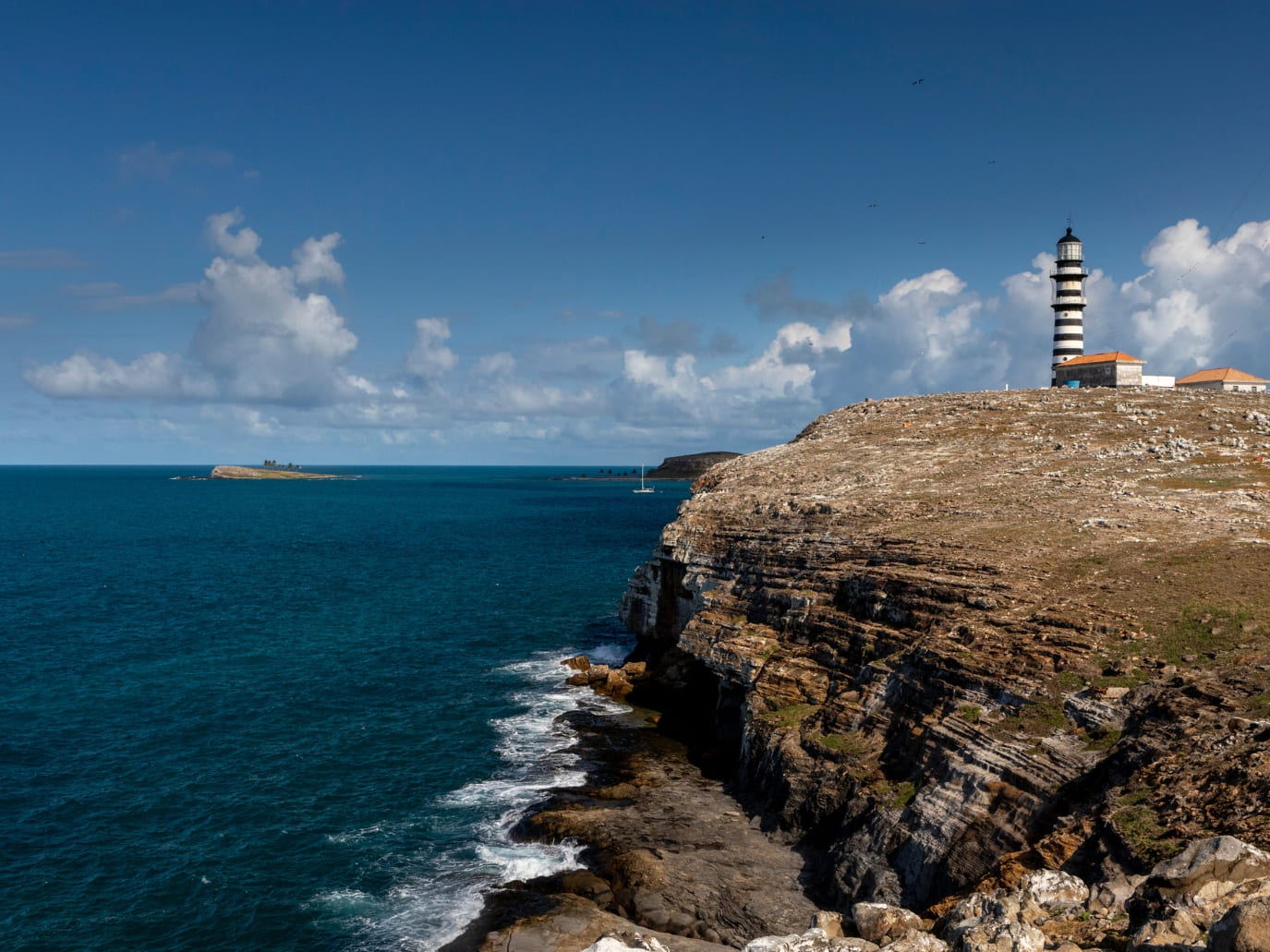
    Santa Barbara Brazilian Navy
    Photo: Gabi Carrera, Marinha do Brasil

    7. Volcanic origins and hidden reefs

    The islands of Abrolhos originated from ancient volcanic activity. Their basalt foundations gave corals a surface to colonize and expand into complex reef systems.

    In addition to shallow reefs, Abrolhos also features mesophotic reefs. These occur at medium depths and host species not found in shallower waters. For instance, the CalifĂłrnia Reef has become a key site for marine research.

    Together, geology and biology created a three-dimensional ecosystem. This unique formation helps explain why Abrolhos became such a hotspot for scientific study.
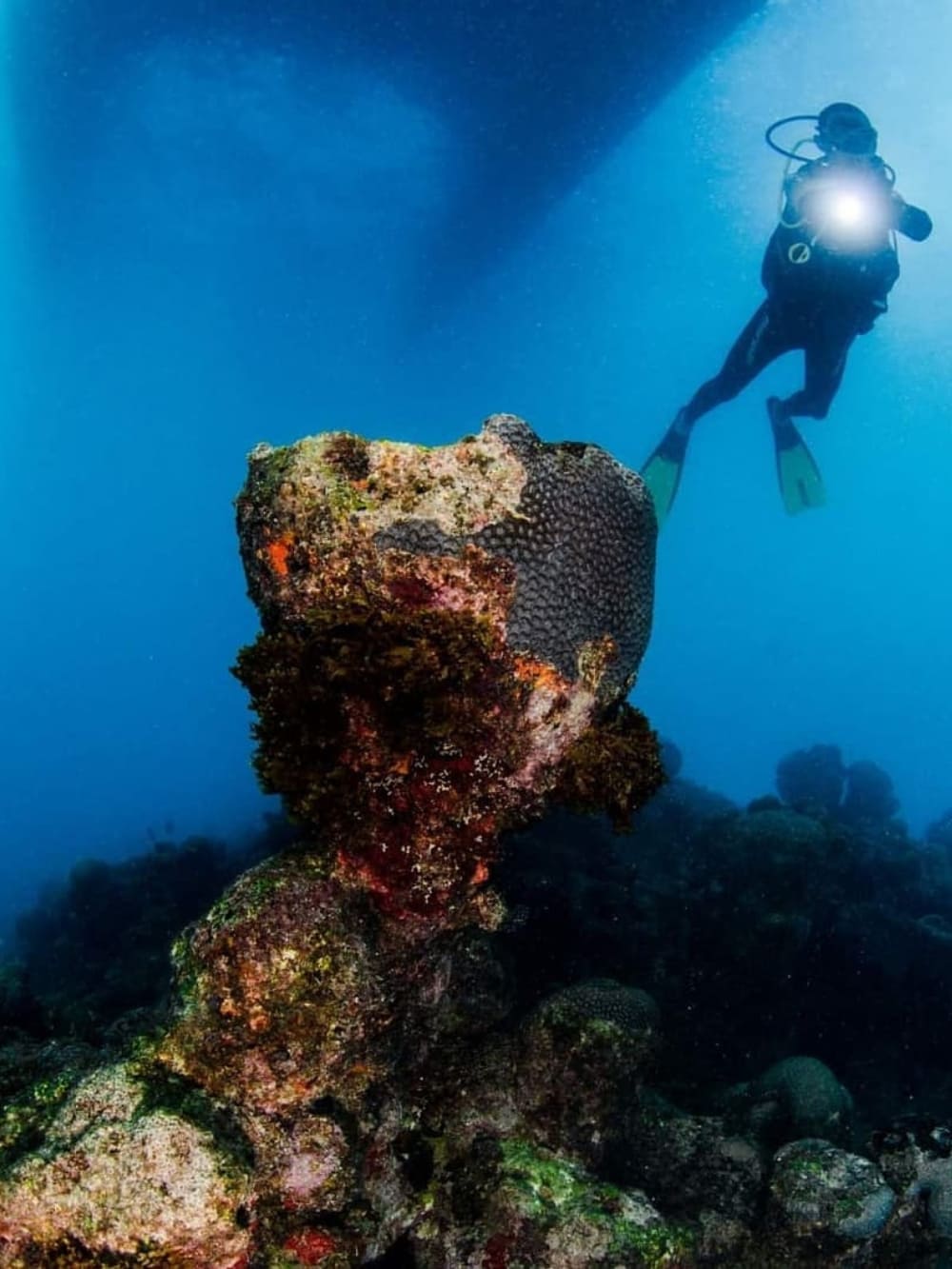
    Dive in Abrolhos
    .

    8. Navigation dangers and historic battles

    The reefs of Abrolhos always challenged sailors. Numerous shipwrecks tell stories of navigational errors, sudden storms, and naval conflicts.

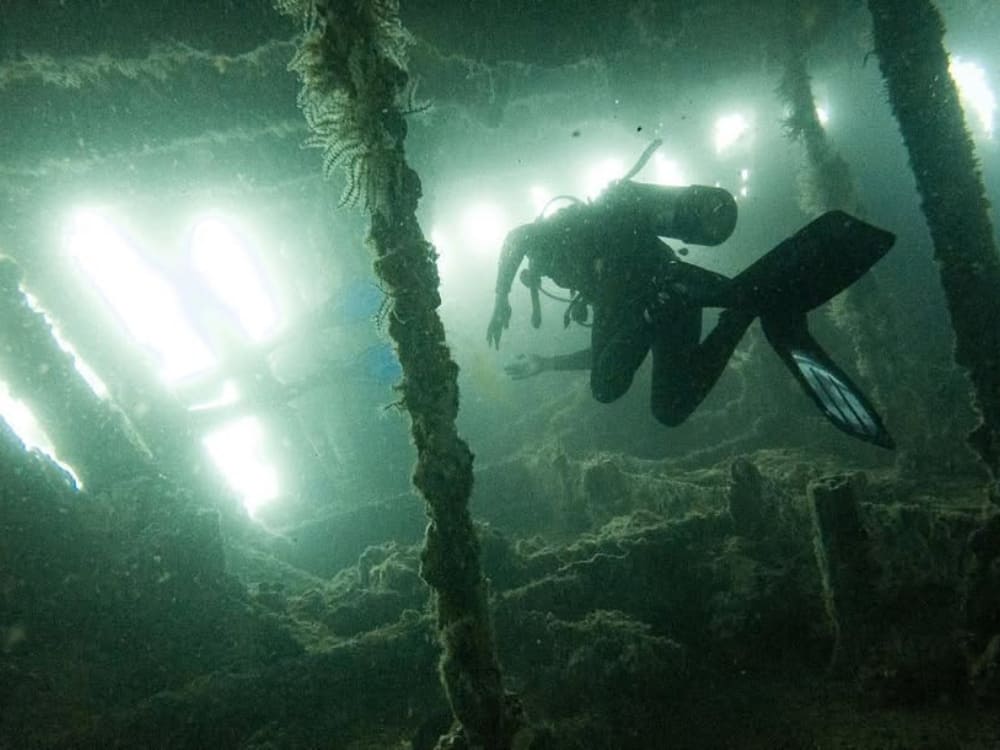
    In 1631, Dutch and Portuguese-Spanish fleets fought a naval battle near the islands. Some wrecks from these times still rest on the seafloor, blending history with marine life.

    Today, divers explore these underwater relics, while historians study them to better understand Brazil’s colonial past. This combination of culture and nature enriches the list of facts about Abrolhos.
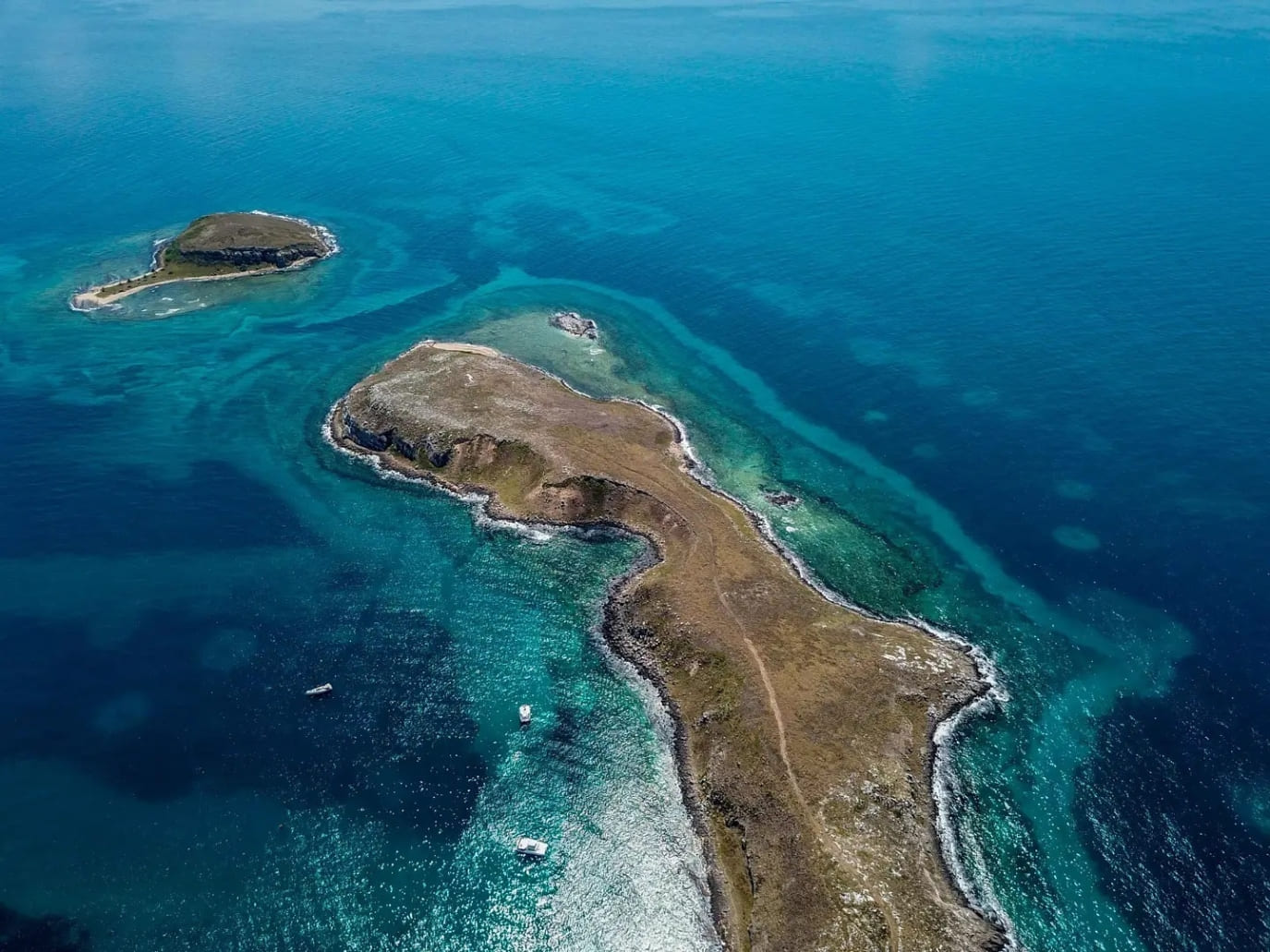
    Facts About Abrolhos
    .

    9. International recognition and conservation challenges

    Abrolhos has earned global recognition. It is both a Ramsar Site for its wetlands and an outpost of the UNESCO Biosphere Reserve of the Atlantic Forest. These titles highlight its ecological value.

    Nevertheless, the park faces ongoing threats, including climate change, illegal fishing, and potential oil exploration. Scientists track the reefs to understand how these pressures alter the ecosystem.

    Therefore, responsible tourism becomes essential. Visitors contribute directly to conservation by supporting sustainable operators and respecting park rules.
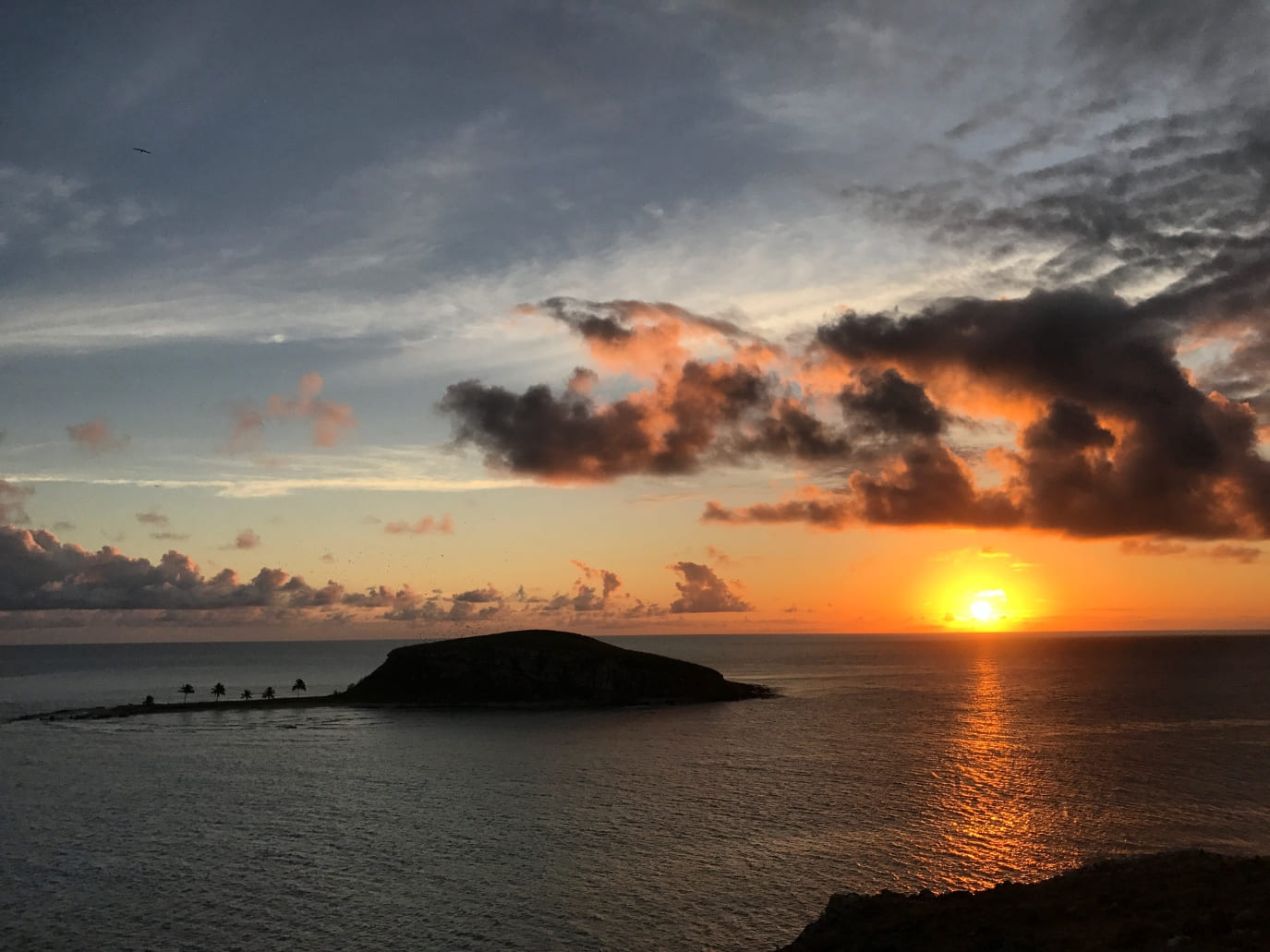
    Facts About Abrolhos
    Photo: Gustavo Abrahim

    10. The chapeirÔes found only in Abrolhos

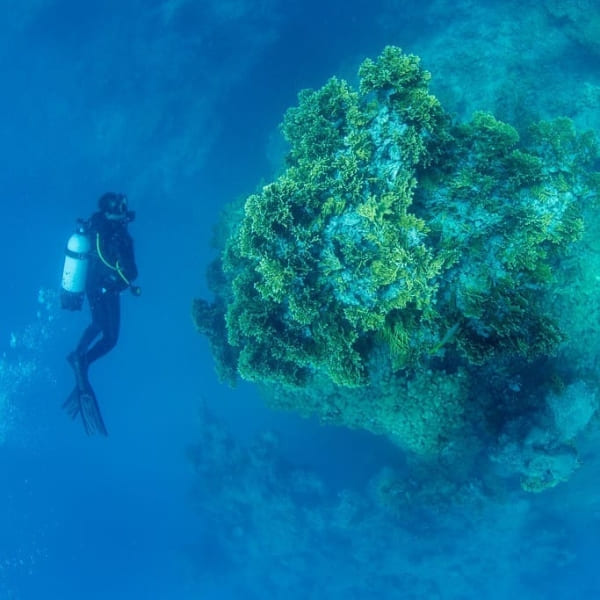
    One of the most striking natural features of Abrolhos is the chapeirÔes. These mushroom-shaped coral towers rise dramatically from the seafloor, sometimes reaching 25 meters in height.

    Each level of a chapeirĂŁo shelters different species: sponges and fish at the base, vibrant corals in the middle, and schools of fish feeding near the top. Their structure creates vertical habitats found nowhere else in Brazil.

    For divers and snorkelers, exploring these formations is often the highlight of visiting the Abrolhos archipelago.
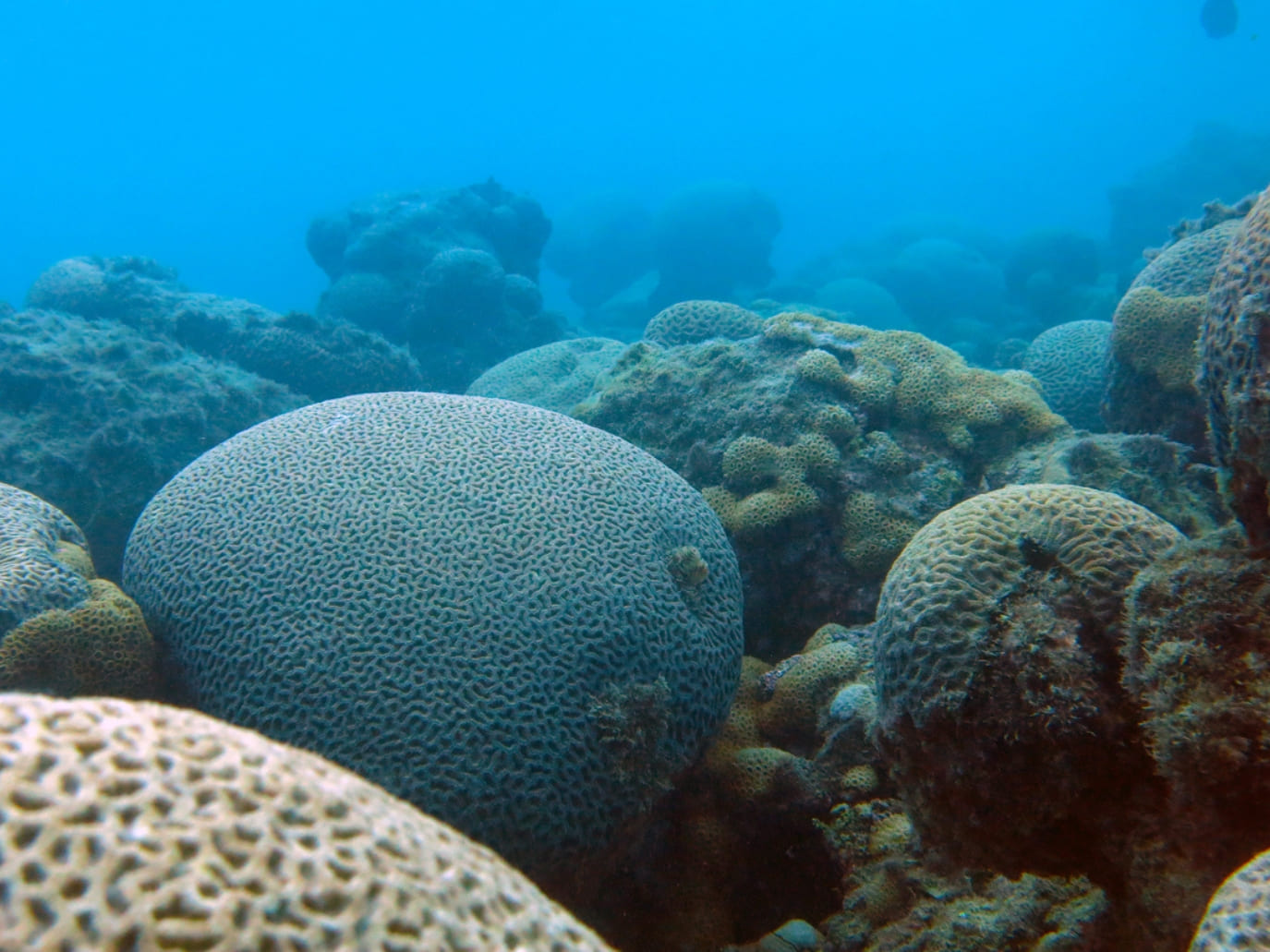
    ChapeirÔes Abrolhos
    Photo: Salmeidas

    👉 Explore our liveaboard diving tour in Abrolhos

    Traveling with PlanetaEXO

    Choosing PlanetaEXO means traveling with purpose. Each trip generates income for local families, helping communities thrive through tourism.

    We believe that every adventure can create a positive impact for travelers, for nature, and for the people who live nearby.

    When you visit Abrolhos with us, you not only enjoy an extraordinary destination but also contribute to its protection. That’s one of the best facts about Abrolhos of all.
    Read More

  • The Abrolhos Archipelago in Brazil – Travel Guide

    The Abrolhos Archipelago in Brazil – Travel Guide

    Experience one of South America’s most diverse marine habitats in this archipelago in Bahia.

    Deep in South America, far from the packed beaches and already beaten tourist tracks, lies a secret underwater realm: The Abrolhos Archipelago in Brazil, a protected spot on the southern coast of Bahia. Known for its rare coral formations and historic shipwrecks, it offers an intimate and authentic encounter with nature. 

    top diving spot in Brazil
    Photo: @cicero.bezerra

    This is one of the remotest and best-preserved destinations in the second half of the north-east, home to the greatest coral reefs in the South Atlantic. That’s why it’s the unassailable diving destination of the country, and for the best coral island experience, where you can observe an active marine life among the great chapeirĂ”es, individual mushroom-shaped coral formations. 

    Abrolhos Archipelago in Brazil
    Photo: ICMbio

    Abrolhos is a place to meditate silently on life and to hold nature in deep and holy regard. If you’re in search of peace, untamed beauty, and pure adventure, this could very well be your next memorable trip. 

    Are you ready to dive into this underwater paradise? 

    Table of contents:

    1. About Abrolhos 
    2. What to do in Abrolhos
    3. When is the best time to visit Abrolhos?
    4. How to get to Abrolhos
    5. Marine life in Abrolhos
    6. How Many Days to Spend in Abrolhos?
    7. Taxes and fees in Abrolhos
    8. Where to stay in Abrolhos?

    About Abrolhos 

    Consisting of five volcanic islands (Santa BĂĄrbara, Redonda, Guarita, Sueste, and Siriba) and a large coral reef, the area has a total area of 87,943 hectares and is part of the Abrolhos National Marine Park, the country’s first marine national park, established in 1983. 

    The Abrolhos Archipelago Coral
    Photo: ICMbio

    The name Abrolhos is derived from a Portuguese term, “Abre Olhos,” which translates to “Open eyes.” As history has it, it was a caution call for 16th-century sailors and the dangerous region of reefs through which they traversed. 

    Today, it is also a call to notice the incredible beauty and biodiversity hidden under the surface. The archipelago, which contains the largest coral complex in the South Atlantic, is home to hundreds of species of animals that dwell in and outside of the sea. It’s also a humpback whale nursery (they come to this area to breed). 

    The reality is that despite its enormous ecological significance, Abrolhos is still predominantly off the traveller’s trail. There are no hotels on the islands, and tourism here is tightly restricted to help preserve its sensitive ecosystems. What you won’t find are beach bars or any resorts, but authentic wildlife experiences, world-class diving, or a quiet escape to maximum nature If that’s what you’re after, Abrolhos is worth the journey. 

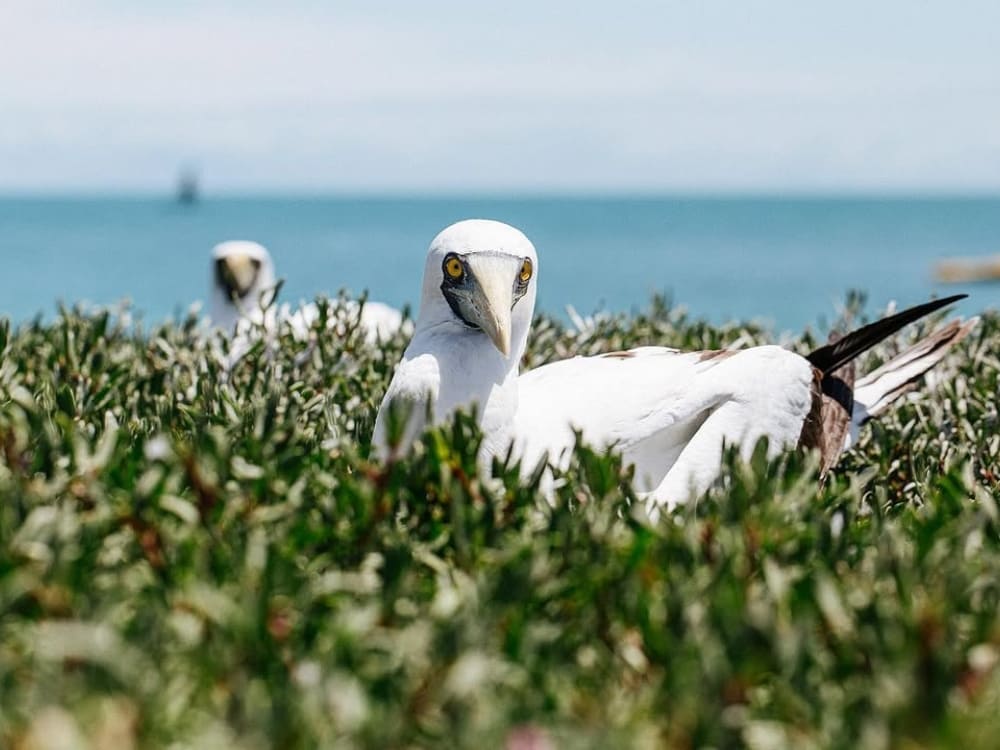
    Of the five islands, the only one currently inhabited is Santa BĂĄrbara Island, populated by military personnel and their families, as well as researchers and employees of the Chico Mendes Conservation Institute (ICMBio), responsible for managing and preserving the park. Siriba Island is the only one open to visitors.

    👉 Read our 10 Facts About Abrolhos and discover more about this marine paradise

    What to do in Abrolhos 

    Even though the archipelago may appear remote, there’s plenty of adventure to discover, with nature lovers, divers, and anyone interested in low-impact travel in mind. Here are some ideas for what to see and do in the region: 

    Diving in Abrolhos Bahia
    Photo: @maysasantoro

    Diving and snorkeling 

    This is what people are going here for. The reefs are alive, and visibility is typically great from December through May. 

    Highlights include: 

    • ChapeirĂ”es: These fantastic coral towers are inhabited by moray eels, turtles, nudibranchs, and all manner of colorful reef fish. 
    • Parcel dos Abrolhos: Massive reef bank suitable for beginner and experienced divers.
    • Shipwrecks: Several historic dive sites, including a British cargo ship (SS Rosalina, sunk in 1939) that now double as artificial reefs.
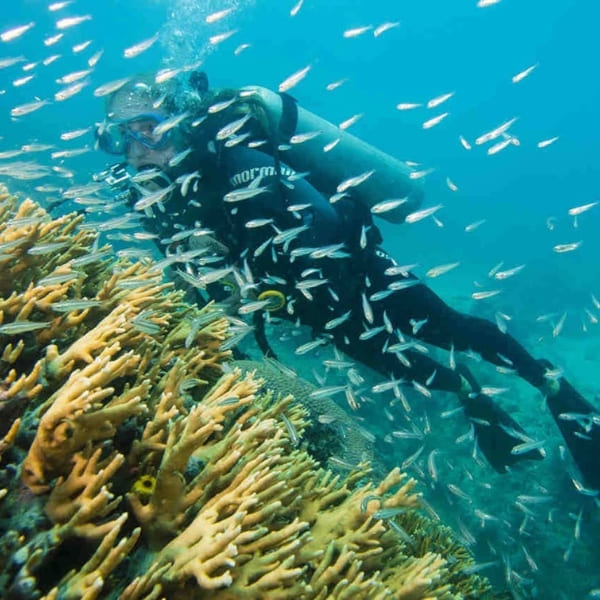
    • Night Dives: Occasionally, certified divers have the option of doing a night dive on liveaboard boats. Even nondivers will find fantastic biodiversity snorkeling on the shallow reefs.
    Shipwrecks in Abrolhos Brazil
    Photo: @viviankoblinsky

    Whale watching 

    No surprise that the Abrolhos Archipelago in Brazil is called a humpback whale nursery. These interesting animals of the sea, which are known to be migratory, travel from Antarctica to the Bahian coast from June to November to breed. Its appearance peaks in July to October. 

    During this period, sightings are frequent and often impressive! It is common to see these incredible mammals jumping, slapping their tails, and singing on the surface.

    nursery for humpback whales in Abrolhos
    Photo: @franksantos.photographer

    Hiking on the Siriba Island trails 

    It is the sole island in the archipelago open to the public. Hike along the trail with a park guide and look for seabirds, rock formations, and stunning landscapes. Bear in mind: this is a nature reserve, so respect for nature is crucial. 

    Siriba Island in Abrolhos Brazil
    Photo: @carolbrenck

    When is the best time to visit Abrolhos? 

    The best time to visit Abrolhos Marine National Park depends on what you are looking for. For diving and snorkeling, the best time is between December and February. The warm waters and fantastic visibility in the calm seas make it an understated paradise for activities in the water, so this is said to be the peak underwater season. 

    If you prefer fewer tourists and good diving conditions, plan a trip between March and May. Waters are cooler and remain great for water excursions. From June through November, it’s whale season in Abrolhos. Many people visit to combine diving and whale watching.

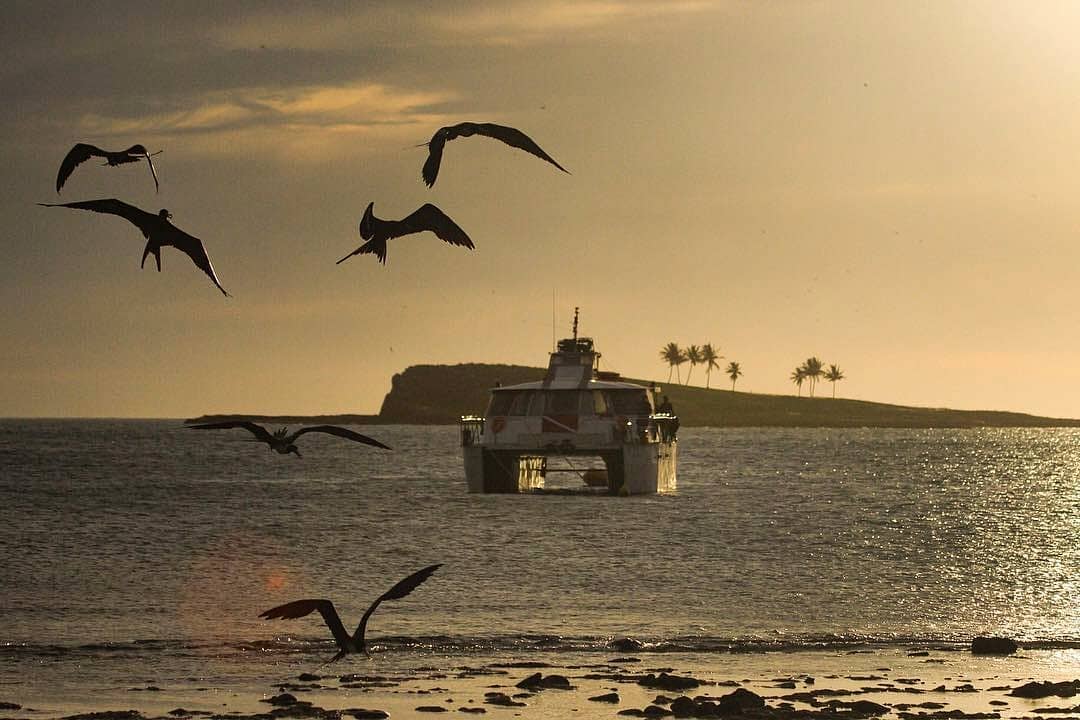
    Sunset in Abrolhos Bahia
    Photo: @joaoricardojanuzzi

    Keep in mind that all maritime tours depend on weather conditions, especially wind speed and wave height. Operators typically cancel trips when winds exceed 20 knots, so it’s important to check the forecast before planning your visit.

    How to get to Abrolhos 

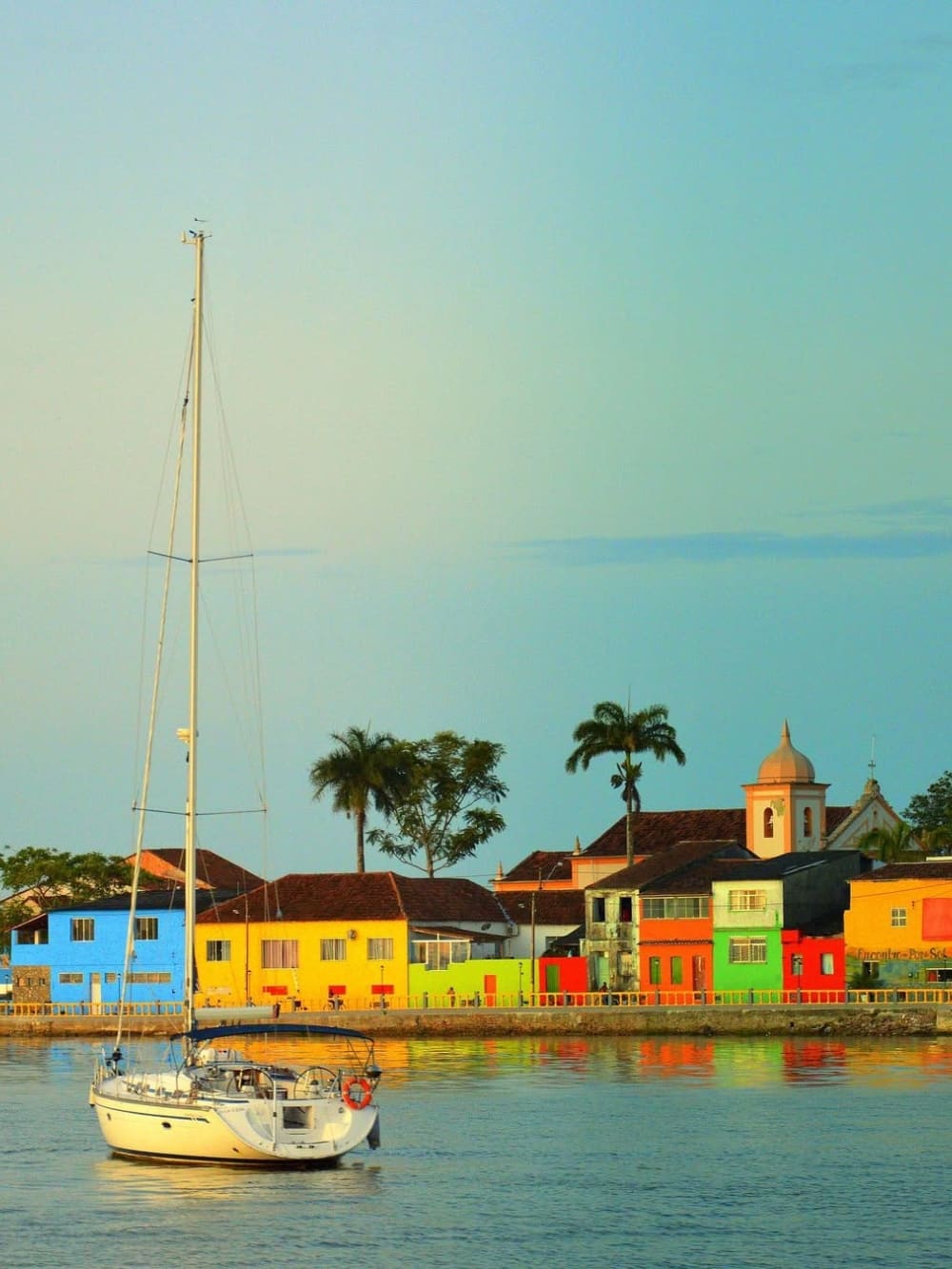
    To reach Abrolhos, you first need to travel to Caravelas, a small town on the coast of the state of southern Bahia. It is the primary point of departure for boat tours to the archipelago. Caravelas doesn’t have any major airports, so it takes some time to get there, though the extra effort is worth it. You can fly, drive, or take the bus, whatever suits your style of travel best. 

    How to get to Caravelas? 

    By plane: Best for speed and convenience. The closest large airport is Porto Seguro (BPS), about 145 km away from Caravelas. It is served by direct flights from cities including Salvador and Belo Horizonte. Caravelas is approximately 5 to 6 hours from Porto Seguro by car. Or, you can take a flight to Teixeira de Freitas Airport (TXF), which is approximately 90 km from here. The drive there is 1.5 to 2 hours by car or bus. 

    By car: Best for flexibility and wandering at your own pace. Caravelas is accessible by road from cities in Bahia, Minas Gerais, and Espírito Santo. In Vitória (ES), for example, the trip lasts approximately 8 hours, while traveling from São Paulo takes around 17 hours. 

    Tip: Before you hit the road, check road conditions and plan your stops accordingly. 

    By bus: Best for budget travelers. Caravelas is served by several bus companies such as Água Branca, Rota Transportes, Brasileiro, and Gontijo. Journeys usually take the Teixeira de Freitas route, and vary according to your point of departure. 

    Tip: Purchase tickets in advance, especially in high season, and when visiting to watch the whales. 

    Caravelas in Bahia Brazil
    Photo: @visitecaravelas

    How to get to the islands? 

    Access is by boat only, and various tour operators, with licenses from the city of Caravelas, offer the trip. There are 2 primary options for doing this tour, both are amazing: 

    Day trips: Perfect for those short on time, these tours head out early in the morning and return late in the evening. The itinerary also takes in Siriba Island and stops for snorkeling at reefs nearby, where corals, marine life, and turtles can be spotted. 

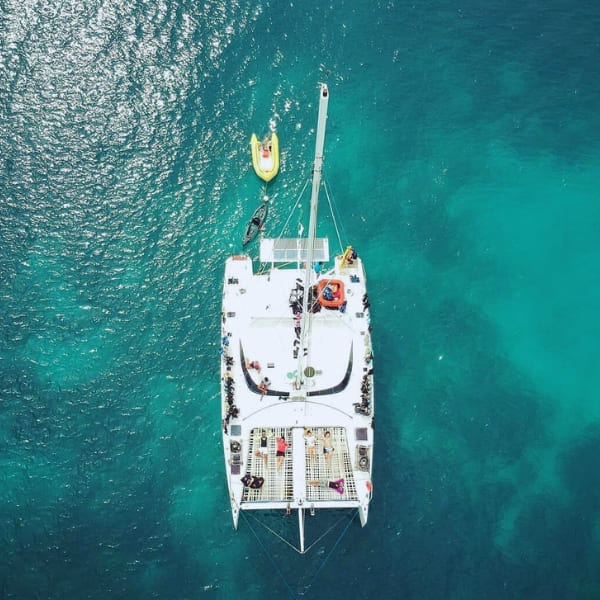
    Liveaboards (overnight trips): For travelers who desire a comprehensive experience, liveaboards are the way to go. You spend the nights on board the boat and can go on multiple dives or snorkeling sessions each day, sometimes in further-out and more preserved areas. It’s the best way to get up close and personal with all the beauty of the Abrolhos Marine National Park. 

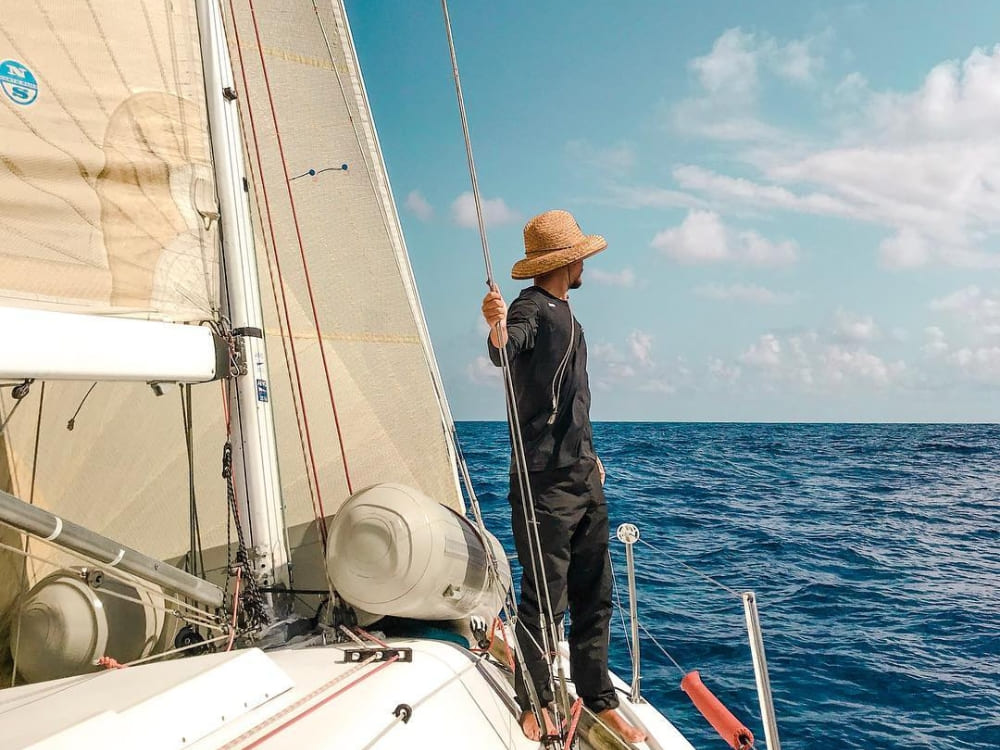
    Traveller in Abrolhos Bahia
    Photo: @joaoricardojanuzzi

    Either way, just make sure you choose an operator that is licensed by ICMBio and follows environmental regulations, that’s good for your safety and to preserve this very special ecosystem. 

    Marine life in Abrolhos 

    The marine life of Abrolhos is one of the most diverse in the Atlantic. The area is host to over 1,300 species of coral, many are endemic, that is, found nowhere else! 

    • Coral: accustomed to the world’s largest colonies of Mussismilia braziliensis, endemic in Brazil. 
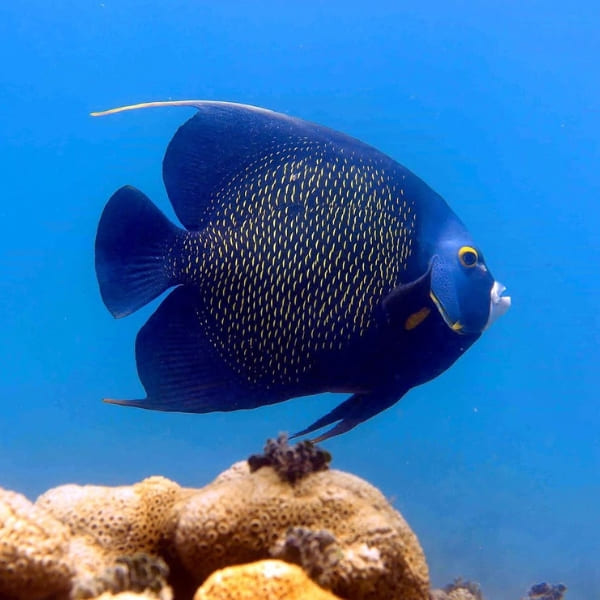
    • Fish: parrotfish, butterflyfish, angelfish, groupers, reef sharks. 
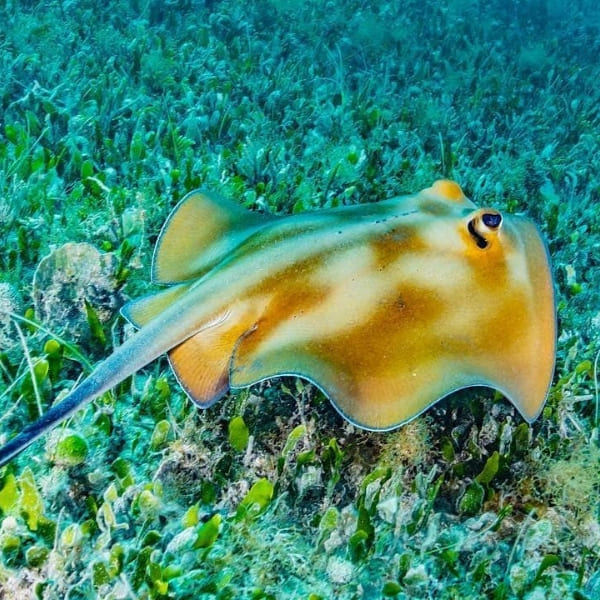
    • Turtles: Green and Hawksbill turtles are commonly sighted. 
    • Sea mammals: Humpback whales (seasonal), dolphins. 
    • Invertebrates: Starfish, octopus, sponges, lobsters, etc. 

    The reefs also act as breeding and nursery grounds for a number of animals and as a breeding ground for rare wildlife. 

    How Many Days to Spend in Abrolhos? 

    You can visit Abrolhos on a day trip from Caravelas, but to truly experience the archipelago, it’s best to stay 3 days. This gives you time for extra dives, more snorkeling, exploring remote reef areas, and a better chance of spotting humpback whales between July and November.

    Staying longer also means you can enjoy the peaceful atmosphere of the region without rushing. Whether you’re sleeping on a liveaboard or staying in Caravelas and joining daily excursions, having a few days allows you to connect more deeply with the unique marine life and natural beauty of the Abrolhos Marine National Park.

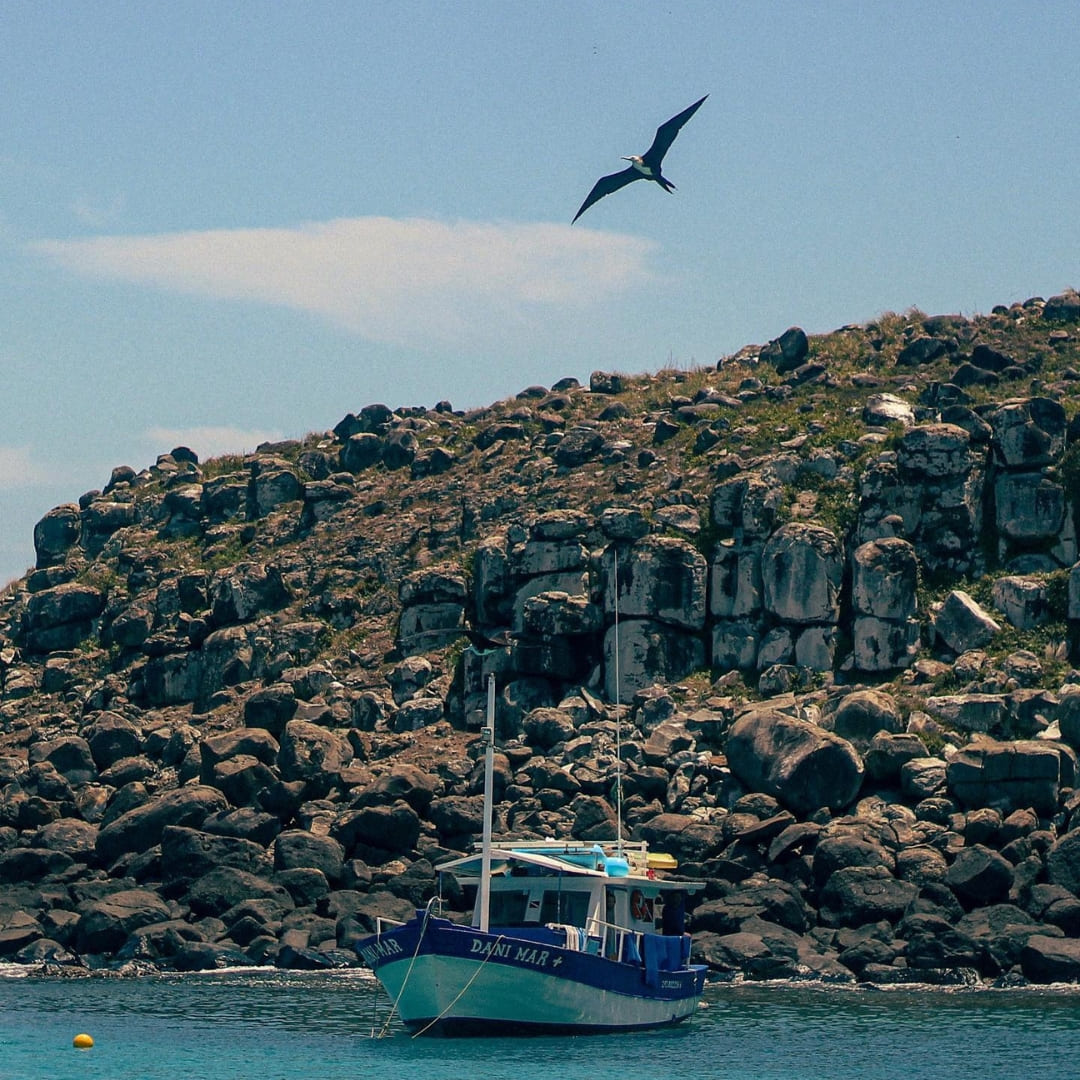
    Boat at Abrolhos Bahia
    Photo: @anaabifadel

    Sleeping on a liveaboard also lets you see Abrolhos in a much more serene, whole, and immersive way. 

    👉 A great option is the 3-day package from PlanetaEXO, which includes sleeping on the boat, full board, and diving at the most outstanding points within the marine park. 

    Taxes and fees in Abrolhos 

    Before proceeding towards the Abrolhos Archipelago in Brazil, here are some of the compulsory and additional costs of the marine park visit, you should be aware of. 

    Price of Admission to the Abrolhos Marine National Park 

    The Abrolhos conservation fee for the protected area should be paid by all visitors: 

    • Brazilian visitors: R$ 46 (value approximate) 
    • Foreign visitors: R$ 92 (estimated) 
    • Discounts: valid for children, students, and seniors upon presentation of documentation
    Lighthouse in Abrolhos
    Photo: @marcosamend

    Additional costs 

    In addition to the park fee, there are other costs: 

    • Boat rides (round trips or liveaboard) 
    • Scuba diving or snorkeling Gear rental (if you don’t have your own) 
    • Whale watching (when in season, July-November) tours 

    👉 Important tip: bring cash. Even though some operators take cards, it is better to pay with cash for small expenses in Caravelas, such as local food, local transport, and extras, especially if you are going to places with poor or no internet signal or card machines. 

    Where to stay in Abrolhos? 

    There is no accommodation on the islands, which are a protected environmental area. For that reason, it’s not possible to stay overnight unless on a registered boat (or liveaboard) or on the mainland in towns like Caravelas, the gateway to the Abrolhos Archipelago in Brazil. 

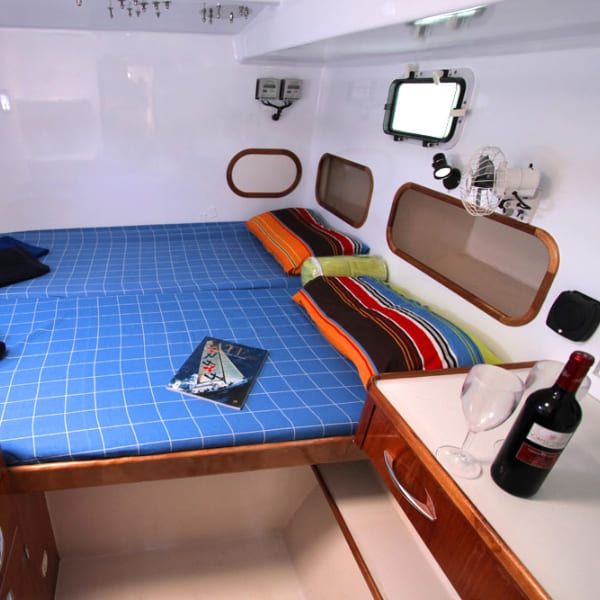
    The best way to enjoy this experience is during a liveaboard tour, where you dive and snorkel every day, with the help of professional guides. All boats must be registered with ICMBio and abide by environmental conservation regulations.

    Where to stay in Abrolhos Brazil
    Photo: @saltyroutine

    Where to stay in Caravelas 

    Caravelas is a tranquil town and offers just a few places to stay, but they are all adequate. They’re mostly small inns and simple hotels. 

    If you prefer more comfort or options, staying in Nova Viçosa, which is an hour away, is a good alternative. However, keep in mind the trip to the port for early morning departures.

    Ready to embark on an adventure in the Abrolhos Archipelago? 

    Abrolhos is not a common destination. Don’t expect beach clubs, luxury hotels, or easy access. What you will find here is something much more valuable: an untouched paradise, teeming with marine life, silence, and nature in its raw state.

    The Abrolhos Archipelago in Brazil is somewhere for people who care about conservation, like a real adventure, and are taken by the wild beauty of the ocean. Descend to immense coral reefs, catch sight of humpback whales, or simply switch off in a marine sanctuary. 

    If this adventure is for you, PlanetaEXO can take you there. Discover with us how to live this experience safely, consciously, and unforgettably.

    Adventure in the Abrolhos Archipelago Brazil
    Photo: @piccinibr