Category: Chapada Diamantina

  • Chapada Diamantina Waterfalls: Best Trails and Hidden Gems

    Chapada Diamantina Waterfalls: Best Trails and Hidden Gems

    Discover the waterfalls that shouldn’t be missed on your trip to Chapada Diamantina National Park!

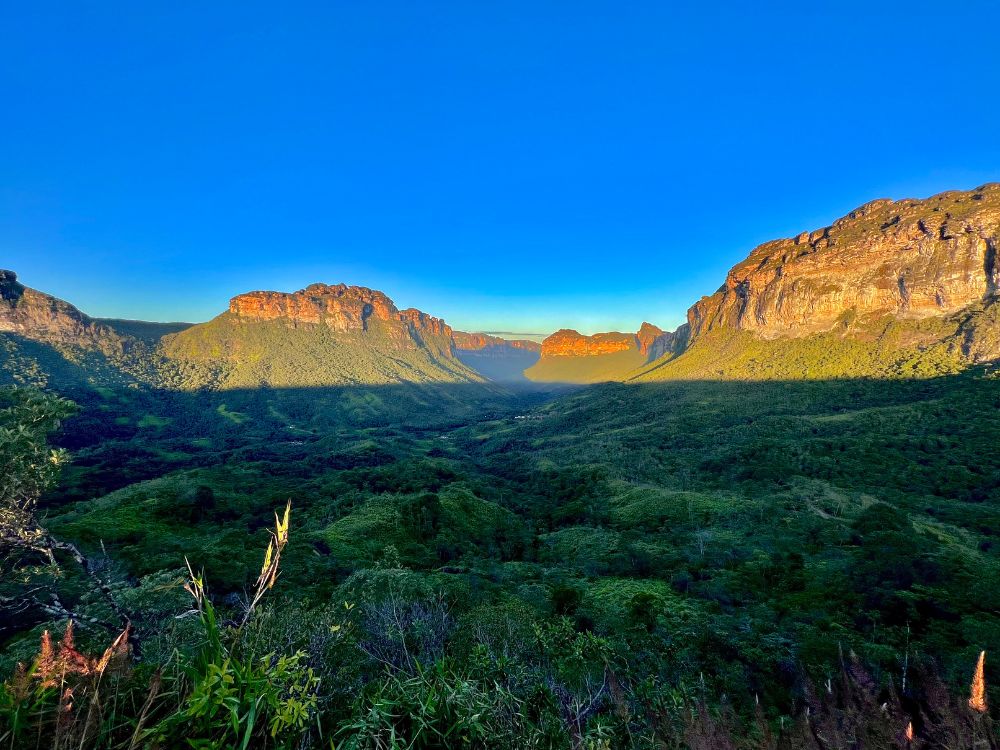
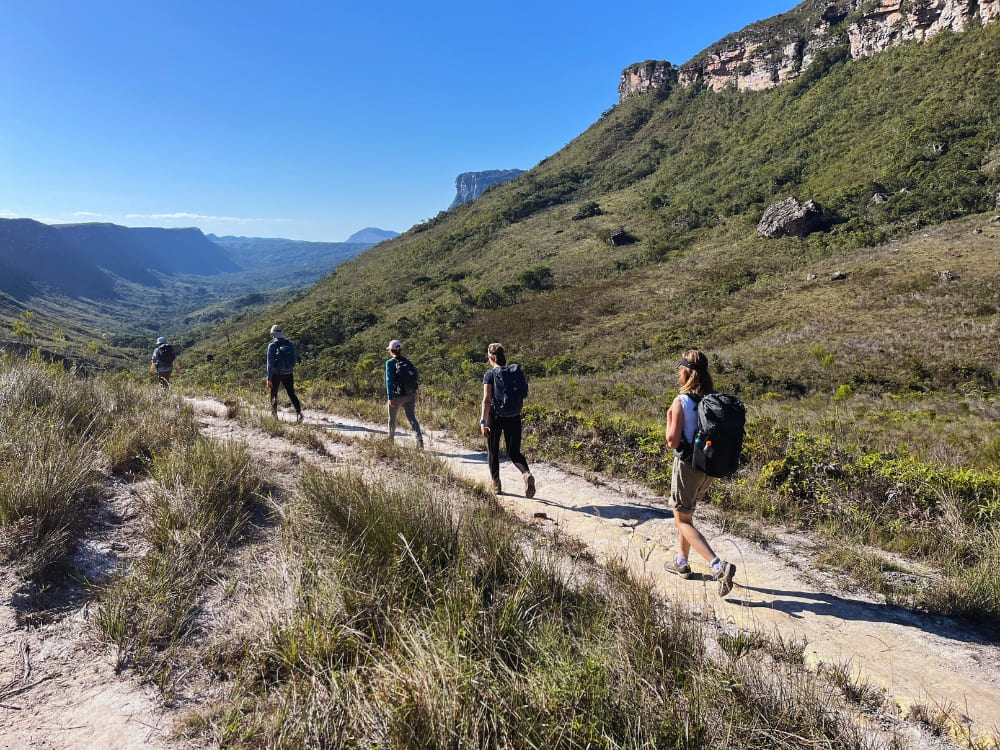
    The waterfalls of Chapada Diamantina are some of the best known and most beloved in Brazil. To reach them, travelers hike along trails that cross mountains, deep valleys, ancient caves, gorgeous vegetation, and breathtaking vistas.

    Have you ever thought about finishing a hike by swimming in a natural pool surrounded by cliffs? Or standing at a viewpoint where more than twenty waterfalls cascade at once? In Chapada Diamantina, these aren’t distant dreams—they’re real experiences waiting for you!
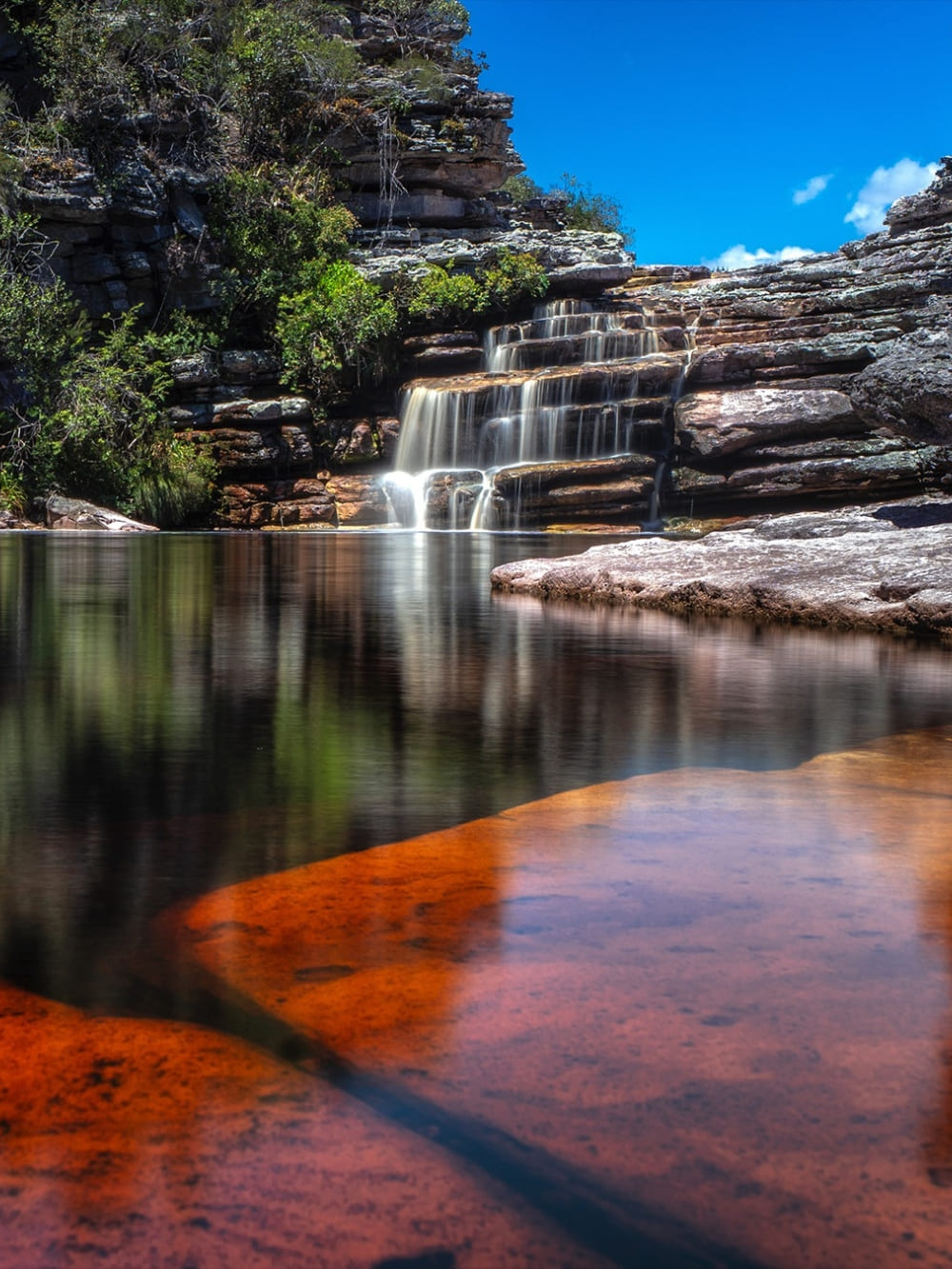
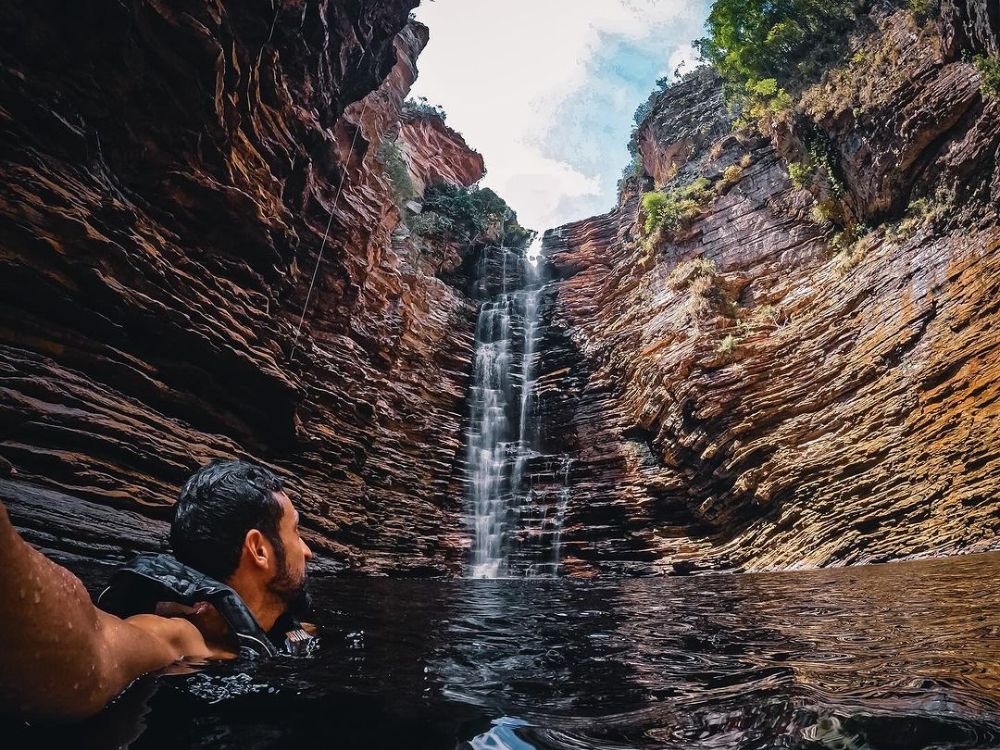
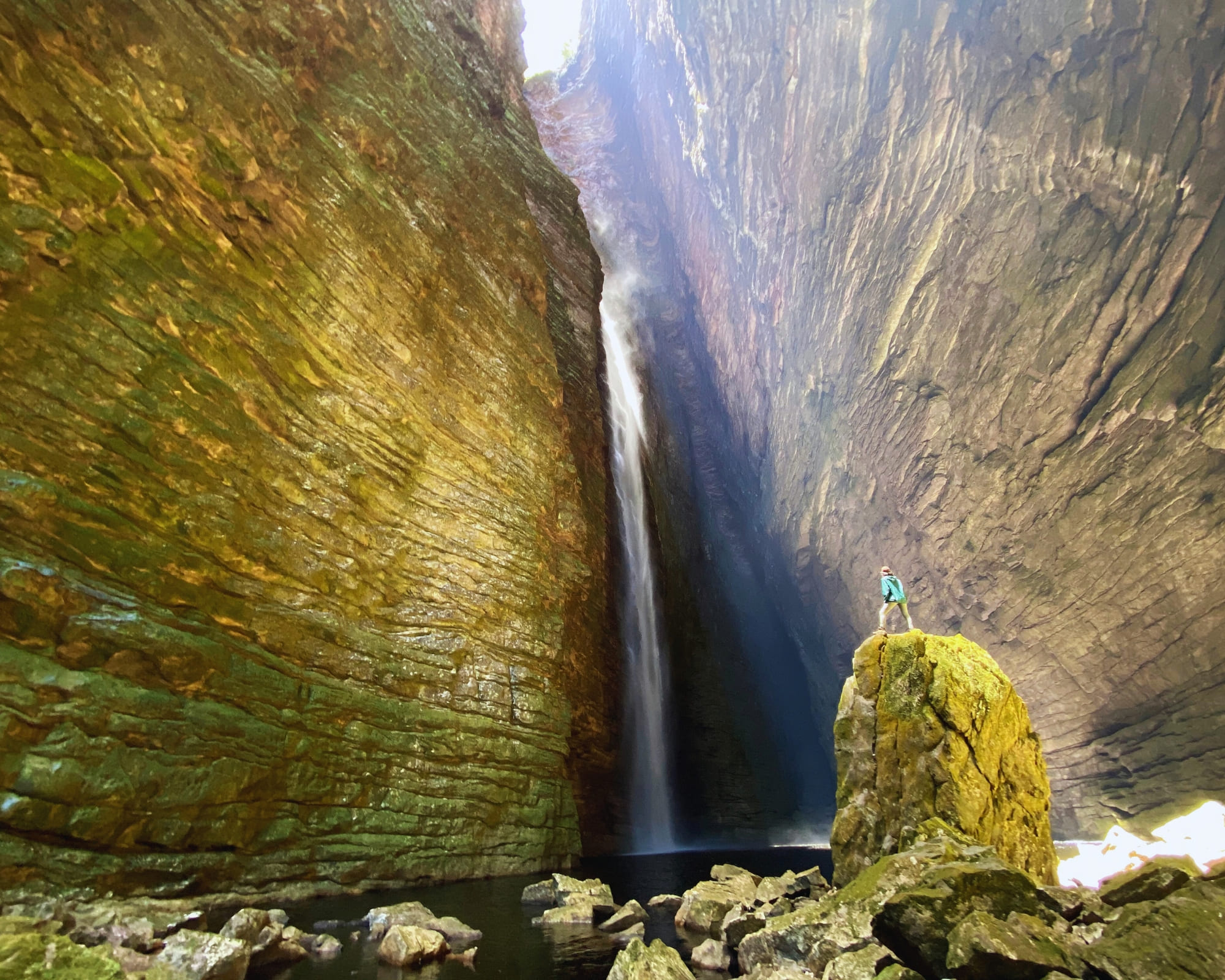
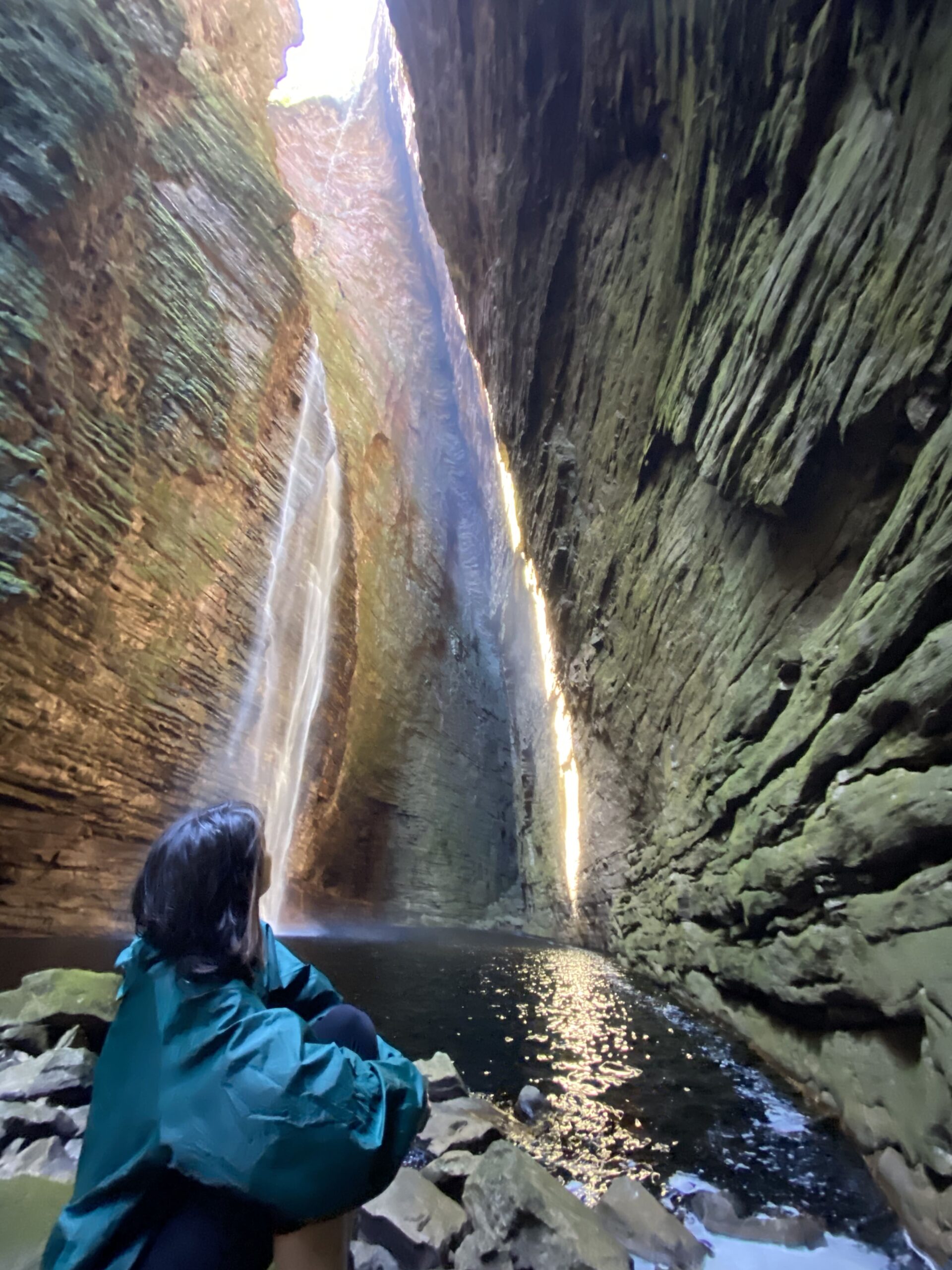
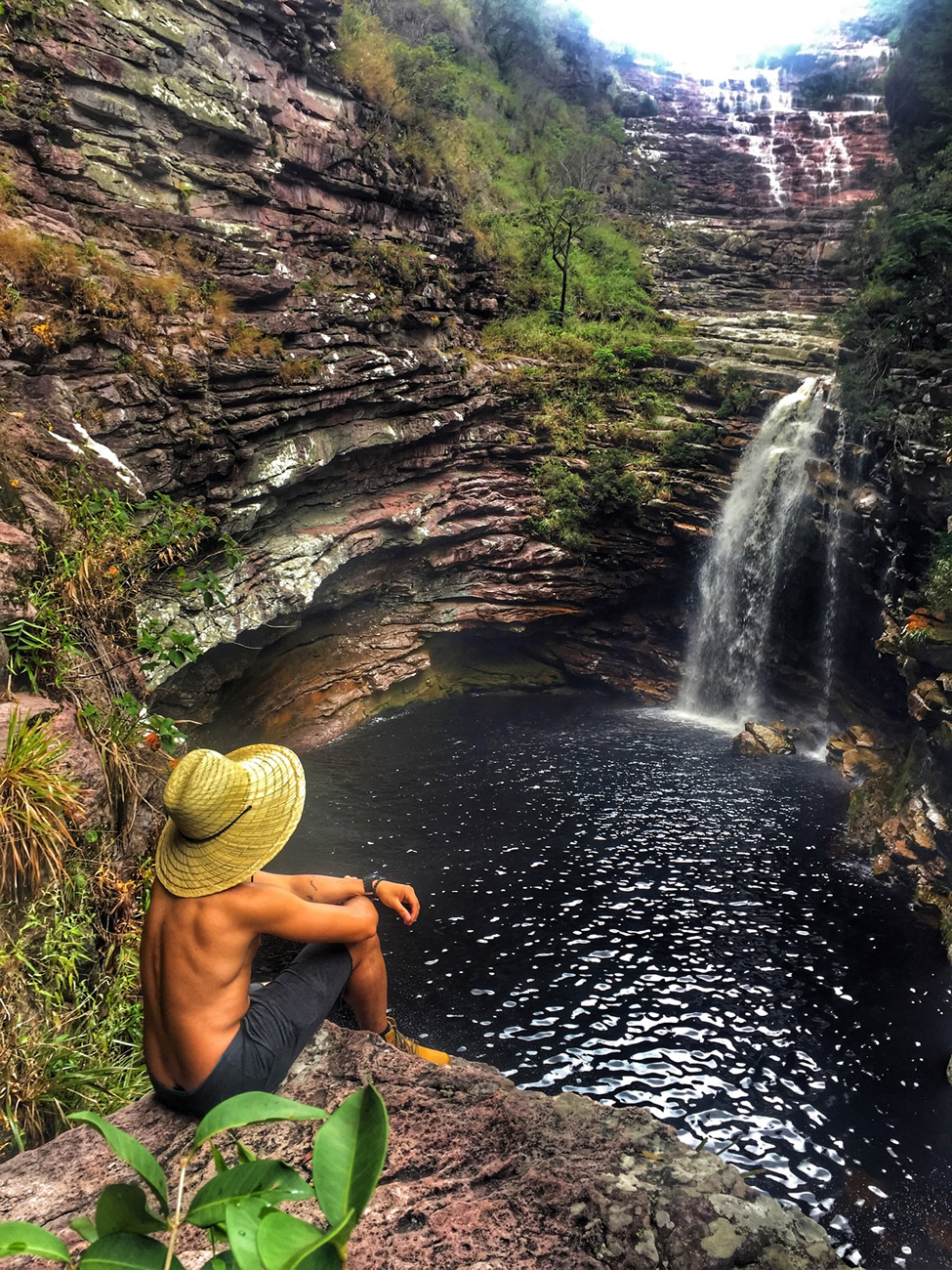
    A cascading waterfall flowing into a calm natural pool with red rocks in Chapada Diamantina National Park.
    @brunoononogaki

    If you’re planning an adventure in one of the best trekking destinations in the world, PlanetaEXO, an ecotourism platform specializing in Chapada Diamantina tours, has put together a list of waterfalls you just can’t miss during your trek. Check it out below!

    Cachoeirão Waterfall 

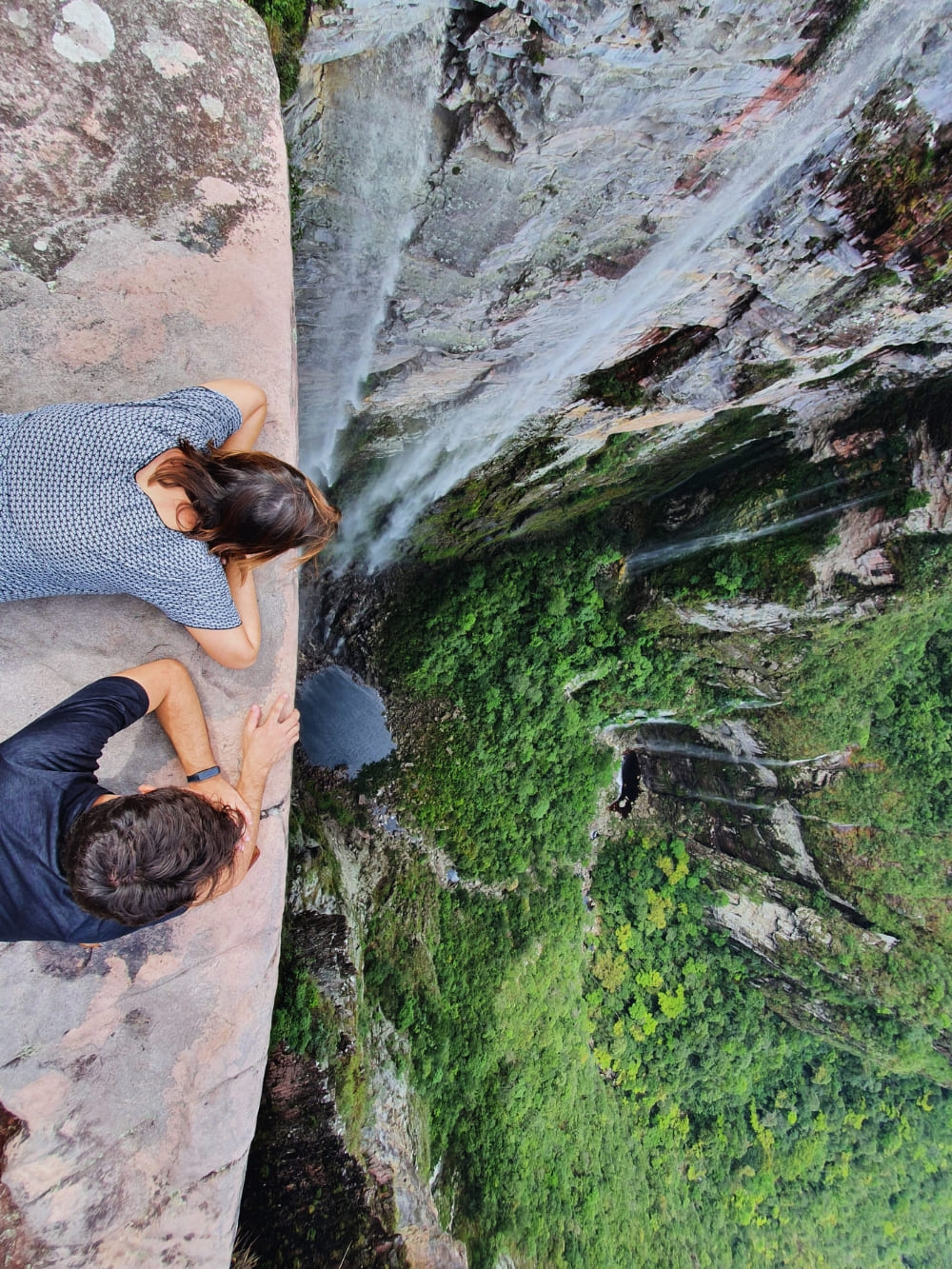
    Cachoeirão is one of Chapada’s most iconic sights. During the rainy season, over 20 streams plunge from around 280 meters high, creating a spectacular curtain of water. From above, you’ll see Vale do Pati stretching far into the distance, framed by steep mountains. 

    From below, the perspective is completely different: pools of dark water reflect the canyon walls while the falls crash down in front of you. 

    How to get to Cachoeirão?

    Cachoeirão lookout

    The upper viewpoint is included in the 3-day Chapada trek. To get there, hikers usually start in the village of Guiné entering Vale do Pati through steep mountain trails. The path involves climbs, river crossings, and several hours of trekking before reaching the cliff edge with panoramic views of the valley and the waterfalls.
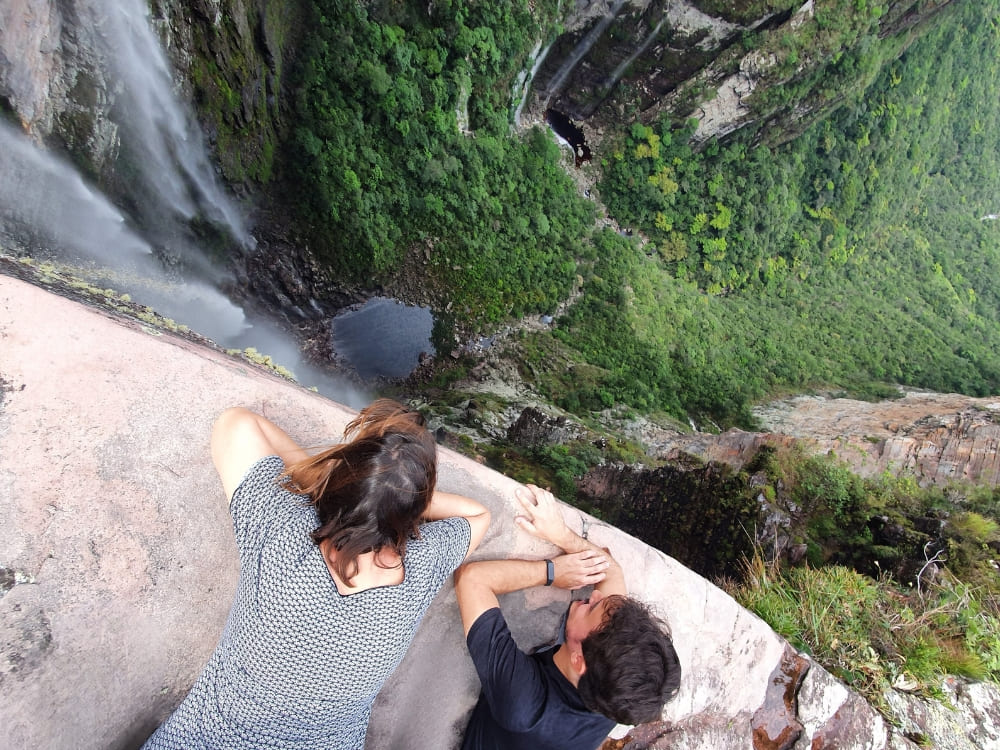
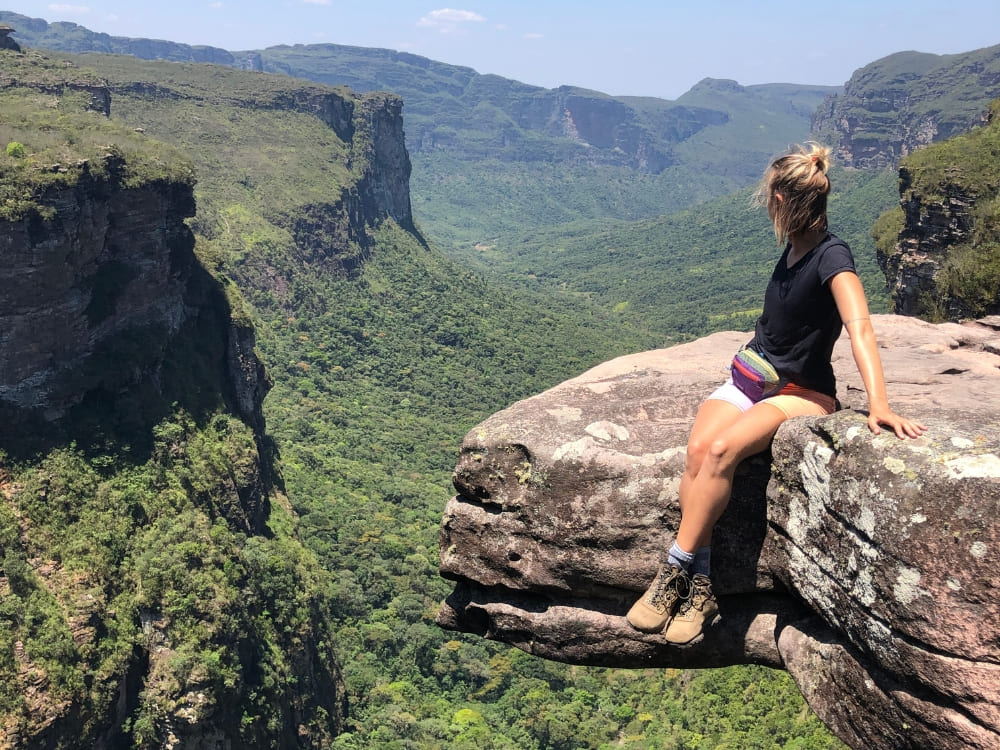
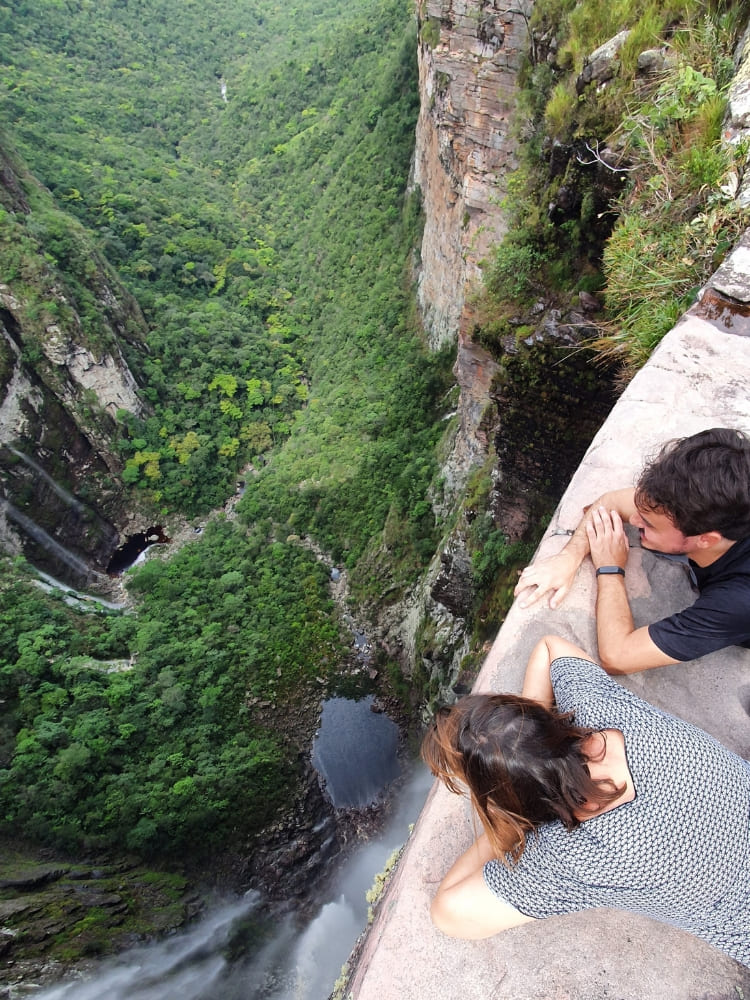
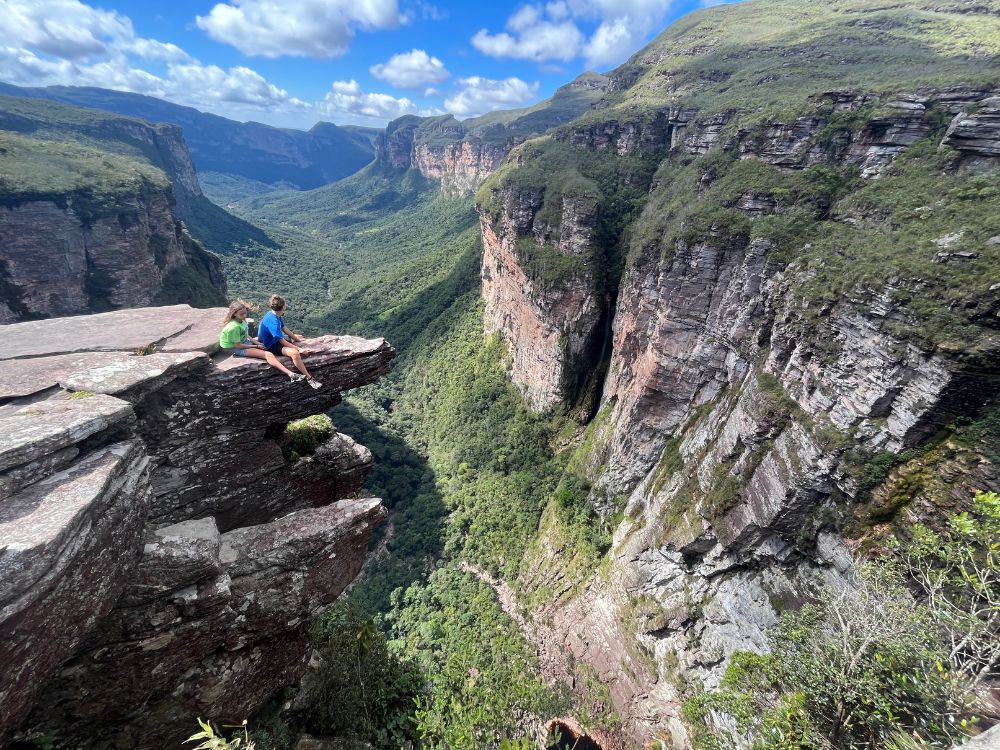
    Two hikers look down from a high cliff edge at Cachoeirão Waterfall plunging into the deep green Vale do Pati canyon.
    .

    Cachoeirão base

    The base is part of the 5-day Vale do Pati route. This trail is longer and more demanding, leading deep into the canyon. The hike passes through dense vegetation and rocky terrain before arriving at the pools directly beneath the falls, where you can swim and admire the cascades from below.
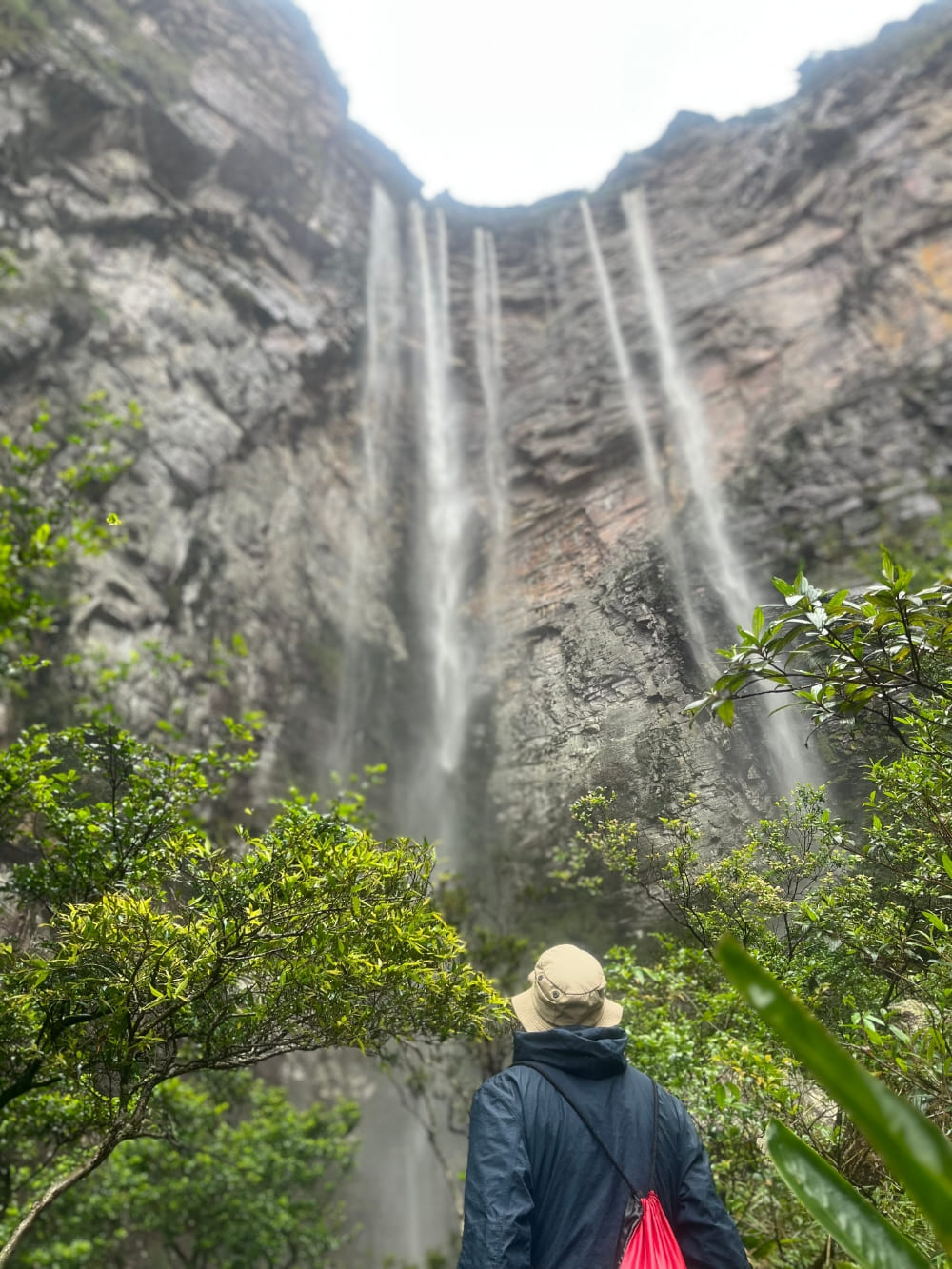
    A hiker wearing a hat and jacket looks up at the towering 280-meter water streams of Cachoeirão Waterfall from its rocky base.
    .

    👉 Read more: How to Get to Chapada Diamantina National Park?

    Funil Waterfall

    Surely one of the best hidden waterfalls in Brazil, Funil has a drop of around 20 meters, which tumbles into natural pools surrounded by dense greenery, creating a calm retreat in the middle of a stunning valley. Its quiet beauty makes it a highlight for travelers seeking less crowded spots.
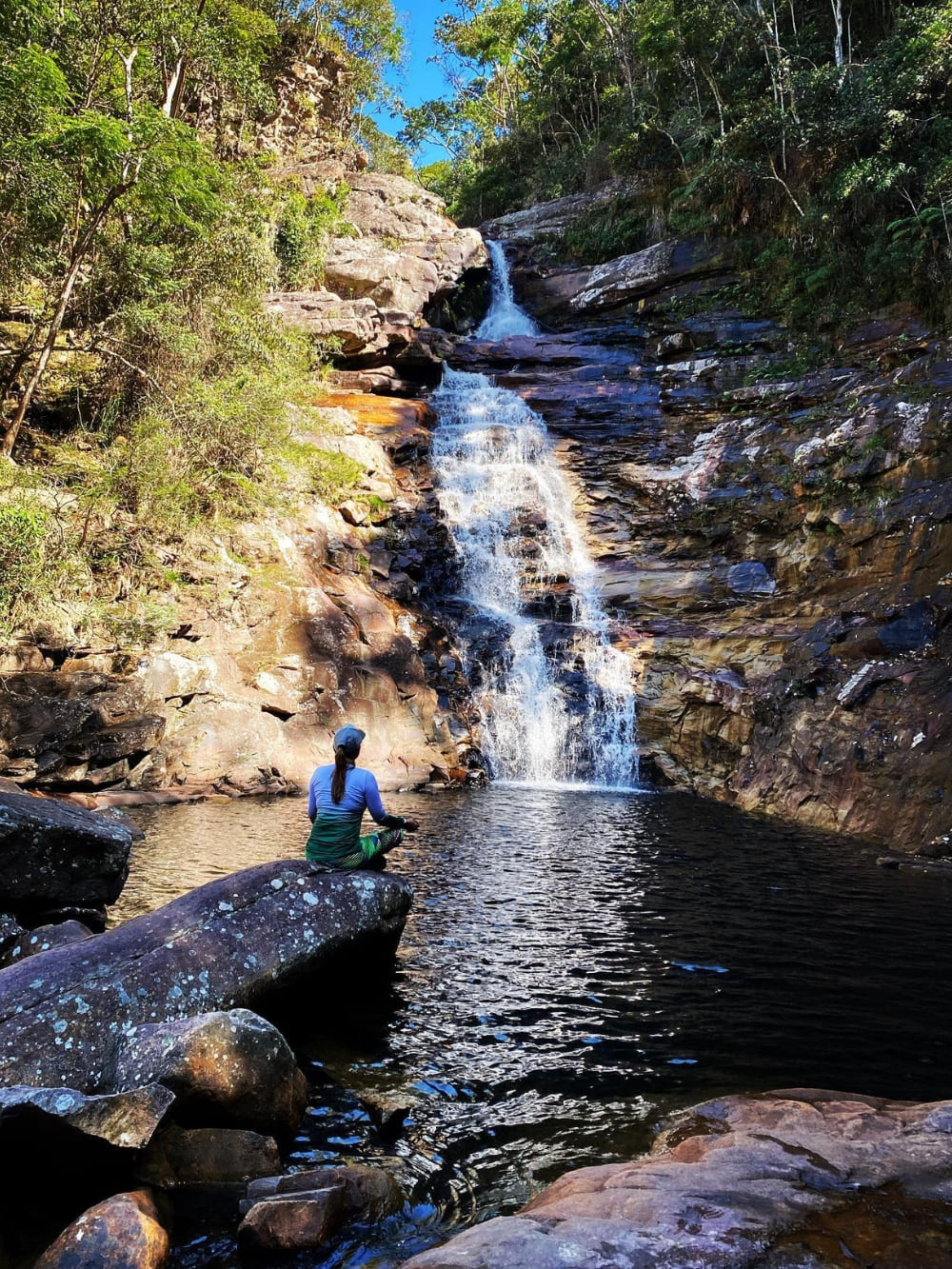
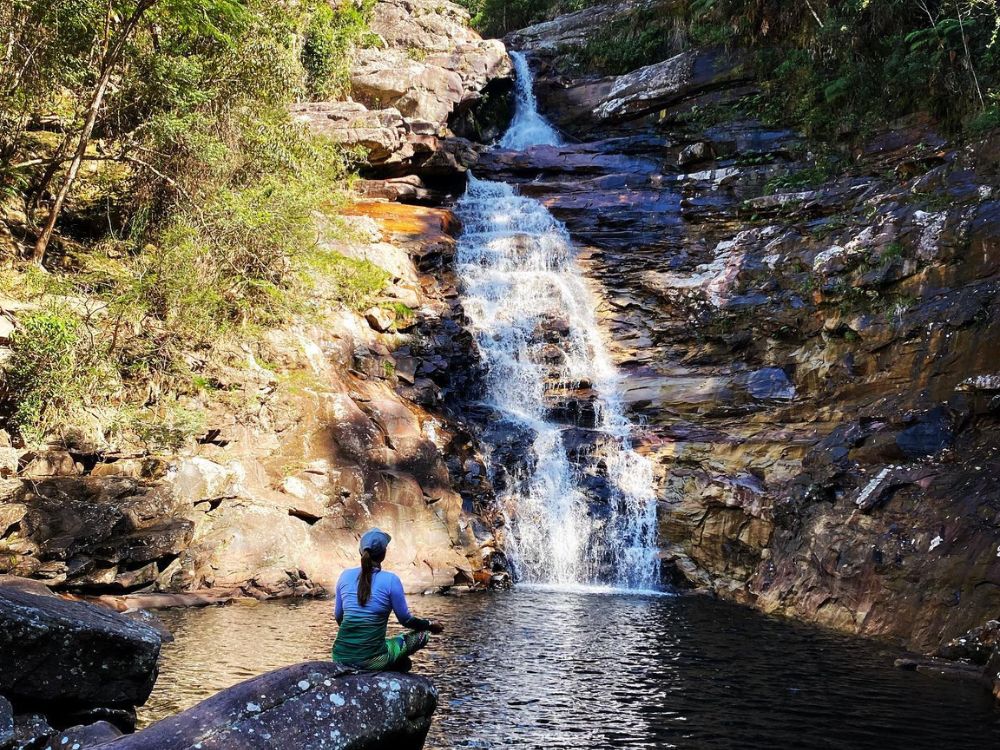
    A woman sits on a rock near the calm natural pool of Funil Waterfall, a 20-meter drop surrounded by dense green vegetation.
    .

    How to get to Funil?

    Commonly accessible on multi-day treks through Vale do Pati, usually starting from Guiné or Vale do Capão. The trail includes river crossings and forest paths, often combined with stops at Angélica Waterfall.

    Buracão Waterfall 

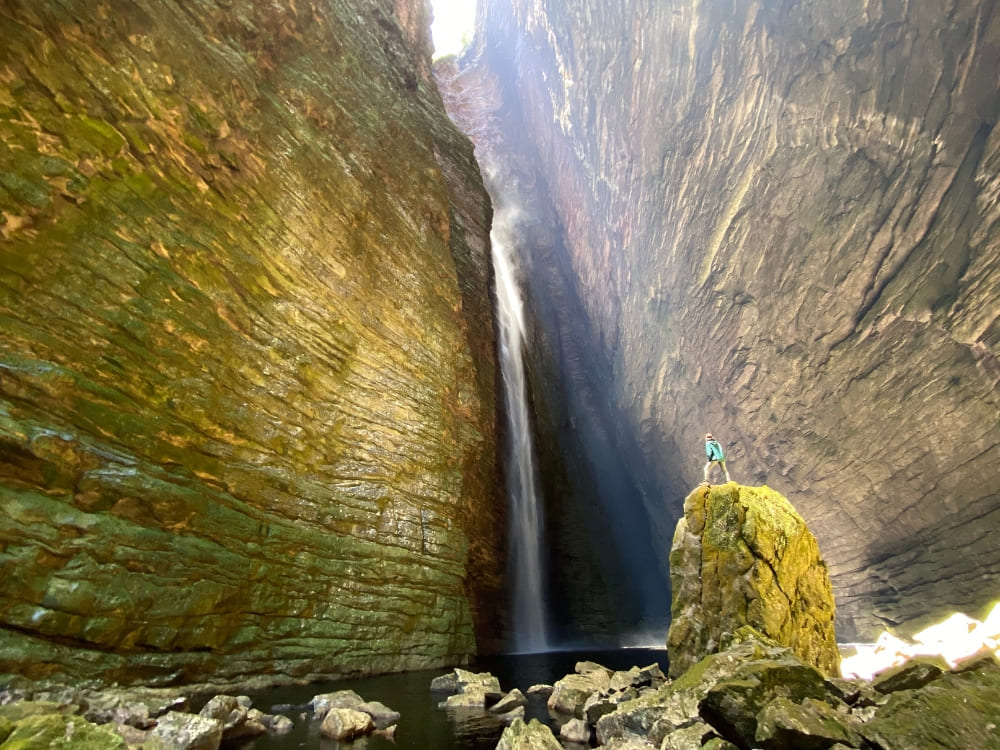
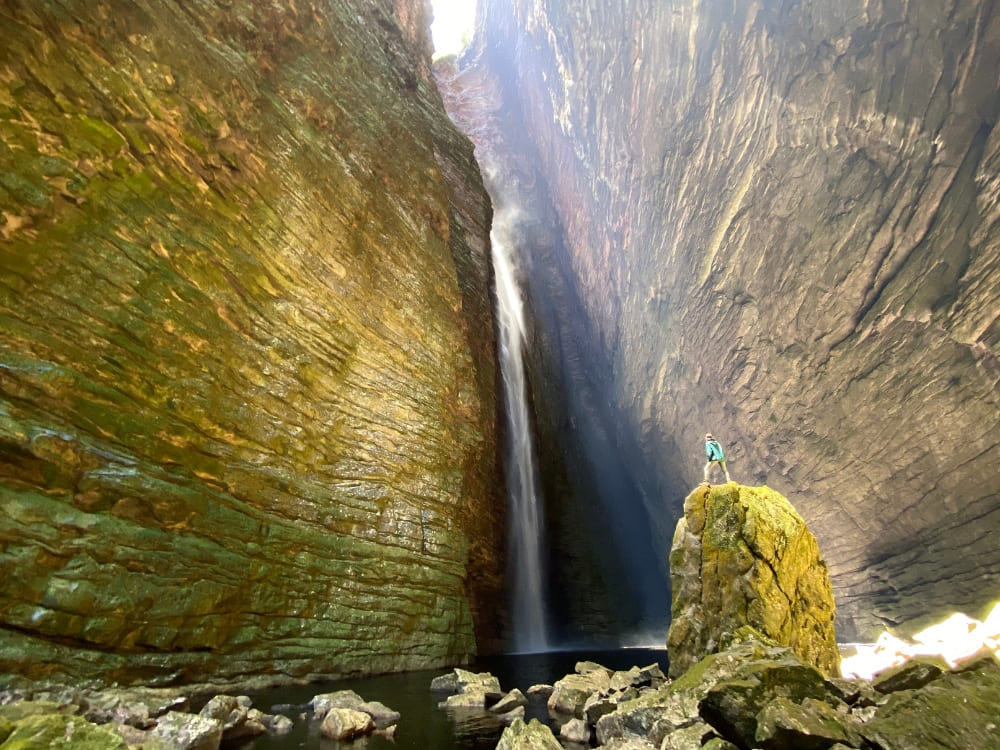
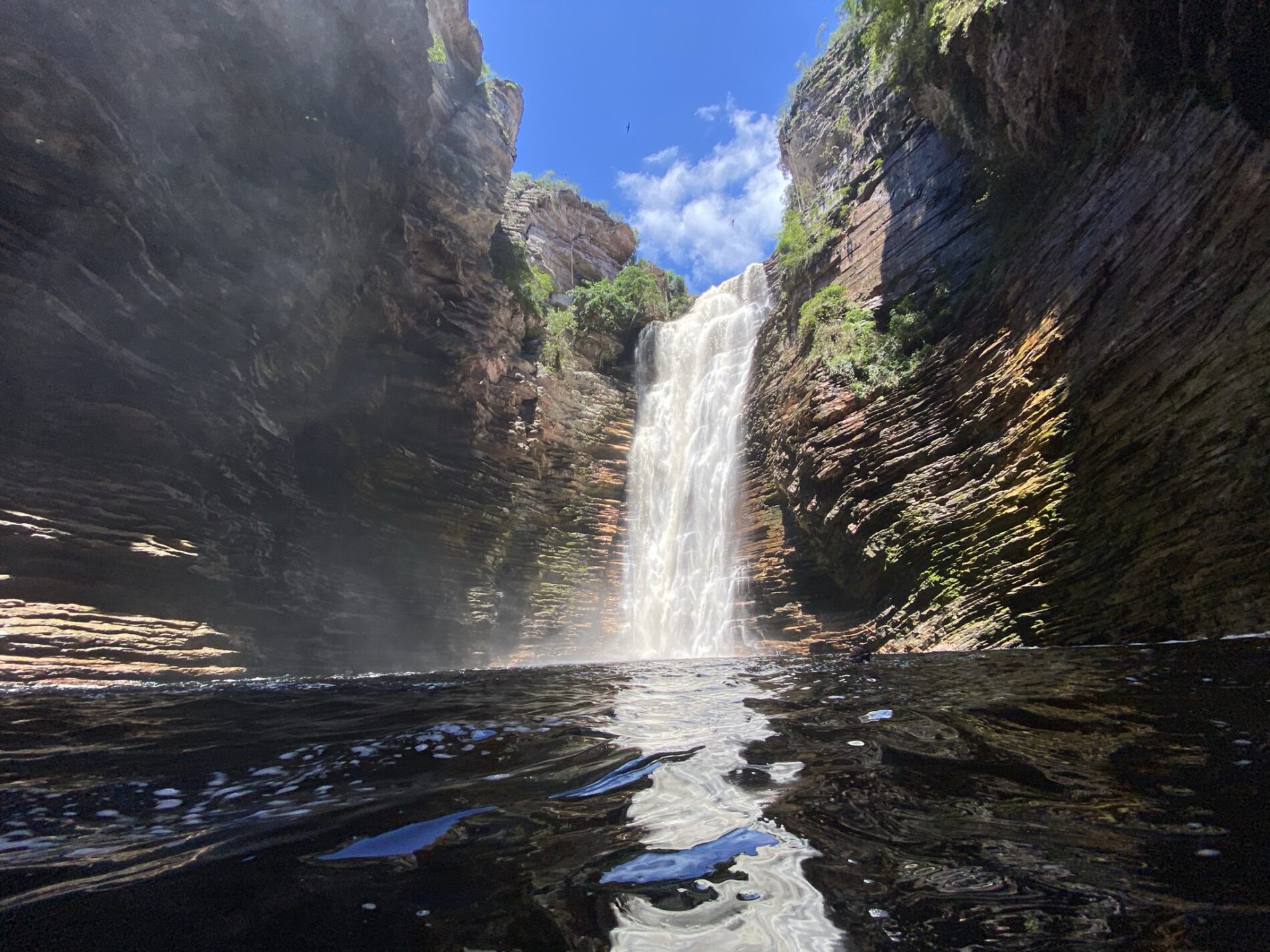
    Buracão is often considered the most adventurous waterfall in Chapada Diamantina. Its 85-meter drop is hidden inside a narrow canyon—a “buracão,” which means “big hole” in Portuguese. To reach it, you swim or float through the gorge until you find yourself directly at its base. Not every waterfall lets you feel this close to such raw power!
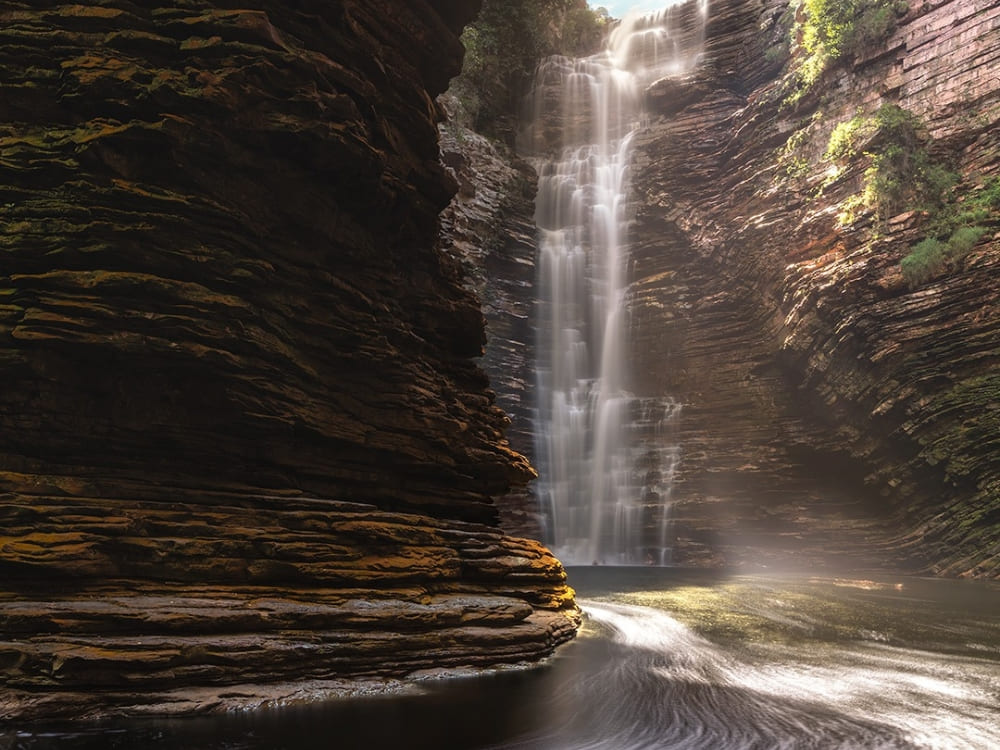
     Buracão Waterfall drops 85 meters inside a narrow rocky canyon with layered walls, ending in a dark natural pool.
    @brunoononogaki

    How to get to Buracão?

    Near Ibicoara, Buracão is reached by a 3 km guided hike through forest and rocky trails. Even with its remote access, it’s among the most visited falls.

    👉 Explore the adventure: 6-day Ultimate Chapada Diamantina Hike

    Fumaça Waterfall 

    At 340 meters, Chapada Diamantina’s Fumaça Waterfall is the third-highest in Brazil, right after Neblina Waterfall (450 m) in Rio de Janeiro and El Dorado in the state of Amazonas.

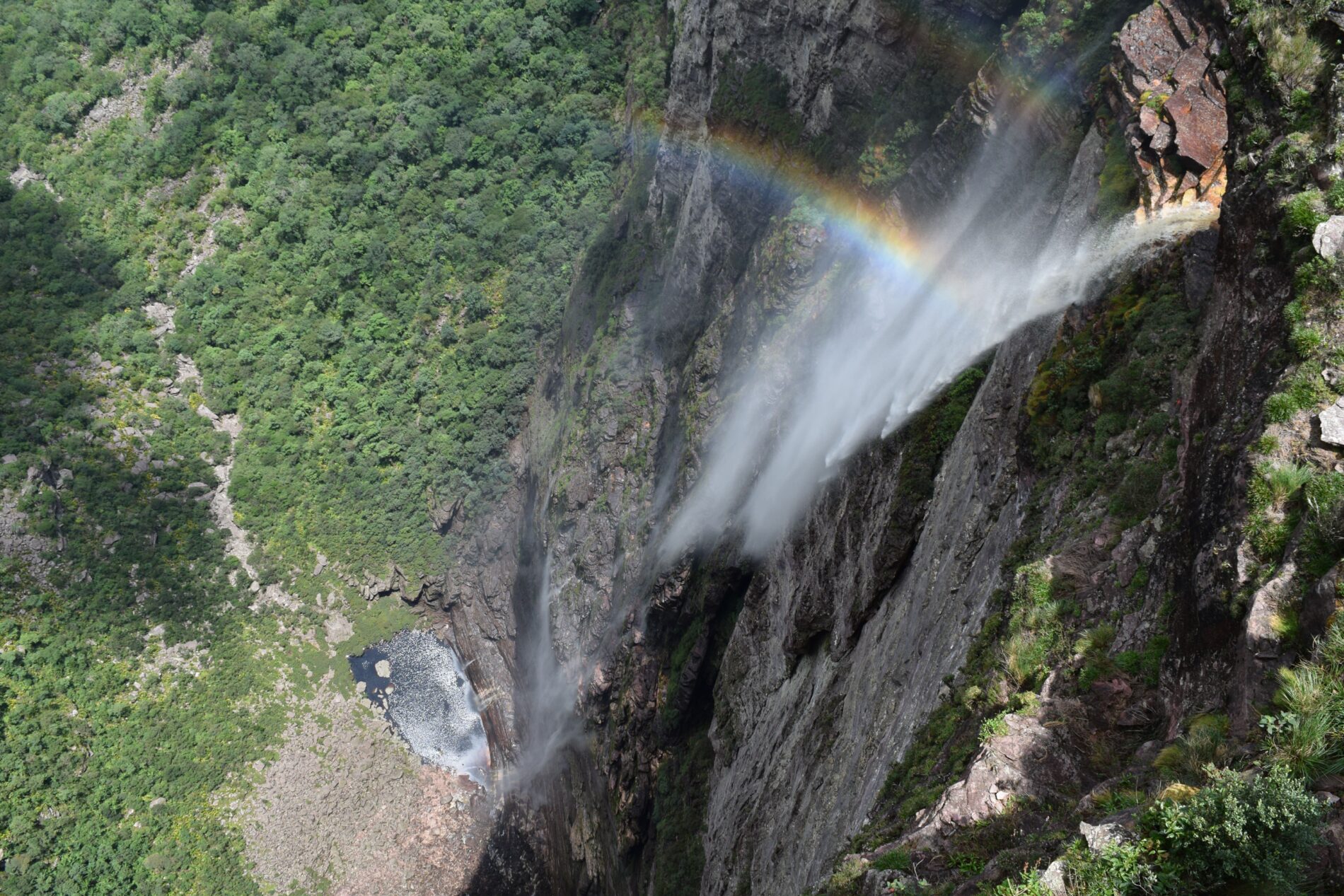
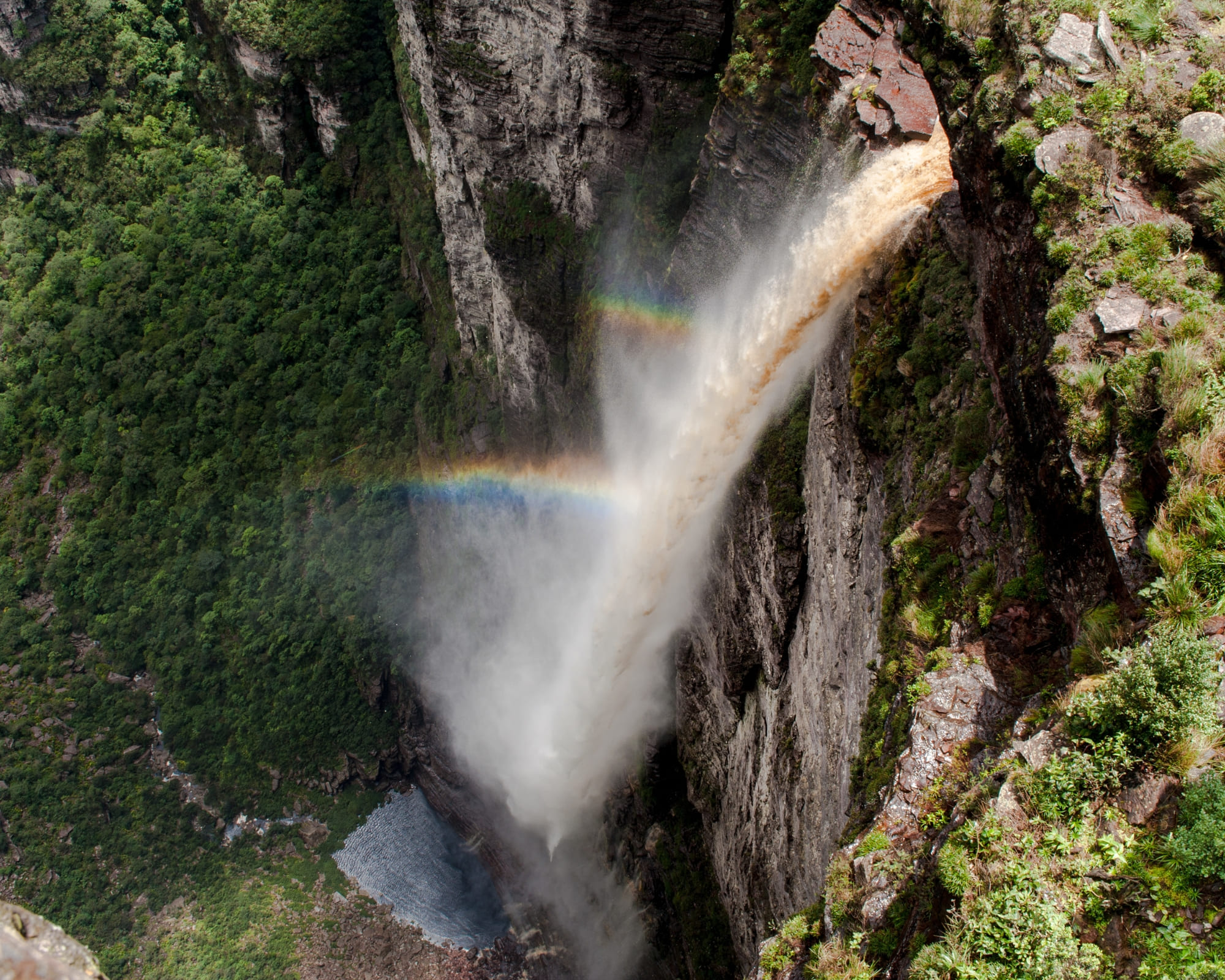
    Seen from above, the water is so thin it evaporates before touching the ground, creating its smoke-like effect. For those who want a tougher challenge, the hike to the base is demanding but reveals a completely different view.
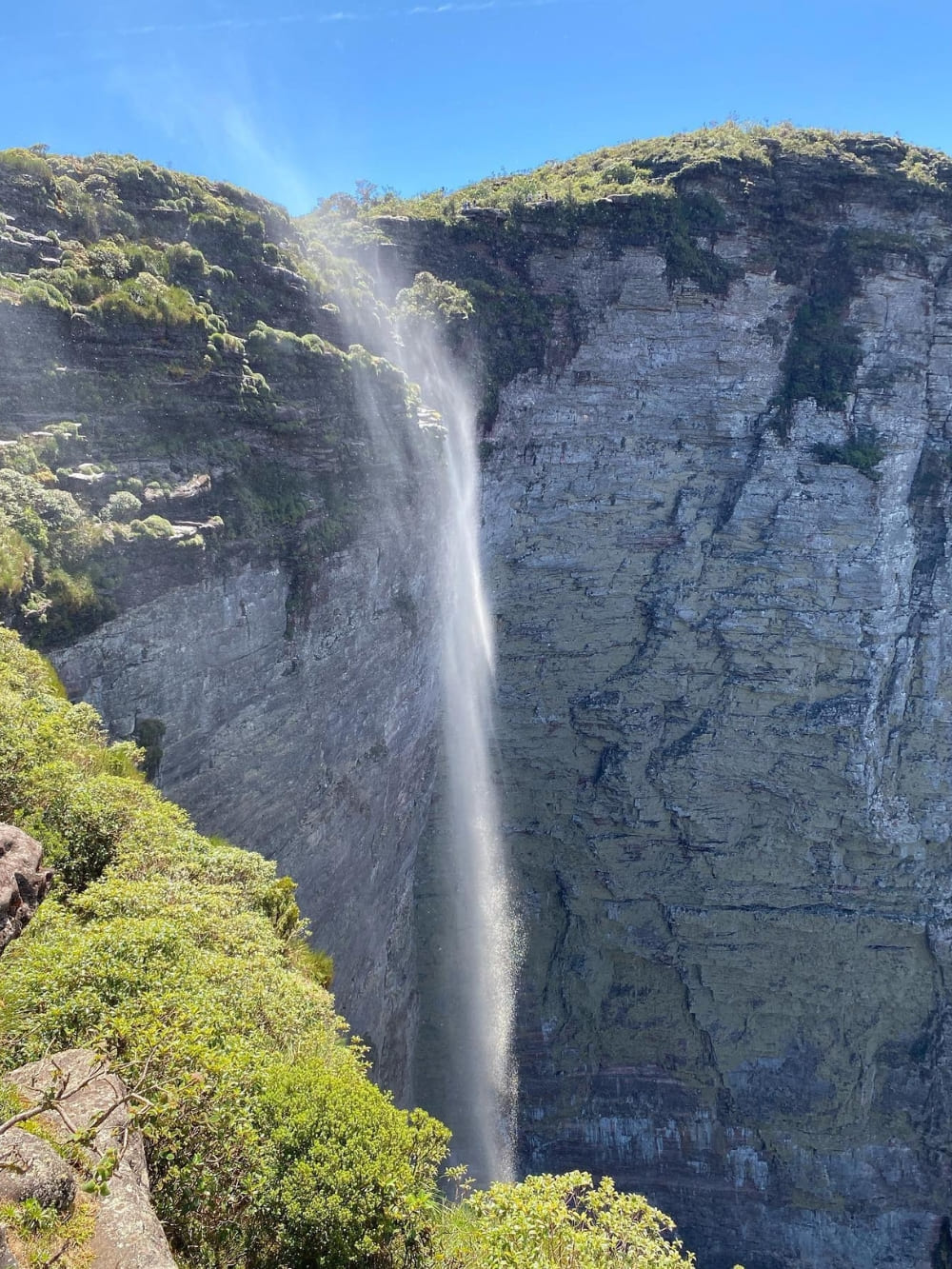
    The 340-meter Fumaça Waterfall flows over a steep cliff, with its water turning into a smoke-like mist before reaching the bottom.
    @estreladalvadiamantina

    How to get to Fumaça?

    Fumaça Waterfall lookout

    The trail starts in Vale do Capão and follows a 6 km path across rocky plateaus and viewpoints until reaching the cliff’s edge. Usually done as a half-day hike, it’s the most popular way to see the waterfall.

    Fumaça Waterfall base

    Access begins near Lençóis, following the Ribeirão River and steep forested sections before reaching the base. Lasting 3 to 4 days, the trek is wild and challenging. Considering the trail with steep climbs, technical sections, and isolated campsites, excellent physical fitness and the assistance of a professional guide are necessary.

    👉 Explore the adventure: 7-day Chapada Diamantina Trip

    Mosquito Waterfall 

    Mosquito is one of the most inviting waterfalls in the entire Chapada Diamantina National Park. The 60-meter cascade drops into a wide pool that is perfect for swimming. The name originates from the region’s mining past, when miners used to call small diamonds found in the water “mosquitoes.”
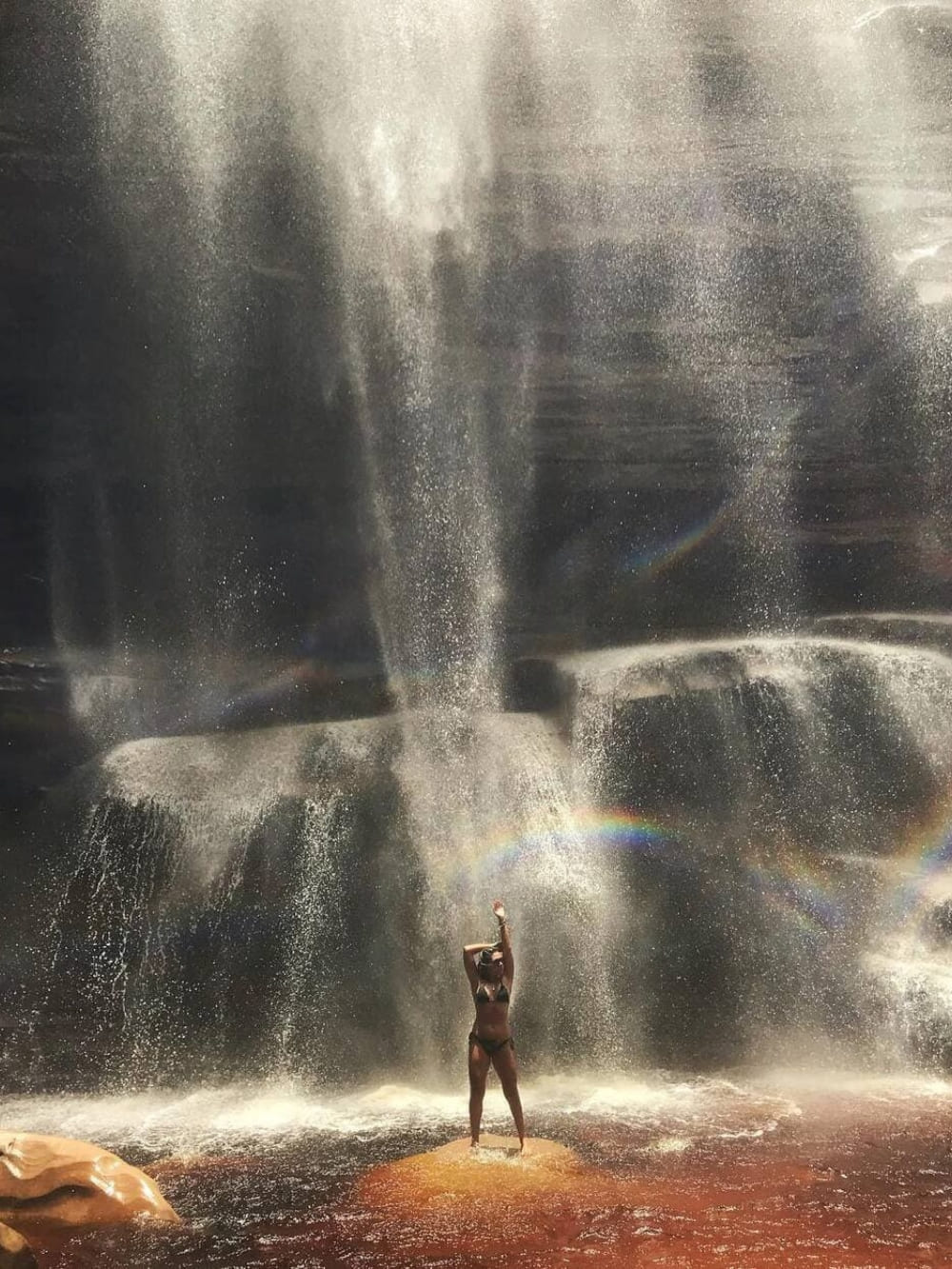
    A woman stands on a rock stretching her arms at the base of the 60-meter Mosquito Waterfall, surrounded by a wide swimming pool.
    @laneferraz

    How to get to Mosquito?

    Located about 40 minutes from Lençóis, access is straightforward: a drive along a dirt road followed by a short descent on a marked trail (around 20 minutes). Local guides are recommended, especially during the rainy season when the path can be slippery.

    Samuel Waterfall 

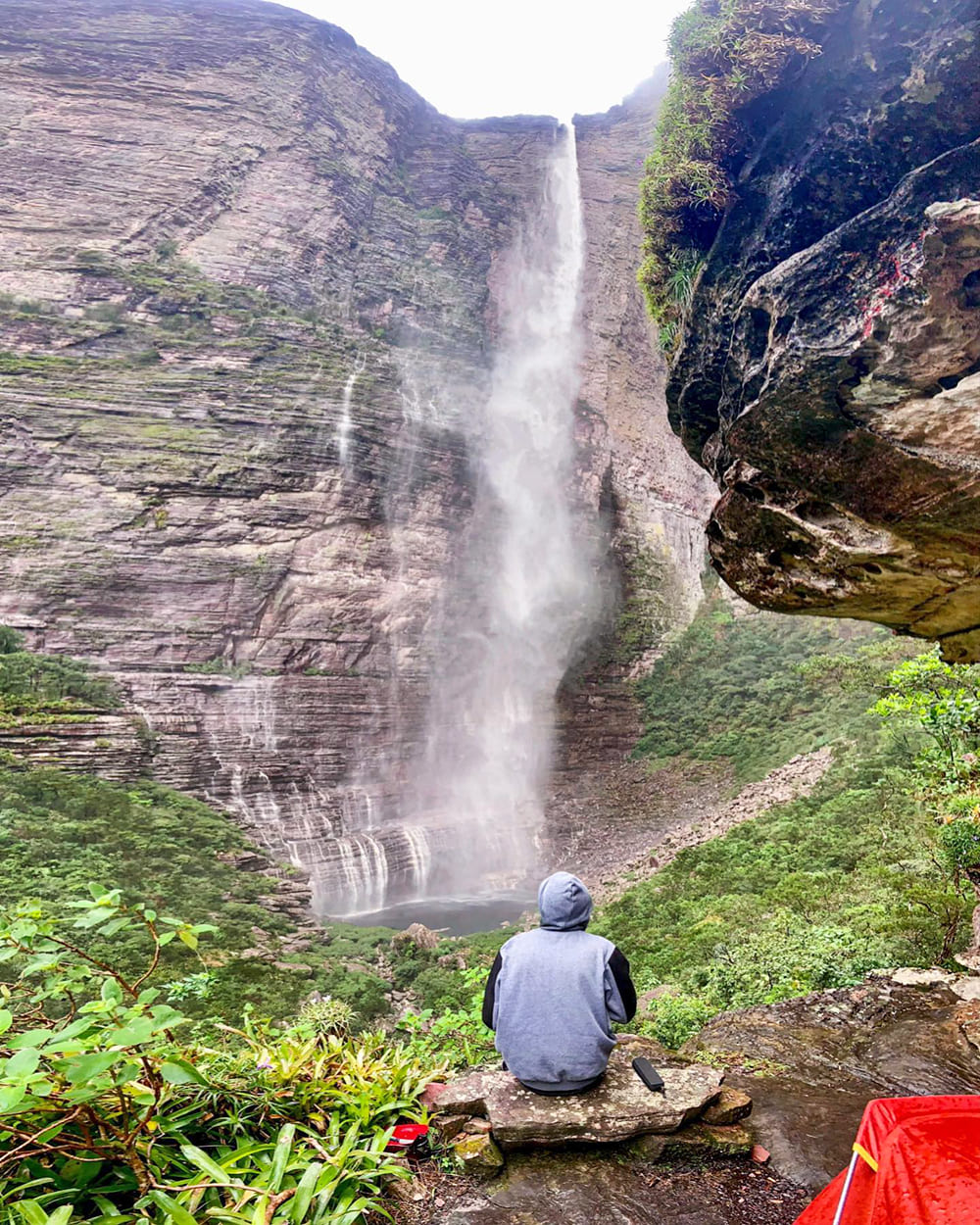
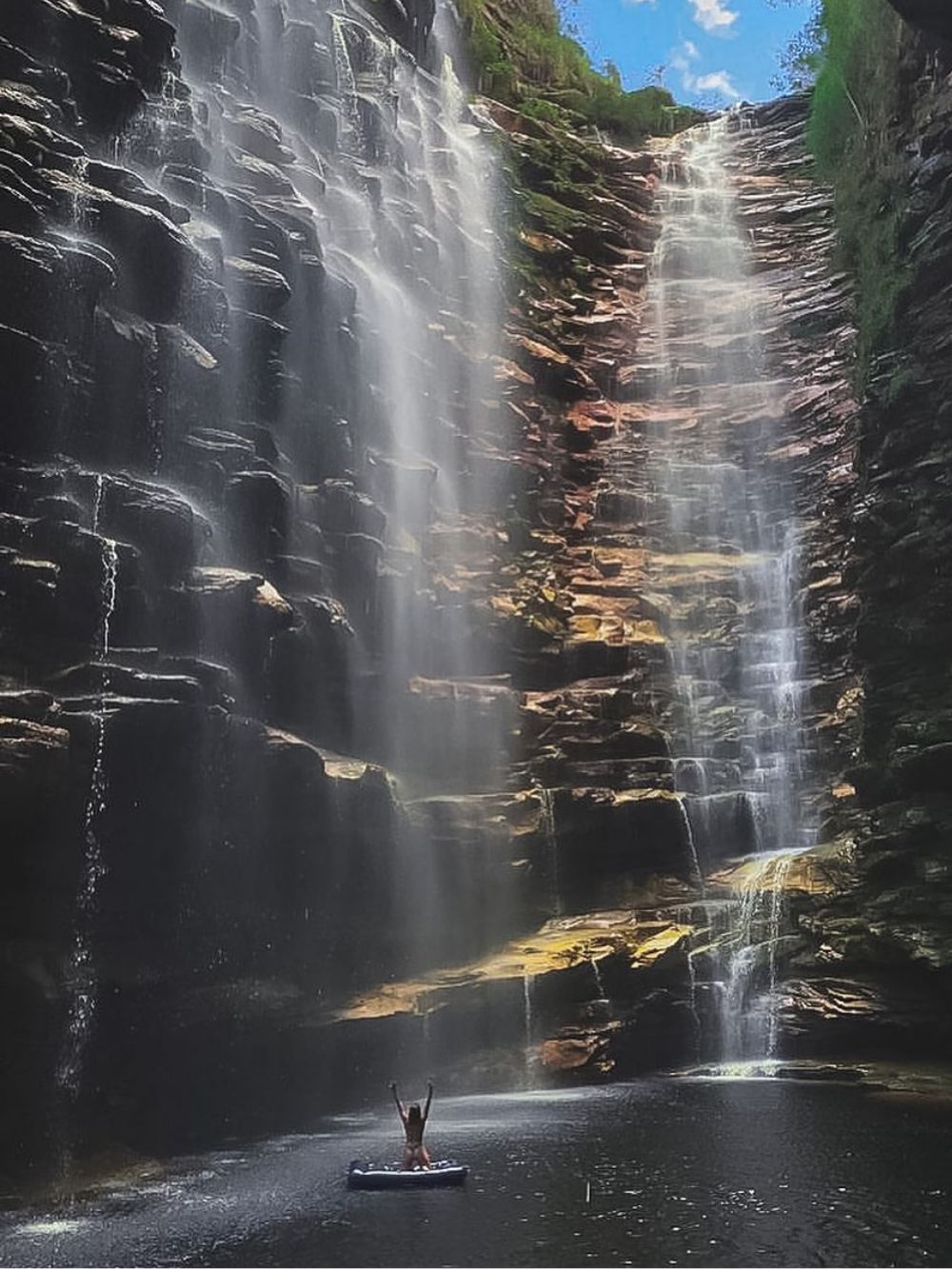
    Samuel is also one of the tallest waterfalls in Chapada Diamantina, with a drop of around 100 meters. Hidden in a forested area near Andaraí, it offers a spectacular fall surrounded by lush vegetation and rocky walls.

    Although not as famous as Fumaça or Buracão, Samuel is a rewarding stop for those seeking impressive scenery in a quieter, less-visited spot.
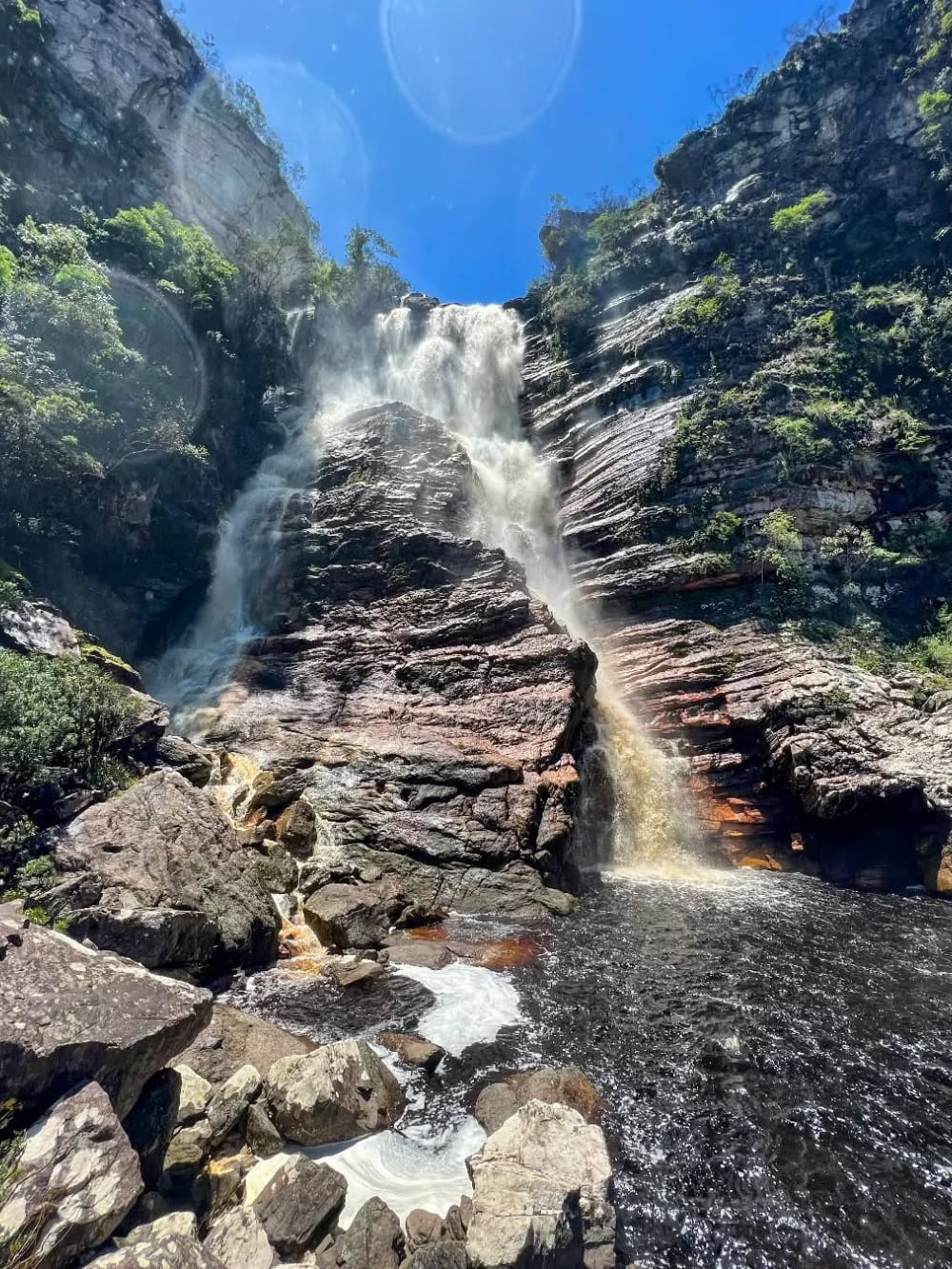
     The tall Samuel Waterfall cascades down massive rocky walls into a dark pool, surrounded by lush forest near Andaraí.
    @pablofotografias

    How to get to Samuel?

    Reach Samuel Waterfall via the old mining roads near the Roncador region. The trek is long and demanding: 18 km round-trip (around 3 hours each way through dense forest, river crossings, and light rock scrambling).

    Fumacinha Waterfall

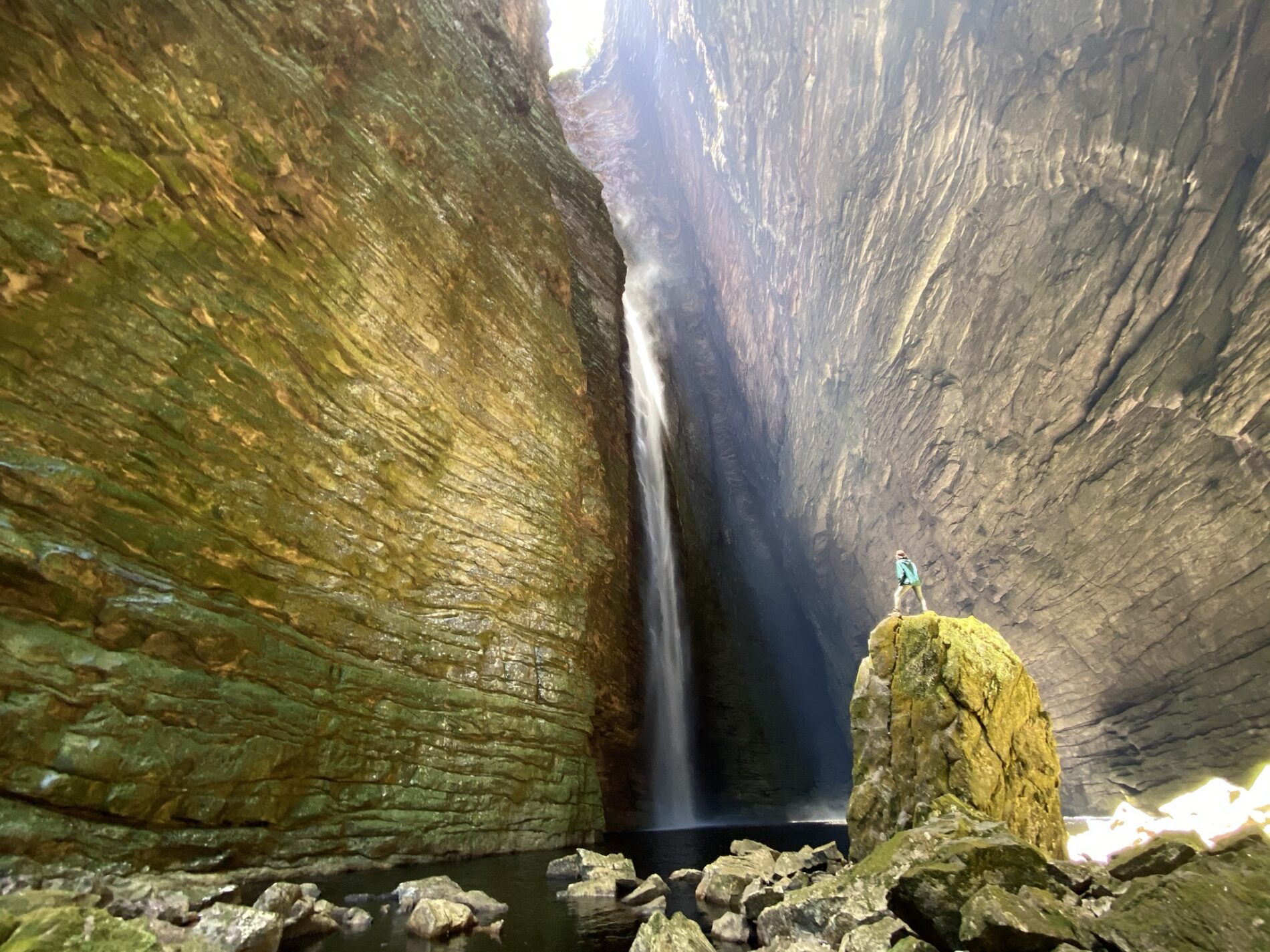
    Fumacinha is one of Chapada’s most remote and dramatic waterfalls, with a vertical drop of around 100 meters inside a narrow canyon. The setting is wild and imposing: towering rock walls, a dark cave at the base, and the constant roar of water make it a truly unforgettable sight for those who can endure the long journey.
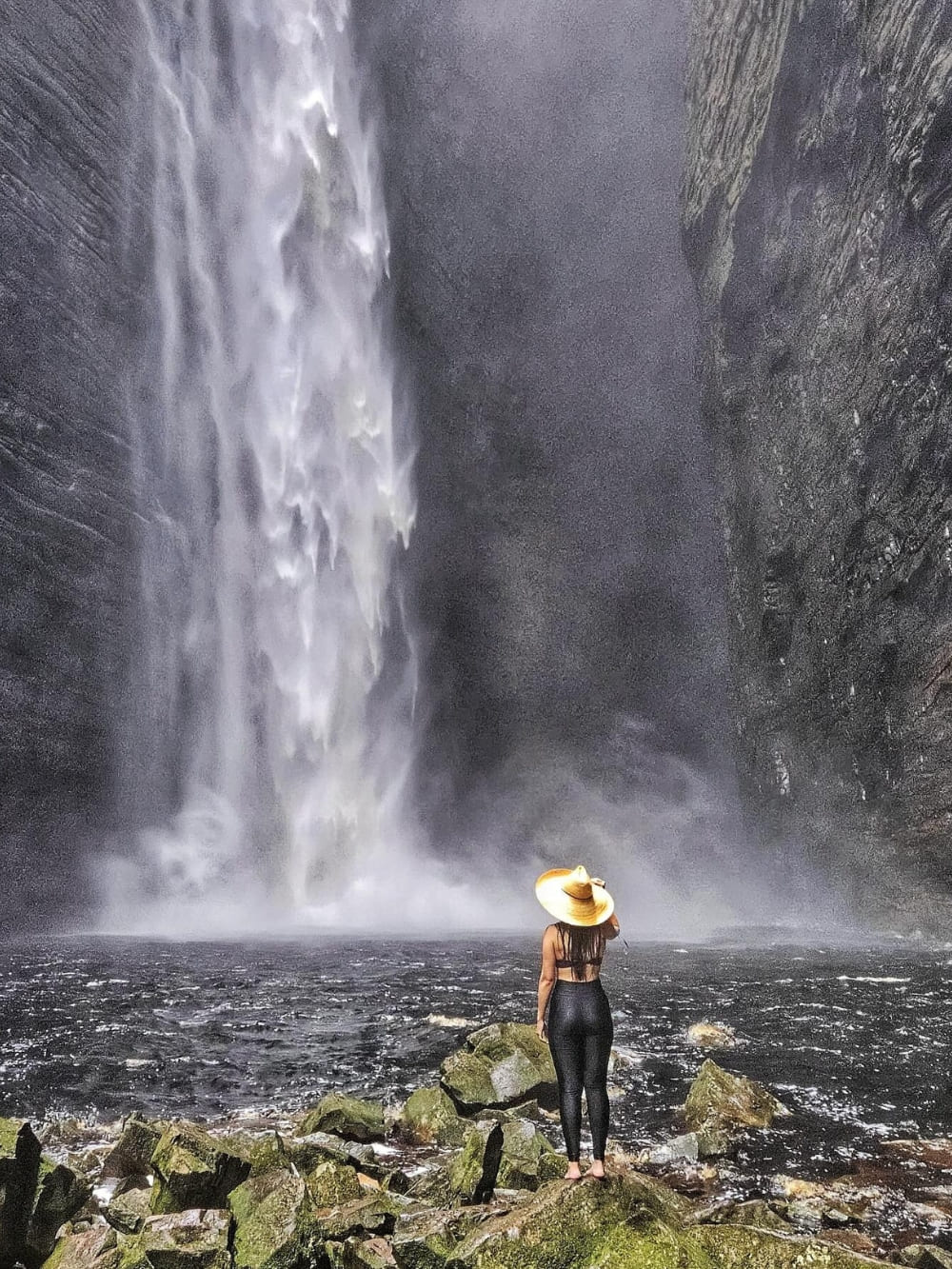
    A hiker wearing a hat stands at the edge of a dark pool, looking up at the dramatic 100-meter vertical drop of Fumacinha Waterfall inside a narrow canyon.
    @alicesantos.nutri

    How to get to Fumacinha?

    Near Ibicoara, Fumacinha is reached by a challenging 18 km round-trip trek featuring river crossings, boulders, and forest sections. Due to its difficulty, hiring a local guide is highly recommended. One of the best waterfall hikes in Brazil for adventurers who love a challenge!

    Herculano Waterfall 

    Herculano is far from the main tourist routes, making it a true off-the-beaten-path destination. With rugged 100-meter-high cliffs and a large pool at its base, it’s the kind of place where you can enjoy the wilderness in peace.
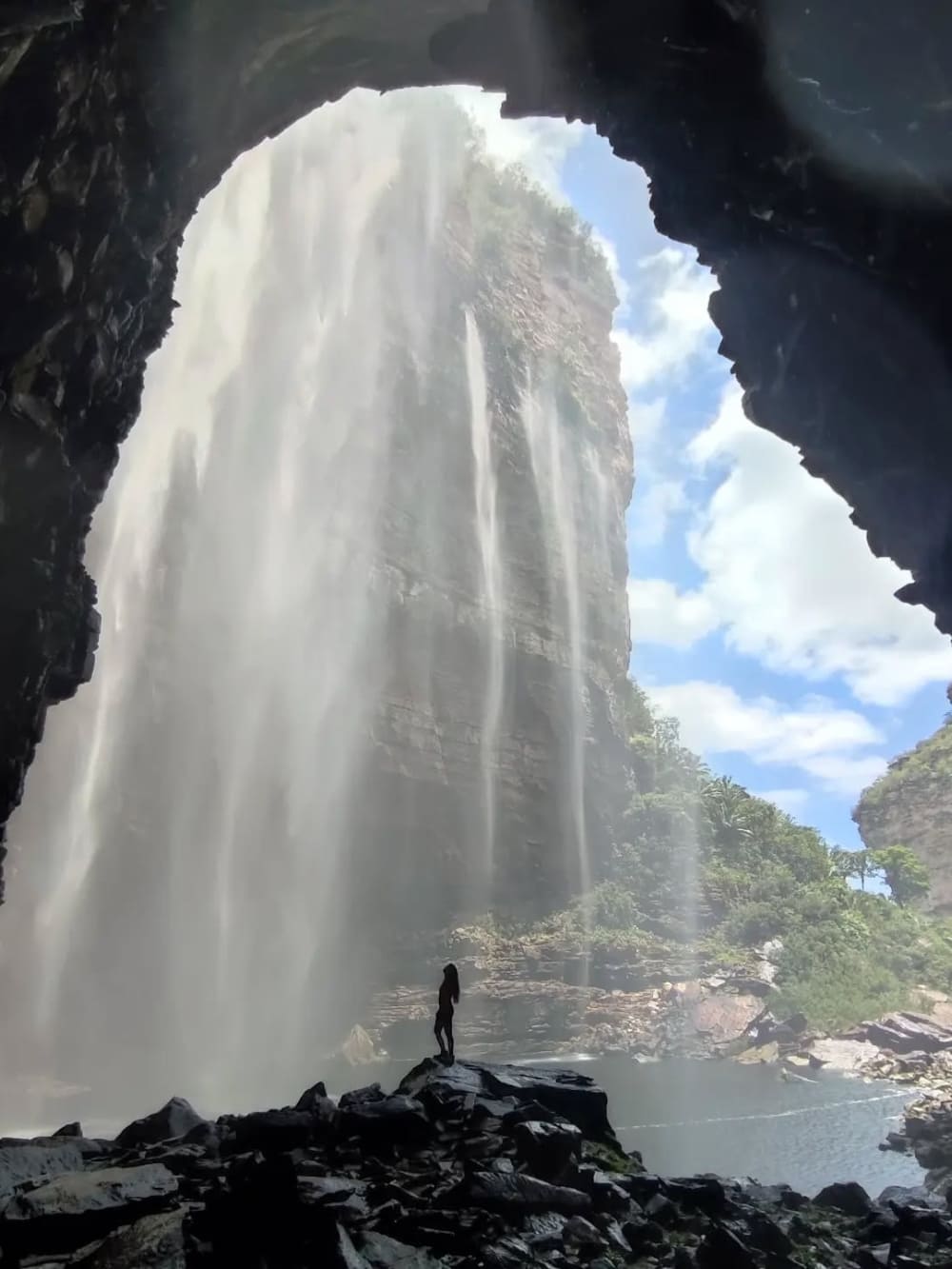
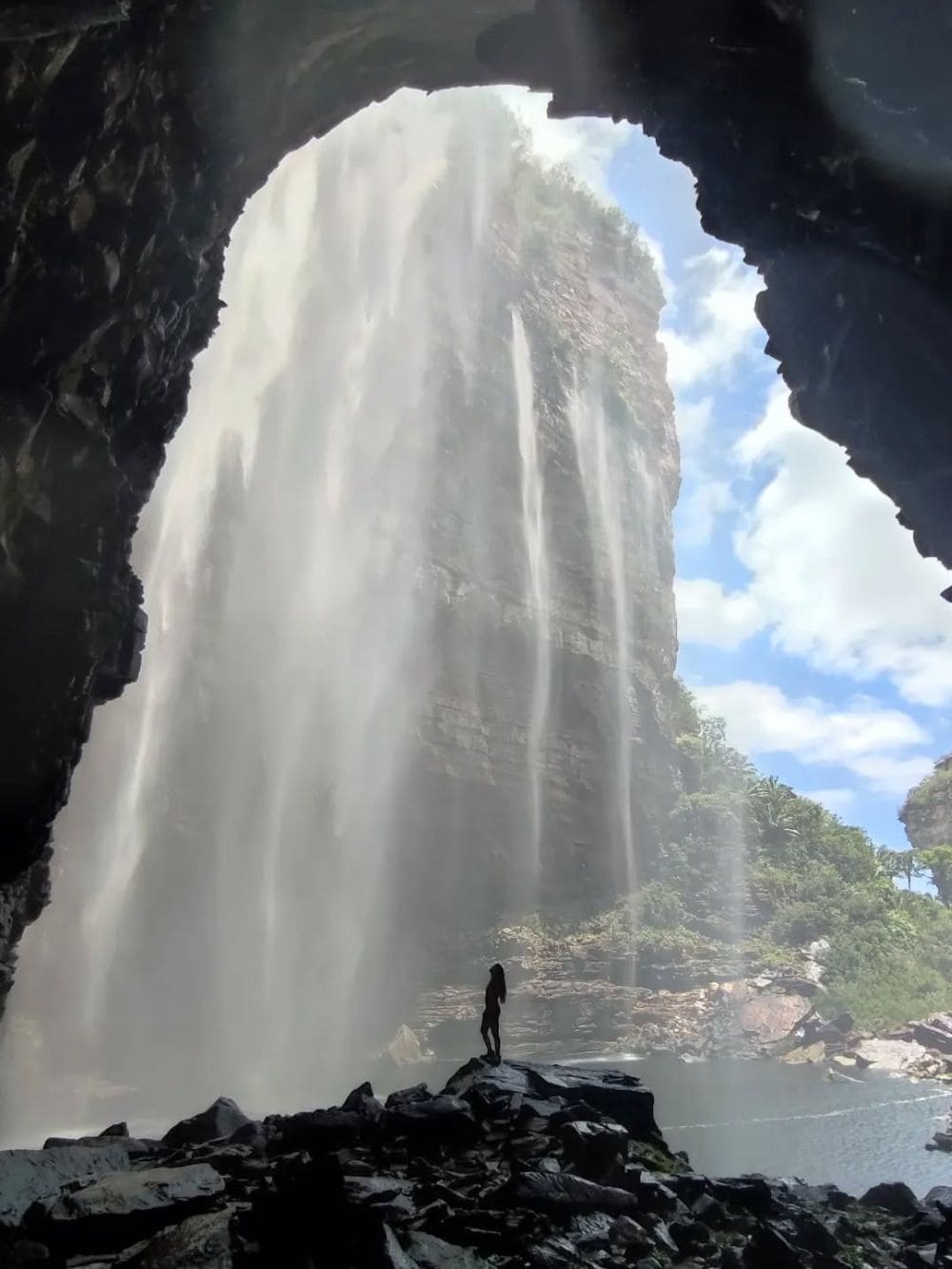
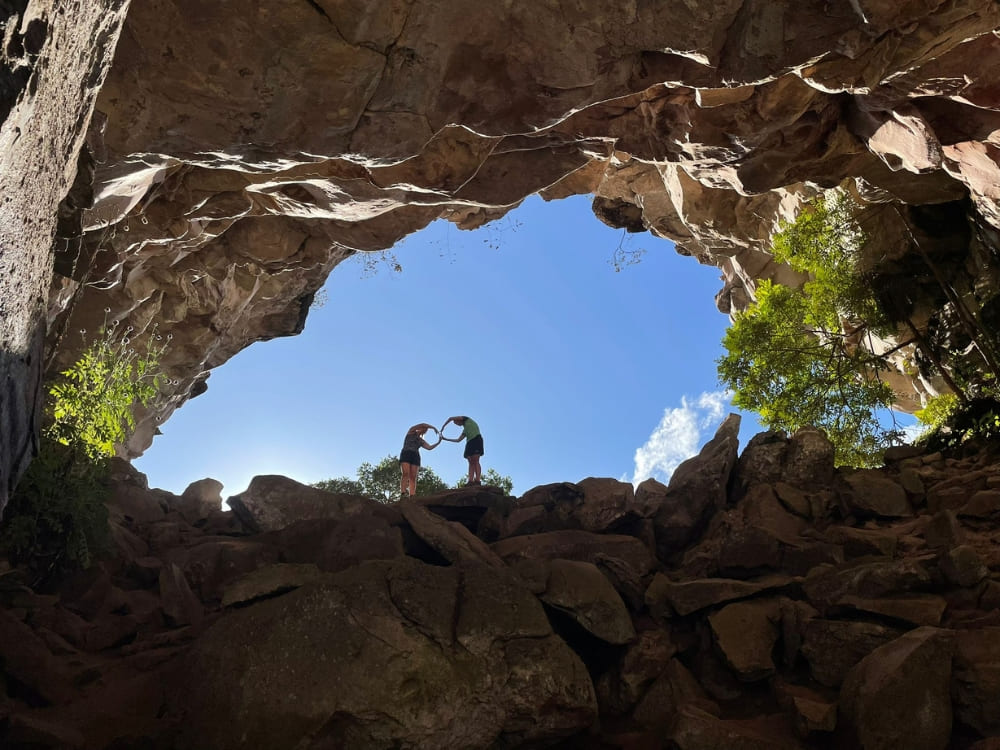
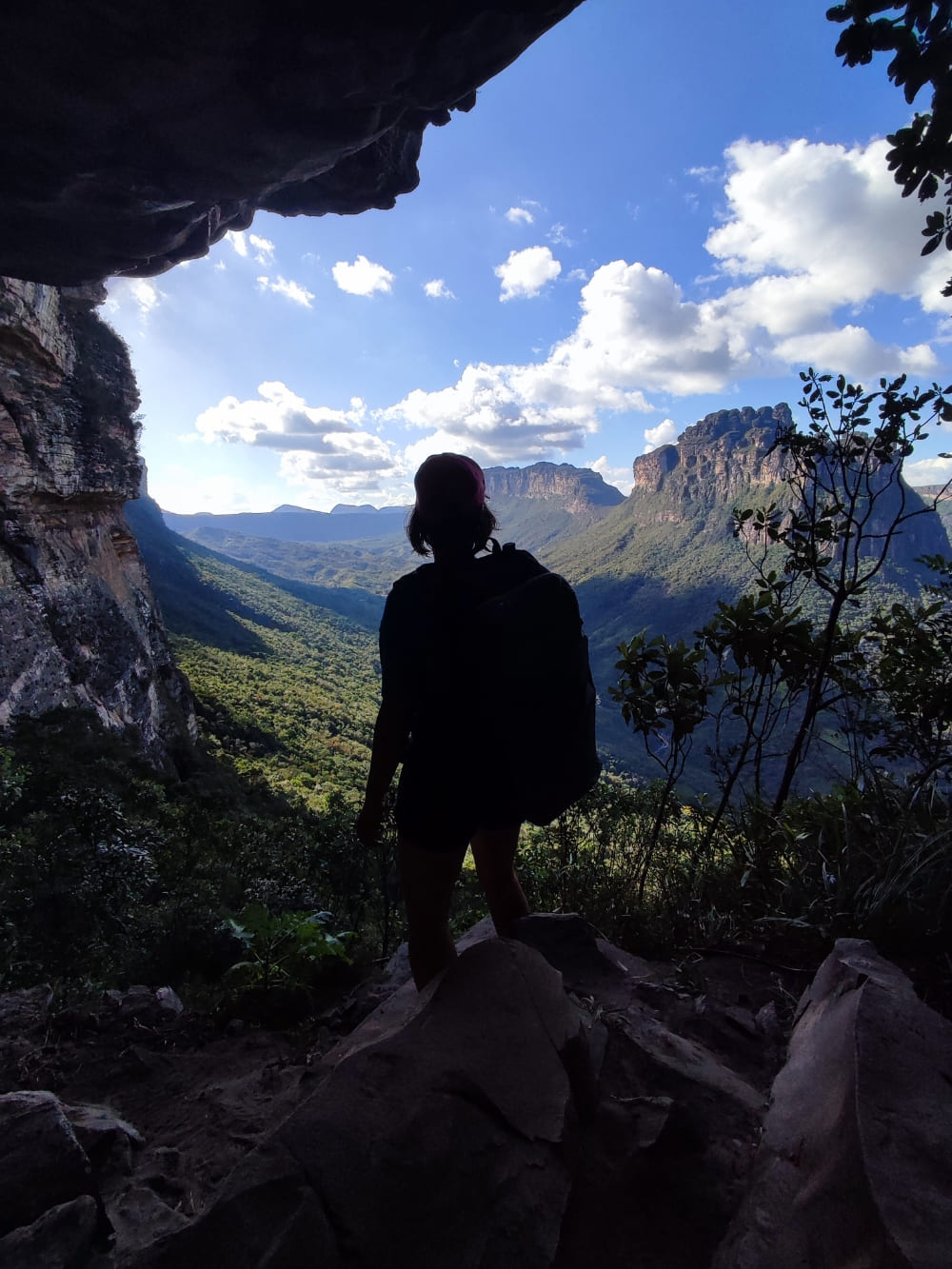
    A silhouette of a person standing on rocks near a dark cave entrance, looking out at the rugged 100-meter cliffs of Herculano Waterfall.
    @poliana_barbosa_guia

    How to get to Herculano?

    Located near Andaraí, Herculano requires a guided hike through little-marked forest trails and river crossings. The route isn’t signposted, which is why hiring a professional is so important. The trek is moderate in length but remote, adding to the feeling of isolation and exclusivity.

    Encantada Waterfall 

    One of the most spectacular waterfalls in Chapada Diamantina, Encantada has an impressive drop of around 230 meters. The water plunges into a deep canyon, often creating rainbows when the sunlight hits the mist. 

    Its remote location means it’s far less visited than other waterfalls, but for those who make the journey, the view is absolutely breathtaking, especially during the rainy season, when the water flow is the strongest.
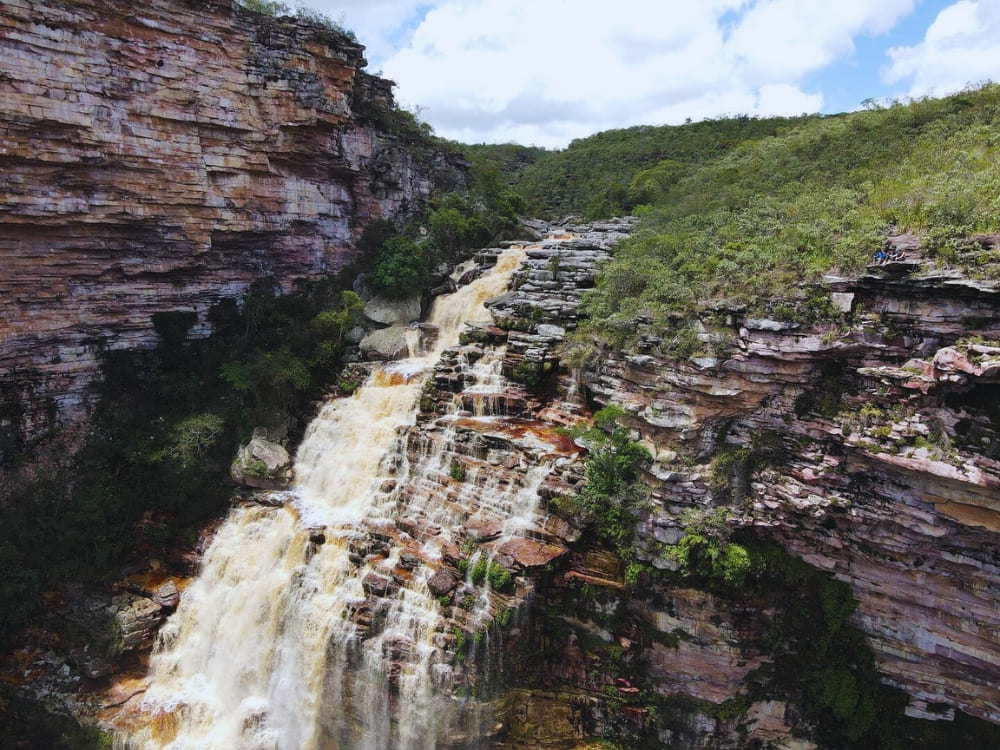
    The 230-meter Encantada Waterfall plunges over flat, terraced rocky ledges into a deep canyon near Itaetê.
    @anderson_liiima_bunenen_

    How to get to Encantada?

    Located near Itaetê, access requires a guided hike through forested trails and rocky terrain. The trek can take several hours and is considered moderately difficult, but the reward is one of the most impressive views in the entire national park.

    Sossego Waterfall 

    True to its name, Sossego (“tranquility”) is a peaceful 20-meter waterfall that forms a natural pool surrounded by boulders. The trail itself is part of the adventure, passing smaller cascades and rocky sections before reaching the final fall. Many hikers also stop at Ribeirão do Meio, known for its natural waterslide, on the way back. It’s one of the best waterfall trails in the area!
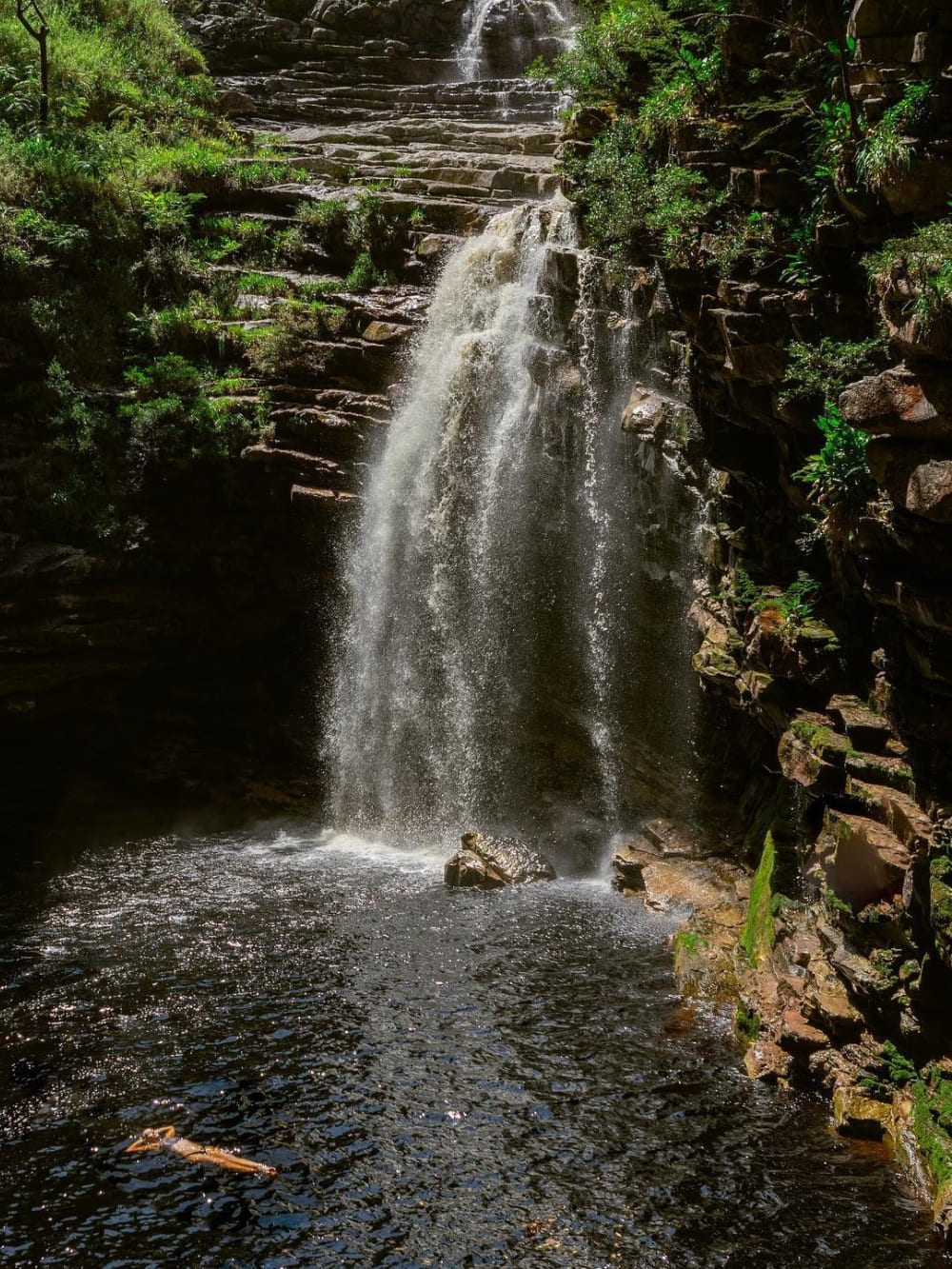
    A person swims in the peaceful, dark natural pool at the base of the 20-meter Sossego Waterfall near Lençóis.
    @lilianflorio

    How to get to Sossego?

    From Lençóis, it’s a 7 km hike (around 3 hours each way) along the Ribeirão River, with stretches over rocks and stream crossings. Trekking with a local guide is advised!

    Mixila Waterfall 

    With a dramatic drop of about 80 meters inside a narrow canyon, Mixila is a waterfall for true explorers. Getting to it is an adventure in itself: the path includes stretches of river trekking and, in some cases, light rappelling. Its remote location and low visitation keep the atmosphere wild and pristine.
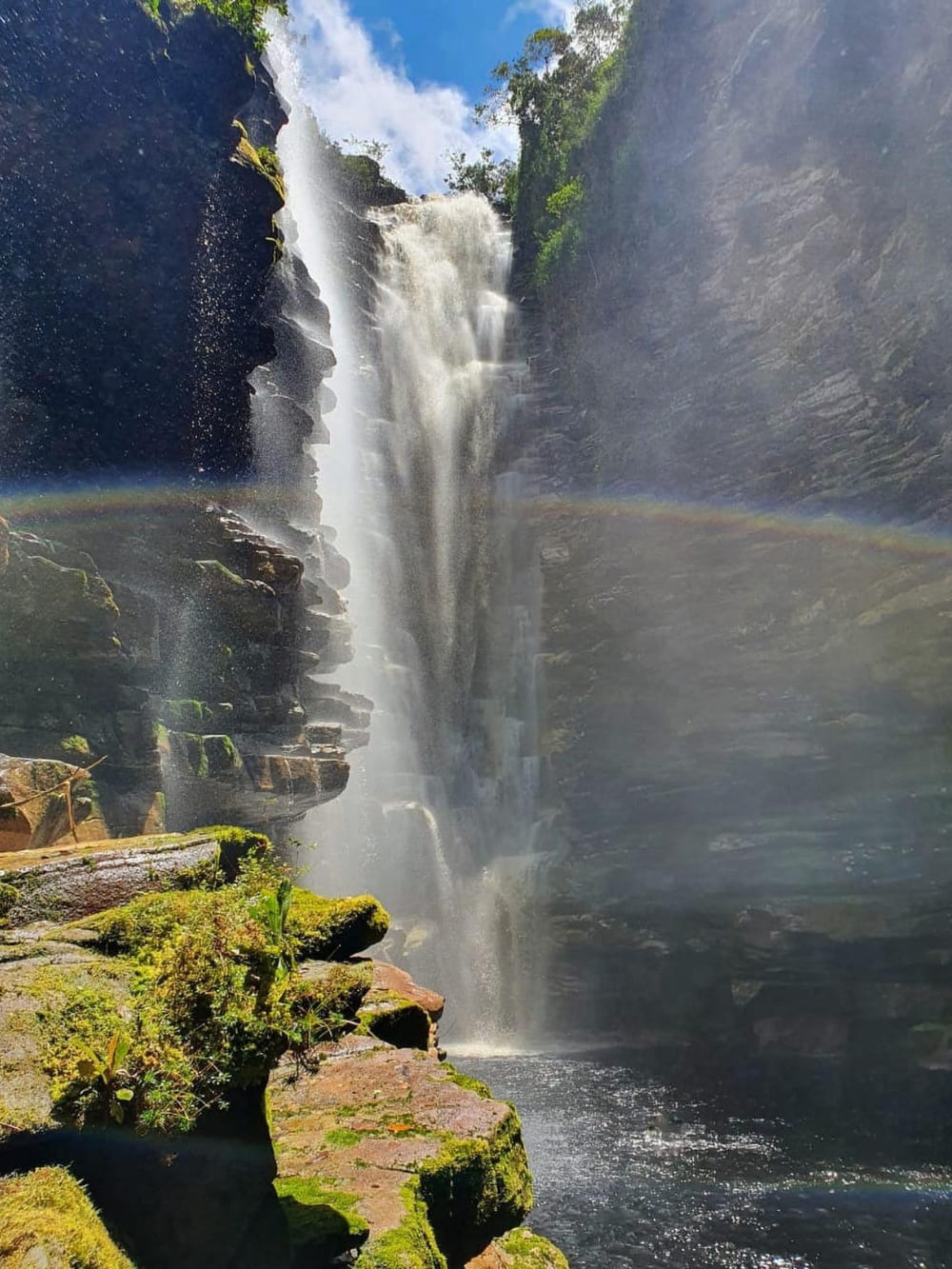
    A bright rainbow forms in the mist of Mixila Waterfall, an 80-meter drop hidden deep inside a narrow rocky canyon.
    @taynaguiasaothome

    How to get to Mixila?

    From Lençóis, Mixila is reached on a full-day or two-day guided hike, following the Capivari River. The route includes smaller falls such as Capivari and Poção along the way. Due to its technical sections and river crossings, going with a guide is strongly recommended.

    Swimming in the Waterfalls

    If you’re wondering whether you can swim in the waterfalls, the answer is a definite yes—but it depends. 

    Many waterfalls featured in this article have natural pools suitable for swimming, though some are best appreciated only from viewpoints or due to difficult access. To ensure a smooth, safe trekking experience, stick to our suggestions:

    • Buracão: swim or float through the canyon and reach the pool at its base.
    • Mosquito: a large natural pool ideal for a refreshing dip.
    • Sossego: a calm basin surrounded by rocks; great for a break.
    • Mixila: deep pools along the canyon for adventurous swimmers.
    • Cachoeirão (from below): pools at the base of the canyon, though access requires a longer trek.
    • Fumacinha: natural pool inside the canyon, though the water is usually very cold.
    • Herculano: large, deep pool at the base, perfect for a swim.
    • Samuel: a pool formed by its tall drop, suitable for swimming after the hike.
    • Funil: beautiful cascades with a large pool at the base, ideal for swimming.
    • Encantada: requires a rigorous, technically demanding canyon trek.

    Better appreciated from viewpoints:

    • Cachoeirão lookout: panoramic viewpoint only.
    • Fumaça lookout: famous for its “smoke effect,” no pool access.

    Keep in mind: be cautious with slippery rocks and strong currents, and follow your guide’s recommendations to ensure your safety!
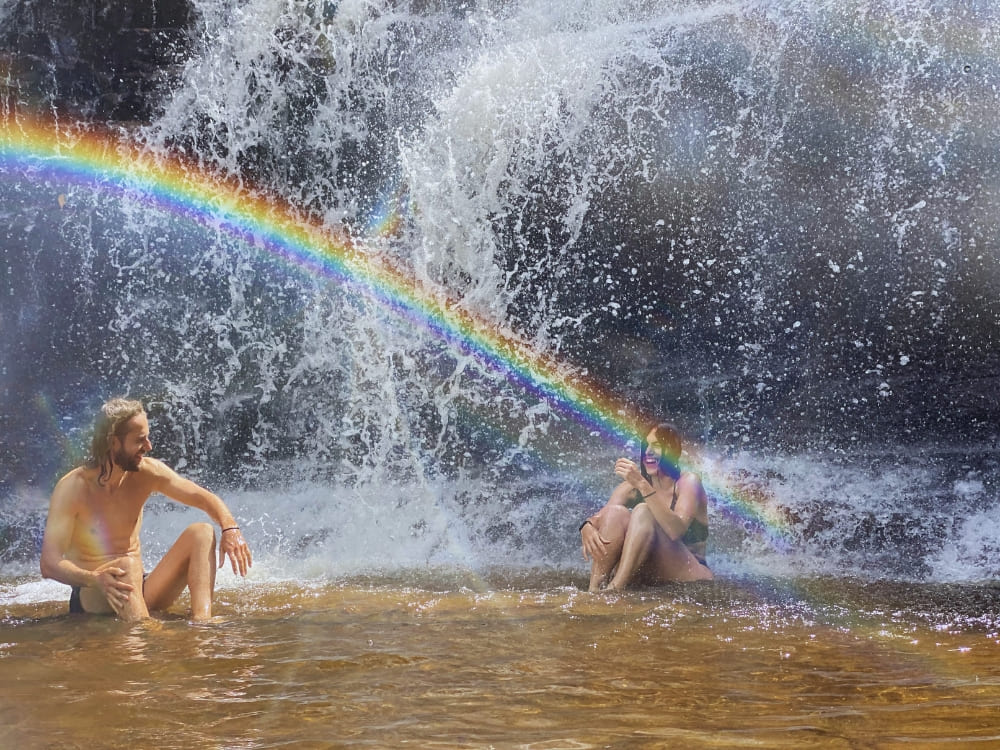
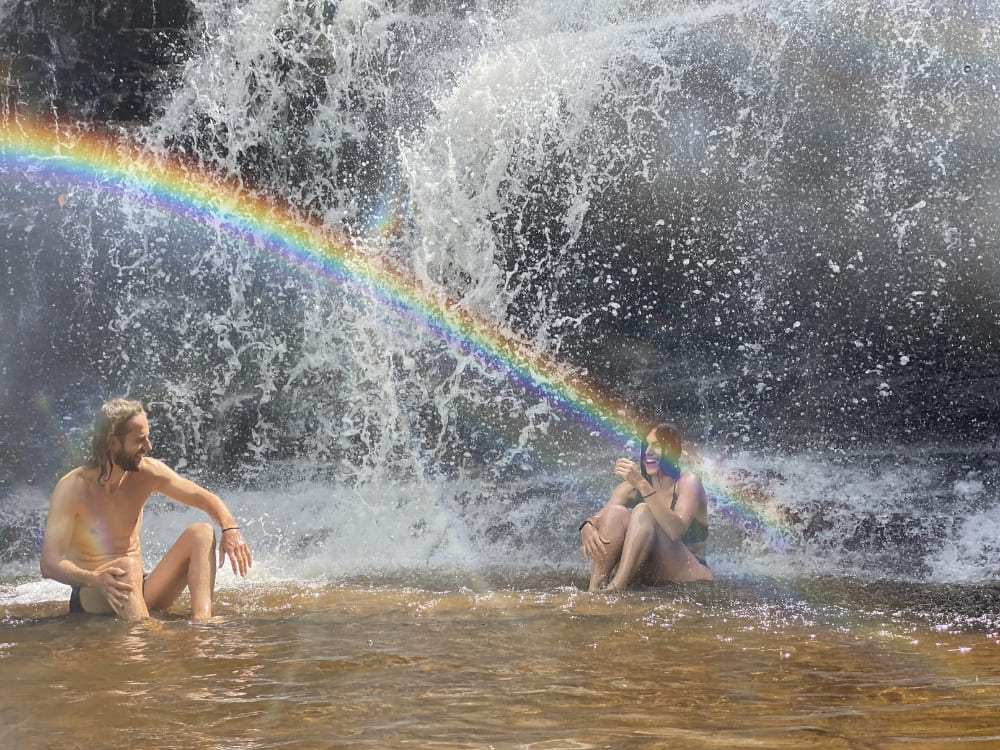
    Two travelers relax in the shallow golden waters of a Chapada Diamantina waterfall pool, with a vivid rainbow shining across the mist.
    .

    Why is the Water Dark?

    The dark, tea-colored waters of Chapada Diamantina come from tannins released by leaves and organic matter along the rivers. It’s a natural feature, not pollution, which means the water is totally safe for swimming. 

    Depending on the depth and light, the water can appear golden, amber, or almost black, giving the pools a mysterious beauty. The sandy rock formations in the region act as natural filters, keeping it clear of impurities.
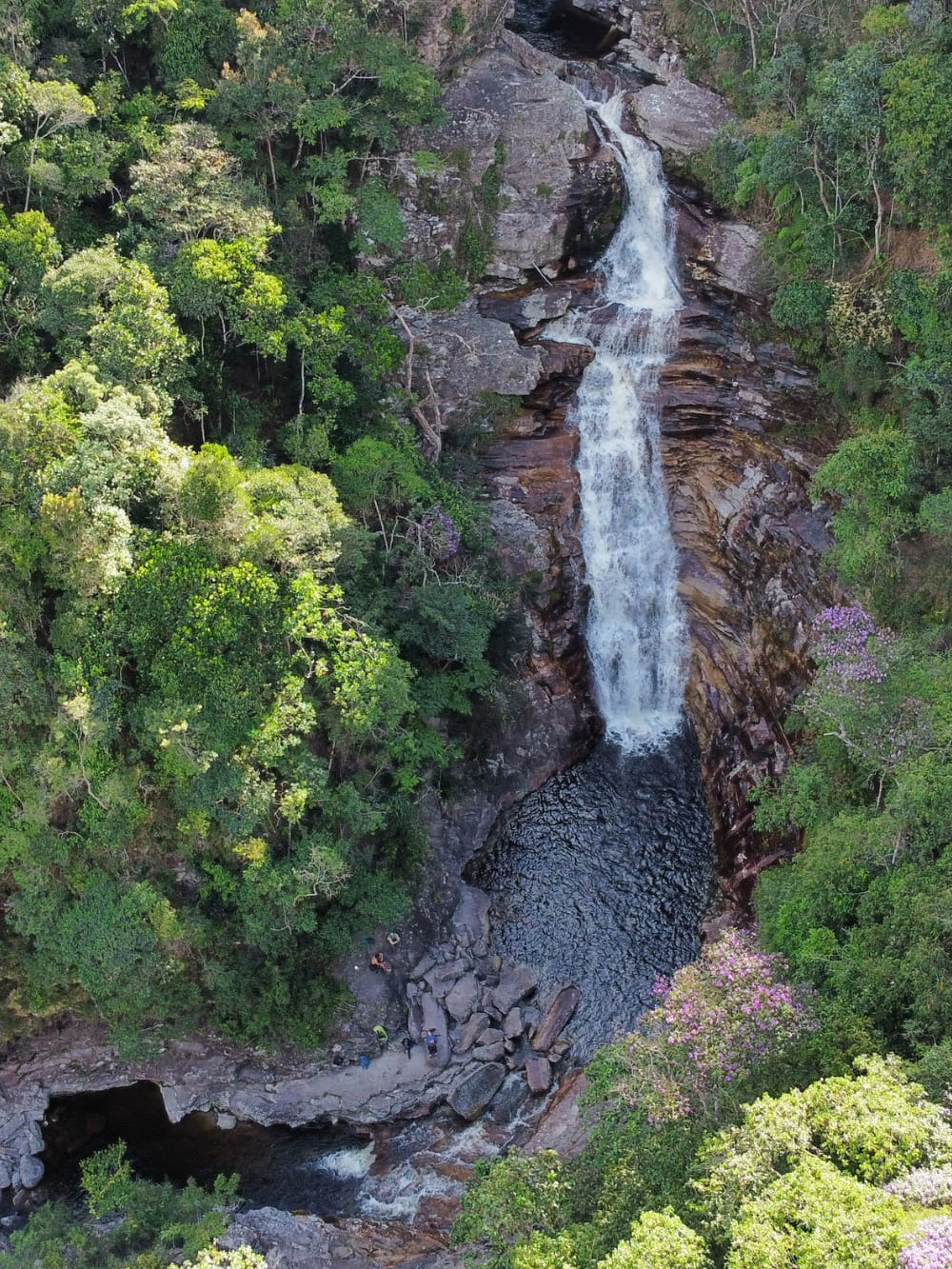
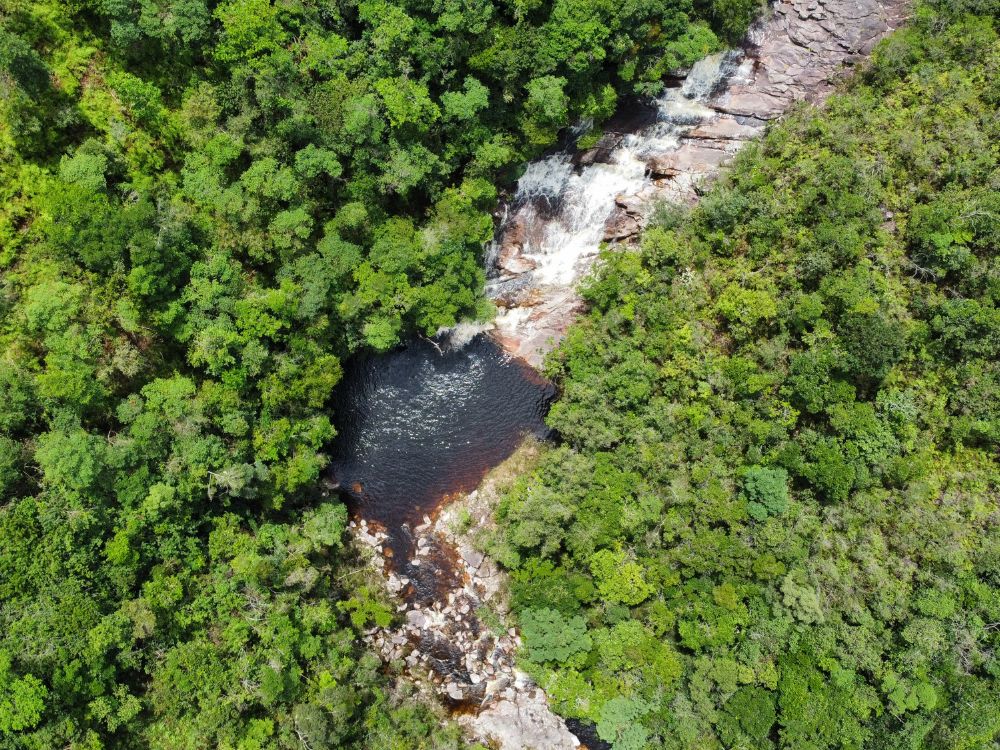
    An aerial view of a powerful waterfall dropping down stepped rocks into a dark, tea-colored pool, surrounded by dense green forest.
    .

    👉 Read more: 10 Travel Tips for Chapada Diamantina

    Are the Waterfalls in Chapada Diamantina Cold? When is the Best Time to Visit?

    Since the rivers are mountain-fed, most waterfalls stay cold year-round. After a long hike in the sun, a refreshing dip becomes part of the adventure!

    • Dry Season (May–September): easier trails, but some waterfalls lose volume.
    • Rainy Season (November–March): waterfalls are powerful and photogenic, but trails can be slippery.
    • Post-Dry (April–May & September–October): offers the best balance; good water flow and accessible hikes.
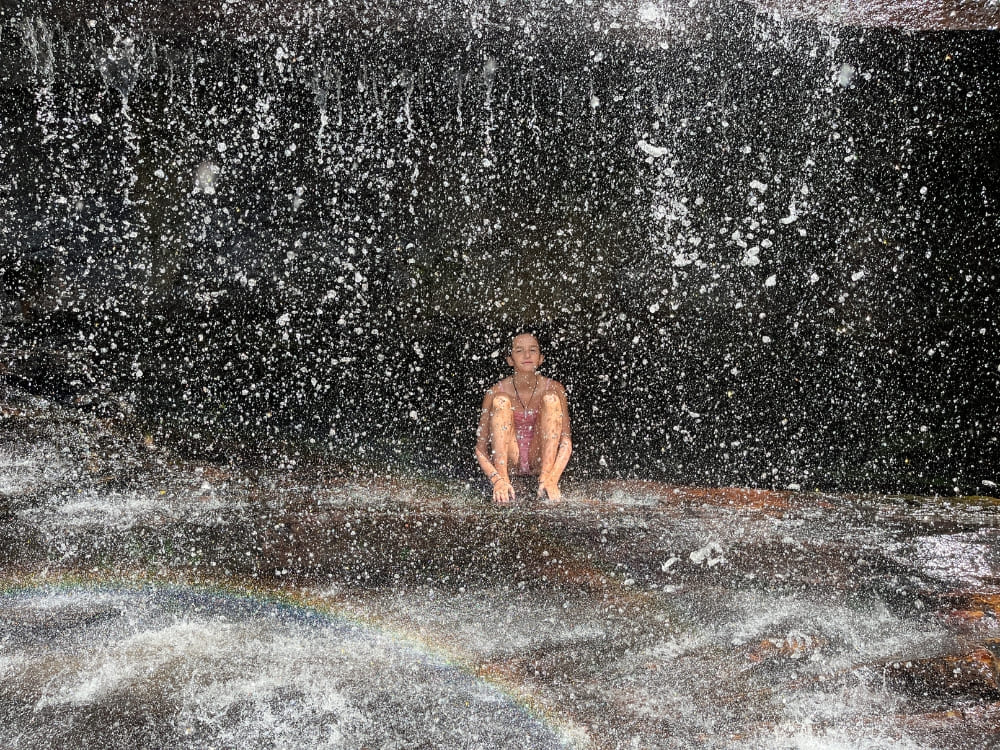
    A person sits against a dark rock wall, enjoying a refreshing shower under the cascading cold waters of a mountain-fed waterfall.
    .

    👉 Read more: When is the best time to visit Chapada Diamantina?

    Visit the Best Waterfall Hikes of Chapada Diamantina with PlanetaEXO

    At PlanetaEXO, an ecotourism platform specializing in Chapada Diamantina tours, our adventures go beyond sightseeing. By traveling with us, you support responsible tourism that protects nature and empowers local communities.

    Our local operators not only know the trails, but they also share stories, traditions, and knowledge to show you just how rich the national park actually is. Contact us now!
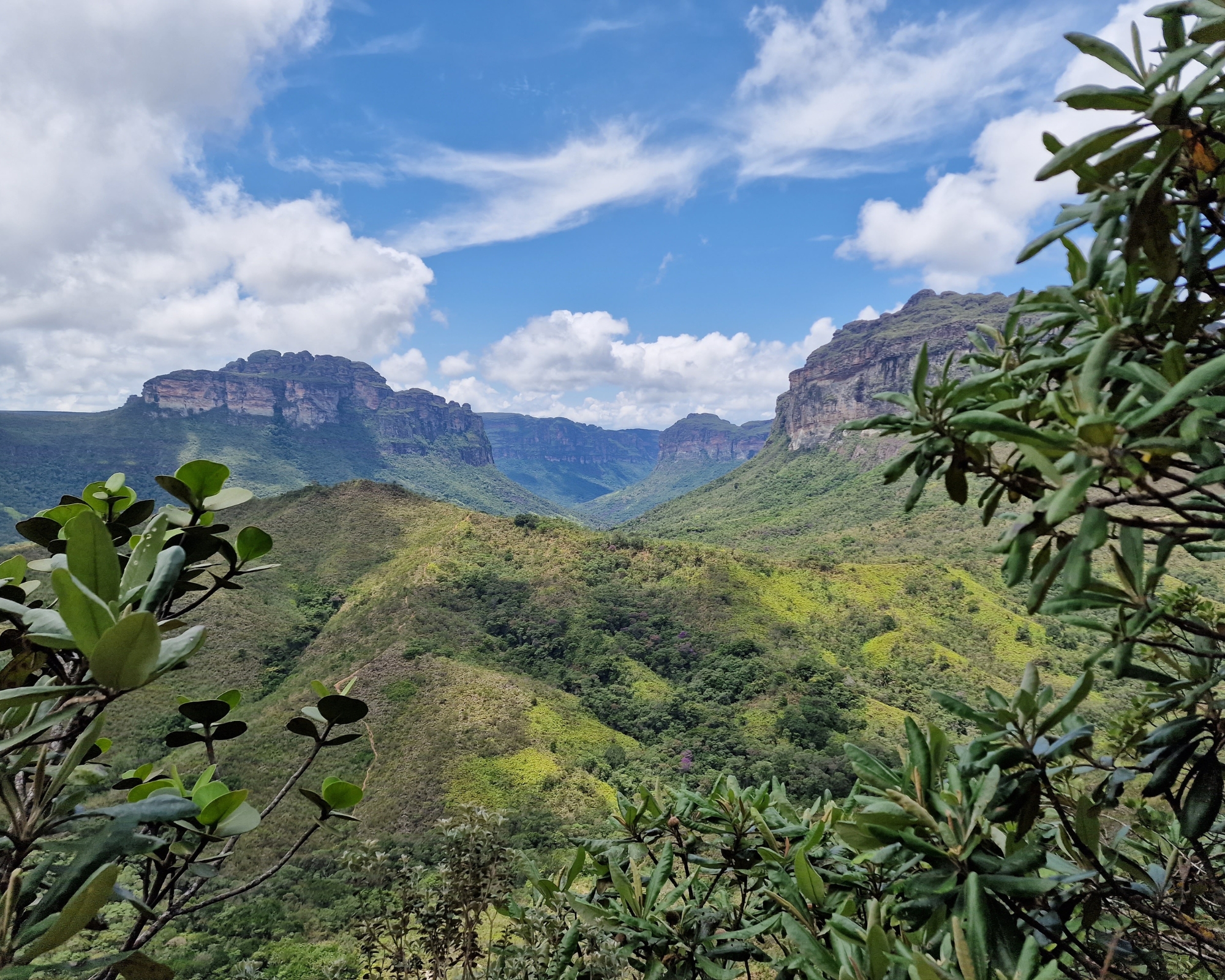
  • 10 Facts about Vale do Pati, Brazil

    10 Facts about Vale do Pati, Brazil

    Looking for an experience in Brazil’s Vale do Pati, the trekking hub of Chapada Diamantina? Learn all about it before booking your trip!

    Amidst Chapada Diamantina National Park, in the state of Bahia, Vale do Pati is a dream destination for trekkers all over the world. Hiking trails, waterfalls, rock formations, and beautiful landscapes make this the perfect place for travelers seeking adventure and full immersion in nature.

    Want to learn more about this fantastic place? PlanetaEXO, an ecotourism platform specializing in Chapada Diamantina tours, has put together 10 facts about Vale do Pati. Check them out below!

    1. Thousands of Football Fields Can Fit Inside Vale do Pati

    Chapada Diamantina National Park ranges over 152,142 hectares—bigger than Hong Kong, Singapore, and Malta—while Vale do Pati’s total area is 12,300 hectares.

    Let’s put it in easier terms: Vale do Pati is as big as 17,227 football (soccer) fields!

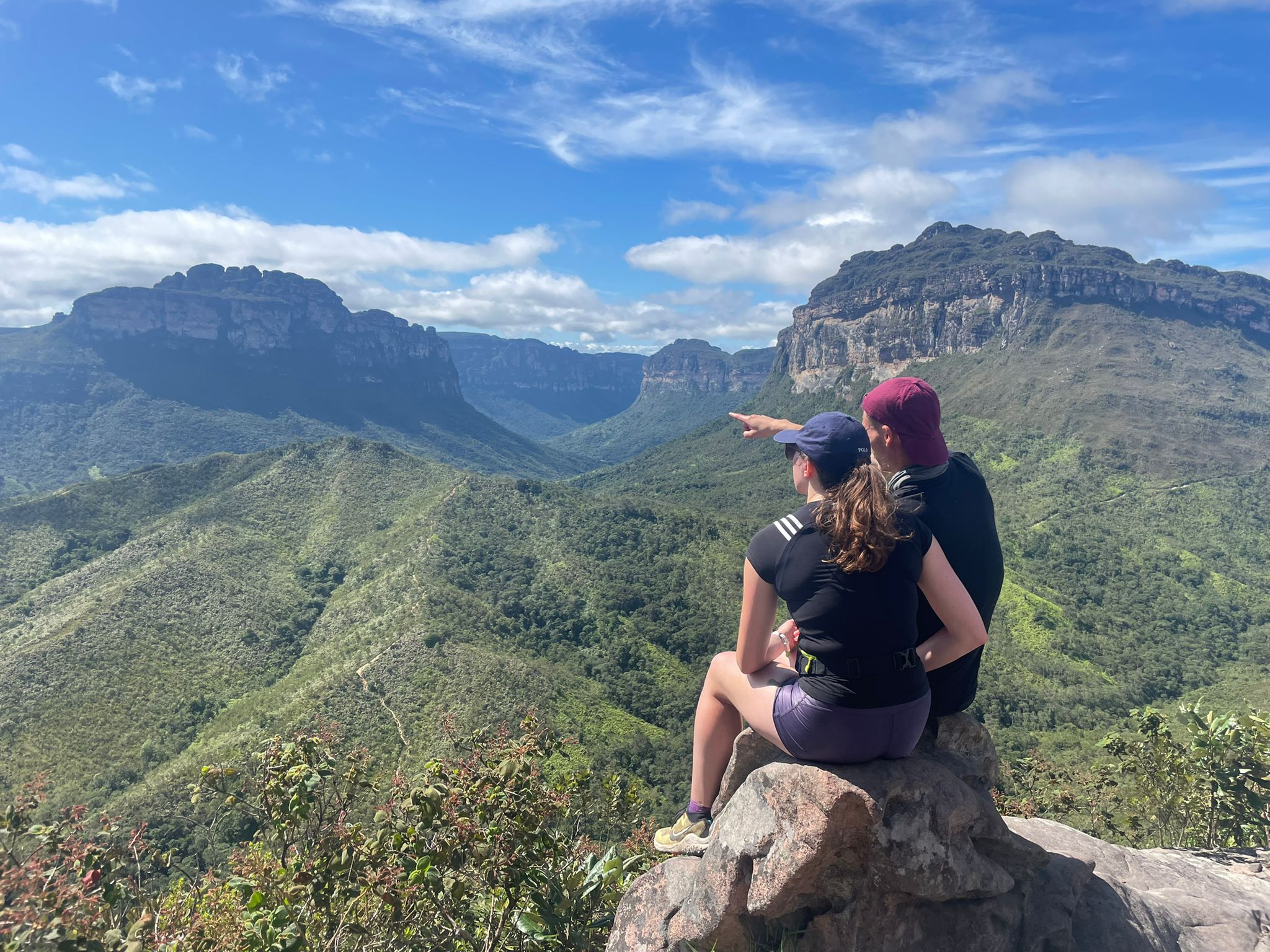
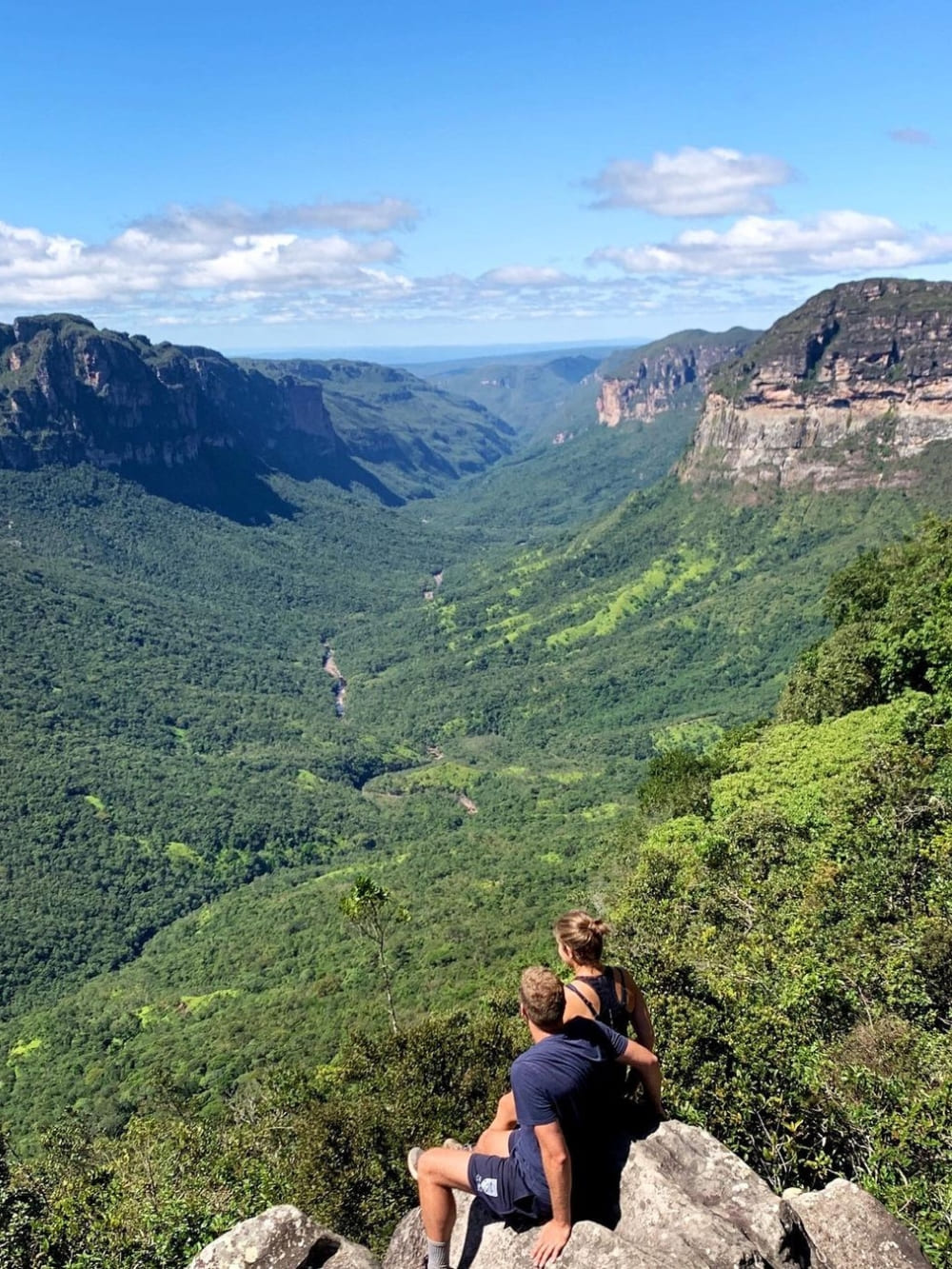
    Two hikers sit on a rocky cliff admiring the vast, green expanse of Vale do Pati in Chapada Diamantina National Park.
    .

    👉 Read more: How to Get to Chapada Diamantina National Park?

    2 – The Downfall of the Coffee Cycle and The Rise of Ecotourism

    The soil in Vale do Pati is known for excellent coffee harvests. In the heyday of the coffee cycle—one of Brazil’s most important economic eras—during the 19th century, over 400 families lived in the area. There was a school, a church, and a city hall.

    Scarce workforce and soil exhaustion caused by mass production prompted the downfall of the coffee cycle in 1930. Consequently, Vale do Pati was abandoned until the late 1970s. In 1985, the region was incorporated into the national park, but this time, only ten families called Pati their home. 

    To this day, locals make a living from ecotourism activities, offering their own homes as a safe place for backpackers to rest.

    3. Authentic Stay Experience in Vale do Pati, Brazil

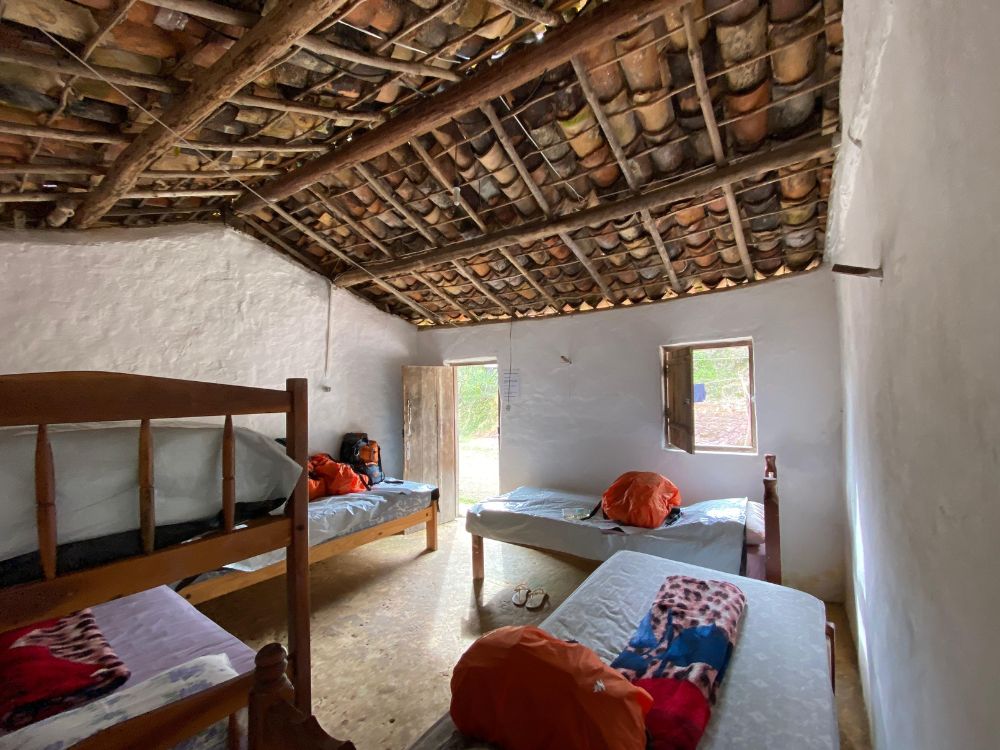
    One of the most relevant facts about Vale do Pati is that this is a remote location, which means there are no hotels, lodges, buildings, or stores. If you’re planning your vacation to this part of Chapada Diamantina, keep in mind that you’ll stay in the locals’ houses—the very same ones we’ve mentioned before.

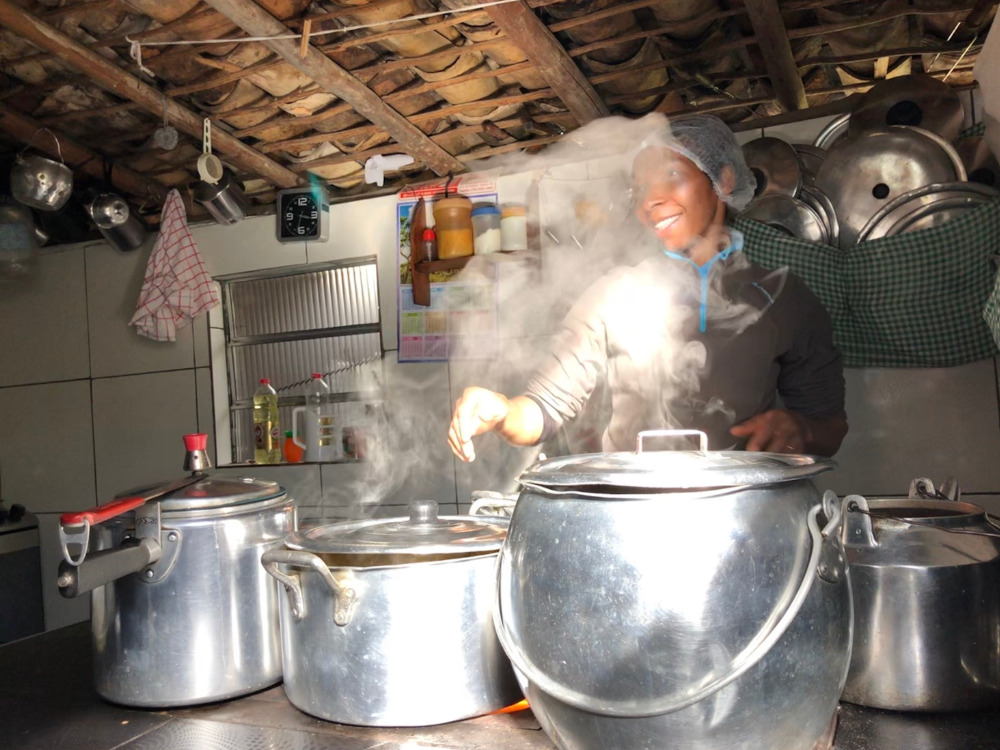
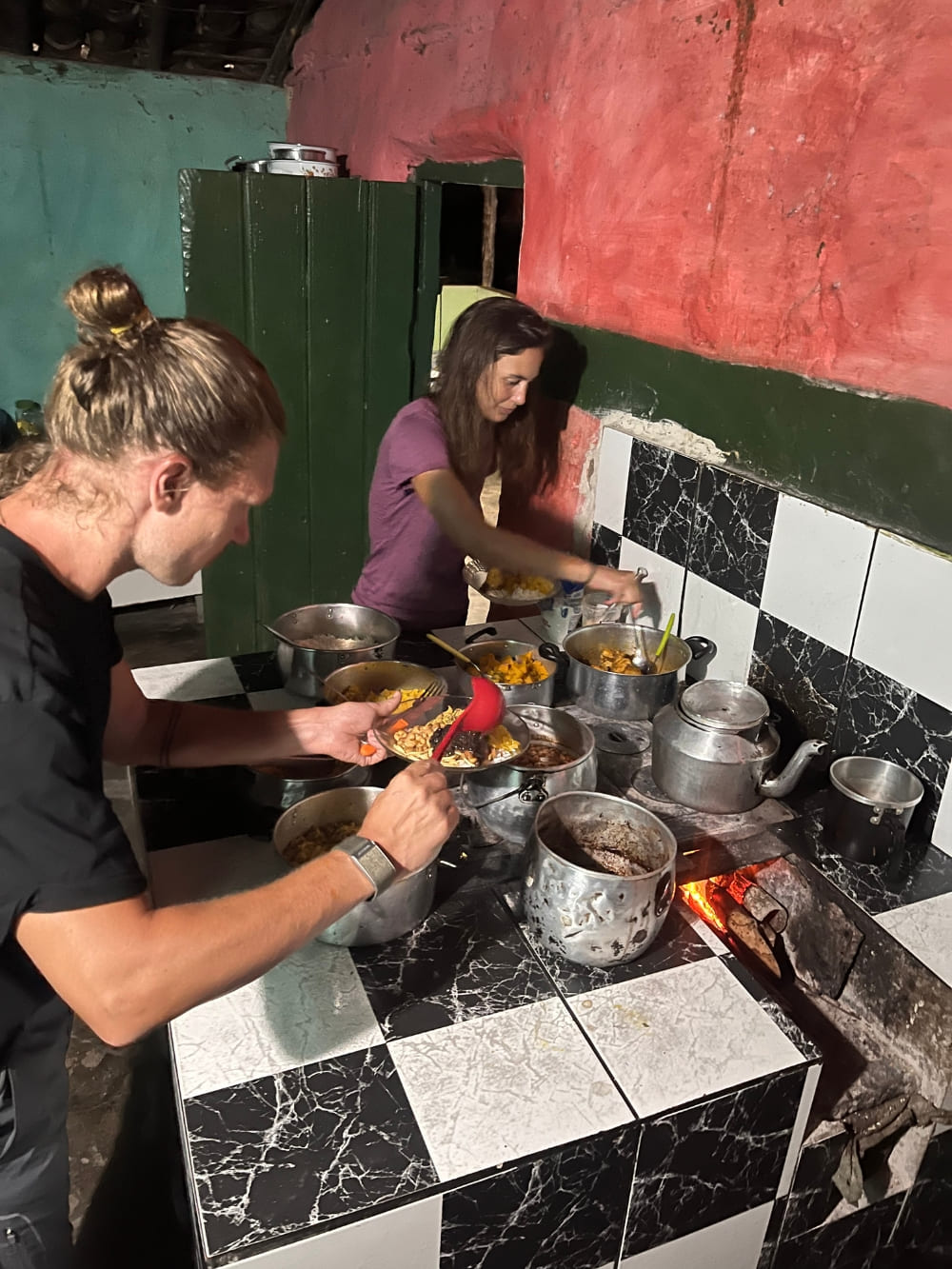
    The accommodations are modest but still cozy and very clean. The authentic stay experience also includes home-cooked meals. If you’re interested in eating typical Brazilian food made by people who know everything about it, this is your chance!

    By staying in the natives’ homes, you’ll get the full experience of what it’s like to live in nature. This is the perfect opportunity to fully immerse yourself in Bahia’s culture, learn all about your hosts’ day-to-day life, and support the local communities to make a living in a sustainable, dignified way.

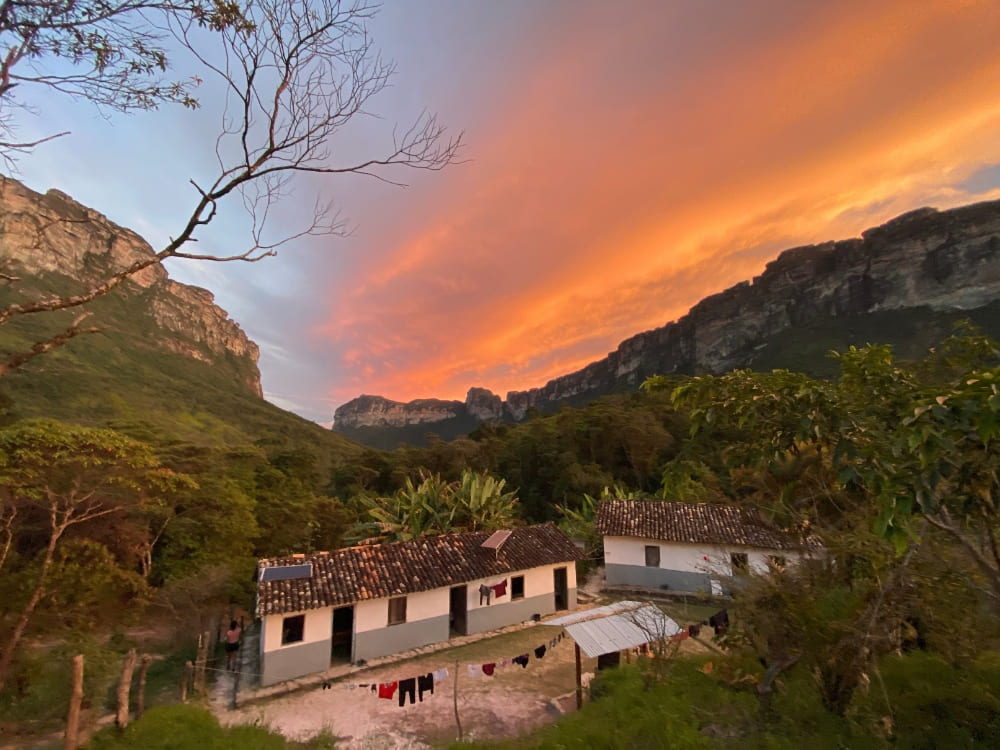
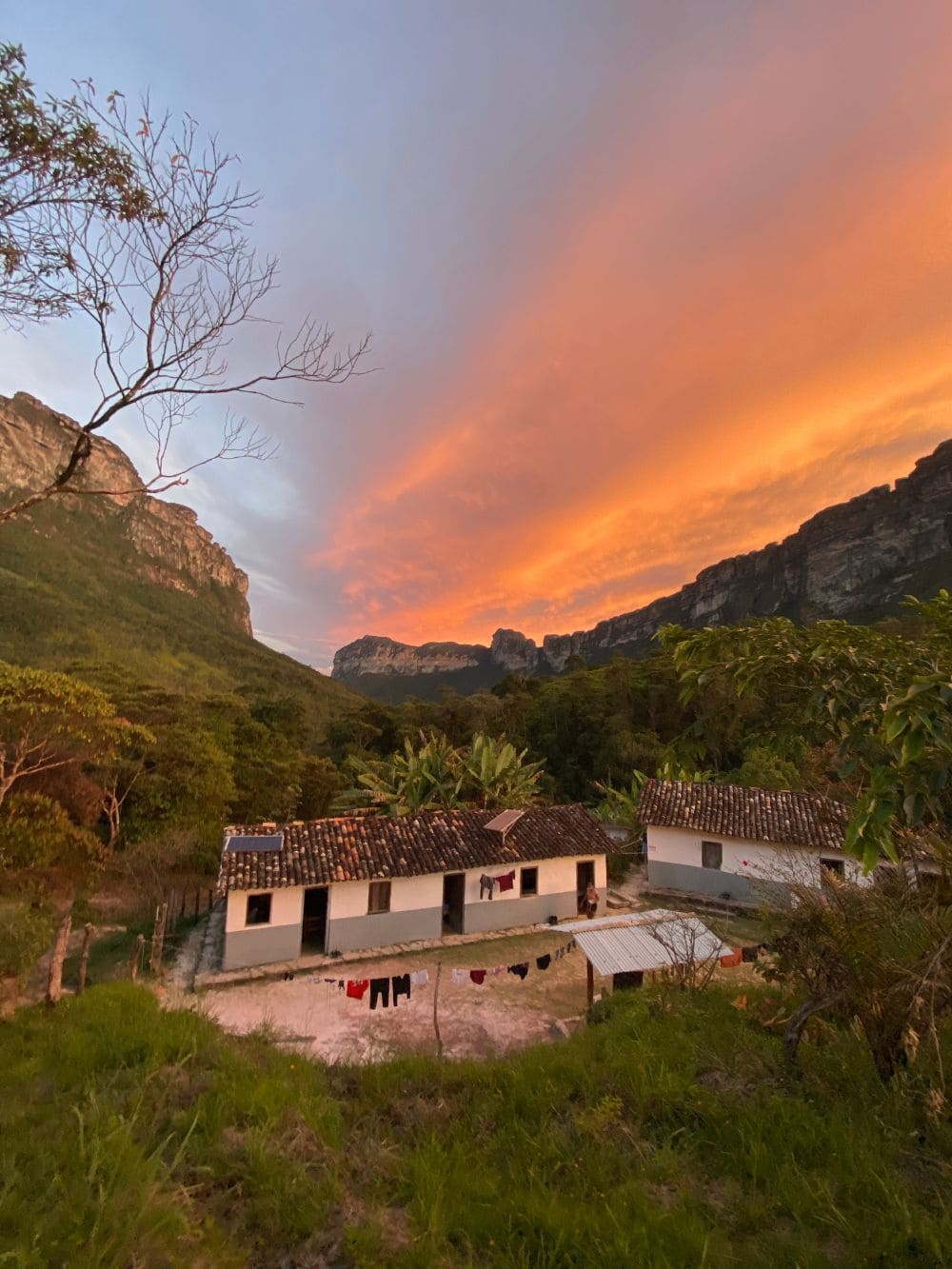
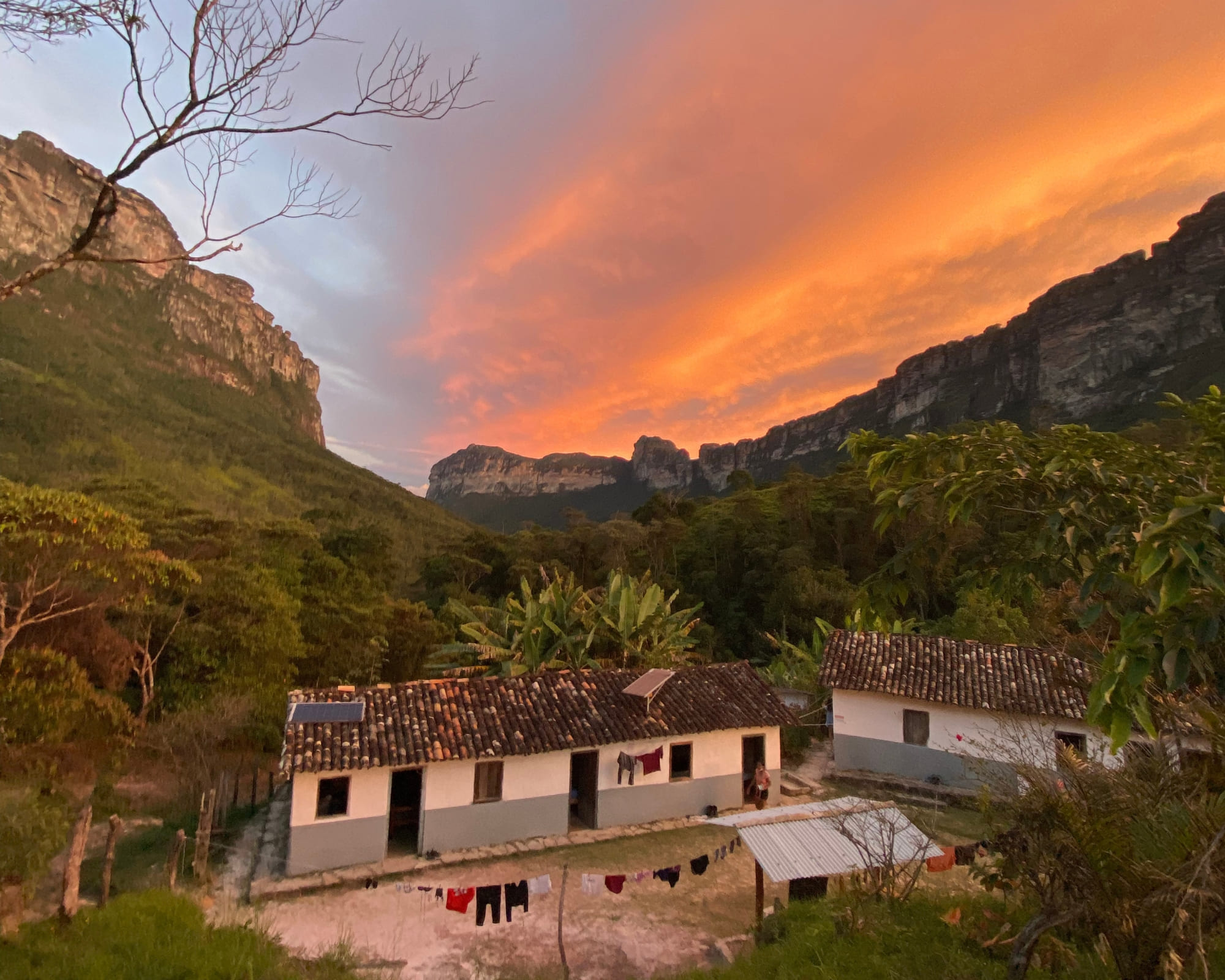
    Modest local houses equipped with solar panels sit in a lush green valley beneath a colorful sunset sky in Vale do Pati.
    .

    👉 Read more: Where to stay in Chapada Diamantina?

    4. Best Trekking Destination in Brazil

    Brazil’s Paty Valley is a popular ecotourism destination due to its great trekking conditions. In 2010, the Ministry of Tourism nominated it the best hike in the country and one of the top circuits on the planet.

    Hiking here is a given to reach pretty much all the iconic attractions of the national park. The good news is that there are options for expert hikers or people with no experience in this type of excursion. The trick is asking your tour guides for recommendations that fit your skills and desired itinerary!

    5. Waterfalls in Vale do Pati

    The waterfalls in Vale do Pati are breathtaking and are considered essential parts of the trekking circuits. If you don’t bathe in a waterfall after a long hike, you’re not enjoying your vacation right!

    Cachoeirão: Its nearly 300-meter fall boasts several smaller waterfalls during the rainy season. To get the full experience, hike on the top side to catch the amazing view of the falls surrounded by mountains and vegetation. Then, explore closer to the well at the bottom.

    Cachoeira dos Funis: Fairly small, the 30-meter fall that pools into a natural well at the base is the perfect place to cool off and relax.

    A hiker stands on a boulder looking up at the towering Cachoeirão waterfall cascading down steep, rocky cliffs.
    .

    👉 Read more: Chapada Diamantina Waterfalls: Best Trails and Hidden Gems

    6. Atlantic Forest

    Vale do Pati is one of the few places in Chapada Diamantina where there still are remnants of the Atlantic Forest, while most of the park is covered by the Caatinga and Cerrado flora, which proves the richness of the region’s biodiversity. 

    The Atlantic Forest features unified treetops that create plenty of shade and humidity, dense vegetation, and a great diversity of mammals, birds, insects, reptiles, amphibians, and fish.

    7. Stunning Lookouts

    Vale do Pati is beautiful everywhere, but there are two specific lookouts that provide stunning panoramic views of Chapada Diamantina: Morro do Castelo and Mirante do Pati.

    At 1600 meters high, Morro do Castelo is the highest point of the national park. To get there, visitors have to face a steep climb and hike around a cave (Gruta da Lapinha).

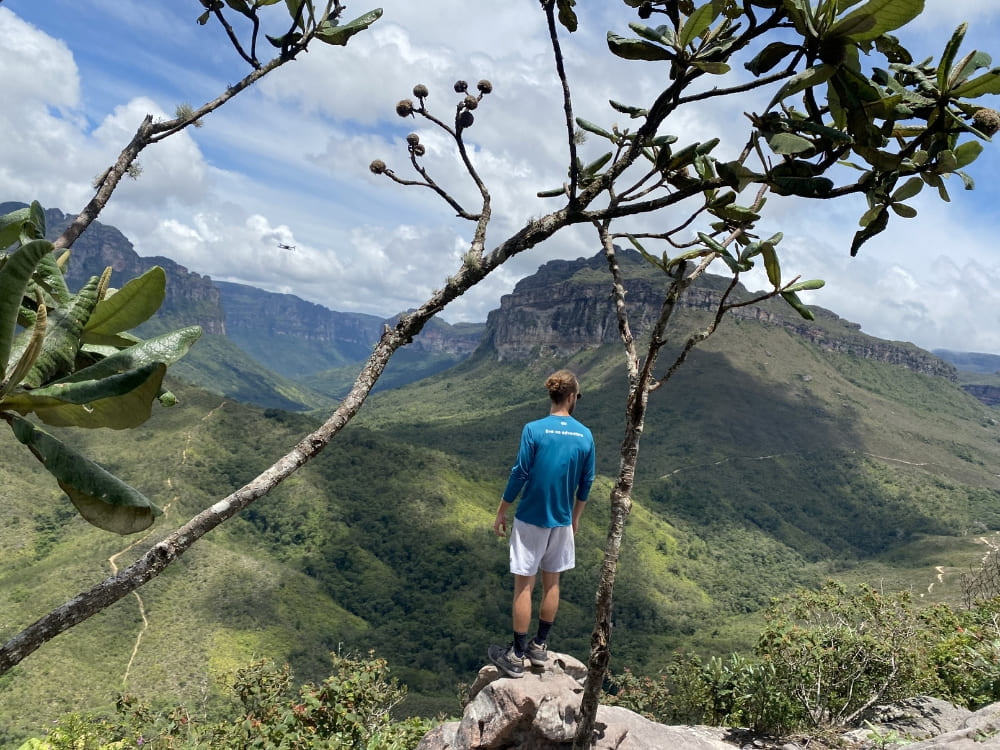
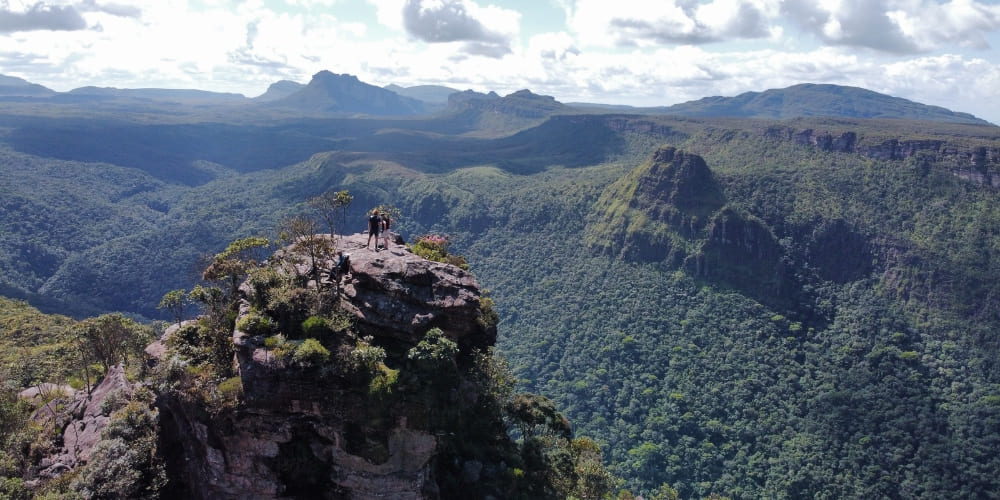
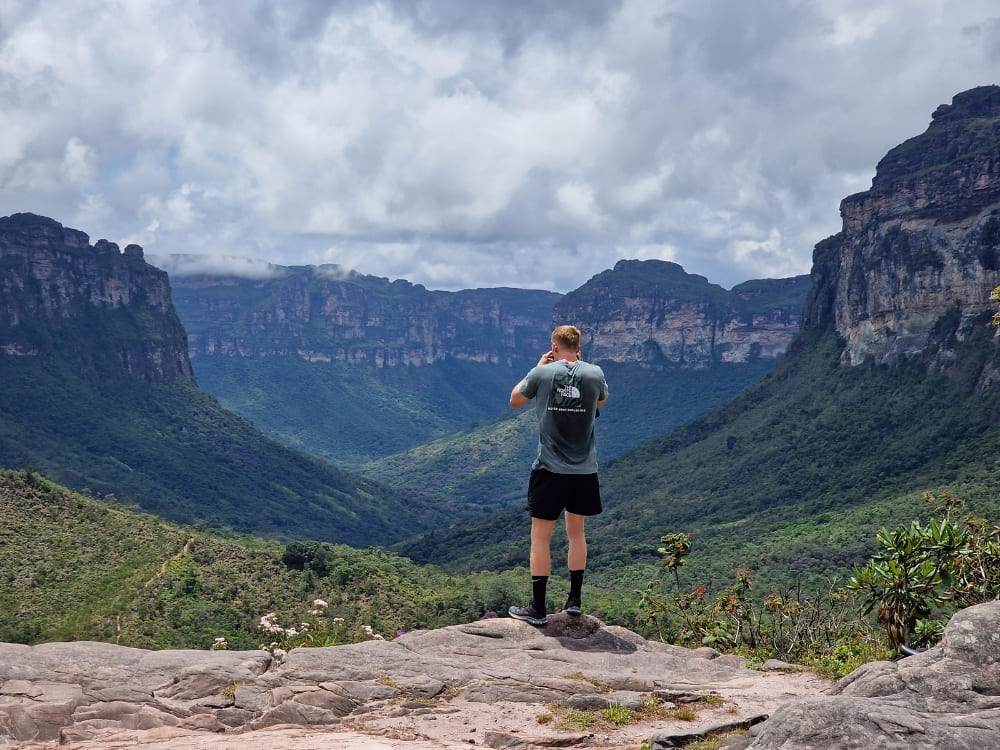
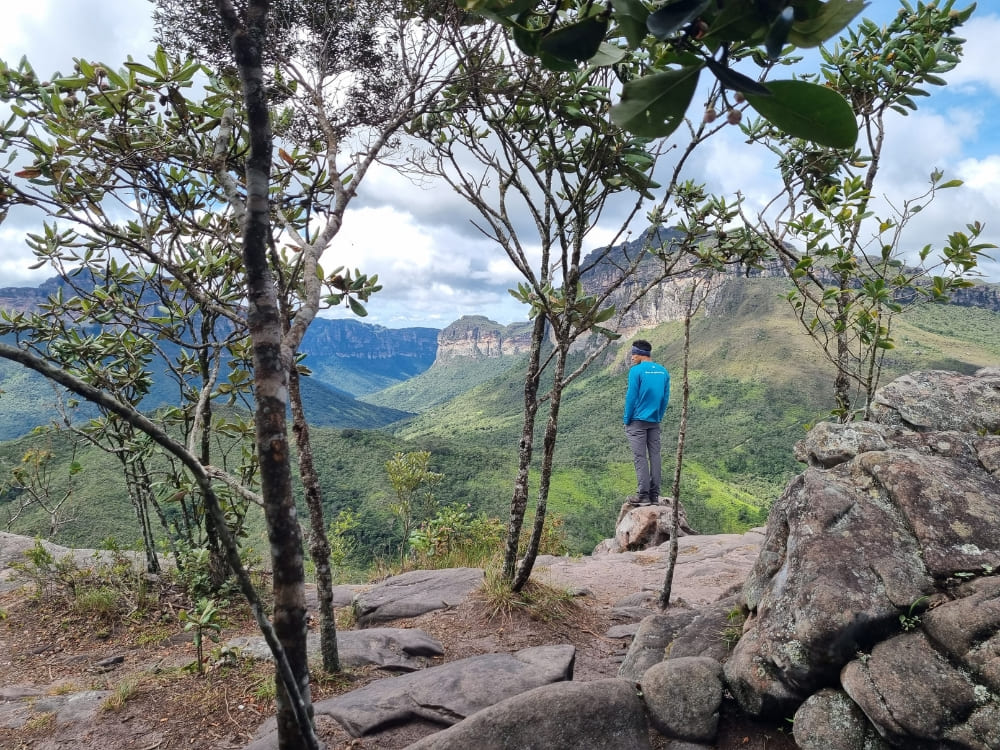
    A hiker stands on a rocky edge framed by tree branches, looking out over the green valley toward the flat-topped Morro do Castelo.
    .

    To arrive at Mirante do Pati (1400 meters high), the hike kicks off from Guiné, a small town with great access to Chapada. After passing through rocky paths, open fields, and the banks of the Rio Preto, you’ll reach the lookout.

    The journey isn’t easy, but the beautiful views of pristine nature are the reward you need to stay motivated!

    8. A Paradise for Nature Junkies

    Although Chapada Diamantina offers hundreds of breathtaking landscapes, Vale do Pati is, undoubtedly, a true scene stealer. The amazing views, waterfalls, caves, and hiking trails make it one of the most beautiful and unique places in Brazil.

    Vale do Pati gathers everything a backpacker looks for in adventure, including isolation from the outside world, complete disconnection from digital devices, and a new perspective on what Mother Nature is capable of.

    👉 Read more: When Is The Best Time To Visit Chapada Diamantina?

    9. Sustainable Way of Life

    National parks aim for the conservation of natural resources. In other words, things work a little differently on their premises.

    In Vale do Pati, most electric/electronic devices are powered by solar energy, including cellphones, batteries, and lamps. Refrigerators run on gas and showers are cold—which, considering the warm temperatures of Chapada Diamantina, is totally fine.

    Most supplies (food, household goods, solar panels, etc.) arrive in Vale do Pati on horseback, carried by donkeys or even by the locals themselves. No cars making noise or polluting the air!

    10. Zero Internet Connection

    The last fact about Vale do Pati is that there is no internet connection along the trails and in the more isolated areas of the national park. While some residents may offer Wi-Fi, unstable connections are not uncommon.

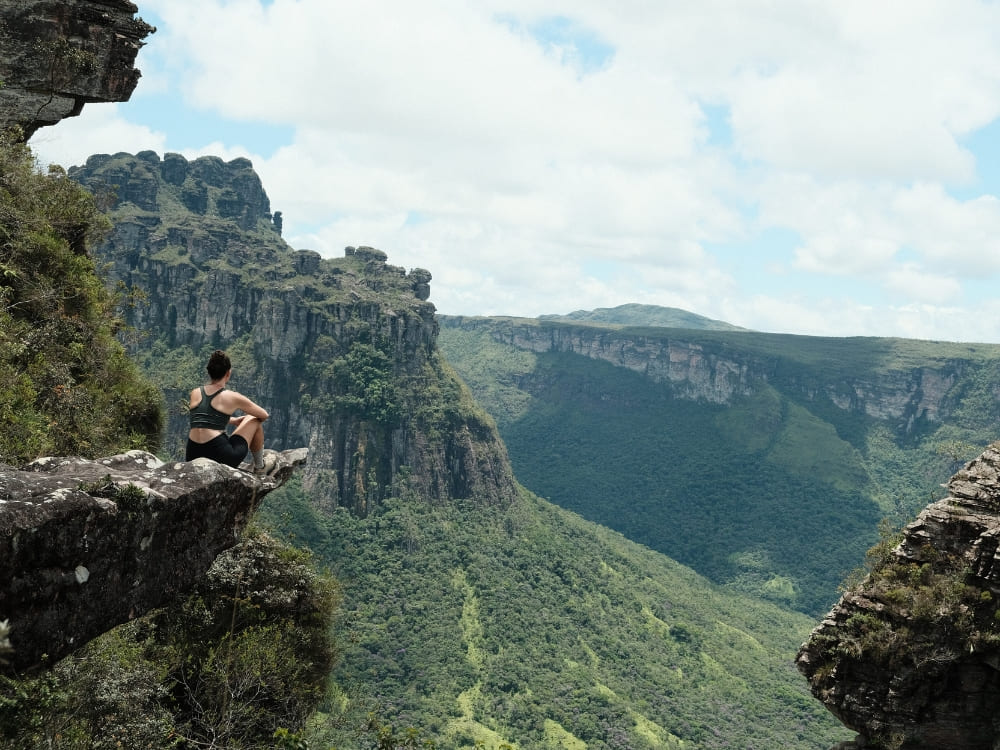
    A backpacker sits on a jagged rock ledge enjoying a panoramic view of the steep cliffs and pristine green valleys of Vale do Pati.
    .

    Chapada Diamantina is all about nature and human connections. You’ll have everything you need while you’re there—beautiful views, gorgeous waterfalls and underground lakes, several kilometers of hiking trails, cozy accommodations, and interactions with amazing people. 

    You won’t even miss scrolling on your phone!

    Traveling to Vale do Pati, Brazil, with PlanetaEXO

    Now that you know all the important facts about Vale do Pati, it’s time to visit this fascinating destination!

    PlanetaEXO, an ecotourism platform specializing in Chapada Diamantina tours, is here to help you book the vacation of your dreams, from tailor-made itineraries to transfer options and accommodations. Contact us now!
  • How to Get to Chapada Diamantina National Park?

    How to Get to Chapada Diamantina National Park?

    See how to get to Chapada Diamantina from Salvador, Rio de Janeiro, and São Paulo

    Chapada Diamantina National Park is located in the northeastern part of Brazil, within the state of Bahia. The most common and convenient way to access the park is via Salvador, situated approximately 420 km away.

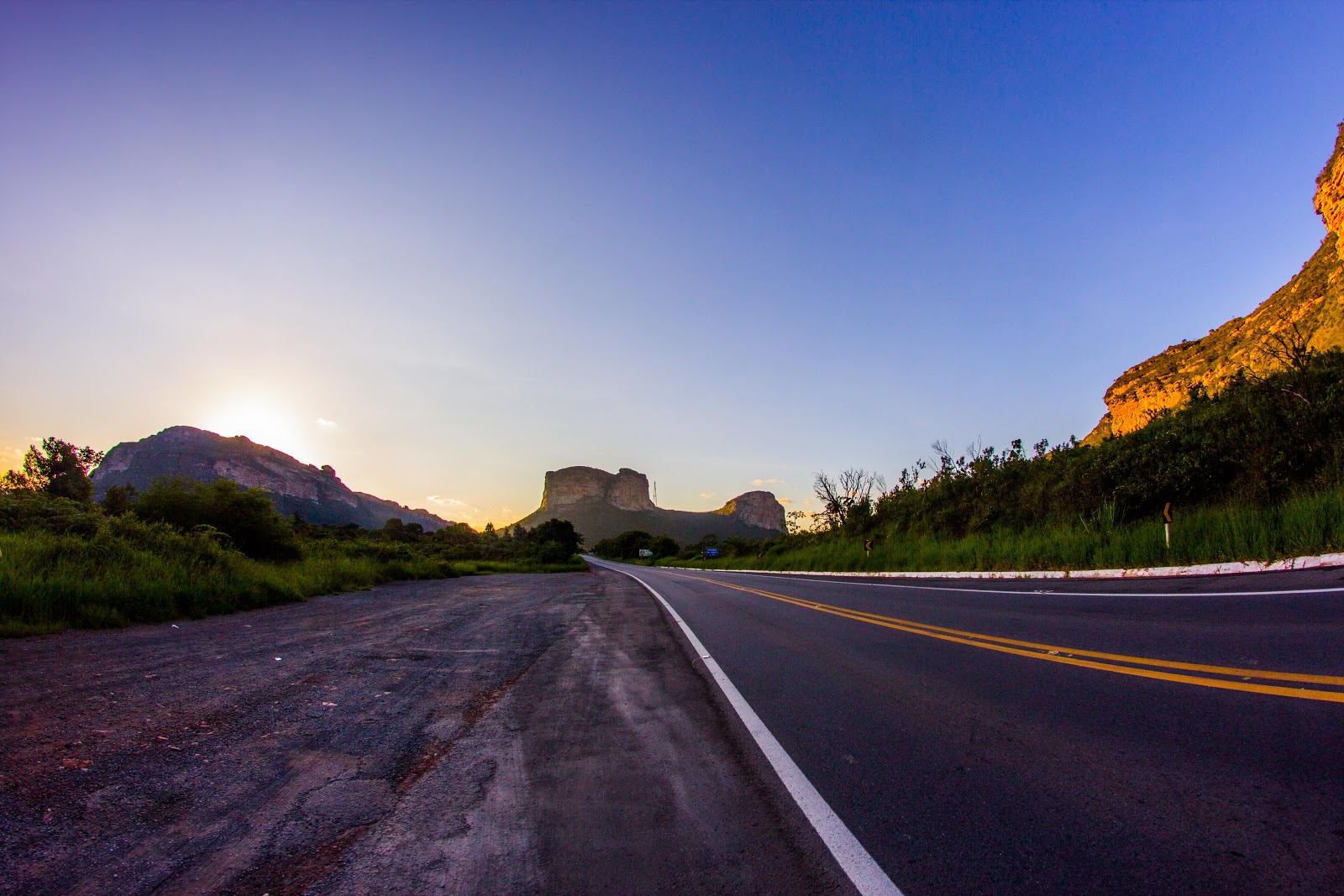
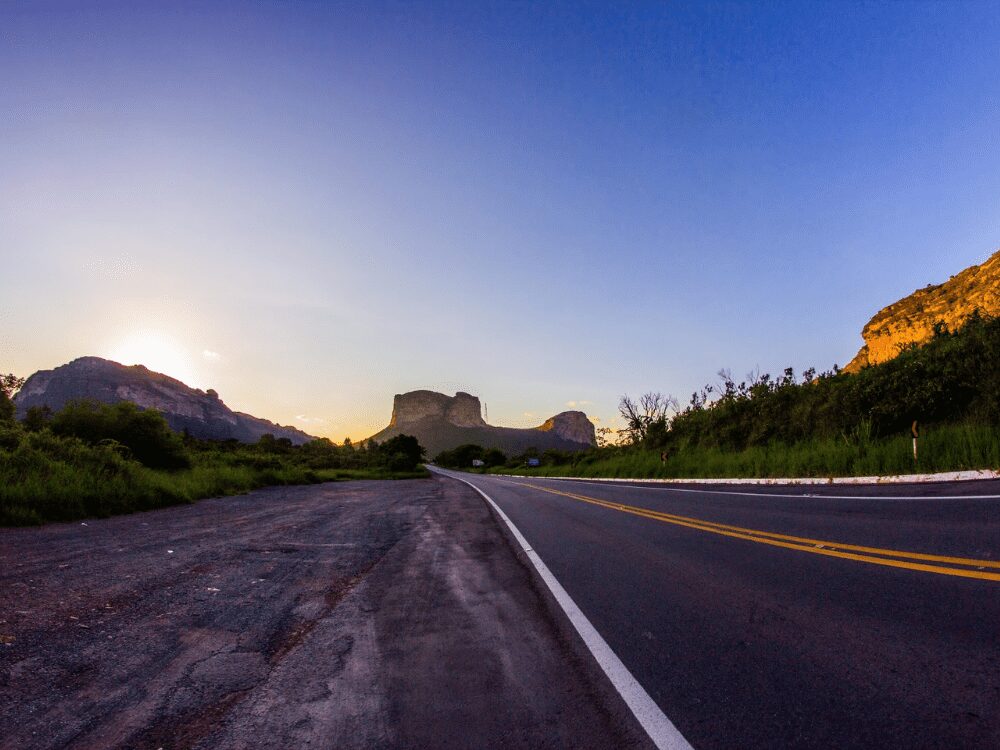
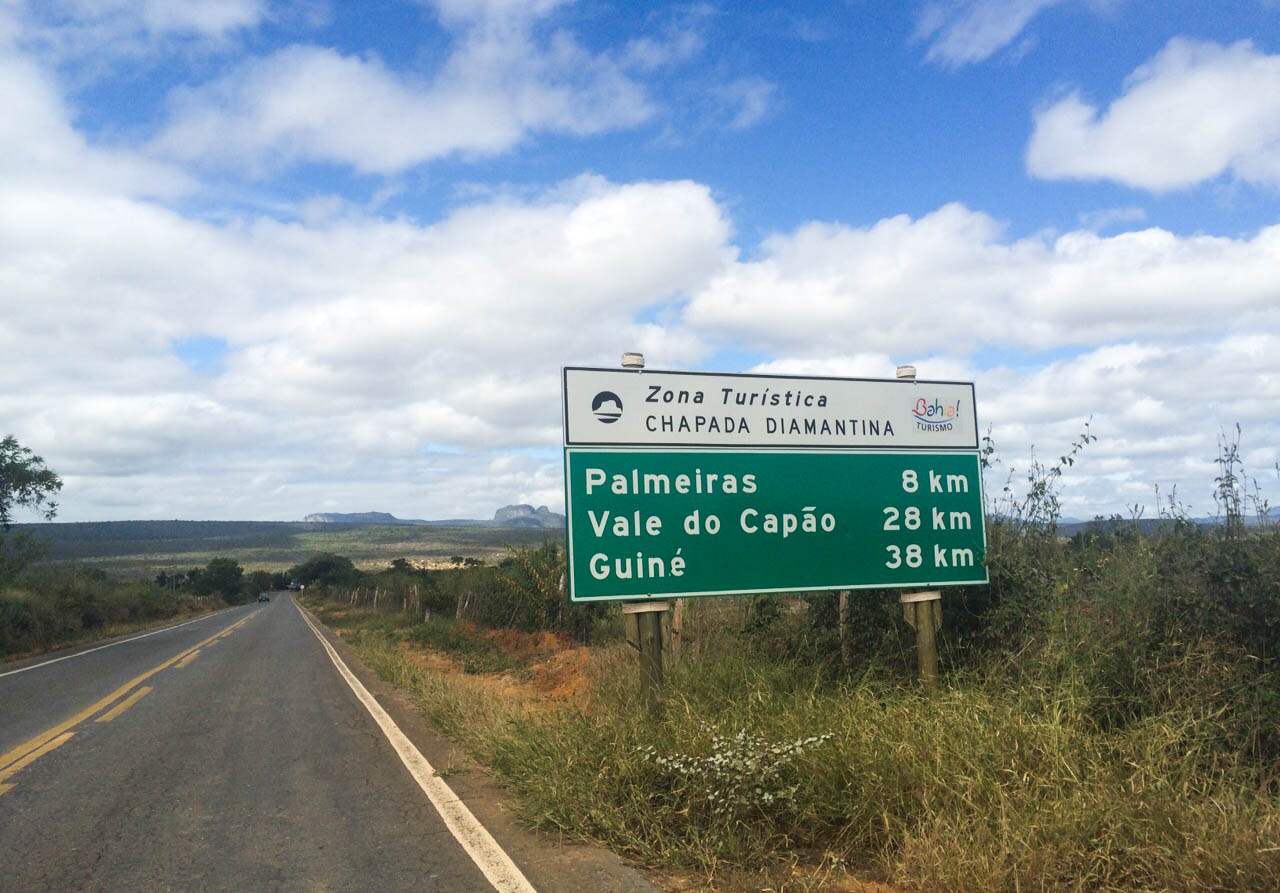
     Empty paved highway leading towards the mountains of Chapada Diamantina Bahia at sunrise.
    .

    Salvador International Airport (SSA) provides extensive direct flights from various Brazilian cities, as well as international destinations. However, the closest airport is Lençóis Coronel Horácio de Matos Airport (LEC), 22 km away from the national park—though flight options are fairly limited.

    To help with your vacation planning, PlanetaEXO, an adventure travel platform specializing in Chapada Diamantina tours, has put together several transportation options. Check them out below!

    From Salvador to Chapada Diamantina

    Two blue travel buses from Guanabara and Real Expresso parked. A road transport option to get to Chapada Diamantina.
    .

    Please notice: Flight and bus schedules may change unexpectedly at the discretion of their operators. Please check the official channels for details on each transportation option.

    By plane

    Salvador Airport (SSA) is served by major Brazilian cities, including São Paulo (GRU, VCP, and CGH), Rio de Janeiro, Recife (REC), Belo Horizonte (CNF), and Brasília (BSB). International tourists can fly straight to Salvador from Buenos Aires (EZE/AEP), Panama City (PTY), Lisbon (LIS), Madrid (MAD), and Paris (CDG).

    Another option is flying to Lençóis Airport (LEC). Azul Airlines offers flights only twice a week, on Thursdays and Sundays, departing from Salvador at 2:30 PM and returning from Lençóis at 04:10 PM.

    By bus

    Despite the option to get to Chapada Diamantina via Lençóis Airport, most people take a bus from Salvador. There are three daily departures at 8 AM, 1 AM, and 11 PM from Salvador Bus Station (Terminal Rodoviário de Salvador). The buses make stops in Feira de Santana and Itaberaba.

    Known for their cleanliness and comfort, these buses are equipped with air conditioning and toilets. The trip takes about 6 hours, with ticket prices starting at R$100. Buy your tickets at Expresso Guanabara (for those with a CPF number) or BusBud (for foreigners). For the return journey to Salvador, buses depart from Lençóis at 9 AM, 1:45 PM, and 22:50 PM.

    By car

    The typical route uses BR-324 and BR-242 highways, covering 420 km in about 6 hours. Car rentals are available at Salvador Airport.

    By private transfer

    For added comfort and flexibility, private transfers are available. See the prices below:

    • Car (4 seats): R$ 2.000
    • Van (15 seats): R$ 3.000

    If you are booking your Chapada Diamantina tour with PlanetaEXO, our team can assist you in booking private transfers to the locations. Send us a message!

    How to get to Chapada Diamantina from Rio or São Paulo?

    From Rio de Janeiro and São Paulo—two of Brazil’s largest cities—you can reach Chapada Diamantina, in Bahia, by flying to Salvador or taking a long-distance bus trip to Feira de Santana.

    Azul airline plane parked on the runway at Chapada Diamantina airport. Employees work near the aircraft on a sunny day.
    .

    By plane

    From Rio’s Galeão (GIG) or São Paulo’s Congonhas (CGH), Viracopos (VCP), or Guarulhos (GRU), you can get to Salvador in over 2 hours. This option offers a quicker and more direct way to start your adventure in the national park.

    From Salvador, fly to Lençóis Airport on Thursdays and Sundays, take the bus to Lençóis at the Salvador Bus Station, or hire a private shuttle service (arranged by PlanetaEXO).

    By bus

    This bus trip from Rio de Janeiro or São Paulo to Feira de Santana can exceed 30 hours, but it’s more budget-friendly, with fares starting at R$ 450. Get your tickets at Busbud.

    Once you arrive, continue your journey to Lençóis, taking the same bus as described above from Salvador.

    👉 Read more: When Is The Best Time To Visit Chapada Diamantina?

    How to get to other small towns in Chapada Diamantina?

    Other than Lençóis, Chapada Diamantina is surrounded by several small towns that can serve as gateways to the national park.

    Vasts valleys of Chapada Diamantina National Park!
    .

    Palmeiras

    Palmeiras is a small town that you have to pass through to get to Guiné and Vale do Capão. From Salvador, you can take the same Expresso Guanabara bus as you would to Lençóis, but you should continue one stop further. This journey lasts almost 8 hours.

    Alternatively, you can drive 450 km, which typically takes about 6.5 hours. From Lençóis, a bus ride to Palmeiras takes about an hour, covering approximately 53 km.

    Vale do Capão

    Located in the Palmeiras municipality, this peaceful village is a hotspot for hikers. From Salvador, take a bus to Palmeiras and then a 40-minute shared van ride to Vale do Capão, which is about 72 km from Lençóis. Taxis are also available.

    Guiné

    Known for being the starting point for the Vale do Pati trek, Guiné is only accessible by car or private shuttle services, as public transport is not available. The distance from Lençóis to Guiné is approximately 85km, typically involving some driving on rough and unpaved roads.

    Ibicoara

    Home to the Cachoeira do Buracão and Fumacinha waterfalls, Ibicoara can be accessed from Salvador by a 9-hour bus ride on Fridays or by a 7-hour drive (459 km).

    The nearest airport is Vitória da Conquista (VDC), with car rentals available for the 219 km journey to Ibicoara, located 225 km away from Lençois.

    Mucugê

    Buses from Salvador to Mucugê depart daily at 7 AM and 7 PM.  The journey takes up to 8.5 hours, depending on the itinerary.

    Driving from Salvador covers 450 km in approximately 6.5 hours. The nearest major airport is Vitória da Conquista (VDC), offering rental car services for the 260 km drive. Mucugê is approximately 147 km away from Lençóis.

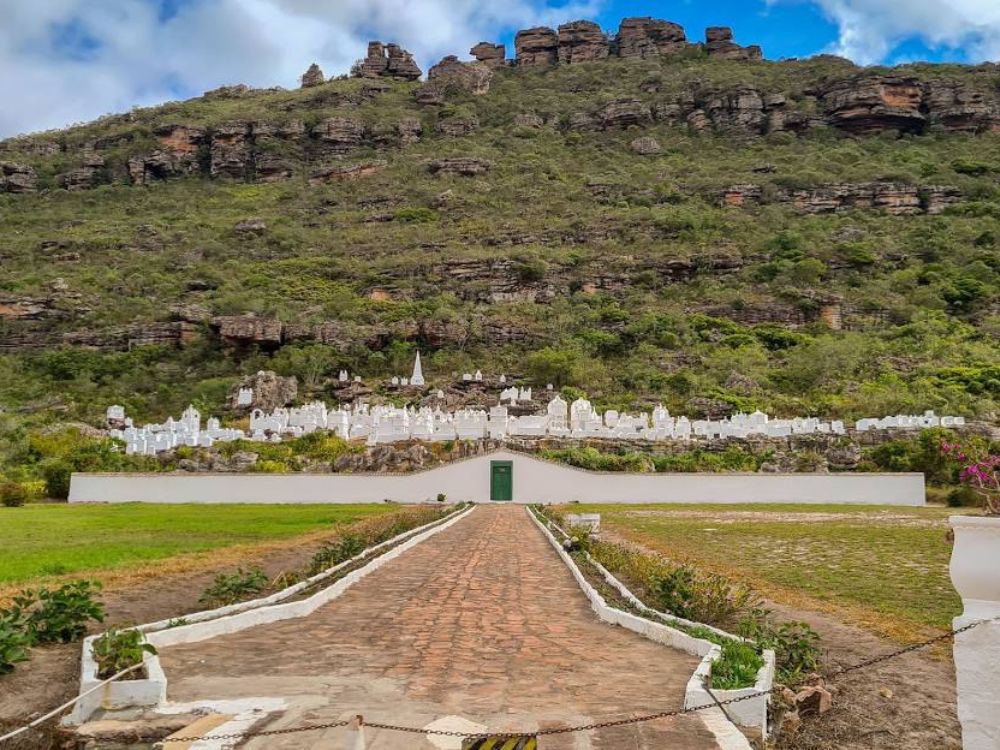
    White tombstones of the Byzantine Cemetery built into a rocky mountain slope in Mucuge, Chapada Diamantina.
    Byzantine Cemetery of Mucugê

    Exploring Chapada Diamantina National Park with PlanetaEXO

    Now that you know how to get to Chapada Diamantina, it’s time to plan your vacation with us!

    At PlanetaEXO, an ecotourism platform specializing in Chapada Diamantina tours, we help you find the best transportation options to the national park, as well as provide accommodation, tailor-made itineraries, and everything else you need for an incredible trip. Contact us now!
  • 10 Travel Tips for Chapada Diamantina, Brazil

    10 Travel Tips for Chapada Diamantina, Brazil

    Seasons, activities, safety tips, and health precautions. See our recommendations for a fantastic Chadapa Diamantina trip!

    Chapada Diamantina National Park is a destination rich in fauna, flora, beauty, and experiences. No wonder countless adventurers visit Brazil every year to explore its trails—considered some of the best in the world.

    To make the most of your trip, it’s important to follow some Chapada Diamantina travel tips that ensure safety and authenticity. This makes your planning more efficient and prevents you from having unpleasant surprises when you should be having fun.

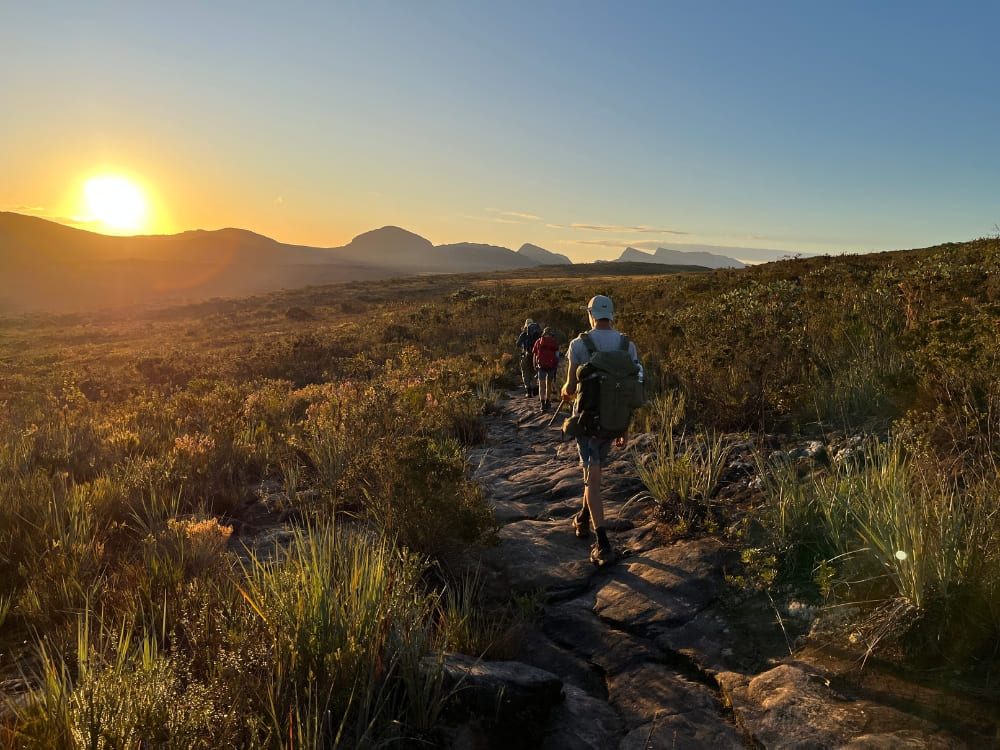
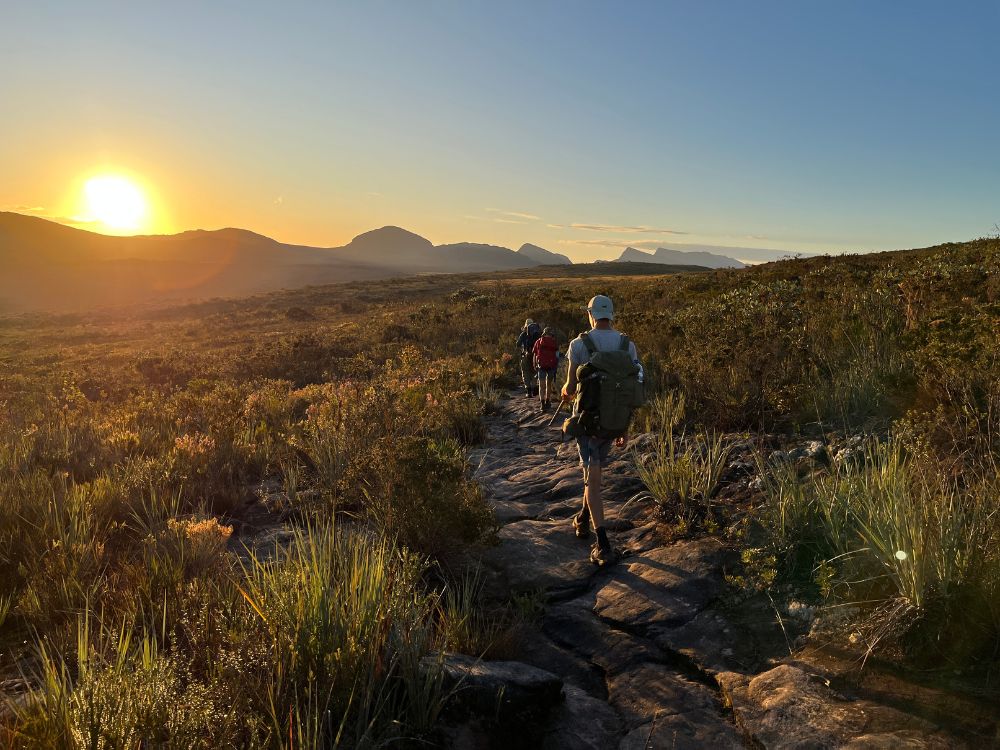
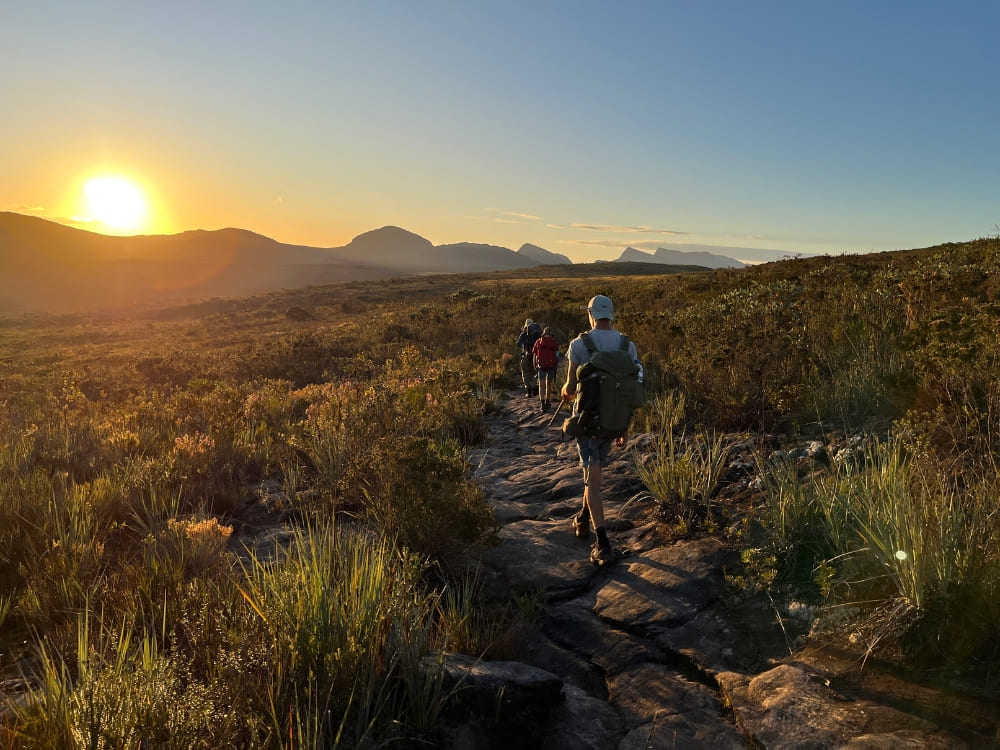
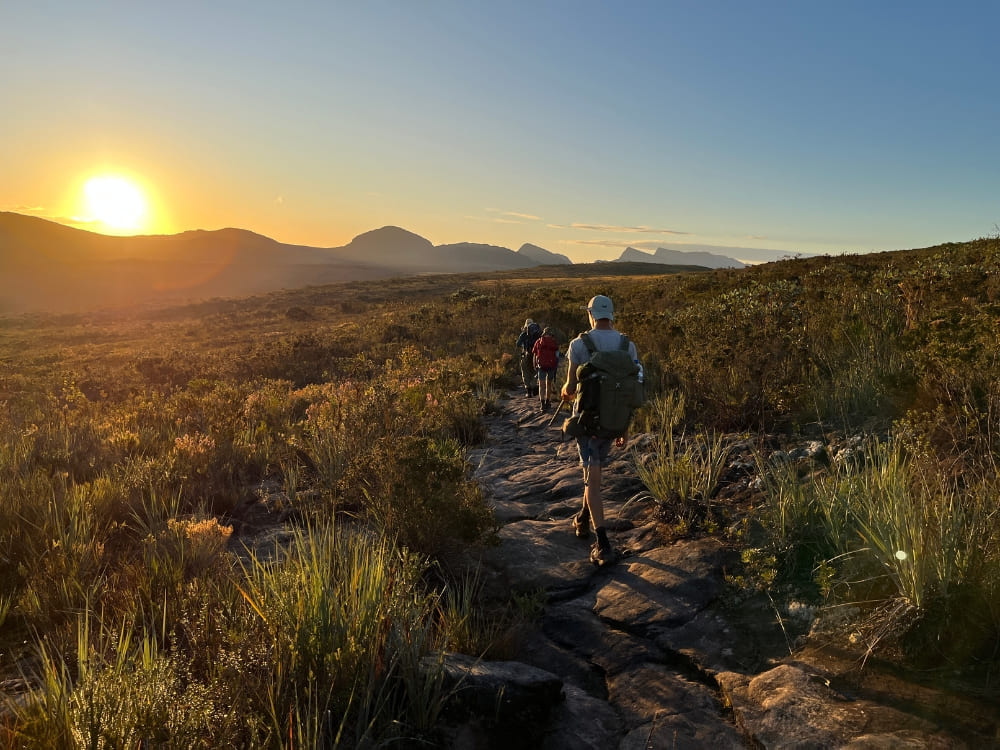
    Hikers walking on a rocky trail during sunset in Chapada Diamantina National Park.
    Photo: Guillaume Leman

    PlanetaEXO, an ecotourism platform specializing in Chapada Diamantina tours, has put together a list with 10 recommendations for an extraordinary vacation. Check them out below!

    1. Hiking in Vale do Pati

    No list of travel tips for Chapada Diamantina is complete without mentioning Vale do Pati. Frequently described as one of the most beautiful treks in Brazil, it crosses mountains, rivers, and valleys inside the national park.

    You can choose different routes: the classic 3-day trek from Guiné to Vale do Capão, the 4-day itinerary including Morro do Castelo, or the complete 5-day crossing with more waterfalls and time in local villages. Each option offers homestay accommodations with traditional meals, creating a true immersion in local life.

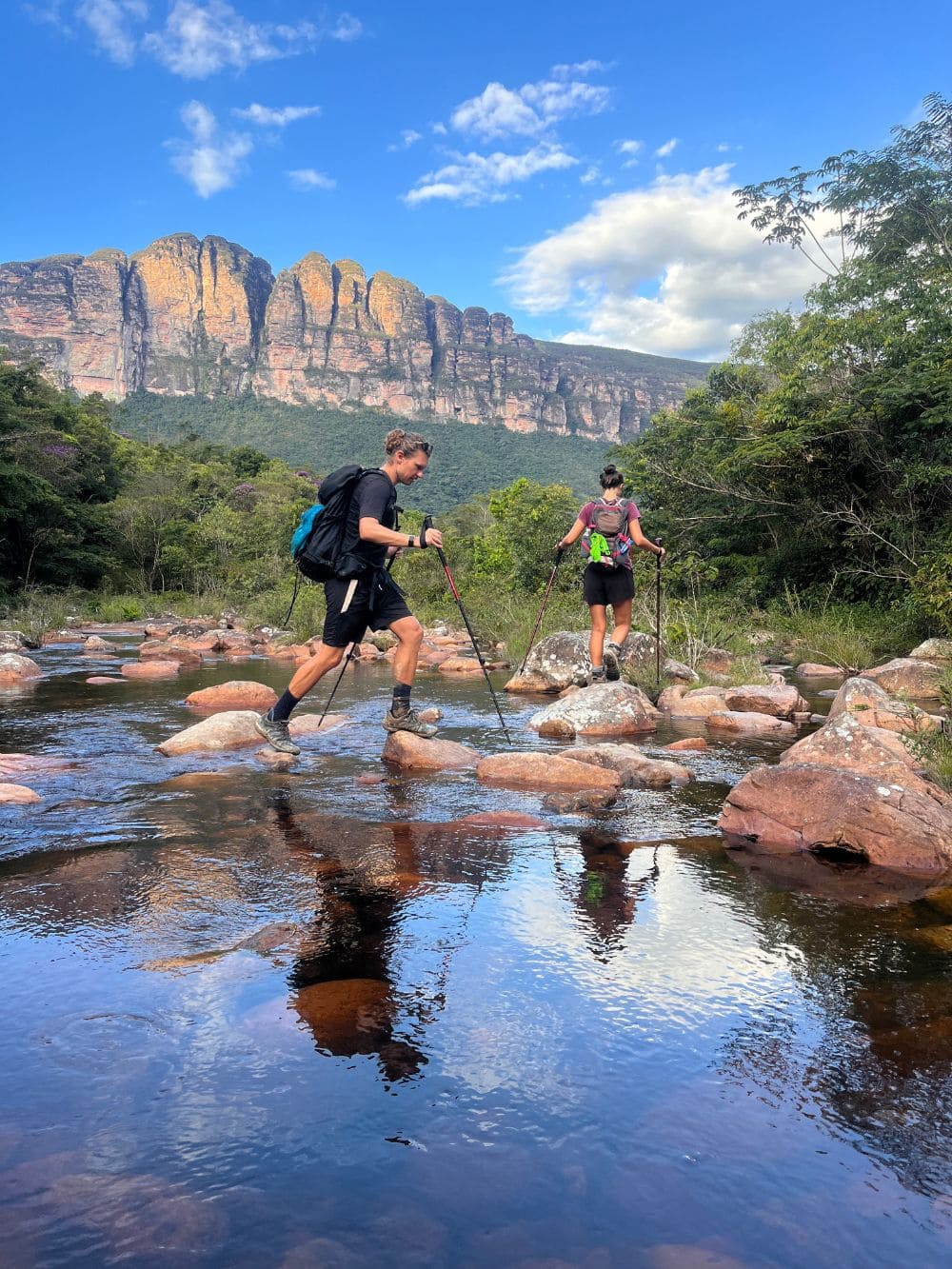
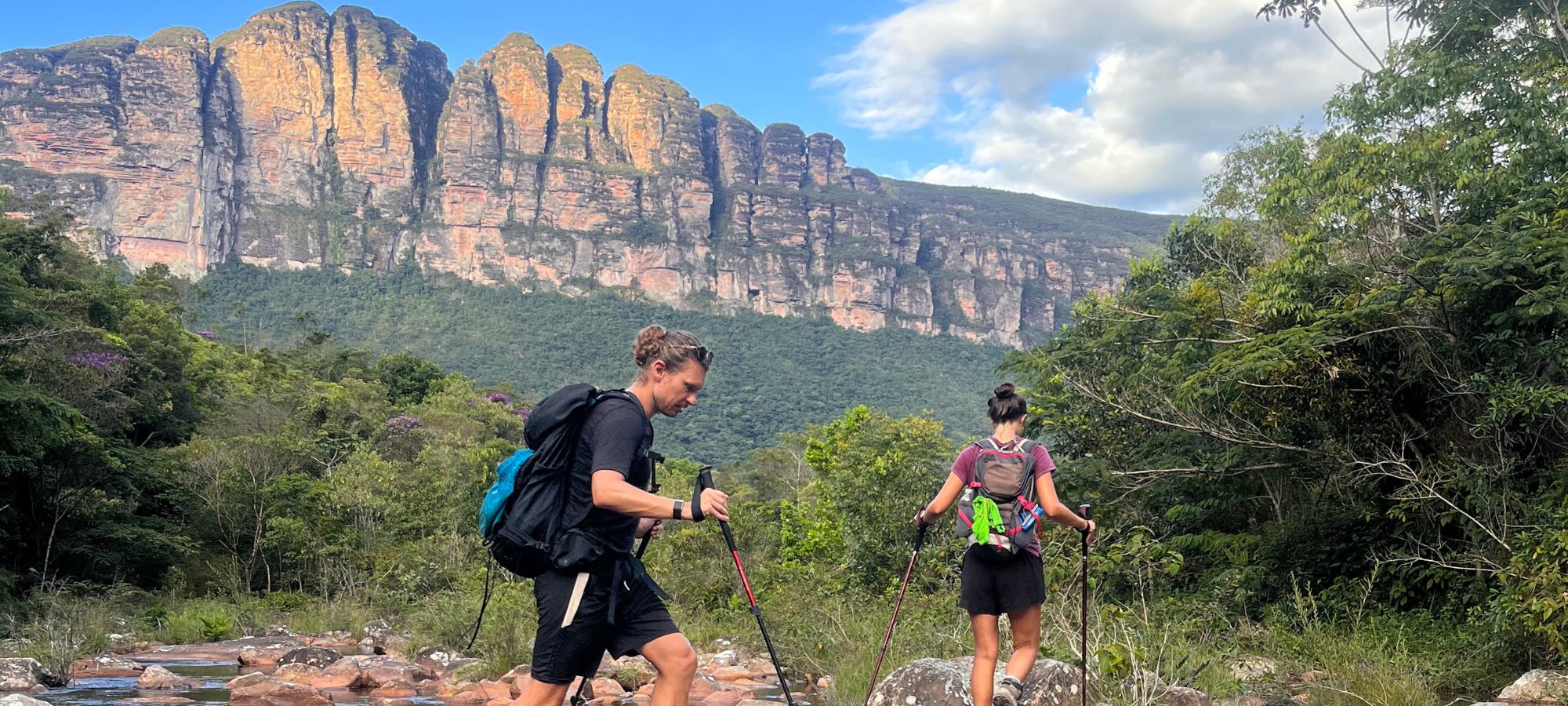
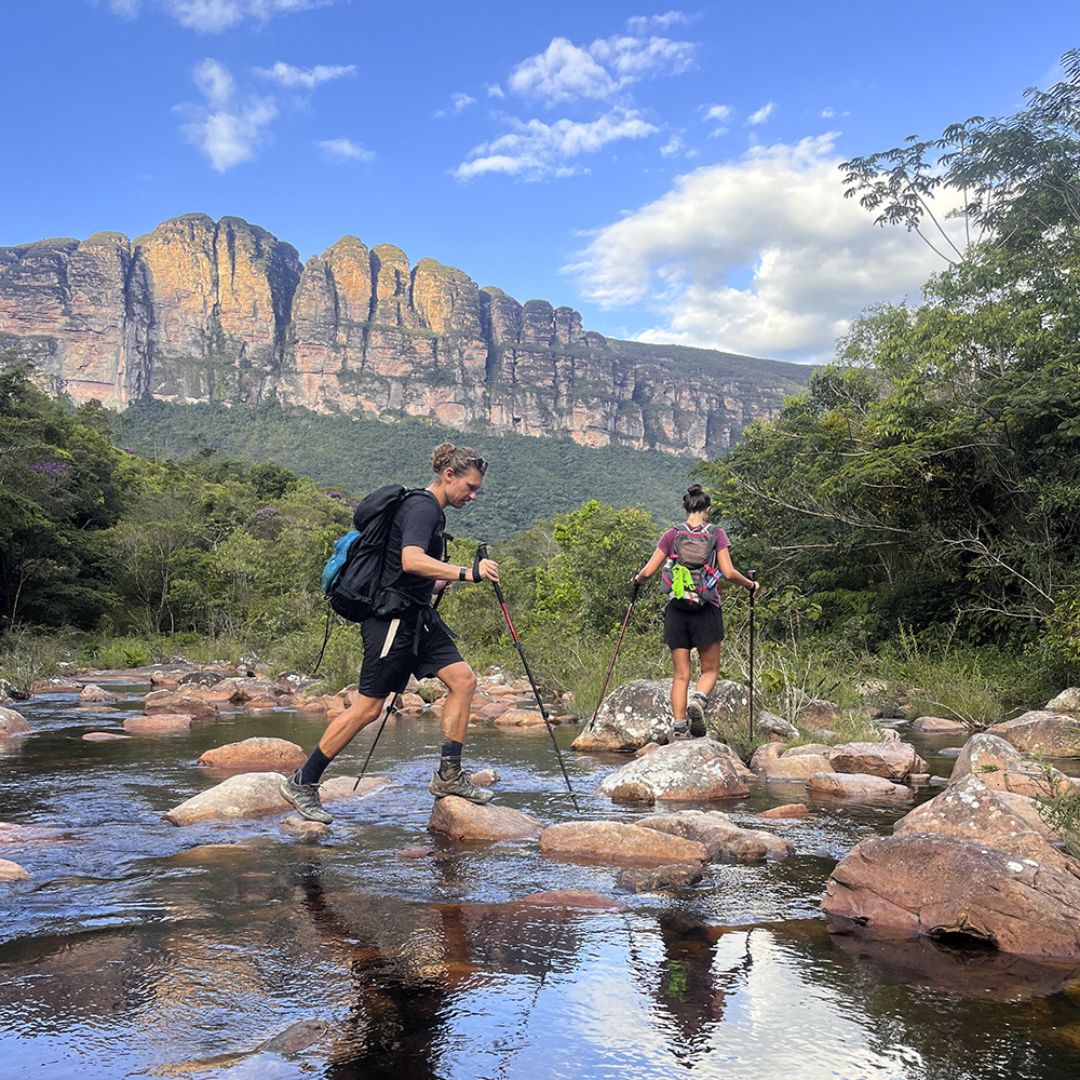
    Two hikers crossing a river using trekking poles during the Vale do Pati trek.
    Photo: Lucas Neves

    👉 Curious if the Vale do Pati is suitable for you? Discover why this trek is for all ages

    2. Time your trip by season

    Chapada Diamantina can be visited all year-round, but each season shapes the landscape in unique ways. Between October and April, waterfalls like Fumaça and Buracão are at their fullest, creating spectacular views. The vegetation turns bright green, though trails may be muddier.

    From May to September, the weather is drier and more stable, making it ideal for long treks, like in Vale do Pati. The nights in villages like Mucugê and Vale do Capão can get chilly, so don’t forget to bring warm clothing!

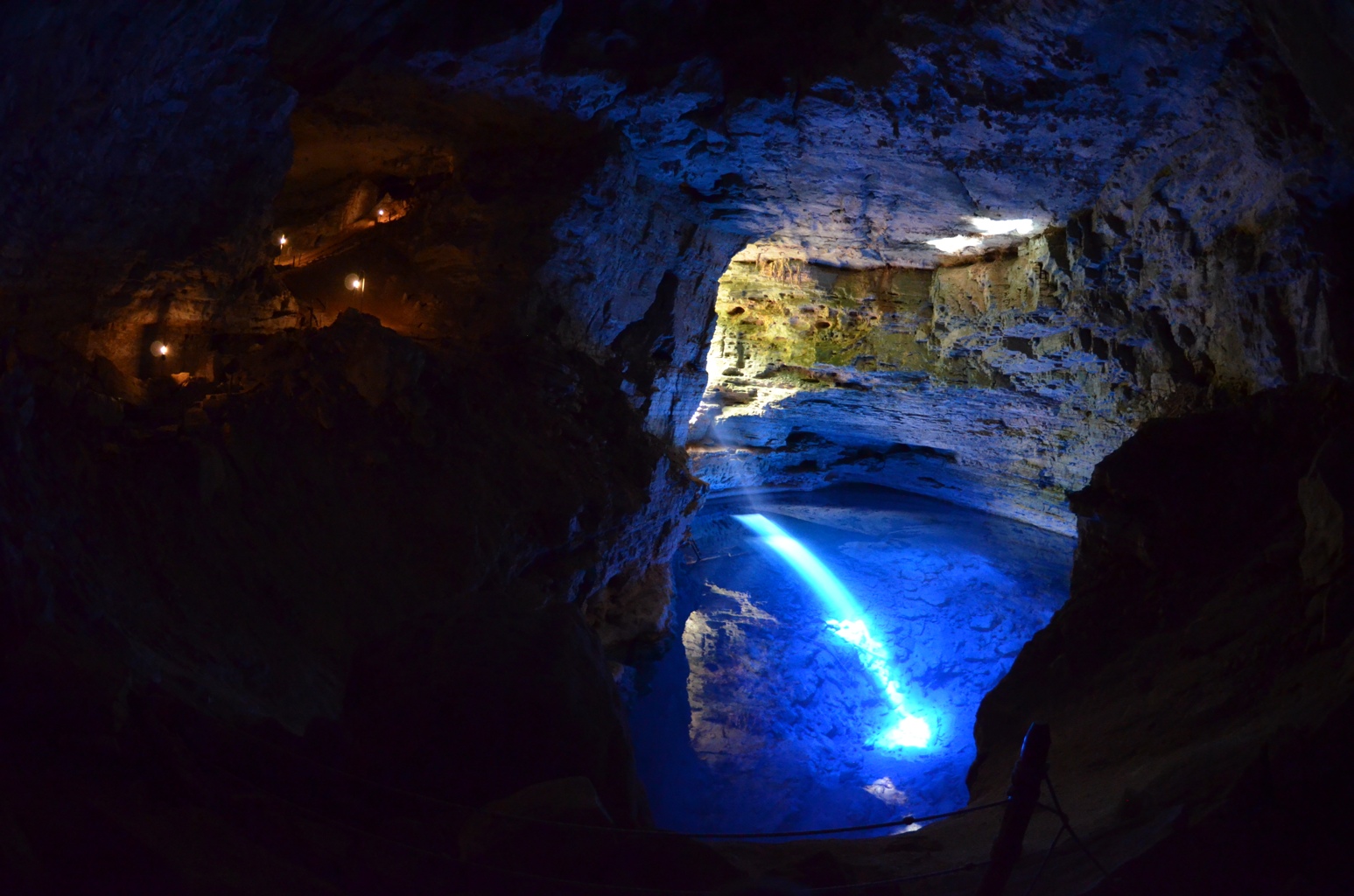
    While natural wells Poço Azul and Poço Encantado are always open for visitation, the sun ray phenomenon—when the sunlight peaks through the cave cracks and colors the water with a vibrant blue hue—usually happens from February to October.

    Two travelers sitting in the shallow water at the base of a waterfall with a rainbow reflection.
    .

    👉 Read more: When is the best time to visit Chapada Diamantina

    3. Health tips

    While there is no official requirement of vaccination for foreign tourists, Brazil’s Ministry of Health advises that visitors get precautionary shots for diphtheria, tetanus, polio, and measles. For extra safety, vaccines for yellow fever and hepatitis A and B are recommended as well.

    Follow more health tips to ensure the best experience:

    • Always keep a reusable water bottle with you to hydrate during the treks.
    • Protect yourself from the sun by wearing hats or caps and using sunscreen (SPF 30 or higher).
    • Wear comfortable shoes and cotton socks to prevent blisters.
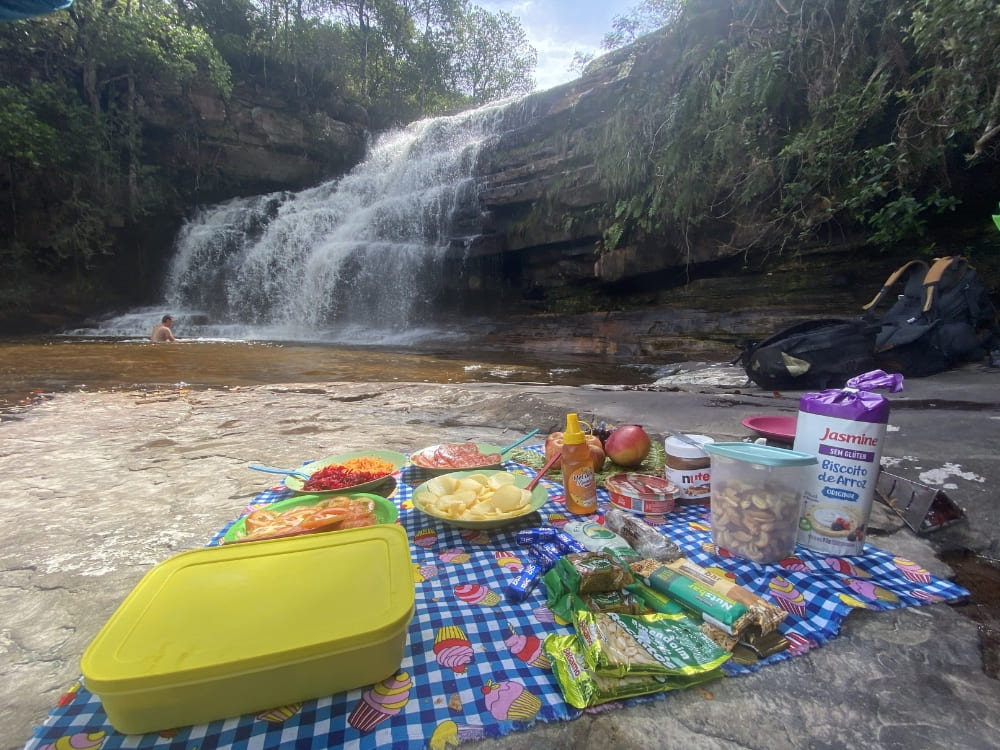
    • Don’t hike on an empty stomach; eat well before hiking and keep protein bars and other non-perishable snacks in your backpack.
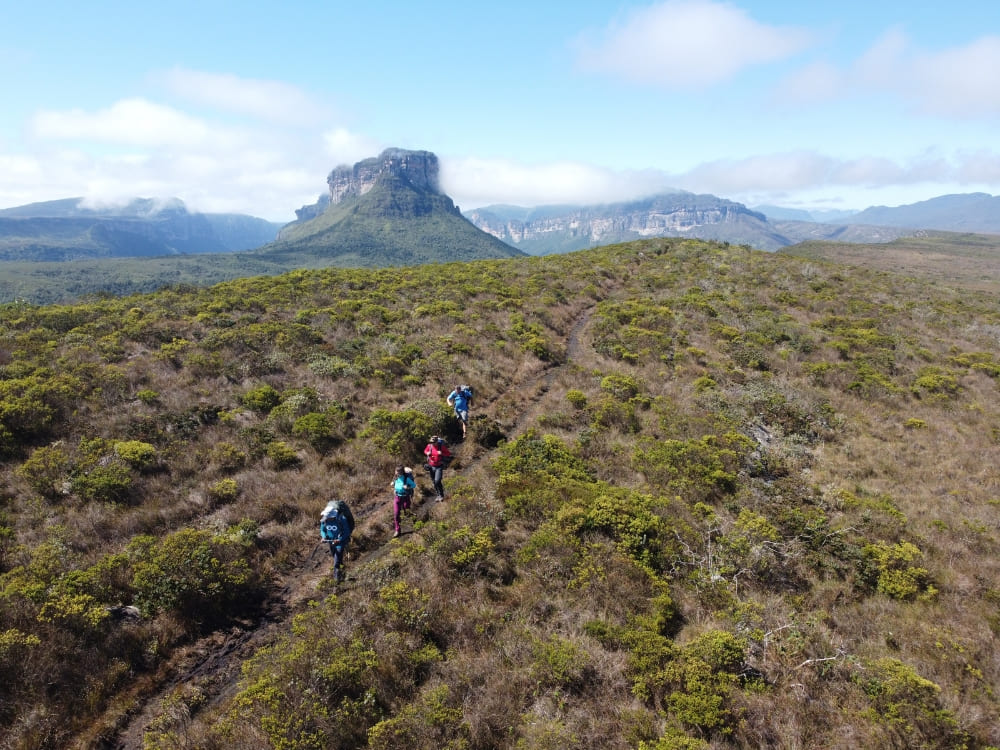
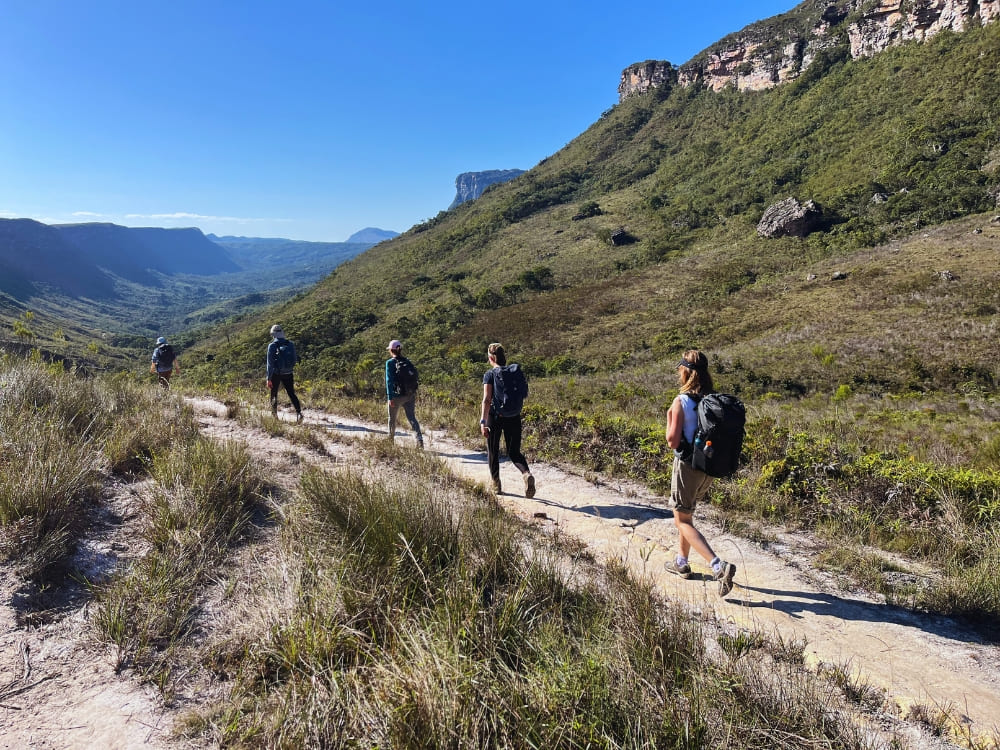
    A group of hikers with backpacks walking single file on a mountain trail surrounded by vegetation.
    .

    👉 More information: Vaccine for Travelers (Brazil) / CDC Travelers’ Health (USA)

    4. Beyond the classics: visit as many waterfalls as possible

    Chapada Diamantina National Park is famous for its waterfalls, and each has a distinct personality. The Herculano Waterfall, in Itaetê, has a drop of about 120 meters and forms a large natural pool at the bottom. Buracão, located near Ibicoara, flows inside a canyon, requiring visitors to swim to its base.

    But beyond the famous spots, there are dozens of hidden gems. The Mosquito Waterfall, close to Lençóis, has a 60-meter drop and is often less crowded, while remote places like Fumacinha or Mixila demand more effort but reward hikers with wild, untouched landscapes.

    Planning ahead and learning about the waterfalls before you arrive is essential, as it will help you recognize them along the trails and decide which routes to include in your itinerary. 

    Silhouette of a hiker standing on rocks at the base of the massive Buracão waterfall flowing inside a canyon.
    @polianaa_barbosa_guia

    👉 Read more: Chapada Diamantina Waterfalls – Best Trails and Hidden Gems

    5. Visit different caves and natural wells

    Beyond the waterfalls, travelers can also visit caves and natural wells in Chapada Diamantina. Gruta Lapa Doce, near Iraquara, features impressive limestone formations, like speleothems, stalactites, and stalagmites.

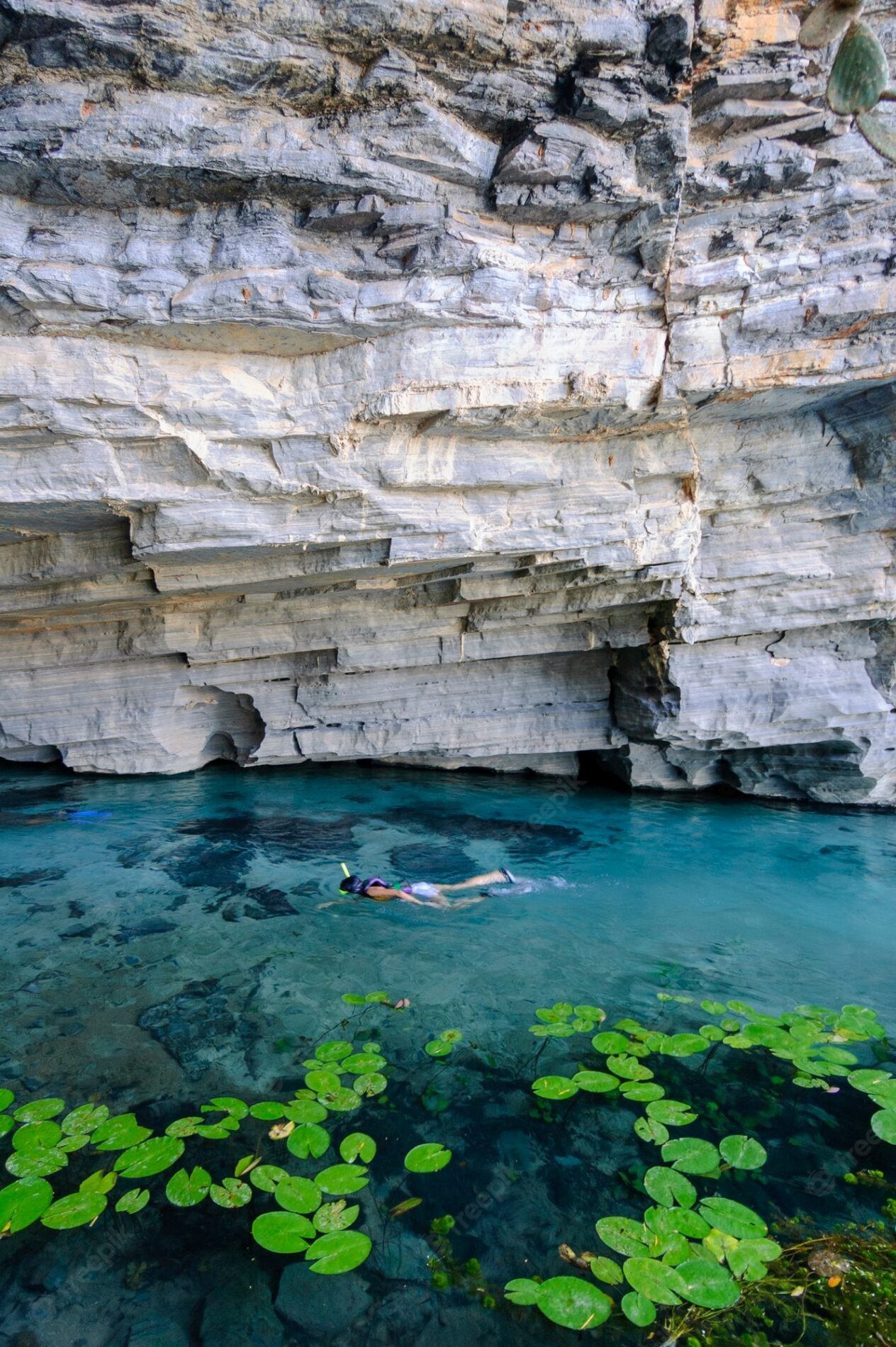
    At Pratinha and Gruta Azul, you can snorkel in crystal-clear waters and enjoy optional activities like zip-lining and kayaking. Meanwhile, Poço Encantado and Poço Azul are absolute favorites due to their beauty when sunlight creates surreal effects on the blue-tinted surface.

    These sites combine geology, history, and natural beauty. Including them in your itinerary will surely make your Chapada experience much more diverse!

    Caves Chapada Diamantina
    Photo: Rudolf Ernst

    👉 Explore the adventure: Chapada Diamantina Trip 7 days

    6. Pack smart

    A valuable travel tip for Chapada Diamantina is smart packing, which means carrying only what you’ll actually use, as every unnecessary item will add weight to long hikes under the sun. Being prepared is the difference between a smooth adventure and unnecessary challenges. Here’s our suggested list:

    • Light clothes, including UV-resistant long-sleeved shirts
    • Windbreaker and sweater
    • Raincoat and/or waterproof jacket
    • Quick-drying towel
    • Hiking shoes
    • Socks
    • Flip-flops
    • Swimwear
    • Hats/caps
    • Sunglasses
    • Sunscreen
    • Insect repellent
    • Reusable water bottle
    • Waterproof bag

    Since ATMs are scarce in smaller towns and obviously nonexistent within the national park, it’s important to bring your own cash (Brazilian real). Other essential items are: documents, credit/debit cards, medication, and chargers/portable chargers for electronic devices.

    Hikers wearing comfortable shoes and carrying backpacks on a sunny dirt trail in Chapada Diamantina.
    Photo: Lucas Neves

    7. Immersive stay experience: homestay and small inns

    One of the most enriching ways to experience Chapada is by staying in locals’ homes, especially during the Vale do Pati trek. Families welcome hikers with simple but cozy rooms and home-cooked meals prepared on wood-burning stoves.

    Not only is this the only type of accommodation for multi-day hikes in the national park, but it’s also a way to support small businesses and communities by strengthening the connection between ecotourism and community.

    Another option is staying in the surrounding towns (Lençóis, Mucugê, Palmeiras, Andaraí, Igatu, and Ibicoara). Instead of big hotel chains, travelers rest in small inns that provide a more intimate experience, as well as comfortable rooms, great common areas, and other services.

    Simple white homestay houses nestled in a valley under a colorful sunset sky during the Vale do Pati trek.
    .

    👉 Read more: Where to stay in Chapada Diamantina?

    8. Discover the historic towns around the park

    Before or after hiking inside Chapada Diamantina National Park, take time to explore the surrounding towns. Lençóis is the most famous, with cobblestone streets, colonial architecture, and a lively cultural scene, while Igatu features fascinating 19th-century stone ruins.

    Mucugê is quieter and full of history, with museums and old churches that tell the story of diamond mining. Vale do Capão is known for its alternative and bohemian vibe, attracting hikers, musicians, and artisans.

    These towns offer a different perspective of Chapada, one where culture and history complement the natural beauty of the park.

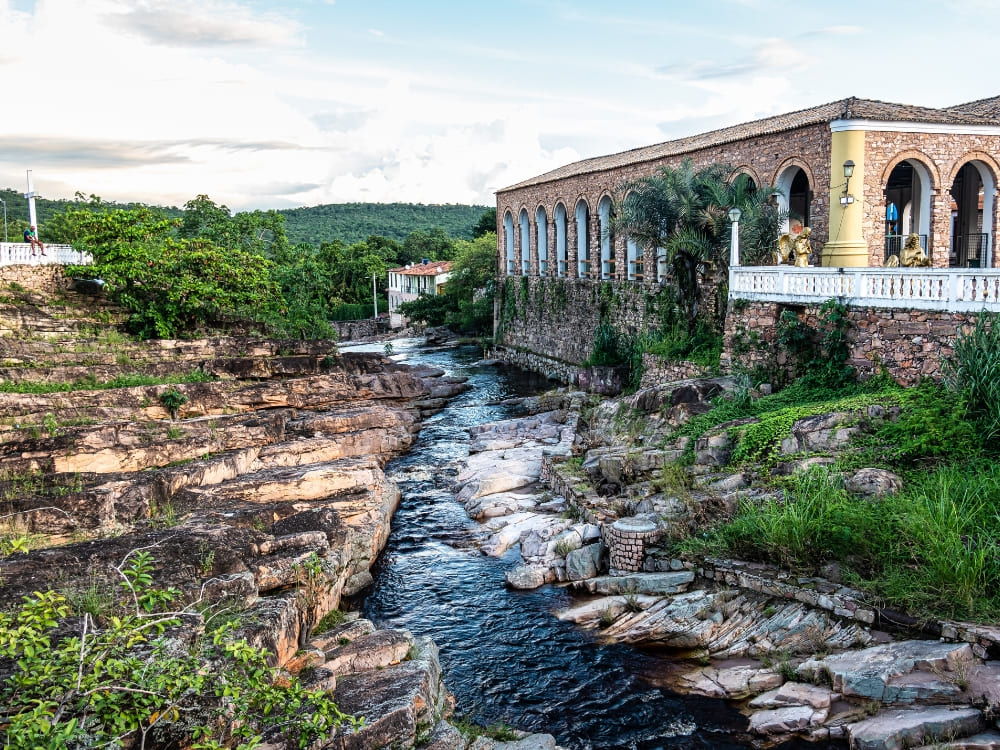
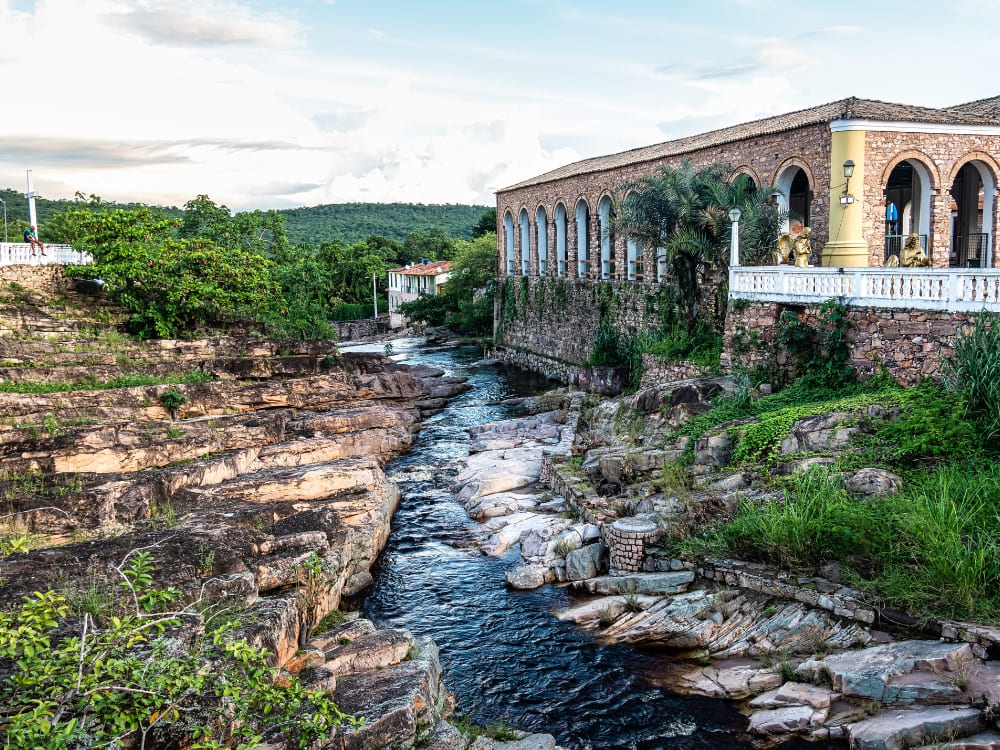
    A river flowing over rocky layers next to a colonial building with stone arches in the historic town of Igatu.
    Photo: Rudolf Ernst

    9. Be ready to disconnect

    Mobile phone coverage and internet in Chapada Diamantina are very limited. Once you enter deeper trails—especially in the Vale do Pati—you’ll find no signal or connection whatsoever.

    Rather than a limitation, this is an opportunity. Disconnecting from the digital world allows you to truly enjoy the waterfalls, landscapes, and communities around you. Travelers often say the absence of signal becomes one of the most rewarding parts of their journey.

    Be prepared to be completely offline and embrace the simplicity of this fantastic destination. The lack of signal is not a setback but an invitation to enjoy nature in its purest form.

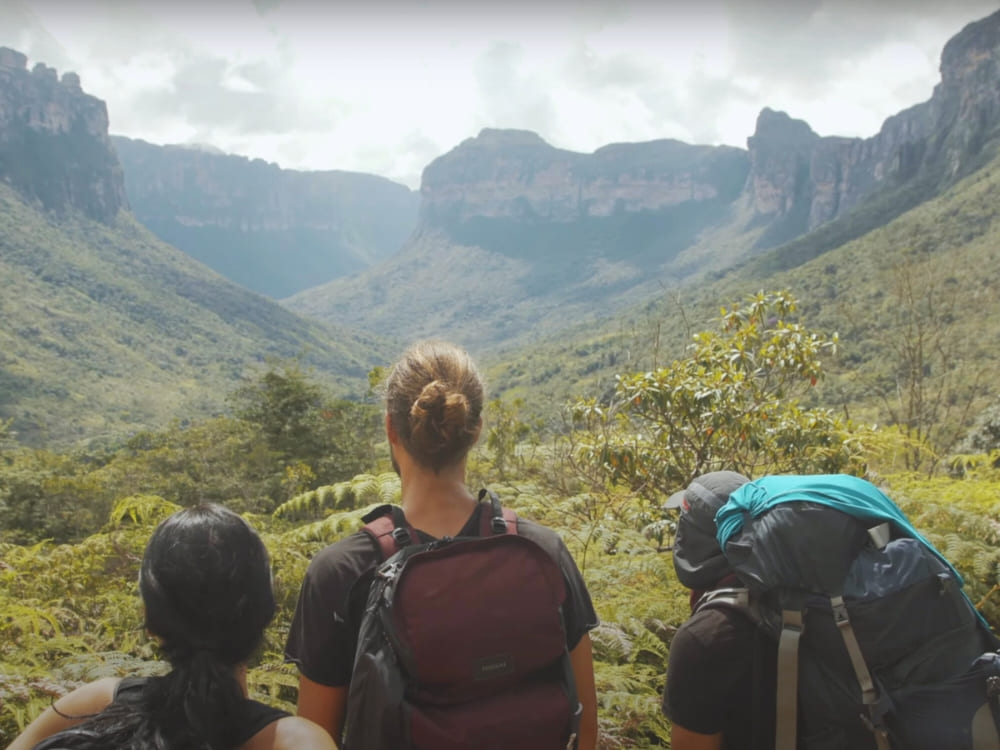
    Three travelers with backpacks looking out over a vast green valley deep inside Chapada Diamantina.
    .

    10. Logistics and other important information

    Plan your transfers carefully. While Lençóis is accessible by bus or flight from Salvador, other entry points like Guiné or Andaraí require private transfers. Reliable travel companies, like PlanetaEXO, include shuttle services to ensure smooth logistics.

    Another important topic is the support of local guides. The Chapada Diamantina National Park is enormous and full of secrets, marked by an atmosphere of untouched nature with many unique features. To ensure a safe and trouble-free trip, guided hikes are essential, even for the most experienced hikers.

    Travel Tips for Chapada Diamantina
    Photo: Aurelie Poilleux

    👉 Read more: How to get to Chapada Diamantina National Park?

    Your Chapada Diamantina adventure with PlanetaEXO

    We hope our travel tips for Chapada Diamantina will help make your trip to one of Brazil’s most beautiful natural destinations even more enjoyable!

    At PlanetaEXO, an ecotourism platform specializing in Chapada Diamantina tours, we take matters into our own hands to ensure you have the perfect vacation, from bookings to transfer options and tailor-made itineraries. Contact us now!
  • Where to stay in Chapada Diamantina?

    Where to stay in Chapada Diamantina?

    See where to stay in Chapada Diamantina gateway towns and the accommodation options for trekkers in Vale do Pati

    Chapada Diamantina is a massive natural area of 152,000 hectares. Perfect for adventure lovers due to its lush vegetation, beautiful waterfalls, ancient rock formations, and several kilometers of hiking trails, this amazing destination is on the bucket list of trekkers worldwide.

    Mirroring this atmosphere of nature and peacefulness, there are two accommodation options available: staying in the homes of national park residents or at hotels in nearby towns—particularly Lençóis, Mucugê, and Vale do Capão. Whether in small inns or homestays, the options for where to stay in Chapada Diamantina are notable for the authenticity of the region.

    PlanetaEXO, an adventure travel platform specializing in Chapada Diamantina tours, has helped countless travelers from all over the world to book the best accommodations in this fantastic destination. See our suggestions below!

    Homestay in Vale do Pati

    Instead of staying in hotels in Chapada Diamantina, many travelers choose to stay in the homes of people who live inside the national park. This is the only form of accommodation for those who venture on multi-day hikes through Vale do Pati.

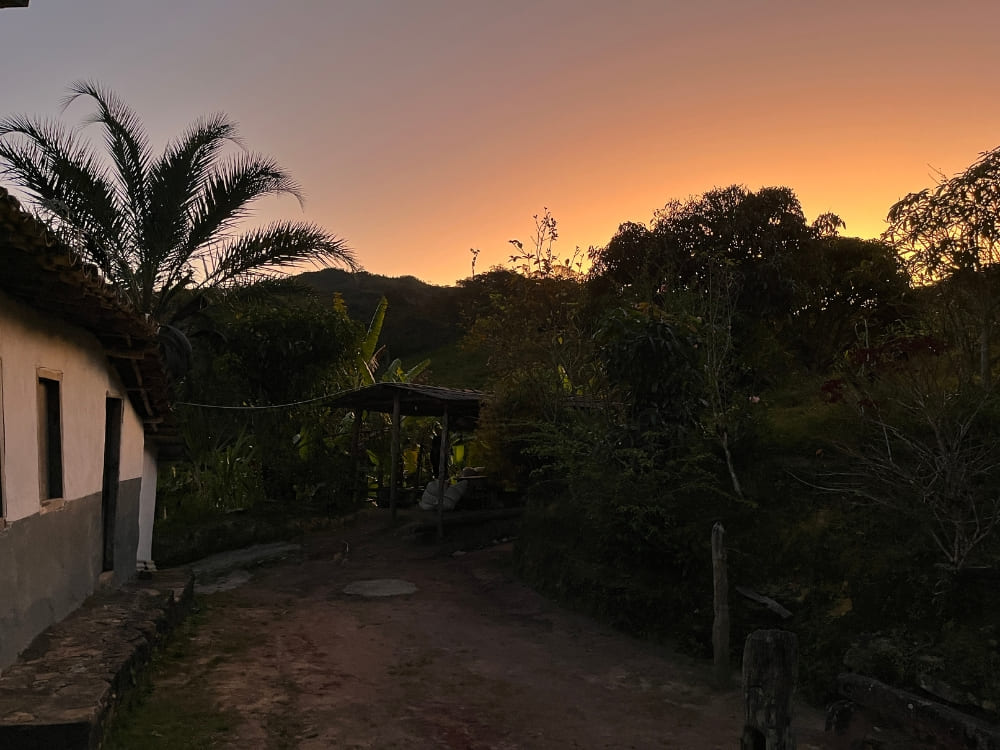
    Silhouette of a local homestay and palm trees in Vale do Pati against a vibrant orange sunset.
    .

    In simple houses adapted to receive groups of hikers, families welcome them with simplicity but great hospitality, offering comfortable beds, bathrooms with (cold) showers, and home-cooked meals.

    The experience is modest, but it has everything an adventurer needs to rest their tired body after a long day of trekking. This is also a way to meet new people and immerse yourself in the culture of Chapada!

    👉 Explore the adventure: 3-day Vale do Pati Trek

    Where to stay in Lençóis?

    Considered a National Historical and Artistic Heritage, Lençóis is a small town with over 11,000 inhabitants, but it features the best infrastructure in the Chapada Diamantina region and serves as its main gateway.

    Between the houses built in the 19th century, visitors find restaurants, grocery stores, ATMs, drug stores, and, of course, great stay options.

    Hotel de Lençóis

    Eco-friendly and modern, Hotel de Lençóis offers a variety of accommodation options, from standard rooms to apartments with jacuzzis. All include comfortable beds, bathrooms with hot showers, air conditioning, televisions, and private balconies.

    In the common areas, enjoy the restaurant, hot tub, playground, games room, meeting room, library, massage area, a grove with over 1000 native plant seedlings, and a museum with artifacts and historical records of the Chapada Diamantina.

    • Address: R. Altina Alves, 747
    • Price range: $$$$
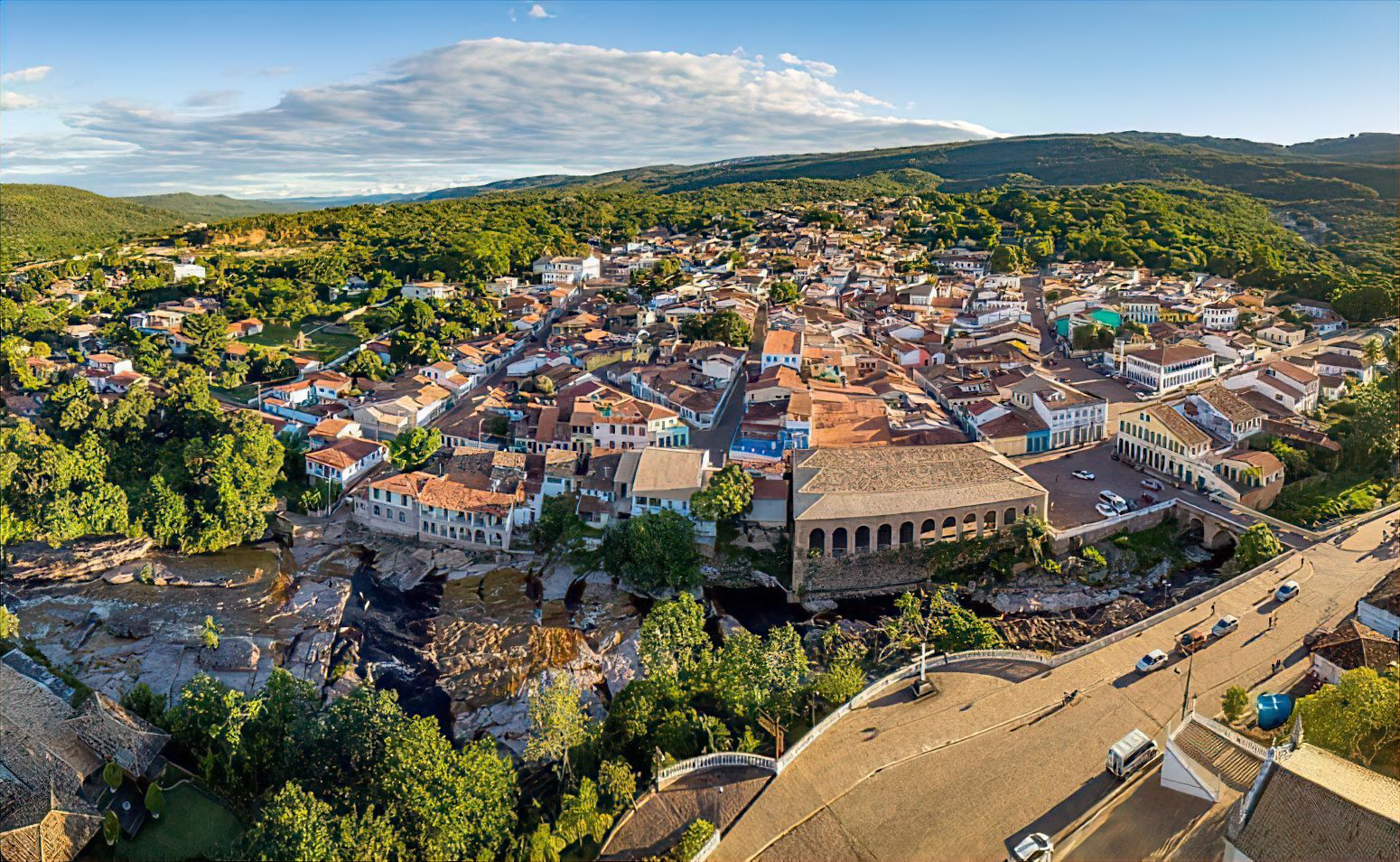
    Aerial view of Lençóis showing 19th-century colonial houses, stone bridges, and the river winding through the town.
    .

    👉 Read more: How to Get to Chapada Diamantina National Park?

    Pousada Vila Serrano

    Vila Serrano is a sight for sore eyes. The colonial-style facilities are gorgeous, allowing guests to have a great time in spacious air-conditioned rooms with private bathrooms and balconies.

    The most notable services are an exclusive spa, a delicious breakfast buffet, free Wi-Fi, special activities in the national park, and a privileged location—only 200 meters from downtown Lençóis.

    • Address: R. Alto do Bonfim, 8
    • Price range: $$$
    Colonial-style courtyard of Pousada Vila Serrano in Lençóis featuring blue and white walls and lush green gardens.
    .

    Casa Antônia

    Only 900 meters away from downtown Lençóis, Casa Antônia’s modern architecture mixed with natural elements is one of the highlights of this lovely inn. 

    Every room includes single and/or double beds, air-conditioning, a closet, a work desk, a TV, and private balconies and bathrooms. Breakfast is highly praised by guests! 

    • Address: Segunda Travessa Parque do Ribeirão, S/N – Ribeirão do Meio
    • Price range: $$$$$

    Pousada Canto no Bosque 

    Are you looking for somewhere to stay in Chapada Diamantina under a moderate budget? Canto do Bosque is the perfect inn for couples and families seeking good quality services and fair prices.

    The rooms are cozy and give off charming Brazilian vibes, all of them including private bathrooms. You can also relax in the pool or indulge yourself with the daily all-you-can-eat breakfast buffet.

    • Address: Loteamento Parque do Ribeirão, s/n
    • Price range: $$$

    Hotel Canto das Águas

    On the banks of the Lençóis River, Canto das Águas is fully immersed in the vastness of the Chapada. With 43 accommodations, it offers absolute comfort in rooms of three categories (Standard, Luxury and Diamond) equipped with comfortable beds, air conditioning, minibars, private bathrooms and a decoration inspired by local artists.

    Just 200 m from the historic center of Lençóis, guests can also relax in the hotel’s gardens or grab a bite at the restaurant and bar.

    • Address: Av. Sr. dos Passos, 01 – Centro
    • Price range: $$$$$
     Illuminated swimming pool and tropical palm trees at night at Hotel Canto das Águas in Lençóis.
    .

    Pouso da Trilha

    In the historical center of Lençóis, Pouso da Trilha is a colonial house turned hotel. It offers a lovely stay experience with comfy beds, mini-fridges, ceiling fans or air-conditioning, and private bathrooms.

    After a delicious breakfast buffet, guests can hike to the natural pools of Ribeirão do Meio and Serrano—only a 30-minute walk away!

    • Address: R. dos Mineiros, 60
    • Price range: $$
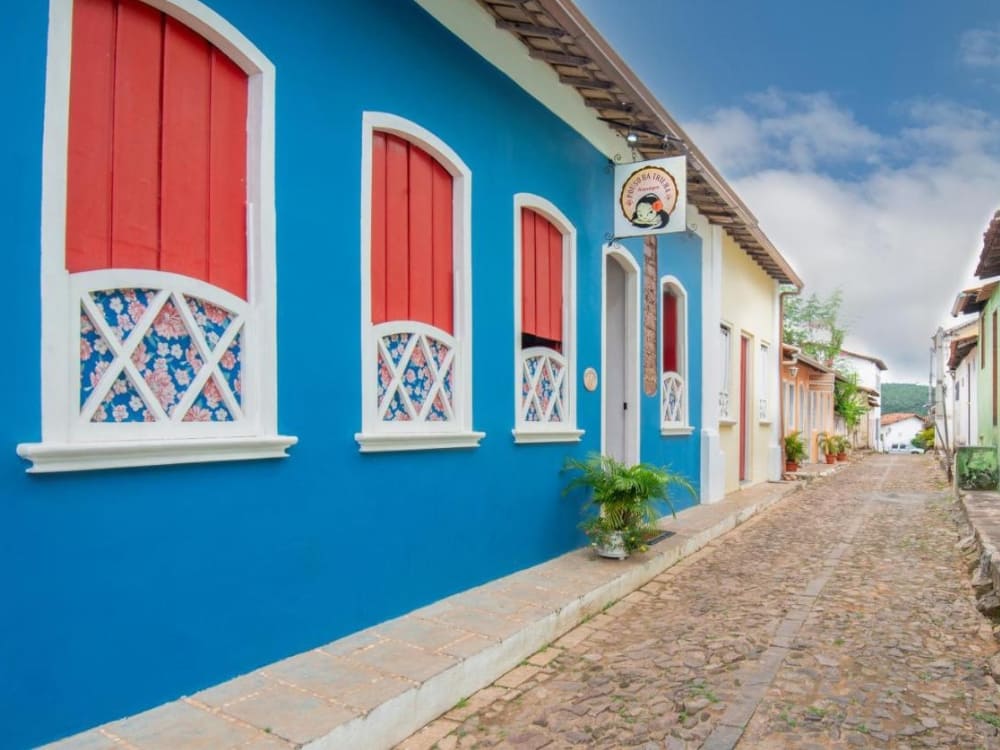
    Bright blue facade with white and red window frames of Pousada Alto do Cajueiro on a cobblestone street in Lençóis.
    .

    Pousada Alto do Cajueiro

    Who says a budget accommodation can’t be beautiful and provide great services? The charming, modern decor of Pousada Alto do  Cajueiro is just the cherry on top, as each room includes single or double beds, ceiling fans, closets, and private bathrooms.

    Room service, concierge, luggage storage, and breakfast (buffet or continental) are also included. For an additional cost, guests can hire airport transfer services.

    • Address: R. do Cajueiro, 161
    • Price range: $$

    Where to stay in Mucugê?

    When searching for where to stay in Chapada Diamantina, Mucugê always shows up as a top choice for high-quality accommodations. With over 12,700 inhabitants, the town resembles Lençóis’ colonial architecture, but it’s even more peaceful, ideal for people looking for a serene retreat.

    In addition, a lot of trekking circuits to Vale do Pati kick off in Guiné, a small village from the district of Mucugê, one hour away from the city’s downtown. 

    Colorful little houses, historical churches, a beautiful bandstand, and restaurants adorn the main street. To fully engage with Mucugê’s history and culture, tourists also like to visit the Bizantino Cemetery, famous for its bright white tombstones.

    Bright white tombstones of the historic Bizantino Cemetery built into the rocky green mountainside of Mucugê.
    Byzantine Cemetery of Mucugê

    👉 Read more: When is the best time to visit Chapada Diamantina?

    Pousada Monte Azul

    The wonderful location is one of the highlights of Pousada Monte Azul—only 500 meters away from downtown Mucugê, 1.5 km away from the Paraguaçu River, and 7 km away from Sibéria, a beautiful waterfall in Chapada Diamantina National Park.

    Guests always compliment the amazing Brazilian food served fresh every day at the restaurant, the attentive staff, and the comfortable rooms, which feature single or double beds, TVs, minifridges, a rustic decor, and private bathrooms.

    • Address: Av. Antonito Pina Medrado, 563
    • Price range: $$$$$
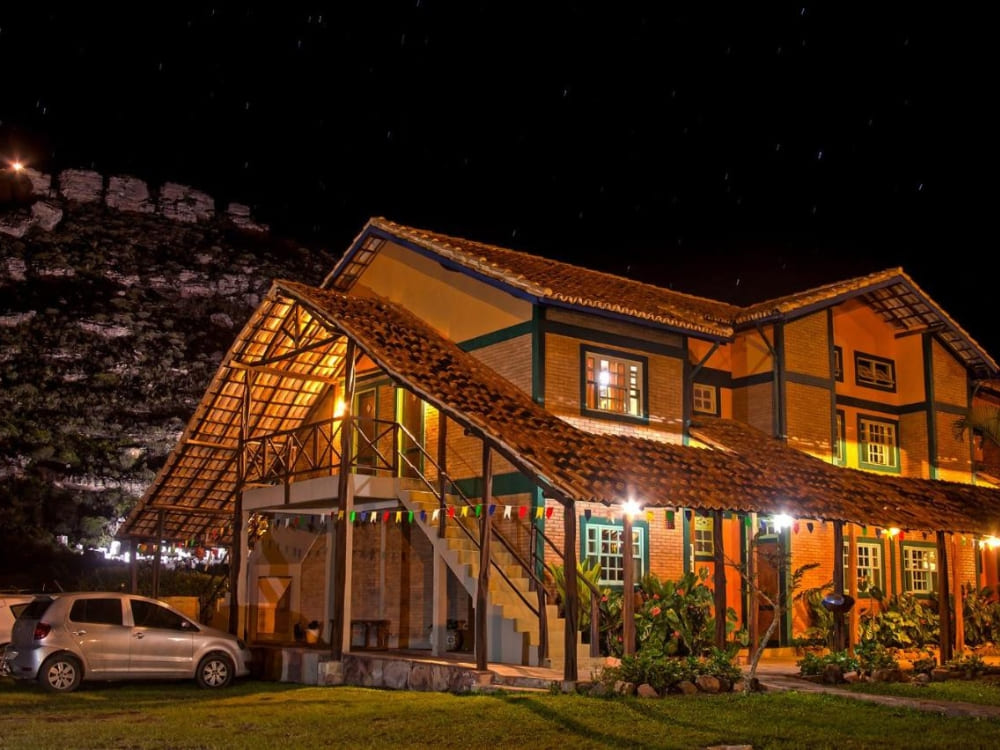
    Rustic exterior of Pousada Monte Azul in Mucugê illuminated at night under a dark sky.
    .

    Pousada Mucugê

    A local classic, Pousada Mucugê is modest yet efficient, mostly recommended for people who like to explore and only go back to their accommodations to rest by the end of the day. 

    Either way, it offers a swimming pool, Wi-Fi, and private parking. Single or double beds, private bathrooms, and fresh towels are found in the cozy rooms.

    • Address: R. Dr. Rodrigues de Lima, 30 – Centro
    • Price range: $$$

    Pousada Primavera

    Only a 5-minute walk away from downtown Mucugê, Pousada Primavera offers a serene ambiance, perfect for people who wish to escape the hustle and bustle of everyday life.

    Find chalets with comfy beds, hammocks, excellent service, and a hefty breakfast every morning. Cost-efficiency, comfort, and great services in the same stay experience!

    • Address: R. do Caboclo, 102 – Centro
    • Price range: $$$

    Pousada Guiné

    Pousada Guiné is a cozy stay in the village of Guiné—a perfect spot for adventurers who want to stay close to the starting point of the Vale do Pati trek—featuring a sun terrace, garden, restaurant, bar, free WiFi, and an on-site bar.

    The rooms are simple but still comfortable, equipped with comfortable beds, air-conditioning, and private bathrooms. The beautiful views from each unit make the stay even better!

    • Address: R. Eliezer Lima de Oliveira – Guiné
    • Price range: $$

    Where to stay in Vale do Capão?

    In the district of Caeté-Açu, which belongs to the town of Palmeiras, Vale do Capão is a peaceful small village in Chapada Diamantina.

    Known for its stunning waterfalls, scenic trails, and laid-back atmosphere, it’s a gateway to famous hikes like Cachoeira da Fumaça and Morrão, attracting nature lovers, backpackers, and trekkers from all over the world seeking a deep connection with nature.

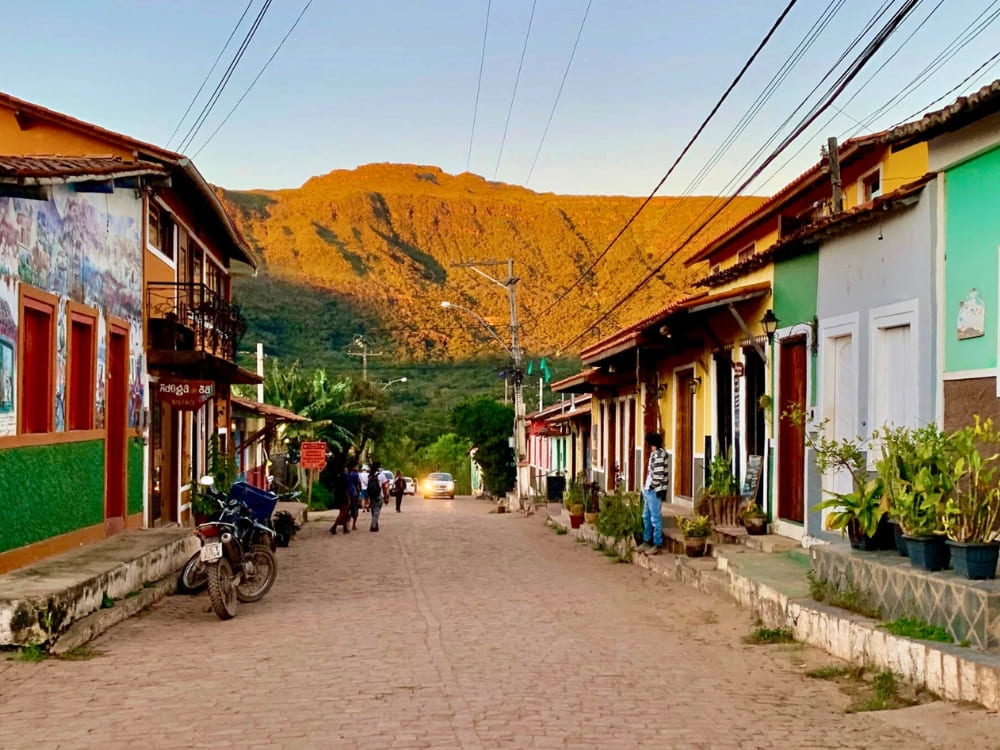
    Colorful houses lining the peaceful main street of Vale do Capão with a massive mountain glowing at sunset.
    .

    Pousada Amanhecer

    Pousada Amanhecer is an exceptional accommodation with sophisticated facilities and stunning natural views. Social areas include a well-kept garden, a fine dining restaurant, a bar, a playground, and a swimming pool.

    Guests can relax in high-end suites and bungalows with double beds, air-conditioning, mini-fridges, coffee makers, private bathrooms and balconies, and premium amenities.

    • Address: Sítio Povoado Caeté-Açu, 997 – Zona Rural, Palmeiras
    • Price range: $$$$$
    Modern swimming pool and sophisticated concrete architecture of Pousada Amanhecer overlooking the mountains in Vale do Capão.
    .

    Pousada Aconchego

    Surrounded by plants and adorned by Chapada Diamantina’s mountains on the horizon, Pousada Aconchego offers a cozy ambiance with its lovely rooms, hammocks, and friendly staff.

    If you have a restricted diet, make your food in the shared kitchen and cafeteria (open 24/7). The bucolic infrastructure is often praised!

    • Address: R. da Vila, s/n – Centro
    • Price range: $$$

    Pousada do Capão

    If you’re looking for a peaceful retreat in Chapada Diamantina, Pousada do Capão is a great choice. The accommodation offers cozy and well-maintained rooms, free parking, free Wi-Fi, private bathrooms, and a delicious breakfast every morning.

    The friendly staff is always available to offer recommendations on hikes and activities in the area. A perfect spot for nature lovers looking for comfort and tranquility!

    • Address: R. Chamego, s/n – Centro
    • Price range: $$$

    Pousada Pé no Mato

    When it comes to where to stay in Chapada Diamantina on a budget, Pousada Pé no Mato is a great option. Particularly recommended for young travelers and couples, there’s no food service, but guests can cook in the shared kitchen or explore the flavors of Vale do Capão restaurants—only a short walk away.

    Enjoy comfortable rooms with double or single beds, private bathrooms, hammocks, and a coworking space. Nearby, you’ll find hiking trails for Fumaça Waterfall and Vale do Pati.

    • Address: R. da Vila, 02 – Vale do Capão
    • Price range: $$
    A well-kept circular garden with a stone fountain at a peaceful retreat, framed by green mountains in Chapada Diamantina.
    .

    Booking your trip to Chapada Diamantina with PlanetaEXO

    Now that you know some of the best hotels in Chapada Diamantina, how about starting to plan your trip right now?

    PlanetaEXO, an ecotourism platform specializing in Chapada Diamantina tours, works with the finest local operators to guarantee an unforgettable experience, including luxury or budget-friendly inns and residents of the national park. Contact us now!
  • How to visit Chapada Diamantina National Park, Brazil – Travel Guide

    How to visit Chapada Diamantina National Park, Brazil – Travel Guide

    Learn everything you need to know to travel to Brazil’s Chapada Diamantina, including how to get there, the best time to visit, main activities, and more!

    Chapada Diamantina National Park, in Brazil, is a conservation unit that protects a massive area of stunning natural landscapes formed by waterfalls, caves, canyons, mountains, and rich fauna and flora.

    Considered one of the best places in the world for ecotourism activities—especially trekking—Chapada Diamantina is the most well-known national park among Brazilians, according to research by the Semeia Institute. Among foreigners, it’s the sixth most sought-after Brazilian destination, reaching more than 11,500 online searches in 2024 alone, according to data from the Brazilian Tourist Board.

    PlanetaEXO, an ecotourism platform specializing in Chapada Diamantina tours, not only knows this fantastic destination intimately, but we’ve also taken countless adventurers from all over the world to explore it. To help even more travelers immerse themselves in this universe of natural beauty, we’ve put together a complete travel guide with all the essential information. See below!

    Table of contents:

    1. About Chapada Diamantina
    2. How to get to Chapada Diamantina National Park, Brazil?
    3. When is the best time to visit Chapada Diamantina?
    4. What to do in Chapada Diamantina?
    5. How many days should I stay in Chapada Diamantina National Park?
    6. Where to stay in Chapada Diamantina?
    7. Do I need a guide to visit Chapada Diamantina?
    8. What should I pack for a Chapada Diamantina hike?
    9. Best Chapada Diamantina tours
    A man swims in a dark natural pool, looking up at a tall waterfall cascading down a canyon with layered rock formations.
    @vilkercruz

    About Chapada Diamantina

    In northeastern Brazil, the Chapada Diamantina National Park is located approximately 420 km away from Salvador, the capital of the state of Bahia. Its area of over 1,521 km²  is distributed among the municipalities of Lençóis, Mucugê, Ibicoara, Andaraí, Itaetê, and Palmeiras.

    With the highest elevation above 500 meters, Chapada Diamantina is also an integral part of the Serra do Sincorá. Extending across 80 kilometers, this mountain range significantly contributes to the landscape and the biodiversity of the park.

    Like the other seventy national parks scattered throughout Brazil, Chapada Diamantina protects natural resources—including fauna, flora, bodies of water, rock formations, and archaeological sites—and opposes the negative effects of industrialization on ecosystems.

    Spanning the Caatinga, Cerrado, and Atlantic Forest biomes, its biodiversity blends rocky fields, riparian forests, and seasonal forests, proving just how important this natural richness actually is for the country’s ecological balance, as well as presenting great possibilities for sustainable tourism.

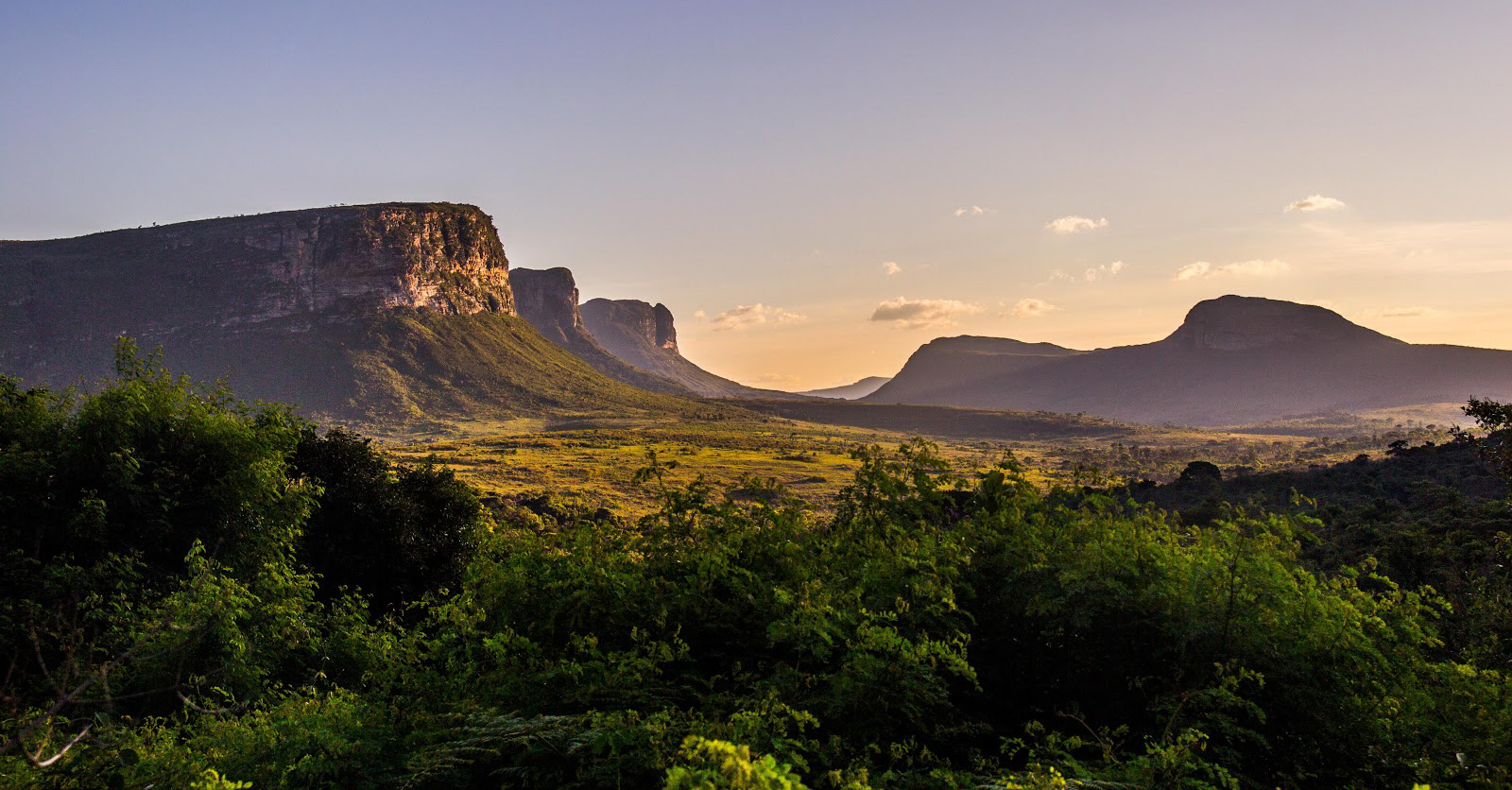
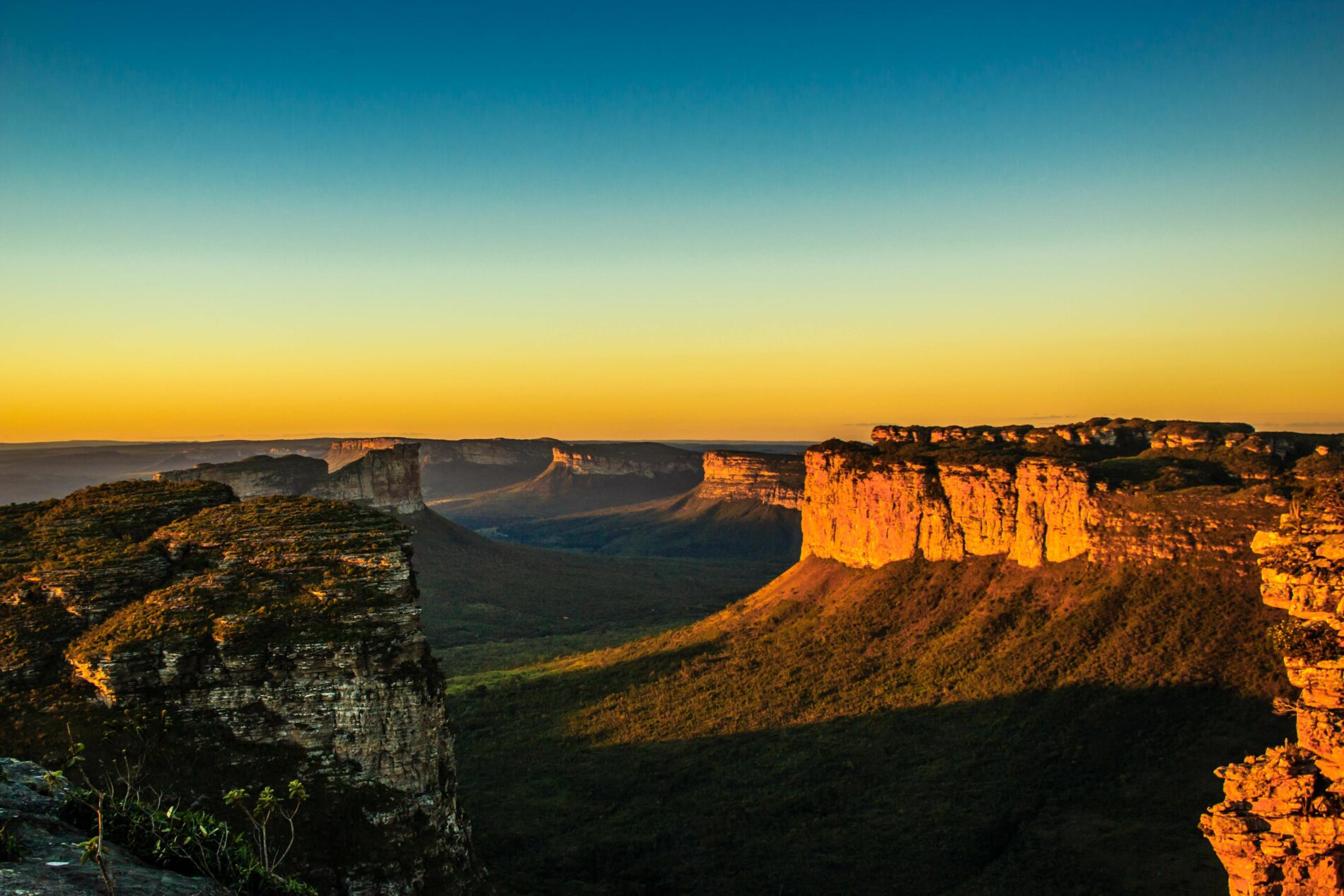
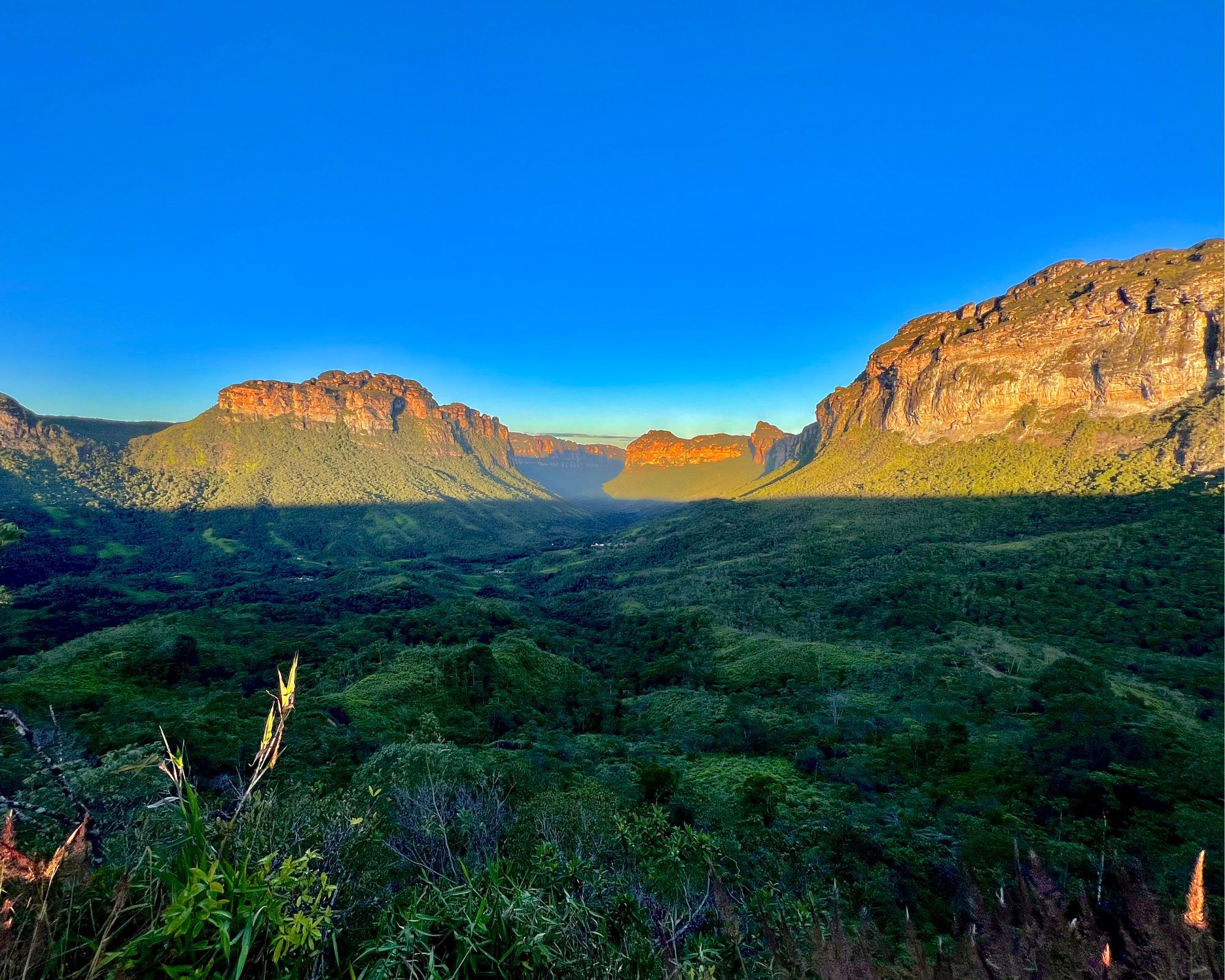
    Panoramic view of Chapada Diamantina's flat-topped mountains and deep green valleys illuminated by the golden light of a sunset.
    .

    Although not the best place in Brazil for wildlife observation—this title belongs to the Pantanalthe fauna of Chapada Diamantina is very rich, especially the birds. There are more than 370 different species, including the chaco eagle, white-browed guan, vinaceous-breasted amazon, and the endemic hooded visorbearer.

    The flora is also abundant. With over a hundred types of flowers, they can be seen in shrubs, rocky fields, and among the rocks. There are also cacti, begonias, low palm trees, and about 440 endemic plant species throughout the park.

    Chapada Diamantina’s history

    Nearly 2 billion years ago, the Chapada Diamantina National Park in Brazil was covered by the waters of the Espinhaço Sea. Over time, the ecosystem changed, going through glacial periods, deserts, and new floods.

    Slowly, the soil became fertile, and vegetation grew, turning into the ideal home for large reptiles, dinosaurs, and now-extinct mammals such as the giant sloth, whose remains have been found in the well-known Poço Azul in 2005.

    A group of hikers with backpacks walks along a rocky trail towards the mountains during a bright sunset in Chapada Diamantina.
    .

    Rock paintings found in Lençóis indicate that the first humans inhabited the region about 13,000 years ago, while various indigenous groups (Papayá, Maracá, Aimoré, Topins, etc.) also called Chapada home.

    In the 16th century, explorers from other Brazilian states began to explore the natural resources of Bahia. At the end of the 17th century, the first diamonds were discovered in the Cumbucas River, in Mucugê. This triggered a great era of diamond extraction—hence the name “Diamantina”—making mining the main economic activity for a long time.

    Eventually, mining cooled down until it was completely banned in 1996. The national park was created in 1985 with the aim of preserving the region’s biodiversity, something that would not have been possible if the miners had continued their work.

    Today, Chapada Diamantina serves as a center for adventure and eco-tourism, drawing thousands of visitors to experience some of its famous unique attractions like the Morro do Pai Inácio, Poço Azul, Cachoeira da Fumaça, and Vale do Pati.

    How to get to Chapada Diamantina National Park, Brazil?

    The easiest route to get to Chapada Diamantina is from Salvador (SSA), which is served by flights from São Paulo, Recife, Belo Horizonte, and Brasília. International visitors can get to Bahia’s capital departing from Buenos Aires, Lisbon, Madrid, Paris, and Panama City.

    An empty paved road leads directly toward the iconic Morro do Pai Inácio mountain under a clear blue sky at dusk.
    .

    From Salvador, it takes a little over an hour to fly to Lençóis (LEC), considered by many as the main gateway to the national park. By car or bus, it takes 6–7 hours to reach Lençóis, Mucugê, or Palmeiras.

    👉 Read more: How to Get to Chapada Diamantina National Park?

    When is the best time to visit Chapada Diamantina?

    Chapada Diamantina can be visited all year round, but your experience will vary depending on the season.

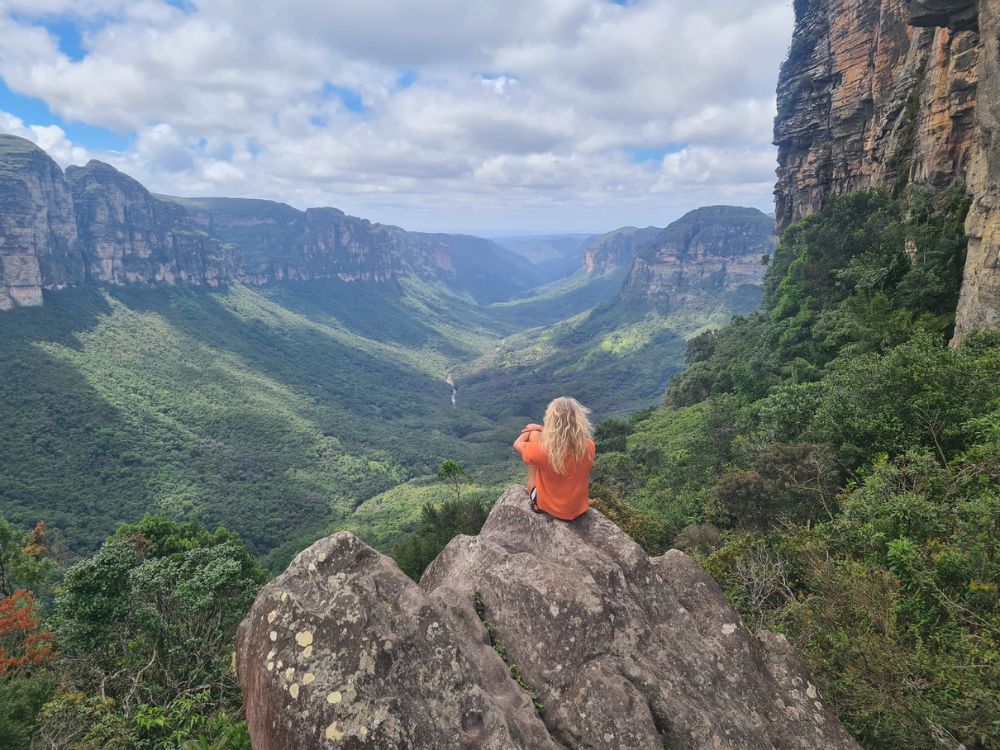
    Woman hiker resting on a rocky cliff edge, overlooking a vast, lush green canyon and distant plateaus during an ecotourism adventure.
    .

    The dry months (May to September) offer clear skies and ideal conditions for hiking, while the rainy season (October to April) brings lush green landscapes and powerful waterfalls. Each with its own charm, so it really is a matter of personal preference.

    👉 Read more: When is the best time to visit Chapada Diamantina?

    What to do in Chapada Diamantina?

    Brazil’s Chapada Diamantina offers a great variety of attractions that cater to adventure seekers and nature enthusiasts alike. Here’s a breakdown of the main activities within the park:

    Hiking and trekking

    Chapada Diamantina hikes attract thousands of visitors every year. Vale do Pati, in particular, has some of the greatest trekking routes not only in Brazil but on the planet due to its beauty and challenging trails.

    This area is noted for its vast plateaus and steep valleys, providing spectacular views and a truly immersive experience in nature. Hiking tours usually pass by Chapada’s most beloved attractions, like Morro do Pai Inácio and Fumaça Waterfall.

    👉 Read more: Best Hikes in Brazil: From Rainforests to Mountain Peaks

    Waterfalls

    Chapada Diamantina National Park has approximately 300 officially cataloged waterfalls. The most well-known is Fumaça, one of the tallest in Brazil, measuring nearly 340 meters in height.

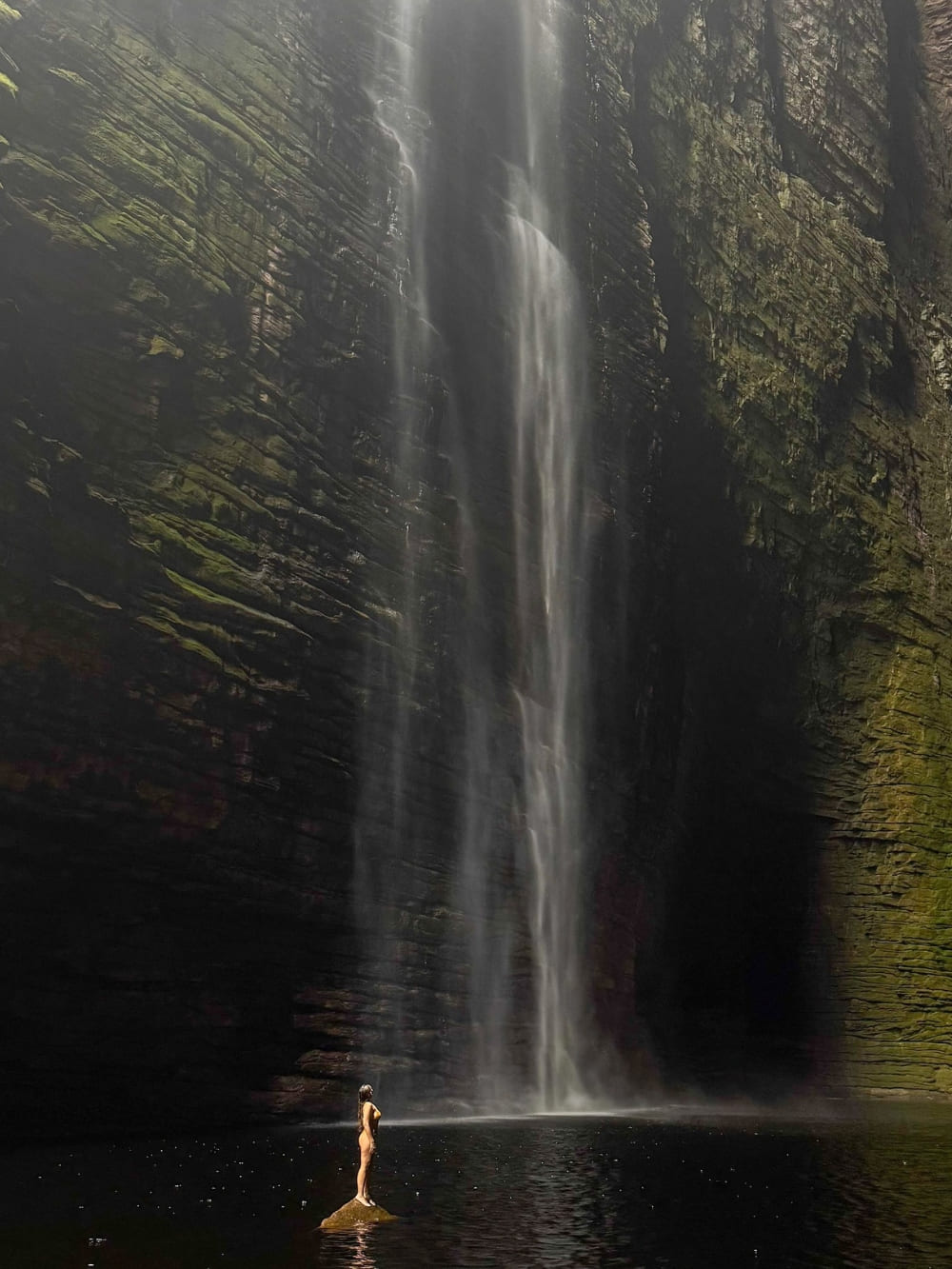
    A person stands on a green mossy rock in a narrow canyon, looking at a powerful waterfall crashing into the dark water below.
    Photo: Lucas Ribeiro

    Other waterfalls worth visiting to cool off during treks are Fumacinha, Buracão, Mixila, and Sossego.

    👉 Read more: Chapada Diamantina Waterfalls – Best Trails and Hidden Gems

    Caves

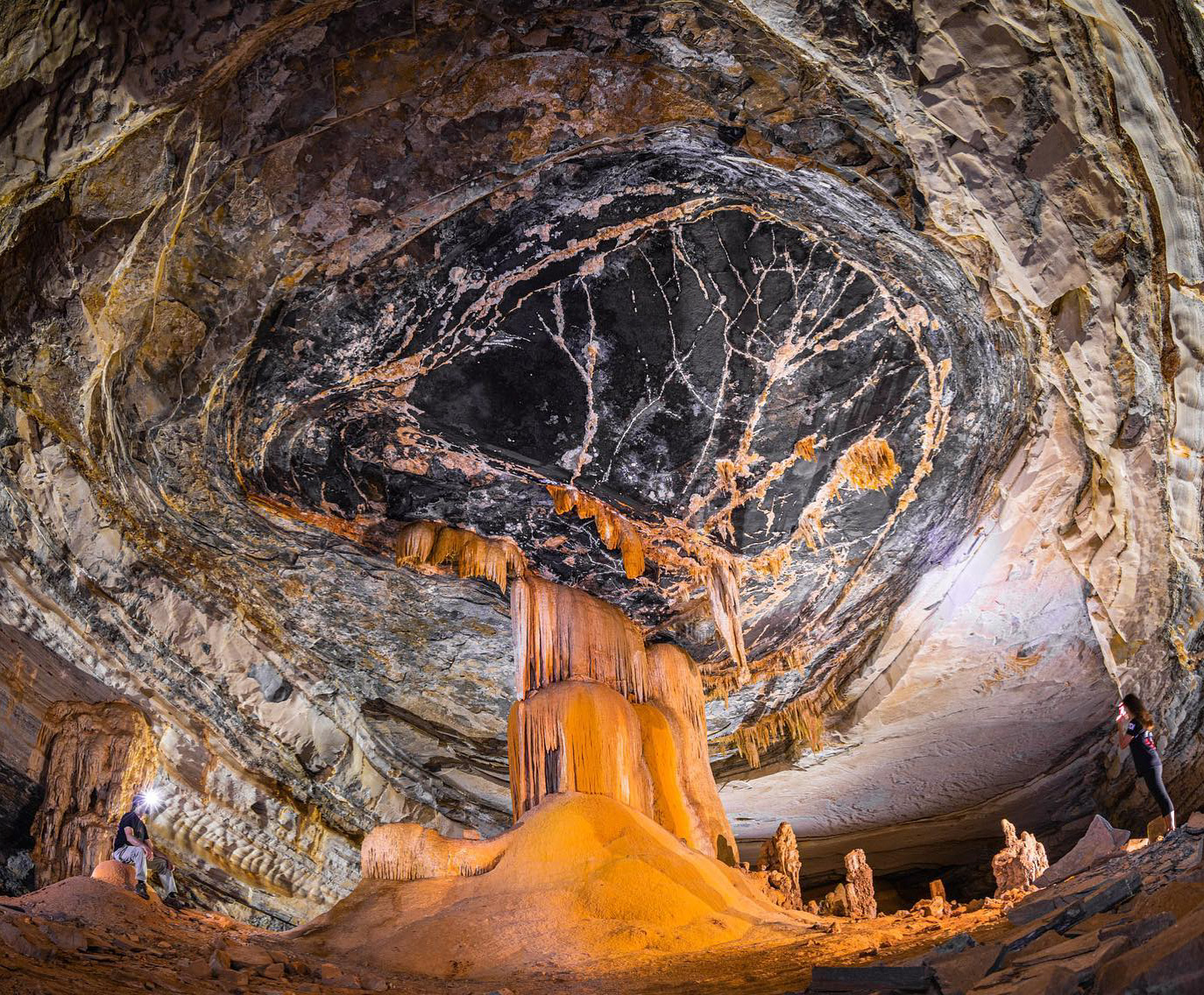
    The caves scattered around the park offer a unique underground experience. Gruta da Lapa Doce is one of the most noticeable, where visitors can explore an 850-meter path lined with impressive limestone formations and delve into the geological past of the region.

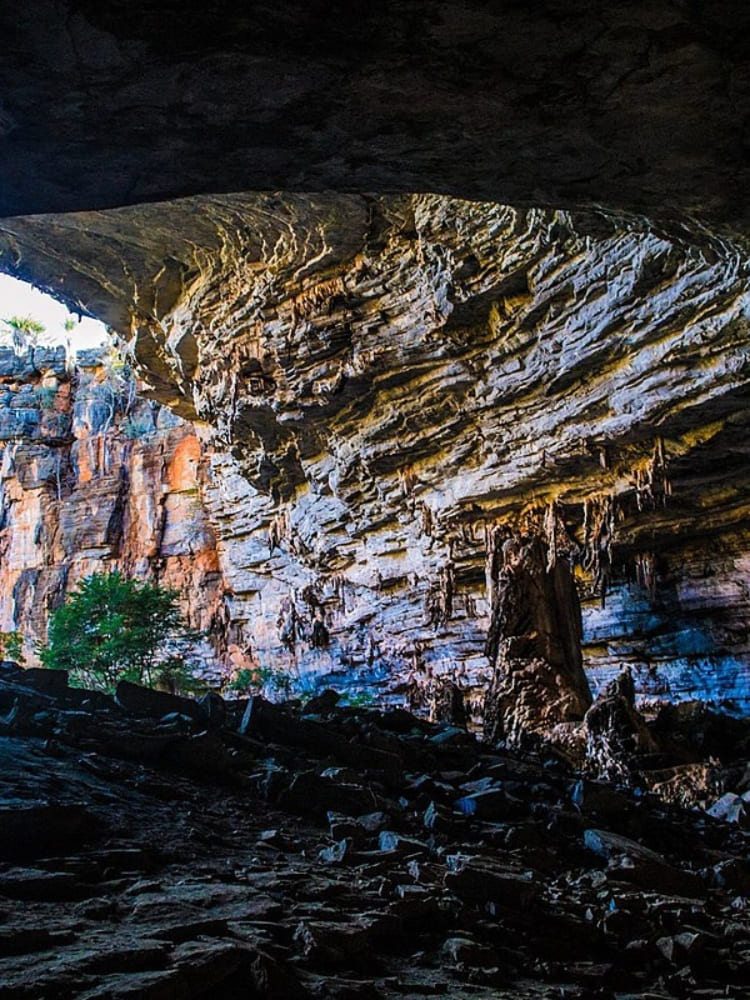
     The interior of a large, illuminated cave showing an impressive cluster of ancient limestone stalactites and stalagmites.
    .

    Close by is Gruta da Fumaça, famous for its stalactite-filled ceiling and fairly easy access. Other caves worth visiting are Gruta Azul, Gruta do Pratinha, and Gruta da Torrinha.

    Natural pools

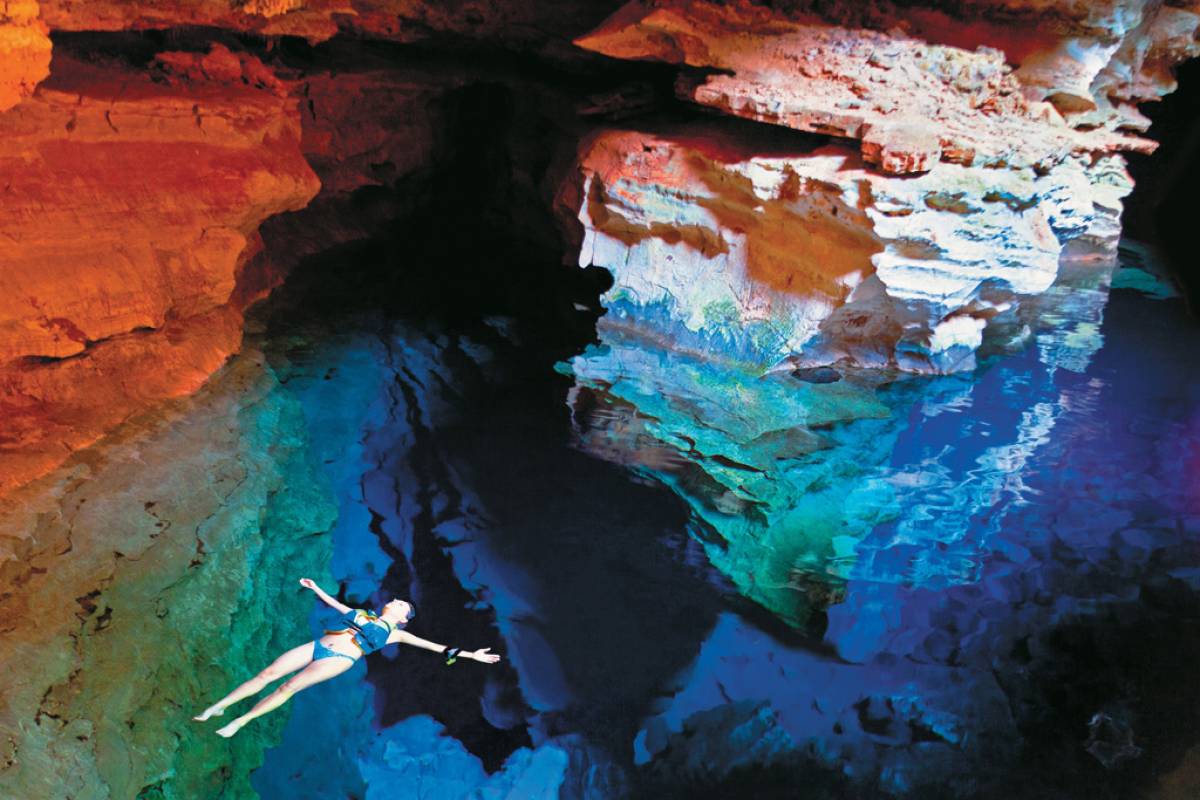
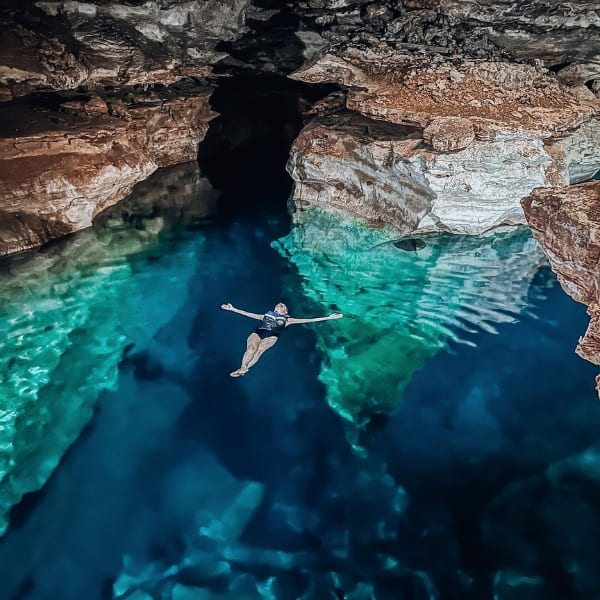
    Poço Encantado offers an escape with its crystal-clear waters sourced from a non-renewable aquifer, providing a place for quiet reflection rather than swimming. Nearby, Poço Azul invites visitors to swim and enjoy its breathtaking beauty up close.

     A woman floats on her back in the crystal-clear, bright blue water of an underground natural pool surrounded by rock walls.
    .

    During the day, the darkness of both caves is broken by sunlight escaping through openings in the rocks, illuminating the water with a beautiful, bright blue hue.

    Culture

    The cultural heritage of Chapada Diamantina is as extensive as its natural resources. In the base towns, there is a strong influence from traditional communities in the cultural vein of the region, including African, indigenous, riverside, mining, and quilombola (Afro-Brazilian) communities.

    Many of these groups lead activities open to the public, such as regional festivals, visits to villages, and immersive tours. Cultural diversity is also observed in various aspects of daily life, such as architecture, cuisine, and handicrafts.

    Visitors can also explore the geological and archaeological richness of the Chapada by visiting the Sincorá Museum and the Serra das Paridas archaeological site—both located in Lençóis.

    👉 Read more: What to do in Chapada Diamantina?

    How many days should I stay in Chapada Diamantina National Park?

    It all depends on your travel style and priorities. If you’re on a tight schedule, a 3-day trip is enough for a first introduction to the park’s iconic spots like Morro do Pai Inácio, Cachoeira da Fumaça, or Poço Azul. It’s a compact but rewarding way to experience some of the region’s landscapes and natural highlights without rushing too much.

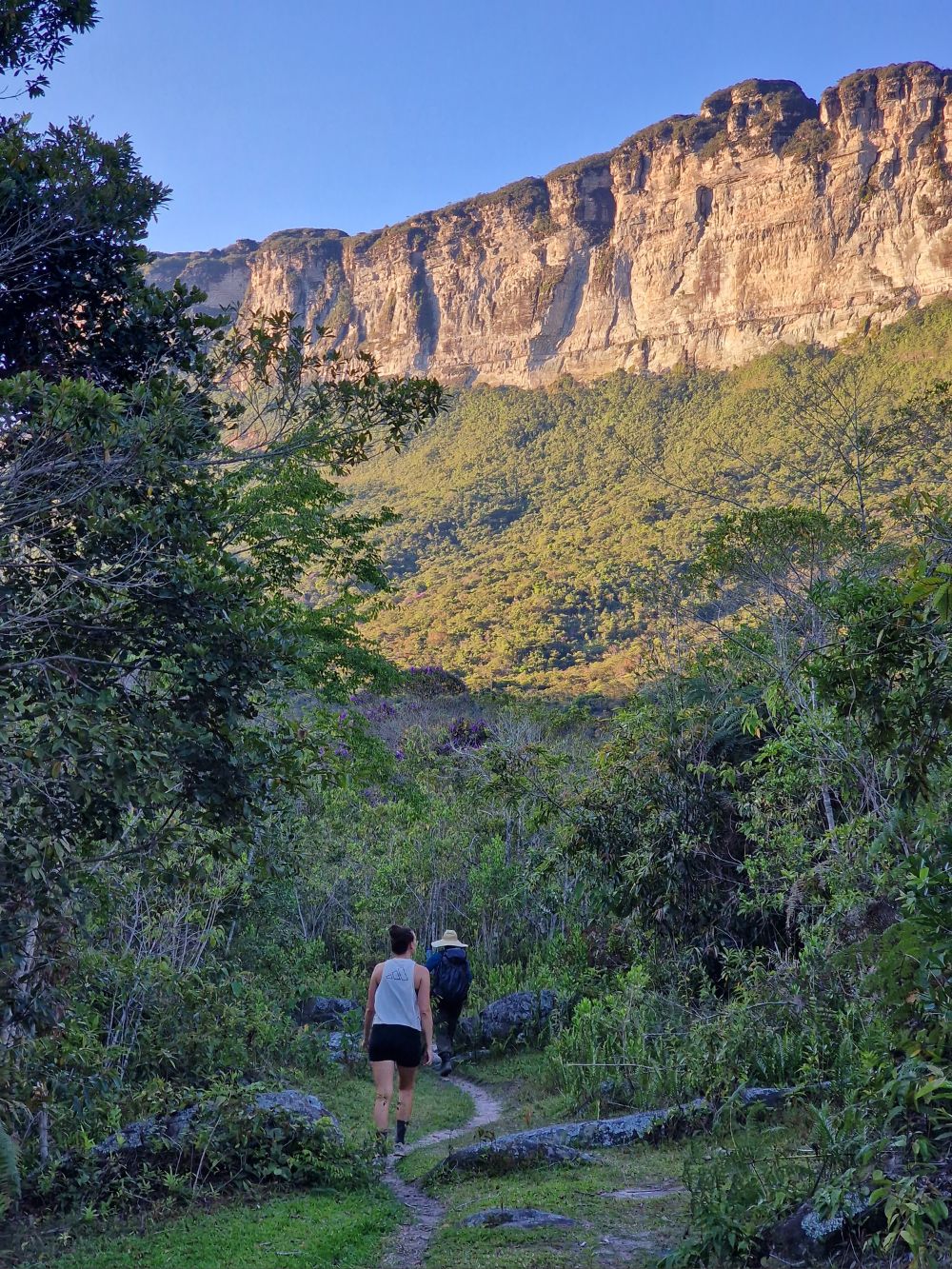
    Two hikers walk along a narrow dirt path through lush green vegetation towards a massive, towering rock wall in Vale do Pati.
    @Rasmus Soeby

    For travelers with more time and a bit more flexibility, staying 5 to 7 days (or even longer) will allow for a much deeper connection with the park. With extra days, you can venture into remote areas like Vale do Pati, explore hidden waterfalls, and balance physically demanding trails with moments of relaxation in the surrounding towns.

    Given the size of the park and the long distances between attractions, it’s worth planning your itinerary carefully to minimize time spent on the road and maximize your time on the trails.

    👉 Read more: How many days should you stay in Chapada Diamantina?

    Where to stay in Chapada Diamantina?

    Chapada Diamantina is a broad area dotted with diverse towns, each offering unique accommodation options to suit various tastes and preferences. From charming bed & breakfasts and authentic homestays to traditional hotels, there is an alternative for everyone.

    Lençóis

    Lençóis is a favored starting point for many travelers due to its easy access and great infrastructure. This historic town is alive with activities, offering numerous Chapada Diamantina tours that explore the natural and cultural highlights of the area.

    Mucugê

    Mucugê is a quieter, more reflective atmosphere with beautifully preserved colonial architecture and peaceful cemeteries, providing a serene retreat after a busy day of exploration.

    Palmeiras

    Palmeiras is the gateway to the stunning Vale do Capão, renowned for its lush landscapes and extensive hiking trails. It’s ideal for those looking for a closer connection to nature.

    Andaraí

    Andaraí is located along the banks of the Paraguaçu River. Steeped in natural beauty, it offers easy access to a variety of trails, waterfalls, and historical sites, making it a versatile choice for accommodation.

    Igatu

    For those who prefer smaller, more intimate settings, this historic village is the perfect choice. Known as “Stone Village” and “Bahia’s Machu Picchu,” Igatu enchants everyone with its 19th-century stone ruins and calm ambiance, offering a peaceful retreat for people who love nature and history.

    Ibicoara

    Ibicoara is a paradise for avid hikers and nature lovers. This less-crowded town is an excellent base for exploring some of the park’s most magnificent waterfalls, including the breathtaking Fumacinha.

    Homestay

    For adventurers seeking a truly immersive trip, the Vale do Pati trek is unmatched. Since this is a multi-day experience, spending the night within the national park borders is the only option for accommodation.

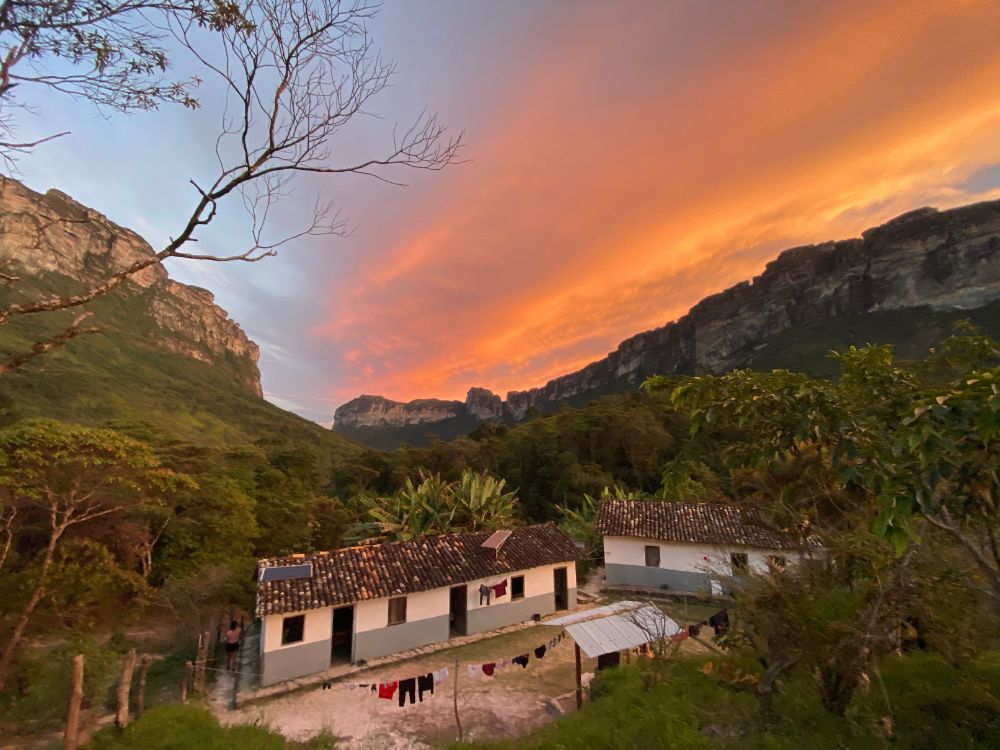
     Modest white homestay houses with clay roofs nestled in a green valley beneath towering mountains, under a dramatic orange sunset sky.
    .

    Only a handful of families live in the area, which makes the stay even more authentic and intimate. The houses are modest but still cozy, providing everything trekkers need for a good rest, including beds, blankets, bathrooms, and hot meals.

    This type of accommodation enhances the experience and causes a positive impact on the local communities who rely on ecotourism to make a living.

    👉 Read more: Where to stay in Chapada Diamantina?

    Do I need a guide to visit Chapada Diamantina?

    Yes, you absolutely need a guide in Chapada Diamantina. In addition to being massive, the national park has numerous areas that are difficult to navigate and can be potentially dangerous for those unfamiliar with it. The lack of cell phone and internet service also complicates things, making calls for help very difficult in emergency situations.

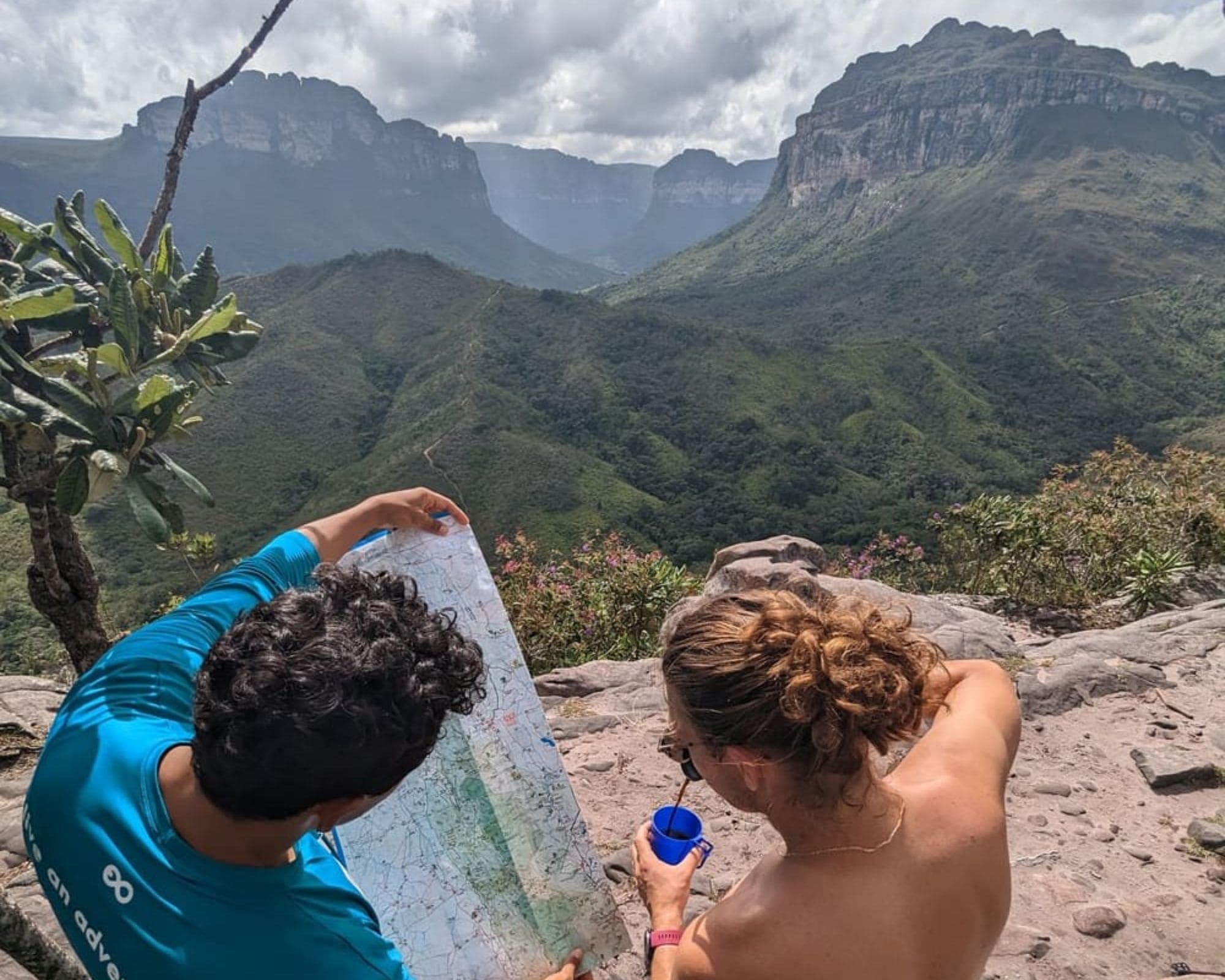
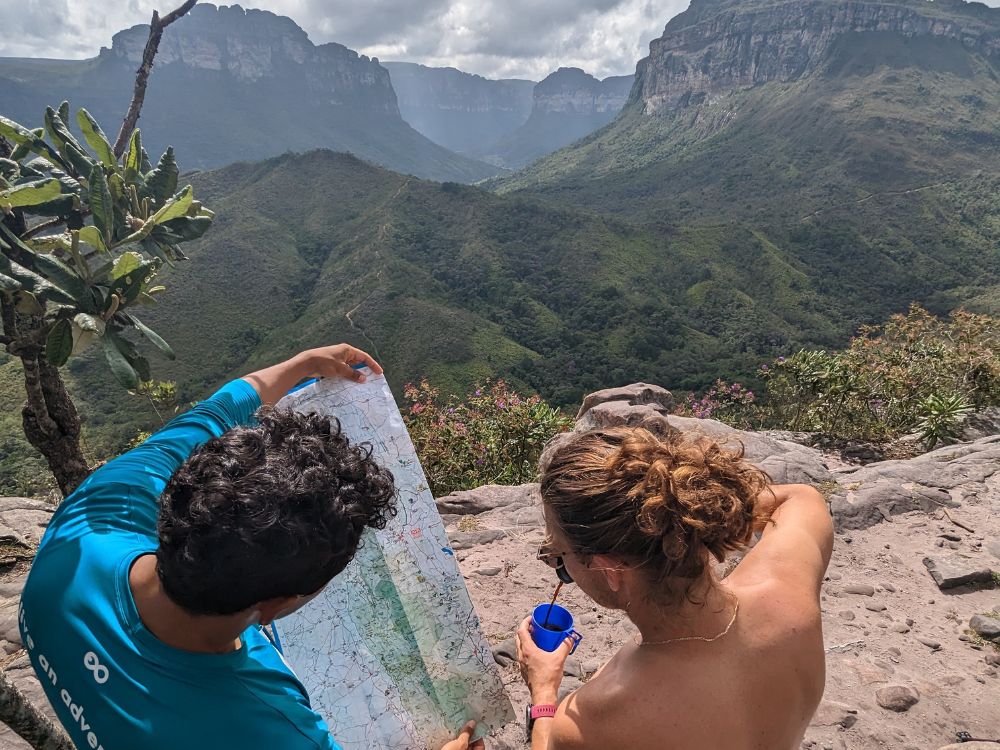
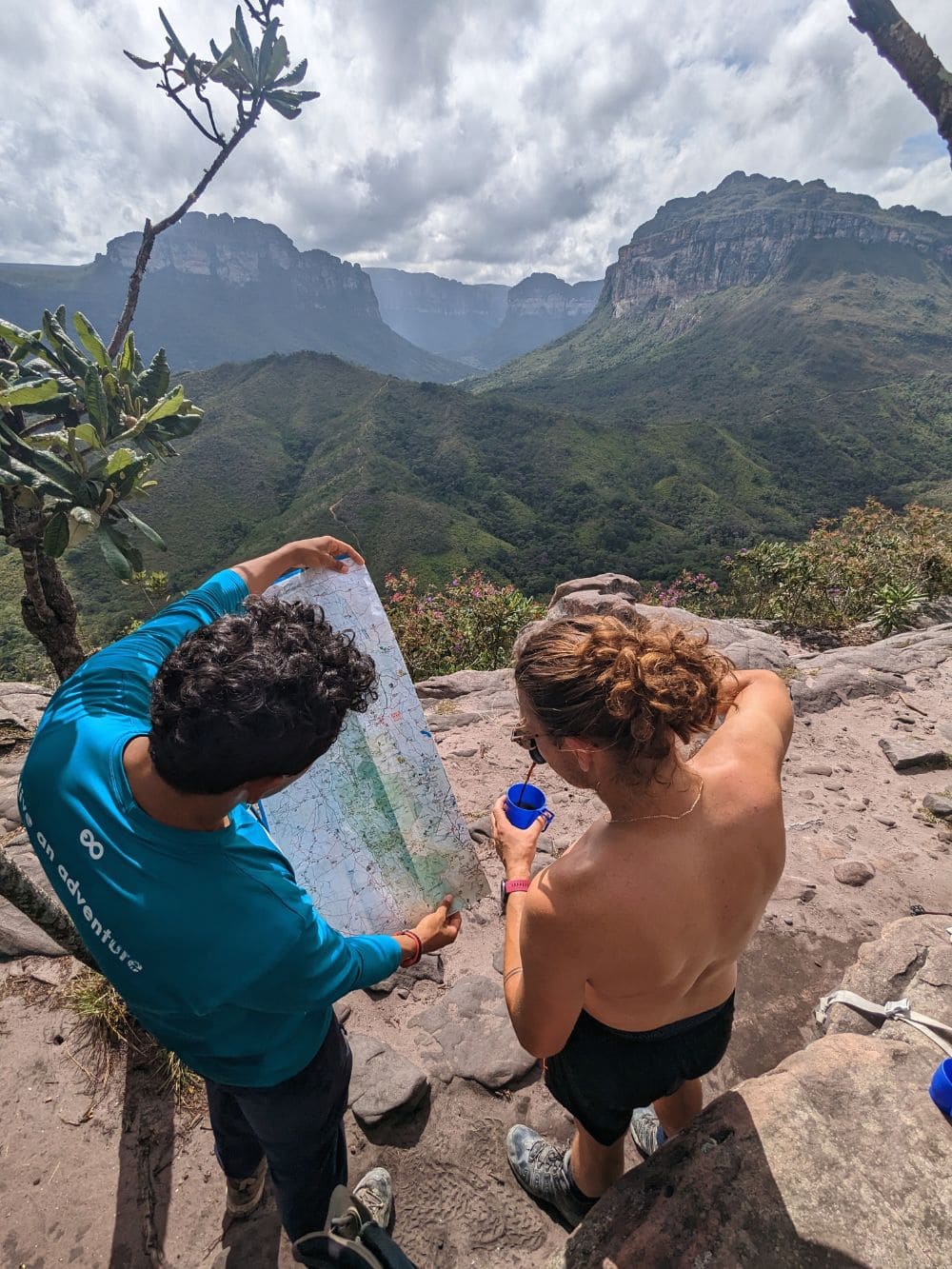
    A PlanetaEXO local guide wearing a blue shirt shows a trail map to a female hiker, with a vast green valley and mountains in the background.
    .

    The guides are locals, which means they know every trail, waterfall, and cave intimately. These professionals help groups stay on track, keep them safe, and gain a deeper understanding of Chapada’s secrets by sharing their knowledge of its ecosystem and culture.

    What should I pack for a Chapada Diamantina hike?

    If you’re traveling to Chapada Diamantina National Park in Brazil, be sure to bring the following items:

    • Light clothes, including UV-resistant long-sleeved shirts
    • Windbreaker and sweater
    • Raincoat and/or waterproof jacket
    • Quick-drying towel
    • Hiking shoes
    • Socks
    • Flip-flops
    • Swimwear
    • Hats/caps
    • Sunglasses
    • Sunscreen
    • Insect repellent
    • Reusable water bottle
    • Waterproof bag
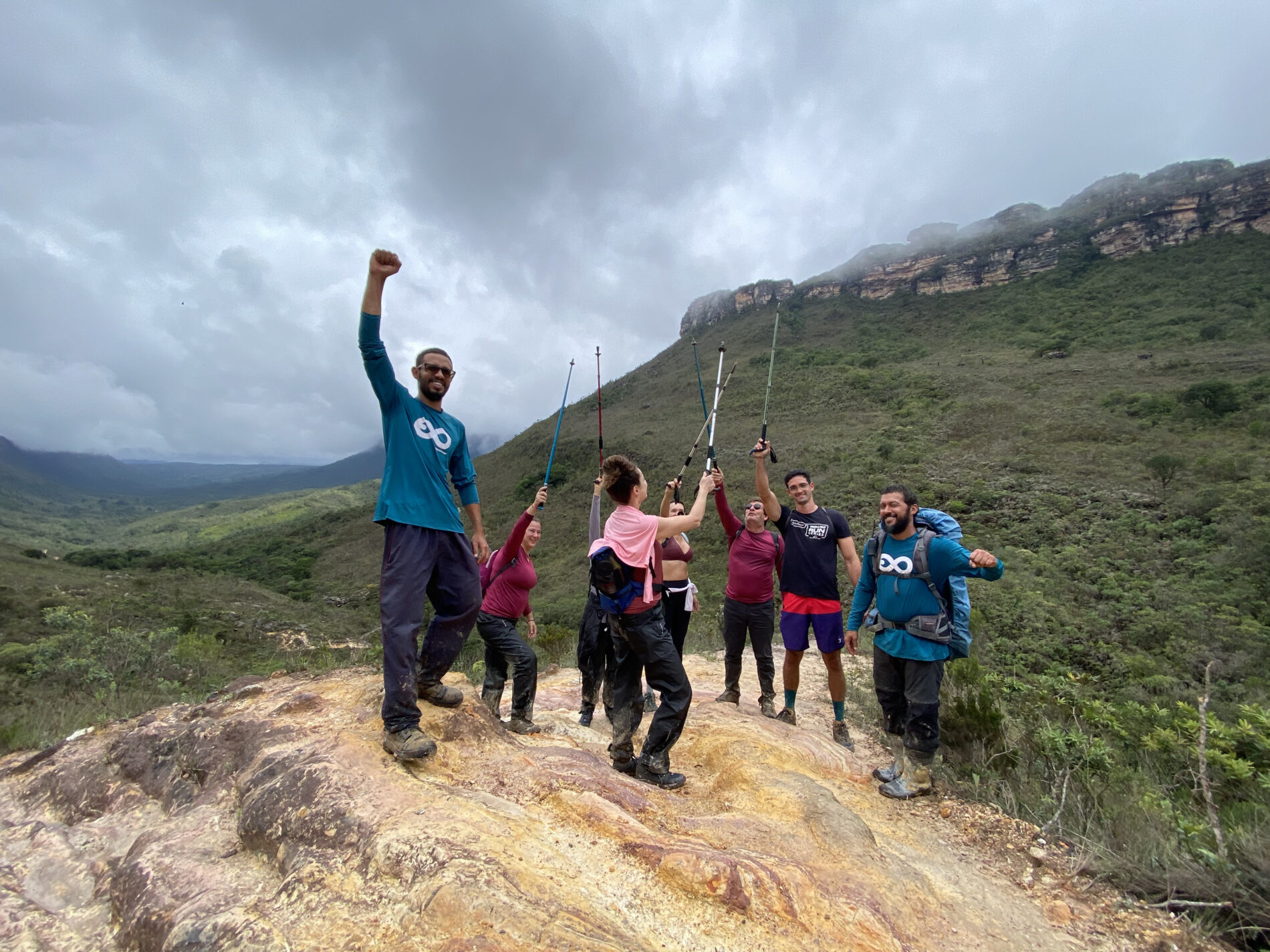
    A group of hikers and a PlanetaEXO guide celebrate with raised arms on a rocky peak, surrounded by green mountains under a cloudy sky.
    .

    Don’t forget the usual travel essentials: documents, credit/debit cards, cash (Brazilian Real), medicine (for headaches, muscle tension, stomach bugs…), chargers, and portable chargers for cellphones, laptops, tablets, and cameras.

    Best Chapada Diamantina tours

    Can’t wait to live the adventure of a lifetime in an unforgettable Chapada Diamantina hike? Check out PlanetaEXO’s tours!

    TOUR HIGHLIGHTS DURATION STARTING PRICE*
    Chapada Diamantina Tour  Waterfalls (Fumaça, Fumacinha, Riachinho, Mosquito), caves (Gruta Azul, Gruta Lapa Doce), Pai Inácio Hill, hiking, historic center of Lençóis. 3 days US$ 280
    Ultimate Chapada Diamantina Hike Hiking, Poço Encantado, Poço Azul, 3 days of trekking in Vale do Pati + Buracão and Fumacinha waterfalls. 6 days US$ 1,000
    Chapada Diamantina Trip Hiking, Vale do Capão, waterfalls (Fumaça, Buracão, Mosquito) Gruta Lapa Doce, Pai Inácio Hill, Poço Encantado, Poço Azul, historic center of Mucugê. 7 days US$ 630
    Vale do Pati Trek Chapada Diamantina Hiking, Morro do Castelo, Cachoeirão and Funis waterfalls, accommodation with locals. 3 days US$ 410
    Pati Valley Hike Chapada Diamantina Hiking, Morro do Castelo, waterfalls (Cachoeirão and Funis), accommodation at locals’ houses. 4 days US$ 545
    Chapada Diamantina Trek Vale do Pati Trekking, Morro do Castelo, Cachoeirão and Funis waterfalls, Poço da Árvore, Ladeira do Império, Andaraí, accommodation with locals. 5 days US$ 585

    *Per person, based on double occupancy in group departures. Prices may vary depending on season and availability. Exchange rate as of April 2nd, 2026; subject to change.

    Explore Chapada Diamantina National Park with PlanetaEXO

    PlanetaEXO is an ecotourism platform specializing in Chapada Diamantina tours. By working alongside the best local operators, our team turns your dream vacation into reality!

    From bookings to tailor-made itineraries, we work every day to ensure unforgettable travel experiences and sustainable practices that benefit both the environment and local communities. Contact us now!
  • When is the best time to visit Chapada Diamantina?

    When is the best time to visit Chapada Diamantina?

    Chapada Diamantina National Park is versatile enough to offer incredible experiences year-round, but it’s important to understand the seasons and your own preferences

    The best time to visit Chapada Diamantina depends on what you’re looking for. If your goal is to see waterfalls at full force and the landscape at its greenest, aim for the rainy season from October to April. For easier trails and better conditions for long hikes, the dry season from May to September is ideal. 

    The timing of your visit can dramatically shape your experience, but no matter when you choose to go, Chapada Diamantina always delivers. Here’s a pro tip: make sure your timing matches your expectations—you’ll definitely be rewarded with a fulfilling, unforgettable travel experience!

    Panoramic view of a lush green valley and flat-topped mountains in Chapada Diamantina National Park at sunrise.
    .

    To help you understand the intricacies of the seasons, PlanetaEXO, an ecotourism platform specializing in Chapada Diamantina tours, has put together a comprehensive guide so you can plan the perfect trip. Check it out below!

    Rainy season (October to April): lush landscapes and powerful waterfalls

    If lush green landscapes, powerful waterfalls, and dramatic scenery appeal to you, then the rainy season, from October to April, might be the right time to visit Chapada Diamantina National Park.

    A hiker in a green jacket admires a towering waterfall inside a steep canyon during the rainy season in Chapada Diamantina.
    Photo: Lucas Ribeiro

    Despite the name, it doesn’t rain all day, every day. Rain tends to fall in short bursts rather than the entire day, often allowing for clear mornings and enough dry hours to enjoy hikes and outdoor activities without major disruptions.

    During this period, the region comes alive. The vegetation is at its most vibrant, and the waterfalls, like Cachoeira da Fumaça and Cachoeirão, are flowing at full force, offering an impressive spectacle framed by thick, green forest. It’s a great time for photographers and those seeking nature at its most intense.

    Two people relax in the warm waters at the base of a powerful waterfall with a bright rainbow in Chapada Diamantina.
    .

    The trails can get muddy and a bit more challenging, especially on steeper routes, so proper footwear is essential. Temperatures often rise above 30°C (86°F), making it a good time for swimming. The currents in some waterfalls may be stronger, but the water is warmer than during the winter.

    👉 Read more: How to Get to Chapada Diamantina National Park?

    Dry season (May to September): ideal for hikers and long treks

    For many trekkers, the dry season is considered the best time to visit Chapada Diamantina, especially if your main goal is to explore the park on foot. With little rainfall from May to October, trail conditions are safer and more comfortable. You’ll be able to access remote waterfalls like Fumacinha and Mixila without worrying about flooded riverbeds or slippery stones. 

    A group of hikers walks along a dirt trail surrounded by green mountains during the dry season in Chapada Diamantina National Park.
    Photo: Lucas Neves

    Temperatures are also milder during this period, with June and July being the coldest months, offering more pleasant conditions for long days of trekking. While the daytime is warm and sunny, the nights can drop to 10°C (50°F) in higher-altitude areas like Mucugê and Vale do Capão.

    Meanwhile, the waterfalls may lose some of their volume, but they remain scenic and refreshing—just be prepared for colder dips!

    Two hikers look down a steep cliff edge at a lush green valley while trekking the iconic Vale do Pati route.
    Photo: Lucas Neves

    The iconic Vale do Pati hike, one of the most celebrated in Brazil, is easier to complete during the dry season. Covering up to 25 km per day, this multi-day adventure demands stable weather and manageable trail conditions, both of which are more common during the drier months. 

    👉 Read more: Best Hikes in Brazil – From Rainforests to Mountain Peaks

    Best time to see the sun ray phenomenon at Poço Encantado and Poço Azul

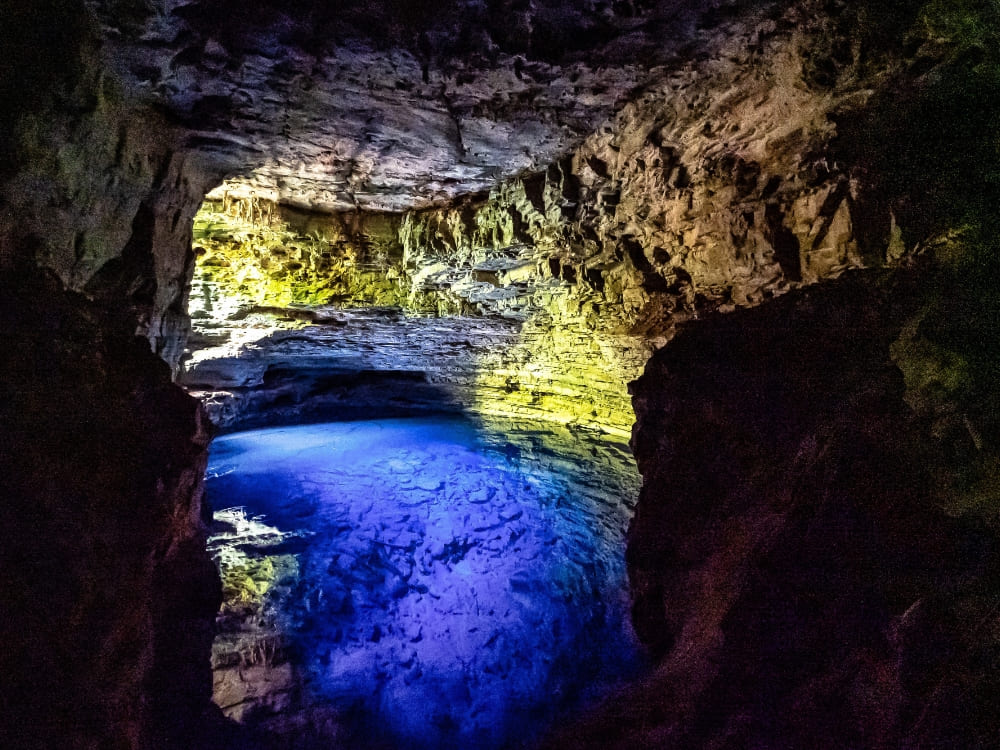
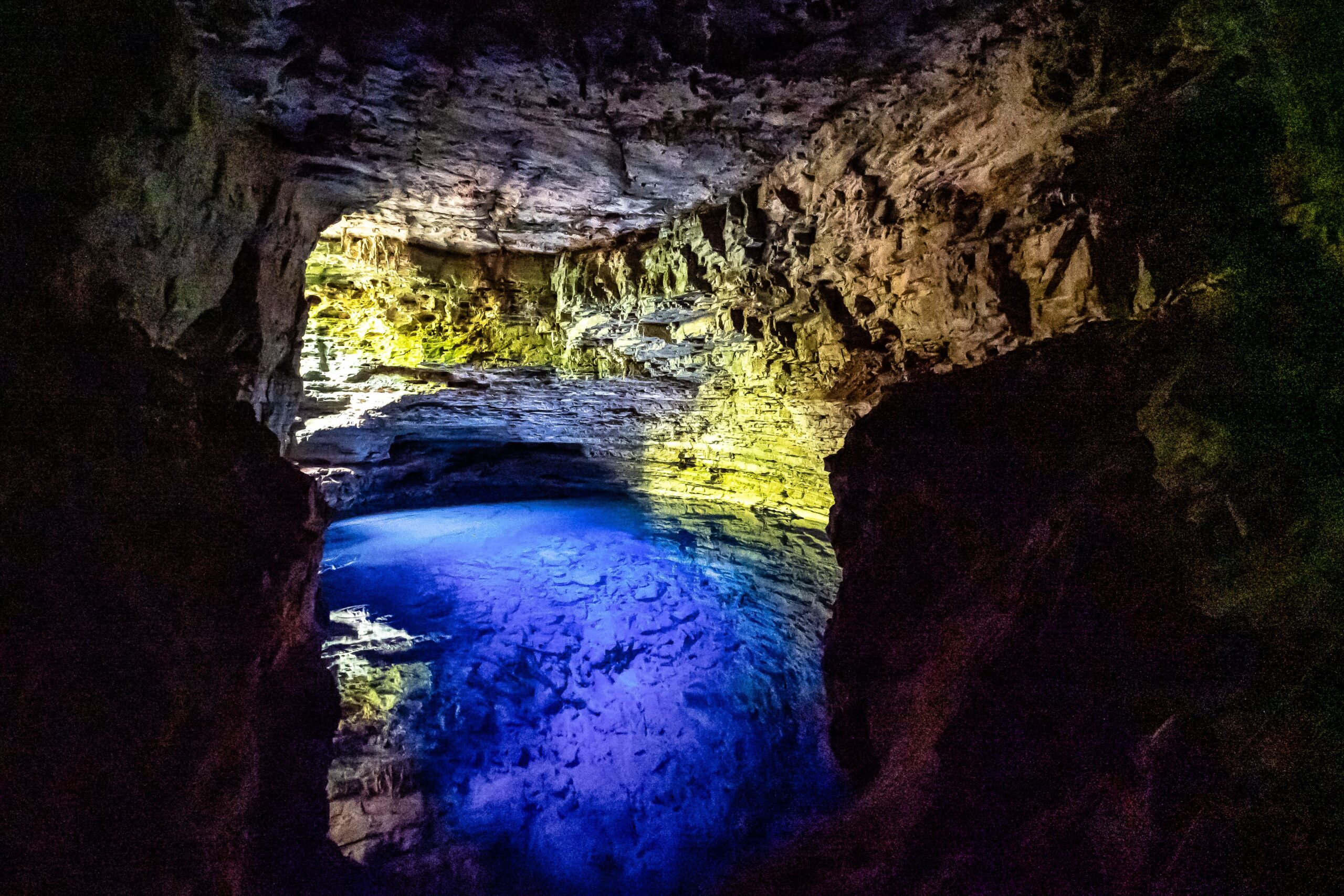
    One of the most iconic experiences in Chapada Diamantina is seeing the rays of sunlight enter crystal-clear underground pools in two limestone caves, Poço Azul and Poço Encantado. This natural light show only occurs during specific months when the sun is at the right angle.

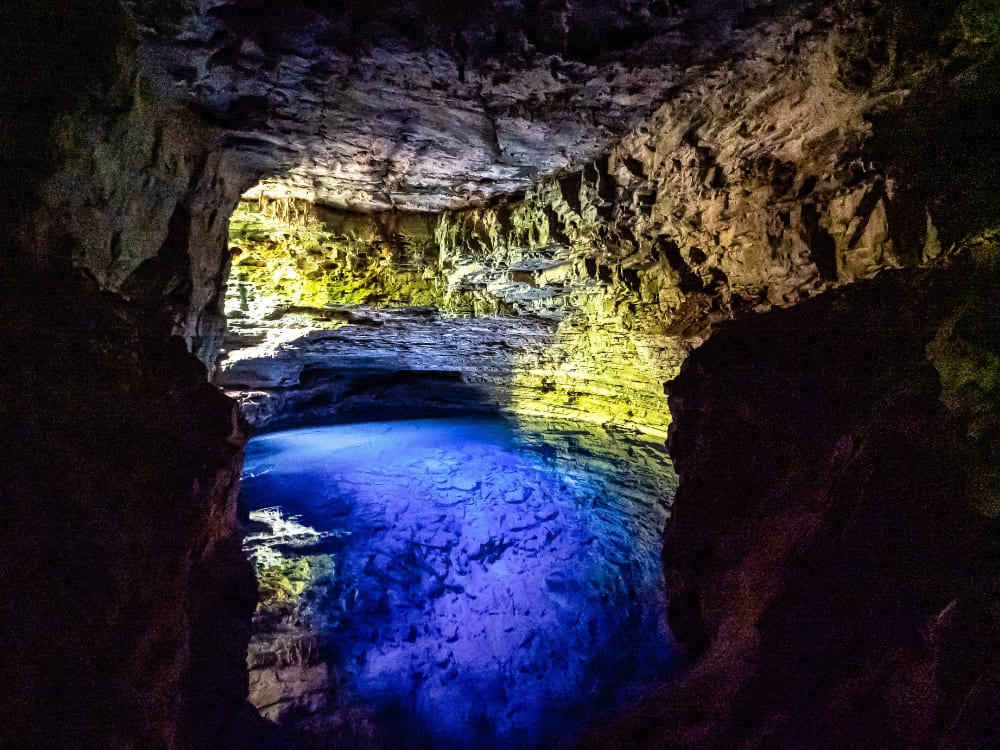
    A bright ray of sunlight illuminates the crystal-clear blue water inside the underground limestone cave of Poço Encantado.
    .

    In Poço Azul, the best time to see it is from February to October. In Poço Encantado this is best seen from April to September.

    When the conditions are right, the sun pierces through an opening in the cave ceiling, lighting up the water and revealing intense shades of blue. It’s a short-lived phenomenon each day, usually happening between late morning and early afternoon, so it’s well worth planning your trip around it.

    Couldn’t see the sun ray phenomenon? Don’t worry, Poço Azul and Poço Encantado remain beautiful and open for visits all year round!

    High and low seasons in Chapada Diamantina

    Understanding local travel patterns can also help you decide the best time to visit Chapada Diamantina:

    • High season: December to February (summer holidays) and July (winter break) are peak times for Brazilian tourism. Expect more people on the trails, higher accommodation prices, and limited availability.
    • Low season: March to June and August to November, outside public holidays, tend to be quieter. You’ll find better prices, more flexible availability, and fewer people on the most popular routes.

    If your priority is tranquility, solitude, and avoiding crowds, consider visiting during the shoulder months.

    A visitor swims in a dark pool beneath a cascading waterfall surrounded by towering layered rock formations in Chapada Diamantina.
    .

    What is the current weather in Chapada Diamantina?

    Take a look at how the weather is right now at the Chapada Diamantina National Park!

    Best tours in Chapada Diamantina

    Can’t wait to enjoy Chapada Diamantina’s wonders with thrilling multi-day treks? Check out PlanetaEXO’s tours!

    TOUR HIGHLIGHTS DURATION STARTING PRICE*
    Chapada Diamantina Tour  Waterfalls (Fumaça, Fumacinha, Riachinho, Mosquito), caves (Gruta Azul, Gruta Lapa Doce), Pai Inácio Hill, hiking, historic center of Lençóis. 3 days US$ 280
    Ultimate Chapada Diamantina Hike Hiking, Poço Encantado, Poço Azul, 3 days of trekking in Vale do Pati + Buracão and Fumacinha waterfalls. 6 days US$ 1,000
    Chapada Diamantina Trip Hiking, Vale do Capão, waterfalls (Fumaça, Buracão, Mosquito) Gruta Lapa Doce, Pai Inácio Hill, Poço Encantado, Poço Azul, historic center of Mucugê. 7 days US$ 630
    Vale do Pati Trek Chapada Diamantina Hiking, Morro do Castelo, Cachoeirão and Funis waterfalls, accommodation with locals. 3 days US$ 410
    Pati Valley Hike Chapada Diamantina Hiking, Morro do Castelo, waterfalls (Cachoeirão and Funis), accommodation at locals’ houses. 4 days US$ 545
    Chapada Diamantina Trek Vale do Pati Trekking, Morro do Castelo, Cachoeirão and Funis waterfalls, Poço da Árvore, Ladeira do Império, Andaraí, accommodation with locals. 5 days US$ 585

    *Per person, based on double occupancy in group departures. Prices may vary depending on season and availability. Exchange rate as of April 8th, 2026; subject to change.

    Traveling to Chapada Diamantina with PlanetaEXO

    It doesn’t matter in which season you want to visit Chapada Diamantina National Park; traveling with us is always the best choice!

    PlanetaEXO is an ecotourism platform specializing in Chapada Diamantina tours. By working with the finest local operators, we provide an immersive, hassle-free experience that includes bookings, tailor-made itineraries, and everything you need for an amazing vacation. Contact us now!
  • How many days should you spend in Chapada Diamantina?

    How many days should you spend in Chapada Diamantina?

    A visit to Chapada Diamantina is not just about refreshing yourself at waterfalls or gazing at viewpoints. It’s about exploring the wide range of landscapes that make this region one of the most unique in Brazil.

    How many days you should spend in Chapada Diamantina National Park depends on your travel style and goals, whether you’re looking for scenic hikes, multi-day trekking adventures, or just a short nature escape in the Vale do Pati. But to truly experience the national park and its variety of trails, canyons, and remote valleys, it’s recommended to stay at least 3 full days, with 5 to 7 days being ideal.

    Chapada Diamantina covers over 38,000 square kilometers, stretching across central Bahia. A 3-day trip will give you a first impression, perhaps a hike to Cachoeira da Fumaça, a sunset at Morro do Pai Inácio, and a swim in the Poço Azul and Poço do Diabo. We should also mention that, although swimming is not allowed, it’s still a beautiful visit to the Poço Encantado. But with 5 to 7 days, you can explore more remote areas like Vale do Pati, discover hidden waterfalls, and experience the contrasting landscapes that make Chapada so unique.

    At PlanetaEXO, we specialize in ecotourism in Brazil and offer curated travel packages in Chapada Diamantina. This guide will help you understand what’s possible depending on how many days you have.

    sunset-morro-do-pai-inacio
    Photo: Agata Fetschenko


    What Determines How Long You Should Stay in Chapada Diamantina?

    Before deciding how many days to spend in Chapada Diamantina, it’s important to consider a few factors that will shape your experience:

    Logistics

    Chapada Diamantina is a remote region in the heart of Bahia, knowing how to get there is essential for a good experience. The most common access point is Salvador, with daily buses and private transfers to Lençóis, the main gateway town. The journey from Salvador to Lençóis takes around 5 to 6 hours by road. If you’re planning to explore areas like Vale do Capão, Igatu, or the Pati Valley, expect additional transfer times on smaller roads and hiking trails.

    For this reason, many travelers choose to spend their first and last nights in Lençóis to avoid tight connections and rushed transfers. It’s also worth factoring in that bus schedules and road conditions can affect arrival times, especially during the rainy season. Planning with some flexibility can make your overall experience smoother and less stressful.

    Lençóis - Chapada Diamantina
    Photo: Rudolf Ernst

    Season and Weather

    When traveling in nature, the time of year can shape your experience. That’s why knowing the best time to visit is important. The dry season, from May to October, offers more stable weather and better trail conditions, making it ideal for longer hikes like the Vale do Pati trek. From November to April, during the rainy season, waterfalls are fuller, and the landscapes turn greener and more vibrant. However, trails can get slippery, and access to certain areas may be limited after heavy rains.

    Another seasonal factor is the impact on specific attractions. During the dry months, crystal-clear river pools and viewpoints with wide visibility are the highlight. In contrast, during the rainy season, the main attraction is the sheer force of the waterfalls, especially sites like Cachoeira da Fumaça and Cachoeirão. Whatever the season, it’s always good to check local trail conditions before setting out, especially for longer treks.

    How many days should you spend in Chapada Diamantina
    Photo: @deborahbannach

    Your Travel Style and Pace

    Chapada Diamantina offers challenges and rewards for travelers of all ages. Although the region requires a certain level of physical effort, everyone can enjoy it in their own way. Say you are looking for a slow and immersive experience. If that’s your case, spending several days inside the Pati Valley, 5 to 7 days, is recommended. But if your goal is to see the main highlights without committing to multi-day trekking, a 3 to 4-day stay based in Lençóis is a good option.

    It also helps to think about which type of landscape interests you most. Chapada Diamantina offers a surprising variety, from table-top mountains and high-altitude plateaus to canyons, caves, and underground lakes. Whether your focus is hiking, photography, swimming in waterfalls, or just enjoying the scenery, your interests will play a big role in defining how many days you’ll want to stay.

    Waterfall Chapada Diamantina
    .

    Best Chapada Diamantina Tours

    If you’re still unsure whether a 3-day tour is the right choice or which region of Chapada Diamantina you should explore, comparing your travel options can help you decide.

    At PlanetaEXO, we’ve handpicked a selection of the best Chapada Diamantina adventures. From multi-day treks in the Pati Valley to shorter hiking tours and scenic day trips, all our itineraries are curated for their quality, local knowledge, and authenticity.

    Get to know what each Chapada Diamantina tour has to offer and find the one that matches your time and travel style.

    # of Days Tour Name Highlights
    3 Days Vale do Pati Trek Chapada Diamantina 3 Days For those short on time but determined to experience the essence of Vale do Pati. A compact itinerary with long hiking days and little room for stops.
    Chapada Diamantina Tour 3 Days A comfortable, hotel-based tour with short hikes and vehicle-supported transfers between some attractions.
    4 Days Pati Valley Hike Chapada Diamantina 4 Days A more relaxed alternative to the 3-day trek, with shorter daily hiking distances and extra time at areas like Morro do Castelo Cave and Calixto Waterfall
    5 Days Chapada Diamantina Trek Vale do Pati 5 Days The full, classic crossing of the Pati Valley. Ideal for those who want to cover the entire route, visiting all areas without skipping sections.
    6 Days 6-Day Ultimate Chapada Diamantina Hike For experienced hikers wanting variety and challenge. This itinerary goes beyond Vale do Pati, combining different regions, longer distances, and more demanding daily hikes.
    7 Days Chapada Diamantina Trip 7 Days Ideal for families or travelers looking for variety without committing to long treks. A combination light hikes, cultural visits, and natural attractions spread across the park.
    Photo: Guillaume Leman

    👉 Before you go, read our 10 Travel Tips for Chapada Diamantina and make the most of your trip

    Ready to explore Chapada Diamantina? Let us help you!

    Whether you’re looking for a multi-day trek through the Pati Valley, day hikes to waterfalls and viewpoints, or a mix of caves, canyons, and local culture, PlanetaEXO can help you plan the perfect trip based on how many days you have in Chapada Diamantina.

    We work directly with expert local guides and partner only with responsible operators who share our commitment to sustainability and community support. From hiking through remote valleys to discovering hidden waterfalls and sleeping in local homes, we’ll help you experience Chapada in an authentic, low-impact, and unforgettable way.

    👉Send us a message and let’s start planning your Chapada Diamantina adventure today!


    Read more : 

  • What to do in Chapada Diamantina?

    What to do in Chapada Diamantina?

    With so many amazing attractions, it’s hard to decide what treks to do in Chapada Diamantina National Park!

    Located in Bahia, it covers an area of 38,000 square kilometres and is known for its waterfalls, canyons, caves, and valleys. It’s one of the most popular destinations for those who like to venture into nature, and it is considered one of the most complete National Parks in Brazil!

    From waterfalls and caves to trekking mountain trails, the tours of Chapada Diamantina is a playground for adventure lovers. There are so many attractions to see that it’s even hard to define how long to spend in Chapada Diamantina. We used to joke that it would take two lives and a helicopter to see all! 😄 

    To assist you, we’ve curated a list of 10 unique and special attractions in Chapada Diamantina for you to make the most of your time there!


    Vale do Pati Trek

    Vale do Pati is one of the most stunning treks in Brazil, and it’s located in the heart of the National Park! You can only do this trek on foot, so be prepared to walk an average of 15 km per day on steel trails that lead to the must-go attractions in Vale do Pati, like breathtaking landscapes, caves, and waterfalls. For sure, it’s one of the best options for what to do in Chapada Diamantina! 

    You’re gonna have an incredible opportunity to immerse yourself in nature, with no internet or cell signal to distract you. You’ll be able to interact with your local guide, other backpackers, and the friendly locals who offer their homes as accommodation and provide meals, bedrooms, and toilets for you to feel at home. You can customize your trekking itinerary to last 3 days, 4 days, 5 days, or even more!. Additionally, you can choose to start and finish your journey in different cities, such as Vale do Capão, Guiné, and Andaraí. Take a look at some tour options and adventure yourself in one of the most beautiful trekking destinations in the world!

    Buracão Waterfall

    You’ll be amazed by the impressive 85-meter waterfall located in the southern area of Chapada Diamantina, the Buracão Waterfall! You will make an exciting trail in the middle of a vast canyon, accompanied by a massive well. The 3 km trail is relatively easy, and you must be accompanied by a local tourist guide and pay an entrance fee. The strength of the waterfall depends on the rainfall, and while there’s always water, it may be impossible to swim in the well after heavy rain. During the hike, you’ll have a chance to see the waterfall from above and even take a dip in the nearby Orquídeas Waterfall. Join a local guide on a 7-day trip in Chapada Diamantina National Park and discover the Buracão!

    Buracão Waterfall - What to do in Chapada Diamantina
    Feel the mist of Buracão Waterfall as it cascades!

    👉See more about this waterfall and many others in our complete guide

    Pai Inácio

    Morro do Pai Inácio is always on every list of what to do in Chapada Diamantina. A popular and easy walk with a panoramic view from the top that will give you a real sense of the grandeur of the park, including the iconic Camelo and Três Irmãos hills. The trail entrance is located near BR 242, and you can drive to the starting point and then walk uphill for around 500 meters. You can visit Pai Inácio Hill anytime during the day, but it’s recommended to go up close to sunset time (the latest you can ascend is until 5:00 pm) and pair it with other trails like the Poço do Diabo Waterfall. Take a look at some of the Chapada Diamantina tours that you can combine with this trail!

    Pai Inácio hill - what to do in chapada diamantina
    Catch the golden hour at Pai Inácio Hill, where every sunset paints a breathtaking landscape.

    Fumacinha Falls

    Visitors often describe this trail and waterfall as one of the most stunning sights on their list of things to do in Chapada Diamantina. The natural spectacle features a 100-meter waterfall surrounded by 280-meter walls, located in the southern part of Chapada in the city of Ibicoara. The round-trip journey spans 18 km, following the riverbed, and involves jumping over the rocks, which can make the hike quite challenging. You can either complete the trail in a day or camp overnight in the wild to have more time to explore the other wells along the way. Before you go, it’s important to check the weather conditions, as the current can be strong during the rainy season, or the waterfall may run dry in the dry season. 

    what to do in chapada diamantina
    Experience the thrill of the hike and the reward of the view from Fumacinha Falls

    Fumaça Falls

    To reach the top of one of the largest waterfalls in Brazil, with about 380 meters, it is necessary to prepare legs and lungs to go 2 km of a steep climb, with large steps, and another 4 km for uneven terrain. This is one of the most famous trails in Chapada, attracting visitors who want to see the magical scenery of the water that disperses with the wind like smoke (hence the name) before reaching the ground, surrounded by huge rocky walls. Depending on the time of year, this waterfall can be completely dry. The easiest access starts at Vale do Capão and, despite not having a good bath to cool off, it is possible to go another 3 km by car after the end of the trail to bathe in Cachoeira do Riachinho.

    Fumaça Falls Lookout - what to do in chapada diamantina
    See the water turns to smoke before it touches the ground at Fumaça Falls

    Fumaça Falls multi-day trek

    The same Fumaça waterfall, but viewed from below! If you’re a camping enthusiast who loves challenging trails, consider embarking on this Chapada Diamantina trek to reach the base of Cachoeira da Fumaça. Its a breathtaking waterfall encircled by a 380-meter wall, offering a serene spot to dip and unwind. 
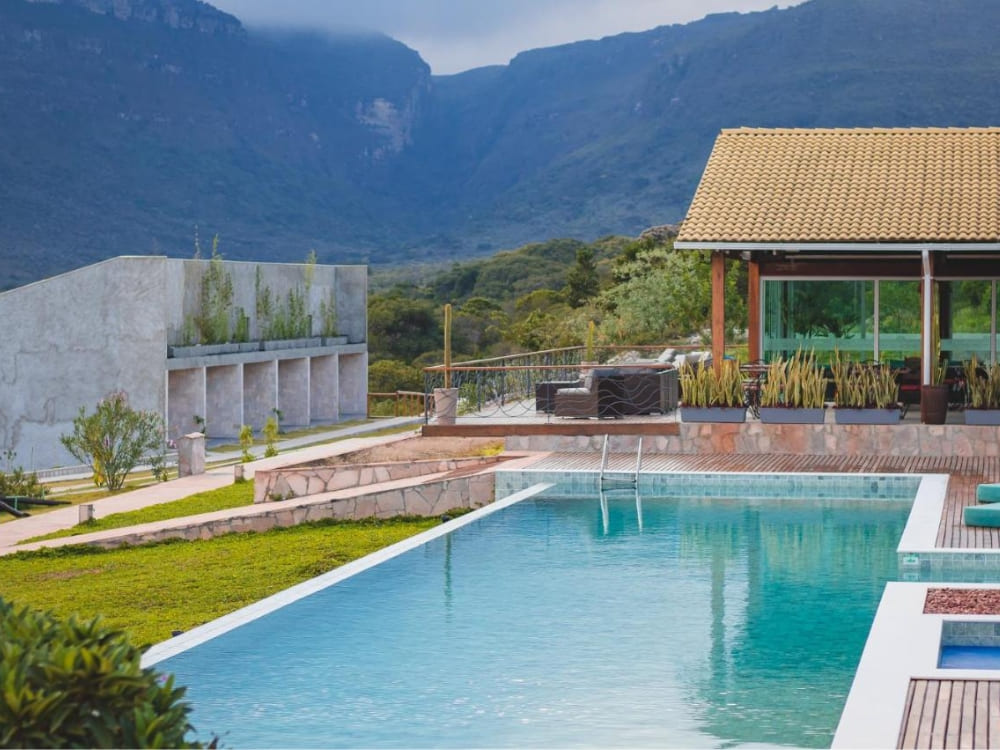
    This route is usually taken by those who want to cross the Capão Valley to Lençóis or vice versa. Along the way, you’ll pass through well-preserved forest remnants and even see ruins from the mining era. To complete the adventure, you’ll need to camp in the wilderness for 3 days, bringing all the necessary camping equipment, food, and water. It’s the perfect opportunity to immerse yourself and connect deeply with the nature around you. During the trek, you’ll have the opportunity to visit two more of Chapada Diamantina’s beautiful waterfalls, Capivara and Palmital. 

    Fumaça Falls multi-day trekking experience - what to do in chapada diamantina
    Camp under the stars at Fumaça’s base and deeply immerse yourself in nature!

    Poço Encantado and Poço Azul

    These wells are not just a must-do list of things to do in Chapada Diamantina, they are also well-known for being postcards of this National Park! With a stunning landscape, these natural pools make you feel relaxed, delighted, and feel like you’ve travelled back in time, especially since fossils of extinct species were found at the bottom of Poço Azul. Both wells are located on private property, so it’s important to pay the entrance fee and take good care of the environment.

    Poço Encantado and Poço Azul - what to do in chapada diamantina
    The Poço Encantado is one of Chapada’s aquatic marvels!

    You can even float in Poço Azul with a life jacket since it has running water. However, it’s not allowed to bathe in Poço Encantado since its water comes from a non-renewable water table. It’s easy to access both wells by dirt road, with Poço Azul being in the municipality of Nova Redenção and one hour away by car from Poço Encantado, which is located in the city of Itaetê and 140 km from Lençóis. Experience and join a 7-day trip with a local guide to visit and be enchanted by them!

    Poço Encantado and Poço Azul - what to do in Chapada Diamantina
    Floating in Poço Azul, embraced by the beauty of nature’s surroundings

    Mixila Falls

    If you’re up for a challenge, the trek inside the Capivari River canyon is an impressive option for what to do on the tours of Chapada Diamantina. The highlight of this trek is the 80-meter Mixila waterfall, which is truly stunning! You can complete this trail in one day if you’re in good physical shape. Alternatively, you can take your time and camp overnight to enjoy more of nature and discover other waterfalls, such as Capivari and Poção. To get to the Mixila Waterfall, you’ll need to follow the riverbed, jump over rocks, and even swim in the final stretch. Make sure to leave your backpacks at one point and only bring your bathing suit. The best way to access the waterfall is through Lençóis, followed by a 9 km car ride (we recommend a 4×4) to the beginning of the walk. The round trip is approximately 25 km. 

    Mixila Falls - what to do in Chapada Diamantina
    Every step, jump, and swim is worth it to see an 80-meter cascade at Mixila Falls. – Photo: @nairaferreiraa

    Sossego Falls

    This stunning waterfall, with a 20-meter drop, is situated in the middle of a multi-level wall inside a canyon. It has a spacious well and is perfect for a refreshing dip and sunbathing on the stone plateaus. This Chapada Diamantina trek route is 12 km and includes breathtaking viewpoints, impressive rocks, and towering trees. It can be done in a day, starting from Lençóis. However, it is not recommended to do this trail after consecutive days of rain, as the river can rise and make the rocks slippery and dangerous. Also, be aware that one section of the trail involves walking under a large rock and is only possible when the water level is low.

    Sossego Falls - what to do in Chapada Diamantina
    Dare the slippery rocks for a dip in Sossego’s serene waters? Let’s go!

    Lapa Doce Cave and Pratinha

    If you’re a fan of underground exploration, don’t miss the Lapa Doce cave! Located in Iraquara, this 42 km cave system has 850 meters open to visitors. The easy route is suitable for most visitors, and you’ll witness millenary formations of stalactites, stalagmites, and curtains in limestone rooms. 

    Lapa Doce Cave and Pratinha - what to do in Chapada Diamantina
    Stalactites and history hang in balance in this incredible cave

    After the cave, take a dip in the turquoise waters of Pratinha, where you can also go zip-lining or floating. Both Lapa Doce and Pratinha require payment on-site and a guide is essential for the cave tour.

    Lapa Doce Cave and Pratinha - what to do in chapada diamantina
    Dive into Pratinha’s crystal waters

    Ready to discover Chapada Diamantina?

    Now that you know what to visit and do in Chapada Diamantina, let PlanetaEXO connect you with English-speaking professional guides for unforgettable experiences in Brazil’s National Park. Our guides not only enhance your adventure but also support sustainable travel and local communities. Discover our curated tours to Chapada Diamantina and start planning your journey today!


    Read More!

  • How to visit Vale do Pati, Chapada Diamantina – Travel Guide

    How to visit Vale do Pati, Chapada Diamantina – Travel Guide

    Learn everything you need to know to travel to Vale do Pati in Chapada Diamantina, including how to get there, the best time to visit, main activities, and more!

    Vale do Pati (or Pati Valley) is one of the most visited areas of the Chapada Diamantina National Park due to its extensive networks of trails across mountains, waterfalls, rivers, and caves. Considered one of the best treks in the world, this is a top destination for nature enthusiasts!

    The region is also home to families who open their doors to welcome visitors and offer them a place to spend the night. Authenticity and immersion in local culture are wonderful highlights of this accommodation form, but this is also a great way to support small communities and the park itself.

    A group of hikers trekking on a dirt trail across a green landscape towards a flat-topped mountain in Vale do Pati.
    Photo: Lucas Neves

    As an adventure travel platform specializing in Chapada Diamantina tours, PlanetaEXO knows Vale do Pati very well. To help with your vacation planning to this fantastic destination, we’ve put together a comprehensive guide with all the essential information. Check it out below!
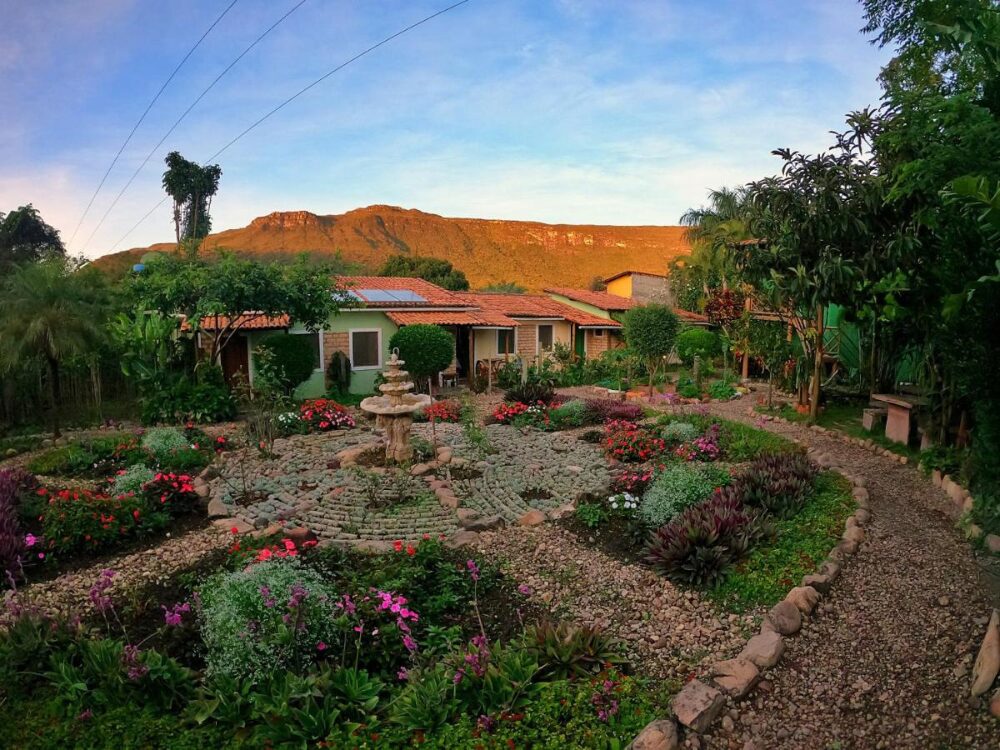
    Table of contents:

    About Vale do Pati

    Integrating the Chapada Diamantina National Park, Vale do Pati covers a total area of ​​12,300 hectares of semi-humid tropical ecosystems.

    Geologically, it originates from the Proterozoic era (about 1.6 billion years ago), when the sedimentary and metasedimentary rocks that today make up its waterfalls, caves, and mountains were formed.

    Considered one of the best destinations in the world for trekking, one of its distinctive characteristics is the accommodation of hikers in the homes of natives who live within the national park.

    At the peak of the coffee boom (mid-19th century), over 400 families inhabited the area, navigating the same pathways that tourists traverse today to transport harvested coffee. Following the decline of the coffee industry, the region nearly became deserted, but a new chapter began in 1985 when the valley was incorporated into the park. A few years later, locals started opening their doors for travelers—a tradition that lives on to this day.

    Where is Vale do Pati?

    In the heart of Bahia, Brazil, Vale do Pati is the Chapada Diamantina region formed by the course of the Pati River in the cities of Palmeiras, Andaraí, and Mucugê.

    Nestled among the landscapes of Serra do Sincorá, the area is renowned for its natural wonders, including Morro do Camelo, Morro do Pai Inácio, Morro do Castelo, Morrão, Fumaça Waterfall, Gerais do Vieira, and the Preto River.

    How to get to Vale do Pati, Chapada Diamantina?

    Vale do Pati is only accessed on foot, so the nearest towns are used as starting points for trekking routes throughout Chapada Diamantina.

    You can start your Vale do Pati trek at Beco do Guiné or Aleixo (located in the town of Guiné), Bomba (in Vale do Capão), and Ladeira do Império (in Andaraí). The decision depends on many factors, including your itinerary, available time, and the difficulty level of the trails.

    From Salvador (capital of Bahia), travelers head to one of the national park’s gateway cities—mostly Lençóis, but it’s also possible to head to Palmeiras, Vale do Capão, Guiné, Ibicoara, and Mucugê—to reach Chapada Diamantina. This journey can be made by bus or private transfer, arranged by PlanetaEXO.

     A green highway sign for the Chapada Diamantina Tourist Zone indicating distances to Palmeiras, Vale do Capão, and Guiné.
    .

    👉 Read more: How to Get to Chapada Diamantina National Park?

    When is the best time to visit Vale do Pati?

    You can visit Vale do Pati at any time of the year, but it’s important to understand that the region has two distinct seasons.

    During the dry season (May to September), visitors enjoy blue skies, cooler weather, and stable trails, with June and July being the coldest months. This period may feature less water in the waterfalls but provides great trekking conditions.

    The rainy season (October to April) brings more vibrant vegetation, fuller waterfalls, and the breathtaking sight of the trees blooming with purple flowers between February and April. While the rain typically occurs in the early morning and evening, trails may become muddy and fairly challenging.

    Despite the potential allure of visiting during a specific season, it’s important to consider the local microclimate, which can present unexpected weather conditions, such as rain during the dry season or sunshine amidst the rainy months. The impact of climate change has also made weather patterns less predictable.

    You should also consider the high season—including July, August, and national holidays—which sees increased activity in the park due to vacationers. 

    👉 Read more: When Is The Best Time To Visit Chapada Diamantina?

    What is the current weather in Vale do Pati?

    Take a look at how the weather is right now at Vale do Pati in Chapada Diamantina!
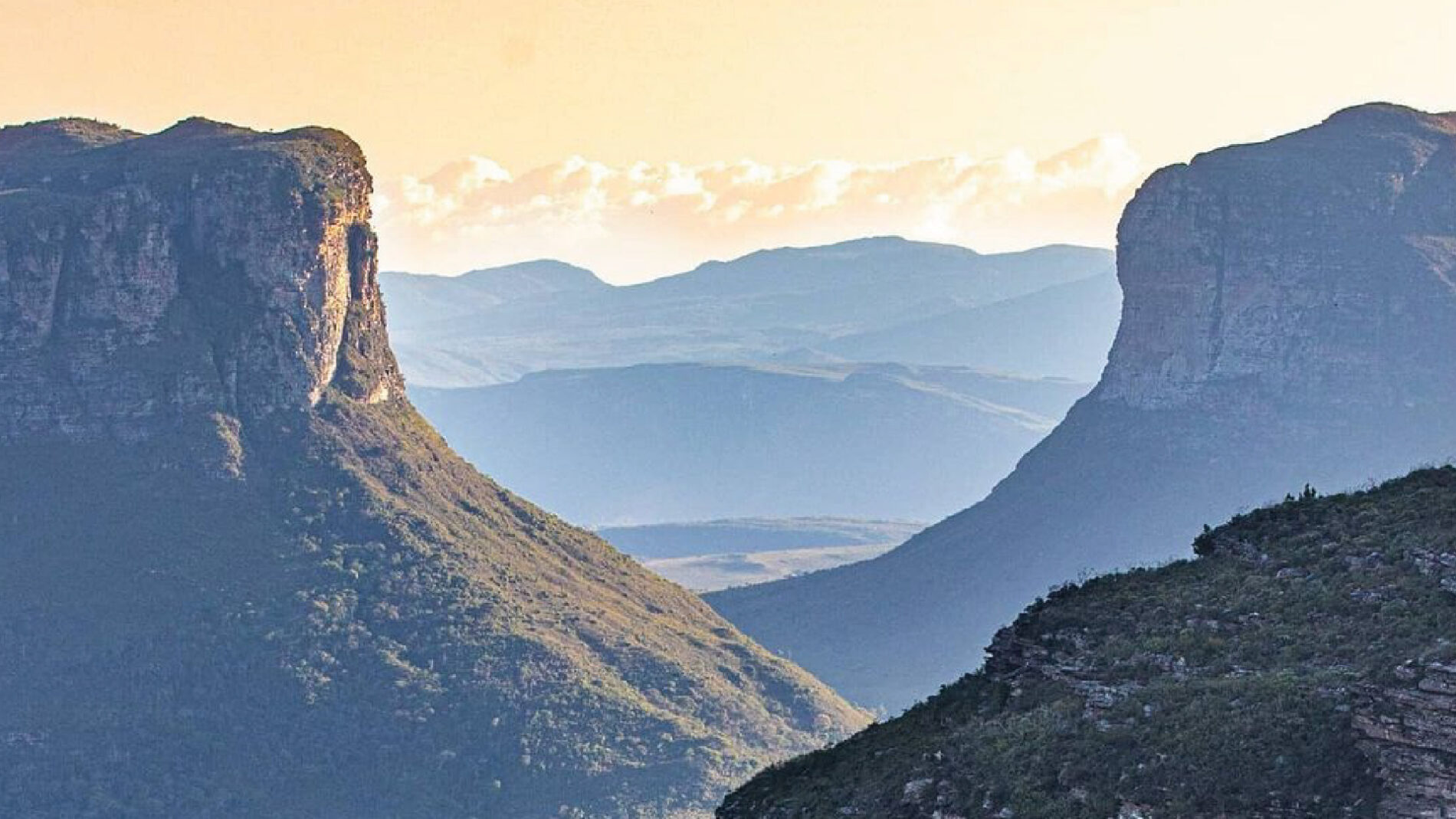
    What to do in Vale do Pati?

    When visiting Vale do Pati, adventurers are greeted with an array of stunning natural attractions and engaging activities, making it a highlight for nature lovers and trekking enthusiasts. Check out the main attractions below! 

    Mirante do Pati (Pati Viewpoint)

    Wonderful place to sit back, relax, and have a picnic break, Mirante do Pati offers beautiful views of the towering peaks of Morro do Castelo, Morro Branco, and Morro do Sobradinho rising up on the horizon.

     Two hikers sitting on a rock at Mirante do Pati, pointing towards the towering peaks of Morro do Castelo and Morro Branco.
    .

    Cachoeira dos Funis (Funis Waterfall)

    With a 30-meter-high drop and a natural pool at its base, the Funis Waterfall is the perfect place to relax, unwind, and cool off after a long hike.

    A woman sitting peacefully on a rock by the natural pool at the base of the 30-meter-high Funis Waterfall.
    .

    Morro do Castelo (Castle Hill)

    Morro do Castelo’s ascent involves a 1300-meter climb, marking it as one of the most challenging hikes in Vale do Pati. Once you reach the top, you will enter an 800-meter cave.

    Past the cave, you will be rewarded with two spectacular viewpoints that offer breathtaking views from 1,500 meters above the ground.

    Hikers standing on a rocky peak at Morro do Castelo, overlooking a vast, forested canyon in Chapada Diamantina.
    Photo: Alex Hubin

    Poço da Árvore (Tree Pool)

    Poço da Árvore is a serene natural pool and waterfall surrounded by lush vegetation, including impressive trees that provide shade and create a peaceful atmosphere.

    Down the riverbed, the meeting point of the Pati and Calixto rivers creates a gorgeous view of Morro do Castelo and the park’s canyons.

     Aerial view of the dark waters of Poço da Árvore, a serene natural pool surrounded by lush green vegetation.
    .

    Cachoeirão and more

    In a 300-meter-high canyon, Cachoeirão boasts a series of waterfalls during the rainy season. Besides the spectacular view, it’s also a great spot to rest and cool off after long hours of hiking.

    Vale do Pati has many more attractions to explore, like the stunning cascades of Calixto Waterfall, the hiking trails of Gerais do Rio Preto and Gerais do Vieira, and the beauty of Lajeado and Bananeiras waterfalls.

    Two people sitting on the edge of a dramatic 300-meter-high canyon cliff at Cachoeirão, admiring the steep rocky walls.
    .

    Where to stay in Vale do Pati?

    In Vale do Pati, you have the unique opportunity to stay with one of the local families who have transformed their homes into charming accommodations to welcome adventurers who explore Chapada Diamantina.

    Traditional white houses with tiled roofs nestled among the trees in the Pati Valley under a vibrant orange sunset sky.
    .

    The tradition of homestay hospitality began in 1997 when Wilson and Maria, a couple native to Vale do Pati, opened their home to the first backpackers. They offered home-cooked meals, a bed, and a shared bathroom, providing an alternative to typical wild camping.

    Over time, more families followed suit. This shift allowed them to sustain themselves economically while allowing tourists insights into the local history and culture.

    A local woman smiling as she cooks a traditional homemade meal using large aluminum pots over a stove.
    .

    Today, only a handful of families live in Vale do Pati, but they still follow the same pattern of accommodation: shared rooms and bathrooms, cold showers, homemade food, and the opportunity to meet incredible people.

    A shared homestay bedroom featuring wooden beds with sleeping bags and a rustic exposed tile and wood ceiling.
    .

    👉 Read more: Where to stay in Chapada Diamantina?

    Meals in Vale do Pati

    Despite the remote location, travelers eat very well in Vale do Pati. Lodging in the homes of locals includes full meals—fresh homemade food every day, from lunch to dinner. Typical Brazilian dishes are made with local ingredients of the highest quality.

    To ensure everyone has a full stomach, the cooks can accommodate visitors’ diets with vegetarian, vegan, or other dietary restrictions.

    Two hikers serving themselves fresh homemade food from various pots in a rustic homestay kitchen.
    Photo: Lucas Neves

    On hikes, guides can provide snacks for the entire group. You can enjoy a delicious picnic while admiring the beautiful views of the Chapada!

    A colorful picnic spread with fruits, snacks, and sandwiches laid out on a blanket beside a small cascading waterfall.
    .

    How long is the Vale do Pati trek?

    The mileage and duration of a hike through Vale do Paty depend on several factors, including itinerary, number of days allocated for the trek, starting point, choice of accommodation, and visits to specific attractions along the way.

    On average, hikers walk about 15 km per day, with variations of 8 km on short days and 22 km on longer days. A typical 3-day hike covers approximately 35 km, while travelers who opt for 4 or 5 days cover 52 and 59 km, respectively.

    Travelers on a tight schedule can start the trail from Guiné and walk 10 km to Vale do Pati. The distance from Vale do Capão and Andaraí is greater, reaching 22 km.

    Evidently, these distances are flexible and can be adjusted according to each person’s experience, skills, preferences, and needs. Either way, each route showcases its unique natural beauty, and the “best” path ultimately depends on what suits the trekker’s travel plans and conditions best.

    Two hikers using trekking poles to cross a shallow, rocky river with a large mountain peak towering in the background.
    .

    How hard is the Vale do Pati hike?

    One of the reasons why Vale do Pati hikes are known worldwide is the variety of trails with different levels of difficulty, from the easiest to the most challenging.

    Though the beauty and diversity of the national park invite adventurers of all ages, it’s essential to consider the physical demands of trekking, especially on more difficult trails.

    Challenging trails reward the effort by crossing mountains, waterfalls, caves, and breathtaking landscapes, but they’re not recommended for children, the elderly, or people with less physical fitness. Pro tip: recognize your limits and find activities that correspond to them!

     A hiker standing on a rocky outcrop taking a photograph of the sprawling green valleys and flat-topped mountains.
    .

    Do I need a guide to visit Vale do Pati in Chapada Diamantina?

    Although Chapada Diamantina National Park is open to the public and does not require visitors to hire professionals to explore it, the presence of a guide in Vale do Pati and anywhere in the park is highly recommended for any hiker—especially those who are less experienced or less familiar with the region.

    Most of the guides in Vale do Pati live in the surrounding area, which makes them great experts on the complexities of the Chapada. In addition to ensuring a safe adventure, they can also share information about the local fauna, flora, and history to further enrich the experience.

    A local guide in a blue shirt and a hiker examining a trail map together while resting at a scenic valley viewpoint.
    .

    How many days should I stay in Vale do Pati?

    The duration of your Vale do Pati trek will depend on several factors, including your chosen route, available time, and fitness level. However, most itineraries typically range from 3 to 5 days.

    The most popular is the 3-day tour, which allows you to visit the Vale do Pati lookout, Funis Waterfall, Morro do Castelo, and Cachoeirão. 4 days include the Calixto Waterfall or Poço da Árvore and feature a more comfortable pace to fully appreciate Chapada’s beauty.

    If you have the time, choosing a 5-day trek is great for a deep dive into the national park, including visits to Funis Waterfall and Ladeira do Império.

    Silhouette of a hiker wearing a backpack standing at a dark cave entrance, looking out over the sunlit Pati Valley.
    .

    How much does it cost to go to Vale do Pati?

    Considering accommodation, services, and itineraries, Vale do Pati tours cost from R$ 2.100 (approximately US$ 420 and € 360) per person. Prices vary according to season, trip duration, etc.

    Check out the prices and other information below:

    TOUR HIGHLIGHTS HIKING DISTANCE STARTING PRICE*
    6-day Ultimate Chapada Diamantina Hike Hiking, Poço Encantado, Poço Azul, 3 days of trekking in Vale do Pati + Buracão and Fumacinha waterfalls. 63 km US$ 1,000
    3-day Vale do Pati Trek Hiking, Morro do Castelo, Cachoeirão and Funis waterfalls, accommodation with locals. 35 km US$ 410
    4-day Vale do Pati Trek Hiking, Morro do Castelo, waterfalls (Cachoeirão and Funis), accommodation at locals’ houses. 52 km US$ 545
    5-day Vale do Pati Crossing Trekking, Morro do Castelo, Cachoeirão and Funis waterfalls, Poço da Árvore, Ladeira do Império, Andaraí, accommodation with locals. 59 km US$ 585

    *Per person, based on double occupancy in group departures. Prices may vary depending on season and availability. Exchange rate as of April 9th, 2026; subject to change.

    Is there cell service in Vale do Pati?

    There’s no cell service or Wi-Fi available in Vale do Pati. The region relies solely on solar energy, which provides enough power to charge electronic devices and machine batteries—though it’s not uncommon for electricity to suffer from periods of instability.

    This is a great opportunity to disconnect from technology and immerse yourself in the natural beauty and peacefulness of Chapada Diamantina. Enjoy every second!

    A hiker in a blue jacket standing on a rock framed by trees, looking toward a flat-topped mountain in the distance.
    .

    What to pack for a Vale do Pati hike?

    When packing for Vale do Pati, it’s important to keep in mind the changing weather conditions and the nature of the trek. Remember: you’ll carry your backpack every day when hiking, so it’s important to only pack necessary items.

    Here’s our suggested list:

    • Light clothes, including UV-resistant long-sleeved shirts
    • Raincoat or waterproof jacket
    • Windbreaker and sweater
    • Swimwear
    • Hats/caps
    • Hiking boots/sneakers
    • Hiking socks
    • Flip-flops
    • Quick-drying towel
    • 20-40 liters backpack
    • Waterproof bag
    • Sunglasses
    • Sunscreen
    • Insect repellent
    • Reusable water bottle
    A group of hikers walking away on a rocky trail surrounded by low vegetation under a bright golden sunset.
    .

    Don’t forget the usual travel essentials: documents, credit/debit cards, cash (Brazilian Real), medicine (for headaches, muscle tension, stomach bugs…), chargers, and portable chargers for electronic devices.

    Hiking in Chapada Diamantina, Bahia, with PlanetaEXO

    Vale do Pati is transformative for any nature lover. If you can’t wait to experience one of the most beautiful treks in the world, it’s time to book your trip with PlanetaEXO, an ecotourism platform specializing in Chapada Diamantina tours that works with the best local operators.

    Our team helps you with everything you need for an amazing vacation, including bookings, transfer options, tailor-made itineraries, and much more. Contact us now!