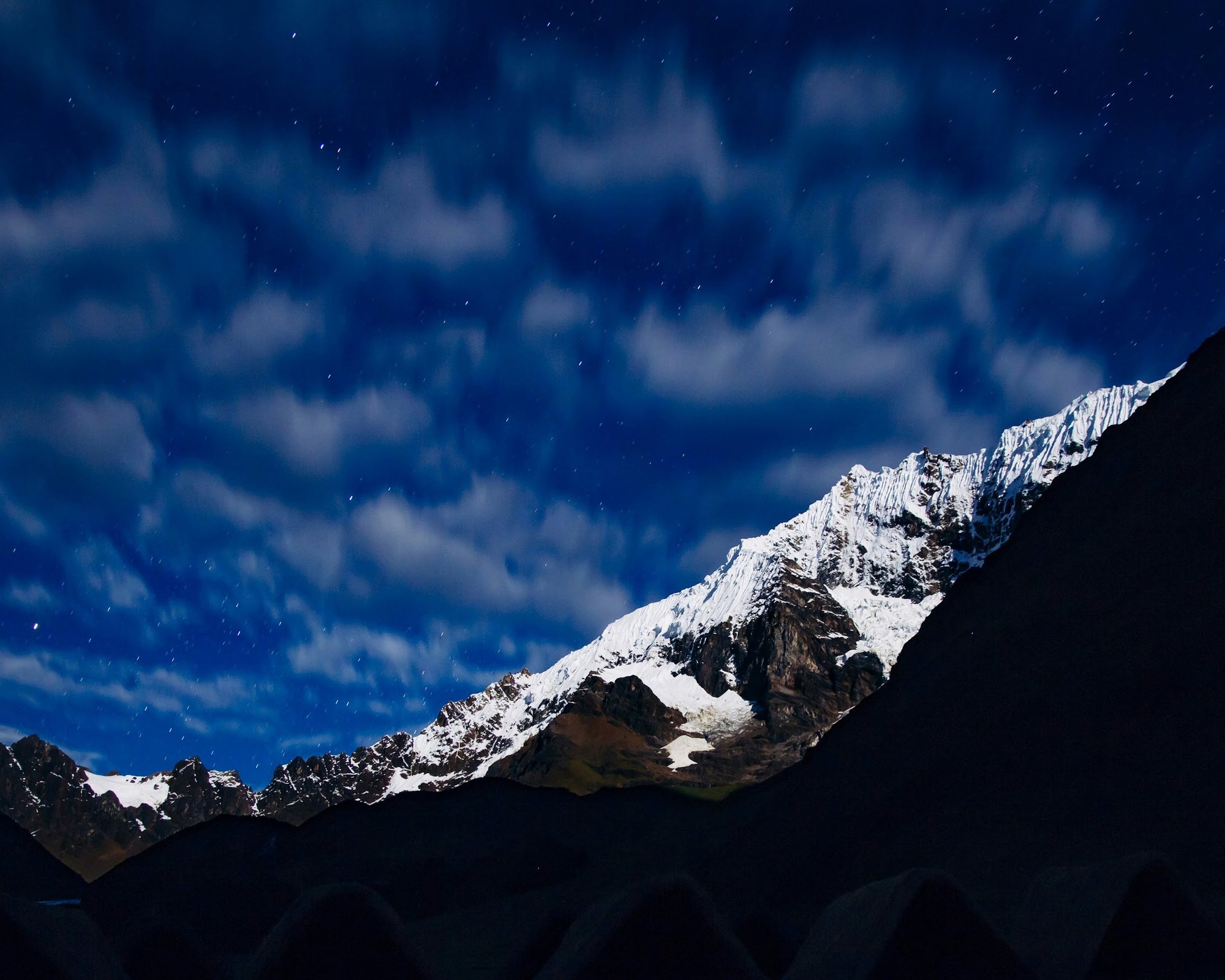
There’s more to Peru’s Salkantay Mountain than its famous trek to Machu Picchu. Discover 10 fascinating facts about its sacred traditions, hidden Inca ruins, wildlife, and the iconic glaciers!
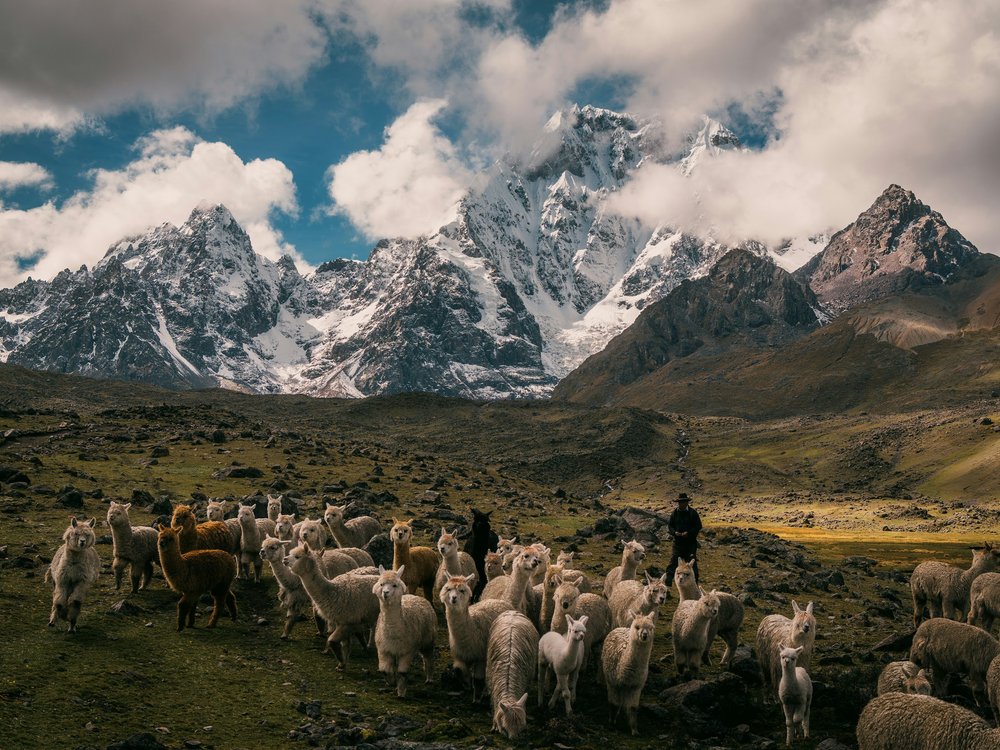
Rising above the trail between Cusco and Machu Picchu, Salkantay Mountain is the highest peak of the Cordillera Vilcabamba, in the south of Peru, at about 6,271 meters (20,574 ft). For hikers, it is the giant behind the best-known alternative route to Machu Picchu. For the people of the Andes, it is something else: an apu, a sacred mountain that receives offerings to this day.
Home to 12 glaciers, a turquoise-colored lake, and an original Inca trail, the route descends from the snowline into a warm, humid forest, ending within an area designated as a UNESCO World Heritage site. Along the way, hikers encounter coffee plantations, the traditions of ancient civilizations, and one of the rarest animals in the Andes.
PlanetaEXO, an ecotourism platform specializing in Salkantay Trek tours, has selected these 10 facts about one of the best trekking destinations in the world. Check it out below!
1. Salkantay is a sacred mountain where Andean traditions are still alive
In Andean belief, an apu is a mountain spirit that protects the people living around it and sends them water and good harvests. Salkantay is one of the great apus of the Cusco region. In local Andean traditions, it is also regarded as the brother of Ausangate, another sacred mountain near Cusco.
These traditions are still alive today. Some local people continue to visit Salkantay and Ausangate to seek spiritual guidance. Throughout the Andes, travelers crossing high mountain passes also leave stones on an apacheta, a small pile of stones built over generations, as a way of thanking Pachamama (Mother Earth) and the apus for a safe journey. Coca leaves are often part of the gesture.
While exploring the Salkantay Mountain, hikers find these small stone towers around the pass, while guides usually invite the group to place a stone of their own. On our 7-Day Luxury Salkantay Trek to Machu Picchu, the morning at Humantay Lake also includes a traditional offering to Pachamama on the shore.
2. Salkantay is known as the “Wild Mountain”
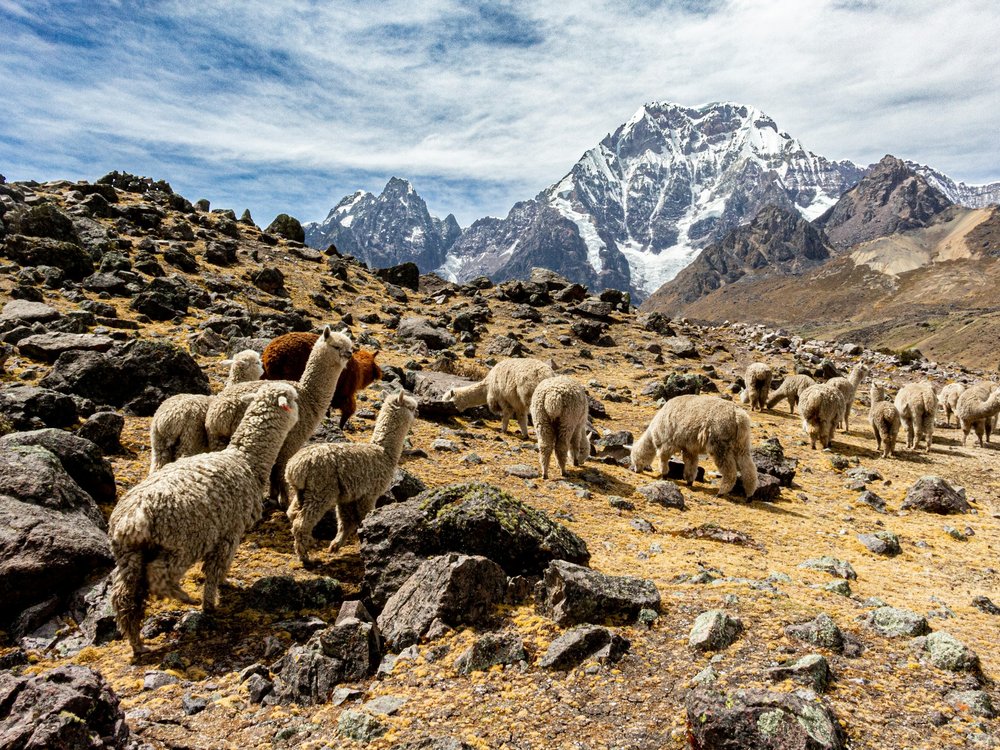
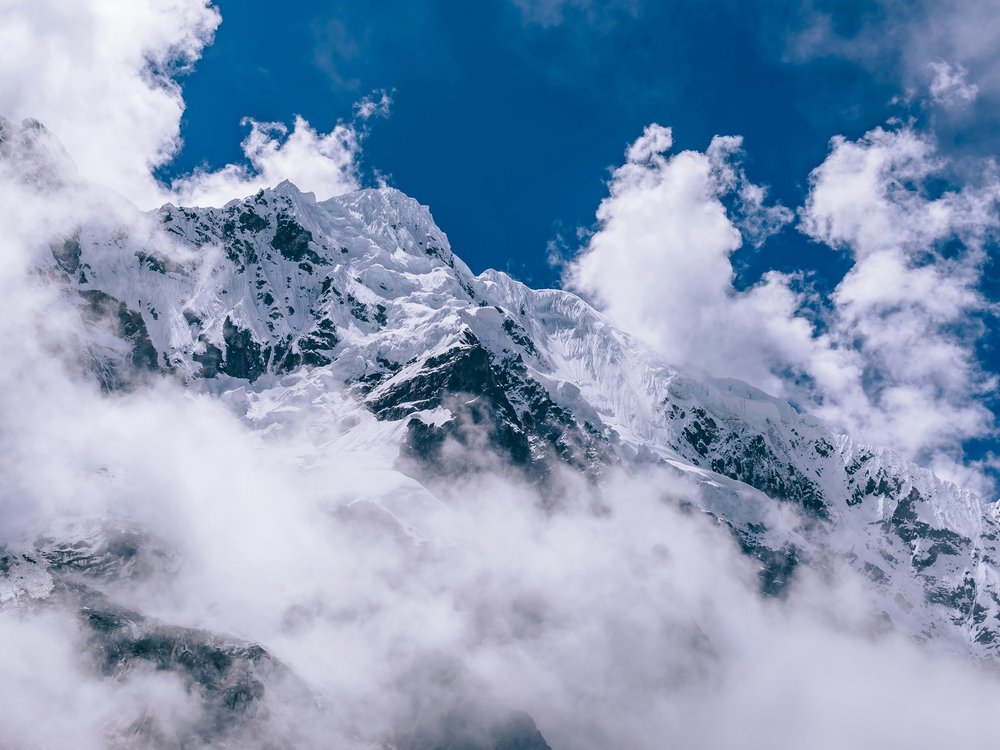
The name Salkantay comes from Quechua, the language of the Incas, which is still widely spoken in the Cusco region today. It is believed to come from the word salqa (or sallqa), meaning “wild” or “untamed.” That’s why it is often referred to as the “Wild Mountain,” a name that suits its rugged landscape and towering snowy peaks.
Gazing up from the base makes its legendary name immediately clear. Soaring more than 1,600 meters above the highest point of the trek, its wall of ice and rock stays permanently draped in snow. Massive avalanches continue to shape this untamed landscape, and trekkers lingering by Humantay Lake or resting at basecamp frequently hear the deep, echoing roar of falling ice across the valley.
For the communities around it, Salkantay has always been a mountain to respect from a distance.
3. The Salkantay trek ends at a UNESCO World Heritage Site
As the Salkantay trail reaches its end, trekkers enter the protected boundaries of the Historic Sanctuary of Machu Picchu, arriving at the celebrated Inca citadel nestled within the Machu Picchu World Heritage Site.
Granted UNESCO protection in 1983, it stands among a select few places globally designated as a mixed heritage property, recognized for its exceptional Inca architectural craftsmanship alongside its incredible ecological diversity and dramatic mountain scenery.
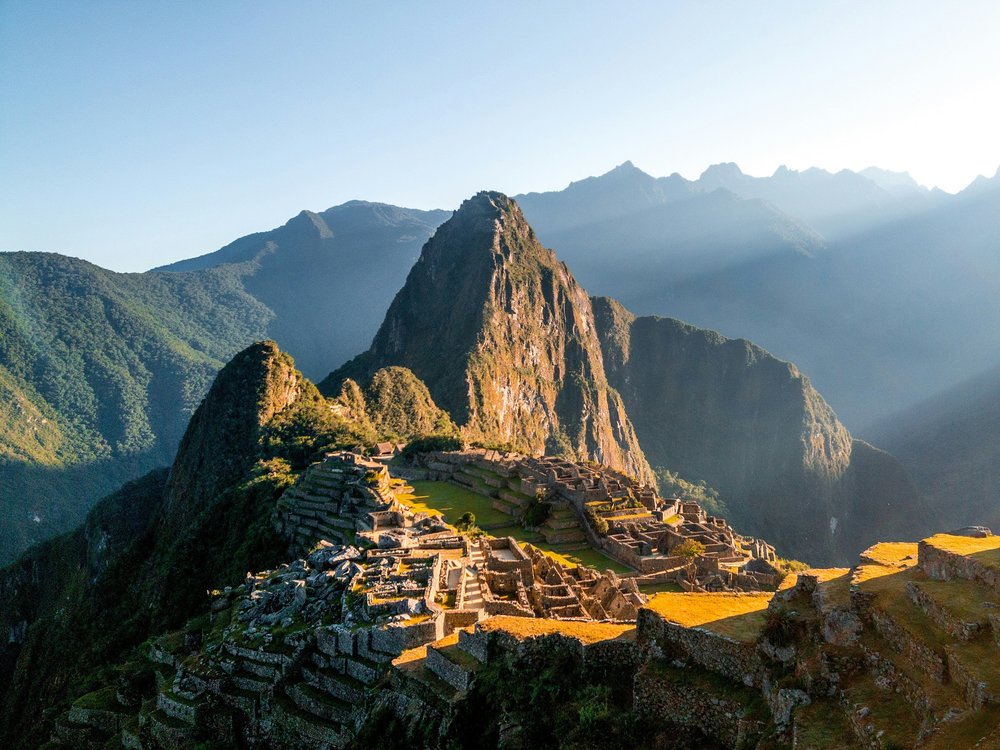
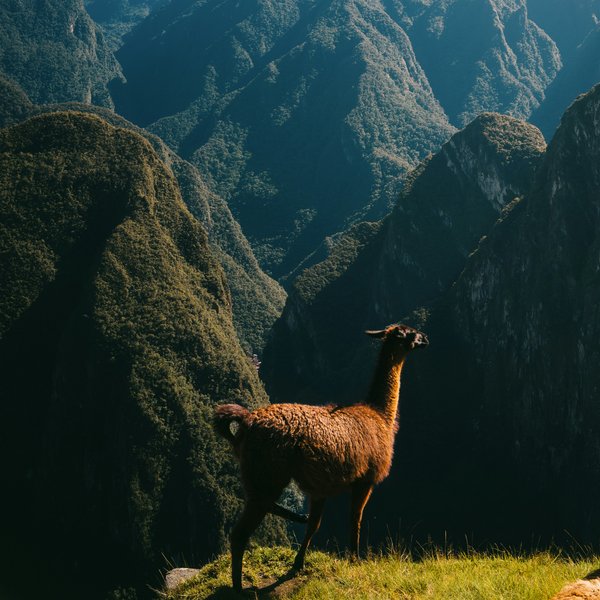
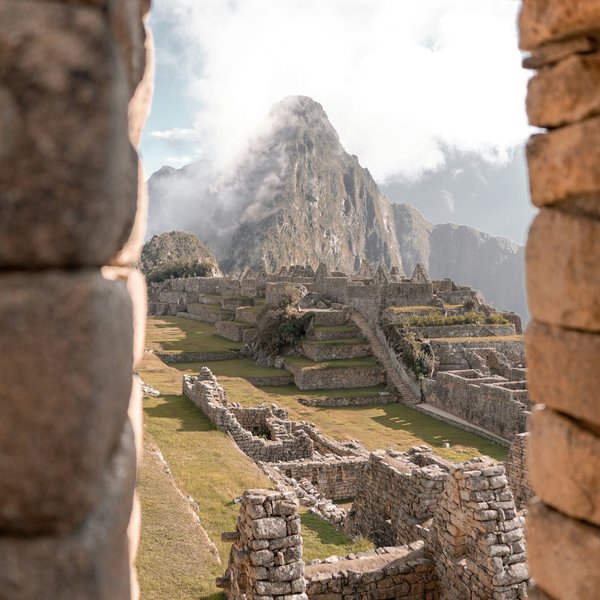
According to the IUCN (International Union for Conservation of Nature), the sanctuary covers part of the upper Amazon basin, with a rich diversity of flora and fauna and a high degree of endemism. The protected area climbs from about 1,850 meters in the river gorge to more than 4,600 meters near the glaciers, so the forests and peaks around the ruins are protected as much as the stones themselves.
4. Walk from snow-capped peaks to tropical cloud forest in one trek
One of the most surprising things about the Salkantay Mountain is how quickly the landscape changes. As you approach the Santa Teresa Valley, the view becomes increasingly green. Glaciers give way to waterfalls and dense vegetation, while the cold air is replaced by a warmer, more humid climate.
Descending toward the end of the trail leads into Machu Picchu, a vast area boasting nine different life zones that sweep from cold puna grasslands and ancient Polylepis groves down into vibrant montane woodlands.
UNESCO highlights this protected realm as the point where the Andean high country meets the Amazon basin, allowing trekkers to journey through a lush cloud forest in Peru without taking an extra flight to the rainforest, all while the snowy peak left behind still towers in the distance.
5. The highest point of the trek is more than 2,000 meters above Machu Picchu
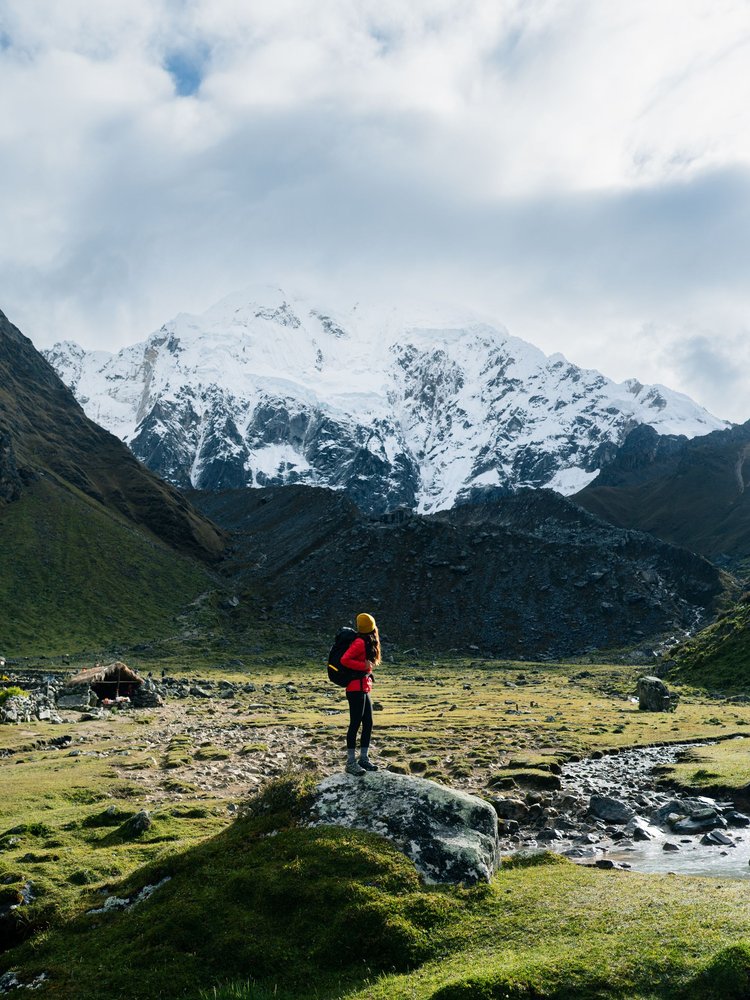
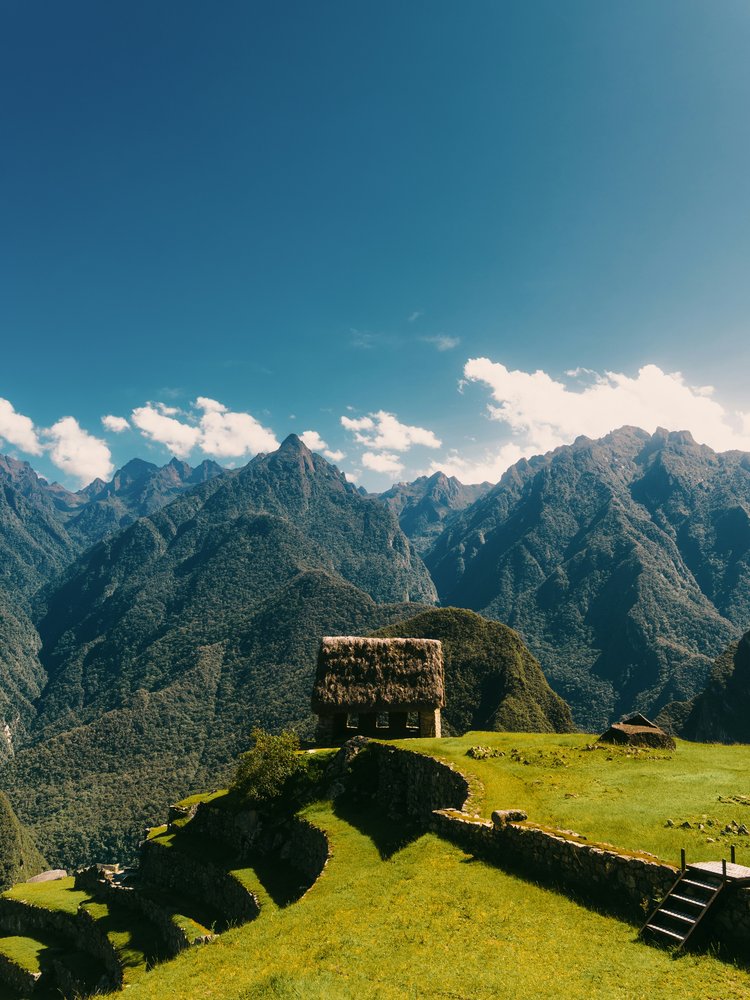
The Salkantay Pass elevation is around 4,600 meters (15,090 ft), making it the highest point of the trek. Compared to the Machu Picchu elevation of 2,430 meters, that’s a difference of more than 2,000 meters. Yet, even at this impressive altitude, hikers are still more than 1,600 meters below the summit of Salkantay Mountain.
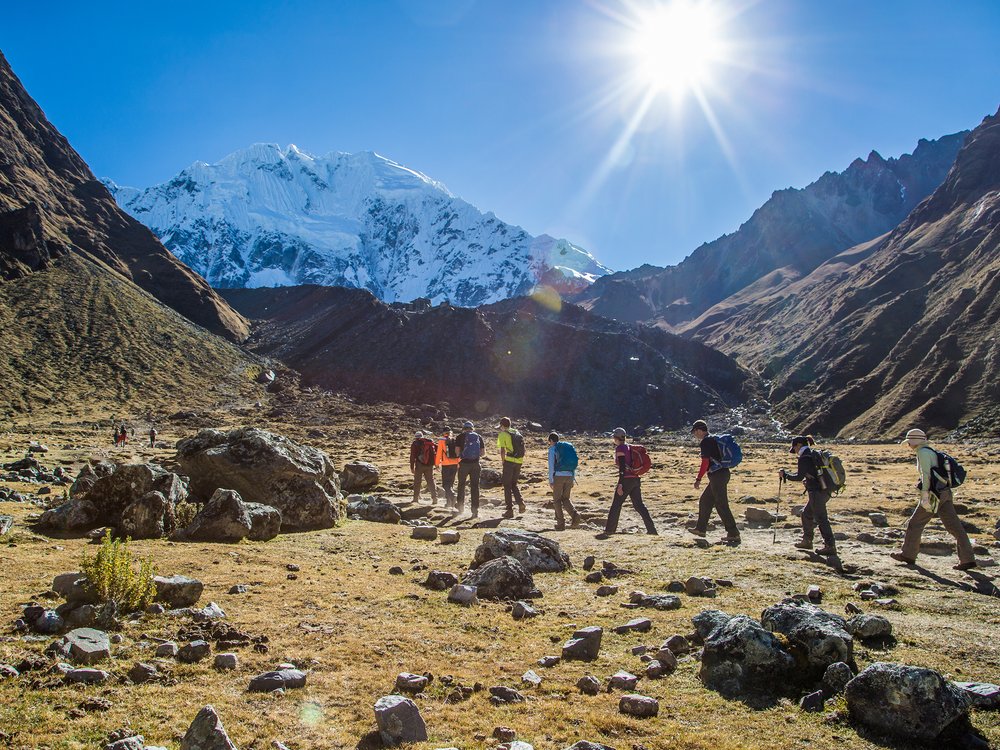
At that height, the air holds roughly 40% less oxygen than at sea level, so the climb to the pass is the hardest day of the trek: steep switchbacks, slow steps, and short breaks to catch your breath.
Well-structured trekking schedules typically incorporate several days resting in Cusco at 3,399 meters to help your body adapt to high elevations, along with a night spent around 3,900 meters near the base before pushing up toward the high pass.
6. You can see Machu Picchu from a lesser-known Inca site
Most travelers get their first glimpse of Machu Picchu from the Sun Gate or the citadel itself. However, some Salkantay itineraries offer a different perspective from Llactapata (“the town of the heights” in Quechua), an ancient Inca site located on a forested ridge about 5 km away. The site was also visited in 1912 by Hiram Bingham, the explorer who brought Machu Picchu to international attention in 1911.
A 2003 expedition supported by the Mount Everest Foundation studied the site again and found a plaza with ceremonial doorways aligned to Machu Picchu, a sign that the two places were connected. From the ruins, the citadel looks small and far away across the valley, a day before you walk into it. It is a view very few visitors to Machu Picchu ever get to see.
Not all Salkantay routes include Llactapata. If this is something you want to experience, our 7-Day Luxury Salkantay Trek to Machu Picchu takes you along an ancient Inca path through the cloud forest to the archaeological site before descending towards the river.
7. The Salkantay trek takes you through villages where coffee is part of everyday life
On the sunny side of the mountain, the trail follows the Santa Teresa River into coffee country. In Lucmabamba, a village at about 2,100 meters, families have been growing coffee on small farms for generations. Beyond cultivation and sales, integrating coffee production with sustainable tourism empowers local communities, offering travelers an authentic glimpse into their daily life and providing economic support.
Most Salkantay routes stop at a local farm along the way, where travelers can harvest, roast, and grind beans to brew a fresh cup of coffee. Though brief, this experience offers a meaningful connection with locals while giving hikers a memorable story—and authentic coffee—to take home.
Coffee lies at the core of the local identity. Situated nearby in the Santa Teresa district, the village of Huadquiña was awarded the Café Machu Picchu–Huadquiña designation of origin by Indecopi (National Institute for the Defense of Competition and Protection of Intellectual Property) in 2011, making it one of only two recognized coffee designations of origin in Peru (alongside Café Villa Rica).
The unique microclimate, shaped by the towering snow-capped peaks of Salkantay Mountain, Humantay, and Sacsarayoc, allows the coffee beans to mature at a slower, richer pace, which increases its quality.
👉 Explore the adventure: 5-day Salkantay Trek: The Classic Route to Machu Picchu
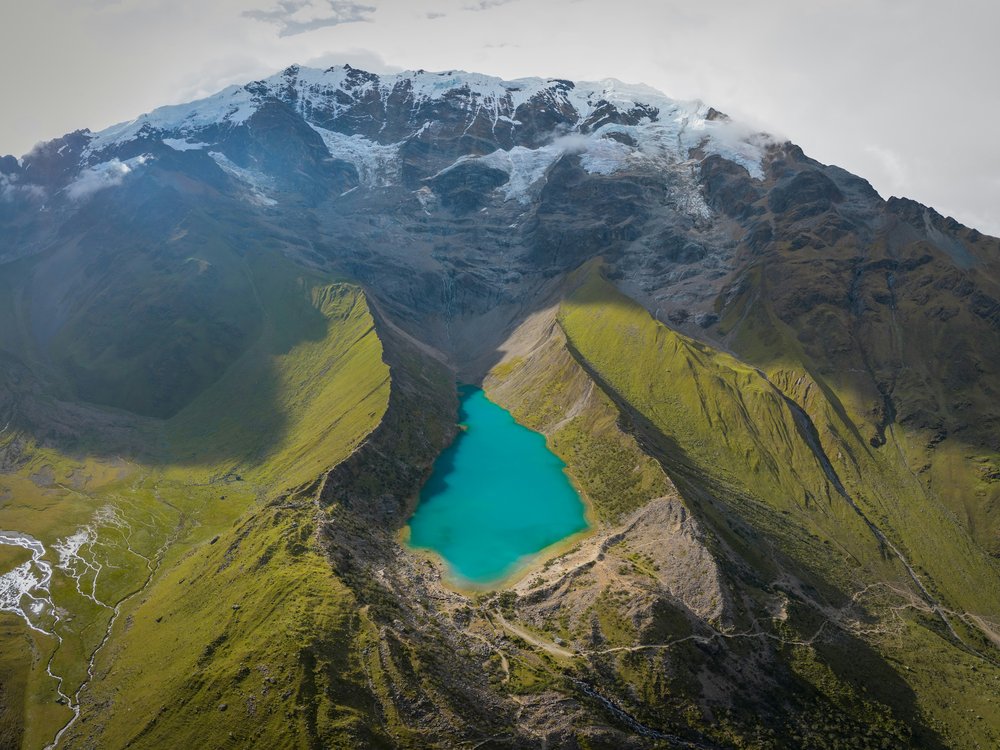
8. Humantay Lake gets its turquoise color from the glaciers above
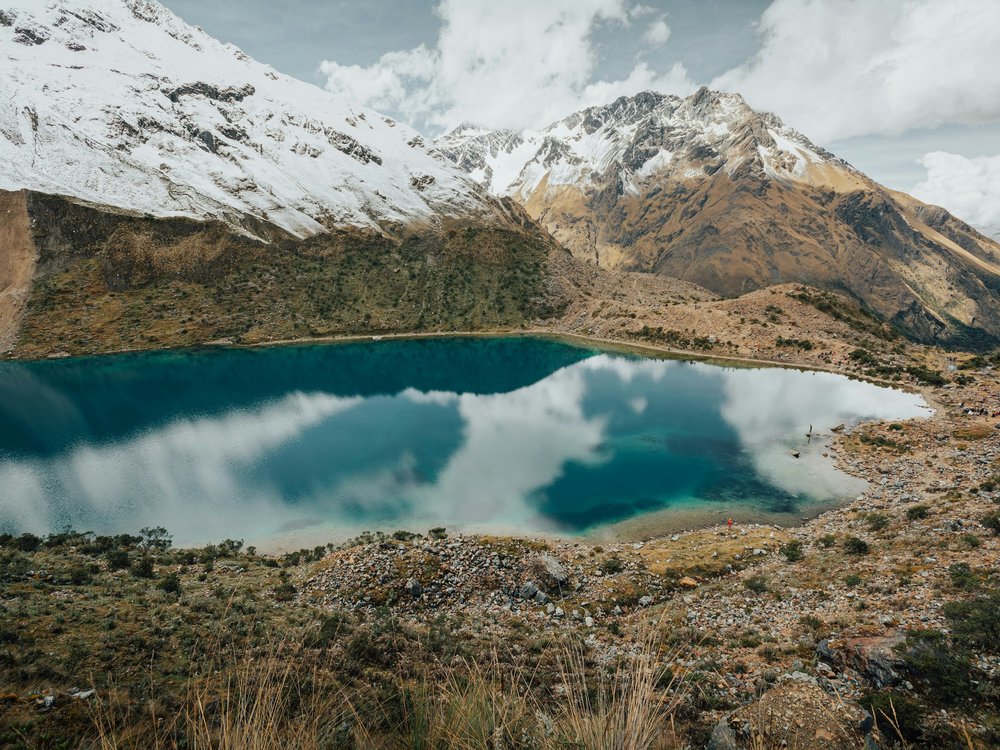
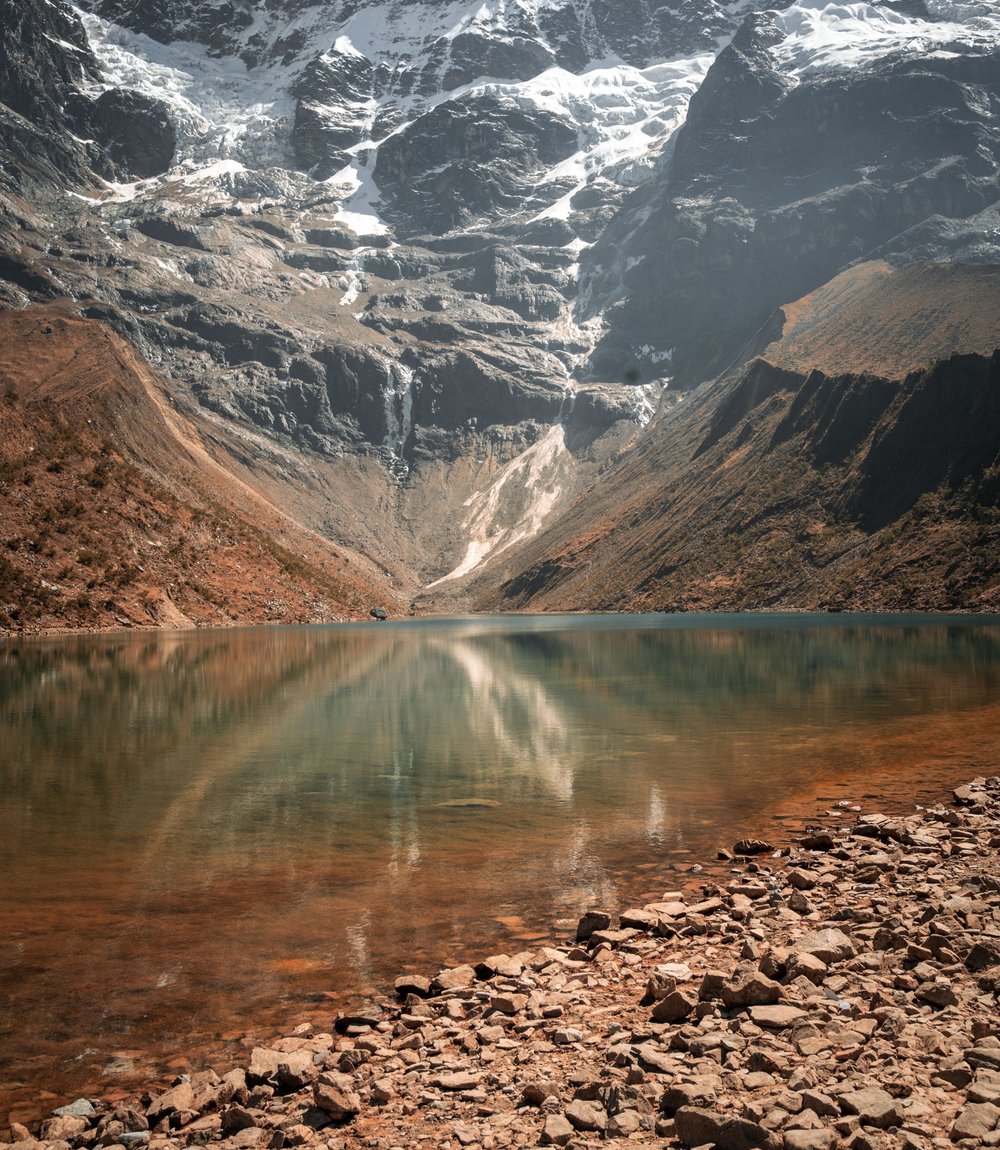
Located at around 4,200 meters, Humantay Lake sits at the foot of the glaciers of Nevado Humantay, near Salkantay Mountain. Its beautiful turquoise color comes partly from glacial flour, a fine powder of silt and clay created when glaciers slowly grind down rocks. As the ice melts, these tiny particles are carried into the lake, where the particles stay suspended instead of sinking.
According to NASA’s Earth Observatory, this substance scatters sunlight in a way that leaves mainly blues and greens to reach our eyes. This natural process creates the distinctive turquoise shade seen in high-altitude lakes around the world, making Humantay shift its color depending on the season and sunlight.
Peru’s glacier research institute, INAIGEM (National Institute for Research on Glaciers and Mountain Ecosystems), has measured about 500,000 cubic meters of water in the lake, with an average depth of 20 meters.
9. Scientists are closely monitoring Salkantay’s glaciers
Located within the Historic Sanctuary of Machu Picchu, Incachiriasca is numbered among Salkantay Mountain’s 12 glaciers. According to an INAIGEM-archived 2023 study, Incachiriasca’s surface area shrank from 0.53 km² down to 0.26 km² between 1975 and 2018, marking a loss of 51.4% of its area, with melting accelerating noticeably since 2010.
The whole range follows the same trend. According to research published in Frontiers in Earth Science, the Cordillera Vilcabamba lost roughly 56% of its total glacial area from 1975 to 2020. Reports from news agency Andina emphasize that while Peru’s glaciers represent nearly 68% of the world’s tropical ice coverage, the country has seen over 56% of its entire glacial mass disappear in the last six decades.
As jarring as it sounds, there’s still hope, as scientists are working to better understand and respond to these changes. Through INAIGEM, researchers use satellite imagery, drones, and field measurements to monitor glaciers and track their retreat. The findings help develop strategies to protect mountain ecosystems, manage water resources, and prepare local communities for the effects of climate change.
Working alongside SERNANP (National Service of Natural Protected Areas by the State), INAIGEM also regularly monitors the Incachiriasca glacier and publishes an updated national glacier inventory every five years.
Because these glaciers provide vital water to downstream forests, farms, and towns, preserving environments like Salkantay Mountain remains essential far beyond the duration of a trek.
10. The forests around Machu Picchu are home to South America’s only native bear
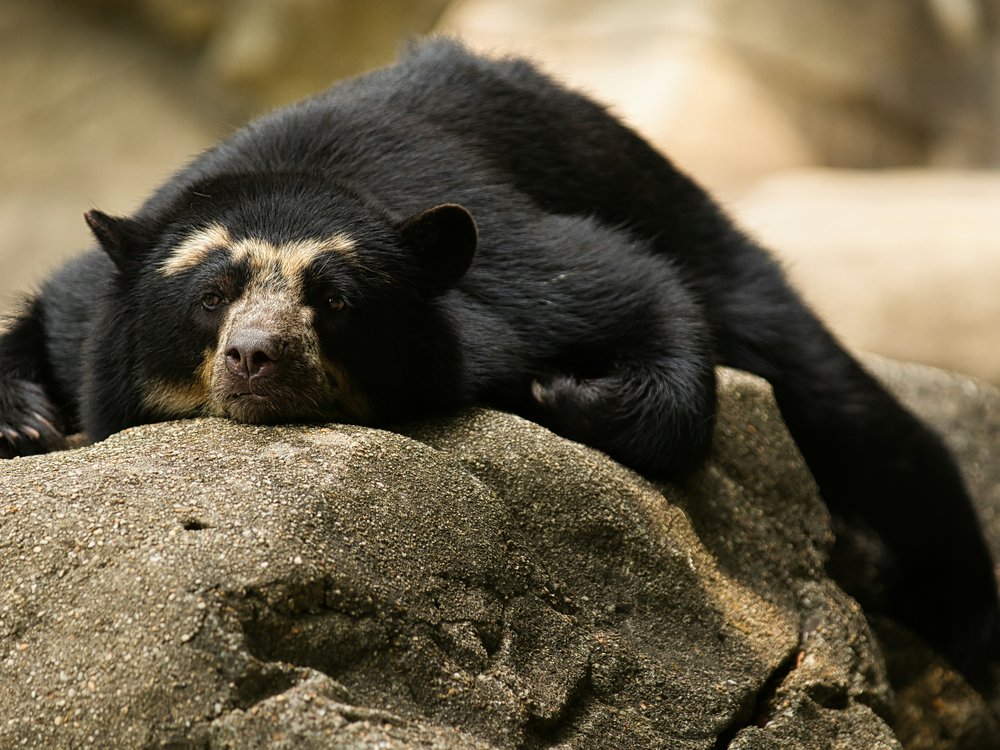
The spectacled bear, also called the Andean bear, is the only bear species in South America, named for the pale markings around its eyes. Shy and elusive, it is mostly vegetarian, with plants making up as much as 90% of its diet.
Thriving in diverse ecosystems, from lush cloud forests to high mountain grasslands above 4,000 meters, it is classified as vulnerable by the IUCN, rendering sightings on the trek remarkably rare.
Though not expressly confirmed in Michael Bond’s 1958 classic stories, Paddington Bear is widely recognized as a spectacled bear, precisely because it represents the single native species of this part of the continent. In A Bear Called Paddington, the beloved traveler famously journeys all the way from “Darkest Peru” across the ocean to London.
Among the other animals at Machu Picchu, birds are the easiest to spot: 423 species have been recorded in the reserve, including Peru’s national bird, the Andean cock-of-the-rock, the torrent duck, and the Andean condor, while the forest is also home to ocelots and the small Peruvian dwarf deer.
Visiting Salkantay Mountain with PlanetaEXO
Now that you know the stories behind Salkantay Mountain and what makes it one of the most fascinating trekking destinations in the world, it is time to see it up close!
PlanetaEXO is an ecotourism platform specializing in Peru tours. We work with the best local operators in Cusco to plan your trek around the mountain, from the first night under the glacier to the guided visit of Machu Picchu. Contact us now!
