Find out when is the best time to dive in Fernando de Noronha’s, with calm year-round conditions in the Inner Sea and exciting adventures in the Outer Sea during the swell season.
Fernando de Noronha, an archipelago off the northeastern coast of Brazil, is renowned as a diver’s paradise. It’s easy to see why this UNESCO World Heritage Site is on the bucket list of divers worldwide, with its crystal-clear waters, marine life, and underwater landscapes. One of the most frequently asked questions by divers planning their trip is: “When is the best time to dive in Fernando de Noronha?”
The answer isn’t entirely straightforward, as Fernando de Noronha has great diving conditions all year round. However, seasonal changes in weather, sea conditions, and water visibility can affect the overall experience. Let’s look at the details to help you plan the perfect trip:
Table of Contents:
- Year-Round Diving Conditions
- Seasonal Variations in Fernando de Noronha
- Wind and Sea Conditions
- Swells and Seasonal Waves
- Best Time to Dive: March to July
- What Awaits Underwater?
- Diving Highlights by Season
Year-Round Diving Condition in Fernando de Noronha
One of the reasons Fernando de Noronha is such a popular diving spot is that the conditions are pretty much the same all year round. Thanks to the tropical climate, the archipelago enjoys great water conditions throughout the year. The average water temperature is around 27°C (80°F), which is just right for diving without a heavy wetsuit.
Visibility is between 25 and 50 meters (82 to 164 feet), which offers incredible views of the underwater world.
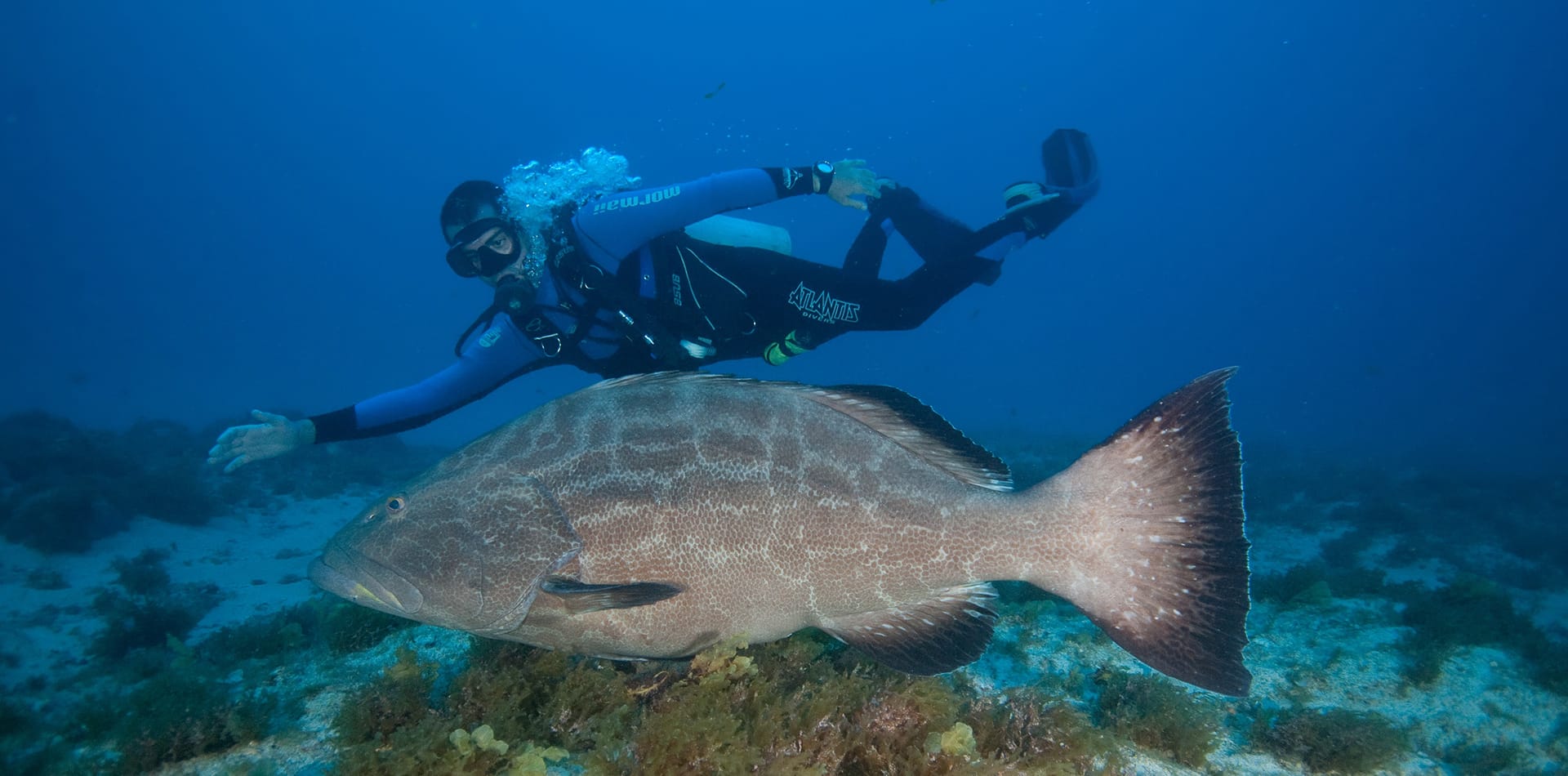
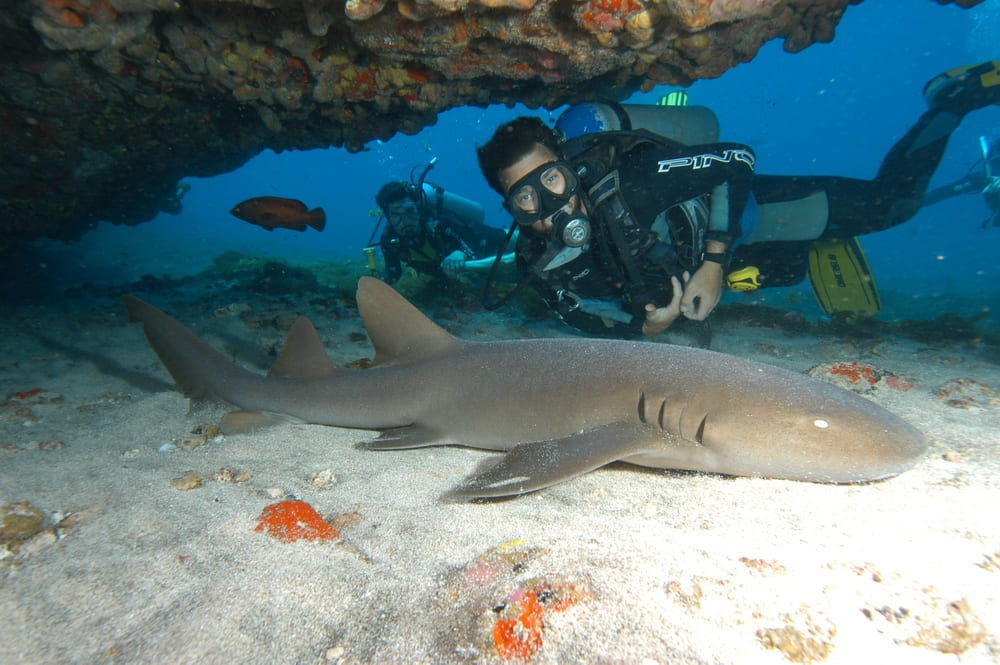
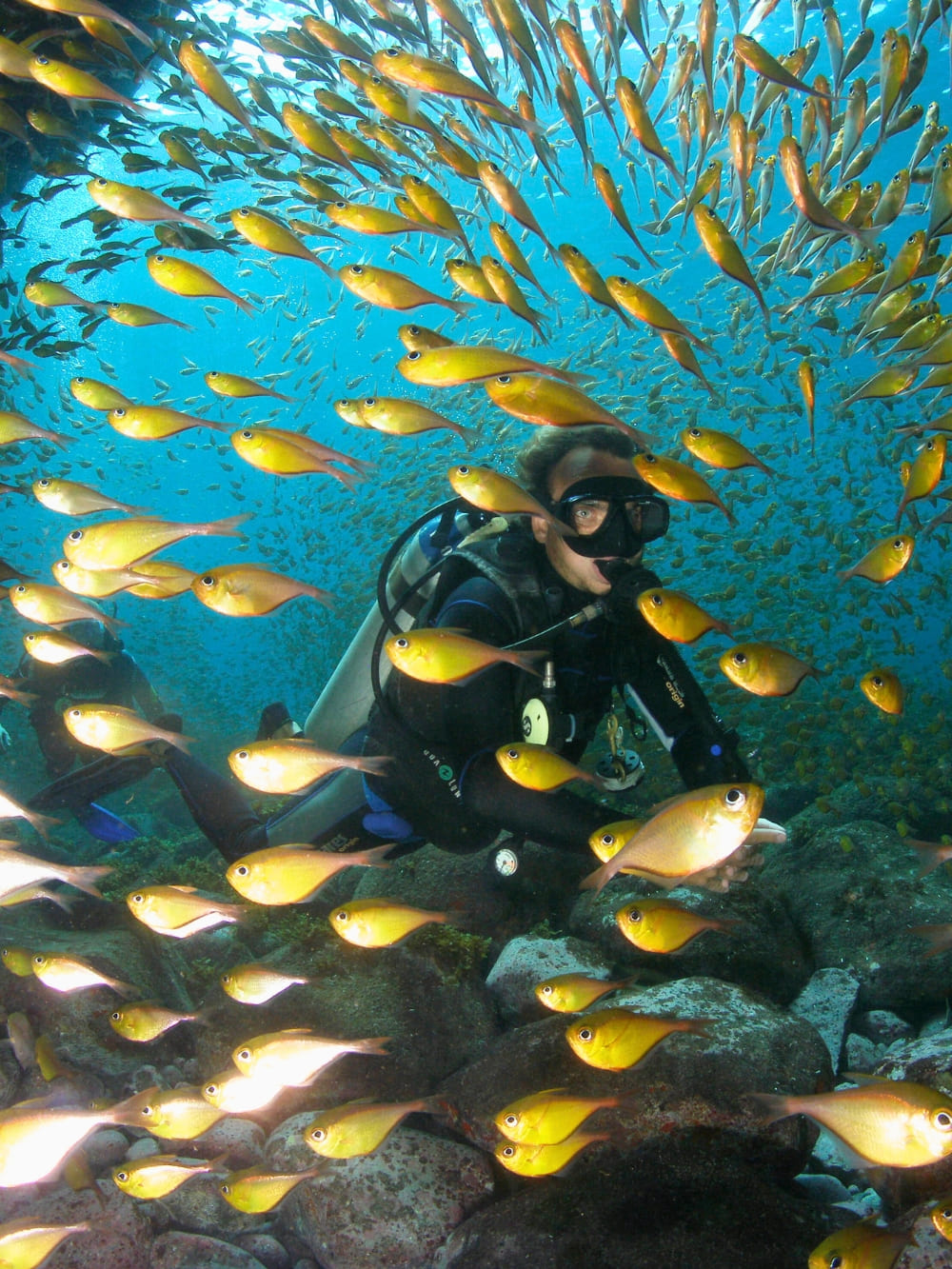
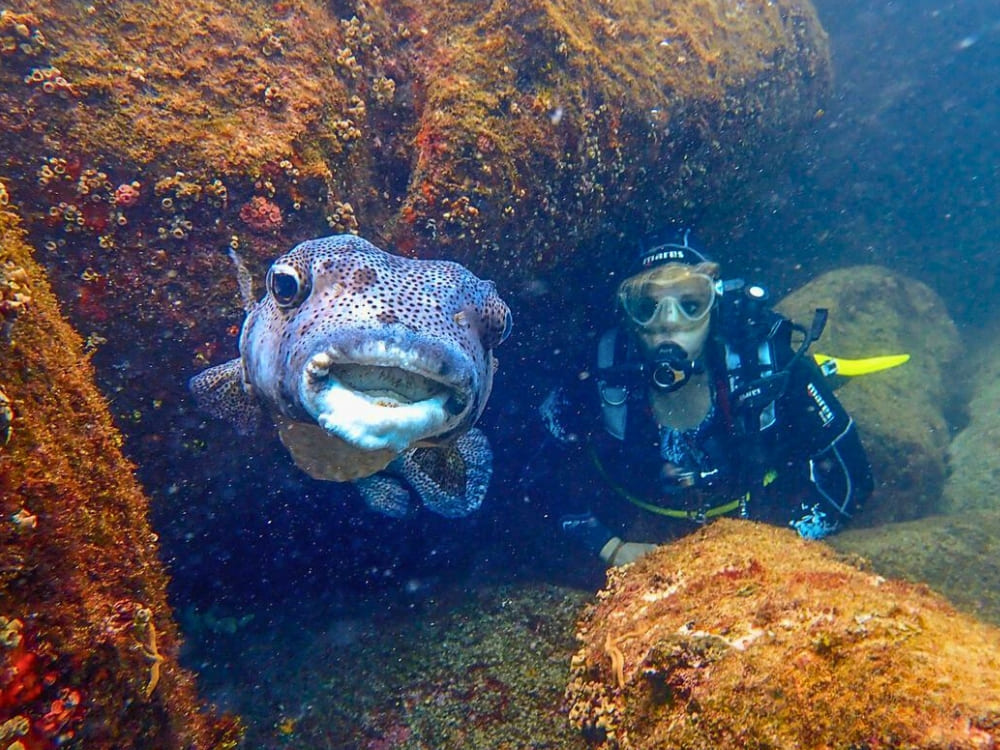
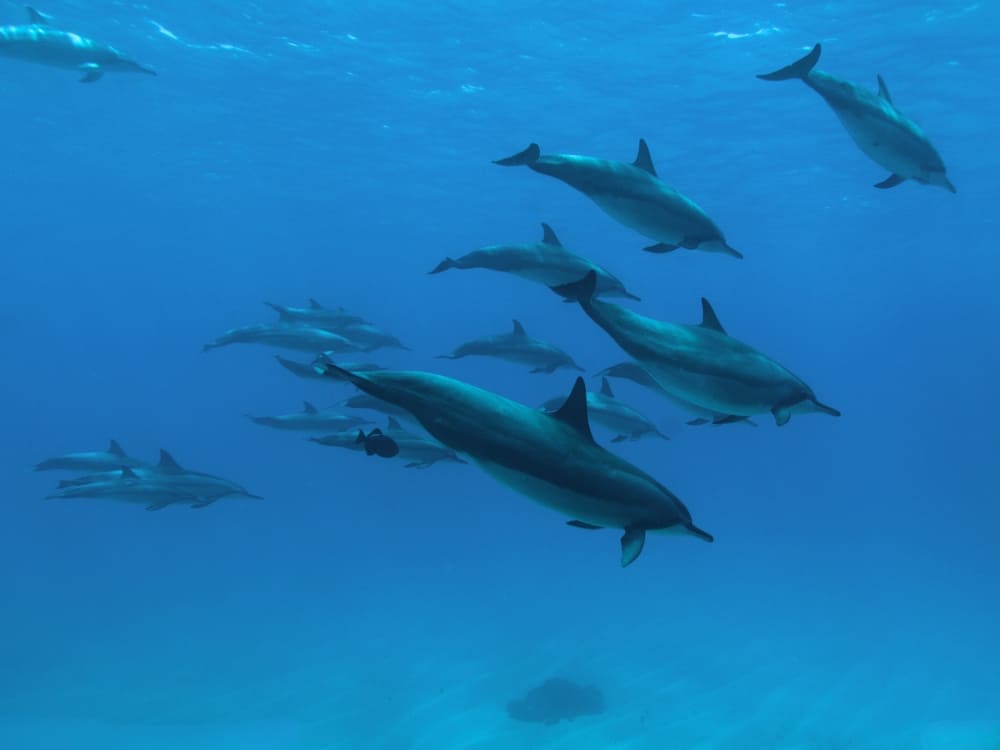
On top of that, Fernando de Noronha is home to a protected that supports local ecosystems. Divers can expect to see all kinds of marine life, including turtles, reef sharks, rays, eels, and different species of fish. Spinner dolphins are a common sight and a highlight for many visitors.
You can dive year-round, but the archipelago experiences seasonal variations that affect wind, waves, and visibility. These variations may affect the quality of dives and determine which areas of the island are more suitable for diving during specific months.
👉 Curious about Fernando de Noronha? Discover 10 interesting facts about this Brazilian island paradise.
Seasonal Variations in Fernando de Noronha
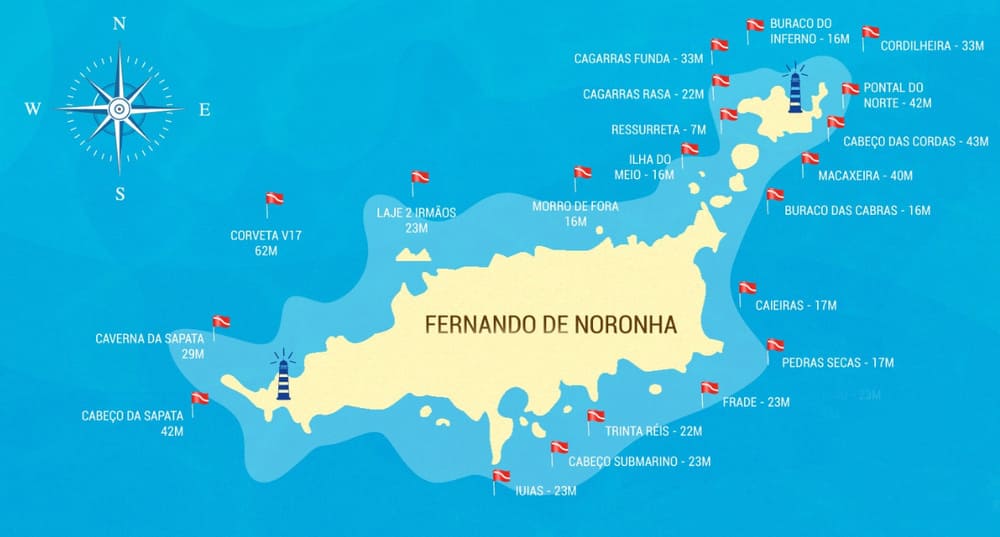
“Mar de Dentro” (Inner Sea) and “Mar de Fora” (Outer Sea) provide distinct diving experiences for visitors to Fernando de Noronha.
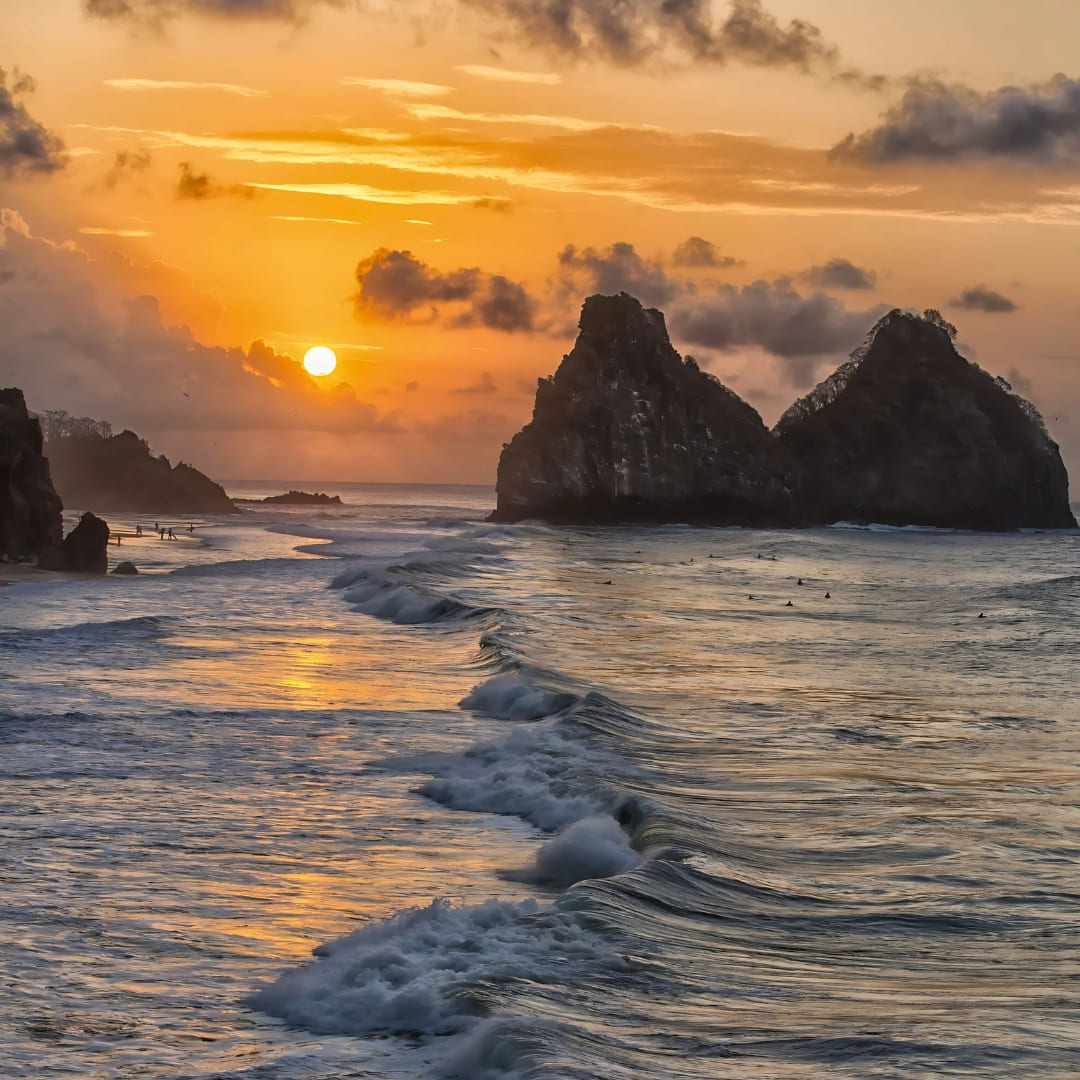
Mar de Dentro, to the left of Ilha do Meio and facing the mainland—though still distant—is more sheltered and offers consistently stable conditions year-round. This makes it an excellent spot for diving, with minimal swell and reliable visibility.
In contrast, Mar de Fora, located on the right side of the island, is more exposed to natural elements, making its conditions less predictable. Wind and swell can fluctuate, creating navigation challenges and reducing usability, but diving is still possible during calmer periods.
Dry Season (August to February)
When it comes to diving seasons, August to February marks the dry season, with stable weather, minimal rainfall, and excellent diving conditions.
Visibility is at its peak from August to mid-October, making it ideal for underwater photography and exploring deeper sites.
However, from mid-October to February, is the “wave season”. During this time, swells and strong waves can affect the Inner Sea, the side of the island that faces the Brazilian coast.
These swells may stir up the water, reducing visibility and making the sea more agitated. For divers, this can mean adjusting plans and focusing on sites along the Outer Sea, which tends to remain calmer during this period.
Rainy Season (March to July)
The rainy season, from March to July, brings increased rainfall, especially between April and June. Surprisingly, this period often features calmer seas and excellent visibility underwater, as the rain primarily affects surface waters.
This season is particularly recommended for divers looking to explore both sides of the island without being limited by weather, offering a unique opportunity to experience Fernando de Noronha’s remarkable underwater world.
Rainy Season is highly recommended for divers who prioritize calm seas and clear visibility. This season provides a unique opportunity to explore a wider variety of dive sites without being limited by weather or sea conditions.
Wind and Sea Conditions
Sea conditions in Fernando de Noronha change a lot depending on the time of year. Strong winds can make the water agitated and make it harder to see.
The months with the strongest winds are August and September, as well as late December and January.
- August and September: stronger winds can make the seas a bit choppier, especially on the side of the island facing the Inner Sea. Visibility might be a little reduced, but experienced divers can still enjoy the challenge and discover Noronha’s unique underwater ecosystems.
- December and January: wind patterns heighten sea agitation on the Inner Sea. Divers are typically redirected to the Outer Sea, where conditions are more stable. Fernando de Noronha’s ability to adapt is one of its key advantages, ensuring that diving remains possible even during less favorable conditions.
Swells and Seasonal Waves
From November to February, a phenomenon known as the “swell” occurs, bringing large waves formed offshore. This movement, which can last for a day or two, stirs up the seabed of Mar de Fora, reducing visibility temporarily.
However, it also creates unique opportunities for diving in the Outer Sea, as the period often provides favorable conditions for exploration in this area.
Swells create opportunities to explore dive sites that might otherwise be overlooked. For adventurous divers, these conditions can be exciting, adding an element of unpredictability to the experience.
Best Time to Dive: March to July
If you’re looking for the most tranquil and predictable diving conditions, the period from March to July is the best time to dive in Fernando de Noronha. During these months, both the Inner and Outer Sea sides of the island are generally calm, allowing divers to access the full range of dive sites.
Water visibility is excellent, and the absence of strong winds ensures smooth entries and exits.
This period is particularly well-suited for novice divers or those looking for a relaxing underwater experience. It’s also a great time for photographers, as the clear waters and abundant marine life provide endless opportunities for stunning shots.
What Awaits Underwater?
No matter when you visit Fernando de Noronha’s underwater world is sure to impress. Here’s what you can expect:
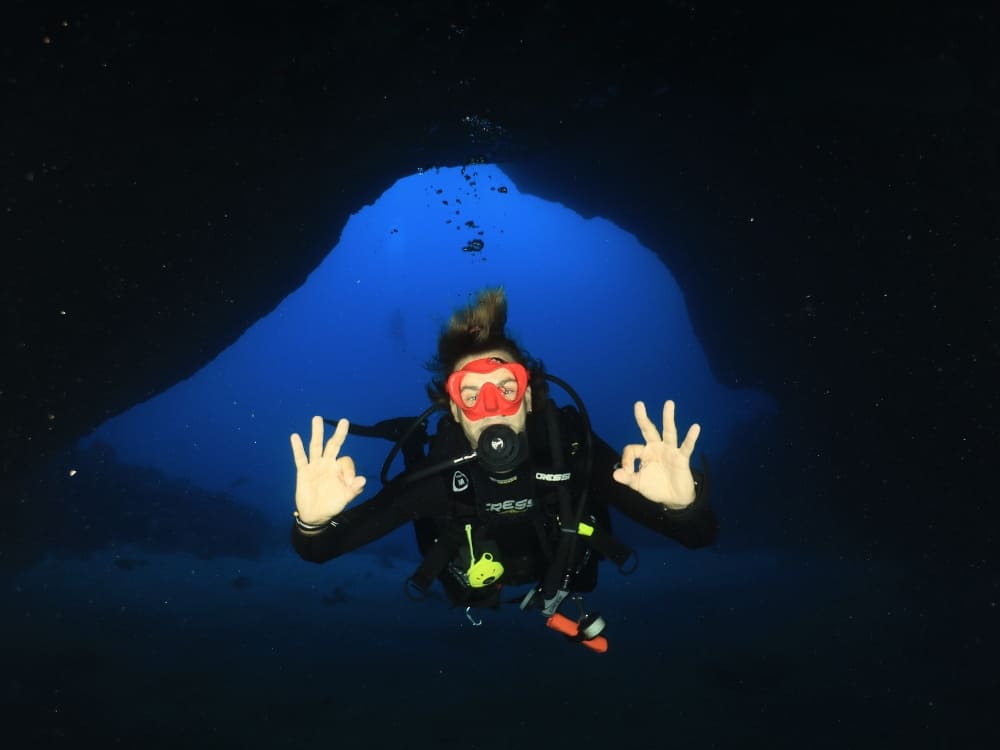
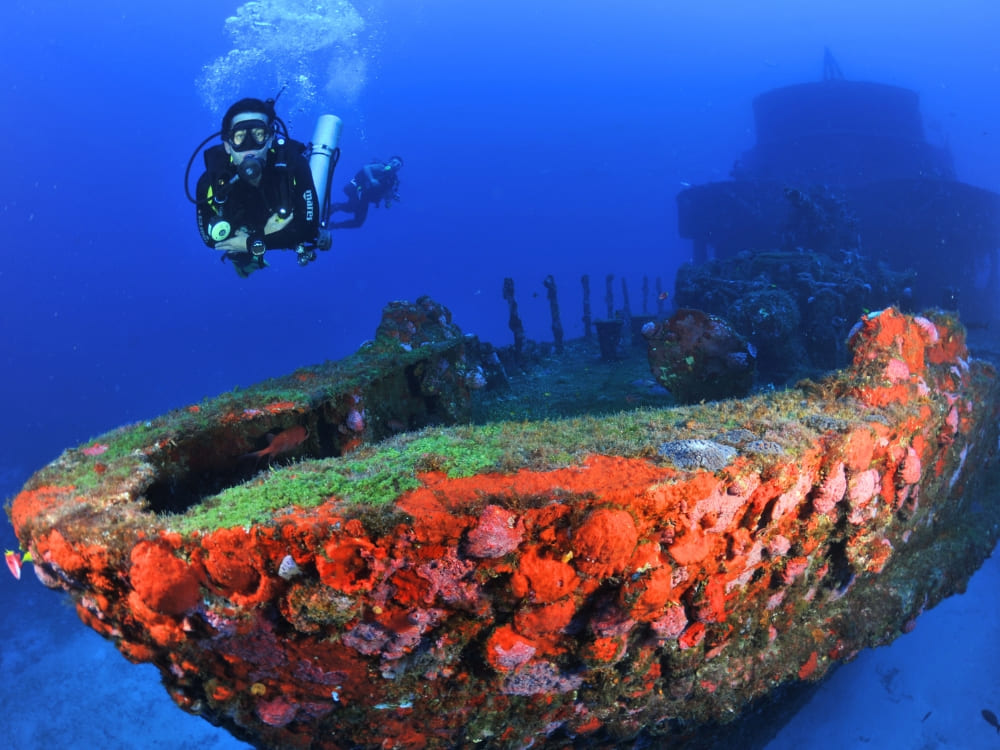
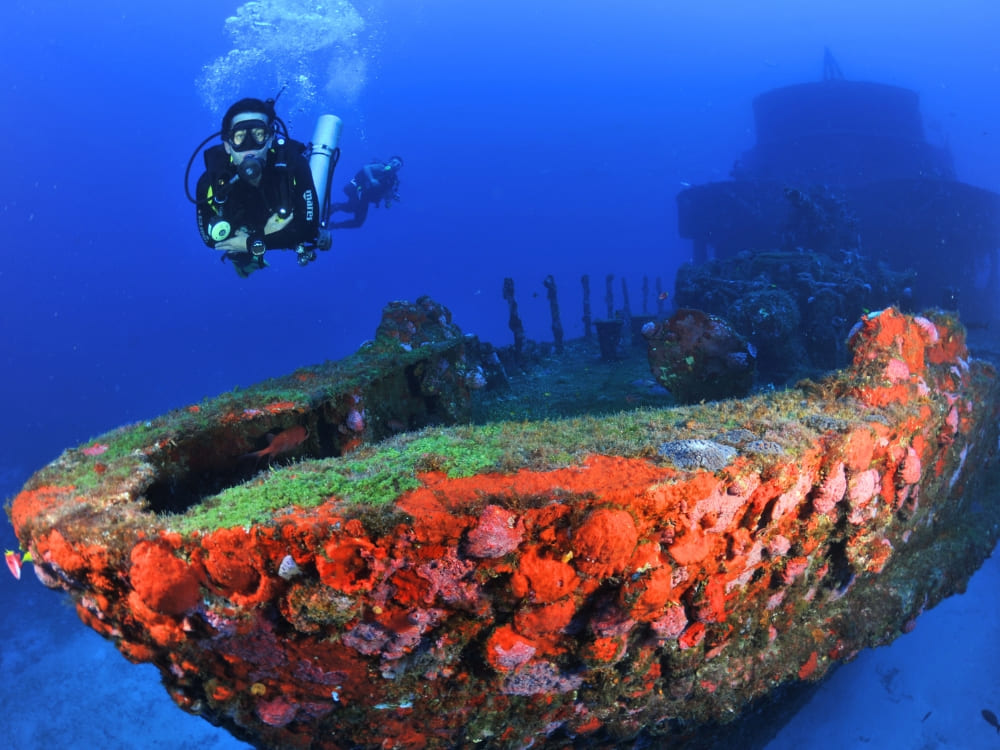
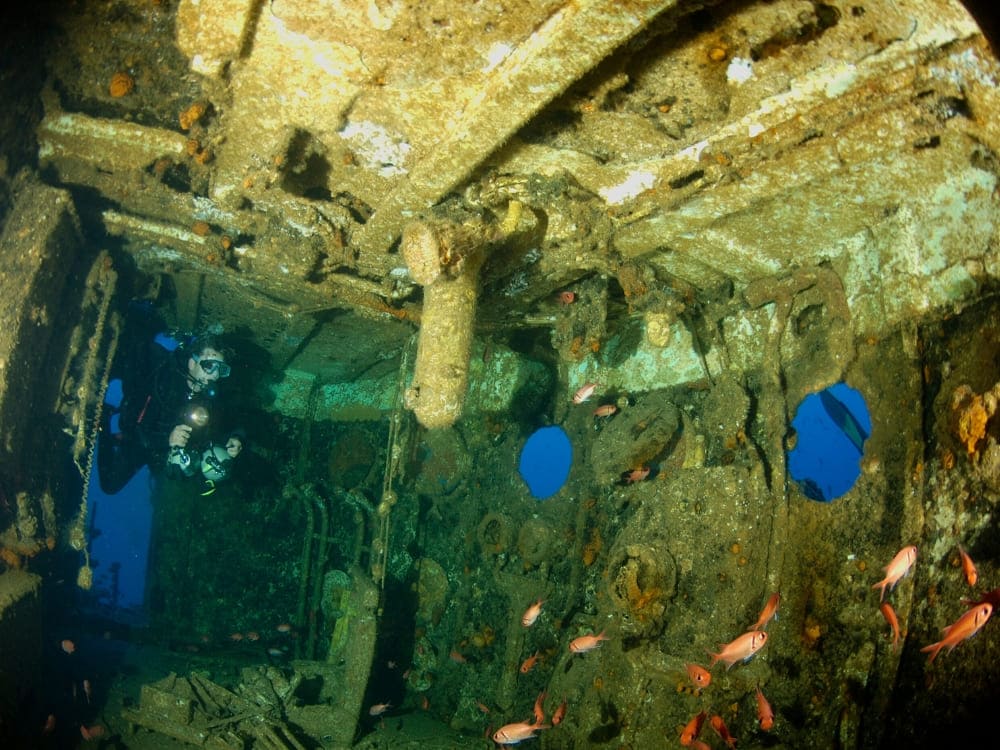
There’s something for everyone on the island: from colorful reefs and coral gardens to deep shipwrecks and underwater caves. Some of the most popular sites include Cabeço da Sapata, Pedras Secas, and Buraco das Cabras.
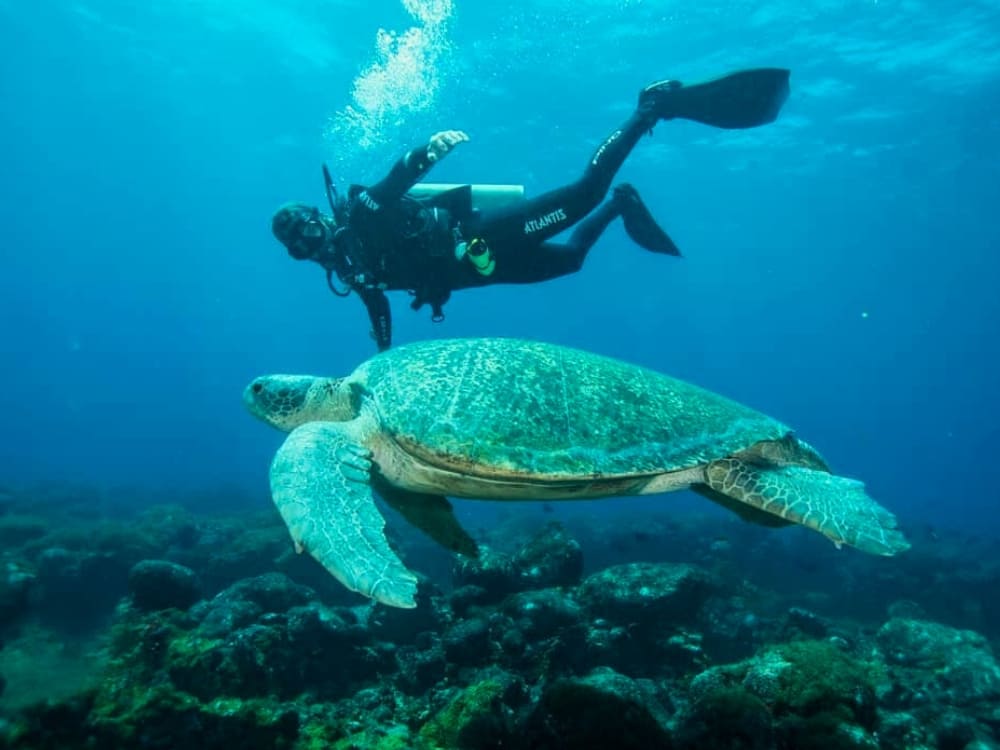
You’ll see a lot of marine biodiversity, such as sea turtles, reef sharks, rays, moray eels, fish, and much more. Noronha’s waters are teeming with life. The archipelago is also famous for its spinner dolphins, which can often be seen leaping and twirling near the surface.
The Marine Park’s strict conservation measures guarantee that the dive sites stay vibrant. This dedication to sustainability makes the experience better for divers and helps protect the archipelago’s ecosystems.
Seasonal Diving Conditions: Summary Table
| Season | Conditions | Best Diving Areas |
| March to July | Calm seas on both Inner and Outer sides, excellent visibility, ideal for all divers. | Inner and Outer Sea dive sites |
| August to September | Windy season, with some agitation, and suspended particles reducing visibility slightly. | Outer Sea is generally better sheltered. |
| November to March | Swells and strong waves are possible, but often brief (1-2 days). Outer Sea offers better conditions during this time. | Outer Sea sites like Cabeço da Sapata. |
| December to January | The Inner Sea is more agitated, but the Outer Sea remains calmer. Divers may need to adjust sites depending on conditions. | Outer Sea dive spots. |
Plan Your Dive Adventure
Now that you know the best time to dive in Fernando de Noronha, why not start planning your trip? Check out PlanetaEXO’s packages for diving experiences that let you explore the archipelago’s incredible underwater world.
Whether you’re a beginner or a seasoned diver, Fernando de Noronha promises an unforgettable adventure!