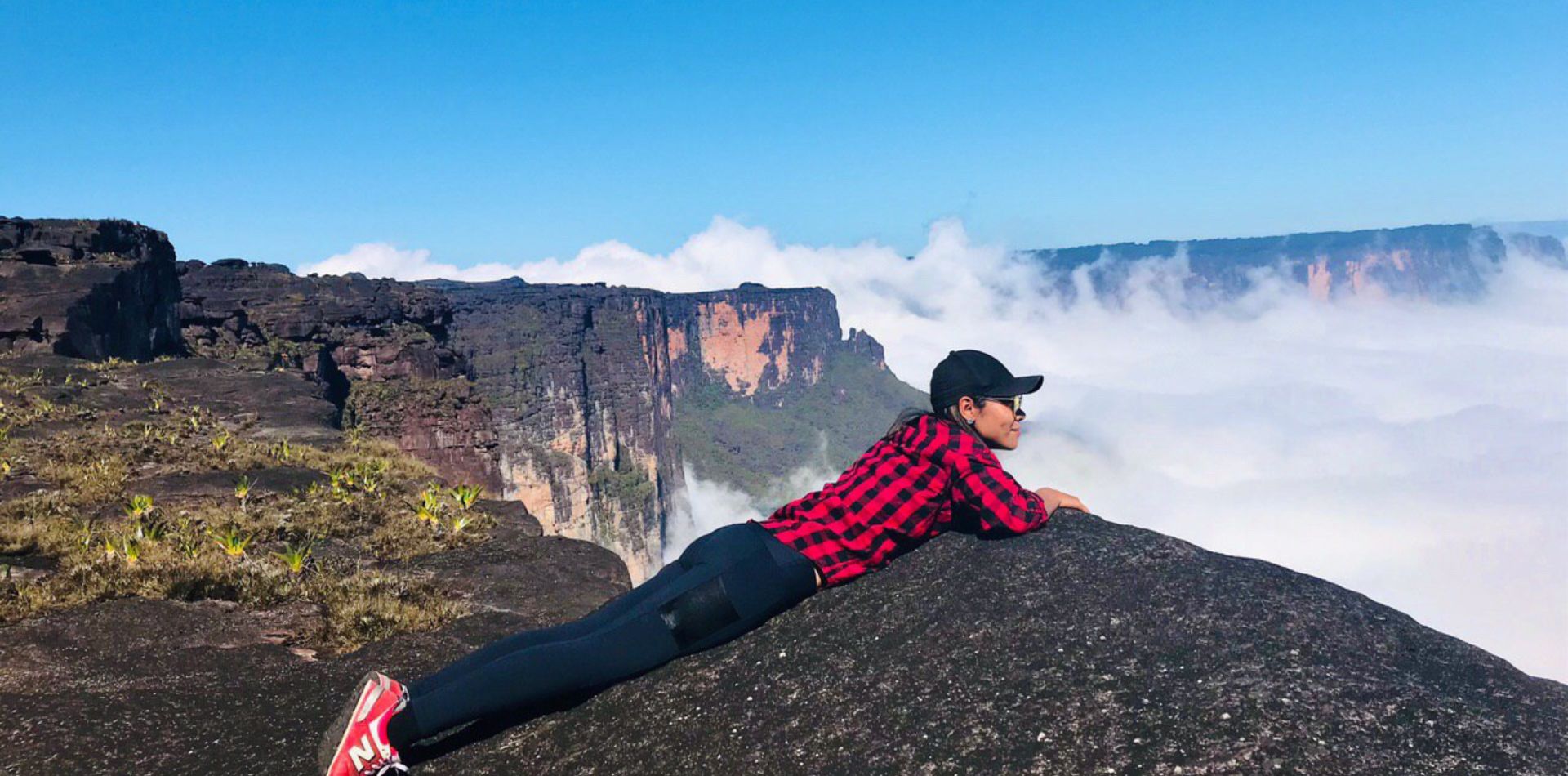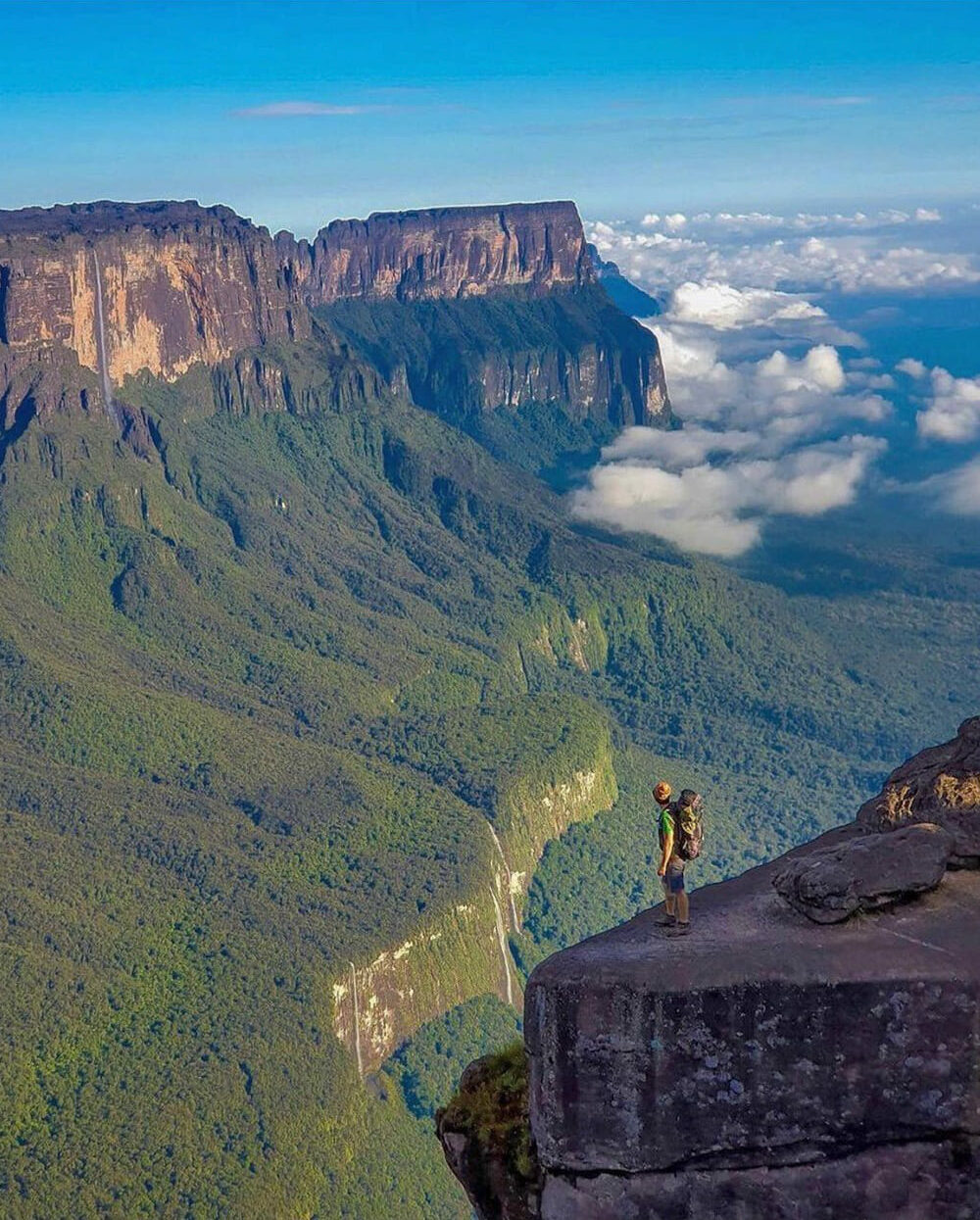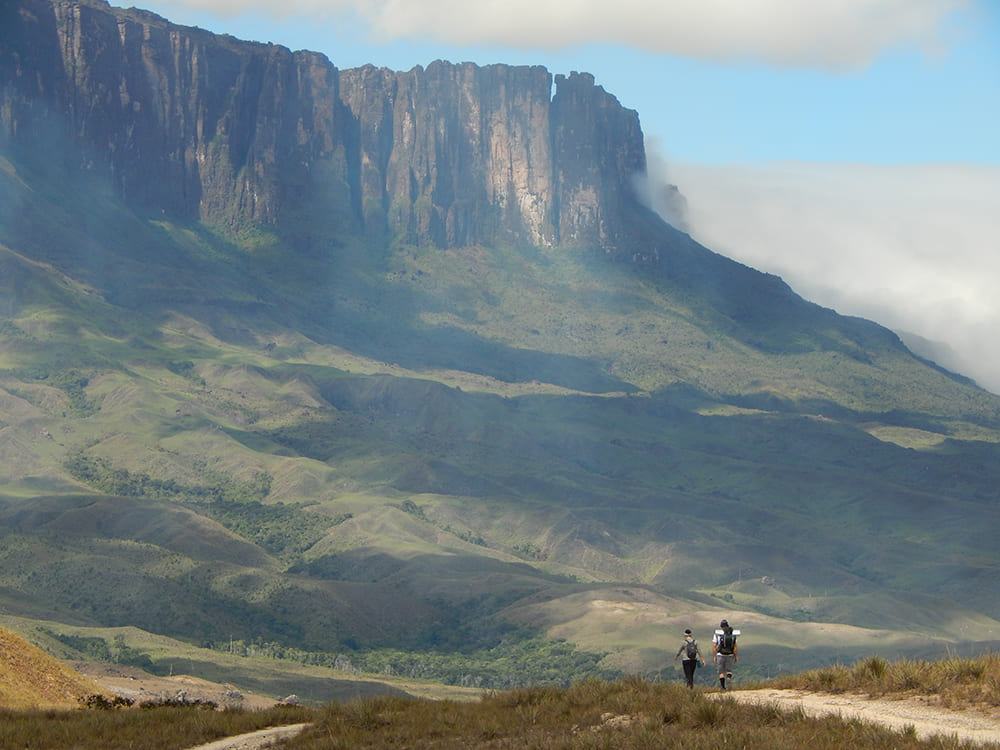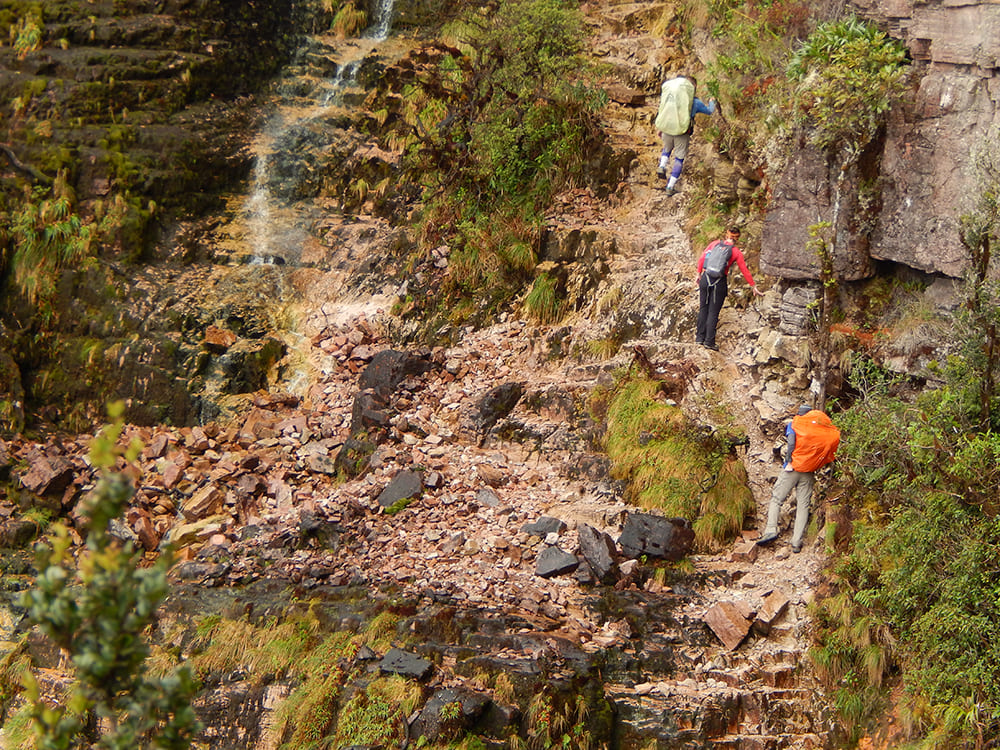
Tag: Mount Roraima

  • How to get to Mount Roraima?

    How to get to Mount Roraima?

    Learn more about the logistics, the best routes, and how to get to Mount Roraima. This article covers the main access points and what you need to plan before starting your adventure

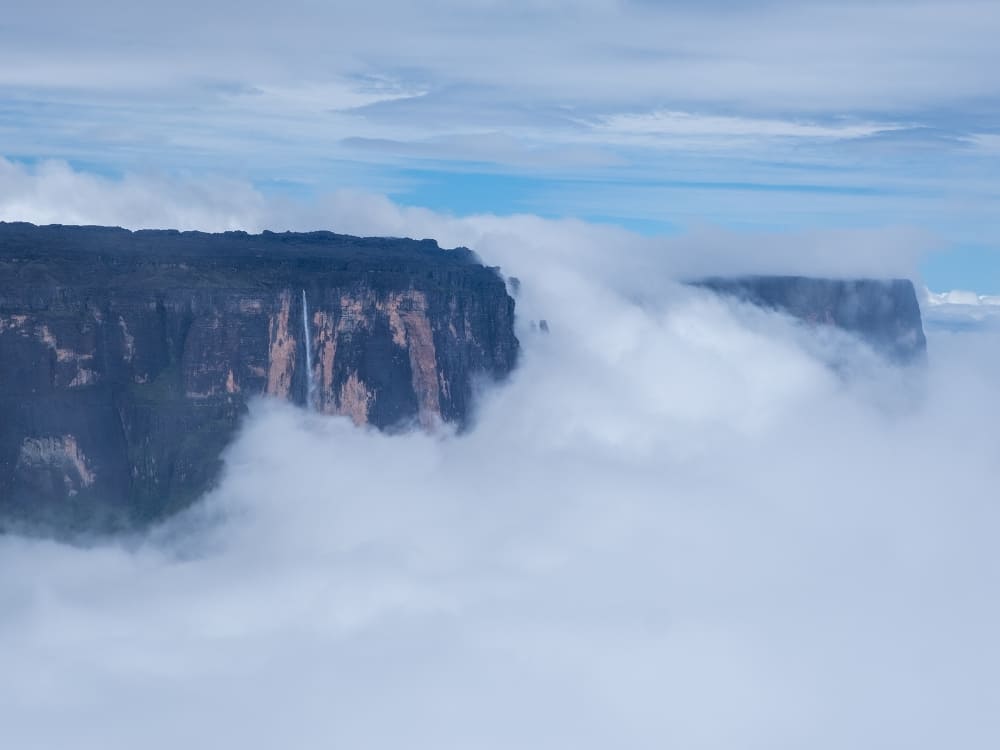
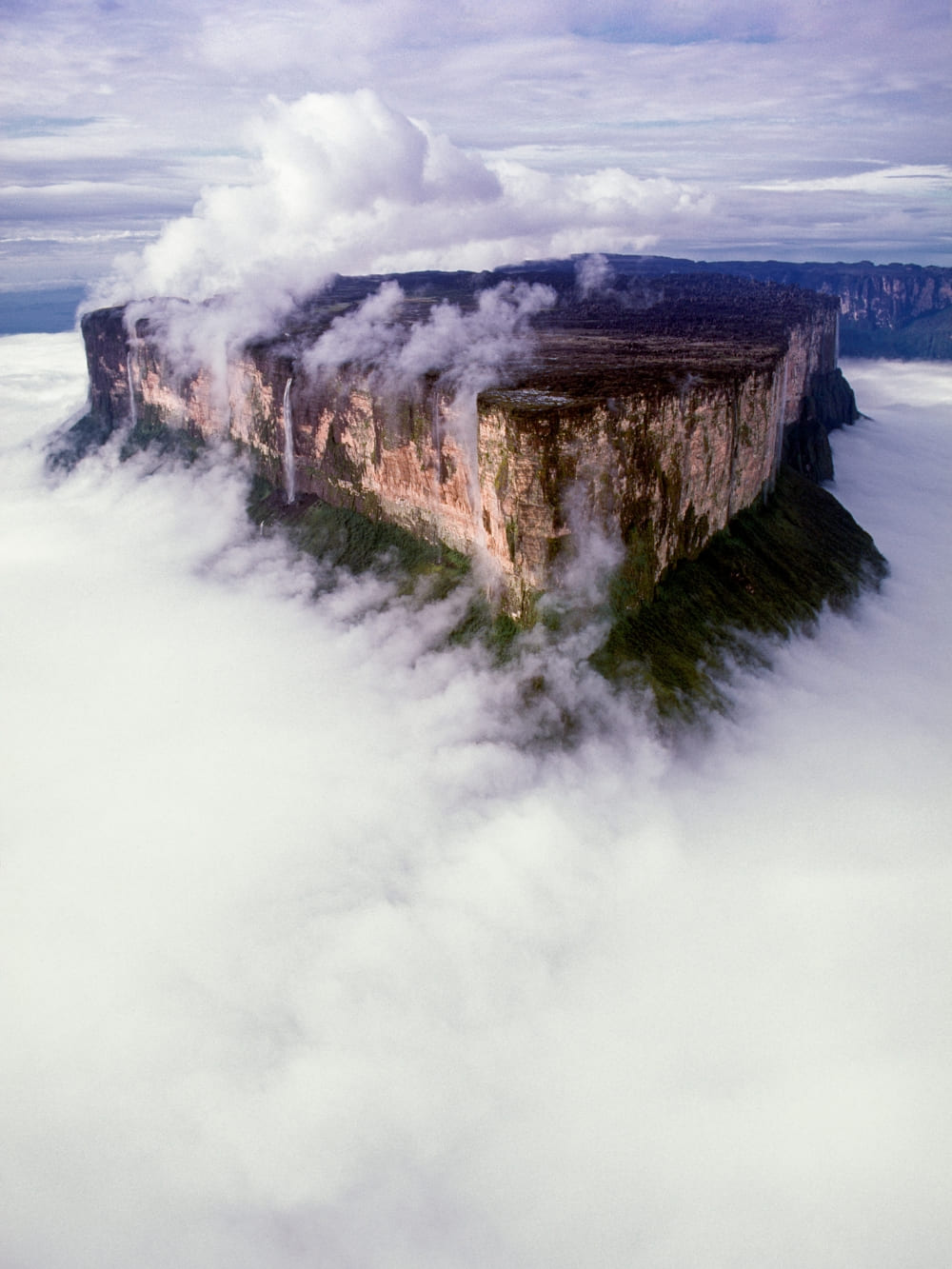
    Mount Roraima is one of the most incredible tepuis in South America. Its sheer cliffs and flat summit give it a unique appearance that has inspired legends, scientists, and travelers for generations. For many adventurers, learning how to get to Mount Roraima is the first step toward experiencing one of the most unique and oldest landscapes on Earth.

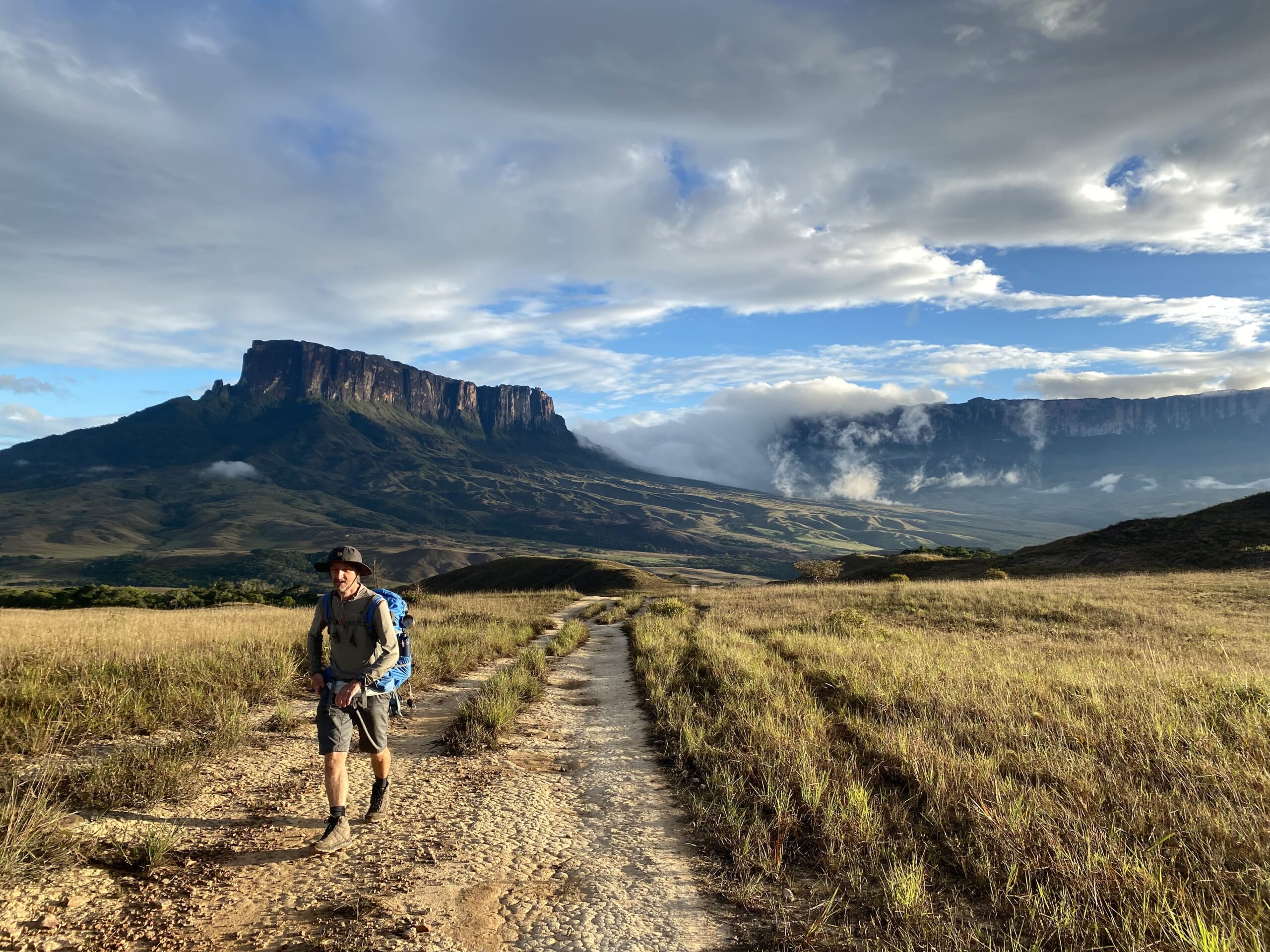
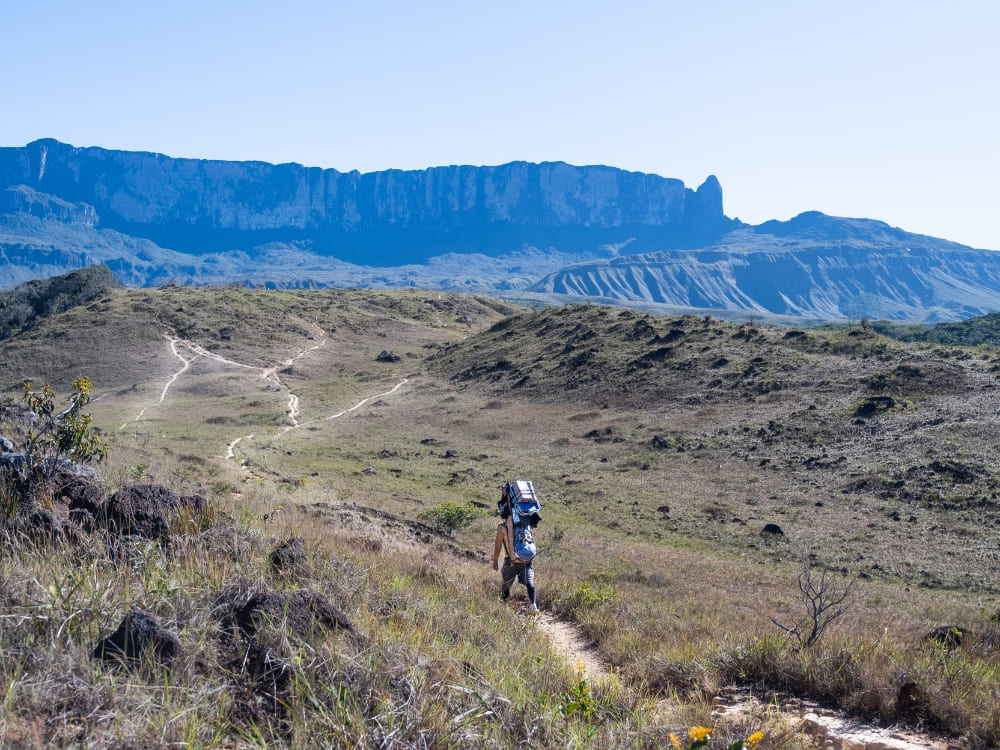
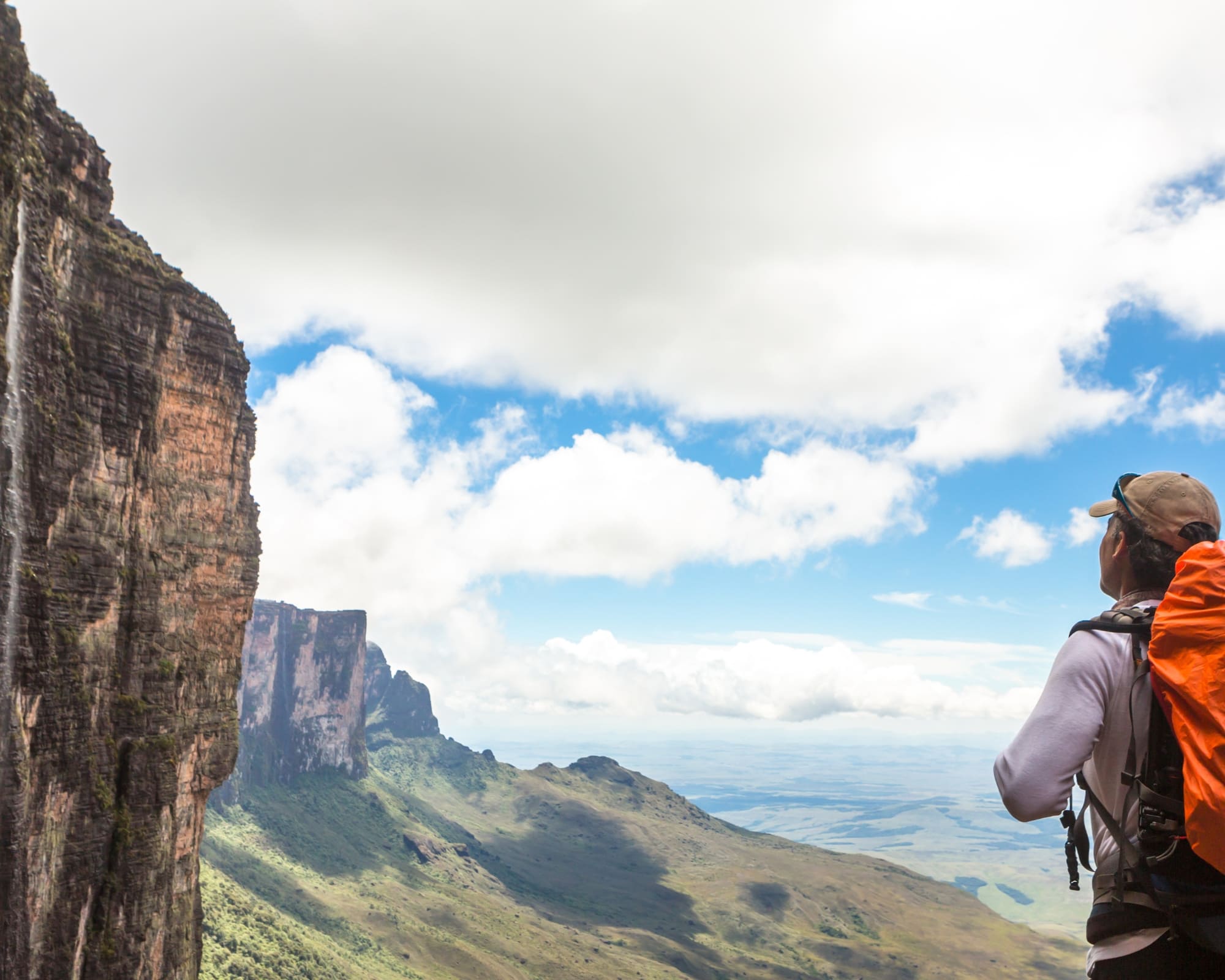
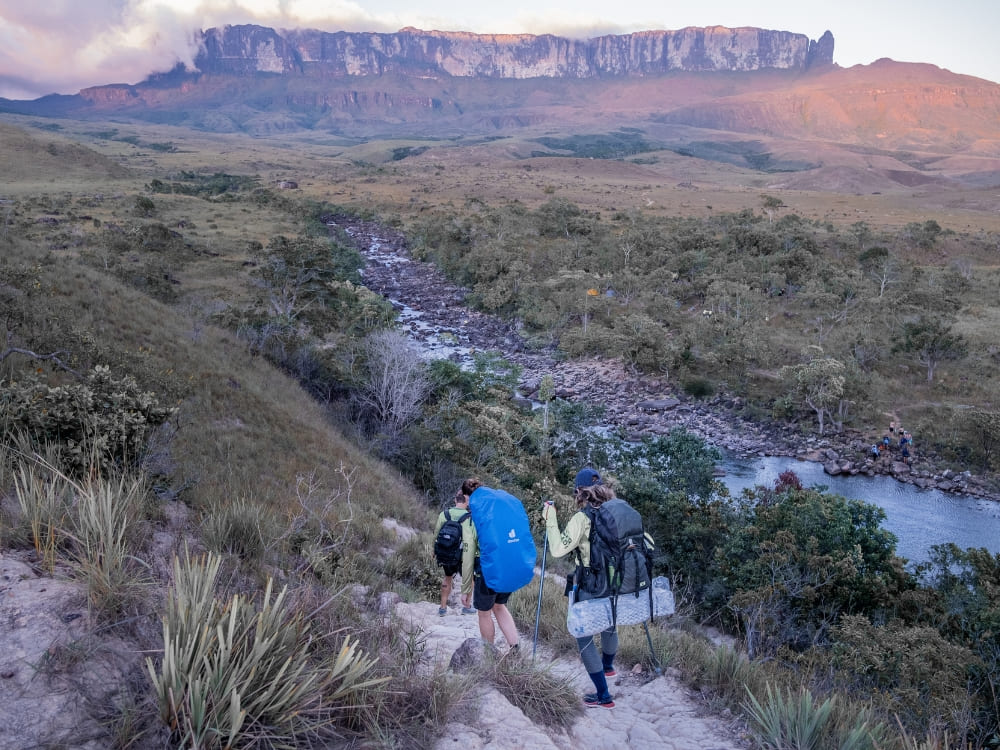
    Trekking up Mount Roraima is an unforgettable adventure, crossing open landscapes and rocky paths before reaching the top of Mount Roraima. At the summit, you’ll find stunning views, rare plants, and rock formations that make this plateau unlike any other place on Earth.

    How to get to Mount Roraima
    Photo: Lucas Gobatti

    Many travelers ask: Can I visit Mount Roraima? With the right preparation, permits, and experienced local guides, this journey is possible and rewarding. PlanetaEXO, for example, offers expeditions with specialized local guides, creating a positive impact through sustainable adventures to reach the top of Mount Roraima.

    If you check a Mount Roraima map, you’ll see how its location at the crossroads of Brazil, Venezuela, and Guyana makes planning essential before you set off. Keep reading to discover how to get to Mount Roraima and the best routes to start your trek:

    How to get to Mount Roraima?

    Before anything else, check the visa requirements, as you’ll need proper documentation to cross into Venezuela.

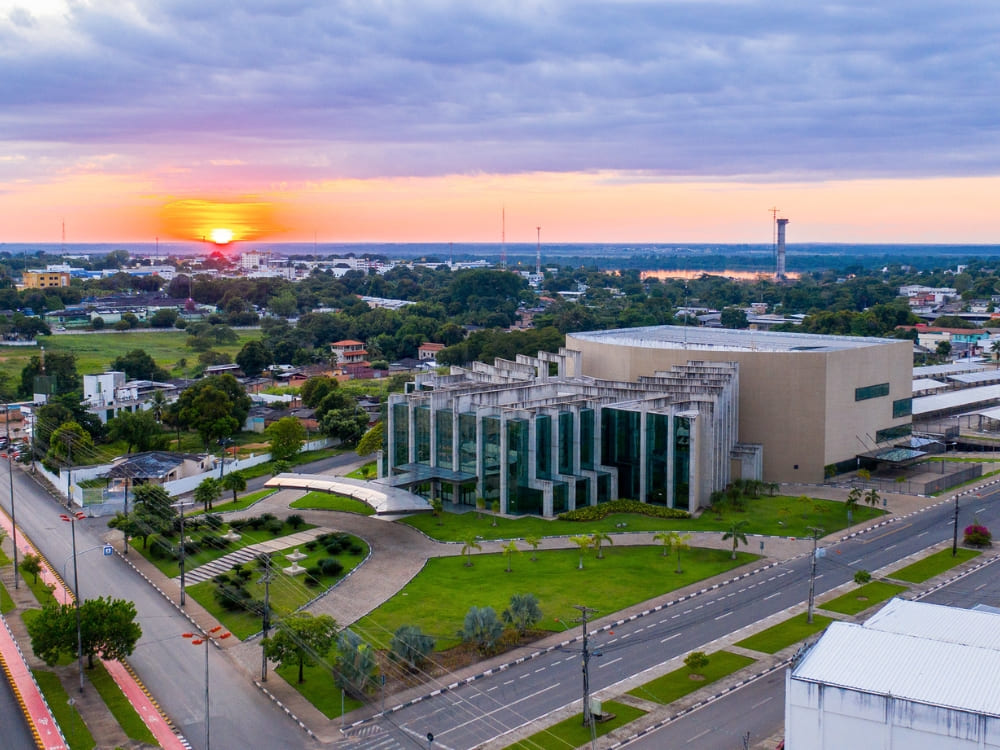
    You can start your adventure to Mount Roraima from a few different locations, but the most popular and convenient entry point is through Boa Vista, in northern Brazil. This city, the capital of the state of Roraima, serves as the main gateway for travelers coming from other parts of Brazil and abroad. 

    Its location close to the Venezuelan border makes it a natural hub for expeditions heading toward the mountain. On a Mount Roraima map, Boa Vista is clearly the strategic base before crossing into Venezuela.

    Since Mount Roraima lies at the meeting point of Brazil, Venezuela, and Guyana, reaching it always involves a sense of adventure and planning. Most travelers begin with a domestic flight to Boa Vista. 

    👉 Check out 10 Tips for Mount Roraima before your trek

    Boa Vista Roraima
    Photo: Andrezza Mariot

    From Boa Vista to Santa Elena de Uairén

    The airport (Atlas Brasil Cantanhede International Airport – BVB) is categorized as international, but in practice, it receives almost exclusively domestic flights from cities such as Brasília, Manaus, and São Paulo. This means that international visitors usually need to connect through another Brazilian city before arriving in Boa Vista.

    From Boa Vista, the most common route is to travel by car or transfer along the BR-174 highway. From there, it takes around 3 hours by car to reach the border with Venezuela, followed by about 20 minutes more to arrive in Santa Elena de Uairén. This cross-border journey is a well-trodden path, particularly for Brazilian travelers joining organized expeditions.

    There are several ways to make this trip:

    • Private transfer: The most comfortable option, usually arranged by tour operators. A driver picks you up at your hotel or airport in Boa Vista and takes you directly to Santa Elena. This ensures flexibility with departure times and stops along the way. PlanetaEXO, for example, works with trustworthy local partners for this service.
    • Shared van: A more affordable choice, where travelers join a small group for the ride. Vans depart regularly from Boa Vista and are commonly used by those joining expeditions. They may take slightly longer depending on stops and border procedures.
    • Public bus: The cheapest but least convenient option. Buses connect Boa Vista to Santa Elena, but schedules are irregular, and the journey can be slower due to frequent stops. This option is not recommended for travelers with limited time or those who prefer more reliable logistics.
    How to get to Mount Roraima
    Photo: Lucas Gobatti

    The beginning of the journey

    Once in Santa Elena de Uairén, the town serves as a pivotal starting point for climbers and adventurers, offering simple accommodation, restaurants, and last-minute supplies before the trek.

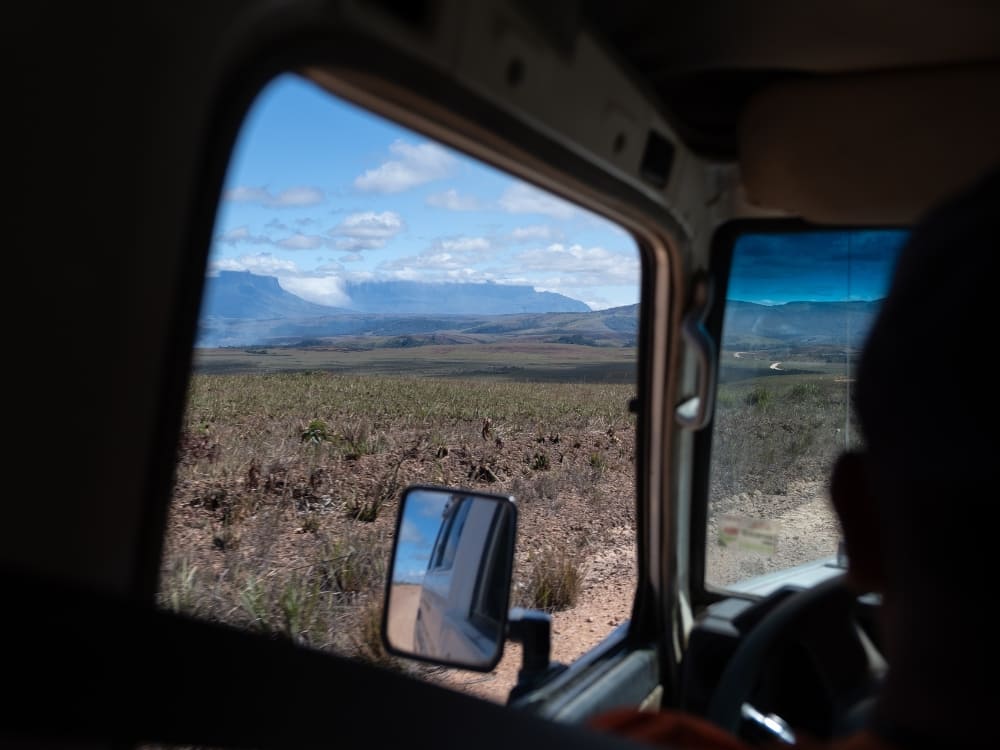
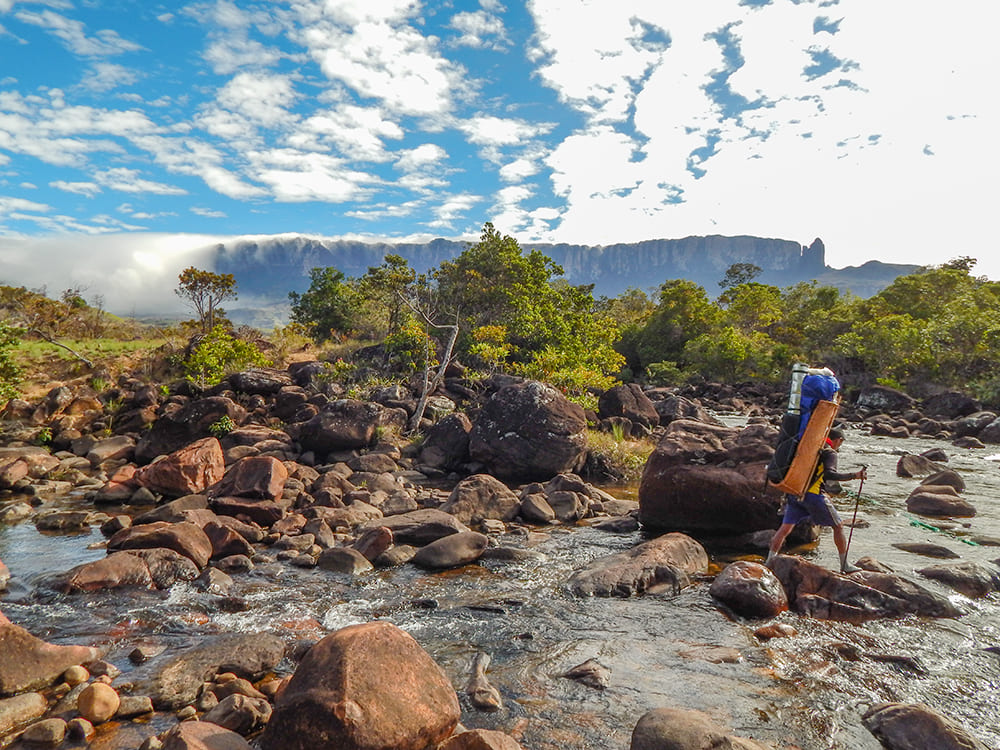
    From Santa Elena, the adventure continues with a scenic drive to the Community of Paraitepuy, the gateway to the trails leading to Mount Roraima. The drive itself offers stunning views of the Gran Sabana landscapes, passing the Tek and Kukenan rivers. 

    Along the way, trekkers may stop at rustic campsites and always count on the guidance of expert local guides connected to the indigenous traditions of the region. This is where the real journey to the top of Mount Roraima begins.

    👉 Check out our package options for your adventure on Mount Roraima

    Trek Mount Roraima
    Photo: Lucas Gobatti

    Best access: Brazil or Venezuela?

    When planning your trip, one of the most common questions is whether it’s better to enter through Brazil or Venezuela. Both routes are possible, but they offer very different logistics.

    Entering via Brazil 

    For most travelers, entering Brazil is the easiest and safest option. Boa Vista is connected to major Brazilian cities with daily flights, making it relatively straightforward to plan an itinerary. 

    The infrastructure on the Brazilian side is generally reliable, with services in English or Portuguese and easier access to support if needed. Another advantage is that some nationalities that can enter Brazil for tourism (including Europeans and many Latin Americans) do not need a visa for short stays, making this route bureaucratically simpler.

    After crossing into Venezuela, you’ll reach Santa Elena de Uairén, where most expeditions organize logistics before heading to Paraitepuy. This path is also highlighted on any Mount Roraima map, showing how Boa Vista is the most efficient hub for accessing the region. 

    Traveling this way allows you to rely on Brazilian airports and services for your arrival and departure, while only entering Venezuela for the trek itself.

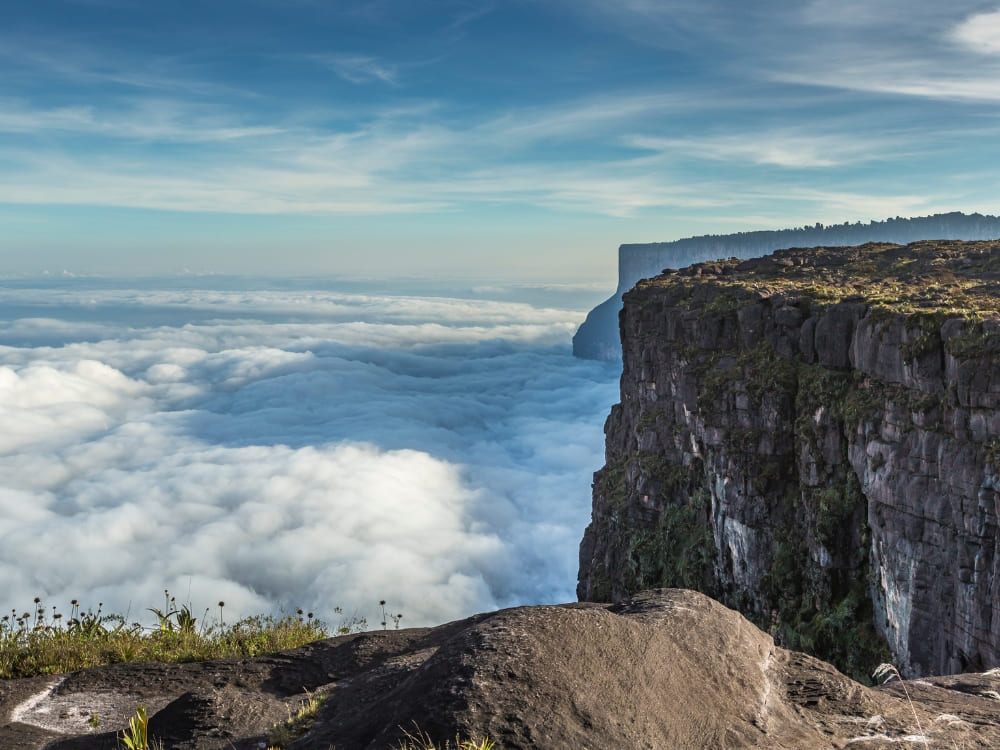
    Top of Mount Roraima
    Photo: Lucas Gobatti

    Entering via Venezuela

    It is also possible to fly directly to Santa Elena de Uairén, but this option is far less common. The local airport is small and operates with very few flights. For international travelers, there are usually no direct connections to Santa Elena, meaning you would need to travel first to Caracas or Ciudad Bolívar and then take a regional flight. 

    Additionally, while Santa Elena is a welcoming town for trekkers, it offers more limited infrastructure compared to Boa Vista. For this reason, unless you are already in Venezuela for other causes, starting your trip through Boa Vista, Brazil, remains the most reliable route.

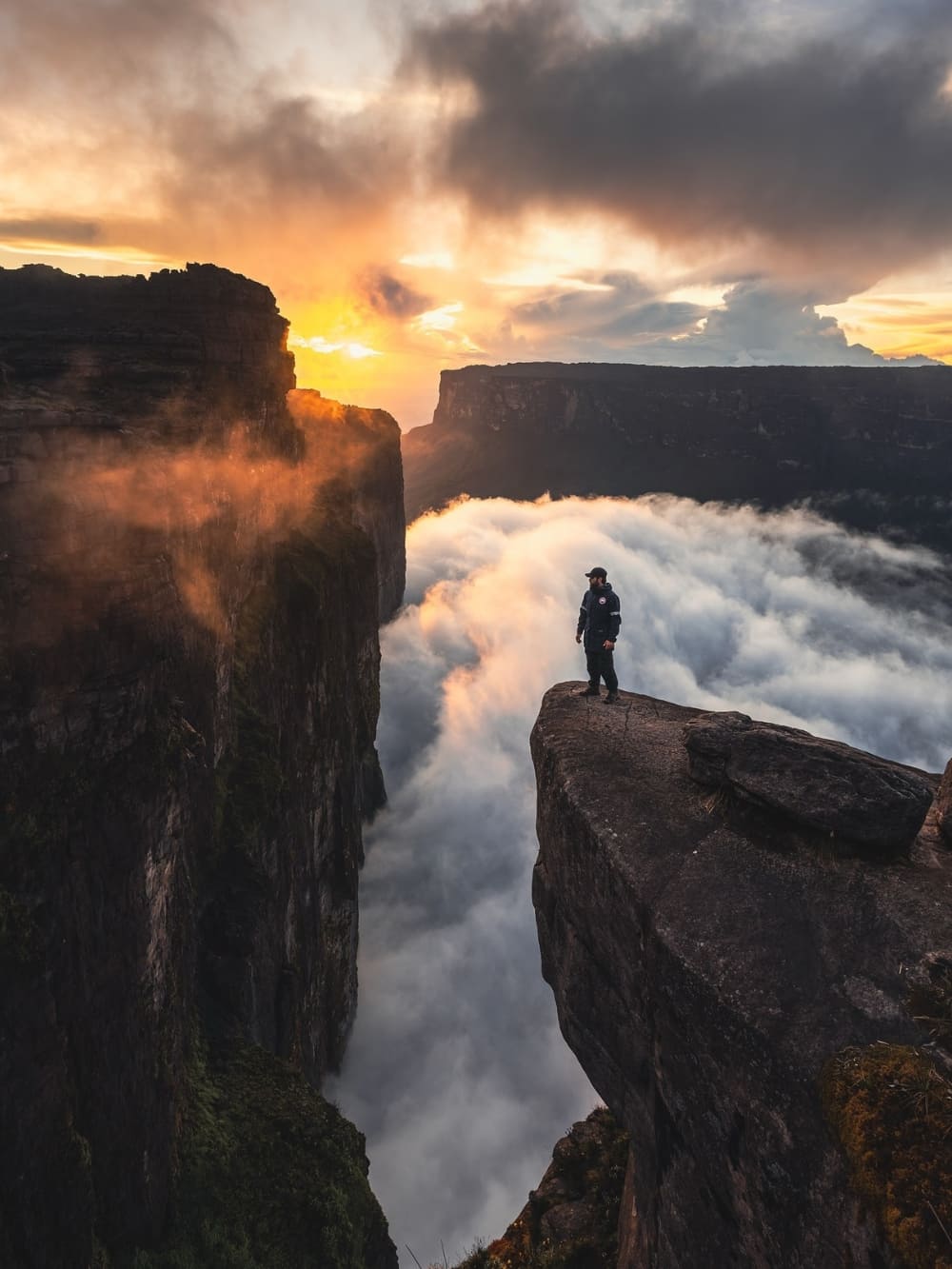
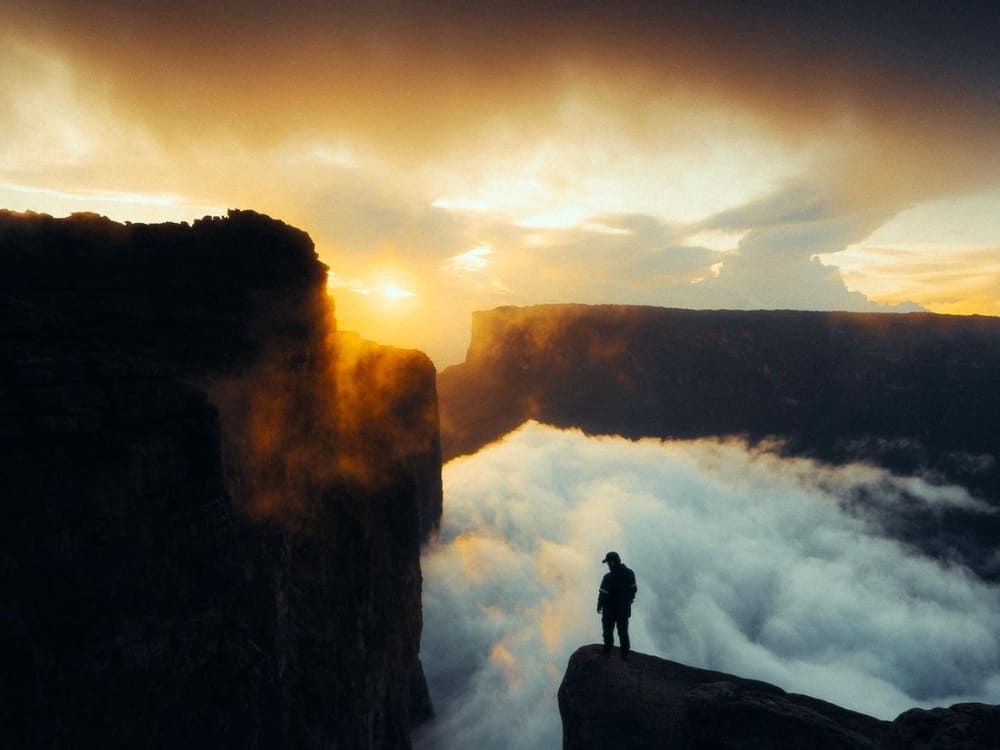
    Sunset Mount Roraima
    @diaz

    Visas and travel requirements

    Whether you choose to enter through Brazil or Venezuela, it is crucial to check visa requirements in advance. For Brazil, most Western nationalities (including citizens of the EU, UK, and several countries in the Americas) are exempt from tourist visas for short stays. However, policies can change, and some countries may require an e-visa or consular application. 

    Official information can be confirmed through the Brazilian Ministry of Foreign Affairs (Itamaraty) or your nearest Brazilian consulate. Click here to see which countries need a visa to visit Brazil. 

    For Venezuela, requirements vary more significantly. Some nationalities can enter with only a passport, while others must secure a visa in advance. The most reliable way to confirm is to contact the Venezuelan consulate or embassy in your country before travel. Given the logistical challenges of entering through Venezuela, many travelers find that handling visas and documentation through Brazil first is much smoother.

    How to get to Mount Roraima
    .

    Traveling to Mount Roraima with PlanetaEXO

    If you’re yearning for an exceptional escapade that pushes your boundaries and creates everlasting memories, seize the opportunity to team up with the knowledgeable local guides from PlanetaEXO.

    Our local partners are deeply connected with the indigenous communities of the region, ensuring not only safety and logistics but also a culturally rich experience. 

    Get ready to begin an extraordinary journey to one of the world’s most fascinating tepuis. From the logistics of how to get to Mount Roraima to the adventure of trekking across its summit and reaching the top of Mount Roraima, we’ll make sure your expedition is unforgettable.

    👉 Send us a message and start planning your adventure to Mount Roraima 

    Read More:

  • How hard is it to trek up Mount Roraima?

    How hard is it to trek up Mount Roraima?

    Hiking Mount Roraima involves diverse terrain and unpredictable weather, but with the right preparation, you can reach the top. Discover the challenges of climbing this iconic peak and how to make it achievable for all!

    You might be asking yourself: How hard is it to trek up Mount Roraima? While it’s a moderate challenge that requires physical preparation, it’s definitely achievable for anyone with the right mindset and training. It’s not just for professional climbers: many hikers, regardless of experience, can reach the top of Mount Roraima with proper planning and the right support.

    The trek is suitable for all ages, with children under 14 needing to be accompanied by an adult, making it a challenge for everyone, from young adventurers to seasoned trekkers!

    The path includes navigating rocky routes and steep climbs, which makes it physically demanding, especially in certain sections. But with the right equipment and preparation, it’s a journey that offers incredible rewards, both in terms of natural beauty and personal fulfilment.

    How hard is it to trek up Mount Roraima

    At PlanetaEXO, a specialized South American adventure company, we partner with trusted local partners to help you reach the top of Mount Roraima. Our team ensures you’re fully prepared for the challenges of climbing this iconic peak, from managing the terrain to navigating the unpredictable weather

    Learn more about all the important things you need to know before trekking up Mount Roraima:

    Understanding the Difficulty of Climbing Mount Roraima

    While the idea of “climbing” Mount Roraima may sound daunting, it’s important to understand that it’s not a vertical climb. The trek is challenging, but it’s more about hiking Mount Roraima through various terrains and river crossings. So, how hard is it to climb Mount Roraima? The answer depends on several factors, including the terrain, your physical fitness, and the level of support you choose.

    👉 Don’t forget to check the visa requirements before planning your trek.

    Is it a Trek or a Climb?

    Mount Roraima is a trekking adventure, not a rock climb. It’s a long hike, but most people in good physical condition can successfully reach the top of Mount Roraima with adequate preparation. The key is to pace yourself and take the time to adjust to the terrain and weather conditions along the way.


    How hard is it to trek up Mount Roraima
    Photo: Lucas Gobatti

    Factors That Influence Your Experience

    Before considering the factors below, note that the trek begins in Canaima National Park, at the Indigenous community of Paraitepuy, where visitors register, receive basic instructions, and meet the local guides and porters who will accompany the journey.

    Several factors can affect the difficulty of your trek. Here are the main considerations that will influence your experience:

    1. Duration of the Trek

    The trek to the summit typically spans 8 to 10 days. The total trekking distance is between 90 and 100 kilometers (56 to 62 miles), including the ascent, time spent at the summit, and the return journey. The number of nights at the top of the mountain also varies according to the duration of each trek.

    With the 10-day PlanetaEXO option, for example, you spend 5 nights on the plateau of Mount Roraima. A longer itinerary allows you to pace yourself and adjust to the physical demands, making the experience less strenuous. However, if you’re seeking a more intense challenge, some choose to complete the 8-day itinerary in 6 days.

    Duration of the Mount Roraima Trek
    Photo: Lucas Gobatti

    This compressed version covers the same distance but in a shorter period, making it a more physically demanding experience. While it allows you to reach the top of Mount Roraima in less time, it requires a higher level of fitness and endurance due to the quicker pace.

    👉 Check out 10 Tips for Mount Roraima before your trek

    2. Logistical Support

    Choosing a company like PlanetaEXO makes the trek easier. Our trusted local partners, carefully selected by us, take care of the logistics on the trail, from carrying camping gear to preparing meals. 

    If you decide to manage these tasks yourself, the trek will become more challenging. With the right partners handling logistics, you can focus on enjoying the hike.

    To stay dry, consider using a rain cover for your backpack and dry bags to protect your essentials from moisture. Extra socks (preferably synthetic or wool) and a quick-dry microfiber towel will also help keep you comfortable during and after long days of hiking

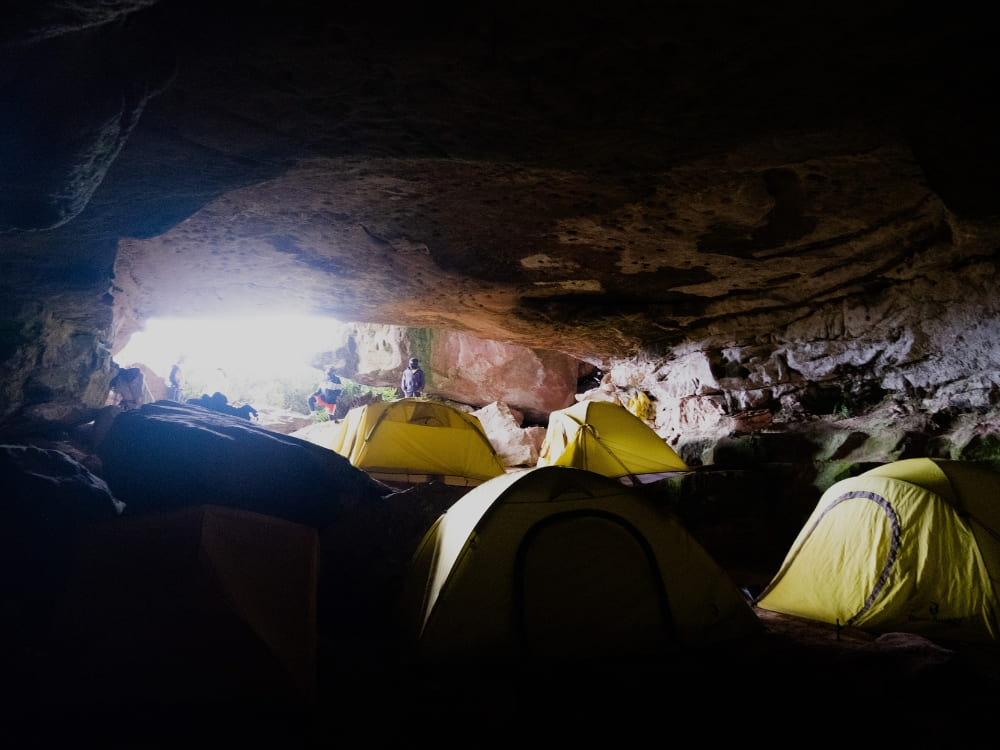
    Important reminder: Even with quality gear, heavy rain and humidity can flood tents and muddy campsites, affecting rest. Keep essentials dry and be ready for less-than-ideal nights.

    Camping Mount Roraima
    Photo: Lucas Gobatti

    👉 Let PlanetaEXO connect you with the best local partners: explore our best Mount Roraima tours and start your adventure.

    3. Porter Service

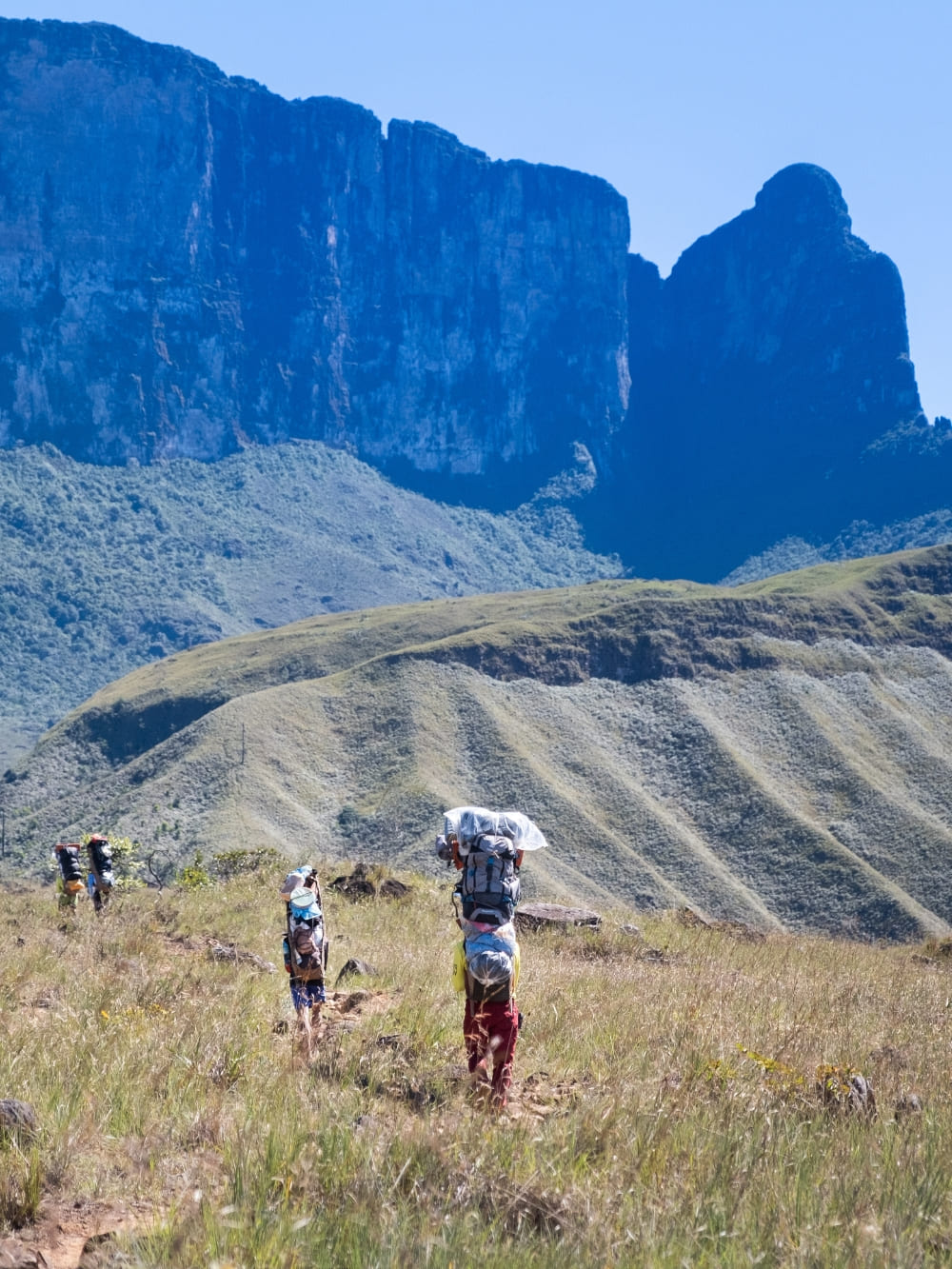
    Even though travel companies handle the logistics of food and camping gear, you’ll still need to carry your personal items. To lighten your load, you can hire a porter from the local community to help reduce the physical demands of the trek.

    This service also contributes to the local economy by supporting experienced porters who are deeply rooted in the community. By hiring them, you’re financially supporting skilled professionals who understand the region, its environment, and its culture, helping sustain their livelihoods.

    Porter Service Mount Roraima
    Photo: Lucas Gobatti

    4.Your Physical Fitness

    Your fitness level plays a significant role in how hard the trek will feel. The terrain varies from easy to moderate, with steeper sections as you approach the summit. 

    If you’re in good health and have done some basic hiking, you’ll be able to handle the trek, but it’s still important to train beforehand to prepare for the demands of a multi-day trek. 

    How hard is it to trek up Mount Roraima
    Photo: Lucas Gobatti

    Remember that it is a long walk, so you need to be in good physical condition and be prepared for strong sun exposure at high altitude, which can intensify its effects.

    5. Terrain and Steep Ascents

    The terrain can be challenging, with uneven surfaces and slippery sections, especially as you approach the summit. These steep ascents can be physically demanding, but with the right preparation, the reward of reaching the top of Mount Roraima becomes an unforgettable achievement.

    Some key elevation points include:

    • Basecamp: Around 1,500 meters (4,920 feet), where the trek levels out before the final push. Reaching it includes early challenges like the “Prova do Novato”, a steep climb that hints at what’s ahead, and crossing the Tek and Kukenan rivers over slippery rocks with guide assistance.
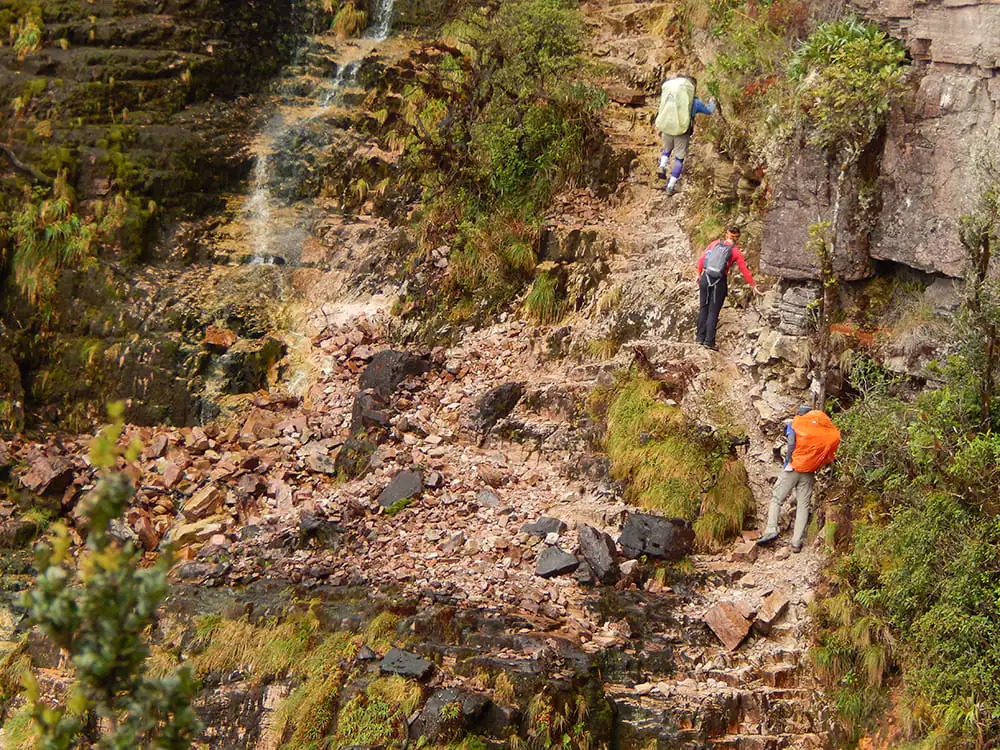
    • Ascent to the Summit: Steep sections begin around 2,200 meters (7,218 feet), getting progressively more challenging as you approach the 2,810-meter (9,219 feet) summit. This stage includes notable landmarks such as La Rampa, a narrow natural ramp carved into the cliffside where hikers often use all four points of contact due to its steep incline, and the Poço das Lágrimas, a slippery rocky passage often wet from rain and waterfalls, both requiring extra caution and steady footing.
    • Rocky Terrain: From 2,500 meters (8,200 feet) onwards, after La Rampa, the trail turns rugged with large boulders and uneven ground, leading to the 2,810-meter plateau and El Maverick, the summit’s highest point and a popular climb for sweeping views.

    Some sections require careful navigation over rocky terrain, which can be exhausting but manageable for most hikers with prior experience.

    People trekking Mount Roraima

    What to Expect on the Trail: Key Points of the Trek

    At this point, you already know that Mount Roraima is a tepui, a flat-topped mountain on the Guiana Shield that rises to 2,810 meters at the Brazil–Venezuela–Guyana border. Its sheer 1,000-meter cliffs isolate the plateau from the forest and savanna below, creating a distinct and fragile ecosystem. 

    Constant rainfall and nutrient-poor soils have shaped highly specialized flora, including carnivorous plants, and fostered a remarkable level of endemic species.

    This perspective highlights that reaching the summit is not only about overcoming physical challenges but also about experiencing an ever-changing landscape filled with natural wonders. Here’s what awaits you along the way:

    • Day 1-2: Start your trek by crossing rivers and gradually ascending. These days are relatively moderate, giving you time to adapt to the pace of the expedition.
    • Day 3–4: The trail grows steeper as you approach the mountain’s base. Here, rocky paths and sharper ascents make the climb more demanding.
    • Day 5–6: Arriving at the summit, you’ll explore an otherworldly plateau dotted with unique vegetation and enjoy sweeping views across three countries.
    Reach the top of Mount Roraima
    @overlandtheamericas

    👉 Want to know what’s waiting at the summit? Read the full article: What’s on top of Mount Roraima?

    Weather and Best Time to Visit Mount Roraima

    The weather on Mount Roraima is highly unpredictable, so being prepared for a variety of conditions is essential. The mountain follows the tropical climate of Venezuela, which means you may encounter rain, fog, and significant temperature fluctuations throughout the trek.

    At the summit, camping is in natural rock shelters (“hotels”) that offer partial protection from wind and rain but have uneven ground. Expect intense sun during the day and near-freezing temperatures at night. The views and sense of accomplishment make it all worthwhile!

    What to Expect:

    • Rain: Rain is common, especially in the afternoon and evening. The wet season, from May to November, brings heavier and more frequent rainfall, which can make the trail slippery and harder to navigate. Be sure to pack waterproof gear, such as a jacket and rain cover for your backpack, to stay dry.
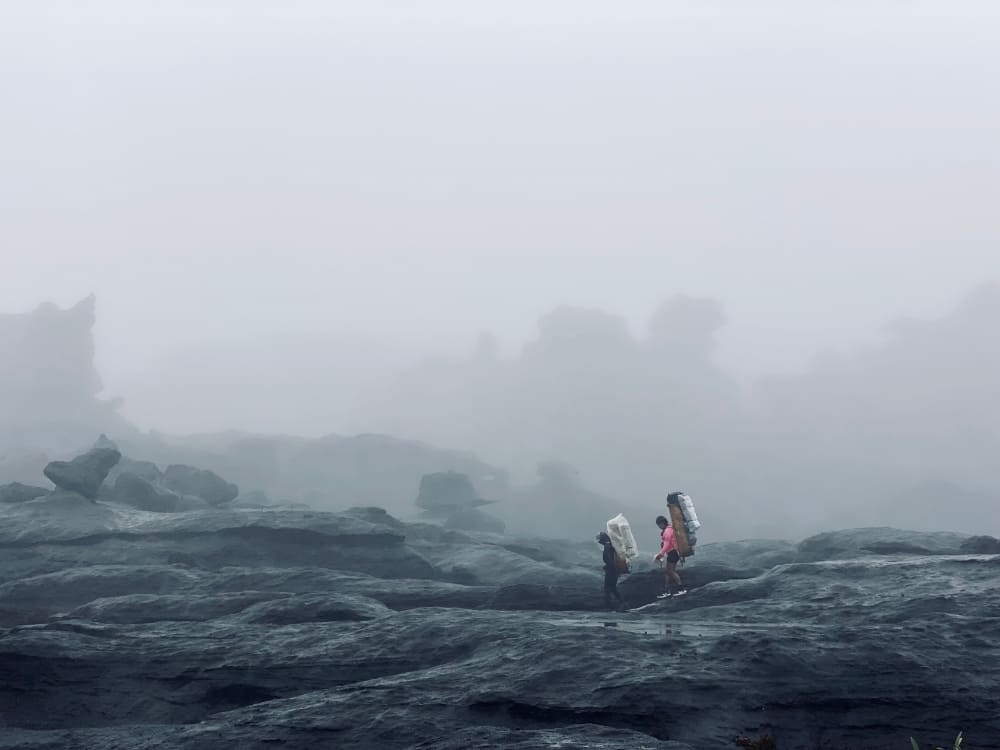
    • Fog and Wind: The summit is often shrouded in fog, and strong winds are frequent, especially as you reach higher elevations. The fog can limit visibility, and the wind can make hiking and camping more challenging.
    • Temperature: Despite being in a tropical region, the altitude causes significant drops in temperature, especially at night. During the day, temperatures can range from 20°C to 25°C (68°F to 77°F), but at night, they can plummet to as low as 5°C to 10°C (41°F to 50°F). Even in the summer months, you’ll experience chilly conditions at night.
    Weather and Best Time to Visit Mount Roraima
    Photo: Lucas Gobatti

    Best Time to Visit

    The best time to trek Mount Roraima is during the dry season, from December to March, when rainfall is less frequent, and the weather is more stable. This period offers the most comfortable trekking conditions, with less rain and cooler nights. However, even in the dry season, weather conditions can still be unpredictable, so be prepared for all possibilities.

     👉 Check out our complete travel guide for all the details on Mount Roraima’s climate, logistics, and more!

    Sunset Mount Roraima
    @watchluke

    Hiking Mount Roraima with PlanetaEXO

    At PlanetaEXO, we’re committed to providing sustainable travel experiences that benefit both travelers and local communities. 

    We work closely with expert local guides, many from the Indigenous community of Paraitepuy inside Canaima National Park, who are passionate about conservation and sharing the beauty of the mountain.

    How hard is it to trek up Mount Roraima
    Photo: Lucas Gobatti

    By choosing us, you’re not just embarking on an adventure; you’re supporting ecotourism that helps preserve Mount Roraima for future generations.

    👉 Ready to take on the challenge? Start planning your Mount Roraima trek today with PlanetaEXO.

    Read More: 

  • Mount Roraima Travel Guide

    Mount Roraima Travel Guide

    Learn valuable details to set off on the adventure of a lifetime and uncover the secrets of this ancient, breathtaking mountain.

    Ready to get lost in the heights? This Mount Roraima Travel Guide highlights a setting where the grandeur of nature unfolds, with peaks that touch the sky and an atmosphere of mystery that surrounds every step.

    Mount Roraima is an invitation to intrepid adventurers, providing a unique journey through the fascinating landscapes of the region. Be prepared to marvel at impressive rock formations, crystal-clear streams, and vegetation that defies gravity.

    In this guide, we have compiled essential information to guide your adventure, from the best time for climbing to the trails that will lead you to the heart of this natural monument.

    Let’s Go!

    1. Where is Mount Roraima?
    2. How to get to Mount Roraima?
    3. When is the best time to visit Mount Roraima?
    4. How many days to spend in Mount Roraima
    5. How hard is it to trek Mount Roraima?
    6. Is it safe to visit Mount Roraima?
    7. What’s on top of Mount Roraima?
    8. Is Mount Roraima the oldest place on Earth?
    9. What to bring to Mount Roraima?

    About Mount Roraima

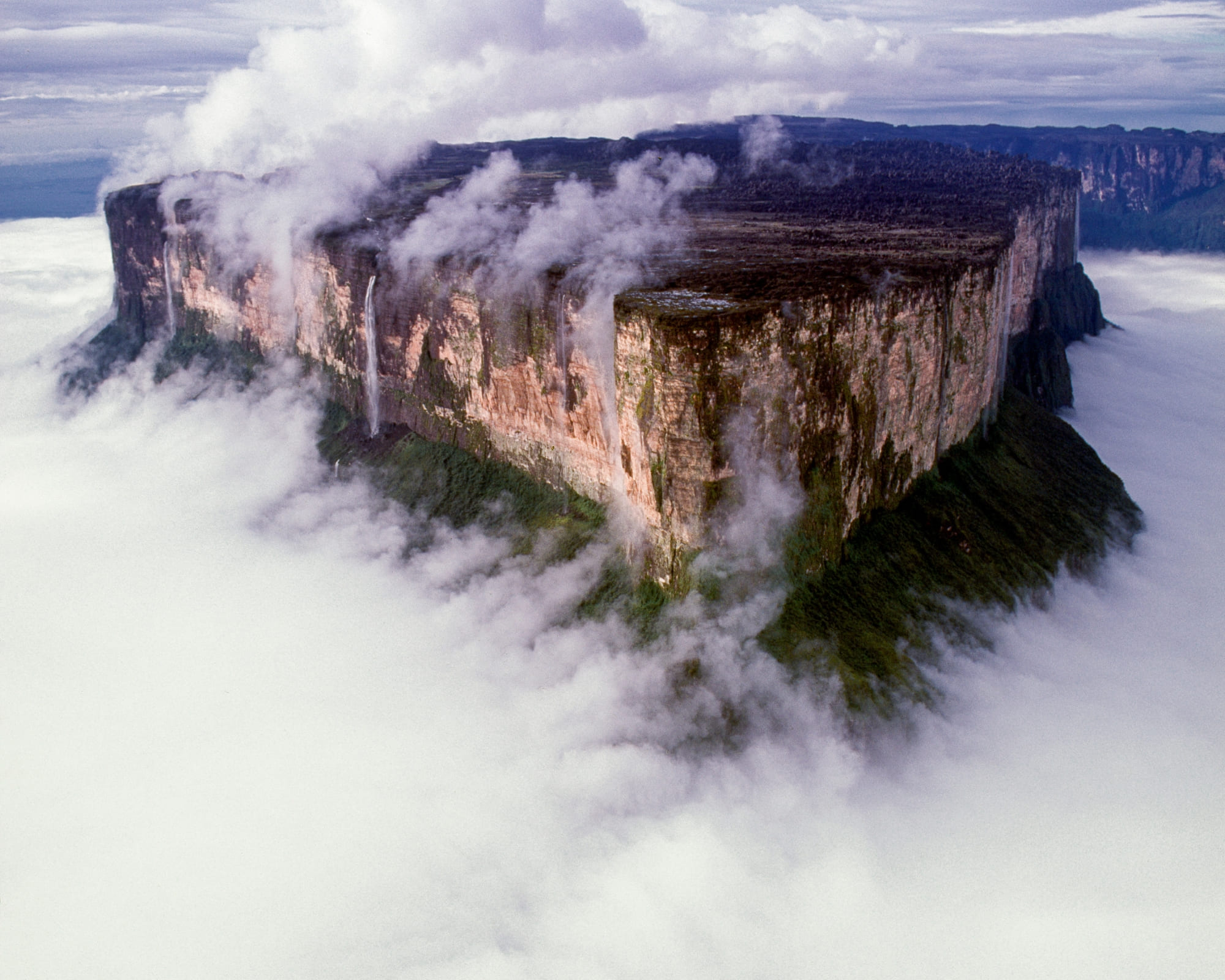
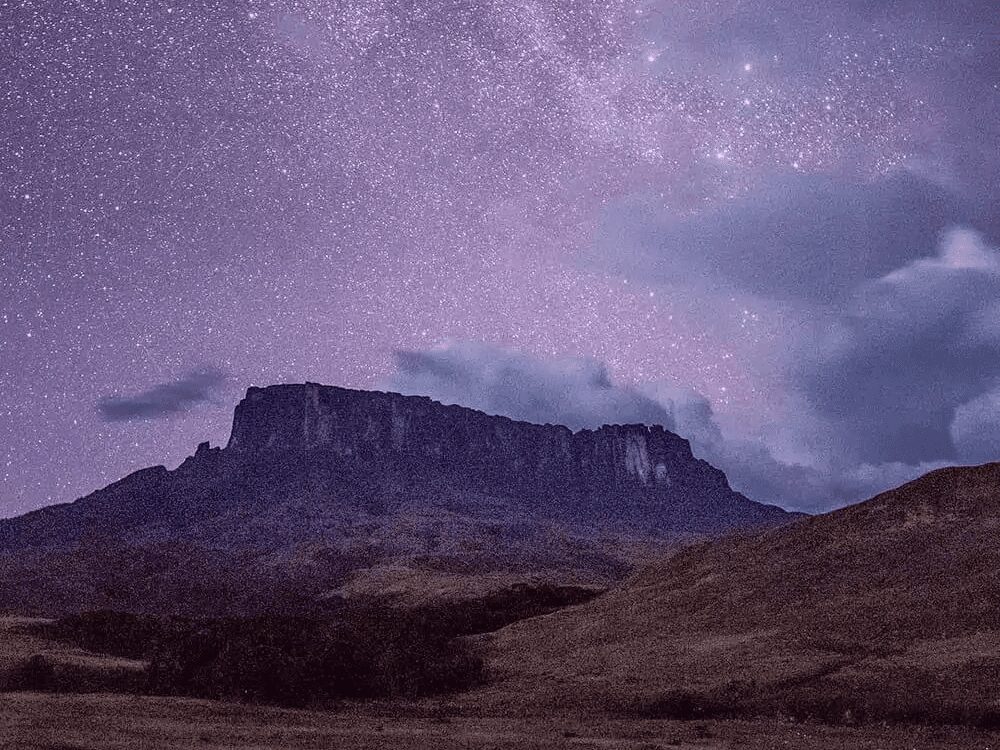
    Mount Roraima, standing tall at an impressive altitude of 2,810 meters (9,219 feet), is an ancient geological marvel that offers breathtaking views of plateaus, cliffs, and a unique natural landscape. It is renowned as one of the oldest formations on Earth. Based on historical records, the mount was first climbed in 1884 by Sir Everard Thurn, marking a significant moment in its story. Mount Roraima invites adventurers to explore its untouched beauty and timeless allure.

    Its most distinctive feature is the flat top, covering approximately 31 square kilometers (12 square miles), surrounded by cliffs that plunge almost vertically for hundreds of meters. The geological formation of Mount Roraima is believed to be the result of millions of years of erosion, giving it an impressive and truly unique appearance.
    Mount Roraima Travel Guide

    Where is Mount Roraima?

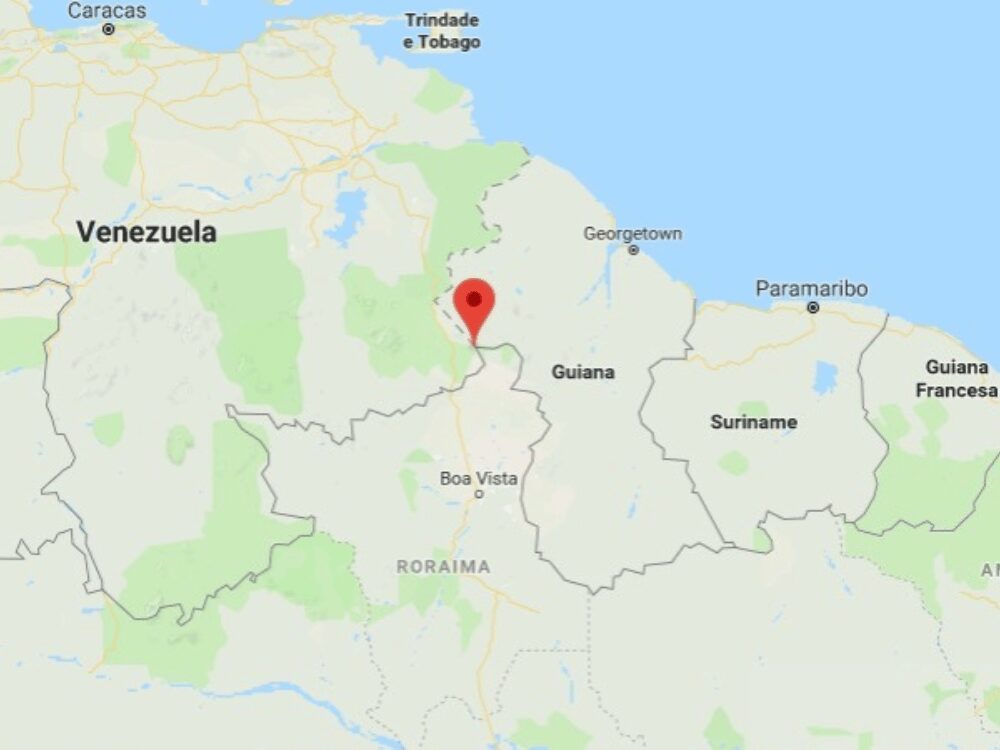
    Curious about where Mount Roraima is located? This stunning natural wonder sits at the intersection of three countries: Guyana, Venezuela, and Brazil. A significant portion of its territory is divided among these nations, with 5% in Brazil, 10% in Guyana, and the largest share, 85%, in Venezuela.

    The management of this area is overseen by the state of Roraima, more specifically, in the city of Uiramutã. Its unique position near the triple border offers an extraordinary opportunity to explore a remarkable corner of the world. For a clearer understanding of its exact location and how to navigate your way there, check out the Mount Roraima map.
    Where is Mount Roraima Travel Guide

    How to get to Mount Roraima?

    Mount Roraima, located at the crossroads of Brazil, Venezuela, and Guyana, can be reached from different entry points, with Boa Vista in Brazil being the most popular. The airport of Boa Vista is categorized as international, but in practice, it receives almost exclusively domestic flights from cities such as Brasília, Manaus, and São Paulo.

    From there, travelers head north on the BR-174 highway, crossing into Venezuela and arriving in Santa Elena de Uairén, the main hub for expeditions. This town provides accommodations and a pause before the trek begins.

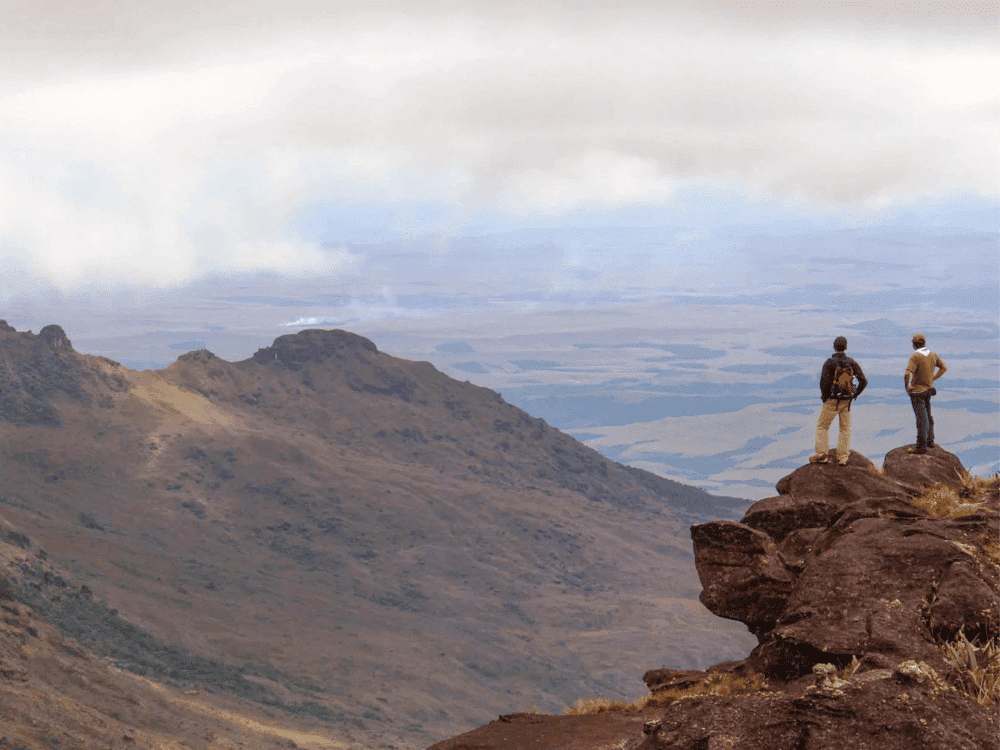
    While Santa Elena has a small airport, flights are rare and less reliable, making the road journey from Boa Vista the preferred option. From Santa Elena, the route continues toward the Community of Paraitepuy, the official gateway to the trails. The drive across the Gran Sabana reveals breathtaking landscapes, where travelers often catch their first glimpse of the tepui.

    👉 Want the full guide with all routes, logistics, and tips? Read our complete article on how to get to Mount Roraima.
    How to get to Mount Roraima?

    When is the best time to visit Mount Roraima?

    The weather on Mount Roraima is highly unpredictable and follows the tropical climate of Venezuela. Rain, fog, and sudden temperature changes can happen at any time, so being prepared for all conditions is essential throughout the year.

    From October to March (dry season), the trek is generally easier, with less rain and clearer trails. Views from the top of Mount Roraima are more frequent, and temperatures range from 20–25°C (68–77°F) at the base to 10–15°C (50–59°F) at the summit during the day, dropping to 5°C (41°F) or even 0°C (32°F) at night.

    From April to September (rainy season), the trails become muddier and more challenging, but waterfalls are fuller and some appear only during this period. 

    Year-round, trekkers should expect cold nights, frequent winds, afternoon showers, and mist at the summit: elements that make every expedition unique.
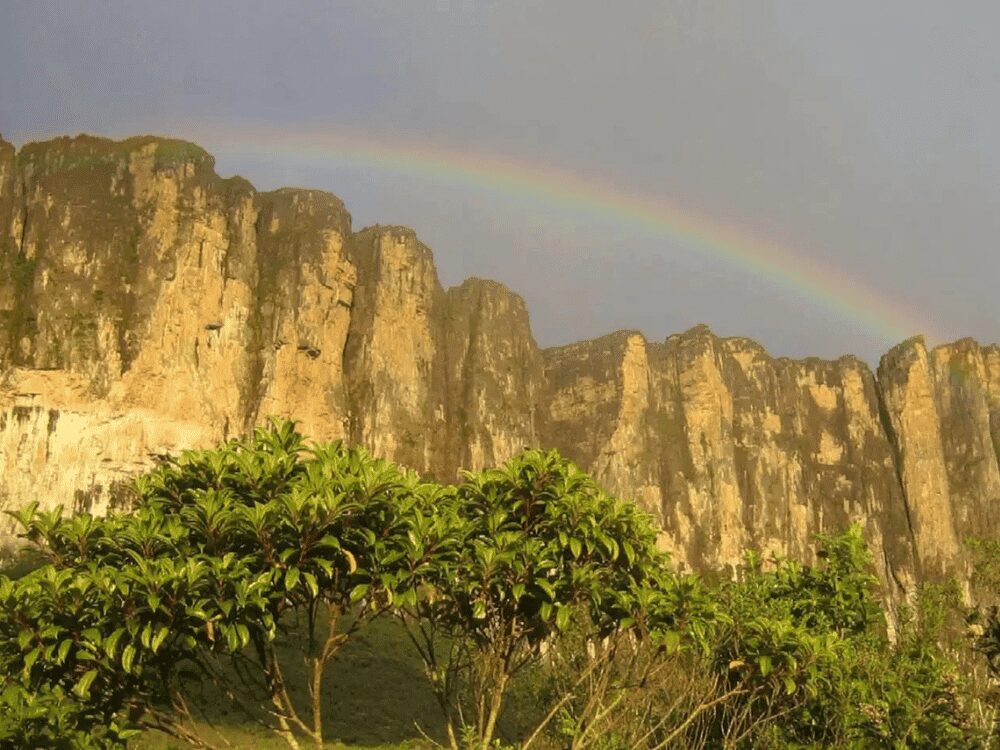
    When is the best time to go to Mount Roraima?

    How many days to spend at Mount Roraima?

    The trek to Mount Roraima lasts at least 6 days. The first thing to bear in mind is that the climb to the summit involves 3 days of trekking through dense jungle and challenging trails, followed by 2 days of descending. At an altitude of 2,875 metres, Mount Roraima is the eighth highest point in Brazil, being a challenging and rewarding hike for the adventurer to this magical place.

    PlanetaEXO offers an 8-day package that includes 3 nights at the summit, while the 10-day option allows for an extended 5-night stay at the top of the plateau, whilst the 6-day trips are available for private groups. Our expeditions include transportation, guides, camping gear, and meals. This is a perfect adventure for those with good physical fitness and a deep desire for a more connection with nature.
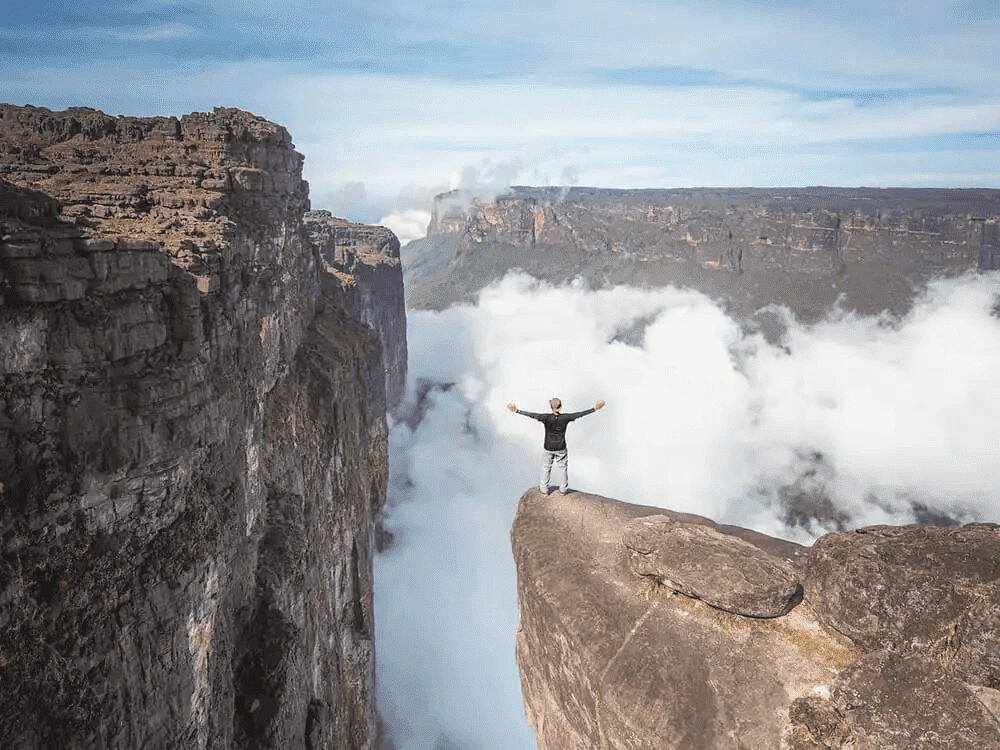
    How long to spend in Mount Roraima?

    How hard is it to trek up Mount Roraima? 

    Trekking Mount Roraima is a challenging hike that demands endurance and preparation. Some sections, like steep ascents and slippery rocky passages, require extra caution and physical strength. The trek covers up to 100 km in 8 to 10 days, with long walks, river crossings, and rugged trails. Nights at high altitude bring cold temperatures and less-than-ideal camping conditions.

    Still, with good fitness, proper gear, and the support of experienced local guides, the adventure is absolutely achievable and deeply rewarding.

    👉 Discover all the details in How hard it is to trek up Mount Roraima
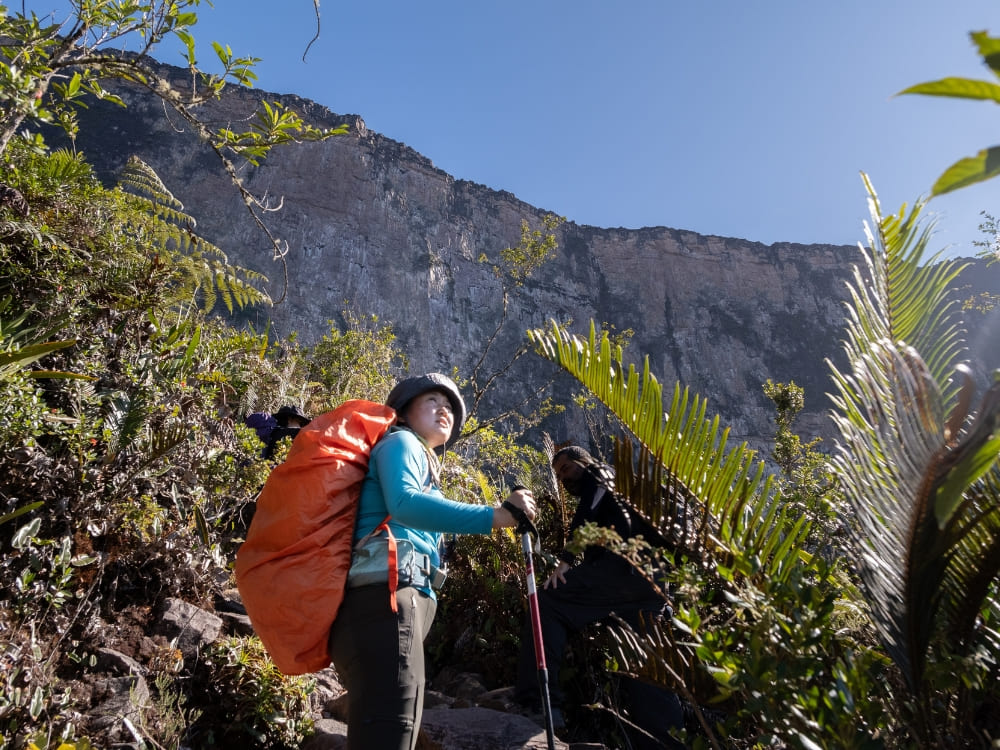
    How hard is it to trek up Mount Roraima
    Photo: Lucas Gobatti

    Is it safe to visit Mount Roraima? 

    Yes, visiting Mount Roraima is considered safe, especially when starting the journey through Brazil. Boa Vista is a reliable gateway with daily flights from major cities, and the crossing into Venezuela via Santa Elena de Uairén is a well-established route frequently used by tourists. 

    With organized tours, border procedures are straightforward, and the town itself has adapted to receive trekkers, offering accommodations, restaurants, and support for expeditions. Traveling with local operators ensures logistics run smoothly and gives you peace of mind from the moment you land in Brazil.

    The trek itself is also safe when done with experienced local guides who know the terrain and conditions. Hiking to the top of Mount Roraima requires physical preparation, but the paths are well-marked, and campsites are organized. With proper guidance and realistic expectations, visitors can enjoy this adventure securely and focus on the incredible landscapes along the way.

    👉 Before planning your trek, remember to check the visa requirements
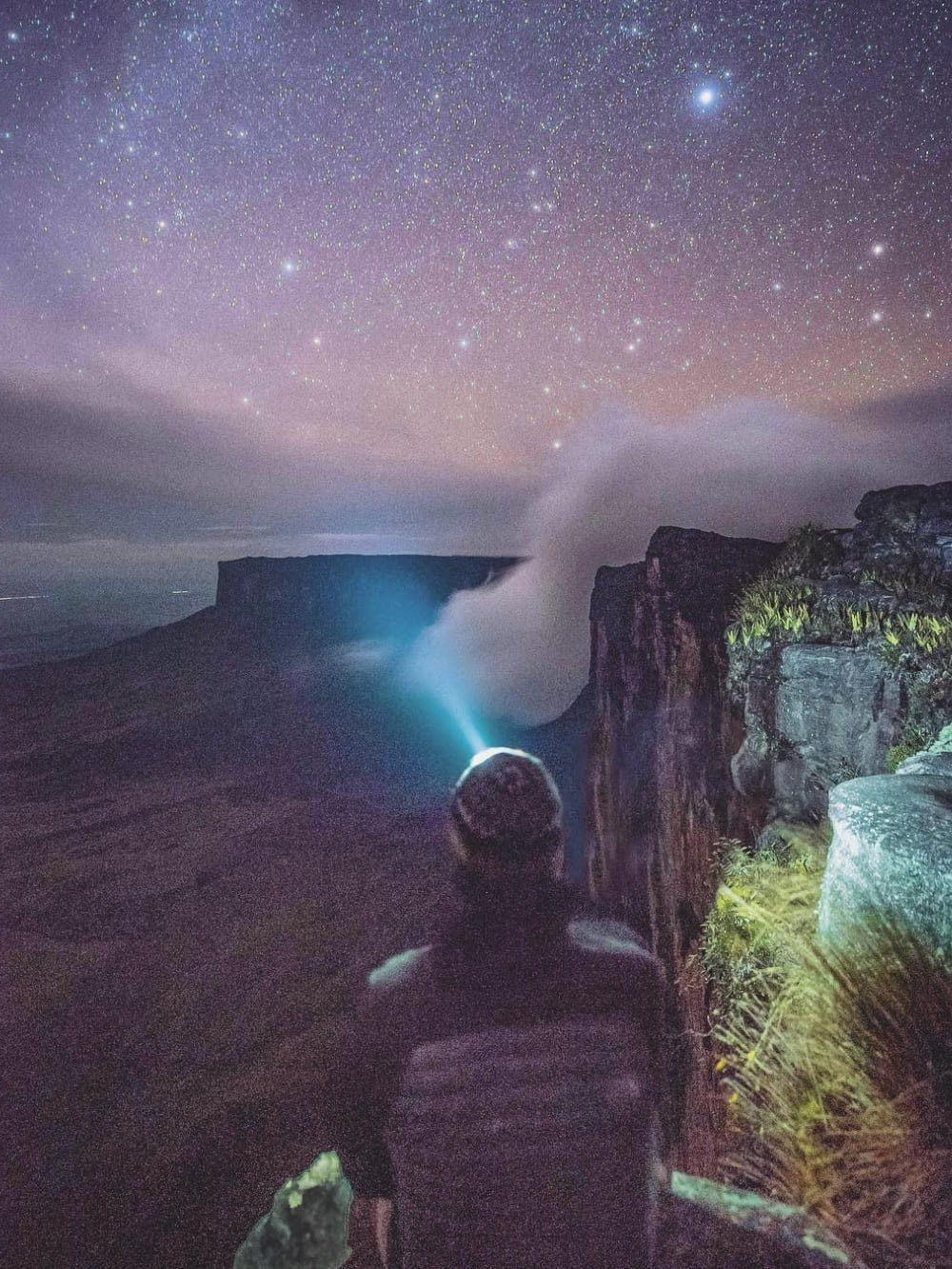
    Top of Mount Roraima
    @overlandtheamericas

    What’s on top of Mount Roraima?

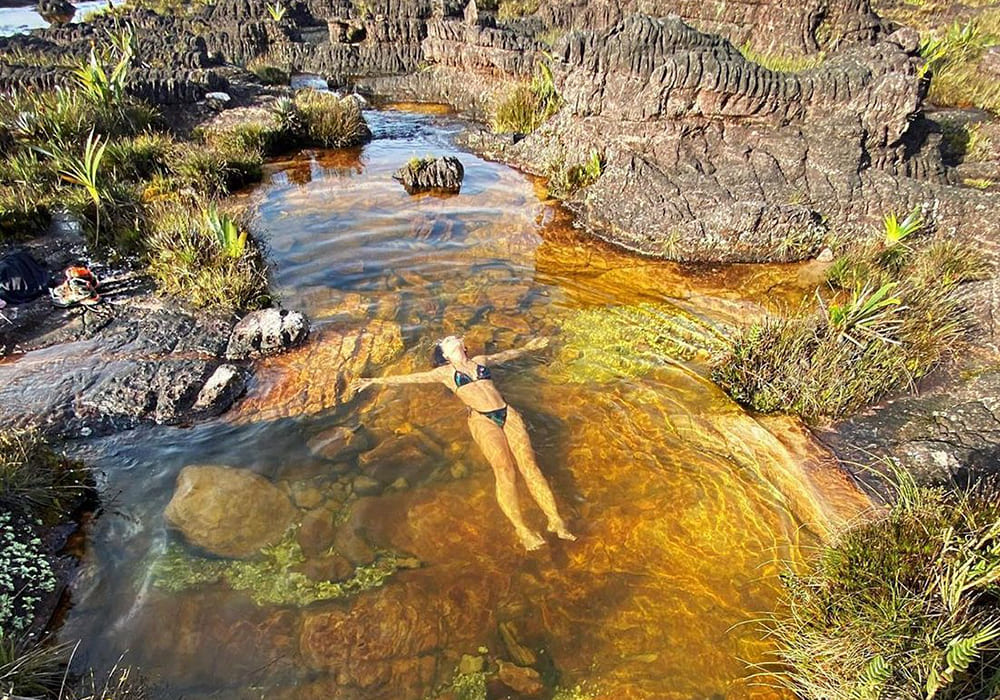
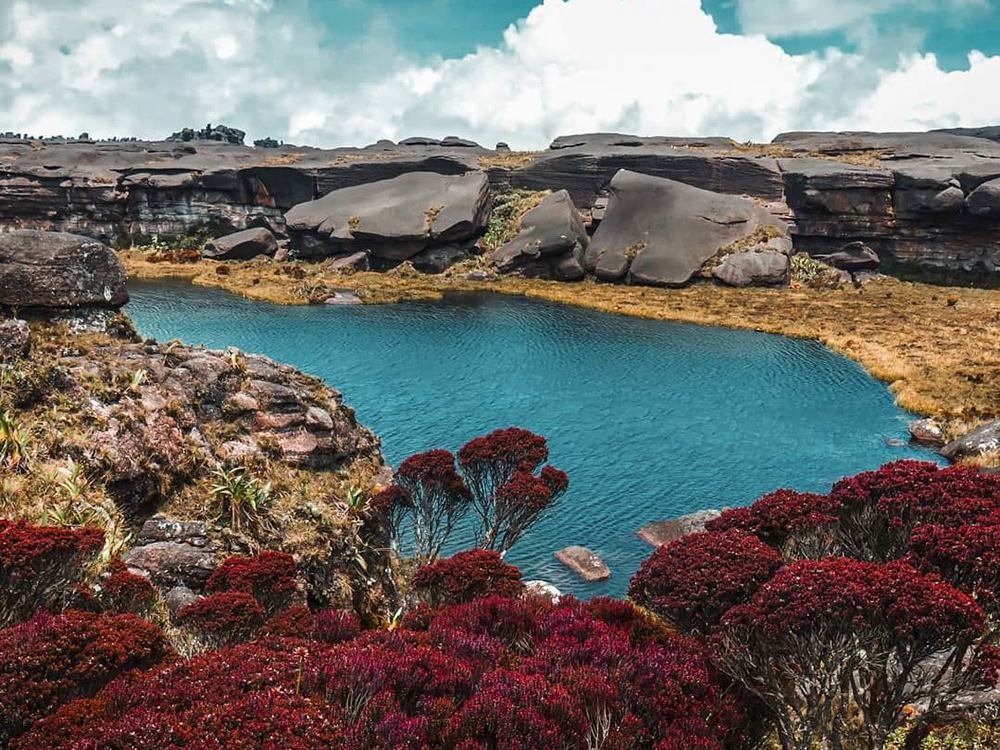
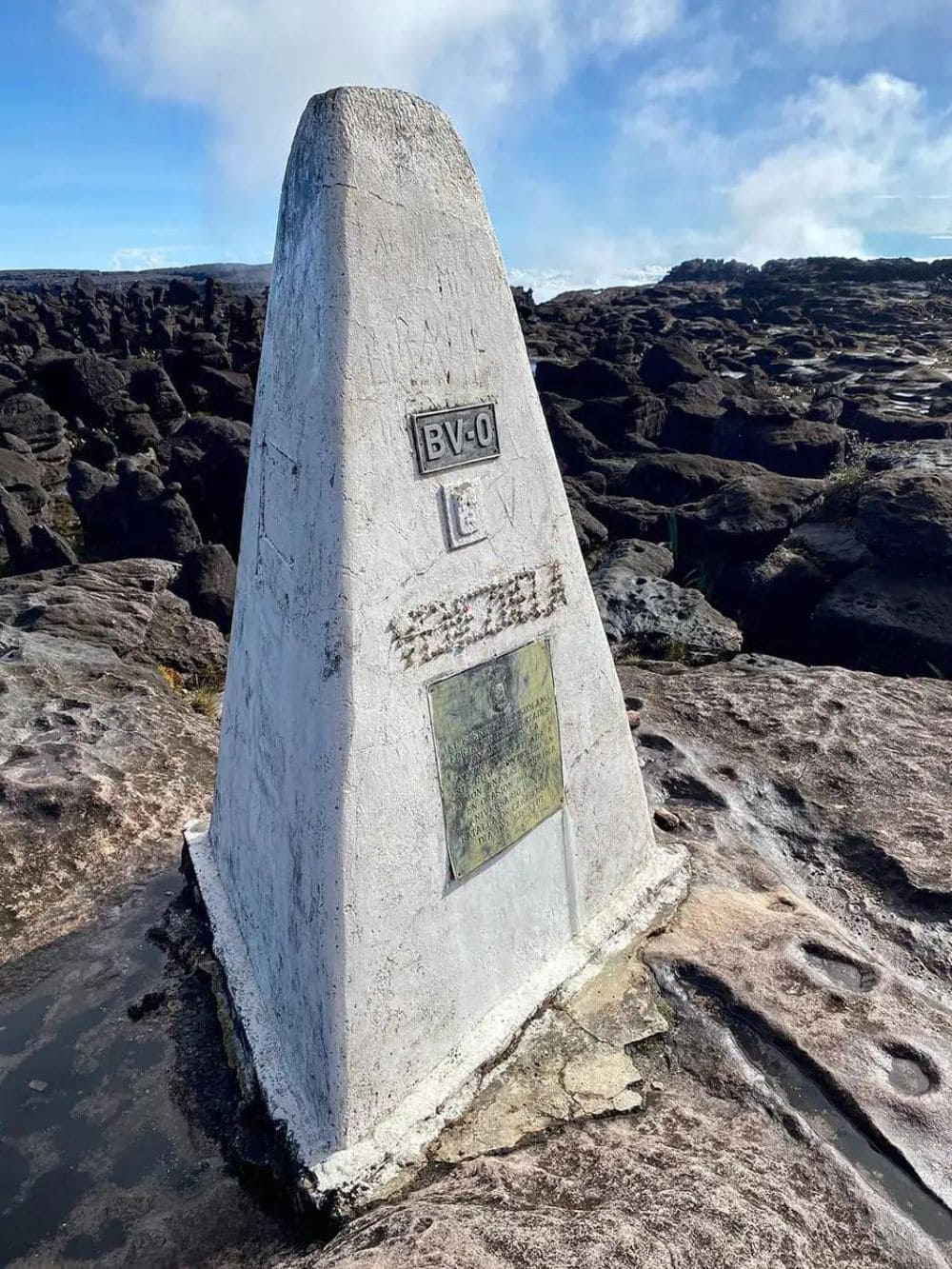
    On the top of Mount Roraima, adventurers find a collection of remarkable features including the Triple Border Point where Venezuela, Brazil, and Guyana converge, and the Valley of Crystals, known for its quartz crystals glittering in the sunlight. Notable points that you will have the opportunity to visit also include El Foso, a natural depression, and La Ventana lookout which offers expansive views of the savannah below. The summit is home to “Jacuzzis,” natural pools formed by rainwater, and the Maverick Rock, the mountain’s highest point.

    Reaching the summit of Mount Roraima isn’t just about the stunning vistas; it’s an expedition into a living museum of Earth’s ancient past. Contrary to expectations, the plateau isn’t flat but a rugged landscape that soars over 300 meters, adorned with rock formations, waterfalls, and crystal-clear pools. However, it’s the unique ecosystem that truly sets Roraima apart.

    The mountain hosts a remarkable variety of plant life, including diverse orchids, bromeliads, and carnivorous plants, many of which are exclusive to this location. But the vibrant tapestry of flora is matched by its fauna. at last, the plateau is also a sanctuary for a fascinating array of animals, including insects, birds, toads, small reptiles, and mammals like mice, each species playing a role in this biodiverse haven.
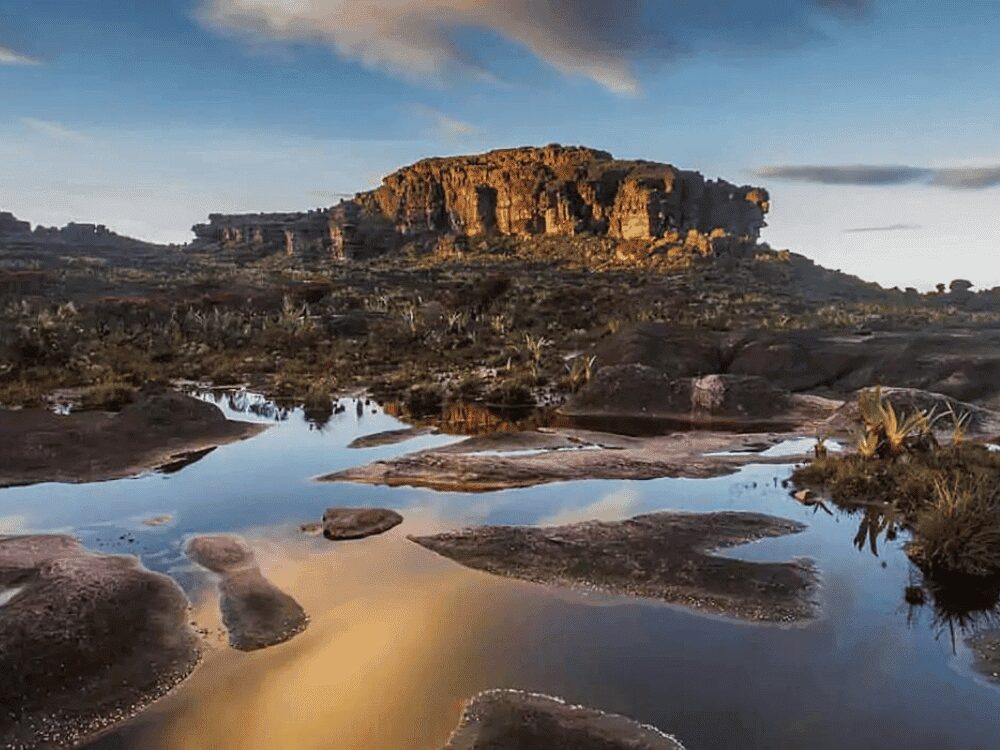
    What is on top of the mountain?
    .

    👉 Want to learn more? Read the full article: What’s on top of Mount Roraima?

    Is Mount Roraima the oldest place on Earth?

    Mount Roraima, discovered by Europeans in 1595 during the Spanish and British colonization of South America, is a true geological and historical treasure. It was only in 1884 that the adventurer Everard Ferdinand Im Thurm conquered the challenge of climbing this impressive “Crystal Mountain.” Its fame extends beyond climbing feats; Mount Roraima is known as the “Lost World,” a title that reflects its age.

    Its geological composition, predominantly formed by Precambrian rocks dating back approximately two billion years, provides a unique window into the planet’s distant past. Over millions of years, the mountain has resisted relentless erosion, shaping its unique landscape and revealing its flat plateau that extends for about 31 square kilometers.

    In addition to the ancient rocks, the tectonic activity that sculpted Mount Roraima. This is a crucial factor for its title as the oldest place on Earth. As part of the ancient Pakaraima mountain range, formed over billions of years by the movement of tectonic plates. The mountain bears witness to the geological forces that shaped the planet. This connection to geological processes from the distant past reinforces the antiquity of Mount Roraima.
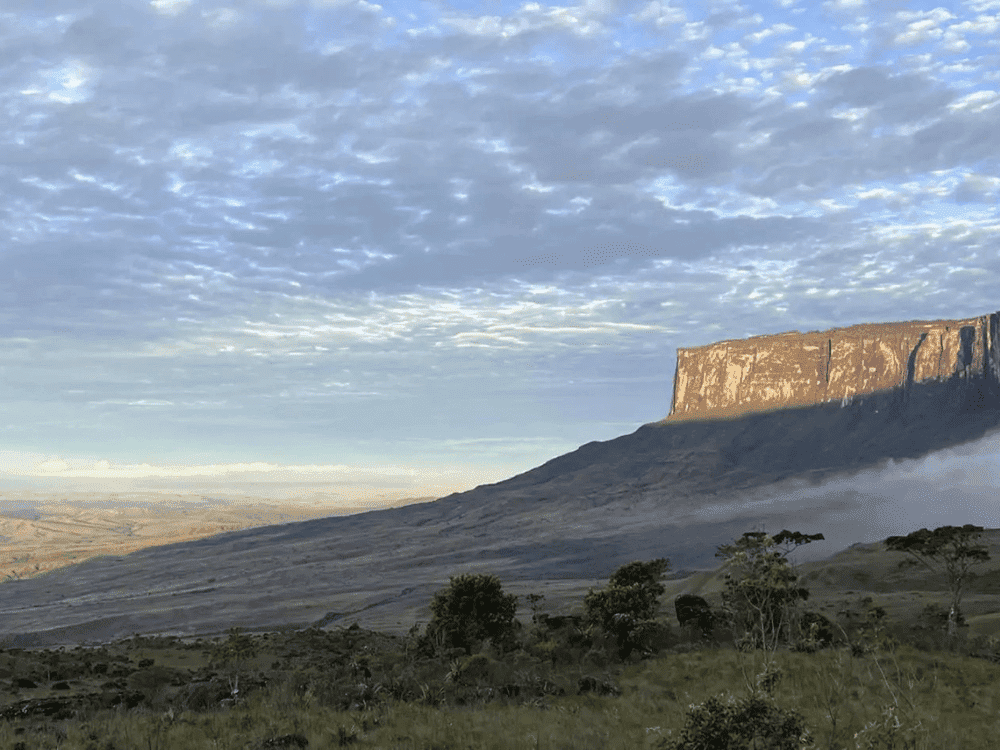
    Is it the oldest place on Earth?

    What to bring to Mount Roraima?

    Packing smart is key to a successful Mount Roraima expedition. Equip yourself with durable hiking boots, breathable yet protective clothing, and weather-resistant gear to tackle the mountain’s diverse climates.

    Essential include a robust backpack, a comfortable sleeping bag rated for 0°C (32°F), reliable trekking poles, and an efficient headlamp. Prioritize hydration with eco-friendly water bottles, and ensure safety with a portable water purifier. Round off your gear with energy-boosting snacks, protective sunscreen, sunglasses, and a hat to shield you from the elements.
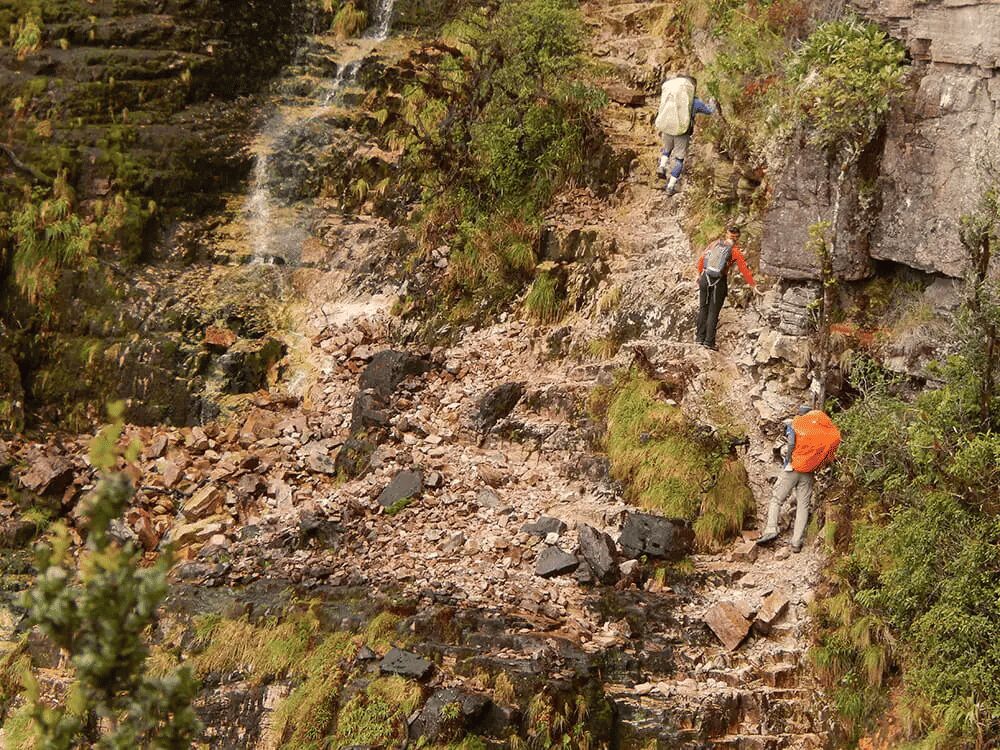
    What to bring?

    As we reach the end of this guide, remember that each step on Mount Roraima is a story waiting to be captured. Don’t leave behind anything but footprints and take everything but memories, captured on your camera or phone. Essential items like cash (Brazilian real BRL), passport, international certificate of vaccination with proof of yellow fever vaccination administered at least 10 days prior and important documents should not be forgotten.

    Eager for an adventure like no other at Mount Roraima? Check out our travel deals, designed for memorable trips. Click to see what’s waiting for you.

    At PlanetaEXO, we believe every journey can make tourism kinder to our planet, keeping its beauty intact. Book now for a tour experience beyond limits.

    Read more!
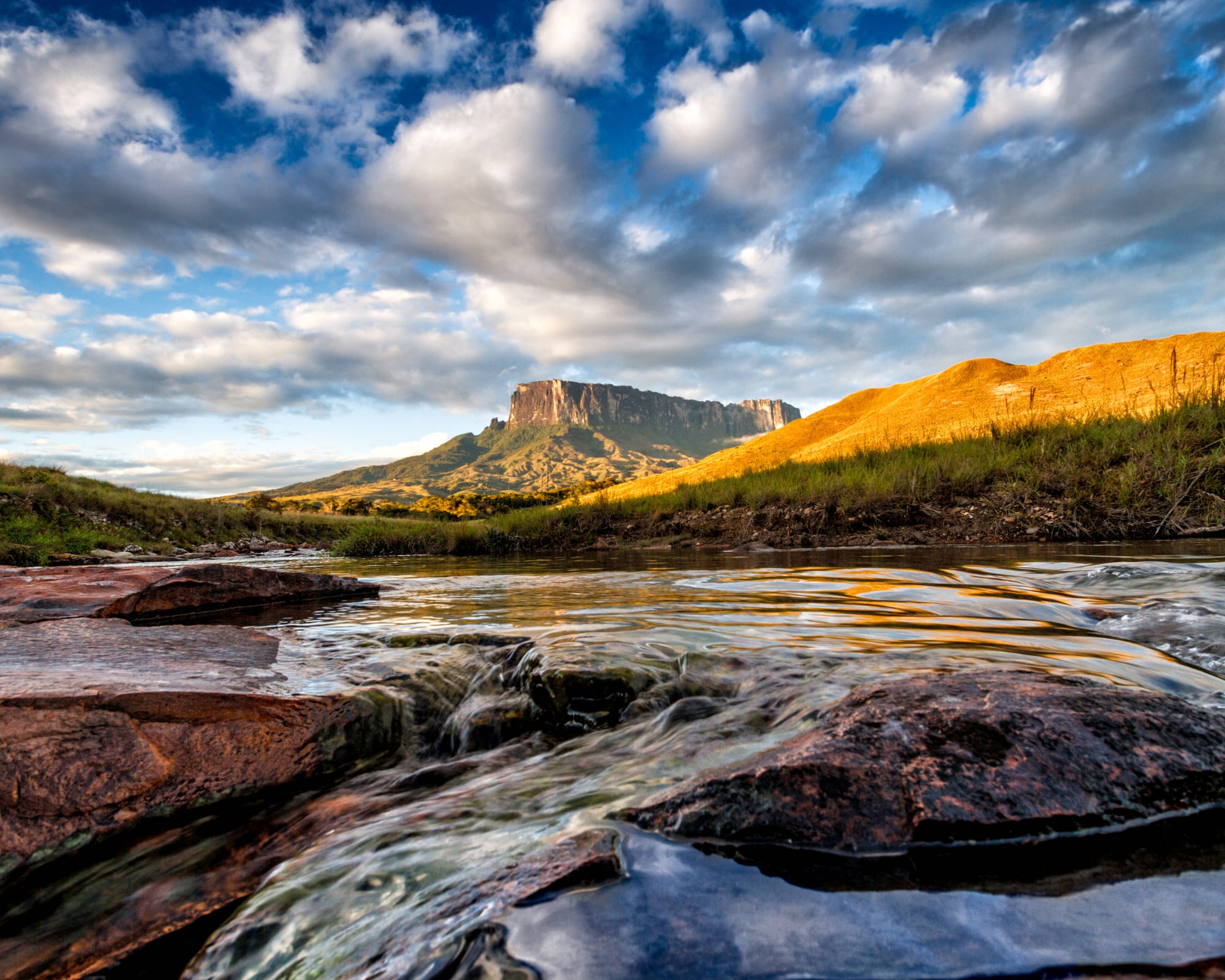
  • How much does it cost to climb Mount Roraima?

    How much does it cost to climb Mount Roraima?

    Are you interested in hiking to climb Mount Roraima but are wondering how much it costs? Join us as we guide you through all the important aspects to consider before embarking on your Mount Roraima adventure.

    We’ll help you make the most out of your trip while ensuring your safety every step of the way. Let’s dive into the details together, so you can fully enjoy this incredible journey to the oldest place on Earth.

    Mount Roraima hike

    How much does it cost to climb Mount Roraima?


    The cost of climbing Mount Roraima can vary depending on several factors, such as the duration of the trek the chosen route, and the services included in the tour. The PlanetaEXO offers authentic experiences with English-speakers local guides and all tours include roundtrip ground transportation from Boa Vista to the Indigenous Community of Paraitepuy; one-night accommodation in a double room in Santa Elena de Uairén; full meals during the trekking; shared camping equipment: double-shared tent, kitchen equipment, cookware, plates, cups, utensils; logistics staff; trail guide and first aid kit.

    The 8-day hike to Mount Roraima costs R$5.500,00 and starts on Santa Elena de Uairén throughout the Paraitepuy Indigenous Community. On this tour, you will spend 3 nights at the top and have an immersive experience in the natural wonders of Mount Roraima, with a special emphasis on discovering and enjoying the enchanting natural pools and jacuzzis along the way.

    Mount Roraima hike

    The 10-day Makunaima Expedition hike costs R$6.200,00 and offers a captivating journey to the “Lost World” of Makunaima, showcasing the natural wonders of Mount Roraima and providing insights into the indigenous culture of the region. In this adventure, you will spend 5 nights on the top and have a remarkable opportunity to explore the mystical landscapes and embrace the rich heritage of this destination.

    climb Mount Roraima

    How much does it cost to climb Mount Roraima?

    Do you still have any questions or lingering uncertainties regarding Mount Roraima? Explore our comprehensive guide, packed with valuable information and insider tips. 

    Join us as we guide you through all the important aspects to consider before embarking on your Mount Roraima adventure. We’ll help you make the most out of your trip while ensuring your safety every step of the way. Let’s dive into the details together, so you can fully enjoy this incredible journey to the oldest place on Earth. Come to climb Mount Roraima!


    Try one of our following Mount Roraima tours!