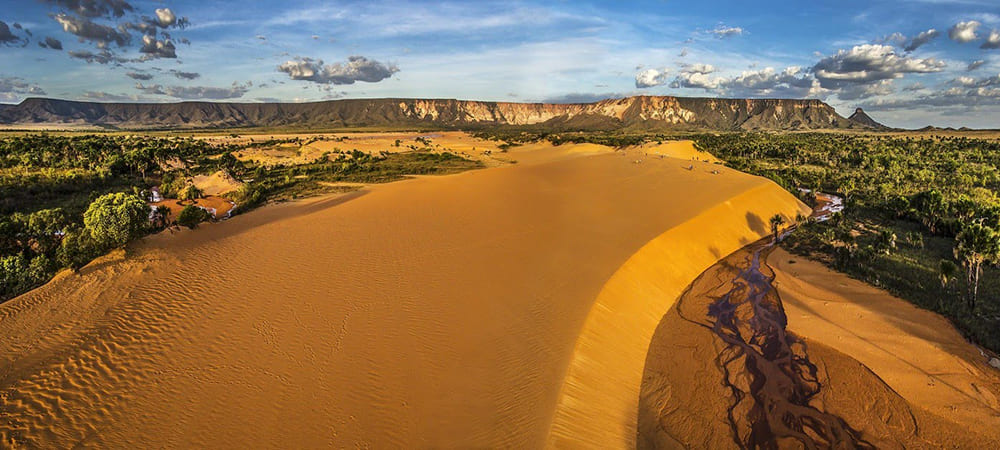
Welcome to our Jalapão State Park travel guide, your perfect companion for exploring the Cerrado biome, South America’s largest savannah and one of Brazil’s most stunning natural wonders.
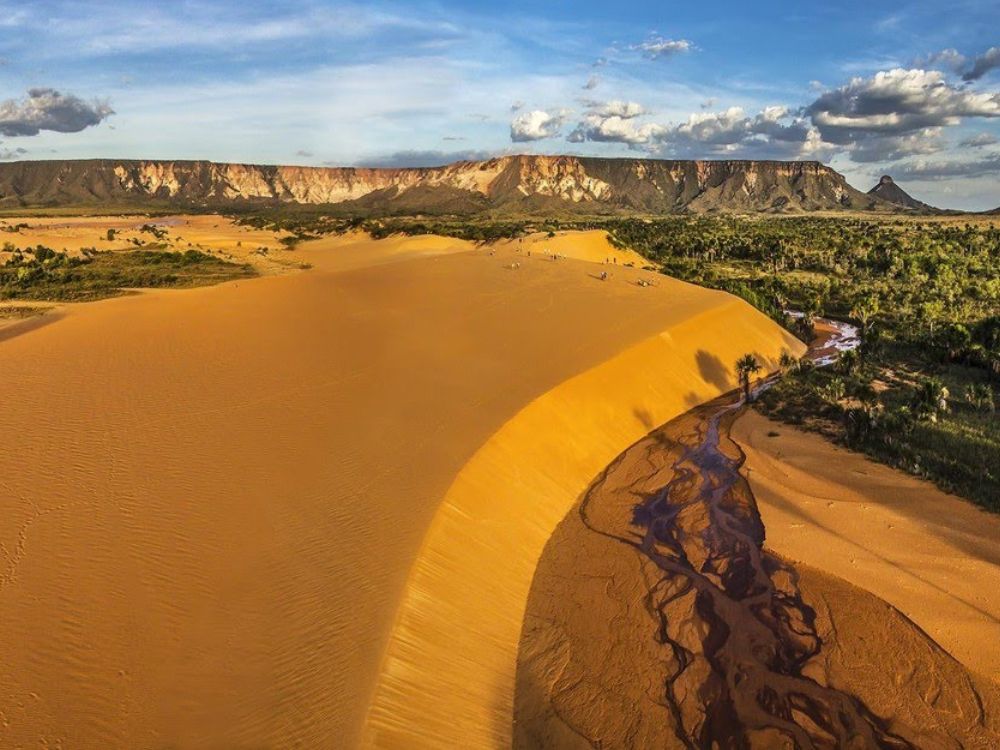
In this wild region, Jalapão State Park is a paradise for adventurers and nature lovers alike, offering stunning landscapes with its famous fervedouro springs, golden dunes, and diverse wildlife. This travel guide provides essential information, including the best time to visit, the main activities to enjoy, and tips for making the most of your adventure.
Whether you’re planning an exhilarating Jalapão tour or a peaceful retreat into nature, this travel guide will help you plan your trip, ensuring an experience as memorable as the park’s breathtaking beauty.
Let’s get to it!
- Where is Jalapão?
- How to get to Jalapão State Park?
- When is the best time to visit Jalapão?
- What to do in Jalapão State Park?
- How many days do I need in Jalapão?
- Do we need a guide?
- How much does it cost?
- What to bring?
- Is it worth visiting Jalapão?
👉 Curious already? Discover 10 facts about Jalapão that you need to know
About Jalapão State Park Brazil
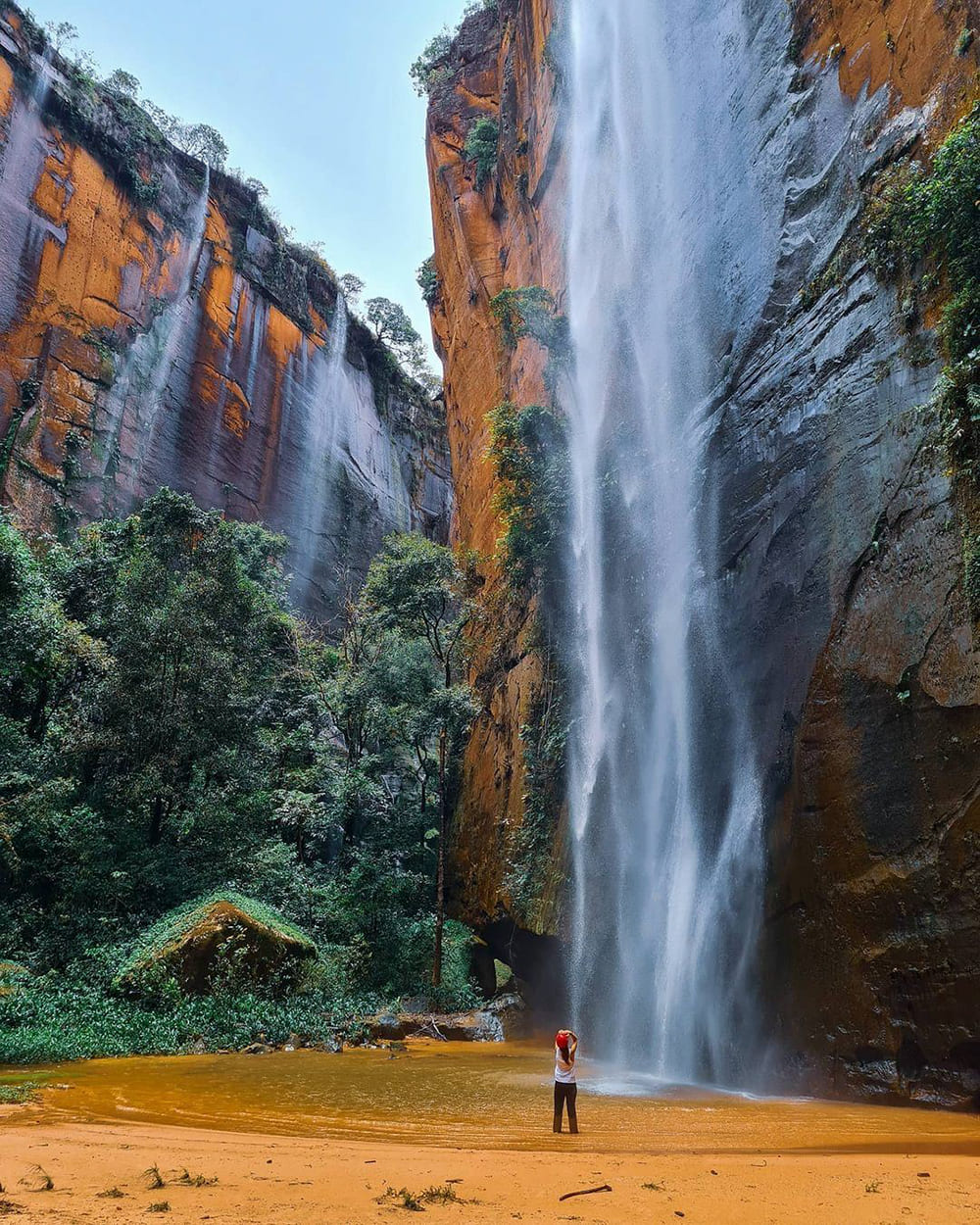
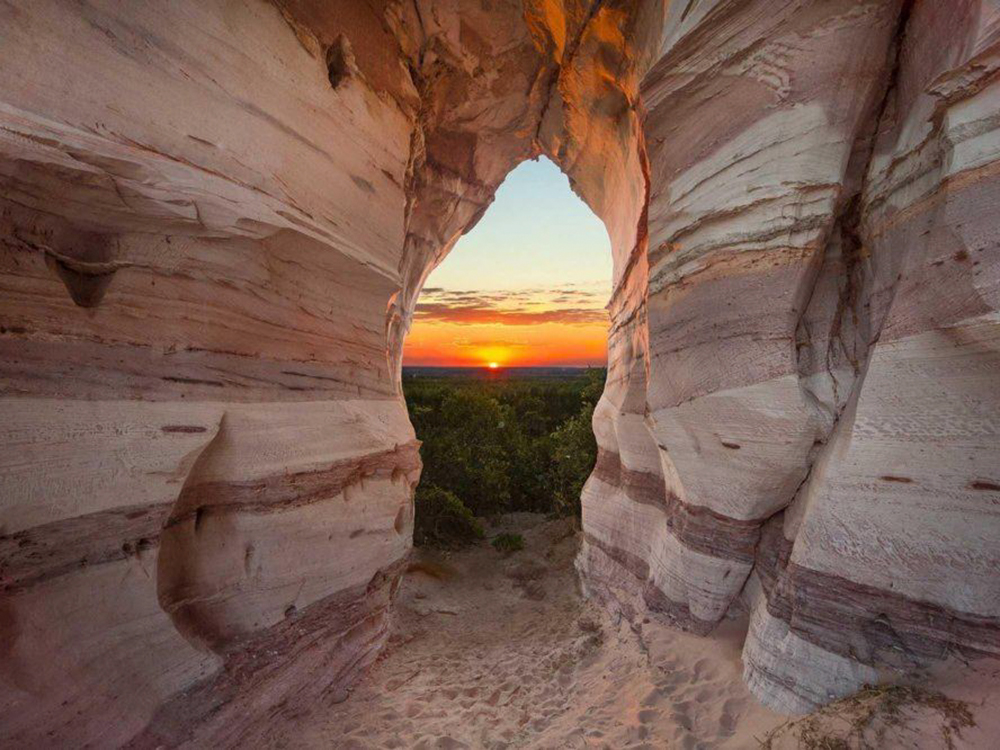
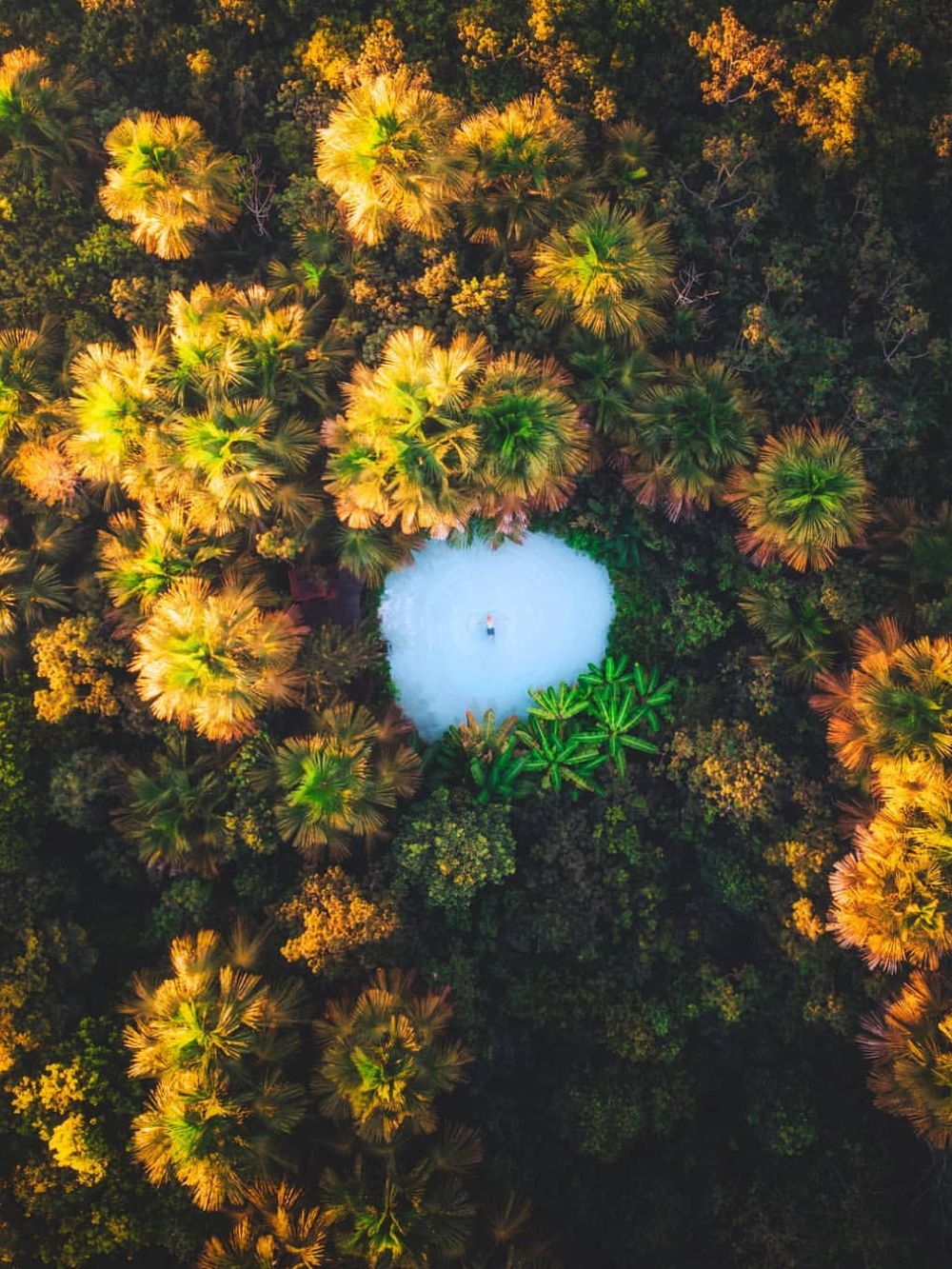
The Jalapão State Park, located in Brazil’s newest state, Tocantins, is a vast natural area covering 34,000 square kilometres. To give you an idea, its total area is almost the size of the whole of Switzerland! Established in 2001, the Jalapão State Park is a protected area that is home to stunning waterfalls, dunes, canyons, and rocks, not to mention the famous fervedouro springs, which form unique natural pools.
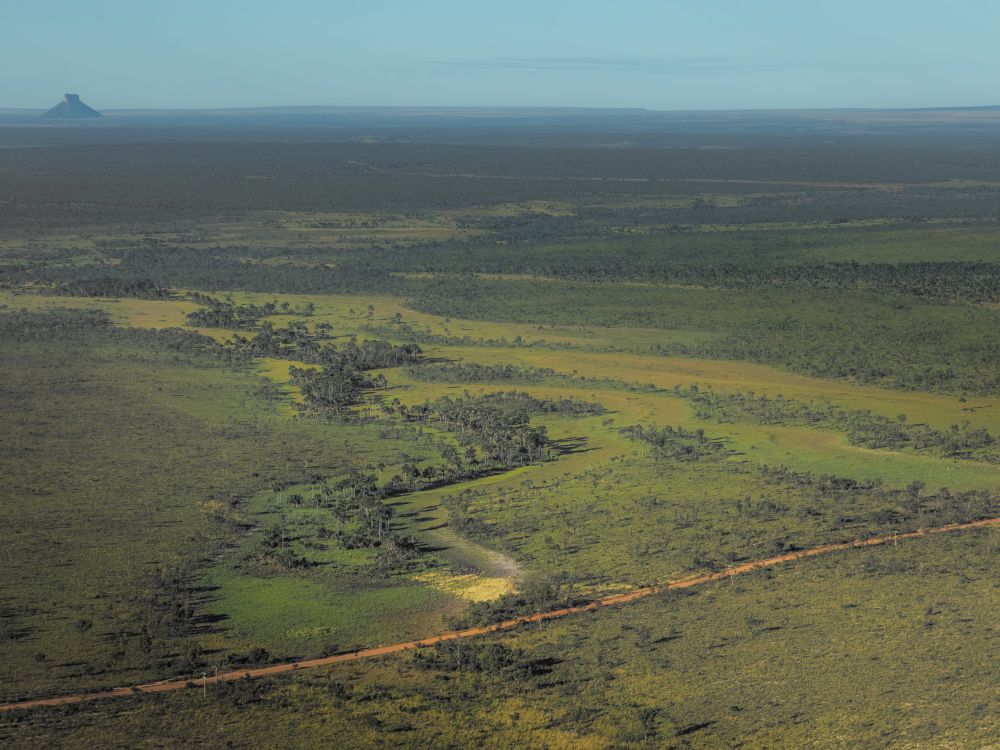
The region where Jalapão is located has an extremely ancient geological origin and dates back millions of years, which means that, a long time ago, it was a sea. Due to drastic climatic and atmospheric changes over the millennia, the sea receded, giving way to a diverse ecosystem. Today, Jalapão represents the largest continuous area of Cerrado in Brazil with a high degree of conservation and also boasts a variety of wildlife, some of which are threatened with extinction, such as the Pato Mergulhão (Brazilian Merganser).
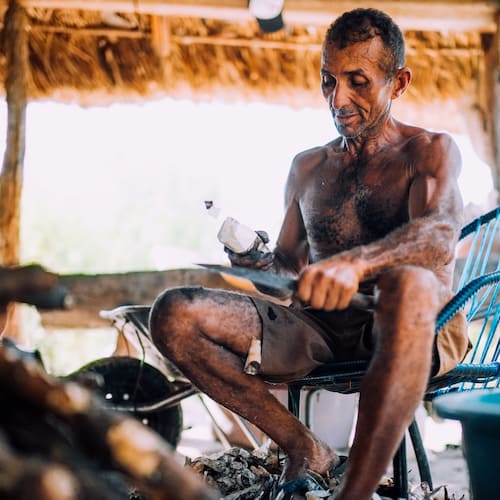
Beyond its natural beauty, Jalapão is also a centre for sustainable handicraft production, particularly using capim dourado (golden grass) and buriti silk. These crafts are not only a primary source of income for local communities but also the focus of efforts to ensure their production remains both ecologically and economically sustainable. Whether you’re seeking adventure or tranquillity, Jalapão State Park in Brazil offers a range of activities from hiking and trekking to rafting and kayaking, making it an unforgettable destination for any traveller.
Where is Jalapão?
Jalapão State Park is located in the eastern part of Tocantins, approximately 300 kilometres from Palmas, the state’s capital city. The park extends over several municipalities, including Ponte Alta do Tocantins, Mateiros, São Félix do Tocantins and others. Jalapão’s diverse landscapes feature everything from rivers and waterfalls to sand dunes and rocky plateaus, rising up to 800 meters high (2624,67 ft).
Known for its remote and pristine environment, Jalapão is far away from major urban centres, making it an ideal destination for those seeking an immersive experience in the wilderness. This isolation not only provides a tranquil escape but also preserves the park’s rugged beauty, offering a unique blend of adventure and relaxation in the Cerrado Biome.
How to get to Jalapão State Park?
The most convenient and common way to access Jalapão State Park is from Palmas, which hosts the closest airport, the Brigadeiro Lysias Rodrigues Airport (PMW). There are direct flights to this airport from Brasília, São Paulo, Belo Horizonte, and Goiânia. From Palmas, due to the expansive area of the Park, expect at least a four-hour car journey to Mateiros, or São Félix, which are the preferred bases for most tourists to enjoy the Jalapão attractions located there. The best way to reach these towns is by a 4×4 vehicle, as most roads are unpaved or covered in soft sand. Travelling with a guide is also highly recommended due to the minimal road signage and the challenging access to the attractions.
It’s also important to note that Jalapão is full of fascinating attractions scattered throughout the area and that touring the park is not a linear journey, but a circuit; typically starting on one side and finishing on the other. It is common for the tours to start and end in Palmas, so all the Jalapão packages from PlanetaEXO include this transportation and offer various options for routes, available days, and activities so you fully appreciate this paradise. Carefully planning your itinerary is therefore essential to ensure a full and rewarding experience!
When is the best time to visit Jalapão?
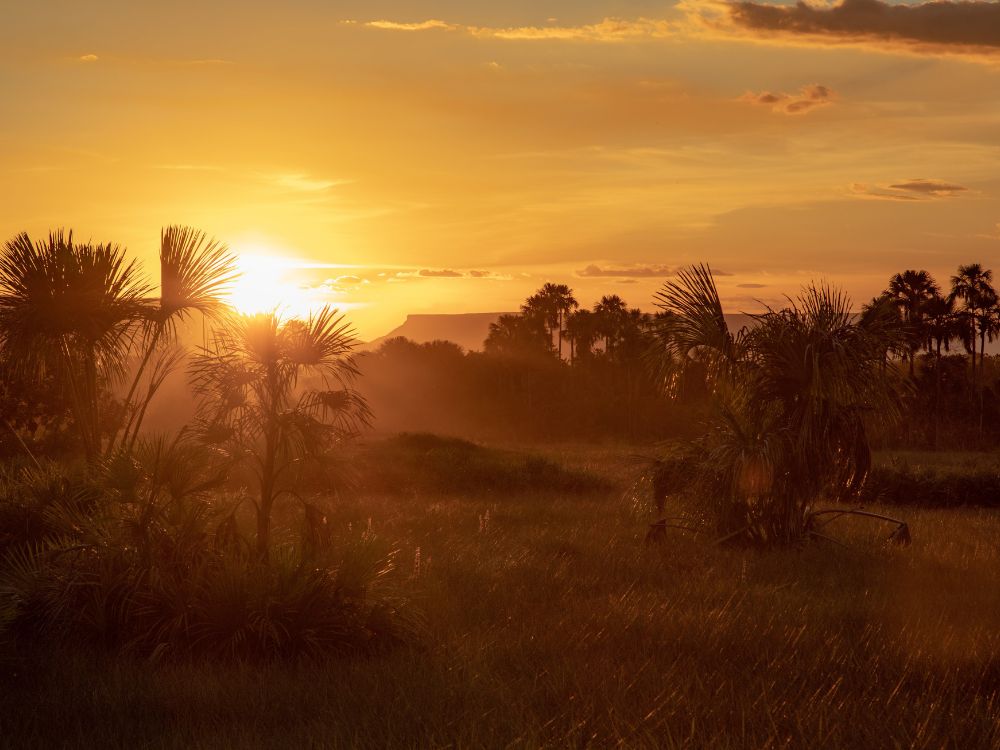
When planning a tour to Jalapão State Park in Brazil, choosing the right time of year is important to enhance your experience. You can visit Jalapão at any time of the year, but the best time to visit is during the dry season, from May to September. During this period, the weather is more predictable, with lower chances of rainfall and clearer skies, creating optimal conditions for outdoor activities and sightseeing. The closer you get to September, the drier the air will be, which is why many visitors prefer to come in May, when the humidity is still high, there isn’t much rain and the vegetation is greener and more lush. However, the drier it is, the more beautiful the sunsets!
During the rainy season from October to April, heavy rains and storms can occur, rendering some of the roads almost impassable and obstructing wildlife observation. The peak rainfall is in January when it reaches 225 mm on some days. But that doesn’t mean it gets cold here; the heat is constant, and the sun never fails to make an appearance. During the rainy season the entire landscape is green, while during the dry season, the wide stretch of the Cerrado terrain becomes very dry.
As far as the climate, the temperature in Jalapão remains tropically warm throughout the year with an average daytime temperature of 25 °C (77 °F). Regardless of the time of year, the temperature variation is small, with a maximum between 30°C (86 °F) and 34°C (93.2 °F) and a minimum between 15°C (59 °F) and 20°C (68 °F).
What is the current weather in Jalapão, Tocantins?
Take a look at how the weather is right now in the Jalapão State Park!
What to do in Jalapão State Park?
Jalapão offers a variety of tour itineraries and activities for nature enthusiasts and adventure seekers alike. From hiking scenic trails and floating in natural pools to exploring the cultural richness of local communities, there’s something for everyone. Here are some of the must-do activities in Jalapão:
Floating in the Fervedouros:
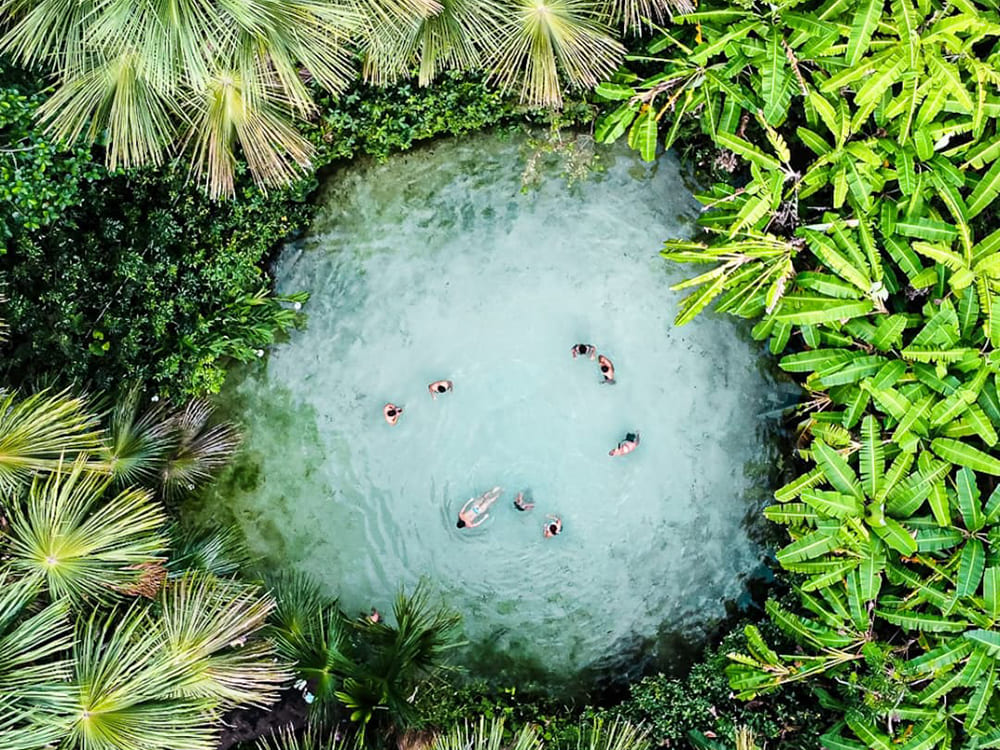
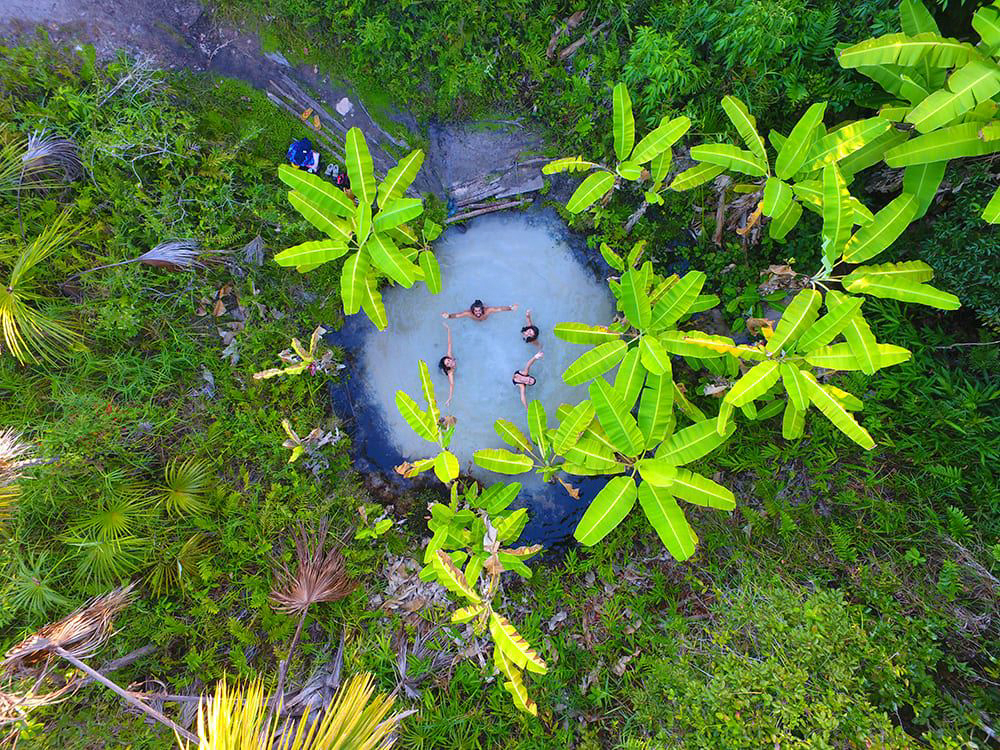
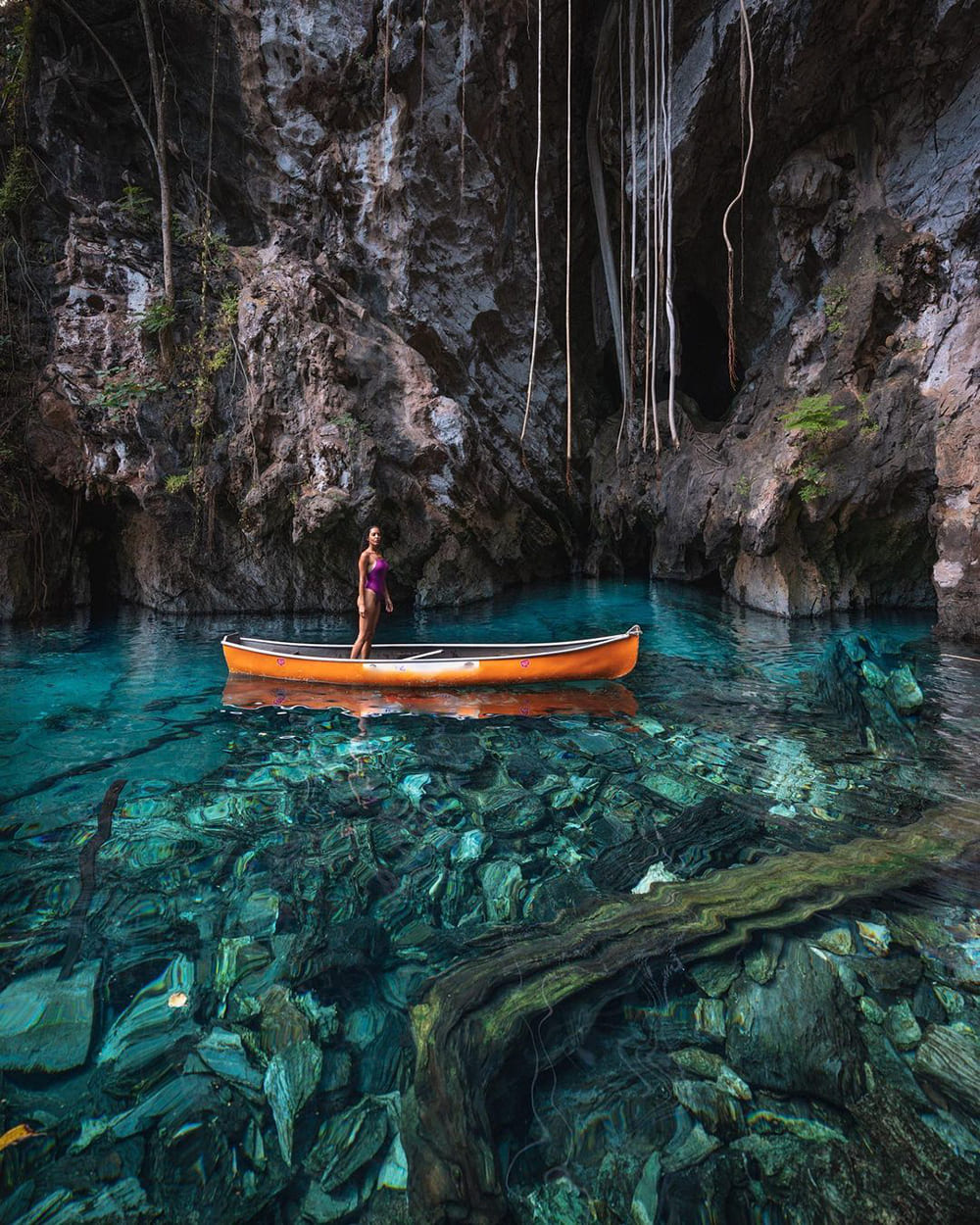
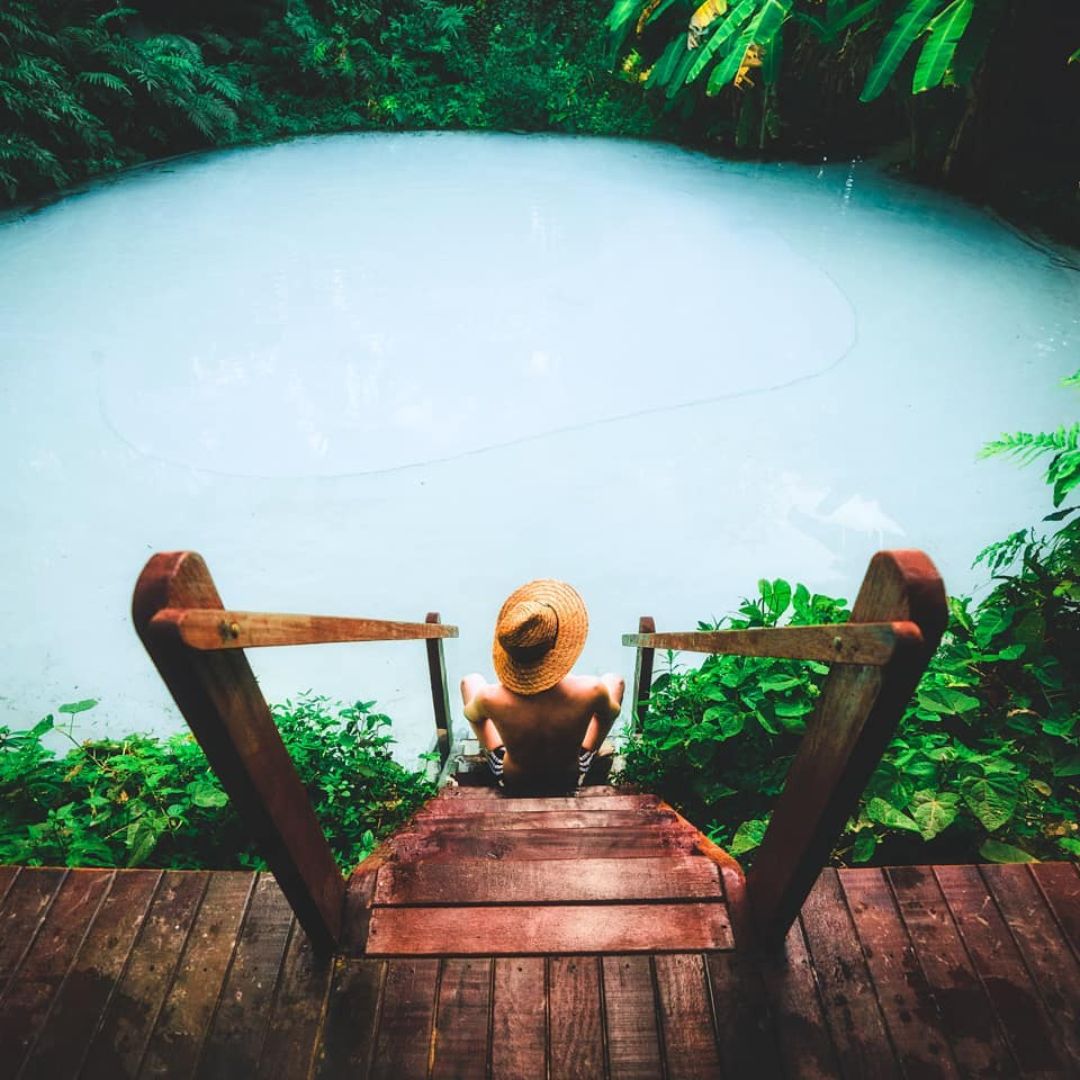
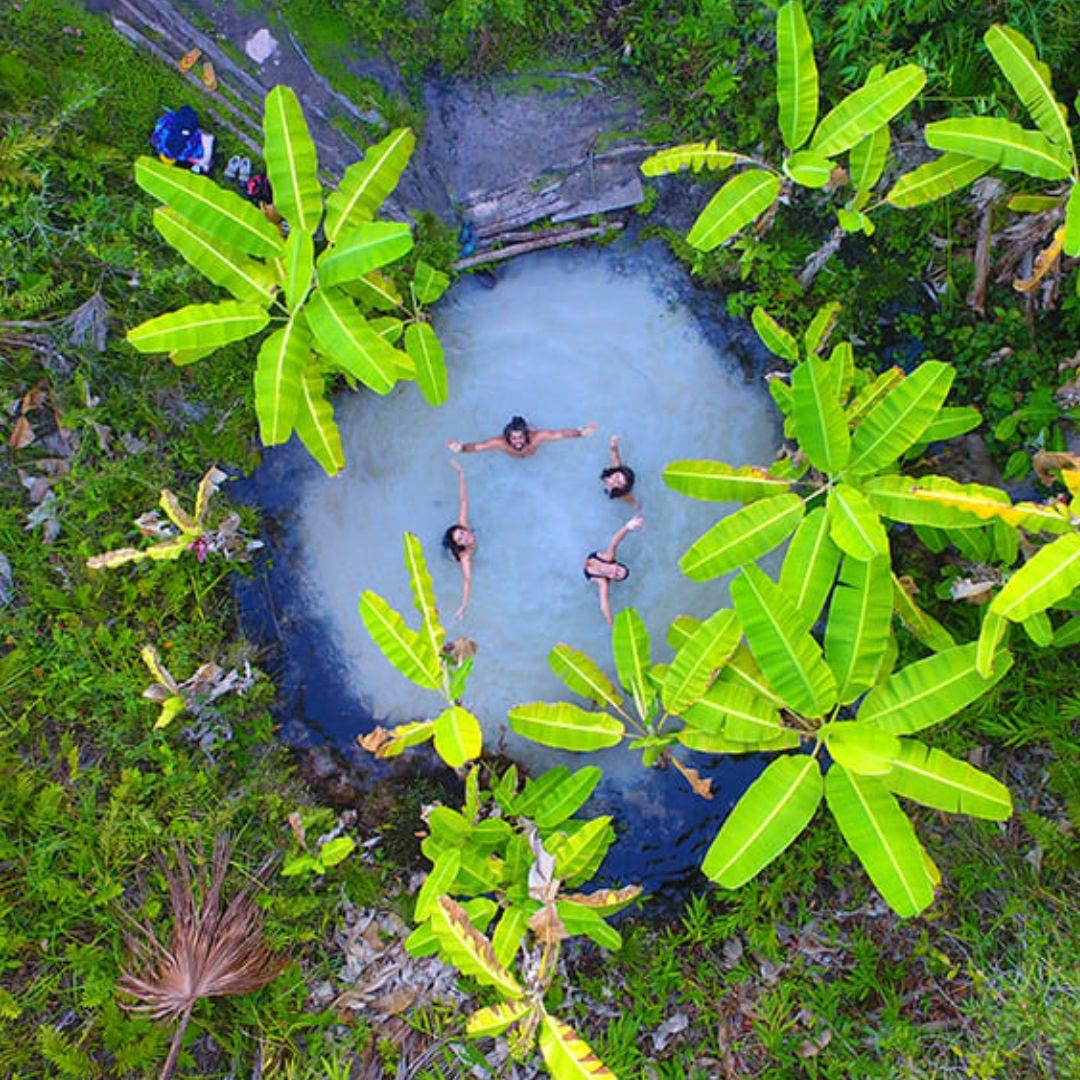
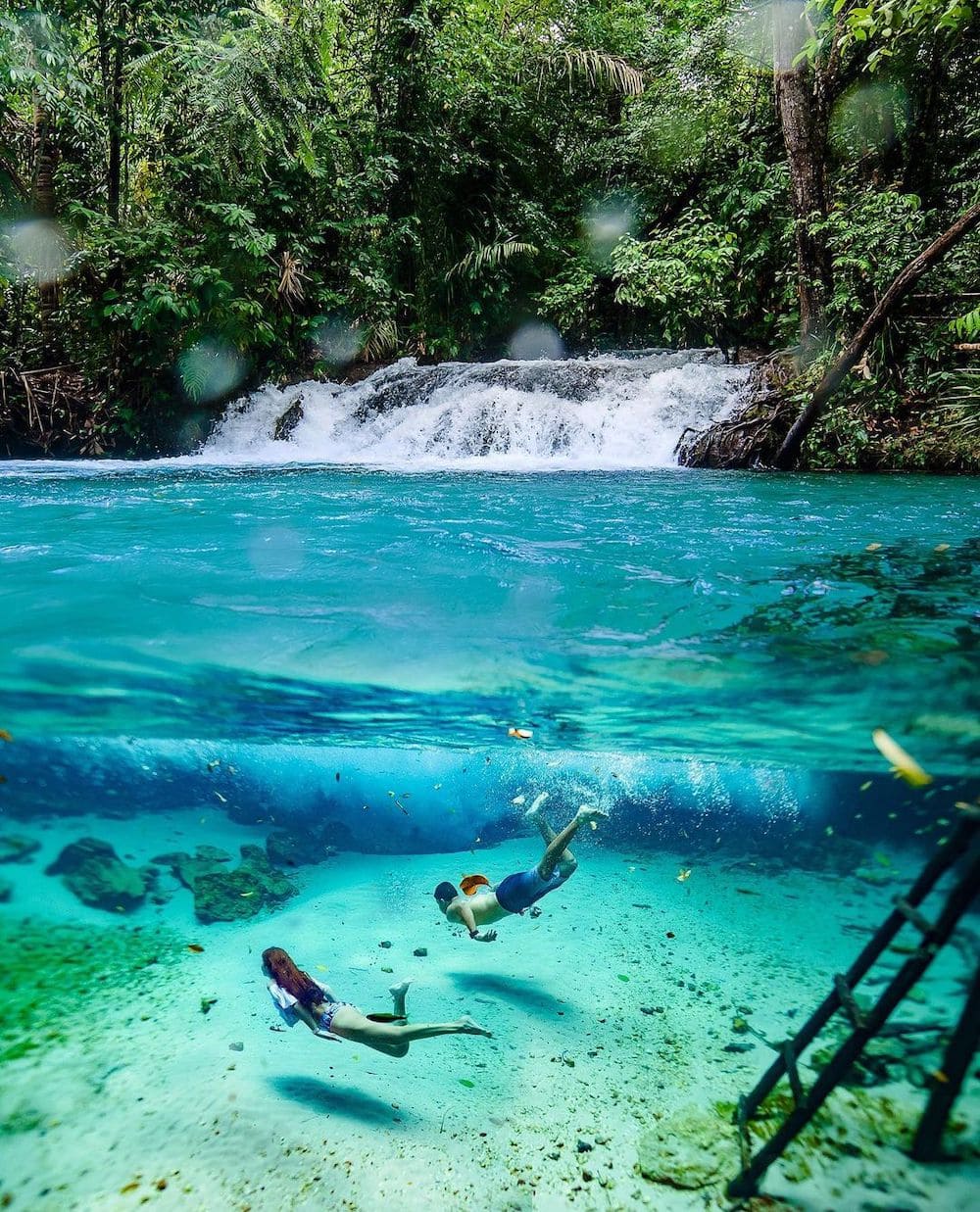
Experience the unique phenomenon of floating in the crystal-clear waters of the fervedouros. The most popular in Jalapão include Fervedouro do Soninho, do Ceiça, Buritizinho, and Bela Vista. These natural pools are fed by underground springs, creating a buoyant effect that makes it impossible to sink. It is estimated that some springs are up to 30 metres deep! Don’t be fooled: at the points where the water flows from the springs, it’s impossible to touch the ground. Despite the initial strangeness of swimming in a “bottomless” place, the experience is absolutely incredible!
Rafting Adventures:
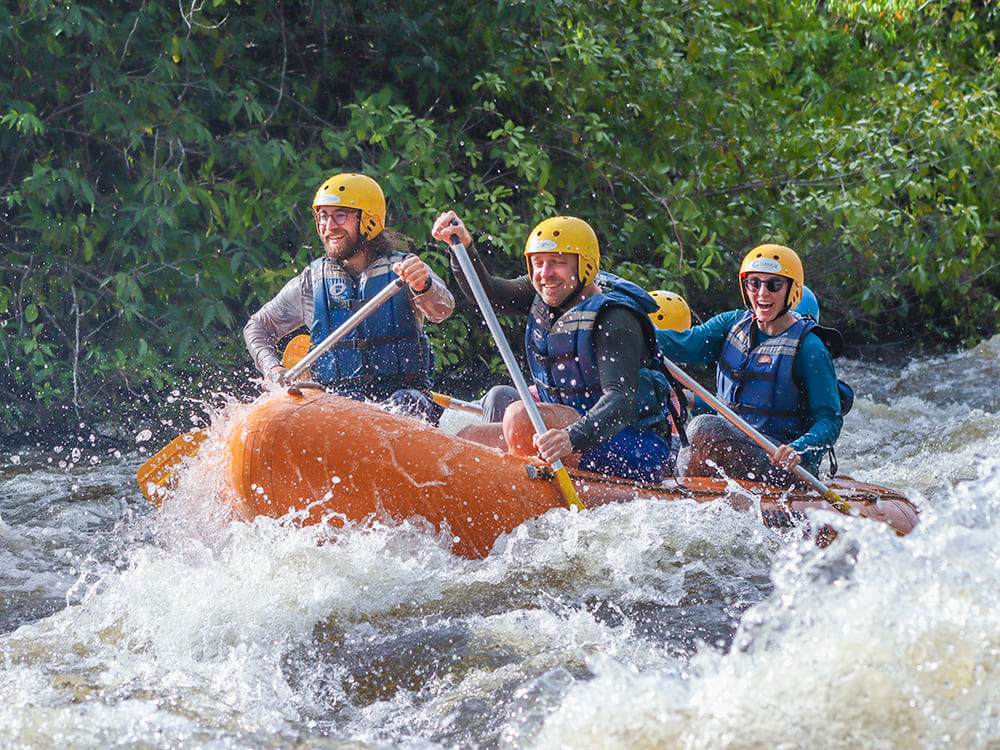
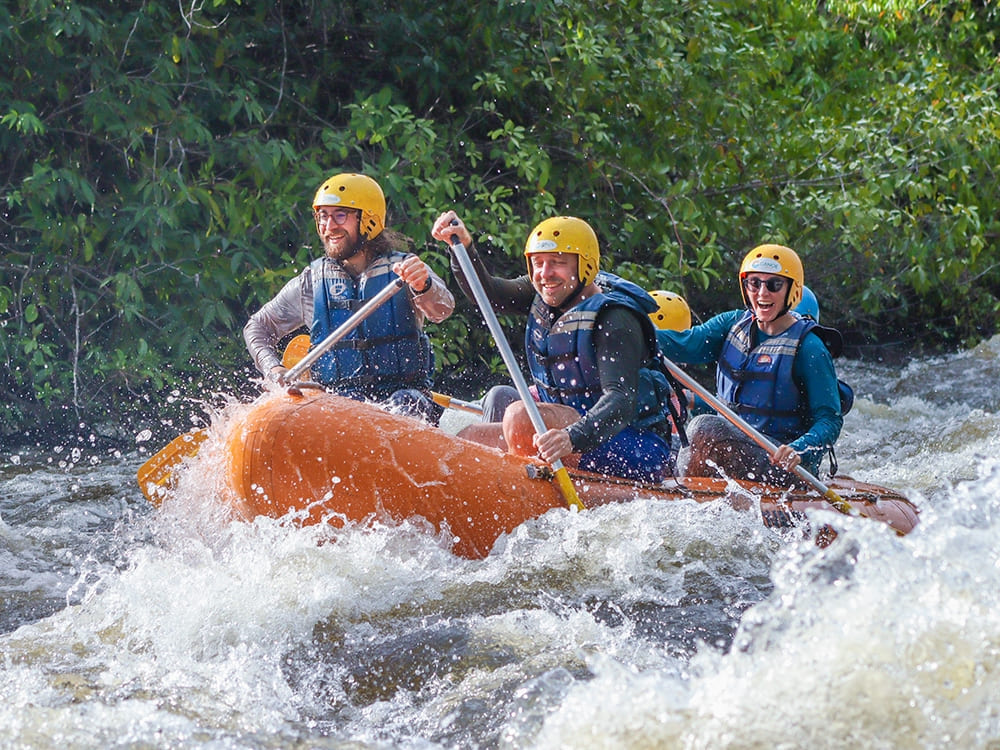
For adrenaline seekers, rafting on the Rio Novo is a must. This adventure takes you through Class III and IV rapids, offering both excitement and stunning views of the surrounding wilderness. The clear waters of Rio Novo and the natural environment make it one of the best rafting experiences in Brazil. Rafting trips often include stops at sandy beaches along the river, where you can relax and take in the scenery.
Refresh in Pure Waters:
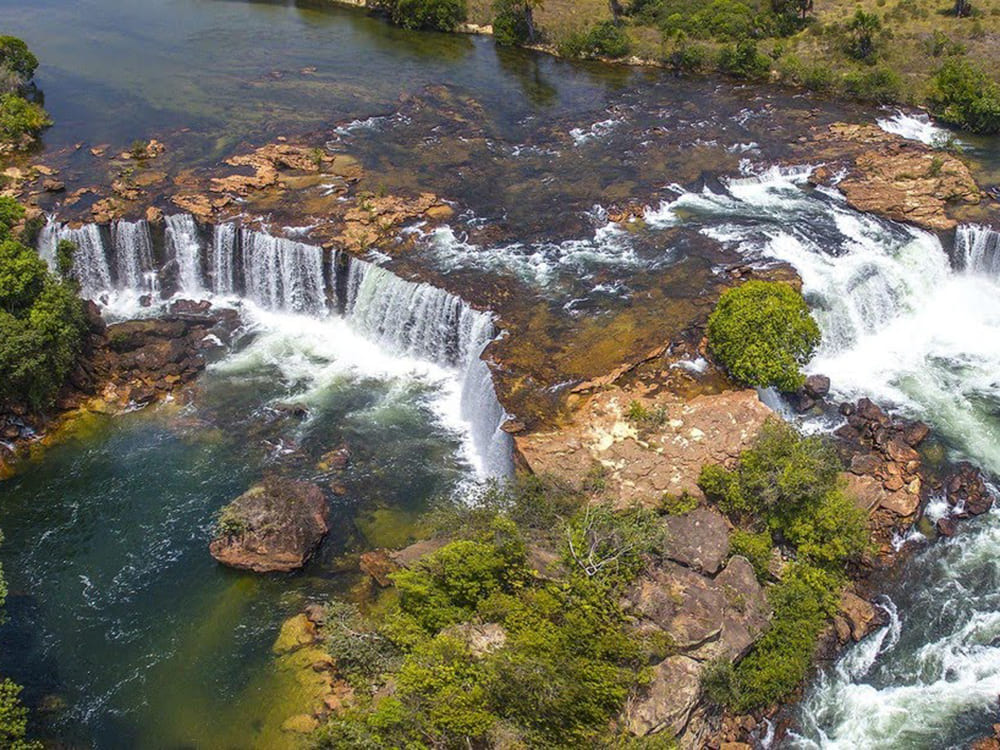
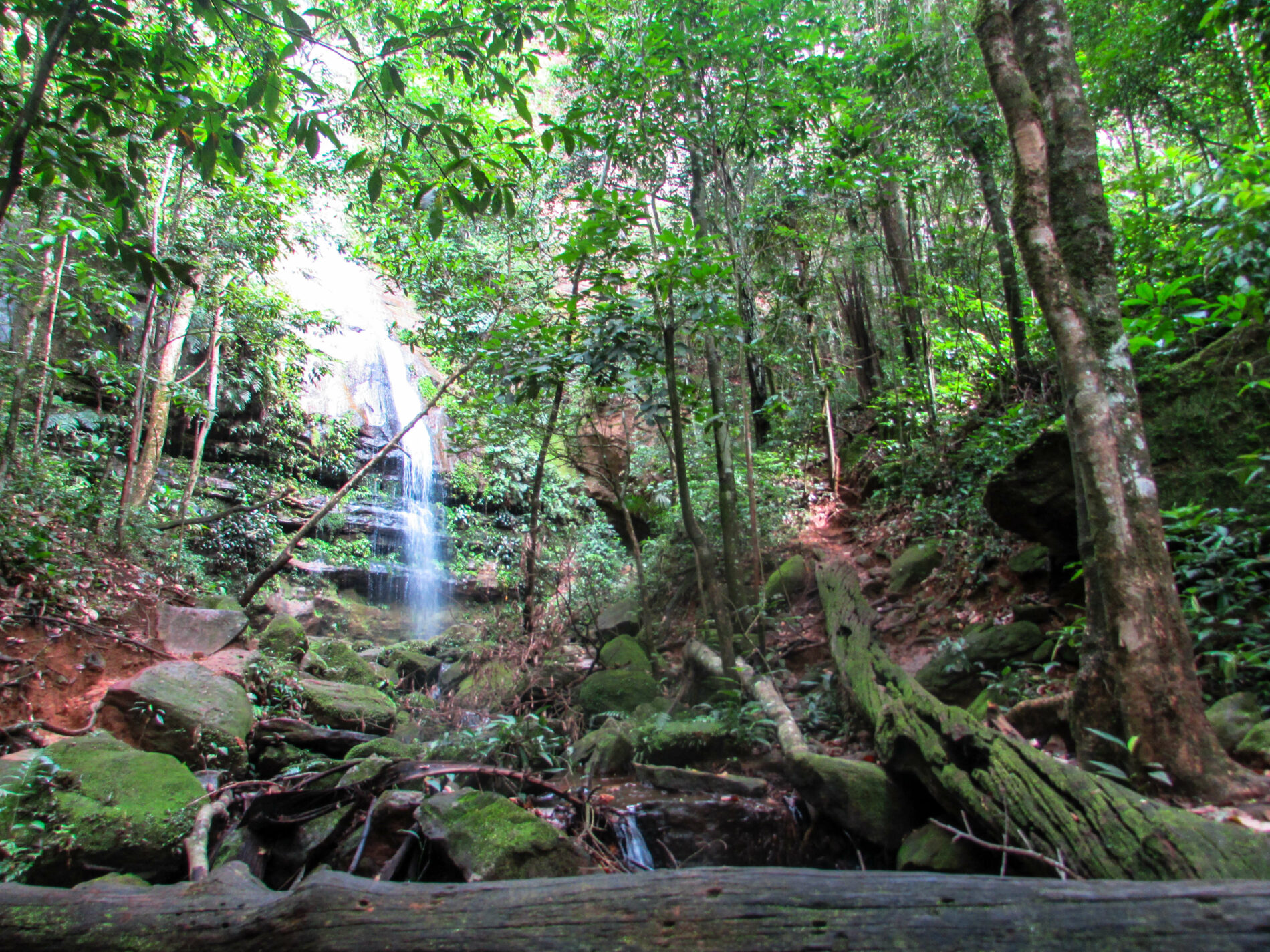
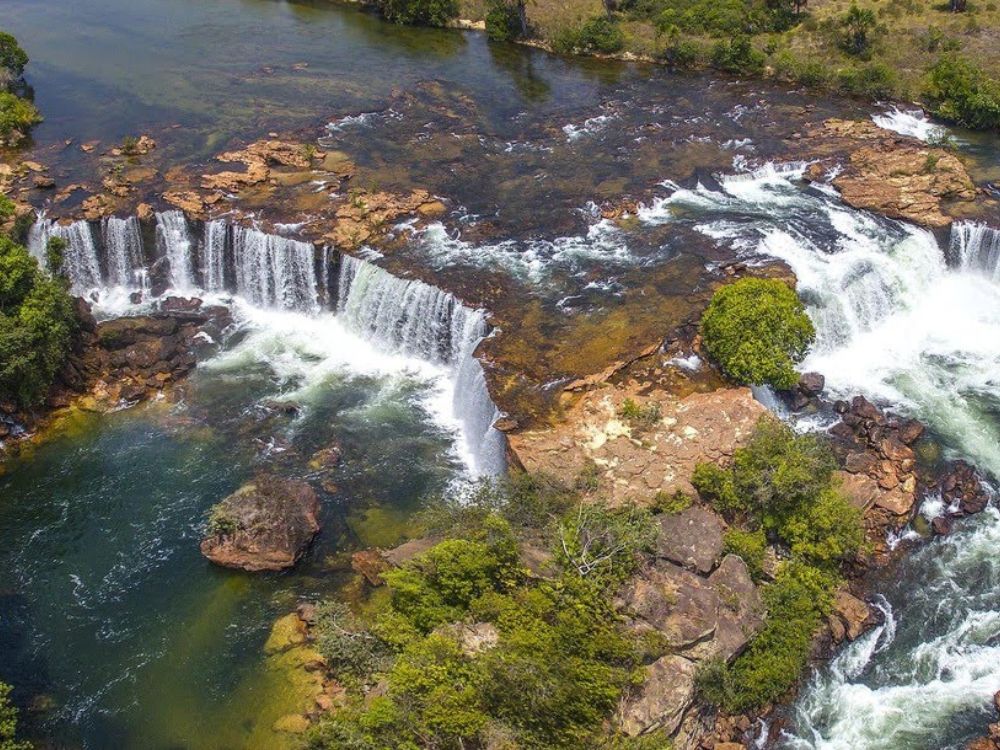
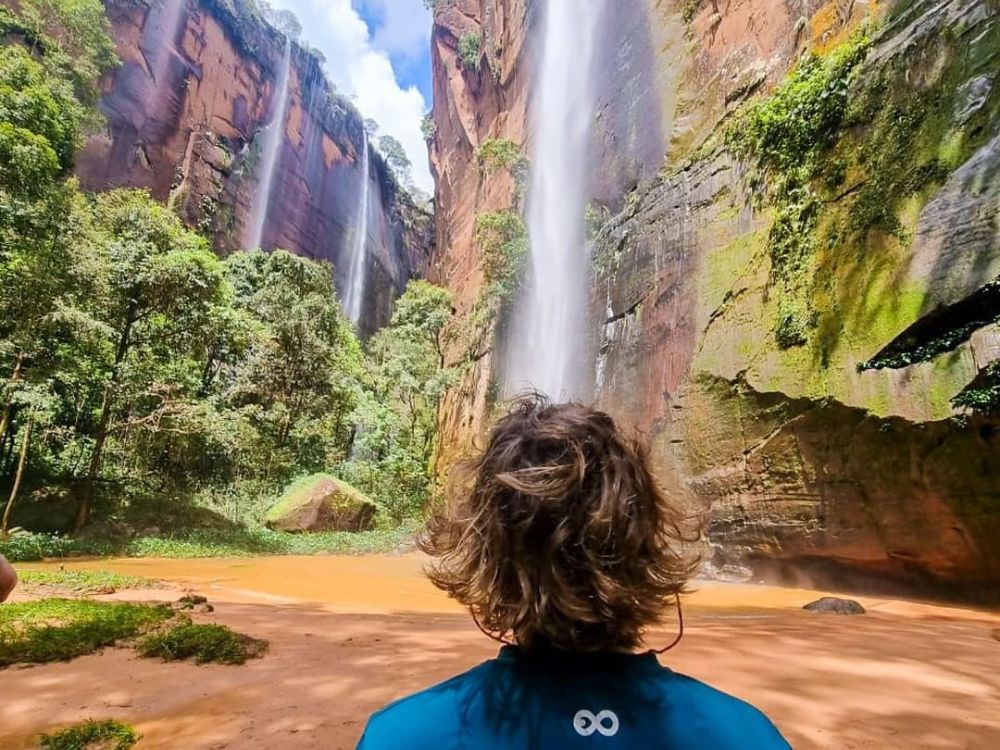
Cool off in the refreshing waters of Jalapão’s waterfalls. Visit Cachoeira da Formiga with its emerald-green waters, and the impressive Cachoeira da Velha, which boasts a powerful cascade and is perfect for a rejuvenating swim.
Trails and Hikes:
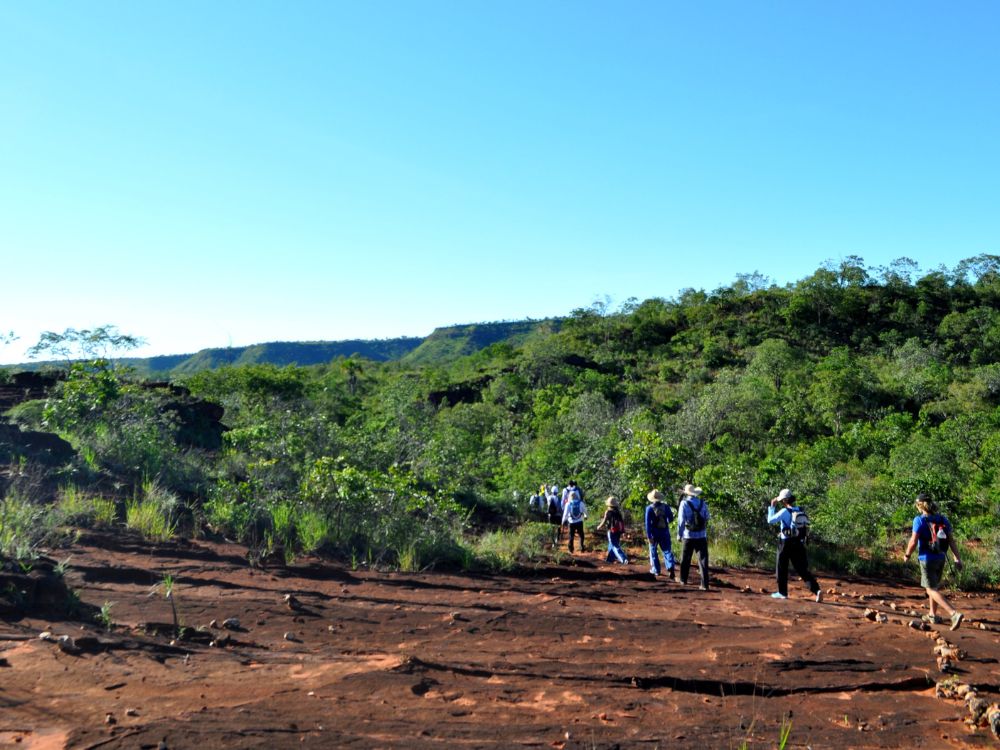
Explore the stunning landscapes of Jalapão through various trails and hikes. Start your day early to witness breathtaking sunrises at the Serra do Espírito Santo, and end your day with mesmerising sunsets from the top of the dunes, offering panoramic views of the region. The scenery is spectacular, with golden sands forming elevations of up to 40 metres!
Cultural Richness of the Local Communities:
Discover the cultural richness of Jalapão by visiting local communities. Engage with the Mumbuca Quilombola Community, known for its golden grass handicrafts, and enjoy home-cooked meals while learning about the traditions and history of the area.

From fervedouros and waterfalls to mountain trails and rafting, Jalapão is a playground for adventure lovers who wish to immerse themselves in the landscape. Learn more about what to do in Jalapão State Park.
How many days do I need in Jalapão?
To fully experience the beauty and diversity of Jalapão State Park in Brazil, a stay of at least 4 days is recommended. However, due to the park’s extensive area and numerous attractions, a longer visit enables a more thorough exploration. Each area within Jalapão, from Ponte Alta to Mateiros and São Félix, has its own set of attractions and requires time to fully appreciate them.
Remember, travelling to reach one of these gateway towns of Jalapão requires considerable time on the road due to the distances involved and the isolation of the park, so be prepared to set aside at least 4 hours for the journey. If you’re short on time, this can impact your experience.
If you have the luxury of more time, extending your stay to 5 or 6 days can be incredibly rewarding. With these extra days, you can delve deeper into the park’s natural wonders, enjoy more extended hikes, explore locations off the beaten track, and have more opportunities to connect with the local communities. A longer stay also allows you more time to cross through Jalapão and get to know its main attractions with no rush. Browse various itinerary options for our Jalapão tours.
Do we need a guide to visit Jalapão?
Although it is not compulsory, it is recommended that you visit Jalapão with a professional guide. Due to the dirt roads with sandy soil, Jalapão is only suitable for 4×4 vehicles and the roads are poorly signposted, making most of the attractions difficult to access. In addition, the population density is extremely low (not even 1 inhabitant/km²), meaning that you can drive for hours without seeing anyone along the way to give you directions.
Don’t worry! The PlanetaEXO team is ready to pick you up and take you back to Palmas in comfort and safety throughout your trip! A guided tour not only enhances your experience but also makes it more thorough and memorable, ensuring that your visit has a minimal impact on the environment and helps the local community.
How much does it cost to go to Jalapão?
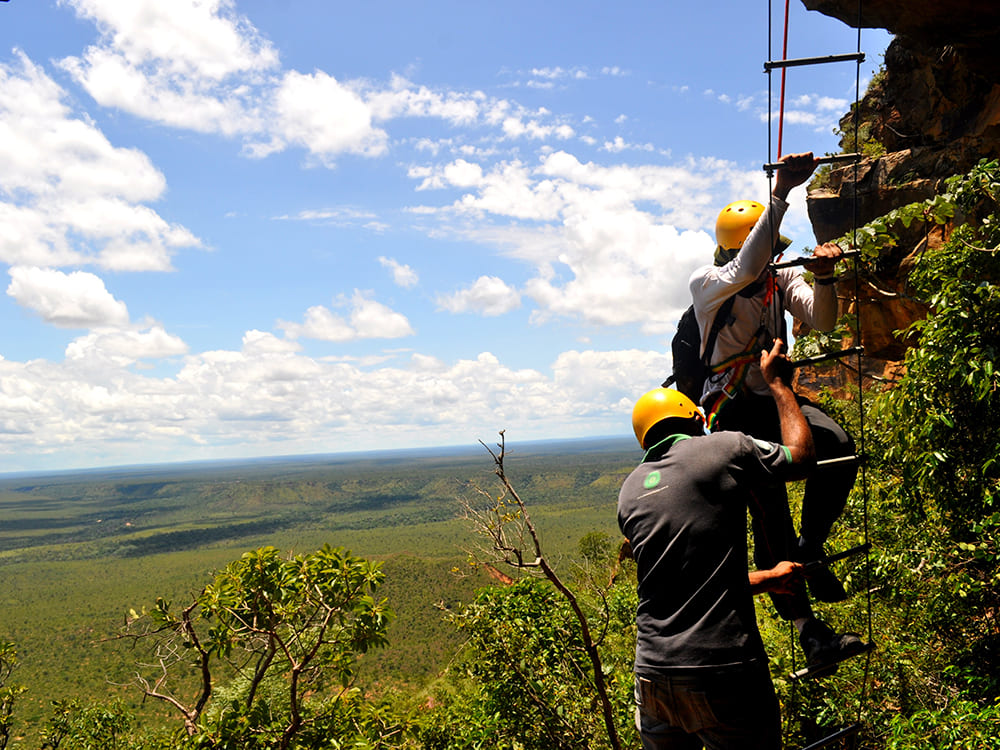
The cost of the tours of Jalapão State Park will depend on how many days you will spend there, the number of people, and the activities you want to do. The average is R$2.835,00 to R$3.415,00 per person for a 5-day itinerary, including a professional guide, accommodation, a varied buffet for breakfast and lunch, transport throughout the trip and tickets to all the attractions you visit. It is also possible to do the tours in Jalapão in 4 days or 6 days.
A super important point: some attractions are often listed as optional. For example, the sunrise at Serra do Espírito Santo, and rafting at Soninho River, among other options, can be booked separately.
What to bring to Jalapão?
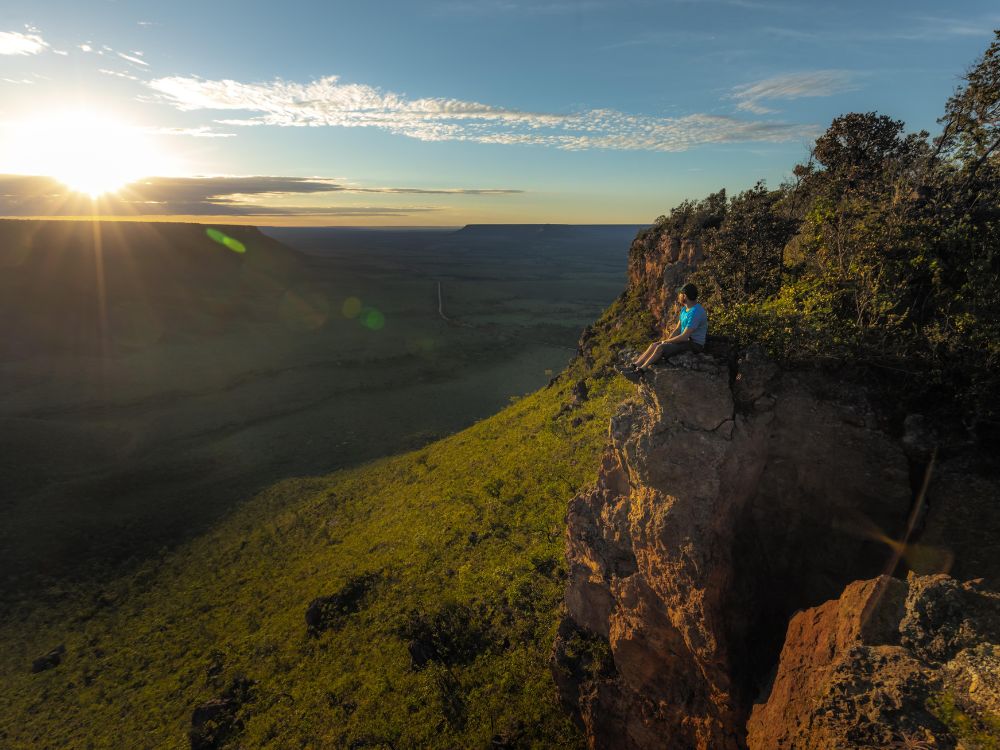
When packing for Jalapão, it’s important to consider your itinerary as different activities, such as treks, waterfalls, or rafting adventures, require specific items. Here is a list of essential items that we highly recommend you include in your backpack:
- Long-sleeved T-shirt with UV protection;
- Trekking trousers (light trousers or leggings);
- Trekking boots or comfortable trainers (with good grip) for the trail;
- Water shoes or extra trainers (that can get wet for rafting);
- Sunscreen/repellent;
- Hat or cap.
- Sunglasses;
- Water bottle or canteen;
- Backpack (small backpack of up to 20 litres to carry on the trail);
- Light jacket for the colder nights from May to September (minimum 16°C);
- Raincoat between October and April (heavier rains between December and March);
- Light clothing and swimwear.
Is it worth visiting Jalapão?
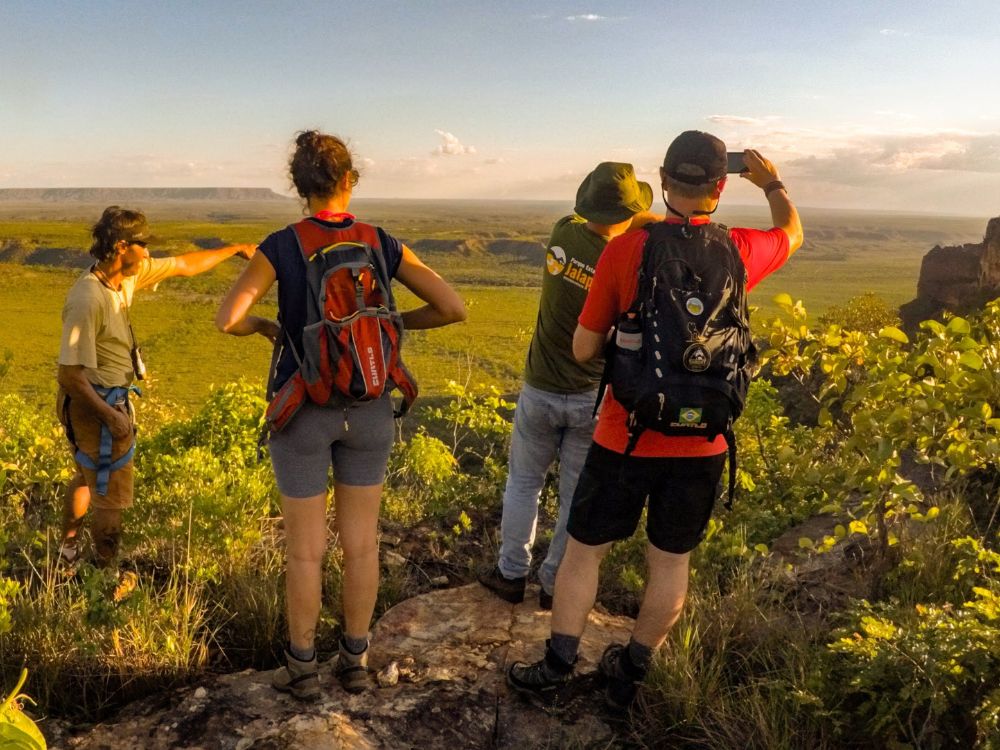
Of course, it is worth it to visit Jalapão State Park! It offers a unique blend of stunning landscapes, diverse wildlife, and a range of activities for adventurers and nature enthusiasts. With its famous fervedouro springs, golden dunes, and refreshing waterfalls, Jalapão provides breathtaking experiences that are hard to find elsewhere. The park’s remote and well-preserved environment, combined with its cultural richness, such as the local communities’ sustainable handicraft production, makes it an unforgettable destination. Whether you’re seeking thrilling adventures like rafting and hiking or a peaceful retreat in nature, Jalapão has a lot to offer for you!
Ready to discover Jalapão State Park?
Now that you know everything about Jalapão, let PlanetaEXO guide you through this amazing adventure, exploring an extraordinary natural paradise. Experience our exclusive guided tours, and get ready to immerse yourself in the natural beauty of Jalapão to create memories that will last a lifetime.
Discover more and book your adventure today!
Read more!