Seven multi-day treks for hiking in Peru, from the Inca Trail to the Huayhuash Circuit, with the days, distance, highest point, difficulty, and best months for each one
Hiking in Peru usually starts and ends with one name: the Inca Trail. It is a great walk, but it is only one of dozens of multi-day routes in the Peruvian Andes, a range that runs the full length of the country and tops out at 6,768 m (22,205 ft) on Mount Huascarán. Most of the routes start from Cusco (3,350 m/10,990 ft) in the south and Huaraz (3,052 m/10,013 ft) in the north.
The Inca Trail is also demanding: only 200 hikers per day are granted permits, and for dates between May and September, these sell out months in advance. The good news is that other trails require no permits at all, and many of the best hikes in Peru take place at higher, quieter altitudes.
Want to know which one fits your time and your legs? PlanetaEXO, an ecotourism platform specializing in Peru trekking tours, has selected the 7 incredible treks, from the easiest to the most demanding. Check it out below!
1. Inca Trail: the classic walk into Machu Picchu
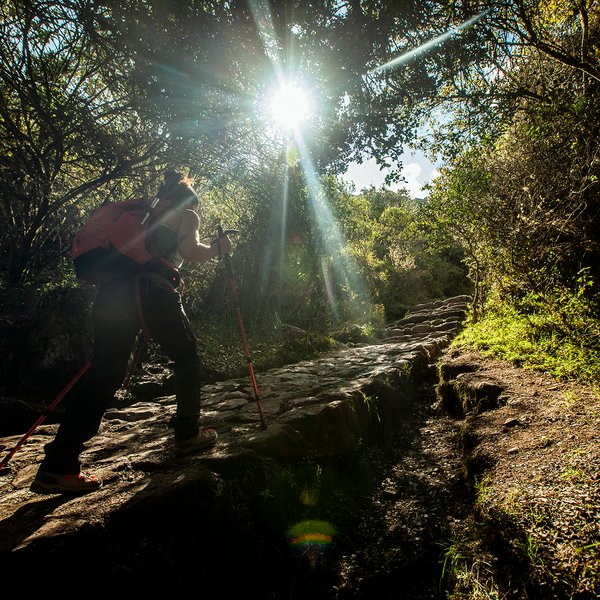
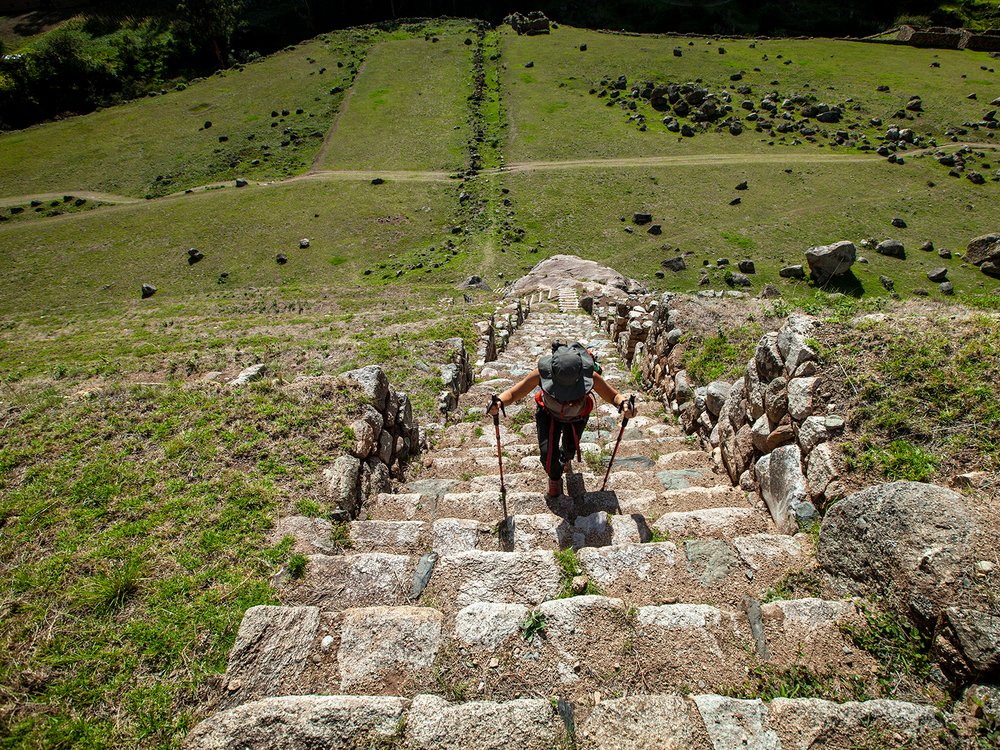
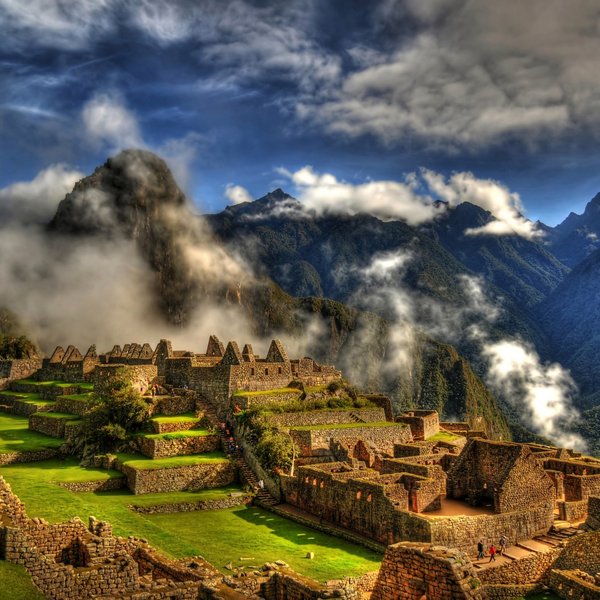
The Inca Trail is a stone road the Incas built to reach Machu Picchu, the only multi-day route that ends at the citadel on foot still to this day, through Inti Punku (Sun Gate).
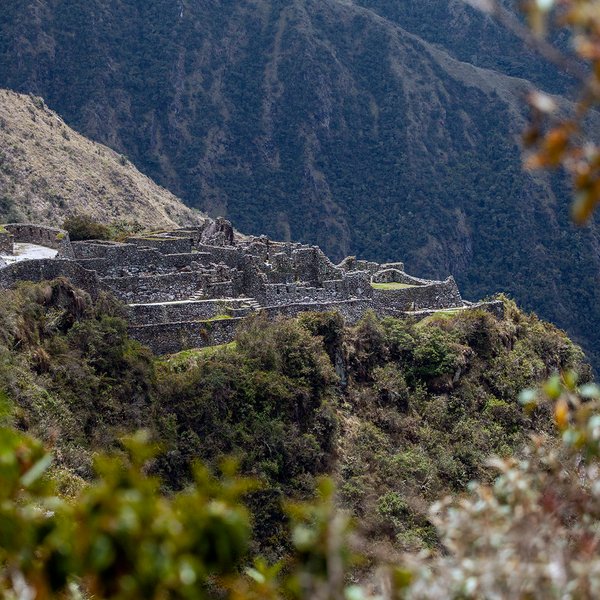
The classic version covers about 44 km (27 mi) in four days of walking, climbs to 4,228 m (13,871 ft) at Dead Woman’s Pass, and passes Inca sites like Runkuraqay, Sayacmarca, and Wiñay Wayna that no road reaches.
It is also the only trek on this list with a daily quota. Permits are issued in your name by Peru’s Ministry of Culture only through licensed operators; they cannot be changed or transferred. The trail closes every February for maintenance.
- Best for: first-time trekkers who want history and the classic arrival at Machu Picchu.
- When: March to December; book May to September six months ahead.
- The hard part: the long climb to Dead Woman’s Pass and the stone steps on the way down.
👉 Explore the adventure: Inca Trail to Machu Picchu: Premium 5-Day Trek (permit and Machu Picchu ticket included)
2. Salkantay Trail: the big alternative to the Inca Trail
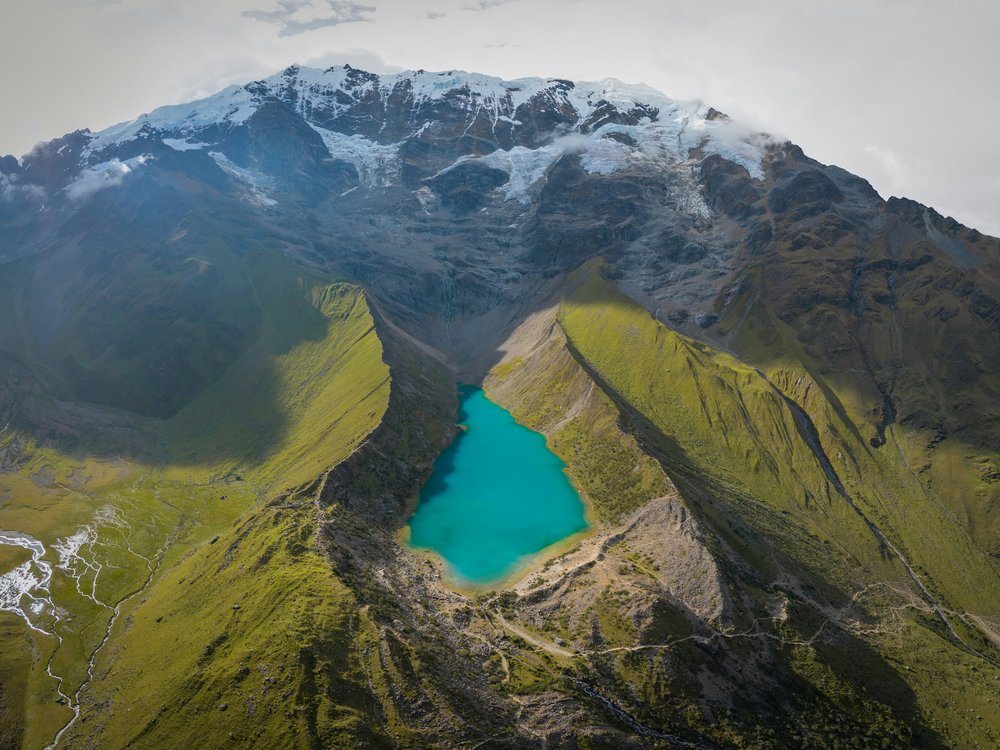
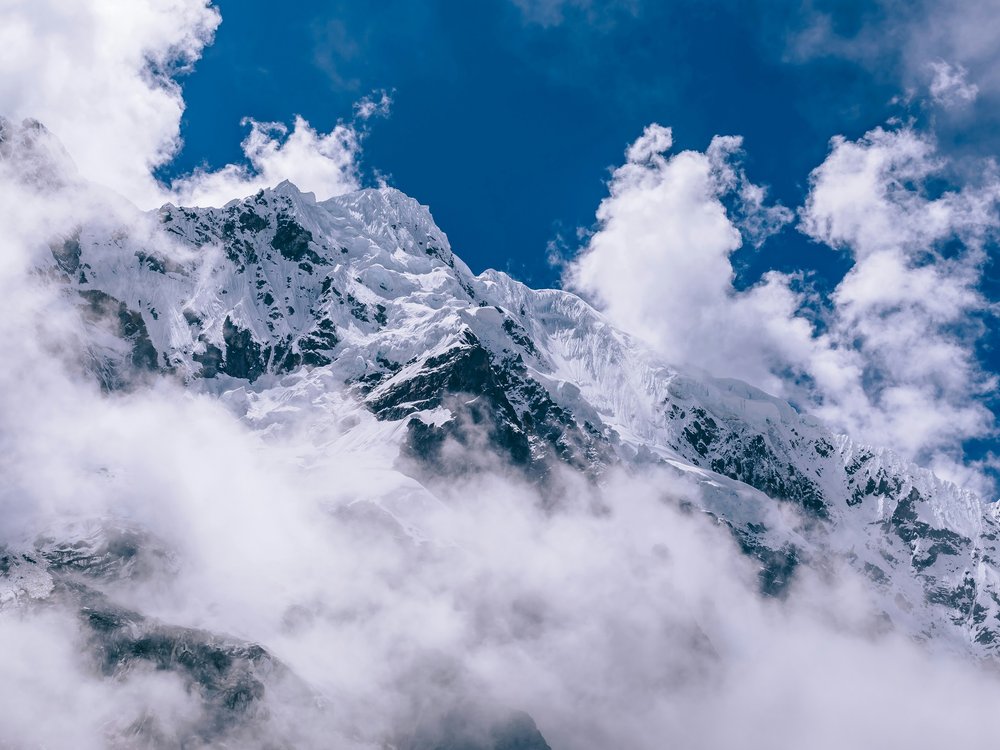
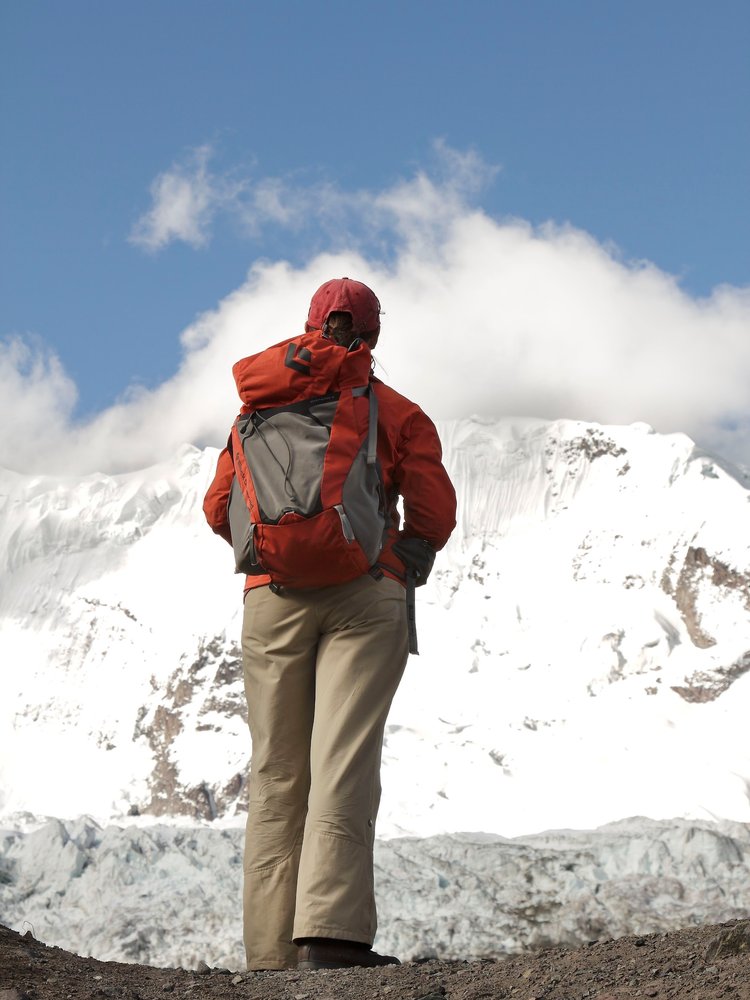
The Salkantay Trail crosses the shoulder of Salkantay Mountain (6,271 m/20,574 ft), one of the highest peaks near Cusco, and then drops into cloud forest and coffee farms on the way to Machu Picchu.
In a few days, you walk from glacier views at 4,630 m (15,190 ft) down to about 1,800 m, which makes it the most varied of the hikes to Machu Picchu.
There is no permit limit, so it is the easiest trek to book at short notice. It also comes in more versions than any other trek in Peru:
| TRIP | DISTANCE ON FOOT | WHAT MAKES IT DIFFERENT |
|---|---|---|
| 5-day Salkantay Trek: The Classic Route to Machu Picchu | ~60 km (37 mi) | Humantay Lake, a coffee farm, the Inca site of Llactapata; a bed every night (Andean cabin, mountain hut, or geodesic dome). |
| Off the Beaten Path Salkantay Trek: 5 Days | ~56 km (35 mi) | Little-walked valleys, with three nights in camp. |
| 7-Day Luxury Salkantay Trek | ~54.5 km (34 mi) | Lodge-to-lodge, over the pass at 4,636 m (15,210 ft), with all meals included. |
| 8-day Salkantay Trek with the Sacred Valley | ~60 km (37 mi) | A Sacred Valley day (Moray, Maras, Ollantaytambo) and three extra nights in Cusco. |
Salkantay vs. Inca Trail? Salkantay is longer, higher, and more about mountains than ruins, ending in Aguas Calientes, the town below Machu Picchu. The Inca Trail is shorter, has more archaeology, and walks you straight into the citadel.
- Best for: hikers who could not get an Inca Trail permit or who prefer glaciers to ancient ruins.
- When: April to October; May to September for the clearest views.
- The hard part: the pass day, the highest point of the trek.
👉 Explore the adventure: Salkantay trek tours
3. Lares and Salkantay: villages, weavers, and an Inca pass
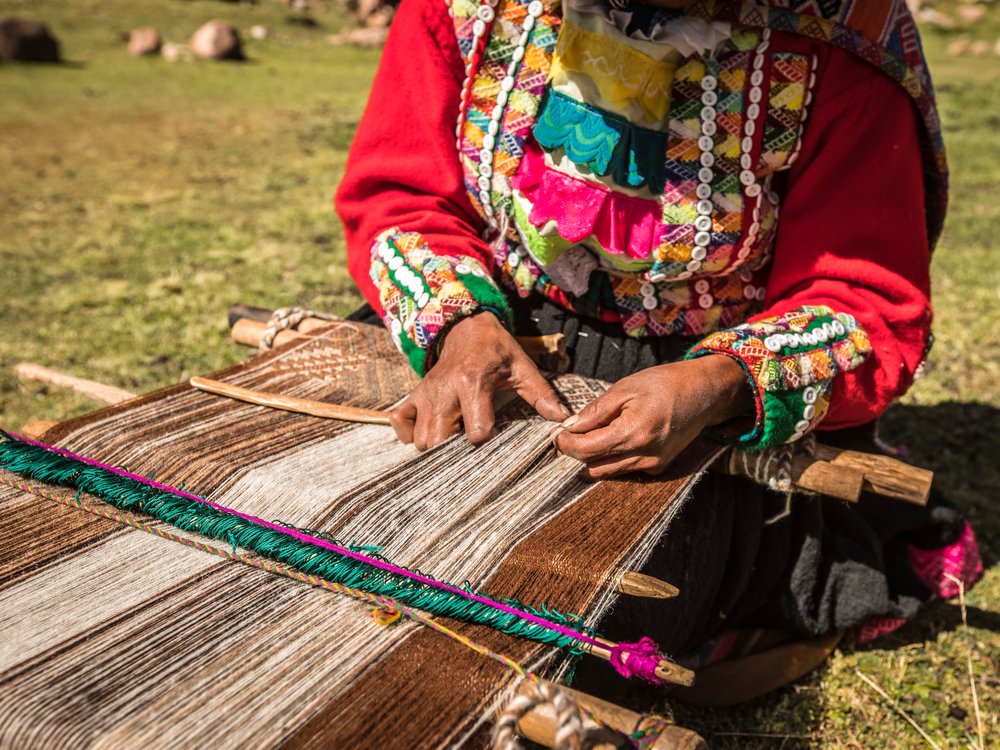
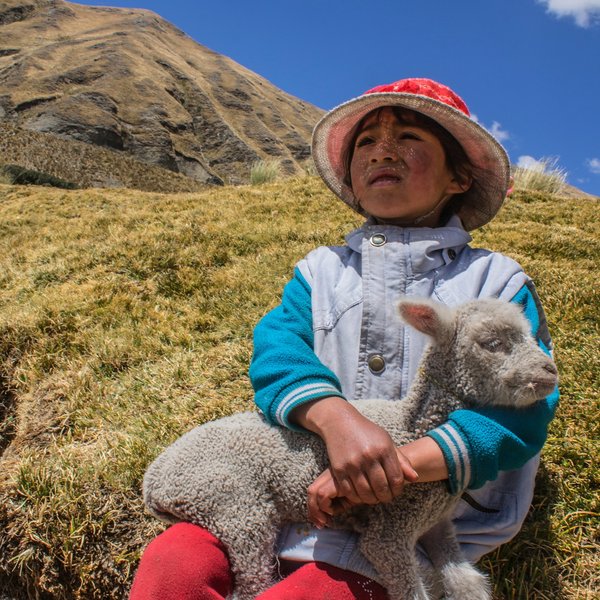
The Lares region is the cultural side of hiking in Peru. The trails cross Quechua villages where families still herd alpacas and weave with wool dyed with plants and minerals.
Our 10-Day Andes Trek and Cultural Immersion joins the two areas. Visit the villages of Viacha and Huilloq and sleep at Huacahuasi Lodge, built and run with the local community, then cross the Salkantay Pass at 4,636 m (15,210 ft) on Day 6 and follow original Inca steps over the Llactapata Pass (2,736 m) for a rare view of Machu Picchu from the southeast. Overnights are in mountain lodges.
- Best for: travelers who want culture and comfort as much as altitude.
- When: April to October.
- The hard part: Day 6 over the Salkantay Pass; the first three days are flexible to help you acclimatize.
4. Ancascocha and the Short Inca Trail: for when permits sell out
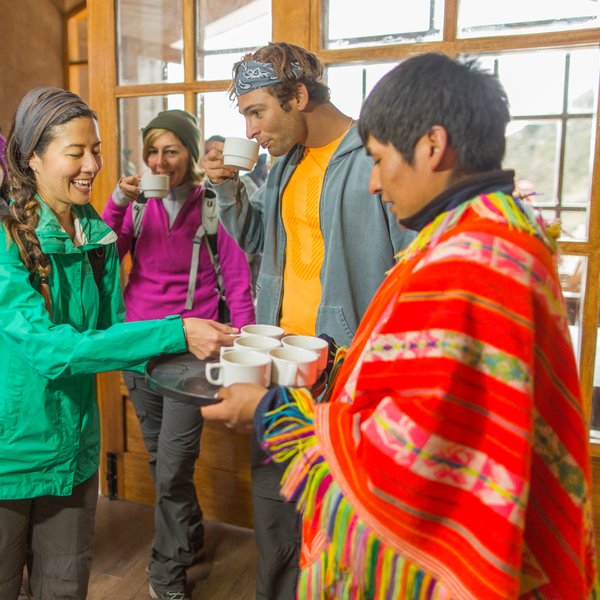
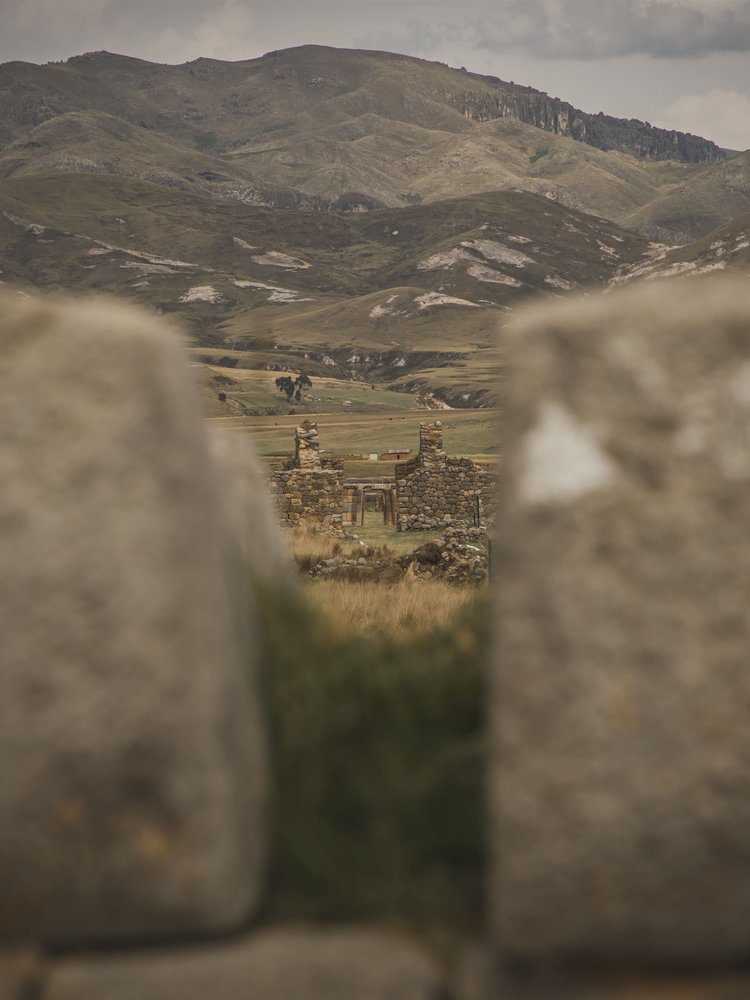
The Ancascocha trek is the quiet way to arrive at Machu Picchu through the Sun Gate. It crosses remote Andean valleys, where you may not meet another group all day, and climbs to a pass at 4,500 m (14,764 ft) facing the Huayanay Glacier.
On our 5-Day Ancascocha Trek and Short Inca Trail, walk about 34 km on the Ancascocha route with three nights in camp, then take the train to Km 104 and hike the 11.7 km Short Inca Trail past Wiñay Wayna to the Sun Gate, the same last steps as the classic trail. The total is about 46 km (29 mi).
- Best for: experienced hikers who want the Sun Gate without the crowds.
- When: April to December.
- The hard part: the high pass and long days in remote country.
5. Santa Cruz Trek: the Cordillera Blanca in four days
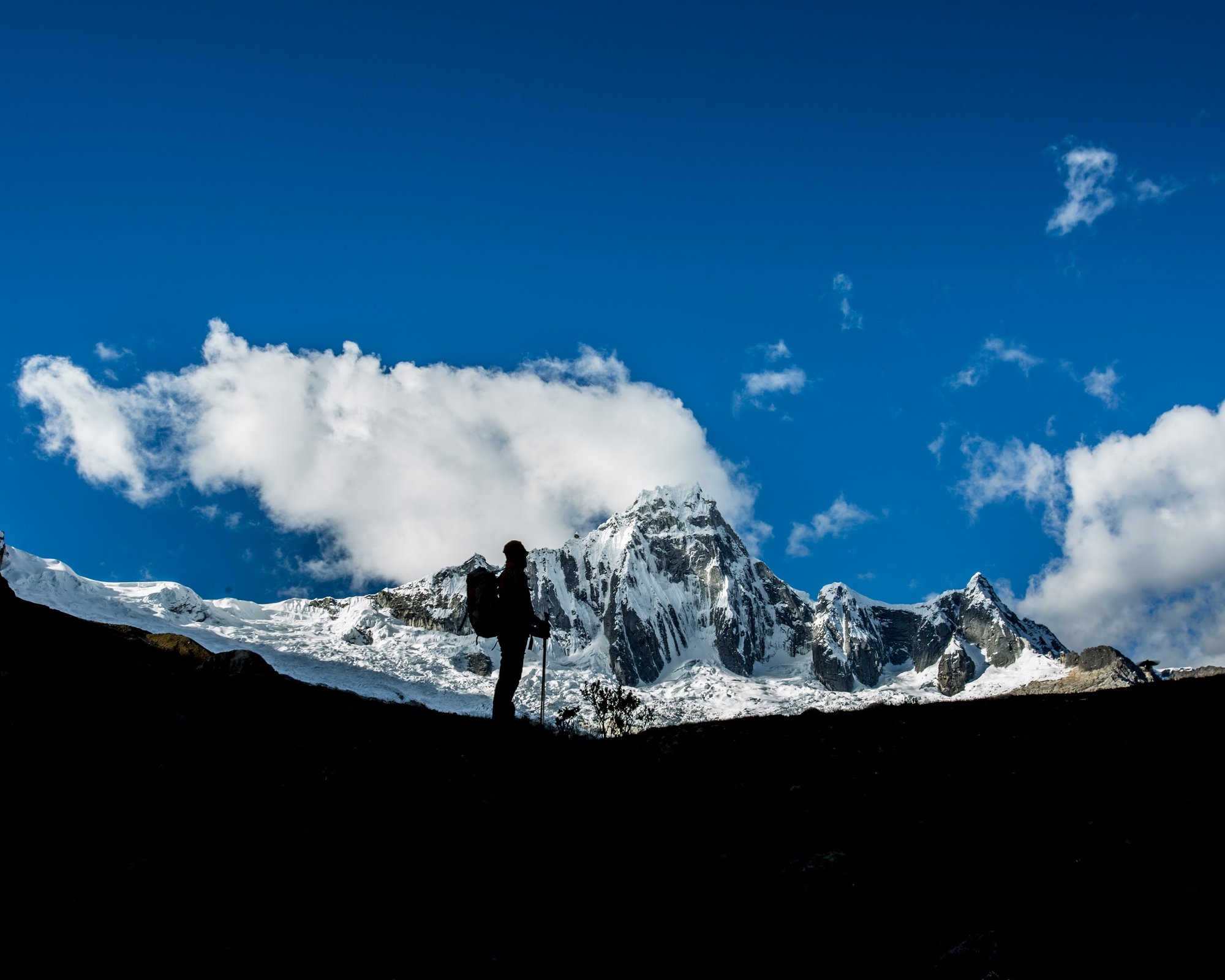
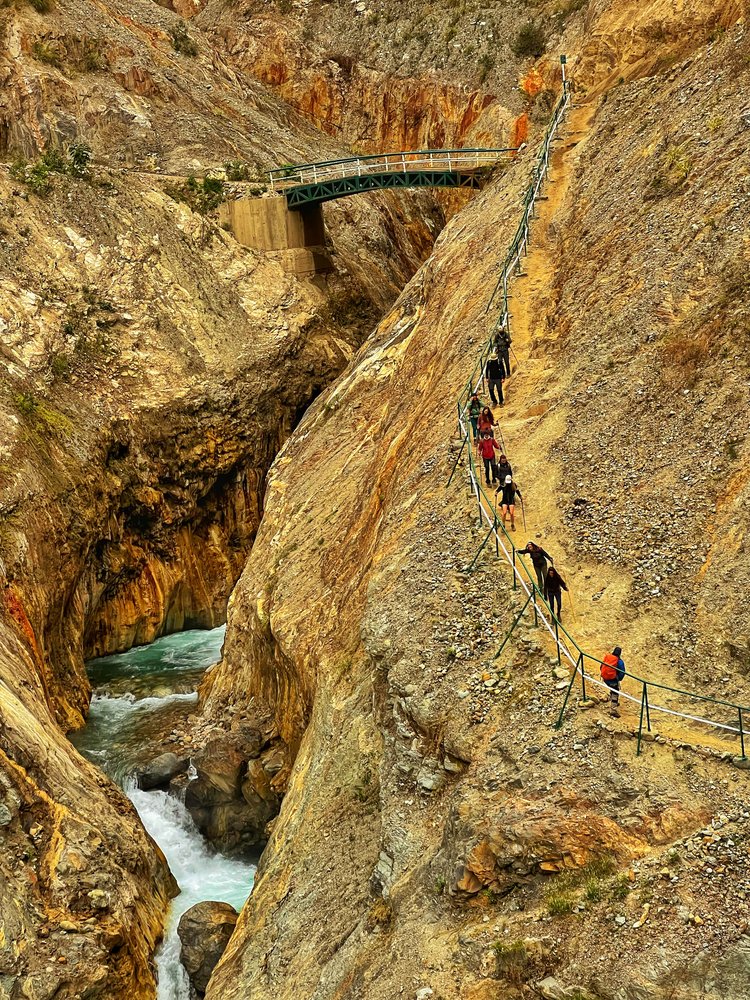
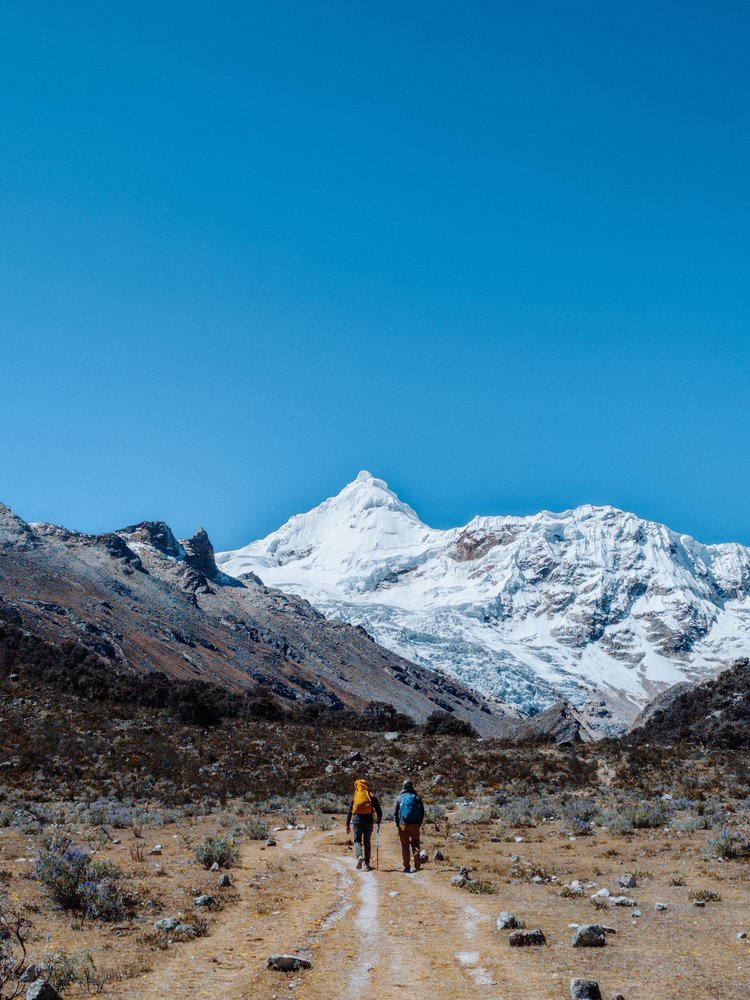
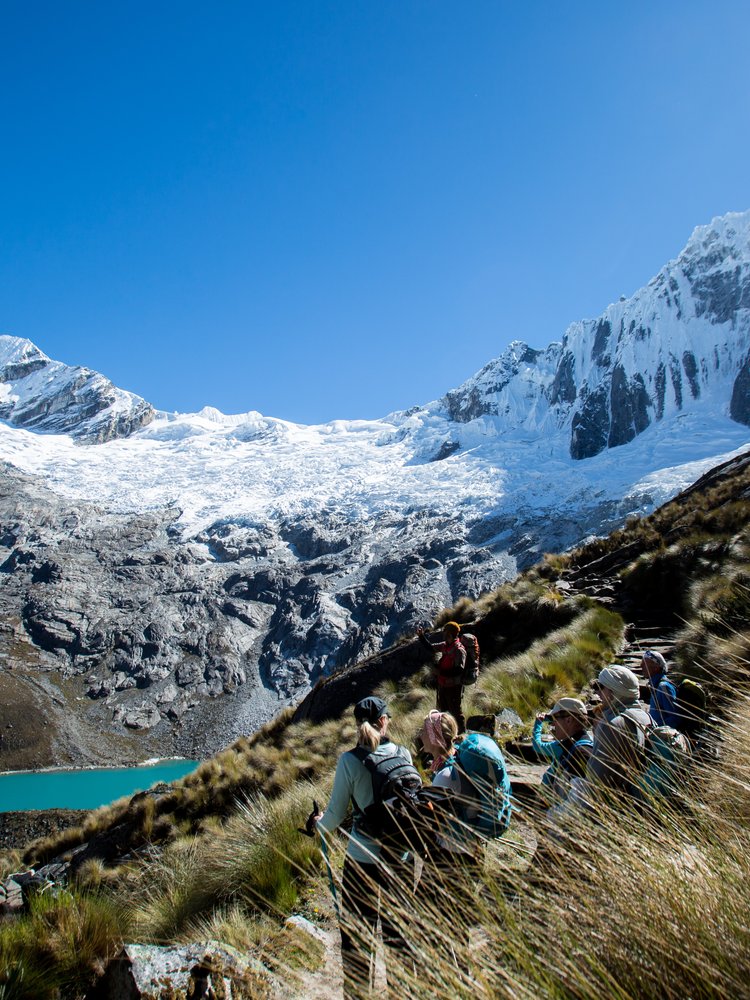
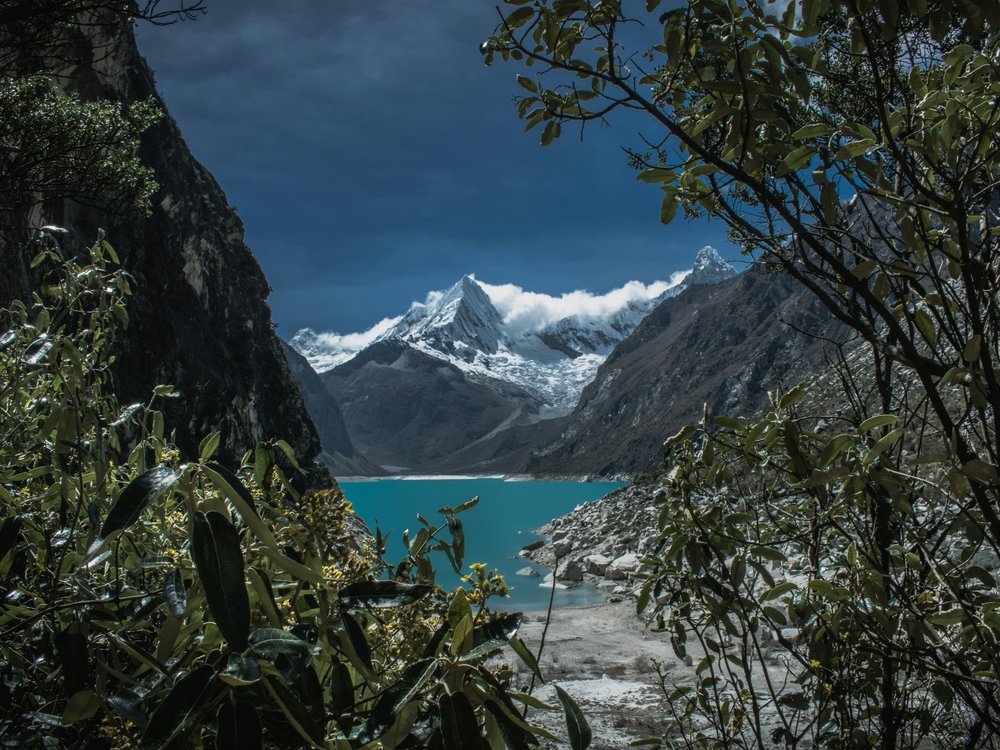
The Santa Cruz Trek is the best introduction to the Cordillera Blanca, the highest tropical mountain range in the world, inside Huascarán National Park. In four days, walk past turquoise glacial lakes and under peaks of more than 6,000 m, including Alpamayo, and cross one big pass: the Punta Unión at 4,750 m (15,584 ft).
The pass day is the hardest, with close to 1,000 m of climbing, and the last day is all downhill. Since it is shorter and better marked than Huayhuash, many hikers call it the best trek in Peru for first-timers in high altitude.
Our 6-day Santa Cruz Trek in Cordillera Blanca adds two acclimatization hikes from Huaraz, with hotel nights, before about 46 km (29 mi) on foot and three nights camping. The Huascarán National Park charges an entrance fee.
- Best for: a first trek above 4,500 m (14,763 ft) or a short trip to the Peruvian Andes.
- When: April to October; July and August are the busiest months.
- The hard part: the climb to Punta Unión on the second day.
👉 Explore the adventure: Huaraz trekking tours
6. Ausangate and Rainbow Mountain: the highest trek near Cusco
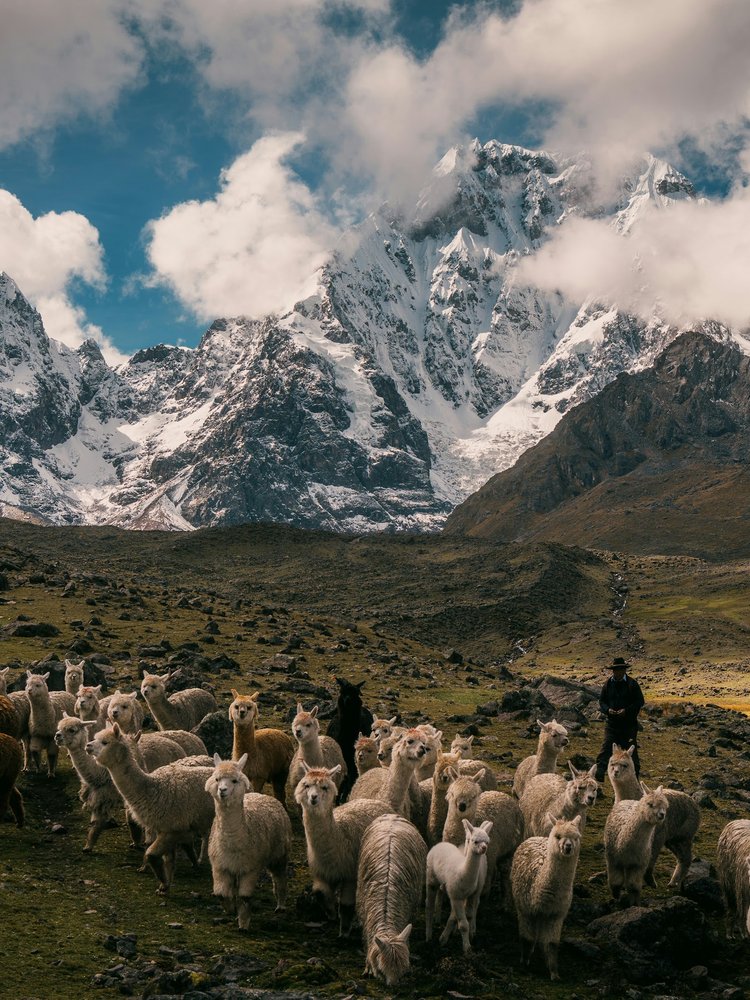
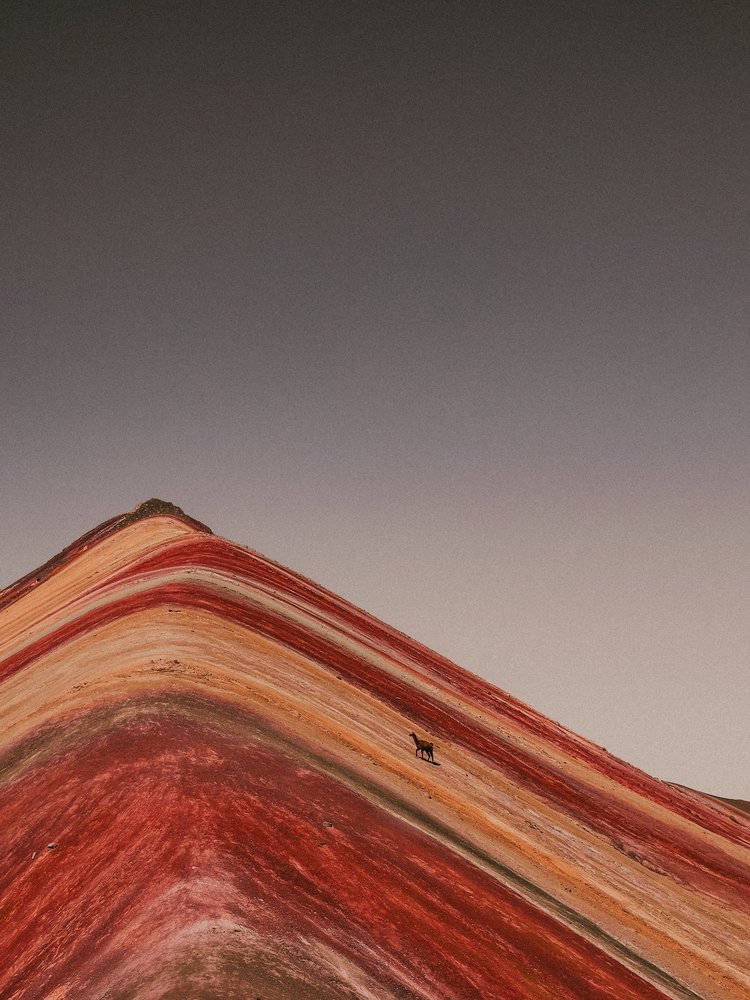
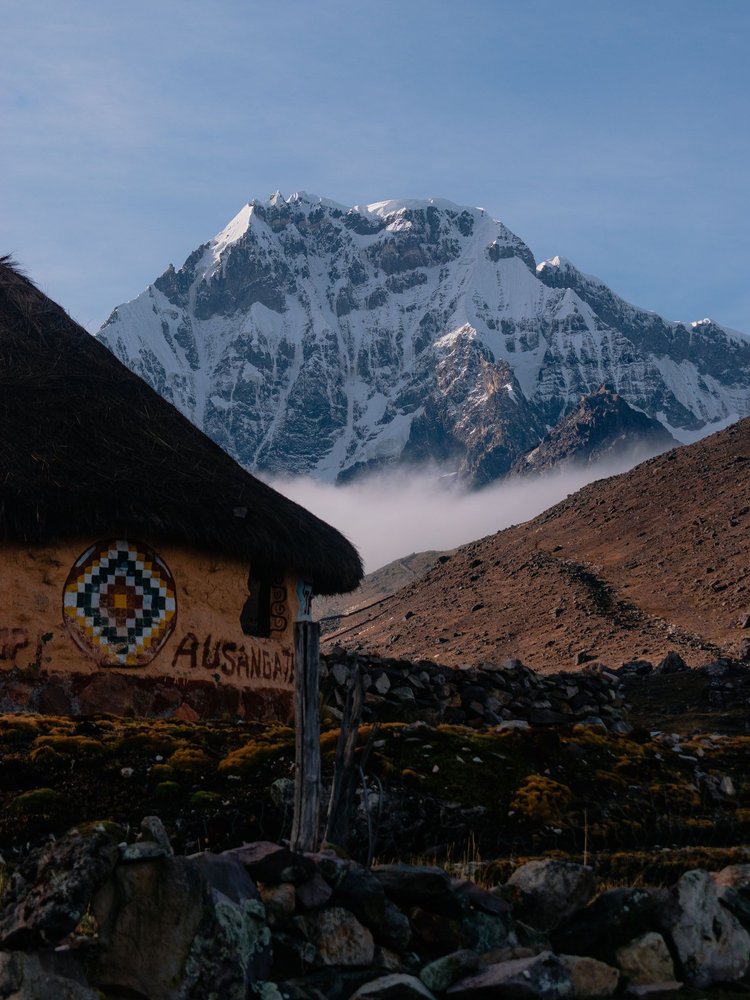
Reaching the highest altitude on this list, the trek surrounding Ausangate (6,384 m / 20,944 ft) loops around the most sacred peak in the Cusco region. Every night is spent above about 4,300 m, two passes come close to or above 5,000 m, and the trail crosses glaciers, red and ochre slopes, alpaca herds, and turquoise lakes.
This is also the best way to see Vinicunca, aka the Rainbow Mountain (5,015 m/16,453 ft): arrive from the back, early in the day, before the buses from Cusco.
There are two ways to do it:
| TRIP | DISTANCE ON FOOT | HIGHEST POINT | WHAT MAKES IT DIFFERENT |
|---|---|---|---|
| Ausangate Trek: 5-Day Guided Camping Circuit | ~52 km (32 mi) | 5,050 m/16,568 ft (starting from 4,168 m/13,675 ft). | Four nights in camp and a soak in the Pacchanta hot springs at the end. |
| Ausangate Lodge to Lodge Trek: 5 Days via Rainbow Mountain | ~52 km (32 mi) | 5,150 m (16,896 ft) at Palomani Pass, on Day 3. | Rainbow Mountain on Day 4; four stone lodges with beds, thermal duvets, and private hot-water bathrooms; llamas carry your bags. |
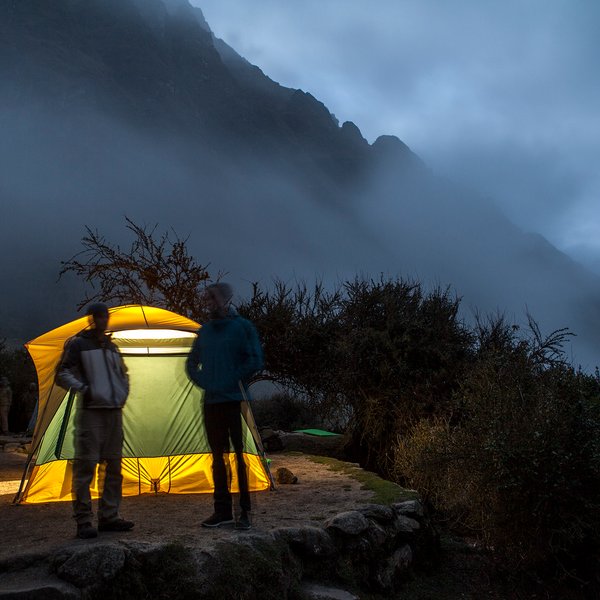
At this altitude, nights in a tent are very cold, which is why the lodge version exists. Either way, do this trek after at least 3 to 4 days in Cusco or after another trek, never right off the plane.
- Best for: fit hikers who want high passes, few people, and Andean culture.
- When: April to October.
- The hard part: the altitude, every day and every night.
7. Huayhuash Circuit: Peru’s toughest and most beautiful trek
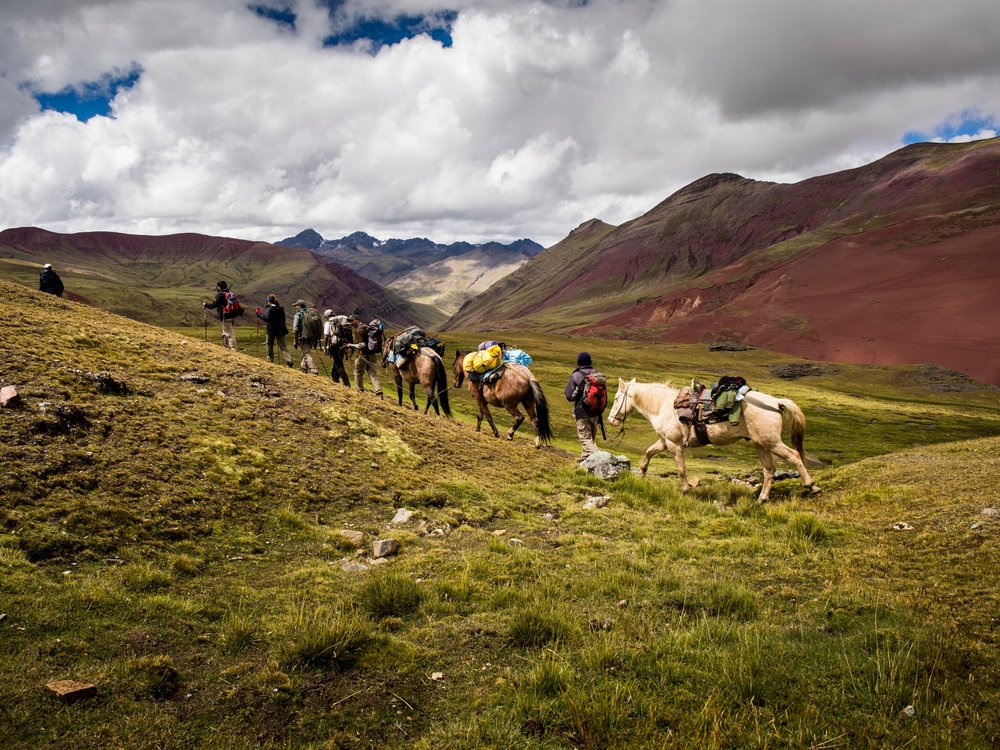
The Cordillera Huayhuash is small, about 30 km from end to end, but it packs in Yerupajá, Peru’s second-highest mountain at more than 6,600 m (21,653 ft), and Siula Grande, the peak of the book Touching the Void by Joe Simpson.
Considered one of the most beautiful mountain circuits in the world, it is also the most challenging among Peru’s best treks: the path crosses mountain passes almost every day, and the hiking rarely takes place below an elevation of 4,000 m (13,123 ft).
There is no national permit. Each community along the way manages its own campsites and charges a small fee, paid in cash; you can only camp in those sites.
| TRIP | DISTANCE ON FOOT | HIGHEST POINT | WHAT MAKES IT DIFFERENT |
|---|---|---|---|
| Huayhuash Trek: 8-Day Highlights | ~55 km (34 mi) | 4,800 m (15,748 ft), over three passes. | Two acclimatization hikes from Huaraz, then five nights camping beside Jahuacocha, Mitucocha, and Carhuacocha lakes. |
| Huayhuash Circuit: The Complete 14-Day Trek | ~92 km (57 mi) | 5,057 m (16,591 ft); 8 passes, two of them above 5,000 m/16,404 ft. | Two rest days and 11 nights in camp. |
- Best for: experienced trekkers with time and previous experience at altitude.
- When: May to September, the driest months.
- The hard part: the length, the cold nights, and the remoteness. The nearest road can be two days away.
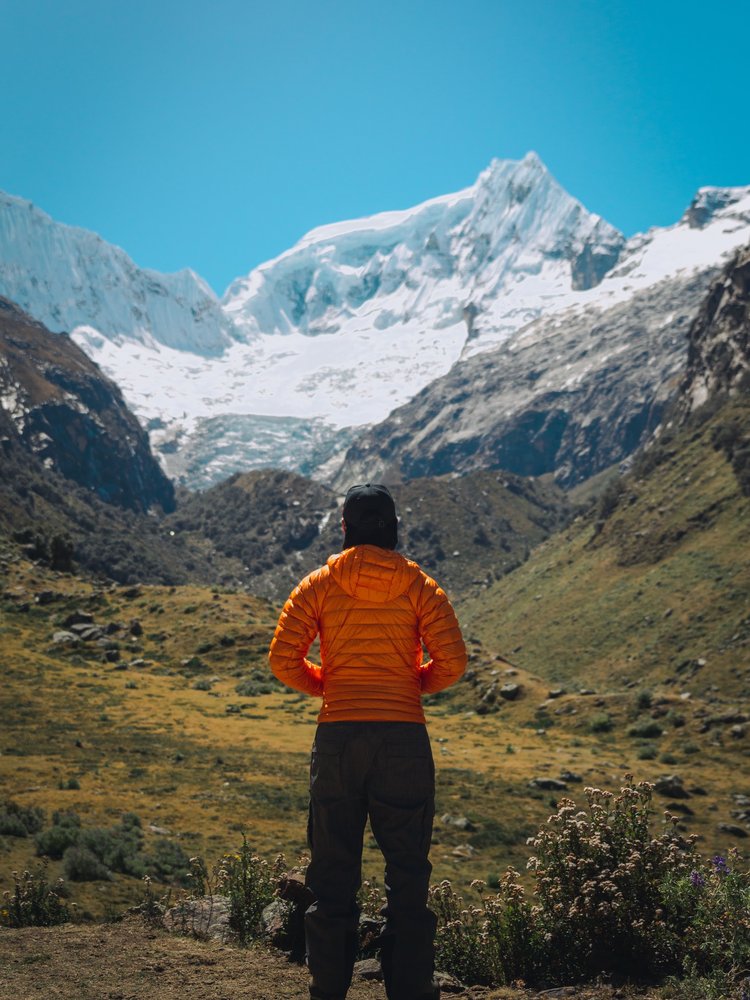
Which Peru trek is right for you?
- You have 5 days and want Machu Picchu: the Inca Trail if you can get a permit, the Salkantay Trek if you can’t.
- You want the Sun Gate without the crowds: Ancascocha and the Short Inca Trail.
- You don't want to sleep in a tent: the classic Salkantay, the luxury Salkantay, the Lares and Salkantay trek, or the Ausangate lodge trek.
- It is your first trek above 4,500 m: Santa Cruz.
- You want the highest views near Cusco: Ausangate and Rainbow Mountain.
- You want the hardest and wildest: the Huayhuash Circuit.
When to go hiking in Peru?
The trekking season follows the dry season in the Andes:
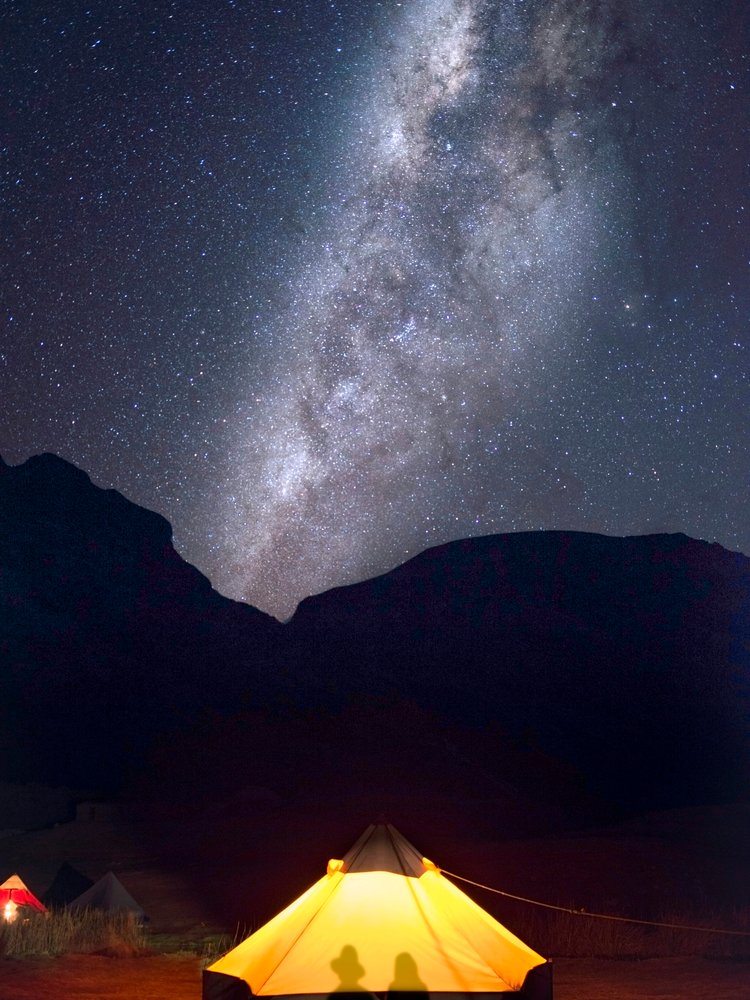
- May to September (dry season): clear skies and the best views, but the coldest nights. Expect frost at high camps, even in July. These are also the busiest months on the Inca Trail and Santa Cruz.
- April and October: a good middle ground, with fewer people and some rain.
- November to March (wet season): frequent rain, muddy trails, and clouds on the passes. Many Huayhuash operators stop departures, and the Inca Trail closes in February.
Even in the dry season, the weather in the high Andes can change in an hour, from strong sun to hail or snow on a pass. Pack for both.
Altitude: how to acclimatize for a good Peru hiking experience?
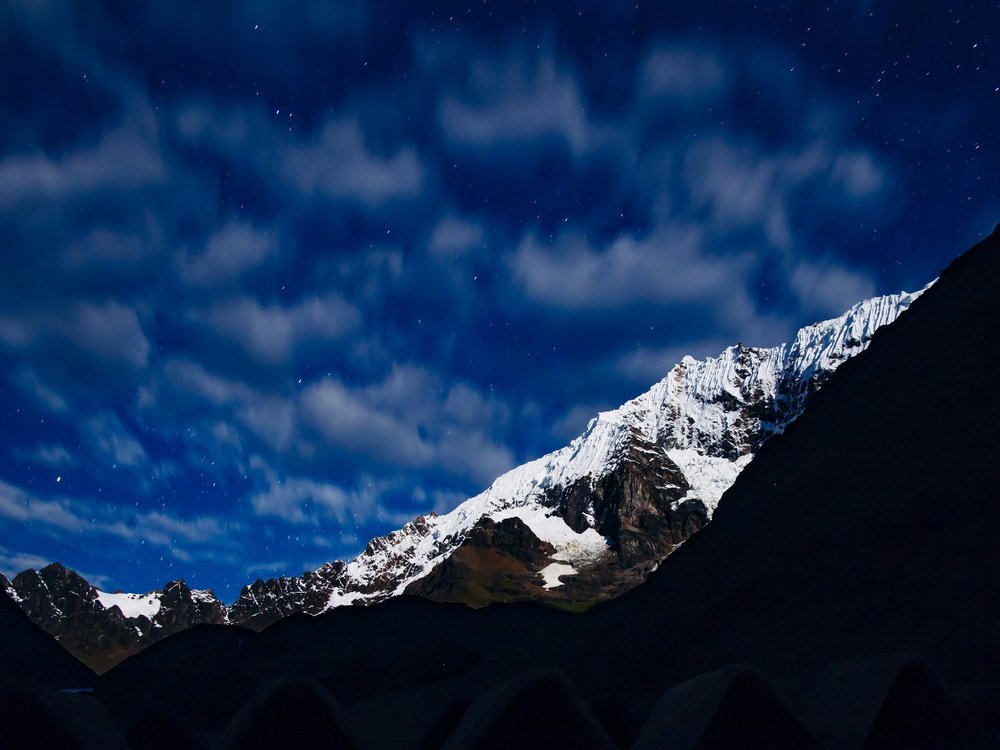
Altitude, not distance, is what makes hiking in Peru hard. Cusco sits at 3,350 m (10,990 ft) and Huaraz at 3,052 m (10,013 ft), while every trek on this list climbs well above 4,000 m (13,123 ft). The most common mistake is starting a trek the day after you land.
- Treks from Cusco: spend at least 2 to 3 days in Cusco first and 3 to 4 days before Ausangate.
- Treks from Huaraz: plan 2 to 3 days before Santa Cruz and 3 to 5 days before Huayhuash. Our Huaraz treks include two acclimatization hikes before the trail.
- On the trail: walk slowly, drink a lot of water, and tell your guide about any headache that gets worse. On all our treks, porters or pack animals carry the camping gear and your duffel bag, so you only carry a daypack.
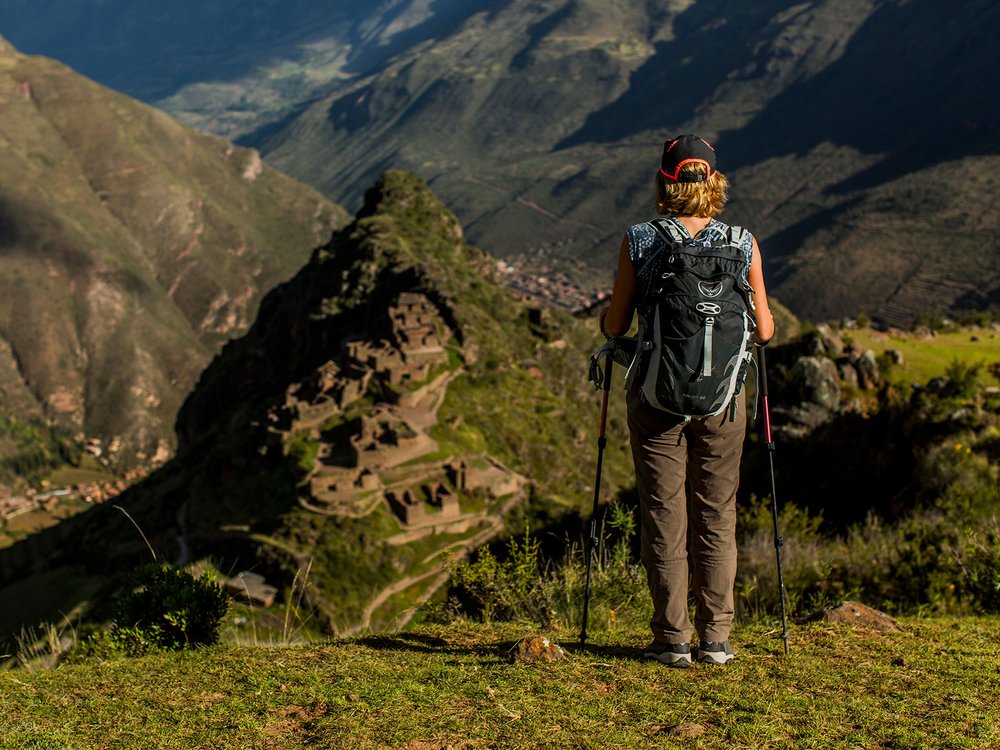
Hiking in Peru with PlanetaEXO
Now that you know the seven best treks in Peru, the next step is to choose the route that suits you best and make your booking!
PlanetaEXO is an ecotourism platform specializing in Peru tours. We work with a local team that has guided in the Andes for decades and take care of all the logistics so you don’t have to worry about anything other than enjoying the experience. Contact us now!


Leave a Reply