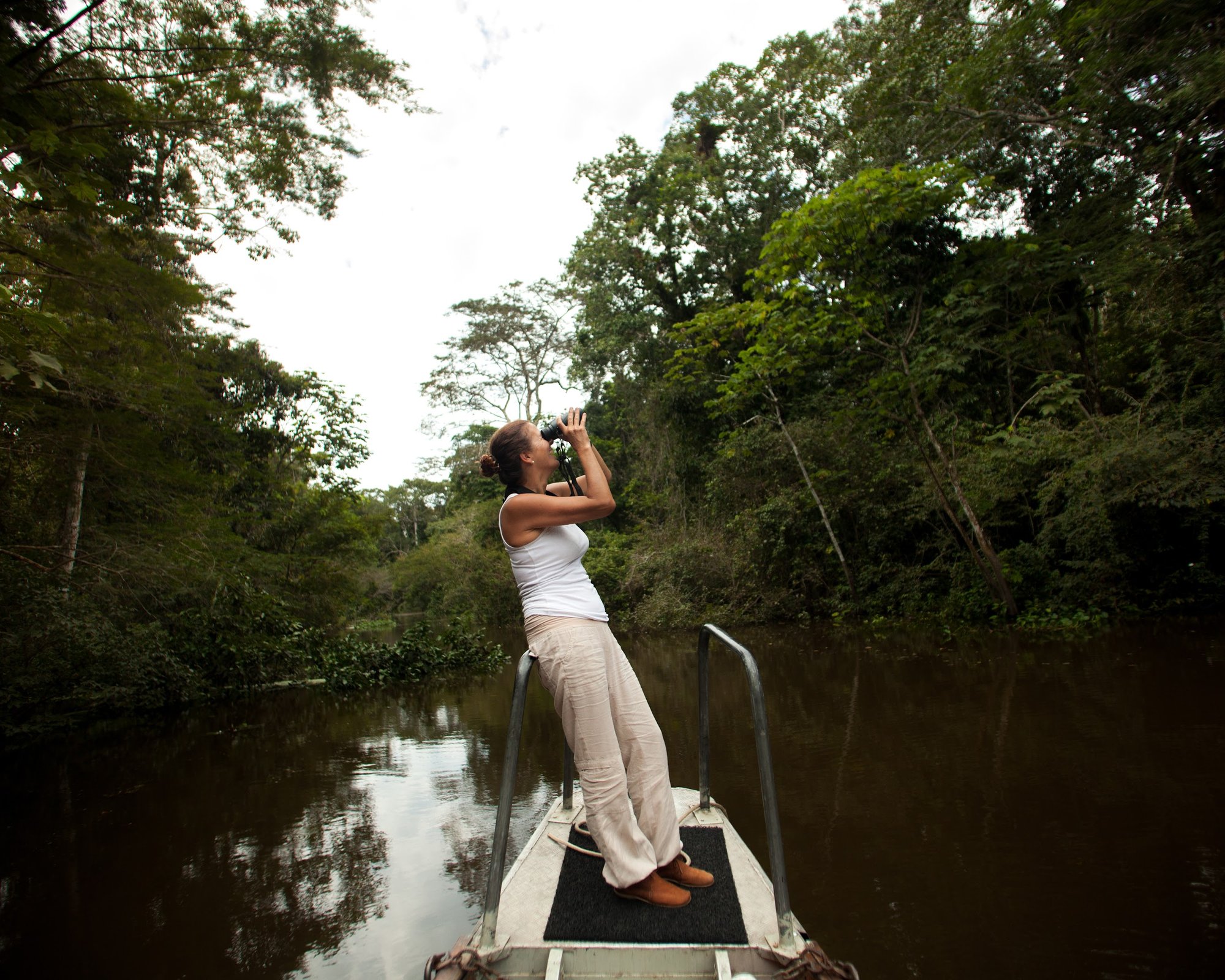
Jungle lodges in the Tambopata National Reserve or a river cruise from Iquitos? See travel times, wildlife, costs, and seasons on both destinations in the Peruvian Amazon!
More than half of Peru is covered by the Amazon rainforest, yet the vast majority of visitors access it via two primary hubs: Iquitos in the northern and Puerto Maldonado in the south.
Sitting directly along the Amazon River, Iquitos holds the title of the world’s largest roadless city and serves as the launch point for river cruises sailing into Pacaya-Samiria National Reserve. Meanwhile, Puerto Maldonado—located just a one-hour flight from Cusco—acts as the gateway to immersive eco-lodges along the Tambopata River.
So when it comes to choosing between Puerto Maldonado and Iquitos, which one is for you? PlanetaEXO, an ecotourism platform specializing in Peru Amazon tours, has put together this guide to help you decide. Check it out below!
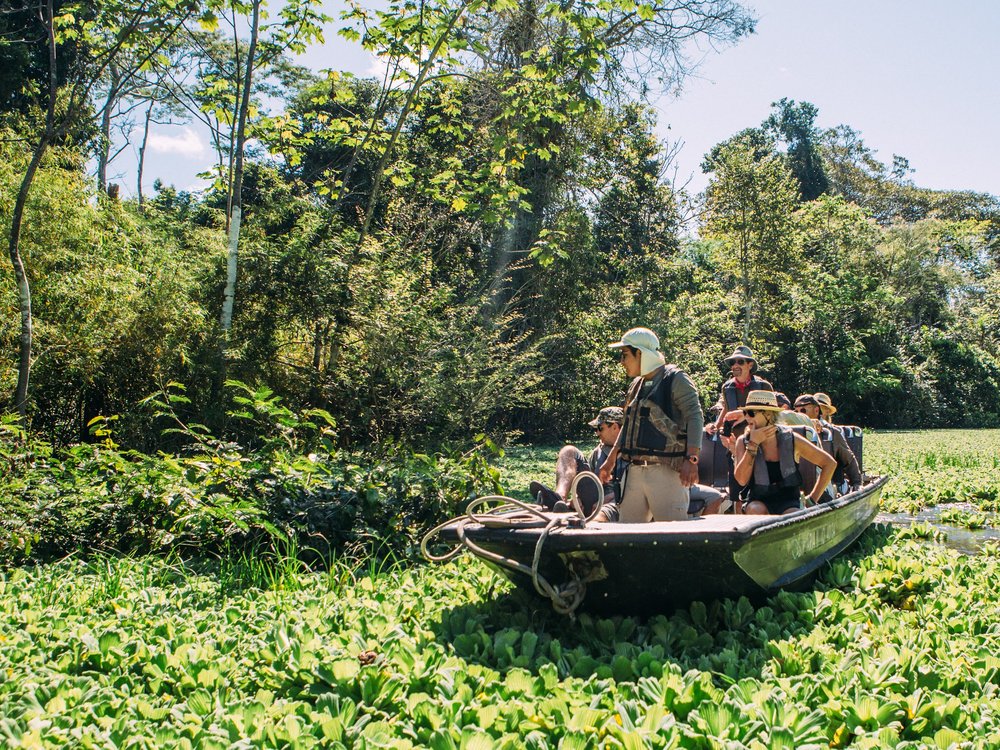
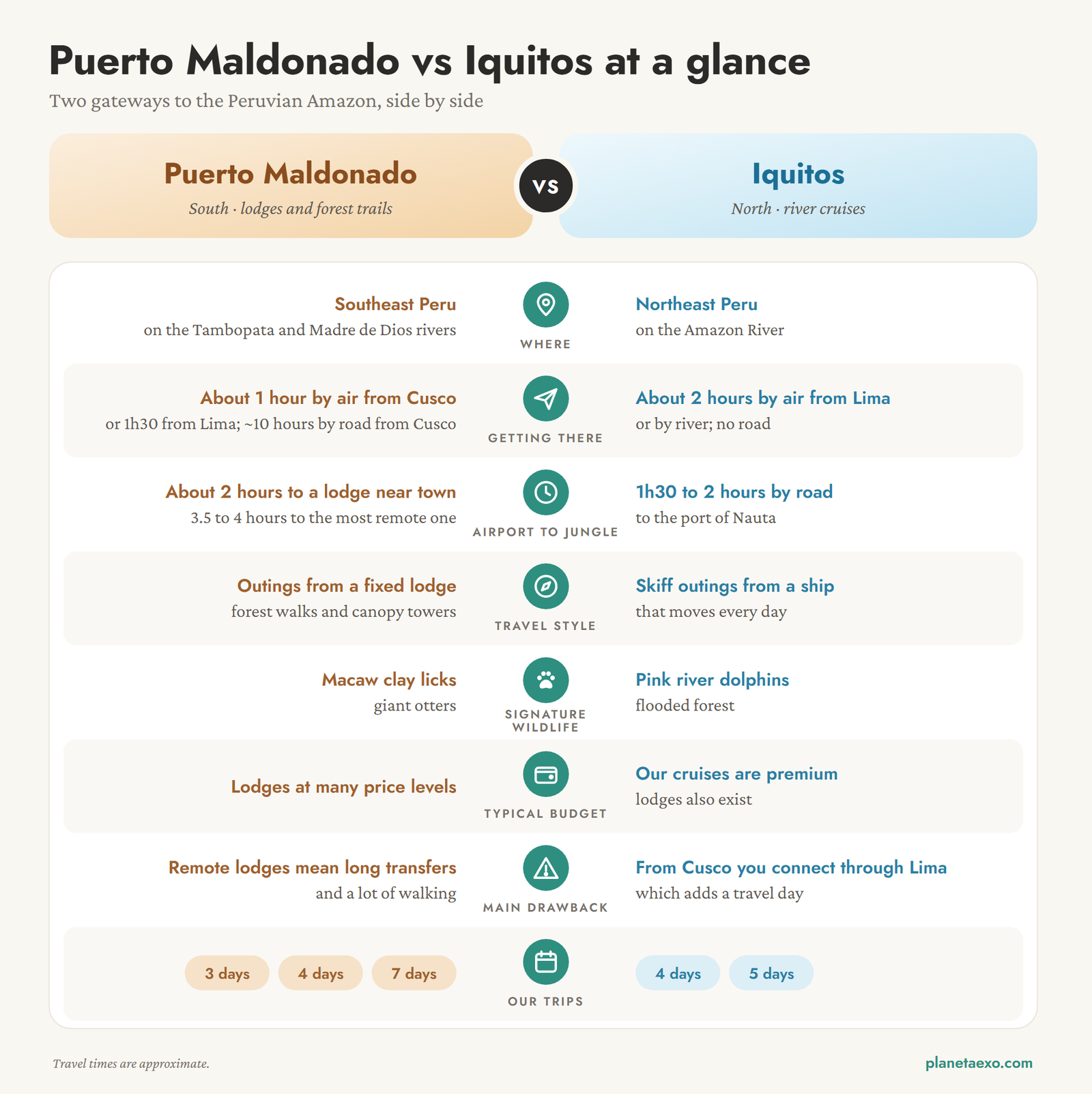
Puerto Maldonado vs. Iquitos at a glance
Before we break down all the details that will help you choose between Puerto Maldonado and Iquitos, this is the main information you should know to plan your trip:
Two different Amazons: North and South
The two parts of the Peruvian Amazon rainforest are separated by about 1,000 km (621 mi) and exhibit different features when viewed from the water.
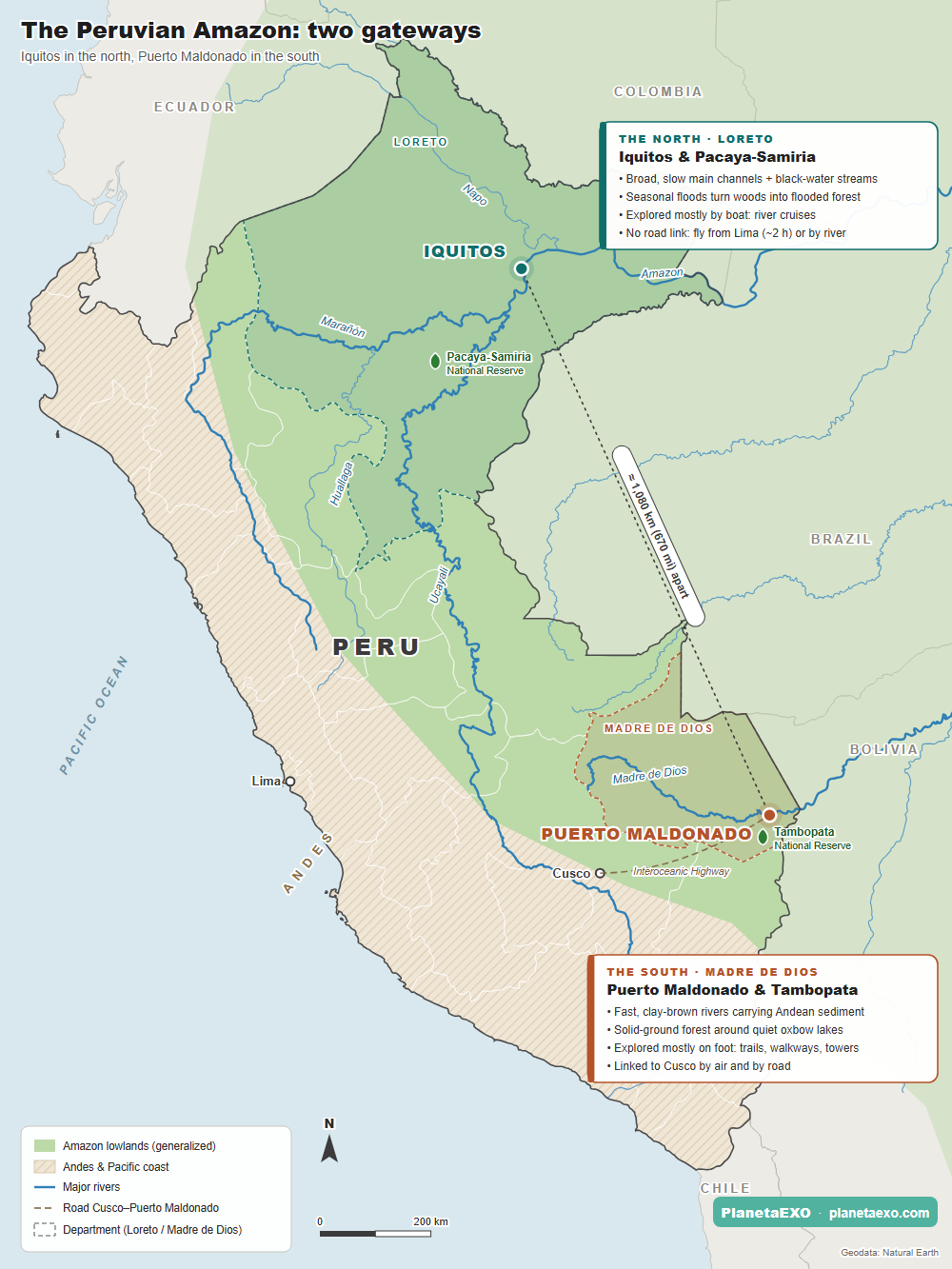
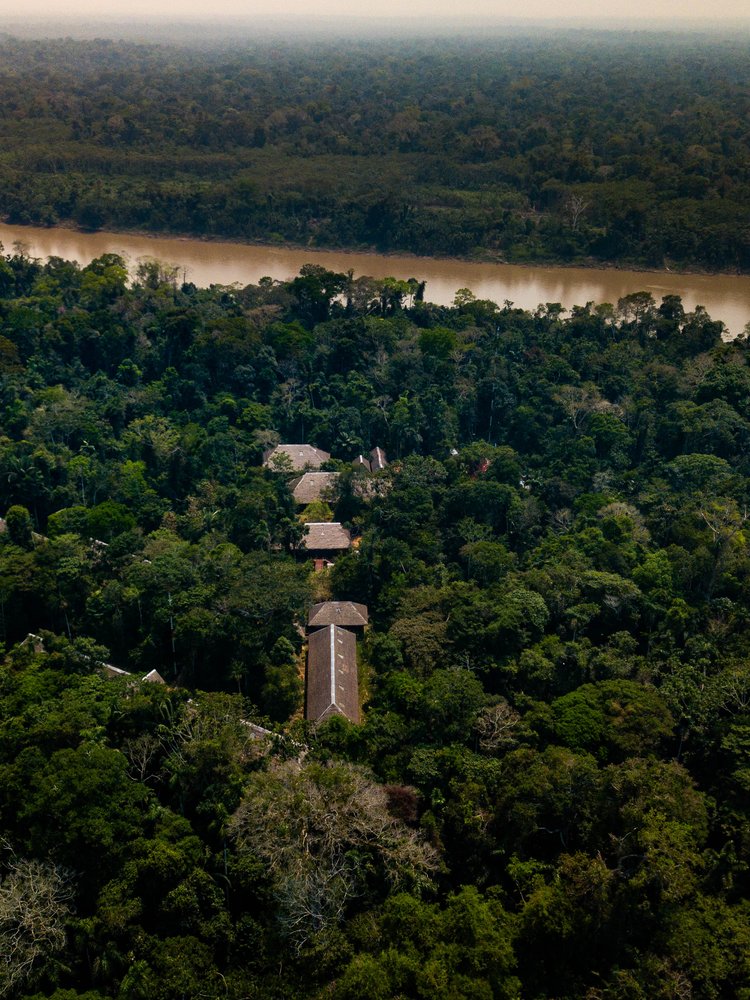
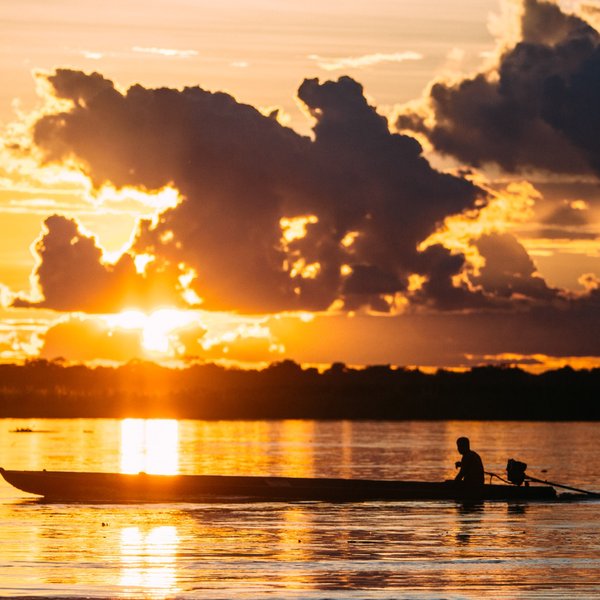
In Iquitos, main channels flow broader and slower alongside black-water streams, where seasonal rains swell the river banks and transform the surrounding woodland into a flooded forest. Around Puerto Maldonado, fast river currents carry Andean sediments, giving the waters a thick, clay-brown color. Here, a solid ground rainforest surrounds quiet oxbow lakes formed by former river bends.
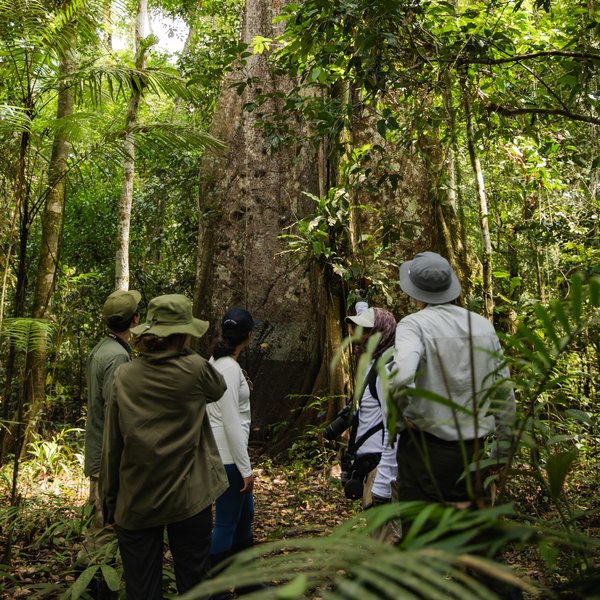
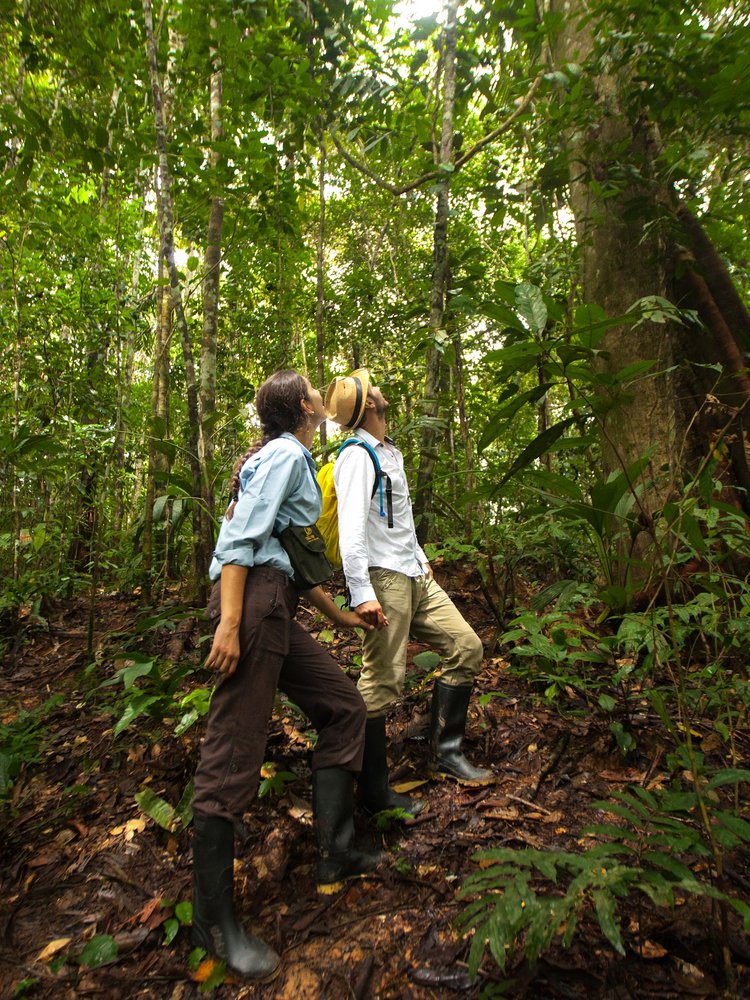
Naturally, this changes the activities. In Iquitos, in the north, more time is spent on boats that glide among the trees during the high-water months. In Puerto Maldonado, in the south, travelers primarily get around on foot—along forest trails, on walkways leading to lakes, and via stairways that ascend to viewpoints in the treetops.
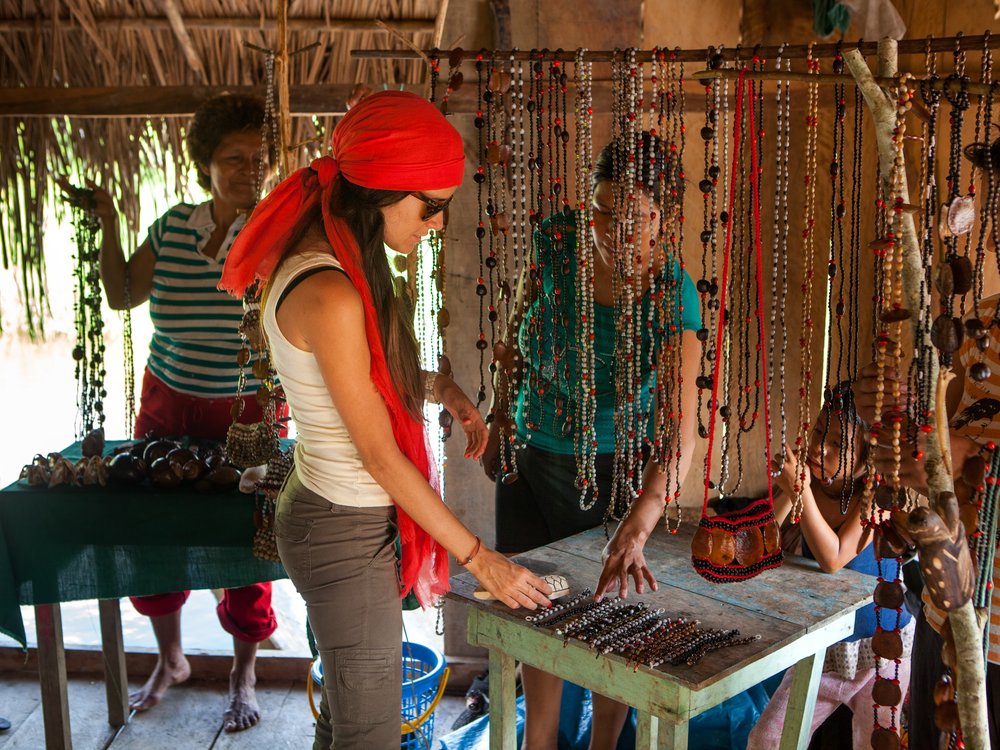
Puerto Maldonado and the Tambopata National Reserve: lodges, macaws, and giant otters
Puerto Maldonado is a small, busy frontier town. Almost every visitor heads straight out to a lodge by road and boat. Most lodges sit along the Tambopata River, on the edge of or inside the Tambopata National Reserve, one of the best places in the Peruvian Amazon to see macaws.
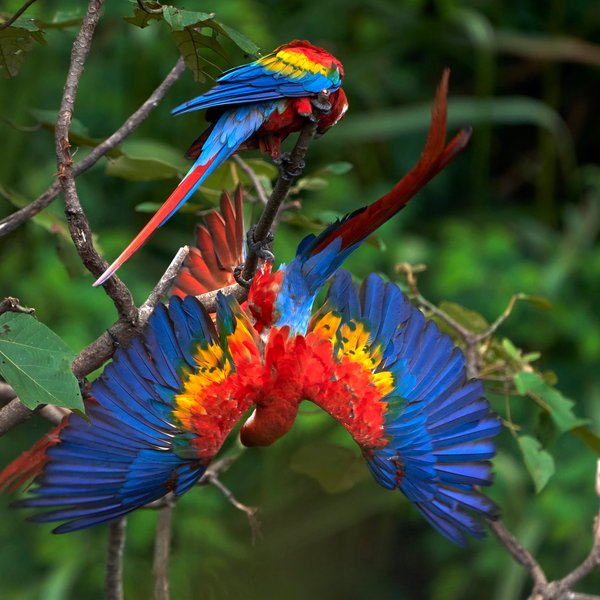
One of the main highlights is watching a macaw clay lick at first light. Hundreds of parrots and macaws gather at these mud cliffs to eat mineral-rich clay. On clear mornings, the birds drop to the cliff face in bright groups for 20 to 30 minutes, though a passing hawk or a boat close by can send them flying in seconds. Patience is key!
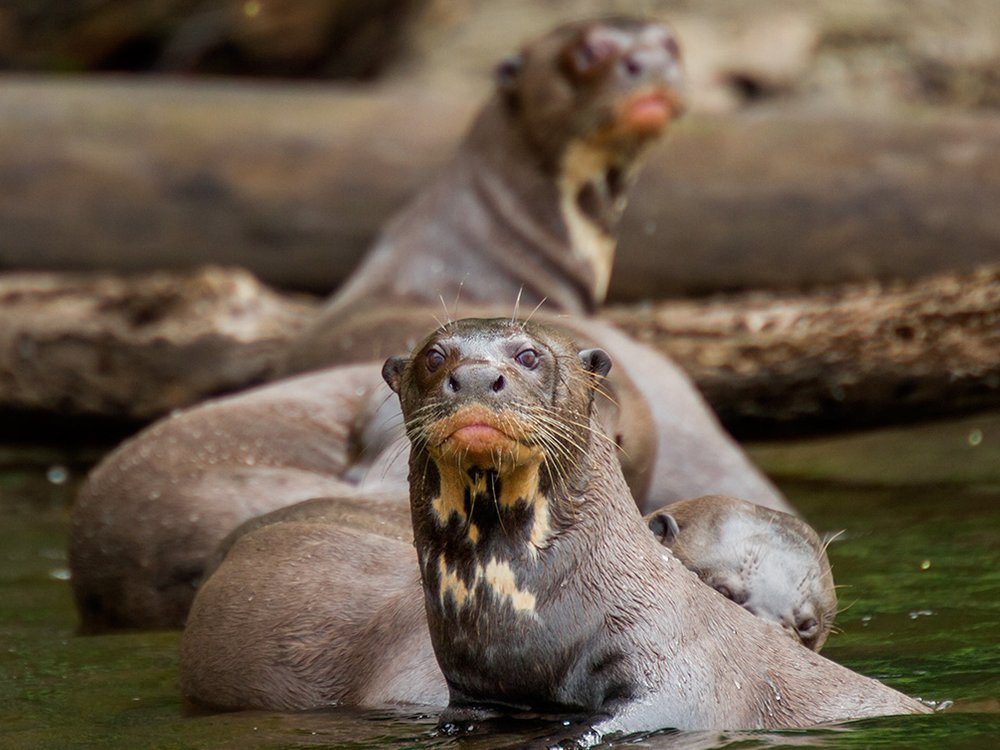
From the boat, travelers often see capybaras, caimans, and hoatzins. Some oxbow lakes are also home to families of giant otters, an endangered species that is hard to see in most of the Amazon.
The further upriver you go, the quieter the forest and the better your chances of seeing animals, though the journey is longer. Lodges a short boat ride from town are easier to reach, but they feel less wild. PlanetaEXO works with both:
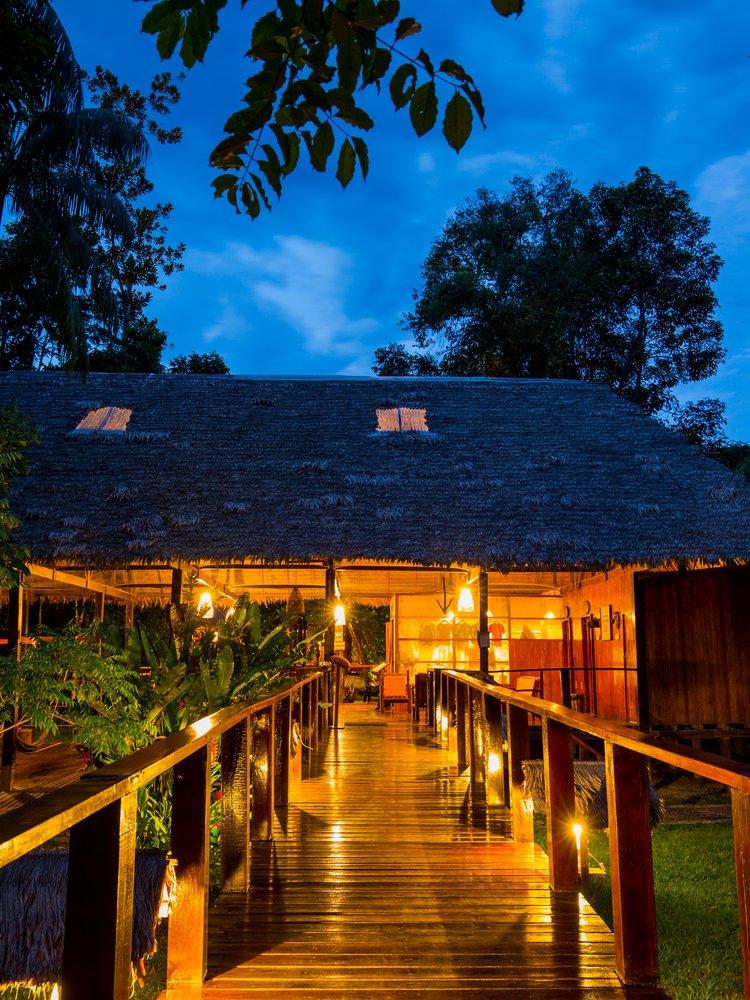
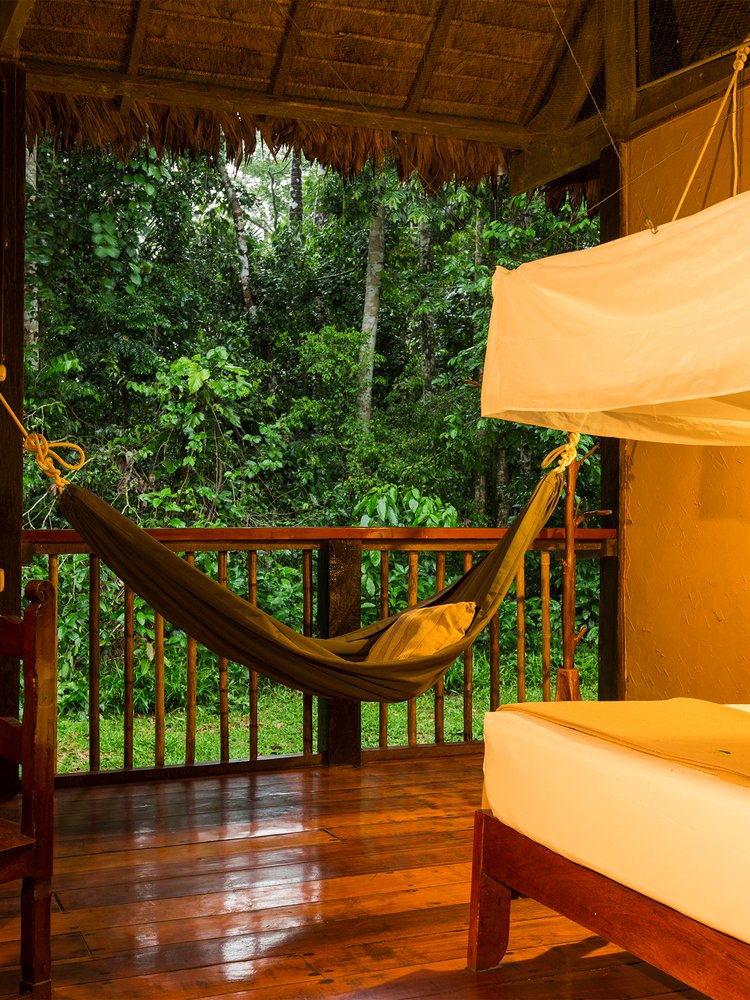
- Posada Amazonas: a lodge owned by the Ese Eja community, about 2 hours from the airport, featuring a 40 m canopy tower and crossing Tres Chimbadas Lake by catamaran. Around 60% of visitors see the family of nine giant otters that live nearby.
- Tambopata Research Center: the most remote lodge in the reserve, 3.5 to 4 hours each way. Watch a macaw clay lick from a hide 50 m from the cliff, climb a 30 m tower, and follow a 5 km primate trail. Jaguars can be spotted on the river in the dry season—though sightings cannot be guaranteed.
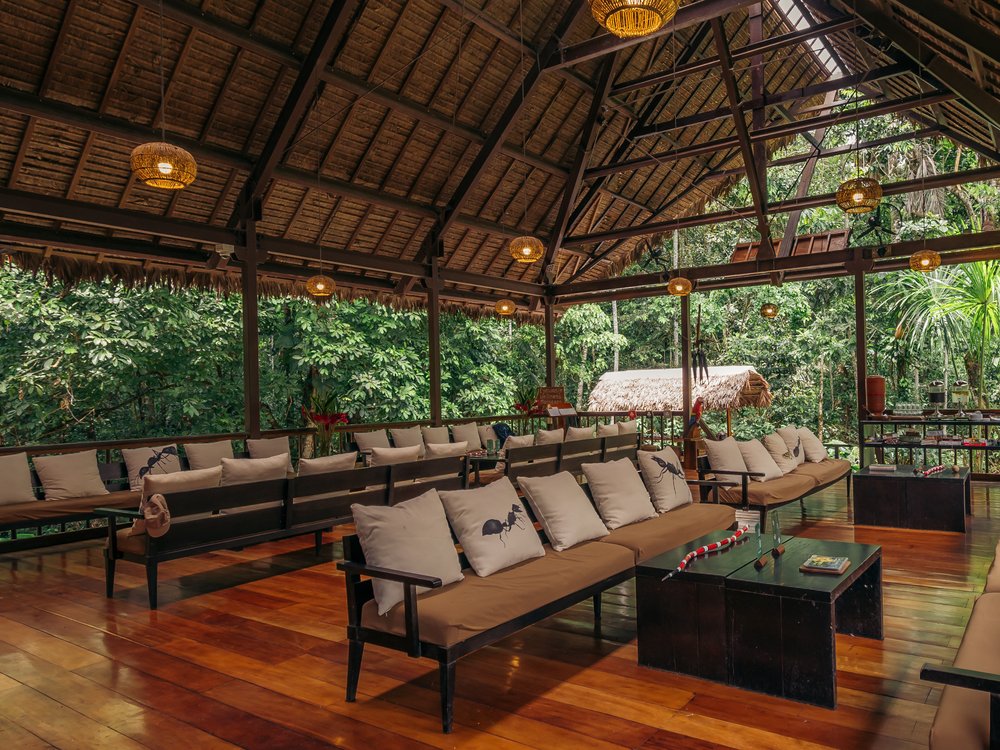
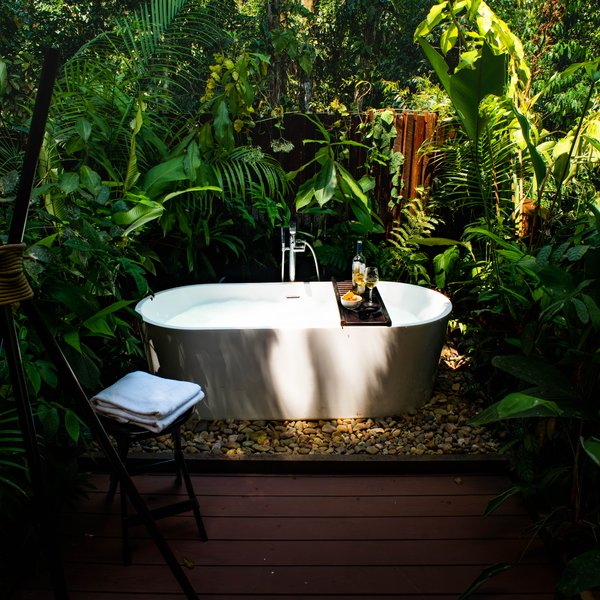
What to consider before choosing Puerto Maldonado: the remote lodges take several hours to reach, and most activities are on foot, in heat and humidity. You will not sail on the Amazon River itself; pink river dolphins are very rarely seen here.
Iquitos and Pacaya-Samiria: river cruises and pink dolphins
Because no roads link Iquitos to the rest of Peru, nearly all travelers arrive by air. Home to nearly half a million residents, the city prospered during the rubber boom of the early 20th century, an era still reflected in the grand tiled mansions along its riverbanks.
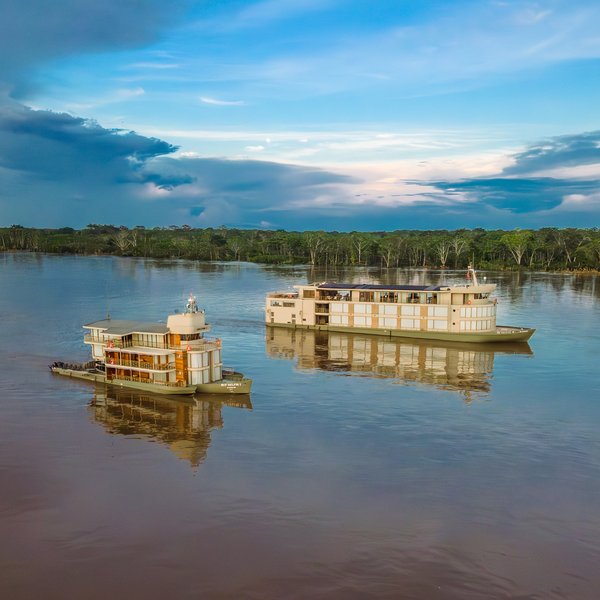
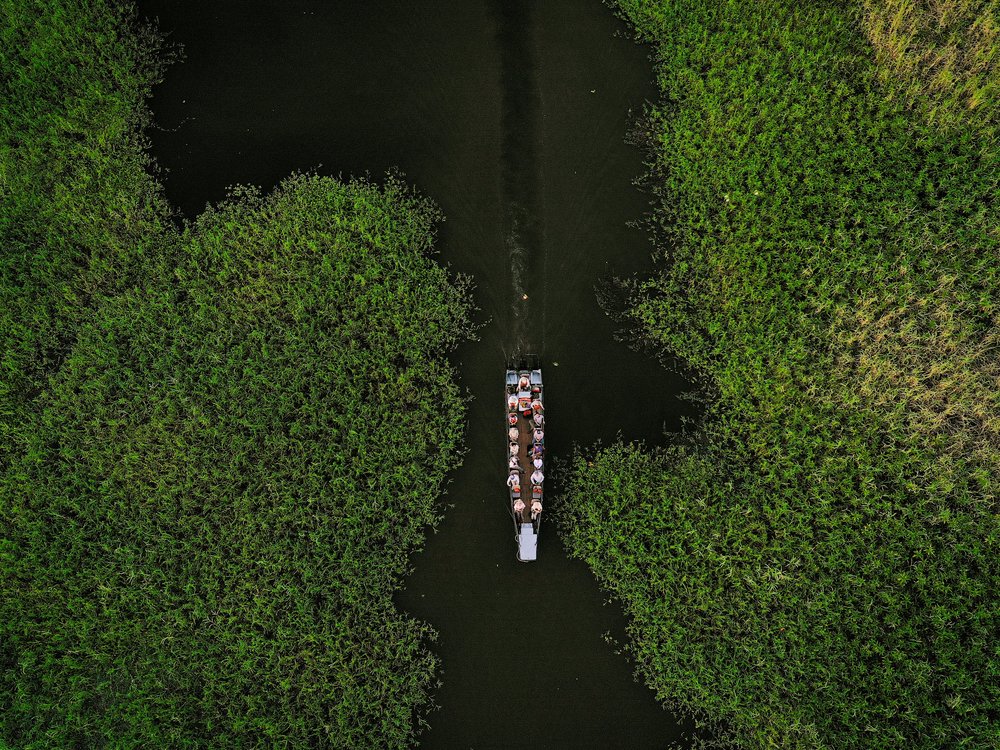
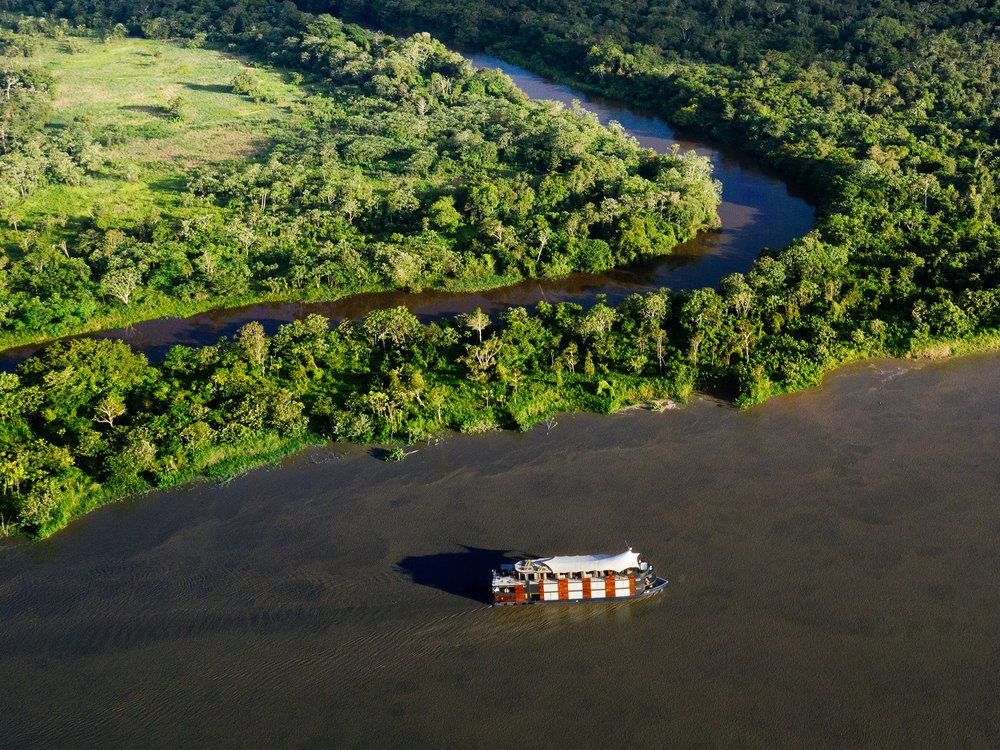
A key highlight here is Pacaya-Samiria National Reserve, a massive conservation area in the Peruvian Amazon. Positioned where the Marañón and Ucayali rivers meet to form the Amazon River, travelers experience it aboard small expedition vessels. Skiff safaris head into tributaries each day with local naturalist guides.
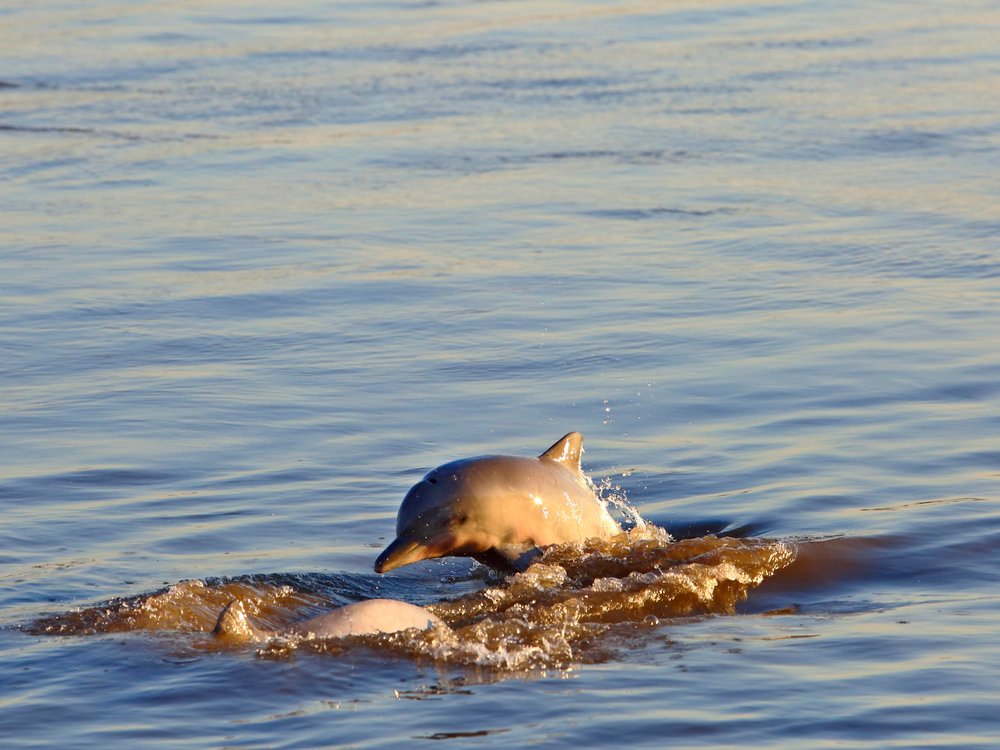
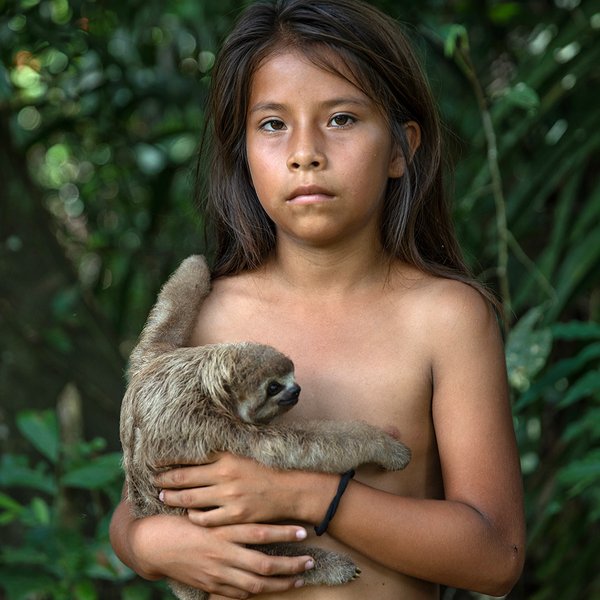
Pink river dolphins are frequently spotted on these routes, especially early in the morning, but sightings are never guaranteed. The smaller grey river dolphin, or tucuxi, lives here too and is often seen where rivers meet. Sloths, monkeys, parrots, piranha fishing, kayaking, and visits to riverside villages fill the rest of the days.
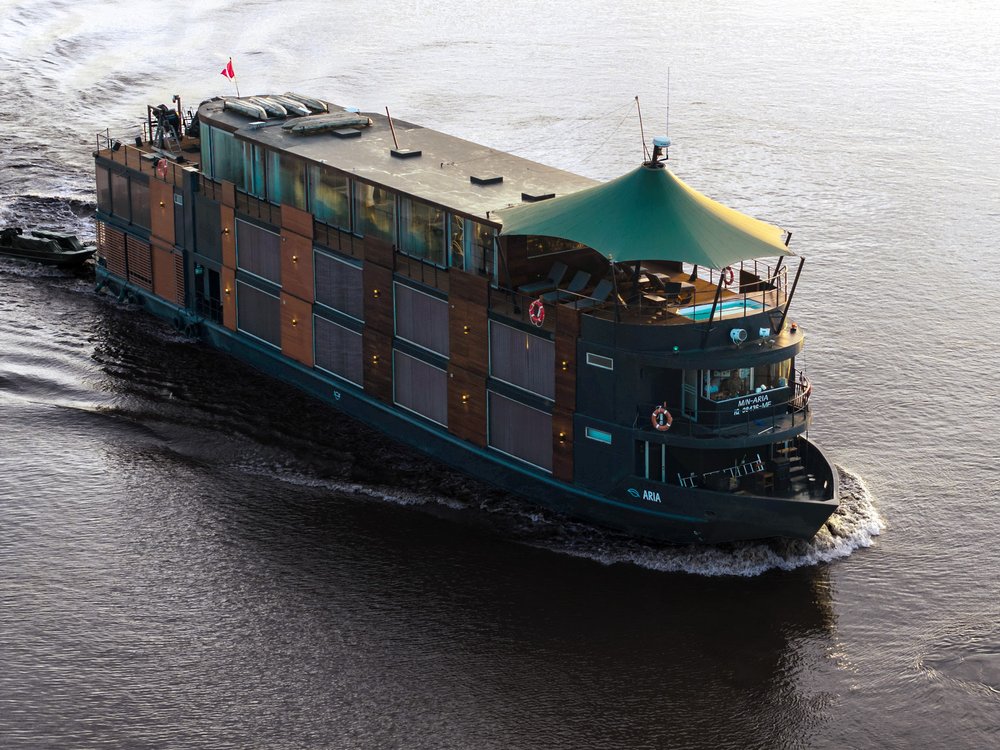
PlanetaEXO’s three cruises from Iquitos board at the port of Nauta, 1h30 to 2 hours by road from the airport. On some high-water routes, the trip ends in Iquitos instead.
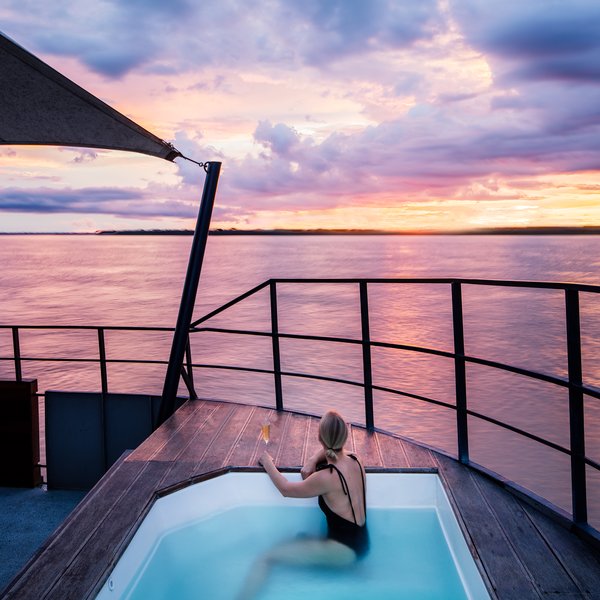
- 4-Day Aria Amazon Cruise in Peru from Iquitos: 16 river-view suites for 32 guests and skiffs of up to 10 people on the Amazon, Marañón, and Ucayali rivers and their black-water tributaries.
- 5-Day Luxury Amazon Cruise in Peru: Marañón and Samiria Rivers: 20 suites and a full day on the Samiria River, deep inside the reserve, with house wine and beer included.
- 4-Day Delfin Amazon Cruise in Peru’s Pacaya-Samiria Reserve: skiff safaris, kayaking on the Yarapa River, night outings, and a stop at a manatee rescue center.
What to consider before choosing Iquitos: from Cusco, you usually connect through Lima, the capital of Peru, which adds a travel day. And if you prefer to explore the rainforest on foot, a lodge in the south may suit you better.
Getting there and pairing it with Machu Picchu
Most travelers combine the Peruvian Amazon with Cusco. In this case, Puerto Maldonado has a clear advantage.
| FROM CUSCO TO THE JUNGLE | PUERTO MALDONADO | IQUITOS |
|---|---|---|
| Airport | Padre Aldámiz International Airport (PEM). | Coronel FAP Francisco Secada Vignetta International Airport (IQT). |
| Flights | One direct flight of about 1 hour. | Usually two flights, via Lima. |
| Airport to the forest | About 2 hours to Posada Amazonas (1 hour by road, then 1 hour by boat); 3.5 to 4 hours to the Tambopata Research Center (a short drive, then a long boat ride) | 1h30 to 2 hours on a paved road to the port of Nauta (about 95 km), where the ship is waiting. |
| In practice | Depending on your flight and lodge, you can reach the rainforest the same day. | Plan a full travel day: the recommended flight from Lima lands in the early afternoon; board in the late afternoon. |
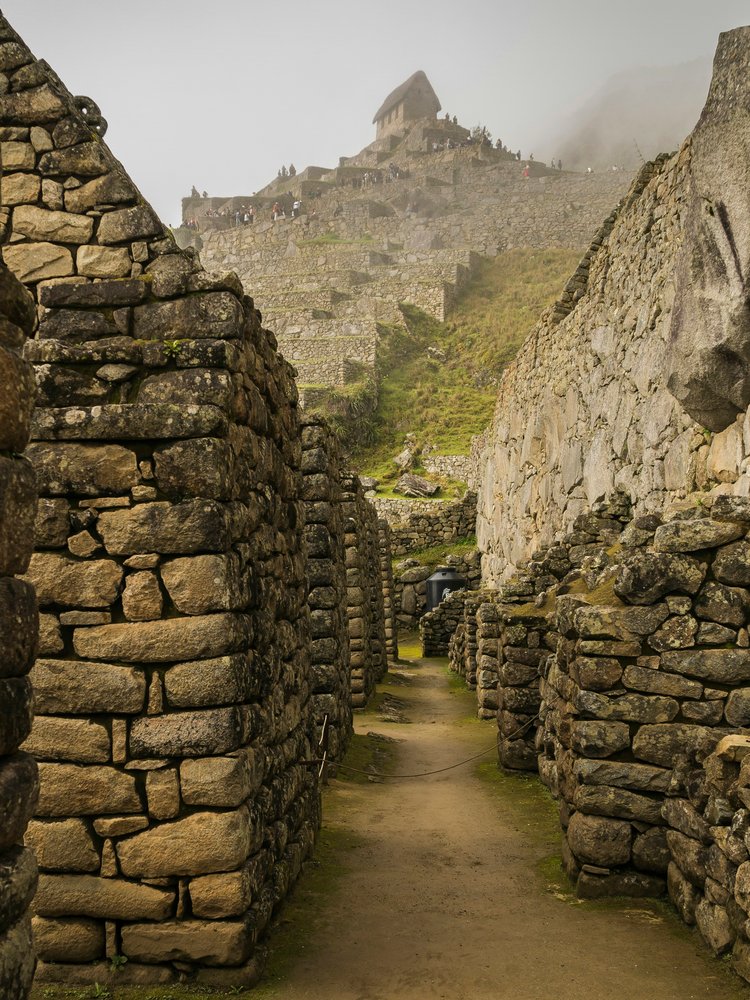
There is a third option from Puerto Maldonado: go back to Cusco by land. Our 7-day Machu Picchu and Amazon Tour begins with two nights in Tambopata, featuring the Chuncho clay lick at dawn. It then ascends via the Interoceanic Highway, crossing a 4,750 m pass through the cloud forest to the Sacred Valley, Machu Picchu, and Cusco. Starting at lower elevation also helps acclimate to the Andean altitude!
Airport-to-lodge or ship transfers are included in both destinations. In Puerto Maldonado, staff meet your flight, store extra luggage at their base, and escort you to the river port for boat transport. In Iquitos, cruise staff collect you from the recommended Lima flight for the drive to Nauta, providing a box lunch on select itineraries.
With no taxis, tickets, or schedules to navigate, seamless round-trip transfers cover you from arrival to departure!
When to visit the Peruvian Amazon
The Amazon is a year-round destination in both regions, but the seasons change the trip.
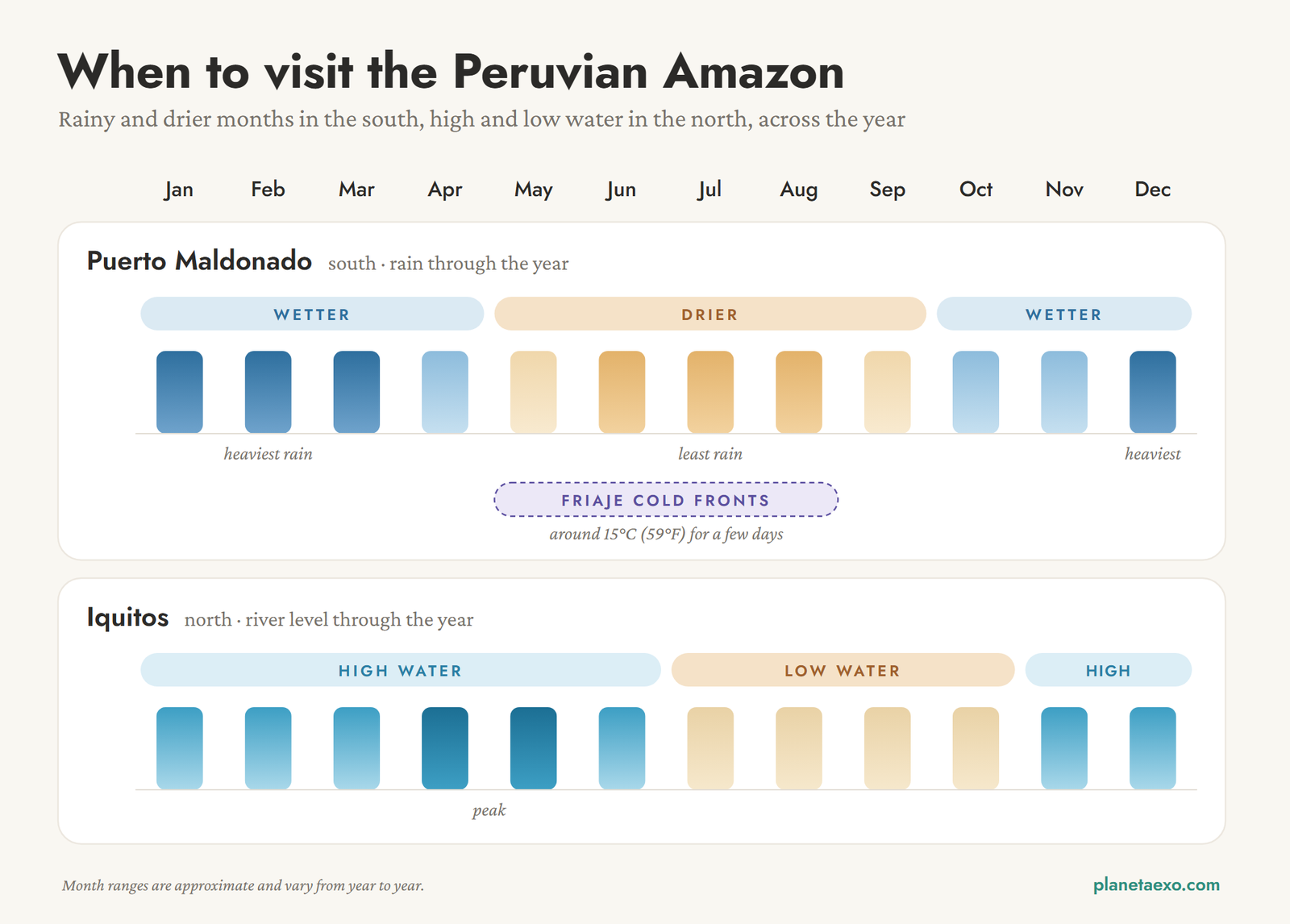
Puerto Maldonado (south):
- Drier months: May to September, with the least rain from June to August.
- Wetter months: October to April, with the heaviest rain from December to March and higher rivers.
- Good to know: cold fronts from the south, called friaje, can drop temperatures to around 15°C (59°F) for a few days, around May to August.
Iquitos (north):
- Low water: July to October, with more forest walks, sandy riverbanks, and fewer mosquitoes.
- High water: November to June, peaking around April and May, when skiffs and canoes glide into the flooded forest.
- Good to know: rain falls in every month, and the cruise routes change with the water level.
Which is more expensive: Puerto Maldonado or Iquitos?
The costs of the trip depend much more on the type of accommodation than on the city that serves as your gateway to the Peruvian Amazon.
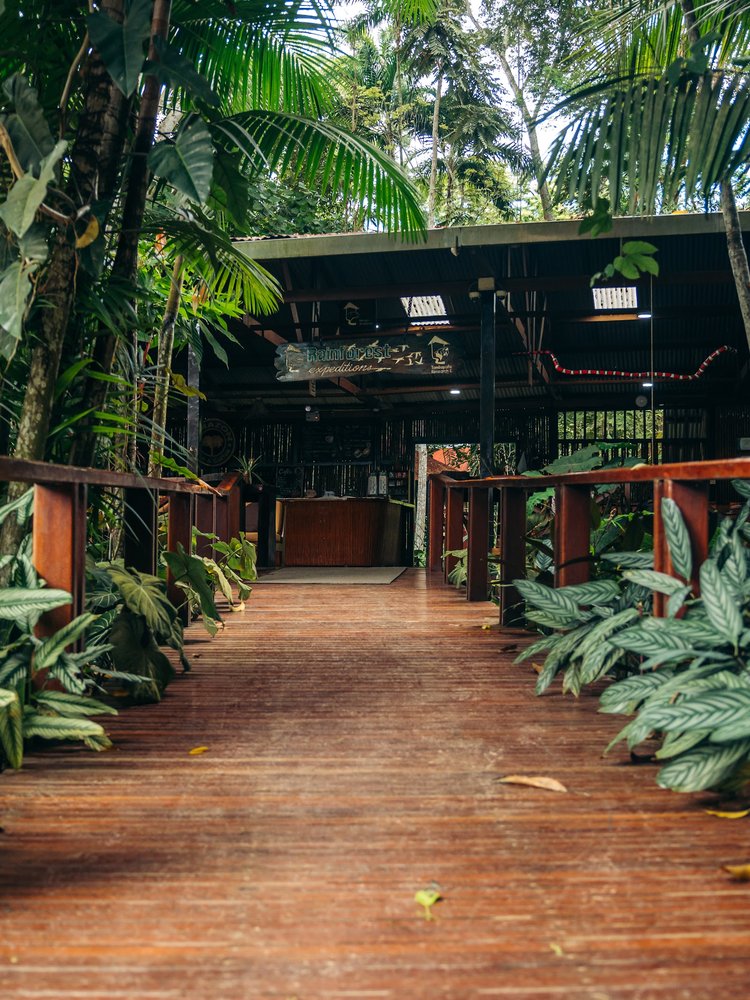
Puerto Maldonado offers lodging options for every budget, ranging from simple accommodations near the city to secluded lodges with specialized guides. A shorter stay closer to urban areas is usually the most accessible way to experience the rainforest.
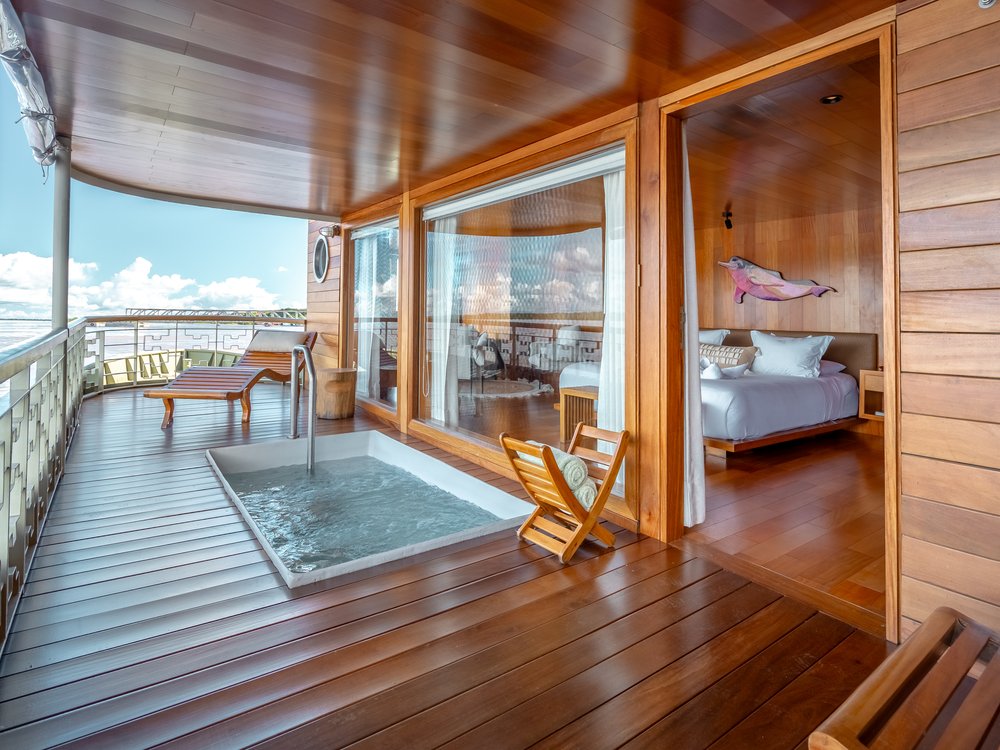
Iquitos also has hotels across various price ranges, but river cruises are premium trips that include full board, private cabins, and all excursions—conducted via smaller boats and accompanied by local guides.
That said, staying in a remote location is not always cheaper than a cruise. Long boat transfers, guide services, and the specific location all factor into the final price.
To compare fairly, look at three things: the number of nights, what is included (flights, transfers, meals, drinks, park fees…), and how much time you actually spend in the forest.
Health and what to pack for your trip to Puerto Maldonado or Iquitos
Both Puerto Maldonado (Madre de Dios) and Iquitos (Loreto) are in yellow fever areas. The yellow fever vaccine for travelers to both regions, as well as malaria prevention in parts of the Peruvian Amazon.
Recommendations can change, so check the official channel of the Peruvian Ministry of Health and talk to a travel clinic about 4 to 6 weeks before you go.
For both regions, don’t forget to pack:
- Long, light, quick-dry sleeves and trousers in neutral colors.
- Insect repellent with DEET or picaridin and a small headlamp for night walks.
- A rain jacket, because it can rain in any month.
- A warm layer, especially for Puerto Maldonado from May to August, when a friaje can make nights surprisingly cold.
- Binoculars, if you have them.
- Sunscreen, a hat, and a dry bag for your phone and camera.
Puerto Maldonado vs. Iquitos: Which one is right for you?
Choose Puerto Maldonado if:
- You are already going to Cusco and want to explore the jungle one short flight away.
- You have only 3 or 4 days for the Amazon.
- You want to hike in the forest and see wildlife, especially macaws and giant otters.
- You would like to cross from the jungle to the Andes by road.
Choose Iquitos if:
- You want to sail the Amazon River itself and look for pink river dolphins.
- You prefer comfort, a closed suite, and short outings by boat.
- You can give the Amazon its own part of the trip, with a travel day on each side.
Plan your trip to the Peruvian Amazon with PlanetaEXO
Whether you want your adventure to be in Puerto Maldonado or Iquitos, the right choice depends on the experience you want and how it fits into the rest of your trip.
PlanetaEXO is an ecotourism platform specializing in Peru tours. We plan your days in the Amazon with trusted local teams, including transfers, lodges or ships, and English-speaking naturalist guides. Contact us now!


Leave a Reply