Category: Causes

  • Earth Day: 10 Transformative Conservation Projects in Brazil

    Earth Day: 10 Transformative Conservation Projects in Brazil

    In celebration of Earth Day, observed on April 22nd, we have selected 10 impactful initiatives that combine biodiversity conservation with the sustainable development of Brazilian communities.

    To celebrate Earth Day, PlanetaEXO, a platform specialized in ecotourism and responsible travel, highlights the work of organizations at the forefront of environmental protection in Brazil. The country, home to the world’s greatest biodiversity, faces growing climate challenges, making support for these ecosystems more urgent than ever.

    Drawing on its mission to connect travelers with positive-impact experiences and inspired by this year’s Earth Day theme (“Our Power, Our Planet”), PlanetaEXO has compiled a special selection of the top 10 initiatives for the preservation of fauna, flora, and the socioeconomic development of local communities in Brazil.

    “Initiatives aimed at protecting wildlife and traditional communities are imperative to ensure our biomes survive issues like global warming and deforestation. At the same time, responsible tourism acts as a fundamental tool, as it increases public awareness and directly boosts the local economy,” says Lucas Ribeiro, founder of PlanetaEXO.

    Check out 10 essential conservation initiatives in Brazil now:

    1. Onçafari Project (Mato Grosso do Sul)

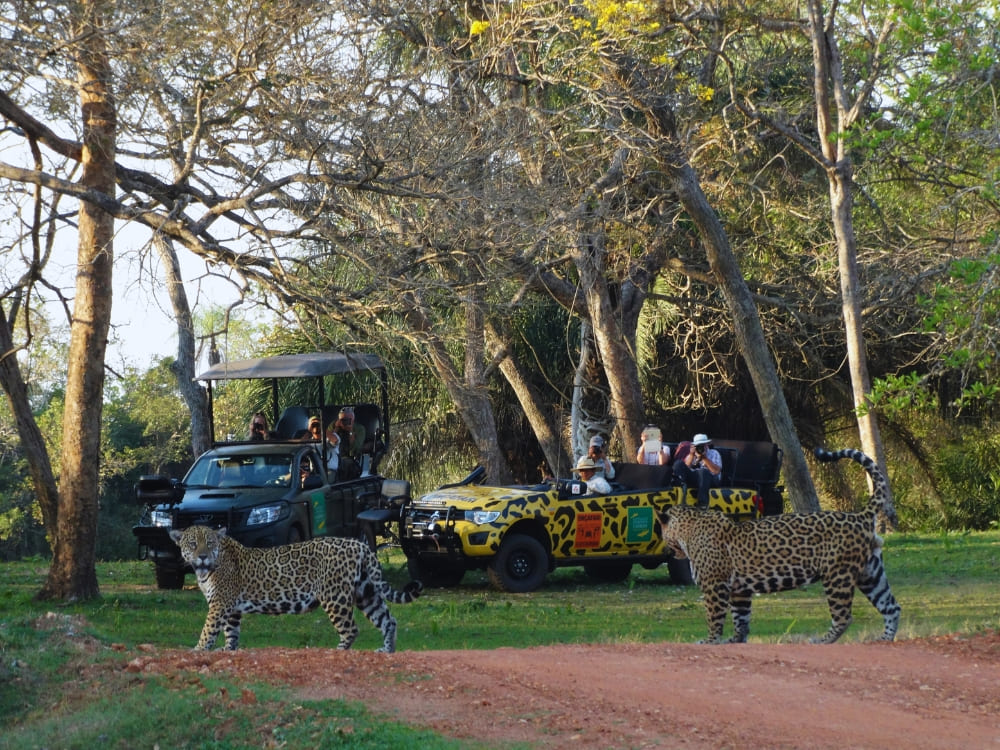
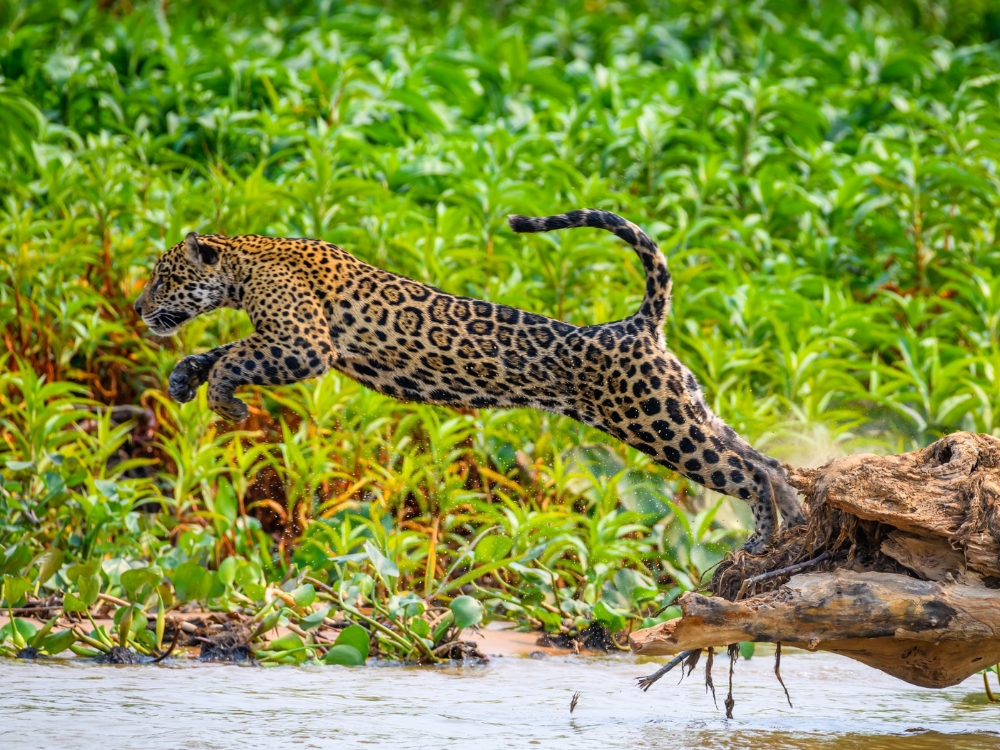
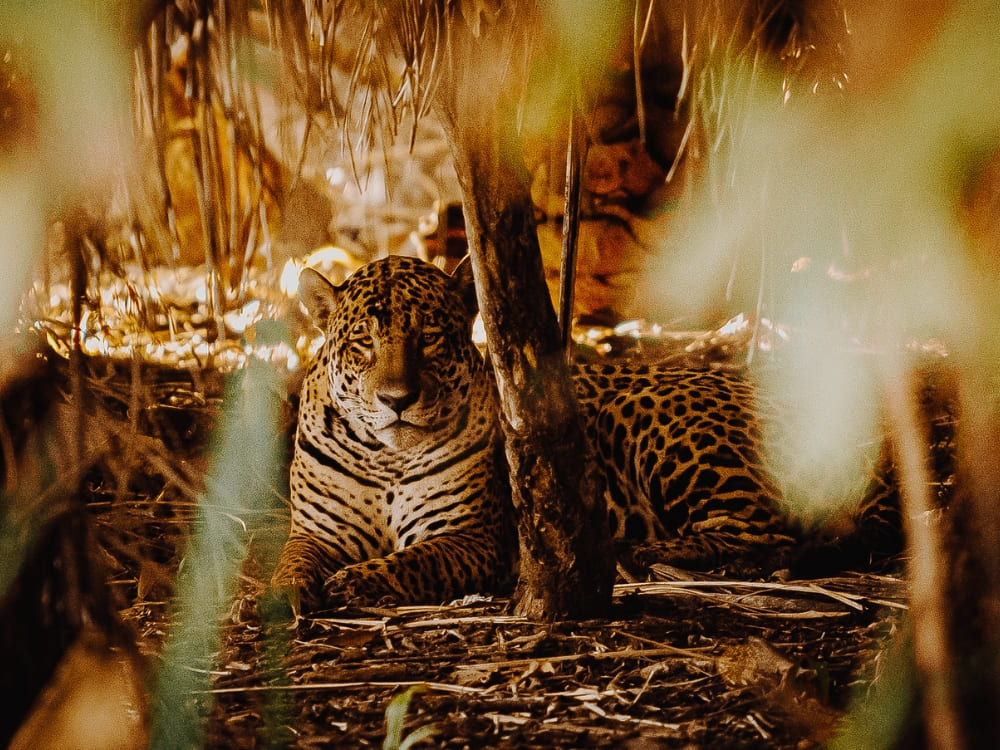
    A pioneer in biodiversity conservation, Onçafari focuses on raising awareness about Jaguars and promoting ecotourism as a sustainable income-generating alternative. In the Pantanal, it conducts research, environmental education, and the reintroduction of animals into the wild.
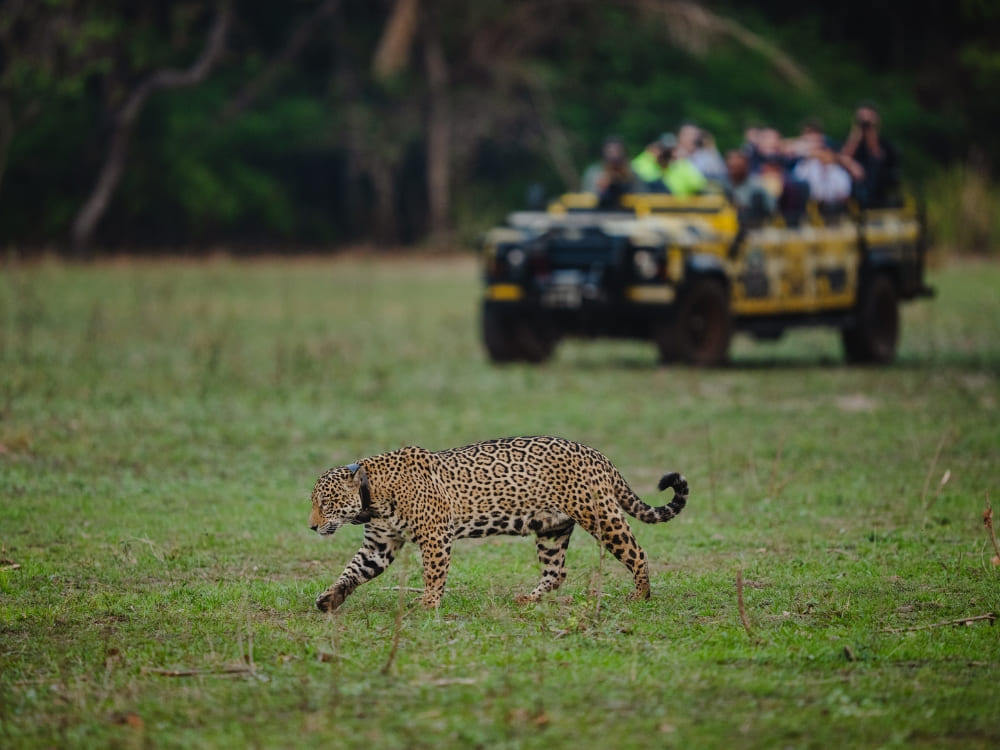
    A jaguar walking across a grassy plain in the Pantanal while a group of tourists watches from a yellow safari vehicle as part of the Onçafari Project.
    Photo: Donal Boyd

    How to help: Support by visiting the Caiman Refuge through responsible tourism, following the project’s activities on social media, or making a direct donation.

    2. Tamar Project (Brazilian Coast)

    Internationally recognized, the Tamar Project has worked for decades to protect sea turtles in vital coastal areas. It combines scientific research, beach monitoring, and social inclusion for communities along the Brazilian coast.
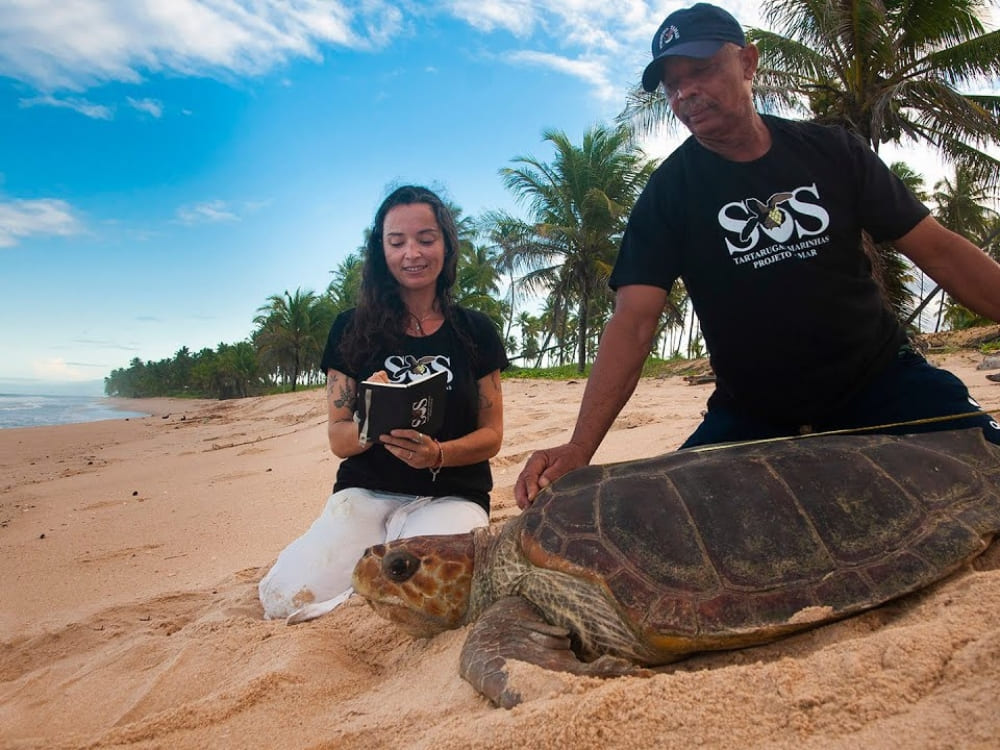
    Two researchers on a sandy beach measuring a large sea turtle with a tape measure, highlighting the Tamar Project's efforts to protect marine life.
    .

    How to help: Visit the project’s visitor centers in Santa Catarina, São Paulo, Espírito Santo, Bahia, Sergipe, and Pernambuco (Fernando de Noronha) and buy official products in physical and online stores, or contribute with donations to the Tamar Project Foundation.

    3. Sustainable Amazon Foundation – Pensa Program (Amazonas)

    The Sustainable Amazon Foundation (FAS) combats social vulnerability in the Amazon through the Sustainable Entrepreneurship and Business Program (Pensa). The focus is on community-based tourism in Conservation Units, transforming the standing forest into an economic asset that has already generated millions in income for riverside communities.
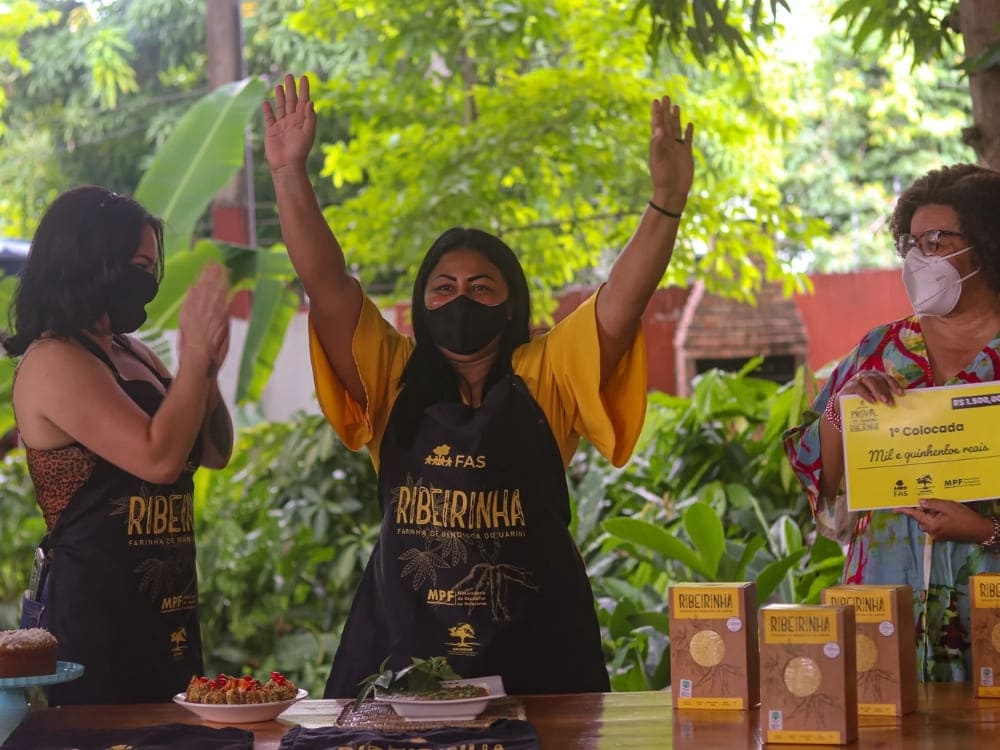
    A woman wearing a black apron with FAS Ribeirinha branding raises her hands in joy, standing alongside others celebrating the Sustainable Amazon Foundation's program.
    .

    How to help: Prioritize community-based tourism itineraries in the Amazon operated by FAS partner communities and support the institution through donations for forest education and health projects.

    4. Humpback Whale Project (Bahia and Espírito Santo)

    Working in the species’ main nurseries in the South Atlantic, this initiative blends science with the promotion of sustainable whale watching, generating local income without harming the animals’ life cycle.
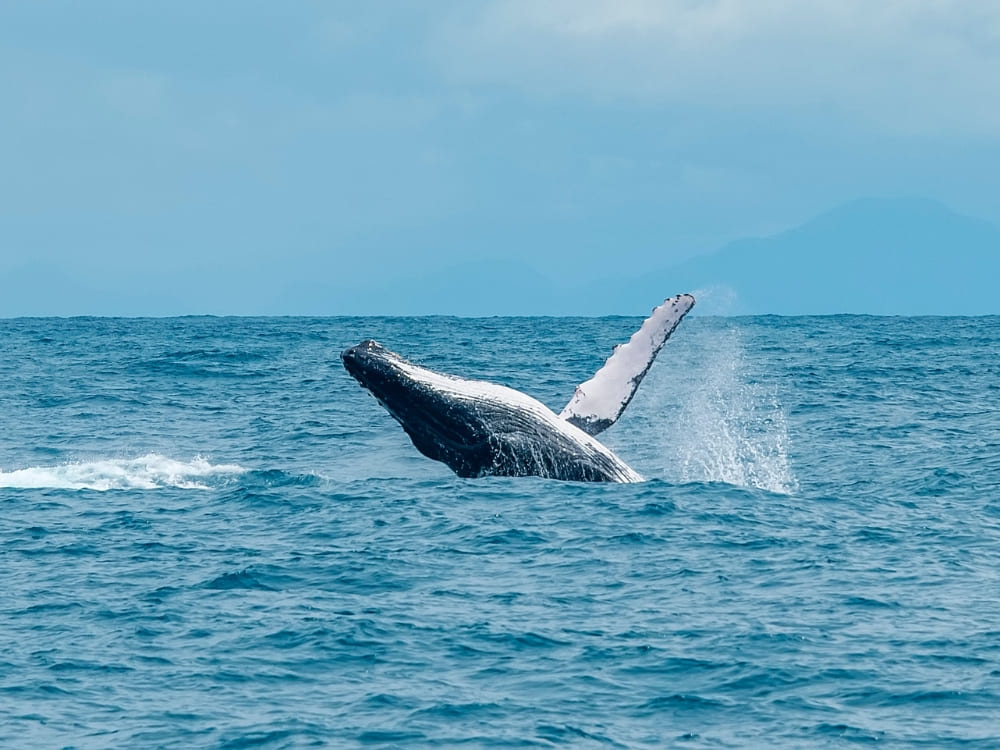
    A large humpback whale breaching the ocean surface with its pectoral fin raised against a clear blue sky, showcasing marine life in Bahia.
    .

    How to help: Participate in sustainable whale-watching expeditions with accredited partners or purchase official institution products.

    5. Hyacinth Macaw Institute (Mato Grosso do Sul and Mato Grosso)

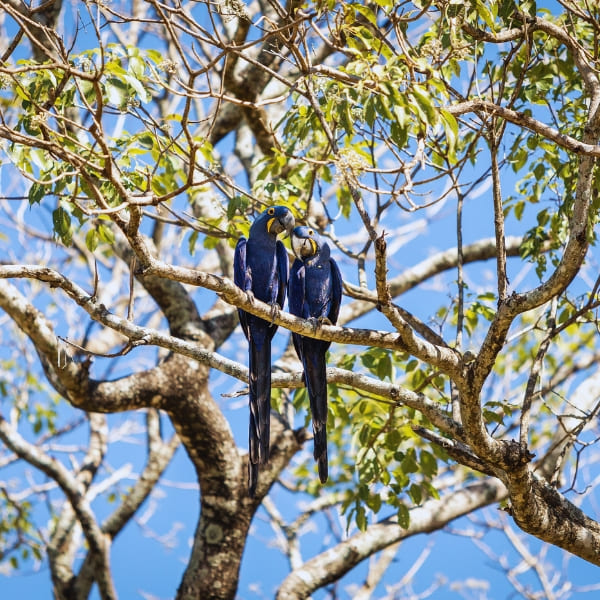
    A success story where science saved a species from extinction. Through the monitoring of natural and artificial nests, the project has allowed the population of Hyacinth Macaws to grow significantly in the Pantanal biome.
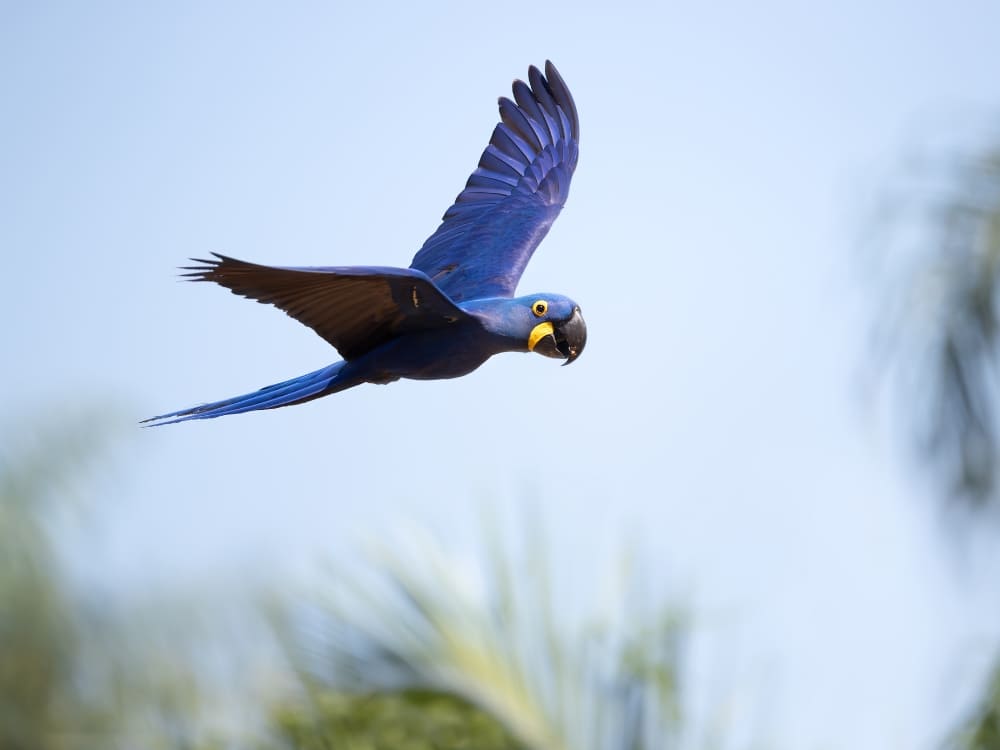
     A vibrant blue Hyacinth Macaw in mid-flight with its wings spread wide against a bright sky in the Pantanal biome.
    .

    How to help: Symbolically adopt a nest or chick, buy official brand products, or make donations through the institute’s official website.

    6. Spinner Dolphin Project (Pernambuco)

    Based in Fernando de Noronha, it has worked for over 30 years in the research and protection of spinner dolphins. It is fundamental to ensuring that tourism on the island occurs without interfering with the natural behavior and rest of these cetaceans.
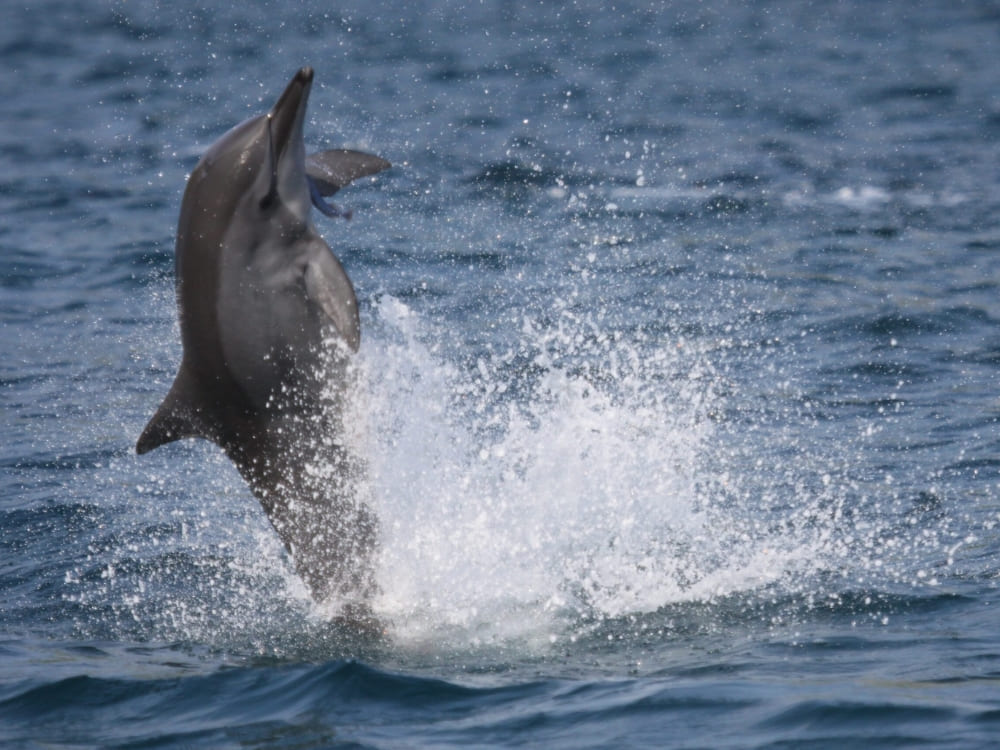
    A spinner dolphin leaping high out of the blue ocean water, splashing as it rotates, protected by the Spinner Dolphin Project in Pernambuco.
    .

    How to help: Strictly follow the Marine National Park rules when visiting Noronha, visit the project’s Visitor Center, or make direct donations.

    7. Ibiti Project (Minas Gerais)

    Focused on Atlantic Forest regeneration and regenerative tourism, the project reforests degraded areas and protects native fauna—most notably the Northern Muriqui—in total harmony with the villages in the Ibitipoca region.
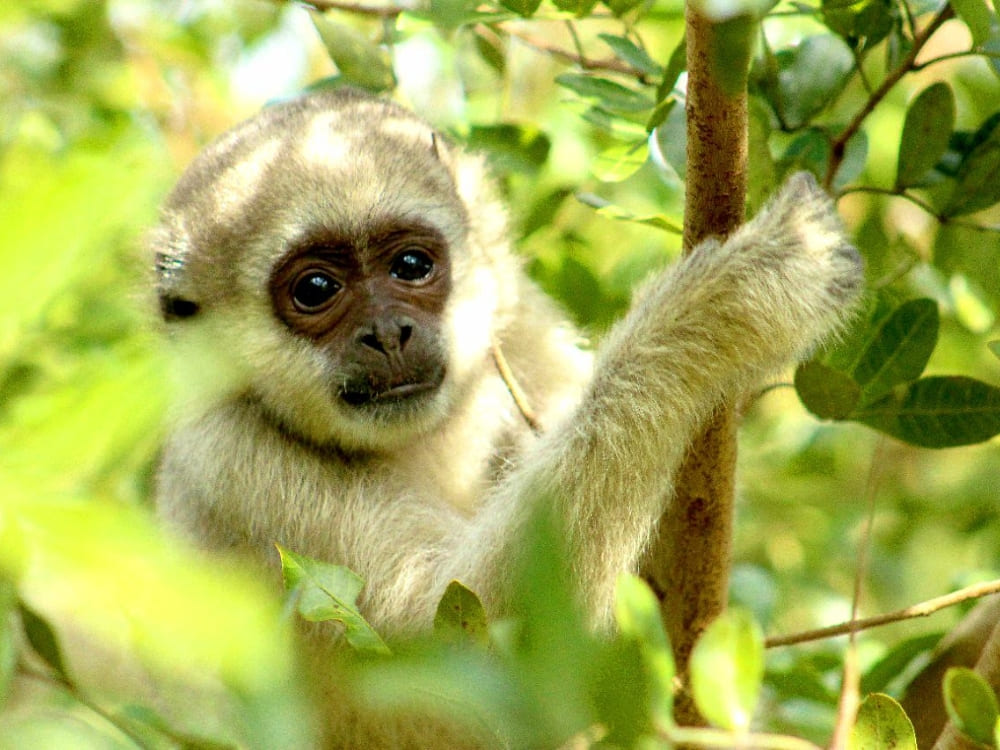
     A light-furred Northern Muriqui monkey resting among green tree branches in the Atlantic Forest, protected by the Ibiti Project in Minas Gerais.
    .

    How to help: Practice regenerative tourism by visiting the project and prioritize the consumption of sustainable products produced by the local community.

    8. Lobos da Canastra Program – Pró-Carnívoros Institute (Minas Gerais)

    Operating in the Serra da Canastra, this project focuses on protecting the Maned Wolf, monitoring animals and working with rural producers to mitigate conflicts and promote peaceful coexistence in the Cerrado.

     A Maned Wolf with its distinct reddish-brown fur partially hidden while standing in tall, dry grass in the Cerrado biome.
    Photo: Adriano Gambarini

    How to help: Spread the word about the project’s educational campaigns (such as “I am a friend of the wolf”) or make donations through the Pró-Carnívoros Institute website.

    9. Mateiros Artisans Association (Tocantins)

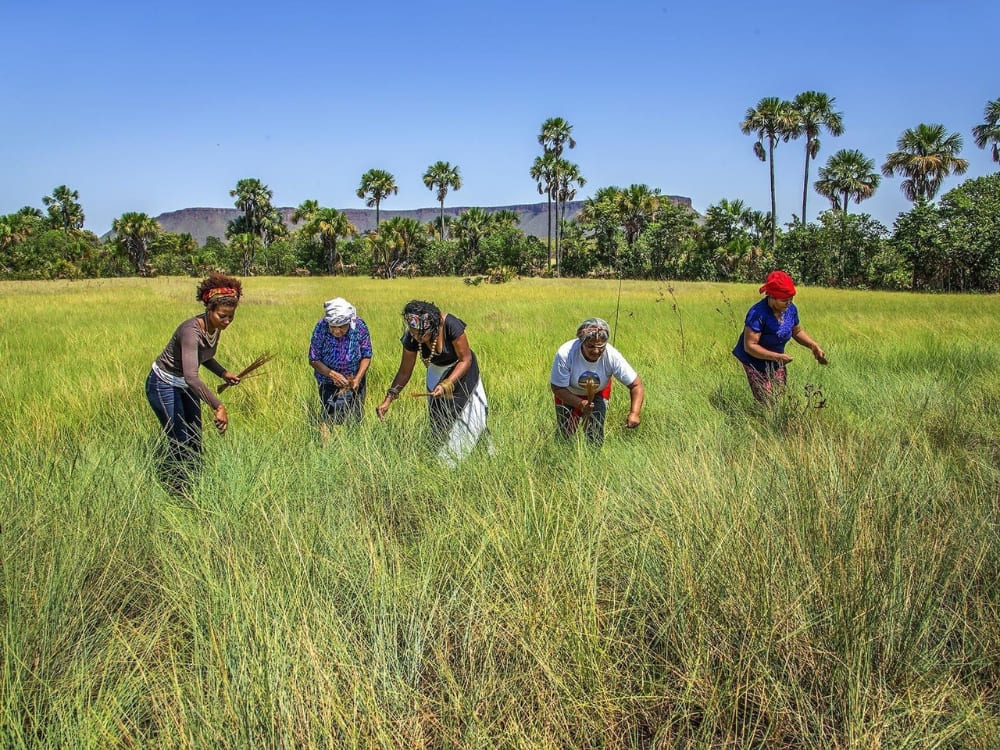
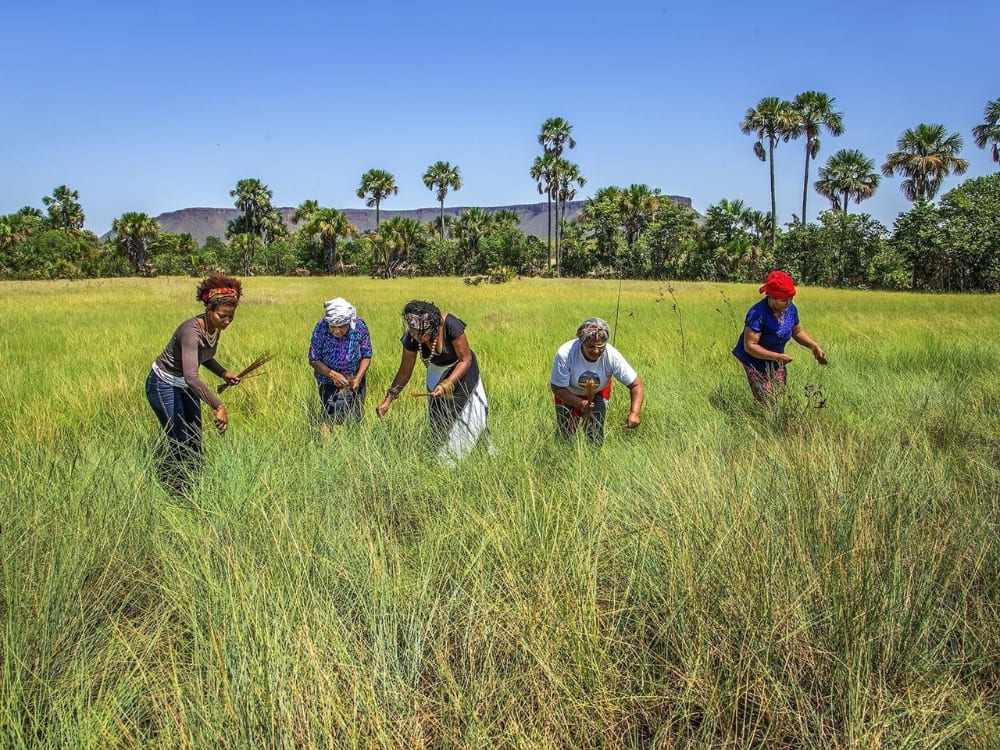
    An emblematic example of conservation through sustainable use, the association acts as a guardian of the Cerrado in Jalapão. The harvest of Golden Grass (Capim Dourado) is conducted under strict regulations that respect the plant’s seeding cycle, ensuring ecosystem regeneration and income for quilombola communities.
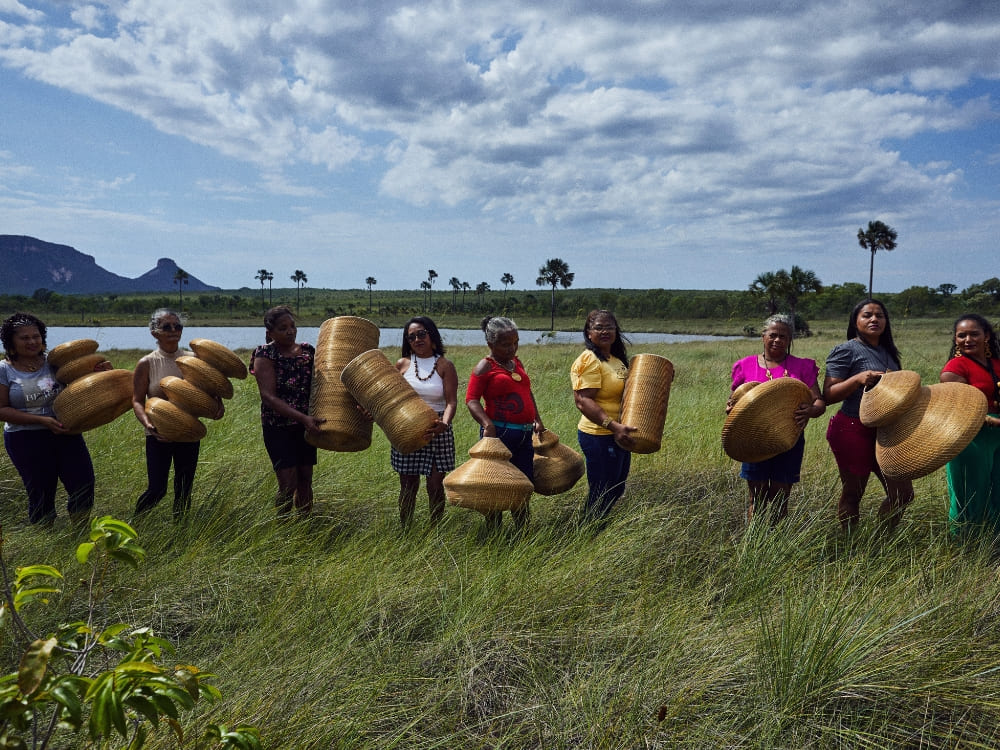
     A group of women standing in a lush green field under a cloudy sky, holding up woven handicrafts made from Golden Grass in the Jalapão region.
    Photo: Loiro Cunha

    How to help: Support community-based tourism when visiting Jalapão and purchase original handicrafts with a seal of origin, respecting the official harvest period.

    10. “Na Rota do TamanduAÍ” Project – Tamanduá Institute (Maranhão)

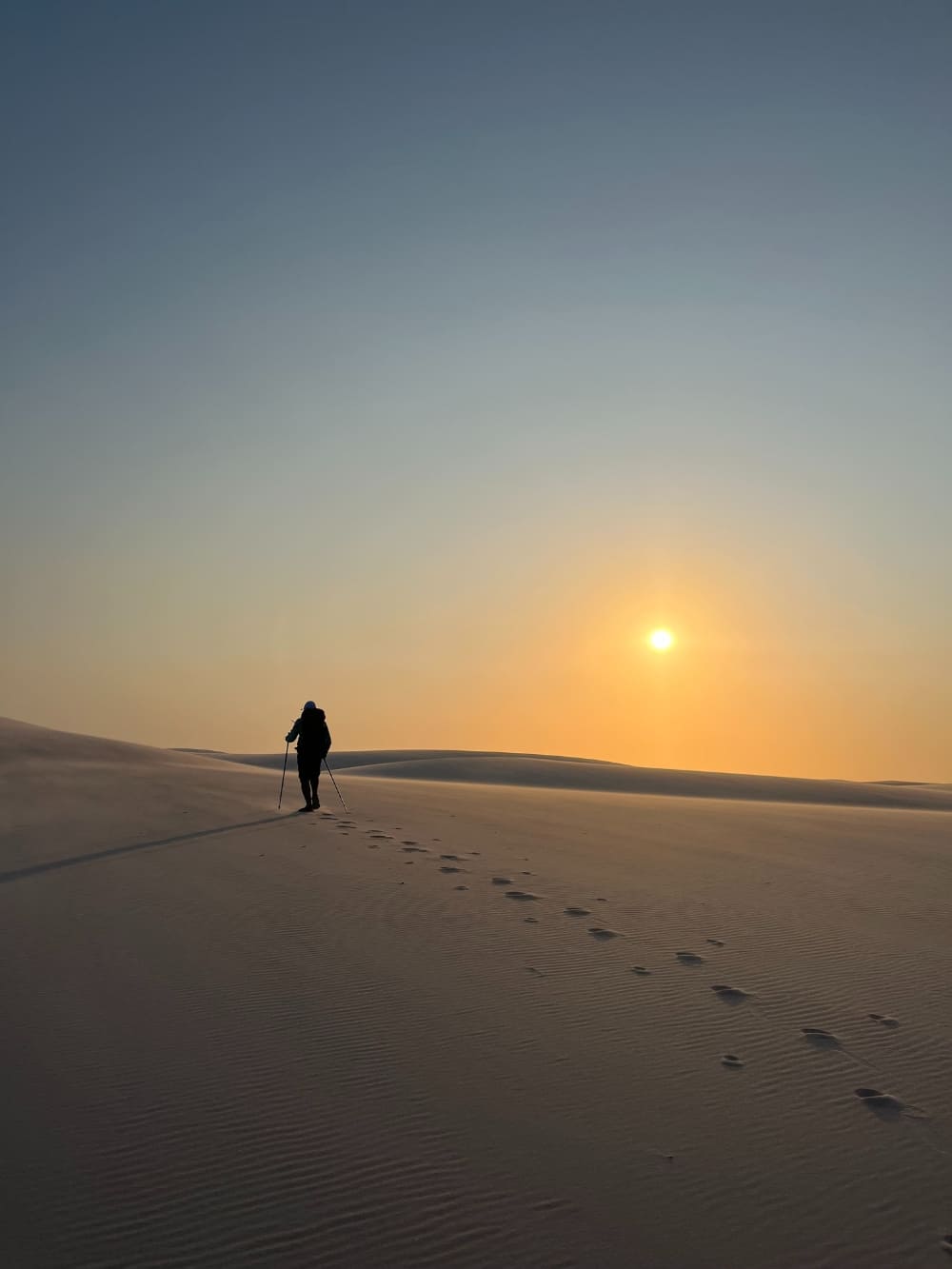
    Operating in Lençóis Maranhenses, this project studies and protects the Silky Anteater, the smallest anteater species in the world. The initiative trains local communities in sustainable ecotourism as an alternative to social vulnerability and environmental degradation.
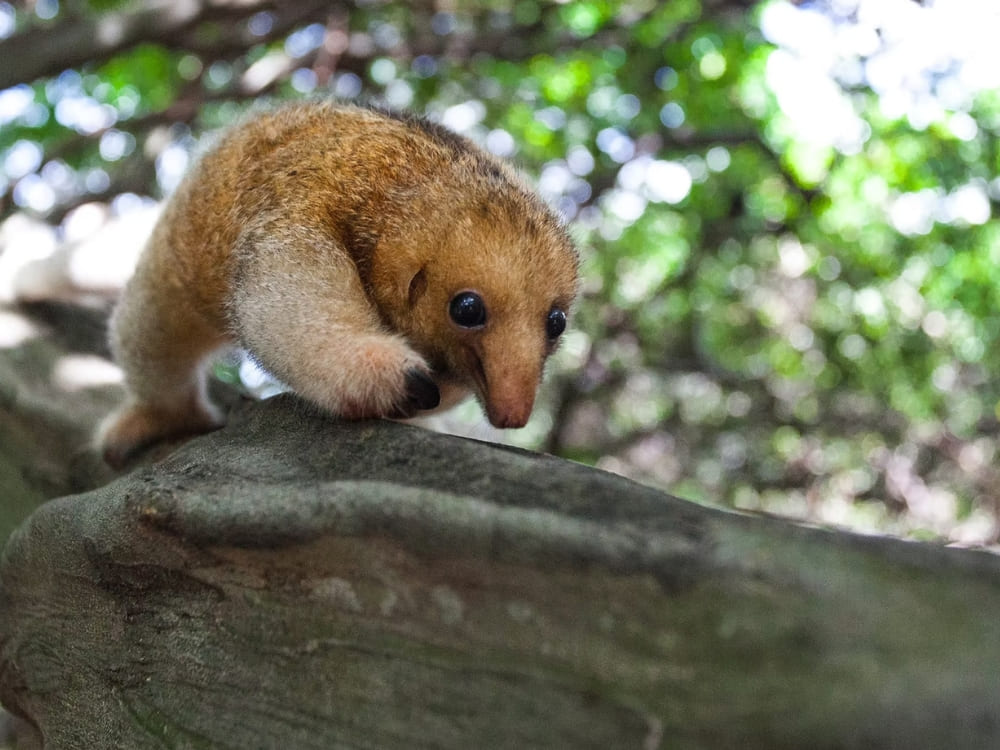
    A small, light-brown Silky Anteater clinging to a thick tree branch with a blurred green forest background in Lençóis Maranhenses.
    .

    How to help: Opt for community-based guides and itineraries in Lençóis Maranhenses and support the environmental education campaigns of the Tamanduá Institute.

    Earth Day 2026 Celebrates the Power of Individuals in Environmental Advocacy

    Since 2009, a UN resolution has established April 22nd as International Mother Earth Day or Earth Day, an international date created to raise awareness about the importance of environmental preservation and to encourage concrete actions against issues such as pollution, climate change, and biodiversity loss.

    The celebration began in the United States in 1970, long before official recognition by the United Nations. Today, Earth Day mobilizes millions of people worldwide.

    The 2026 theme, “Our Power, Our Planet,” celebrates the power of individuals and community mobilization in environmental defense. Learn more about the date and global mobilization at the official website EarthDay.org.

    Support Brazilian Conservation Through Ecotourism with PlanetaEXO

    PlanetaEXO is a platform dedicated to responsible ecotourism, connecting travelers to authentic nature experiences and strengthening community initiatives across Brazil. The company works in partnership with local communities, guides, and conservation projects to promote travel that values culture, biodiversity, and sustainability.
  • COP30: What to Do Beyond the Conference – Explore Brazil’s Nature

    COP30: What to Do Beyond the Conference – Explore Brazil’s Nature

    Sustainable adventures in Brazil for travelers attending COP30, offering curated nature experiences that connect you with the forest, its people, and the climate agenda.

    For those planning to attend the conference or follow it closely, there is one key question: What to do in Brazil during COP30? This is a great opportunity to explore the Amazon Rainforest and other unique destinations like the Pantanal, Monte Roraima, and Chapada Diamantina. And nothing makes more sense during a climate conference than supporting ecotourism, which directly benefits conservation efforts and local communities.

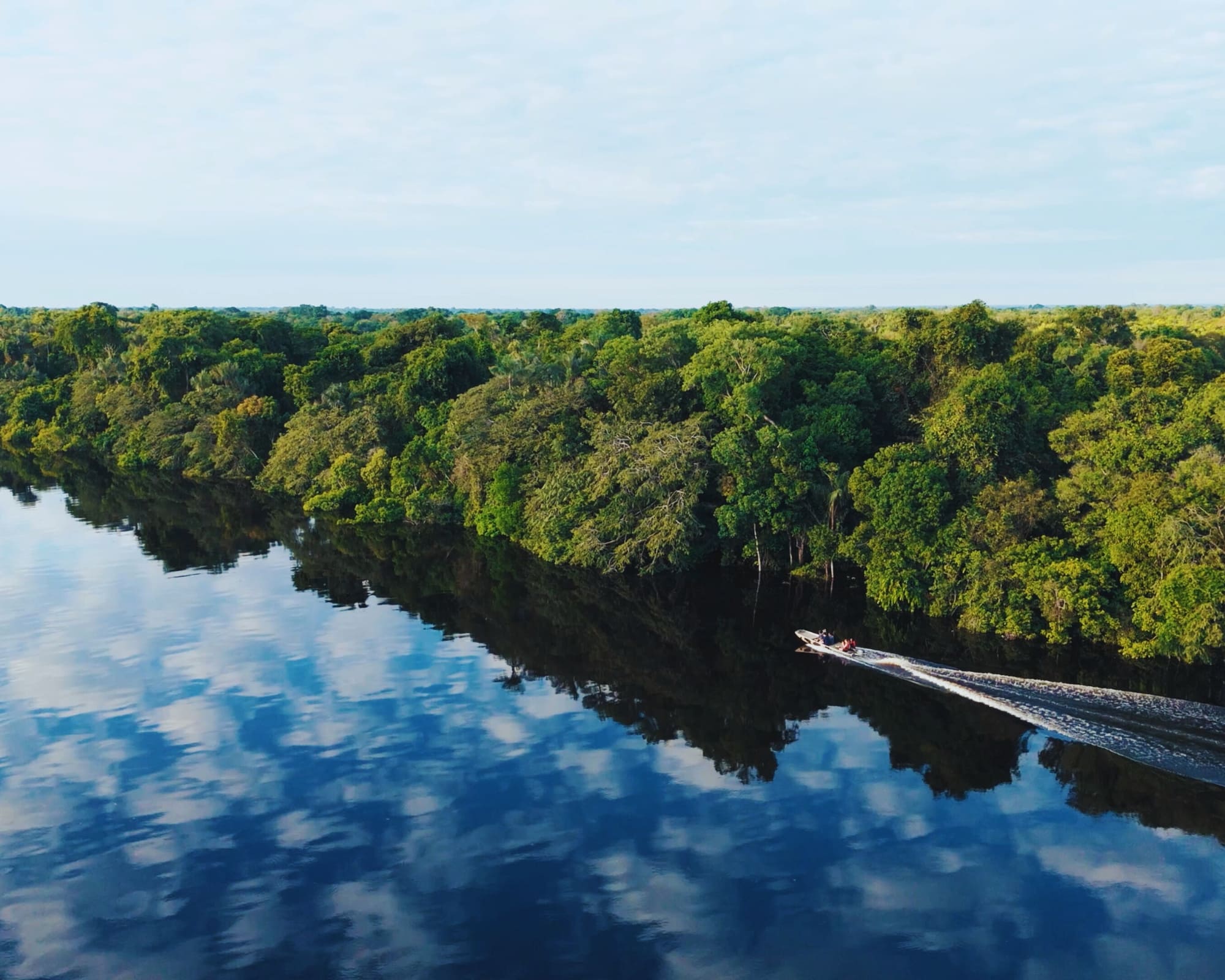
    COP30 Brazil, held in Belém, Pará, from November 10 to 21, 2025, will bring global attention to the Amazon, a region vital for climate regulation and biodiversity. By visiting Brazil, you help preserve its ecosystems, support sustainable tourism, and promote climate action.

    What to do in Brazil during COP30
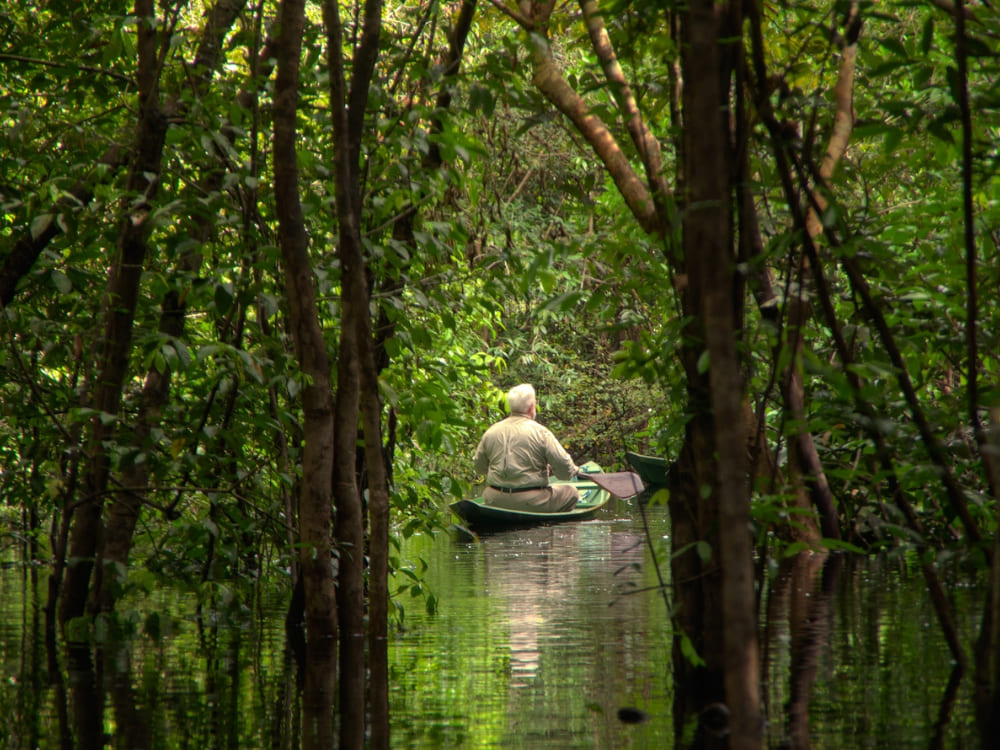
    Photo: Johan

    With this in mind, explore Amazon Rainforest tours and other destinations with PlanetaEXO during COP30 Brazil, and choose an experience that supports ecotourism as a real and effective solution for conservation and climate change. These are authentic wildlife travels for conscious explorers: 

    Explore the Amazon Rainforest

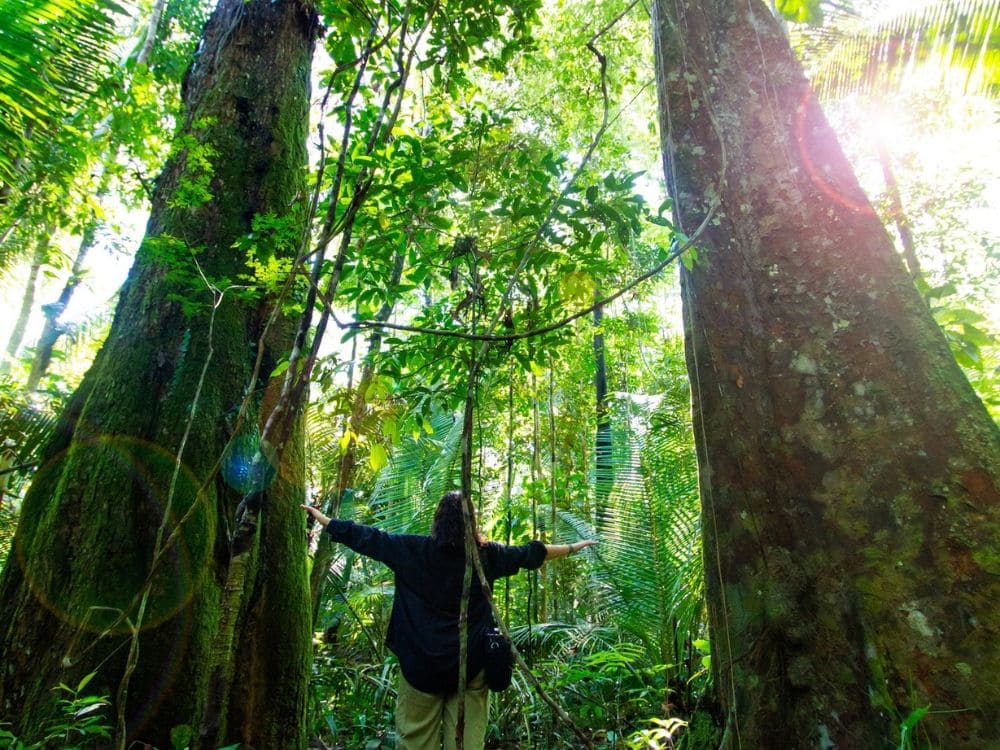
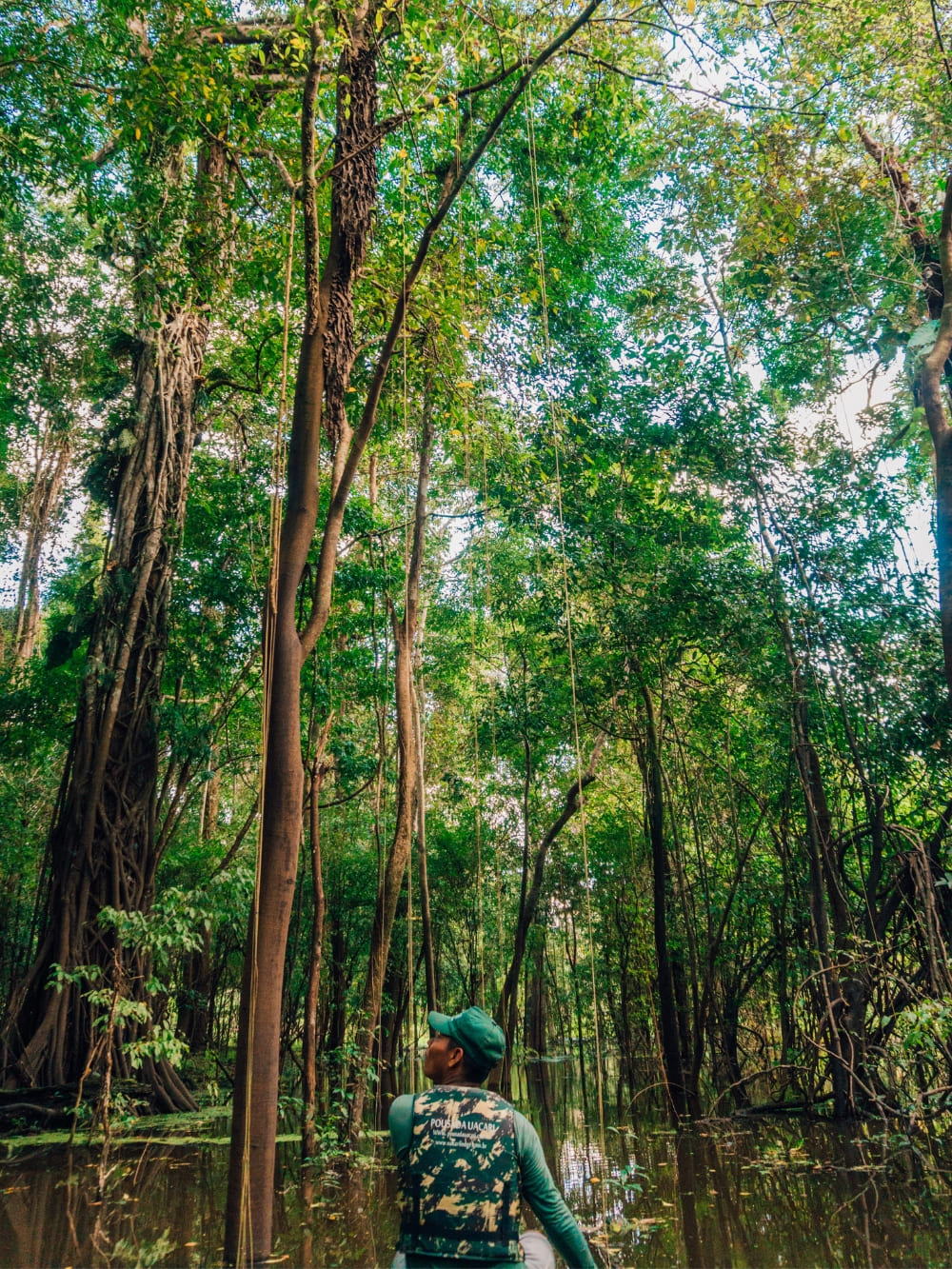
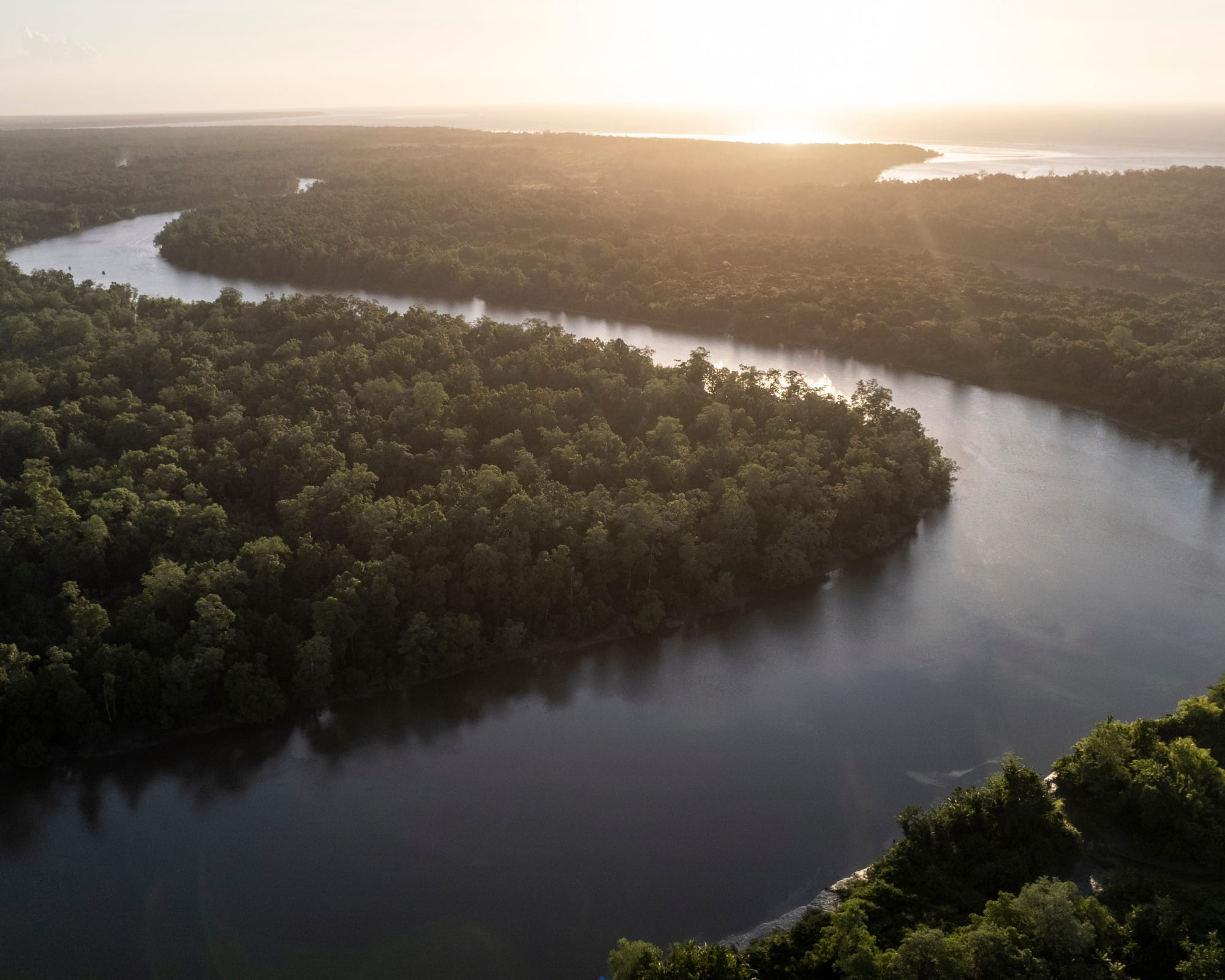
    Have you ever imagined exploring the Amazon through curated experiences, from canoeing in flooded forests to visiting riverside communities? These nature tours connect adventurers to local culture, biodiversity, and climate action.

    Cruise the rivers of the Amazon 

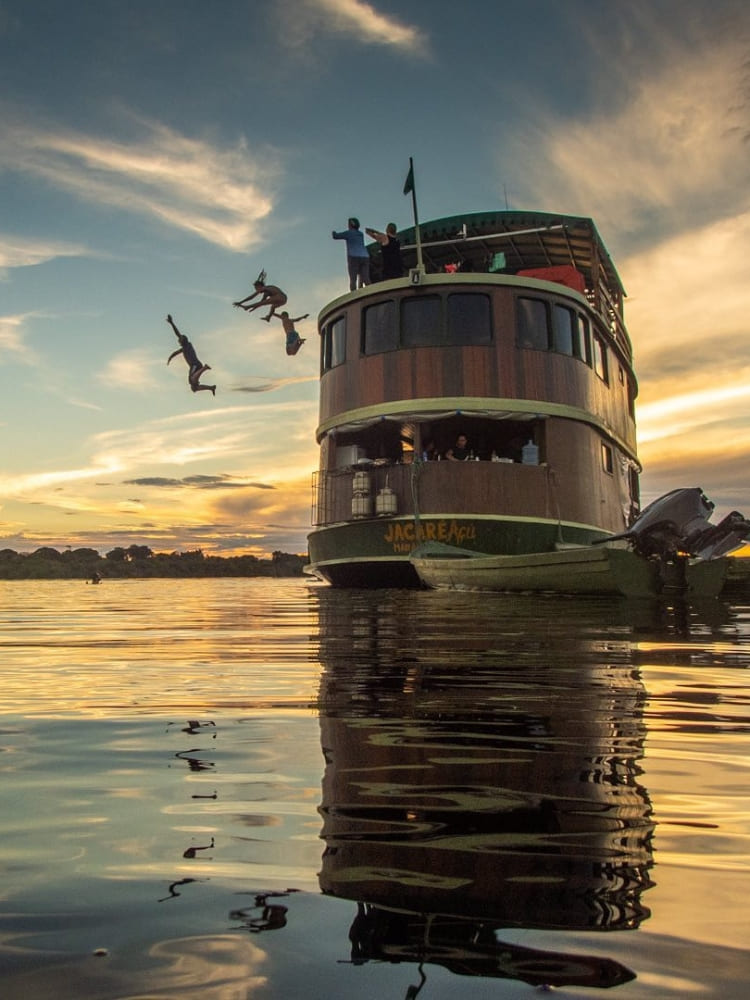
    COP30 Brazil is an invitation to understand the importance of environmental conservation, right? For those seeking change from the meeting, travelling consciously already means taking action. And it could be even better with a river cruise in the Amazon Rainforest!

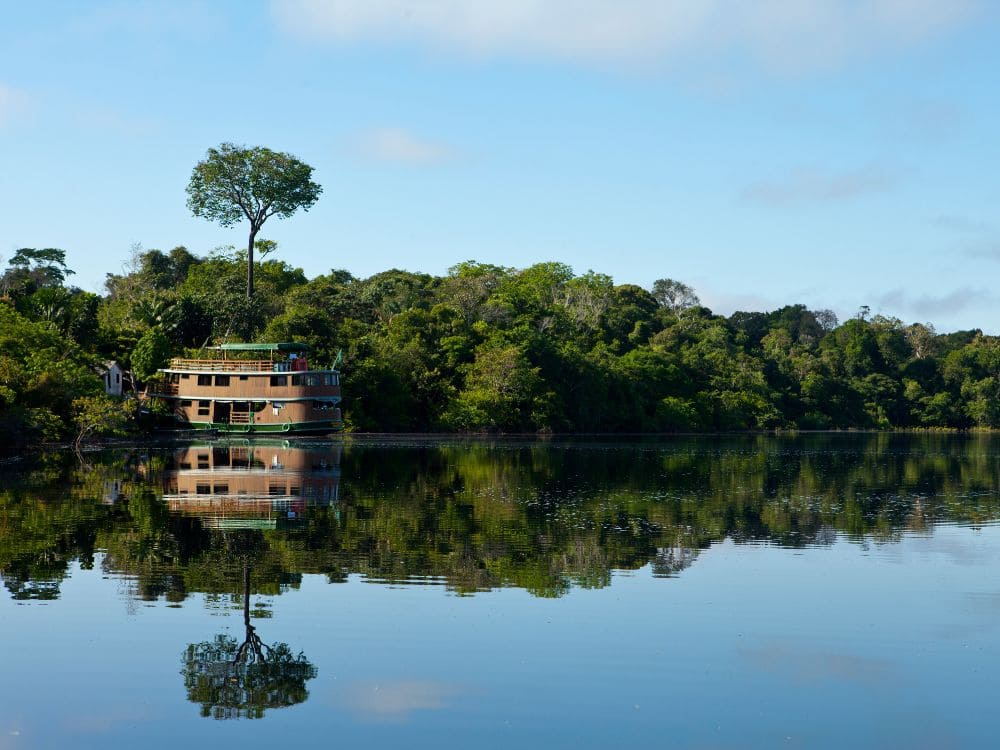
    Join Katerre on a 5-day Amazon cruise aboard the Jacaré-Açu boat. You’ll visit indigenous communities and witness the incredible biodiversity of the Anavilhanas Archipelago and Jaú National Park

    How to get there from Belém: Belém to Manaus flights daily; boat departs from Manaus port.

    Cruise in the Amazon 
    .

    👉 Don’t miss this opportunity: Cruise the Amazon Rainforest now and live this experience with PlanetaEXO!

    Ideal for Short Escapes: Discover the Amazon in 3 Days 

    Pressed for time? This 3‑Day Amazon Jungle Tour offers a deep and meaningful immersion into the rainforest without requiring a long visit. You’ll be hosted at a comfortable riverside lodge and explore the jungle by canoe, go on guided hikes, observe wildlife, and visit a local caboclo’s home in the village of Careiro da Várzea

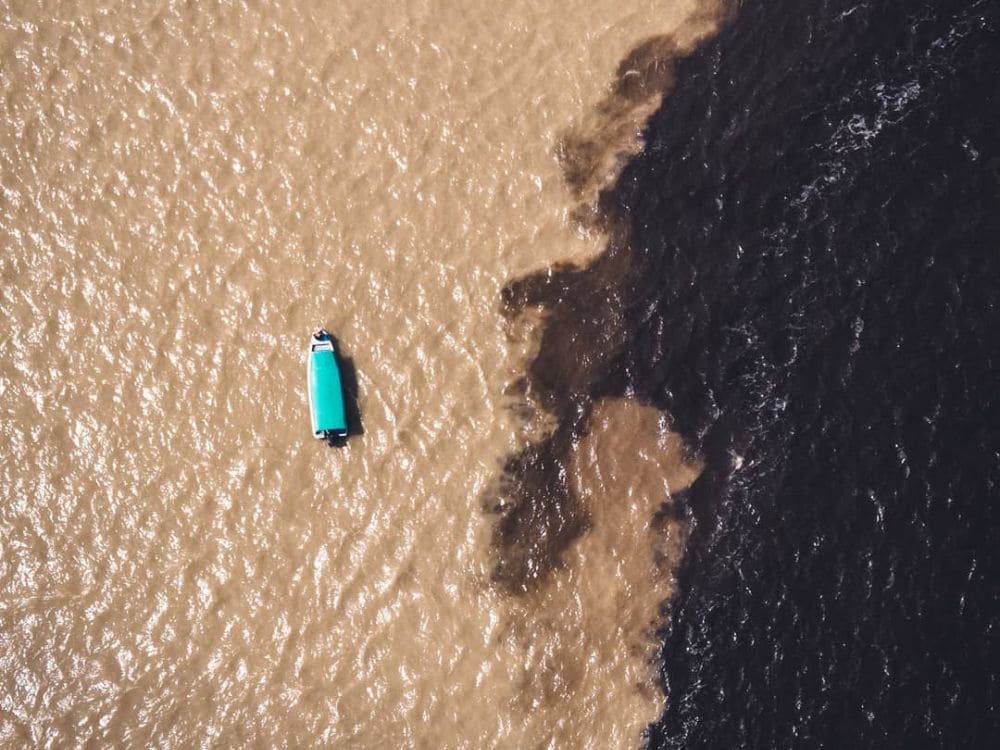
    The experience includes full board, private bungalows, and expert local guides ready to introduce you to the forest, including the Meeting of the Waters, where the Negro and Solimões rivers meet. It’s a short but powerful journey.

    What to do in Brazil during COP30
    .

    How to get there from Belém: Fly to Manaus, then the lodge team will meet you at the airport and take you by road to the port, followed by a boat transfer to the lodge.

    👉  Want to live the Amazon beyond the COP30? Try the 3‑Day Amazon Jungle Tour from Manaus

    Explore the protected area of the Mamirauá Institute  

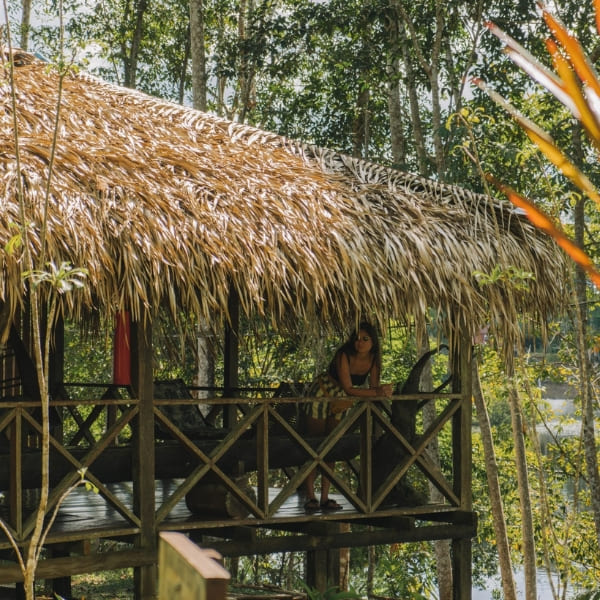
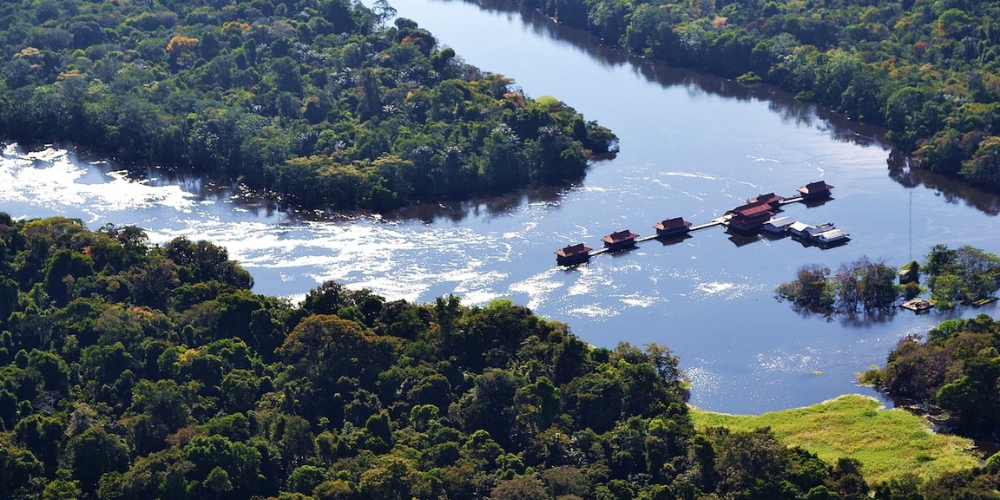
    Explore the Mamirauá Reserve, part of the Central Amazon Conservation Complex, a region recognized by UNESCO for its outstanding biodiversity. Stay in the Uakari Lodge, a floating ecolodge surrounded by the Amazon’s rich ecosystems, and enjoy activities like night safaris, piranha fishing, and visits to local communities.

    What to do in Brazil during COP30
    .

    Ideal for COP30 attendees, this experience offers a chance to connect with nature while learning about pioneering conservation and research conducted by the Mamirauá Institute.

    How to get there from Belém: Fly to Manaus, then connect to Tefé. The lodge team picks you up by boat at the Tefé airport!

    👉  Join an unforgettable Amazon adventure: Book your ecolodge experience!

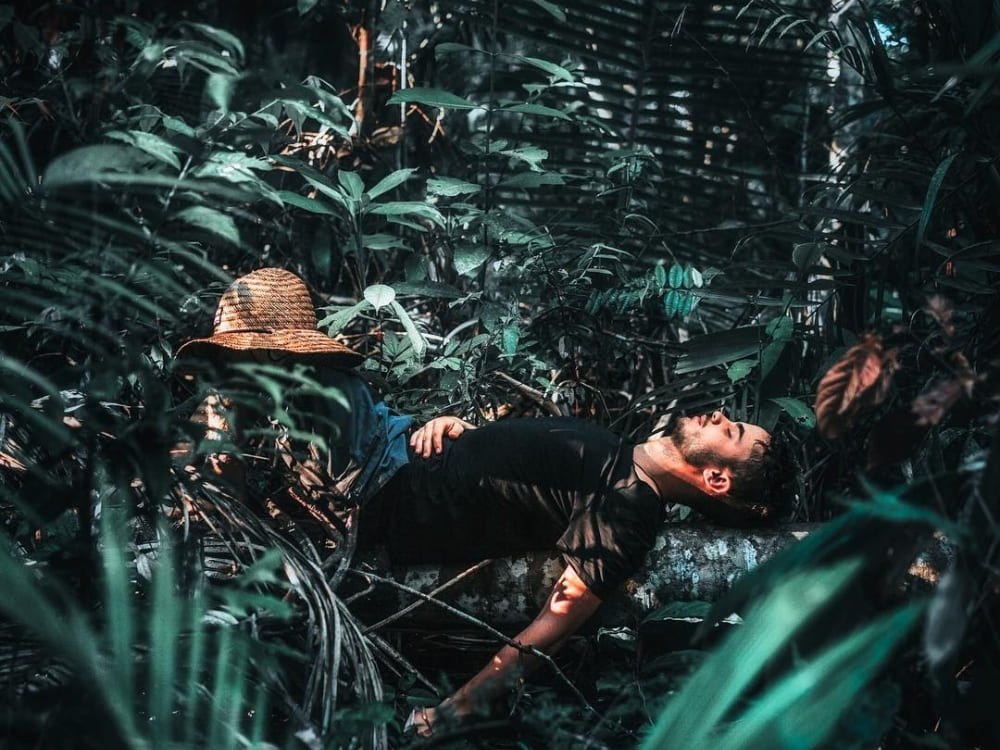
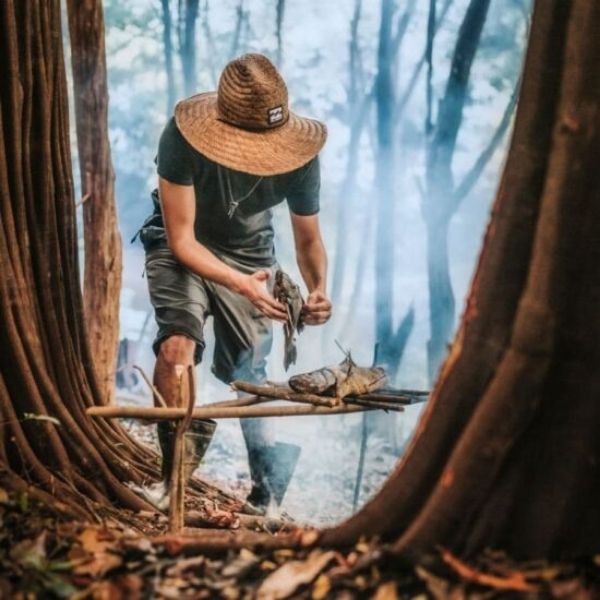
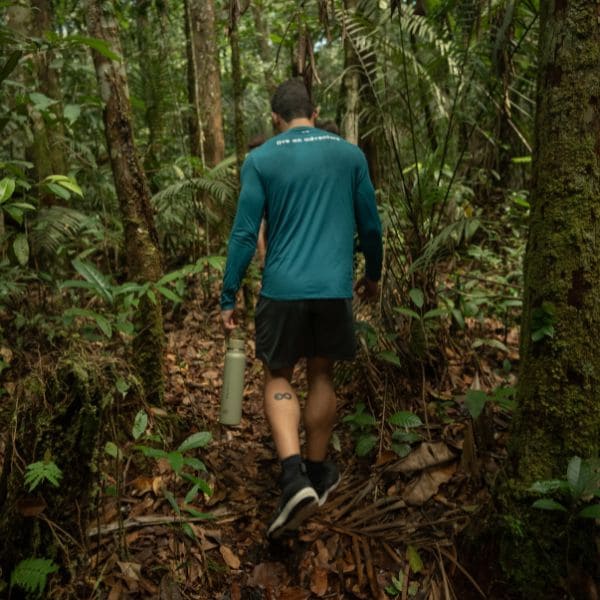
    A Real Jungle Survival Adventure 

    Embrace the Amazon like never before with this thrilling survival adventure. Venture deep into the rainforest, where you’ll hike, canoe, and camp in the wild. Learn survival techniques, such as fishing, plant identification, and river navigation, while observing the vibrant wildlife in their natural habitat.

    Perfect for those seeking an authentic, immersive experience, this nature tour offers a true connection with nature, far from any comfort zones. 

    How to get there from Belém: Flights to Manaus daily; pick-up from the hotel or airport is included.

    Real Jungle Survival Adventure 
    @lucasdguerra

    👉  Ready for the 4-Day Amazon Jungle Survival Tour? Immerse yourself in this adventure!

    The Best of the Amazon Rainforest Tours in 4 Days

    How about immersing yourself in the Amazon without a lengthy commitment? Explore the Meeting of the Waters, hike jungle trails, and enjoy birdwatching as you spot unique species in the rainforest. 

    This is the perfect option for those who want a well-rounded Amazon experience without needing to spend too much time. Stay in a comfortable lodge, with expert guides leading you through the local Caboclo culture and the rainforest’s rich biodiversity.

    How to get there from Belém: Quick flights to Manaus are available daily.

    Meeting of the Waters
    .

    👉 Don’t miss out on this complete journey! Check out our 4-day Brazilian Amazon Jungle Tour

    Experience Wildlife Travels and Birdwatching 

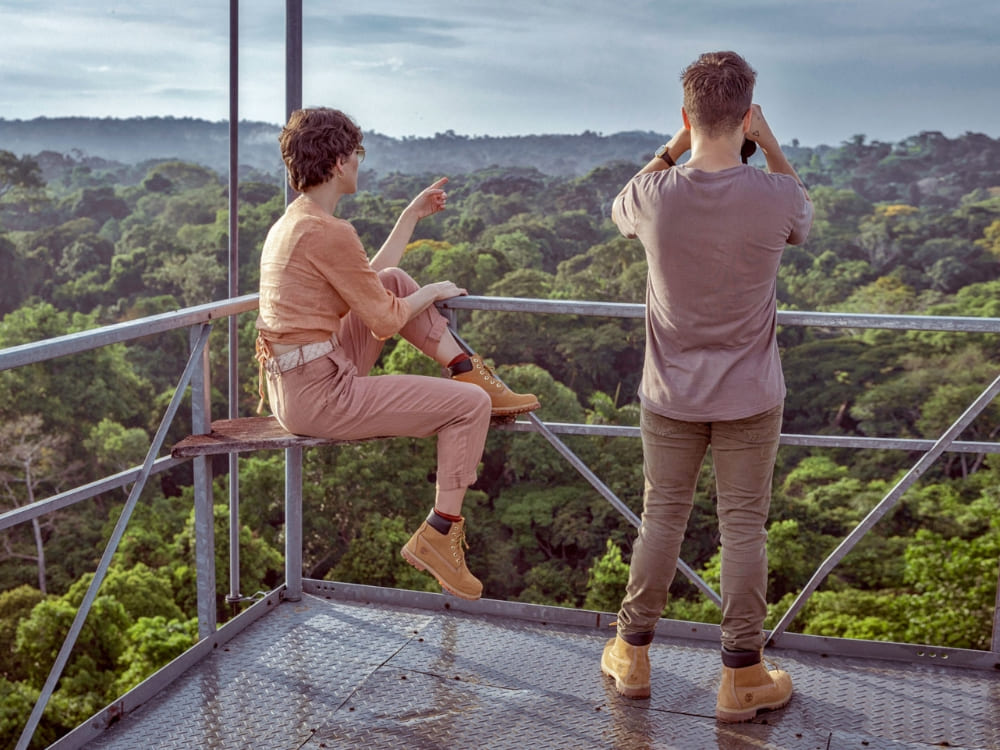
    A lesser-known but fascinating option is located in the state of Mato Grosso, where the Amazon begins to meet the Pantanal. At Cristalino Jungle Lodge, visitors explore a private reserve recognized for its biodiversity and conservation work. This area is considered one of the richest in bird species on the planet and attracts researchers from around the world.

    With guided trails, canopy towers, river tours, and exceptional accommodation, the Cristalino experience is a great option for those looking to combine nature and scientific relevance, all with minimal impact. 

    Perfect for those looking for COP30 tours and travels that highlight scientific discovery and biodiversity.

    How to get there from Belém: Fly to Alta Floresta with a stopover in Cuiabá; a lodge transfer is arranged from the airport.

    Birdwatching Amazon Rainforest
    Photo: Samuel Melim

    👉  Interested in exploring one of the best conservation models in Brazil? Discover the Cristalino Jungle Lodge

    Discover other nature tours in Brazil during COP30

    Beyond the Amazon Rainforest, Brazil offers other breathtaking ecosystems where ecotourism thrives. If you’re extending your stay after COP30 or planning a parallel escape, consider these unforgettable experiences that blend adventure, sustainability, and cultural immersion: 

    Hike the ancient land of Monte Roraima (RR) 

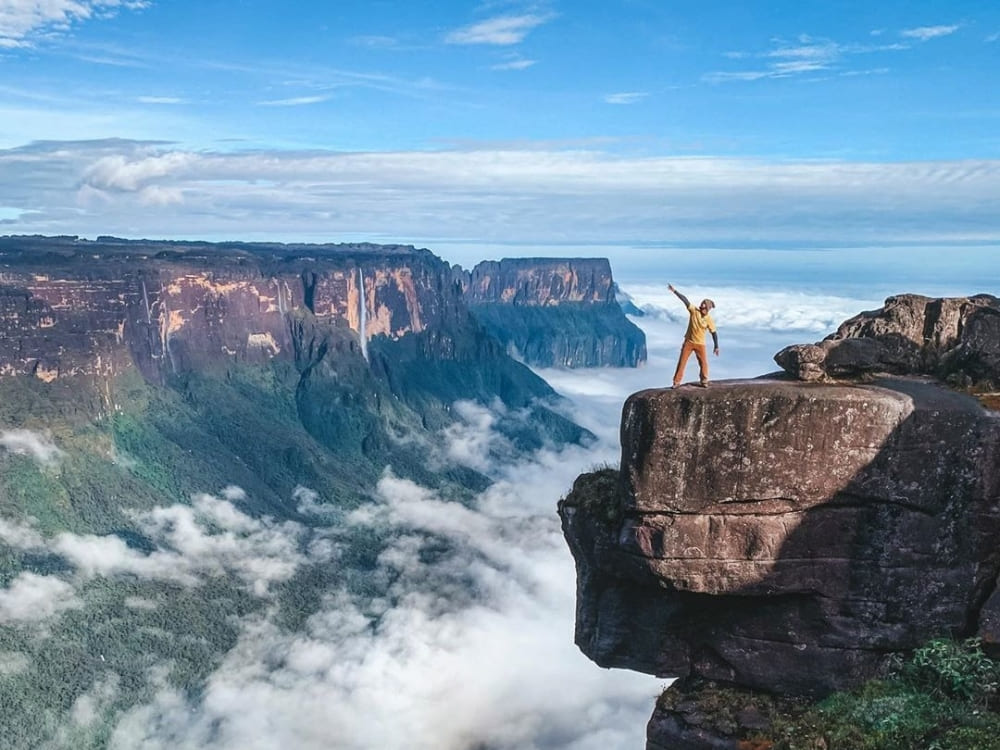
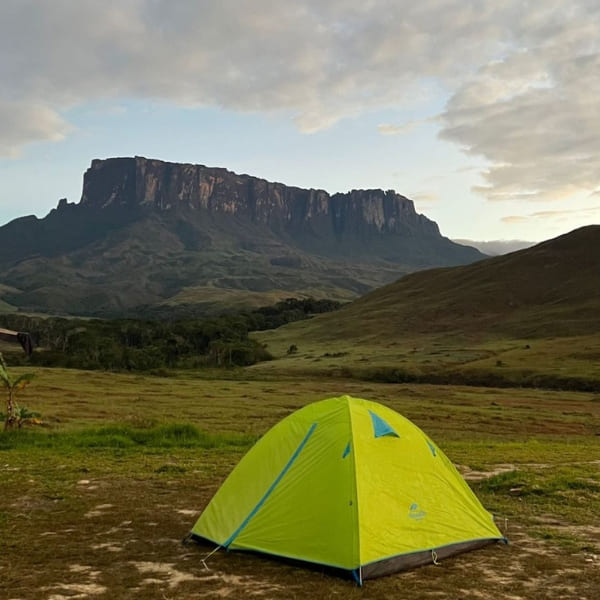
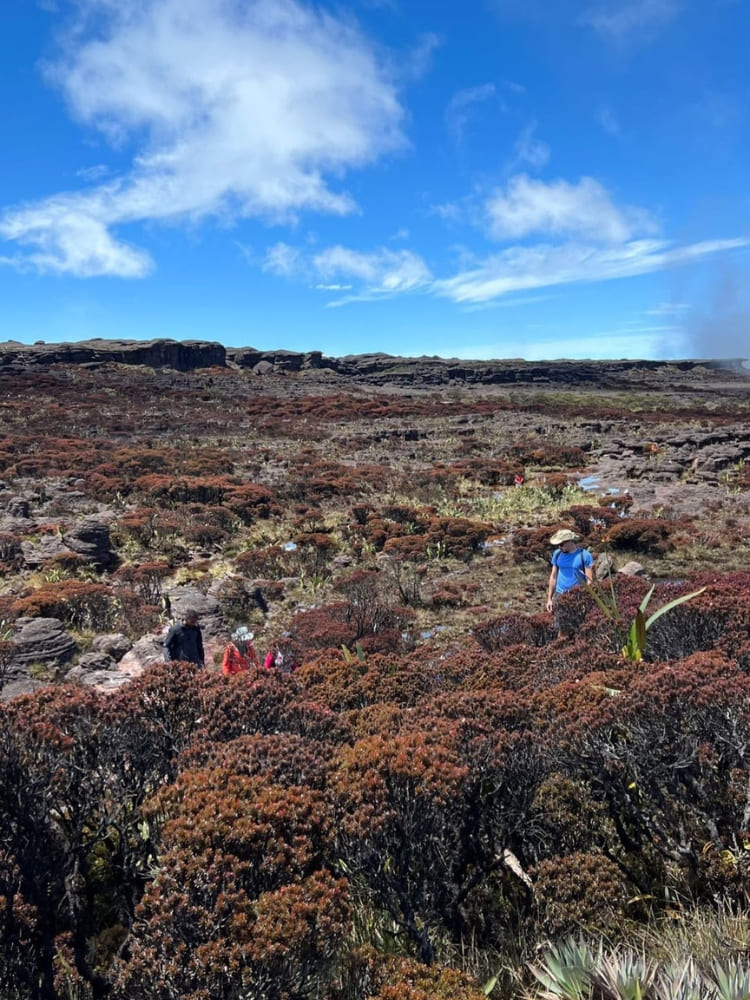
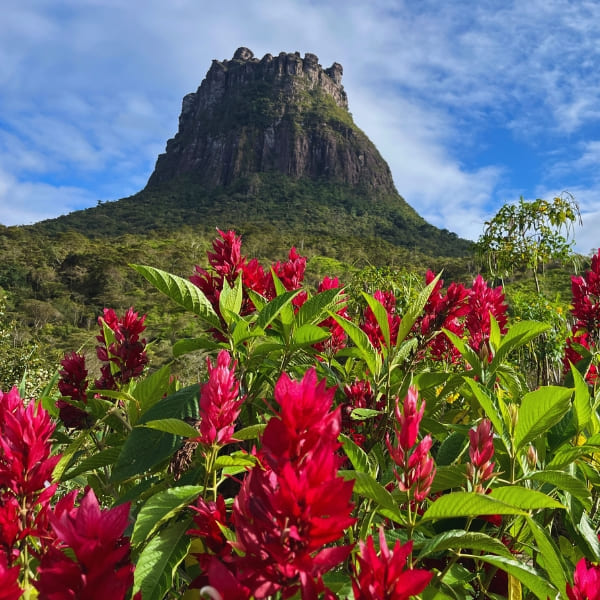
    Walk through clouds and ancient legends! Monte Roraima, one of the oldest geological formations on Earth, stands at the border of Brazil, Venezuela, and Guyana. This remote tabletop mountain is surrounded by myths, biodiversity, and striking landscapes.

    Reach the Summit of Monte Roraima 

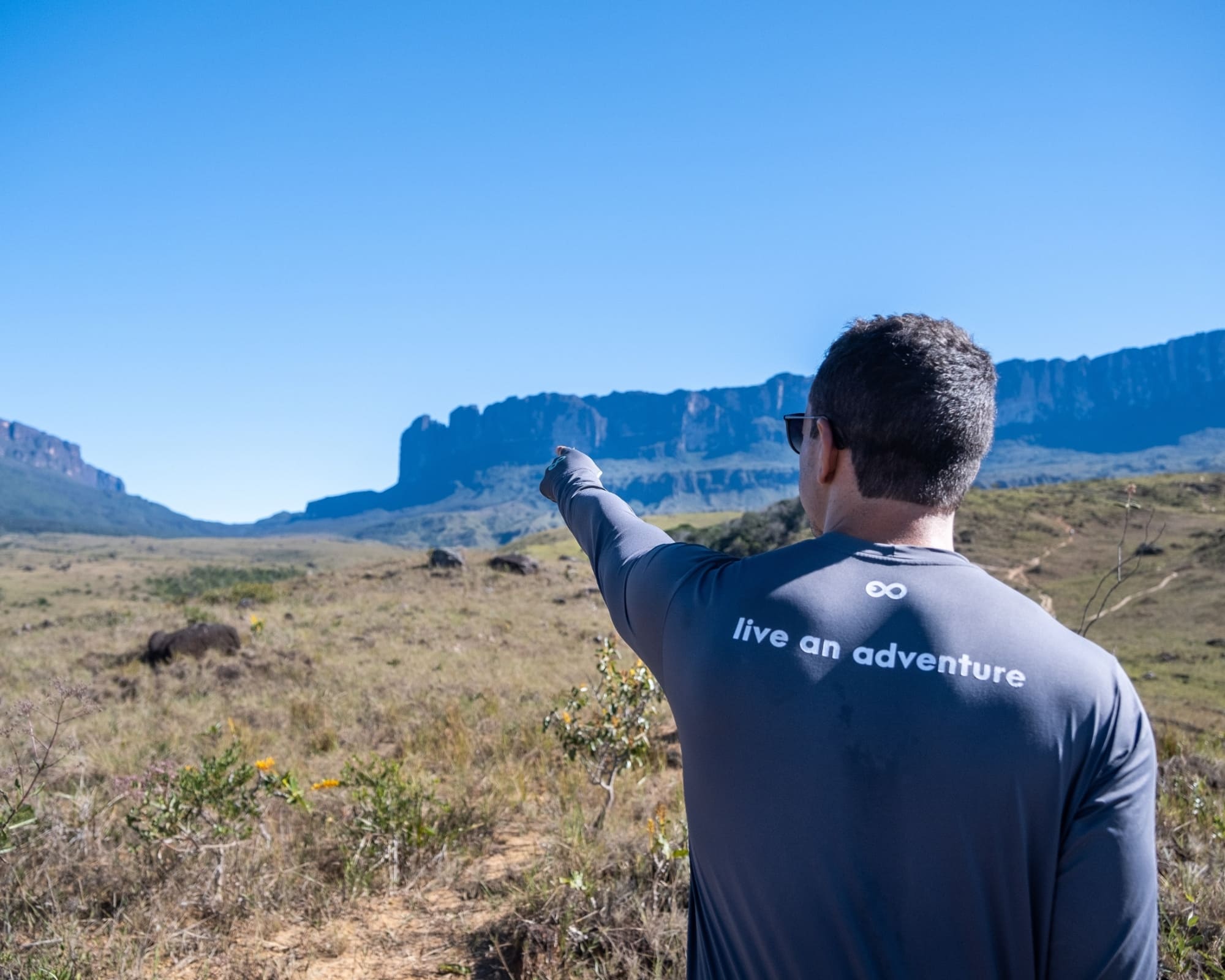
    Choose between two unforgettable adventures, both taking you to the summit of this legendary mountain. If you’re short on time, the 8-day trek offers a shorter itinerary that still reaches the summit, with one night on the top and visits to the Indigenous Community Paraitepuy, wild camping, and the stunning “La Ventana” viewpoint.

    Hike Mount Roraima
    @na7hann

    👉  Looking for a shorter but intense adventure? Discover the Monte Roraima 8-Day Trek

    For those seeking a deeper, cross-border experience, the 10-day expedition covers the full ascent, summit exploration, and descent via the Venezuelan side, a physically demanding journey offering a profound connection with this ancient land.

    How to get there from Belém: Flight to Boa Vista (via Brasília); 4×4 transfer to the trek’s starting point included.

    👉  Want to go all the way? Explore the 10-Day Monte Roraima Full Expedition

    Wildlife Travels: Pantanal Immersive Safaris 

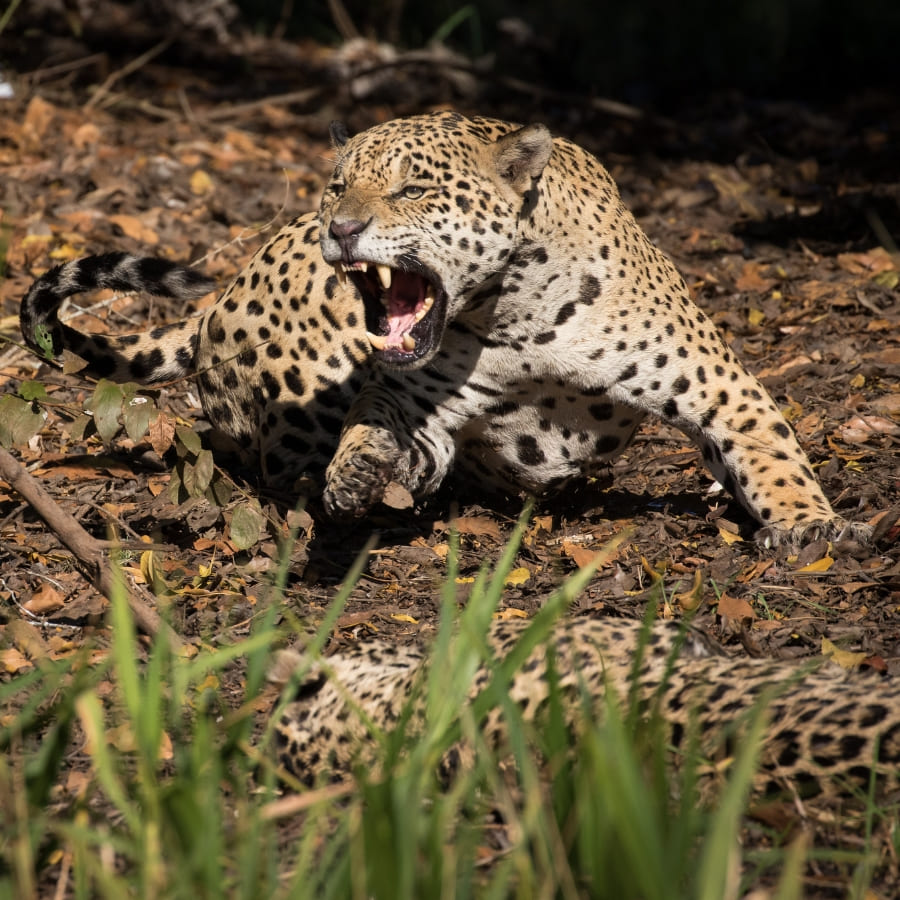
    The Pantanal is the best place for wildlife observation. Unlike the dense Amazon, its open landscapes offer clear views of animals in their natural habitat. As the world’s largest tropical wetland, it’s home to jaguars, giant otters, capybaras, and hundreds of bird species.

    Pantanal Jaguar Safari: Luxury & Conservation 

    Stay in a 53,000-hectare ecolodge in Brazil’s Pantanal, a region known for its incredible biodiversity and strong conservation efforts. This 4-day luxury safari includes boat safaris, jeep tours, and canoeing, offering close encounters with wildlife like caimans, capybaras, and hundreds of bird species.

    It’s a meaningful way to connect with nature during COP30 Brazil, while supporting sustainability and relaxing in comfort.

    How to get there from Belém: Fly to Cuiabá with a layover in Brasília or São Paulo; lodge arranges Pantanal transfers.

    Pantanal Immersive Safaris 
    Photo: Edu Fragoso

    👉 Ready to discover the Pantanal’s natural wonders? Explore this destination in an environmentally protected area

    Pantanal & Bonito: 5 Days of Nature and Adventure 

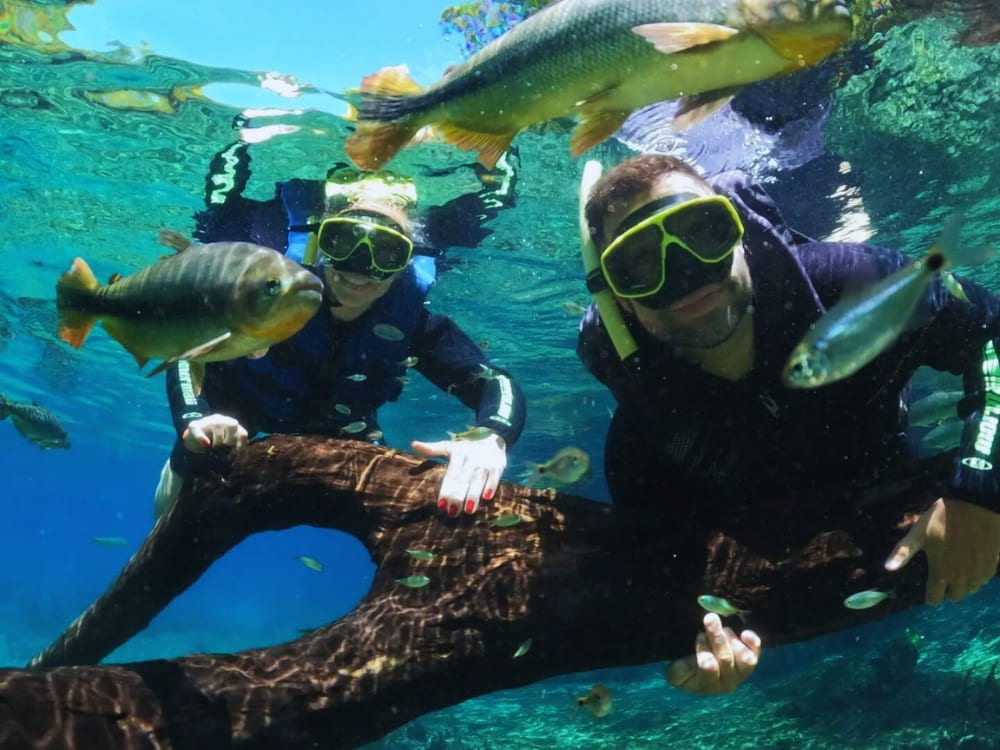
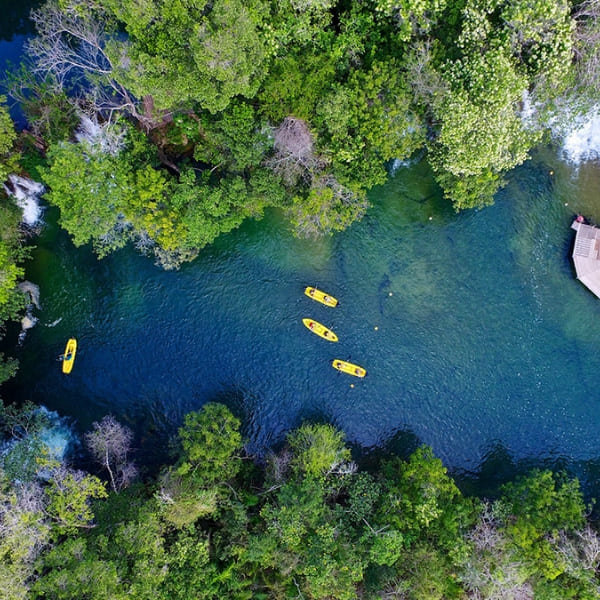
    Combine two beautiful Brazilian destinations on one trip: Explore Brazil’s Pantanal and Bonito in this 5-day ecotourism adventure. Spot wildlife in the Pantanal and then discover Bonito’s crystal-clear rivers and caves. Enjoy boat safaris, horseback riding, and snorkeling in one of the world’s clearest rivers!

    How to get there from Belém: Fly to Campo Grande via São Paulo; road transfer to Pantanal and Bonito is included.

    Diving in Bonito
    @shirleytf4

    👉 Dive into Brazil’s natural wonders: Join this unforgettable adventure today!

    Immerse yourself in the highlands of Chapada Diamantina

    Chapada Diamantina National Park, in the interior of Bahia, is one of Brazil’s top trekking destinations. With trails crossing canyons, plateaus, rivers, and Atlantic Forest patches, the region offers a mix of biodiversity and impressive geological formations shaped by water and time.

    Follow One of Brazil’s Most Iconic Trails

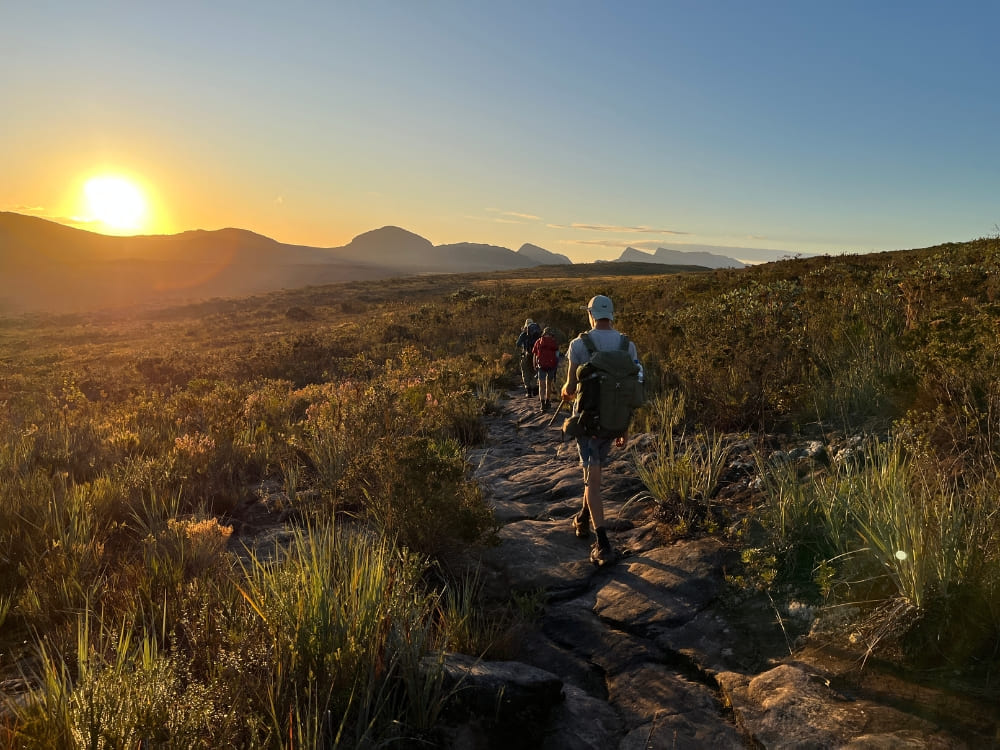
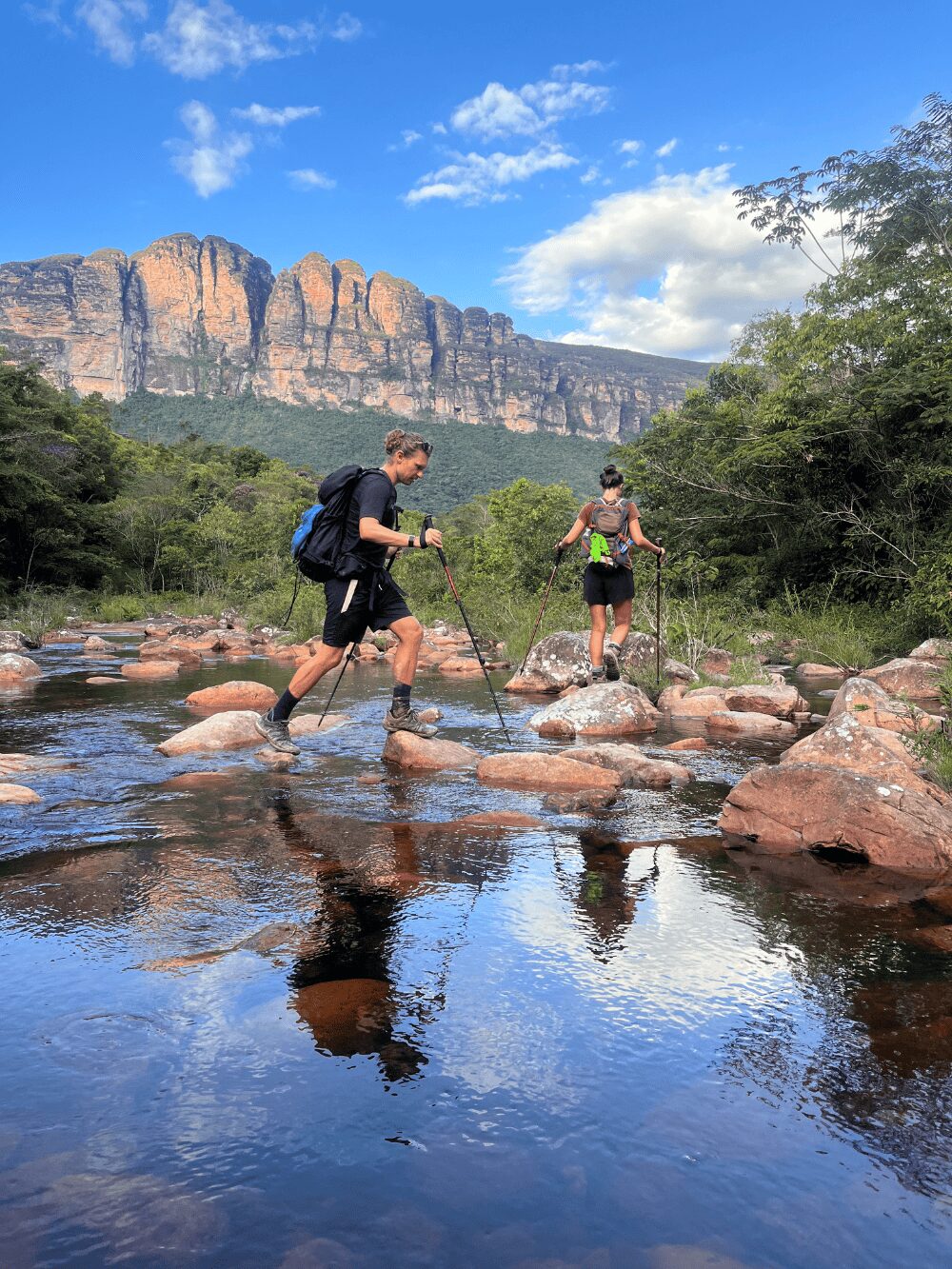
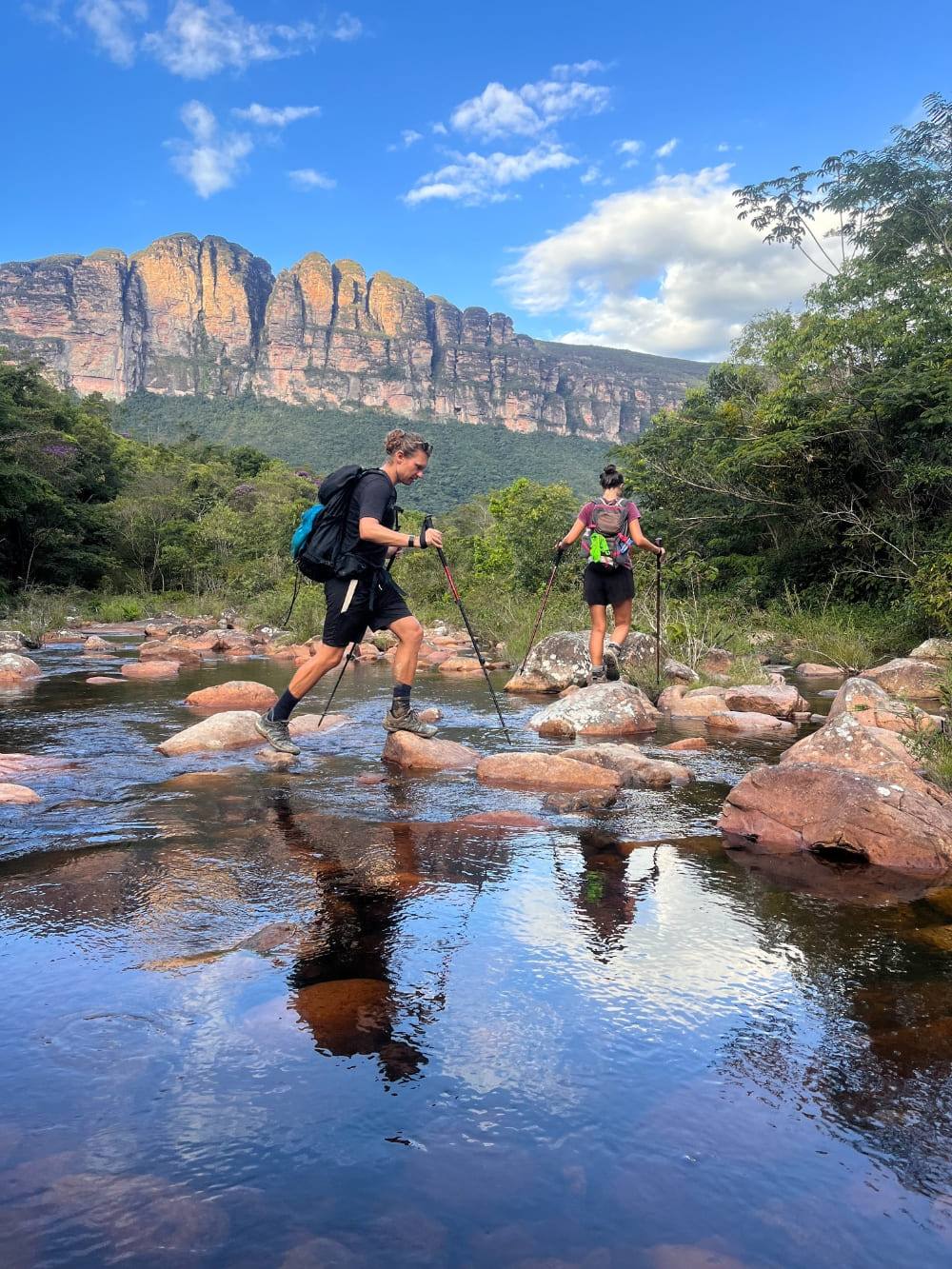
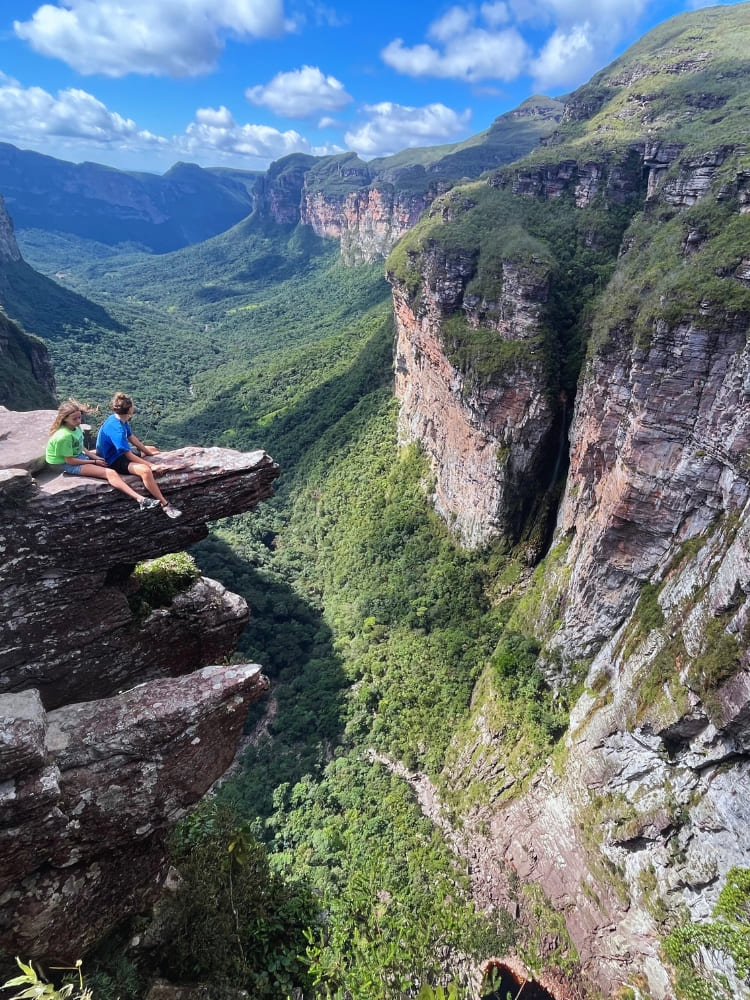
    The classic Vale do Pati Trek takes you through one of the most scenic valleys in South America. The route includes river crossings, climbs to panoramic viewpoints like Cachoeirão, and overnight stays in local family homes. Each day ends with a refreshing swim in waterfalls or natural pools.

    Chapada Diamantina trek
    Photo: Guillaume Leman

    👉  Short on time? Try the 3-Day Vale do Pati Trek

    Discover Remote Trails and Viewpoints

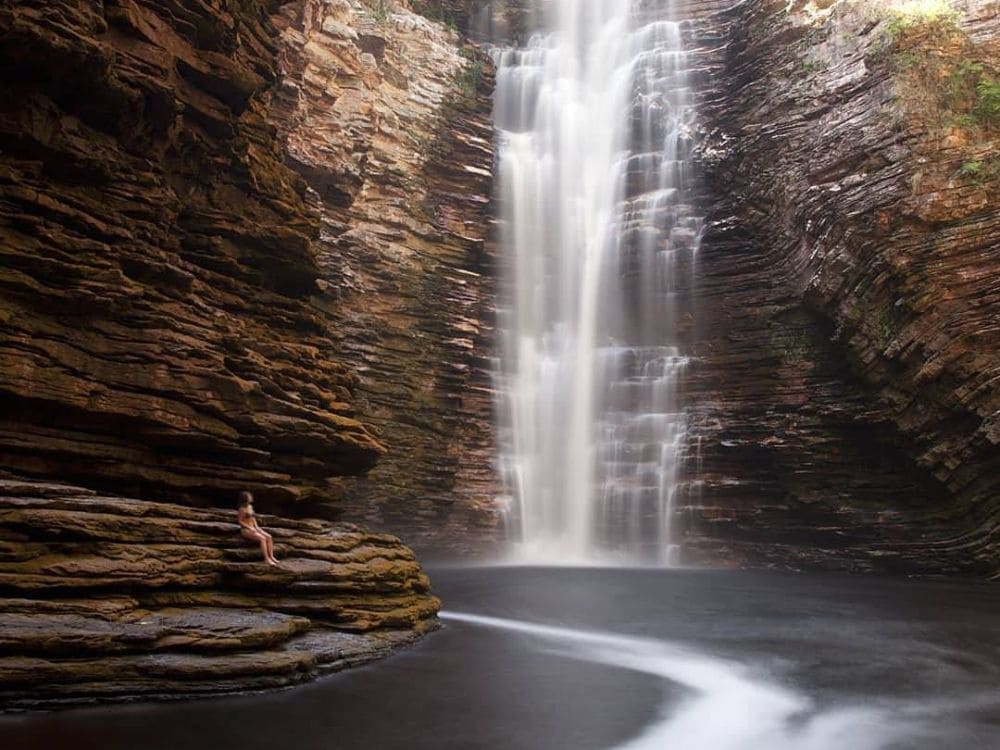
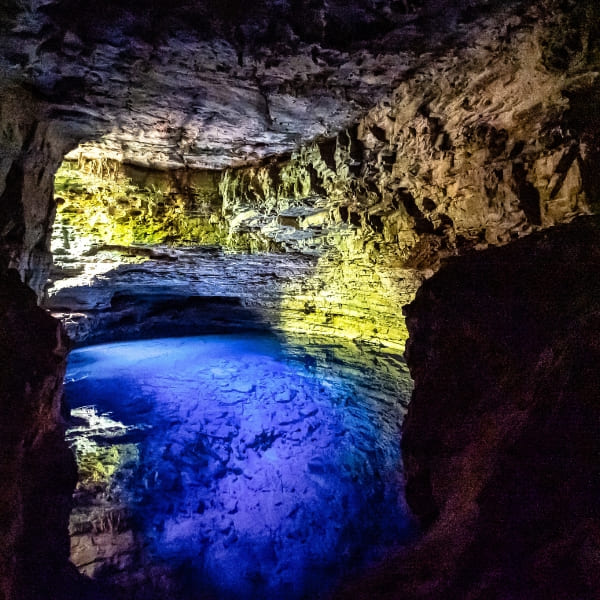
    Set off on a 6-day adventure through Chapada Diamantina, hiking to stunning sites like Vale do Pati, Buracão, and Fumacinha waterfalls, as well as the crystal-clear Poço Azul and Poço Encantado lakes.

    This moderate trek offers a perfect blend of beautiful landscapes, wildlife encounters, and authentic experiences. Expert guides will ensure you get the most out of this immersive journey.

    Note: This trek is moderate, ideal for those with basic hiking experience.

    How to get there from Belém: Fly to Salvador (Bahia), then continue by overland transfer to the town of Lençóis, the main gateway to Chapada Diamantina National Park.

    Buracao Waterfall Chapada Diamantina
    @albagonma

    👉  Looking for a deeper immersion? Discover the 6-day Ultimate Chapada Diamantina Hike

    However, if you’d like to explore other tour options in Vale do Pati with different formats and durations, check out our full selection here

    Traveling with purpose with PlanetaEXO 

    At PlanetaEXO, we believe every trip can make a positive impact. That’s why we create experiences that combine adventure, environmental conservation, and cultural exchange. During COP30 Brazil, while the world looks at Brazil, we invite you to go beyond the event and experience what’s at stake: not just in theory, but in the field.

    By choosing sustainable tourism, you become part of a movement that protects the forest, values local knowledge, and builds a more sustainable future. Let your journey be part of the solution.

    Want help choosing what to do in Brazil during COP30?

    Whether you’re looking for a short escape between sessions or planning a deeper immersion after the conference, our team is here to guide you.

    From the lush Amazon Rainforest to the vast wetlands of the Pantanal, Brazil offers unmatched wildlife travels that go far beyond the conference halls. There’s no better time to explore these nature tours beyond the COP30 Brazil!

    Talk to our team and plan your expedition with a purpose.

    Read More: 

  • World Environment Day: 10 Ways to Reduce Plastic on Nature Trips

    World Environment Day: 10 Ways to Reduce Plastic on Nature Trips

    While the world discusses solutions to the plastic crisis, conscious tourism and sustainable travel experiences are gaining ground in environmental conservation.

    On June 5, World Environment Day draws attention to one of the greatest contemporary challenges: plastic pollution. Created by the United Nations, the date is dedicated to reflecting on the urgency of environmental preservation. In 2025, the chosen theme is “Ending global plastic pollution,” reinforcing the warning about the impacts of excessive plastic consumption, which already extends beyond the oceans and reaches human bodies, the food chain, and entire ecosystems.

    According to Oceana, an international organization that advocates for the preservation of the seas, Brazil is among the largest plastic polluters on the planet. The country dumps 1.3 million tons of plastic every year. As a result, there is growing pressure for structural changes and more conscious habits. In the tourism sector, ecotourism has been consolidating itself as a viable and educational alternative for those who want to explore the world with less environmental impact.

    How to reduce plastic in nature
    Photo: Yuliya Taba

    Drawing on PlanetaEXO’s experience with nature-based and low-impact tourism, we’ve put together simple and effective tips to help reduce plastic use while traveling. In line with the message of World Environment Day, these practices highlight how ecotourism can raise awareness through direct experience.

    “By offering journeys to remote and often fragile areas, ecotourism makes people witness the damage caused by plastic pollution. They return changed. That personal shift is the first step toward collective impact,” says Lucas Ribeiro, founder of the platform. Check out the tips below:

    1. Bring your own reusable bottle

    It seems obvious, but it’s still one of the most neglected habits among travelers. Plastic bottles are still among the main types of waste found on trails, rivers, and beaches. To avoid disposing of this material, always bring a reusable bottle. Models with thermal insulation or filters are ideal for keeping water cool and safe during long expeditions, without relying on disposable packaging.

    2. Say no to plastic packaging on trails

    Avoid consuming processed snacks, such as cereal bars or chips, which generate waste that is difficult to manage in natural areas. Choose fresh or dry foods carried in reusable containers, waxed cloths, or fabric bags. In addition to reducing waste, you encourage more conscious consumption.

    3. Be part of the cleanup

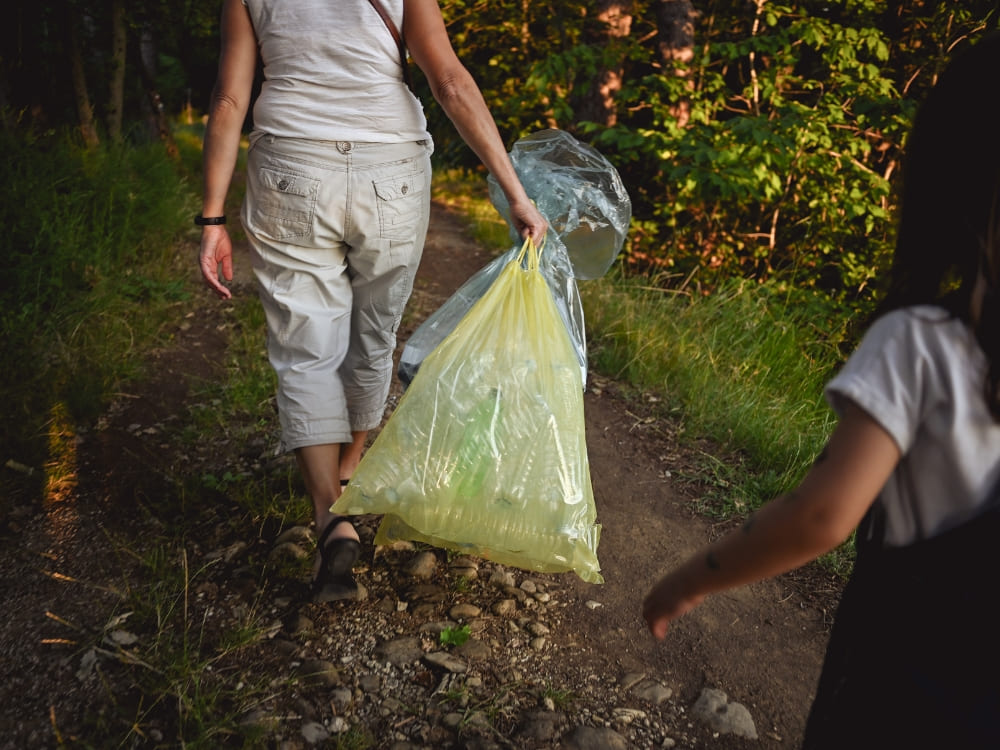
    Even when it’s not yours, picking up trash you find along the way is a gesture of collective responsibility. Plastic bags, bottle caps, and packaging are common on trails and in wooded areas. By removing them, you directly contribute to the preservation of the ecosystem and inspire other travelers to do the same.
    World Environment Day 2025
    Photo: Neustock Images

    4. Get informed and share

    Before traveling, learn about the impacts of plastic pollution in the region and the best practices adopted locally. During your trip, share this knowledge with others, whether in conversation or on social media. Individual examples help to form a collective culture of respect for the environment.

    5. Choose sunscreens without plastic and microplastics

    Many sunscreens come in plastic packaging and also contain microplastics in their composition, which end up in rivers and seas, directly affecting aquatic life. Choose biodegradable, plastic-free options with solid or refillable packaging. It’s a simple choice that reduces your environmental impact without compromising skin protection.

    👉 Do you also want to learn more about the positive impacts of ecotourism? Click here to read

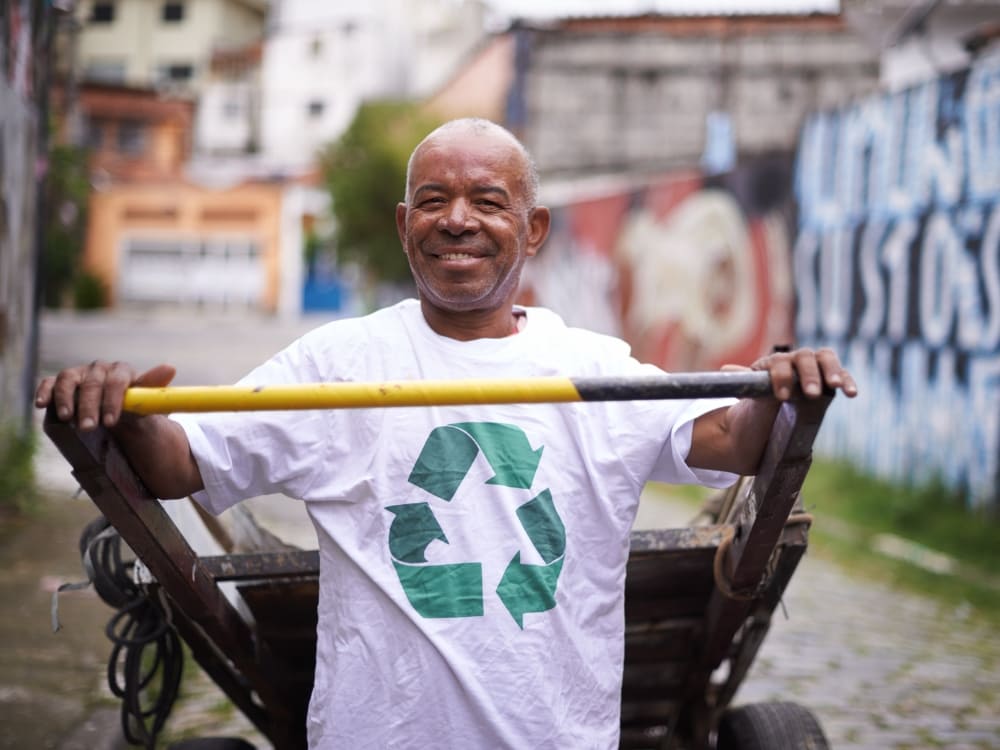
    6. Encourage and support local communities that recycle

    In many natural destinations, waste management is carried out by cooperatives or small local groups. Supporting these initiatives, whether by hiring their services or buying recycled products, strengthens the region’s economy and directly contributes to reducing irregularly discarded plastics.

     Waste pickers in Brazil
    Photo: People Images

    7. Store your trash until you find the right place to dispose of it

    On trails or in remote areas, it can be difficult to find trash cans or collection points. Therefore, bring a sturdy bag to store your trash until you can dispose of it properly. It’s a basic but essential step to prevent the accumulation of waste in protected areas.

    8. Avoid industrially packaged snacks on trails

    In addition to generating more waste, these products are generally not reusable or recyclable in the field. Prepare your own snacks in advance or buy in bulk. This avoids the use of disposable plastics and also allows for healthier and more economical food choices.

    Ways to reduce plastic
    Photo: Panaramka

    9. Use reusable containers to store food and personal items

    They are practical for carrying snacks, leftovers, or hygiene products while traveling. And although it may seem ironic to use plastic containers to combat excessive plastic use, reuse is precisely what makes the difference. A lightweight, durable container used over a long period of time prevents dozens of disposable packages from being used during a trip.

    10. Make it clear that you don’t want plastic when buying something

    When shopping at fairs, markets, or stalls, kindly let the seller know that you do not need a plastic bag, straw, or cutlery. Many establishments provide these items automatically. When consumers express a preference, they help break patterns and encourage change.

    👉 Why not take a look at the top 7 ecotourism destinations to visit in Brazil? Read here

    Ecotourism Travel consciously
    Photo: Ticiana Giehl

    Travel consciously

    Reducing plastic use when traveling does not require great sacrifices, just awareness. Every choice made during the planning and execution of a trip can have a direct impact on the environment visited. Ecotourism alone will not solve the plastic crisis, but it is part of the answer: it promotes knowledge, encourages sustainable behavior, and strengthens communities that depend on preservation.

    On this World Environment Day, the invitation is clear: travel more consciously, with less plastic, and more purpose.

    Discover how your next trip can make a difference. Explore PlanetaEXO’s nature-based tours and be part of a more sustainable way to travel.

  • Where does my waste go? Practical tips for separating waste and supporting recycling

    Where does my waste go? Practical tips for separating waste and supporting recycling

    Learn how to separate waste correctly and support recycling

    Trash is serious business. PlanetaEXO, a company based in São Paulo that works with nature tourism and positive impact, wants to broaden the debate about the destination of this waste and encourage more conscious habits. In the capital of São Paulo, for example, more than 12 million inhabitants generate a huge amount of waste every day. This is how the Café com Propósito was born, an event created in partnership with Spaces Vila Madalena, to promote reflection and local solutions.

    São Paulo produces around 12,000 tons of waste a day, according to Recicla Sampa. Each person generates an average of 1.5 kg of waste every day. Yet most people don’t see themselves as part of the problem or the solution. There is an entire system behind waste collection, with cooperatives, sorting and collectors, which depends on our cooperation.

    Understanding what happens to waste after it leaves our homes is the first step. Separating waste correctly prevents damage to the environment and helps those working in the recycling chain. Getting informed is the start of change. So here are some practical ways to separate waste correctly:

    1 – Wet and dry waste should be separated

    Avoid mixing wet waste (food waste, leaves and dirty paper) with recyclables. Wash and dry packaging before disposing of it (that’s right!). If possible, create a compost bin to turn organic waste into natural fertilizer (humus).

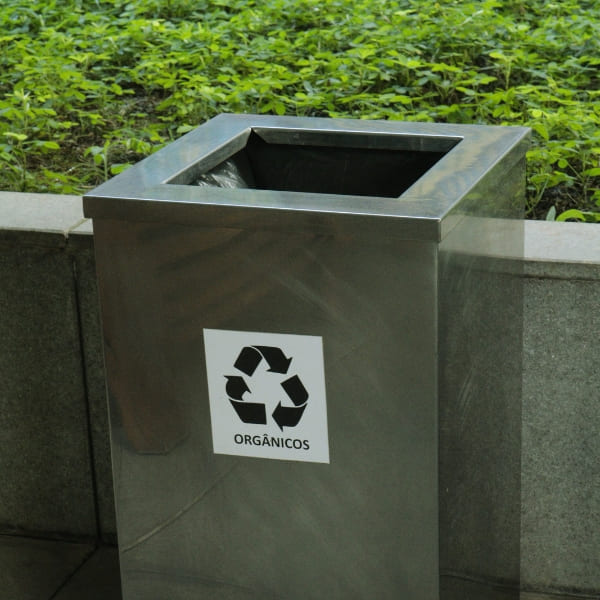
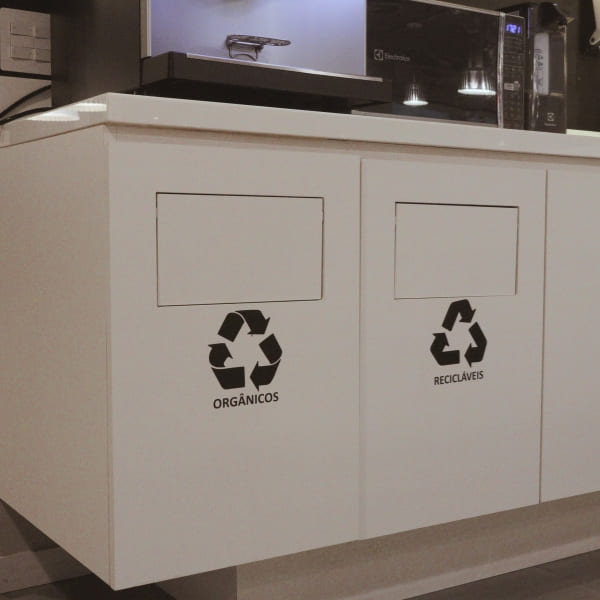
    For example, here at Spaces Vila Madalena the separation is done by named garbage cans, into organic and recyclable waste. Employees who use the space are encouraged to dispose of it correctly, and thus collaborate in the process.

    2 – Not all waste goes in the same bag

    Syringes, razors and broken glass should not be put out with the regular garbage. To avoid accidents with collectors, put them in separate bins or bags marked “contains sharp object”. If you also want to avoid incidents with animals, the use of bins is even more recommended.

    3 – Pay attention to special waste

    These are materials that can’t go either in the regular garbage or in the separate collection: cells, batteries, light bulbs, cooking oil, tires, medicines, electronics, etc. This waste contains toxic substances and can cause serious damage to the environment if disposed of incorrectly. The Recicla Sampa platform indicates  collection points in São Paulo for each type of material.

    4 – Avoid using black bags

    It sounds like a detail, but it makes a difference: white or blue bags make it easier for collectors to identify the contents, speeding up separation and sorting for recycling.

    5 – Get to know and support local initiatives

    In Brazil, there are more than 800,000 waste pickers, according to data from EBC. They are responsible for 58% of the country’s plastic collection. Many work in cooperatives, which play a fundamental role in the recycling chain and in generating income. Supporting these movements, whether with donations or these simple actions of separating waste for recycling, is part of the incentive.

    Waste pickers in Brazil
    Photo: People Images

    6 – Understand the types of plastic

    Not all plastic is the same. There are two main ones: those with a long life (such as those found in electronics) and those with a short life (such as disposable packaging). The latter accounts for more than 30% of the world’s plastic production and is often used only once.

    Plastic can take up to 400 years to decompose, so it is essential to reduce its use and prefer recyclable or biodegradable packaging.

    7 – … And speaking of plastic

    In Brazil, less than 2% of plastic is recycled. This shows that we still have a long way to go. Look for the recycling symbol on packaging. When it is there, it is a sign that the material can be recycled. Even if there is no symbol, dispose of it in dry bags so that the sorting work can be done by cooperatives or recycling centers.

    Recycling symbol on packaging
    Photo : Plastico.com

    Don’t just throw it away?

    There is no such thing as “away”. When we throw something “away”, we usually think that the problem disappears. But everything we produce continues on the planet. Soil, rivers, oceans and even the air we breathe can be impacted by what we dispose of incorrectly.

    That’s why it’s essential to rethink our habits and adopt a more responsible attitude. Simple everyday attitudes are part of a collective effort that transforms the fate of waste and the future of the planet.

    The role of PlanetaEXO

    At PlanetaEXO, we believe that every adventure can have a positive impact. That’s why, in addition to promoting sustainable travel in nature, we are always updating our environmental practices and strengthening partnerships with local communities. We understand that change starts with us, and we want to walk side by side with those who believe the same.

    If you’ve read this far, don’t stop at the content: put it into practice. And share it. The world needs more people committed to this cause.

    Read more:

  • PlanetaEXO: First Brazilian Travel Company in The Long Run

    PlanetaEXO: First Brazilian Travel Company in The Long Run

    Conscious and positive-impact tourism has just gained new momentum in Brazil. PlanetaEXO announces its affiliation with The Long Run, one of the leading global networks dedicated to sustainable tourism.

    With this achievement, PlanetaEXO becomes the first Brazilian travel company to join The Long Run, an international network of destinations committed to responsible tourism. In Brazil, the network already includes names such as Refúgio Ecológico Caiman, Pousada Trijunção, and Ibiti Projeto. Now, this commitment also extends to the experiences offered through PlanetaEXO‘s carefully selected partners, all aligned with The Long Run’s 4Cs framework: Conservation, Community, Culture, and Commerce.

    “Being alongside such important initiatives and having the recognition of The Long Run is a milestone for us”, says Lucas Ribeiro, founder of PlanetaEXO. “We’ve always believed that tourism can be a force for positive change, and being part of this global community reinforces the value of our mission.”

    Conservation The Long Run
    Photo: Aleksandrs Orlovs

    What Is The Long Run and Why It Matters

    Founded by the Zeitz Foundation, The Long Run is today one of the most respected global networks promoting tourism that protects nature and supports local communities. Its members commit to four key pillars:

    • Conservation: Protect biodiversity and reduce environmental impact.
    • Community: Involve and benefit local populations.
    • Culture: Promote and respect cultural diversity.
    • Commerce: Encourage long-term sustainable business practices.

    PlanetaEXO’s admission followed a rigorous evaluation process to ensure alignment with these principles.

    Planetaexo The Long Run
    Photo: Lucas Neves

    Who are we?

    Founded in 2021, PlanetaEXO was born from the desire to connect travelers with authentic, responsible adventures led by local guides and communities involved in environmental preservation. The project began in Chapada Diamantina with the iconic Pati Valley trek, but from day one, the goal was broader: to become a global platform for sustainable travel.

    PlanetaEXO does more than organize trips, it curates immersive experiences that prioritize environmental respect and community leadership. A significant share of the revenue generated by tours goes directly to local families, guides, and small businesses.

    Our model was designed to have a positive impact from the start, not just for travelers, but for everyone involved. We believe extraordinary adventures can go hand in hand with preserving and strengthening the places we visit.”

    Lucas Ribeiro

    The Long Run
    Photo: Clovis Cruvinel

    The Value of Global Collaboration

    In a world where mass tourism often harms ecosystems and erases cultural identities, The Long Run stands out as a model for transformative and inclusive tourism. The network goes beyond buzzwords and fosters deep, long-term benefits for nature and local communities.

    By joining this global movement, PlanetaEXO not only commits to best practices but also gains access to knowledge exchange, training, and international collaboration, tools that are key to improving impact-driven tourism while respecting local realities.

    Looking Ahead: What’s Next for PlanetaEXO

    Joining The Long Run signals a new chapter in PlanetaEXO’s journey. The company is currently expanding its itineraries to new regions across Brazil and Latin America, focusing on destinations with high ecological and cultural value. 

    It also plans to invest in training programs, partnerships with conservation projects, and technological improvements to make sustainable travel more accessible and efficient.

    “We want to show that adventure tourism can be a real catalyst for environmental and social change”, concludes Lucas Ribeiro. “Our journey is just beginning.”The Long Run

    About The Long Run

    Founded in 2009 by the Zeitz Foundation, The Long Run is a global initiative supporting tourism enterprises committed to a positive, long-term impact. With more than 40 members across five continents, including lodges, private reserves, and community-led projects, the network currently protects over 20 million acres of biodiversity worldwide.

    👉 Want to know more about our commitment as a member? Visit PlanetaEXO’s profile on The Long Run website.

  • Earth Day: 5 positive impacts of ecotourism

    Earth Day: 5 positive impacts of ecotourism

    April 22 is International Earth Day, a date that reinforces the importance of rethinking our relationship with natural resources.

    In a scenario of excessive consumption and environmental degradation, tourism also needs to be rethought. According to the World Travel and Tourism Council (WTTC), the travel industry is responsible for around 8% of global greenhouse gas emissions (2023 data).

    However, tourism, if well planned, can be part of the solution. It is in this context that sustainable ecotourism stands out. “Ecotourism, when done responsibly and with the involvement of local communities, can generate income without destroying ecosystems. It turns visitors into conservation allies”, says Lucas Ribeiro, founder of PlanetaEXO, a global ecotourism platform.

    That’s why initiatives that involve local communities and respect the limits of ecosystems are more effective in preserving nature and building sustainable economic alternatives.

    In this Earth Day, here are five positive impacts of ecotourism:

    1. Conservation of biodiversity

    Ecotourism encourages the preservation of natural areas by generating economic value associated with conservation. Destinations that previously faced deforestation, hunting and illegal mining now see the protection of biodiversity as an ongoing and legitimate source of income.

    Caiman - Pantanal
    Photo: Felipe Castellari

    2. Strengthening local communities

    By employing guides, artisans, small producers and owners of family-run lodges, ecotourism distributes income in a decentralized way. “This model helps keep people in the territory, with dignity and protagonism”, explains Lucas Ribeiro.

    positive impacts of ecotourism
    Photo: Aurelie-Poilleux

    3. Environmental education

    Ecotourism trips offer direct learning experiences with nature and local knowledge. Visitors get to know the environmental challenges of each region and return home more aware of their role as citizens.

    Cristalino Lodge - Amazônia
    Photo: João Paulo Krajewski

    4. Stimulating the circular economy

    The logic of “consuming local” is central to ecotourism. Food, transport and typical products are prioritized, strengthening short production chains and reducing the carbon footprint associated with the trip.

    Cerrado Rupestre - Jalapão
    Photo: Clovis Cruvinel

    5. Reconnecting with the planet

    More than just a style of travel, ecotourism invites us to change our mentality: to get out of the consumption mode and into a more attentive rhythm, more sensitive to the rhythms of the earth. In times of environmental urgency, this attitude becomes a political gesture.

    Lençóis Maranhenses
    Photo: Paraíso do Caju

    Sustainability

    In biomes under severe pressure – such as the Amazon and the Pantanal – the positive impacts of ecotourism have proved to be a concrete alternative to the advance of predatory activities such as deforestation, mining, and uncontrolled tourism.

    More than just a walk in the middle of nature, this type of tourism invites reconnection: with the environment, with traditional ways of life, and, above all, with the limits of the planet. In times of climate emergency, water scarcity, and accelerated ecosystem degradation, this reconnection is no longer an individual choice. It is a collective need, urgent and unavoidable.

    Read more:

  • The Volunteer Firefighters of Chapada Diamantina

    The Volunteer Firefighters of Chapada Diamantina

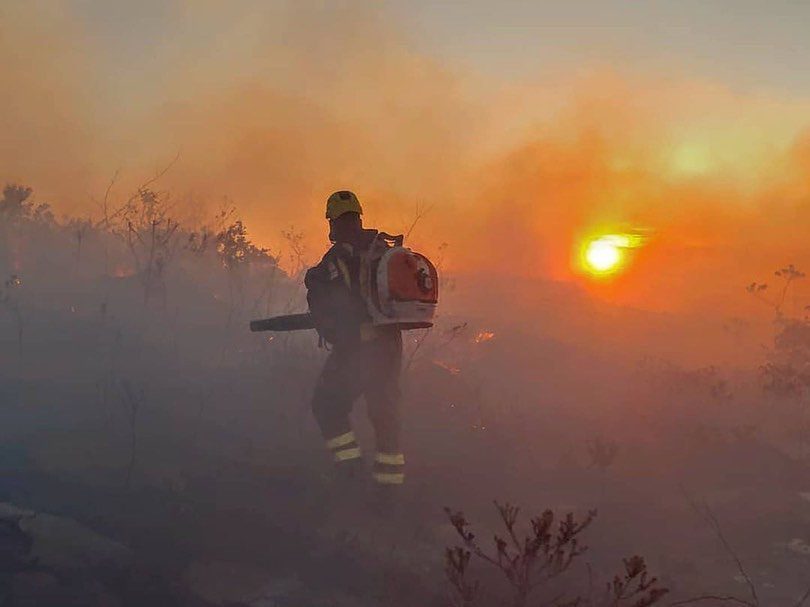
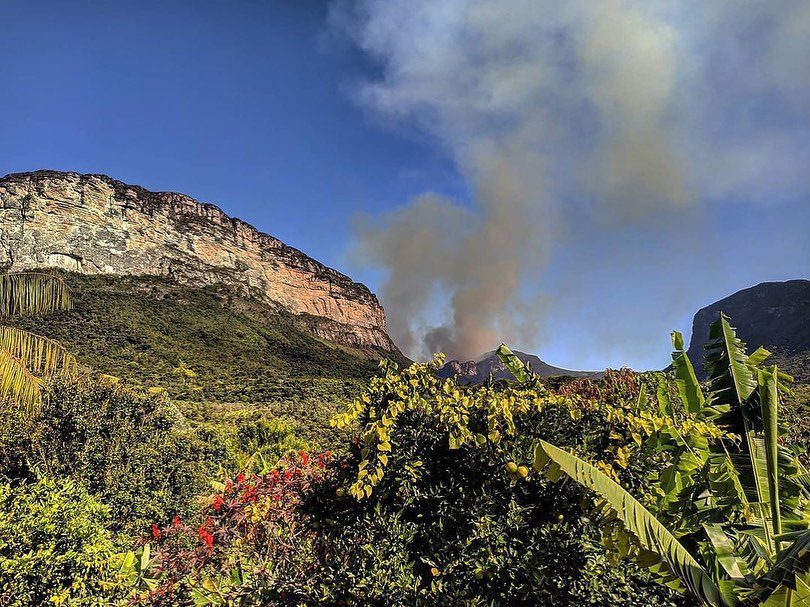
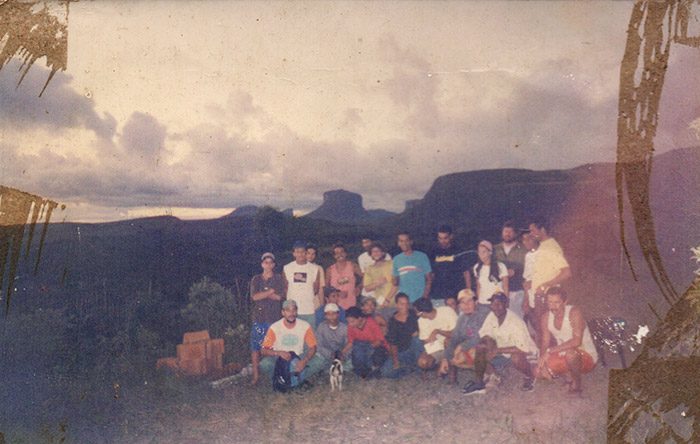
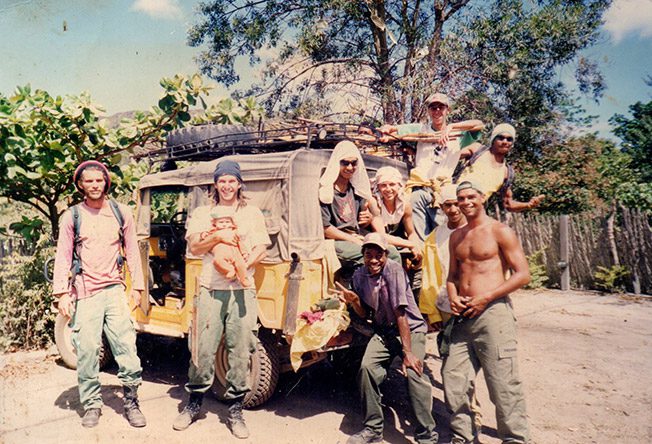
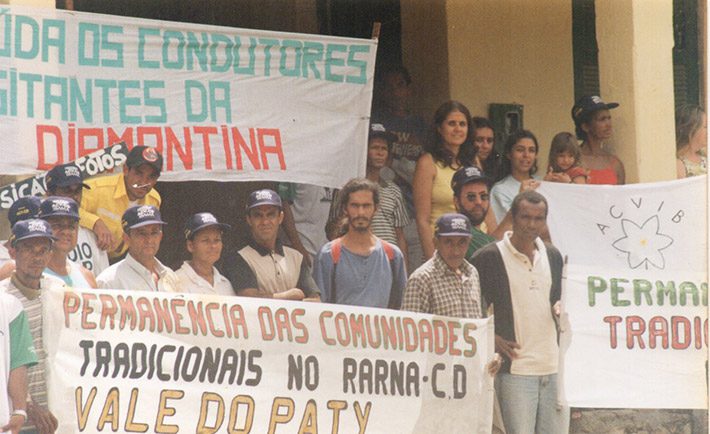
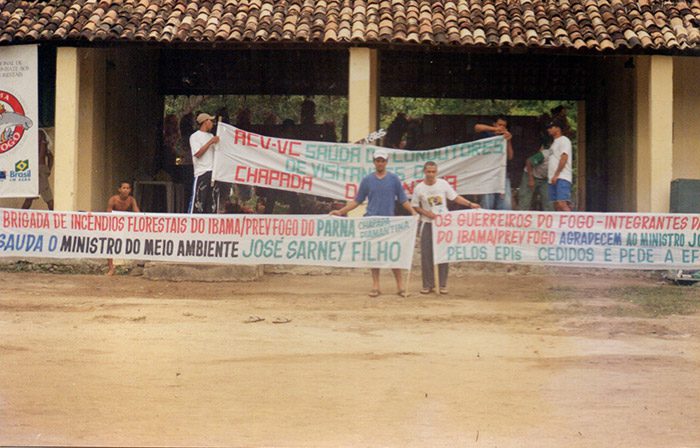
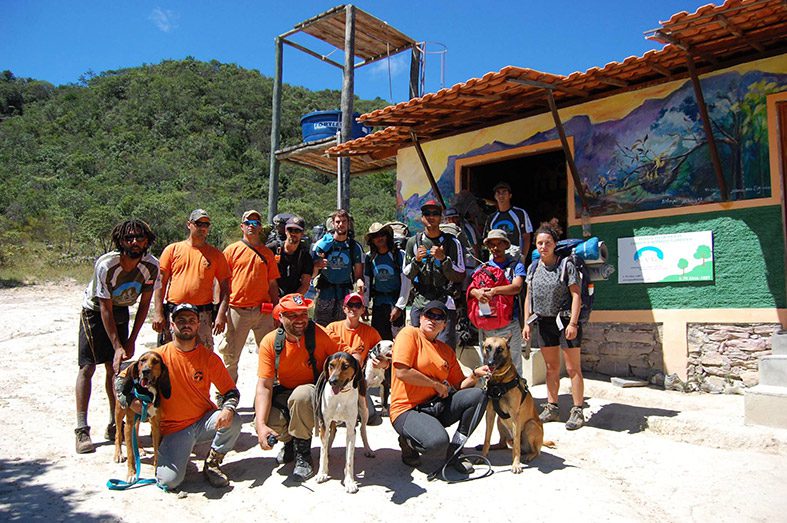
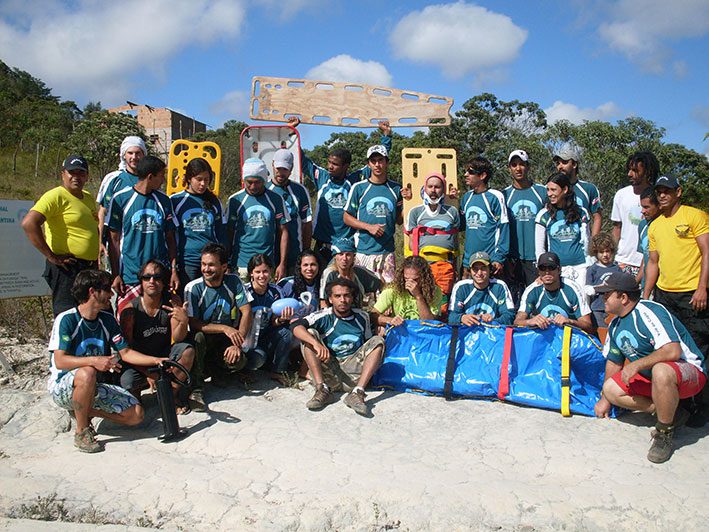
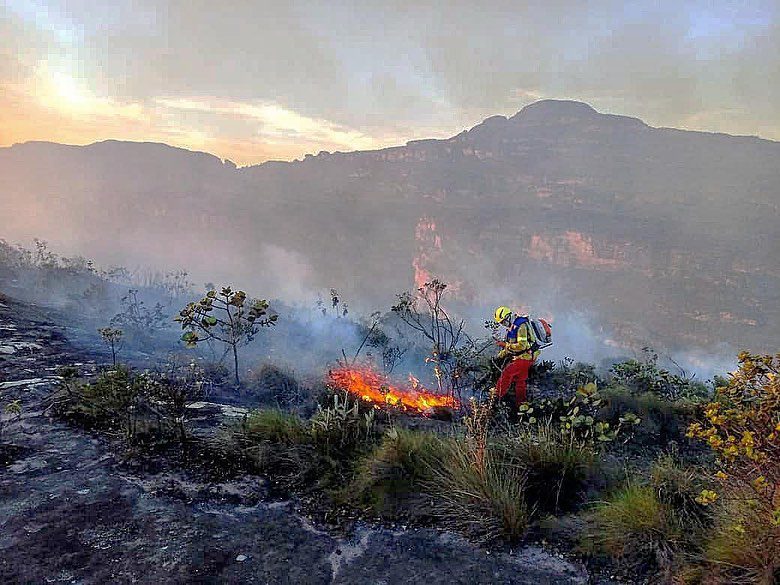
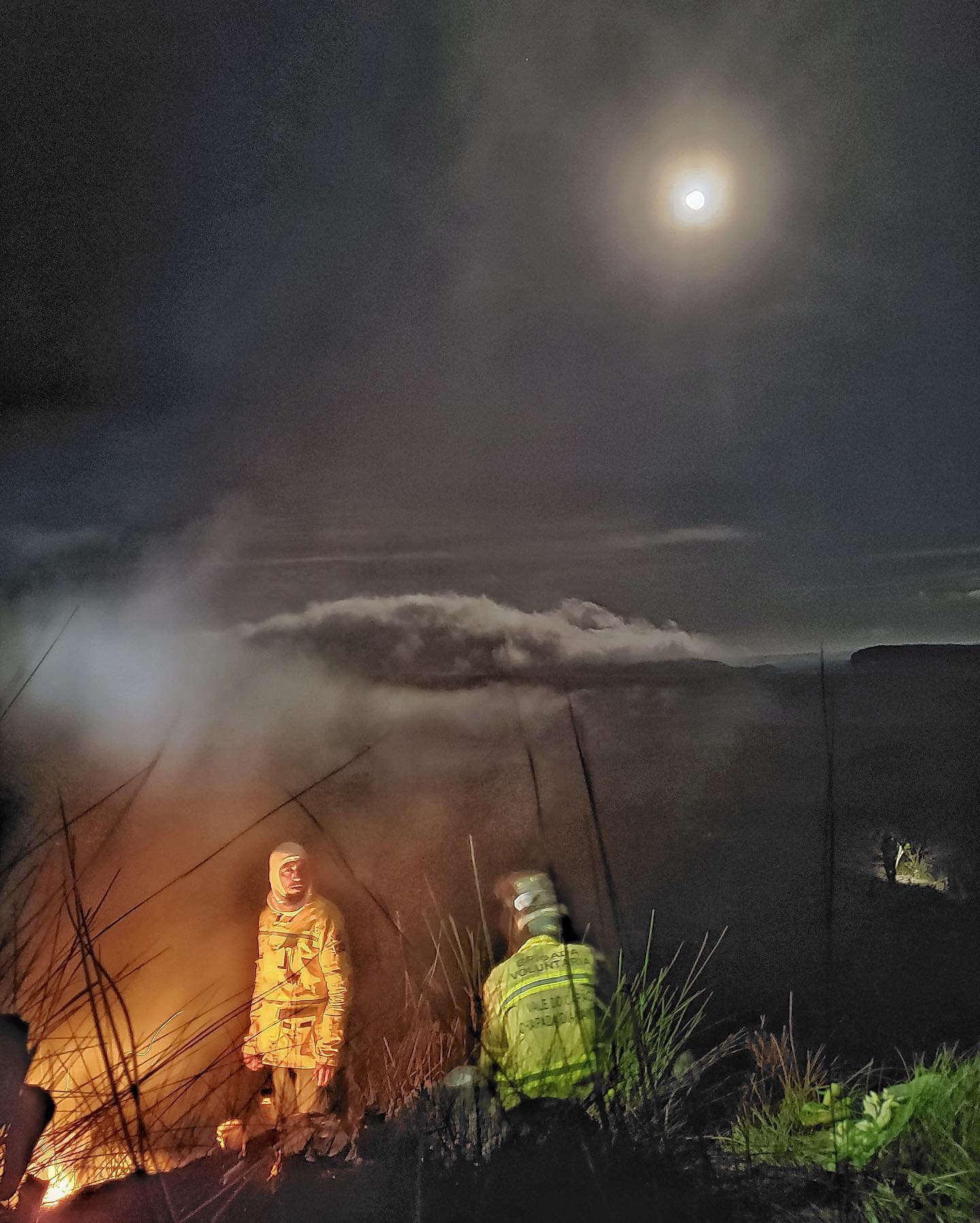
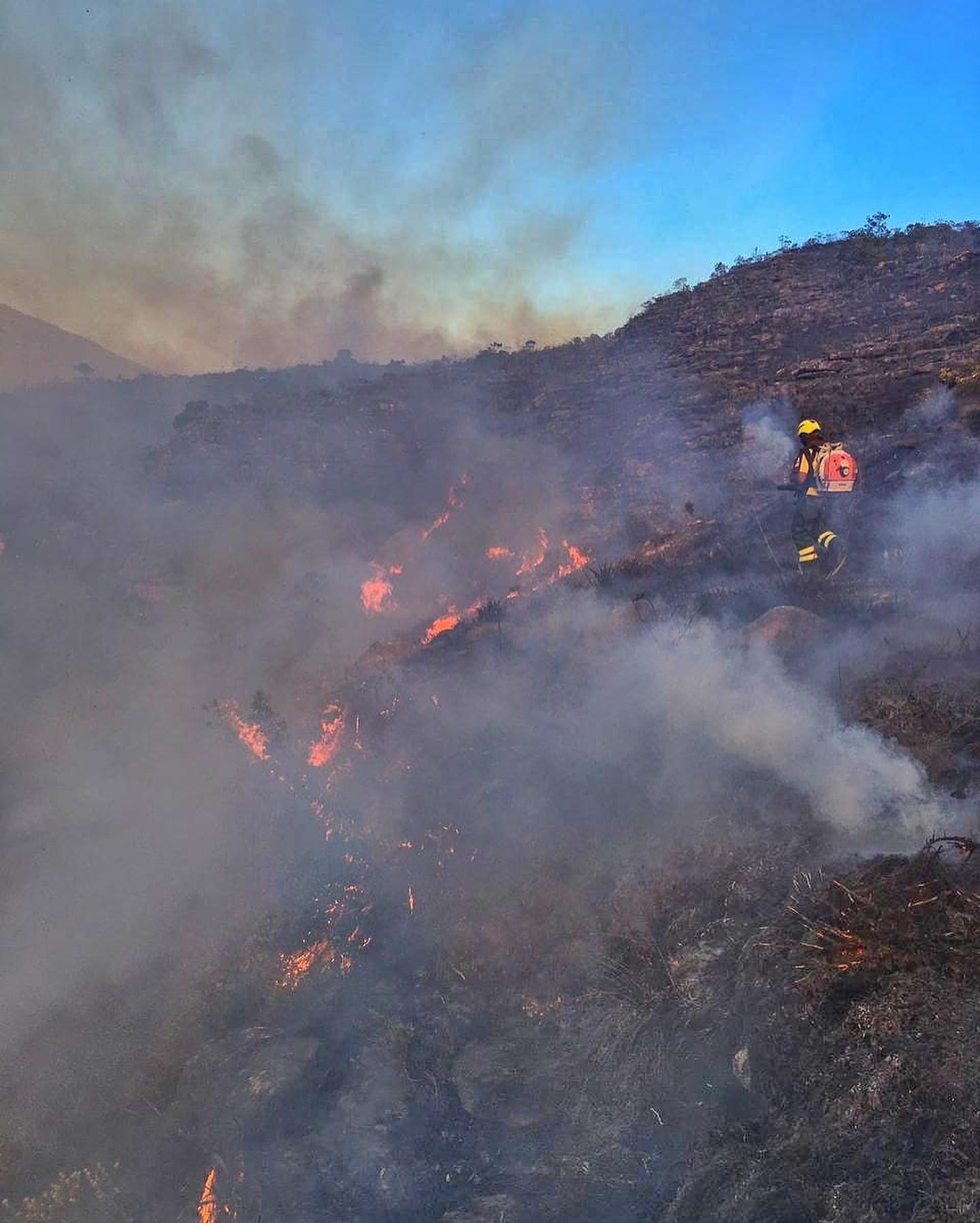
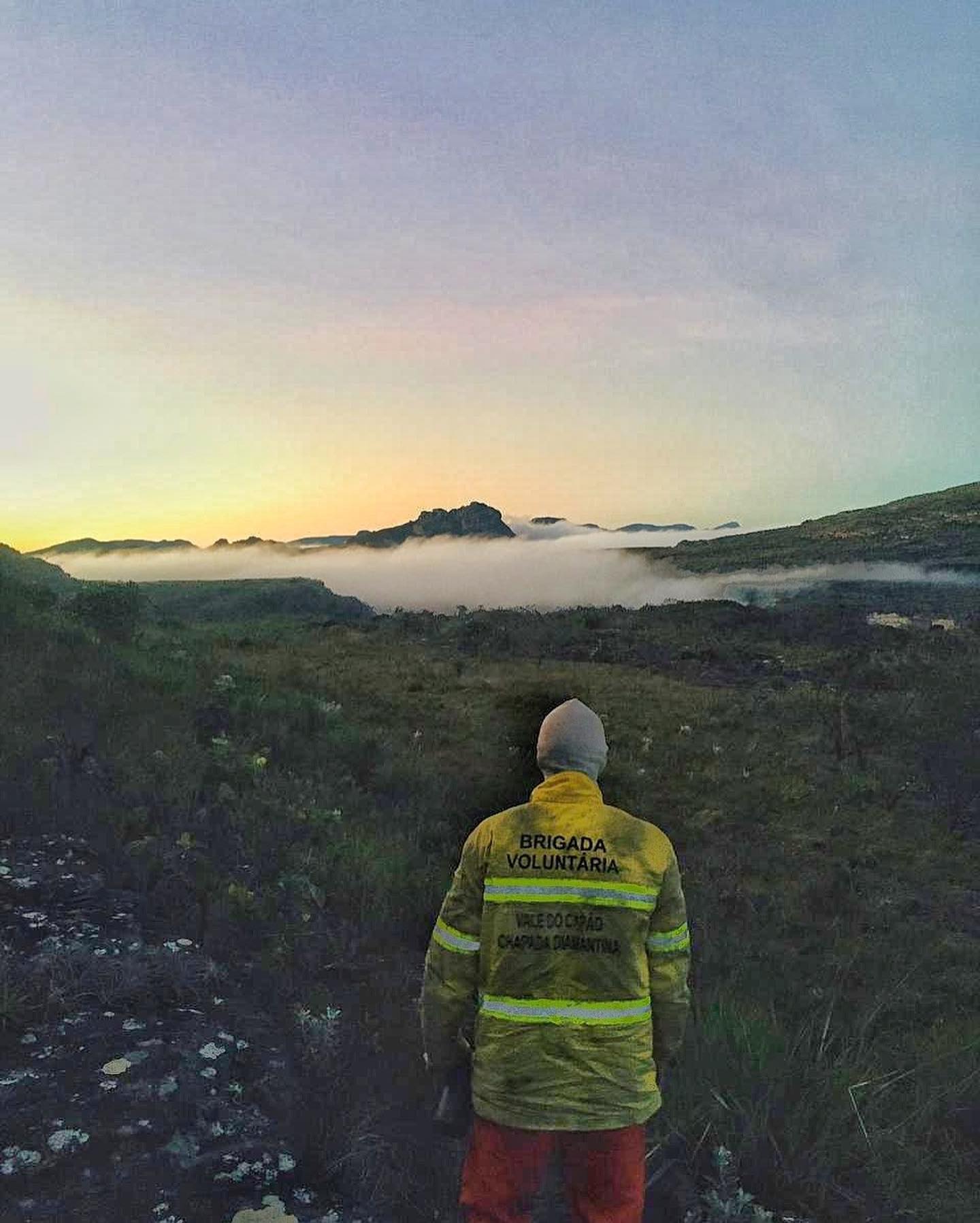
    Long before tourism was a constant in Vale do Capão, in Chapada Diamantina, a group of local residents gathered to fight the increasingly frequent and mostly criminal fires that emerged in the region. With each fire, a new environmental disaster that would take years to recover. To protect the place where they lived, in 1997, the first group of volunteer firefighters was formed in Vale do Capão. They were the ones who, without the help of government or specialized equipment, climbed the mountains to put out the fire.

    Another criminal fire in Vale do Capão, 2021, Chapada Diamantina.

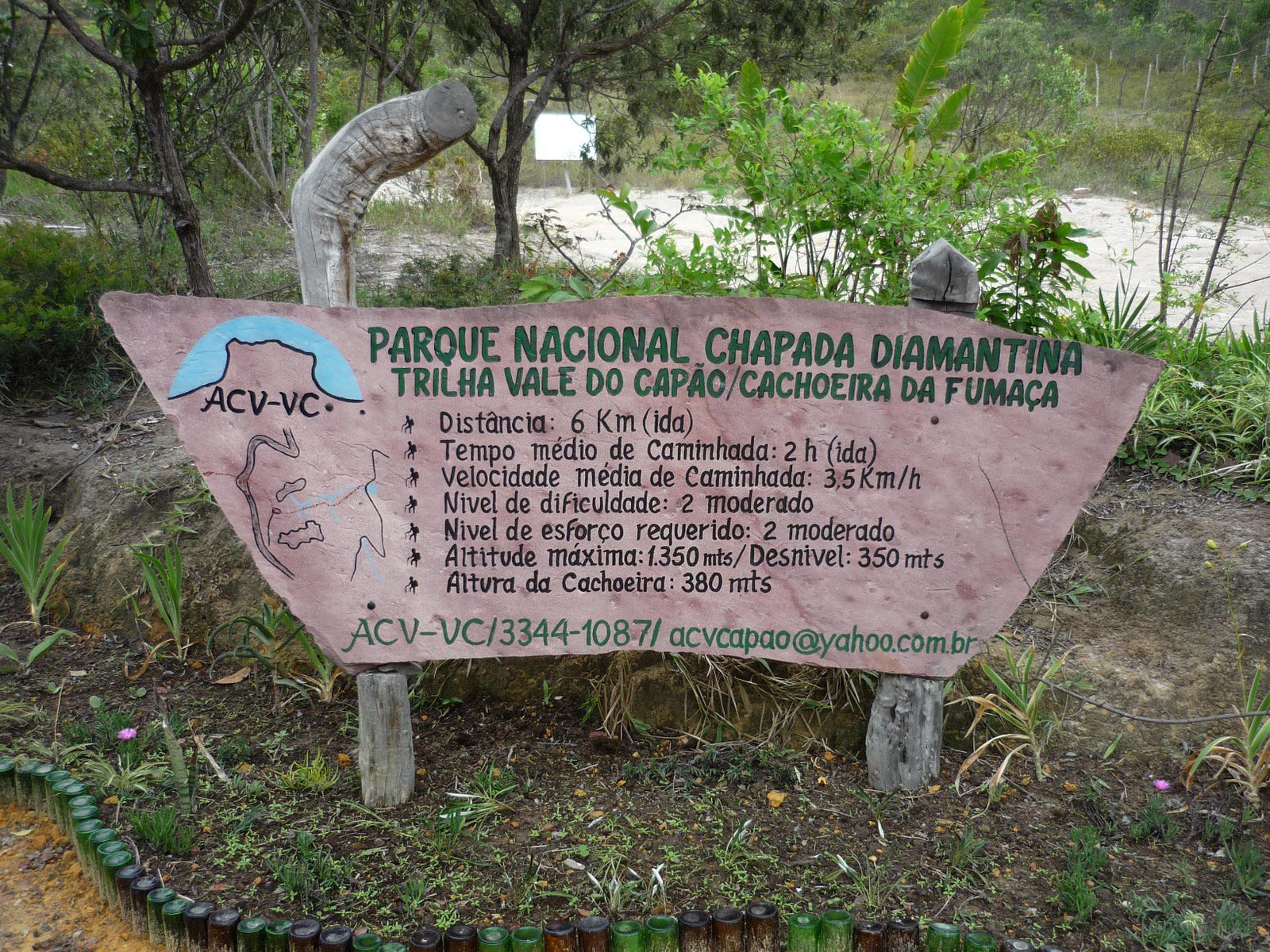
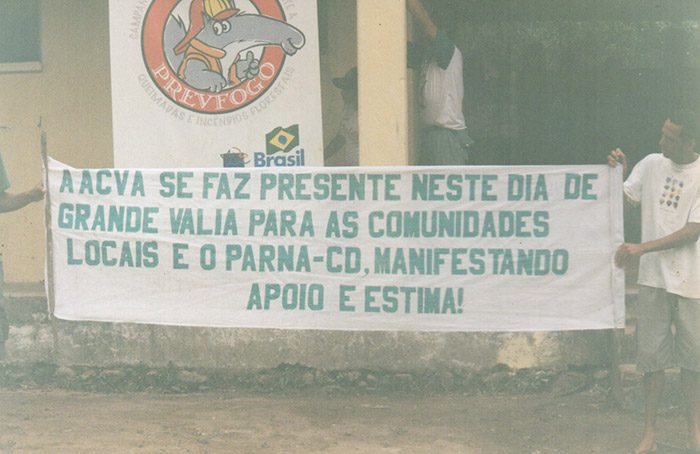
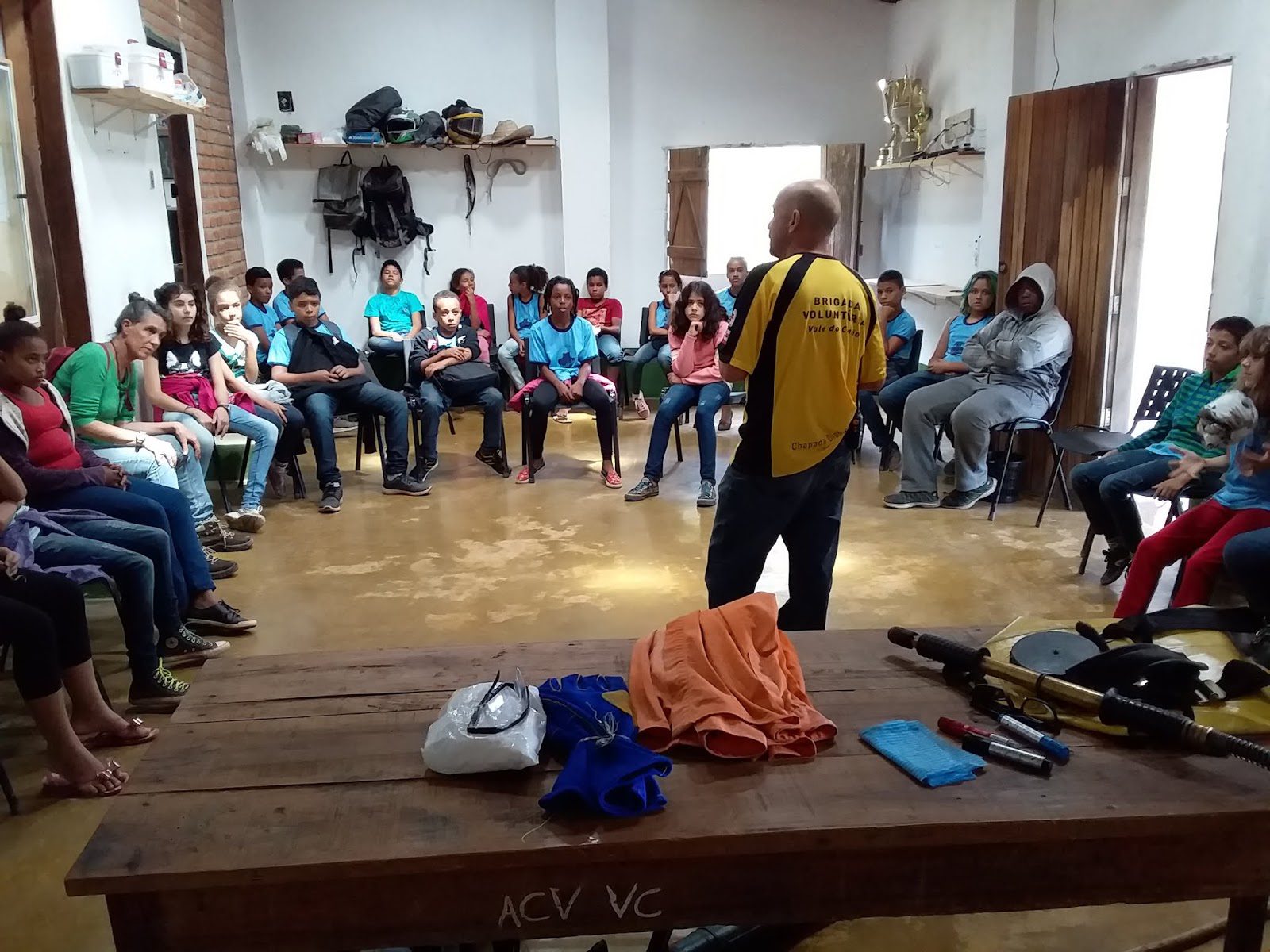
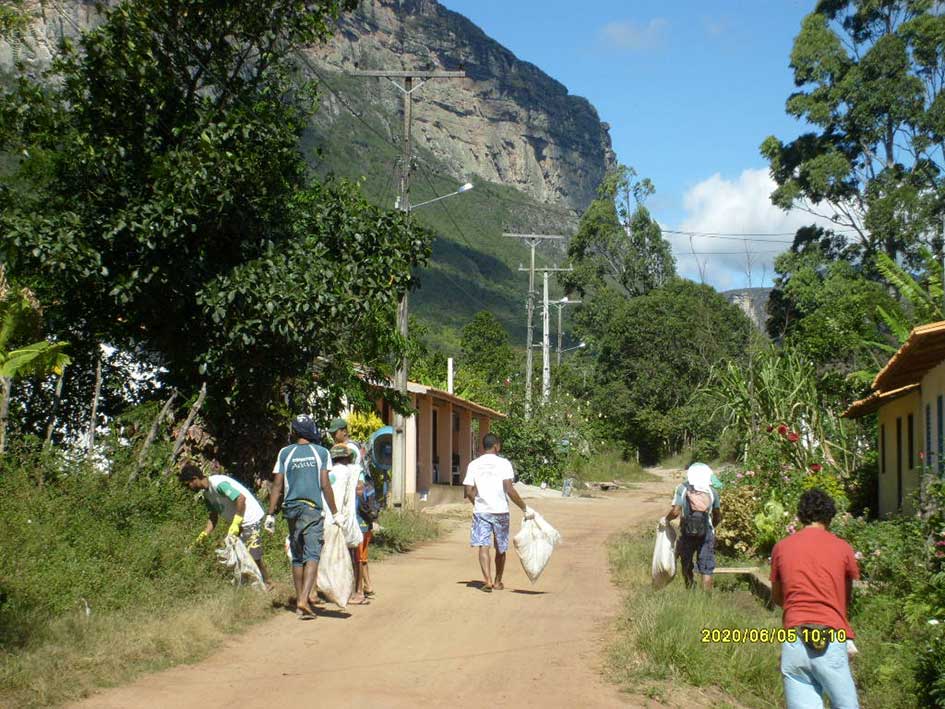
    From the 2000s onwards, the increase in the number of tourists on the trails gave this group one more reason to create the Associação de Visitantes do Vale do Capão (ACV-VC). A headquarters was installed at the entrance of the Cachoeira da Fumaça trail and the organizers spearheaded the promotion of sustainable ecotourism, welcoming visitors and offering guide services and information about the region.

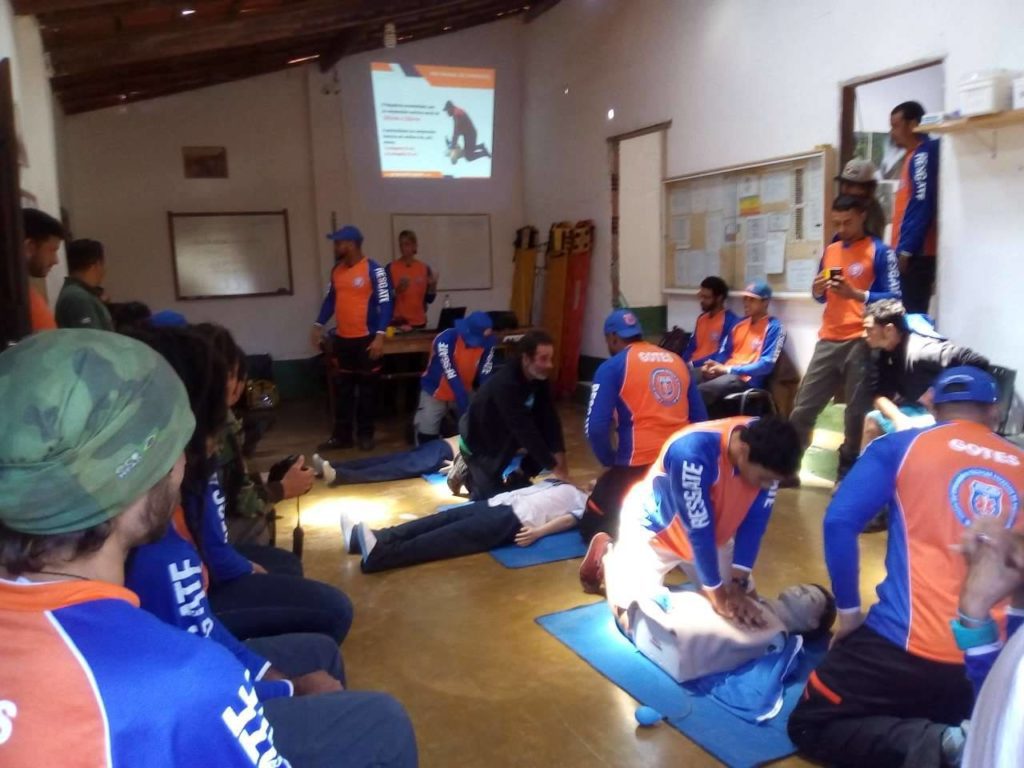
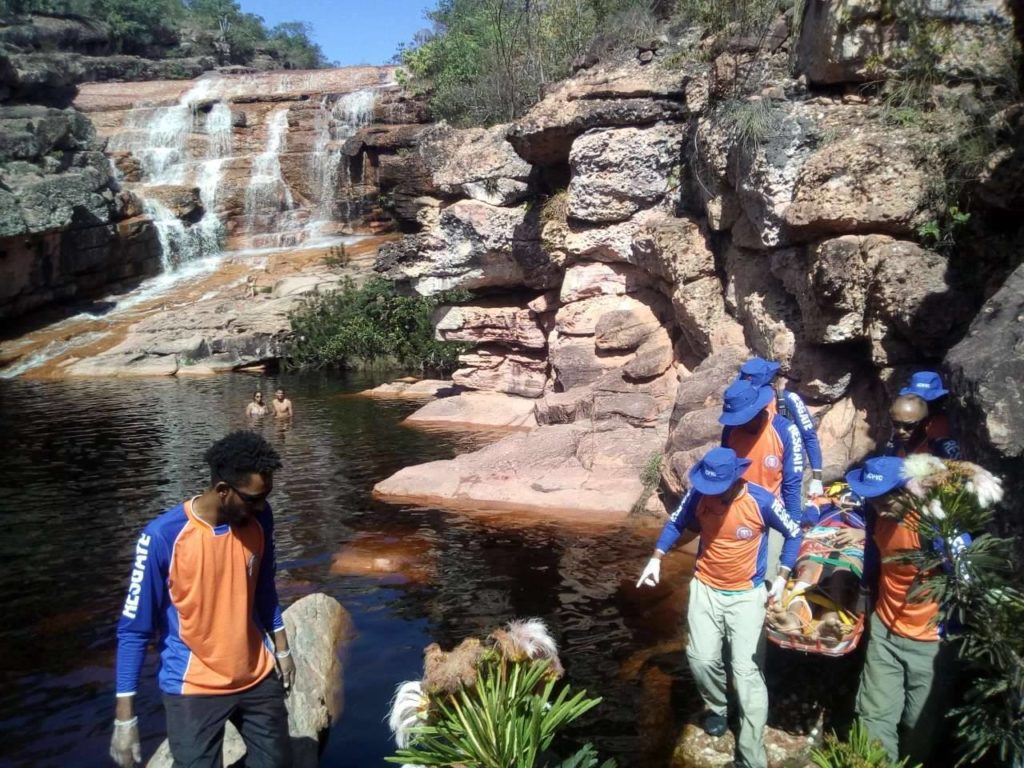
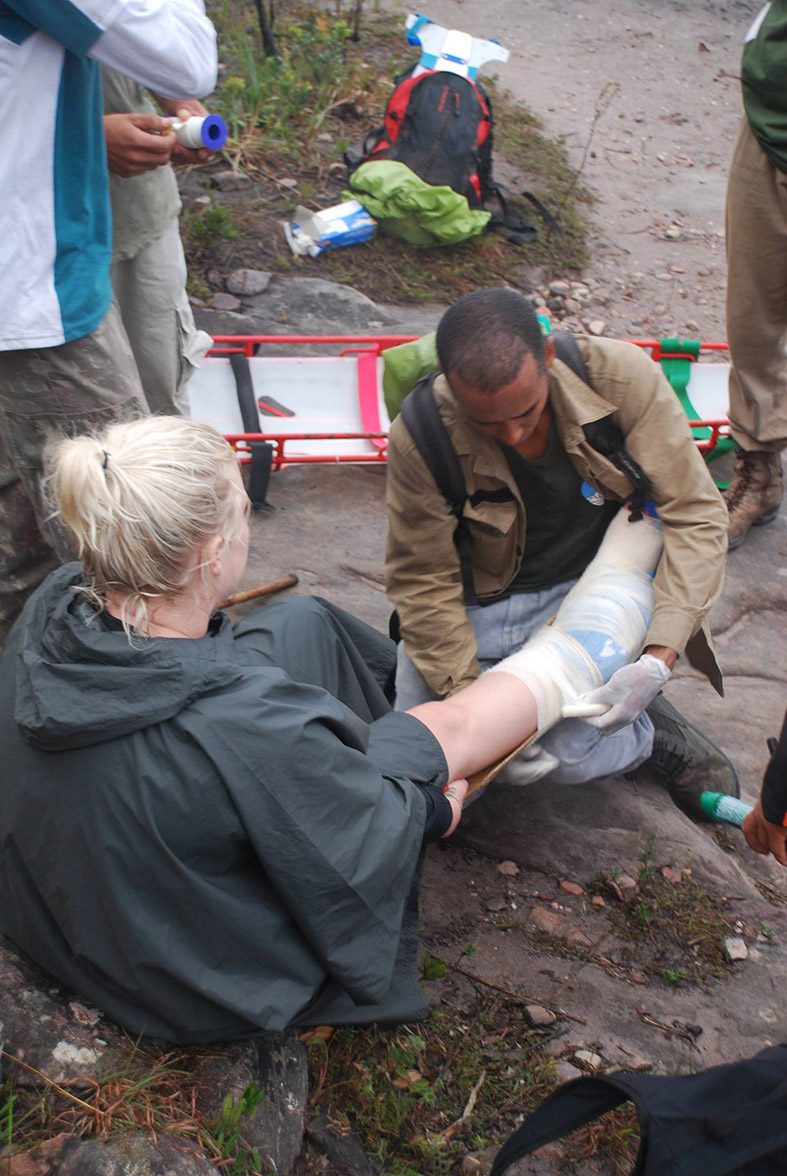
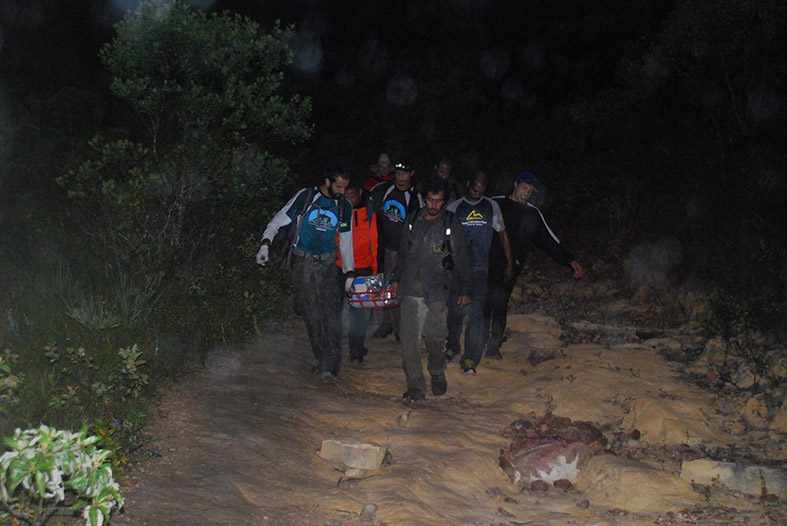
    In addition to the great mission of encouraging environmental awareness for the sustainable development of the region, the association also provides civil defense services, rescuing the injured in remote areas, and they are still the main firefighters who work together with the other brigade teams volunteers from the cities of Chapada.

    Non-profit, ACV-VC members are not remunerated and rely on the support of the community and tourists to make cash donations. This financial investment is used to support the realization of courses and training for the associated guides; the purchase of fire-fighting and protection equipment; maintenance of trails; development of environmental education actions for the community; in addition to contributing to the structure of the headquarters.

    Do you want to collaborate with ACV-VC?

    To make cash donations
    Associação de Condutores de Visitantes do Vale do Capão
    PIX: 04.131.046/0001-09 (CNPJ)

    To make material donations, write to
    contato@acvvc.org