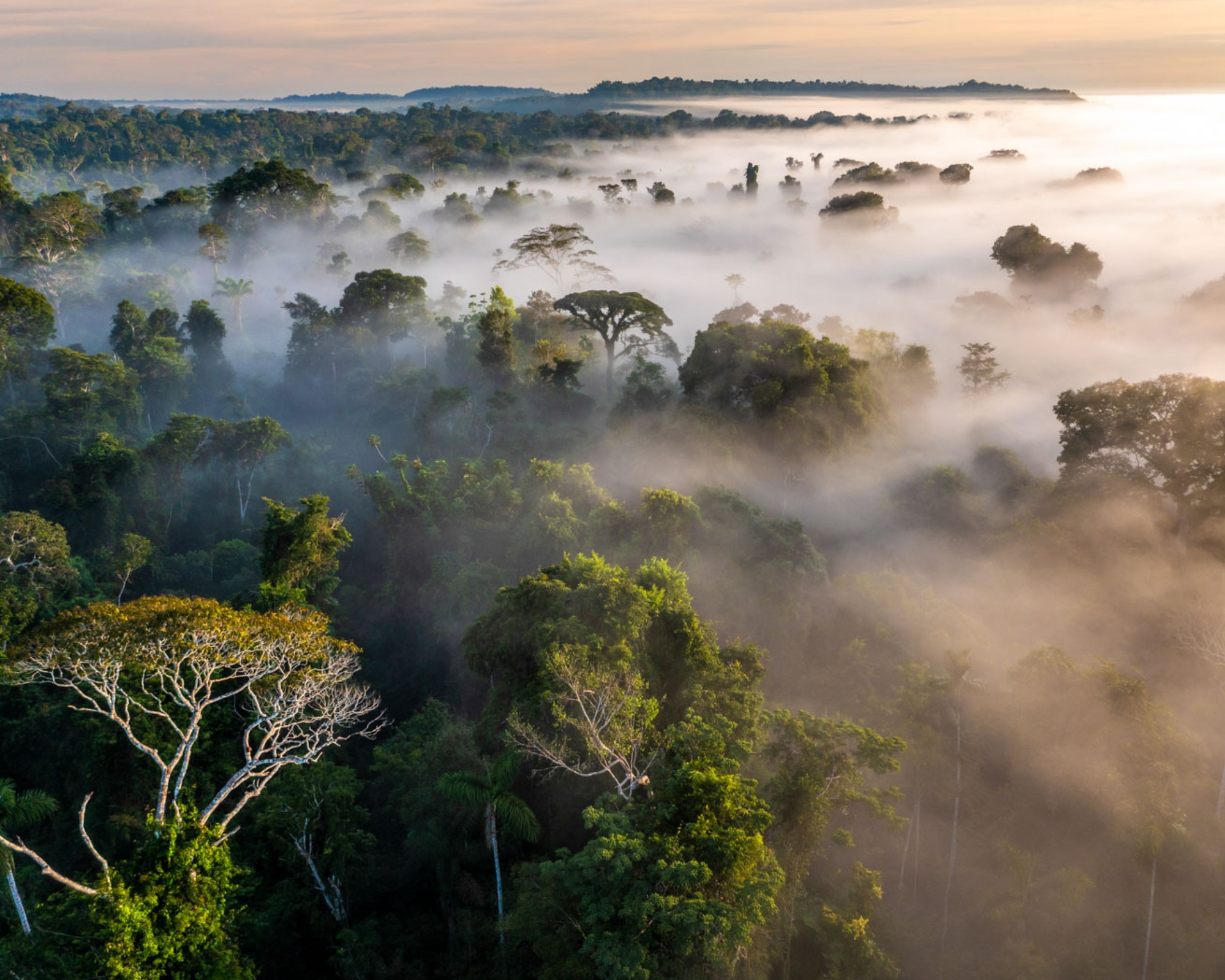
Environmental education, income generation for local communities, reforestation, and ecotourism practices are some of the actions taken by various non-profits in the Brazilian Amazon
The Amazon is the largest rainforest in the world, covering a total area of 6.74 million km², while the Brazilian territory spans over 4.2 million km². An ecosystem this big can only mean equally big effects on the planet’s balance and natural life.
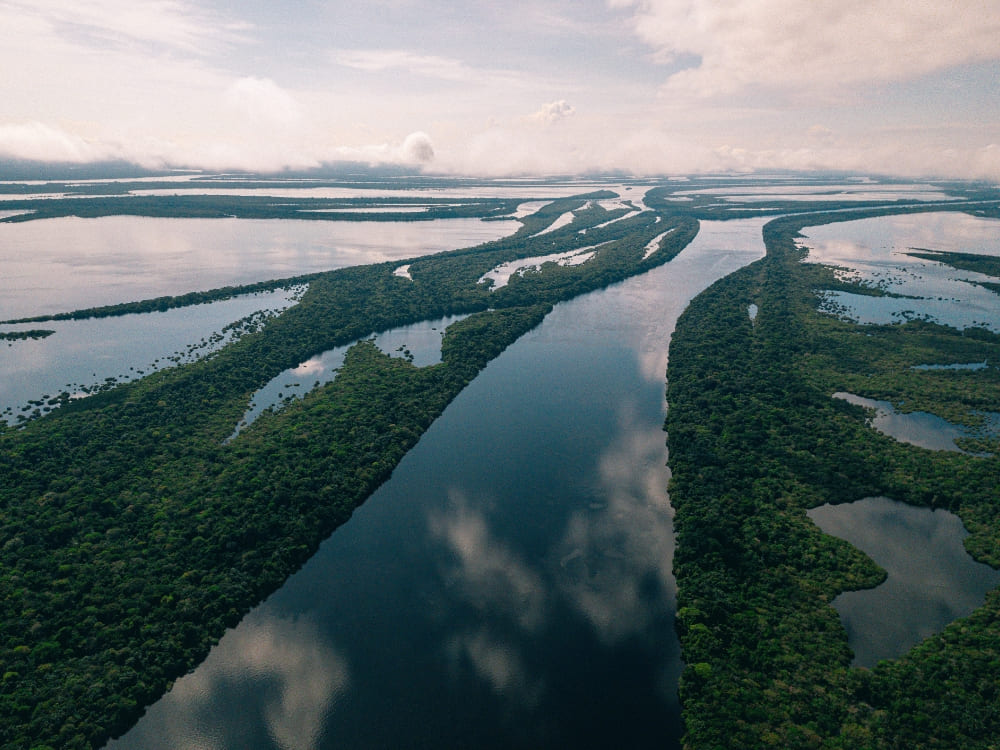
Housing millions of different species of animals and plants, the forest is responsible for up to 16% of freshwater in the world, and it also plays a huge role in carbon sequestration – the process of capturing and storing carbon dioxide (CO2) from the atmosphere, which prevents climate change.
All of this, however, is under threat. According to the National Institute for Space Research (INPE), deforestation in the Amazon reached 4.315 km² from August 2023 to July 2024 – a smaller area when compared to the same period in 2022, but a concerning number nonetheless.
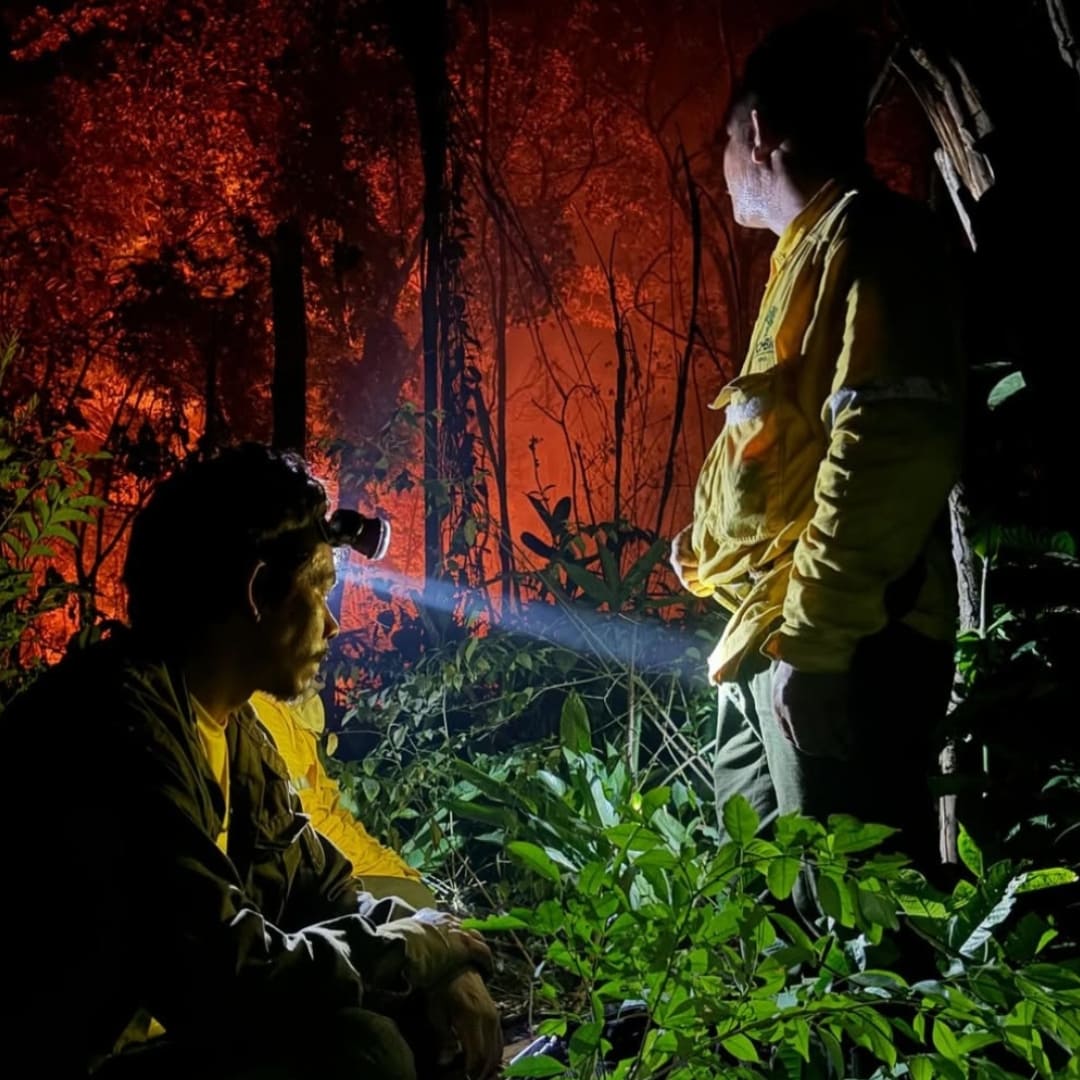
Forest fires are likely the biggest current danger. The Amazon Rainforest faced the largest amount of fires in the last seventeen years, concentrating 50.6% of Brazil’s fires. INPE estimates there were 137,538 heat outbreaks in the Amazon up until December 2024, including fires (controlled or not) and full-on forest fires.
The consequences are dreadful: temperatures rising, longer droughts, lower rivers, animals dying, poor air quality, and people who depend on the forest to survive losing their homes and primary sources of income. To prevent these terrible repercussions, local communities engaged on these Amazon Rainforest conservation projects work tirelessly to protect what many call “the lungs of the Earth”.
1 – Amazon Entrepreneurship and Sustainable Business Program (Pensa)
Resources that can only be found locally, exquisite nature that attracts tourists from all over the world – which proves that ecotourism activities are powerful conservation solutions –, and local groups willing to learn and undertake are some of the factors that make the Amazon Rainforest a promising place for sustainable entrepreneurship.
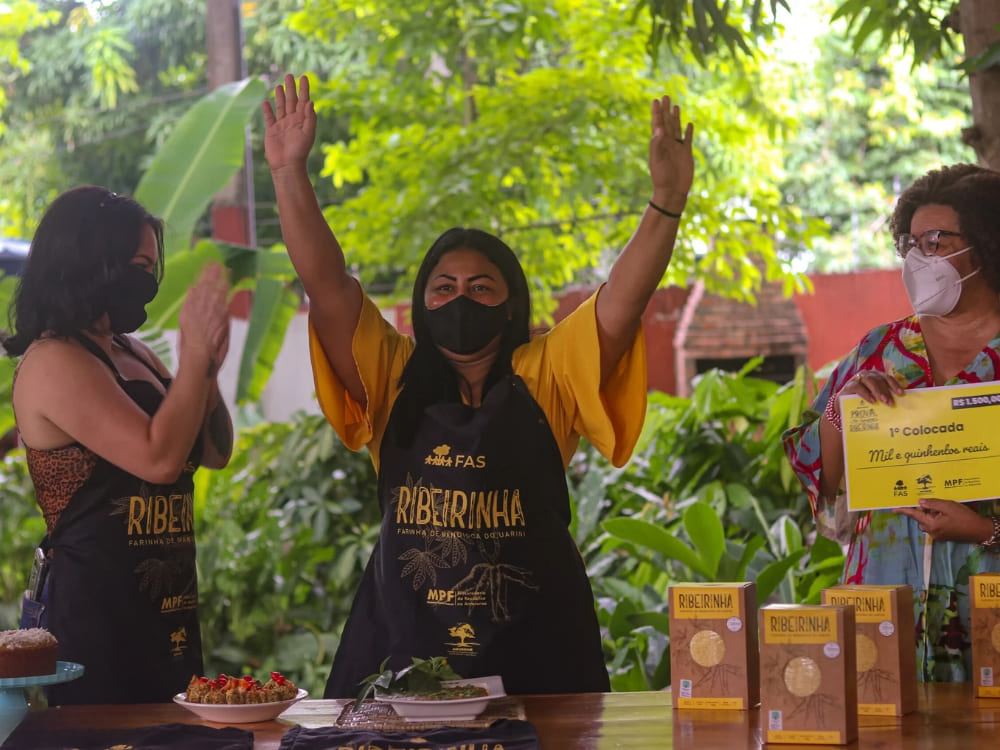
The Sustainable Amazon Foundation (FAS) fights social vulnerability with the Amazon Entrepreneurship and Sustainable Business Program (Pensa, the acronym in Portuguese). By combining social technology to train entrepreneurs, the program has supported over 583 communities in 16 Conservation Units (CUs).
In 2023, 62 sustainable ventures were supported by FAS and 323 people gained new skills. The average income of families benefited by Pensa increased in 19%, while the total revenue from community-based tourism ventures raised R$ 5 million. Learn more and make your donation.
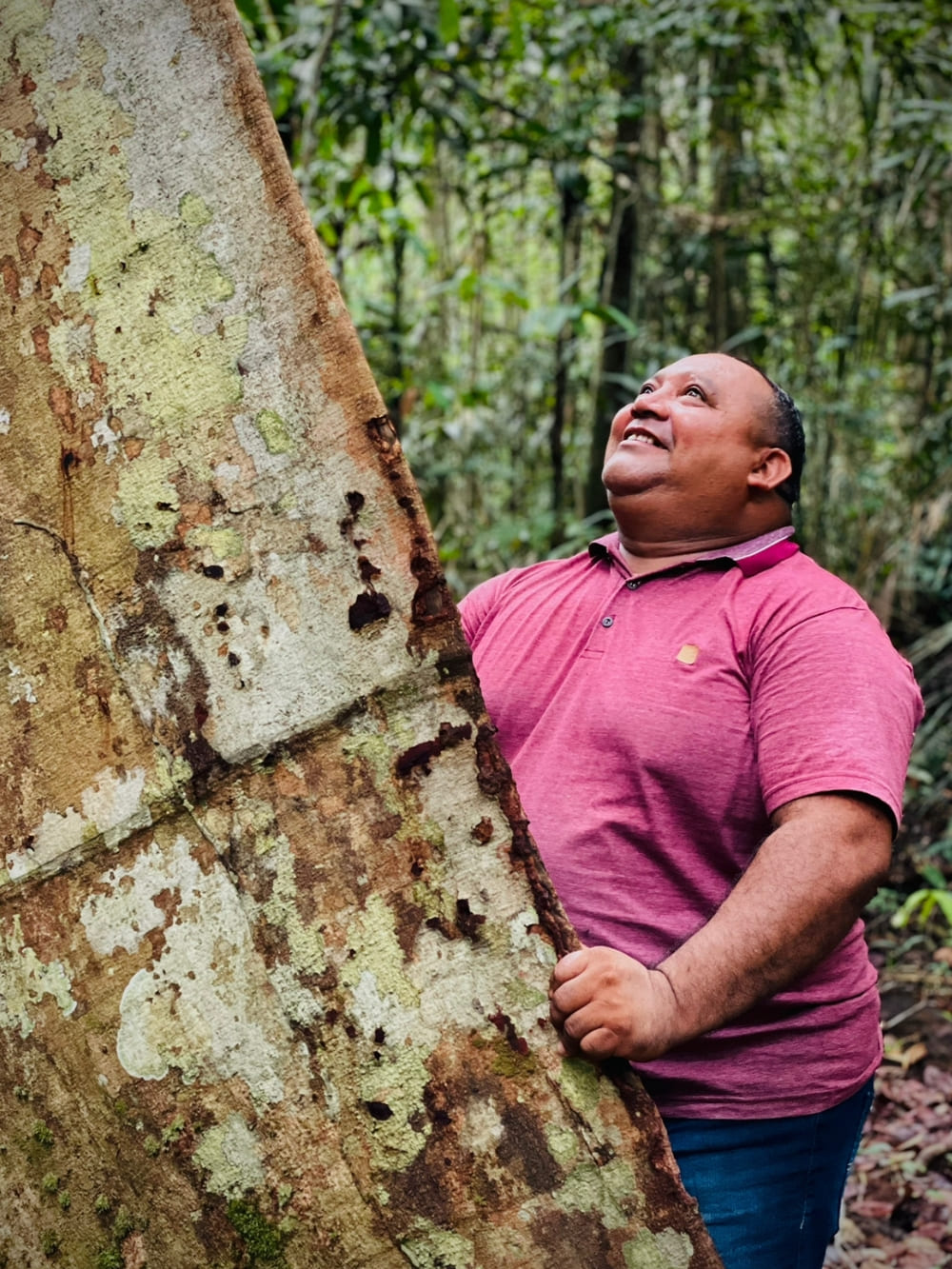
2 – Almerinda Malaquias Foundation (FAM)
Almerinda Malaquias Foundation (FAM) is a non-profit based in Novo Airão, in the state of Amazonas, whose activities are focused on three aspects:
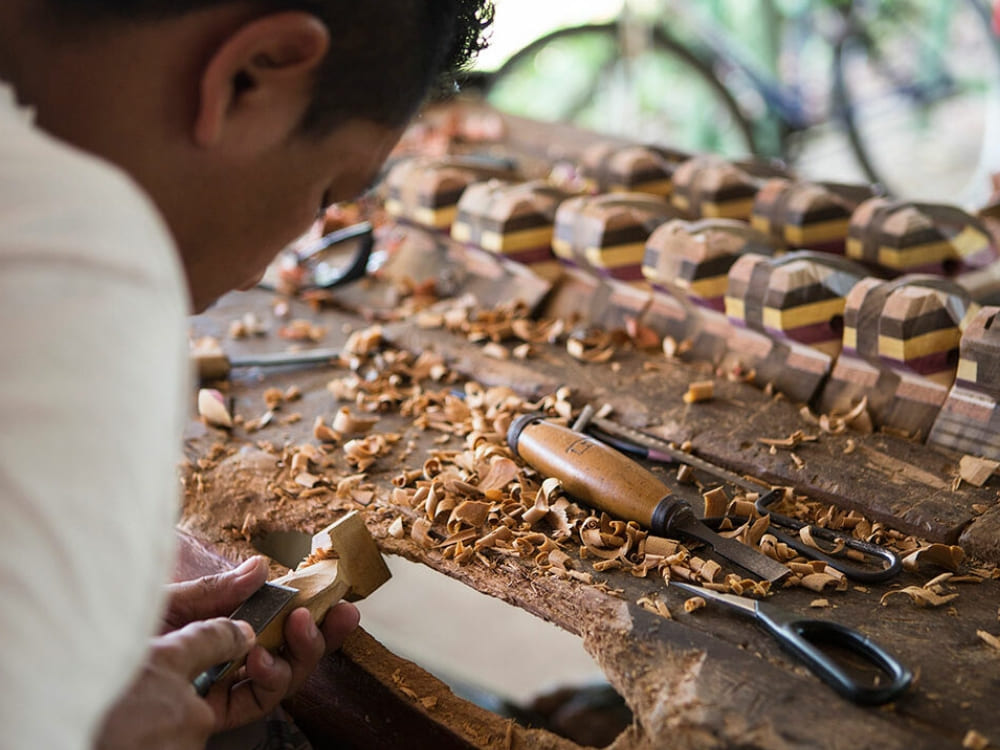
- Income generation: training of professionals for craftsmanship and soap production
- Environmental education: for local children and teens to learn more about their home, as well as economic alternatives for sustainable development
- Ecotourism: eco-friendly travel practices as a tool to boost education and work opportunities
In 2024 alone, FAM has helped 190 people enroll in school, 45 families generate income and has tended to ten riverside communities regarding education and funding.
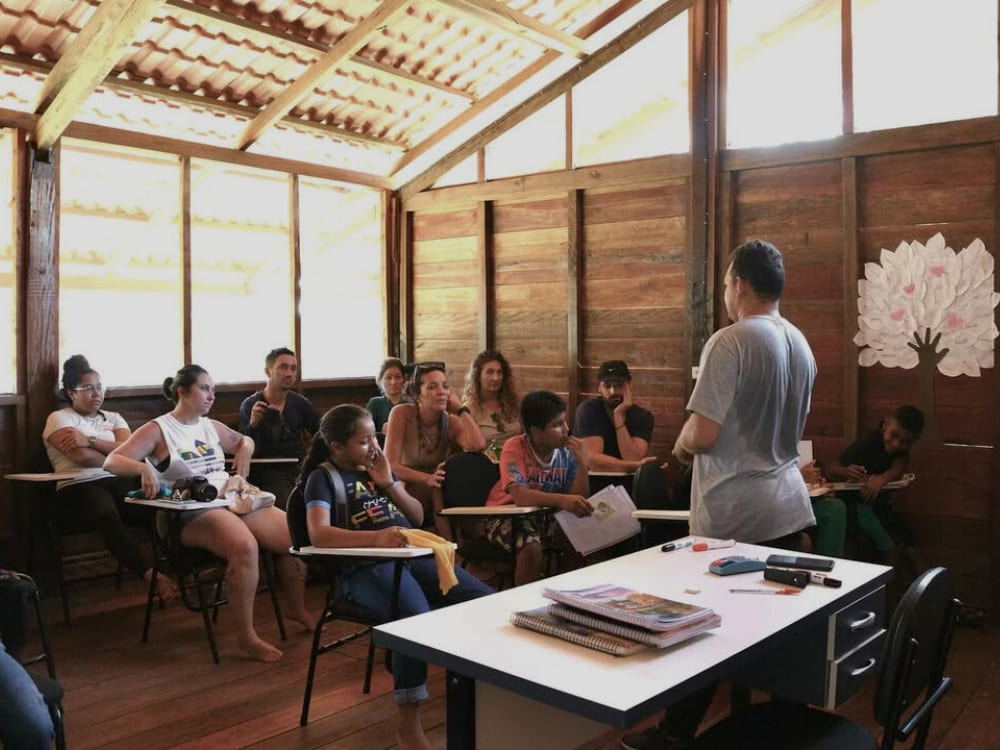
To help FAM change lives, Expedição Katerre and Mirante do Gavião Amazon Lodge and act as sponsors. Both specialize in ecotourism, with Katarre offering some of the best river cruises in Brazil.
You can support FAM by buying their beautiful handmade products or making a donation. Learn more on their official website or social media profile.
3 – Mamirauá Institute
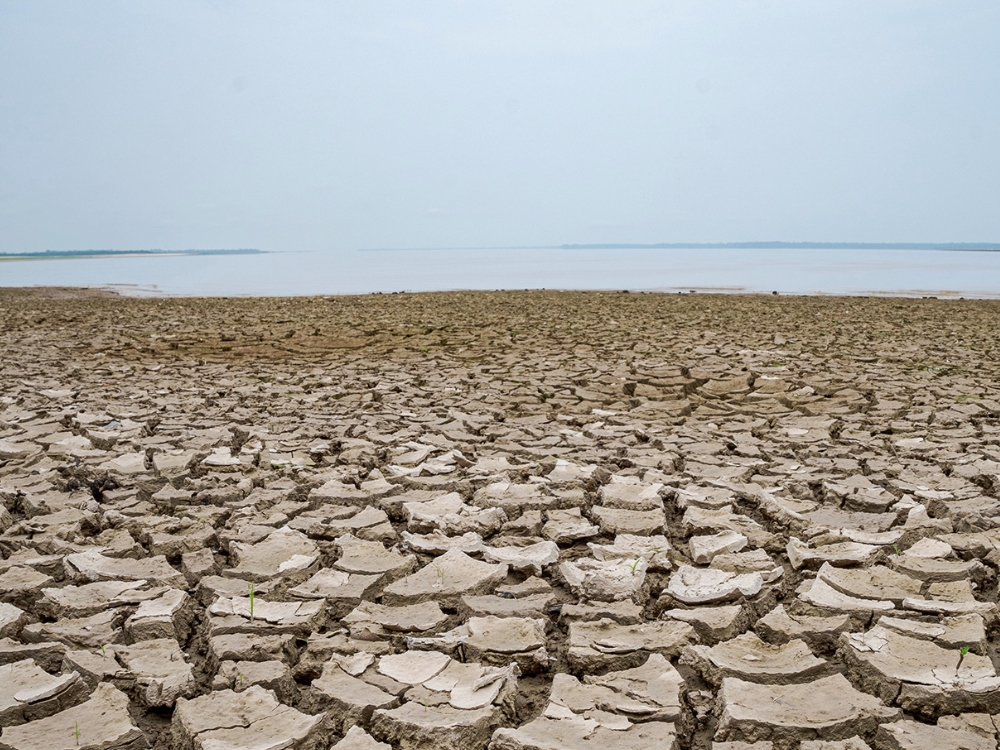
In 2024, severe droughts were the biggest concern regarding the Amazon. Many non-profits took action to try to reverse the effects caused by the lack of rainfall, with Mamirauá Institute for Sustainable Development (IDSM), founded in 1999, in the forefront of the actions.
By pushing scientific recommendations to the authorities, this Amazon Rainforest conservation project offered educational support to local communities, came up with different methods to better access to drinking water, and worked throughout the entire year to minimize the consequences of this uncharacteristic dry period.

Ecotourism is also a big player. Uakari Lodge is situated in the middle of the Mamirauá Reserve, safely built on stilts in Lake Tefé. Besides providing total immersion in the forest, the lodge is an important asset for environmental awareness and scientific research.
Activities promoted by Uakari, like wildlife watching, have been greatly useful to collect data about uakari monkeys – the inspiration for the lodge’s name –, which helps scientists and biologists to understand this species and bring forth effective ways to protect them and the Amazon as a whole. A scientific article by this particular subject was published in 2021.
Learn more about this drought prevention project and make a donation online if you can.
4 – Amazon Boto Expedition
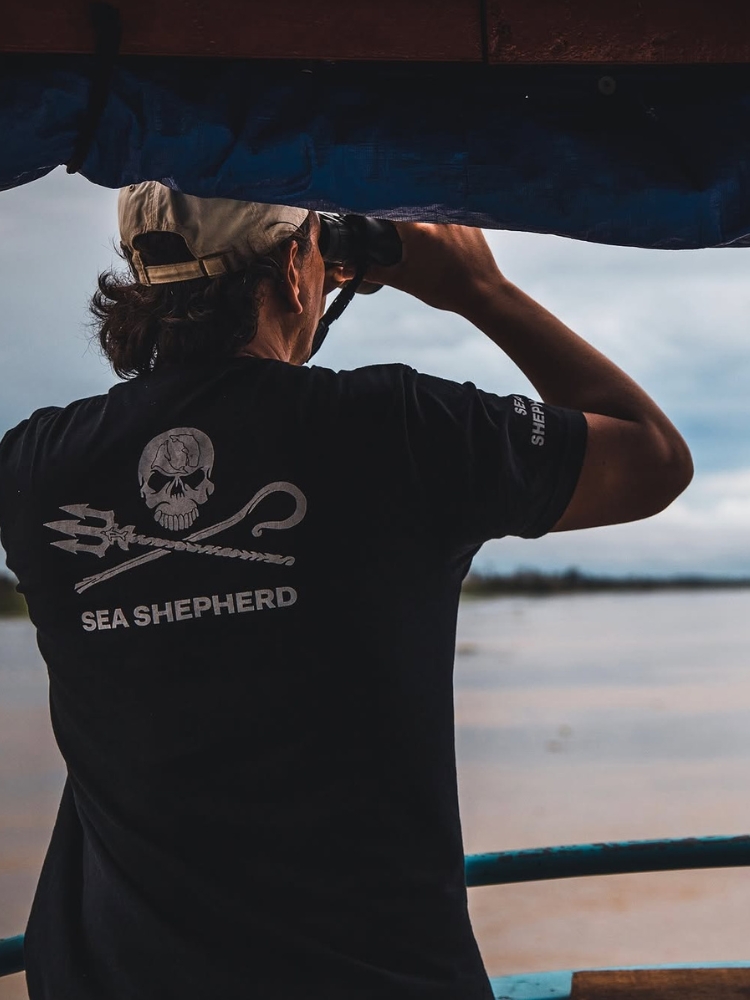
Since 2021, the Amazon Boto Expedition project has been working to monitor and investigate the protection of pink Amazon dolphins while also implementing a long-term study about the population of these animals to deepen the knowledge about the species and find active ways to protect them.

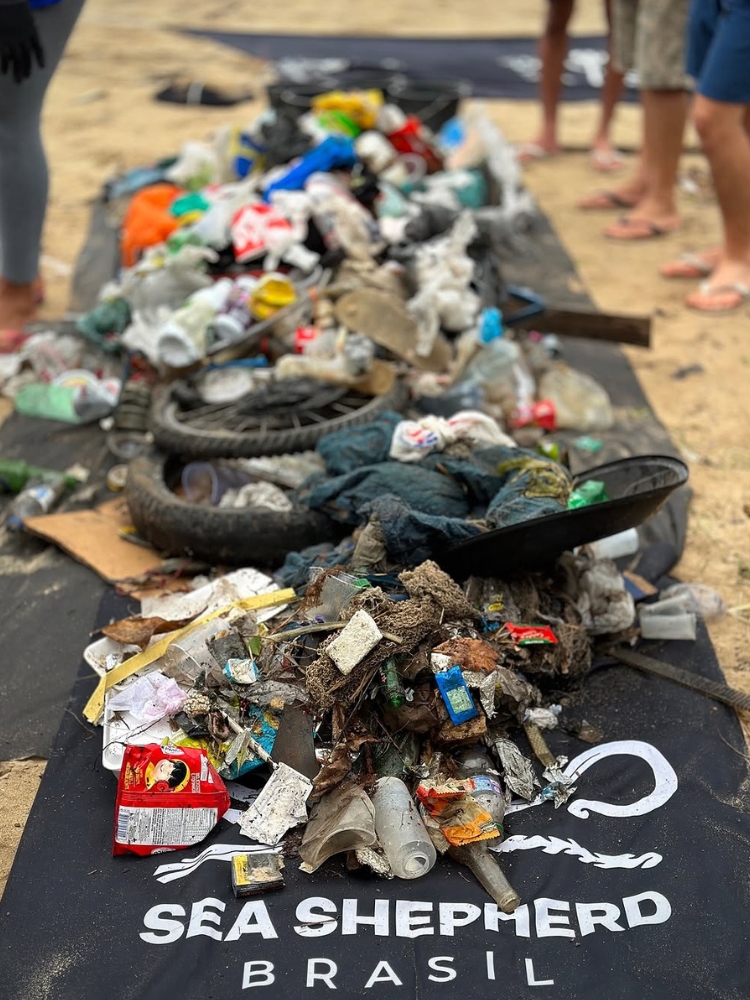
The project is led by Sea Shepherd, an international non-profit marine conservation organization founded in 1977 in Vancouver, Canada. The Brazilian branch is set on helping the Amazon river dolphins. Anyone can donate R$ 1 per day to support this incredible initiative. More information here.
5 – Alter do Chão’s Forest Fire Brigade
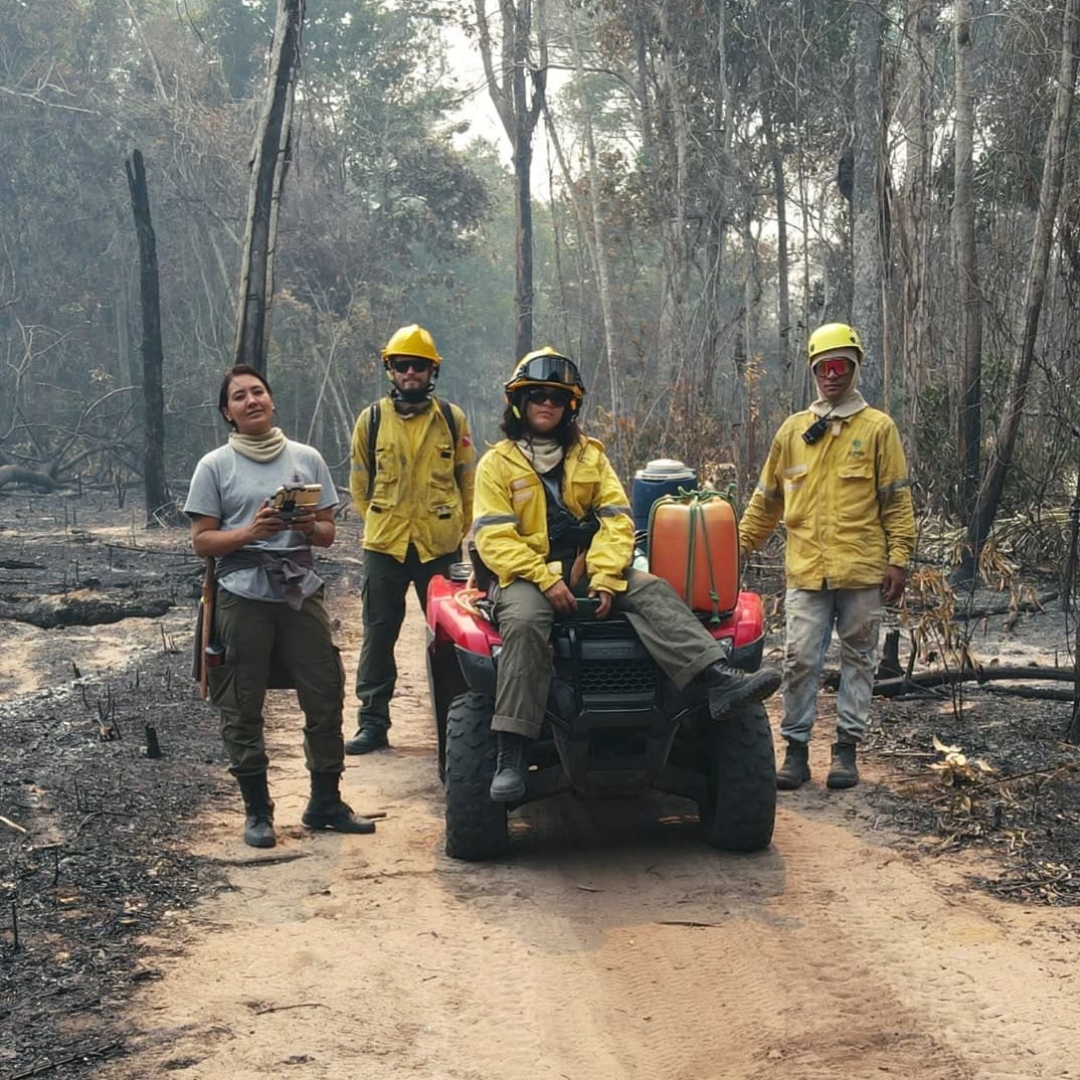
Based in Alter do Chão, Pará, the Forest Fire Brigade is a non-profit organization founded in 2019. This Amazon Rainforest conservation project believes that fighting fires is actually a last resource, as it is possible to prevent and control fire spread altogether through environmental education and collective efforts – both from the civil society and the authorities.
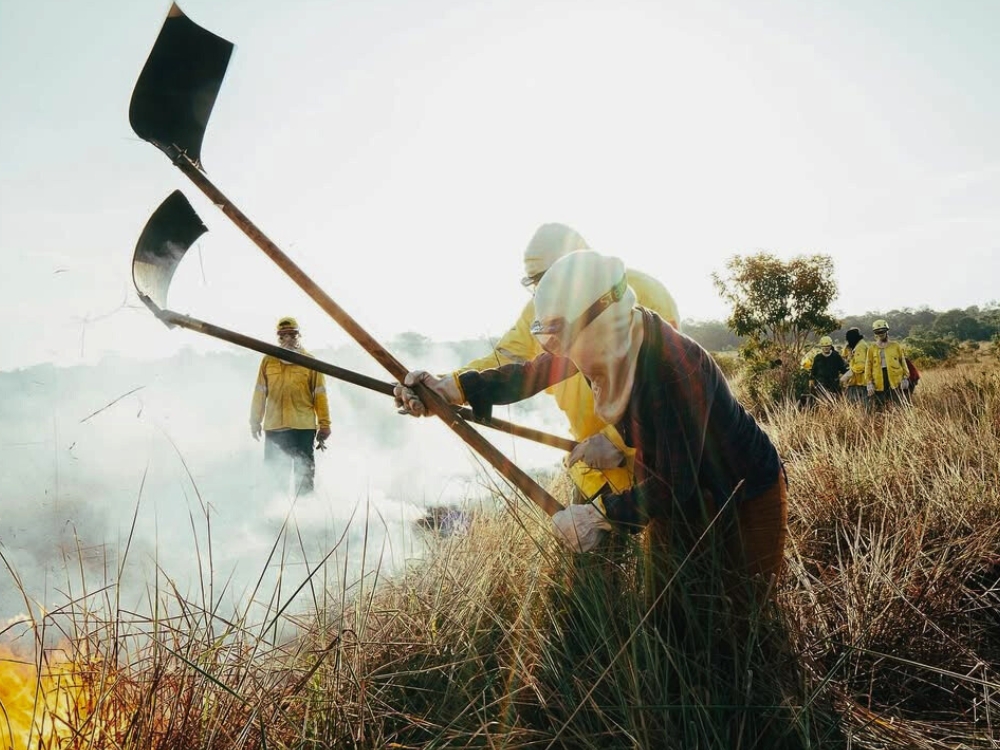
By protecting the local fauna and flora, as well as the Indigenous population in the Lower Tapajós River area, the initiative serves as a model for new volunteer brigades not only in the Amazon but also in other Brazilian biomes (Atlantic Forest, Caatinga, Cerrado, Pampas and Pantanal).
See more information about the Alter do Chão’s Forest Fire Brigade on their official website or social media profile, and show your support.
6 – Expeditionaries of Health (EDS)
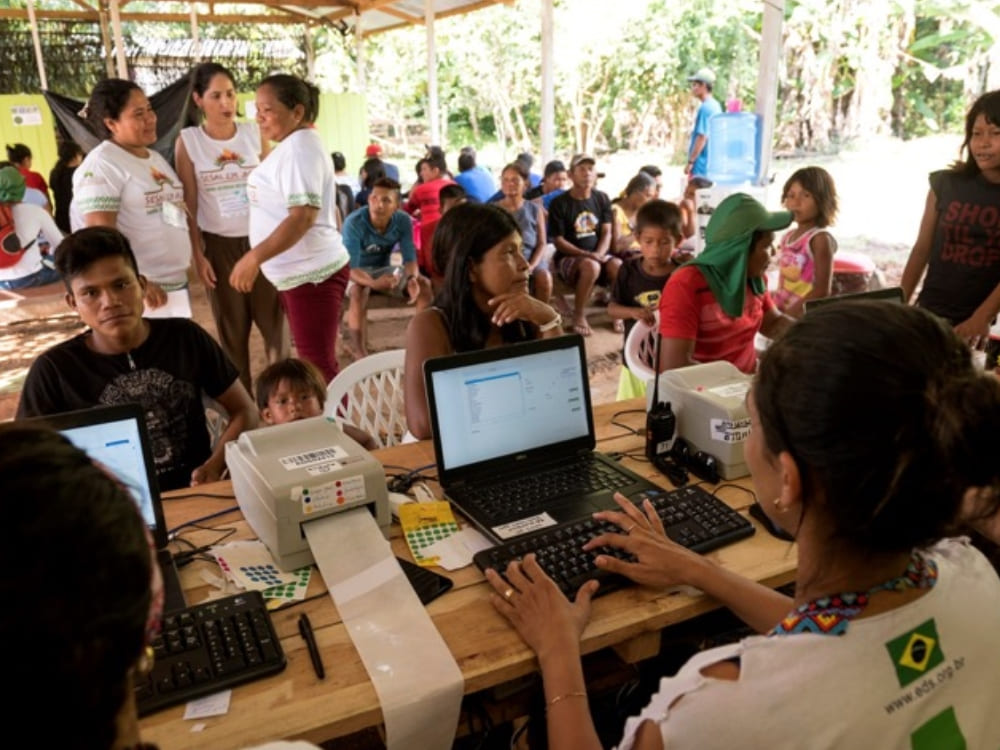
Expeditionaries of Health (Expedicionários da Saúde), a.k.a. EDS, was founded in 2003 by a group of volunteer doctors to provide medical care for Indigenous groups who live in geographically isolated areas of the Amazon Rainforest.
Over the years, 300 volunteers have covered over 500,000 km² in the forest to provide medical care for those in need. In 55 expeditions, EDS was able to achieve 10,486 surgeries, 76,333 appointments, 148,125 medical exams and procedures, and donated 8,464 prescription glasses.
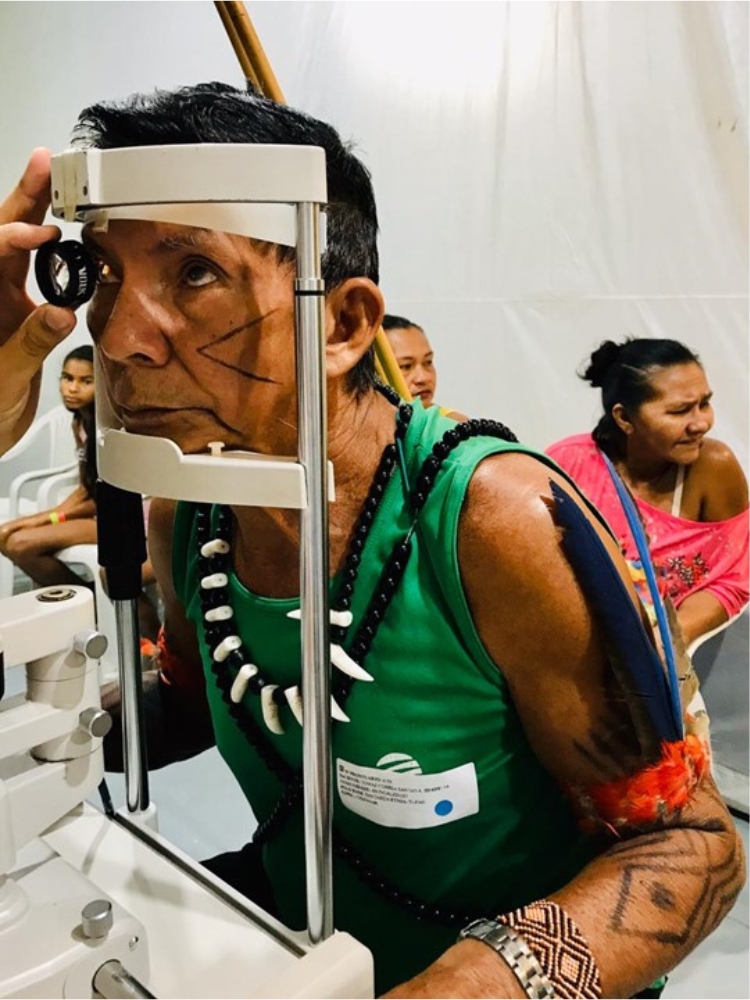
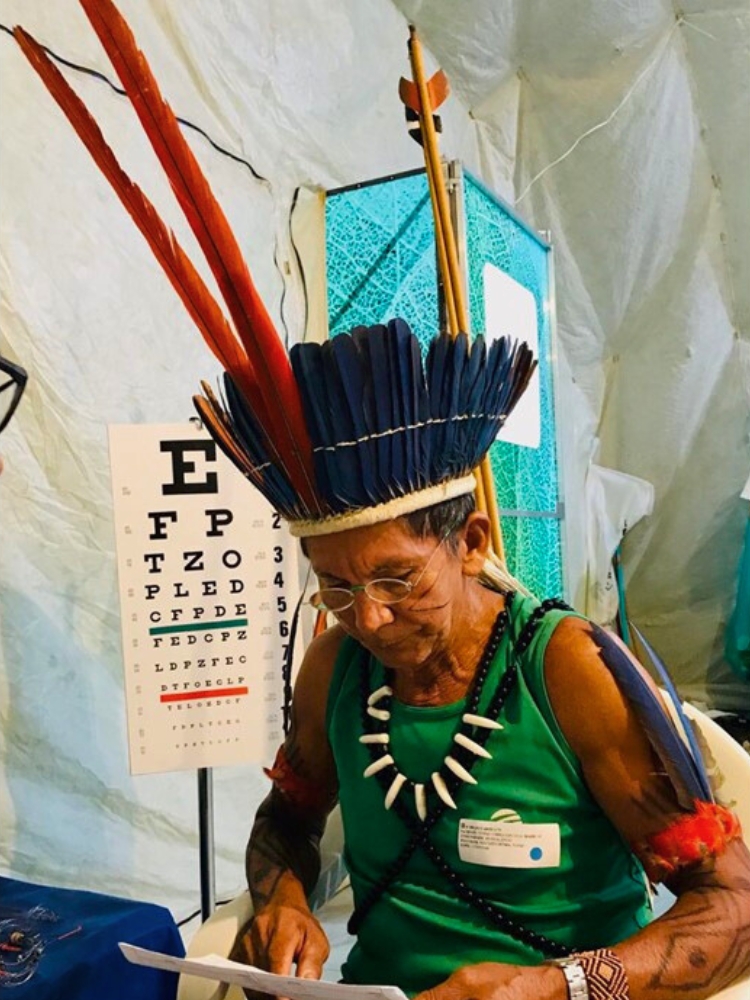
Dr. Ricardo Affonso, EDS president, was honored with the Zayed Sustainability Prize in Abu Dhabi’s COP28 (28th United Nations Climate Change Conference), in 2023. The recognition was an important step towards improvement in medical services, but the project needs constant donations to continue caring for the health of Brazilian indigenous people. Help EDS here.
7 – Women Entrepreneurs of the Forest
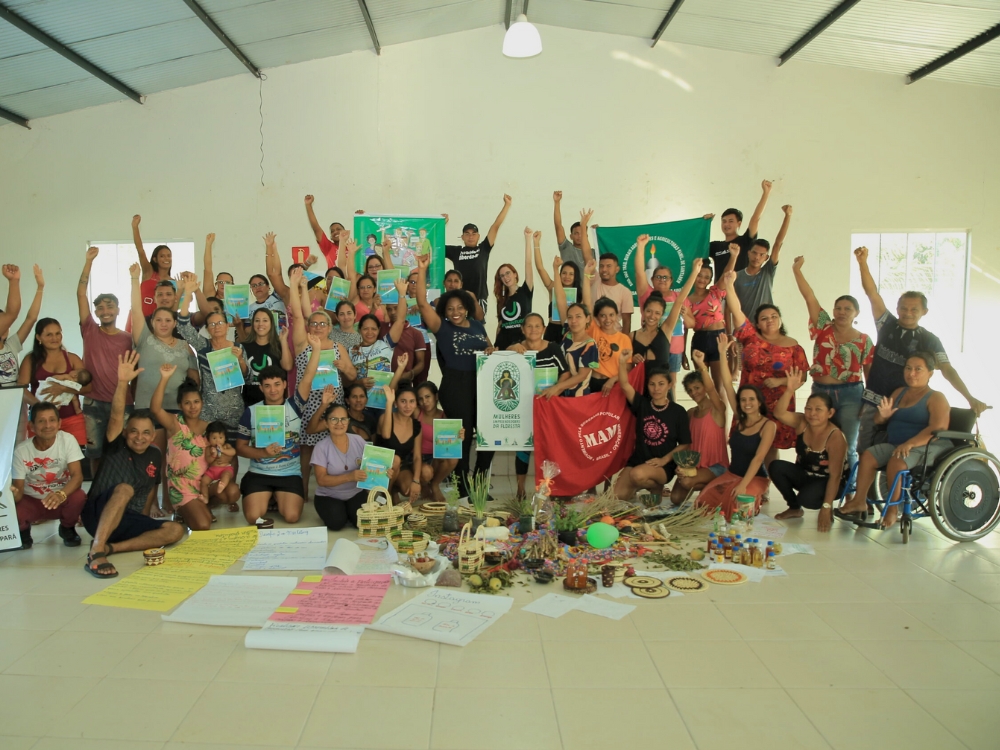
The Women Entrepreneurs of the Forest (Mulheres Empreendedoras da Floresta) empowers women who live in the Amazon – especially in the towns of Santarém, Belterra, Mojuí dos Campos and Aveiro, all in the west of Pará. This is an initiative promoted by Projeto Saúde and Alegria (Health and Happiness Project), or PSA, a non-profit that has been operating in the Brazilian Amazon since the late 80s.
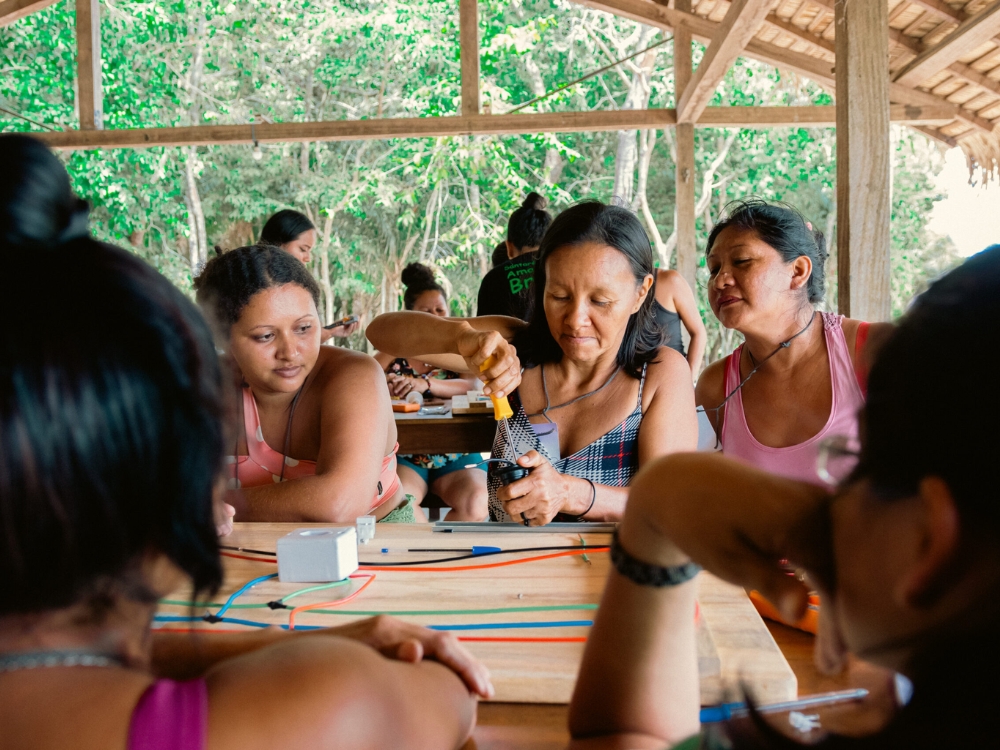
Deforestation in the Amazon Rainforest, due to agriculture and illegal logging or mining, results in an unsafe setting for nearby communities who depend on the forest to make a living. Considering the unequal social scenario in which women are often submitted to, PSA provides professional training for Amazonian women to create, manage, and grow their own businesses, all in favor to build a more reliable and sustainable local economy.
To support Women Entrepreneurs of the Forest and other important projects, check PSA’s official website.
8 – Neutral Carbon Program (PCN)
The Neutral Carbon Program (PCN) is the longest-lasting project managed by Idesam, a non-profit created in 2004 that works in favor of the well-being of the forest and its people. The goal is to enable people and companies to take responsibility for the impact they generate on the planet by offsetting their greenhouse gas (GHG) emissions. This compensation is made through the reforestation of affected areas in Uatumã Biological Reserve, in Presidente Figueiredo, Amazonas.
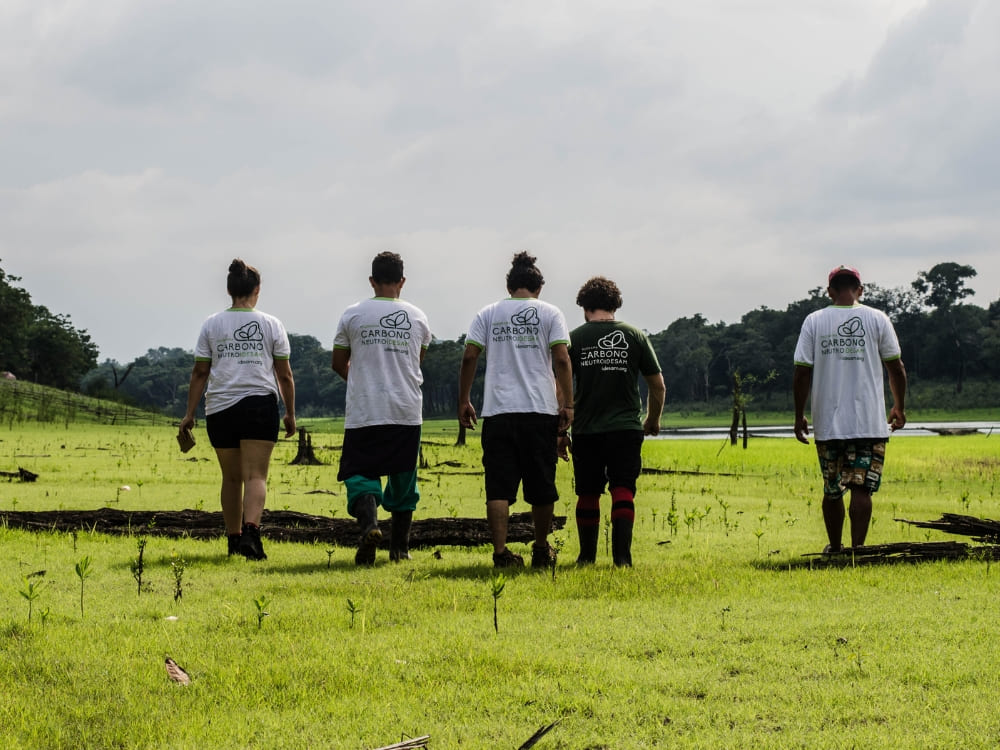
The outcomes include reduced GHG emissions, awareness of carbon footprint, accountability for large corporations, food security, and income generation for families working in PCN.
Visit Idesam’s official website for more details and donation options.
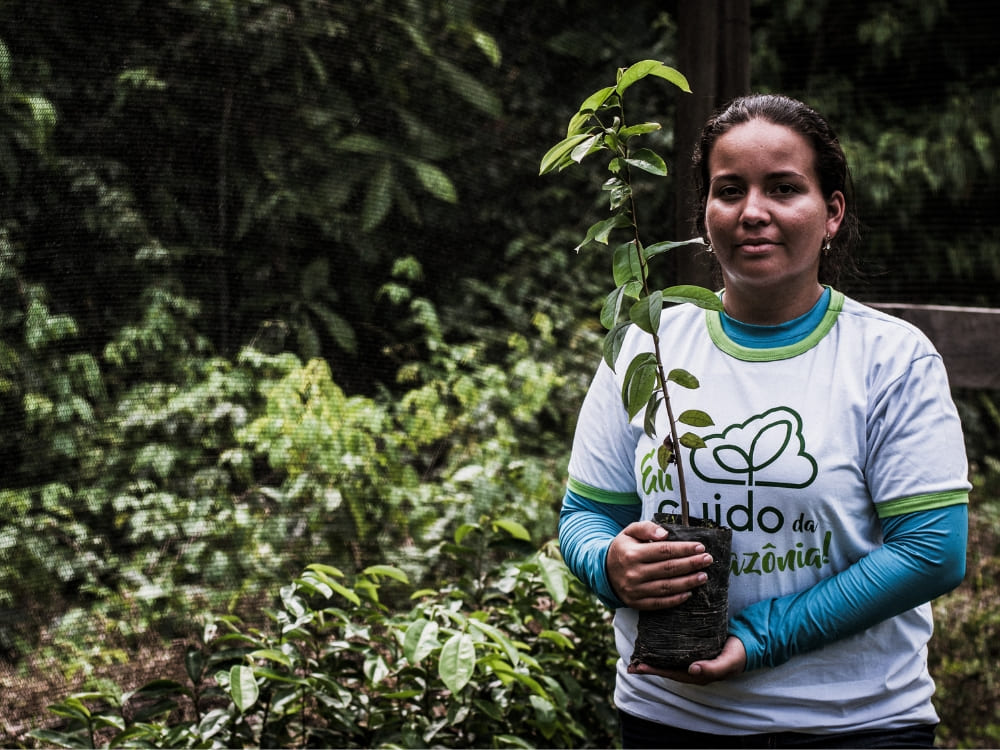
Show your support to conservation projects in the Amazon Rainforest
These Amazon conservation projects work daily to protect the natural resources of the most important natural area of the world. There is no saving the forest, however, without helping its guardians, which means social efforts are deeply rooted in sustainable programs and should be taken just as seriously.
You can do your part by donating, advocating for environmental policies, and supporting ecotourism in the Amazon Rainforest. Every action counts!


