Blog

  • 15 Amazon Animals: Unravel the Wildlife in Brazil

    15 Amazon Animals: Unravel the Wildlife in Brazil

    The richest ecosystem on Earth is home to countless species of animals. Discover the wildlife of the Amazon Rainforest!

    Known for its incredibly rich vegetation, the Amazon Rainforest is dense and diverse, with over 2,500 species of trees and 30,000 types of plants—out of 100,000 in all of South America. While the flora is abundant, so is the fauna.

    From mammals to fish, amphibians to birds, Amazon animals are as impressive as the place they call home. The rainforest is the Brazilian biome with the most species, sheltering over 75% of mammals and 80% of birds in national territory.

    To help you discover the secrets of these creatures, PlanetaEXO, an ecotourism platform specialized in Amazon Rainforest tours in Brazil, has selected 15 fascinating animals that live in the largest tropical forest on the planet. Check it out below!

    What animals live in the Amazon Rainforest, Brazil?

    According to Embrapa (Brazilian Agricultural Research Corporation), there are approximately 30 million animals in the Amazon jungle, not counting those that haven’t been cataloged yet. 

    The rivers are home to almost 3,000 species of fish and notorious mammals, while predators, monkeys, and birds hide among the trees.

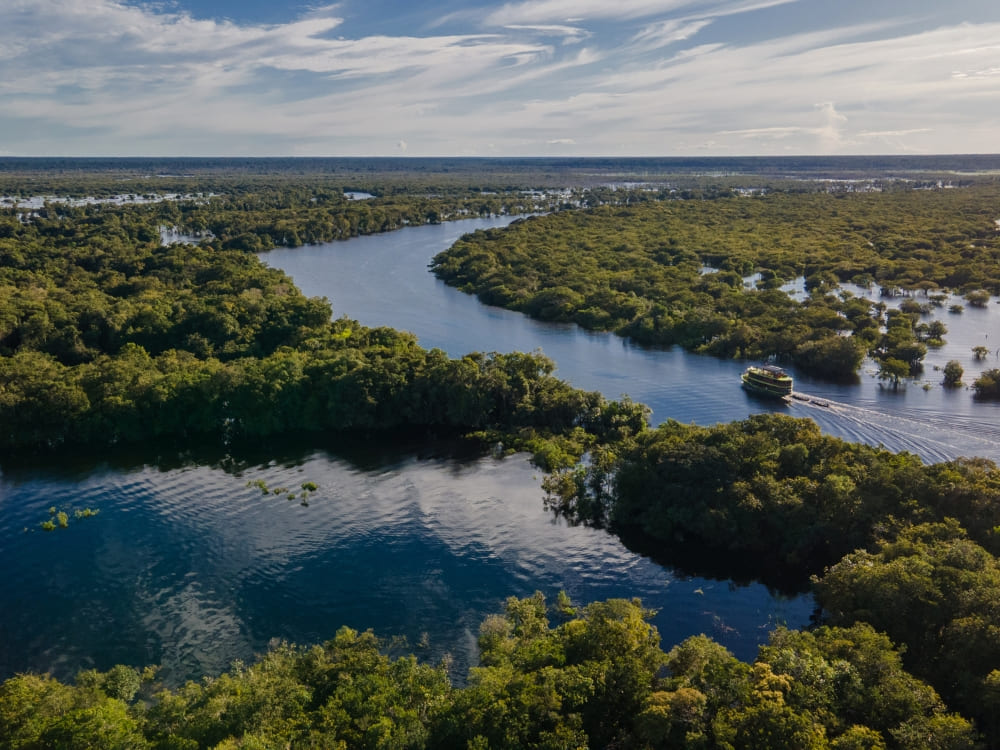
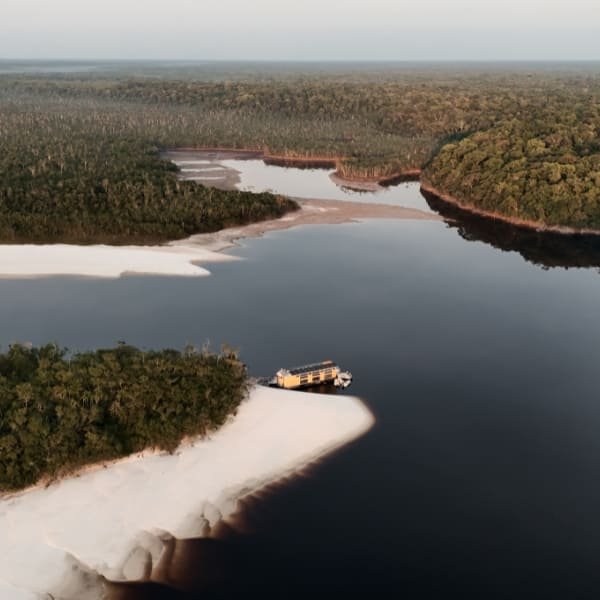
    Aerial view of a winding river surrounded by the dense green vegetation of the Amazon Rainforest in Brazil.
    .

    Keep in mind: although the Amazon fauna is undeniably rich, the animals are camouflaged by the dense vegetation or follow nocturnal habits. It’s not impossible to spot them, but it’s less common than in the Pantanal—considered the best place for wildlife watching in Brazil.

    👉 Read more: Pantanal or the Amazon: which one should you choose?

    1) Amazon river dolphin

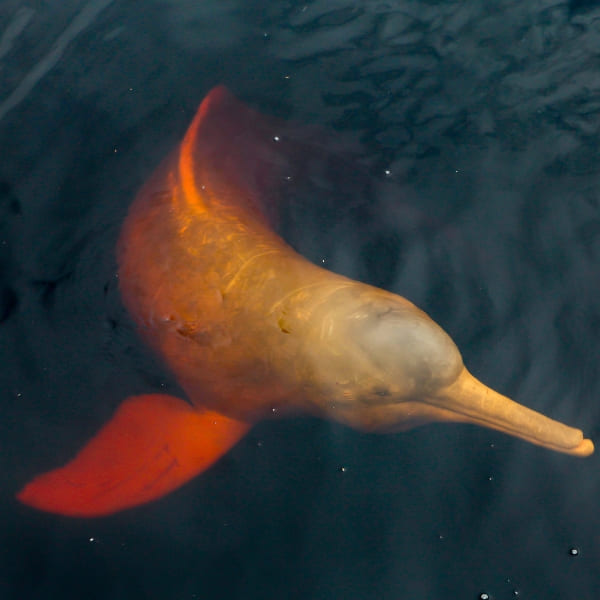
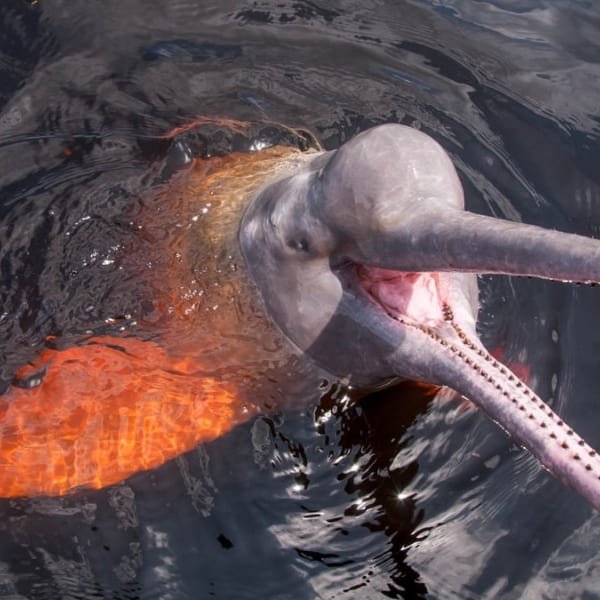
    A pink Amazon river dolphin with its head above water and mouth open, showcasing the friendly wildlife of Brazil.
    .

    Perhaps the symbol of the Amazon Rainforest fauna, the river dolphin is known for its pink skin and friendliness, always welcoming and interacting with humans. Though it’s particularly famous in Brazil, it’s also found in other countries (Bolivia, Ecuador, Colombia, Peru, and Venezuela).

    Fun facts about Amazon river dolphins:

    • Largest freshwater dolphin in the world, measuring up to 2.5 meters and weighing an average of 200 kg.
    • Male dolphins are larger and pinker, while females are smaller and grey-colored.
    • To move around in the rivers and flooded forests, as well as find food in the dark waters of the biome, Amazon river dolphins have a well-developed echolocation system.
    • Local legend says the Amazon river dolphin turns into a charming man during the full moon in the month of June. In human form, it attends festivities, seduces women, and leaves them behind to return to the river. This myth was widely used in popular tradition to explain fatherless children.

    2) Amazonian manatee

    A large Amazonian manatee swimming slowly underwater in its natural habitat.
    .

    The Amazonian manatee is the smallest manatee in the world, measuring up to 3 meters and weighing an average of 450 kg. This gentle giant has been protected by Brazilian law since 1967, though it’s still hunted for the illegal meat trade, and calves are often accidentally caught in fishing nets.

    Fun facts about Amazonian manatees:

    • Just like a fingerprint, each manatee has a white or pinkish spot on their bellies.
    • Around Marajó Island (Pará) and the coast of Amapá, Amazonian manatees live in sympatry with their marine counterpart (West Indian manatee).
    • By feeding on aquatic and semi-aquatic plants, they contribute to the nutrient cycling of rivers and vegetation control.
    • Discreet and fairly solitary, its lifespan is estimated at 60 years.

    👉 Read more: How to get to the Amazon Rainforest in Brazil?

    3) Harpy eagle

    Close-up of a large harpy eagle with gray feathers looking down sharply from the Amazon jungle.
    Photo: Ivo Kruusamägi

    One of the most fascinating Amazon animals, the harpy eagle is the largest bird of prey in the Americas, reaching a wingspan of just over 2 meters and weighing up to 9 kg for females and 5 kg for males. As an apex predator, it feeds on sloths and monkeys, with claws strong enough to rip them off tree branches.

    Fun facts about harpy eagles:

    • Some Brazilian indigenous groups call them uiraçu, which means “bird bird.” They also believe it to be the personification of the tribes’ chiefs.
    • Despite their size, it’s difficult to spot them due to their agility and solitary nature.
    • They usually choose the tallest trees (over 40 m) to build their nests.
    • Since harpy eagles prey on relatively large animals, they need to hunt in areas averaging 100 km²—the equivalent of 10,000 football fields!

    4) Hyacinth macaw

    A hyacinth macaw with bright blue feathers and yellow facial features flying across the sky.
    .

    With bright blue feathers and yellow features, the hyacinth macaw flies in pairs or groups and is very faithful to its mate. Sadly, they’re threatened with extinction due to hunting, illegal trade, and deforestation.

    Fun facts about hyacinth macaws:

    • Feed on nuts from two types of palm trees (acuri and bocaiúva).
    • At around seven years old, they start to look for mates to breed.
    • During the first 45 days of life, they are extremely fragile and unable to defend themselves—not even against cockroaches and ants.
    • They’re also found in the Pantanal and in the Cerrado.

    5) Woolly monkey

    A robust woolly monkey with brownish-gray fur resting comfortably on a tree branch in the Amazon Rainforest.
    .

    Woolly monkeys have very specific features, including a rounded head covered in short fur and long fur across the abdomen, which gives the impression of a robust stomach. That’s why this lovely ape is known as macaco-barrigudo (big-bellied monkey) in Portuguese.

    Fun facts about woolly monkeys:

    • They primarily inhabit the Amazon Rainforest on firm ground but may use flooded forests during periods of high fruit abundance.
    • They live in the Negro-Solimões interfluve area, except for the eastern part. Also found in Colombia, Ecuador, Peru, and Venezuela.
    • Wool-like coat with a brownish-gray color, a bit lighter on the head. 
    • Categorized as gregarious animals, they live in large groups (12–70 individuals).

    👉 Read more: Best Brazil Wildlife Tours and Destinations

    6) Short-eared dog

     A rare short-eared dog with a dark greyish coat standing near a muddy riverbank in the Amazon.
    @galo_zapata_rios

    Short-eared dogs are part of the list for rare animals in the Amazon Rainforest, as it’s quite difficult to spot them. Their elusiveness works as a form of protection, though deforestation can put them at risk.

    Fun facts about short-eared dogs:

    • They feed on small mammals, reptiles, birds, insects, and fish.
    • They look like medium-sized dogs, with dark brown or greyish coats, long snouts, and weighing over 10 kg.
    • Habitat records exist in floodplains, upland forests, swamps, bamboo plantations, and along rivers.
    • Due to their avoidance of humans, knowledge about them is still considerably limited.

    7) Red-bellied piranha

    A red-bellied piranha swimming among green aquatic plants in the muddy waters of the Amazon.
    Photo: H. Zell

    Contrary to popular belief, piranhas aren’t considered the Amazon Rainforest’s most dangerous animals. Red-bellied piranhas, in particular, don’t tend to attack humans at all—despite their very sharp, triangle-shaped teeth.

    Fun facts about red-bellied piranhas:

    • Their diet consists of insects, aquatic invertebrates, mollusks, crustaceans, other fish, fruit, seeds, and aquatic plants.
    • Highly valued in local cuisine, it is considered an aphrodisiac.
    • Inhabits rivers, lakes, and muddy water lagoons.
    • They reproduce during the rainy season, mostly from April to May. Females lay approximately 5,000 eggs on newly submerged vegetation in nests built by males.

    👉 Read more: When is the best time to visit the Amazon Rainforest in Brazil

    8) Giant otter

    A giant otter swimming in the river with its mouth wide open while eating its prey.
    Photo: João Marcos Rosa

    Classified as territorial predators, the giant otter is considerably more aggressive than the Asian small-clawed otter. Excellent swimmers and skilled hunters, fish, crabs, frogs, snakes, and lizards are some of their favorite food.

    Fun facts about giant otters:

    • Widely found in the Amazon, they also inhabit other Brazilian biomes (Pantanal, Cerrado, and the Atlantic Forest).
    • Distinguished by the white markings on their necks (unique to each individual).
    • They live in groups of up to 20 members, consisting of a couple and several offspring.
    • Giant otters use a kind of communal toilet, which also serves to mark their territory with its characteristic scent.

    9) Uakari

    A uakari monkey with a bright red face and long fur sitting quietly on a tree branch.
    Photo: Denis Jervis

    Uakari is the common name for the New World monkeys from the genus Cacajao. Its most striking features are the lack of fur on the top of its head and a reddish face—the redder the face, the healthier the animal is.

    Fun facts about uakaris:

    • Also known as macaco-inglês (English monkey) in Portuguese.
    • Native to Brazil, but can also be found in the Colombian and Peruvian Amazon.
    • Though it’s categorized as a vulnerable species in the IUCN’s Red List of Threatened Species, it has a considerable population near the town of Tefé.
    • A major inspiration for Uakari Lodge, a jungle hotel located in the Mamirauá Reserve.

    👉 Read more: Best Amazon Jungle Lodges in Brazil

    10) Jaguar

    A spotted jaguar resting completely relaxed on a thick tree branch in the Amazon vegetation.
    .

    The Pantanal is the best place in the world to spot jaguars, but they’re also a part of the Amazon Rainforest wildlife and even the Cerrado. This habitat variation occurs for a single reason: the incredible adaptability of the largest feline in the Americas.

    Fun facts about jaguars:

    • As of October 2025, just over 6,300 jaguars had been recorded in protected areas of the Amazon, according to the Mamirauá Institute.
    • The dense vegetation of the Amazon makes hunting more difficult than in the open fields of the Pantanal. Therefore, jaguars in the Amazon region are smaller.
    • Researchers recently discovered that jaguars can meow like cats, especially when females and cubs communicate.
    • Just like the human fingerprint, the rosettes (black spots scattered across the jaguar’s body) serve as a form of identification for each individual.

    11) Black caiman

    The textured head and bright eyes of a large black caiman floating quietly on the dark Amazon water.
    Photo: Marcelo Bonifácio

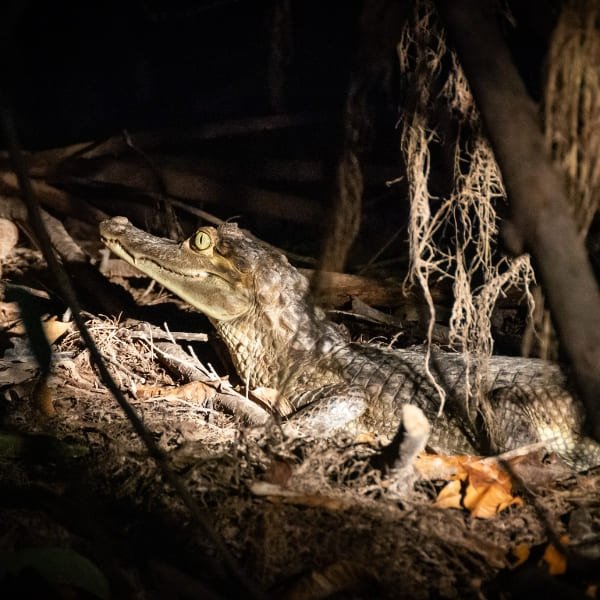
    Deadly and silent, the black caiman is an expert in camouflage and hunts equally dangerous predators, like the anaconda. During night tours, it’s one of the easiest Amazon animals to spot due to their bright eyes shining in the darkness.

    Fun facts about black caimans:

    • One of the largest crocodilians in the world, it measures over 4 meters and weighs 400 kg.
    • When young, they are hunted by other animals but become apex predators when they become adults due to their massive size.
    • Unlike other Brazilian species, the black caiman is solitary and is very rarely seen close to each other.
    • Essential for the ecological balance of the Amazonian ecosystem, as well as controlling populations of capybaras, fish, mammals, and even birds.

    👉 Read more: Best Amazon River Cruises in Brazil

    12) Cane toad

     Close-up of a cane toad showing its coarse skin and warts in the Amazon jungle.
    Photo: C. Brück

    The cane toad is fascinating, but not many people get close to them due to their appearance—coarse skin, warts spread across the body, and a fairly unfriendly face—and the milky venom they squirt on attackers, which can affect the heart and cause hallucinations. Who would’ve thought this would be one of the most dangerous animals in the Amazon Rainforest?

    Fun facts about the cane toad:

    • Reproducing at any time of the year, females lay up to 30,000 eggs.
    • Big and bulky, they can weigh up to 1 kg (especially pregnant females).
    • Known for the very loud, almost incessant croaking when searching for mates.
    • The venomous squirt can reach a distance of almost 2 meters.

    13) Pale-throated sloth

    A pale-throated sloth hanging upside down from a thin tree branch in the dense Amazon Rainforest.
    @devinbelliston

    Slow-paced and lazy, the pale-throated sloth sleeps over 14 hours a day. It rarely comes down from the trees, except to relieve itself once a week. Though deforestation can put these Amazon animals at risk, they’re often spotted as there is a healthy population across the rainforest.

    Fun facts about pale-throated sloths:

    • A sloth’s daily movement is approximately 38 meters—and nothing else.
    • In comparison to their slowness on land, they’re surprisingly good swimmers and are quite fast in the water.
    • Despite the sharpness of their claws, pale-throated sloths don’t fight off predators and only use them to climb on trees.
    • To avoid predators like harpy eagles, jaguars, and large snakes, they tend to move around only when night falls.

    👉 Read more: 20 animals in Brazil – wildlife facts and where to find them

    14) Electric eel 

    An electric eel with a long cylindrical body swimming underwater near dark green aquatic plants.
    Photo: Alex Zakletsky

    The Amazonian electric eel is known locally as poraquê, which means  “the one who puts to sleep” in the indigenous Tupi language. The name makes sense—their electrical discharges are around 500 volts but can reach up to 1500 volts, according to studies by the National Institute for Amazonian Research.

    Fun facts about the electric eel:

    • With a cylindrical and elongated body similar to a snake, they can grow up to 2.5 meters in length.
    • There are two species: Electrophorus voltai (found in Pará, Amazonas, Rondônia, and Mato Grosso) and Electrophorus electricus (found in the north of Amapá, Amazonas, and Roraima, in addition to French Guyana and Suriname).
    • Comparable to a battery, the frontal part of its body has a positive charge, while the tip of its tail has a negative charge.
    • The Electrophorus voltai was named in honor of Italian physicist Alessandro Volta, creator of the battery.

    15) Anaconda

     A massive green anaconda snake curled up tightly on the grass near the Amazon River.
    .

    Famous in pop culture and feared by humans and animals, the anaconda is deadly, but not poisonous. When it finds its prey (mammals, birds, amphibians, reptiles, fish), it wraps its bulky body around the victim until they suffocate. Then, the feast begins.

    Fun facts about anacondas:

    • There are five different species: green anaconda, northern green anaconda, yellow anaconda, beni anaconda, and dark-spotted anaconda.
    • The green anaconda is the largest (up to 7 meters and 130 kg) and the most commonly found in the Amazon River fauna.
    • In Portuguese, they’re called by various names: sucuris, boiaçus, boiçus, arigboias, sucurijus, viborões, etc.
    • The Anaconda horror franchise has seven films. The first one, released in 1997, was a huge success at the box office, and it is now considered a cult classic.

    See the Amazon animals up close with PlanetaEXO

    While the animals in the Amazon jungle are quite shy, travelers can still spot a few of them during boat trips, guided hikes, or night tours, especially river dolphins, sloths, caimans, and different species of birds.

    With PlanetaEXO, an ecotourism platform specialized in Amazon Rainforest tours in Brazil, you explore nature in an authentic, responsible way. Our talented team works with the best local partners to ensure you’ll have the adventure of a lifetime. Contact us now!

  • 15 Amazing Pantanal Animals and Wildlife

    15 Amazing Pantanal Animals and Wildlife

    From jaguars to giant anteaters and maned wolves, discover the secrets of some of the most fascinating Pantanal animals and get ready for your wildlife safari trip!

    Did you know the Pantanal is one of the most biodiverse regions on Earth? Imagine watching jaguars sunbathing by the riverbanks, macaws flying overhead and giant anteaters crossing wide savannahs.

    Unlike the Amazon Rainforest, the Pantanal’s open landscapes and seasonal floods offer ideal conditions to experience real-life encounters with the wildlife. This vast wetland is home to over 650 bird species, 120 mammals, and hundreds of reptiles and fish

    Two tourists use binoculars to spot Pantanal animals during a safari trip in the wetlands.
    .

    That’s why PlanetaEXO, an ecotourism platform specialized in Pantanal tours, has put together some fun facts about the most celebrated Pantanal animals out there. Check it out below!

    1. Jaguar: Star of the Pantanal

    The jaguar is the undisputed star of the Pantanal. It’s the largest feline in the Americas and a powerful predator capable of taking down caimans, deer, and even anacondas. 

    The best place in the Pantanal to see jaguars is in the North (Mato Grosso), particularly in Porto Jofre, Poconé. They are often seen during the dry season (July to October).

    Here are some interesting facts that make jaguars so unique:

    • Excellent swimmers, they often hunt in water.
    • The Pantanal is the largest jaguar sanctuary on Earth, containing roughly 20–25% of the global jaguar population (between 4,000 and 7,000 individuals). 
    • Their bite force is among the strongest of any mammal, allowing them to crush bones and shells.
    • Jaguars are solitary and territorial, each requiring a large area of intact habitat.
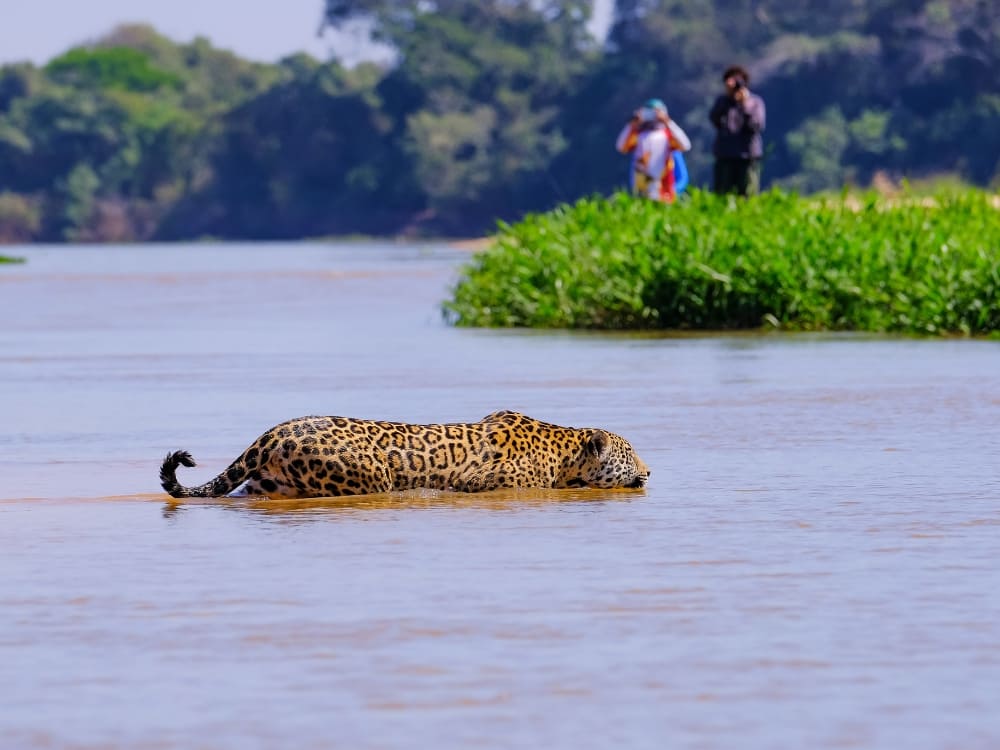
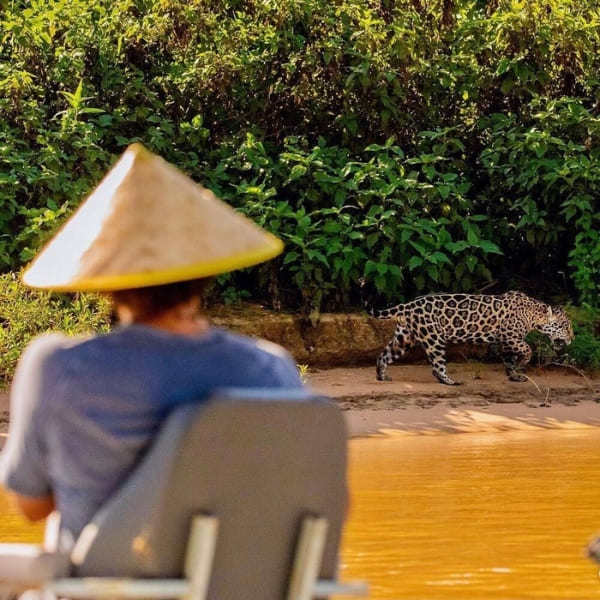
    A jaguar, the star of Pantanal animals, walks through the water while baring its teeth.
    @octaviocampossalles

    In the Southern Pantanal, jaguar sightings can happen year-round in protected ecological reserves. Pantanal safaris like the Luxury Jaguar Safari are usually done in 4×4 vehicles, offering a more terrestrial experience compared to the river-based excursions in the North.

    2. Capybara: World’s Largest Rodent

    👉 See our Pantanal jaguar tours

    Capybaras are perhaps the Pantanal’s most recognizable residents. These sociable, gentle animals are often found lounging in large groups along riverbanks or grazing in wet meadows. With their webbed feet and calm nature, they thrive in the semi-aquatic landscapes of the region.

    This is why capybaras are so impactful to the Pantanal wildlife:

    • They can grow up to 60 cm tall and weigh over 60 kg.
    • Excellent swimmers, they can even sleep underwater with only their noses exposed.
    • Capybaras are so docile that egrets and jacana birds often perch on their backs.
    • They coexist harmoniously with species like caimans and wading birds.
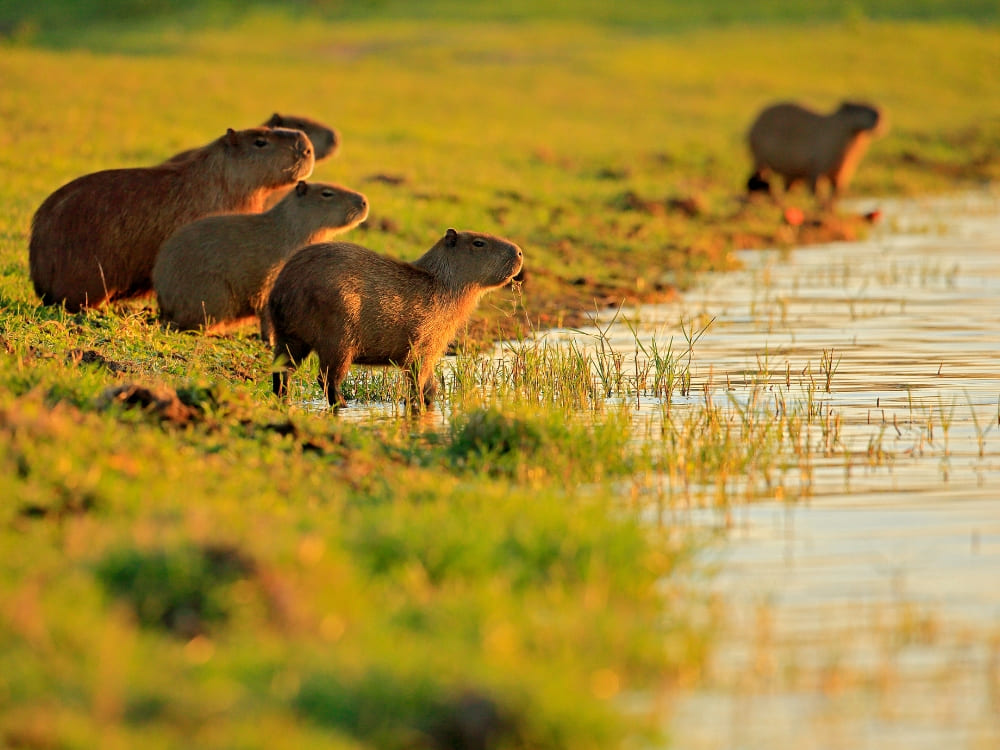
    A group of capybaras rests on a grassy riverbank, showcasing the social nature of these Pantanal animals.
    .

    👉 Don’t miss the chance to see capybaras: Pantanal Wildlife Tour from Cuiabá

    3. Caiman: The Stealthy Reptile 

    Caimans are found along riverbanks, in muddy lagoons, and sometimes even crossing walking trails. As part of the alligator family, they play a vital role in the ecosystem by regulating fish populations and serving as prey for top predators like jaguars and anacondas.

    Notable traits that make caimans one of the most iconic animals in the Pantanal

    • The yacare caiman is the most common species — six other different caiman species are found across South America.
    • Males can grow up to 3 meters in length.
    • They’re usually seen basking with their mouths open to regulate body temperature.
    • There are more caimans than people in the Pantanal. The region is home to over 10 million caimans, while fewer than 1 million people live in the surrounding area.
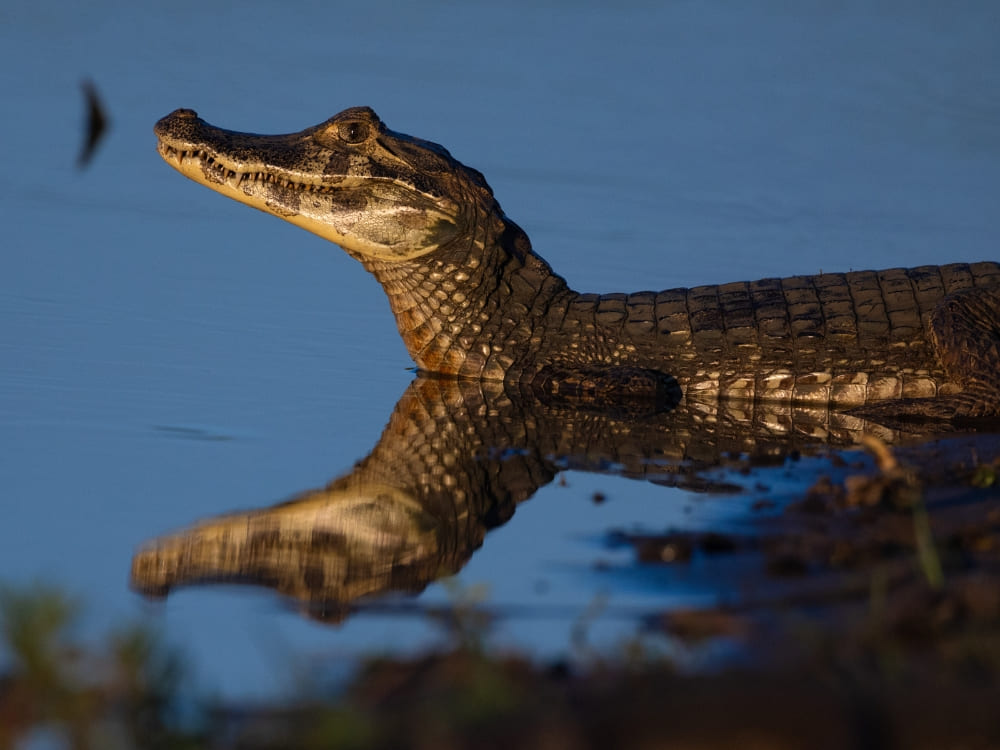
    The head of a Yacare caiman surfaces from the blue water, a common sight in Pantanal wildlife.
    Photo: Keith Ladzinski

    4. Giant Otters: Playful and Endangered

    For many people, giant otters are the most charismatic Pantanal animals. Measuring up to 1.7 meters in length, they live in close-knit family groups that are highly vocal, communicating with various squeals, barks, and whistles.

    Here’s what makes giant otters stand out:

    • They feed almost exclusively on fish, consuming several kilograms per day.
    • Huge team players, they work in big groups to corner their prey.
    • Webbed feet, dense fur, and streamlined bodies make them expert swimmers.
    • They are considered endangered and rely on protected habitats to survive.
    A giant river otter holds a fish in its paws while eating in the dark water.
    @chamiltonjames

    👉 Read more: 5 Pantanal Conservation Projects Making a Real Impact

    5. Macaws: Colorful Messengers

    The Pantanal is home to some of the world’s most stunning macaws, including the hyacinth macaw, the largest flying parrot on the planet. With a wingspan over 1.2 meters and bright blue feathers, they’re very hard to miss. You’ll also find red-and-green and blue-and-yellow macaws nesting in trees or flying in pairs.

    Key features of macaws in the Pantanal:

    • They form lifelong monogamous pairs.
    • Their calls are loud and distinctive, echoing across the canopy.
    • Fruits, seeds, and nuts are essential items of their diet.
    • Observing macaws in the wild is a top highlight for birdwatchers interested in the Pantanal fauna.
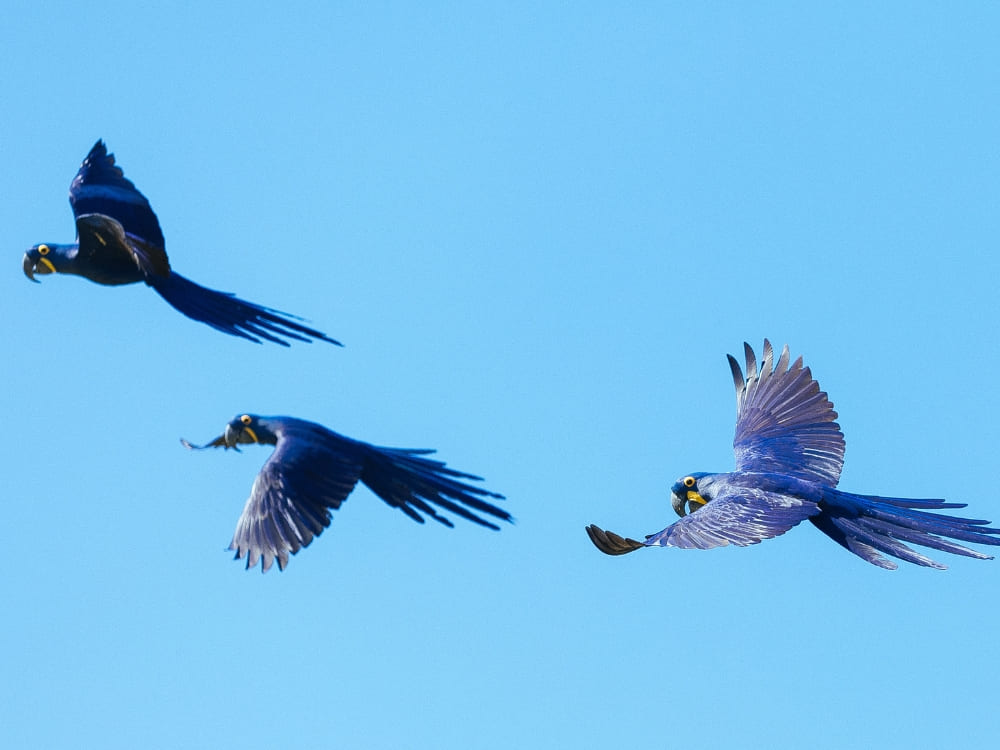
    Three vibrant Hyacinth macaws fly together against a clear blue sky.
    Photo: Felipe Castelllari

    6. Anaconda: Mythical Serpent

    We can say that anacondas are among the most mysterious and misunderstood animals in the Pantanal. These massive constrictor snakes can grow up to 6 meters long and usually dwell in marshes and shallow waters. Despite their size, they are stealthy and rarely seen

    Traits that shed light on their true nature:

    • They’re non-venomous but kill by coiling and suffocating their prey.
    • Their diet includes fish, birds, capybaras, and even caimans! 
    • Despite the myths and the media, anacondas very rarely attack humans.
    • Due to their elusive behavior, anacondas are not spotted frequently.
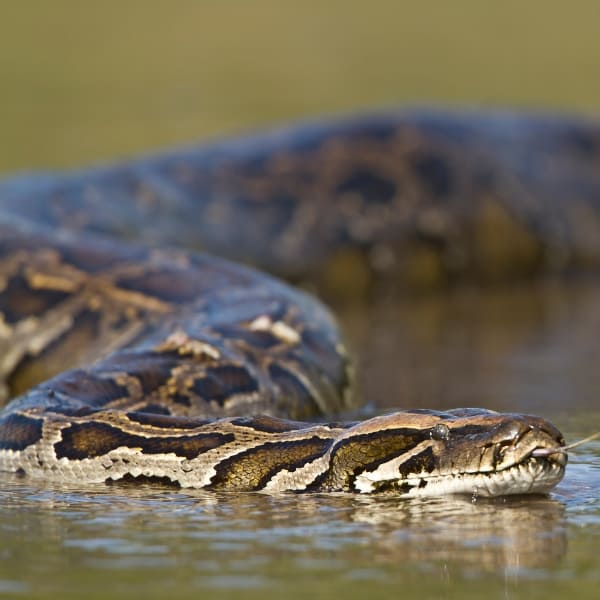
    The head of a massive anaconda glides just above the water surface in the wetland marshes.
    Photo: Utopia_88

    Fun fact: The 1997 thriller Anaconda, filmed in the Amazon Rainforest, made these snakes world-famous. Six other films have followed over the years, including the 2025 remake starring Jack Black and Brazilian actor Selton Mello. The entire franchise features scary anacondas, but the ones in real life are way less dramatic.

    7. Piranhas: Small but Fierce

    Piranhas are well-known inhabitants of the Pantanal’s rivers and lakes. Famous for their sharp teeth and strong bite, they usually feed on fish, insects, and even plants. Despite their scary reputation, they rarely attack humans and prefer to avoid disturbances.

    Here’s what you should know about piranhas:

    • The dry season makes them more aggressive due to limited food.
    • Their powerful jaws allow them to tear through flesh quickly. 
    • Many species are omnivorous and feed on plants as well.
    • Catch-and-release fishing is possible in Pantanal tours guided by local experts.
    A close-up view of a piranha showing its scales and shape, a famous part of the Pantanal fauna.
    Photo: Bernard Dupont

    Fun fact: Just like anacondas, piranhas are movie stars. The horror franchise Piranha started in 1978 with a parody of Jaws. The series ended with its fifth film, Piranha 3DD, in 2012.

    8. Ocelot: The Elusive Small Cat

    Ocelots are small, spotted wild cats native to South America. Mostly nocturnal and elusive, they hide in dense vegetation, which makes encounters in the wild quite rare. Still, this graceful feline plays an essential role in maintaining ecological balance in the Pantanal wildlife.

    Interesting facts about ocelots you should know about:

    • By preying on small mammals, birds, and reptiles, they help to control these animals populations.
    • Solitary and territorial, they’re about the size of a house cat — but more muscular.
    • Sightings are rare but possible during night safaris or via camera traps.
    • Like many Pantanal animals, their habitat is key to survival.
    An ocelot stands on a rocky outcrop against a blue sky, scanning its surroundings.
    Photo: slowmotiongli

    9. Marsh Deer: Gentle Giant

    Perfectly adapted to life in wetland environments, the marsh deer is the biggest deer species in South America. Its long legs allow it to move easily through flooded areas, while its reddish coat helps it to blend into the tall grasses of the Pantanal.

    Key facts about the marsh deer:

    • Generally shy around humans, they’re most active during the night.
    • Its population is vulnerable due to habitat loss and disease.
    • Protected areas in the Pantanal provide a vital refuge for the species.
    • Their presence is often seen as an indicator of a healthy ecosystem.
    A female marsh deer stands protectively next to her fawn on a dirt path.
    @rafamattosphoto

    10. Toco Toucan: Bright-Billed Icon

    A famous Brazilian symbol, the toco toucan stands out with its enormous orange bill and striking black-and-white plumage. Despite its size, the beak is surprisingly light and serves multiple purposes, especially reaching fruits on distant branches.

    Things you should know about toco toucans:

    • Fruits, insects and even small animals are part of their diet.
    • The large beak also helps control body temperature in hot climates. 
    • Their croaking call is most often heard at dawn and dusk.
    • Tree cavities are where they rest, but they’re also often seen perched on treetops.
    A Toco toucan perches on a tree branch holding a small fruit in its large orange beak.
    .

    👉 Read more: 10 facts about the Pantanal

    11. Lowland Tapir: The Forest Gardener

    Lowland tapirs are the largest land mammals in South America. By spreading seeds through their droppings, they help regenerate forests and maintain healthy ecosystems in the Pantanal.

    Here’s what makes tapirs unique:

    • They feed on fruits, leaves, and aquatic plants.
    • Tapirs defecate in water as a strategy to avoid predators.
    • They are mostly nocturnal and prefer solitude.
    • Good swimmers, they often rest submerged when the weather is too hot.
    A lowland tapir keeps its head above water while swimming in a river.
    @rafamattosphoto

    12. Ring-Tailed Coatis: Curious Foragers

    Ring-tailed coatis are social, daytime mammals often spotted in groups foraging along trails and forest edges. With long, flexible snouts, they dig through leaves and soil searching for insects, fruit, and small animals.

    Some interesting facts about coatis — and why they’re essential players in the Pantanal fauna:

    • Their upright, ringed tails help group members stay visually connected.
    • Highly adaptable and often seen near human areas.
    • Curious and clever, they explore everything, but feeding them is discouraged.
    • They play an important role in the ecosystem by controlling insect populations.
     A group of ring-tailed coatis with raised tails forages for food in the green grass.
    Photo: VisitMS

    13. Giant Anteater: A Walking Marvel

    Giant anteaters are among the most unusual and fascinating mammals in the Pantanal. With no teeth and a 60-centimeter-long sticky tongue, they can consume tens of thousands of ants and termites every day.

    A few things that set giant anteaters apart:

    • Powerful claws are used to tear open nests and for self-defense.
    • They are solitary and mostly active during the early morning hours.
    • Their bushy tail, unique coat, and slow gait make them easy to spot.
    • Despite their size, they are non-aggressive and shy around humans.
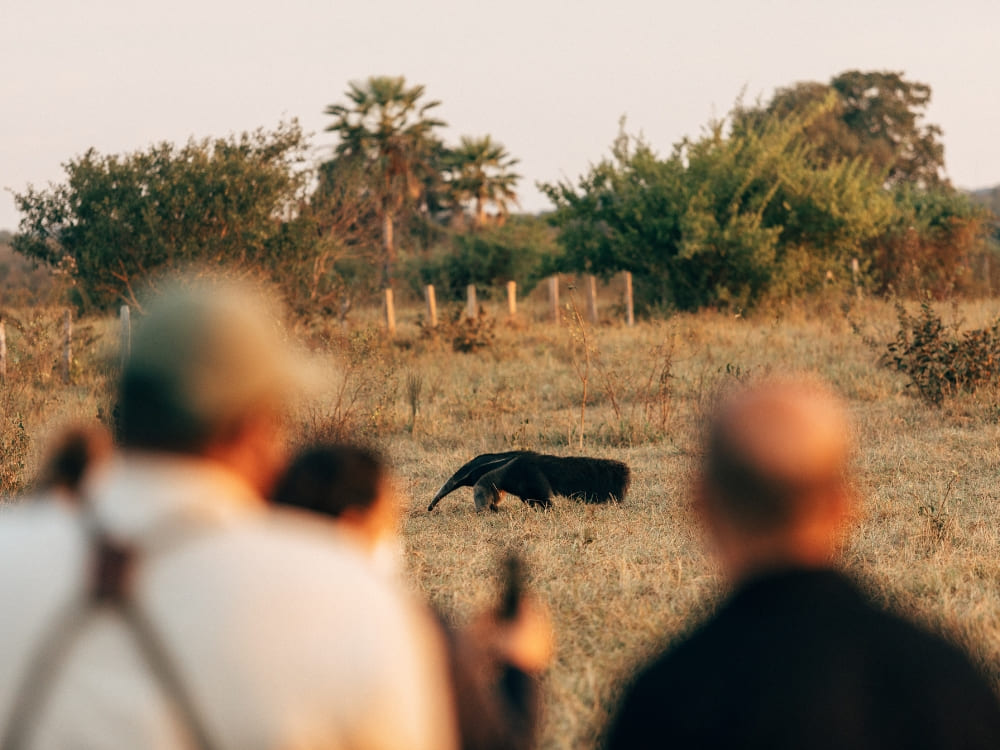
    A giant anteater walks across the grassy savannah, a highlight of giant anteater sightings in the Pantanal region.
    Photo: Felipe Castellari

    👉 Looking forward to giant anteater sightings in the Pantanal region? Check it out: Pantanal Wildlife Trip from Campo Grande

    14. Maned Wolf: The “Fox on Stilts”

    The maned wolf isn’t a wolf or a fox but a distinct species in its own family. With long, slender legs and a reddish coat, it walks elegantly through the tall grasses of the Pantanal, often at dusk or night.

    Distinctive traits of the maned wolf:

    • Local legends say they have magic abilities, including hypnotic powers to protect the biome and catch prey.
    • Its diet is omnivorous, including rodents, birds, and fruit like the “wolf apple”.
    • Mostly nocturnal, it’s rarely seen, but its ghostly call can be heard at night.
    • Due to their shy and solitary nature, any sight of them is extra special.
     A maned wolf with long legs steps carefully through shallow green water.
    Photo: Ian Fox

    15. Jabiru Stork: Symbol of the Pantanal

    The jabiru stork is the tallest flying bird in South America and a striking emblem of the Pantanal wildlife. With its black-and-red neck and massive wingspan, it’s often seen wading through shallow wetlands looking for fish, frogs, and other aquatic animals.

    Why the Jabiru stork stands out:

    • They form lifelong pairs and reuse the same nest year after year.
    • Nests are built in tall trees and can reach over a meter wide.
    • Their graceful flight and size make them a favorite among birdwatchers.
    • Their feeding grounds are most exposed during the dry season.
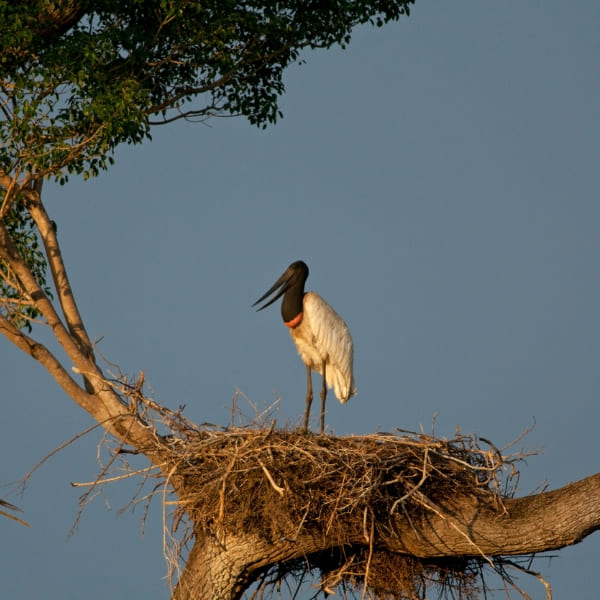
    A majestic Jabiru stork displays its black neck and red throat pouch against a green background.
    @luiz4mendes

    Pantanal fauna and flora: Always in harmony

    While the Pantanal is well-known for its animals, its vegetation is equally fascinating. The region is a mosaic of ecosystems, seasonally flooded grasslands, savannas, forests, and aquatic habitats.

    This diversity allows plants like Carandá Palms, Ipê Trees, and aquatic species like water hyacinth to thrive and to harmoniously coexist with Pantanal animals

    Notable plant species of the Pantanal:

    • Buriti Palm (Mauritia flexuosa): Palm tree with edible fruits; thrives in wet soils.
    • Aroeira (Schinus terebinthifolia): Medicinal tree with pink berries.
    • Cambará (Vochysia divergens): Common in flooded forests, aids in regeneration.
    • Sucuriú Grass (Paspalum spp.): Native grass, vital for herbivores.
    • Jacaré Wood (Calophyllum brasiliense): Moisture-loving tree that stabilizes soil.
    A large Pink Ipê tree stands in full bloom in a field, highlighting the beauty of Pantanal flora.
    .

    These plants provide food and shelter for animals while also playing a vital role in regulating the water cycle and filtering pollutants. Together, both fauna and flora uplift each other in perfect tune, making the Pantanal a very ecologically resilient ecosystem.

    When is the best time to visit the Pantanal?

    The ideal time for wildlife viewing is between May and October, when the dry season reduces water levels and animals gather around remaining lagoons and rivers. This makes sightings of jaguars, capybaras, caimans, and birds a lot more frequent.

    During the rainy season (November to March), the landscape becomes lush and green. Birdwatching is particularly rewarding during this period, but access to remote areas can be more difficult.

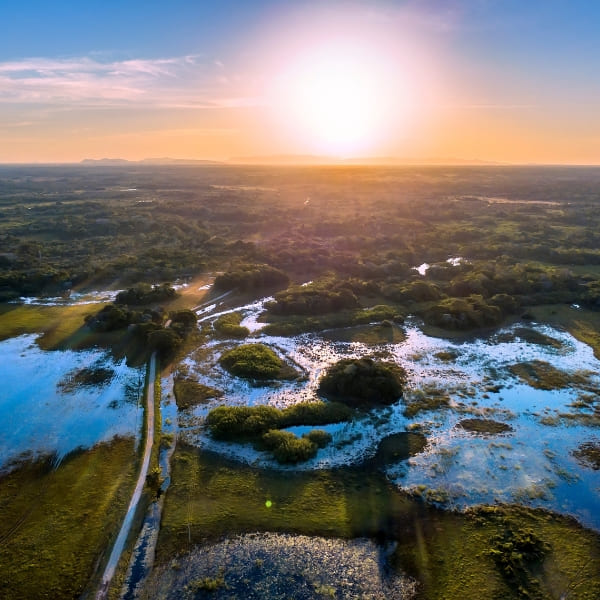
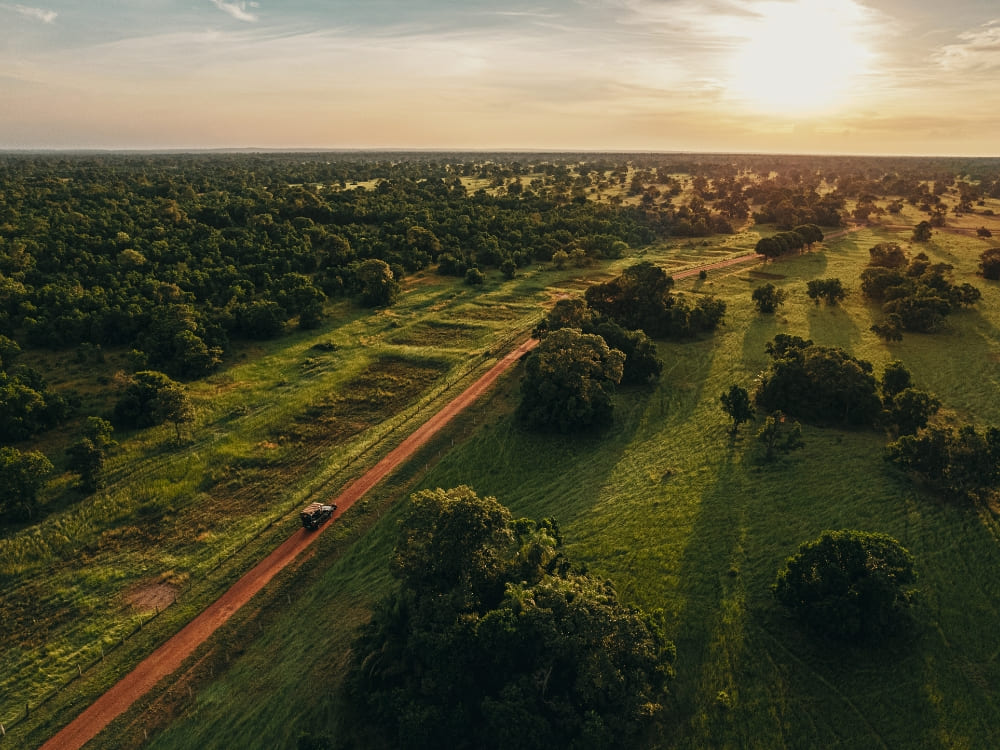
    An aerial view captures the vast Pantanal wetlands and lagoons illuminated by a sunset.
    Photo: Leo Mercon

    👉 Read more: When is the best time to visit the Pantanal?

    How to get to the Pantanal?

    The Pantanal is divided into two main access regions: North and South. To visit the Northern Pantanal, fly to Cuiabá (Mato Grosso), then travel by car to areas like Poconé and Porto Jofre. To explore the Southern Pantanal, fly to Campo Grande (Mato Grosso do Sul), with access to regions like Miranda and Aquidauana.

    From either base, you can reach ecolodges and reserves by 4×4 vehicles, boats, or small aircraft. Transfers are typically arranged by tour operators or accommodations.

    👉 Read more: How to get to the Pantanal, Brazil

    North or South Pantanal: Which region is best for wildlife?

    The North Pantanal is best known for jaguar sightings and boat safaris along the Cuiabá River. It’s ideal for photographers (professionals or amateurs).

    The South Pantanal offers more terrestrial safaris by four-wheel drive or horseback and is great for a broader range of mammals, birds, and reptiles. It’s also easier to access year-round due to better infrastructure.

    Keep in mind: While the Pantanal provides one of the best settings in the world to observe wildlife, it’s still nature, so sightings are never 100% guaranteed. That’s part of what makes every moment so authentic and special!

    👉 Read more: North or South Pantanal: which one should you visit?

    Come admire the Pantanal animals with PlanetaEXO!

    See how amazing the Pantanal wildlife is? Whether you’re dreaming of watching a jaguar swim across a river or discovering rare plants and animals on foot, this destination offers experiences unlike any other.

    You can see all these wonders with your own eyes by traveling with PlanetaEXO, an expert in Pantanal tours. By working with the best local operators, we turn your dream vacation into a reality. Contact us now!👉 Explore our Brazil wildlife tours

  • When is the Best Time to Visit the Amazon Rainforest in Brazil

    When is the Best Time to Visit the Amazon Rainforest in Brazil

    Not sure when is the best time to travel to the Amazon? This guide will teach you everything about the forest’s seasons and help you plan your next vacation!

    With two very well-defined seasons (wet and dry seasons), the best time to visit the Amazon Rainforest depends on what you’re looking for. This is an all-year-round destination, but some periods are more favorable to certain activities than others

    The weather is warm throughout the entire year, but it’s the humidity you should pay attention to—it is a rainforest, after all. The rain is mostly an everyday occurrence, but there are specific times when rainstorms are more common. But don’t you worry: your experience will not be affected!

    To help with your vacation planning, PlanetaEXO, a platform specialized in Amazon Rainforest tours in Brazil, has put together a guide on when you should book your trip. Check it out below!

    Visiting the Amazon in the wet season

    December, January, February, March, April and May

    The wet season is when rainfall is the heaviest, from December to May. Rivers get higher, the Amazon Basin starts to flood and the weather is slightly cooler, with an average temperature of 25,8 ºC (78 ºF).

    Rainstorms hit the forest daily, but your trip won’t be negatively affected, since they only last about an hour per day. When the sky clears, you can go back outside and enjoy yourself.

    Another impressive feature of the rainy season is the igapós. The intense rainfall causes some areas of the forests to become flooded. Depending on river levels, the water can reach up to 10 meters in height, transforming the vegetation into a natural pool that delights underwater animals and humans alike.

    Large Samauma tree with buttress roots submerged in the dark waters of the flooded Amazon forest.
    .

    Amazonian winter

    While the rest of Brazil heats up with spring and summer, the Amazonian winter (December to March) affects the Northern states.

    Despite its name, the season is really not about temperature — which remain high, as usual —, but the intensity of rainfall that causes rivers to rise and forests to flood. In the Amazonian winter, it’s possible for the amount of rain that would normally fall in an entire month to fall in two or three days.

    This phenomenon happens for a few reasons:

    • Lack of well-defined season in the North
    • Oscillation of a band of cloudiness over the Equator
    • Transport of humidity from the North Atlantic
    • Specific climatic phenomena, such as La Niña

    Your travel experience isn’t negatively affected by this, but some activities are more favorable than others during this time, as detailed below.

    What to do during the wet season in the Amazon Rainforest?

    This is the perfect season for water-related itineraries. Due to the heavy rainfall, you don’t walk through the forest, you navigate through it:

    • Igapós (flooded forests): Canoe, swim or go on aquatic hikes between treetops, orchids, bromeliads and other plants at eye level.
    • Wildlife watching: Terrestrial animals tend to climb to the treetops when the forest floods, making it much easier to spot sloths and monkeys. Various species of birds and the famous Amazon pink dolphins are also frequently seen.
    • Destinations for the Amazon rainy season: Anavilhanas National Park, Mamirauá Reserve and Alter do Chão are some of the top places to travel during this period. Explore water labyrinths, admire the wildlife and join canoe trips.
    • River cruises: Sailing across the Amazon, Negro or Solimões rivers on 3-floor vessels is a wonderful way to experience nature from a whole new perspective.
    Tourist navigating a canoe through the green canopy of the flooded Amazon rainforest looking up at the trees.
    .

    👉 Read more: Best Amazon River Cruises in Brazil

    Visiting the Amazon in the dry season

    June, July, August, September, October and November

    Between June and November, the dry season makes the temperature warmer, with an average of 27,9 ºC (82 ºF). It still rains, but it’s less frequent and the water volume is lower. This allows the floods to drain, unblocking various hiking trails that were previously submerged — although there still are a considerable amount of flooded areas. 

    Less rain also means reduced rivers and a better look at different species of fish and even Amazon pink dolphins. When the water recedes, aquatic animals have less space to swim around, so their occupation is concentrated in smaller zones.

    Keep in mind: from October to December, extended dry seasons are becoming more frequent, causing rivers to shrink, limiting access to a few areas and potentially reducing encounters with some species of animals and plants. The rivers are expected to slowly start rising by November and December. The conditions are much better by January, so the recommendation is to book your tour from this month onwards.

    Young boy standing at the entrance of a mossy cave exploring the Amazon jungle.
    .

    What to do during the dry season in the Amazon Rainforest?

    Land-based itineraries are the highlights of the dry season, but it’s still very much possible to do incredible aquatic activities:

    • River beaches: Known as the Caribbean of the Amazon, Alter do Chão is the main destination for visiting river beaches, though Anavilhanas and the Manaus region are also great spots.
    • Jungle hiking: This is the perfect time for modest hikes or long treks in the forest — including caves and waterfalls —, as well as camping and night walks.
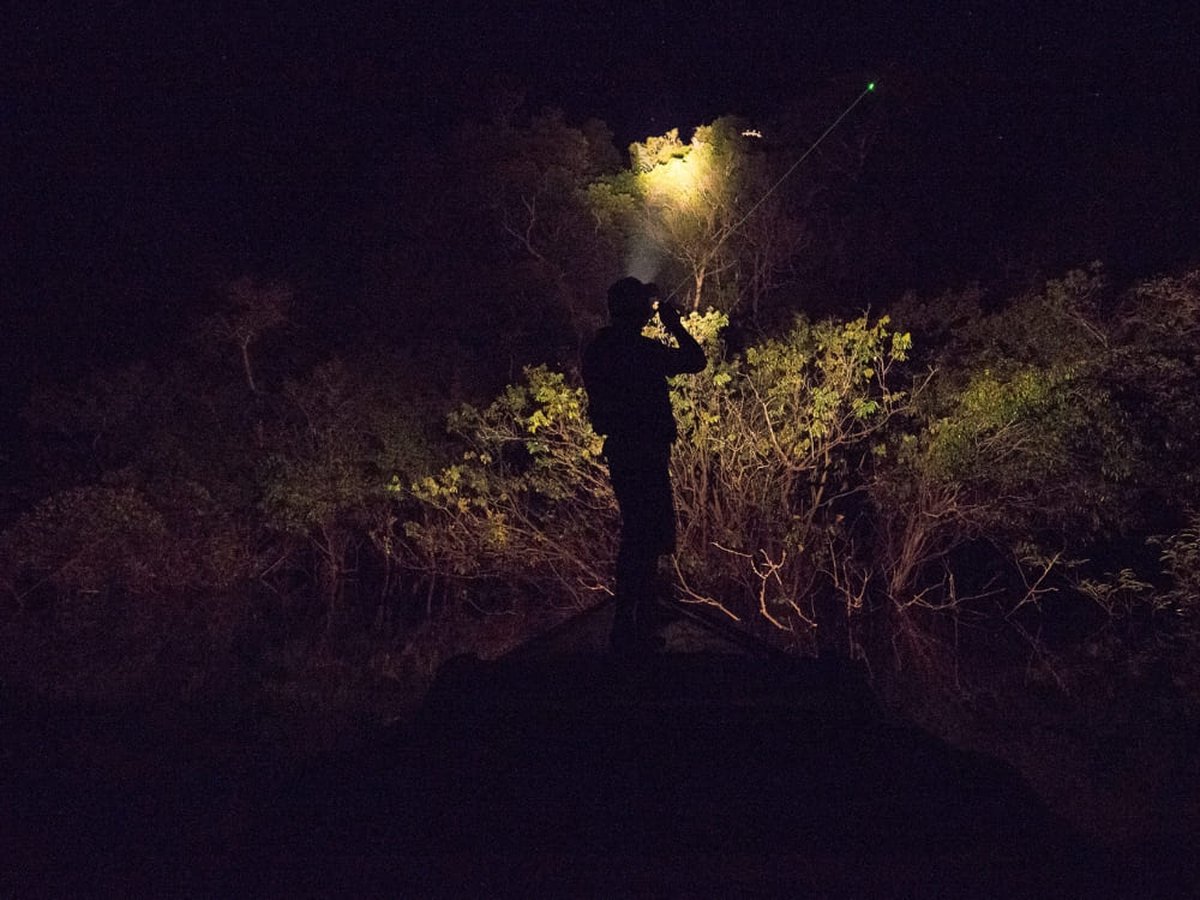
    • Night spotlight: As the flooded area shrinks drastically, caimans gather on the banks of the main rivers and the remaining lakes. At night, “spotting” (shining flashlights into their eyes) reveals hundreds of bright spots in the water. With some luck, you might see other nocturnal creatures, too.
    • Amazon river cruises: Cruises are one of the most versatile activities in the Amazon, as they can be enjoyed during both the rainy and dry seasons.
    Silhouette of a person doing a yoga tree pose on an Amazon river beach at sunset.
    .

    👉 Read more: Best Places to Visit in the Amazon, Brazil

    High and low seasons in the Amazon, Brazil

    The high season is the time of year when the greatest number of people visit a certain destination. Increased demand doesn’t harm the travel experience, but it can affect aspects such as higher prices, more visitors, and reduced availability in the best Amazon jungle lodges.

    The following months are usually the busiest:

    • December and January: Holidays, vacations, and work/school breaks cause people to travel more.
    • February: Carnival is one of the most important holidays in Brazil. After four days of festivities, tourist activity in the Amazon tends to grow (usually in the second half of February, depending on the annual calendar).
    • June, July and August: School break in Brazil, and North American and European countries.
    Two squirrel monkeys sitting on a tree branch grooming each other in the jungle.
    .

    The low season occurs during the months not mentioned above. If you are looking for more peacefulness, exclusivity, and affordable prices, this is the best time to go to the Amazon!

    Amazon Rainforest weather

    The Amazon in Brazil is big enough to reach eight different states, but we’ll focus on three: Amazonas, Pará and Mato Grosso. All of them, of course, have their own features, travel options and weather patterns.

    To help you decide when is the best time to go to the Amazon, check the widgets below to see how the weather is right now in these locations.

    👉 Read more: How to get to the Amazon Rainforest in Brazil?

    Manaus, Amazonas

    Manaus is the capital of Amazonas, the state in which the forest occupies the largest portion – about 29% of the Brazilian Amazon, ranging 1.450.00 km². It’s bigger than the entire country of Peru (1.285.216 km²)!

    That’s why Amazonas is the most seeked out destination for a lot of people who want to immerse themselves into the Amazon Rainforest. Makes sense, huh?

    Belém, Pará

    Pará sits right beside Amazonas, in the North of Brazil. The Amazon takes up a smaller area here, with “only” 930.00 km². It’s almost as big as Tanzania (947,303 km²), in Africa. 

    See below how the weather is right now in Belém, the capital of Pará.

    Alta Floresta, Mato Grosso

    Alta Floresta is a town in Mato Grosso with a population of over sixty-two thousand people, located in the north of the state and the south of the Amazon. The rainforest takes up 470.000 km² — larger than the California area (423,967 km²).

    Take a look at the current weather in Alta Floresta:

    The best time to visit the Amazon in Brazil is whenever you want!

    As a year-round destination, the Amazon allows for incredible experiences at any time — it all depends on your schedule and preferences.

    Now all you have to do is choose the most convenient date to plan your trip with PlanetaEXO, the ecotourism platform specialized in Amazon Rainforest tours in Brazil that works with the best local partners. Our team will help with everything you need to make your vacation one of the best moments of your life. Contact us now!

  • Pantanal or the Amazon: Which One Should you Choose?

    Pantanal or the Amazon: Which One Should you Choose?

    Both incredible Brazilian biomes, the Pantanal is home to jaguars and other fantastic animals, while the Amazon Rainforest allows for unbelievable jungle experiences

    When planning an adventure into Brazil’s wildest landscapes, two destinations may come to mind: the Pantanal or the Amazon. Both are ecological powerhouses teeming with biodiversity, but they offer different experiences.

    Aerial view of a tour boat navigating a winding river through the lush green landscape of the Amazon.
    .

    Simply comparing travel itineraries is not enough, since both destinations are among some of the planet’s richest biomes in terms of biodiversity and untouched beauty. In their own unique ways, they provide incredible activities for those who wish to connect with nature in its most exuberant form.

    Tourists watching a jaguar resting on a tree branch during a wildlife safari tour in the Pantanal.
    Photo: @larissa_pantanal

    As an expert in Pantanal tours and Amazon Rainforest tours in Brazil, PlanetaEXO has put together a guide to help you choose where you should spend your next vacation. See more below!

    Is the Pantanal part of the Amazon?

    No, the Pantanal is not part of the Amazon Rainforest. Although neighboring biomes in Brazil, they have fairly different ecosystems.

    Spanning the states of Mato Grosso and Mato Grosso do Sul, the Pantanal is considered the world’s largest wetland.

    Meanwhile, the Amazon is the largest tropical rainforest on Earth, covering areas of eight different states: Amazonas, Pará, Mato Grosso, Acre, Amapá, Rondônia, Roraima and Maranhão.

    Pantanal safaris: wildlife watching at its finest

    If your dream is to see wildlife up close, the Pantanal is the perfect destination. Besides the incredibly rich fauna, the open landscapes make it much easier to spot animals in their natural habitat compared to anywhere else in Brazil.

    By boat or four-wheel drives, Pantanal safaris allow visitors some of the best wildlife watching experiences in the world. With the help of expert guides who know just the right places to spot animals, you might see capybaras, giant otters, caimans, macaws, etc.

    Silhouette of a capybara with birds perched on its back against a vibrant orange sunset in the Pantanal.
    Photo: Ondrej Prosicky

    All species are fascinating, but it’s safe to say that the largest feline in the Americas is the star of the show. The Northern region, especially near the town of Porto Jofre, is considered the best place in the world to see jaguars.

    The Pantanal’s abundance of wildlife is a striking highlight compared to other biomes. Amazon jungle tours in Brazil are wonderful for a total immersion in nature, but spotting animals there requires more patience and a bit of luck.

    Close-up of a jaguar engaging in natural camouflage amidst dense foliage in the Brazilian wetlands.
    Photo: Felipe Castellari

    👉 Read more:

    The immensity of the Amazon Rainforest

    The Amazon Rainforest  is an endless sea of green. With trees that reach over 40 meters in height, the forest creates a closed, humid environment where sunlight barely touches the ground, and houses thousands of plant and animal species.

    Hiking in the Amazon is almost mystic. Different sounds and aromas are enveloped by the forest grandeur and a constant sense of mystery. Such an atmosphere can make anyone very aware of the warm, yet relentless power of Mother Nature.

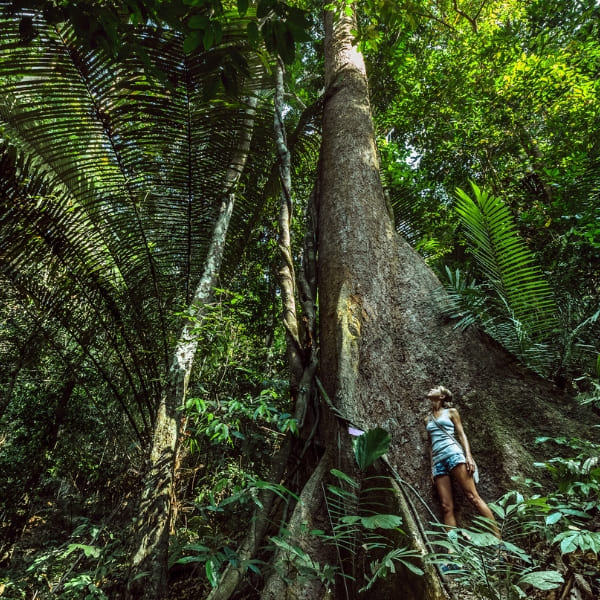
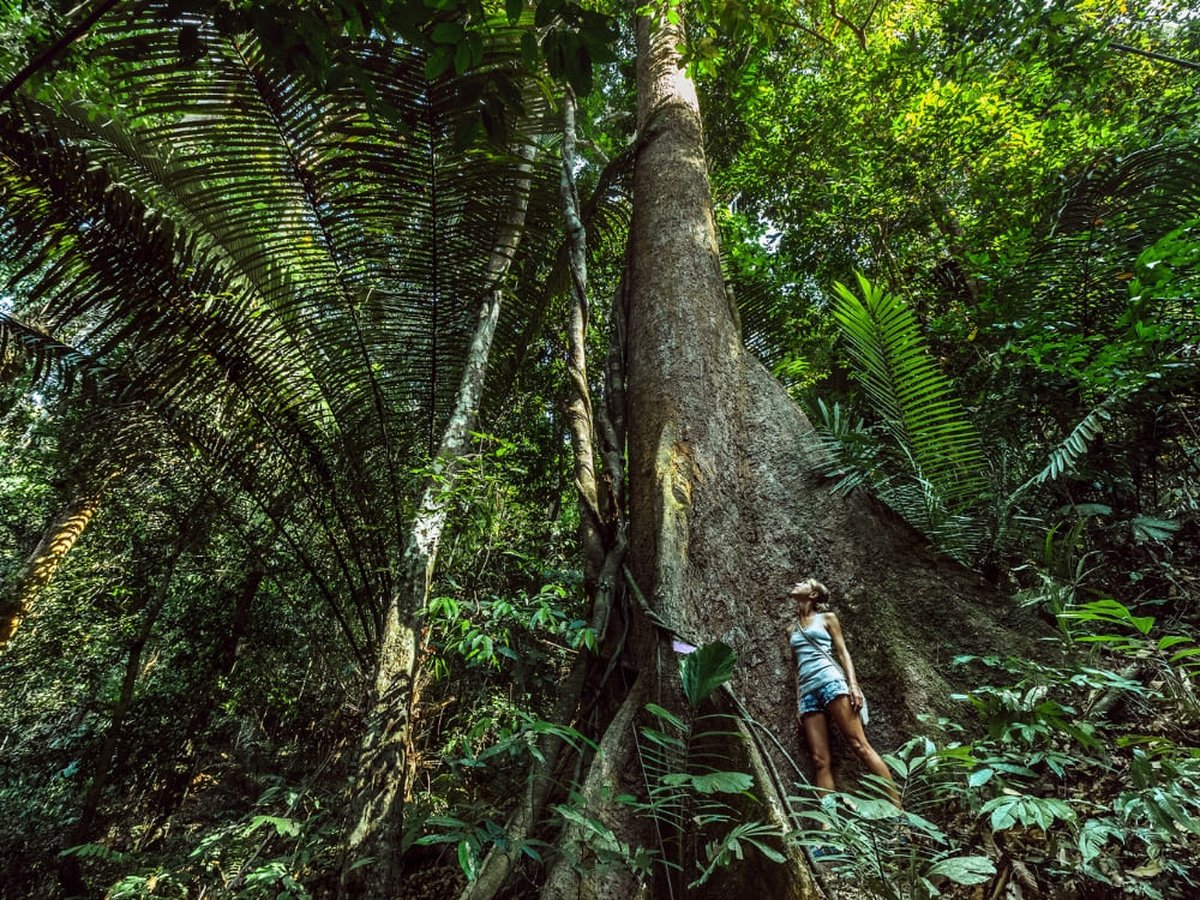
    A traveler stands at the base of a massive tree trunk wrapped in vines, gazing up into the dense, green canopy of the Amazon rainforest.
    .

    By joining Amazon tours in Brazil, travelers witness the importance of the rivers, which determine the local way of life as natural highways that connect riverside communities and grant proper access to deeper parts of the forest.

    Negro, Solimões and Amazonas are just some of the rivers that cut through the vegetation and form igarapés (small bodies of water), igapós (flooded forests) and breathtaking views of immeasurable value for the fauna, flora and locals. 

    A pink river dolphin surfaces to breathe, showing its distinct color against the dark, black waters of the Rio Negro.
    .

    Wildlife is rich, but discreet. Except for pink river dolphins, most animals live in the tree tops, are camouflaged by the jungle or only make themselves known at night. The focus is on immersion: smelling the wet earth, listening to the music of nature, breathing fresh air and understanding the privilege of being surrounded by the most complex ecosystem on the planet.

    👉 Check our travel packages: Amazon Rainforest tours, Brazil

    Experiences in the Amazon and the Pantanal

    Both the Pantanal and the Amazon are spectacular. There is no better destination — only the better option for your preferences.

    While the Amazon stands out for the vastness of its closed forest, imposing rivers and the constant sounds of the jungle, the Pantanal mesmerizes with its flooded fields, open vegetation and the spectacle of wildlife on view. Despite the contrasting differences, these two wild destinations represent the richness of Brazilian biodiversity and sustainable travel.

    Besides understanding what makes each biome so great, it’s also important to point out how the experiences are influenced by their distinctness.

    Two jaguars grooming each other in their natural habitat in the Pantanal.
    @matthias_kern_photography

    Pantanal tours activities

    Book your trip to the Pantanal if you love:

    • Photo safaris: explore the wetlands by boat or 4×4 car to spot some of the most beautiful Brazilian animals, including jaguars, anteaters, tapirs, toucans, and many more.
    • Birdwatching: keep your eyes open to spot some of the native birds, including toucans, macaws and the enigmatic jabiru stork.
    • Horseback riding: delve into the flooded plains on horseback like a true Pantaneiro.
    • Trekking: accompanied by qualified guides, trek across open fields and immerse yourself in nature.
    • Boat rides and catch-and-release fishing: discover the wetlands by joining boat tours and fish for typical Pantanal species, like pacu and dorado.
    • Farm life: some lodges are actually adapted farmhouses, but day-to-day life is still heavily based on ranch culture — which guests are more than welcomed to participate in.
    • Cinematic sunrises and sunsets: wide-open skies offer unforgettable views when dawn breaks or when the sun sets.

    Keep in mind: itineraries vary in North and South Pantanal. Make sure to learn the differences of both regions before booking your trip!

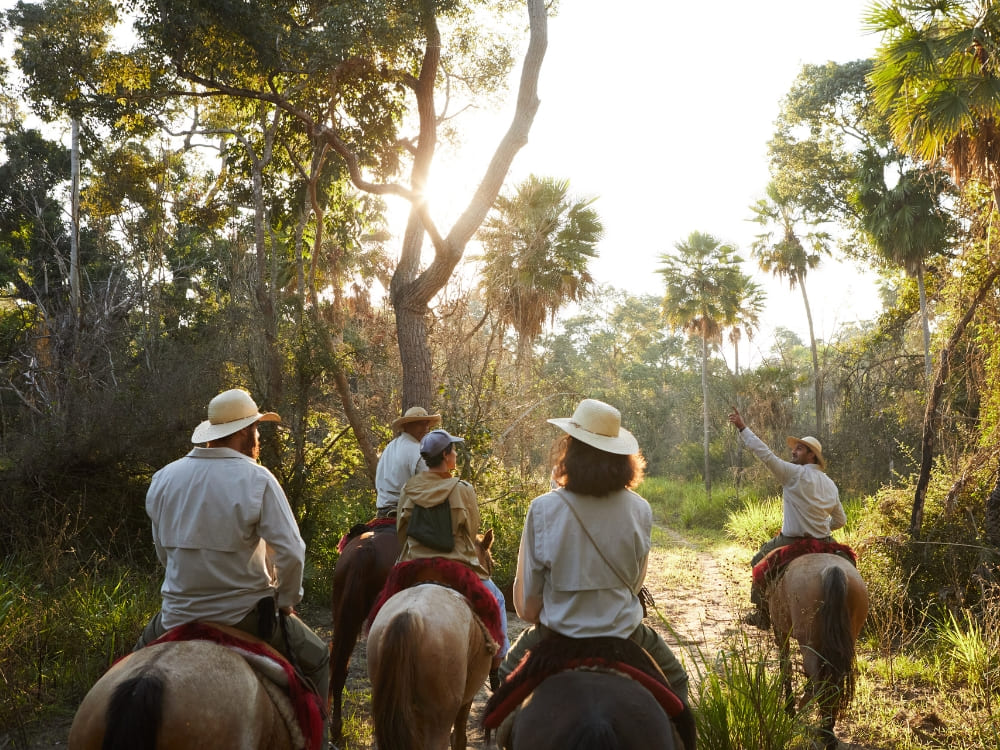
    Group of tourists horseback riding through the Pantanal wetlands guided by local experts.

    Brazil Amazon tours activities

    Plan your vacation in the Amazon if you can’t get enough of:

    • Forest hiking: immerse yourself in the forest by hiking with expert guides to explore the fauna, flora and local traditions.
    • River cruises: high-end vessels provide a one of a kind sailing experience across the rivers in Anavilhanas and Jaú national parks.
    • Boat trips: smaller boat and canoes sailing through igarapés and igapós are some of the most authentic activities in the forest.
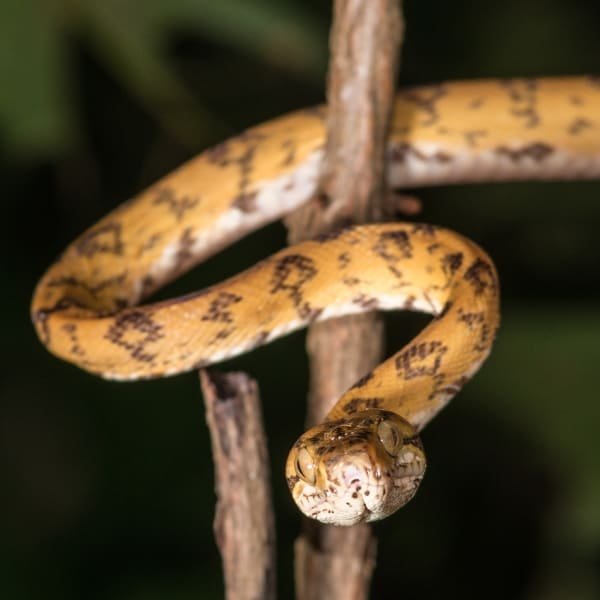
    • Night expeditions: animals (caimans, snakes, frogs, owls…) tend to roam around the forest more freely when night falls, making it an ideal time for wildlife watching in the Amazon.
    • Pink dolphins sightings: unlike other native animals, the iconic pink river dolphins aren’t shy and are often spotted during boat rides across Solimões and Negro rivers.
    • Lodging in the forest and floating houses: rustic or sophisticated stay experiences, always integrated with nature.
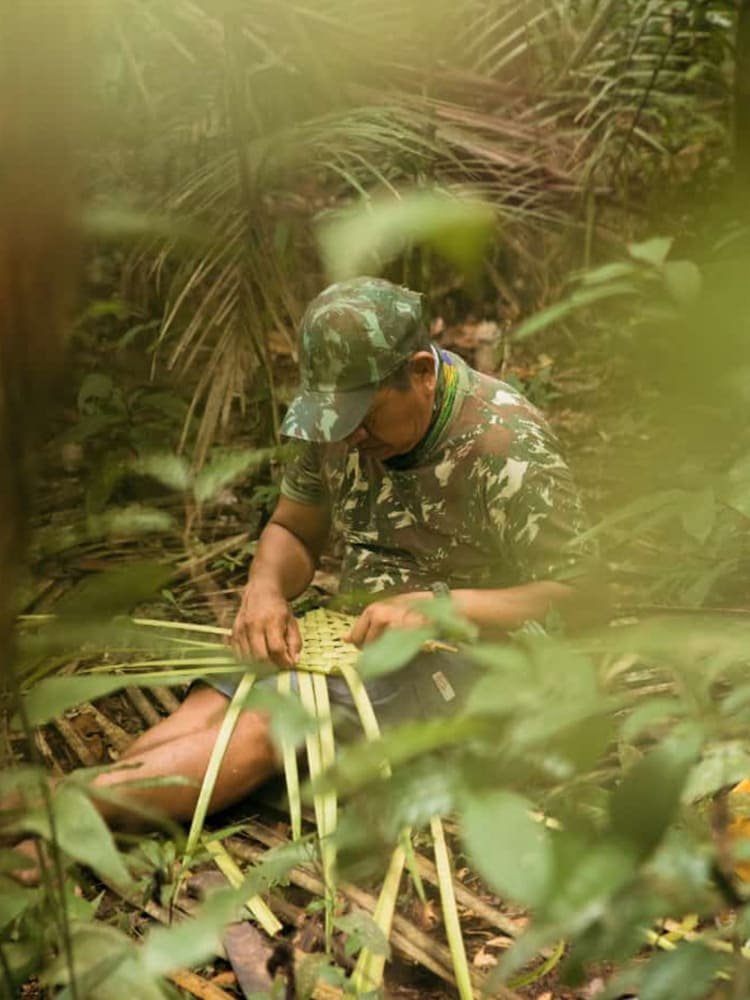
    • Visiting riverside and indigenous communities: contact with local cultures, traditional cuisine, handicrafts and even ceremonies conducted by indigenous leaders.

    👉 Read more: Top things to do in the Amazon Rainforest in Brazil

    Indigenous men playing traditional wind instruments during a cultural ceremony in the Amazon.

    How to get to the Pantanal and the Amazon in Brazil?

    The Pantanal and the Amazon Rainforest are located in remote regions, with logistical challenges that can directly influence the tourist experience. However, with the growth of ecotourism in Brazil and the development of local infrastructure, these trips have become increasingly viable.

    Divided between North and South, the Pantanal is assessable via Cuiabá (Mato Grosso) or Campo Grande (Mato Grosso do Sul), both capitals connected by dirt roads to the lodges and ranches. The dry season (May to October) is a great time for wildlife watching and other outdoor activities due to the decrease in water level.

    👉 Read more:

    Two open-air safari vehicles stopping on a dirt road to observe a jaguar lying on the ground.

    If you’re traveling to the Amazon, the route depends on which areas you’re visiting. Manaus, capital of Amazonas, is the main getaway to the forests, served by direct flights from major Brazilian cities, but there are also tours in the states of Pará and Mato Grosso.

    River levels vary greatly between the wet and dry seasons, so activities can change depending on the time of year. The rainy season (December to May) is best for canoeing, while the dry season (June to December) allows for longer hikes.

    👉 Read more:

    Tourists on a small motorized canoe navigating an Amazon river at twilight.

    Sustainability and local impact

    Both the Pantanal and the Amazon are biomes of global importance for environmental conservation. Sustainable travel has proven to be a powerful tool for preserving these regions and supporting local communities. 

    By choosing responsible lodging, hiring local guides, opting for operators that follow sustainable practices and taking part in activities focused on environmental education, tourists contribute directly to maintaining communities and enhancing biodiversity.

    An ecotourism guide holding binoculars standing next to an Onçafari project vehicle.

    Ecotourism efforts, such as ecological lodges in the Amazon, or adapted farms in the Pantanal, help generate income for local populations and create alternatives to deforestation, poaching and predatory exploitation of natural resources.

    Prioritizing experiences that respect the rhythms of nature, limit the number of visitors and are committed to sustainable practices is essential to ensure that these landscapes continue to exist for generations to come. 

    A woman holding a native tree sapling for a sustainability and reforestation project in the Amazon.

    👉 Learn more and support:

    In conclusion, should you choose the Amazon Rainforest or the Pantanal?

    Go to the Pantanal for easier wildlife watching, open landscapes and safari-style experiences, or choose the Amazon if you’re looking for immersive jungle exploration, cultural encounters, and the feeling of being in the middle of a tropical rainforest.

    Better yet: plan your trip to both destinations, since each reveals a unique side of Brazil’s untamed beauty. 

    There’s no wrong choice here, just different kinds of adventures!

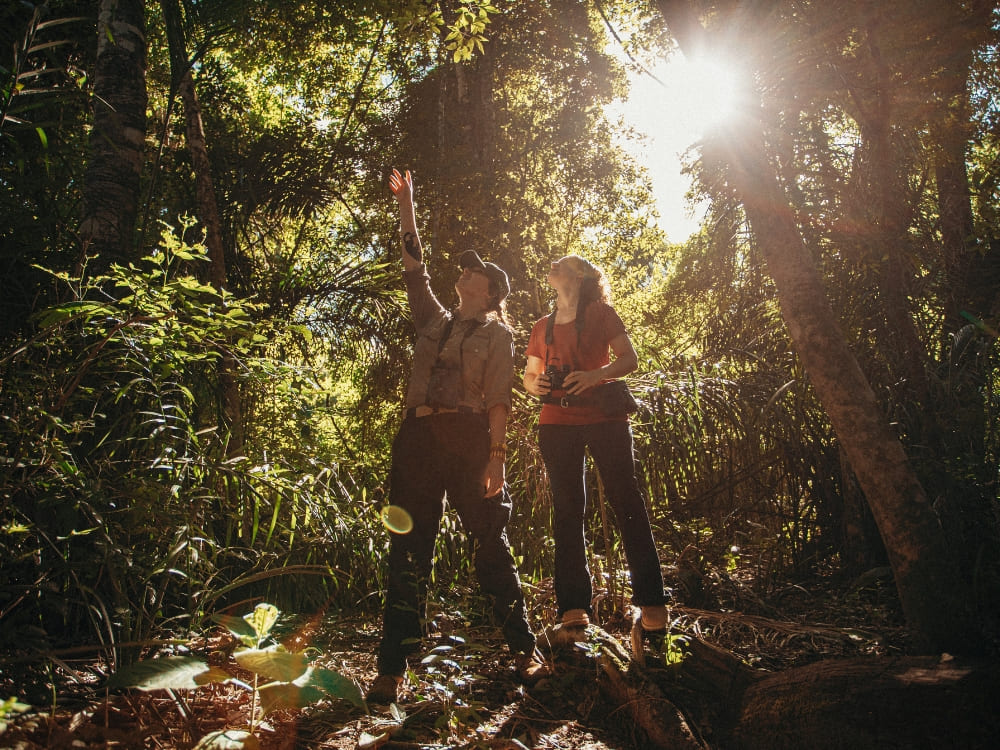
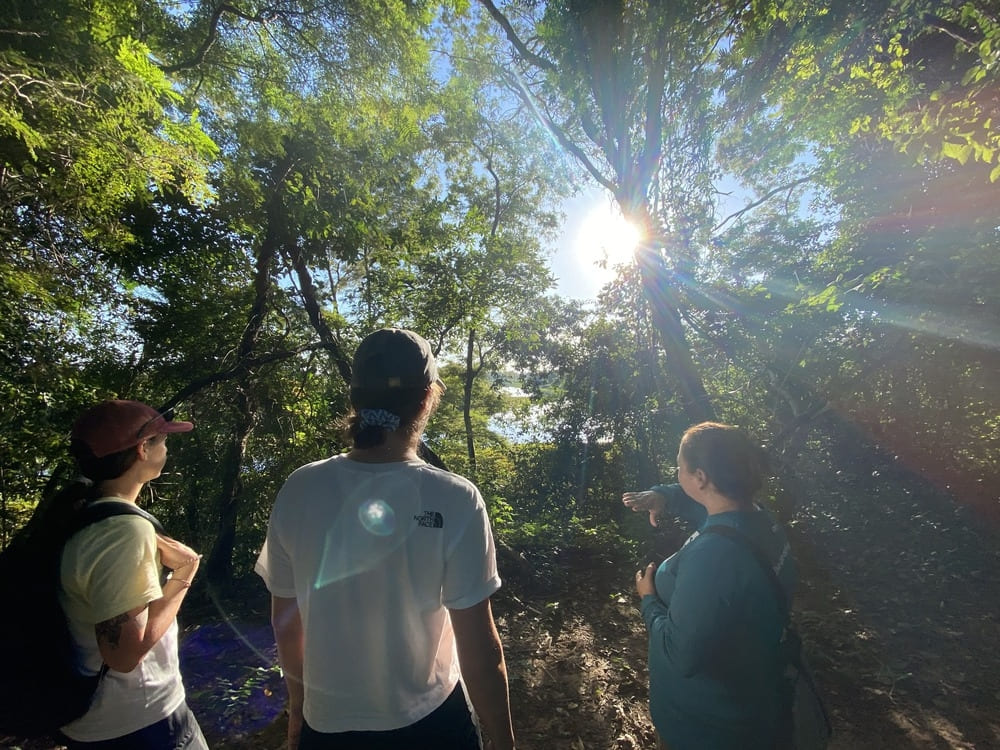
    Travelers using binoculars to spot wildlife while hiking through the Amazon jungle.
    Photo: Samuel Melim

    Travel to the Pantanal or the Amazon with PlanetaEXO

    PlanetaEXO is an ecotourism platform specialized in Pantanal tours and Amazon Rainforest tours in Brazil, so why choose just one destination when you can do both?

    We work with the best local operators to make sure your travel experience is unlike any other. From bookings to itineraries, our team will be with you every step of the way. Contact us now!

  • Best Amazon Jungle Lodges in Brazil

    Best Amazon Jungle Lodges in Brazil

    Lodges in the Amazon Rainforest offer comfortable stay experiences, high-end services, and total immersion in nature

    Visiting the Amazon Rainforest is on the bucket list of travelers from all over the world, though many people wonder if the wild environment is the proper place to forget about work and all the responsabilities back at home. Adventure is guaranteed, but what about rest?

    Fortunately, the best Amazon jungle lodges in Brazil provide incredible infrastructure in the middle of the forest, as well as premium services and custom itineraries. The result is a high-end stay experience that proves ecotourism and comfort are a perfect match.

    Need a hand to plan your trip? PlanetaEXO, a platform specialized in Amazon Rainforest tours in Brazil, has created a list with wonderful accommodation options. Check it out!

    Cristalino Lodge

    Tourists stand on an observation tower above the canopy at Cristalino Lodge, a top Amazon rainforest hotel.
    .

    Cristalino Lodge is located on a private natural reserve in the southern Amazon. Providing the best stay experiences and following protocols to preserve the forest, it’s considered one of most notorious ecolodges in the world by National Geographic.

    The Cristalino RPPN (Private National Heritage Reserve) is the second largest private reserve in the rainforest, ranging 27,000 acres — twice the size of Manhattan Island (NY). The rich fauna stands out: over 600 species of birds and dozens of mammals, including monkeys, giant river otters, peccaries and tapirs.

    If you adore birdwatching or any kind of wildlife watching, then you’ll go crazy over the 50-meter (164 ft) observation towers that offer a mesmerizing view of the forest. Sunrises and sunsets from this height are life-changing!

    After a full day of hiking or canoeing on Teles Pires and Cristalino rivers, guests go back to luxury facilities, including sophisticated bungalows and elegant common areas (reading and conferences rooms, a local cuisine restaurant, a bar and the beloved floating deck).

    • Location: Alta Floresta, Mato Grosso
    • Access: 40-minute drive from Alta Floresta + boat trip
    Lounge chairs and green umbrellas on the floating deck at Cristalino Lodge, an amazing Amazon eco lodge in Brazil.
    .

    👉 Read more: How to get to the Amazon Rainforest in Brazil?

    Anavilhanas Jungle Lodge

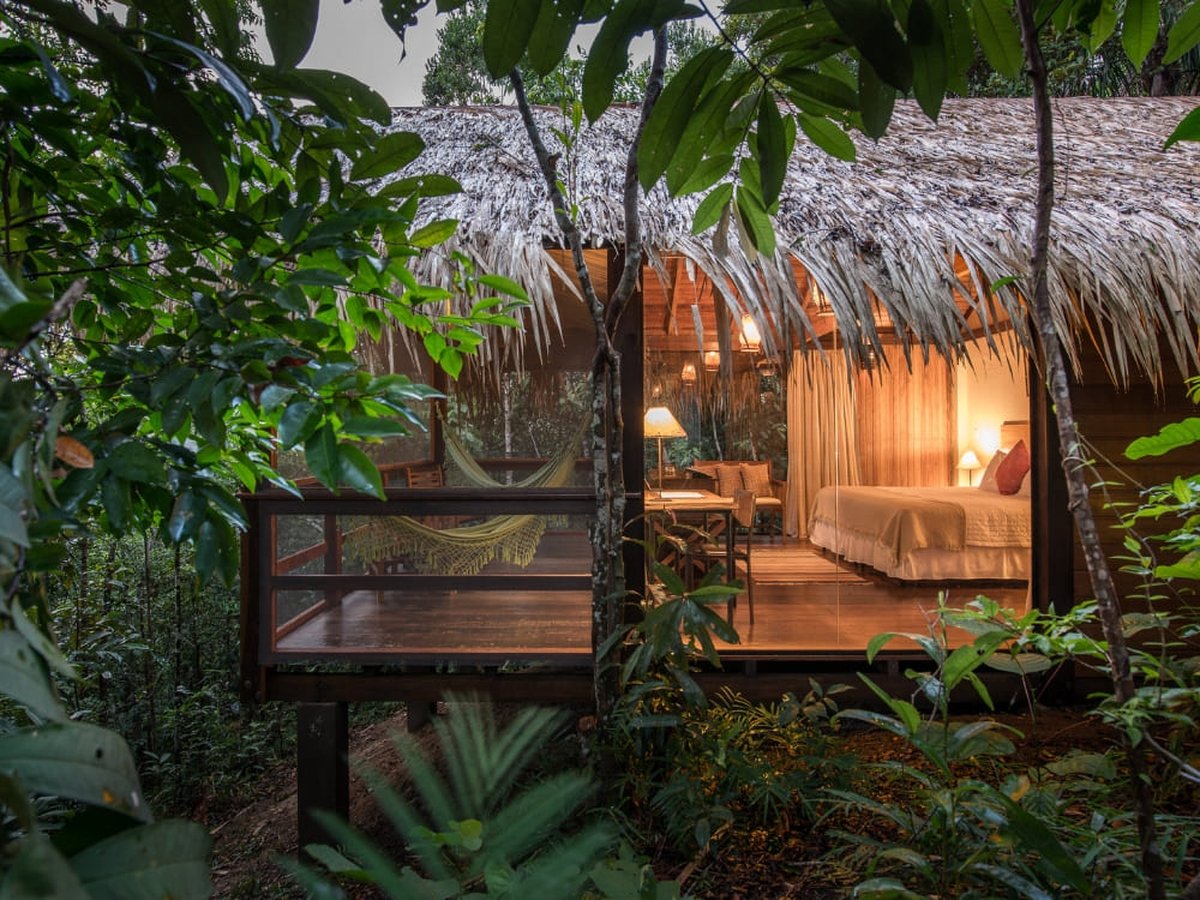
    A refined bungalow with a thatched roof and a hammock on the balcony at Anavilhanas Jungle Lodge in Brazil.
    .

    Anavilhanas Jungle Lodge could be named one of the finest Amazon lodges in Brazil simply for its location — in the heart of the Anavilhanas National Park, the world’s second-largest river archipelago —, but there’s much more to this extraordinary place.

    Create unforgettable memories by joining adventure-packed activities, such as hiking, boat rides, recreational fishing, night expeditions, cave exploration, sunset tours, etc. Keep your eyes open to spot caimans, colorful macaws, friendly river dolphins and other fascinating creatures!

    In terms of facilities, this Amazon jungle hotel has it all: refined bungalows and chalets with TVs, minifridges, air conditioning, Wi-Fi connection, hot showers and private balconies with panoramic views.

    You can also swim in the pool, go to the gym, get a relaxing massage, eat delicious Brazilian dishes, or have a drink at the floating bar. Who knew the Amazon could be so luxurious?

    • Location: Novo Airão, Amazonas
    • Access: 3 hours from Manaus (road + boat)
    A woman relaxes on a wooden floating deck over the river at Anavilhanas Jungle Lodge, one of the best Amazon lodges in Brazil.
    Photo: Felipe Castellari

    Juma Amazon Lodge

    High-end bungalows built on tall stilts over the river at Juma Amazon Lodge, a premier Amazon jungle lodge in Brazil.
    .

    When we mention the Amazon Rainforest hotels, Juma Amazon Lodge is a must-visit place for every nature lover.

    Based on sustainable practices, like solar energy, wastewater treatment and recycling, Juma is eco-friendly, but doesn’t leave a high-end experience behind. Wonderful accommodations are built on stilts nearly 15 meters (49 ft) high. The gorgeous bungalows are in the treetops, which offers an immersive experience and helps to avoid the water during seasonal floods.

    Enjoy the hotel’s common areas by drinking at the bar, eating traditional Brazilian meals at the restaurant, swimming in the pool or getting a tan at the floating deck.

    Thirsty for some adventure? Hike through the jungle, climb trees, go fishing for piranhas, canoe on Amazonian rivers, sign up for night tours, visit indigenous communities and have fun with other activities that will make your heart beat fast!

    👉 Read more: When is the Best Time to visit the Amazon Rainforest in Brazil

    • Location: Autazes, Amazonas
    • Access: 45-minute boat ride from Manaus + 1-hour drive + 1-hour boat trip
    A floating deck and pool illuminated at night at Juma Amazon Lodge in the Amazon rainforest.
    .

    Mirante do Gavião

    The unique wooden architecture of Mirante do Gavião lodge illuminated at dusk, representing one of the best Amazon jungle lodges in Brazil.
    .

    Your jaw will drop when you see Mirante do Gavião with your own eyes. The striking architecture design uses wooden arrangements to resemble the wings of a bird of prey. It’s a nod to the lodge’s name, which means “hawk’s lookout”. Clever, huh?

    There are three types of accommodations (Premium, Luxury and Tree House), while each room is equipped with air-conditioning, comfy beds, a spacious bathroom and a minibar. Depending on the category, you’ll also find private balconies, hammocks and hot tubs.

    Need some action? No problem! This ecolodge has plenty of activities: hiking, water trails, night tours to spot animals, canoeing, cave exploring, and visiting local villages and indigenous communities. 

    When you’re not out and about in the forest, you can have fun in the gaming room, relax in the wellness area, jump in the pool or eat a delicious meal made with fresh, local ingredients at Camu-Camu, the lodge’s fine dining restaurant. 

    • Location: Novo Airão, Amazonas
    • Access: 3 hours from Manaus (road + boat)
    A luxury room with a large glass window facing the forest at Mirante do Gavião in the Amazon rainforest.
    .

    👉 Read more: Best Amazon River Cruises in Brazil

    Uakari Lodge

    Floating bungalows on the river water at Uakari Lodge, an immersive Amazon rainforest lodge experience.
    .

    There is nothing like Uakari Lodge. Safely built on stilts in the middle of the Mamirauá Sustainable Development Reserve, it floats on the waters of the river, giving it a deeper sense of total immersion in nature. One of the best Amazon jungle lodges in Brazil, Lonely Planet included it in a list of unmissable experiences in the rainforest.

    Uakari’s sustainable practices are not only directed to the environment (solar energy, rainwater harvesting, recycling…), but they’re also extended to the communities. Operated by the Mamirauá Institute and local leaders, this Amazon Rainforest hotel generate income for riverside groups and create incentives for the conservation of the area’s natural resources.

    In addition, beautiful accommodations await. The floating structure includes five bungalows with two suites each — facing the river, they allow fantastic views of the forest. Outside the rooms, guests can enjoy the lovely common areas (deck, restaurant, bar, video room and even a library).

    The itinerary consists of a wide range of activities, including night tours, hiking, fishing, visiting local villages, canoeing, boat tours for wildlife watching and much more! 

    • Location: Tefé, Amazonas
    • Access: Flight from Manaus to Tefé + 1 hour 30 minute boat trip
    A wooden deck with comfortable sofas overlooking the floating bungalows and river at Uakari Lodge in Brazil.
    .

    Amazon Turtle Lodge

    Aerial view of Amazon Turtle Lodge located by the river and deep inside the Brazilian Amazon rainforest.
    .

    Looking for something more affordable? Amazon Turtle Lodge is an excellent option for people who want to spend less. But make no mistake: its budget-friendliness does not mean you won’t have the most incredible experiences in the forest!

    Near the Guaporé River, the location is perfect to dive deep into nature. Charmingly picturesque, the lodge has three types of bungalows: Rustic, Masonry and Superior — all with comfortable beds, air-conditioning, and private bathrooms. You can also enjoy your meals at the restaurant, get a drink at the bar or have fun in the gaming room or the TV lounge.

    The generous list of activities is another reason why this is one of the most outstanding Amazon ecolodges in Brazil: kayaking, stand-up paddling, canoeing, hiking, birdwatching, wildlife spotting, piranha fishing, boat riding to the Meeting of Waters, visiting the local fruit market (Ceasa) and touring nearby villages.

    • Location: Careiro, Amazonas
    • Access: 3h30 hours from Manaus (road + boat)
    A comfortable and affordable bungalow bedroom with two beds at Amazon Turtle Lodge in Brazil.
    .

    Dolphin Lodge

     Aerial view of Dolphin Lodge showing its floating deck, boats, and chalets surrounded by the Amazon forest.
    .

    Living up to its name, Dolphin Lodge is located in a preserved area where dolphins are often spotted, as well as caimans, monkeys, birds, and other beautiful species.

    Taking ecotourism to a whole other level, sustainable actions are a massive part of the place, such as employing locals, excursions of low environmental impact, recycling, reduced use of plastics and protocols to preserve the wildlife.

    The hotel has six chalets on land and four bungalows on the Memori River, all of them with stunning views. Guests can relax in the straw hut with hammocks and eat delicious Brazilian food served daily by the kitchen staff.

    Activities include jungle hiking, wildlife watching, fishing, boat tours, survival lessons, camping in the forest and visiting local communities. 

    • Location: Careiro, Amazonas
    • Access: 3 hours from Manaus (road + boat)
    Wooden chalets with thatched roofs connected by a walkway at Dolphin Lodge, a great Amazon rainforest hotel.
    .

    How much does it cost to stay at an Amazon jungle lodge in Brazil?

    The average cost to stay at an Amazon Rainforest hotel is R$ 11.000 (approximately US$ 2,130 and € 1,790) per person. However, prices vary according to accommodation category, season, trip duration, etc.

    Check out more information about Brazil’s best Amazon jungle lodges:

    LODGE HIGHLIGHTS DURATION STARTING PRICE*
    Cristalino Jungle Lodge High-end stay, located near Cristalino and Teles Pires rivers, observation towers for birdwatching and wildlife watching, hiking, canoeing, boat trips. 5 days US$ 3,380
    Anavilhanas Jungle Lodge Sophisticated stay, expeditions (Anavilhanas, Negro River and Madadá Caves), wildlife watching, hiking, canoeing, boat trips, fishing, archery lessons. 6 days US$ 3,230
    Juma Amazon Lodge Comfortable stay, night tours, hiking, canoeing, fishing, sunrise contemplation, Sumaúma trees, visiting local communities. 5 days US$ 2,180
    Mirante do Gavião Luxury stay, expeditions in Anavilhanas and Negro River, hiking, night tours, wildlife watching, aquatic trails, sunset contemplation, visiting locals. 5 days US$ 2,430
    Uakari Lodge Floating ecolodge (Mamirauá Reserve), hiking, canoeing, interacting with dolphins, night tours, fishing, visiting locals. 5 days US$ 1,150
    Amazon Turtle Lodge Affordable stay, hiking, canoeing, fishing, birdwatching, sunset tours, Meeting of Waters, visiting caboclo communities. 3 days
    4 days
    5 days
    US$ 600
    Dolphin Lodge Meeting of Waters, jungle trekking, night safari, sunrise contemplation, visiting local communities. 3 days
    4 days
    5 days
    US$ 425

    *Per person, based on double occupancy in group departures. Prices may vary depending on season and availability. Exchange rate as of February 12th, 2026; subject to change.

    Meet the best Amazon jungle lodges in Brazil with PlanetaEXO

    See how you don’t have to choose between adventure and comfort? With these incredible jungle hotels, you can have the best of both worlds in one single vacation!

    As an expert in Amazon Rainforest tours in Brazil, PlanetaEXO partners with esteemed local operators and handpicks the finest trips for sustainable and pleasurable experiences in some the most beautiful places in the country. Contact us now!

  • When is the Best Time to Visit the Pantanal?

    When is the Best Time to Visit the Pantanal?

    As a destination heavily influenced by climate conditions, learn everything you need to know about seasons and the weather before you plan your Pantanal trip!

    The best time to visit the Pantanal is from May to October, covering the intermediate and dry seasons. However, this is an all-year round destination, since its seasons present different opportunities for activities amongst ever-changing landscapes.

    Just like other wetlands around the world, the annual rise and fall of water levels in the Pantanal provides the foundation for its ecological system. Although the region’s climate and wildlife behavior is heavily influenced by these seasons, they’re becoming more unpredictable each day due to climate change — which can cause variations in forecasts.

    Three Hyacinth Macaws flying in formation against a clear blue sky, a common sight during a Pantanal safari trip.
    Photo: Felipe Castellari, Caiman

    Seasons and the Pantanal weather by month

    The Pantanal has four well-defined main seasons: rainy, wet, intermediate and dry seasons.

    Due to its location in the Brazilian Highlights, temperatures remain relatively consistent year-round, averaging 27°C (80°F). In this guide, we’ll explain the differences between each season and the best time to book your Pantanal safari.

    Pantanal Rainy Season (November and December)

    👉 Browse our Brazil wildlife tours

    The rainy season begins in November and lasts until December, bringing the first rains and transforming the landscape into a vibrant green. It marks the start of the regeneration cycle, with the flora growing and wildlife beginning to spread out again.

    The abundant food sources draw in hundreds of bird species, who take the opportunity to teach their young how to fly. Flocks of macaws and storks are often spotted, but sightings of mammals have become less frequent.

    The average temperature in November and December in the Pantanal ranges from 23°C to 28°C (73°F to 82°F), with increasing humidity as the rains commence​​.

    An aerial view of a boat navigating through lush green waterways during the wet season, the best time to visit the Pantanal for landscape photography.
    .

    Pantanal Wet Season (December, January, February and March)

    The wet season in the Pantanal is also characterized by rainfall. During this period, the plains flood and the rivers overflow, creating a vast aquatic environment.

    January and February in the Pantanal are the months with the most rainfall during this season, making the landscapes even more dynamic and lush. It’s an ideal time to explore the biome by boat, as the waterways expand and offer access to remote areas.

    The wildlife — including caimans, capybaras, and countless species of birds — thrive in this atmosphere, but access to some areas may be limited due to high water levels. 

    With high humidity, the average temperature during the wet season ranges from 24°C to 29°C (75°F to 84°F).

     A jaguar leaping from a log into the water, capturing the intense wildlife action seen on Pantanal tours.
    Photo: Aleksandrs Orlovs

    Pantanal Intermediate Season (April, May and June)

    From April to June, the intermediate season marks the transition from the wet to the dry season. As the water levels start to drop and more land is exposed, the animals that had scattered with the flood return to the plains once again.

    This time is excellent for birdwatching, as many species gather in the remaining waters. The landscape begins to dry, but the vegetation remains lush and green, offering a beautiful visual contrast.

    April brings starry skies and a milder weather that can make night expeditions even more delightful. By May, temperatures are consistently pleasant — great for Pantanal safaris during the day!

    Average temperatures range from 22°C to 27°C (72°F to 81°F), providing a slightly fresh, yet comfortable climate for exploration​​.

    A capybara resting on the grass near a caiman by the water's edge, typical of the diverse wildlife in the Pantanal wetlands.
    .

    Pantanal Dry Season (July, August, September and October)

    The dry season is arguably the best time for wildlife watching. As water sources diminish, Pantanal animals tend to cluster around the remaining watering holes, making them easier to spot.

    August, in particular, is known for clear skies and very little rain, ideal for safaris and photographic tours. It’s also a great time for horseback riding and walking tours, as the dry paths make exploration more accessible.

    The average temperature during ranges from 20°C to 26°C (68°F to 79°F), making it the most pleasant season for outdoor activities.

    A traveler horseback riding through shallow wetlands, a popular activity when exploring the Pantanal.
    Photo: VisitMS

    When is the best time to see jaguars in the Pantanal?

    In North Pantanal — aka the best place in the world to see jaguars —, the animals begin to concentrate on the riverbanks as the water level starts to drop, between the intermediate season (May to June), and continue to gather until October, during the dry season.

    This significantly increases the chances of spotting jaguars, making this the best time to go to the Pantanal for many travelers, who can enjoy unforgettable moments on boat safaris in Porto Jofre to watch these magnificent creatures in their natural habitat.

    However, in South Pantanal, there is a hidden gem: an ecological refuge that offers the Luxury Jaguar Safari. Here, visitors can see jaguars at any time of the year, regardless of the season, as they are protected in preserved areas and are accustomed to the presence of humans. Safaris are done by 4×4 vehicles, providing an exciting and immersive experience.

    A jaguar resting on a tree branch in the North Pantanal, observed during the dry season which is the best time to visit the Pantanal for big cats.
    Photo: Henk-Bogaard

    👉 Read more: North or South Pantanal: which is best to visit?

    North Pantanal weather

    Porto Jofre, in the municipality of Poconé, Mato Grosso, is the Northern Pantanal main town, where most of the lodges are located. See what the weather is like right now:

    👉 Plan your visit on our Pantanal tours from Cuiabá

    South Pantanal weather

    Corumbá, in Mato Grosso do Sul, is one of the surrounding towns of the Southern Pantanal. Aquidauana and Miranda are also important getaways for the wetlands. This is the current weather:

    👉 Read more: How to get to the Pantanal, Brazil

    Book your Pantanal trip with PlanetaEXO

    Now that you know when is the best time to visit the Pantanal in Brazil and learned a little more about the weather and the seasons, let’s start planning your vacation!

    PlanetaEXO specializes in Pantanal tours and works with the best local operators to make sure your travel and stay experiences are unlike any other. Contact us now!

  • How to get to Lençóis Maranhenses?

    How to get to Lençóis Maranhenses?

    Discover all the options for getting to Barreirinhas, Atins, and Santo Amaro, the base towns of Lençóis Maranhenses in Brazil

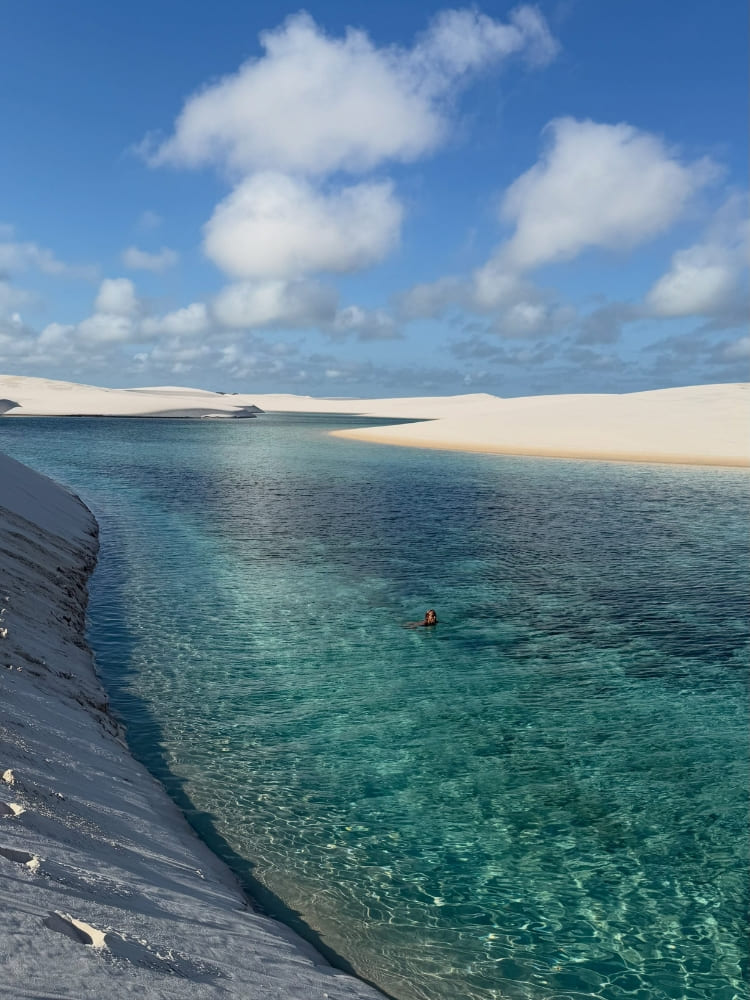
    Lençóis Maranhenses National Park is located in northeastern Brazil, in the state of Maranhão. You can easily get there from the capital, São Luís, which has the closest international airport, and then head to one of the base cities to start your adventure: Barreirinhas, Atins or Santo Amaro.

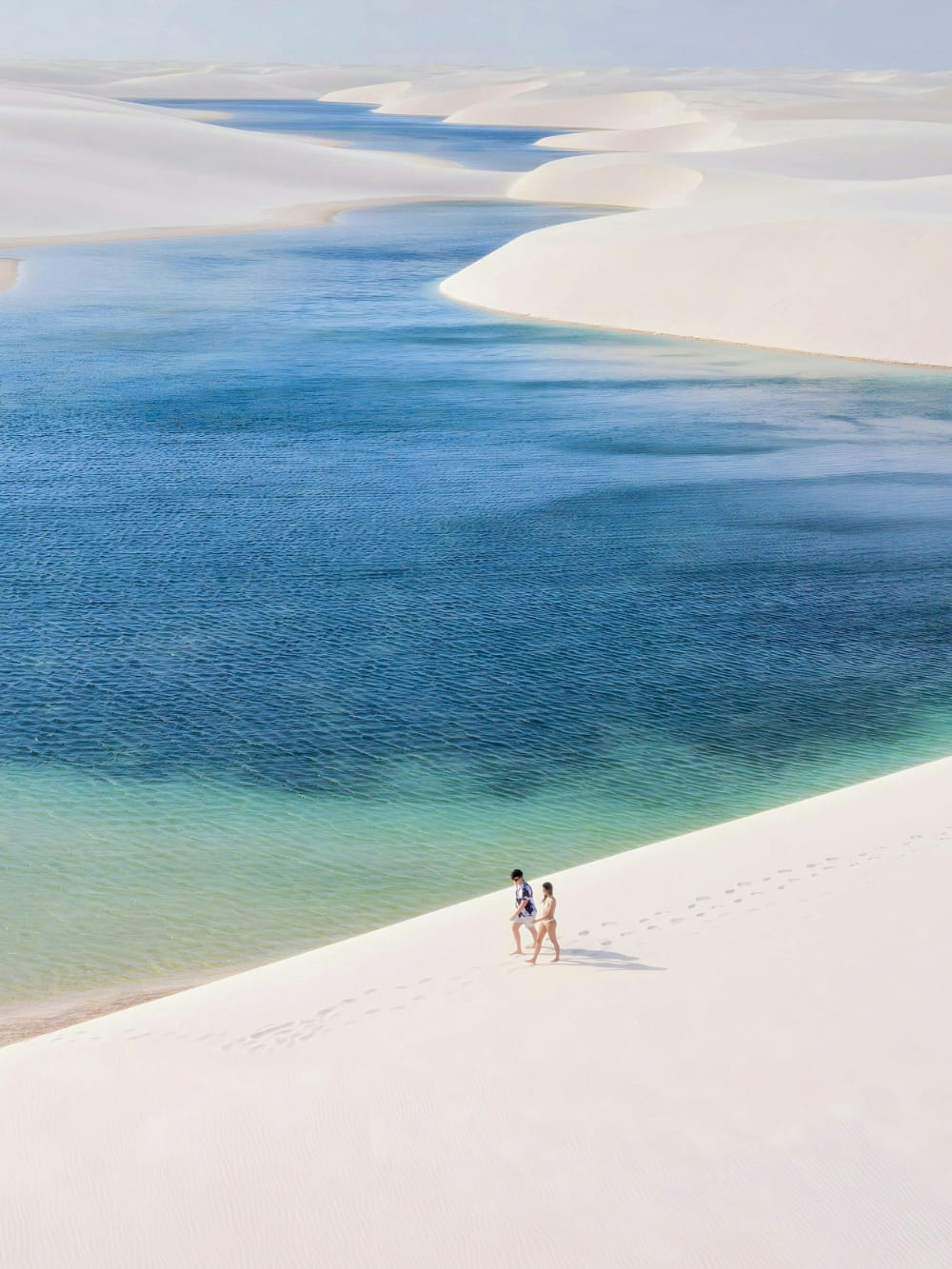
    A backpacker walks across the vast white sand dunes of Lençóis Maranhenses National Park under a cloudy sky.
    .

    The route is fairly time-consuming, as the final leg requires driving for a few hours to reach your destination. In addition to understanding how to get to Lençóis Maranhenses, it’s important to consider the travel time when planning your trip so you can enjoy every second without facing any unpleasant surprises.

    As an ecotourism platform specializing in Lençóis Maranhenses tours, PlanetaEXO has created a comprehensive guide with all the information you need for a smooth transfer. Check it out below!

    How to get to São Luís?

    Arriving in São Luís, Maranhão, is the first step to traveling to the Lençóis Maranhenses for most national and international visitors.

    Marechal Cunha Machado International Airport (SLZ) receives daily flights from some of the largest cities in Brazil, including São Paulo, Rio de Janeiro, Belém, Recife, Belo Horizonte, Salvador, and Brasília. Check Google Flights to find the best options.

    The only direct international flight — without connecting to any of the cities mentioned above — departs from Lisbon, Portugal, twice a week. The operator is TAP Air Portugal.

    How to get to Barreirinhas from São Luís?

    Located about 260 km east of São Luís, Barreirinhas is the primary gateway to Lençóis Maranhenses, the city with the best infrastructure, and the starting point for many tours.

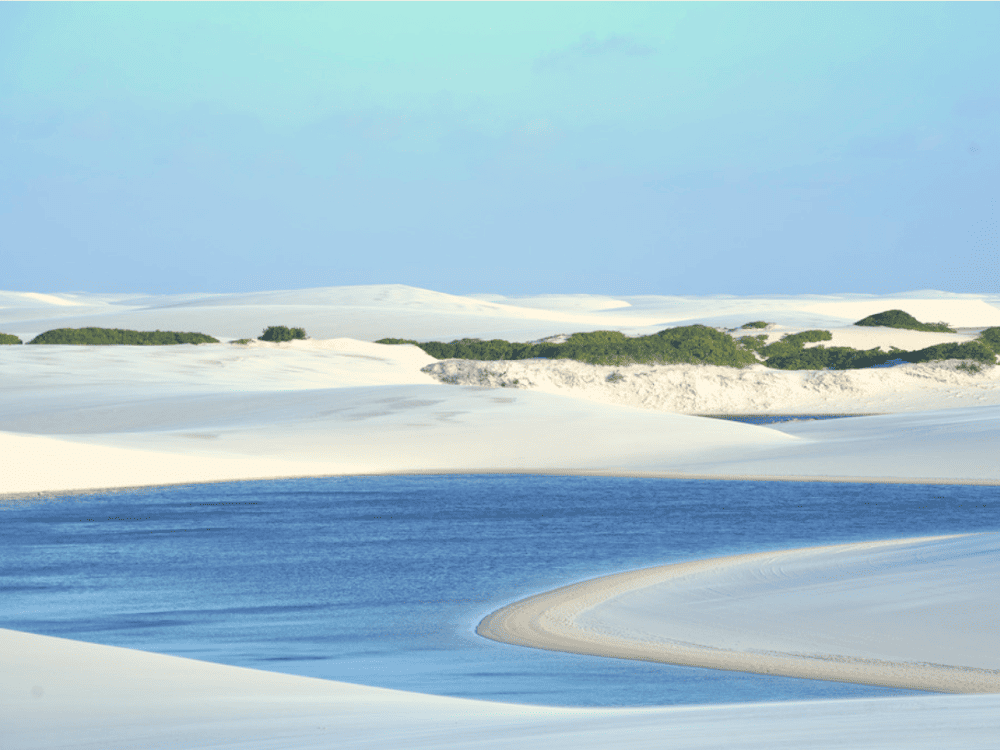
    A pristine turquoise lagoon rests between the expansive white sand dunes near Barreirinhas.
    .

    By bus

    Operated by Expresso Guanabara and Crisbell, the bus ride from the Center Bus Station of São Luís to Barreirinhas takes 4–5 hours.

    You’ll get off at Av. Rodoviário Canequinho or Av. 31 de Março, depending on the itinerary. Both locations offer easy access to the national park.

    👉 Read more: When is the best time to visit Lençóis Maranhenses?

    By car

    Rent a car at São Luís Airport (SLZ) and drive to Barreirinhas for roughly 4 hours. Rental agencies like Unidas, Movida and Localiza are reliable options for rentals.

    By shared van

    Shared van services are cost-effective and convenient, providing comfort and safety for travelers who just want to sit back and relax.

    FrankTur (WhatsApp: +55 98 99167-7766) is an experienced operator that offers daily transfers for a fixed rate (contact them to inquire about prices):

    • São Luís → Barreirinhas: Departures at 03:30 AM, 8:00 AM, 02:30 PM, and 05:00 PM.
    • Barreirinhas → São Luís: Departures at 06:00 AM, 09:00 AM, 02:00 PM, and 04:30 PM.

    By private transfer

    For greater flexibility and privacy, consider a private transfer (São Luís ⇌ Barreirinhas, approx. 4h). Pricing details are as follows:

    • Car (4 seats): R$ 1.062,50 (day) / R$ 1.187,50 (evening)
    • Mini van (6 seats): R$ 1.375 (day) / R$ 1.500 (evening)
    • Van (15 seats): R$ 2.500 (general)

    Private shuttle services are provided by PlanetaEXO. Contact us for more information!

    By plane

    Although Barreirinhas Municipal Airport (BRB) is the closest airport to Lençóis Maranhenses, commercial flights have been suspended since March 2025, but it still operates for executive and charter aircrafts.

    PlanetaEXO can arrange chartered flights for your best convenience. Contact us for more information!

    How to get to Atins from São Luís?

    If you want to know how to get to Lençóis Maranhenses, it’s important to understand how to access it via Atins, a peaceful fishing village located in Barreirinhas, in a more isolated part of the national park. Naturally, you need to go to Barreirinhas and then move along to Atins.

    By boat

    The boat trip from Barreirinhas along the Preguiças River takes about 1 hour and 15 minutes. The slower pace of the journey is a way to get into the peaceful atmosphere of Atins and appreciate the beautiful natural landscapes.

     Passengers ride a yellow motorboat with blue canopies along the Preguiças River on their way to Atins.
    .

    Here are a couple of options:

    • Shared boat transfer: K-BEÇA TURISMO (WhatsApp: +55 98 8827-7715) offers daily group departures from Atins to Barreirinhas at 07:00 AM and from Barreirinhas to Atins at 12:30 PM. Contact them to inquire about prices
    • Private boat transfer: For more privacy and flexibility, contact PlanetaEXO to book your private transfer.

    By 4×4 Vehicle

    Another option is to drive from Barreirinhas in a 4×4 vehicle. The 1-hour ride can be a little bumpy, but it’s an exciting way to reach the Lençóis Maranhenses and contemplate its natural beauty.

    • Shared Transfer: Monalisa Atins (WhatsApp: +55 98 9101-0124) offers 4×4 rides between Barreirinhas and Atins at 05:00 AM, 09:00 AM, and 02:00 PM. Contact them to inquire about prices.
    • Private Transfer: For more privacy and flexibility, contact PlanetaEXO to book your private transfer.

    How to get to Santo Amaro from São Luís?

    Santo Amaro is the quietest and most remote base city in the national park. Located 237 km southeast of São Luís, it serves as the endpoint for several Lençóis Maranhenses treks. It’s a great alternative for those seeking less tourist activity and total disconnection from the outside world.

    A traveler carrying a backpack walks barefoot along the shoreline of a peaceful lagoon in Santo Amaro.
    .

    By car

    Rent a car at São Luís airport from companies such as Unidas, Movida or Localiza and drive for about 3 hours and 45 minutes to Santo Amaro. Since there are no car rental agencies in the city, you will need to take the vehicle back to the capital.

    By shared van

    Shared vans are practical options for travelers looking for budget-friendly transfers. With trips lasting 3 hours and 30 minutes, the operator Paperinho da Van (WhatsApp: +55 98 98468-4146) offers daily departures at fixed individual rates (contact them to inquire about prices):

    • São Luís → Santo Amaro: Departures at 04:00 AM, 01:00 PM, and 04:00 PM.
    • Santo Amaro → São Luís: Departures at 05:00 AM, 09:00 AM, and 02:00 PM.

    By private transfer

    For those seeking greater flexibility, booking a private transfer (Santo Amaro ⇌ São Luís, approx. 4h) is a great option. Costs are as follows:

    • Car (4 seats): R$ 1.125 (day) / R$ 1.250 (evening)
    • Mini van (6 seats): R$ 1.437,50 (day) / R$ 1.562,50 (evening)
    • Van (15 seats): R$ 2.750 (general)

    Private shuttle services are provided by PlanetaEXO. Contact us for more information!

    How to get to Barreirinhas from Jericoacoara?

    Now that you know how to get to Lençóis Maranhenses National Park from São Luís, it’s time to understand how to access it via Jijoca de Jericoacoara, in the state of Ceará.

    Jericoacoara is a paradisiacal village known for its pristine beaches and gorgeous rock formations. It’s part of the Route of Emotions, a 6-day tour that also includes Delta do Parnaíba, in Piauí, and Lençóis Maranhenses.

    How to get to Barreirinhas from Jericoacoara? - Maps

    Due to the natural beauty and considerable proximity between Lençóis and Jericoacoara (382 km), it’s common for travelers to move between both to further enjoy their vacations in the Brazilian Northeast.

    By car 

    The drive from Jericoacoara to Barreirinhas takes around 7 hours. You can rent a car at agencies like Localiza and drop it off in São Luís by the end of your trip.

    By shared or private transfer

    Rota Combo (WhatsApp: +55 86 99993-0111) is one of the main operators on the Jericoacoara-Barreirinhas route, offering group or private shuttle services at various schedules and individual fixed rates (contact them to inquire about prices).

    How to get to Lençóis Maranhenses from Rio and São Paulo

    Most foreign tourists land in Rio de Janeiro or São Paulo to reach Lençóis Maranhenses, as these are the biggest cities in Brazil.

    Silhouetted people walk across the sand dunes of Lençóis Maranhenses at sunset.
    .

    From Rio, flights depart from Galeão Airport (GIG) to São Luís (SLZ) three times a week. From São Paulo, flights to the capital of Maranhão depart daily from Viracopos Airport (VCP) and three times a week from Congonhas (CGH) and Guarulhos (GRU). All flights are served by LATAM, GOL or Azul Airlines.

    It’s also possible to go by bus, but the trip is quite long. Departing from the Novo Rio Bus Station to São Luís, the journey takes 2 days and 14 hours. From São Paulo, passengers board at the Tietê Bus Station and arrive in Maranhão in 2 days and 18 hours.

    Since there are no options to travel straight to the base cities of Lençóis Maranhenses from Rio or São Paulo’s bus stations, tourists still have to take another bus from São Luís to Barreirinhas (an extra 4–5 hours).

    Book your Lençóis Maranhenses trip with PlanetaEXO

    Understanding how to get to Lençóis Maranhenses is important to organize your trip, but when you travel with us, all you have to worry about is enjoying yourself!

    PlanetaEXO is an ecotourism platform specializing in Lençóis Maranhenses tour. Working with the best local operators, we take care of every step of your vacation, including accommodation, tailor-made itineraries, and transfer options. Contact us now!
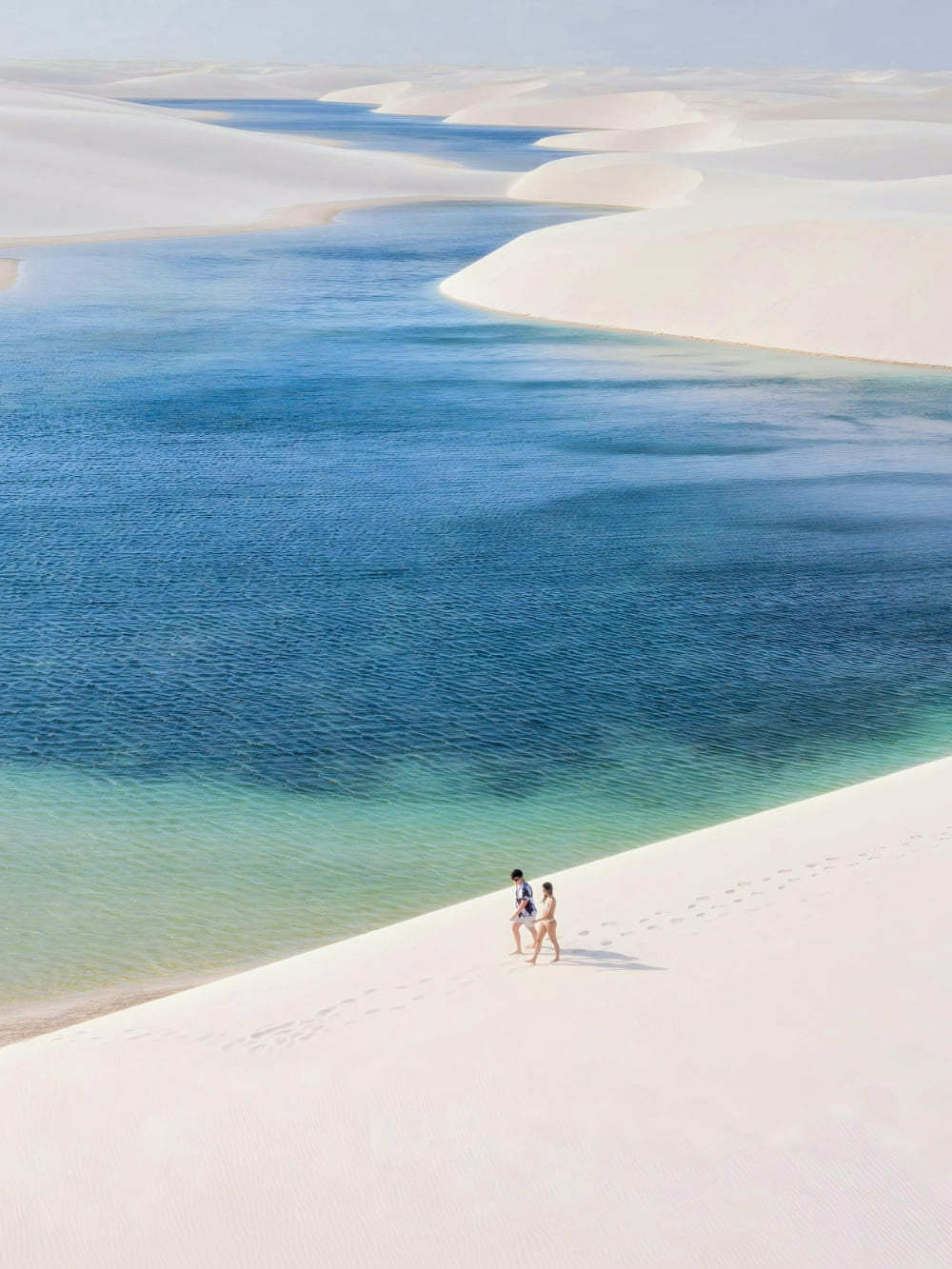
     

  • How to Get to the Amazon Rainforest in Brazil?

    How to Get to the Amazon Rainforest in Brazil?

    Don’t know how to visit the Amazon Rainforest? Check our guide for routes to Amazonas, Mato Grosso and Pará and learn everything you need to know!

    If you’re wondering how to get to the Amazon Rainforest so you can start planning your next vacation, it’s important to point out that, contrary to popular belief, access is not difficult at all. The best way to get there is by flying to Manaus, the capital of the Amazonas state.

    Aerial view of a winding blue river flowing through the dense green vegetation of the Amazon Rainforest in Brazil.
    .

    As an ecotourism platform for Amazon Rainforest tours in Brazil that partners with the best local operators, PlanetaEXO has put together a comprehensive guide to answer all your questions. Check it out!

    Where is the Amazon Rainforest in Brazil?

    The Amazon is located in the Northern region of Brazil. Though it spans over Bolivia, Colombia, Ecuador, Peru, Guyana, Venezuela and Suriname, over 59% of the biome is located within Brazilian borders.

    Amazonas is the main state, but the forest also extends into Pará, Mato Grosso, Acre, Amapá, Rondônia, Roraima and Tocantins. 

    👉 Read more: When is the best time to visit the Amazon Rainforest in Brazil

    How to get to Manaus?

    The route from Manaus to the Amazon Rainforest is the most convenient, as the capital of Amazonas is considered the gateway to the biome. Tourists fly to Eduardo Gomes International Airport (MAO), which is served by flights from Belém, Belo Horizonte, Brasília, Fortaleza, Recife, Rio de Janeiro and São Paulo.

    Foreign travelers can reach Manaus from Bogotá (BOG), Panama City (PTY) or Curacao (CUR), as there are no direct flights from Europe or the United States. For US residents, Copa and Avianca airlines offer the most convenient flight options with layovers in Panama and Colombia.

    Traveler standing on a wooden pier looking at a small seaplane docked in the Amazon river ready for boarding.
    Photo: Felipe Castellari

    From European and North American countries, flights usually stop in São Paulo (GRU/VCP), Rio de Janeiro (GIG) or Brasília (BSB) before getting to the final destination. From these cities, Azul and GOL airlines fly straight to Manaus.

    After arriving in Manaus, transportation to the forest is necessary. Most PlanetaEXO’s tours to the Amazon include private or group shuttle services provided by the lodges, which require a 30-minute drive to Port of Ceasa and boat rides to the hotel — whose duration depends on the location of each accommodation.

    Tourists riding a motorized canoe exploring the calm waters of the Amazon Rainforest river at dusk
    .

    Some lodges are located in very isolated areas, which makes the route fairly long, with multiple car, bus or boat rides. It might seem like a lot, but don’t worry! The journey to the accommodation is an adventure in itself, as you’ll be able to live incredible things right on your first day, like visiting fruit markets, spotting animals, witnessing the Meeting of Waters, etc.

    Aerial drone shot of an eco-lodge built on stilts surrounded by the dark waters of the Amazon river and lush jungle.
    .

    👉 Read more:

    How to get to the Amazon Rainforest in Alta Floresta, Mato Grosso?

    Alta Floresta is located in the northern part of Mato Grosso, on the southern edge of the Amazon. This lovely town is home to Cristalino Jungle Lodge, one of the most renowned jungle lodges in the world. Don’t just take our word for it — National Geographic thinks so too!

    Tall metal observation tower rising above the Amazon rainforest canopy at Cristalino Jungle Lodge in Mato Grosso.
    Photo: Andre Dib

    The Amazon Rainforest airport in Alta Floresta is Piloto Osvaldo Marques Dias Airport (AFL), served by Azul Airlines with flights from Cuiabá (CGB) and São Paulo (VCP) 2–3 times a week. Before landing in these cities, you might have a layover in other places. Double-check your flight details!

    Alta Floresta is also near other remarkable biomes, such as the Pantanal, famous for jaguar sightings. Many Pantanal tours depart from Cuiabá, providing the perfect opportunity to experience more of Brazil’s incredible natural diversity.

    Jaguar resting comfortably on a thick tree branch in the Brazilian wetlands.
    Photo: Jorge Lopes

    How to get to the Amazon Rainforest in Pará

    Bordering the state of Amazonas, Pará allows for a different side of Brazil’s rainforest. Still beautiful and full of wonders, but with its own uniqueness of natural resources and cultural richness. 

    Pará’s main Amazonian attractions are the exquisite Marajó Island and Alter do Chão, the best beach in Brazil according to The Guardian, which described it as “the jungle’s answer to the Caribbean”.

    Belém

    The easiest way to arrive in Pará is to land in Belém, the capital of the state. Belém International Airport (BEL) is served by direct flights from multiple Brazilian cities: Belo Horizonte (CNF), Brasília (BSB), Fortaleza (FOR), Manaus (MAO), Recife (REC), Rio de Janeiro (GIG), São Luís (SLZ) and São Paulo (GRU/VCP).

    Aerial view of the historic Ver-o-Peso market and docked boats on the riverfront in Belém do Pará.
    .

    Foreign tourists can also fly straight to Belém from Bogotá (BOG), Lisbon (LIS), Fort Lauderdale (FLL) and Miami (MIA).

    GOL, LATAM and Azul airlines operate both national and international routes.

    Santarém

    If you’re going to Alter do Chão, you should book your flight to Santarém (STM), a town 1.167 km (725 miles) away from Belém. To get there, you can depart from Belém (BEL), Brasília (BSB), Manaus (MAO) or Porto Trombetas (TMT).

     White sand beach of Ilha do Amor stretching into the clear waters of the Tapajós River in Alter do Chão.
    .

    You can also reach your destination by boat through Port of Belém or Port of Santarém. Boat trips last over 36 hours, enough time for you to enjoy a nice ride across the Amazon and the Tapajós rivers. Watch the sunrise or the sunset, admire the Meeting of Waters and keep your eyes open for birds and aquatic animals.

    The boats are relatively modest, but still comfortable and safe. Passengers can book their own cabins (with double beds, private bathrooms, air conditioning, TV, and minifridge) or spend the night in hammocks spread around the floors. Meals (breakfast, lunch, dinner, and snacks) are sold separately. 

    👉 Explore this adventure: Amazon River Cruise from Alter do Chão

    Valuable tips for getting to the Amazon

    You’ve learned how to visit the Amazon Rainforest in Brazil through different routes, states and cities. To make your journey even smoother, here are some valuable tips:

    • The route from São Paulo to the Amazon Rainforest offers the most options for direct flights and layovers in Viracopos (VCP) and Guarulhos (GRU).
    • From Rio de Janeiro to the Amazon Rainforest, Galeão (GIG) is the main airport for travelers going to Manaus and Belém.
    • Check Google Flights to find affordable flight tickets.
    • If you choose to go from Belém to Santarém (or vice versa) by boat, Ibarco is one of the most well-known operators in the North of Brazil.

    PlanetaEXO is here to assist you with the best transfer options for trips in Amazonas, Mato Grosso or Pará. Most of our tours include private shuttle services for your convenience. Contact us and check more information!

    Traditional wooden riverboat navigating the calm Amazon waters during a golden sunset reflecting on the river.
    .

    The Brazilian Amazon is calling for you!

    Now that you know everything about getting to the largest rainforest on Earth, it’s time to start your travel plans!

    PlanetaEXO is an ecotourism platform specialized in Amazon Rainforest tours in Brazil. By working with the best local operators, we’re able to help the community, protect the environment, and arrange your dream trip. Contact us now!

  • Chapada Diamantina Waterfalls: Best Trails and Hidden Gems

    Chapada Diamantina Waterfalls: Best Trails and Hidden Gems

    Discover the waterfalls that shouldn’t be missed on your trip to Chapada Diamantina National Park!

    The waterfalls of Chapada Diamantina are some of the best known and most beloved in Brazil. To reach them, travelers hike along trails that cross mountains, deep valleys, ancient caves, gorgeous vegetation, and breathtaking vistas.

    Have you ever thought about finishing a hike by swimming in a natural pool surrounded by cliffs? Or standing at a viewpoint where more than twenty waterfalls cascade at once? In Chapada Diamantina, these aren’t distant dreams—they’re real experiences waiting for you!

    A cascading waterfall flowing into a calm natural pool with red rocks in Chapada Diamantina National Park.
    @brunoononogaki

    If you’re planning an adventure in one of the best trekking destinations in the world, PlanetaEXO, an ecotourism platform specializing in Chapada Diamantina tours, has put together a list of waterfalls you just can’t miss during your trek. Check it out below!

    Cachoeirão Waterfall 

    Cachoeirão is one of Chapada’s most iconic sights. During the rainy season, over 20 streams plunge from around 280 meters high, creating a spectacular curtain of water. From above, you’ll see Vale do Pati stretching far into the distance, framed by steep mountains. 

    From below, the perspective is completely different: pools of dark water reflect the canyon walls while the falls crash down in front of you. 

    How to get to Cachoeirão?

    Cachoeirão lookout

    The upper viewpoint is included in the 3-day Chapada trek. To get there, hikers usually start in the village of Guiné entering Vale do Pati through steep mountain trails. The path involves climbs, river crossings, and several hours of trekking before reaching the cliff edge with panoramic views of the valley and the waterfalls.

    Two hikers look down from a high cliff edge at Cachoeirão Waterfall plunging into the deep green Vale do Pati canyon.
    .

    Cachoeirão base

    The base is part of the 5-day Vale do Pati route. This trail is longer and more demanding, leading deep into the canyon. The hike passes through dense vegetation and rocky terrain before arriving at the pools directly beneath the falls, where you can swim and admire the cascades from below.

    A hiker wearing a hat and jacket looks up at the towering 280-meter water streams of Cachoeirão Waterfall from its rocky base.
    .

    👉 Read more: How to Get to Chapada Diamantina National Park?

    Funil Waterfall

    Surely one of the best hidden waterfalls in Brazil, Funil has a drop of around 20 meters, which tumbles into natural pools surrounded by dense greenery, creating a calm retreat in the middle of a stunning valley. Its quiet beauty makes it a highlight for travelers seeking less crowded spots.

    A woman sits on a rock near the calm natural pool of Funil Waterfall, a 20-meter drop surrounded by dense green vegetation.
    .

    How to get to Funil?

    Commonly accessible on multi-day treks through Vale do Pati, usually starting from Guiné or Vale do Capão. The trail includes river crossings and forest paths, often combined with stops at Angélica Waterfall.

    Buracão Waterfall 

    Buracão is often considered the most adventurous waterfall in Chapada Diamantina. Its 85-meter drop is hidden inside a narrow canyon—a “buracão,” which means “big hole” in Portuguese. To reach it, you swim or float through the gorge until you find yourself directly at its base. Not every waterfall lets you feel this close to such raw power!

     Buracão Waterfall drops 85 meters inside a narrow rocky canyon with layered walls, ending in a dark natural pool.
    @brunoononogaki

    How to get to Buracão?

    Near Ibicoara, Buracão is reached by a 3 km guided hike through forest and rocky trails. Even with its remote access, it’s among the most visited falls.

    👉 Explore the adventure: 6-day Ultimate Chapada Diamantina Hike

    Fumaça Waterfall 

    At 340 meters, Chapada Diamantina’s Fumaça Waterfall is the third-highest in Brazil, right after Neblina Waterfall (450 m) in Rio de Janeiro and El Dorado in the state of Amazonas.

    Seen from above, the water is so thin it evaporates before touching the ground, creating its smoke-like effect. For those who want a tougher challenge, the hike to the base is demanding but reveals a completely different view.

    The 340-meter Fumaça Waterfall flows over a steep cliff, with its water turning into a smoke-like mist before reaching the bottom.
    @estreladalvadiamantina

    How to get to Fumaça?

    Fumaça Waterfall lookout

    The trail starts in Vale do Capão and follows a 6 km path across rocky plateaus and viewpoints until reaching the cliff’s edge. Usually done as a half-day hike, it’s the most popular way to see the waterfall.

    Fumaça Waterfall base

    Access begins near Lençóis, following the Ribeirão River and steep forested sections before reaching the base. Lasting 3 to 4 days, the trek is wild and challenging. Considering the trail with steep climbs, technical sections, and isolated campsites, excellent physical fitness and the assistance of a professional guide are necessary.

    👉 Explore the adventure: 7-day Chapada Diamantina Trip

    Mosquito Waterfall 

    Mosquito is one of the most inviting waterfalls in the entire Chapada Diamantina National Park. The 60-meter cascade drops into a wide pool that is perfect for swimming. The name originates from the region’s mining past, when miners used to call small diamonds found in the water “mosquitoes.”

    A woman stands on a rock stretching her arms at the base of the 60-meter Mosquito Waterfall, surrounded by a wide swimming pool.
    @laneferraz

    How to get to Mosquito?

    Located about 40 minutes from Lençóis, access is straightforward: a drive along a dirt road followed by a short descent on a marked trail (around 20 minutes). Local guides are recommended, especially during the rainy season when the path can be slippery.

    Samuel Waterfall 

    Samuel is also one of the tallest waterfalls in Chapada Diamantina, with a drop of around 100 meters. Hidden in a forested area near Andaraí, it offers a spectacular fall surrounded by lush vegetation and rocky walls.

    Although not as famous as Fumaça or Buracão, Samuel is a rewarding stop for those seeking impressive scenery in a quieter, less-visited spot.

     The tall Samuel Waterfall cascades down massive rocky walls into a dark pool, surrounded by lush forest near Andaraí.
    @pablofotografias

    How to get to Samuel?

    Reach Samuel Waterfall via the old mining roads near the Roncador region. The trek is long and demanding: 18 km round-trip (around 3 hours each way through dense forest, river crossings, and light rock scrambling).

    Fumacinha Waterfall

    Fumacinha is one of Chapada’s most remote and dramatic waterfalls, with a vertical drop of around 100 meters inside a narrow canyon. The setting is wild and imposing: towering rock walls, a dark cave at the base, and the constant roar of water make it a truly unforgettable sight for those who can endure the long journey.

    A hiker wearing a hat stands at the edge of a dark pool, looking up at the dramatic 100-meter vertical drop of Fumacinha Waterfall inside a narrow canyon.
    @alicesantos.nutri

    How to get to Fumacinha?

    Near Ibicoara, Fumacinha is reached by a challenging 18 km round-trip trek featuring river crossings, boulders, and forest sections. Due to its difficulty, hiring a local guide is highly recommended. One of the best waterfall hikes in Brazil for adventurers who love a challenge!

    Herculano Waterfall 

    Herculano is far from the main tourist routes, making it a true off-the-beaten-path destination. With rugged 100-meter-high cliffs and a large pool at its base, it’s the kind of place where you can enjoy the wilderness in peace.

    A silhouette of a person standing on rocks near a dark cave entrance, looking out at the rugged 100-meter cliffs of Herculano Waterfall.
    @poliana_barbosa_guia

    How to get to Herculano?

    Located near Andaraí, Herculano requires a guided hike through little-marked forest trails and river crossings. The route isn’t signposted, which is why hiring a professional is so important. The trek is moderate in length but remote, adding to the feeling of isolation and exclusivity.

    Encantada Waterfall 

    One of the most spectacular waterfalls in Chapada Diamantina, Encantada has an impressive drop of around 230 meters. The water plunges into a deep canyon, often creating rainbows when the sunlight hits the mist. 

    Its remote location means it’s far less visited than other waterfalls, but for those who make the journey, the view is absolutely breathtaking, especially during the rainy season, when the water flow is the strongest.

    The 230-meter Encantada Waterfall plunges over flat, terraced rocky ledges into a deep canyon near Itaetê.
    @anderson_liiima_bunenen_

    How to get to Encantada?

    Located near Itaetê, access requires a guided hike through forested trails and rocky terrain. The trek can take several hours and is considered moderately difficult, but the reward is one of the most impressive views in the entire national park.

    Sossego Waterfall 

    True to its name, Sossego (“tranquility”) is a peaceful 20-meter waterfall that forms a natural pool surrounded by boulders. The trail itself is part of the adventure, passing smaller cascades and rocky sections before reaching the final fall. Many hikers also stop at Ribeirão do Meio, known for its natural waterslide, on the way back. It’s one of the best waterfall trails in the area!

    A person swims in the peaceful, dark natural pool at the base of the 20-meter Sossego Waterfall near Lençóis.
    @lilianflorio

    How to get to Sossego?

    From Lençóis, it’s a 7 km hike (around 3 hours each way) along the Ribeirão River, with stretches over rocks and stream crossings. Trekking with a local guide is advised!

    Mixila Waterfall 

    With a dramatic drop of about 80 meters inside a narrow canyon, Mixila is a waterfall for true explorers. Getting to it is an adventure in itself: the path includes stretches of river trekking and, in some cases, light rappelling. Its remote location and low visitation keep the atmosphere wild and pristine.

    A bright rainbow forms in the mist of Mixila Waterfall, an 80-meter drop hidden deep inside a narrow rocky canyon.
    @taynaguiasaothome

    How to get to Mixila?

    From Lençóis, Mixila is reached on a full-day or two-day guided hike, following the Capivari River. The route includes smaller falls such as Capivari and Poção along the way. Due to its technical sections and river crossings, going with a guide is strongly recommended.

    Swimming in the Waterfalls

    If you’re wondering whether you can swim in the waterfalls, the answer is a definite yes—but it depends. 

    Many waterfalls featured in this article have natural pools suitable for swimming, though some are best appreciated only from viewpoints or due to difficult access. To ensure a smooth, safe trekking experience, stick to our suggestions:

    • Buracão: swim or float through the canyon and reach the pool at its base.
    • Mosquito: a large natural pool ideal for a refreshing dip.
    • Sossego: a calm basin surrounded by rocks; great for a break.
    • Mixila: deep pools along the canyon for adventurous swimmers.
    • Cachoeirão (from below): pools at the base of the canyon, though access requires a longer trek.
    • Fumacinha: natural pool inside the canyon, though the water is usually very cold.
    • Herculano: large, deep pool at the base, perfect for a swim.
    • Samuel: a pool formed by its tall drop, suitable for swimming after the hike.
    • Funil: beautiful cascades with a large pool at the base, ideal for swimming.
    • Encantada: requires a rigorous, technically demanding canyon trek.

    Better appreciated from viewpoints:

    • Cachoeirão lookout: panoramic viewpoint only.
    • Fumaça lookout: famous for its “smoke effect,” no pool access.

    Keep in mind: be cautious with slippery rocks and strong currents, and follow your guide’s recommendations to ensure your safety!

    Two travelers relax in the shallow golden waters of a Chapada Diamantina waterfall pool, with a vivid rainbow shining across the mist.
    .

    Why is the Water Dark?

    The dark, tea-colored waters of Chapada Diamantina come from tannins released by leaves and organic matter along the rivers. It’s a natural feature, not pollution, which means the water is totally safe for swimming. 

    Depending on the depth and light, the water can appear golden, amber, or almost black, giving the pools a mysterious beauty. The sandy rock formations in the region act as natural filters, keeping it clear of impurities.

    An aerial view of a powerful waterfall dropping down stepped rocks into a dark, tea-colored pool, surrounded by dense green forest.
    .

    👉 Read more: 10 Travel Tips for Chapada Diamantina

    Are the Waterfalls in Chapada Diamantina Cold? When is the Best Time to Visit?

    Since the rivers are mountain-fed, most waterfalls stay cold year-round. After a long hike in the sun, a refreshing dip becomes part of the adventure!

    • Dry Season (May–September): easier trails, but some waterfalls lose volume.
    • Rainy Season (November–March): waterfalls are powerful and photogenic, but trails can be slippery.
    • Post-Dry (April–May & September–October): offers the best balance; good water flow and accessible hikes.
    A person sits against a dark rock wall, enjoying a refreshing shower under the cascading cold waters of a mountain-fed waterfall.
    .

    👉 Read more: When is the best time to visit Chapada Diamantina?

    Visit the Best Waterfall Hikes of Chapada Diamantina with PlanetaEXO

    At PlanetaEXO, an ecotourism platform specializing in Chapada Diamantina tours, our adventures go beyond sightseeing. By traveling with us, you support responsible tourism that protects nature and empowers local communities.

    Our local operators not only know the trails, but they also share stories, traditions, and knowledge to show you just how rich the national park actually is. Contact us now!
  • North or South Pantanal: Which One Should you Visit?

    North or South Pantanal: Which One Should you Visit?

    North Pantanal is ideal for jaguar sightings and photo safaris, while South Pantanal is great for wildlife watching and cultural immersion. Let’s find out what’s the better option for you!

    👉 See our Pantanal jaguar tours

    The Pantanal in Brazil is divided into two distinct regions: North and South. While both are stunning and worth the visit, they’re accessed through different states/cities and offer contrasting styles of safaris and ecotourism experiences.

    Understanding the differences between North and South Pantanal is crucial to your vacation planning so you can know exactly what to expect regarding experiences, transfer options and accommodation.

    PlanetaEXO, an ecotourism platform specialized in Pantanal tours that works with the best local operators, has put together a comprehensive guide outlining the key differences between these two regions to help you decide which destination best matches your travel style. Check it out below!
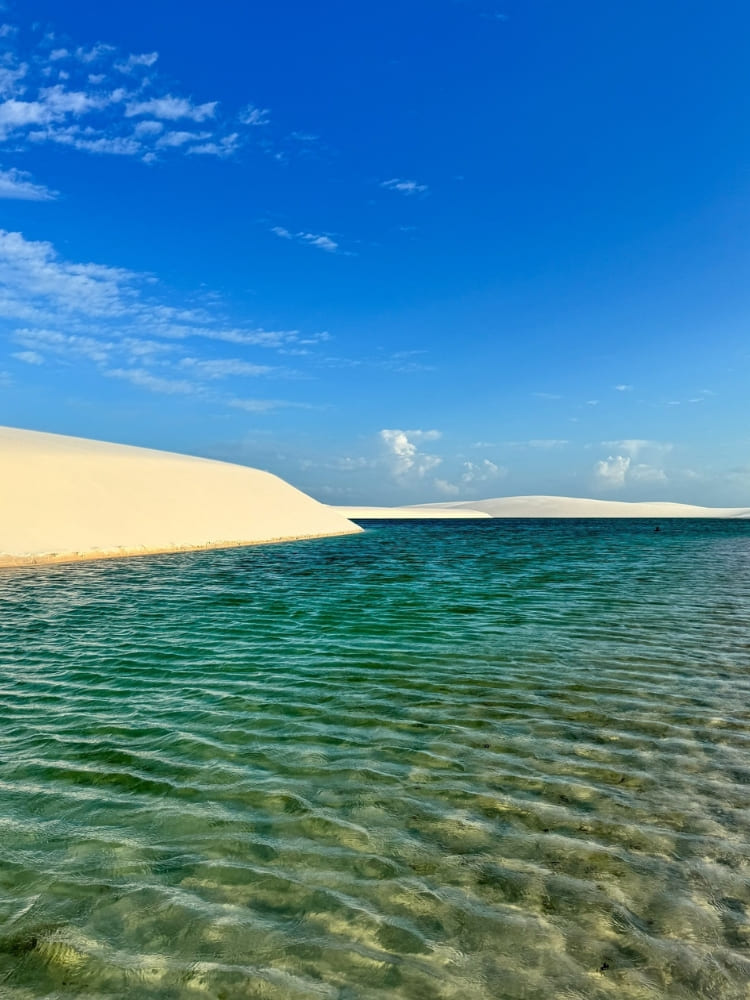
    What Is the Pantanal?

    The Pantanal, located in the Central-West region of Brazil, is the largest wetland in the world, as well as the most well-preserved biome in the country, with 84% of its original landscape still intact, according to the Brazilian Agricultural Research Corporation. Due to its environmental significance, it was designated a UNESCO World Natural Heritage Site and a Biosphere Reserve in 2000.

    Panoramic aerial view of flooded plains, winding rivers, and green forests of Pantanal, Brazil under a bright sun.
    .

    Spanning over 210,000 km², it’s so big it’s split into two states: Mato Grosso and Mato Grosso do Sul. If you’re wondering about whether you should go to North or South Pantanal, the answer depends on what you’re looking for: jaguar sightings, cultural immersion or easier access.

    North Pantanal: jaguar safaris and remote adventures

    • Main access: Cuiabá (Mato Grosso)
    • Top destination: Porto Jofre, via Transpantaneira Highway
    • Best time to visit: July to October (dry season)
    • Main highlight: Jaguar spotting tours by boat
    A wild jaguar walking along a riverbank during a North Pantanal safari, the premier region for jaguar sightings and wildlife tours.
    .

    The North Pantanal is strongly influenced by the Amazon Rainforest, presenting denser and more closed vegetation, as well as floodplains, rivers and lakes. It’s also one of the best places in the world to see jaguars, especially between June and October, along the banks of the Cuiabá River.

    If your priorities include wildlife watching, engaging in cultural experiences, or enjoying water-based activities, a Pantanal safari in the North is likely the best choice for you!
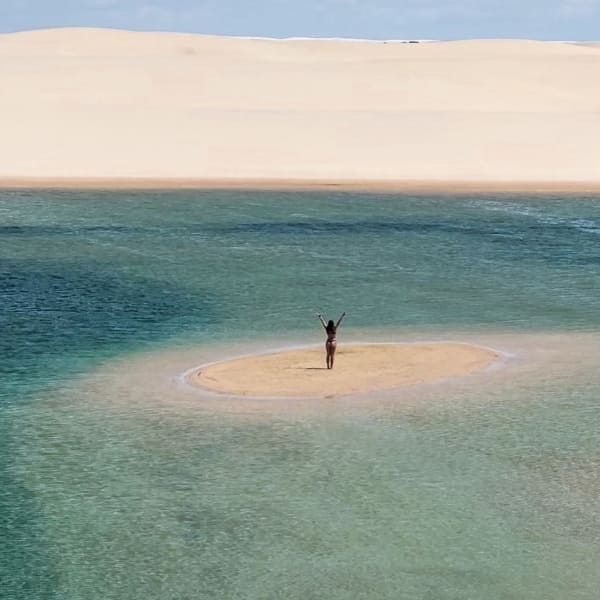
    Tourists and photographers observing a jaguar in a tree, a highlight of a Pantanal trip focused on wildlife photography in the Northern Pantanal.
    @larissa_pantanal

    👉 Read more:

    Pros and cons of Northern Pantanal

    Pros:

    • High chances of spotting jaguars.
    • Chances to see birds and species influenced by the Amazon that do not descend to the South.
    • Great for photographers and wildlife lovers — especially during the dry season, from July to October, when the wildlife is even more diverse.

    Cons:

    • Remote location, long transfers.
    • Less interaction with the day-to-day life of the farm or the Pantaneiro cowboy.
    • Jaguar safaris are usually more expensive due to high demand, limited availability and complex logistics.
    A family of capybaras on a grassy bank, a common wildlife sighting on a Pantanal tour in both the North and South regions.
    Photo: Ondrej Prosicky

    South Pantanal: classic ranch experience and family-friendly safaris

    • Main access: Campo Grande (Mato Grosso do Sul)
    • Top areas: Aquidauana, Miranda, Corumbá
    • Best time to visit: May to September (dry season)
    • Main highlight: Stay at traditional fazendas (ranches) and explore on land

    The South Pantanal features a landscape of savannas and forested areas influenced by the Cerrado and the Paraguayan Chaco. This results in more open landscapes and clear fields, which offer great opportunities for land-based activities and close encounters with wildlife in a well-preserved environment.

    Tourists in an open-air vehicle enjoying a South Pantanal adventure, ideal for land-based Pantanal safaris and exploring the savanna.
    .

    Most of the lodges are active or former cattle farms that have been converted into smaller, more intimate accommodations, with a strong focus on Pantanal-related experiences and ranch traditions. Canoeing, land safaris, horseback riding and wildlife observation are common activities.

    Traditional cowboys riding horses in the Southern Pantanal, offering cultural immersion often included in a Pantanal road trip or farm stay.
    Photo: Samuel Betkowski

    Southern Pantanal also pairs well with a trip to Bonito, one of Brazil’s top ecotourism destinations, known for snorkeling in crystal-clear rivers and cave exploration.

    👉 Explore our Pantanal tours from Campo Grande

    👉 Learn more and book now: 5-Day Pantanal Bonito Tour in Brazil

    For travelers prioritizing ease of travel and comfort, South Pantanal offers a more relaxed and accessible experience!
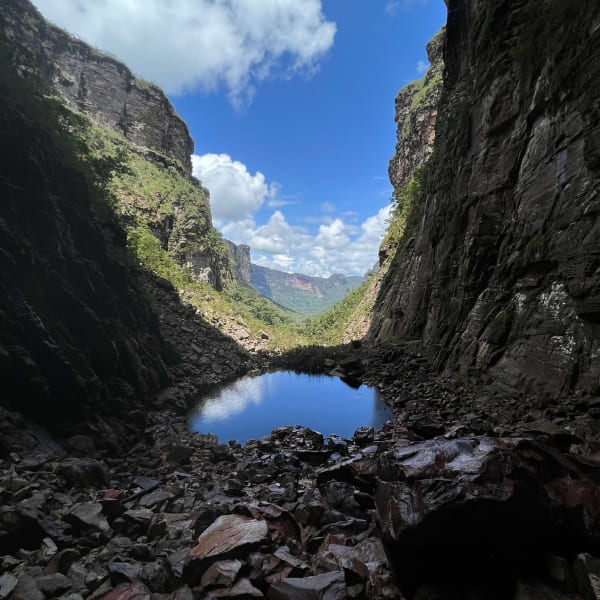
    Pros and cons of Southern Pantanal

    Pros:

    • Easier access from Campo Grande.
    • Cultural immersion with the Pantaneiro routine and local traditions.
    • Stay experience based on comfort and exclusivity, including luxury lodges like Caiman.
    • Varied land activities, like hiking, horseback rides and wildlife watching.
    • Great for travelers looking forward to exploring the Pantanal on a budget.
    • Easy access to Bonito (MS).

    Cons:

    • Lower chances of seeing jaguars — they exist and are seen in certain areas, but in smaller quantities and frequency compared to the North.
    • Wildlife is more dispersed than in the North, meaning land safaris require more patience for wildlife watching.

    A scenic sunset with palm trees in the Southern Pantanal, known for its open landscapes and accessible Pantanal tours.

    North vs. South Pantanal in Brazil: What’s the most suitable for you?

    Here’s how to choose the ideal region for your Pantanal trip, depending on the experience you’re looking for.

    Choose the North Pantanal in Brazil if you want to:

    Book your tour to North Pantanal if you want:

    • Jaguar safaris and wildlife photography: best place for jaguar watching, especially from July to October.
    • Boat safaris and wildlife viewing: boat rides are also great for spotting other Pantanal animals, including caimans, capybaras, giant anteaters, hyacinth macaw, etc.

    Book your tour to South Pantanal if you want:

    • Activities on land: guided hikes, horseback rides and wildlife safaris.
    • Extended vacation in Bonito, Mato Grosso do Sul: popular destination for snorkeling in crystal-clear rivers and underground natural pools;
    • Immersion in rural traditions: experience local life and learn everything about traditional music, food and other Pantanal cultural aspects.
    A flock of birds flying at sunset during the dry season, which is often cited as the best time to visit the Pantanal for wildlife viewing.
    .

    How much does a Pantanal tour cost?

    The average cost of a Pantanal tour is US$ 1,995 per person. Prices vary according to accommodation category, season, trip duration, etc.

    Still not sure if you should go to the North or South Pantanal? Compare our handpicked tour options in both regions!

    Northern Pantanal tours

    TOUR HIGHLIGHTS DURATION STARTING PRICE*
    Pantanal Jaguar Photography Tour Capture breathtaking shots of the rich wildlife (recommended for professional and amateur photographers). 6 days US$ 3,700
    Pantanal Jaguar Safari in Porto Jofre, Cuiabá Visit Porto Jofre, home to the world’s largest jaguar population. 4 days US$ 2,650
    Pantanal Jaguar Budget Safari Multiple chances to spot jaguars, capybaras, caimans, and exotic birds. 4 days US$ 1,860
    Pantanal Tour from Cuiabá Wildlife watching, horseback riding through open fields and floodplains. 4 days US$ 1,355

    Southern Pantanal Tours

    TOUR HIGHLIGHTS DURATION STARTING PRICE*
    Luxury Jaguar and Wildlife Safari High-end lodge with great chances of spotting jaguars in the Southern Pantanal. 4 days US$ 3,200
    Pantanal Bonito Tour Travel from the wetlands to Bonito through changing landscapes. 5 days US$ 1,395
    Pantanal Wildlife Trip from Campo Grande Activities include photo and night safaris, boat rides, and piranha fishing. 4 days US$ 1,150
    Budget Pantanal Tour Budget-friendly adventure with shared rooms, walking safaris, boat tours and horseback riding. 4 days US$ 660
    *Per person, based on double occupancy in group departures. Prices may vary depending on season and availability. Exchange rate as of February 2nd, 2026; subject to change.

    Can you visit both the Northern and Southern Pantanal?

    Yes, but it requires time and good logistics. The two areas are more than 1,000 km apart, and there’s no direct road between them.

    If you’re planning a longer itinerary and want to experience both, flying between Cuiabá and Campo Grande is your best option.

    👉 Read more: How to get to the Pantanal, Brazil

    Close-up of a jaguar resting in the North Pantanal, the best destination for travelers seeking intense Pantanal safari experiences.
    .

    Should you choose the North or South Pantanal?

    The Northern Pantanal is your best bet if you’re after jaguar sightings, boat safaris, wildlife photography or a wilder, more remote experience.

    Meanwhile, the Southern Pantanal is a better fit if you’re looking for easier access, comfortable ecolodges, wildlife viewing not focused on jaguars and a broader mix of land-based activities. It’s also the ideal choice if you want to combine your trip with a visit to Bonito.

    Keep in mind: regardless of the region, the water cycle rules. A greater concentration of animals happens in the dry season when they seek out the remaining rivers and lagoons.

    Tourists canoeing near an ecolodge, a sustainable activity for a Pantanal trip that combines adventure with nature preservation.
    .

    Book your Pantanal tour with PlanetaEXO

    Whether you choose the North or the South, PlanetaEXO specializes in Pantanal tours in both areas. We work closely with the best local operators and ecolodges committed to sustainable practices and preserving the Pantaneiro way of life.

    Contact us and let’s start planning your Pantanal safari right now!