Blog

  • Where to Stay in the Pantanal?

    Where to Stay in the Pantanal?

    Lodges are a crucial part of the Pantanal travel experience in terms of comfort, safely exploring the wetlands and connecting with nature

    When planning a trip to the Pantanal, it’s important to understand how travel in the region works. Unlike traditional destinations, you don’t stay in a city and go out for activities. Here, the adventure is built around staying in a lodge, often located in remote natural areas.

    These accommodations are spread across two main regions: the North Pantanal (accessed via Cuiabá, in Mato Grosso) and the South Pantanal (via Campo Grande, in Mato Grosso do Sul). From these gateway cities, travelers are transferred to the lodges. Once there, all activities are scheduled and operated directly by their teams, such as wildlife safaris and other experiences adapted to seasons and local conditions. 

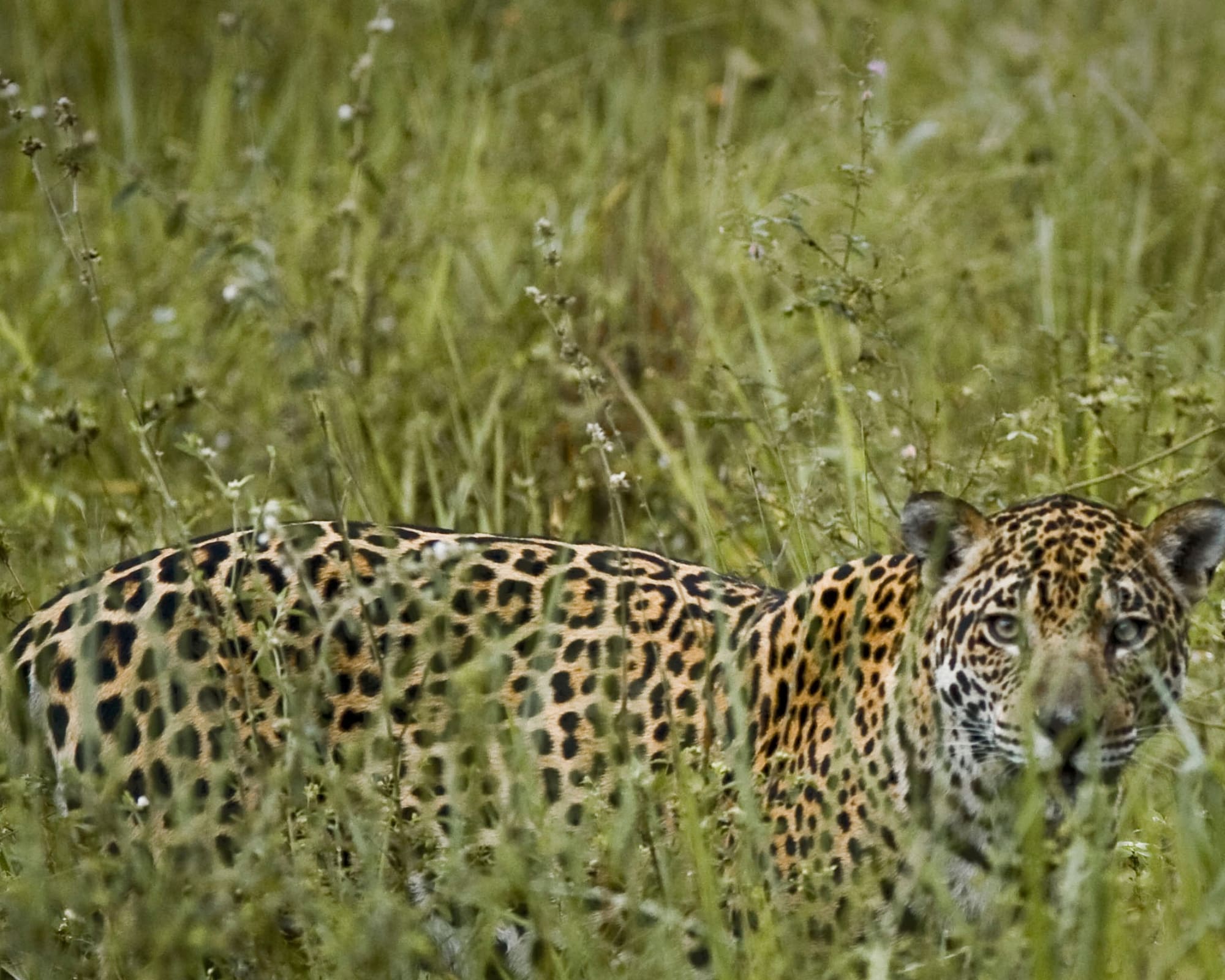
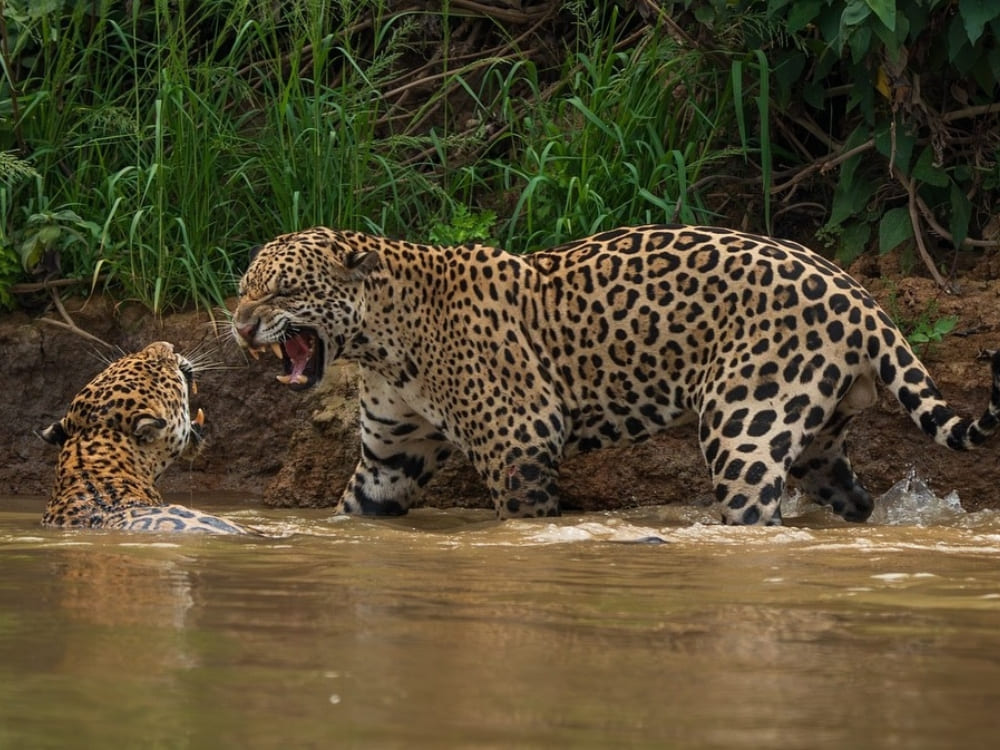
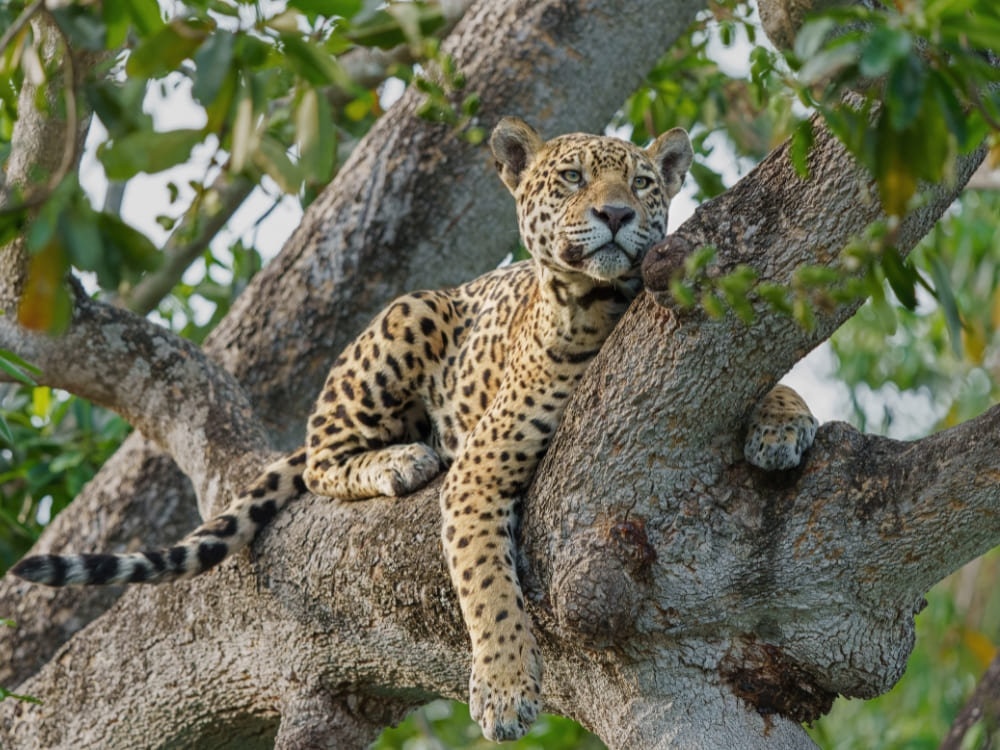
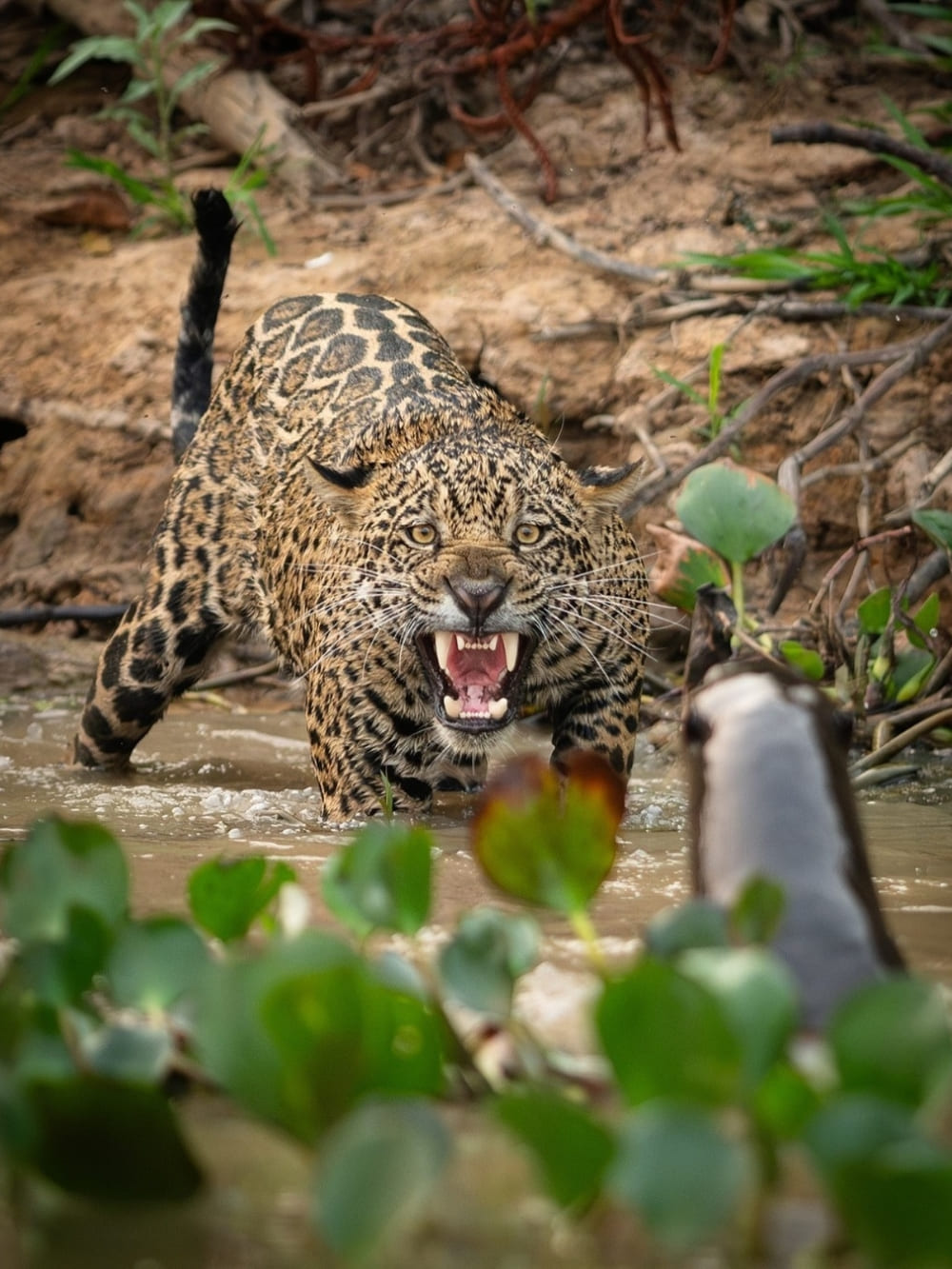
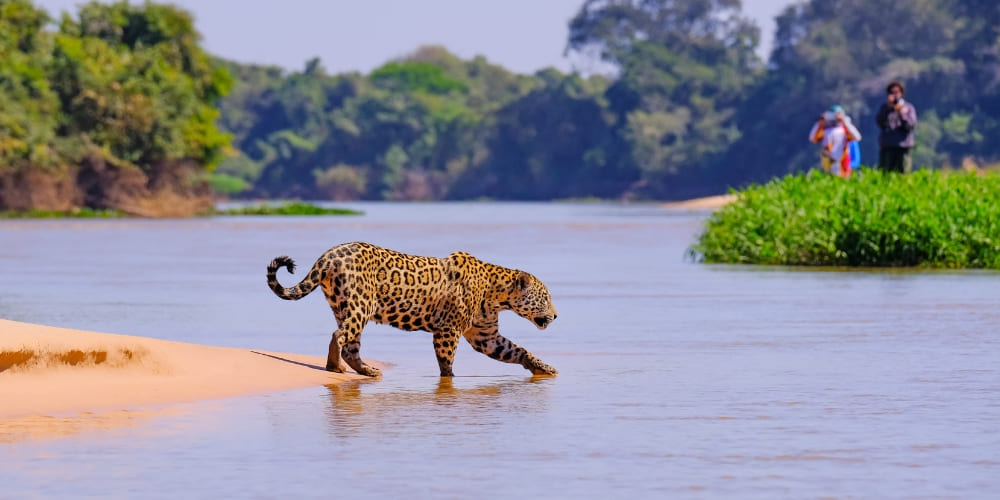
    A majestic jaguar walks through the green vegetation during a wildlife safari in the Northern Pantanal.
    Photo: Donal Boyd

    Because of the remoteness and logistics involved, planning this journey requires the assistance of reliable professionals. At PlanetaEXO, an ecotourism platform specializing in Pantanal tours, we work with the best local operators who are responsible for organizing the full experience, including transfers to and from the lodges and the coordination of activities.

    See below for our suggestions on where to stay in the Pantanal!

    Northern Pantanal lodges

    Porto Jofre, in the municipality of Poconé, is the main destination in the Northern Pantanal, located at the end of the Transpantaneira Highway.

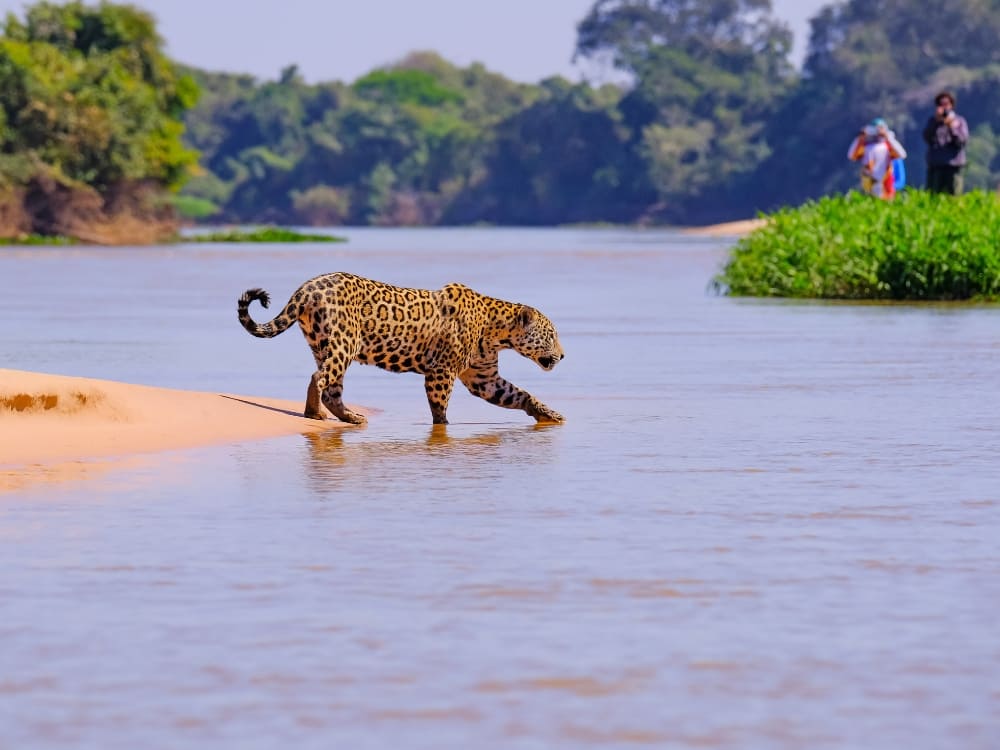
    The region is considerably remote but perfect for wildlife observation, photography tours and boat safaris. This is also the best place in the Pantanal to spot jaguars!

    Piuval

    A benchmark for accommodation along the Transpantaneira, Piuval has a complete infrastructure with spacious rooms and leisure areas (swimming pool, lake with paddle boats, volleyball court, playground, games room).

    The lodge’s sustainable practices are also worth mentioning, including water and sewage treatment systems, rainwater reuse, solar energy, recycling, etc.

    • Address: Transpantaneira Highway, km 10 – Zona Rural, Poconé
    • Distance from Cuiabá: 120 km (1h40)
    • Activities: boat safaris, horseback riding, hiking, boat tours.
    • Price range: $$$
    Guests relax near the outdoor swimming pool at Piuval lodge during a colorful sunset in the Northern Pantanal.
    .

    👉 Tours that take place at this accommodation: Pantanal Wildlife Tour from Cuiabá

    Berço Pantaneiro

    In addition to excellent transportation logistics, Berço Pantaneiro features chalets and rooms with great cost-effectiveness and charming rustic decor.

    Enjoy your experience in the common areas (barbecue area and leisure/dining rooms) and the safest and most comfortable boats in the region—all equipped with sun protection.

    • Address: Transpantaneira Highway, km 145 – Porto Jofre
    • Distance from Cuiabá: 250 km (4h20)
    • Activities: boat safaris, boat tours, hiking.
    • Price range: $$$
    Two rustic A-frame wooden chalets sit at Berço Pantaneiro in Porto Jofre, surrounded by bright pink flowers.
    .

    👉 Tours that take place at this accommodation: Pantanal Jaguar Budget Safari

    SouthWild Pantanal Lodge

    SouthWild offers one of the most privileged locations in the Northern Pantanal, situated directly in front of the Cuiabá River. The views are stunning, while the service and food are highly praised by guests.

    This is the ideal Pantanal hotel for those seeking authenticity, as the accommodations can be considerably simple but perfectly comfortable and efficient.

    • Address: Transpantaneira Highway, km 66 – Zona Rural, Poconé
    • Distance from Cuiabá: 170 km (2h50)
    • Activities: boat safaris, boat tours, observation towers, scientific trails.
    • Price range: $$$
    The red exterior of the SouthWild Pantanal Lodge features a shaded wooden porch for guests seeking an authentic stay.
    .

    👉 Tours that take place at this accommodation: Pantanal Jaguar Safari in Porto Jofre, Cuiabá / Jaguar Photography Tour

    Southwild Flotel & Jaguar Suites

    From the SouthWild group, Flotel is a 35-meter-long vessel anchored 4 kilometers up the Piquiri River. Offering an entirely different stay experience in a floating hotel, guests enjoy themselves in 12 lovely cabins with private bathrooms, air-conditioning, and Wi-Fi.

    The large open-air top deck is perfect for admiring the gorgeous view of the Pantanal, but the other common spaces also provide wonderful experiences, including the wet bar and the dining, sunbathing and barbecue areas.

    • Address: Piquiri River (Meeting of Waters State Park)
    • Distance from Cuiabá: 250 km (4h30)
    • Activities: boat safaris (jaguar-focused)
    • Price range: $$$

    👉 Tours that take place at this accommodation: Pantanal Jaguars: Photography Tour

    Dona Onça

    Dona Onça is smaller and without large common areas, but it fulfills its role of welcoming guests in rustic and comfortable accommodations, focusing on the authenticity and simplicity of the Pantanal.

    The highlight is the excellent quality boats driven by great pilots, but the homemade food also receives many praises.

    • Address: Transpantaneira Highway, km 149 – Porto Jofre
    • Distance from Cuiabá: 250 km (4h20)
    • Activities: boat safaris (jaguar-focused), boat tours, hiking.
    • Price range: $$
    The exterior courtyard of Dona Onça lodge shows rustic accommodations with wooden benches in Porto Jofre.
    .

    👉 Tours that take place at this accommodation: Jaguar Budget Safari

    Pouso Alegre

    The territory of Pouso Alegre is enormous, being one of the best places in the region for spotting numerous species of animals. The area is also fully georeferenced, enabling mapping for the implementation of new trails and observation measures of the biome.

    Following the aesthetics of a rustic farm, the accommodations are simple but functional—all including bathrooms, air conditioning, fans, chairs, tables, and shelves.

    • Address: Transpantaneira Highway, km 33 – Poconé
    • Distance from Cuiabá: 144 km (2h30)
    • Activities: boat safaris, night safaris, boat tours, hiking, canoeing, horseback riding.
    • Price range: $$$
    The simple and functional rustic farm architecture of Pouso Alegre lodge is shaded by large green trees.
    .

    👉 Tours that take place at this accommodation: Budget Jaguar Tour

    Santa Rosa

    With excellent infrastructure, modern architecture, and mouth-watering traditional food, Santa Rosa is one of the highest-rated accommodations in the Pantanal. Located on the banks of the São Lourenço River, it also stands out for its privileged location.

    In four different categories, the chalets are comfortable and spacious, with beautiful views of nature, private bathrooms, air conditioning, mini fridges, etc. In the common areas there are green woods, social areas, and a swimming pool.

    • Address: Transpantaneira Highway, km 142 – Zona Rural, Poconé
    • Distance from Cuiabá: 253 km (4h20)
    • Activities: boat safaris (jaguar-focused), night safaris, hiking.
    • Price range: $$$$
    Santa Rosa lodge features a large outdoor swimming pool and modern architecture on the banks of the São Lourenço River.
    .

    👉 Tours that take place at this accommodation: Pantanal Jaguar Photography Tour / Porto Jofre Jaguar Tour

    Jaguar Bay

    Attached to Santa Rosa, Jaguar Bay is a smaller lodge with comfortable suites, air conditioning, and charming wooden architecture. Guests can enjoy the main hotel’s infrastructure, including leisure areas and the swimming pool.

    It also features an observation tower with panoramic views of the Pantanal, perfect for sunset contemplation and bird watching.

    • Address: Transpantaneira Highway, km 142 – Zona Rural, Poconé
    • Distance from Cuiabá: 253 km (4h20)
    • Activities: boat safaris (jaguar-focused), boat tours, hiking, observation towers.
    • Price range: $$$

    A couple walks down a wooden pier toward safari boats during a beautiful sunset over a Pantanal river.

    👉 Tours that take place at this accommodation: North Pantanal – Jaguar Safari

    Aymara

    Recognized as an ecological refuge surrounded by untouched nature, Aymara is a rustic-style lodge with ipe wood architecture and the best of the Pantananeiro lifestyle. In addition to suites with balconies and private bathrooms, it also features a swimming pool, a restaurant, and a bar.

    Its conservation efforts are attested to by several certifications, such as the Tesouro Verde (Green Treasure) seal, the Projeto Floresta+ Amazônia, and the Pantanal Biosphere Reserve.

    • Address: Transpantaneira Highway, km 25 – Zona Rural, Poconé
    • Distance from Cuiabá: 135 km (2h10)
    • Activities: canoeing, boat tours, hiking, land safaris, night safaris. 
    • Price range: $$$
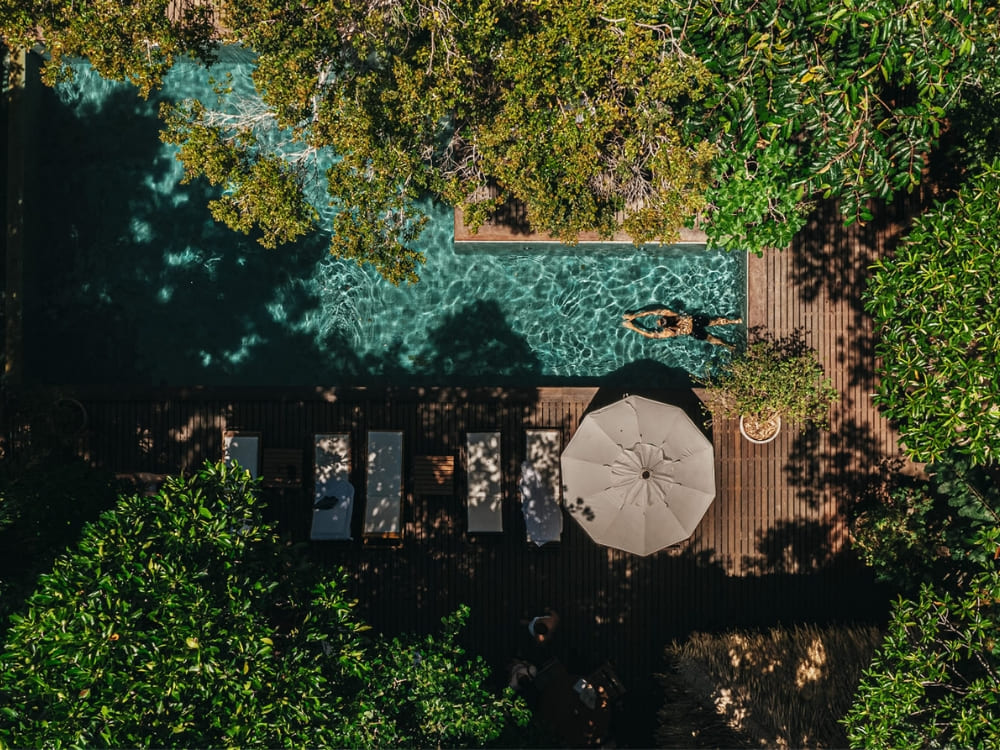
    Lounge chairs sit beside the outdoor swimming pool at Aymara lodge, an ecological refuge surrounded by untouched nature.
    .

    👉 Tours that take place at this accommodation: Pantanal Wildlife Tour

    Araras Lodge

    Araras is an ecolodge that offers charming and family-friendly environments based on respect for the ecosystem and local culture. With a bar and restaurant, swimming pool, observation towers, and balconies graced with beautiful views, it is one of the best hotels in the Pantanal to relax and connect with nature.

    The rooms balance rustic decor with a touch of modernity in spacious and comfortable areas. All units are equipped with great beds, air conditioning, ceiling fans, and private bathrooms.

    • Address: Transpantaneira Highway, km 33 – Zona Rural, Poconé
    • Distance from Cuiabá: 135 km (2h10)
    • Activities: boat safaris, horseback riding, canoeing, hiking.
    • Price range: $$$$
     Aerial view of Araras Lodge showing the swimming pool and eco-friendly infrastructure surrounded by the Pantanal ecosystem
    .

    👉 Tours that take place at this accommodation: Pantanal Wildlife Safari

    Mato Grosso hotels: Where to stay in Cuiabá?

    The capital of Mato Grosso, Cuiabá is the fourth-largest city in the Center-West and the access point to the North Pantanal. Tourists arrive from all over Brazil at Marechal Rondon International Airport (CGB). We’ve selected a few options:

    Deville Prime Cuiabá

    • Address: Av. Isaac Póvoas, 1000
    • Distance from the airport: 9.8 km 

    Amazon Plaza Hotel

    • Address: Av. Pres. Getúlio Vargas, 600
    • Distance from the airport: 8 km

    Delmond Hotel

    • Address: Av. André Maggi, 1980
    • Distance from the airport: 12.7 km

    Southern Pantanal lodges

    Not sure where to stay in the Pantanal to enjoy land-based activities and connect deeper with the Pantaneiro culture?

    The South Pantanal is the best place to contemplate savannas and forested areas influenced by the Cerrado and the Paraguayan Chaco, as well as get a better feel for the rancheiro lifestyle and explore the vastness of the open fields.

    Caiman

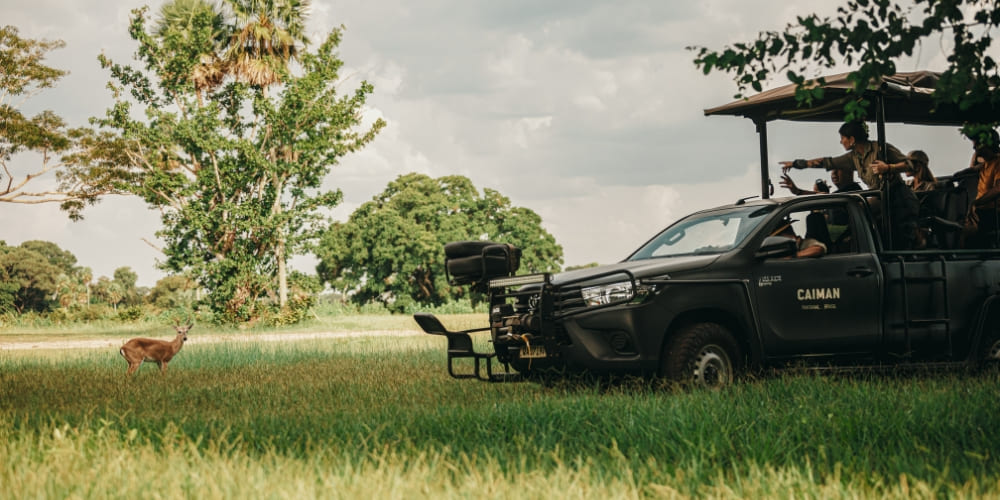
    Caiman is one of the most prestigious accommodations in the wetlands for several reasons: its location within a protected reserve, commitment to conservation efforts, respect for local culture, high-end lodging, some of the best Pantanal safaris in the area, and its status as the only place in the Southern Pantanal where it’s possible to spot jaguars—thanks to a partnership with the Onçafari Project.

    The units are divided between Casa Caiman, an old farmhouse with 18 suites, and Baiazinha, a private villa ideal for groups seeking more privacy and exclusivity.

    • Address: Estância Caiman, s/n – Zona Rural, Miranda
    • Distance from Campo Grande: 240 km (3h40)
    • Activities: land safaris, night safaris, bird watching, canoeing, hiking, horseback riding.
    • Price range: $$$$$
    The luxurious interior of Caiman lodge features a wooden roof, comfortable seating areas, and a large jaguar statue.
    .

    👉 Tours that take place at this accommodation: Luxury Jaguar Safari in the Pantanal / 5-Day Pantanal Bonito Tour in Brazil

    Aguapé

    Aguapé is a family-run inn with over 100 years of tradition, located in a rich green area that blends the typical vegetation of the Pantanal and the Cerrado, as well as lakes, streams, and the Aquidauana River.

    The air-conditioned rooms provide comfort and relaxation after a long day of activities, while the common areas include a swimming pool, a barbecue grill, and social areas.

    • Address: Fazenda São José Zona Rural (MS-171, km 54) – Zona Rural, Aquidauana
    • Distance from Campo Grande: 195 km (3h20)
    • Activities: land safaris, night safaris, bird watching, canoeing, hiking, horseback riding.
    • Price range: $$$
    Aerial view of Araras Lodge showing the swimming pool and eco-friendly infrastructure surrounded by the Pantanal ecosystem
    .

    👉 Tours that take place at this accommodation: Pantanal Wildlife Trip from Campo Grande / Pantanal-Bonito Tour

    Pequi

    Pequi is a 1920s-farmhouse-turned-lodge that offers a family-friendly structure. Its main distinguishing feature is the preservation of rural traditions, allowing guests to interact with farm animals and participate in ranch activities.

    The air-conditioned rooms of this Pantanal hotel have comfortable beds (singles and doubles), private bathrooms, mini fridges, and TVs, while the common areas include a swimming pool, a playground, a dining room, a hammock area, a TV room, a gift shop, and even a chapel.

    • Address: Estrada MS-171, km 40 – Zona rural, Aquidauana
    • Distance from Campo Grande: 180 km (2h50)
    • Activities: land safaris, night safaris, boat tours, hiking, horseback riding, horse-drawn carriage ride, cattle handling, and milking cows.
    • Price range: $$$$
    Wooden chairs rest on the blue-painted veranda of the historic Pequi farmhouse lodge during a vibrant Pantanal sunset.
    .

    👉 Tours that take place at this accommodation: Pantanal Wildlife Tour

    Refúgio da Ilha

    Located in the Salobra Delta area—an ecosystem in the Southern Pantanal formed by the Salobra River flowing into the Miranda River—Refúgio da Ilha is an ecolodge recognized for its authenticity, respect for nature, and highly qualified professionals.

    Social spaces, a dining room, and a lake form the common areas, while the rooms offer rest and comfort with double beds, private bathrooms, air conditioning, and elegant decor.

    • Address: Estrada Parque, s/n – Miranda
    • Distance from Campo Grande: 230 km (3h30)
    • Activities: land safaris, boat tours, canoeing, horseback riding, hiking.
    • Price range: $$$$
    A wooden deck with a table and chairs sits beside a tranquil lake and a massive tree at Refúgio da Ilha ecolodge.
    .

    👉 Tours that take place at this accommodation: South Pantanal – Wildlife Safari

    Baía das Pedras

    In the most remote area of ​​the Southern Pantanal, Baía das Pedras is a secluded and authentic lodge. The main building is a large, elegant farmhouse that accommodates up to 13 guests in five apartments with air conditioning, private bathrooms, and refined decor.

    Guests can also enjoy the spacious veranda, TV room, dining room, and hammock area overlooking the countryside—everything you need for total disconnection from the outside world.

    • Address: MS-228 – Nhecolândia, Aquidauana
    • Distance from Campo Grande: 300 km (7h)
    • Activities: land safaris, boat tours, canoeing, horseback riding, hiking.
    • Price range: $$$$$
     Winding rivers and open green savannas dominate the remote landscape of the Southern Pantanal near Baía das Pedras.
    .

    👉 Tours that take place at this accommodation: Wild South Pantanal / Southern Pantanal Wildlife Tour

    Barranco Alto

    Barranco Alto is a farm that welcomes tourists at the banks of the River Negro. Following a slow-paced ranch lifestyle, the accommodations are spacious and charmingly rustic, each one equipped with air-conditioning, hot water showers, and Wi-Fi.

    Considering the breathtaking views of the location and the wonderful activities, guests usually stay most of their days outdoors, but they can also sit back and relax in the living room or take a nap on the hammocks.

    • Address: Barranco Alto – Aquidauana
    • Distance from Campo Grande: 260 km (4h20h)
    • Activities: land safaris, boat tours, canoeing, hiking, horseback riding, bird watching.
    • Price range: $$$$$
    Aerial view showing the breathtaking natural lakes and green wetlands surrounding the Barranco Alto farm.
    .

    👉 Tours that take place at this accommodation: Remote Wetland Adventure

    Pantanal Jungle Lodge

    On the banks of the Miranda River, the Pantanal Jungle Lodge is a classic accommodation option in the region, combining comfort, leisure, and authentic experiences amidst nature.

    The infrastructure of this Pantanal hotel is spectacular: swimming pool, restaurant, hammock area, game room, private parking, laundry facilities, and beautiful air-conditioned suites for couples and groups of 3–6 people.

    • Address: MS-184 (Estrada Parque, km 8) – Corumbá
    • Distance from Campo Grande: 312 km (4h50h)
    • Activities: land/boat safaris, canoeing, horseback riding, hiking.
    • Price range: $$$
    Guests swim in the outdoor pool on a wooden deck at the Pantanal Jungle Lodge near the Miranda River.
    .

    👉 Tours that take place at this accommodation: Budget Pantanal Tour

    Mato Grosso do Sul hotels: where to stay in Campo Grande?

    The capital of Mato Grosso do Sul, Campo Grande is the third-largest city in the Center-West and the best route to reach the Southern Pantanal. Around Campo Grande International Airport (CGR), there are excellent hotels where tourists can stay before setting off on their adventures in the Pantanal. Here are a few options:

    Deville Prime Campo Grande 

    • Address: Av. Mato Grosso, 4250
    • Distance from the airport: 10 km

    Hotel Flat Afonso Pena

    • Address: Av. Afonso Pena, 4059
    • Distance from the airport: 8 km

    ibis budget Campo Grande

    • Address: Av. Mato Grosso, 5617
    • Distance from the airport: 12.5 km

    Don’t know where to stay in the Pantanal? PlanetaEXO is here for you!

    Now that you know the best hotels near the Pantanal and in the northern and southern regions of the biome, how about you start organizing your vacation?

    PlanetaEXO is an ecotourism platform specializing in Pantanal tours that helps you with every step of your vacation planning, including finding the best local operators, accommodations, transfer options, tailor-made itineraries, and hiring trusted bilingual guides—everything you need for a smooth experience throughout your trip. Contact us now!
  • 10 Facts about Pico da Neblina in the Amazon, Brazil

    10 Facts about Pico da Neblina in the Amazon, Brazil

    Learn more about Brazil’s highest mountain, a sacred Yanomami landmark hidden deep in the Amazon Rainforest

    Pico da Neblina is the highest peak in Brazil, standing at almost 3,000 meters above sea level. Hidden in the northwest Amazon, it rises above the rainforest canopy, and it’s almost always wrapped in mist. 

    Beyond being the tallest mountain in Brazil, Pico da Neblina is also part of one of the most remote and least-explored regions of South America. Its wilderness, dense forest, and rugged trails make it a destination that combines adventure, conservation, and cultural depth.

    A hiker looks toward the mist-covered summit of Pico da Neblina, the highest peak in Brazil
    Photo: Lucas Miagostovich

    PlanetaEXO, an ecotourism platform specializing in Amazon Rainforest tours in Brazil, has put together a complete guide with 10 facts about Pico da Neblina so you can prepare before embarking on your journey. Check it out below!

    1. Highest mountain in Brazil

    Standing at precisely 2,995 meters, Pico da Neblina is officially the highest point in Brazil. From its summit, travelers find themselves looking over an endless green carpet of rainforest stretching to the horizon. Have you ever imagined standing above the Amazon clouds? That’s the reward of reaching the top.

    The dark, rocky peak of Pico da Neblina towering above a thick layer of white clouds in the Amazon Rainforest.
    Photo: Lucas Miagostovich

    There are other impressive peaks in the country, but none surpass Pico da Neblina. Pico 31 de Março (2,974 m), located nearby in the same mountain range, is the second tallest, while Pico da Bandeira (2,892 m), between the states of Espírito Santo and Minas Gerais, is the third. The famous Mount Roraima (2,734) sits at #8 on the ranking.

    These comparisons highlight how unique this place truly is. It’s a reminder of how diverse Brazil’s landscapes are, from coastal plains and wetlands to towering mountains hidden deep inside the forest.

    2. Deep in the forest

    Pico da Neblina National Park is located in the far northwest of the Amazonas state, right on the border with Venezuela, within the São Gabriel da Cachoeira municipality.

    The towering mountain of Pico da Neblina viewed through the dense, lush green canopy of the Amazon Rainforest.
    @geoturismo_na_amazonia

    Getting there is an adventure in itself. Travelers usually fly from Manaus to São Gabriel da Cachoeira, then continue by four-wheel drive and canoe along the Cauaburis and Maturacá rivers until reaching the Yanomami village of Maturacá, the gateway to the park.

    👉 Read more: How to get to the Amazon Rainforest

    3. A sacred mountain for the Yanomami

    The Yanomami people see Pico da Neblina as a sacred place where ancestral spirits and the powerful Xapiripë reside. In their cosmology, these spiritual beings dance in mirrors of light to protect the forest, sustain life, and keep the sky from collapsing.

    A Yanomami indigenous guide wearing traditional red feathers shaking hands with a hiker in the forest.
    .

    The Yanomami are one of the largest Indigenous groups in South America, with more than 30,000 people living between Brazil and Venezuela. In the Brazilian share, they inhabit territories in the Roraima and Amazonas states, including the area surrounding Pico da Neblina National Park.

    For travelers, this turns the climb into a cultural and spiritual journey that highlights the risks of greed and the importance of protecting the Amazon.

    4. The meaning of the name

    What does “Pico da Neblina” mean? In Portuguese, it translates to “Peak of the Fog” describing the constant mist that surrounds its summit. But the meaning of the name goes deeper when we consider its Yanomami name: Yaripo.

    For the Yanomami, Yaripo is not just a physical place but a spiritual landmark where the sky and earth connect. This duality, the descriptive Portuguese name, and the sacred Indigenous name reflect the blend of science and tradition that defines the mountain.

    Since its official recognition in the 20th century, the name “Pico da Neblina” has been widely used, but Indigenous voices ensure that Yaripo remains alive in collective memory.

    5. Pico da Neblina remained closed for years

    Until the early 2000s, expeditions to Pico da Neblina were common, often organized by private operators without Indigenous participation or environmental oversight. For the Yanomami, this uncontrolled flow of outsiders into Yaripo, their sacred mountain, was deeply disturbing.

    In 2003, following rising tensions over government plans to develop tourism infrastructure, the park was officially closed. Tourism remained suspended for almost 20 years, until a new model based on conservation and Indigenous leadership was gradually developed through dialogue and partnerships. 

    Aerial view of a dark river winding through the vast Amazon Rainforest, with Pico da Neblina in the background
    .

    A pilot project was launched in 2019, with plans to reopen in 2020 delayed by the COVID-19 pandemic. By 2022, visitation resumed under an ethnotourism framework led by the Yanomami people.  

    Today, visitors follow rituals of purification with shamans before climbing, and every experience, such as PlanetaEXO’s Pico da Neblina Expedition, is planned with Indigenous associations to ensure cultural respect and environmental care.

    6. The second-largest national park in Brazil

    Despite being the highest point in Brazil, Pico da Neblina is also the second-largest national park in the country, covering an impressive area of 22,200 km². Only the Jaú National Park, also in Amazonas, is bigger.

    A dramatic view of Pico da Neblina partially obscured by thick, low-hanging clouds rising above the jungle canopy.
    @joaoclaudio2

    Created in 1979, the park protects mountains, rivers, and vast stretches of rainforest along the border with Venezuela. Its remoteness makes it one of the least visited but also one of the most pristine. Imagine a park larger than many countries in Europe (Greece, Iceland, Hungary, Portugal, etc.); that’s the scale we’re talking about.

    For visitors, this immense area means days of trekking through varied ecosystems: lowland rainforest, cloud forests, alpine vegetation, and misty summits. 

    👉 Read more: National Parks in Brazil

    7. Discovery and first ascent

    Pico da Neblina was first identified by non-Indigenous people in the 1950s, during aerial surveys of the Amazon. But it wasn’t until the following decade, in 1965, that an expedition carried out by the Brazilian army confirmed its altitude of 2,994 meters. This moment shifted national geography, as Pico da Bandeira was considered the country’s highest point back then.

    Silhouette of an explorer kneeling next to a waving Brazilian flag at the summit of Pico da Neblina at sunrise.
    @escoteirosdobrasil

    The remoteness of the region, the lack of infrastructure, and the complexity of the terrain all played a huge role in the delay between discovery and official exploration. Unlike other mountains with established trails, reaching Pico da Neblina required building routes through untouched rainforest.

    For the Yanomami, Pico da Neblina (Yarapo) was never “discovered.” They had always known and revered it as a sacred place. The notion of “first ascent” is, therefore, relative—it represents the perspective of the näpe (non-Indigenous).

    In recent years, a historic moment added a new chapter: Maria Yanomami became the first Indigenous woman to climb Yaripo, joining the test expeditions that shaped today’s official tourism route. Her achievement reflects the growing role of Yanomami women in guiding, organizing, and sustaining Pico da Neblina expeditions.

    👉 Read more: Women in Ecotourism – Female Presence that Makes the Sector Happen

    8. Not an easy expedition 

    Reaching the summit of Pico da Neblina is far from simple. The trek covers about 35 kilometers from the first base camp to the top, spread across several days of hiking through dense rainforest, steep ascents, and sections of slippery terrain.

     A group of trekkers navigating a steep, rocky, and wet mountain slope with small waterfalls during the expedition.
    .

    Climbers face river crossings, high humidity, sudden changes in weather, and altitudes above 2,000 meters that demand extra endurance. In total, it usually takes 6 days of trekking from the starting point until the summit day, making it one of the most demanding trails in Brazil. 

    For this reason, it is recommended only for travelers who already have experience with challenging multi-day hikes and enjoy wild, remote adventures.

    👉 Read more: Best Hikes in Brazil – From Rainforests to Mountain Peaks

    9. Ancient mountain range

    Geologists believe Pico da Neblina was formed around 3 billion years ago, making it part of some of the oldest geological structures in South America. It belongs to the Guiana Shield, a vast region of ancient rock that also includes Mount Roraima.

    The massive peak of Pico da Neblina rising above an endless green expanse of Amazonian trees under a blue sky.
    @mochilaodobem

    These formations predate the Andes and many other famous mountain ranges. Can you imagine rocks that are older than Pangaea itself? That’s the kind of history hidden in Pico da Neblina’s slopes!

    This ancient origin explains the mountain’s rugged landscapes, steep cliffs, and constant weather changes. 

    10. Biodiversity and weather

    Because of its altitude and location, Pico da Neblina shelters a unique combination of Amazonian biodiversity and highland species. Rare orchids, moss-covered forests, and alpine plants thrive near the summit.

    The unique flora includes fascinating species like Drosera meristocaulis and Heliamphora ceracea, carnivorous plants that only grow on Neblina’s slopes. 

    Wildlife here includes tapirs, giant armadillos, and hundreds of bird species. The region is also a hotspot for endemic species found nowhere else. Amphibians like Stefania neblinae and Neblinaphryne mayeri are exclusive to this environment, as well as the Neblina uakari (Cacajao hosomi) and the Architis neblina, a spider officially registered in 2008.

    Due to its location near the Amazon Rainforest, the region receives a lot of rain. This can present some challenges for trekkers, but it’s great for the vegetation to grow strong and abundant.

    The unpredictability of the weather at Pico da Neblina is something to pay attention to. It’s hot and humid in the lowlands, but chilly and foggy at higher elevations. Temperature variation is just as dramatic, ranging from 20°C during the day to 0°C at night.

    👉 Read more: When is the Best Time to Visit the Amazon Rainforest in Brazil

    Exploring Pico da Neblina with PlanetaEXO

    Pico da Neblina is not a regular trek but a transformative journey where every step supports the Yanomami and helps to protect one of the last wild frontiers of the Amazon

    With PlanetaEXO, an ecotourism platform specializing in Amazon Rainforest tours in Brazil,  travelers are guided by the best local partners—the people who know the mountain best and who have lived in it for centuries. Contact us now!
  • A luxury Amazon jungle lodge bungalow with a thatched roof and glass walls glowing with warm light at dusk, a hammock on its wooden deck amid the rainforest.

    5 Brazil luxury vacation tips for an unforgettable nature trip

    Where to go, where to sleep, and who to book with: luxury lodges, Amazon cruises, private jaguar safaris and fully tailor-made itineraries

    As the fifth-largest country on Earth and bigger than the entire European Union, Brazil covers 8.5 million km². Yet, most first-time visitors never leave the coast.

    Brazilian beaches are worth the hype, but beyond the waves that touch the sand lie two fantastic destinations: the Amazon with its staggering 5.5 million km² of rainforest (around 60% of it is inside Brazil) and the Pantanal, the largest wetland on Earth. Without giving up comfort, a luxury vacation in Brazil is your chance to see both.

    Here, luxury and wilderness are not opposites. The country’s high-end nature travel was built to put you inside the ecosystem without the roughing it. You spend the day knee-deep in the wild and the evening in air conditioning and elegant facilities, watching the forest from your own balcony.

    Not sure how to put a trip like that together? PlanetaEXO, an ecotourism platform specializing in luxury travel in Brazil, has put together 5 tips to help you experience the wild side of the country in total comfort, including where to go, where to sleep, what to do, and who to trust with the planning. Check it out below!

    An infinity pool on a wooden deck with sun loungers overlooking a river, framed by rainforest trees at an Amazon ecolodge.
    .

    1) Look beyond Rio de Janeiro: nature destinations is where luxury tours in Brazil truly shine

    Rio de Janeiro is not only Brazil’s most famous destination but also one of the most coveted in the world. Attractions such as Christ the Redeemer, Sugarloaf, and Copacabana Beach deserve all the attention they receive.

    However, confining Brazil to its coastline is the single most common mistake travelers make. Our first tip for a luxury vacation in Brazil is simple: head inland to the country’s nature destinations, where the wildlife is the main event. Two regions stand above the rest.

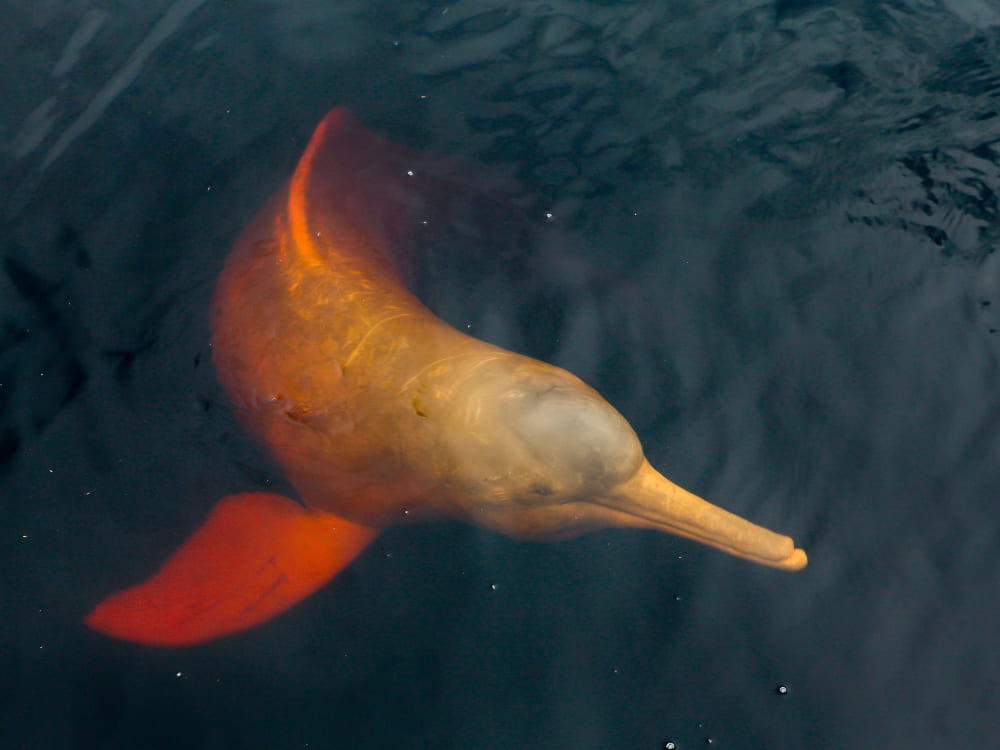
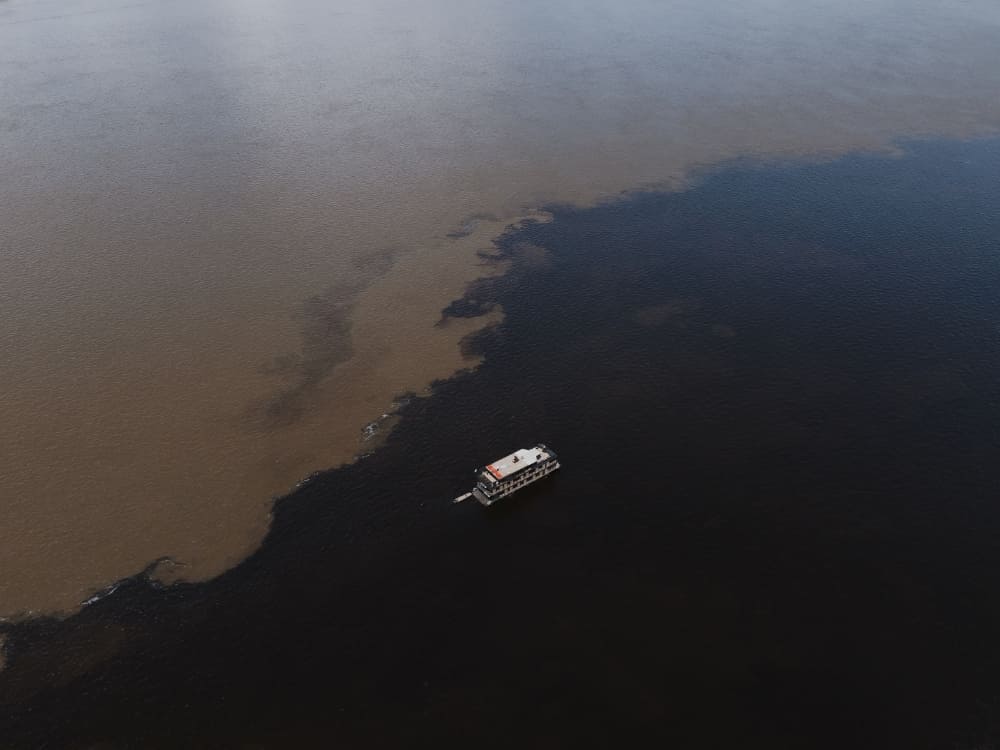
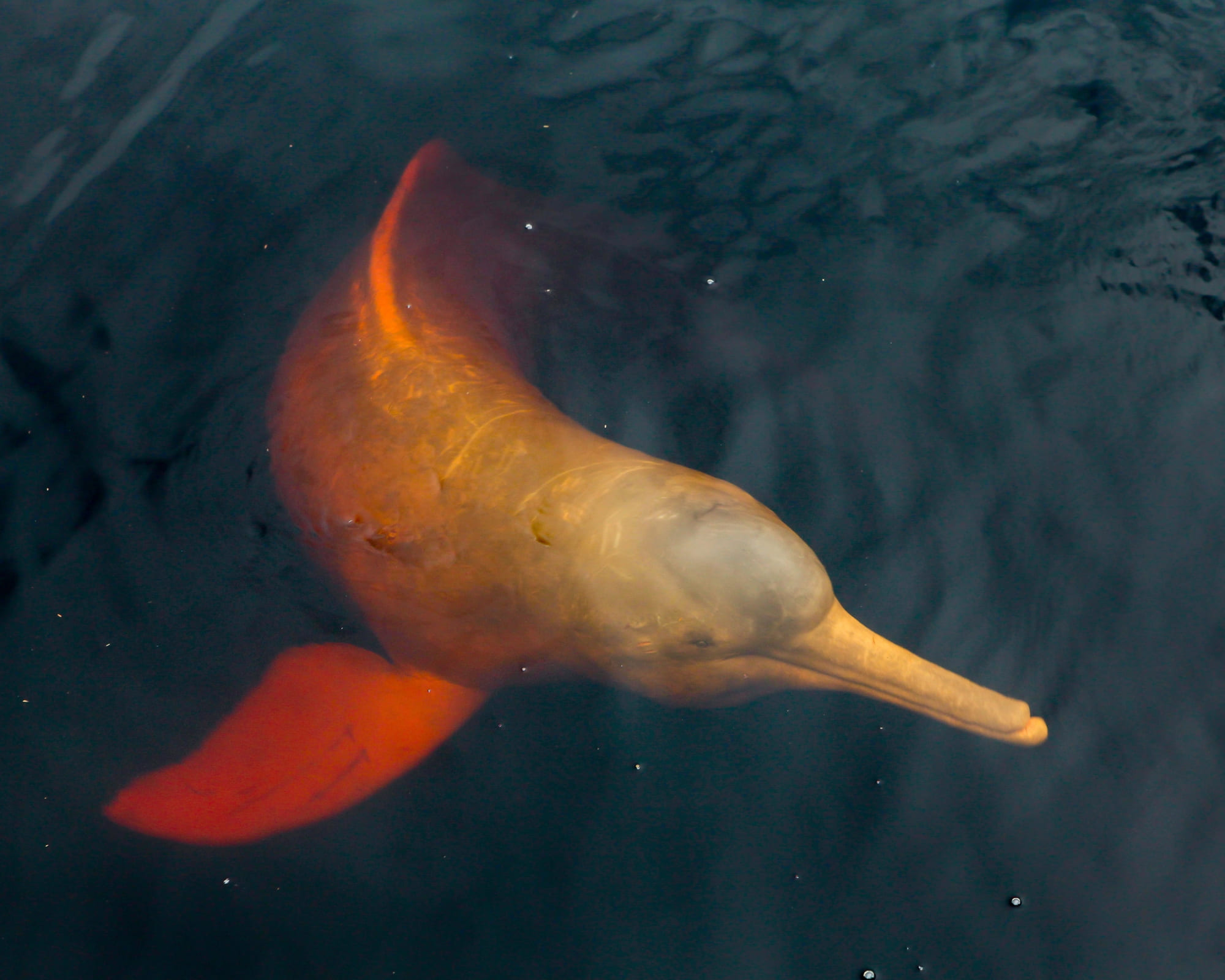
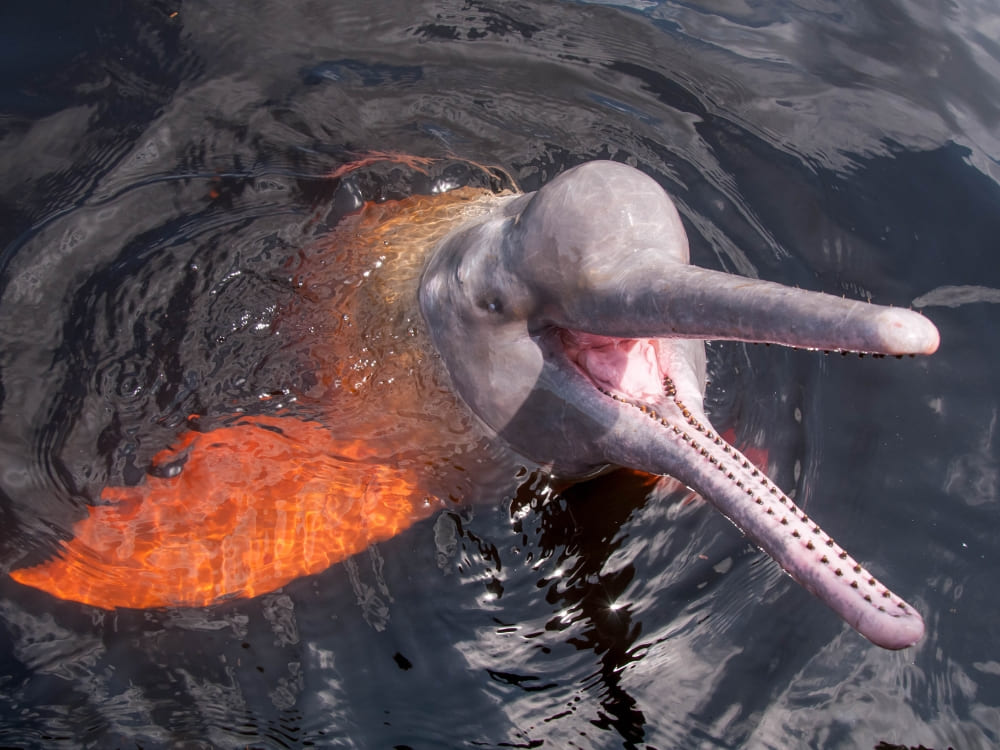
    The Amazon Rainforest is the headline act. It holds roughly 10% of all known species on Earth and an estimated 390 billion trees, drained by the Amazon River, which discharges around 209,000 m³ per second. Here you can meet pink river dolphins and see the famous Meeting of Waters, where the black Rio Negro and the sandy Solimões flow side by side for kilometers without mixing.

    A pink river dolphin surfacing with its mouth open in a dark Amazon river, glowing orange beneath the water.
    .

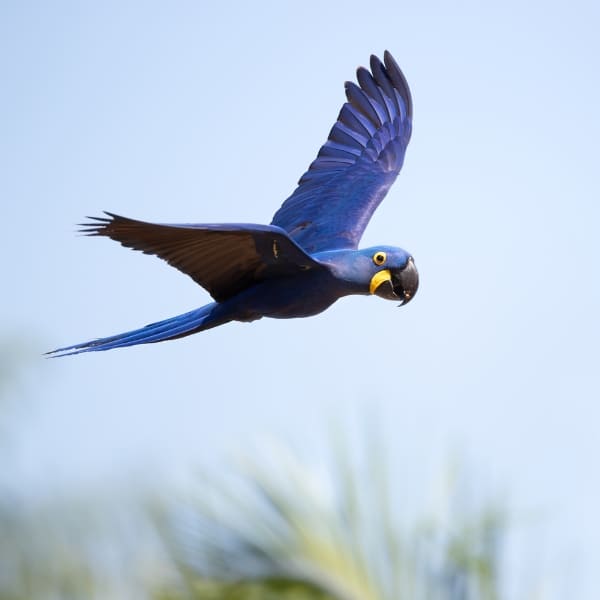
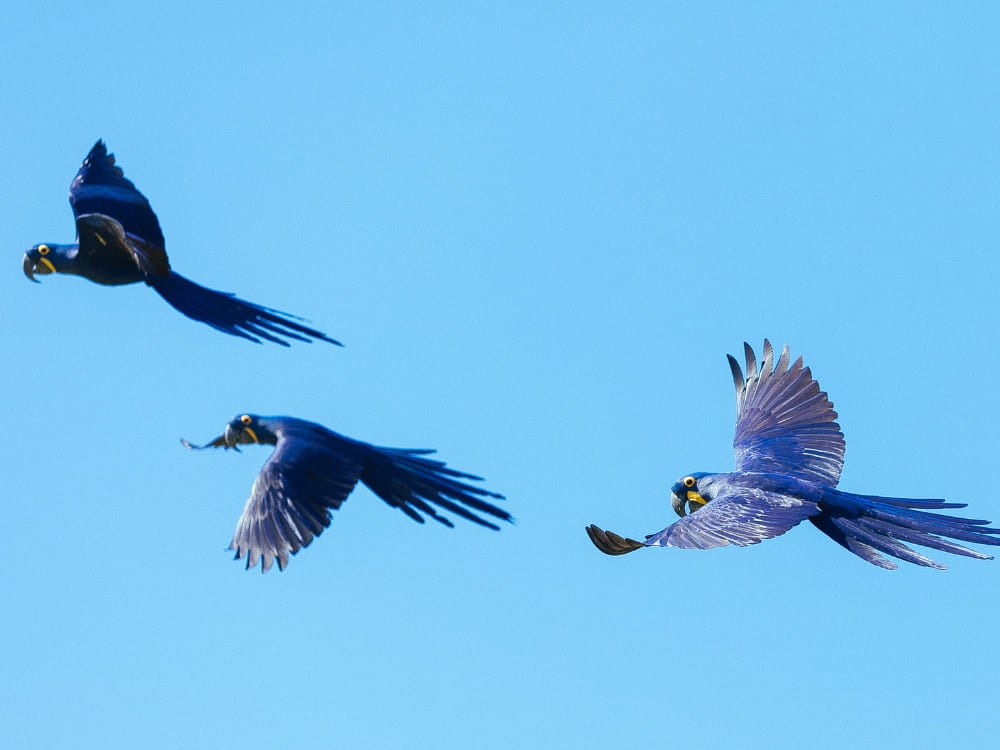
    Meanwhile, the Pantanal is every wildlife enthusiast’s dream. Due to its open wetland that floods and drains with the seasons, animals are far easier to spot than in the Amazon. Expect more than 650 bird species, giant otters, capybaras, hyacinth macaws, and, above all, jaguars—the northern region around Porto Jofre is reputed to hold the highest density of wild jaguars on the planet.

    A jaguar resting on a large tree branch in the Pantanal, gazing toward the camera amid green foliage.
    Photo: Henk Boogard

    👉 Read more:

    2) Stay in a luxury lodge in the heart of the wild

    On a high-end trip, the lodge is way more than just a place to sleep. Luxury accommodations combine four things: a privileged location (often inside a protected reserve, reachable only by boat), refined infrastructure, high-standard service, and small guest numbers—so the experience never feels crowded.

    See some of the best luxury lodges in the Amazon and the Pantanal below:

    Anavilhanas Jungle Lodge

    Anavilhanas Jungle Lodge sits on the Rio Negro facing an archipelago of over 400 islands, which forms Brazil’s second-largest river archipelago. Its 24 rooms span four categories, and guests share an à la carte restaurant, two swimming pools over the water, a floating bar, a gym, and a massage room.

    Excursions reach the Madadá Caves, whose sandstone is estimated at 700 million years old, plus archery with traditional Waimiri-Atroari bows.

    A luxury Amazon lodge bungalow with a thatched roof and glass walls glowing with warm light at dusk, a hammock on its deck amid the rainforest.
    .

    Mirante do Gavião

    Surely one of the finest luxury Amazon lodges, Mirante do Gavião is built for privacy: it runs small groups of up to 8 people and looks straight out over Anavilhanas National Park, with kayaks and stand-up paddleboards you can take right off the deck.

    Everything at this lodge is integrated into nature, from its name—inspired by the harpy eagle, one of the world’s largest birds of prey and a native of the Amazon—to its architecture, which blends modernity with a rustic character that only the forest can sustain.


    A warmly lit Amazon ecolodge pavilion glimpsed through tropical foliage at dusk.
    .

    Cristalino Lodge

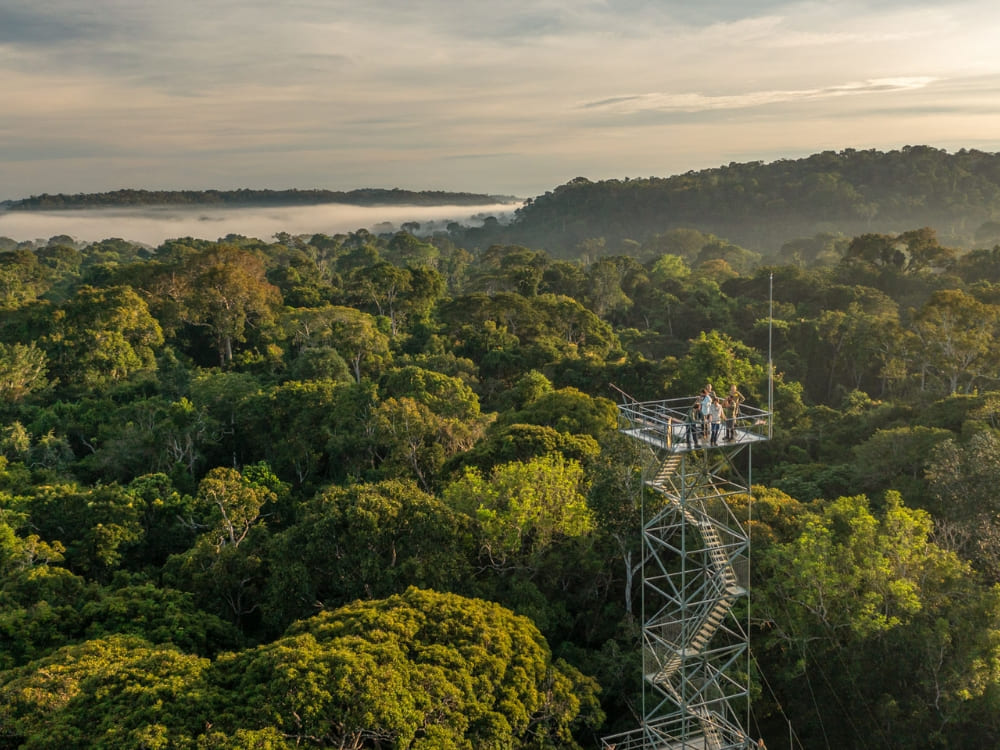
    Cristalino Lodge, in the southern Amazon, sits inside a private reserve of around 11,000 hectares where roughly 600 bird species have been recorded. Climb one of its two 50-meter observation towers for breathtaking views of the sunrise above the canopy or simply to breathe the fresh, natural air.

    Named one of the best jungle lodges worldwide by National Geographic, it offers spacious chalets and bungalows, elegant common areas, and top-tier services.

    A riverside lodge deck at dusk with green umbrellas, sun loungers and a lit fire pit reflected in the calm Amazon river.
    .

    Caiman

    A favorite for travelers looking for luxury vacations in Brazil mixed with nature immersion, Caiman sits inside a 53,000-hectare private reserve with gorgeous, high-end accommodations in the categories (Casa Caiman, Cordilheira, and the Private Villa).

    Besides its jaw-dropping facilities, it also offers incredible wildlife experiences: Caiman is the only place in the Southern Pantanal where it’s possible to spot jaguars!

    The main building of a Pantanal wildlife lodge with a tiled roof and a wide wooden deck under a bright blue sky, a guest standing between palm trees.
    Photo: Felipe Castellari

    👉 Read more:

    3) Sail the rainforest on an Amazon luxury cruise

    If you’d rather wake up in a new stretch of forest each morning, an Amazon luxury cruise is the way to do it. A river cruise reaches roadless corners of the Amazon that no lodge can, sailing deep into national parks like Jaú and Anavilhanas, while the boat itself becomes a floating suite.

    On board, luxury means private cabins, refined decor, personalized service, and a variety of common areas. Days are filled with speedboat excursions, jungle hikes, canoeing through flooded forests, visiting river beaches during the dry season, and night spotting for caimans and other nocturnal animals.

    The Untamed Amazon is a 92-foot, three-deck vessel built for a luxury cruise without a crowd: just 8 suites for up to 16 guests, each air-conditioned and framed by floor-to-ceiling windows onto the forest, with a living room, dining room, and bar on the social deck. It was also the first Amazon vessel powered by solar panels and lithium batteries, making it a floating suite that puts you inside the rainforest without leaving a mark on it.

    An aerial view of a small riverboat moored on a white sandbank beside a dark Amazon river, surrounded by rainforest.
    .

    👉 Read more:

    4) Take advantage of how customizable luxury travel is

    Luxury travel in Brazil is the most flexible tier there is: you choose your room category, set how many days you want, decide the direction of the route, request private departures so you never share a vehicle, and add extras like charter flights (Caiman has its own private airstrip) or extra nights whenever it suits you. Nothing is off-the-shelf.

    That flexibility is exactly why Brazil’s luxury vacations work so well for different kinds of travelers. Families can slow the pace to match young children and book connecting rooms, couples can enjoy an unforgettable honeymoon, and photographers or birders can request a dedicated specialist guide and dawn-to-dusk field time.

    5) Book your trip with travel specialists

    Finally, the tip that ties the other four together: book with specialists who know Brazil on the ground.

    The logistics here are not trivial, as a single trip can involve domestic flights into Manaus, Campo Grande, Cuiabá, or Alta Floresta, boat transfers of several hours, and activities that change with the flood season. A specialist turns that complexity into a trip that simply works.

    The best luxury tours in Brazil are the product of strong partnerships with local operators, careful curation, and a genuine human touch at every step. That’s exactly where the PlanetaEXO team comes in: working alongside trusted local partners, hand-picking each experience for quality and sustainability, and handling the full plan (flights, transfers, lodges, guides, and permits) so all you have to do is show up and enjoy it.

    👉 Read more:

    Ready for your Brazil luxury vacation? Plan it with PlanetaEXO!

    Now that you know where to go, where to sleep, how flexible it can be, and who to lean on, all that’s left is to choose your favorite corner of Brazil and start planning.

    PlanetaEXO is an ecotourism platform specializing in luxury travel in Brazil, working alongside the best local operators to turn your vacation into hassle-free, tailor-made experiences for travelers from all over the world. Contact us now!
  • How Many Days Should You Spend in the Amazon?

    How Many Days Should You Spend in the Amazon?

    When planning your trip to the Amazon, don’t forget to consider logistics, seasons, and your travel style

    To truly experience the rainforest, it’s recommended to book a trip for at least 3 full days, but deciding how many days you should stay in the Amazon Rainforest depends on what experiences you’re looking for, as well as the weather and seasons.

    Aerial view of the Amazon River winding through the dense rainforest in Brazil during a golden sunrise.
    Photo: Anderson Coelho

    The logists also play a huge part in vacation planning—the forest covers over 4 million square kilometers just within Brazilian borders. In fact, just getting to Brazil might be a long journey in itself for some foreign tourists, so time management is crucial.

    As an ecotourism platform specializing in Amazon tours in Brazil, PlanetaEXO has extensive experience planning trips to the largest rainforest in the world. Check our complete guide below and follow our tips!

    What determines how long you should stay in the Amazon?

    Before deciding how many days to spend in the Amazon, it’s worth considering a few factors that will shape your experience:

    Logistics

    Most travelers going to the Amazon Rainforest arrive via Manaus, capital of Amazonas and a major gateway served by daily flights from São Paulo, Brasília, Rio de Janeiro, Belém, etc.

    A river cruise boat navigating the calm waters of the Amazon River surrounded by lush green jungle.
    .

    From Manaus, two of the closest protected areas in the Amazon are the Anavilhanas Archipelago and Jaú National Park. Anavilhanas lies along the Rio Negro near the town of Novo Airão, about 180–200 km from the capital, and can be reached in roughly 2–3 hours by road. Jaú is accessed through the same gateway town but requires an additional boat journey along the river to reach its remote interior.

    For more distant locations like Tefé (~520 km) and Alter do Chão (~600 km), travel requires more planning. While the river journey can take between 1–3 days depending on the current, a flight reduces the travel time to just over an hour.

    One of the most renowned wildlife destinations in the southern Amazon is the Cristalino region, located in the state of Mato Grosso. Unlike the areas around Manaus, access begins with a flight to the city of Alta Floresta. From there, travelers continue with a 1.5-hour drive followed by a 30-minute boat ride along the Cristalino River, leading to private reserves and lodges surrounded by the forest.

    👉 Read more: How to get to the Amazon Rainforest in Brazil?

    Seasons and weather

    Knowing when is the best time to visit the Amazon Rainforest has a great influence on your trip, as seasons shape river levels, wildlife behavior, and trail conditions.

    Golden sunset reflecting on the calm waters of a flooded igapó forest in the Amazon.
    .

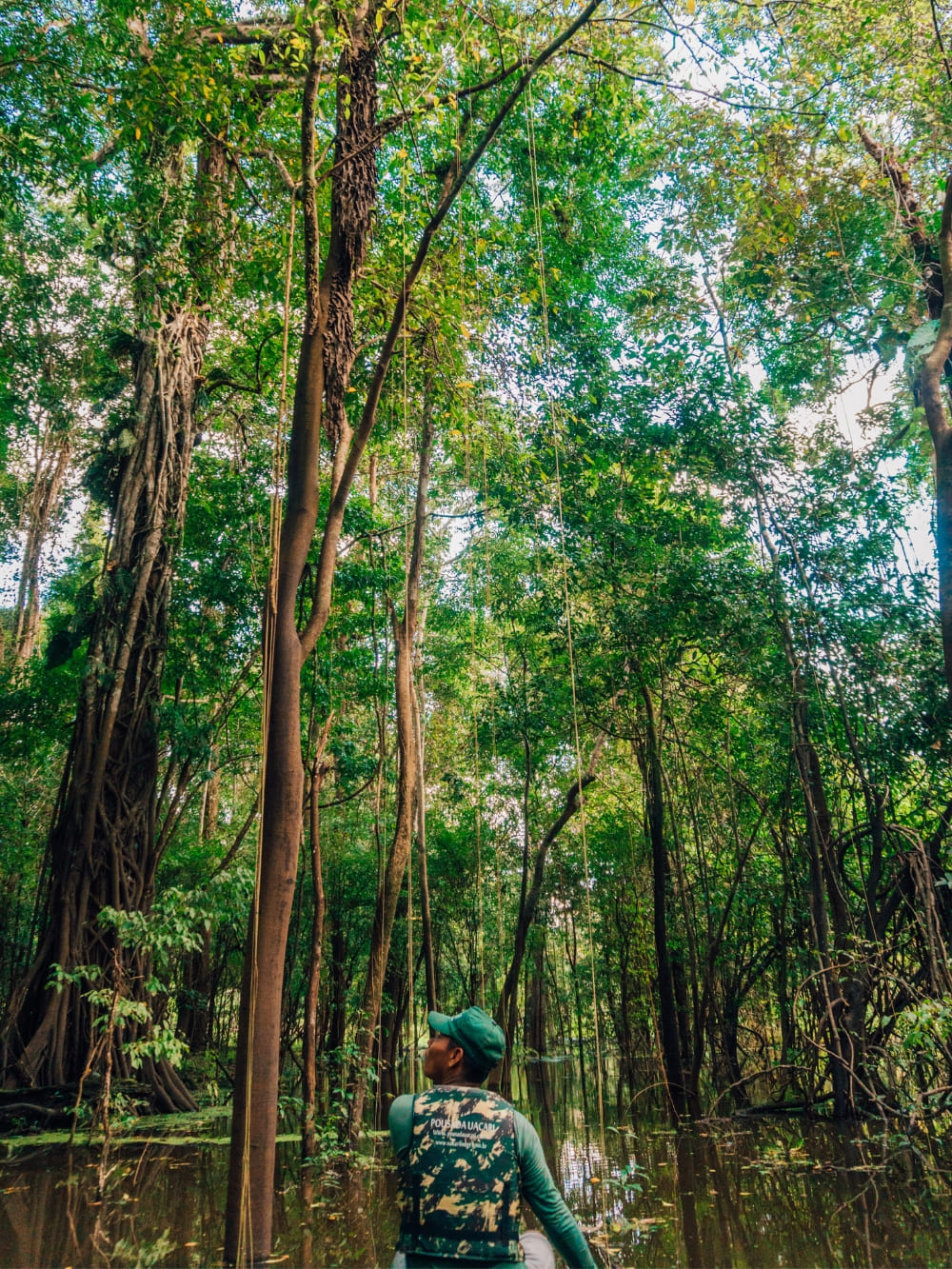
    The rainy season runs from December to May, marked by heavy rain that makes the rivers higher and causes a few areas of the forest to flood. Activities include swimming and canoeing in igapós, boat trips, wildlife watching and river cruises.

    From June to November, in the dry season, the rivers shrink and hiking trails are unblocked. It’s the perfect time for hiking, camping, night spotlighting and visiting river beaches.

    The Amazon weather is also something to consider. While the rainfall volume is higher during the rainy season, storms are common throughout the entire year, though they’re usually quick and don’t negatively affect trips at all. Warm and humid, temperatures range from an average of 25,8 ºC (78 ºF) to 27,9 ºC (82 ºF).

    Travel style and pace

    Some people prefer slow, immersive journeys with time to disconnect, join multi-day expeditions, and explore the culture and main attractions of Manaus. Staying longer allows for more contact with nature and meaningful exchanges with local communities, including indigenous and riverside groups who share their ancestral knowledge and bond with the forest.

    Two travelers hiking under a massive rock formation in the Presidente Figueiredo forest.
    .

    Travelers who run on limited schedules can also live amazing experiences on fewer days, but it’s important to notice that the Amazon favors a slower rhythm of life. Nature, after all, lives on its own time.

    Therefore, 3 days give you a good enough glimpse of the forest, but a 4 to 7-day trip is ideal to fully enjoy yourself. If you’re not sure how long to stay in the Amazon, the logic is clear: the more days, the better!

    3-day trip: comfort and nature

    Fit for families, couples and travelers looking for a comfortable and safe introduction to the Amazon’s ecosystem. Jungle lodges have great outdoor itineraries while also providing a complete infrastructure for a nice stay experience.

    A comfortable, illuminated room in an Amazon jungle lodge with a thatched roof, surrounded by native vegetation.
    .

    Activities include forest hikes, canoeing, wildlife watching, sunset/sunrise contemplation and leisure time in the hotel’s private rooms and common areas.

    👉 Read more: Best Amazon Jungle Lodges in Brazil

    4-day trip: immersion and survival

    Explore deeper into the Amazon and head to quieter, more preserved zones. It’s the perfect opportunity to establish a real connection with nature and absorb its knowledge

     Two local guides building a wooden structure during a jungle survival tour in the Amazon.
    .

    Local guides can teach you basic survival techniques, like extracting water from vines, identifying medicinal plants, and even setting up simple traps. Additionally, an experienced professional can accompany you while camping among the trees and teach you how to cook your own food on an improvised campfire.

    You can also venture into President Figueiredo, known as the “Land of Waterfalls” to cool off in one of the 150 waterfalls and sandstone caves. Here are some unmissible spots: Judeia and Maragoa Caves, and Iracema and Araras Waterfalls.

    5 to 7-day trip: exploring natural reserves

    There’s a lot you can do in a week, like visiting conservation units that require boat rides to reach areas inaccessible to mass tourism.

    Aerial view of the labyrinthine islands and narrow channels of the Anavilhanas Archipelago on the Rio Negro.
    Photo: Felipe Castellari

    Some jungle lodges and river cruises take their guests to Anavilhanas National Park, the second-largest river archipelago in the world, with over 400 islands. Navigating its narrow channels is a labyrinthine and fascinating experience.

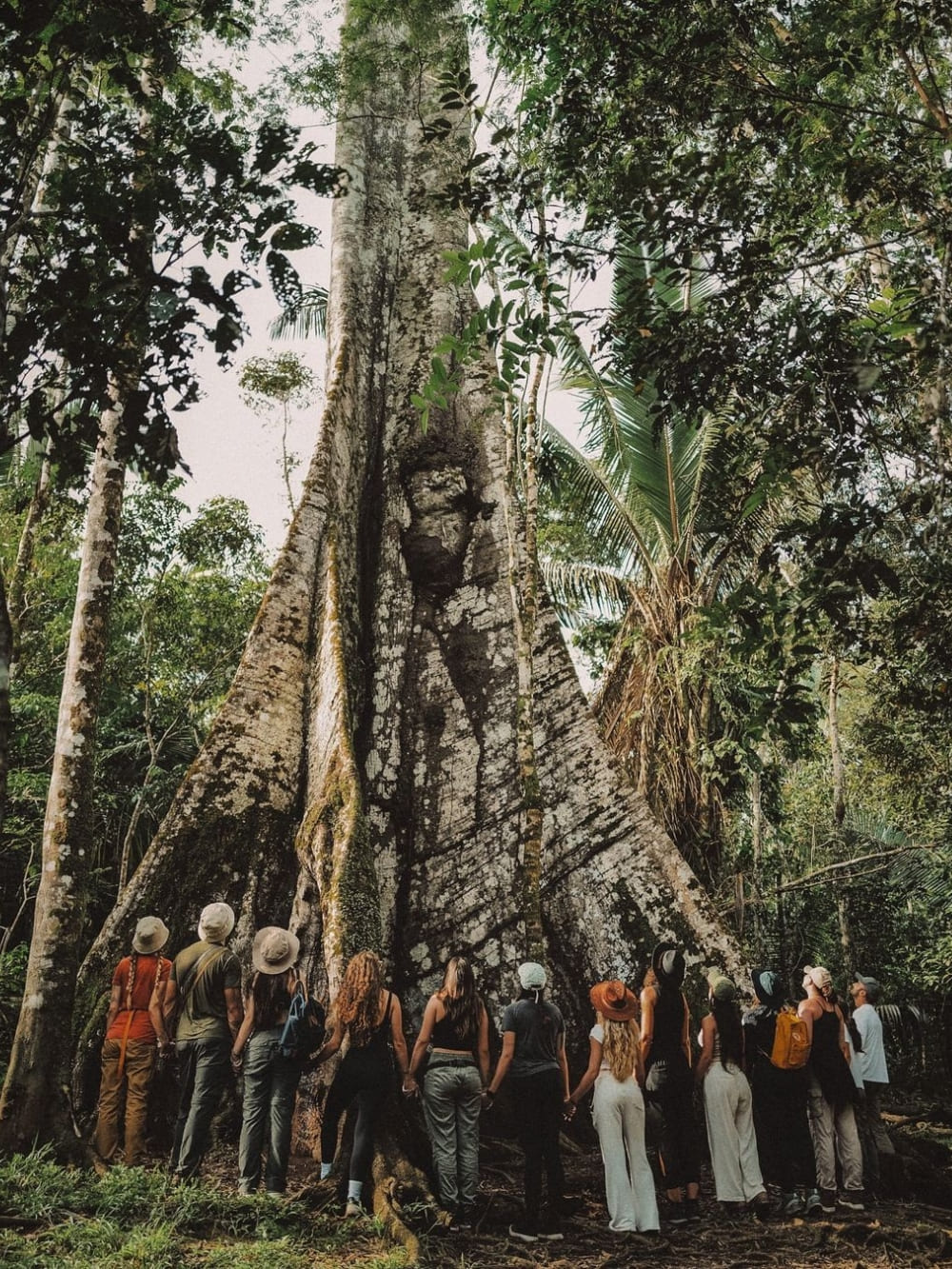
    In Jaú National Park, hike in the forest to get to the sumaúmas (kapok trees), giant trees estimated to be 500 years old. Their roots are so large that they store vast amounts of water to nourish the biome and can even produce vibrating sounds when hit with enough strength.

    Travelers who love cultural experiences can visit riverside communities to learn more about their day-to-day life, including aspects of food, crafts, and conservation challenges.

    👉 Read more: Best Amazon River Cruises in Brazil

    10 to 15-day trip: epic expeditions

    Test your limits with journeys that explore the most remote and wild parts of the Amazon Rainforest, such as trekking and camping on Pico da Neblina, the highest point in Brazil. Bordering Venezuela, the destination is Yanomami territory, which requires strict permits to access it and indigenous guides who inhabit the region.

     Imposing, steep rock faces partially covered by thick mist at Pico da Neblina National Park.
    .

    It involves long days of hiking, steep climbs, and unpredictable weather conditions. Physical and mental preparation is essential, but the adventure is well worth it due to the beauty of the natural landscapes, contact with natives, and almost mystical-like atmosphere.

    Best Amazon Rainforest Tours in Brazil

    From luxury river cruises and comfortable lodges to camping in the wild, here are a few option of PlanetaEXO’s tours to help you decide how many days you should stay in the Amazon!

    TOUR HIGHLIGHTS DURATION STARTING PRICE*
    Amazon Jungle Tour from Manaus Hiking, canoeing, fishing, wildlife watching, sunrise contemplation, Meeting of Waters, visiting local communities. 3 days US$ 590
    Amazon Jungle Adventure in Brazil Biking, hiking, kayaking, waterfalls in Presidente Figueiredo, camping in the forest. 3 days US$ 415
    Amazon Jungle Survival Tour Survival techniques, camping in the forest, hiking, wildlife watching, canoeing, Meeting of Waters. 4 days US$ 970
    Mirante do Gavião Exclusive Amazon Lodge High-end stay at Mirante do Gavião, Rio Negro (swimming, kayaking, stand-up paddling), wildlife watching, night tours, hiking, visiting local communities. 4 days US$ 1,900
    Amazon River Cruise in Brazil River cruise in Anavilhanas National Park, hiking, wildlife watching, fishing, night tours, visiting river beaches and local communities. 5 days US$ 2,780
    Cristalino Jungle Lodge Luxury accommodation, wildlife watching, canoeing, boat trips, wildlife watching, hiking. 5 days US$ 3,340
    Amazon Trek and Survival Tour Camping in the forest, survival techniques, hiking, canoeing, wildlife watching, night fishing, boat trips. 6 days US$ 1,351
    Amazon Cruise Trip in Brazil Luxury cruise in Novo Airão, Meeting of Waters, hiking, wildlife watching, Madadá Cave, river beaches, Anavilhanas and Jaú National Parks, visiting indigenous communities. 7 days US$ 3,415
    Pico da Neblina National Park Expedition Trekking, camping in the forest, wildlife watching, cultural immersion with the Yanomami indigenous group. 15 days US$ 4,400

    *Per person, based on double occupancy in group departures. Prices may vary depending on season and availability. Exchange rate as of March 12th, 2026; subject to change.

    Exploring the Amazon Rainforest with PlanetaEXO

    It doesn’t matter how many days you decide to spend in the Amazon—our team is ready to help you live the best vacation of your life in any scenario!

    PlanetaEXO is an ecotourism platform specializing in Amazon Rainforest tours in Brazil. By working with the best local operators, we attend to all your preferences and needs while causing a positive impact on local communities and the environment. Contact us now!
  • How to Get to the Pantanal, Brazil

    How to Get to the Pantanal, Brazil

    Find out how to reach North or South Pantanal and experience the adventure of a lifetime on the planet’s largest wetland!

    The easiest way to get to the Pantanal is by flying to Brazil’s Cuiabá (North Pantanal) or Campo Grande (South Pantanal), the two main gateways to the region. From there, travelers continue by car, private transfer, or small-plane flight to lodges located in the states of Mato Grosso and Mato Grosso do Sul.

    Covering more than 210,000 square kilometers, the Pantanal is the world’s largest tropical wetland. Its immense floodplains and interconnected rivers host over 650 bird species and hundreds of mammals. Whether you arrive by road or air, the journey offers scenic views and your first glimpses of wildlife before you even reach your final destination.

    A rustic wooden gate marks the entrance to the Transpantaneira Highway. This landmark is essential for those learning how to get to the Pantanal from the North Pantanal side.
    @mateusrauber

    To help with your vacation planning, PlanetaEXO, an ecotourism platform specialized in Pantanal tours that works with the best local operators, created a guide on how to get to the Pantanal. Check it out below!

    How to get to Northern Pantanal?

    The Northern Pantanal is accessed through Cuiabá (CGB Airport), capital of Mato Grosso. This airport receives daily flights from São Paulo, Brasília, and other major cities, making it the main entry point for travelers heading north.

    👉 See all our Pantanal tours from Cuiabá

    From Cuiabá, it takes about 2 hours by car to reach Poconé, the last town before the wetlands and the gateway to most northern lodges. The adventure continues along the Transpantaneira Highway, a 147-kilometer dirt road connecting Poconé to Porto Jofre.

    Depending on where your accommodation is located, transfers can take 4 to 6 hours. Lodges near Poconé are easier to access year-round, while those closer to Porto Jofre are fairly remote and ideal for jaguar watching.

    If you prefer speed and comfort, charter flights from Cuiabá to Porto Jofre are available, offering breathtaking aerial views of this magical place.

    Close-up of a jaguar snarling in the wild. High wildlife density makes a pantanal safari in the North Pantanal the top choice for photographers.
    Photo: Pedro Ferreira do Amaral

    👉 Book now: Pantanal Jaguar Safari from Porto Jofre

    How to get to the Southern Pantanal?

    Land in Campo Grande Airport (CGR), capital of Mato Grosso do Sul, to get to South Pantanal. Like Cuiabá, Campo Grande receives frequent domestic flights and serves as the starting point for trips to the surrounding towns: Aquidauana, Miranda, and Corumbá.

    From Campo Grande, the road to Aquidauana takes about 2 to 3 hours, while Miranda and Corumbá require 4 to 6 hours of driving. Transfers are typically done in comfortable private vehicles, while some tours even include stops for short photo breaks.

    In rainy months, remote lodges may require 4×4 vehicles or small-plane transfers, while the roads remain accessible during the dry season.

    A safari vehicle crosses a wooden bridge over a reflective river at sunset. A typical scene during an adventurous pantanal trip and pantanal safari.
    Photo: Felipe Castellari

    👉 Book now: Pantanal Luxury Safari from Campo Grande

    How to get to the Pantanal from Rio de Janeiro or São Paulo?

    Many foreign tourists land in Rio de Janeiro or São Paulo upon arrival in Brazil, since these cities are served by flights from all over the world. From there, you can either get another flight or reach your final destination on the road (by car or bus).

    By air

    From Rio to the Pantanal, 3-hour flights departing from Santos Dumont (SDU) or Galeão (GIG) will take you straight to Cuiabá (CGB), which will lead you to the North Pantanal. In São Paulo, flights from Guarulhos (GRU), Congonhas (CGH), or Viracopos (VCP) should reach the capital of Mato Grosso in 2 hours.

    Going to South Pantanal? Headed to Campo Grande (CGR), 3-hour direct flights depart from Rio’s Galeão or Santos Dumont on selected days. Meanwhile, daily flights from São Paulo’s previously mentioned airports are headed straight to the capital of Mato Grosso do Sul.

    Due to its proximity to the Southern Pantanal, Bonito Airport (BYO) is also an option. There are no direct flights from Rio, only São Paulo (2–3 times a week).

    👉 See all our Pantanal tours from Campo Grande

    All flights to Cuiabá, Campo Grande or Bonito are operated by Azul, GOL or LATAM airlines.

    By road (car/bus)

    Getting to North Pantanal from Rio de Janeiro requires a 2,000 km drive (over 26 hours). Meanwhile, it takes 1,531 km (20 hours) from São Paulo. Once you’re in Cuiabá, take the Transpantaneira Highway to Poconé (100 km).

    To get to South Pantanal, drive 1,421 km (18 hours) from Rio de Janeiro or 983 km (12 hours) from São Paulo. Upon arrival in Campo Grande, you can continue on your way to Aquidauana, Miranda or Corumbá to finally kickstart your Pantanal safari.

    If you choose to go by bus, depart from Novo Rio Bus Station in Rio de Janeiro or Tietê and Barra Funda bus stations in São Paulo to get to both Cuiabá and Campo Grande. The journey takes 18 to 32 hours, depending on your final destination, bus schedule, etc.

    Aerial view of a safari vehicle driving on a dirt track between a wetland area and dense green forest in North Pantanal.
    @luiz4mendesreserva

    What is the Pantanal airport?

    There’s no airport near the Pantanal, since its location is significantly isolated. Travelers going to North Pantanal in Mato Grosso land in Cuiabá (CGB), while Campo Grande (CGR) or Bonito (BYO) serve South Pantanal, in Mato Grosso do Sul.

    Meaning “beautiful” in Portuguese, Bonito is a wonderful place known for its impressive rivers, waterfalls and caves. Only a 2 and a half hour drive away from the Southern Pantanal, it’s the perfect place to explore Brazil’s phenomenal nature!

    👉 Book now: 5-Day Pantanal Bonito Tour in Brazil

    Valuable tips for getting to the Pantanal

    The journey to your final destination is an adventure in itself when it comes to Pantanal trips. Here are some valuable tips for a smooth transfer:

    • The best time to move around the Pantanal on land is from May to September, when the weather is drier. During wet seasons, dirt roads tend to become impassable.
    • 4×4 vehicles are highly recommended on the Transpantaneira Highway and Parque Pantanal Road, especially when it rains.
    • Check Google Flights to find affordable flights from Rio de Janeiro or São Paulo to the Pantanal. Sometimes, plane tickets can be cheaper than bus fares!
    • Plane tickets and bus fares schedules or prices might change unexpectedly due to high demand, seasonality, availability, etc. Check the conditions with official operators and buy your tickets in advance.
    • You should also book your Pantanal safari in advance — at least 6 months. It all depends on itineraries, your desired experiences, season, etc. But if you’re on short notice, it’s still worth to give it a try!

    PlanetaEXO helps you with the best transfer options for travelers going to the Pantanal. For your comfort, some experiences even include private shuttle services. See more information in our Pantanal tours and book your adventure!

    North or South Pantanal: choose your destination

    Now you know how to get there, but here’s the burning question: should you visit the North or South Pantanal? The answer depends on what kind of experience you’re looking for.

    Northern Pantanal is famous for boat safaris and jaguar spotting along the Cuiabá, Piquiri, and São Lourenço rivers. Wildlife density is higher here, making it the top choice for photographers and nature enthusiasts who want close encounters with animals.

    A jaguar walks through shallow river water during a boat safari. The best time to visit the Pantanal for a pantanal safari is the dry season.
    @reisegraf

    👉 Read more: Where is the best place to see jaguars in the Pantanal?

    Southern Pantanal is better known for its authentic ranch experience and cultural immersion. Activities such as horseback riding, birdwatching, and night safaris offer a peaceful and intimate connection with nature!

    A traveler riding a horse through golden fields. This region of South Pantanal offers an authentic ranch experience for your pantanal trip.
    Photo: Layla Motta, Caiman

    Where to stay in Pantanal?

    Hotels in Cuiabá are good options for people going to Northern Pantanal. Closer to the actual wetlands, travelers can stay near Poconé or along de Transpantaneira Highway.

    In the South, Campo Grande has great urban hotels. For Pantanal lodges immersed in nature, accommodations in Aquidauana, Miranda and Corumbá are the most convenient.

    An elegant courtyard of one of the many Pantanal lodges, featuring yellow arches and wooden chairs around a fountain.
    Photo: Caiman Lodge

    👉 See more details: Where to stay in Pantanal?

    When is the best time to visit the Pantanal in Brazil?

    This is a year-round destination, but many people consider the period from May to October the best time to visit, when the weather is dry and Pantanal animals gather near rivers and lagoons. These months offer clear skies, pleasant temperatures, and the highest chances of observing diverse wildlife across both regions.

    In the dry season (July, August, September and October), travelers in Northern Pantanal also enjoy greater opportunities to spot jaguars along the riverbanks. The landscape floods and transforms into a vibrant mosaic of water and vegetation in the wet season (December, January, February and March).

    A family of capybaras resting on a grassy riverbank during a pantanal safari. Most animals gather near water during the dry season.
    Photo: Ondrej Prosicky

    👉 See more details: When is the best time to visit the Pantanal?

    Book your Pantanal trip with PlanetaEXO

    We hope you’ve enjoyed our guide on how to get to Pantanal in Brazil! Exploring this phenomenal destination with PlanetaEXO, an expert platform in Pantanal tours, means traveling responsibly alongside some of the best operators in the game.

    Each Pantanal safari is designed to minimize environmental impact while supporting the people who preserve the ecosystem every day. Contact our team and let the adventure begin!

  • How to visit the Lençóis Maranhenses National Park: Travel Guide

    How to visit the Lençóis Maranhenses National Park: Travel Guide

    Learn everything you need to know to travel to Lençóis Maranhenses in Brazil, including how to get there, the best time to visit, main activities, and more!

    Are you seeking adventure, relaxation, and breathtaking views? Then you should head to Lençóis Maranhenses National Park, a vast expanse of undulating sand dunes and crystal-clear pools that offers a serene escape from the chaos of city life.

    This destination shows a whole other side of Brazil’s nature—very different from the dense vegetation of rainforests or the open fields of wetlands, but still absolutely extraordinary.

    If you need some help with your vacation planning, PlanetaEXO, an ecotourism platform specializing in Lençóis Maranhenses tours, has created a complete guide detailing all the crucial information for a fantastic trip. Check it out below!

    Table of contents:

    1. About Lençóis Maranhenses
    2. Is Lençóis Maranhenses a desert?
    3. Where is Lençóis Maranhenses located?
    4. How to get to Lençóis Maranhenses National Park?
    5. When is the best time to visit Lençóis Maranhenses?
    6. What to do in Lençóis Maranhenses National Park?
    7. How many days should I stay in Lençóis Maranhenses?
    8. Where to stay in Lençóis Maranhenses?
    9. Is Lençóis Maranhenses worth it?

    About Lençóis Maranhenses

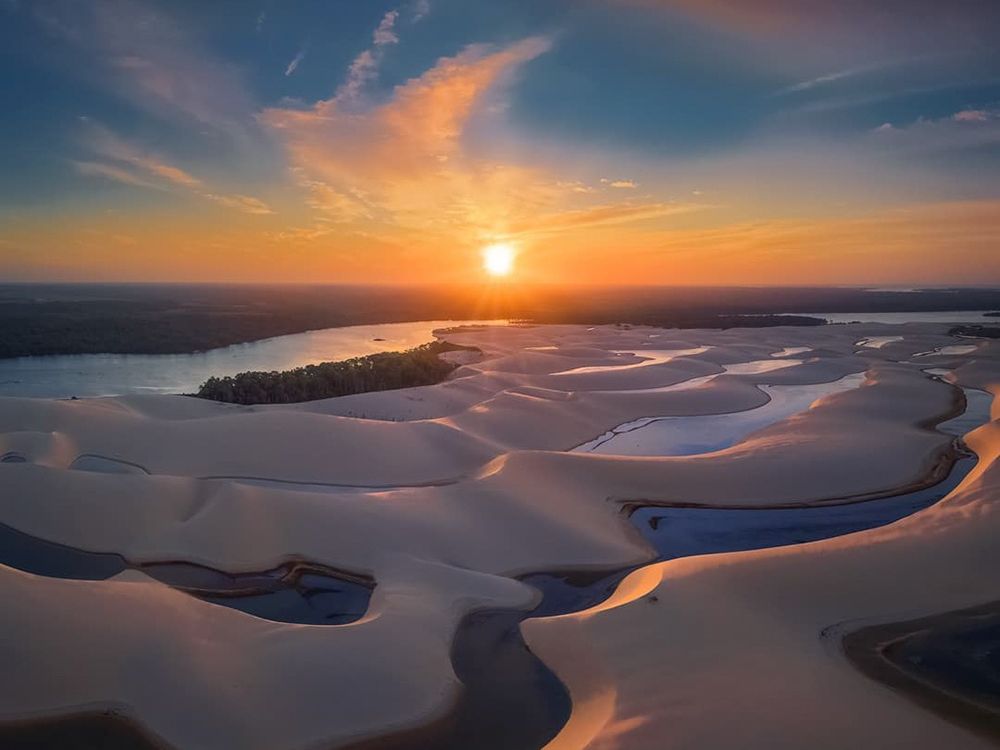
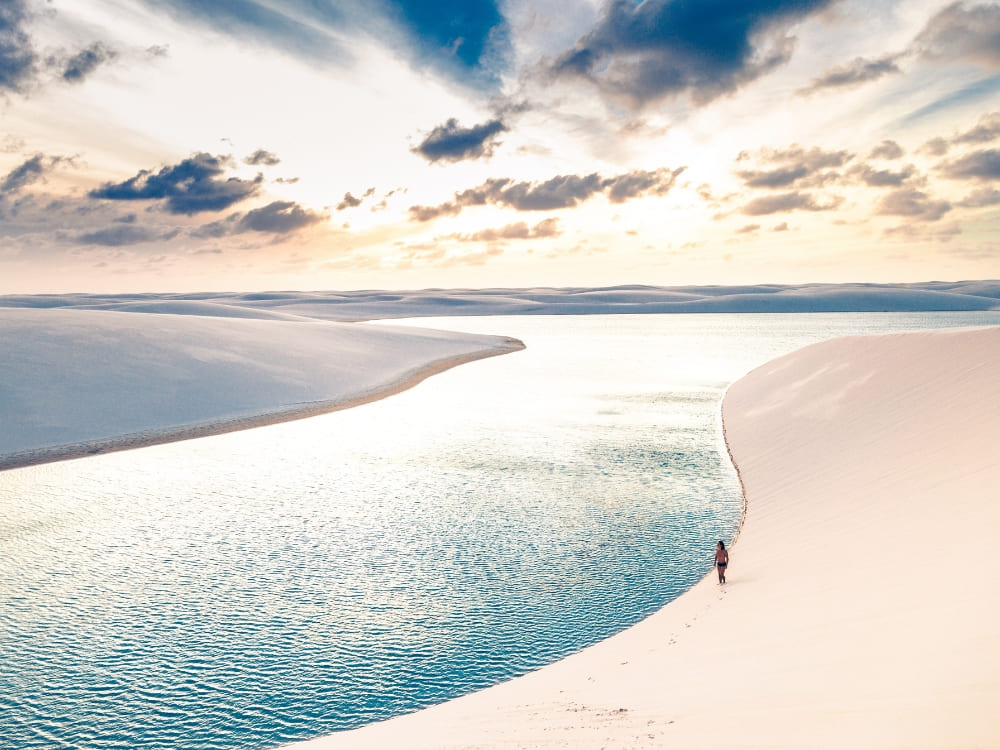
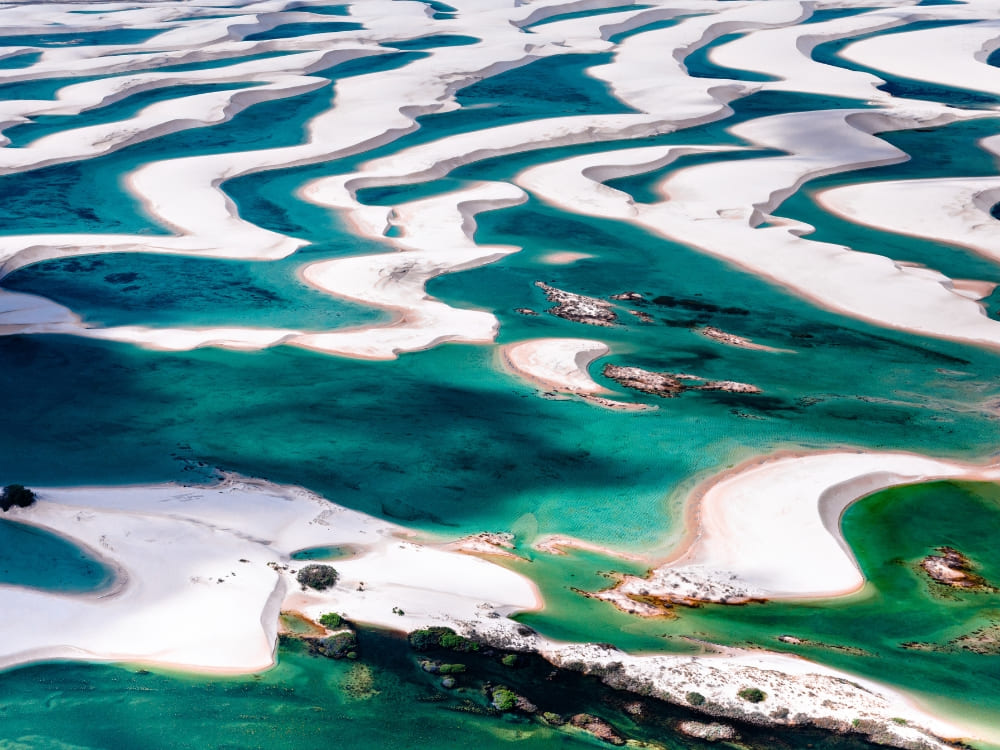
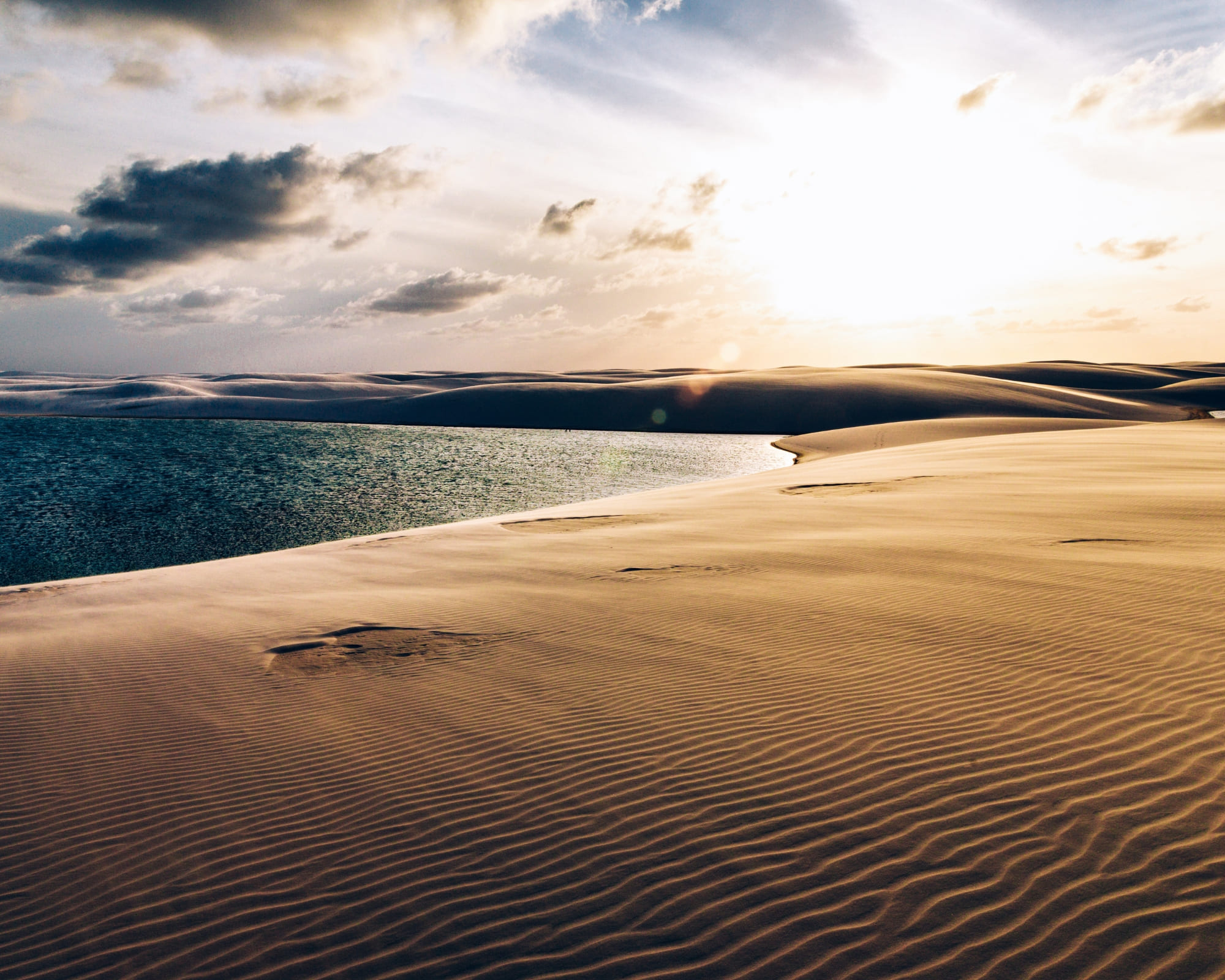
    Along the undulating white sand dunes formed by the wind, countless rainwater lagoons are formed during the rainy seasons in Lençois Maranhenses National Park. Due to the high volume of rainfall, the bodies of water become large and deep enough for swimming and diving.

    An aerial view of a vast expanse of white sand dunes interspersed with vibrant blue and green seasonal lagoons under a bright blue sky with fluffy white clouds in Lençóis Maranhenses National Park, Brazil.
    Photo: Julius Dadalti

    The beauty of Lençóis is so otherworldly it got to Hollywood, serving as the setting for the fictional planet Vormir in Avengers: Infinity War. Amidst CGI effects, the dunes host the villain Thanos and his daughter Gamora in a few scenes from the film.

    The park has been protected by federal Brazilian law since 1981 and was declared a UNESCO World Heritage Site in 2024.

    👉 Read more: How are the dunes and lagoons in Lençóis Maranhenses formed?

    Is Lençóis Maranhenses a desert?

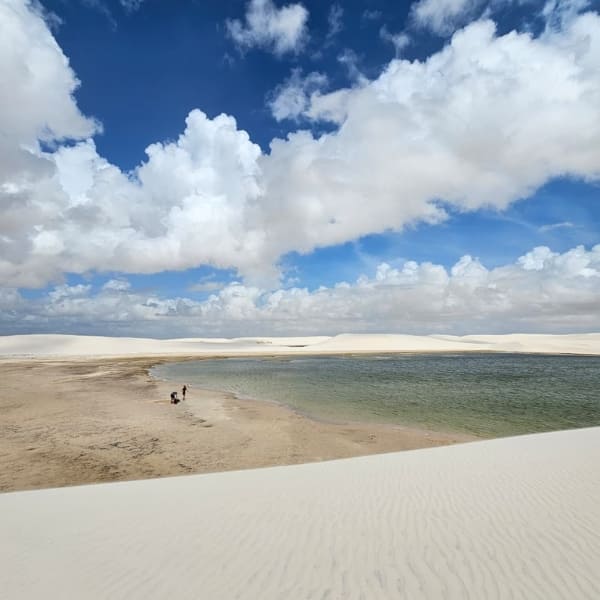
    Lençóis Maranhenses is what we call “a desert with a thousand lakes”. As a wet desert, it’s a broad area of sand dunes and high biodiversity, covered with over 36,000 rainwater lagoons.

    Travelers walk across the vast expanse of sand dunes in Lençóis Maranhenses during a bright sunset.
    .

    Therefore, Brazil does not have vast arid deserts like the Sahara, though there are places undergoing desertification processes, such as the Caatinga biome.

    Where is Lençóis Maranhenses located?

    Lençóis Maranhenses is located in a 155,000 ha area on the coast of the state of Maranhão, in the northeast of Brazil. 

    Barreirinhas, Atins, and Santo Amaro are the gateways for the national park, providing enough infrastructure to comfortably welcome tourists from all over the world.

    How to get to Lençóis Maranhenses National Park?

    To reach the breathtaking expanse of the Lençóis Maranhenses National Park, adventurers can set off from three entry points—all easily accessible from São Luís, capital of Maranhão, where Marechal Cunha Machado International Airport (SLZ) is located:

    A 4x4 vehicle carries tourists along a sandy path, offering a ride into the Lençóis Maranhenses National Park.
    .
    • Barreirinhas: the main gateway, 260 km east of São Luís. Options include buses, rental cars, shared vans, and private transfers.
    • Atins: accessible via Barreirinhas. From there, you can take a scenic boat ride along the Preguiças River or a 4×4 vehicle ride. Both options offer unique experiences and beautiful views.
    • Santo Amaro: 237 km southeast of São Luís, it’s a quieter alternative to Barreirinhas. Rent a car in São Luís to drive straight to Santo Amaro, or take a shared van service.
    • Pro tip: when you book your Lençóis Maranhenses tour with PlanetaEXO, our local partners provide shuttle services from the airport/hotels in São Luís to your accommodation in one of the base cities. Talk about convenience!

    👉 Read more: How to get to Lençóis Maranhenses?

    When is the best time to visit Lençóis Maranhenses?

    The ideal time to visit Lençóis Maranhenses in Brazil is from May to September. During this period, the lagoons are at their fullest, providing visitors with the best possible experience. Perfect for swimming, diving or simply relaxing in the crystal-clear waters!

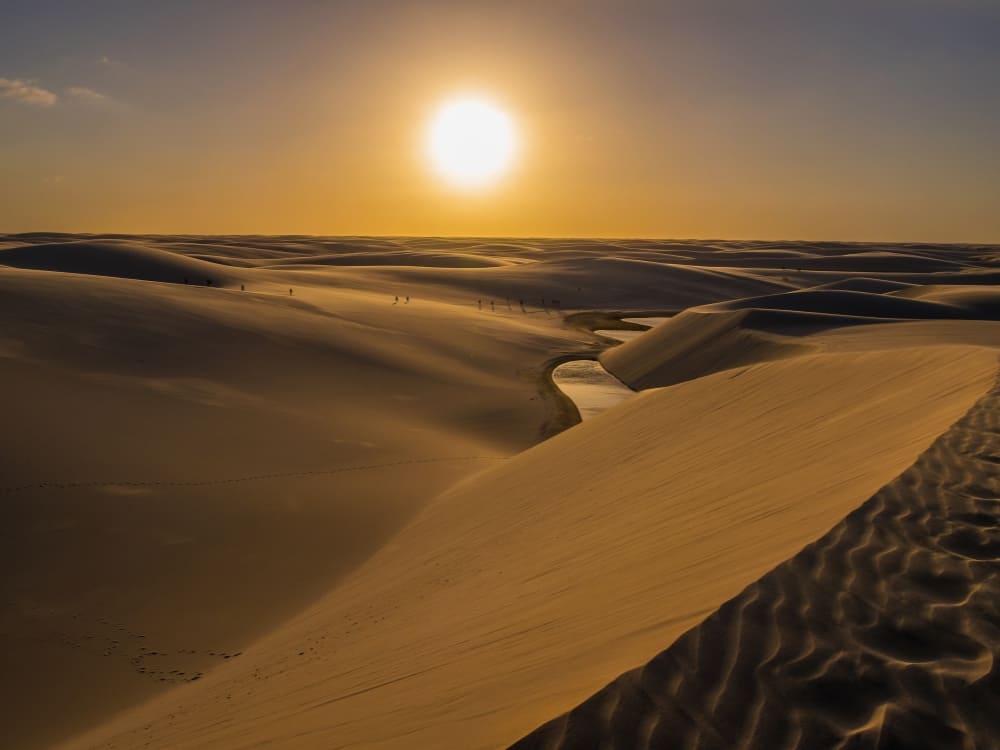
    A vast expanse of smooth sand dunes illuminated by a vibrant golden sunset in Lençóis Maranhenses National Park, Brazil. A shallow pool of water rests in the valley between the dunes, reflecting the bright orange sky

    From September to October and February to April, the lagoons start to decrease but still offer plenty of action in the water. While the scenery might not be as lush as during the high-water season, these months are known for fewer crowds and enjoyable activities in the lagoons.

    From November to January, the lagoons dry up, limiting water activities and revealing pastures and meadows on the lagoon floors. This period shows a different side of Lençóis, highlighting the changing landscape and the unique formations of the park.

    👉 Read more: When is the best time to visit Lençóis Maranhenses?

    What to do in Lençóis Maranhenses National Park?

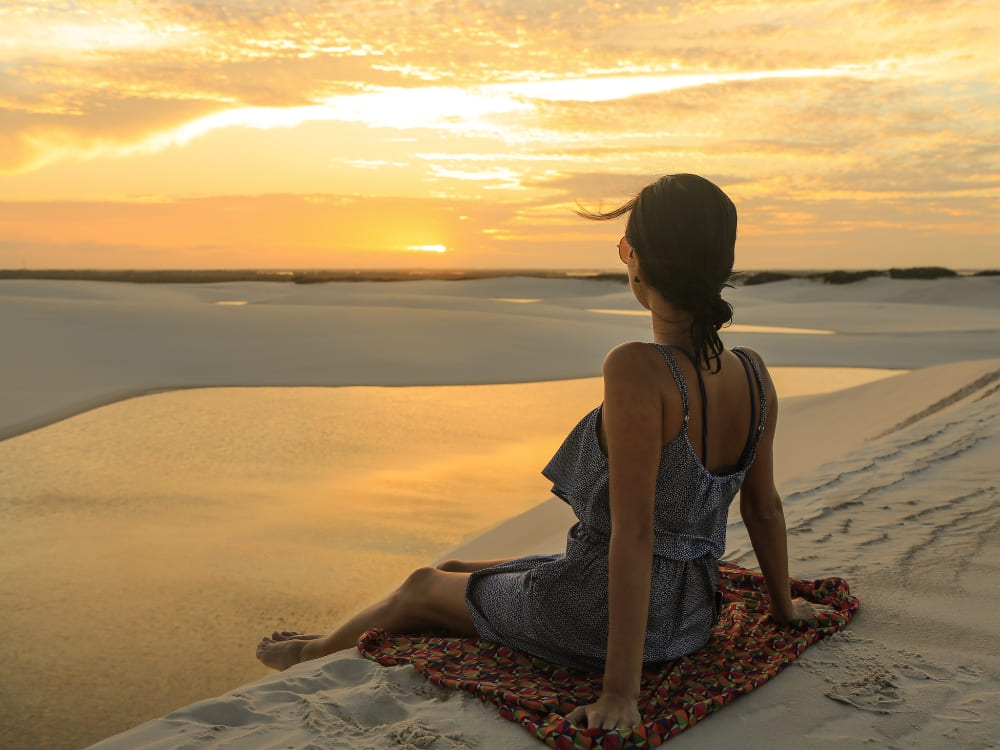
    Besides its jaw-dropping beauty, this is a destination ideal for travelers who love the outdoors and can’t say no to adventure. Watching the sunset from the sand dunes is an experience unlike any other, but there’s a lot more to do in Lençóis Maranhenses

    Lagoons

    Across the national park, there are thousand of lagoons of all sizes, which appear and disappear depending on the time of year.

     A wide landscape shows thousands of rainwater lagoons interspersed among the white sand dunes.
    Photo: Marcelo Bonifacio

    They all have their virtues, but some stand out for their beauty, size, and permanence even during times of drought:

    • Barreirinhas: Lagoa Azul and Lagoa Bonita
    • Atins: Lagoa Tropical and Lagoa da Capivara
    • Santo Amaro: Lagoa da Betânia, Lagoa da Andorinha and Lagoa da Gaivota

    Can I swim in Lençóis Maranhenses?

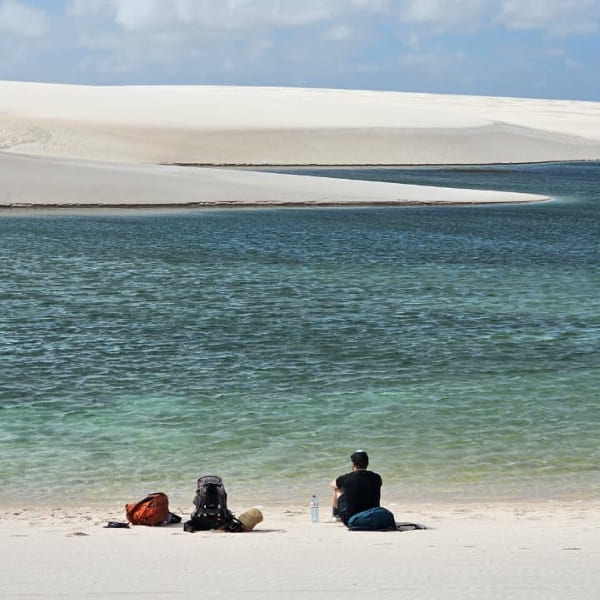
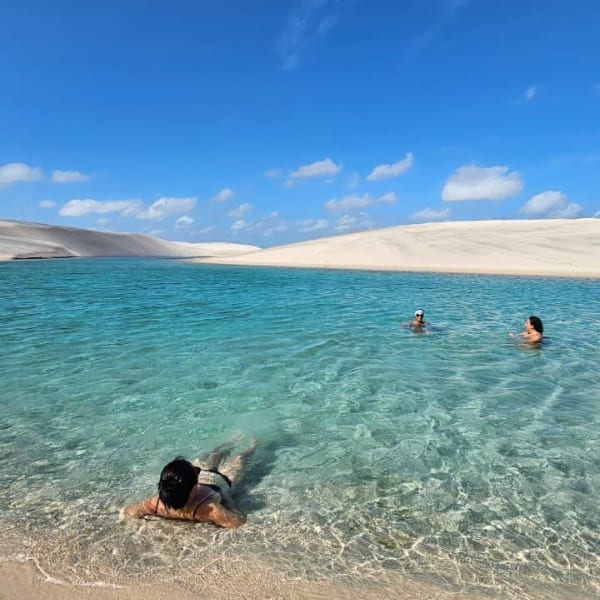
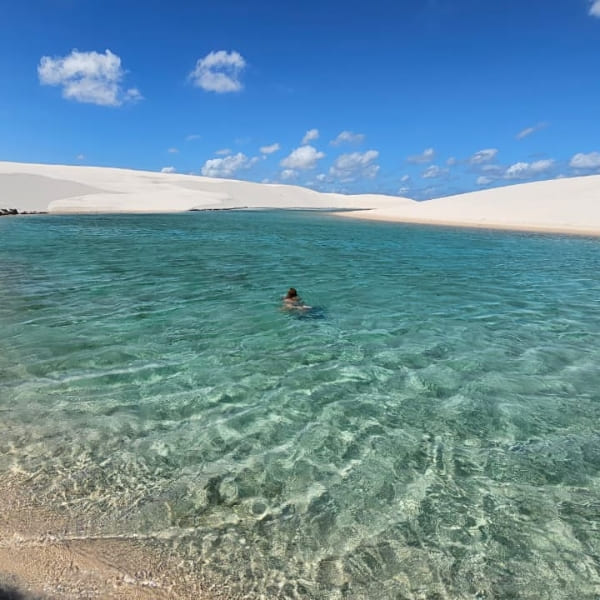
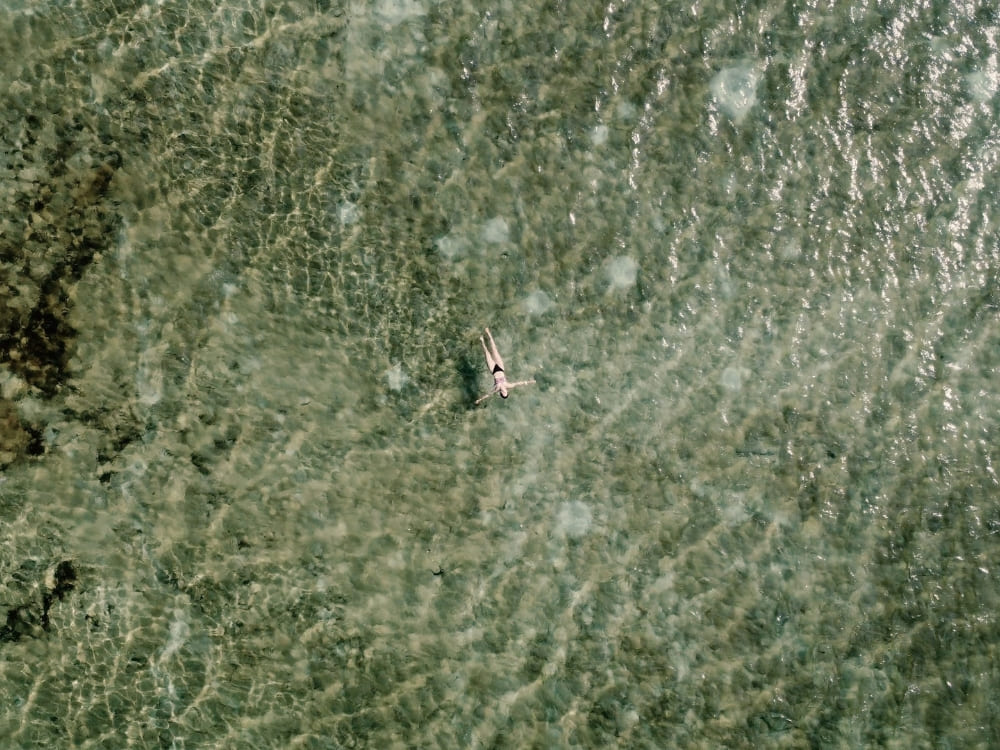
    Yes, you can swim in Lençóis Maranhenses! The lagoons are clear and have just the right temperature for swimming, diving or simply relaxing.

    A person swims and relaxes in the crystal-clear waters of a lagoon in Lençóis Maranhenses.
    Photo: Marcelo Bonifacio

    However, it’s important to follow the guides’ instructions and respect the park’s rules to ensure a safe and responsible experience. This includes avoiding the use of cosmetics that could contaminate the water and picking up your own trash.

    Trekking

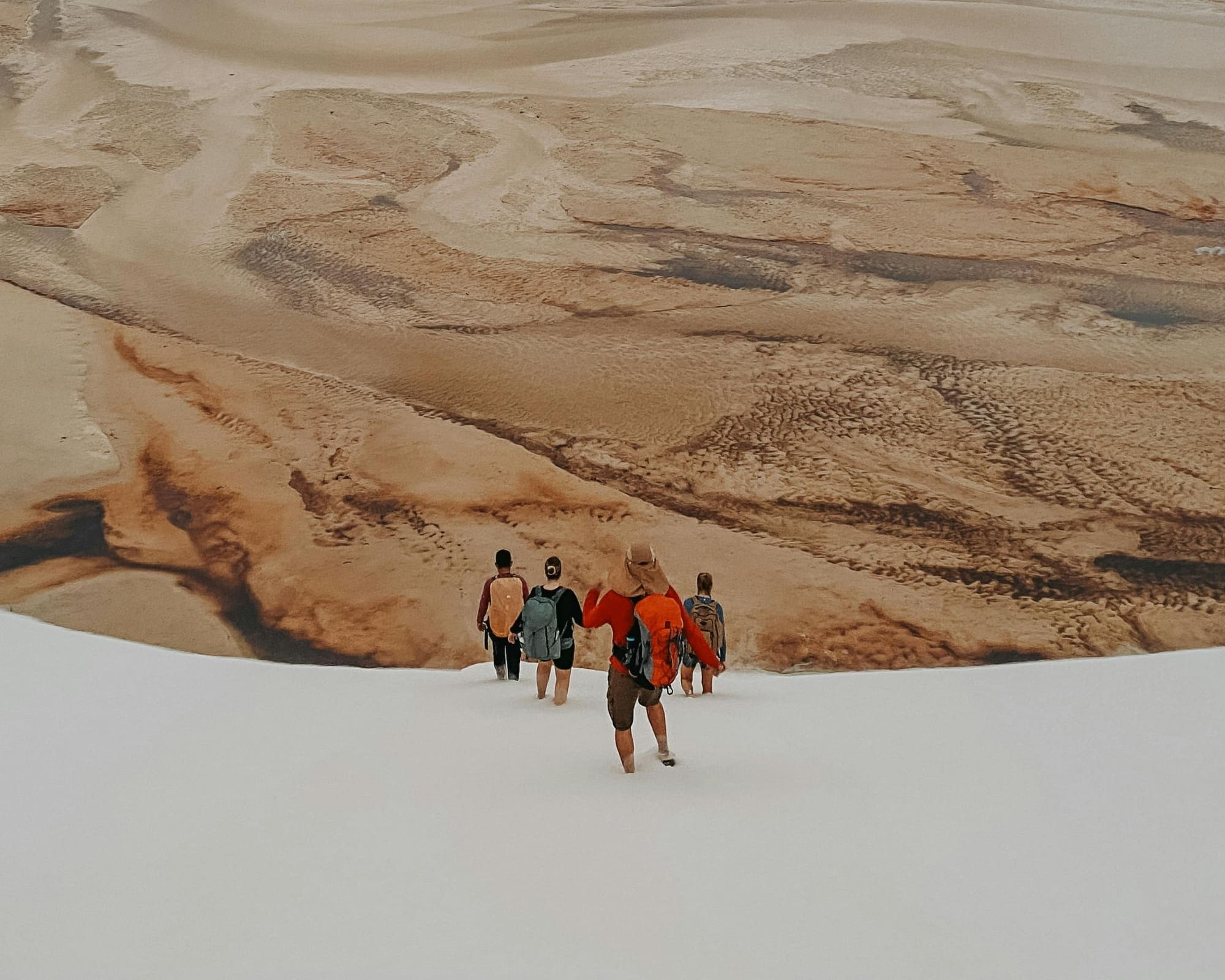
    Those seeking total immersion can cross the national park on foot. The trek lasts 3–5 days and allows you to explore the sand dunes and lagoons located in the so-called “primitive zone” of Lençóis Maranhenses.

    A group of travelers wades through a shallow lagoon while crossing the national park on foot.
    Photo: Isadora Sá

    After long hours of trekking, travelers spend the night in the homes of locals who generously open their doors to welcome them. The accommodations are modest but cozy.

    The experience requires time and physical effort, meaning not everyone is ready to face it. However, visitors who are willing to embark on this adventure do not regret it and return home transformed!

    👉 Explore the adventure: 5-day Lençóis Maranhenses Hike

    Beaches

    The Lençóis Maranhenses National Park is bordered by the Atlantic Ocean, especially at the mouth of the Preguiças River.

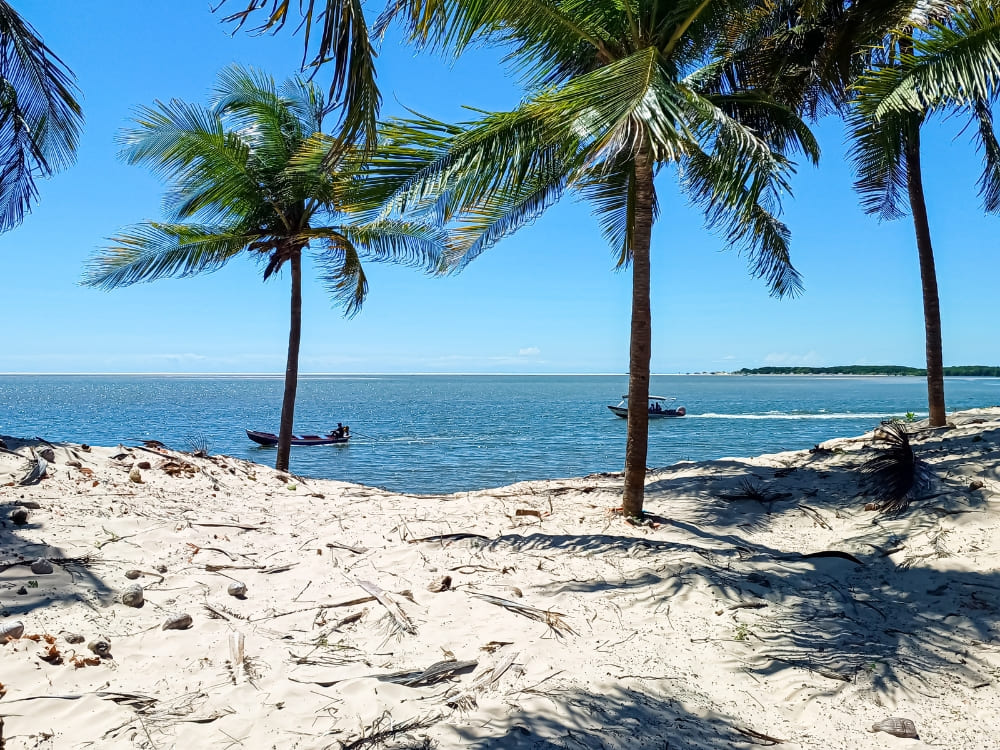
    While somewhat famous, Atins Beach is not very crowded due to its fairly remote location in Atins and relatively difficult access—only by boat or 4×4 vehicles.

     Palm trees line the light-colored sand near the mouth of the Preguiças River, with small boats sailing on the water.
    .

    The beach is gorgeous, with calm waves, warm waters and light-colored sand. In addition to being great for relaxing and sunbathing, it’s also one of the main kitesurfing spots in Brazil. Therefore, the sky is always adorned with colorful kites that only make the view even more beautiful.

    Caburé Beach (Barreirinhas) and Travosa Beach (Santo Amaro) are also worth the visit!

    Boat rides and boiacross

    The landscape of Lençóis is not limited to sand dunes and lagoons but also includes green areas bathed by the Preguiças River. Passing through Barreirinhas, Atins, Vassouras, Mandacaru and Caburé, navigating its dark waters is a great way to truly get to know the region.

     A red and green boat named Esperanca rests on the sandy shore of the dark waters of the Preguiças River.
    .

    Tourists are also attracted by the Formigas River, which cuts through the village of Cardosa. The current is perfect for boiacross, a popular ecotourism activity in Brazil where people float down the rivers in large inflatable tubes.

    How many days should I stay in Lençóis Maranhenses?

    Knowing how long the trip will last is key to your planning. Lençóis Maranhenses National Park offers experiences ranging from quick introductions to deeper, multi-day adventures.

     A group of people casts long shadows while exploring the sand dunes in the primitive zone of Lençóis Maranhenses.
    .

    If your time is limited, a 2-day tour is enough for a taste of the sand dunes and lagoons. For a more immersive experience, 3 to 4 days allow you to explore different regions of the park, join longer hikes, or take boat trips along the Preguiças River.

    If you’re able to stay 5 days or more, you can enjoy more ambitious adventures, such as multi-day treks crossing the park or embarking on the wonderful Route of Emotions, a fantastic tour that includes destinations (Lençóis, Delta do Parnaíba, and Jericoacoara) in three different states (Maranhão, Piauí, and Ceará)!

    👉 Read more: How many days should you spend in Lençóis Maranhenses?

    Where to stay in Lençóis Maranhenses?

    As the main gateway, Barreirinhas has the widest range of accommodations, from budget guesthouses to comfortable hotels. With easy access to the national park, good transportation options, and restaurants all over town, it’s a very convenient place to stay.

    Atins is a peaceful fishing village by the sea, known for its rustic charm and relaxed pace. It’s ideal for travelers looking for a quieter atmosphere in cozy, more intimate hotels.

    Santo Amaro offers an even more remote and exclusive experience. With fewer visitors and inns surrounded by sand dunes and lagoons, it’s the perfect picture of tranquility and total disconnection.

    👉 Read more: Where to stay in Lençóis Maranhenses?

    Best Lençóis Maranhenses National Parks tours

    Can’t wait to witness the otherwordly beauty of Lençóis Maranhenses up close? Check out PlanetaEXO’s tours and start planning your vacation!

    TOUR HIGHLIGHTS DURATION STARTING PRICE*
    Lençóis Maranhenses trek from Atins Trekking across the sand dunes, rainwater lagoons, accommodation in locals’ houses inside the national park. 2 days US$ 416
    Lençóis Maranhenses Desert Brazil Trip Trekking across the sand dunes, rainwater lagoons, Baixa Grande Oasis, accommodation in locals’ houses inside the national park. 2 days US$ 380
    Lençóis Maranhenses Trek Trekking across the sand dunes, rainwater lagoons, Baixa Grande and Queima dos Britos Oasis, accommodation in locals’ houses inside the national park. 3 days US$ 485
    Lençóis Maranhenses Tour from Santo Amaro Sand dunes and lagoons in Santo Amaro, hiking, 4×4 car tours, Ponta Verde. 3 days US$ 615
    Horseback Riding Lençóis Maranhenses Tour Horseback riding the sand dunes, rainwater lagoons, Baixa Grande, Queimada dos Britos, Atins, accommodation in locals’ houses inside the national park. 3 days US$ 1,165
    Lençois Maranhenses Trekking Trekking across the sand dunes, rainwater lagoons, Lagoa Bicudo Gordo, Lagoa do Junco, Baixa Grande and Queima dos Britos Oasis, accommodation in locals’ houses inside the national park. 4 days US$ 600
    Lençóis Maranhenses Tour from Atins Sand dunes and lagoons in Canto do Atins and Ponta do Mangue, hiking, 4×4 car tours, Preguiças Lighthouse. 4 days US$ 960
    Lençóis Maranhenses Hike Hiking across the sand dunes, rainwater lagoons, Baixa Grande and Queima dos Britos Oasis, boat trips, Atins Beach, Vassouras and Mandacaru, accommodation in locals’ houses inside the national park. 5 days US$ 702
    Lençóis Maranhenses Full Itinerary: Barreirinhas, Santo Amaro & Atins Sand dunes and lagoons in Barreirinhas, Atins, and Santo Amaro. Boat rides, hiking, Mandacaru Lighthouse, waterfalls, visiting local communities. 6 days US$ 1,381
    Route of Emotions: from Lençóis to Jericoacoara trip Tours in Lençóis Maranhenses (MA), Delta do Parnaíba (PI), and Jericoacora (CE). Sand dunes, lagoons, beaches, natural pools, boat trips, ferry and 4×4 rides. 6 days US$ 1,430

    *Per person, based on double occupancy in group departures. Prices may vary depending on season and availability. Exchange rate as of March 13th, 2026; subject to change.

    Is Lençóis Maranhenses worth it?

    Lençóis Maranhenses is more than worth it! Thanks to its unique natural landscapes that combine white dunes with rainwater lagoons, this is surely the type of travel everyone should experience at least once in a lifetime.

    A serene nighttime landscape of sand dunes in Lençóis Maranhenses, Brazil, under a dark sky filled with stars, featuring a clear view of the Milky Way. In the foreground, a dark lagoon with hints of green and blue rests at the base of a rippled sand dune.

    As you explore the wonders of this surreal-like setting, you’ll also have the chance to connect with Lençóis’ culture by interacting with local communities, take stunning photos, and dive deep into a different side of nature in Brazil.

    With a strong commitment to sustainable tourism, Lençóis Maranhenses National Park offers a journey that is both memorable and respectful of the environment, ensuring  rich and valuable moments for all visitors.

    Traveling to Lençóis Maranhenses with PlanetaEXO

    PlanetaEXO is an ecotourism platform specializing in Lençóis Maranhenses tours. By working alongside the best local operators, we’re able to make your dream vacation a reality!

    From bookings to tailor-made itineraries, our team works every day to ensure unforgettable travel experiences and sustainable practices that benefit both the environment and local communities. Contact us now!
  • 10 Amazing Facts About the Pantanal

    10 Amazing Facts About the Pantanal

    Planning your Pantanal trip? From location to wildlife and ecological relevance, discover 10 incredible facts about this natural paradise in the heart of Brazil!

    The largest wetland on the planet, the Pantanal is a fascinating biome that many people consider the beating heart of South America due to the abundant fauna and flora, as well as environmental importance.

    This beautiful place is so important, it has its own day. Pantanal Day is celebrated on November 12th, in honor of environmentalist Francisco Anselmo Gomes de Barros, who bravely fought against installing alcohol and sugar plants in the Paraguay River basin, in 2005.

    Knowing the history of this biome is a good starting point for honoring those who took action to protect it. That’s why PlanetaEXO, an ecotourism platform specializing in Pantanal tours, has put together a list with 10 facts about the Pantanal. Check it out!

    1 – Where is the Pantanal: territory as big as three European countries

    The Pantanal is mostly located in Brazil, more precisely in the states of Mato Grosso and Mato Grosso do Sul, extending itself across parts of Paraguay and Bolivia.

    Between North and South Pantanal, the area spans over 210,000 km², representing 1.76% of Brazilian territory. This area is so big it can fit Hungary (93,000 km²), Serbia (77,000 km²) and Switzerland (41,000 km²) combined!

    Aerial view of a deep blue river winding through the vast green plains of the region where is the Pantanal located.
    .

    👉 Read more: How to get to the Pantanal, Brazil

    2 – Home of jaguars

    The largest feline in the Americas is frequently seen in the Pantanal — especially in the North side, near the Cuiabá River.

    In the past, jaguars were found in the southwestern United States and in central Argentina. Nowadays, after habitat loss and mass hunting, they’re primarily spotted in Brazilian lands.

    Pantanal safaris allow for indescribable experiences of jaguar sightings, where these beautiful predators can be seen resting, swimming, and searching for prey.

    A spotted jaguar walking through the tall green grass in the sunlight of Pantanal Brazil.
    Photo: Matias Ternes

    👉 Read more: Where is the best place to see jaguars in the Pantanal?

    3 – Wildlife hotspot 

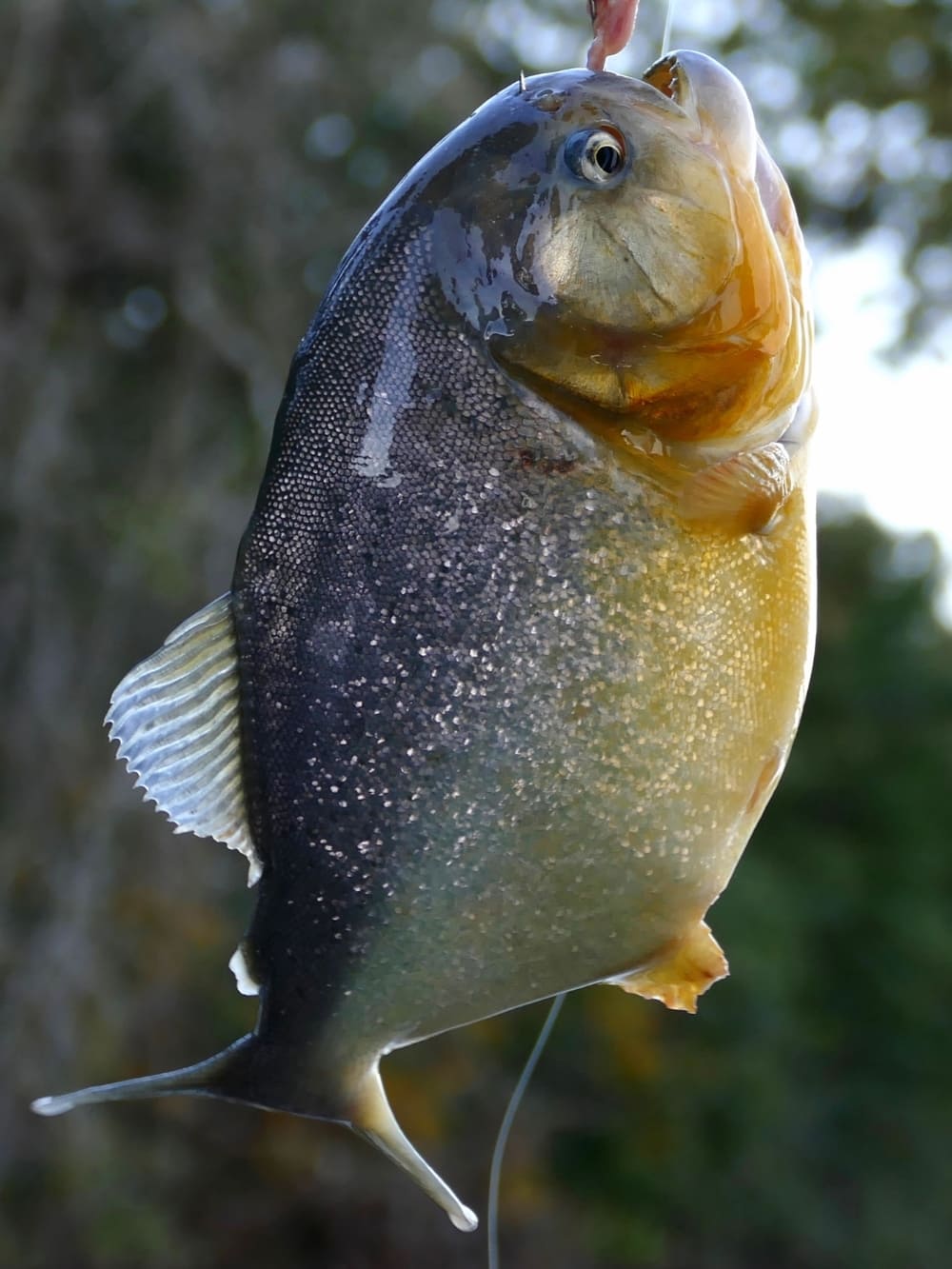
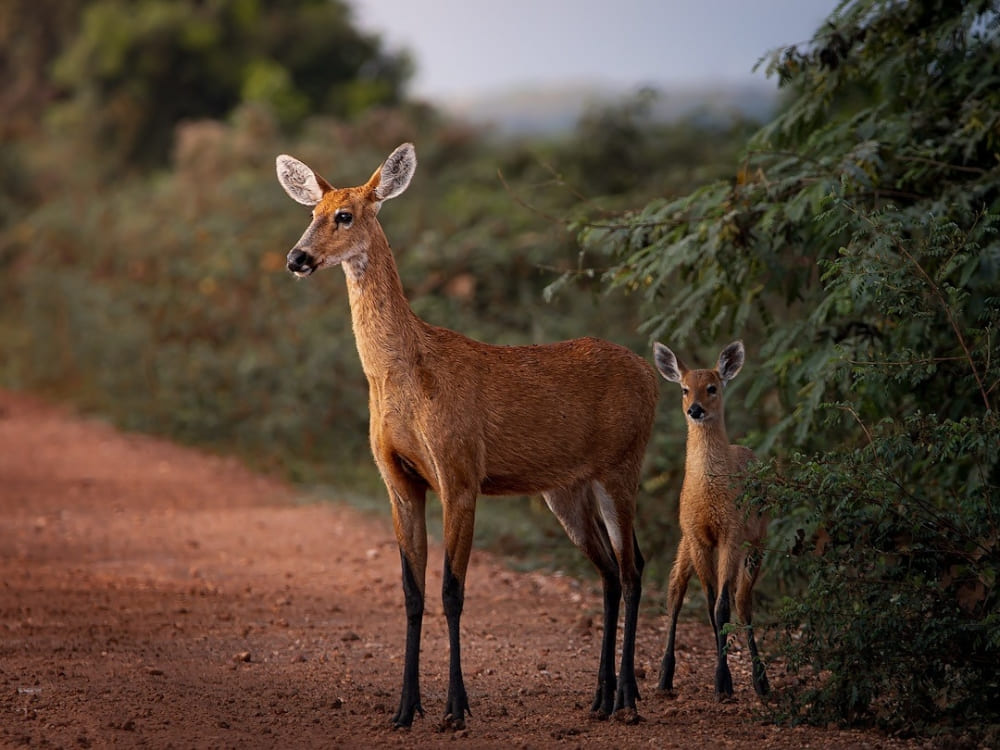
    Boasting one of the highest concentrations of animals in South America, the Pantanal fauna consists of 1,500 different species, including 650 types of birds, 325 fish, 159 mammals, 98 reptiles, and 40 amphibians.

    This diversity is directly connected to the climate, especially when it comes to seasonal floodings. Many vertebrates join the Pantanal wetlands during the dry season for the abundant food caused by the excess water, while migratory animals arrive during the wet season looking for a safe place to mate and breed.

    Besides the jaguars, some of the most celebrated Pantanal animals are giant anteaters, capybaras, blue (hyacinth) macaws, giant otters, brocket deer, yellow anacondas, and jabiru storks.

    No wonder this is one of the best places for wildlife tours in Brazil!

    A giant anteater walking across a grassy field carrying its young calf on its back in the Pantanal wetlands.
    Photo: Keith Ladzinski

    4 – Only 5% of the Pantanal in Brazil is protected

    Sadly, the next Pantanal fact is not as exciting. Only 5% of its total area is protected by conservation units, which consist of:

    • Meeting of Waters State Park
    • Guirá State Park
    • Taiamã Ecological Station
    • Rio Negro Pantanal State Park
    • Acurizal Private Natural Heritage Reserve
    • Private Natural Heritage Reserve Sesc Pantanal
    • Pantanal Matogrossense National Park (recognized by UNESCO as a World Heritage site in 2000)

    95% of the Pantanal is under private ownership, mostly for cattle grazing. In November 2024, areas affected by deforestation were estimated at 146,150 km².

    A woman and a young girl kneeling in the dirt to plant a tree sapling in the Pantanal wetlands.
    Photo: Gustavo Figueiroa – SOS pantanal

    5 – Tropical climate

    One of the main facts about the Pantanal is the tropical climate. The biome has two very well-defined seasons: winter (April to September), marked by drought and high temperatures, and summer (October to March), with regular rainfall and warm weather.

    Throughout the year, the average temperature varies from 20º C to 30º C, although thermal sensation gives the impression of even more heat. 

    In general, travelers prefer to book Pantanal trips during the dry season due to better conditions for outdoor activities, such as wildlife watching, photo safaris, hiking, horseback riding, etc.

    A capybara swimming in a river illuminated by the golden light of dusk, a scene showing what is the Pantanal aquatic life.
    VisitMS

    👉 Read more: When is the best time to visit the Pantanal?

    6 – Hundreds of rivers form the Pantanal basin

    The river basin of Alto Paraguai, in the south of Mato Grosso, is formed by 180 rivers. This very same basin supplies the Pantanal.

    The Paraguay River is the longest, ranging 2,695 km. Its tributaries are just as impressive: São Lourenço (670 km), Cuiabá (650 km), Aquidauna (565 km), Miranda (490 km), Taquari (480 km), and Coxim, (280 km).

    During the wet season (December to March), the soil quickly soaks up all the rainwater and floods into the lakes and rivers. Due to the low slope of the plain, the rivers get so full that scientists estimate the water takes over four months to cross the entire biome!

    Two people paddling a canoe on a calm river that mirrors the sky in the area where is the Pantanal.
    Photo: Felipe Castellari

    7 – The kidneys of South America

    “If the Amazon Rainforest is seen as the lungs of the Earth, then we can say the Pantanal are the kidneys of South America, says Cássio Bernardino, Project Coordinator of WWF-Brazil.

    The biome is essential for this region’s ecosystem, as it works to filter water, control and regulate floods, and ensure water flows arrive properly in Mato Grosso, Mato Grosso do Sul, Bolivia, Paraguay, and Argentina.

    In the summer, 180 million liters of water reach the Pantanal Plain. This accumulation forms the flooded areas, including swamps, marshes, lakes and bays connecting the rivers.

    Aerial shot of a straight dirt road cutting across the flooded green landscape of Pantanal Brazil.
    Photo: Felipe Castellari

    8 – Indigenous groups and Pantaneiros, the local communities of the Pantanal

    Over 40,000 indigenous people of different ethnicities live in these lands, mostly from Terena, Guató, Bororo, Kadiwéu, Guaranis Kaiowá and Guaranis Ñandeva groups. Despite their differences, all of them show deep respect for nature and are incredibly important for safeguarding the Pantanal ecosystem and its traditional customs. 

    Additionally, riverside communities live the true Pantaneiro life. The most well-known are three neighboring villages on the border of Mato Grosso and Mato Grosso do Sul — Barra de São Lourenço, Serra do Amolar and Binega.

    Black and white photo of a Pantaneiro cowboy on a horse blowing a cattle horn, illustrating cultural Pantanal facts.
    Photo: Victor Collor

    Thirty-six families have called the Pantanal’s largest conservation area their home for several decades now, working in silent collaboration with the biome. Nature provides for them, and they do their best to ensure its safety.

    That’s why environmental awareness goes beyond simply trying to save natural resources. The destruction of nature also affects people — some more directly than others. Deforestation and fires have been causing irreversible damage to indigenous groups and Pantaneiros in their backyards, shattering their primary sources of income and overall quality of life.

    On the bright side, Pantanal trips that follow sustainable practices are a powerful way to care for the environment and local communities. In addition, deforestation has dropped 75% between August 2024 and April 2025. The numbers are encouraging, but there’s still a long way to go.

    👉 Read more: 5 Pantanal Conservation Projects Making a Real Impact

    9 – Fires, deforestation and other environmental challenges

    One of the most concerning environmental issues in the Pantanal wetlands is fire. In 2024, specifically between January 1st and June 30th, 3,538 fire outbreaks were detected in the biome — a 2,018% increase compared to the same period in 2023.

    Although fire is a part of the Pantanal’s natural dynamic, as its own resources can control and put out the fires fairly easily, current official numbers show a deep imbalance in the ecosystem, mostly due to the dry weather caused by climate change.

    Deforestation is also a known factor for a wider fire spread. As native vegetation is often replaced by cattle grazing, the consequences are appalling: drier soil, poor river supply, higher temperatures, infrequent rainfall and animal death.

    A marsh deer walking across a blackened, scorched field after a fire in the Pantanal wetlands.
    @lucas_n_morgado

    10 – Conservation efforts

    Fortunately, there are many conservation efforts to protect the Pantanal. State and federal initiatives aim for the preservation and restoration of the biome, such as Action to Prevent and Control Deforestation and Fires in the Pantanal (PPPantanal).

    Non-profits are also a great asset. Project Arara Azul (Hyacinth Macaw Project), for example, focuses on the protection of the hyacinth macaw since the early 90s, while Onçafari has different branches centered in science, education and social services, but the ecotourism efforts are the focal point.

    The goal is to make jaguars, maned wolves and other native animals familiar with the presence of vehicles and humans, which boosts touristic activities — as seen in the Luxury Jaguar Safari.

    In fact, ecotourism shows great results for the Pantanal’s conservation. Sustainable travel practices are great methods to collect funds for environmental causes, raise awareness on the importance of the biome and create job opportunities for local communities.

    👉 Read more: 3 Ways Sustainable Tourism in the Pantanal Protects Wildlife

    Book your Pantanal safari with PlanetaEXO

    Looking forward to seeing this incredibly gorgeous destination with your own eyes after discovering these 10 facts about the Pantanal? As an expert in Pantanal tours, PlanetaEXO partners with the best local operators to offer unforgettable experiences for all nature lovers out there.

    Can’t wait to watch jaguars in their natural habitat, explore the wetlands, catch a glimpse of the local day-to-day life and support conservation projects? Contact us and book your Pantanal trip now!

  • 10 Amazon Rainforest Travel Tips to Make the Most of your Adventure

    10 Amazon Rainforest Travel Tips to Make the Most of your Adventure

    Discover how to prepare for your Amazon Rainforest trip with practical tips, local insights, and sustainable travel advice

    Planning a trip to the Amazon in Brazil is no ordinary travel experience. With its immense size, rich biodiversity, and complex logistics, this magnificent place might challenge even the most seasoned travelers.

    This is a destination where preparation matters, both for your safety and for the well-being of the environment and local communities. When you follow certain Amazon Rainforest travel tips, you know exactly what to expect and can make your vacation even better.

    Aerial view of an Amazon river cruise boat navigating a dark river surrounded by dense green rainforest in Brazil.
    Photo: Katerre Expedição

    PlanetaEXO knows everything about this subject. As experts in Amazon tours in Brazil, our team works with the best local operators to ensure a smooth trip for everyone. See our recommendations below!

    1) Understand the seasons and expect rain

    The Amazon has two main seasons: the wet season (December to May) and the dry season (June to November). Each offers a different experience.

    A small motorized canoe traveling across the wide Amazon River during a golden sunrise under a cloudy sky.
    .

    During the wet season, river levels rise significantly, creating a temporary ecosystem where the flooded forest is only accessible by boat.

    In the dry season, receding waters reveal beaches, trails become more passable, and it’s easier to spot land animals.

    Still, don’t let the term “dry season” fool you. Rainfall volume is significantly high all year round—it is a rainforest after all—which means rainstorms can make sudden appearances. This doesn’t negatively affect your trip at all, but it’s important to be aware. 

    👉 Read more: When is the Best Time to Visit the Amazon Rainforest in Brazil

    2) Travel light, but smart

    You don’t need much, but what you bring matters. Overpacking makes travel heavier and harder to manage, while underpacking can make your experience uncomfortable. Aim for balance—what you carry should serve the journey, not complicate it.

    A traveler carrying a reusable water bottle hikes through a lush green Amazon Rainforest trail.
    Photo: Marcelo Bonifácio

    Check out a list of what you should pack to make the most of your Amazon travel experience:

    • Lightweight, breathable clothes: t-shirts, shorts, pants, long-sleeved shirts (preferably with UV protection), windbreakers, hats or caps, and swimwear.
    • Comfy shoes: sneakers, flip-flops, sturdy hiking boots.
    • Equipment: raincoat, flashlight, personal reusable water bottle.
    • Travel essentials: documents, medication, sunscreen (SPF 30 or higher), insect repellent, sunglasses, and power bank (phones, cameras, laptops, tablets).
    • While larger cities like Manaus or Belém have ATMs and card-friendly establishments, much of the forest region still operates in a cash economy, especially in remote communities and local markets. Bring enough cash (Brazilian real) to cover meals, souvenirs, entrance fees, etc.—store it safely and divide it between bags.

    Another essential item to pack is a universal power adapter, as power outlets vary depending on the location. The voltage in the Amazon area is 127 V. Be careful with your devices!

    3) Protect your electronic devices from humidity

    Humidity in the Amazon ranges from 77% to 88% throughout the year, which can harm your electronics even when there’s no rain, as the humid air can condense inside lenses and devices. 

    To protect phones, cameras, laptops, and tablets, keep them in Ziploc or waterproof bags when you’re not using them.

    Aerial view of the dense Amazon Rainforest canopy covered in thick morning mist and fog.
    Photo: André Dib

    4) Keep up with the time zone in the Amazon Rainforest

    The time zone in Manaus and the surrounding areas is UTC-4.

    Amazon Time (AMT) is 1 hour ahead of Eastern Standard Time and 2 hours ahead of Central Standard Time (-4 hours in comparison to Coordinated Universal Time).

    Pay attention to these differences so you don’t get confused when traveling!

    Amazon Rainforest travel Silhouette of three people in a small canoe navigating the Amazon River against a bright orange sunset sky.
    .

    👉 Read more: How to get to the Amazon Rainforest in Brazil?

    5) Health first: vaccines and general precautions

    Medical preparation is a basic Amazon Rainforest travel tip, and it begins before you arrive at your destination. Vaccinations are strongly recommended, particularly for hepatitis A and B, diphtheria, tetanus, polio, and measles. Depending on the region and season, your doctor may advise malaria prevention as well. 

    A traveler stands behind a powerful rushing waterfall in the Amazon Rainforest with their arms raised.
    @ines.lafosse

    Yellow fever vaccines are not obligatory like in other South American countries, but they are highly advised—especially if you’re also traveling to the Amazon in Peru, Colombia, Ecuador, and Bolivia.

    Check the United States government traveler’s health guide and Brazil’s official recommendations for international tourists. If necessary, consult a travel clinic at least a few weeks before your trip.

    Once in the rainforest, simple habits make a big difference:

    • Hydration is essential in the heat and humidity. Carry a reusable water bottle and drink regularly.
    • Pack a small medical kit with essentials, including medication for headaches or stomach discomfort, allergy relief, and plasters or Band-Aids for minor injuries.
    • Apply your sunscreen first, wait 15 minutes for it to absorb, and then apply high-DEET insect repellent on top. If you do it the other way around, the sunscreen can dilute the repellent or even trap insects against your skin.
    • Before putting your shoes on in the morning, give them a vigorous shake and a peek inside. Spiders, scorpions, and the occasional small frog love the dark, damp “cave” of a hiking boot.

    6) Walk with a local guide

    Tourists might wonder if the Amazon Rainforest is dangerous. As this is a wild environment, the jungle can hold its dangers, but only for travelers exploring the biome on their own.

    That’s why following a qualified local guide is crucial. They know where to step, when to stay quiet, and what not to touch. Safety comes first, but respecting instructions also allows for a deeper immersion and the conservation of nature.

    A local guide shows two tourists the intricate roots of a large tree while hiking through the Amazon.
    Photo: Samuel Melim

    Hiking through the forest with someone who knows the terrain inside out transforms the experience. You’ll learn to spot hidden insects, medicinal plants, camouflaged frogs, and animal tracks you’d never notice on your own, as well as act correctly so as not to disrupt the balance of the ecosystem.

    7) Keep quiet and don’t interfere when you spot an animal

    Though the Pantanal is considered the best place in Brazil for wildlife watching, the Amazon fauna is also incredibly rich, being a fundamental part of one of the most complex ecosystems on Earth.

    A camouflaged caiman rests on a riverbank covered in leaves during a night wildlife tour in the Amazon.
    Photo: Vitor Marigo

    Whether it’s a sloth in the canopy, a caiman along the riverbanks, or a line of leafcutter ants crossing your path, all of this forms a finely balanced environment. Touching, feeding, or approaching animals disrupts that balance, altering natural behaviors and potentially putting both you and the animal at risk.

    Real respect means keeping your distance, moving quietly, and resisting the urge to interact. These are moments of connection with nature as they truly are: wild, unpredictable, and best left undisturbed.

    8) Stay in lodges that care for nature 

    One of the most important Amazon travel tips involves where you stay. Choosing lodges that prioritize sustainability ensures your visit supports both the environment and the community.

    Sustainable wooden Amazon jungle lodge cabins floating on a calm river reflecting the blue sky.
    .

    Look for accommodations powered by solar energy, with waste management systems and fair hiring practices. Many ecolodges reinvest part of their profits into conservation and education projects, which helps to support local families.

    When you stay in jungle hotels where your trip makes a difference, you contribute directly to the preservation of the forest and the quality of life of those who call it home, making your trip truly meaningful.

    👉 Read more: Best Amazon Jungle Lodges in Brazil

    9) Stay in a “black water” region to avoid bugs

    Here’s an Amazon travel tip you don’t see everywhere: if you are particularly mosquito-prone, look for lodges on “black water” rivers (like the Negro River).

    The high acidity from decomposing organic matter prevents mosquito larvae from developing, making these areas significantly less buggy than “white water” regions (like the Solimões).

    A group of travelers swims in a calm black water Amazon river during a vibrant orange sunset.
    .

    👉 Read more: Best Amazon River Cruises in Brazil

    10) Respect local communities

    The Amazon is home to countless people, including Indigenous and riverside communities who have lived there for generations. Respecting their traditions and way of life is essential.

    An Indigenous man wearing a traditional feather headdress walks through the lush green Amazon jungle.
    Photo: Isadora Sá

    Always ask before taking photos, avoid offering gifts without context, and be open to learning from their stories. Many members of these groups are guides, hosts, and stewards of conservation projects who work every day to ensure the forest’s well-being. 

    When you travel responsibly, you support community-based tourism that protects culture, creates jobs, and strengthens local pride. Do your part and contribute to a better future.

    Here’s your last Amazon Rainforest travel tip: book your experience with PlanetaEXO

    PlanetaEXO is an ecotourism platform that works with the best local operators and specializes in Amazon Rainforest tours in Brazil.

    When you travel with us, you’re making sure your vacation causes a positive impact on small businesses, native communities, and our planet. Let’s live an adventure together. Contact us now!
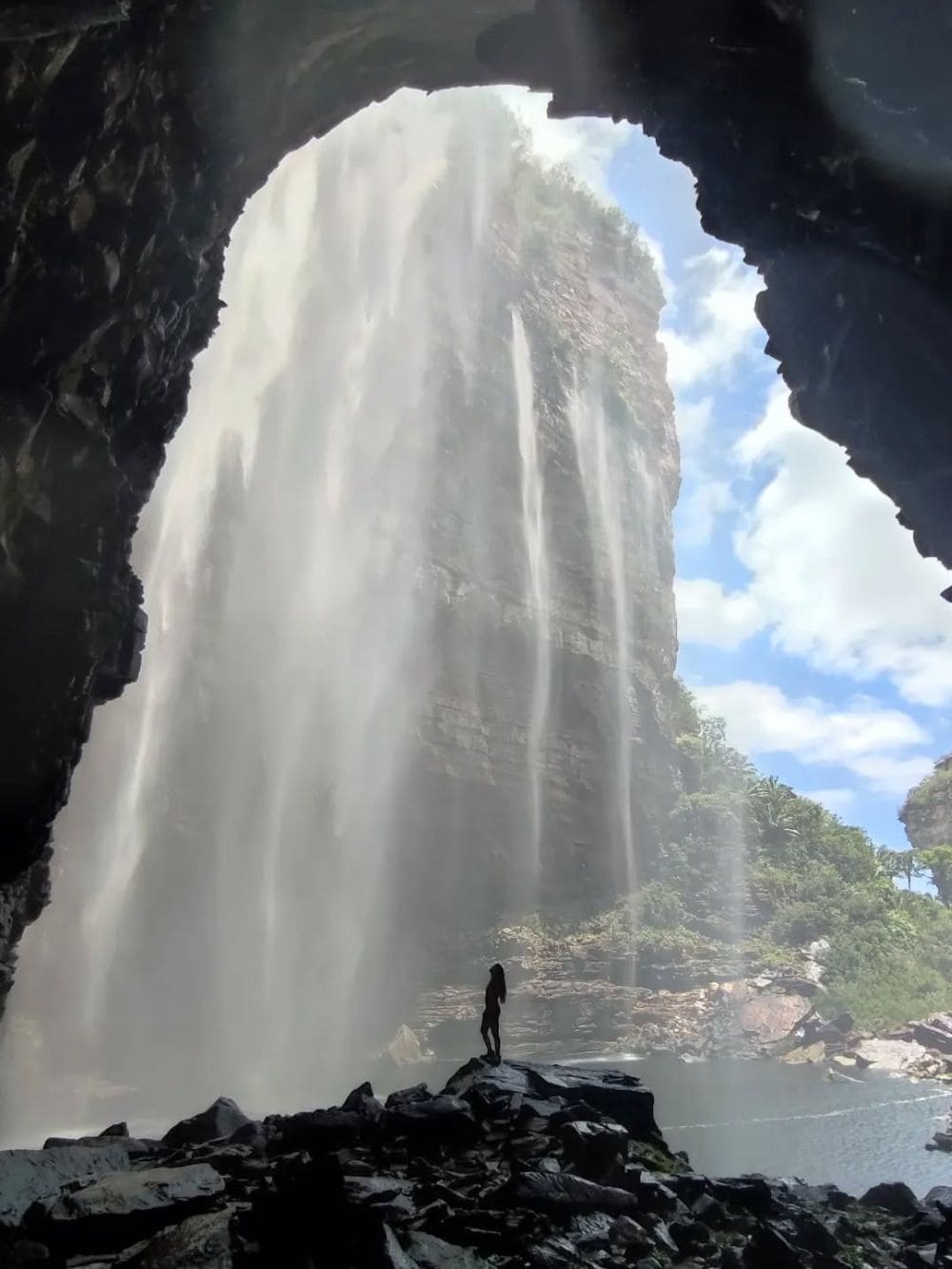
  • Best Places to Visit in the Amazon, Brazil

    Best Places to Visit in the Amazon, Brazil

    The Amazon Rainforest offers unique landscapes and  diverse experiences spread across different Brazilian states

    Covering a staggering area of approximately 5 million km², the Amazon Rainforest in Brazil hides a whole universe of biodiversity across different states, with emphasis on ecotourism in Amazonas, Pará, and Mato Grosso.

    Tourist walking along a dense trail in the Amazon rainforest in Brazil.
    Photo: Marcelo Bonifácio

    In other words, it holds destinations and activities for every type of traveler, so choosing the best places to visit in the Amazon depends on the kind of adventure you’re looking for. Do you want to relax in nature? Watch the wildlife? Meet new people and cultures? It’s essential to think about what you want to plan for your trip accordingly!

    As an ecotourism platform specializing in Amazon Rainforest tours in Brazil, PlanetaEXO can help you decide which experience suits you best. Check our suggestions right below!

    Manaus (Amazonas)

    Manaus is the capital of the state of Amazonas and the main gateway to the rainforest. The city boasts a rich history, bustling markets, and vibrant theaters, making it a fantastic cultural hub. It’s also where many Amazon tours begin

    If you don’t want to go deep into the jungle, or if you want to explore the city before or after visiting the forest, Manaus is a good place for day trips, and you can still enjoy the magnetic Amazonian atmosphere even in urban areas.

    erial night view of the historic illuminated Amazon Theatre in downtown Manaus.
    .

    Why visit:

    • Starting point for tours in various areas of the Amazon Rainforest.
    • Meeting of the Waters, the phenomenon where the waters of the Negro and Solimões rivers flow without mixing.
    • Historical heritage of northern Brazil. Unmissable spots: Amazonas Theater, Provincial Palace, and Adolpho Lisboa Market.
    • Trails, exhibitions, and 42-meter-high observation towers at the Museum of the Amazon (MUSA).
    • Unique gastronomy with regional ingredients such as tambaqui, pirarucu, açaí, and cupuaçu.
    • River beaches, like Ponta Negra Beach, on the banks of the Negro River.

    How to get there: Easily accessible by air via Eduardo Gomes International Airport (MAO).

    👉 Read more: How to get to the Amazon Rainforest in Brazil?

    Anavilhanas National Park (Amazonas)

    Not only is Anavilhanas National Park located right in the middle of the Negro River, but it also holds the title of the second-largest river archipelago in the world, with over 400 islands—second only to Mariuá (1,400 islands), also in Amazonas.

    One of the most breathtaking places in the Amazon Rainforest, Anavilhanas is home to a great concentration of igapós (forests permanently or seasonally flooded), which allow for fascinating experiences like swimming and canoeing among the treetops.

    Aerial view of the Anavilhanas National Park showcasing densely vegetated islands cut by the waters of the Negro River.
    .

    Why visit:

    • Exploring the Várzea Amazônica (Amazonian floodplain), a floodable area of ​​the Amazon basin defined by ecosystems rich in biodiversity and fertile soils.
    • Riverside communities, such as Santo Antônio and Tiririca.
    • Sightings of pink river dolphins, sloths, birds, etc.
    • Boat tours, forest trails, water trails, night spotlighting, etc.
    • Madadá Caves (ancient sandstone formations).
    • River beaches that emerge on the Negro River during the dry season (September to March).
    • Incredible lodges, like Mirante do Gavião and Anavilhanas Jungle Lodge.

    How to get there: Easy to reach from Novo Airão, near Manaus.

    Jaú National Park (Amazonas)

    If you’re planning a trip to the Amazon Rainforest in Brazil, then you should visit Jaú National Park, one of the biggest in the country, covering an area of 2.27 million hectares between the cities of Novo Airão and Barcelos.

    Protecting the entire base of the Jaú River and forming part of the Central Amazon Conservation Complex, it’s recognized by UNESCO as a World Heritage Site.

    Couple hugging in the shallow waters of river rapids surrounded by forest in the Jaú National Park.
    @mkexpeditions

    Why visit:

    • Home to various Amazon animals, such as caimans, manatees, jaguars, etc.
    • Ancient rock inscriptions on the banks of the Negro River (seem especially during the dry season).
    • Riverside communities, such as the Quilombo do Tambor.
    • Forest trails, night spotlighting, waterfalls, river cruises, etc.

    How to get there: Accessible by boat from Novo Airão.

    👉 Explore these adventures in Jaú: 

    Alter do Chão (Pará)

    Alter do Chão is a district of the city of Santarém, in the state of Pará. Nicknamed “the Caribbean of the Amazon,” its white sand beaches blend harmoniously with the rivers and vegetation of the forest. It’s great for swimming and relaxing, especially between September and November.

    Due to its location outside of Amazonas, the village shows a different side of the rainforest, being one of the best places to visit in the Amazon for those seeking unique experiences.

    White sand beach filled with colorful umbrellas along the greenish waters of the Tapajós River in Alter do Chão.
    Photo: Tarcisio Schnaider

    Why visit:

    • River beaches along the banks of the Tapajós River, including Ilha do Amor (Love Island), Ponta do Cururu, and Ponta Grande.
    • Sairé Festival, an annual local celebration that blends religious rites of Jesuit origin with indigenous traditions and folkloric legends of the pink river dolphin and tucuxi dolphin.
    • Riverside and indigenous communities (Coroca, São Marcos, and Tucumã).
    • Activities in the forest, such as hiking trails, igapó tours, and Amazon river cruises.

    How to get there: The main route to Alter do Chão is via Santarém, which is accessible by air or boats from Belém and Manaus.

    👉 Explore this adventure: Amazon Cruise from Alter do Chão

    Mamirauá Reserve (Amazonas)

    Created in 1996, the Mamirauá Sustainable Development Reserve is a Brazillian pioneer in combining environmental preservation with the sustainable development of traditional populations.

    Located in Tefé, on the Solimões River, it’s one of the best places in the Amazon Rainforest to appreciate the seasonal flooding and ecotourism in an area marked by authenticity and isolation.

    Uakari Lodge floating inn made of wooden cabins on the calm waters of Lake Mamirauá with mist in the background.
    Photo: Amanda Lelis

    Why visit:

    • Community-based tourism, encompassing 177 communities and over 11,500 residents.
    • Connection with nature in the world’s largest floodplain forest.
    • Impressive biodiversity, including the bald uakari monkey, symbol of the reserve.
    • Hiking trails, canoeing, wildlife watching, night spotlighting, and piranha fishing.
    • Home of Uakari Lodge, the floating hotel on Lake Mamirauá.

    How to get there: Reach the Mamirauá Reserve by boat from Tefé, accessible by air from Manaus.

    👉 Read more: When is the Best Time to Visit the Amazon Rainforest in Brazil

    Alta Floresta (Mato Grosso)

    Alta Floresta is a charming city of just over 62,000 inhabitants. Located in northern Mato Grosso, it serves as the gateway to the state’s Amazon share, characterized by dense forests and the confluence with the Cristalino River—a tributary of the Teles Pires River.

    While it’s a lesser-known part of the Amazon, Alta Floresta boasts breathtaking natural views, preserved areas, and rich biodiversity.

    People kayaking in the Amazon rainforest.
    Photo: João Marcos Rosa

    Why visit:

    • The location, marked by the transition between the Cerrado and Pantanal biomes, makes this one of the most abundant Amazonian areas in terms of fauna, including monkeys, giant otters, peccaries, and tapirs.
    • With over 600 cataloged bird species, it’s great for birdwatching.
    • Forest formed by giant trees (approximately 60 meters tall).
    • Cristalino Jungle Lodge, one of the best and most luxurious sustainable luxury accommodations in Brazil, is located in a private forest reserve of over 11,000 hectares.

    How to get there: Departing from airports in São Paulo (VCP) or Cuiabá (CGB), fly to Alta Floresta Airport (AFL).

    Presidente Figueiredo (Amazonas) 

    Only 107 km away from Manaus, Presidente Figueiredo is known as the Land of Waterfalls. In addition to more than 150 officially cataloged waterfalls, caves and natural pools are also hidden among the lush green vegetation.

    This is one of the top places to visit in the Amazon for travelers who enjoy water activities and prefer destinations relatively close to large cities.

    Silhouette of a woman with open arms contemplating a strong waterfall from the dark interior of a cave.
    @ines.lafosse

    Why visit:

    • Hundreds of waterfalls, including Pedra Furada, Orquídeas, Iracema, Judeia, Mutum, Araras, Neblina, etc.
    • Refúgio do Maragoa, a 400-meter cave with impressive geological formations.
    • Hiking trails, bird watching, rappelling, and water-based itineraries (especially between February and June, during the rainy season), including waterfall bathing, diving, boiacross, and rafting.

    How to get there: 2-hour drive (car/bus) from Manaus.

    👉 Explore this adventure in Presidente Figueiredo: 4-Day Amazon Kayak Tour!

    Acajatuba Lake (Amazonas)

    Near Manaus, Lake Acatajuba is located on the Negro River. One of its highlights is the community’s work to boost local tourism and support sustainable practices that can benefit families and the region’s ecosystem.

    With lush scenery of dense vegetation and the typical dark waters of the Amazon Rainforest in Brazil, it’s known for its excellent conditions for encountering and interacting with pink river dolphins.

    Smiling woman from an Amazon riverside community standing under a traditional thatched roof.
    Photo: Isadora Sá

    Why visit:

    • Conscious tourism that values ​​environmental conservation and support for local residents.
    • Acatajuba Village, a riverside community that welcomes tourists with programs related to traditional crafts and flour mills.
    • Wonderful spot for sunset contemplation.
    • Canoeing, night spotlighting, hiking, and wildlife and flora observation.
    • Central point for Amazon jungle lodges and river cruises.

    How to get there: 2 hours by boat from Manaus.

    👉 Explore this adventure in Acajatuba: Zaltana Luxury Amazon Cruise

    Mamori River (Amazonas)

    South of Manaus, in the municipality of Careiro, the Mamori River is a tributary of the Amazon basin recognized for its rich wildlife, environmental preservation efforts, and ecotourism.

    The region is considerably remote, offering incredible experiences for travelers seeking authenticity in the jungle.

    Small boat navigating in the distance on the calm and reflective waters of the Mamori River, surrounded by green jungle vegetation.
    .

    Why visit:

    • The Amazonian manatee can be found in the waters of the Mamori River.
    • Great for sport fishing, especially for peacock bass and butterfly peacock bass (Cichla ocellaris).
    • Riverside communities and rubber tappers.
    • Hiking, kayaking, bird watching, survival techniques, and camping in the forest.
    • Home of the Turtle Lodge, one of the main jungle hotels in the Amazon.

    How to get there: The Mamori River can be reached by boat from Manaus.

    Why choose sustainable tourism for your trip to the Amazon?

    The Amazon plays a crucial role in regulating rainfall, stabilizing global temperatures, and maintaining unparalleled biodiversity. However, it faces significant threats, with over 50 million hectares of forest lost between 1985 and 2023

    Choosing the right ecotourism experiences plays a key role in protecting the Amazon. By traveling with local guides and staying at ecolodges, you support sustainable practices that benefit both the environment and the local communities.

    👉 Read more – Ecotourism in the Amazon Rainforest: 7 Tours to Connect with Nature

    Visit the best places in the Amazon in Brazil with PlanetaEXO

    The best way to visit the Amazon when it comes to authentic experiences and sustainability is by counting on the assistance of professionals who follow environmental practices, support local communities, and hold a deep respect for nature.

    PlanetaEXO, an ecotourism platform specializing in Amazon Rainforest tours in Brazil, works with well-respected local partners and takes you to the most incredible places for an unforgettable vacation in one of the most fascinating ecosystems in the world. Contact us now!
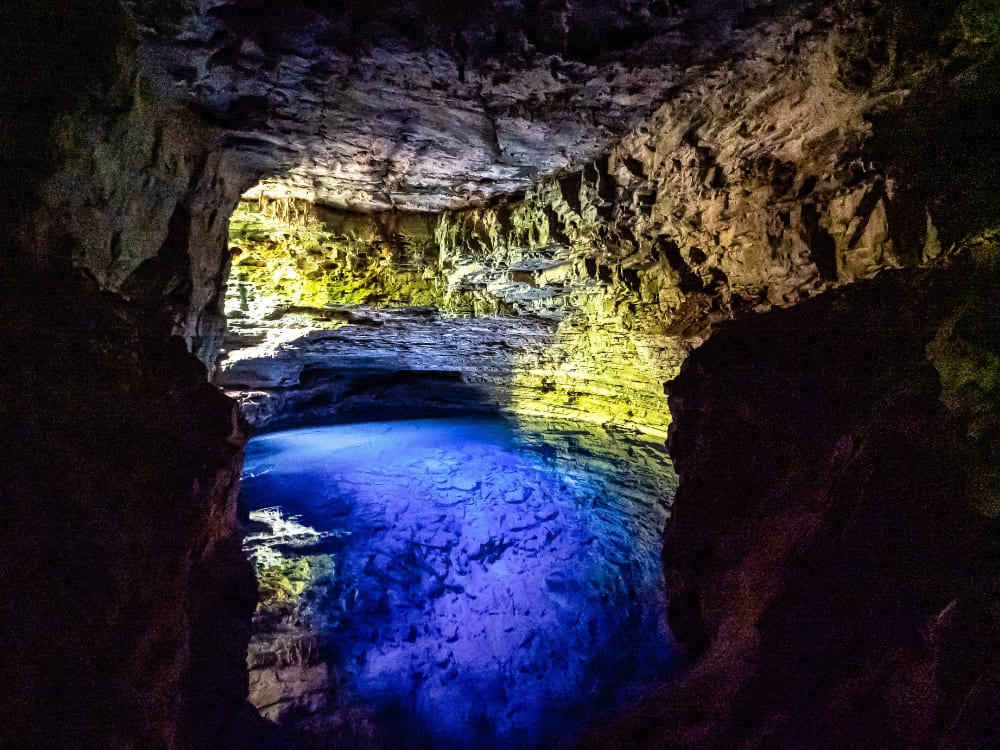
  • Where to stay in Chapada Diamantina?

    Where to stay in Chapada Diamantina?

    See where to stay in Chapada Diamantina gateway towns and the accommodation options for trekkers in Vale do Pati

    Chapada Diamantina is a massive natural area of 152,000 hectares. Perfect for adventure lovers due to its lush vegetation, beautiful waterfalls, ancient rock formations, and several kilometers of hiking trails, this amazing destination is on the bucket list of trekkers worldwide.

    Mirroring this atmosphere of nature and peacefulness, there are two accommodation options available: staying in the homes of national park residents or at hotels in nearby towns—particularly Lençóis, Mucugê, and Vale do Capão. Whether in small inns or homestays, the options for where to stay in Chapada Diamantina are notable for the authenticity of the region.

    PlanetaEXO, an adventure travel platform specializing in Chapada Diamantina tours, has helped countless travelers from all over the world to book the best accommodations in this fantastic destination. See our suggestions below!
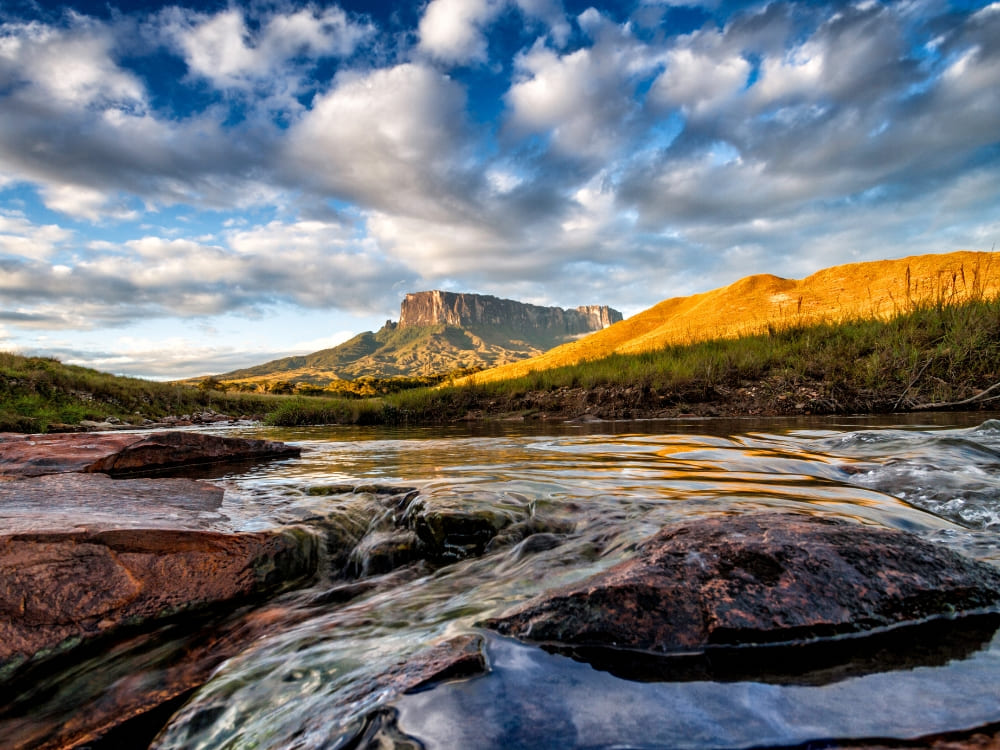
    Homestay in Vale do Pati

    Instead of staying in hotels in Chapada Diamantina, many travelers choose to stay in the homes of people who live inside the national park. This is the only form of accommodation for those who venture on multi-day hikes through Vale do Pati.

    Silhouette of a local homestay and palm trees in Vale do Pati against a vibrant orange sunset.
    .

    In simple houses adapted to receive groups of hikers, families welcome them with simplicity but great hospitality, offering comfortable beds, bathrooms with (cold) showers, and home-cooked meals.

    The experience is modest, but it has everything an adventurer needs to rest their tired body after a long day of trekking. This is also a way to meet new people and immerse yourself in the culture of Chapada!
    👉 Explore the adventure: 3-day Vale do Pati Trek

    Where to stay in Lençóis?

    Considered a National Historical and Artistic Heritage, Lençóis is a small town with over 11,000 inhabitants, but it features the best infrastructure in the Chapada Diamantina region and serves as its main gateway.

    Between the houses built in the 19th century, visitors find restaurants, grocery stores, ATMs, drug stores, and, of course, great stay options.

    Hotel de Lençóis

    Eco-friendly and modern, Hotel de Lençóis offers a variety of accommodation options, from standard rooms to apartments with jacuzzis. All include comfortable beds, bathrooms with hot showers, air conditioning, televisions, and private balconies.

    In the common areas, enjoy the restaurant, hot tub, playground, games room, meeting room, library, massage area, a grove with over 1000 native plant seedlings, and a museum with artifacts and historical records of the Chapada Diamantina.

    • Address: R. Altina Alves, 747
    • Price range: $$$$
    Aerial view of Lençóis showing 19th-century colonial houses, stone bridges, and the river winding through the town.
    .

    👉 Read more: How to Get to Chapada Diamantina National Park?

    Pousada Vila Serrano

    Vila Serrano is a sight for sore eyes. The colonial-style facilities are gorgeous, allowing guests to have a great time in spacious air-conditioned rooms with private bathrooms and balconies.

    The most notable services are an exclusive spa, a delicious breakfast buffet, free Wi-Fi, special activities in the national park, and a privileged location—only 200 meters from downtown Lençóis.

    • Address: R. Alto do Bonfim, 8
    • Price range: $$$
    Colonial-style courtyard of Pousada Vila Serrano in Lençóis featuring blue and white walls and lush green gardens.
    .

    Casa Antônia

    Only 900 meters away from downtown Lençóis, Casa Antônia’s modern architecture mixed with natural elements is one of the highlights of this lovely inn. 

    Every room includes single and/or double beds, air-conditioning, a closet, a work desk, a TV, and private balconies and bathrooms. Breakfast is highly praised by guests! 

    • Address: Segunda Travessa Parque do Ribeirão, S/N – Ribeirão do Meio
    • Price range: $$$$$

    Pousada Canto no Bosque 

    Are you looking for somewhere to stay in Chapada Diamantina under a moderate budget? Canto do Bosque is the perfect inn for couples and families seeking good quality services and fair prices.

    The rooms are cozy and give off charming Brazilian vibes, all of them including private bathrooms. You can also relax in the pool or indulge yourself with the daily all-you-can-eat breakfast buffet.

    • Address: Loteamento Parque do Ribeirão, s/n
    • Price range: $$$

    Hotel Canto das Águas

    On the banks of the Lençóis River, Canto das Águas is fully immersed in the vastness of the Chapada. With 43 accommodations, it offers absolute comfort in rooms of three categories (Standard, Luxury and Diamond) equipped with comfortable beds, air conditioning, minibars, private bathrooms and a decoration inspired by local artists.

    Just 200 m from the historic center of Lençóis, guests can also relax in the hotel’s gardens or grab a bite at the restaurant and bar.

    • Address: Av. Sr. dos Passos, 01 – Centro
    • Price range: $$$$$
     Illuminated swimming pool and tropical palm trees at night at Hotel Canto das Águas in Lençóis.
    .

    Pouso da Trilha

    In the historical center of Lençóis, Pouso da Trilha is a colonial house turned hotel. It offers a lovely stay experience with comfy beds, mini-fridges, ceiling fans or air-conditioning, and private bathrooms.

    After a delicious breakfast buffet, guests can hike to the natural pools of Ribeirão do Meio and Serrano—only a 30-minute walk away!

    • Address: R. dos Mineiros, 60
    • Price range: $$
    Bright blue facade with white and red window frames of Pousada Alto do Cajueiro on a cobblestone street in Lençóis.
    .

    Pousada Alto do Cajueiro

    Who says a budget accommodation can’t be beautiful and provide great services? The charming, modern decor of Pousada Alto do  Cajueiro is just the cherry on top, as each room includes single or double beds, ceiling fans, closets, and private bathrooms.

    Room service, concierge, luggage storage, and breakfast (buffet or continental) are also included. For an additional cost, guests can hire airport transfer services.

    • Address: R. do Cajueiro, 161
    • Price range: $$

    Where to stay in Mucugê?

    When searching for where to stay in Chapada Diamantina, Mucugê always shows up as a top choice for high-quality accommodations. With over 12,700 inhabitants, the town resembles Lençóis’ colonial architecture, but it’s even more peaceful, ideal for people looking for a serene retreat.

    In addition, a lot of trekking circuits to Vale do Pati kick off in Guiné, a small village from the district of Mucugê, one hour away from the city’s downtown. 

    Colorful little houses, historical churches, a beautiful bandstand, and restaurants adorn the main street. To fully engage with Mucugê’s history and culture, tourists also like to visit the Bizantino Cemetery, famous for its bright white tombstones.

    Bright white tombstones of the historic Bizantino Cemetery built into the rocky green mountainside of Mucugê.
    Byzantine Cemetery of Mucugê

    👉 Read more: When is the best time to visit Chapada Diamantina?

    Pousada Monte Azul

    The wonderful location is one of the highlights of Pousada Monte Azul—only 500 meters away from downtown Mucugê, 1.5 km away from the Paraguaçu River, and 7 km away from Sibéria, a beautiful waterfall in Chapada Diamantina National Park.

    Guests always compliment the amazing Brazilian food served fresh every day at the restaurant, the attentive staff, and the comfortable rooms, which feature single or double beds, TVs, minifridges, a rustic decor, and private bathrooms.

    • Address: Av. Antonito Pina Medrado, 563
    • Price range: $$$$$
    Rustic exterior of Pousada Monte Azul in Mucugê illuminated at night under a dark sky.
    .

    Pousada Mucugê

    A local classic, Pousada Mucugê is modest yet efficient, mostly recommended for people who like to explore and only go back to their accommodations to rest by the end of the day. 

    Either way, it offers a swimming pool, Wi-Fi, and private parking. Single or double beds, private bathrooms, and fresh towels are found in the cozy rooms.

    • Address: R. Dr. Rodrigues de Lima, 30 – Centro
    • Price range: $$$

    Pousada Primavera

    Only a 5-minute walk away from downtown Mucugê, Pousada Primavera offers a serene ambiance, perfect for people who wish to escape the hustle and bustle of everyday life.

    Find chalets with comfy beds, hammocks, excellent service, and a hefty breakfast every morning. Cost-efficiency, comfort, and great services in the same stay experience!

    • Address: R. do Caboclo, 102 – Centro
    • Price range: $$$

    Pousada Guiné

    Pousada Guiné is a cozy stay in the village of Guiné—a perfect spot for adventurers who want to stay close to the starting point of the Vale do Pati trek—featuring a sun terrace, garden, restaurant, bar, free WiFi, and an on-site bar.

    The rooms are simple but still comfortable, equipped with comfortable beds, air-conditioning, and private bathrooms. The beautiful views from each unit make the stay even better!

    • Address: R. Eliezer Lima de Oliveira – Guiné
    • Price range: $$

    Where to stay in Vale do Capão?

    In the district of Caeté-Açu, which belongs to the town of Palmeiras, Vale do Capão is a peaceful small village in Chapada Diamantina.

    Known for its stunning waterfalls, scenic trails, and laid-back atmosphere, it’s a gateway to famous hikes like Cachoeira da Fumaça and Morrão, attracting nature lovers, backpackers, and trekkers from all over the world seeking a deep connection with nature.

    Colorful houses lining the peaceful main street of Vale do Capão with a massive mountain glowing at sunset.
    .

    Pousada Amanhecer

    Pousada Amanhecer is an exceptional accommodation with sophisticated facilities and stunning natural views. Social areas include a well-kept garden, a fine dining restaurant, a bar, a playground, and a swimming pool.

    Guests can relax in high-end suites and bungalows with double beds, air-conditioning, mini-fridges, coffee makers, private bathrooms and balconies, and premium amenities.

    • Address: Sítio Povoado Caeté-Açu, 997 – Zona Rural, Palmeiras
    • Price range: $$$$$
    Modern swimming pool and sophisticated concrete architecture of Pousada Amanhecer overlooking the mountains in Vale do Capão.
    .

    Pousada Aconchego

    Surrounded by plants and adorned by Chapada Diamantina’s mountains on the horizon, Pousada Aconchego offers a cozy ambiance with its lovely rooms, hammocks, and friendly staff.

    If you have a restricted diet, make your food in the shared kitchen and cafeteria (open 24/7). The bucolic infrastructure is often praised!

    • Address: R. da Vila, s/n – Centro
    • Price range: $$$

    Pousada do Capão

    If you’re looking for a peaceful retreat in Chapada Diamantina, Pousada do Capão is a great choice. The accommodation offers cozy and well-maintained rooms, free parking, free Wi-Fi, private bathrooms, and a delicious breakfast every morning.

    The friendly staff is always available to offer recommendations on hikes and activities in the area. A perfect spot for nature lovers looking for comfort and tranquility!

    • Address: R. Chamego, s/n – Centro
    • Price range: $$$

    Pousada Pé no Mato

    When it comes to where to stay in Chapada Diamantina on a budget, Pousada Pé no Mato is a great option. Particularly recommended for young travelers and couples, there’s no food service, but guests can cook in the shared kitchen or explore the flavors of Vale do Capão restaurants—only a short walk away.

    Enjoy comfortable rooms with double or single beds, private bathrooms, hammocks, and a coworking space. Nearby, you’ll find hiking trails for Fumaça Waterfall and Vale do Pati.

    • Address: R. da Vila, 02 – Vale do Capão
    • Price range: $$
    A well-kept circular garden with a stone fountain at a peaceful retreat, framed by green mountains in Chapada Diamantina.
    .

    Booking your trip to Chapada Diamantina with PlanetaEXO

    Now that you know some of the best hotels in Chapada Diamantina, how about starting to plan your trip right now?

    PlanetaEXO, an ecotourism platform specializing in Chapada Diamantina tours, works with the finest local operators to guarantee an unforgettable experience, including luxury or budget-friendly inns and residents of the national park. Contact us now!