Blog

  • 15 ecotourism destinations in Brazil to explore in 2026

    15 ecotourism destinations in Brazil to explore in 2026

    From North to South, discover must-visit nature destinations in Brazil!

    A country as large as Brazil has a lot to offer in terms of natural resources. There are six continental biomes (Amazon, Cerrado, Atlantic Forest, Caatinga, Pantanal and Pampa) — plus the Coastal Marine Biome — distributed in about 8,500,000 kmÂČ over 26 states marked by geographical and cultural differences, but united by pure, green and yellow beauty.

    Top ecotourism destinations in Brazil
    .

    The tourist greatness has made Brazil the 2026 destination of Travel + Leisure, one of the most important tourism publications in the U.S. The magazine highlights experiences diversity, sociocultural complexity, gastronomy, excellence in hosting and, as expected, nature.

    With that in mind, PlanetaEXO has assembled a list of the best ecotourism destinations so you can learn more about Brazil’s grace and the importance of protecting its ecosystems. Read more below!

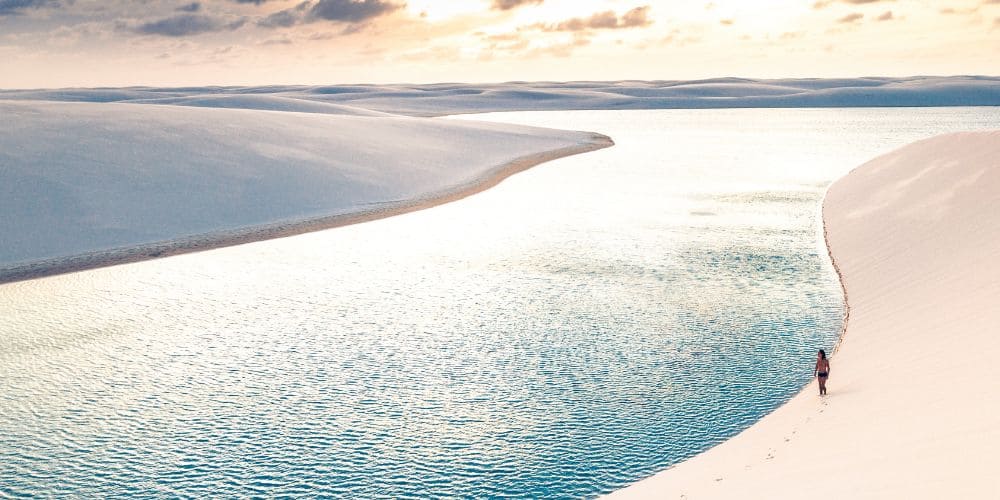
    1 – Lençóis Maranhenses (MA)

    Lençóis Maranhenses
    .

    Lençóis Maranhenses National Park is so stunning some people say its beauty is otherworldly. The crystal blue water lagoons amidst white sand dunes will surely make your jaw drop in awe.

    In addition to walks through the dunes and refreshing dives in the lagoons — you need to visit Bonita, Azul, Gaivota and the Esperança lagoons! —, tourists love to go boat or four-wheel drive tours, contemplate the sunrise or the sunset, explore the vegetation of the Caatinga, Cerrado and the Amazon, and exchange cultural experiences with the locals.

    When is the best time to visit Lençóis Maranhenses?

    Schedule your trip between May and September, when the lagoons are at their fullest. From September to October and February to April, the lagoons get smaller, but still offer water activities.

    The lagoons dry out from November to January, which limits experiences on the water, but unravels beautiful pastures and meadows.

    Where to stay in Lençóis Maranhenses?

    Accommodation in Lençóis Maranhenses takes place in the surrounding cities. Barreirinhas is the main gateway and has more accommodation options, from simple inns to full-service hotels. Atins is a fishing village by the sea, suitable for nature lovers. Santo Amaro do Maranhão is the most isolated, perfect for those looking for exclusivity and total disconnection.

    Another lodging alternative is an overnight stay at locals’ houses. Trekkers crossing the park stay in modest, but cozy homes. Great opportunity to meet new people and different cultures!

    Our travel packages to Lençóis Maranhenses are diverse, with options for lodging in traditional or homestay accommodations. Check ‘em out!

    How to get to Lençóis Maranhenses?

    From São Luís International Airport (SLZ), the ride (bus, car or shared van) to Barreirinhas can last up to 5 hours. Barreirinhas Municipal Airport (BRB) has not received commercial flights since March 2025, but still includes executive and chartered aircraft in the daytime. 

    You can go to Atins by boat or 4×4 vehicle, but you’ll still have to pass through Barreirinhas. From SĂŁo LuĂ­s to Santo Amaro (237 km), transfer options include rental cars, taxi, share van or private shuttle services.

    👉 Learn more:

    2 – Amazînia (AM/PA)

    AmazĂŽnia
    Photo: Isadora SĂĄ

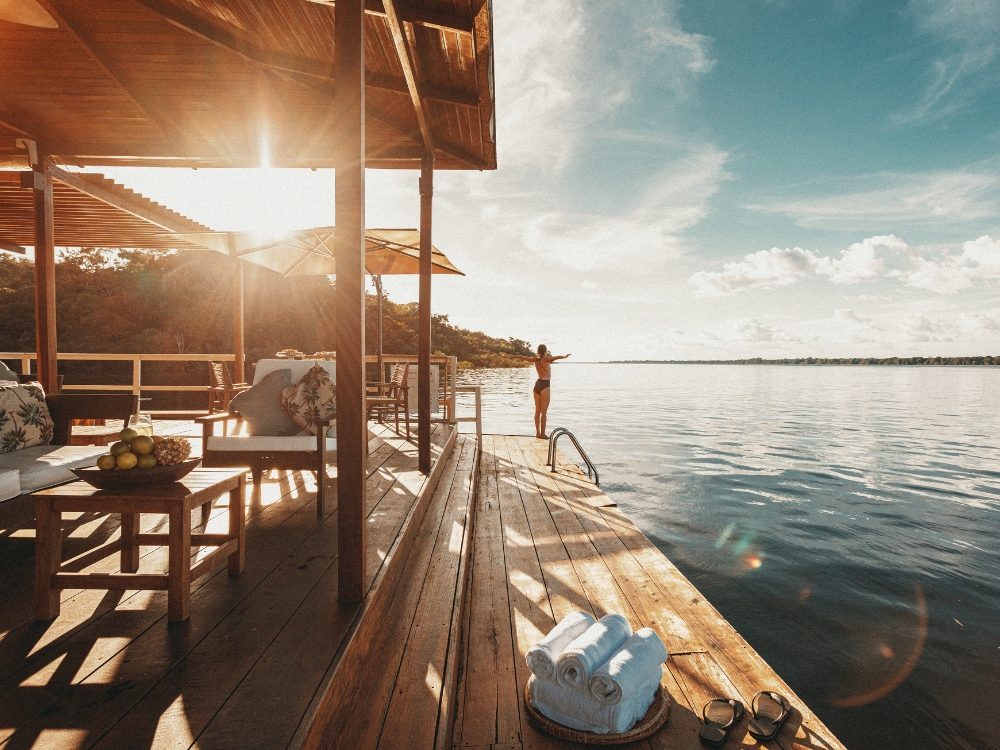
    How can we talk about ecotourism destinations in Brazil without mentioning the Amazon? The largest portion is located in the state of Amazonas, followed by ParĂĄ and Mato Grosso. Eco-friendly tourism is one of the initiatives that keeps the forest standing, contributing to sustainable awareness, local economic flow and support to socio-environmental projects.

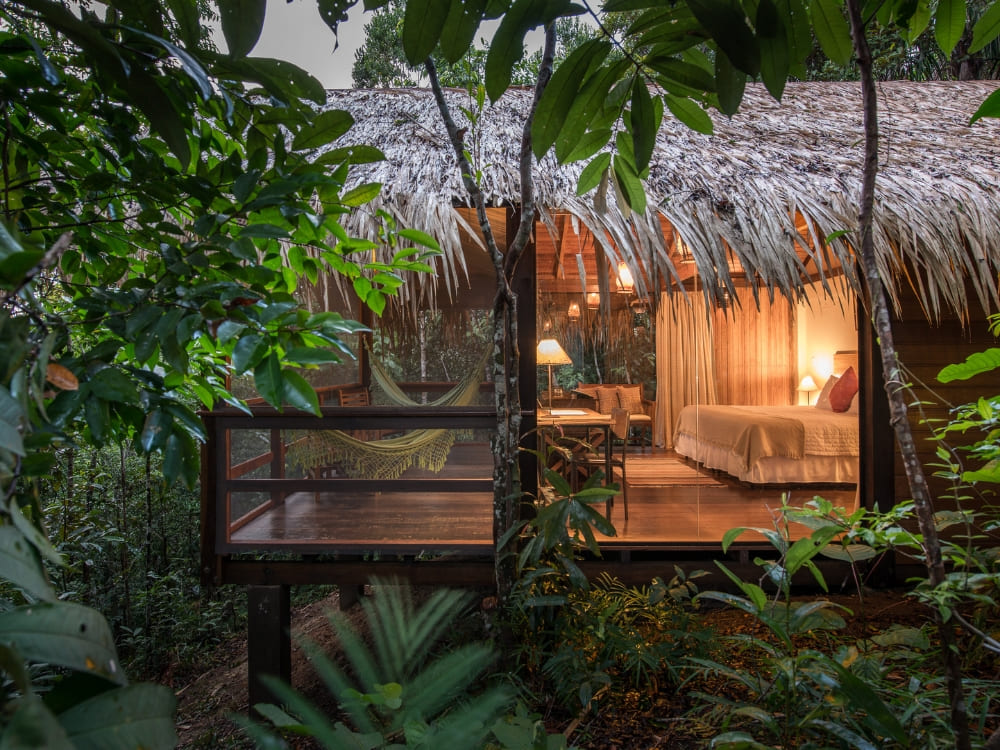
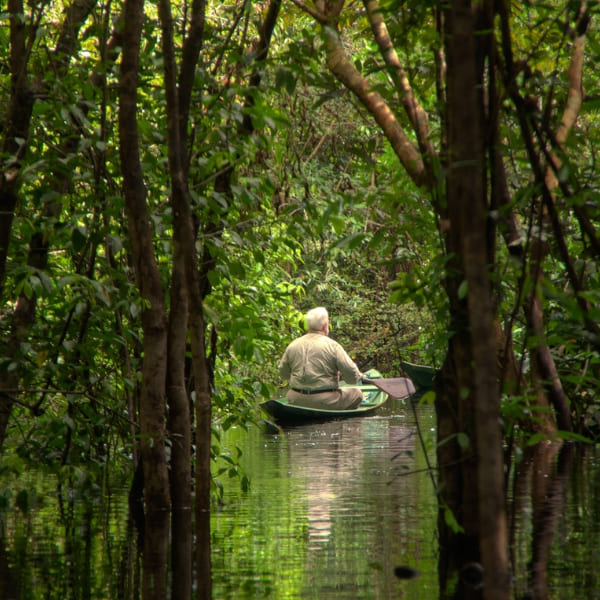
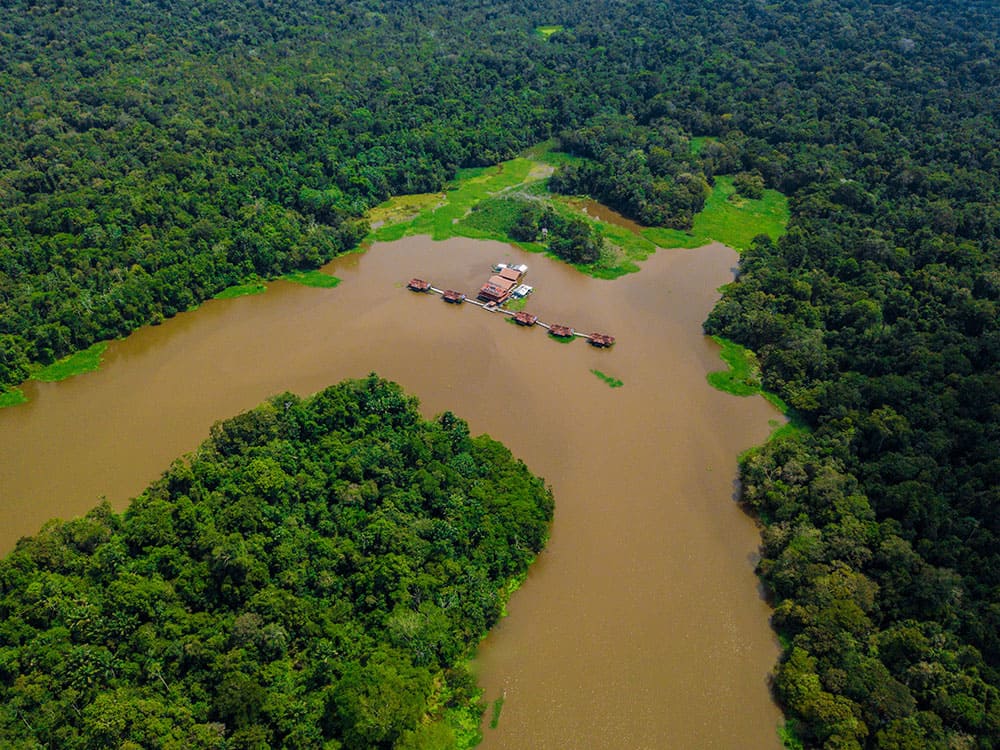
    Among all the stunning scenery hidden in the Amazonian wilderness, a few stand out. JaĂș National Park, for example, is a UNESCO World Heritage Site for its protection of flooded forests and the entire JaĂș river basin, one of Negro River’s tributaries. River cruises and jungle lodges offer different activities such as hiking, boat rides, nature contemplation, visits to riverside communities and more.

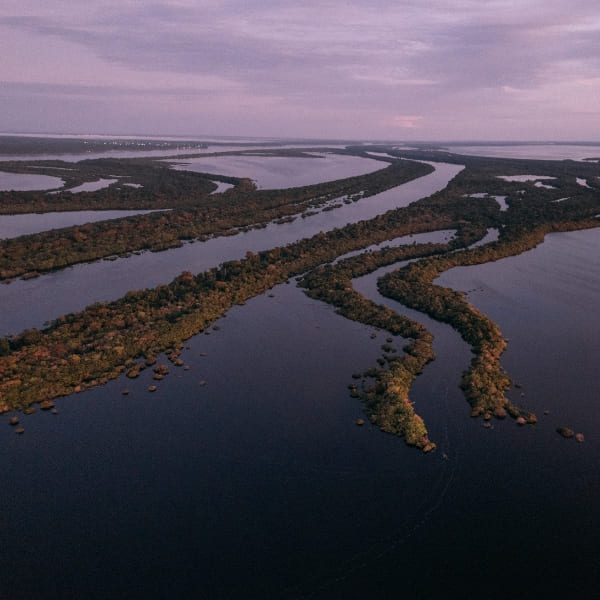
    Anavilhanas National Park holds the title of the second-largest fluvial archipelago in the world, with 400 islands, 60 lakes and a remarkably privileged location on Negro River. The charming jungle lodges and cruises also feature diverse itineraries, including water trails, wildlife watching, scuba diving, etc. 

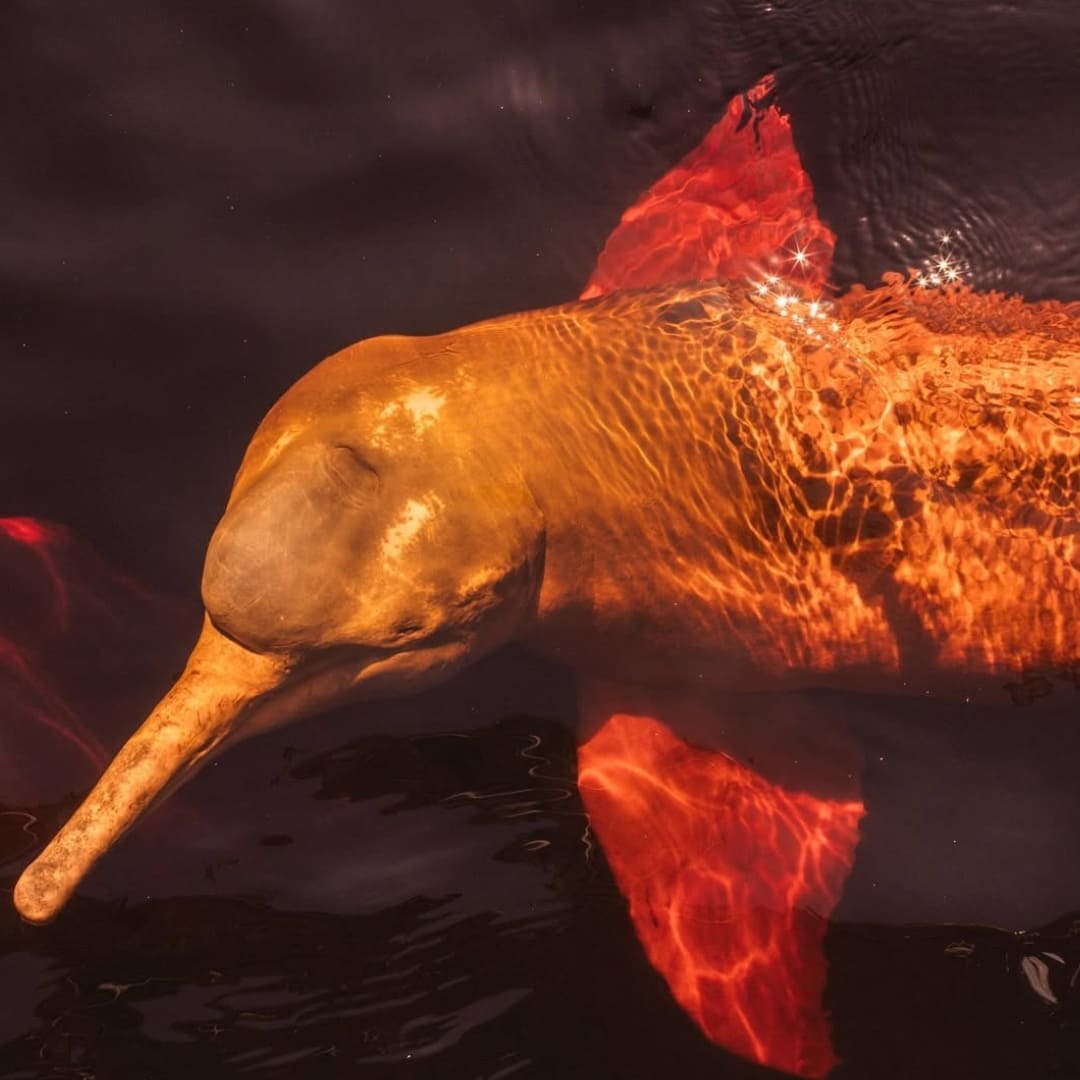
    In the state of ParĂĄ, the Amazon reveals a different landscape, marked by clear rivers and river beaches. The highlights are Alter do ChĂŁo and the TapajĂłs River, known for their surprisingly transparent waters and tones reminiscent of the Caribbean. The experience in the region combines direct contact with the forest, observation of wild animals, such as pink dolphins, and the impressive diversity of trees, plants, and flowers that define the Amazon.

    When is the best time to visit the Amazon?

    • Amazonas: between January and September, when the rivers are at their fullest. This period is ideal for navigation, water trails, and access to flooded forest areas, as well as offering good opportunities for wildlife viewing along the Negro and SolimĂ”es rivers.
    • ParĂĄ: between August and December, during the driest season. This is when the river beaches of the TapajĂłs River appear, creating landscapes of clear waters and white sand, especially in the Alter do ChĂŁo region.

    Where to stay in the Amazon?

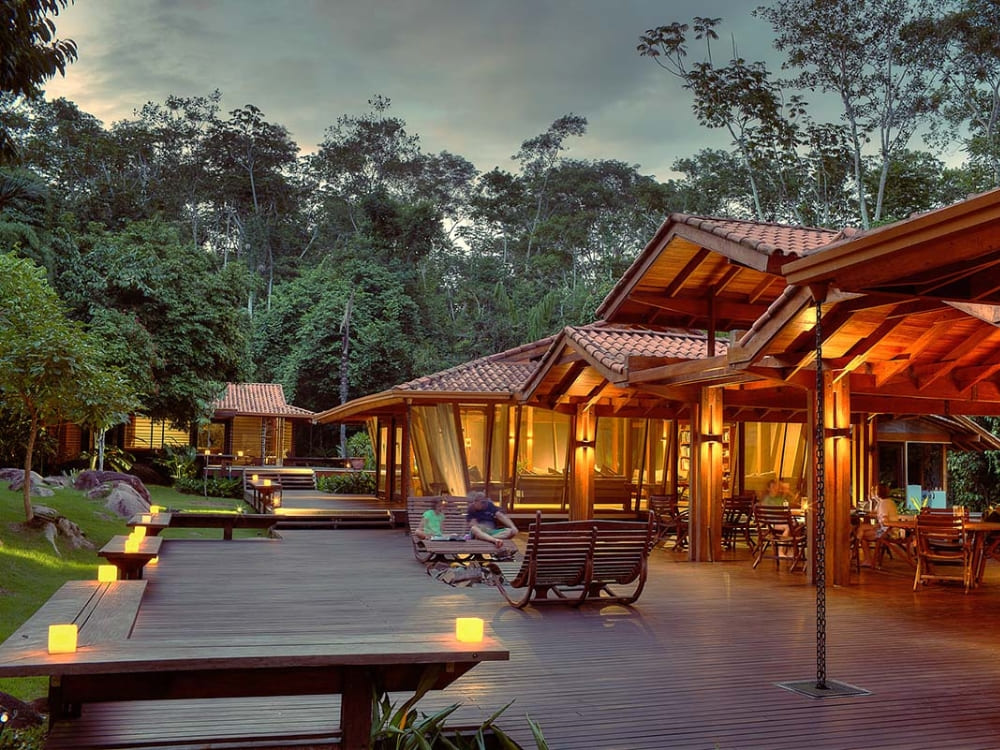
    Despite its total immersion in nature, the Amazon offers different standards of packages, from simple to high standard, always with a focus on ecotourism experiences.

    • Amazonas: there are jungle lodges and river cruises near the JaĂș National Park, the Anavilhanas National Park and along the Rio Negro, ideal for those seeking a deep immersion in the forest and Amazonian biodiversity.
    • ParĂĄ: accommodation is concentrated in Alter do ChĂŁo and the surroundings of the TapajĂłs River, with inns and hotels focused on nature, river beaches, and lighter experiences, combining forest, river, and local culture.

    How to get to Amazon?

    • Amazonas: the main access is through Manaus International Airport (MAO). From Manaus, travel varies according to the itinerary and may include boats, regional flights, and organized transfers to lodges, national parks, or river cruises.
    • ParĂĄ: the gateway is SantarĂ©m Airport (STM). From there, access to Alter do ChĂŁo and the TapajĂłs areas is by road or boat, depending on the type of experience chosen.

    👉 Learn more:

    3 – Barra do Garças (MT)

    Barra do Garças
    Photo: Secrataria de Turismo de Barra do Garcas

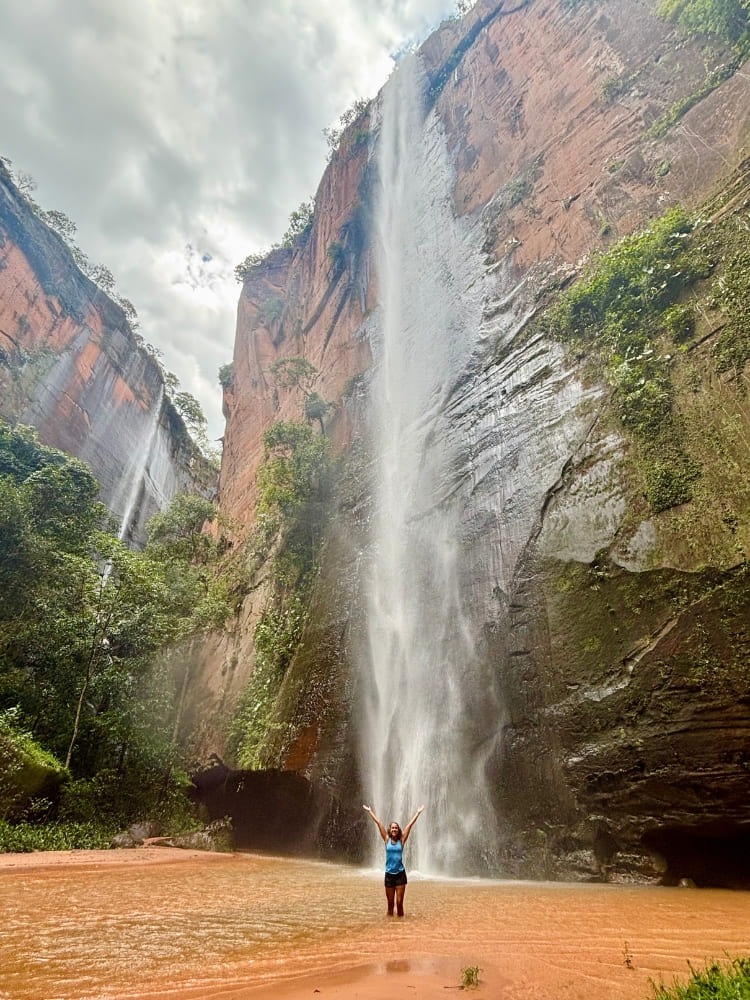
    Mato Grosso hides numerous ecotourism destinations, including the small town of Barra do Garças, with only 60,000 inhabitants. The peaceful atmosphere offers a very welcome break for tourists from large urban centers, who quickly fall in love with gorgeous views covered by natural beauty.

    It’s hard not to be hypnotized by the trails and beautiful viewpoints of Serra Azul State Park, as well as the narrow canyons, thermal water pools, various waterfalls and landscapes surrounded by trees and the blue sky.

    When is the best time to visit Barra do Garças?

    It’s hot all year round, so prepare for 34 °C at the height of summer. It’s the perfect weather to cool off in Azul, Perdida and Samambaia Waterfalls and the impressive natural well of SantuĂĄrio das Araras!

    Where to stay in Barra do Garças?

    After having fun with ecological walks, rafting on the Araguaia River, bathing in waterfalls and diving in crystal clear wells, rest in the inns in more secluded areas or in hotels downtown. Daily rates start at R$160, depending on the season and the accommodation category

    How to get to Barra do Garças?

    Goiñnia International Airport (GYN) receives flights from cities all over Brazil. The drive to Barra do Garças takes just over 5 hours. Barra do Garças Airport (BPG) is also an option, but it’s only served by flights from Cuiabá on Mondays, Wednesdays and Fridays.

    4 – Chapada Diamantina (BA)

    Chapada Diamantina
    Photo: Lucas Ribeiro

    Covering an area of approximately 38,000 kmÂČ, the Chapada Diamantina region, home to the national park, is the perfect place for those who love hiking. The Vale do Pati area is considered one of the best trekking destinations in the world, thanks to its abundance of natural resources and truly breathtaking landscapes.

    The trails cross through rivers, waterfalls, natural pools, caves, hills and viewpoints. Here’s what you can’t miss: Buracão, Fumaça and Fumacinha Waterfalls, Poço Encantado and Poço Azul, Lapa Doce and Pratinha Caves.

    When is the best time to visit Chapada Diamantina?

    The dry season (May to October) is especially suitable for trekking, while the rainy season (November to April) is ideal for visiting waterfalls, trekking and admiring the vegetation. Please notice: it may not rain every day during the rainy season.

    👉 Learn more: When is the best time to visit Chapada Diamantina?

    Where to stay in Chapada Diamantina?

    Hotels, inns and homestays are the lodging options in Chapada Diamantina. Accommodations are divided between the towns that surround the park: Lençóis, MucugĂȘ, Palmeiras, Ibicoara and AndaraĂ­.

    Our packages to Chapada Diamantina include lodging, transfers, guided tours and meals — everything you need to make your adventure even better!

    How to get to Chapada Diamantina?

    Salvador International Airport (SSA) is the main choice for most tourists from other states or countries due to its offer of direct flights, but the closest to the national park is Lençóis Airport (LEC), which offers limited flights from Belo Horizonte (Minas Gerais).

    From there, the park is only 25 minutes away (22 km), while the route (by car or bus) from the capital of Bahia takes nearly 6 hours (411 km). 

    👉 Learn more:

    5 – Cambará do Sul (RS)

    CambarĂĄ do Sul
    .

    190 km from Rio Grande do Sul capital, Porto Alegre, CambarĂĄ do Sul is known as the Land of the Canyons, with Itaimbezinho and Fortaleza leading the ranking of most commanding. Up to 900 meters deep, they are true geological treasures of volcanic formation surrounded by the Atlantic Forest and a beautiful blanket of araucarias. Apparently, this Serra GaĂșcha paradise is over 135 million years old!

    The surroundings are protected by Aparados da Serra National Park and Serra Geral National Park, which allows visitors to venture into waterfalls, rivers and lush green trails. Rio do Boi Trail, Tigre Preto Waterfall and Pedra do Segredo are considered must-see attractions.

    When is the best time to visit CambarĂĄ do Sul?

    Cold, wind and fog are a constant, especially between May and August, when the average temperature is 8°C. The weather is chilly, but the visibility of the canyons is the best in this time of year.

    Check out more details of when to travel to CambarĂĄ do Sul:

    • April (average 15 °C): Best for quad bike tours and horseback riding
    • September to November (average 18 °C): hiking and nature contemplation
    • December to March (average 24 °C): hiking and visiting waterfalls

    Where to stay in CambarĂĄ do Sul?

    Accommodation in CambarĂĄ do Sul consists mainly of inns, cabins, eco hotels and glamping. Cheaper stays have an average price of R$120, while full stays have daily rates starting at R$530.

    How to get to CambarĂĄ do Sul?

    Porto Alegre Airport (POA) is the most convenient gateway, but the route to Cambará is by car — nearly a 3-hour drive. In general, tourists hire private shuttle services to reach their final destination.

    6 – Jalapão e Serras Gerais (TO)

    JalapĂŁo

    If you love sustainable travel, it’s possible you’ve heard of Jalapão, but Serras Gerais, the “less famous sister”, is also a golden mine for nature junkies.

    A 4-hour drive separates these two destinations — a perfect opportunity for travelers who can extend their trips and wish to further explore Tocantins charms!

    JalapĂŁo

    JalapĂŁo State Park is a true natural paradise, with geological formations dating back thousands of years, starry skies and trails covered by untouched vegetation.

    The main protagonists, however, are the fervedouros (natural pools formed by high-pressure springs) of blue and bubbling waters, allowing for dives without the risk of sinking. Make sure to visit Soninho, MacaĂșbas, Bela Vista, Buriti and Buritizinho fervedouros. 

    When is the best time to visit JalapĂŁo?

    Jalapão is fantastic at any time of the year, but it’s especially suitable from May to September, when there’s less chance of rain and better weather conditions for outdoor walks.

    Where to stay in JalapĂŁo?

    The state park extends through the municipalities of Mateiros and SĂŁo FĂ©lix do Tocantins, where hotels, inns and hostels are located. To make the most of the trip, tourists usually buy 4 to 6-day vacation packages — which include lodging, guided tours, transfers and meals.

    How to get to JalapĂŁo?

    Mateiros and SĂŁo FĂ©lix are the park’s entry points, with Palmas Airport (PMW) being the closest. You should arrive in about 4 hours by car — private/group transfer is included in travel packages to JalapĂŁo. Check it out!

    👉 Learn more:

    Serras Gerais

    Serras Gerais the largest chain of mountains in Brazil, covering eight municipalities in Tocantins territory alone. The most important are Natividade, Aurora do Tocantins, Almas and Dianópolis. Lavandeira, Taguatinga, Almas, Pindorama do Tocantins, Rio da Conceição and Paranã are also important surrounding cities.

    The main attractions are crystal clear rivers, viewpoints, waterfalls and over 50 caves open for visitation. Azuis River, Encantado Canyon, Bonita Lagoon, Registro Waterfall and Pequizeiro Beach are mandatory stops, but there’s so much to do in Serra Gerais it’s possible to set up a 15-day itinerary!

    When is the best time to visit Serras Gerais?

    Plan your vacation between April and October, when the weather is stable enough to schedule outdoor activities without major chances of rain.

    Where to stay in Serras Gerais?

    Accommodation is provided in the surrounding cities, with options for hotels, inns and glamping. Vacation packages, which include lodging and other services, are highly sought after by tourists for convenience and cost-effectiveness.

    How to get to Serras Gerais?

    Palmas Airport is the closest, but the road route to Serras Gerais is about 400 km, depending on which town you’re going to.

    7 – Chapada dos Veadeiros (GO)

    Chapada dos Veadeiros
    .

    Also in the Cerrado, Chapada dos Veadeiros National Park meets several towns, but Alto Paraíso de Goiás is the main getaway. Trekkers have the chance to explore spectacular places like Chapada Alta, River Preto and numerous rock formations — such as the Moon Valley, named for its lunar-like surface appearance caused by the wear and tear of the stones over time.

    The waterfall circuit is a star on its own, considered by many to be the most beautiful in the entire Cerrado. The famous Saltos Waterfall, formed by several 120-meter falls, pools into natural wells that are perfect to cool off after an invigorating walk on the Saltos Trail.

    When is the best time to visit Chapada dos Veadeiros?

    To make the best of your vacation, it’s important to book your trip in the right season. The best time to go to Chapada dos Veadeiros is between April and July, at the end of the rainy season and at the beginning of the drought, when the waterfalls are still full and the vegetation is beautifully green.

    Some trails might be closed, but there are plenty of other options to enjoy!

    Where to stay in Chapada dos Veadeiros?

    Hotels and inns on the outskirts of Chapada Diamantina start at R$130 (daily rate), but visitors looking for adventure and authenticity usually stay in campsites within the national park — tents and other equipment included in travel packages. It’s quite the experience!

    👉 Book now: Trekking Chapada dos Veadeiros

    How to get to Chapada dos Veadeiros?

    The distance between BrasĂ­lia International Airport (BSB) and Alto ParaĂ­so is 237 km (3 hours on the road). Check the travel packages details to learn more about shuttle services and other relevant information.

    8 – Pantanal (MT/MS)

    Pantanal

    The Pantanal is all about eco-friendly tourism thanks to the natural resources and conservation projects that work tirelessly to protect one of the most fascinating biomes in Brazil. Sustainable travel is also an important instrument for environmental preservation, contributing to the protection of flora, fauna and local communities.

    Covering Mato Grosso and Mato Grosso do Sul, the Pantanal is so large and rich that it has different experiences in the north and south. It’s worth knowing both, but it’s important to understand what each region has to offer before planning your trip.

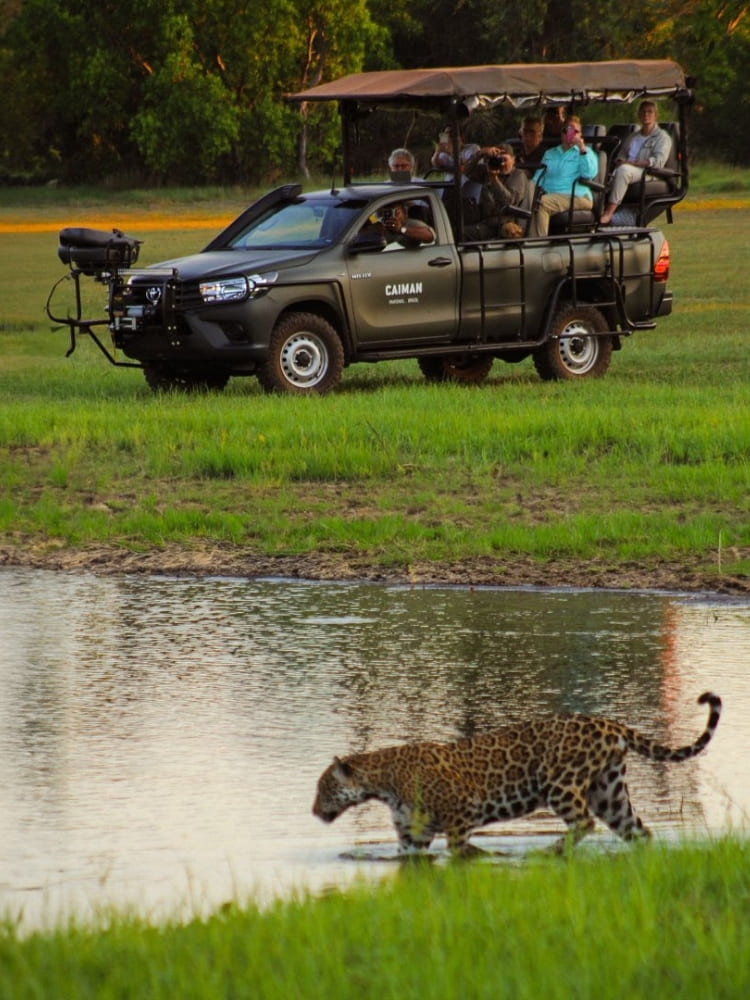
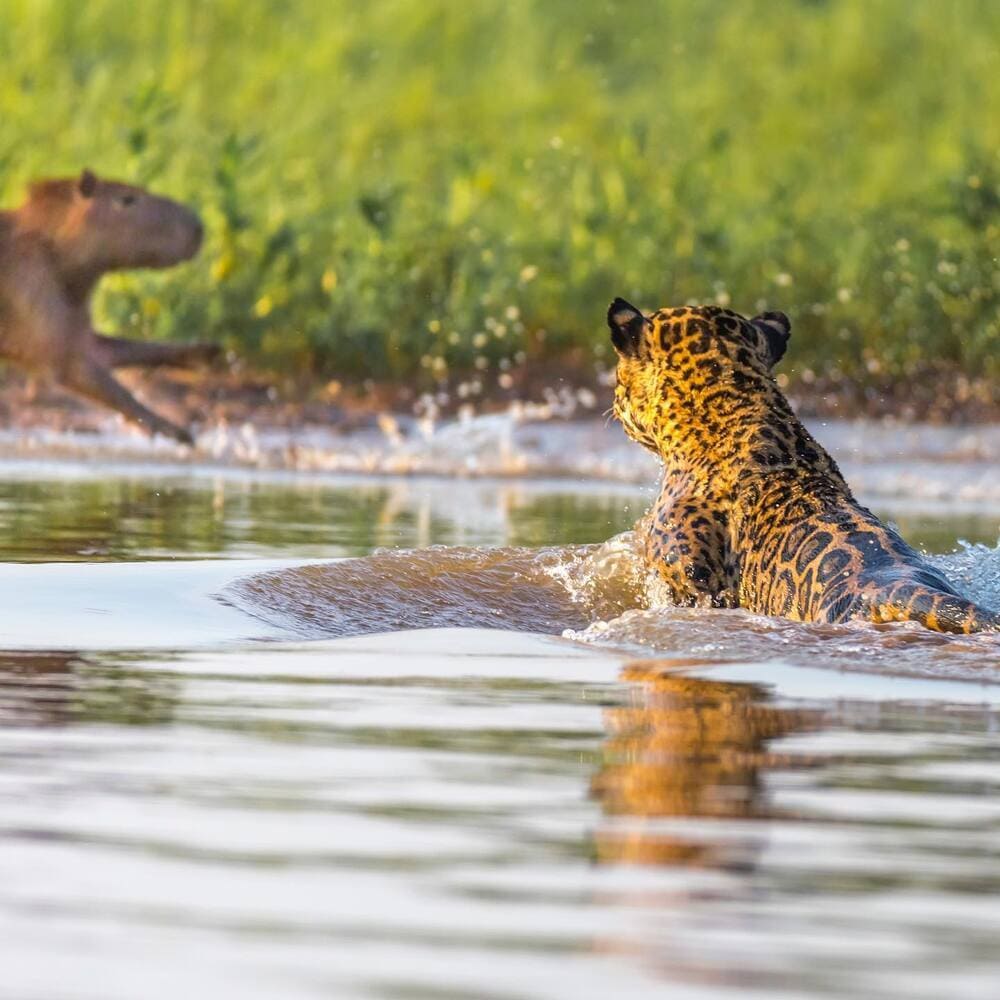
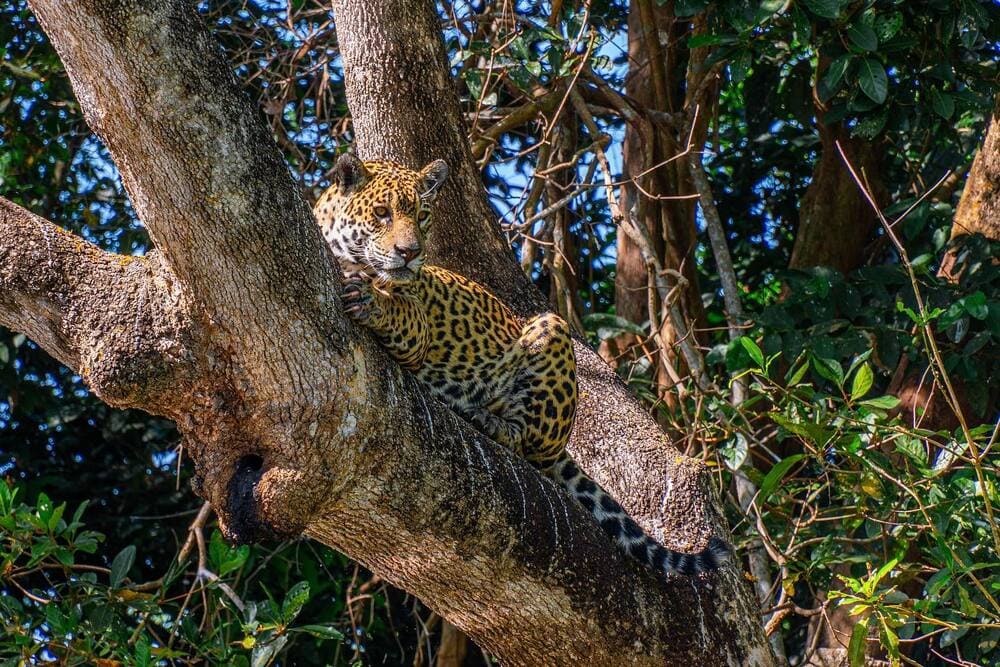
    The Northern Pantanal, in Mato Grosso, is accessed by Cuiabå, with Porto Jofre, in the city of Poconé, being the main destination. The area is famous for boat safaris for jaguar spotting and other Pantanal animals.

    The Southern Pantanal, in Mato Grosso do Sul, has Campo Grande as a gateway and Aquidauana, Miranda and CorumbĂĄ as prominent cities. Savannah and forest hikes, wildlife watching and horseback riding are the main activities.

    When is the best time to visit Pantanal?

    • Northern Pantanal: dry season (July to October) presents bigger chances for wildlife spotting.
    • Southern Pantanal: From May to September, in the dry season, the weather is ideal for land safaris and animal sightings.

    How to get to the Pantanal?

    • Northern Pantanal: The journey from CuiabĂĄ International Airport (CGB) to PaconĂ© takes about 2 hours. From there, the Transpantaneira Road leads to Porto Jofre (146 km).
    • Southern Pantanal: The route from Campo Grande Airport (CGR) to Aquidauana can last up to 3 hours, while the drive to Miranda and CorumbĂĄ requires 4-6 hours on the road.

    Where to stay in the Pantanal?

    Despite the immersion in nature, the hosting experience in the Pantanal can be of a very high standard.

    See other vacation packages in the Pantanal and live the most amazing adventure of your life!

    👉 Learn more:

    9 – Vale do Catimbau (PE)

    Vale do Catimbau
    Photo: Elias Rodrigues

    Nature immersion, archaeology and astronomy make Vale do Catimbau one of the most surprising ecotourism destinations in the Northeast of Brazil, even if it’s not as well-known by the general public.

    Catimbau National Park showcases the strength of the Caatinga, housing stunning landscapes and trails between valleys, mountains, rock formations and a sky so clear it’s possible to observe satellites and shooting stars. This scenario also hides one of the largest archaeological sites in Brazil, with cave paintings up to 6,000 years old!

    Hiring an experienced guide is imperative. In the middle of the wild and the Pernambuco sertĂŁo, Vale do Catimbau is extensive and has areas that are difficult to navigate. Safety first!

    When is the best time to visit Vale do Catimbau?

    The heat is something to consider when planning your trip. From September to December, the sky allows for greater visibility of the stars, but the weather is dry. The temperature is milder from March to August, with more rain, green vegetation and the possibility of temporary waterfalls.

    Where to stay in Vale do Catimbau?

    Book your accommodation in BuĂ­que, a town that serves the national park. Take your pick of inns, chalets and eco camping (starting daily rates at R$100).

    How to get to Vale do Catimbau?

    From Recife International Airport (REC) to Buíque, expect a 290 km distance — over 4 hours by car. 

    10 – Nobres (MT)

    Nobres
    .

    Another nature tourism spot in Mato Grosso is Nobres, a town located in the Center-South region of the state. It’s important to point out, however, that the majority of the attractions are in Vila Bom Jardim, 65 km away.

    Visitors are attracted by the trails, caves, zip lines, quad bike rides, buoy-cross, waterfalls and clear, blue water rivers. Just like Bonito — a fantastic sustainable travel destination in Mato Grosso do Sul —, the water bodies are rich in limestone, which allows almost no effort to float. Make sure to visit Salombra and QuebĂł Grande Rivers, AquĂĄrio Encantado, RefĂșgio das Águas, Lagoa das Araras and Mirante do Serrado!

    Environmental preservation is taken very seriously. Local management controls the number of visitors and charges fixed prices on tours, which ensures greater care for natural resources. Therefore, tourists should book experiences in advance through authorized agencies. Check out the list of providers on Nobres official website.

    When is the best time to visit Nobres?

    The best time to go to Nobres is during the dry season, between May and September. With little to no rain, the waters get even clearer!

    Where to stay in Nobres?

    Cozy inns are the main accommodation options, with daily rates starting at R$200. 

    How to get to Nobres?

    By plane, the easiest way to get there is through CuiabĂĄ International Airport (COA), but the route to Nobres and Bom Jardim is 187 km and 144 km, respectively. Bus rides, rental car trips or shuttle services provided by the agencies are available transfer alternatives.

    11 – Serra da Capivara (PI)

    Serra da Capivara
    Photo: @educoelhoguia

    Serra da Capivara National Park is one of the most impressive national parks in Brazil. Caves, rocky walls and trails of different levels of difficulty are scattered across 130,000 hectares.

    The real highlight, however, are the archaeological sites. It’s estimated that Serra da Capivara houses almost 30,000 cave paintings over 10,000 years old! History buffs can also visit the Nature Science Museum, which is close to the park.

    When is the best time to visit Serra da Capivara?

    Book your trip from May to September, when the rain gives Serra da Capivara a break. This allows for better exploration of the archaeological sites, as well as peaceful hiking trails.

    Where to stay in Serra da Capivara?

    Tourists usually buy travel packages that include guided tours, meals, transportation and lodging in São Raimundo Nonato — a town that provides access to the national park. Prices vary based on trip length, attractions, group size, and hotel category.

    How to get to Serra da Capivara?

    To reach Serra da Capivara, land at Petrolina Airport (PNZ) and drive 294 km to SĂŁo Raimundo Nonato.

    12 – Cerrado (GO/MG/BA)

    Cerrado
    Photo: Fe Albori

    The savanna of Brazil is the Cerrado, a very rich biome that extends over ten states in the North, Northeast, Midwest and Southeast, but this nature destination is located on the triple border of Goiås, Minas Gerais and Bahia: the Pousada Trijunção.

    More than a simple inn, Trijunção is an ally of the Cerrado. Regenerative tourism, use of solar energy and demolition timber, rainwater reuse, recycling, separation of organic waste, and employment for locals are some of its most notable sustainable practices.

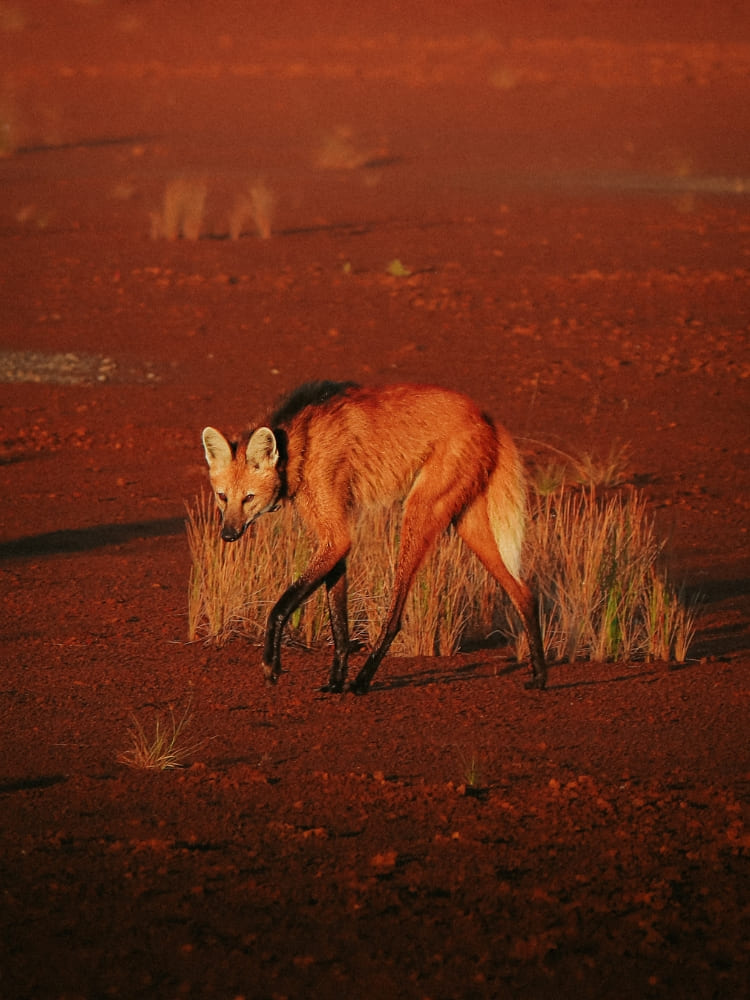
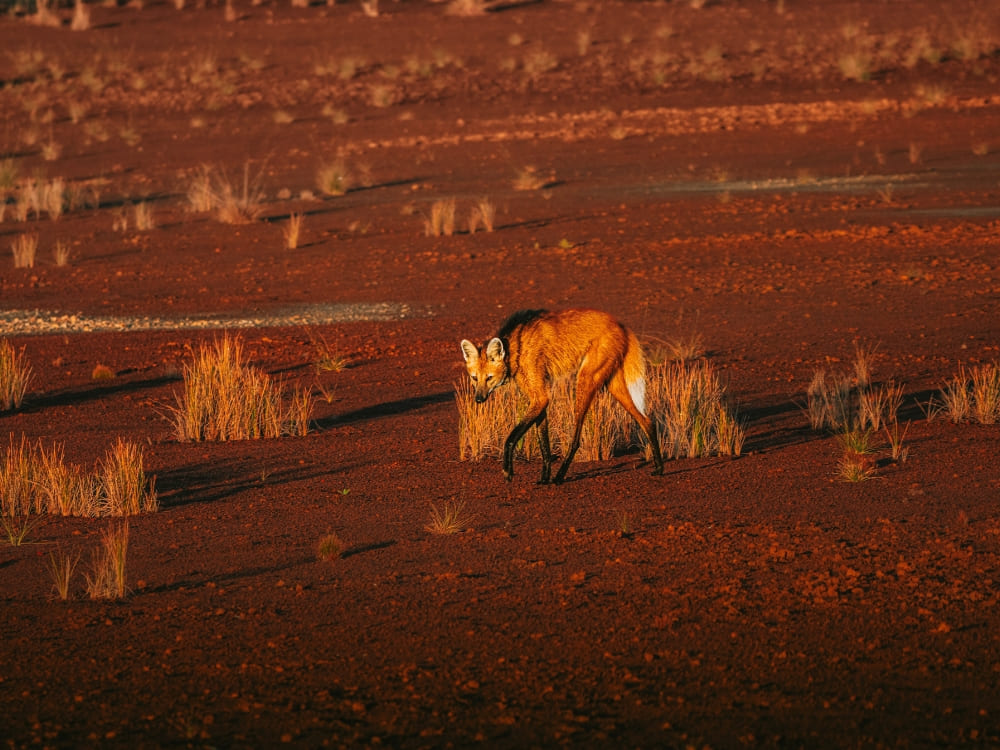
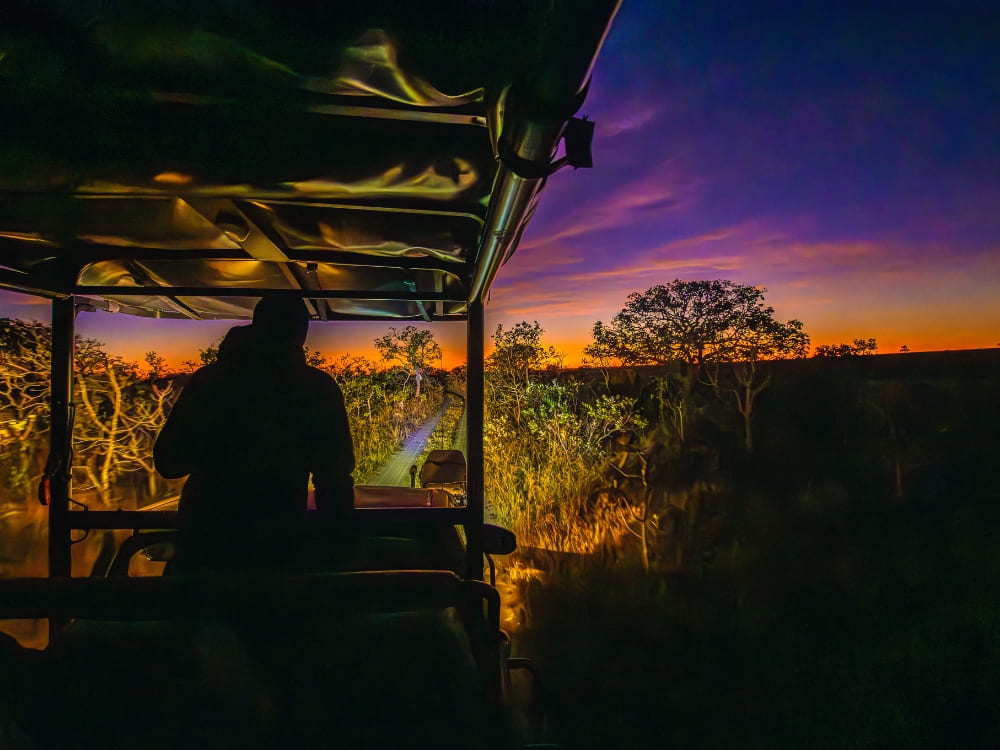
    Certainly one of the best ecolodges in the region, the inn is the perfect accommodation for travelers who are crazy for outdoor activities such as hiking, biking and birdwatching. In partnership with Onçafari — a Brazilian biodiversity conservation project — the sighting of maned wolves is the experience most desired by guests, who embark on night tours to find the largest canid in South America in its natural habitat.

    When is the best time to visit the Cerrado?

    In the dry season (May to September), trekking and wildlife watching are the best experiences, but it’s during the rainy season (October to April) that the vegetation becomes more vibrant and the rivers get fuller. 

    How to get to the Cerrado?

    Visitors going to Trijunção by air should land at Brasília International Airport (BSB) and continue to their final destination by car or chartered plane — both offered by the inn. On land, the route lasts approximately 5 and a half hours (333.7 km). How to visit the Cerrado.

    👉 Book now: Brazil’s Wild Cerrado Tour at Pousada Trijunção

    13 – Ibitipoca (MG)

    Ibitipoca
    .

    Conceição de Ibitipoca, or simply Ibitipoca, is a district of Lima Duarte, in the Southeast of Minas Gerais. The village may not be very well-known, but it hides natural charms that will make your heart beat faster.

    To dive deep into this wonderful place, you should stay at the Ibiti Project, a socio-environmental organization that also offers incredible ecotourism experiences. Currently, the project has more than 6,000 hectares of recovering fauna and flora, in addition to supporting regenerative tourism efforts and economic sustainability. These initiatives ensure greater endorsement for the environment and local communities.

    The accommodation in one of the Ibiti’s three facilities (Engenho, Village and Remote) grants a high-end trip enveloped by trails, waterfalls, caves and viewpoints. Explore this little piece of paradise by wildlife watching, bike riding, paddleboarding or swimming in natural pools!

    When is the best time to visit Ibitipoca?

    From April to September, the weather is great for hiking and outdoor walks, averaging 15° C to 25° C in the fall and ranging from 10° C to 20° C in the winter (daytime). During the summer and spring, the vegetation is vibrant, and the waterfalls are full.

    How to get to Ibitipoca?

    Land at Zona da Mata Airport (IZA) and head to Lima Duarte by car with the Ibiti Project shuttle service (about 2h30). There is also an airstrip and helipad on the property.

    Landing and takeoff of private planes are approved upon evaluation of weather conditions and follow-up with experienced pilots for navigators who have never operated in the area.

    14 – Abrolhos (BA)

    Abrolhos
    .

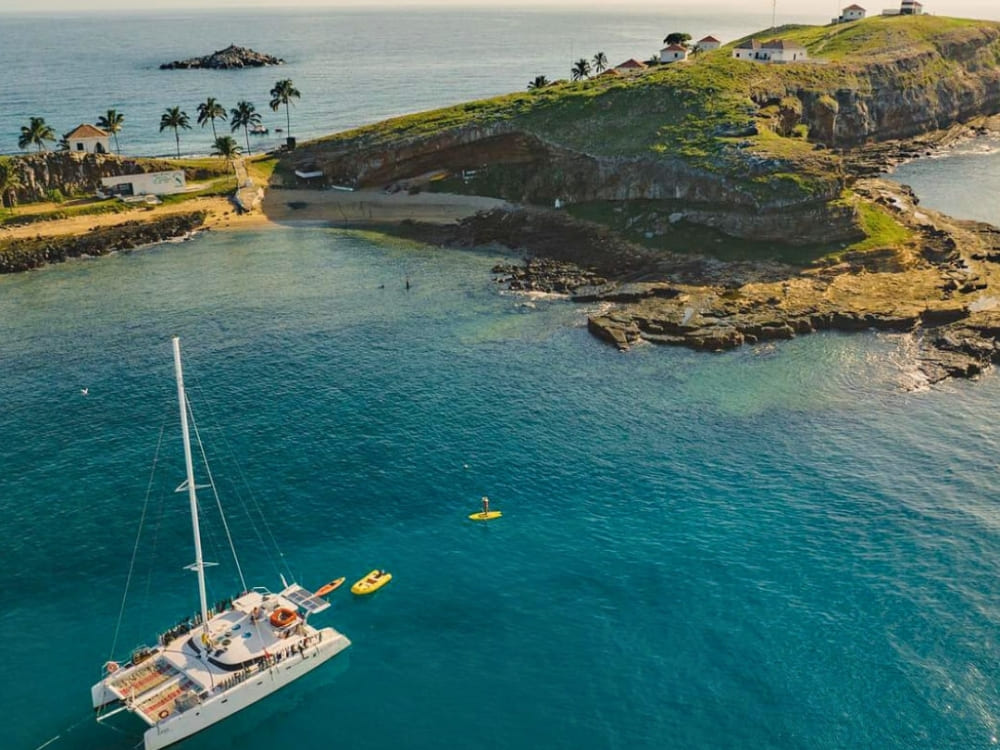
    Another perfect ecotourism destination for snorkeling is Abrolhos Marine National Park, on Bahia’s southern coast. Swimming in crystalline waters across the five volcanic islands of the archipelago (Santa Bárbara, Redonda, Guarita, Southeast and Siriba) will get you to the largest coral reef in the South Atlantic, shipwrecks and several marine species, such as the loggerhead sea turtle.

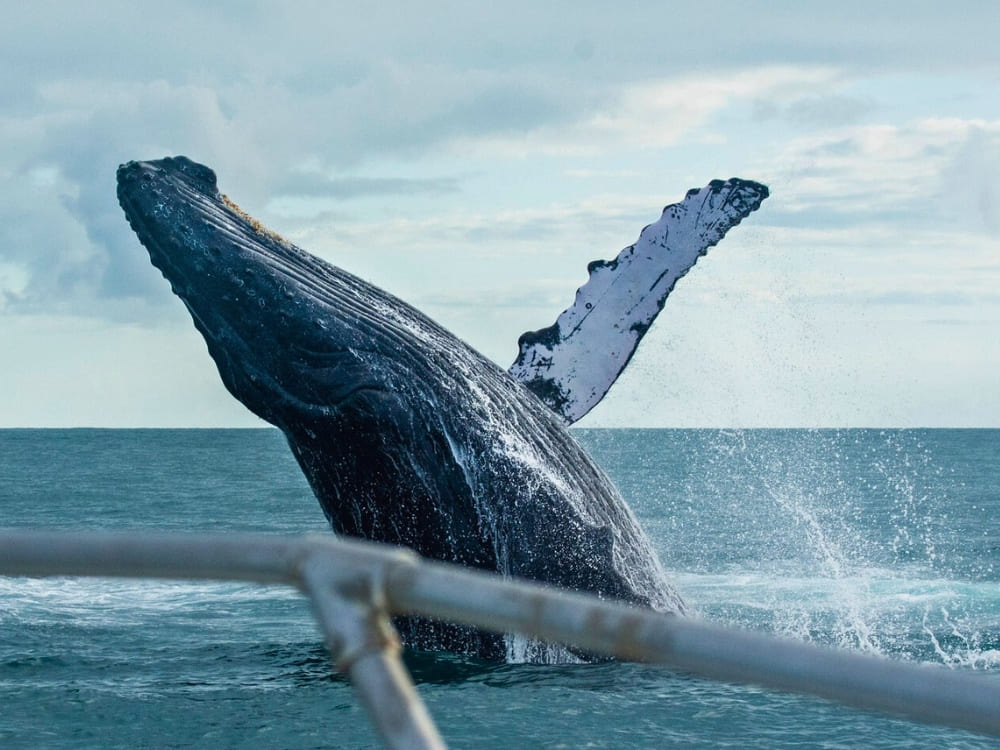
    However, the great star of Abrolhos is, undoubtedly, the humpback whale. Every year, attracted by the calm and warm seas of the Bahia coast, these giants migrate from Antarctica to reproduce and deliver their young.

    When is the best time to visit Abrolhos?

    The whale watching season takes place between July and November, while scuba diving and snorkeling are best enjoyed from December to February.

    Where to stay in Abrolhos?

    Hotels and inns operate in Caravelas, a small town with 20,000 inhabitants, but many tourists choose to stay in collective or private cabins on catamarans that float in the waters of the national marine park.

    In addition to not having to travel to the surrounding cities every day, visitors enjoy a fully immersive trip. That’s the case of the Abrolhos Liveaboard Diving package, perfect for those who can’t wait to explore the stunning sea of Abrolhos. Book now!

    How to get to Abrolhos?

    To get to Abrolhos, you have to go through Caravelas. The nearest airport is Porto Seguro (BPS), 145 km away. Operated by authorized agencies, boats are the only options to get to the islands.

    👉 Learn more:

    15 – Fernando de Noronha (PE)

    Fernando de Noronha
    .

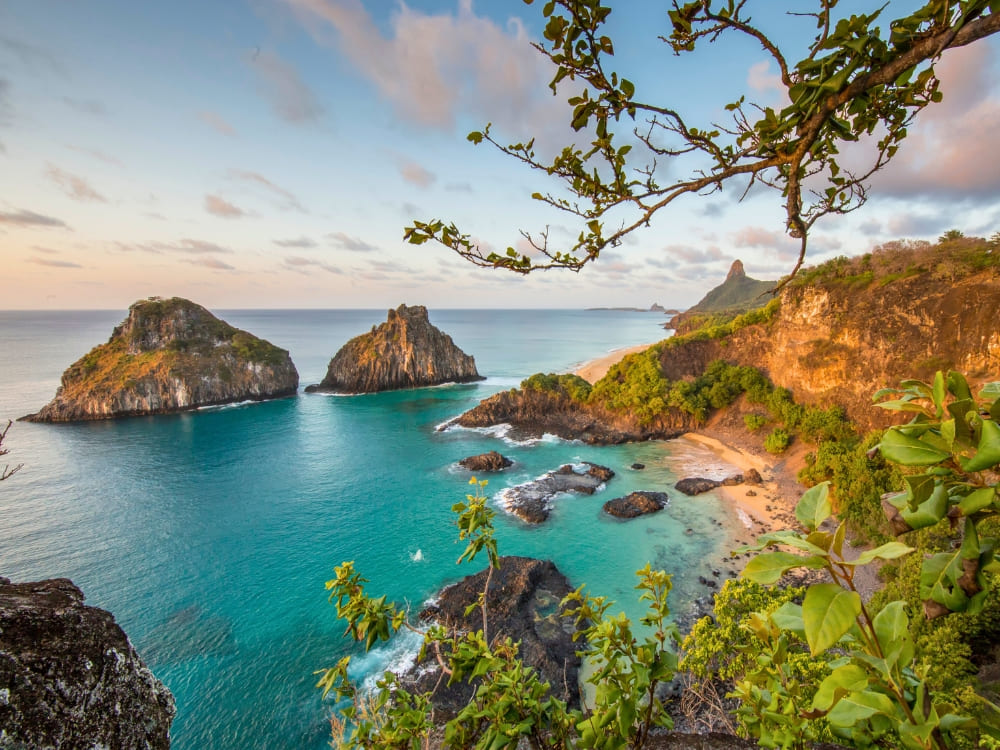
    Fernando de Noronha is one of the leading luxury ecotourism destinations in Brazil. A UNESCO World Heritage Site since 2001, the archipelago’s 21 islands are home to clear sand beaches, crystal clear waters, beautiful landscapes and Atlantic Forest vegetation.

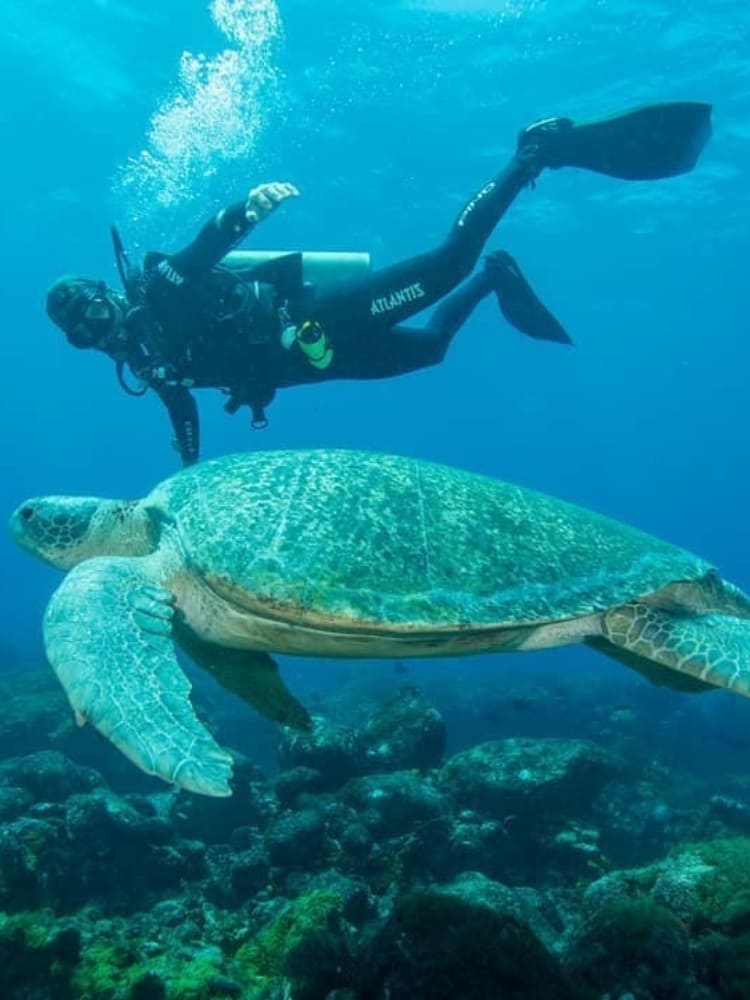
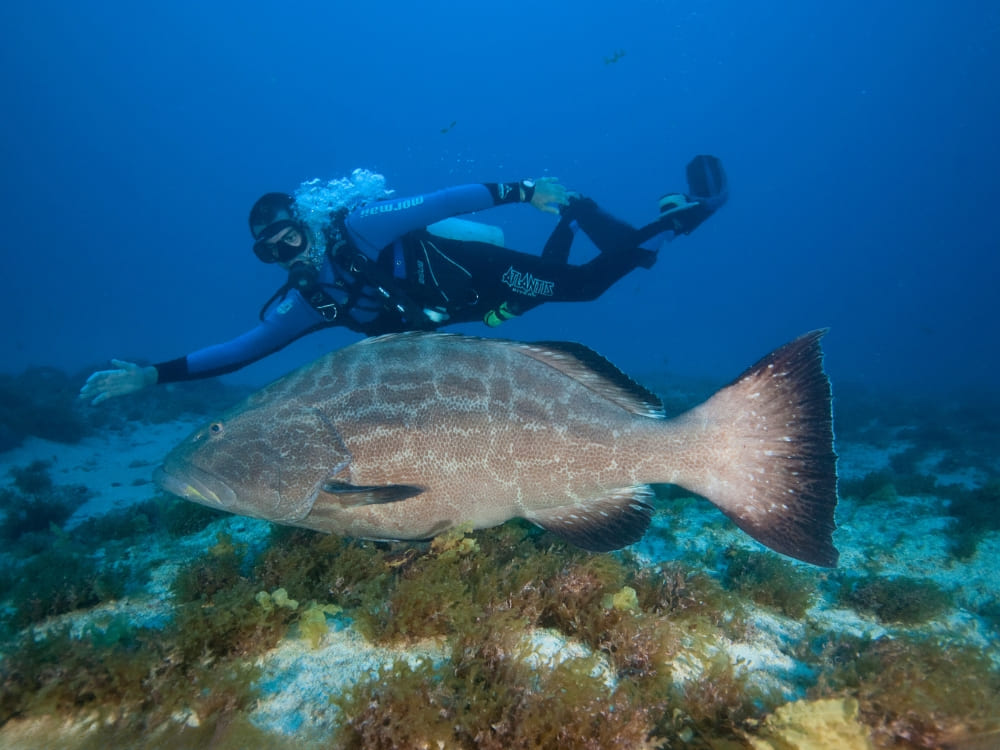
    The great diving conditions make Noronha a highly sought-after destination for experienced divers and amateurs alike. Underwater, you can find several fascinating species of Brazilian marine fauna, including spinner dolphins, hawksbill sea turtles, green sea turtles and lemon sharks.

    Other experiences include tours to some of the archipelago’s postcards: Cacimba do Padre, Baía dos Porcos, Praia do Sueste, Praia do Leão, Mirante do Boldró and more!

    When is the best time to visit Fernando de Noronha?

    From August to February, with a peak in October, visibility is perfect for underwater photography and marine animal sightings, but Noronha has amazing experiences all year round.

    Where to stay in Fernando de Noronha?

    The archipelago is filled with hotels and inns of different categories. Depending on the travel package, lodging is included or must be booked separately.

    👉 Book now: Fernando de Noronha Diving Packages

    How to get to Fernando de Noronha?

    The most common route is between Recife International Airport (REC) and Fernando de Noronha Airport (FEN), but there are also flights from SĂŁo Paulo (GRU) and Natal (NAT).

    👉 Learn more:

    Top ecotourism destinations in Brazil
    .

    Visit Brazil’s best ecotourism destinations with PlanetaEXO

    Now that you know the best places for ecotourism in Brazil, how about we start planning your trip? At PlanetaEXO, you will find sustainable activities, accommodation options that meet your needs and amenities for an unforgettable vacation. Contact us now!
  • The 5 Nature Destinations Our Travelers Loved Most in Brazil in 2025

    The 5 Nature Destinations Our Travelers Loved Most in Brazil in 2025

    2025 was a special year for travel in Brazil and for everyone who chose to experience the country through nature

    At PlanetaEXO, we welcomed more than 1,000 international travelers over the year, all looking for journeys that went beyond short visits and famous highlights.

    When we look back at what travelers shared after their trips, through verified reviews and feedback, a clear pattern appears. The destinations that left the strongest impression were those where people could move through the landscape over several days, letting nature set the rhythm instead of following a tight schedule.

    Beyond the landscapes themselves, these journeys also stood out for the positive impact they create at each destination, supporting local communities, valuing local knowledge, and traveling in a way that respects the places visited.

    Five-star destinations that stood out in 2025, shaped by the adventures travelers valued most.Travelers explore Brazil's wild landscapes on a nature adventure in 2025

    Lençóis Maranhenses

    Walking routes that turn dunes and lagoons into a multi-day journey

    Lençóis Maranhenses was the destination most often mentioned throughout the year. What travelers appreciated most were the multi-day trekking routes across the national park, where the journey happens entirely on foot.

    Adventurers cross wide dune fields, swim in seasonal freshwater lagoons and spend nights in small villages along the way. Many people describe the experience as crossing a living landscape that changes every day.Hikers cross the dunes and freshwater lagoons of Lençóis Maranhenses in Brazil

    An unforgettable experience. Brazil reveals itself here, in Lençóis, through landscapes that are incredible and truly unique in the world.

    Franck Nicolas

    👉 Explore trekking routes in Lençóis Maranhenses

    Vale do Pati (Chapada Diamantina)

    Multi-day hikes through deep valleys and local communities

    In the Vale do Pati, in Chapada Diamantina, travelers consistently highlighted the classic multi-day trek through the valley as one of the most meaningful experiences of their time in Brazil.

    Days are spent hiking between viewpoints, waterfalls and river crossings, while nights are spent in the homes of local families who live inside the park. What stays with many travelers is the sense of continuity — walking all day, sharing meals and waking up surrounded by the same landscape.Trekkers walk through the mountain valleys of Vale do Pati in Chapada Diamantina

    From start to finish the whole trip was amazing. The valley is stunning, the hikes were well planned, and the hosting families made the experience even more special.

    Dan Heath

    👉 Discover the Vale do Pati trekking experiences

    Amazon Rainforest

    From jungle lodges to survival expeditions deep in the rainforest

    The Amazon stood out in 2025 for offering two very different ways of experiencing the rainforest, both leaving a strong impression on travelers.

    Some chose classic Amazon jungle lodge adventure, combining river navigation, forest walks and wildlife observation. Others opted for longer survival-style expeditions, learning how to move, navigate and live in the forest over several days.Travelers navigate the rivers and dense canopy of the Amazon Rainforest in Brazil

    The lodge and tour were perfect. I learned so much about Amazon, it's people and the wildlife and flora.

    Kristina Wagner

    👉 Choose your Amazon experience

    Pantanal

    Wildlife encounters shaped by open landscapes and rivers

    In the Pantanal, what travelers remember most is how natural wildlife encounters feel. The open floodplains and rivers allow people to observe animals without long waits or artificial setups.

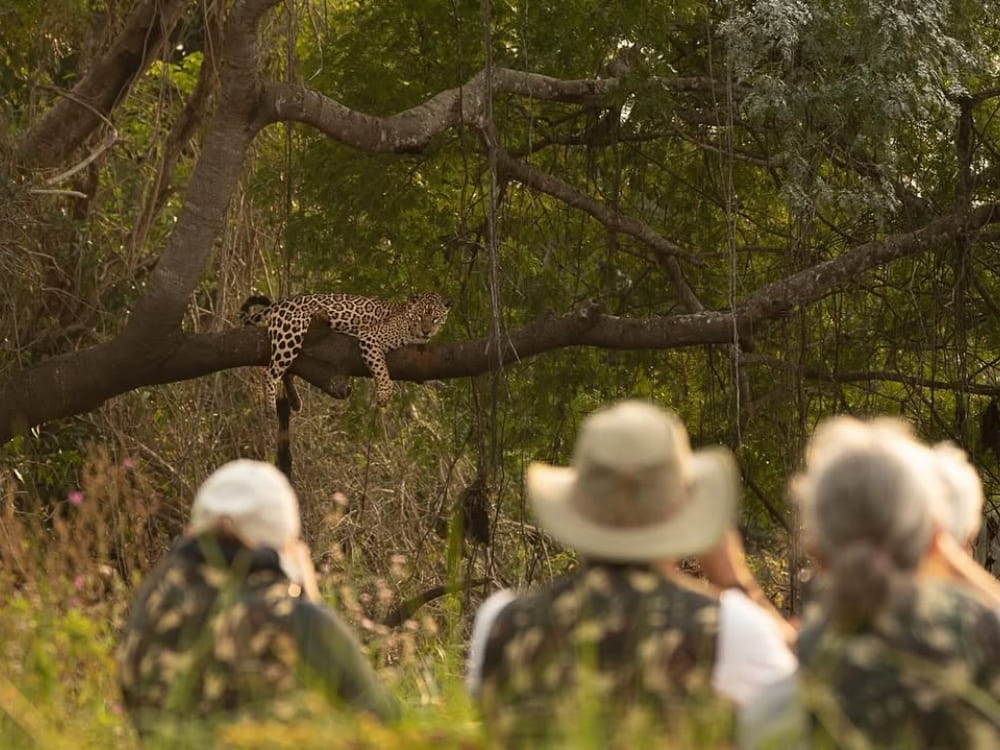
    Many adventurers mention seeing iconic species — including jaguars — early in the trip, which often defines the tone of the days that follow.A jaguar spotted in the wild wetlands of the Pantanal in Brazil

    A wonderful experience in a beautiful environment. We saw a jaguar on the first day and many other animals during the trip.

    Valerio Grandis

    👉 See wildlife journeys in the Pantanal

    JalapĂŁo

    Remote Cerrado landscapes that reward those who go further

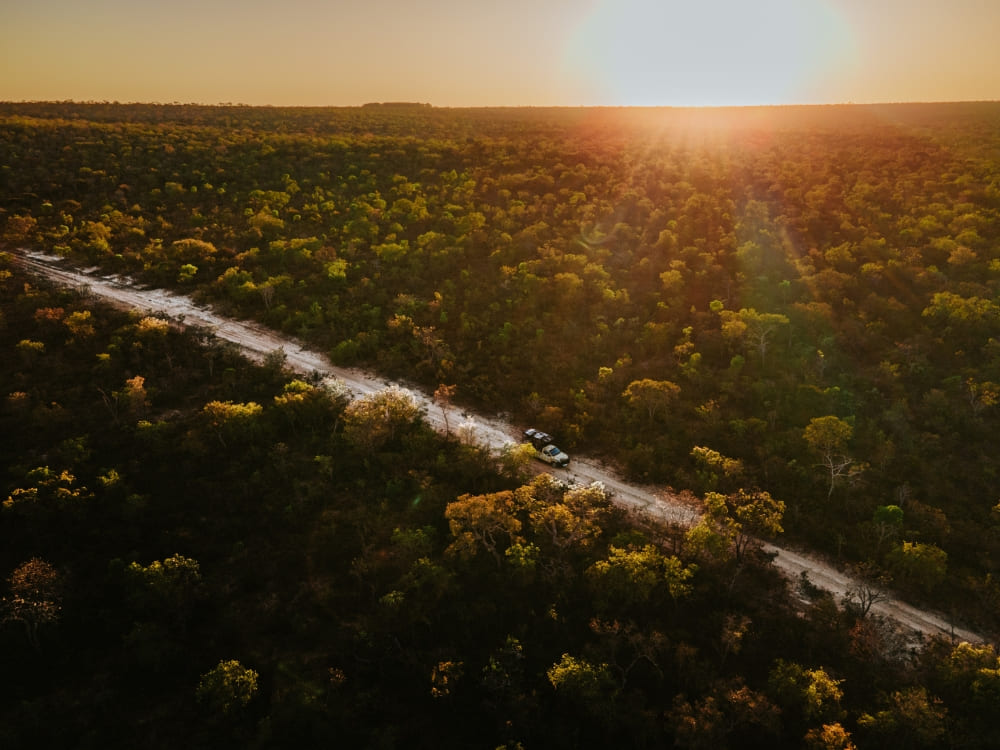
    JalapĂŁo surprised many travelers in 2025. The most appreciated experiences were multi-day expeditions across the Cerrado, connecting sand dunes, waterfalls, fervedouros (natural springs) and long stretches of open land.

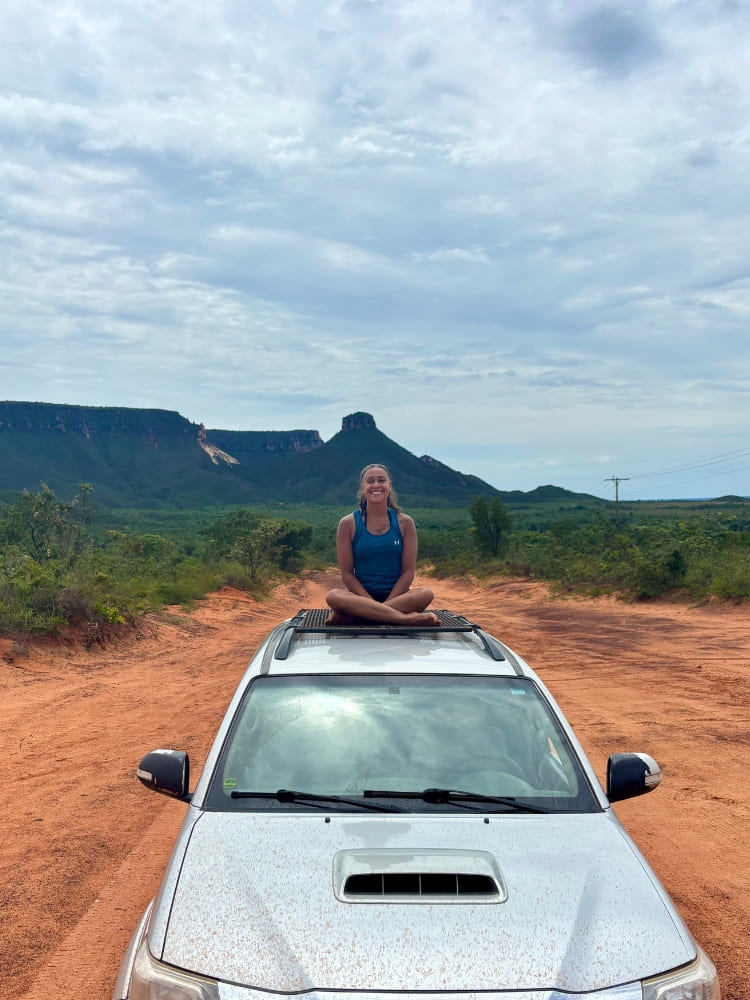
    People often describe how distance, dirt roads and long driving days are not inconveniences, but essential parts of what makes the journey feel real and memorable.Open dirt roads cross the vast Cerrado landscapes of JalapĂŁo in Brazil

    Sensational. JalapĂŁo is breathtaking. Incredible landscapes, perfect organization, and very professional guides. An unforgettable experience.

    Sarah Danflous

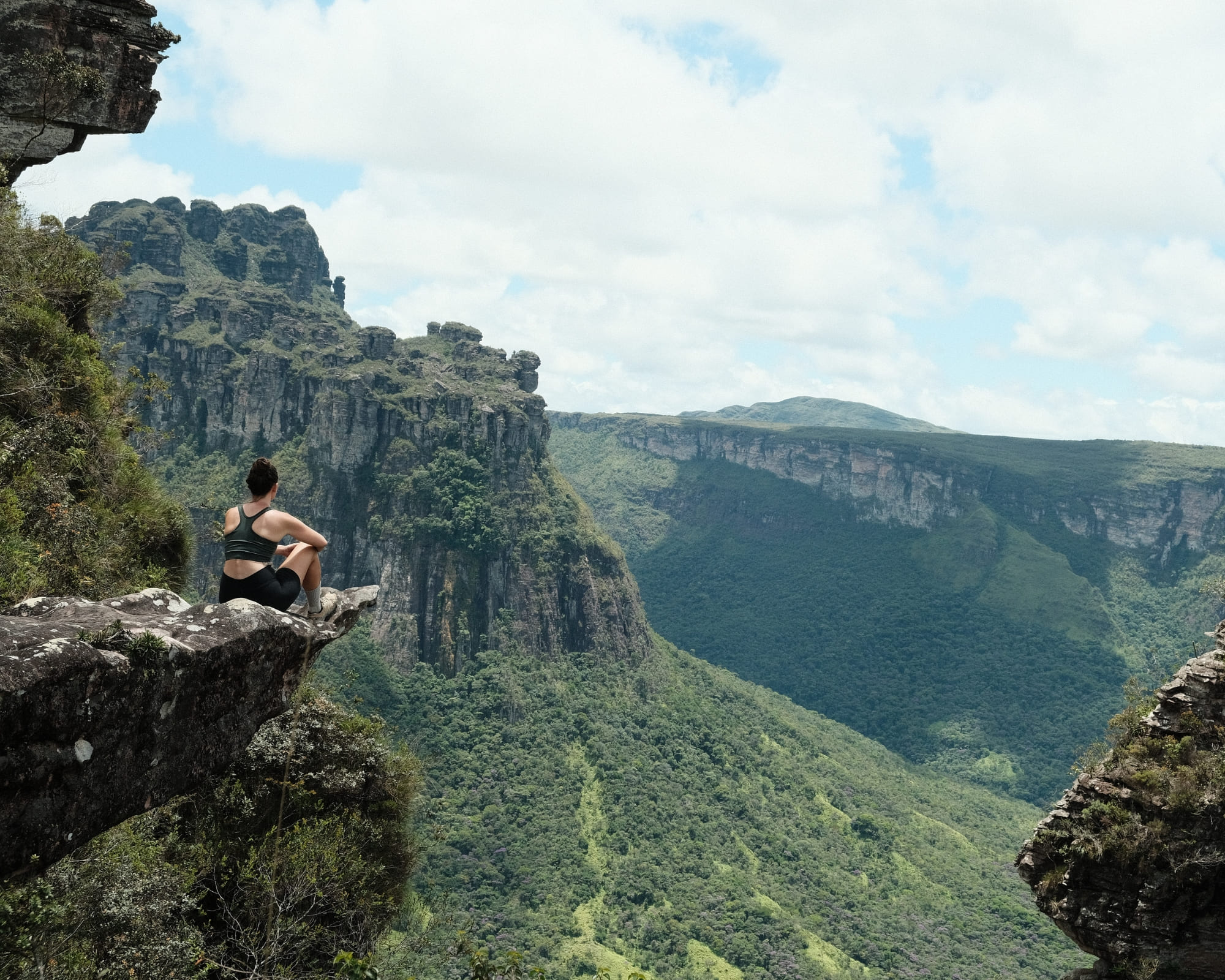
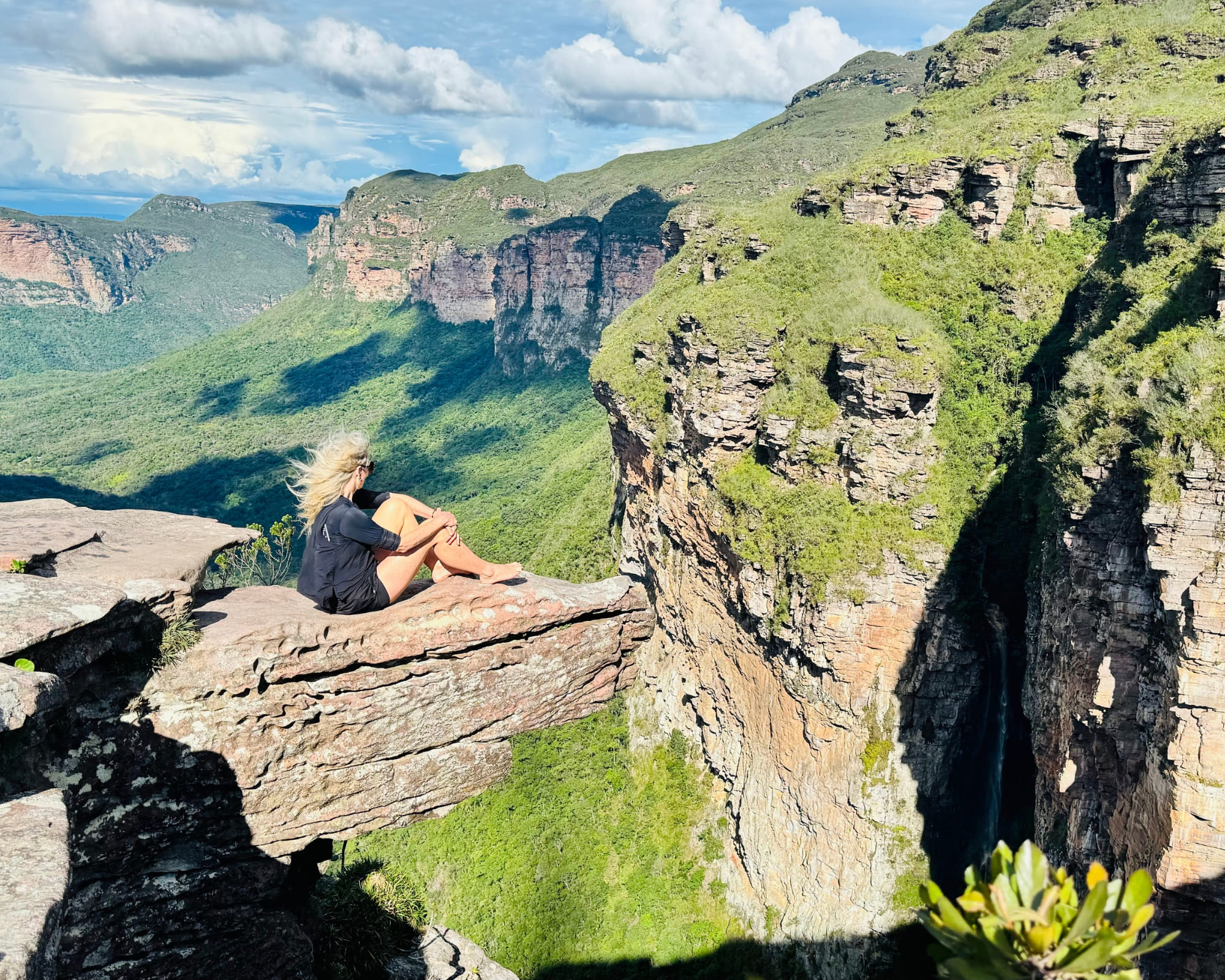
    👉 Explore Jalapão expeditions in the CerradoBreathtaking view from the Aleixos lookout over Vale do Pati in Chapada Diamantina

    What these journeys say about how people want to travel

    Across all five destinations, one thing becomes clear: people are choosing trips that give them time to be present. Journeys that unfold over several days, where movement through the landscape matters more than ticking off stops, and where nature sets the rhythm of each day.

    If this way of traveling resonates with you, 2026 is a great moment to start planning. These destinations, and the adventures within them, are exactly where many travelers begin when they’re looking for a deeper, more meaningful way to experience Brazil.

    👉 Join us on five-star adventures that make a positive impact.


  • Documentary: Tourism That Keeps the Amazon Alive

    Documentary: Tourism That Keeps the Amazon Alive

    PlanetaEXO documentary reveals how sustainable travel advances forest conservation, local actions that put climate discourse into practice and strengthen Amazonian communities.

    SĂŁo Paulo, November 2025 – Following the conclusion of COP30 in BelĂ©m, a new documentary reinforces that protecting the Amazon increasingly depends on local and continuous action. The sustainable travel platform PlanetaEXO has just released “Tourism that Keeps the Amazon Alive,” a 5-minute film that portrays how Amazonian communities are transforming tourism into an effective strategy for conservation and income generation.

    The mini-documentary directed by Lucas Ribeiro, who is also the founder and CEO of PlanetaEXO, features accounts from residents who have replaced old extractive activities with community-based tourism models. By accompanying visitors, sharing traditional knowledge, and directly caring for the territory, they demonstrate that it is possible to keep the forest alive while strengthening their local economies.

    Recent figures reinforce the urgency of this movement. Between August 2024 and July 2025, the Legal Amazon recorded 5,796 kmÂČ of deforestation, the lowest rate in more than a decade, according to PRODES/INPE. Even so, degradation caused by fire already accounts for almost 40% of recent losses, indicating that pressure on the biome remains high. For many families, tourism is emerging as a concrete alternative to remain in the territory without resorting to practices that compromise the forest.

    One of the most striking testimonials in the film sums up this change in perspective. “Tourism showed me that price is different from value. A caboclo cuts down a 300-year-old tree to buy a chicken for lunch and ends up without dinner. That’s price. But when you understand value, that’s when things start to change,” says Roberto Britto, a former logger and current tourism entrepreneur.PlanetaEXO documentary cover on sustainable tourism keeping the Amazon rainforest alive

    Tourism showed me that price is different from value. A caboclo cuts down a 300-year-old tree to buy a chicken for lunch and ends up without dinner. That’s price. But when you understand value, that’s when things start to change.

    Roberto Britto

    PlanetaEXO has observed a growing interest in responsible travel, which strengthens community projects and amplifies the positive impact of ecotourism. In 2025, the platform recorded a 210% increase in the number of tourists in the Amazon compared to the previous year, with visitors coming from the United States, France, Germany, and other countries. 

    World Bank data shows that sustainable tourism already generates around US$ 2.3 billion per year in the Amazon. The figure is still far from the US$ 45 billion generated by extractive activities, but it is a new and growing market. The PlanetaEXO documentary highlights the stories of forest dwellers who have discovered responsible tourism as a more sustainable source of income. 

    “The film focuses on the people behind these efforts. In their own words, they describe how tourism has transformed their daily lives, brought them independence, and offered a dignified alternative to extractivism,” says Lucas Ribeiro. These accounts complement, in a concrete way, the climate discussions raised during COP30.

    Technical Data Sheet “Tourism that Keeps the Amazon Alive”

    Format: Documentary 

    Duration: 5 minutes

    Director: Lucas Ribeiro
    Interviews: Larissa Mariano and Isadora SĂĄ

    Production Assistant: Lucas Pinelli

    Participants: Joarlison Garrido – Nova Esperança Community; JosĂ© PancrĂĄcio – Nova Esperança Community; Roberto Brito – Tumbira Community; and Izolena Garrido – Tumbira Community

  • 10 Travel Tips for Mount Roraima to make the most of your trip

    10 Travel Tips for Mount Roraima to make the most of your trip

    Practical advice to prepare for the Mount Roraima tepui, covering logistics, gear, culture, and the challenges of trekking in this unique location

    Mount Roraima rises almost 3,000 meters above sea level at the border of Venezuela, Brazil, and Guyana. Known as one of the world’s oldest geological formations, Mount Roraima tepui is surrounded by mystery, unique wildlife, and landscapes that resemble another planet. Travelers who prepare well can enjoy one of the most extraordinary trekking experiences in South America.

    Planning a trekking Mount Roraima journey requires more than stamina. It means knowing the weather, respecting local communities, and being ready for the challenges of long days on the trail. Every detail counts: what you pack, how you train, and the guides you choose to walk with.

    Travel Tips for Mount Roraima
    Photo: mariusz_prusaczyk

    At PlanetaEXO, we believe that a trip to Mount Roraima should go beyond reaching the plateau. By joining our expeditions, you not only hike safely but also contribute directly to Indigenous communities and the preservation of this fragile environment.

    With this in mind,  let’s dive into the 10 travel tips for Mount Roraima that will help you make the most of your adventure:

    1. Hire local porters for trekking Mount Roraima  

    One of the first tips to consider is hiring porters from the Indigenous communities around Mount Roraima. These professionals carry heavy gear, help set up camps, and share cultural knowledge along the way. It makes the trek lighter and gives you more energy to focus on the breathtaking views.

    Porters are not just helpers: they are guardians of the tepui. By hiring them, you directly support the local economy and ensure that your trip has a positive impact on families who have lived in this region for centuries. Many travelers find that conversations with porters enrich the journey as much as the landscapes.

    If you wonder whether this service is essential, remember the trek covers up to 90km in 8 to 10 days. Carrying less weight can be the difference between enjoying the hike and struggling with exhaustion. Supporting local porters is both practical and meaningful.

    Porter Service Mount Roraima
    .

    2. Plan your trip with a reliable agency

    Crossing borders, arranging permits and understanding the terrain are not things to leave until the last minute. Using a reputable agency ensures that logistics such as visas, transfers and meals are planned in good time. This is particularly important given that the Mount Roraima Location and official entry point for the trek is Paraitepuy in Venezuela and smooth border procedures are essential.

    PlanetaEXO works with trusted partners who are familiar with every step of the route. From Boa Vista in Brazil to Santa Elena de UairĂ©n in Venezuela, we carefully coordinate the journey to guarantee safety and comfort. With us, travellers don’t need to worry about transport or campsite organisation.

    PlanetaEXO Mount Roraima
    Photo: Lucas Gobatti

    👉 Curious about requirements? Read our blog on Do I Need a Visa to Visit Mount Roraima?

    3. Bring raincoats and rain gear

    The weather at Mount Roraima is unpredictable. You can face bright sunshine in the morning, mist in the afternoon, and rain by night. Even in the dry season, showers are common. A waterproof jacket, backpack cover, and dry bags for electronics are indispensable.

    Hiking without proper rain protection often results in soaked gear and uncomfortable nights at camp. Many campsites are exposed to humidity, and tents can flood during heavy rains. Packing extra socks and a microfiber towel makes a big difference for your comfort.

    This is not just about staying dry, it’s about keeping your energy up for the long days ahead. The tepui environment is harsh, but with the right rain gear, you’ll be able to face it head-on and reach the Mount Roraima top.

    Weather Mount Roraima
    .

    4. Prepare physically for the trek to the Mount Roraima top 

    How hard is it to climb Roraima? The answer depends on preparation. The trail involves river crossings, steep sections like La Rampa, and slippery rocks around waterfalls. Even if you are healthy, endurance training makes the experience far more enjoyable.

    Start with regular hiking or long walks at least two months before your trip. Add cardio exercises, such as cycling or running, and strengthen your legs with squats and lunges. Remember that the trek takes place at high altitude, where the air is thinner, and fatigue comes faster.

    PlanetaEXO recommends setting realistic goals. The challenge is achievable for most people, but being ready means less stress and more joy. 

    Tips for Mount Roraima
    Photo: Lucas Gobatti

    👉 To know more, check our full article: How hard is it to trek up Mount Roraima?

    5. Interact with local fauna, flora, and community

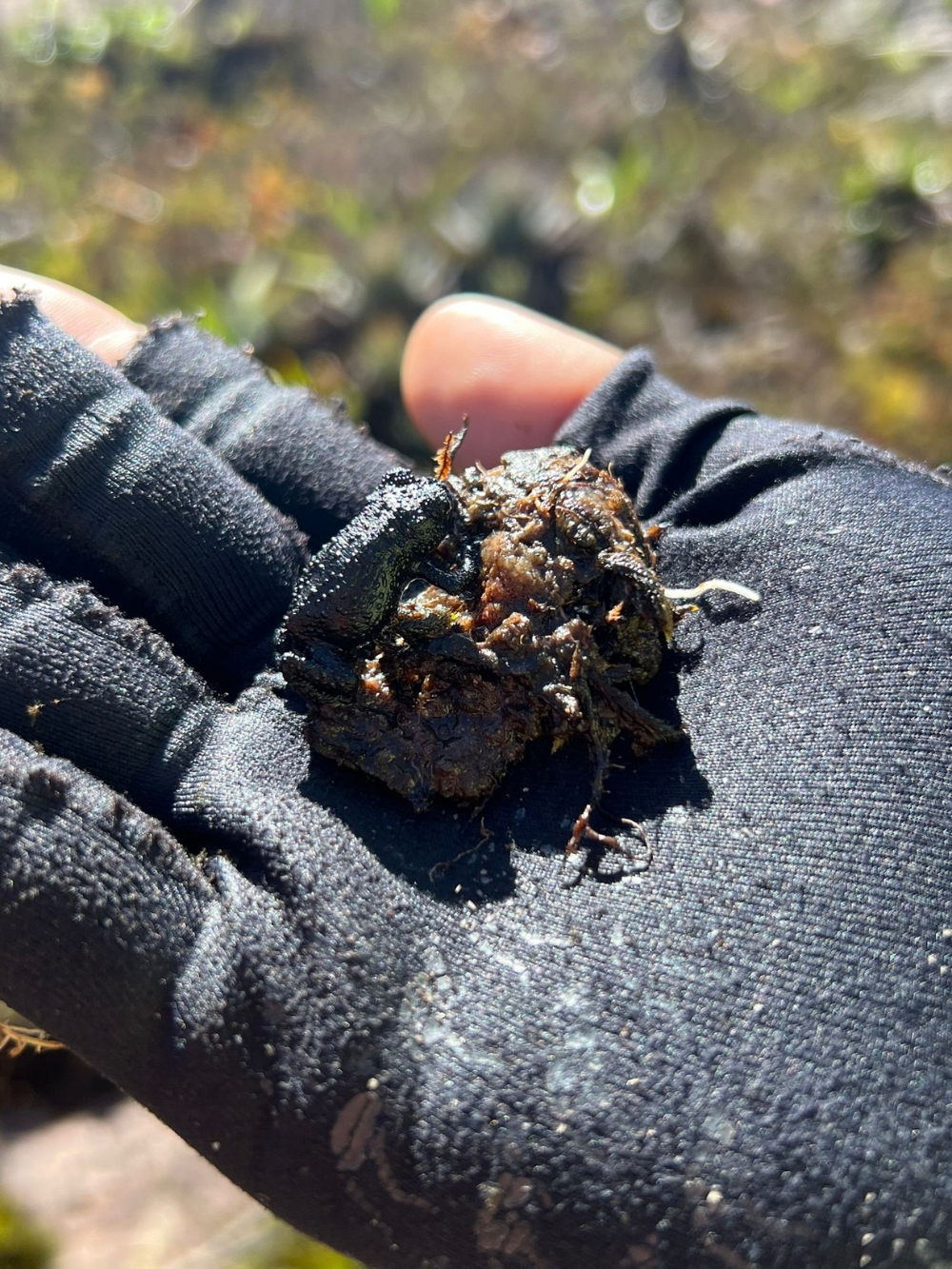
    Mount Roraima is home to carnivorous plants like Heliamphora nutans and species that exist nowhere else on Earth, such as the black frog Oreophrynella quelchii. Looking closely at the summit reveals orchids blooming between rocks and colorful birds flying across the cliffs.

    Equally important are the communities living near the tepui, like the PemĂłn and IngarikĂł. These groups share traditions, guide expeditions, and protect the fragile ecosystems of the plateau. Listening to their stories of Mount Roraima location brings depth to the journey and connects you to the living culture of the region.

    Frog Mount Roraima
    @cafred33

    👉 To combine trekking with cultural interaction, explore our Mount Roraima 8-Day Trek, which includes time with local guides and nights under the stars

    6. Bring the right equipment

    The success of trekking Mount Roraima depends heavily on your gear. Essential items include durable hiking boots, trekking poles, a headlamp, and a sleeping bag rated for near-freezing temperatures. Nights on the tepui can drop to 0°C, even though you are in the tropics.

    Don’t forget eco-friendly water bottles and a portable purifier. Staying hydrated is key since the combination of altitude and intense sun depletes your energy quickly. Lightweight camping utensils and energy snacks also make a difference. At the Mount Roraima tepui, you will see that all efforts are worth it. 

    Night at Mount Roraima
    @overlandtheamericas

    👉 Ready for the challenge? Join our 10-Day Mount Roraima Hike 

    7. Pack your luggage wisely

    What you bring matters, but how you pack is equally important. Divide your belongings into waterproof compartments. Keep daily essentials, like sunscreen, snacks, and camera, in an accessible pocket of your backpack. Heavy items, such as sleeping gear, should be stored close to your back for balance.

    Avoid overpacking. Every extra kilo makes the trek harder, especially on steep ascents. Many trekkers regret bringing unnecessary clothes or bulky items. Instead, focus on versatile layers that can be worn multiple times.

    Cash, passport, and yellow fever vaccination proof are also required. Border authorities check these documents, and having them handy avoids delays. Organizing your luggage ensures peace of mind during the expedition. 

    Trekking Mount Roraima
    .

    👉 Curious about the full route and logistics? Read our article on How to Get to Mount Roraima

    8. Talk to other travelers and record your trip

    Mount Roraima attracts adventurers from around the globe. Sharing stories on the trail creates lasting friendships and turns the journey into a collective memory. Around the campfire, conversations often mix Spanish, Portuguese, and English, adding to the cultural mosaic.

    Recording your trip through photos, videos, or a travel journal makes the experience timeless. The plateau offers surreal landscapes such as the Valley of Crystals, Lake Gladys, and La Ventana lookout. Capturing these moments helps you relive the adventure and share it with others.

    Think of your trek as part of a global community of explorers. Every image, note, and exchange with fellow hikers is part of the story you’ll tell once back home.

    Sunset Mount Roraima
    @watchluke

    9. Research local history and culture

    Mount Roraima is more than a geological wonder. It has been sacred to Indigenous peoples for centuries and inspired legends such as the Tree of Life, which gave birth to rivers and mountains. European explorers first climbed it in 1884, but long before that, the tepui was part of PemĂłn cosmology.

    Reading about these traditions before your trip adds meaning to every step. Knowing the myths and scientific studies deepens your appreciation of the plateau’s uniqueness. This background transforms the climb from a physical challenge into a cultural and historical journey.

    Tips for Mount Roraima
    @alecio_Cezar

    👉 Interested in fascinating details? Read our article 10 Facts About Mount Roraima

    10. Be open to new challenges

    Even with preparation, the tepui will surprise you. Weather changes quickly, campsites can be uncomfortable, and the terrain requires resilience. Accepting these challenges is part of the adventure.

    The reward is more than reaching the Mount Roraima top: it’s the sense of achievement, the connection to nature, and the friendships formed along the way. Many trekkers describe the moment they stand at the Triple Point, where three countries meet, as unforgettable.

    Top of Mount Roraima
    .

    👉 Want to know more about what awaits at the summit? Don’t miss our blog post: What’s on Top of Mount Roraima?

    Travelling with PlanetaEXO

    Choosing PlanetaEXO for your trek means having reliable logistics, expert guides, and responsible travel practices. From arranging the best logistics to providing equipment, we take care of the details so you can focus on the adventure.

    Our expeditions are small-group experiences designed to minimize environmental impact and maximize authenticity. By traveling with us, you support Indigenous communities and ensure tourism contributes positively to the region.

    In the end, the 10 travel tips for Mount Roraima are not just about preparation: they are about making your journey safer, richer, and more responsible. Ready to turn this dream into reality? 

    👉 Contact us and start planning your trek today

    Read More 

  • 10 Facts About Abrolhos You Need To Know

    10 Facts About Abrolhos You Need To Know

    Discover the unique stories, history, and biodiversity that make the Abrolhos archipelago one of Brazil’s most fascinating marine destinations.

    The Abrolhos archipelago, off the southern coast of Bahia, Brazil, is recognized as one of the most extraordinary marine environments in South America. For those interested in learning more, there are fascinating facts about Abrolhos waiting to be discovered. Brazil created the Abrolhos Marine National Park in 1983, ensuring protection for this remote group of islands and reefs.

    You can reach Abrolhos by boat from Caravelas, a small coastal town in Bahia. The surrounding waters are shallow, yet they contain an incredible concentration of nutrients. As a result, they provide ideal conditions for coral reefs, colorful fish, and larger marine species such as humpback whales.

    Humpback whales Abrolhos
    .

    When you travel with PlanetaEXO, your visit not only connects you with this unique ecosystem but also supports local families. In addition, every adventure contributes to conservation and generates income for nearby communities. 

    Curious to explore unique facts about Abrolhos? Keep reading to uncover the most surprising details about this marine paradise.

    1. What does the name Abrolhos mean in English?

    The name “Abrolhos” comes from the old Portuguese phrase “Abre os olhos”, which in English means “open your eyes.” Sailors used the warning to remind each other of the dangerous reefs that caused countless shipwrecks.

    The reefs of the Abrolhos archipelago stretch across vast areas and remain difficult to detect from a distance. Consequently, they posed serious risks for ships navigating the Brazilian coast for centuries.

    Even today, nautical maps mark Abrolhos with alerts. This legacy connects modern travelers with Brazil’s seafaring history and explains why Abrolhos always demanded attention and respect.

    Facts About Abrolhos
    Photo: Roberto Costa Pinto

    👉See this and other Brazilian national parks in our article

    2. Charles Darwin’s visit to Abrolhos

    In 1832, the young naturalist Charles Darwin visited Abrolhos during his voyage on the HMS Beagle. At just 23 years old, he took notes on the region’s reefs and marine life.

    Darwin described the abundance of fish, the seabirds nesting on rocky cliffs, and the unusual coral formations. These observations, although brief, helped strengthen his interest in biodiversity and adaptation.

    His visit remains one of the most remarkable facts about Abrolhos, since it connects this remote archipelago to the early journey of a scientist who would later change how we understand life on Earth

    Charles Darwin Abrolhos
    Photo: Wellcome Library, London

    3. Abrolhos as a living laboratory

    Abrolhos functions as a living laboratory for science. Researchers from Brazil and abroad visit regularly to study coral resilience, whale migration, bird colonies that nest on the islands, and sea turtles that use the reefs as feeding grounds.

    In addition, international projects test new conservation methods here before applying them in other marine parks. These studies turn Abrolhos into a reference point for understanding the effects of climate change.

    For travelers, this scientific importance adds another layer of meaning. Exploring Abrolhos becomes not only an adventure but also an opportunity to witness how knowledge grows.

    Sea turtle Abrolhos
    .

    4. Safe waters for humpback whales

    Every year, from July to November, the calm and warm waters of Abrolhos welcome thousands of humpback whales migrating from Antarctica.

    Marine biologists consider the area the most important breeding ground for humpbacks in the South Atlantic. As a result, visitors often see mothers swimming with calves or watch whales breaching the surface in spectacular displays.

    Whale-watching tours from Caravelas rank among the most popular experiences for those planning what to do in Abrolhos, combining excitement with education about conservation.

    Humpback Whales Abrolhos
    @nathpinesso

    👉 Read our full Abrolhos travel guide

    5. A hotspot for biodiversity and endemism

    Abrolhos stands out as one of the richest marine ecosystems in Brazil. More than 1,300 species live here, including fish, dolphins, sea turtles, and seabirds. Many of them are endemic, existing only in this part of the country.

    One of the most emblematic species is the brain coral (Mussismilia braziliensis). It forms massive reef structures and appears only in Abrolhos. In fact, this coral was one of the main reasons the park was created, since it plays a vital role in maintaining ecological balance.

    Unfortunately, the brain coral faces serious threats. Scientists monitor bleaching, diseases such as white plague and black band, overfishing, and the impacts of climate change. Its fragility highlights the urgency of protecting the Abrolhos archipelago.

    Brain coral Abrolhos
    Photo: Gustavo Abrahim

    6. Santa BĂĄrbara Island, home to the Navy

    While most islands in Abrolhos remain untouched, Santa BĂĄrbara Island houses a naval base. A lighthouse built in 1861 continues to guide ships, and military families live there with a small infrastructure that includes a heliport and boat docks.

    Tourists, however, cannot disembark on Santa BĂĄrbara. Access is strictly controlled, and visits are limited to the waters around it. As a result, the rest of the archipelago remains free from human disturbance.

    This restriction demonstrates how careful management helps preserve the islands while still supporting national security.

    Santa Barbara Brazilian Navy
    Photo: Gabi Carrera, Marinha do Brasil

    7. Volcanic origins and hidden reefs

    The islands of Abrolhos originated from ancient volcanic activity. Their basalt foundations gave corals a surface to colonize and expand into complex reef systems.

    In addition to shallow reefs, Abrolhos also features mesophotic reefs. These occur at medium depths and host species not found in shallower waters. For instance, the CalifĂłrnia Reef has become a key site for marine research.

    Together, geology and biology created a three-dimensional ecosystem. This unique formation helps explain why Abrolhos became such a hotspot for scientific study.

    Dive in Abrolhos
    .

    8. Navigation dangers and historic battles

    The reefs of Abrolhos always challenged sailors. Numerous shipwrecks tell stories of navigational errors, sudden storms, and naval conflicts.

    In 1631, Dutch and Portuguese-Spanish fleets fought a naval battle near the islands. Some wrecks from these times still rest on the seafloor, blending history with marine life.

    Today, divers explore these underwater relics, while historians study them to better understand Brazil’s colonial past. This combination of culture and nature enriches the list of facts about Abrolhos.

    Facts About Abrolhos
    .

    9. International recognition and conservation challenges

    Abrolhos has earned global recognition. It is both a Ramsar Site for its wetlands and an outpost of the UNESCO Biosphere Reserve of the Atlantic Forest. These titles highlight its ecological value.

    Nevertheless, the park faces ongoing threats, including climate change, illegal fishing, and potential oil exploration. Scientists track the reefs to understand how these pressures alter the ecosystem.

    Therefore, responsible tourism becomes essential. Visitors contribute directly to conservation by supporting sustainable operators and respecting park rules.

    Facts About Abrolhos
    Photo: Gustavo Abrahim

    10. The chapeirÔes found only in Abrolhos

    One of the most striking natural features of Abrolhos is the chapeirÔes. These mushroom-shaped coral towers rise dramatically from the seafloor, sometimes reaching 25 meters in height.

    Each level of a chapeirĂŁo shelters different species: sponges and fish at the base, vibrant corals in the middle, and schools of fish feeding near the top. Their structure creates vertical habitats found nowhere else in Brazil.

    For divers and snorkelers, exploring these formations is often the highlight of visiting the Abrolhos archipelago.

    ChapeirÔes Abrolhos
    Photo: Salmeidas

    👉 Explore our liveaboard diving tour in Abrolhos

    Traveling with PlanetaEXO

    Choosing PlanetaEXO means traveling with purpose. Each trip generates income for local families, helping communities thrive through tourism.

    We believe that every adventure can create a positive impact for travelers, for nature, and for the people who live nearby.

    When you visit Abrolhos with us, you not only enjoy an extraordinary destination but also contribute to its protection. That’s one of the best facts about Abrolhos of all.

    Read More

  • How to get to Fernando de Noronha, Brazil?

    How to get to Fernando de Noronha, Brazil?

    Learn the main routes, airport details, and travel tips for a smooth journey to Fernando de Noronha islands paradise 

    Fernando de Noronha is a UNESCO World Heritage Site and one of Brazil’s most preserved Marine National Parks. With controlled tourism and a daily visitor cap, the island is known for its clear waters, coral reefs, and rare wildlife.

    Sea turtles, dolphins, and colorful fish are part of its daily scenery, making it a hotspot for ecotourism and marine research. Its natural beauty comes with responsibility: strict rules help protect biodiversity.

    How to get to Fernando de Noronha
    .

    PlanetaEXO works with local partners to promote sustainable tourism, offering trips that combine comfort, authenticity, and respect for nature. In this guide, we will explain how to get to Fernando de Noronha, with flights, routes, fees, and practical details.

    How to get to Fernando de Noronha?

    By plane

    The fastest and most common way to reach Fernando de Noronha is by air. Until recently, the island was only serviced by daily flights from Recife (REC) and weekly flights from Natal (NAT). Since 2024, LATAM has also operated direct flights from São Paulo’s Guarulhos Airport (GRU).

    The new São Paulo connection runs five times a week (Mondays, Wednesdays, Thursdays, Fridays, and Sundays) and takes around 3h50. This route significantly expanded international access to the island, as Guarulhos is Brazil’s largest international hub, receiving flights from Europe, the United States, and beyond.

    How to Get to Fernando de Noronha?
    @souza_aviation

    How to get to Fernando de Noronha from the UK?

    For travelers coming from Europe, the easiest entry points remain the non-stop flights from Lisbon (LIS) to Recife or Natal. Another option is to fly through SĂŁo Paulo, which connects directly to Noronha or offers quick domestic connections of 3-4 hours to Recife or Natal.

    How to get to Fernando de Noronha from Rio de Janeiro?

    For travelers from Rio de Janeiro, the most common route is connecting through Recife (REC) or São Paulo (GRU). From Recife, it’s a short 1h15 flight to the island, while from São Paulo, you’ll catch the direct flight which takes just under 4 hours.

    For visitors from the US, flying into SĂŁo Paulo is also the best alternative, followed either by a direct flight to the island or a short domestic connection.

    Fernando de Noronha Airport (FEN)

    The Governador Carlos Wilson Airport (FEN) is the island’s only airport, built in the 1930s and modernized to serve ecotourism. It sits in the center of the island, close to Vila dos RemĂ©dios and most accommodations.

    Small in size but functional, FEN receives daily flights from Recife and Natal, and now a direct line from SĂŁo Paulo. The airport is easy to navigate, with quick transfers to hotels and pousadas.

    On any Fernando de Noronha map, you will notice how strategic the airport is, reducing travel time on arrival and making logistics simple for visitors.

    Fernando de Noronha Airport
    @casadaalbertinanoronha

    👉 Check our 5-day Fernando de Noronha Diving Trip for a full ecoadventure starting right at the airport

    Airports with connections

    • Recife (REC): The most reliable hub, with multiple daily flights to Noronha. Flights take about 1h15.
    • Natal (NAT): A smaller hub with direct flights of about 1h20.
    • SĂŁo Paulo (GRU): Brazil’s largest international airport, with connections worldwide. From Guarulhos, the direct LATAM route to Noronha takes under 4 hours.

    👉 See the best time to visit Fernando de Noronha and align your flights with the season that best fits your plans

    By boat

    Is it possible to reach Fernando de Noronha by boat? Yes, but not through regular ferries. The island’s remote location (about 545 km from Recife) makes routine services impossible.

    Some sailing expeditions and private yachts arrive on the Fernando de Noronha islands, but they must follow strict entry requirements and coordinate with authorities. For most travelers, boats are not a realistic option.

    Boats Fernando de Noronha
    Photo: Fernando Klark

    Cruises

    A few international and Brazilian cruises include Noronha in their itineraries. These usually depart from Recife, Natal, or other South American ports as part of longer Atlantic journeys. Stops are typically short, lasting half a day to one day, giving passengers time to explore beaches or take a guided tour.

    These rare visits provide a different perspective of the island: approaching its volcanic cliffs and turquoise bays from the ocean. While not as flexible as air travel, they remain an option for travelers who enjoy sea expeditions.

    👉 Explore the best diving spots in Fernando de Noronha if you want to add underwater experiences to your cruise visit

    Entry requirements for Fernando de Noronha

    Travelers do not need a special visa to visit Fernando de Noronha, but they must follow Brazil’s general entry rules depending on nationality. Citizens from countries with visa agreements can stay up to 90 days, while others need a tourist visa before arrival. Always check your passport validity and requirements before flying.

    In addition to immigration rules, every visitor must pay two local fees: the daily Environmental Preservation Tax (TPA) and the Marine National Park ticket, valid for 10 days. These fees are mandatory and directly support conservation and infrastructure.

    Dive Fernando de Noronha
    Photo: Zaira Matheus

    Another essential point is planning ahead. Fernando de Noronha has a legally established limit of 132,000 visitors per year and 11,000 per month, based on an agreement between Pernambuco and federal authorities.

     A new Carrying Capacity Study is underway to reassess these numbers, since some months in recent years exceeded the monthly limit. Booking early ensures you secure flights, hotels, and permits in this protected paradise.

    👉 Want to learn more curiosities? Read 10 interesting facts about Fernando de Noronha

    Transport on the island

    After solving How do I get to Fernando de Noronha island?, it’s time to plan how to move around. The island is small, but transport options are varied:

    • Bus service: Runs regularly from Porto to Sueste.
    • Taxis and rides: More costly, but practical for short trips.
    • Buggy rentals: The most popular choice for freedom of movement.
    • Boat tours: Essential for reaching remote beaches and dive sites.
    • Hitchhiking: Surrisingly common and safe, reflecting the island’s small size and sense of community.

    Visitors usually mix public transport with buggies or rides, making it easy to explore without missing the main highlights.

    How to Get to Fernando de Noronha?
    Photo: Iza Correa

    👉 Short on time? Check out our 2-day diving package in Fernando de Noronha

    Travelling with PlanetaEXO

    With PlanetaEXO, you get full support for flights, tours, and accommodations, while contributing to local communities. Our experienced guides know the island’s trails, waters, and culture.

    We offer curated packages like the 2-Day Diving Package, 5-Day Diving Trip, and courses such as Open Water and Advanced Adventurer, combining top-level diving with sustainability for a safe and memorable experience.

    With us, the answer to how to get to Fernando de Noronha comes with the guarantee of authenticity, safety, and positive impact.

    👉 Contact us today to start planning your adventure

    Read More 

  • 10 facts about JalapĂŁo, Brazil

    10 facts about JalapĂŁo, Brazil

    From the meaning of the name to its main attractions and rich history, learn everything about JalapĂŁo in Brazil

    Known for its remote beauty, JalapĂŁo is a place where rivers form crystal-clear springs, sand dunes rise in the middle of the savanna, and communities preserve centuries-old traditions. These features make it a paradise for those who love both adventure and culture.

    Golden sand dunes at sunset showcasing the remote beauty of JalapĂŁo, where sand dunes rise in the middle of the savanna.
    Photo: Rodrigo José Fernandes

    But beyond the natural scenery, this destination carries stories that surprise even the most experienced travelers. From the formation of fervedouros to the craftwork of capim-dourado and the history of the quilombo territory, every JalapĂŁo fact has a tale to tell.

    Curious to learn more? PlanetaEXO, an ecotourism platform specializing in JalapĂŁo tours, has put together a list with 10 fascinating facts about your next vacation spot. Check them out below!

    1. Largest State Park in Tocantins

    Created in 2001, the Jalapão State Park covers an area of 158,800 hectares. Not only is this the largest state park in Tocantins, but it’s also South America’s most significant savanna.

    A traveler sits on a cliff edge enjoying the sunset over the vast savanna landscape of JalapĂŁo State Park.
    .

    Extending itself across the municipalities of Mateiros and São Félix do Tocantis, Jalapão protects dunes, springs, waterfalls, and vast wildlife corridors as one of the most important conservation units of the Cerrado, a biome that has lost large portions of its native vegetation in recent decades.

    2. The Meaning of “Jalapão”

    Here’s a Jalapão fact that everyone’s curious about: What does the name mean? 

    According to historians, it’s linked to a local medicinal plant called jalapa. Once abundant in the region, it was heavily used for its healing properties and became a reference point for travelers and residents.

    A vibrant pink jalapa flower in bloom, the local medicinal plant that inspired the meaning of the name JalapĂŁo.
    Photo: Linda De Volder

    In Portuguese, the suffix “ão” suggests vastness or profusion. Therefore, the meaning of Jalapão is something like “the land with an abundance of jalapas,” reflecting both the natural resources of the past and the richness of today’s landscapes.

    3. Once a Sea

    Millions of years ago, Jalapão was covered by an ancient sea. The park’s rock formations, plateaus, and canyons are remnants of this prehistoric landscape. Sandstone walls, eroded over millennia, still reveal marine fossils and ripple marks.

    A calm river flowing through wide sandy areas and rugged cliffs during sunset, reflecting the region's geological past
    .

    This geological past explains the presence of wide sandy areas, rugged cliffs, and fertile valleys, while the constant action of water and wind has shaped the land into the unique combination of dunes, rivers, and springs we see today.

    Travelers walking through JalapĂŁo are essentially crossing what was once the seabed. Next time you hike its trails, imagine that the golden sand under your feet was part of a vast ocean floor!

    4. The Fervedouros of JalapĂŁo

    How can water bubble endlessly from the ground without ever drying up? Jalapão’s fervedouros are natural karst springs formed when underground rivers push water through fine sand with high pressure. This constant upflow makes the surface bubble and creates a buoyancy effect so strong that it’s impossible to sink.

     Aerial view of a crystal-clear cyan fervedouro spring surrounded by lush buriti palms in JalapĂŁo State Park.
    .

    There are over a hundred fervedouros in the Jalapão State Park, but only a handful are open for visitation. Some of the most beautiful (and most famous) are Bela Vista, Alecrim, Buritis, Buritizinho, Soninho, Ceiça, Rio Sono, and Encontro das Águas.

    These pools are exceptionally crystal-clear, ranging from turquoise to cyan, making them some of the most photogenic spots in Brazil. To protect them, rules are strict: only up to 8 people at a time, 20 minutes per group, and no sunscreen allowed before entering to avoid water contamination.

    👉 Read more: What to do in Jalapão?

    5. It’s Always Sunny in Jalapão

    Jalapão is located in northern Brazil, one of the warmest regions in the country, which means the weather is always sunny. On the hottest days, temperatures easily reach 30 to 34°C, while the average minimum in the winter is between 15 and 20°C.

    A bright sunset viewed through a natural sandstone wall, highlighting the consistently sunny weather in northern Brazil
    .

    Even during the rainy season (October to April), the sun still brightens the sky and creates the perfect atmosphere for visiting the fervedouros and waterfalls.

    6. Dozens of Waterfalls and the Novo River

    In addition to the fervedouros, Jalapão is also home to dozens of waterfalls, such as Fumaça, Sussuapara, Soninho, Formiga, Lajeado, and Prata.

    The powerful horseshoe-shaped Velha Waterfall cascading over rocky cliffs along the well-preserved Novo River
    Photo: Filipe Gonzaga Ferreira

    Velha Waterfall (Cachoeira da Velha), perhaps the most iconic in the entire park, is especially known for its horseshoe-like shape. Nearly 100 meters wide, it’s fed by the Novo River, one of the best-preserved rivers of drinkable water in the world.

    Travelers also love Prainha do Rio Novo, a golden sand river beach perfect for tanning, relaxing, and simply appreciating the beauty of JalapĂŁo State Park.

    7. Japanese Lagoon

    While not inside the Jalapão State Park, the Japanese Lagoon is part of the Jalapão circuit and is one of the region’s most beloved attractions.

    The crystal-clear blue waters of the Japanese Lagoon surrounded by rocky cliffs in Pindorama do Tocantins.
    @carlosd_jalapao

    Situated in the city of Pindorama do Tocantins, the lagoon, with its crystal-clear blue waters and surrounded by rocky cliffs, is part of the Serra Gerais Ecological Station.

    With great infrastructure, it includes restaurants, restrooms, camping, activities for children, hammocks, and equipment and shoe rentals (to protect feet from sharp rocks at the bottom of the lagoon).

    Visitors to the Japanese Lagoon can swim, take boat trips, visit the cave, and try the zip line.

    👉 Read more: 15 Ecotourism Destinations in Brazil

    8. Quilombola History and Traditions

    The Rota Quilombola connects three communities in Jalapão: Mumbuca, Prata, and Rio Novo. These villages originated as forms of resistance during Brazil’s colonial period, when quilombos—hinterland settlements founded by people of African descent who escaped slavery—became safe havens for freedom and cultural preservation. 

    In Mumbuca, travelers discover the art of capim-dourado with local artisans. In the town of Prata, rapadura (traditional sweet made with sugarcane), cachaça with Cerrado herbs (Brazilian destilled drink also made with sugarcane), and organic farming show the connection between food and culture. Meanwhile, Rio Novo holds stories of freedom and settlement by the river that inspired its name.

    Visiting these places means sharing experiences. From workshops and music by the fire to local recipes and river dips, the Rota Quilombola invites travelers to support sustainable tourism while learning about living history.

    9. Capim-Dourado, the Golden Grass of JalapĂŁo

    One of Jalapão’s cultural treasures is the capim-dourado, a plant whose golden stems shine like metal. Local artisans harvest it carefully, weaving it into jewelry, baskets, and decorative items that are admired across Brazil.

    A close-up of capim-dourado in the field, the famous golden grass of JalapĂŁo with stems that shine like metal.
    Photo: Daniel Zilenovski

    The craftwork of this golden grass is not only beautiful but also symbolic, representing the connection between people and nature that passes down through generations. For many families, it’s also a main source of income.

    Owning a piece of capim-dourado means carrying home part of Jalapão’s identity. Visitors can buy directly from communities like Mumbuca, ensuring that their purchase supports sustainable livelihoods.

    10. Rich Biodiversity

    Another fact about JalapĂŁo that is worth mentioning is its fauna and flora, both typical of the Cerrado.

    A blue-and-yellow macaw perched on a piece of wood, representing the diverse bird species that fly across the sky in JalapĂŁo.
    Photo: Dick Daniels

    Maned wolves, giant anteaters, giant armadillos, peccaries, small lizards, and possums roam its territories, while birds like blue-and-yellow macaws, parakeets, and rufous horneros fly across the sky. The Brazilian merganser duck, a highly endangered species, also lives in the area.

    The flora is equally rich, with buriti palms, golden grass fields, and rare orchids coloring the scenery.

    👉 Read more: 20 Animals in Brazil – Wildlife Facts and Where to Find Them

    Exploring JalapĂŁo with PlanetaEXO

    At PlanetaEXO, an ecotourism platform specializing in JalapĂŁo tours, every journey supports local guides, quilombola communities, and artisans who keep traditions alive.

    When you choose responsible tours, you also contribute to protecting the Cerrado’s fragile ecosystems. Each adventure is carefully planned to minimize impact and maximize positive contributions while you enjoy the best vacation of your life. Contact us now!
  • How to Visit Manaus, Brazil – Travel Guide: What to Do and More!

    How to Visit Manaus, Brazil – Travel Guide: What to Do and More!

    Check out our travel tips to enjoy Manaus City to its fullest and immerse yourself in this wonderful place that blends urban atmosphere and the Amazon’s natural resources!

    Manaus, capital of the state of Amazonas, Brazil, has been listed by The New York Times as one of the 52 places in the world worth visiting. Visitors make quick stops there on their way to the Amazon Rainforest, but most don’t even imagine the beauty and the authenticity of this place.

    Besides the natural wonders, Manaus is full of history and culture. As the main gateway to the Amazon, the capital offers something to everyone — from river cruises, to jungle expeditions and local cuisine that reflects the region’s biodiversity.

    PlanetaEXO, an ecotourism platform specialized in Amazon tours in Brazil, has created a complete Manaus travel guide to help you navigate this incredible city. Read more below!

    About Manaus

    Manaus was founded in the 17th century as a Portuguese fort, but grew fast during the rubber boom of the late 1800s. It received this name as an homage to the indigenous group Manaós, which inhabited the territory back at the time. Manaus means “mother of the gods”.

    Historic red and pink colonial building facade in Manaus featuring architecture from the rubber boom era.
    @manauschibata

    The rubber boom was so prosperous that Manaus was known as the “Paris of the Tropics”, but it didn’t last long due to heavy competition from abroad.  Even so, the city reinvented itself as a regional metropolis where 2.3 million people live nowadays, as well as a thriving ecotourism hub that blends colonial architecture, bustling markets and lush landscapes.

    Where is Manaus located?

    Manaus, in Amazonas, is located in the Northern Region of Brazil. At the east center of the state, it’s a metropolitan area heavily influenced by the Negro and Amazon rivers.

    What is Manaus famous for?

    Manaus is mostly known as the primary gateway to the Amazon Rainforest and a huge ecotourism destination not only in Brazil, but in the world. 

    The unique mix of urban aspects and natural resources is what makes this city so fascinating and worth visiting.

    Aerial view of a winding blue river flowing through the lush green Amazon Rainforest near Manaus.
    .

    Best time to visit Manaus

    Manaus City has a tropical rainforest climate, with two main seasons: the rainy season (December to May) and the dry season (June to November). 

    December, January, February, March, April, May

    The forest is at its lushest and most vibrant during this time, making it the ideal period for riverboat tours. With higher water levels, you can explore the igapĂłs (flooded forests) by canoe, which grants a unique perspective of the Amazon.

    Trees of the Amazon rainforest reflected in the dark calm waters of a flooded forest during the rainy season.
    Photo: @buyehelen

    June, July, August, September, October, November

    Great period for hiking and wildlife spotting, as animals gather near rivers and water sources. It’s also the perfect time to visit the famous Meeting of the Waters, where the Negro and SolimĂ”es rivers meet.

    👉 Read more: When is the best time to visit the Amazon Rainforest in Brazil

    How to get to Manaus?

    Most travelers reach Manaus by flying into Eduardo Gomes International Airport (MAO), served by direct flights from several major Brazilian cities (Belém, Belo Horizonte, Brasília, Fortaleza, Recife, Rio de Janeiro e São Paulo) and a few international destinations.

    There are no direct flights from the US or Europe, so foreign tourists should travel to Bogota (BOG), Panama City (PTY) or Curaçao (CUR) first.

    Flights departing from North American or European countries usually have layovers in São Paulo (GRU/VCP), Rio de Janeiro (GIG) or Brasília (BSB). From these destinations, it takes 3–4 hours to reach Manaus with Azul or GOL airlines.

    View from an airplane window looking out over the wing towards the Amazon clouds and landscape below.
    @villaamazonia

    👉 Read more: How to get to the Amazon Rainforest in Brazil?

    What to do in Manaus?

    A Manaus travel guide is incomplete without a list of activities around the city — which offers a wide range of experiences and tours that allow visitors to experience and enjoy the Amazon’s natural beauty and local culture.

    Check out PlanetaEXO’s selection of things to do in Manaus!

    Historic Center Tour

    Embark on a tour of Manaus’s historic center to dive into the city’s cultural and gastronomic core.

    Wander through traditional buildings and landmarks that showcase Manaus’s rich heritage, including the Adolpho Lisboa Market, Palácio Rio Negro, São Sebastião Church, and Casa Eduardo Ribeiro Museum. Perfect for people who love history and cultural experiences!

    Green iron fountain located in a public square within the historic center of Manaus surrounded by trees.
    @janelasdemanaus

    Amazon Theatre

    The Amazon Theatre (Teatro Amazonas) is such an integral part of Manaus’ history. Built during the rubber boom period, it used to be a grand opera house. Nowadays, as one of the capital’s most beloved landmarks, it’s open for visitation.

    While visiting the theater, stroll through Largo de SĂŁo SebastiĂŁo, where you can explore the charming central church and the lively surrounding square.

    Address: Av. Eduardo Ribeiro, 659 — Centro, Manaus

    The pink neoclassical facade and colorful tiled dome of the Amazon Theatre in Manaus under a blue sky.
    @manausnasfotos

    MUSA (Museum of the Amazon)

    MUSA showcases the Amazon’s sociocultural and biological diversity through themed exhibitions and forest hikes. 

    Located in a 100-hectare area at the Adolpho Ducke Forest Reserve, it has a 42-meter observation tower and hundreds of plant species, like orchids, bromeliads, araceae, palm trees, etc. You can also see animals, including snakes, scorpions, spiders and butterflies.

    Address: Av. Margarita, 6305 (formerly Av. Uirapuru) — Jorge Teixeira, Manaus

    Tall metal observation tower rising above the dense green canopy of the Amazon rainforest at MUSA.
    @alaisooon

    Meeting of the Waters

    The Meeting of Waters is one of the most incredible natural phenomena in Brazil. Due to differences in current speed, temperature and acidity, the Negro and SolimĂ”es rivers meet, but don’t quite mix.

    Black and brown waters create a perfect contrasting line in the water, effortlessly dividing the two rivers in a jaw-dropping view.

    Aerial view showing the distinct dividing line where the black Rio Negro meets the brown SolimÔes River.
    @fromflora

    👉 Read more: 15 Facts about the Amazon Rainforest in Brazil

    Bosque da CiĂȘncia (INPA)

    For animal lovers, Bosque da CiĂȘncia, managed by INPA (National Institute for Amazonian Research), is almost an obligatory attraction for tourists visiting Manaus City.

    Join guided tours and learn everything about various free-roaming Amazon animals, from native bees to giant otters. If wildlife isn’t your main interest, the exhibitions also provide fascinating insights into the region’s flora and unique biodiversity. 

    Address: Av. Bem-Te-Vi, s/n — Petrópolis, Manaus

    Small squirrel monkeys resting together on top of a green sign at the Bosque da CiĂȘncia INPA.
    @yu.jhima

    LĂșcia Almeida Viewpoint

    For a  breathtaking view of Manaus in Brazil, the LĂșcia Almeida Viewpoint is a must-visit spot. Located near the Amazon Theatre, it offers panoramic views of the city and the Rio Negro.

    It’s a perfect place to relax, take photos, and enjoy the unique charm of Manaus’ skyline.

    Address: Av. Sete de Setembro, 8 — Centro, Manaus

    Night view of the illuminated LĂșcia Almeida Viewpoint building reflected in the river water in Manaus.

    Best Amazon tours departing from Manaus

    Most Amazon tours depart from Manaus, bound for incredible ecotourism spots in the forest, like Anavilhanas and JaĂș National Park, Presidente Figueiredo and Careiro. See some options below!

    TOUR HIGHLIGHTS DURATION STARTING PRICE*
    Amazon Cruise Onboard accommodation, expeditions to Anavilhanas and JaĂș, cave exploration, hiking, river beaches, wildlife watching, visiting indigenous groups. 4 days
    5 days
    7 days
    US$ 2,485
    Luxury Amazon Cruise Luxury onboard accommodation, Meeting of Waters, Lake Janauari, jungle hiking, fishing, boat rides, night tours, river beaches, luau. 5 days US$ 3,740 
    Anavilhanas Jungle Lodge Luxury stay at Anavilhanas, hiking, canoeing, wildlife watching, fishing, archery lessons, visiting local communities. 6 days US$ 3,180 
    Brazilian Amazon Jungle Tour Affordable stay, birdwatching, fishing, canoe trips, forest hikes, Meeting of Waters, visiting local markets. 3 days
    4 days
    5 days
    US$ 585 
    Mirante do GaviĂŁo Exclusive Amazon Lodge High-end stay, kayaking, stand-up paddling, cave exploration, wildlife watching, boat rides. 4 days
    5 days
    US$ 1,865 
    Amazon Kayak Tour Brazil Kayaking, camping in the forest, hiking, fishing, caiman spotting, visiting locals. 4 days US$ 600 
    Amazon Jungle Survival Tour Camping in the forest, survival skills lessons, trekking, canoeing, wildlife watching. 4 days
    6 days
    US$ 950 

    *Per person, based on double occupancy in group departures. Prices may vary depending on season and availability. Exchange rate as of February 6th, 2026; subject to change.

    PlanetaEXO has an entire selection of fantastic Amazon Rainforest tours in Brazil. Discover our adventures!

    👉 Read more:

    How to get around in Manaus?

    To get around in Manaus, there are a few options:

    • Public buses: Manaus City has an affordable bus system, but it can be crowded at rush hours and occasionally unreliable. Safety is a concern due to pickpocketing, so keep valuable items secure and stay alert. Check routes with apps like Moovit and Ônibus Manaus.
    • Ride-sharing apps: Uber and 99 App provide safe rides with set prices, making them ideal for solo travelers, nighttime trips and people who are unfamiliar with the area.
    • Ferries and boat services: For river transport, ferries and boats departing from the Port of Manaus can take you to surrounding areas and deeper into the Amazon. Use reputable operators and follow safety guidelines for a secure journey.

    manaus port

    Where to eat in Manaus

    The city is known for being a core for Amazonian cuisine, famous for dishes you won’t find anywhere else. Feeling hungry? PlanetaEXO’s Manaus travel guide has listed some local spots so you can try out the unique flavors of the forest!

    BiatĂŒwi $$$

    BiatĂŒwi is an indigenous culinary house in the heart of Manaus, offering a unique experience rooted in Amazonian indigenous culture.  

    Address: R. Bernardo Ramos, 97 — Centro, Manaus

    Close-up of a person sprinkling manioc flour onto a roasted fish dish served on a banana leaf.
    .

    Caxiri Manaus $$$

    With a great view of the Amazon Theatre, Caxiri provides a sophisticated dining experience that celebrates local cuisine. The menu is described as a fusion of traditional Brazilian dishes with Amazonian culture.

    Address: R. 10 de Julho, 495 — Centro, Manaus

    Sophisticated dish featuring shrimp served in a white bowl at a Manaus restaurant.
    @caxiri_amazonia

    Tambaqui de Banda $$

    Tambaqui de Banda’s signature dish is traditional-style grilled tambaqui (a native fish). Known worldwide for its love and respect for Amazonian flavors, the restaurant has both indoor and outdoor seating — with a beautiful view of the Amazon Theatre.

    Address: R. JosĂ© Clemente, 596 — Centro, Manaus

    O Lenhador $$$

    O Lenhador serves various traditional dishes, with a heavy focus on regional meats and hearty portions. Famous for its rustic atmosphere, it’s a favorite spot for those looking to experience local cuisine.

    Address: Av. do Turismo, 2371 — Ponta Negra, Manaus

     Grilled Tambaqui fish served whole on a banana leaf with vinaigrette and lime slices.
    @restauranteolenhador

    Peixaria Morada do Peixe $$

    Charming seafood restaurant, Peixaria Morada do Peixe is celebrated for its fresh fish and authentic Amazonian dishes. Specializing in regional dishes like tambaqui and pirarucu, it offers a relaxed atmosphere perfect for enjoying the culinary heritage of Manaus.

    Address: Beco Goiania, Conjunto Jardim Versalles — Planalto, Manaus

    Banzeiro Manaus $$$

    Blending traditional flavors with contemporary techniques, the menu of Banzeiro Manaus showcases various regional dishes, focusing on local recipes and ingredients like tacacå, tambaqui, cupuaçu and even leafcutter ants. 

    Address: R. Libertador, 102, — Nossa Senhora das Graças, Manaus

    Cachaçaria do Dedé $$$

    Famous for its selection of premium cachaças and Amazonian-inspired dishes, Cachaçaria do Dedé offers a unique dining experience that blends local flavors with Brazilian culinary traditions.

    Address: R. do Comercio, 1003-F (Box 4) — Parque 10 de Novembro, Manaus

    Where to stay: hotels in Manaus

    Manaus has great accommodation options to fit different budgets and preferences. Many hotels are located near major attractions, making it easier to explore the city. 

    Hotel Villa Amazonia ⭐⭐⭐⭐⭐

    Boutique hotel in the historic center with garden views, an Amazon-inspired restaurant, and a natural stone pool.

    Address: R. 10 de Julho, 315 — Centro, Manaus

    Outdoor swimming pool surrounded by tropical gardens and building balconies at Hotel Villa Amazonia.
    @villaamazonia

    Hotel Mural Living ⭐⭐⭐⭐

    A modern and minimalist hotel located in the heart of Manaus, offering clean and cozy rooms with contemporary decor. Perfect for travelers seeking comfort and practicality near the city’s main attractions. 

    Address: R. Doutor Moreira, 168 — Centro, Manaus

    Hostel Manaus ⭐⭐⭐⭐

    Located near Manaus’ historic center, Hostel Manaus has budget-friendly accommodations in a vibrant and welcoming atmosphere. Ideal for backpackers, it features shared dorms, private rooms, and a rooftop terrace with city views. 

    Address: R. Lauro Calvacante, 231 — Centro, Manaus

    Exterior view of the yellow Hostel Manaus building shaded by large green trees.
    @hostelmanaus

    Manaus HĂłteis Millennium ⭐⭐⭐⭐

    Located within Millennium Shopping, the hotel offers rooms with balconies, a rooftop pool, and panoramic views. 

    Address: Av. Djalma Batista, 1661 — Chapada, Manaus

    Seringal Hotel ⭐⭐⭐⭐

    Just 50 meters away from the Amazon Theatre, it provides cozy rooms with air conditioning, Wi-Fi, and a breakfast buffet. 

    Address: R. Monsenhor Coutinho, 758 — Centro, Manaus

    Ramada by Wyndham Manaus Torres Center ⭐⭐⭐

    A modern hotel near the Industrial District with contemporary rooms, a fitness center, an on-site restaurant, and an all-you-can-eat breakfast buffet. Ideal for both business and leisure travelers.

    Address: Av. JosĂ© Lindoso, 280, Coroado — Manaus

    Juma Ópera Hotel ⭐⭐⭐⭐⭐

    Located in the heart of Manaus and directly across from the iconic Amazon Theatre, Juma Ópera Hotel offers a blend of historical charm and modern luxury. With elegant rooms, a rooftop pool, and a gourmet restaurant featuring Amazonian cuisine, it’s an excellent choice for those seeking an upscale stay close to the city’s cultural landmarks. 

    Address: R. 10 de Julho, 481 — Centro, Manaus

    Rooftop swimming pool at Juma Ópera Hotel offering a direct view of the Amazon Theatre dome.
    .

    Is Manaus safe?

    Overall, Manaus is safe, but like in any other destination, it’s important to be careful regarding physical integrity, health and your personal belongings. Here are some safety tips for your trip:

    • Banks and ATMs: Visit banks only during the day, when security is present. Only withdraw small amounts of cash and avoid ATMs where there’s no one else around — if possible, don’t do it alone.
    • Cash safety: Keep cash separate and consider carrying a fake wallet or fanny pack with minimal money to lower the impact of potential theft.
    • Public areas and tourist spots: Be mindful of pickpockets in busy areas. Avoid displaying valuable items openly and use a secure bag for your belongings.
    • Vaccinations: Although not required, yellow fever vaccines are recommended for people going to the Amazon — especially in neighboring countries, like Bolivia and Colombia. Malaria risk is low, though some choose preventive medication. Make sure your tetanus vaccination is also up to date for added safety.
    • Climate preparedness: Manaus is hot and humid, so stay hydrated, wear light clothing, and use insect repellent — especially in forested areas.

    Manaus, Brazil: more than just a gateway to the Amazon Rainforest

    Manaus is more than just a quick stop on the way to the Amazon — it’s a fascinating place with a complex history, rich culture, and stunning natural scenery. Upon booking your Amazon trip, consider saving a few days to explore the city. You’re going to love it!

    Bright orange sun setting behind the dark silhouettes of Amazon rainforest trees.

    As a platform specialized in Amazon Rainforest tours in Brazil, PlanetaEXO works with the finest local operators to ensure the best experience, from your departure in Manaus to joining activities in the middle of the forest. Contact us now!
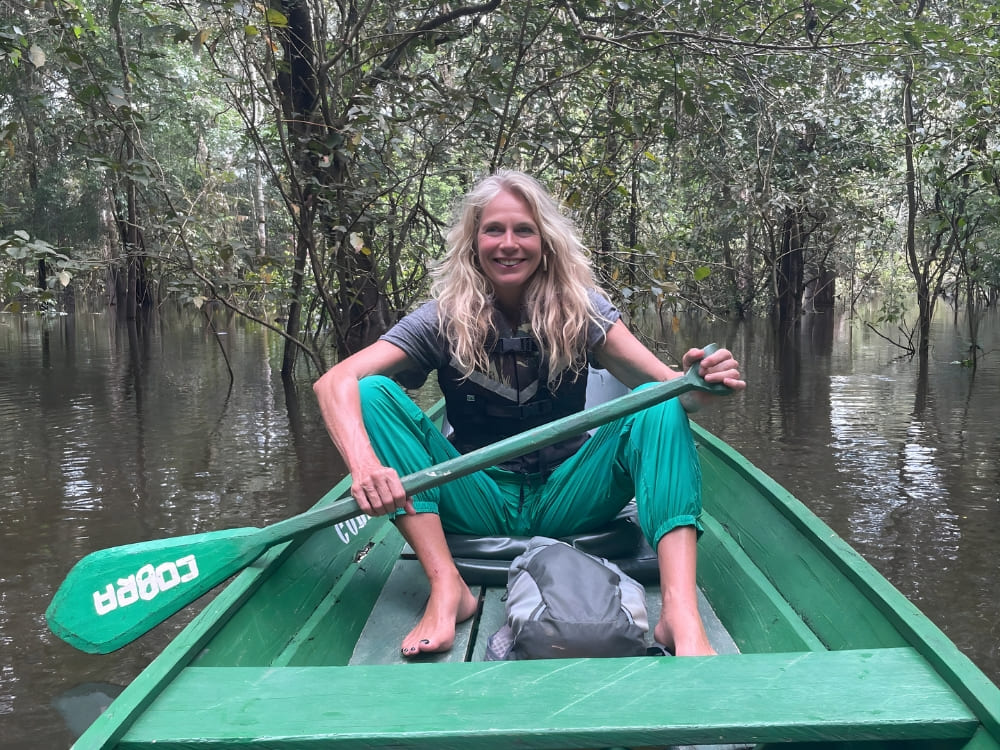
  • What’s on top of Mount Roraima?

    What’s on top of Mount Roraima?

    Get to know more about the mysteries of the Tepui: wildlife, landscapes, and what is on the plateau at Mount Roraima 

    Mount Roraima has fascinated travelers, scientists, and storytellers for centuries. Rising nearly 3,000 meters above sea level, this tepui, a flat-topped mountain unique to the Guiana Shield, looks like something out of a fantasy novel. But the real question many adventurers ask is: What’s on top of Mount Roraima?

    At the top of Mount Roraima, you’ll find a surreal plateau unlike anywhere else on Earth: crystal valleys, natural pools, strange rock formations, and unique plants and animals that thrive only in this isolated environment. Far from being an empty summit, the plateau is alive with biodiversity and geological wonders.

    What's on top of Mount Roraima
    @diaz

    PlanetaEXO, together with trusted local partners, leads sustainable expeditions to this remote landscape. Beyond trekking to the Mount Roraima high point, the journey is about responsible travel: supporting Indigenous communities and protecting the fragile environment of the plateau.

    Without further ado, discover what’s on top of Mount Roraima and other questions about the tepui of this fascinating place:

    What to do on top of Mount Roraima?

    The summit is not just a barren rock: it’s a world full of surprises and experiences. From unique vegetation to surreal geological formations, every corner reveals something extraordinary. If you’re wondering what to do on top of Mount Roraima, here are the main activities and highlights that make the plateau so unforgettable:

    Explore the unique vegetation and endemic species

    Life at the summit has adapted to survive in extreme conditions. Carnivorous plants like Heliamphora nutans capture insects to compensate for nutrient-poor soil, while delicate orchids bloom between the rocks. 

    Look closer and you might spot endemics such as the tepui frog (Anomaloglossus roraima), the Roraima black frog (Oreophrynella quelchii), and the tree frog Stefania roraimae. These species exist nowhere else on Earth, making the plateau a natural treasure.

    👉 Check out 10 Tips for Mount Roraima before your trek

    Mount Roraima Frog
    @cafred33

    Climb maverick rock: the highest point 

    The most famous rock formation on the summit is Maverick Rock, which reaches 2,875 meters above sea level. Standing at this Mount Roraima high point gives trekkers sweeping views across Venezuela, Brazil, and Guyana. On clear days, it feels like the world stretches endlessly beneath your feet, while clouds swirl below the cliffs.

    What's on top of Mount Roraima
    @potter_2024

    Walk through the Valley of Crystals

    Perhaps the most surreal landscape on the plateau is the Valley of Crystals, where the ground sparkles with countless fragments of quartz. These glittering stones catch the sunlight, creating a dreamlike effect. Walking here feels like stepping into a natural cathedral made of glass.

    Valley of Crystals
    @brunaalanas

    Camp in the natural “hotels”

    Instead of traditional accommodations, trekkers stay in natural caves and rock formations known as “hotels.” These shelters protect hikers from wind and rain while preserving the rustic atmosphere of the tepui. Spending a night here is a one-of-a-kind experience, like living inside the mountain itself.

    Camping Mount Roraima
    Photo: Lucas Gobatti

    Swim in the natural pools and jacuzzis

    Water is everywhere on the plateau, creating enchanting natural pools and jacuzzis. After hours of hiking, a refreshing dip in these crystal-clear basins is pure bliss. Fed by constant rainfall, they reflect the sky and surrounding rocks, adding to the otherworldly beauty of the plateau.

    What's on top of Mount Roraima
    Photo: Lucas Gobatti

    Visit Lake Gladys

    Another remarkable stop is Lake Gladys, a mysterious lagoon nestled in a depression of the plateau. Surrounded by dark rocks and often shrouded in mist, it has an almost mystical atmosphere. Many travelers describe it as one of the most peaceful places at the top of Mount Roraima, where silence and still waters amplify the feeling of being in another world.

    What's on top of Mount Roraima
    @yaikeldorta

    Admire the view from La Ventana

    The viewpoint known as La Ventana opens up dramatic vistas of the Gran Sabana and neighboring Mount Kukenan. Between towering cliffs, you’ll see vast forests and waterfalls stretching into the horizon. It’s one of the most breathtaking panoramas at the top of Mount Roraima.

    What's on top of Mount Roraima
    @na7hann

    Visit El Foso: The pit

    Another unmissable feature is El Foso, a deep chasm with a natural pool at its base. Its dark waters and towering stone walls make it feel like a secret chamber carved by time. Many trekkers consider swimming here one of the most magical experiences of the journey.

    Stand at the Triple Point

    At one corner of the plateau lies the Triple Point, the exact spot where Brazil, Venezuela, and Guyana converge. Standing here, you are literally in three countries at once, a rare and fascinating highlight of the trek.

    👉 Join us on our 10-day hike and enjoy all these activities during your stay at the top of Mount Roraima

    Triple Point
    .

    Does anything live on the top of Mount Roraima?

    No, there are no permanent human settlements at the top of Mount Roraima. The plateau is too isolated and inhospitable for people to live there, with thin soil, frequent rain, and freezing nights. Trekkers only stay temporarily in campsites or natural rock shelters during expeditions.

    However, communities live and thrive around the mountain’s base. The Pemón (including groups like the Arekunas, Taurepanes, and Kamarakotos), as well as the Ingarikó, Patamona, Akawaio, and Wapishana, are deeply connected to the land. These Indigenous peoples guide expeditions, share cultural heritage, and help ensure that tourism respects both tradition and environment.

    👉 Want to learn even more fascinating details? Check out our article on 10 facts about Mount Roraima!
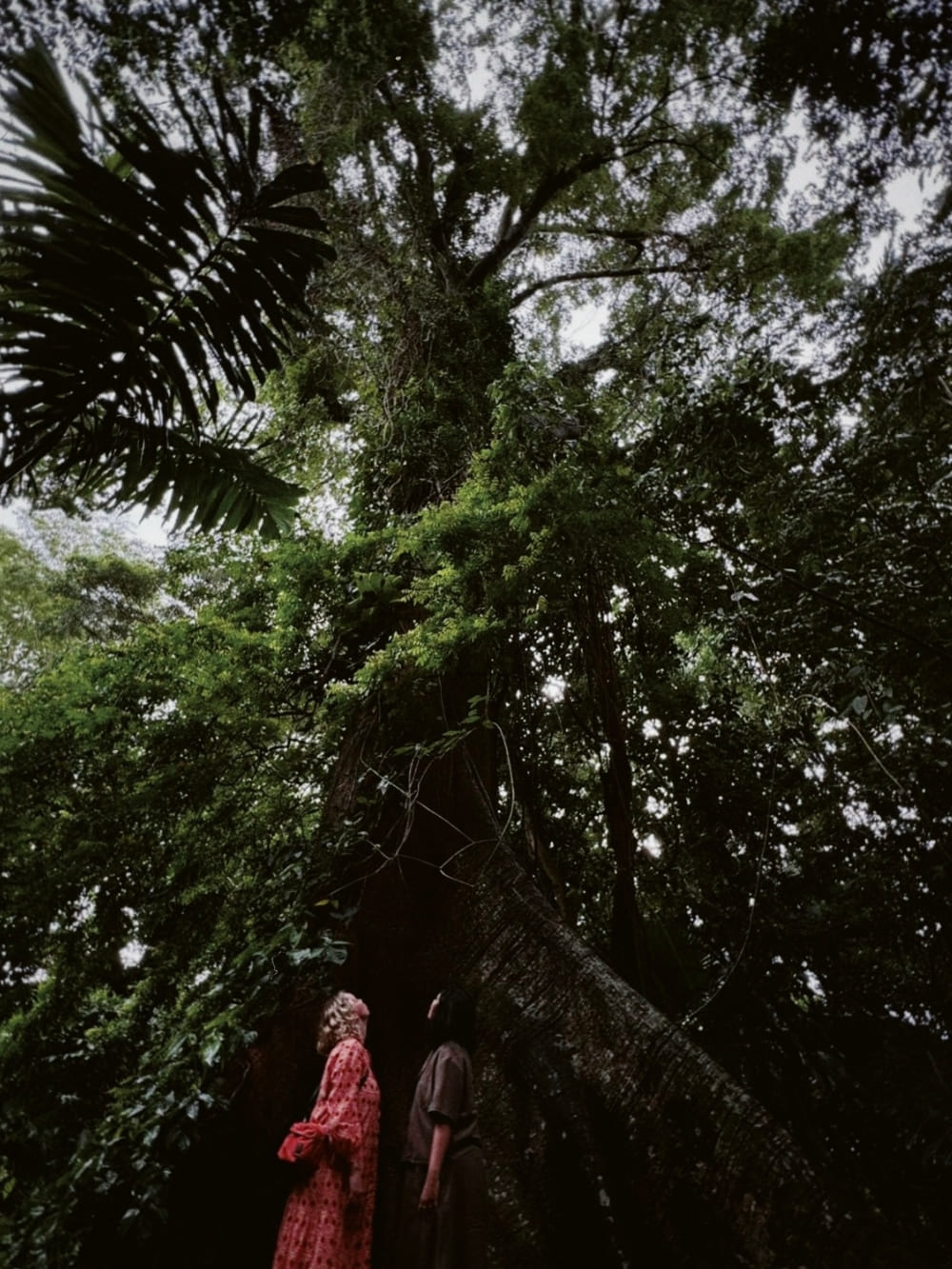
    Reach the top of Mount Roraima
    @overlandtheamericas

    Can you go to the top of Mount Roraima?

    Yes, you can! Reaching the top of Mount Roraima requires determination, but it’s not reserved for professional climbers. The ascent is a multi-day trek starting from Paraitepuy, an Indigenous community in Venezuela, with routes organized by experienced local guides.

    The trek usually takes 8 to 10 days, covering around 90 to 100 kilometers. You’ll pass rivers, rocky slopes, and steep sections like La Rampa, a natural corridor that leads hikers to the tepui of Mount Roraima. The journey is demanding but achievable for those with decent fitness and preparation.

    At the summit, the effort pays off with landscapes that seem straight out of another planet. Walking across the plateau, you’ll feel as if you’ve stepped into the pages of Arthur Conan Doyle’s The Lost World, which was inspired by this very mountain.

    👉 Thinking about the challenge? Read our full article on How hard it is to trek Mount Roraima

    How hard is it to trek up Mount Roraima
    Photo: Lucas Gobatti

    Has anyone been to the top of Mount Roraima?

    Not only has it been climbed, but thousands of travelers make the journey every year. The first documented ascent was in 1884 by the British explorer Sir Everard Thurn. However, long before Europeans arrived, Indigenous peoples such as the PemĂłn already knew the mountain intimately, weaving it into their myths and traditions.

    Today, Mount Roraima is a well-known trekking destination. Around 2,000 to 3,000 visitors make the journey each year, coming from all over the world to experience its alien landscapes, sleep under the stars, and discover the unique biodiversity of the tepui. Before planning your trek, don’t forget to check the visa requirements.

    👉 Curious about logistics and costs? Here’s our breakdown of How much it costs to climb Mount Roraima

    Sunset Mount Roraima
    Photo: Talez Aziz

    Can you fly to the top of Mount Roraima?

    This is a common question, and the answer is yes: helicopter landings are possible in certain areas of the summit. Some tours depart from Boa Vista, following the same route across the border to Paraitepuy before taking off toward the mountain. 

    Once on the plateau, visitors can explore highlights at the top of Mount Roraima. Flights depend on weather conditions and are operated under strict conservation rules to minimize environmental impact.

    For those who prefer not to land, aerial experiences are also available. Scenic flights provide breathtaking views of Canaima National Park, Angel Falls, Mount Kukenan, and the dramatic cliffs of Mount Roraima before circling above the plateau.

    👉 Prefer a more intense adventure? Explore our 8-day Mount Roraima trek for a rewarding experience

    Helicopter landing at Mount Roraima
    .

    Is Mount Roraima tepui above the clouds?

    Yes, it is. At 2,810 meters above sea level, the top of Mount Roraima frequently pierces the clouds. One moment, the summit may be hidden in thick fog, and the next, the sky clears to reveal panoramic views across Brazil, Guyana, and Venezuela.

    This high-altitude environment means dramatic weather shifts. Days can be surprisingly hot, with strong sun exposure that makes the thin air feel intense and requires constant hydration and sun protection. 

    Yet the atmosphere can change in minutes: clear skies give way to sudden rain showers and powerful winds sweeping across the plateau. Nights can be freezing, with temperatures dropping close to 0°C (32°F), even though you’re in the tropics.

    Even with all these challenges and unpredictable weather, seeing the world from above the clouds makes you feel both incredibly small and deeply connected to nature.

    Top of Mount Roraima
    Photo: Lucas Gobatti

    👉 Planning your trip? Don’t miss our blog post on How to get to Mount Roraima

    Traveling with PlanetaEXO

    Traveling with PlanetaEXO means more than reaching the summit: it’s about making your adventure count. By choosing our expeditions, you directly support Indigenous communities, help preserve the fragile ecosystem of the tepui, and ensure tourism leaves a positive footprint.

    We keep groups small and partner with trusted local guides, so your experience is authentic, safe, and respectful to the environment. That way, exploring the plateau and discovering what’s on top of Mount Roraima becomes both a personal achievement and a contribution to conservation.

    👉 Want to experience this adventure? Contact us here and let’s start planning your Mount Roraima trek!

    Read More: 

  • 10 interesting facts about Fernando de Noronha that you need to know

    10 interesting facts about Fernando de Noronha that you need to know

    Dive into the secrets of Fernando de Noronha, Brazil’s island paradise, a sanctuary of breathtaking beaches, coral reefs, and wildlife

    Hidden in the Atlantic Ocean off Brazil’s northeast coast, Fernando de Noronha is an archipelago that feels like a dream come true. Famous for its turquoise waters, stunning landscapes shaped by ancient volcanic activity, sea turtles, and unforgettable sunsets, this island is one of Brazil’s top natural treasures. Because of this, there are various surprising facts about Fernando de Noronha.

    But what really makes Fernando de Noronha so special? Beyond its beauty, the archipelago is home to an incredible variety of marine life and wildlife, making it a playground for nature lovers. Dolphins, sharks, and exotic birds all coexist in this protected paradise.

    Facts about Fernando de Noronha
    .

    At PlanetaEXO, we believe every trip should leave a positive impact. By choosing sustainable travel to Fernando de Noronha, you not only enjoy the adventure of a lifetime but also help local partners and conservation projects thrive.

    Ready to be amazed? Check out 10 facts about Fernando de Noronha that you need to know: 

    1. Sharks, dolphins, and marine life at Fernando de Noronha

    If you’re worried about sharks, don’t be! The waters are safe and crystal clear, home to species like lemon, nurse, and reef sharks, with encounters closely monitored by local guides during dives.

    Shark Fernando de Noronha
    Photo: Sandro Rodrigues

    Noronha is also famous for its resident spinner dolphins, which perform daily shows at BaĂ­a dos Golfinhos. Watching hundreds leap and spin in the air, known locally as the balĂ© dos golfinhos (dolphins’ ballet), is an unforgettable experience. 

    In fact, Fernando de Noronha is one of the few places in the world where dolphins can be seen every single day.

    Beyond these stars, the archipelago shelters over 230 fish species, crustaceans, rays, and more reef sharks. On land, you’ll spot red-footed boobies, frigatebirds, tropicbirds, lizards, and crabs, proving that wildlife here thrives both above and below the water.

    Spinner dolphins Fernando de Noronha
    Photo: Sandro Rodrigues

    👉 Want to learn more about Brazilian Wildlife? Discover the best wildlife tours and destinations in Brazil

    2. The smallest highway in Brazil: BR-363 in Fernando de Noronha

    How big is Fernando de Noronha? The archipelago covers just 26 kmÂČ, made up of 21 islands and islets, though only the main island is inhabited. Despite its size, it’s filled with beaches, trails, and stunning viewpoints.

    Noronha is crossed by Brazil’s shortest federal highway, the BR-363, just 7 km long. It’s the island’s main route for buses, cars, motorcycles, and buggies, and the only federal highway in the country not connected to any other.

    Because of its compact size, hitchhiking is common and safe, with locals readily sharing rides. Another quirky fact: the island has only one gas station, selling the most expensive gasoline in Brazil, up to 50% pricier than in Recife.

    👉 Planning your trip? Learn how to get to Fernando de Noronha with our complete guide

    BR 363 Fernando de Noronha
    Photo: Iza Correa

    3. A volcanic archipelago that was once a prison and a hereditary captaincy

    Fernando de Noronha is not just an island: it’s a volcanic archipelago formed around 12 million years ago, with dramatic cliffs, black rocks, and lava-carved coastlines that still shape its landscapes today.

    The island also served as a penal colony: a prison built in 1737 operated for nearly 200 years until World War II, when Noronha became a military base. Some inmates lived under strict confinement, while others with lighter sentences could fish, swim, and even bring their families.

    Adding to its history, Noronha was Brazil’s first hereditary captaincy. In 1504, King Manuel I granted the archipelago to merchant Fernão de Noronha, marking the beginning of this colonial system of land distribution.

    Facts about Fernando de Noronha
    .

    4. A UNESCO World Heritage Site 

    Since 2001, Fernando de Noronha has been recognized as a UNESCO World Heritage Site for its exceptional natural beauty and biodiversity. Only a handful of places worldwide receive this status, making the island part of an exclusive club.

    The site was chosen for its marine conservation efforts, unique ecosystems, and role as a sanctuary for endangered species.

    UNESCO highlighted the island’s crystal-clear waters, dramatic volcanic landscapes, and the abundance of marine life, including dolphins, sharks, and sea turtles, that thrive under strong protection measures.

    A UNESCO World Heritage Site 
    @visitbrasil

    5. A Marine National Park, plastic-free and carbon-free

    Over 70% of Fernando de Noronha is protected as a Marine National Park, with strict limits on tourism and daily visitor caps to reduce impact.

    Conservation projects like the Tamar Project (sea turtles) and Projeto Golfinho Rotador (spinner dolphins) lead efforts in research and education, alongside programs for reef restoration, sustainable fishing, and wildlife monitoring.

    Plastic-free 

    Since 2018, Fernando de Noronha has been officially a plastic-free island. A decree banned the entry, sale, and use of disposable plastic items such as bottles, cups, straws, bags, Styrofoam containers, and other single-use packaging. 

    This strict policy helps reduce ocean pollution and keeps the archipelago’s beaches and reefs pristine.

    Fernando de Noronha Plastic-free
    .

    Carbon-free

    Noronha is also pioneering as a carbon-free island. The “Noronha Carbono Zero” program aims to ban all fossil-fuel vehicles by 2030, with only electric transport allowed. Since 2022, no new combustion-engine cars have been permitted to enter. 

    With this, the island became the first place in Brazil to officially plan the elimination of carbon-emitting vehicles.

    Another way that helps preserve the archipelago is the daily limit on the number of visitors. The island also relies heavily on renewable energy, especially solar power plants, to reduce its environmental footprint.

    As proof of these conservation efforts, Praia do Sancho has been voted the best beach in the world multiple times by TripAdvisor’s travelers. It showcases how protection can improve natural beauty.

    Praia do Sancho Fernando de Noronha
    .

    👉 Check out our full article on the best national parks to visit in 2025

    6. A perfect place to see the Hawksbill Sea Turtle

    Noronha is a paradise for turtle lovers, where visitors can swim alongside hawksbill sea turtles under strict, eco-friendly rules. The Tamar Project protects nesting sites, and it’s common to witness hatchlings making their first journey to the sea.

    Hawksbills are critically endangered, with populations down by more than 80% over the last century due to habitat loss, hunting, and climate change. Yet here they find a safe haven. These turtles are great travelers, often crossing entire oceans and even continents during their migrations.

    To protect them, some beaches close after 6 p.m., giving females peace to lay their eggs. Living up to 50 years and helping keep coral reefs healthy, hawksbills make Noronha even more magical, especially if you visit during nesting season.

    Hawksbill Sea Turtle Fernando de Noronha
    @dohertyphotography

    👉 Want to know when to visit? Take a look at the best time to dive in Fernando de Noronha

    7. Closer to Africa than you think

    Here’s a geography twist: Fernando de Noronha is located just 354 km from the coast of Brazil, but in terms of distance, it’s closer to Africa than to some Brazilian capitals!

    The island’s remote location in the middle of the Atlantic adds to its wild, untouched vibe. It truly feels like you’re in another world! Its isolated position also means it is Brazil’s easternmost point, marked by the Cape of São Miguel. 

    In addition, the archipelago sits right on the route of the South Equatorial Current, which brings warm, nutrient-rich waters from Africa, helping sustain its extraordinary marine life.

    Fernando de Noronha is near to Africa
    Photo: Google Maps

    8. The “Galapagos of Brazil”

    Ever heard Noronha called the Galapagos of Brazil? That’s because, like the Galapagos Islands, it’s a living laboratory of evolution. Many species of wildlife here are endemic, meaning they exist nowhere else on Earth. 

    Among them are the Noronha skink (a unique lizard), the Noronha wormlizard, and two rare birds: the Noronha elaenia and the Noronha vireo.

    Scientists and travelers alike come to study and admire the island’s biodiversity, making it a must-see destination for eco-travelers.

    Noronha skink
    @mare.noronha

    9. You can dive among corals and historic shipwrecks

    If you’re a diver, Noronha is heaven. Its reefs shelter over 15 coral species, some centuries old, alongside parrotfish, angelfish, seahorses, barracudas, snappers, and green turtles. With visibility of up to 50 meters, the waters rank among the clearest in the world.

    The island is also famous for its shipwrecks. The highlight is the Corveta Ipiranga V17, a Brazilian Navy vessel that sank in 1983 and now rests intact at 70 meters, considered one of the country’s most impressive wreck dives.

    Adding mystery are two Greek ships: the Maria Stathatos, destroyed by fire in 1937, and the Eleni Stathatos, wrecked after colliding with rocks. Both remain near the coast, forming artificial reefs that attract schools of fish.

    Dive in Fernando de Noronha
    .

    👉 See more about the best diving spots in Fernando de Noronha

    10. Not many residents, and no births on the island

    Fernando de Noronha is home to about 3,000 residents, most working in tourism, fishing, or conservation. Ecotourism sustains the community, ensuring income while encouraging sustainable practices, and locals proudly share their island with visitors.

    Since 2004, the island’s maternity ward has been closed, so pregnant women must travel to Recife in their seventh month, with costs covered by the government. Even so, children can still be registered as Noronhenses, preserving their island identity.

    And here’s a fun fact: Noronha has even hosted underwater weddings. In 1991, an American couple married at the bottom of the sea near Ponta da Sapata, and in 2017, a local couple tied the knot 16 meters deep inside Caverna da Sapata.

    Facts about Fernando de Noronha
    Photo: Pamela Rech

    Traveling to Fernando de Noronha with PlanetaEXO

    Traveling to such a fragile paradise requires responsibility. With PlanetaEXO, you can explore while knowing that your trip directly benefits local families and conservation programs.

    We work only with trusted partners who share our values of sustainability, ensuring that every adventure supports both the community and the environment.

    So, are you ready to experience one of the most breathtaking places on Earth? Join us, and discover these unforgettable facts about Fernando de Noronha while leaving a positive footprint behind. 

    👉 Send us a message and start planning your adventure in Fernando de Noronha!

    Read MoreÂ